


Product Monograph - NTP-Etidronate Calcium
SUMMARY PRODUCT INFORMATION
Route of Administration | Dosage Form / Strength | All Nonmedicinal Ingredients |
| oral | etidronate disodium tablets 400 mg and calcium carbonate 1,250 mg tablets (500 mg elemental calcium) | Each etidronate disodium tablet contains the following non-medicinal ingredients: magnesium stearate, microcrystalline cellulose, povidone, and sodium starch glycolate. Each calcium carbonate tablet contains the following non-medicinal ingredients: croscarmellose sodium, FD&C blue #2 aluminum lake, hydroxypropyl methylcellulose, microcrystalline cellulose, polyethylene glycol, silicon dioxide, stearic acid, titanium dioxide, and vegetable magnesium stearate. Neither the etidronate disodium nor the calcium carbonate tablets contain lactose. |
INDICATIONS AND CLINICAL USE
NTP-ETIDRONATE CALCIUM (etidronate disodium tablets and calcium carbonate tablets) is indicated for:
- the treatment of established postmenopausal osteoporosis
- prevention of osteoporosis in postmenopausal women who are at risk of developing osteoporosis
- the prevention of corticosteroid induced osteoporosis
Treatment of Postmenopausal Osteoporosis
Postmenopausal osteoporosis is diagnosed by means of objective measuring techniques such as bone densitometry (a bone mineral density of more than 2.67 standard deviations below the young adult mean) or by radiographic evaluation of the spine (≥2 vertebral fractures) in women at least 8 years postmenopause. The assessment of vertebral fractures is based upon a minimum 25% reduction in the height of vertebral bodies (anterior, posterior, or central) on lateral radiographs of the spine.
Prevention of Postmenopausal Osteoporosis
Risk factors commonly associated with the development of postmenopausal osteoporosis include early menopause; moderately low bone mass; thin body build; Caucasian or Asian race; and family history of osteoporosis. The presence of such risk factors may be important when considering the use of the NTP-ETIDRONATE CALCIUM therapy for prevention of osteoporosis.
In a minority of patients bone mineral density measurements of the lumbar spine are falsely elevated by the presence of vascular calcification, osteophytes, scoliosis, or facet joint sclerosis. Such abnormalities may affect only certain vertebrae, in which case appropriate densitometric assessment of the non-affected vertebrae can be performed, or radiographic criteria (minimum 25% reduction in the height of vertebral bodies) for treatment may be relied upon.
Pediatrics
NTP-ETIDRONATE CALCIUM is not intended for administration to children. The safety and effectiveness of etidronate disodium/calcium carbonate tablets therapy in children have not been established.
CONTRAINDICATIONS
The NTP-ETIDRONATE CALCIUM therapy is contraindicated for:
- Patients with known hypersensitivity to etidronate disodium or to any ingredient in the formulation or component of the container. For a complete listing, see DOSAGE FORMS, COMPOSITION AND PACKAGING section of the product monograph.
- Patients with clinically overt osteomalacia; appropriate treatment to resolve their osteomalacia should be initiated before prescribing NTP-ETIDRONATE CALCIUM therapy.
WARNINGS AND PRECAUTIONS
General
The NTP-ETIDRONATE CALCIUM cyclic therapy should be considered only for the patient population described under INDICATIONS AND CLINICAL USE.
Patients on the NTP-ETIDRONATE CALCIUM cyclic therapy require regular clinical follow-ups.
The NTP-ETIDRONATE CALCIUM therapy provides intermittent cyclic etidronate disodium 400 mg daily for 14 days followed by elemental calcium for 76 days to support bone formation, this schedule provides an acceptable therapeutic window. Overdosage of the etidronate disodium may result in skeletal bone abnormalities or cause nephrotic syndrome (See OVERDOSAGE). Before commencing the therapy, patients’ calcium requirements should be adjusted. It is recommended that appropriately selected patients receive at least 1,500 mg calcium per day from all sources (2), as well as a daily Vitamin D intake of at least 400 I.U. The NTP-ETIDRONATE CALCIUM therapy, calcium carbonate tablet portion, provides 500 mg elemental calcium per day.
If patients with impaired renal function or with a history of kidney stone formation are placed on NTP-ETIDRONATE CALCIUM therapy, serum and urine calcium and other relevant parameters should be monitored regularly to prevent hypercalcemia or hypercalciuria.
In post-marketing reporting, osteonecrosis of the jaw has been reported in patients treated with bisphosphonates. The majority of reports occurred following dental procedures such as tooth extractions; and have involved cancer patients treated with intravenous bisphosphonates, but some occurred in patients receiving oral treatment for postmenopausal osteoporosis and other diagnoses. Many had signs of local infection, including osteomyelitis. A dental examination with appropriate preventative dentistry should be considered prior to treatment with bisphosphonates in patients with concomitant risk factors (e.g. cancer, immune suppression, head and neck radiotherapy or poor oral hygiene). While on treatment, these patients should avoid invasive dental procedures if possible. For patients requiring dental procedures, there are no data available to suggest whether discontinuation of bisphosphonate treatment prior to the procedure reduces the risk of osteonecrosis of the jaw. Clinical judgment, based on individual risk assessment, should guide the management of patients undergoing dental procedures.
Atypical Subtrochanteric and Diaphyseal Femoral Fractures
Atypical, low-energy, or low trauma fractures of the femoral shaft have been reported in bisphosphonate-treated patients. These fractures can occur anywhere in the femoral shaft from just below the lesser trochanter to above the supracondylar flare and are transverse or short oblique in orientation without evidence of comminution.
Atypical femoral fractures most commonly occur with minimal or no trauma to the affected area. They may be bilateral and many patients report prodromal pain in the affected area, usually presenting as dull, aching thigh pain, weeks to months before a comp1ete fracture occurs. Poor healing of these fractures was also reported.
Any patient with a history of bisphosphonate exposure who presents with thigh or groin pain should be suspected of having an atypical fracture and should be evaluated to rule out an incomplete femur fracture. Patients presenting with an atypical femur fracture should also be assessed for symptoms and signs of fracture in the contralateral limb. Interruption of bisphosphonate therapy should be considered pending a risk/benefit assessment. Although causality has not been established, the role of bisphosphonates cannot be ruled out.
Gastrointestinal
Patients with a diagnosis of achlorhydria should take calcium carbonate tablets with food to enhance absorption of calcium.
Patients with significant diarrheal disease may experience increased frequency of bowel movements and diarrhea, particularly at higher doses.
Ophthalmologic
Ocular disturbances including conjunctivitis, uveitis, episcleritis, iritis and scleritis have been reported with bisphosphonate use. There have been published reports of conjunctivitis with etidronate. Patients with ocular events other than uncomplicated conjunctivitis should be referred to an ophthalmologist for evaluation. If ocular inflammatory symptoms are observed, treatment may have to be discontinued.
Renal
There is no experience to specifically guide the use of the etidronate disodium/calcium carbonate tablets therapy in patients with impaired renal function or a history of kidney stone formation. Etidronate disodium is not metabolized and is excreted intact via the kidney. In approximately 10% of patients in clinical trials of Didronel® I.V. Infusion (etidronate disodium) for hypercalcemia of malignancy, occasional, mild-to-moderate abnormalities in renal function (increases of >44 µmol/L serum creatinine) were observed during or immediately after treatment.
Special Populations
Pregnant Women: NTP-ETIDRONATE CALCIUM is not intended for administration to pregnant women. In teratology and developmental toxicity studies conducted in rats and rabbits treated with oral dose levels of up to 100 mg/kg (12 times the human dose), no adverse or teratogenic effects have been observed in the offspring. Etidronate disodium has been shown to cause skeletal abnormalities in rat offspring when given to dams in mid-pregnancy at oral dose levels of 300 mg/kg (35 times the human dose); these effects are thought to be the result of the pharmacological effects of the drug on bone. Other effects on the offspring (including decreased live births) have been observed at dose levels that cause significant toxicity in the parent generation and are 60 to 125 times the human dose. The absolute safety of etidronate disodium/calcium carbonate tablets therapy during pregnancy hasn’t been adequately established in animal studies. There are no adequate and well-controlled studies in pregnant women.
Nursing Women: NTP-ETIDRONATE CALCIUM is not intended for administration during lactation. It is not known whether etidronate is excreted in human milk; it is excreted in the milk of rats. Because many drugs are excreted in human milk and because of the potential for adverse effects on the skeletons of infants, a decision should be made whether to discontinue nursing or to discontinue the drug, taking into account the importance of the drug to the mother.
Monitoring and Laboratory Tests
If patients with impaired renal function or with a history of kidney stone formation are placed on NTP-ETIDRONATE CALCIUM therapy, serum and urine calcium and other relevant parameters should be monitored regularly to prevent hypercalcemia or hypercalciuria.
ADVERSE REACTIONS
Clinical Trial Adverse Drug Reactions
Because clinical trials are conducted under very specific conditions the adverse reaction rates observed in the clinical trials may not reflect the rates observed in practice and should not be compared to the rates in the clinical trials of another drug. Adverse drug reaction information from clinical trials is useful for identifying drug—related adverse events and approximate rates of occurrence.
The overall safety of the etidronate disodium/calcium carbonate tablets therapy was evaluated in postmenopausal osteoporotic women enrolled in clinical trials. The three pivotal trials were randomized, parallel, double blind, and placebo controlled; two of these were multicenter trials conducted in the United States. The most common adverse events reported during the first 2 years of the two U.S. trials are listed in the following table. In general, side effects in patients who received etidronate were comparable to those in patients who received placebo.
Adverse Events Reported at Least Once by ≥10% of the Patients in Either Treatment Group
U.S. Placebo-Controlled Trials: First 2 Years
| Adverse Events | Etidronate disodium/calcium carbonate tablets (n=105*) % Pts | Placebo (n=105#) % Pts |
Diarrhea Nausea Flatulence Dizziness Constipation Headache Dyspepsia Vomiting Abdominal pain Rash | 37.1 18.1 17.1 16.2 13.3 13.3 12.4 10.5 9.5 8.6 | 30.5 14.3 15.2 11.4 14.3 10.5 10.5 10.5 10.5 12.4 |
* The number of patients who received Placebo/Etidronate treatment
# The number of patients who received Placebo/Placebo treatment
In osteoporosis clinical trials, the most common side effects were diarrhea and nausea.
Reactions reported less frequently include flatulence, dyspepsia, abdominal pain, constipation and vomiting. The incidence of these events was comparable to that with placebo. In addition, four events, headache, gastritis, leg cramps and arthralgia, occurred with a significantly greater incidence in patients who received etidronate disodium/calcium carbonate tablets cyclical therapy compared with those who received placebo. All episodes of leg cramps were transient in nature, most occurred at night, and most required no treatment. All patients with arthralgia reported joint discomfort or pain that was generally mild and related to underlying osteoarthritis.
The numbers of both deaths and withdrawals due to adverse events were similar in the etidronate disodium/calcium carbonate tablets and placebo groups.
In other clinical studies with etidronate disodium/calcium carbonate tablets for the prevention of postmenopausal osteoporosis in women and the prevention of corticosteroid induced osteoporosis in both women and men, the adverse event profiles were found to be comparable to placebo with no clinically meaningful differences being noted from previous postmenopausal osteoporosis treatment studies.
Post-Market Adverse Drug Reactions
Other adverse events that have been reported in postmarketing studies of a number of indications, and were thought to be possibly related to etidronate disodium, include the following: alopecia; arthropathies, including arthralgia and arthritis; bone fracture; esophagitis; glossitis; hypersensitivity reactions, including angioedema, skin rashes (such as follicular eruption, macular rash, maculopapular rash), pruritus, Stevens Johnson syndrome, and urticaria; osteomalacia; neuropsychiatric events, including amnesia, confusion, depression, and hallucination; paresthesias; burning tongue; erythema multiforme; and exacerbation of asthma.
In patients receiving etidronate disodium, there have been rare reports of leukopenia, agranulocytosis, and pancytopenia. Also, there have been very rare cases of leukemia reported with etidronate use (1/100,000) in ongoing safety surveillance since 1978 encompassing approximately 1.5 million patient-years of treatment. Any causal relationship to either the treatment or to the patients’ underlying disease has not been established.
A number of cases of osteonecrosis (primarily of the jaw) have been reported in patients receiving treatment with bisphosphonates. Osteonecrosis has other well documented multiple risk factors. It is not possible to determine if these events are related to bisphosphonates, to concomitant drugs or other therapies (e.g. chemotherapy, radiotherapy, corticosteroids), to the patient’s underlying disease or to other co-morbid risk factors (e.g. anemia, infection, pre-existing oral disease). See WARNINGS AND PRECAUTIONS, General.
Exacerbation of existing peptic ulcer disease with resulting complications has been reported in a few patients.
DRUG INTERACTIONS
Drug-Drug Interactions
A small number of patients in the clinical trials received either thiazide diuretics or intravaginal estrogen while on the regimen. The concomitant use of either of these agents did not interfere with the positive effects of the etidronate disodium/calcium carbonate tablets therapy on bone.
The concurrent use of etidronate disodium with warfarin has been associated with isolated reports of patients experiencing increases in their prothrombin time. The majority of these reports concerned variable elevations in prothrombin times without clinically significant sequelae. Although the relevance of these reports and any mechanism of coagulation alterations is unclear, patients on warfarin should have their prothrombin time more closely monitored.
Calcium carbonate may interfere with the absorption of tetracycline given concomitantly.
Drug-Food Interactions
Food in the stomach or upper portions of the small intestine, particularly materials with a high calcium content such as milk, may reduce absorption of the etidronate disodium. Vitamins with mineral supplements such as iron, calcium supplements, laxatives containing magnesium, or antacids containing calcium or aluminum should not be taken within 2 hours before or after dosing etidronate disodium, since these also may reduce the absorption of etidronate disodium and could lead to treatment failure (See DOSAGE AND ADMINISTRATION).
Drug-Herb Interactions
Interactions with herbs have not been established.
Drug-Laboratory Test Interactions
Depending on the time elapsed since the last dose of etidronate, the etidronate disodium/calcium carbonate tablets therapy may prevent bone-imaging diagnostic agents (e.g., technetium-99m-methylene diphosphonate) used in bone scans, from adhering to bone and thus affect the interpretation of imaging results.
DOSAGE AND ADMINISTRATION
Dosing Considerations
- Before commencing the therapy, patients’ calcium requirements should be adjusted. It is recommended that appropriately selected patients receive at least 1,500 mg calcium per day from all sources (2), as well as a daily Vitamin D intake of at least 400 I.U. The NTP-ETIDRONATE CALCIUM therapy provides 500 mg elemental calcium per day.
- The patient should adhere to the prescribed regimen. The response to therapy is one of slow onset that continues over time.
- A patients risk for developing fractures may also be reduced if, subsequent to health-care counseling, they consume adequate dietary calcium, get enough weight-bearing exercise, and use proper lifting and fall-avoidance techniques.
Each etidronate disodium tablet should be taken as a single oral dose on an empty stomach.
The calcium carbonate tablet may be taken with food and this is recommended if the patient has achlorhydria.
- A specially designed patient information leaflet using lay language and illustrations is provided to the patient each time a prescription is filled. The leaflet contains information on osteoporosis and proper use of the NTP-ETIDRONATE CALCIUM therapy. A copy of this leaflet is appended to this monograph.
Recommended Dose and Dosage Adjustment
The NTP-ETIDRONATE CALCIUM therapy is a cyclical regimen administered in 90-day cycles. Each cycle provides 14 white 400 mg etidronate disodium tablets to be taken once daily for 14 days, followed by 76 blue calcium carbonate tablets to be taken once daily for the next 76 days. Patients should maintain an adequate nutritional intake, including calcium and vitamin D.
Data from placebo-controlled clinical studies on the treatment of postmenopausal osteoporosis show a significant increase in bone mass of 4-5% (p<0.05%) occurred for up to 12 cycles (3 years) in patients who received etidronate disodium/calcium carbonate tablets therapy compared with patients receiving calcium supplementation alone. Safety and tolerance, with maintenance of gains in vertebral bone mass, have been established for 20 cycles (5 years) of therapy. Limited data through 7 years of therapy provide support for maintenance of bone mass benefit with biopsy-proven normal bone quality (no evidence of generalized osteomalacia).
The etidronate disodium tablet portion of the NTP-ETIDRONATE CALCIUM therapy should be administered on an empty stomach, one tablet per day with a full glass of water. To aid compliance, it is recommended that patients take the therapy at bedtime, at least 2 hours before or after eating. To maximize absorption of etidronate disodium, patients should not take the following within 2 hours of dosing:
- Food, especially food high in calcium, such as milk or milk products
- Antacids.
- Vitamins with mineral supplements such as iron.
- Calcium supplements.
- Laxatives containing magnesium.
The calcium carbonate tablet portion of the NTP-ETIDRONATE CALCIUM therapy may be administered with food and this is recommended for patients with a diagnosis of achlorhydria.
In the clinical studies of etidronate disodium/calcium carbonate tablets therapy, serum alkaline phosphatase was shown to decrease 15- 20% during the first 2 cycles and to maintain the new level with continuing therapy.
The effect of treatment should be assessed by monitoring changes in bone mass. If this is done, then discontinuation of the therapy should be considered if the bone mass does not stabilize or increase after 4 cycles (1 year) of therapy. Patients who attain adequate response to treatment but discontinue treatment for other reasons should be monitored periodically.
Missed Dose
Patients should be instructed that if they miss a dose of NTP-ETIDRONATE CALCIUM, they should take 1 tablet as they normally would for their next dose. Patients should not double their next dose or take 2 tablets on the same day.
OVERDOSAGE
Clinical experience with acute overdosage of etidronate disodium is extremely limited. Decreases in serum calcium following substantial overdosage may be expected in some patients. Signs and symptoms of hypocalcemia may also occur in some of these patients. Some patients may develop vomiting. An 18-year-old female who ingested an estimated single dose of 4,000-
6,000 mg (67- 100 mg/kg) of etidronate disodium was reported to be mildly hypocalcemic (7.52 mg/dL) and to have experienced paresthesia of the fingers. Hypocalcemia resolved 6 hours after lavage and treatment with intravenous calcium gluconate. A 92-year-old female who accidentally received 1,600 mg of etidronate disodium per day for 3.5 days experienced marked diarrhea and required treatment for electrolyte imbalance. Orally administered etidronate disodium may cause hematologic abnormalities in some patients. (See ADVERSE REACTIONS).
Gastric lavage may remove unabsorbed drug. Standard procedures for treating hypocalcemia, including the administration of Ca++ intravenously, would be expected to restore physiologic amounts of ionized calcium and to relieve signs and symptoms of hypocalcemia. Such treatment has been effective.
Because of its limited intestinal absorption, overdosage with calcium carbonate is not likely. If mild hypercalcemia were to occur, signs and symptoms could include polydipsia, polyuria, nausea, vomiting, constipation, abdominal pain, muscle weakness, and confusion.
Treatment of hypercalcemia includes cessation of all calcium and vitamin D. Supportive measures include rehydration with or without loop diuretics.
Prolonged continuous daily etidronate treatment of doses of 10-20 mg/kg/day for greater than 6 months (chronic overdosage) has been reported to cause nephrotic syndrome and fractures.
| For management of a suspected drug overdose, contact your regional Poison Control Centre | ||
| immediately. |
ACTIONS AND CLINICAL PHARMACOLOGY
The NTP-ETIDRONATE CALCIUM therapy is a nonhormonal treatment consisting of etidronate disodium administered for 14 days followed by calcium carbonate administered for the next 76 days.
Etidronate disodium: Etidronate disodium is a bisphosphonate (diphosphonate) that inhibits bone resorption, primarily through the drug’s effect on osteoclasts. Etidronate disodium owes its highly selective bone effects to its ability to adsorb to hydroxyapatite on the bone surface.
Two mechanisms of action contribute to increases in bone mass and maintenance of trabecular integrity: 1) Etidronate significantly decreases activation frequency of new bone-remodeling cycles, and 2) Etidronate significantly decreases resorption cavity depth without reducing the ability of osteoblasts to fill resorption cavities with normal bone.
The therapy has been shown to decrease activation frequency by about 50%. In clinical trials, the reduction in bone turnover was accompanied by a significant decrease in serum alkaline phosphatase after two to four cycles of treatment. Trends toward a reduced urinary hydroxyproline/creatinine ratio were also observed. These changes remained within normal laboratory limits and were not progressive.
Etidronate disodium is not metabolized. The amount of drug absorbed after an oral dose is approximately 3.5%. Within 24 hours, approximately half the absorbed dose is excreted in the urine; the remainder is distributed to bone compartments from which it is slowly eliminated. In humans, the residence time on bone may vary due to such factors as specific metabolic condition and bone type. The plasma half-life (t½) of etidronate disodium is between 1-6 hours; however, the half-life of the drug on bone is in excess of 90 days. Unabsorbed drug is excreted intact in the feces.
Etidronate does not adversely affect serum levels of parathyroid hormone or calcium. In osteoporotic patients, occasional transient hyperphosphatemia has been observed, apparently due to an etidronate-induced increase in renal tubular reabsorption of phosphate. No adverse effects or clinical findings have been associated with the hyperphosphatemia.
Calcium carbonate: Absorption of calcium occurs primarily in the more proximal segments of the small bowel. Approximately 30% of an ingested dose is absorbed, although absorption can be augmented by factors such as intake of vitamin D or a vitamin D metabolite. Calcium excretion in urine is the net result of the quantity filtered and the amount reabsorbed. Unabsorbed calcium is excreted in the feces.
The etidronate disodium/calcium carbonate tablets regimen design was intended to suppress the resorptive activity of osteoclasts, while allowing normal bone formation to take place during the rest of the remodeling cycle. Thus a 14 day period of daily etidronate is followed by 76 days of calcium supplementation.
Figure 1: Remodeling Reconstruction at Baseline and 60 Weeks
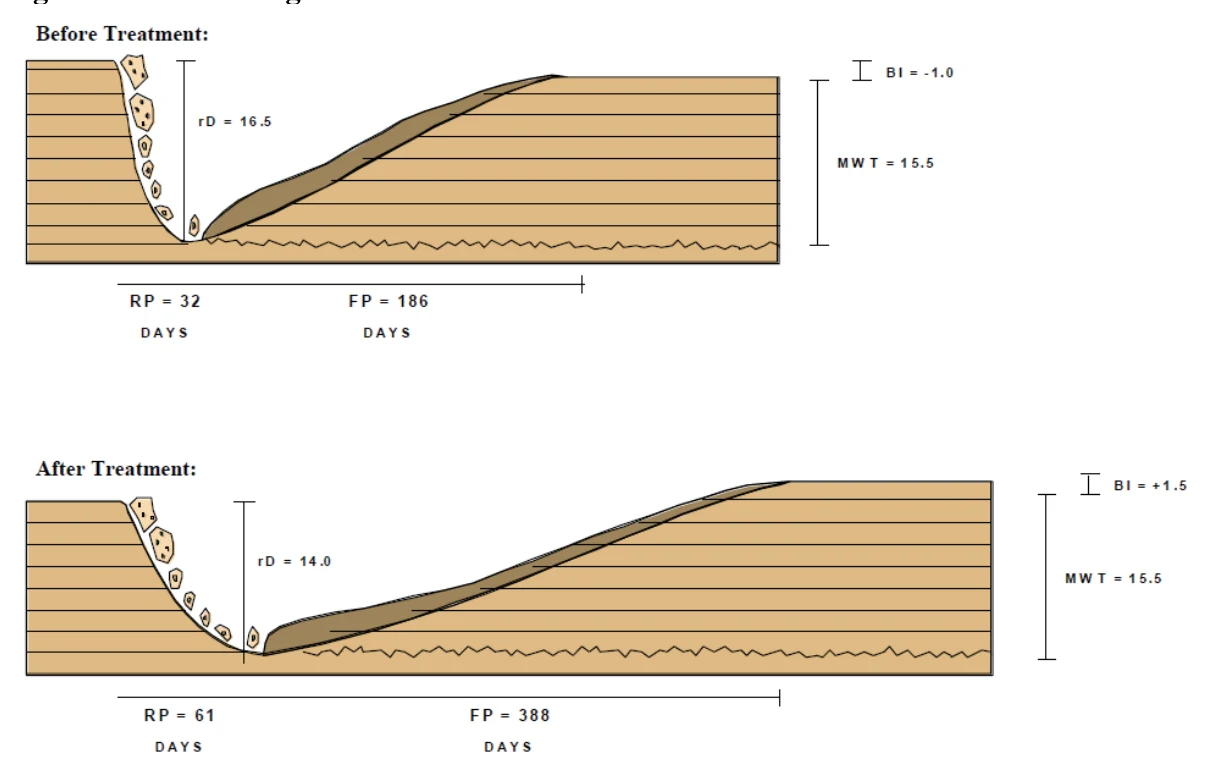
Figure 1: Reconstructions of remodeling cycles for patients after 60 weeks of calcium (top) or cyclical etidronate (bottom). Patients were biopsied at baseline and after 60 weeks of study and their biopsy specimens subjected to analysis by the method of Eriksen (1). RP-resorptive period; FP-formation period; rD-final resorption depth; MWT-mean wall thickness; BI-BMU balance.
Figure 1 shows reconstruction of the remodeling cycle in patients after 60 weeks of calcium alone or cyclical etidronate therapy. Several aspects are evident in the etidronate-treated group related to decrease in the rate of bone turnover and depth of resorption during bone remodeling.
First, the entire remodeling cycle is prolonged, resulting in a slower rate of resorption and formation, which then results in a fewer number of overall skeletal remodeling sites. This produces an increase in overall skeletal bone mass as remodeling spaces are filled in and largely accounts for the clinically-relevant increases in bone mass and protection against fracture that have been observed.
Second, there is a decrease in the number of resorptive events ongoing at any one time in the skeleton. With a reduction in the number of resorption cavities, a decreased risk of trabecular perforation or generation of “stress risers” is accomplished, aiding overall bone strength over and above the increases in bone mass, per se.
Finally, there is a reduction in the depth of resorption (resorption depth, rD) in the etidronate treated patients with maintenance of a normal amount of new bone formation (mean wall thickness, MWT). Consequently, the balance of resorption and formation is moved from negative (-1 micron) to positive (+1.5 micron) so that bone is no longer lost with each
remodeling event. This outcome effectively reverses the negative bone balance that occurs with menopause, which is otherwise part of the pathogenesis of postmenopausal osteoporosis.
Overall, these findings largely explain the clinical outcomes of etidronate cyclical therapy through a salutary modulation of the bone turnover process.
However, it should be noted that in analyses of these and other data, it became apparent that the duration of resorptive and formative processes in these patient populations is in general longer than the etidronate and calcium phases of the etidronate disodium/calcium carbonate tablets cyclical therapy. Again referring to Figure 1, the resorptive period was 32 days in duration in the calcium control group, with formation taking 186 days, both periods being longer than the 14 and 76 days used for administration of etidronate and calcium, respectively. It is therefore evident that the intermittent use of this modulator of bone metabolism does not require exact matching of individual remodeling cycles to produce the observed increases in bone mass and maintenance of bone quality.
STORAGE AND STABILITY
The NTP-ETIDRONATE CALCIUM therapy should be stored between15°C - 30°C, protected from light and moisture.
DOSAGE FORMS, COMPOSITION AND PACKAGING
The NTP-ETIDRONATE CALCIUM 90-day therapy is supplied in a unit-of-use dispensing system that consists of patient instructions, a prescription refill reminder card, and the therapy tablets on five blister cards. The first blister card contains a 14-day supply of 14 white, capsule-shaped, scored 400 mg etidronate disodium tablets, engraved with two “N”s on the scored side and “400” on the other side. The remaining four blister cards contain a 76-day supply of 76 blue capsule-shaped coated calcium carbonate tablets, each providing 500 mg elemental calcium as 1250 mg calcium carbonate, engraved with “N” on one side and “500” on the other side. The NTP-ETIDRONATE CALCIUM packaging is designed to provide important benefits to patients. The separately blister-packed tablets and the patient instructions help patients to comply with the cyclical regimen. Dispense only in the original packaging to help patients avoid co-ingestion of calcium carbonate and etidronate disodium, which will interfere with absorption of etidronate.
Each etidronate disodium tablet contains the following non-medicinal ingredients: magnesium stearate, microcrystalline cellulose, povidone, and sodium starch glycolate.
Each calcium carbonate tablet contains the following non-medicinal ingredients: croscarmellose sodium, FD&C blue #2 aluminum lake, hydroxypropyl methylcellulose, microcrystalline cellulose, polyethylene glycol, silicon dioxide, stearic acid, titanium dioxide, and vegetable magnesium stearate.
Neither the etidronate disodium nor the calcium carbonate tablets contain lactose. 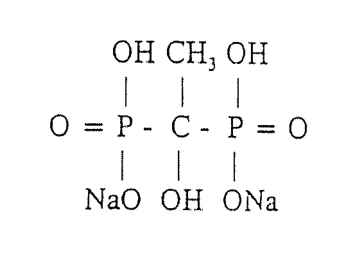
PART II: SCIENTIFIC INFORMATION
PHARMACEUTICAL INFORMATION
Drug Substance
Proper Names: Etidronate Disodium
Calcium Carbonate
Chemical Names: (1-hydroxyethylidene)bisphosphonic acid, disodium salt, or disodium dihydrogen (1-hydroxyethylidene)diphosphonate &
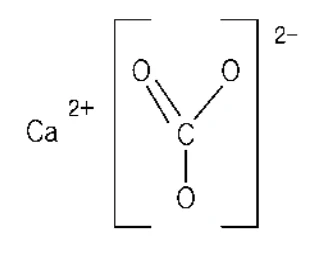
Calcium carbonate
Structural Formula: Etidronate Disodium
Calcium Carbonate
Molecular Weight: Etidronate Disodium – 249.99 g/mol
Calcium Carbonate – 100 g/mol
Description: Etidronate disodium is a white powder, highly soluble in water but insoluble in most other solvents. At temperatures above 250°C, etidronate disodium undergoes thermal decomposition.
Calcium carbonate is a white, odourless, tasteless, microcrystalline powder. It is practically insoluble in water but soluble in dilute acids.
CLINICAL TRIALS
The objective of this blinded, randomized, two-way crossover study was to evaluate the comparative bioavailability between NTP-ETIDRONATE CALCIUM (etidronate disodium) 400 mg Tablets (Teva Canada Ltd.) and DIDROCAL® (etidronate disodium) Tablets 400 mg (Proctor & Gamble Pharmaceuticals Canada, Inc.) after a single-dose in 94 healthy, non-smoking subjects under fasting conditions. A summary of the bioavailability data is presented in the table below.
SUMMARY TABLE OF THE COMPARATIVE BIOAVAILABILITY DATA
Etidronic acid (1 x 400 mg) From measured data Uncorrected for potency
Geometric Mean Arithmetic Mean (CV %)
| Parameter | Test* | Reference† | % Ratio of Geometric Means | Confidence Interval, 90% |
AUCT (ng*h/mL) | 877.2 1131.0 (82) | 862.8 1130.7 (82) | 101.67 | 91.93 – 112.45 |
AUCI (ng*h/mL) | 910.3 1186.6 (81) | 907.7 1173.3 (81) | 100.28 | 90.88 – 110.65 |
CMAX (ng/mL) | 298.6 371.6 (72) | 279.7 365.5 (79) | 106.77 | 94.94 – 120.09 |
| TMAX§ (h) | 1.50 (78) | 1.51 (72) | ||
| T½§ (h) | 2.32 (81) | 2.53 (90) |
* NTP-ETIDRONATE CALCIUM (etidronate disodium) 400 mg Tablets (Teva Canada Ltd.) † DIDROCAL® (etidronate disodium) Tablets 400 mg (Proctor & Gamble Pharmaceuticals Canada, Inc.
purchased in Canada)
§ Expressed as the arithmetic mean (CV%)
Treatment of Postmenopausal Osteoporosis
In placebo-controlled clinical trials of 3 years’ duration, nearly 500 patients with established postmenopausal osteoporosis were studied. Approximately 80% of the patients treated with etidronate disodium/calcium carbonate tablets responded to the therapy, as defined by increases in vertebral bone mass (Figure 2).
Figure 2: Responders to Treatment of Osteoporosis
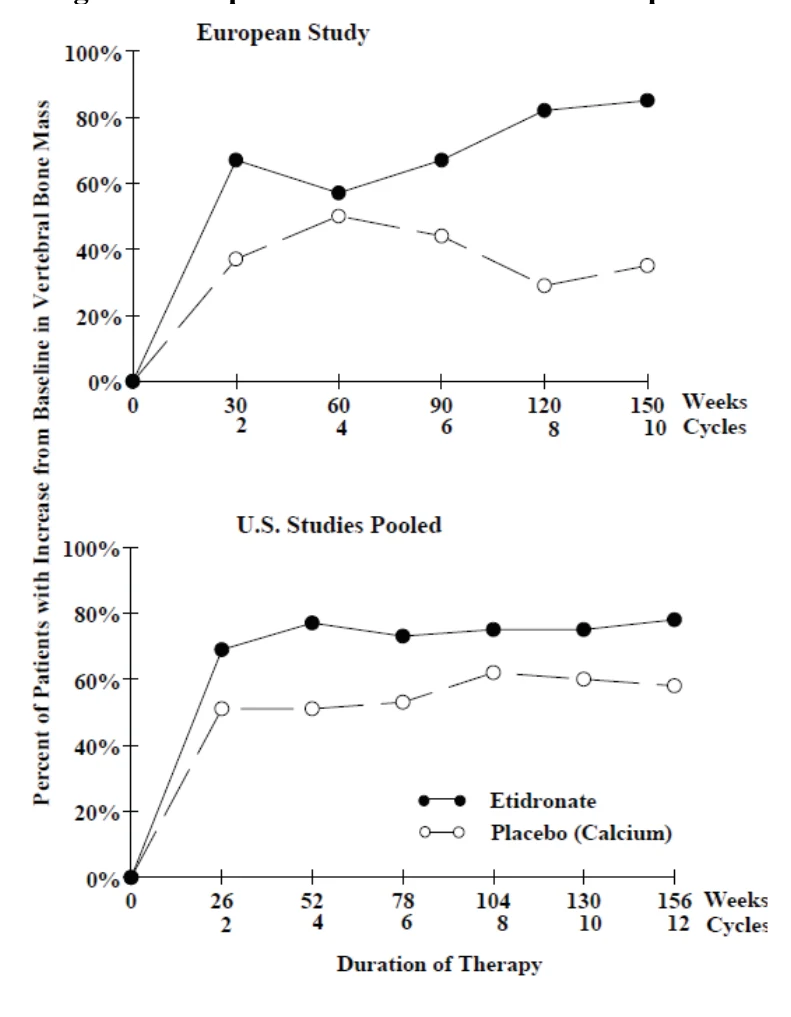
Significant increases (p<0.05) in vertebral bone mass in patients treated with etidronate disodium/calcium carbonate tablets therapy were achieved within 1 year (four cycles) (7), in the U. S. studies (Figure 3).
Figure 3: Increase in Bone Mass in US. Studies
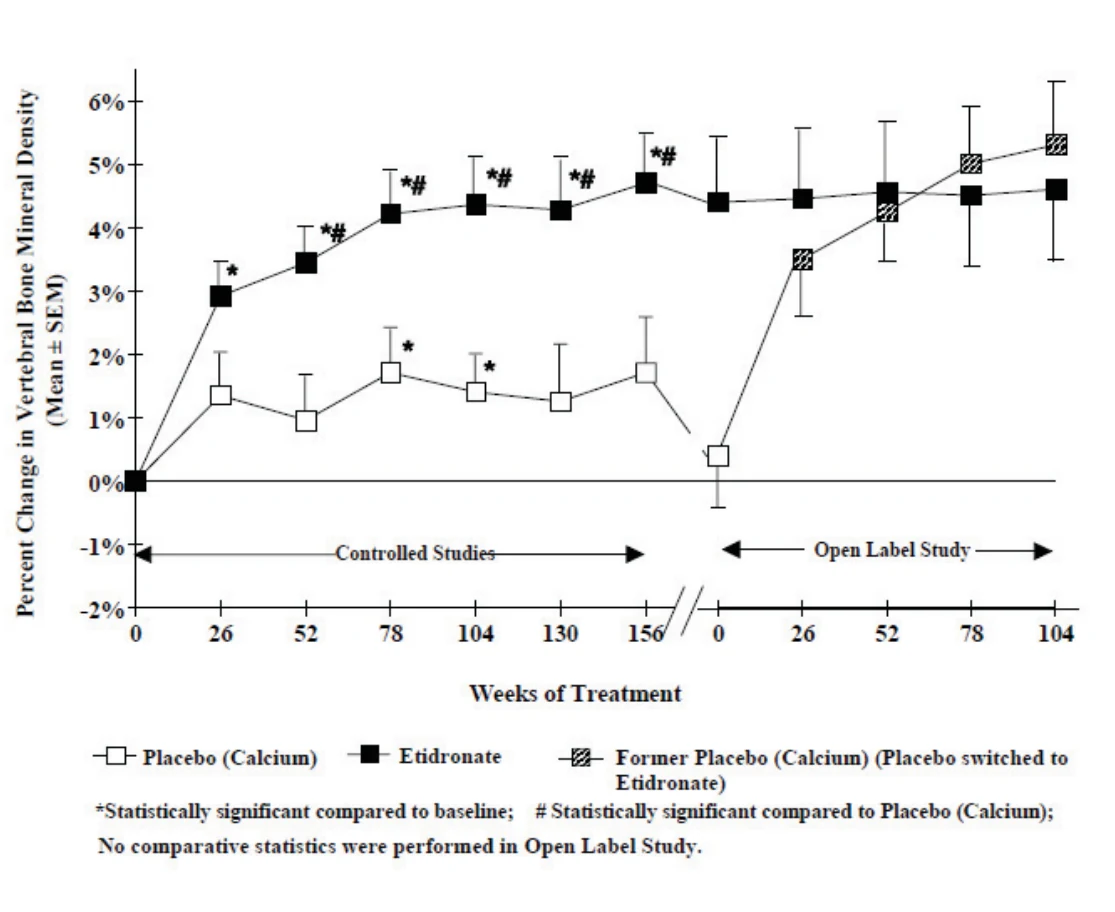
After 3 years of treatment, these increases averaged 4-5% above baseline values (8). Findings in the European study were similar (9). The increases were sustained in patients who enrolled in open-label studies of etidronate treatment for up to 2 additional years (10,11). In these open-label studies, former control patients had increases in vertebral bone mass similar to the increases in etidronate-treated patients in the placebo-controlled trials.
The value of prolonged therapy is demonstrated by Figure 4. Although it may seem from the mean bone mass data (Figure 3) that the value of etidronate disodium/calcium carbonate tablets therapy flattens off after 12 to 18 months, it is important to consider the individual patients and how many patients have a clinically meaningful gain in bone mass.
Figure 4: Clinically Meaningful Gain in Vertebral Bone Mass with
Etidronate Disodium/Calcium Carbonate Tablets Therapy
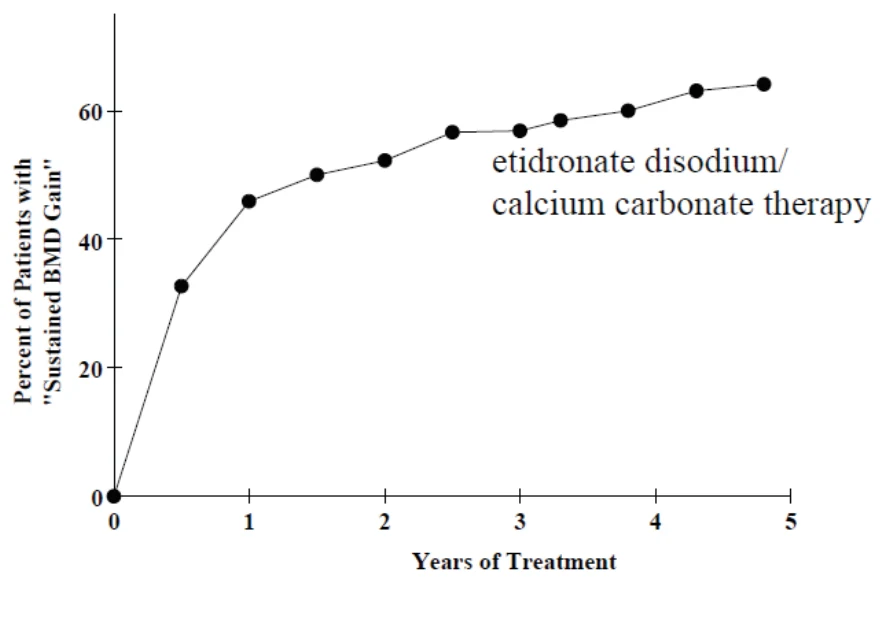
From 12 to 18 months through to five years of treatment, there is a gradual but consistent increase in the number of patients with a sustained gain in bone mass, (defined as a gain of at least 3%). This sustained BMD gain is considered clinically significant. Of the approximately two- thirds of patients who showed a sustained BMD gain by the end of five years of treatment, 10 to 15% reached this level of response only after therapy for more than two years.
There were no significant changes in the bone mineral content of the distal or midshaft radius in any treatment group for up to 5 years of treatment.
In the U.S. studies, bone mass was also measured at three sites in the hip: the trochanter, Ward’s triangle and the femoral neck. Calcium supplementation was unable to arrest bone loss at these sites. However, etidronate disodium/calcium carbonate tablets therapy produced an increase of 1 to 4% in bone mass at the three sites in the hip (8). For the trochanter, this gain was statistically significant (p<0.05) compared to placebo. These gains were maintained for up to 5 years.
In one 3-year placebo-controlled study (European study) of patients with advanced osteoporosis, etidronate disodium/calcium carbonate tablets therapy produced a statistically significant reduction in the progression of vertebral deformity (-60% as compared with patients receiving calcium supplementation alone). In two larger randomized controlled 3-year studies in the U.S., in patients receiving background calcium supplementation, those treated with the etidronate disodium/calcium carbonate tablets therapy had a lower incidence and rate of vertebral fracture than did patients on placebo, although these differences were not statistically significant. However, in patients from these studies with advanced osteoporosis and at higher risk for fracture (i.e., in those with vertebral bone mass more than 2.67 standard deviations below normal for a 35-year-old female and more than 2 vertebral fractures) over the 3 years of treatment, etidronate disodium/calcium carbonate tablets therapy protected more patients from vertebral fractures than did calcium supplementation alone (Figure 5).
Figure 5: Prevention of Fracturing During Treatment Life-Table Estimates - U.S. Higher-Risk Population
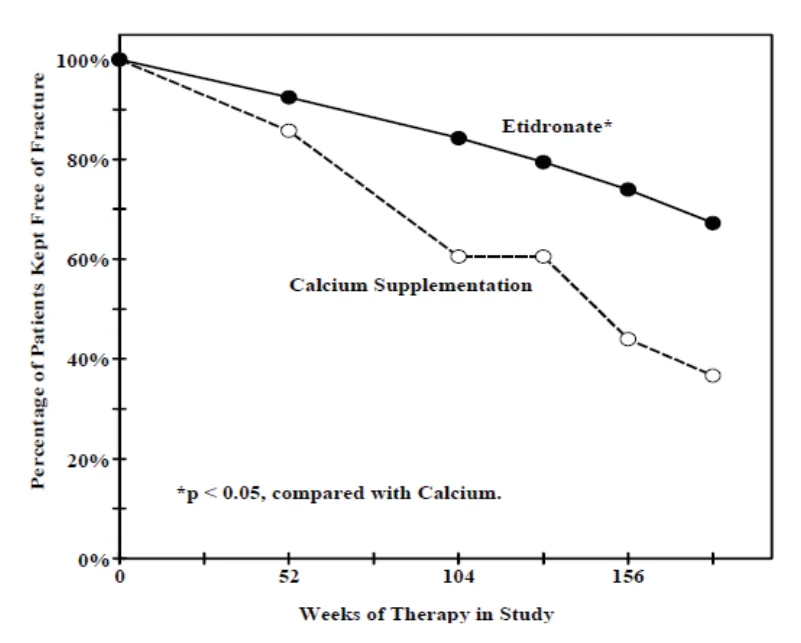
Beyond 3 years of treatment, two thirds of those on calcium supplementation had fractured at least once whereas less than a third of those on etidronate disodium/calcium carbonate tablets had fractured at all. This difference is statistically significant.
Prevention of Postmenopausal Osteoporosis
Four double-blind, placebo-controlled studies of 2 years duration were conducted to investigate the effects of etidronate disodium/calcium carbonate tablets therapy on vertebral bone mineral density (BMD) in a total of 365 early post-menopausal women (1 - 10 years postmenopause). Mean differences in vertebral BMD between treatment and placebo groups at the end of two years ranged between 2.5 and 3.9% in favour of the treatment group (12, 13, 14, 15).
The prevention of the significant bone loss which often follows the immediate postmenopausal period is a primary therapeutic objective. In one of the four studies conducted, patients were stratified according to the number of years since menopause. The first stratum comprised 43 patients within 1-3 years of the menopause; 21 in the placebo group and 22 in the etidronate disodium/calcium carbonate tablets group. At the end of two years, the etidronate disodium/calcium carbonate tablets group showed a gain in vertebral BMD of 1.7% versus a loss of 3.3% in the placebo group, a rate of loss confirming the presence of progressive postmenopausal osteoporosis. The mean difference in vertebral BMD between groups of 5.0% was statistically significant (p<0.001). This positive treatment difference in a study population which would otherwise exhibit rapid bone loss (> 1% decrease/year) is indicative of effective early intervention.
Prevention of Corticosteroid Induced Osteoporosis
Etidronate disodium/calcium carbonate tablets therapy is also effective in the prevention of bone loss due to chronic high-dose corticosteroid use. In two double-blind, placebo-controlled, multicenter studies (Canadian and European) of 1 year duration in patients who had recently begun high-dose corticosteroid therapy (mean oral dose of 37.5 mg/day prednisone or its equivalent), bone mineral density at the lumbar spine and hip was maintained in the etidronate disodium/calcium carbonate tablets group, whereas placebo patients experienced continuous BMD losses (21, 22). The following Table summarizes the results for lumbar spine BMD percent change from baseline at week 52 by study and sub-population (gender and menopausal status). In addition, results are presented for the pooled data by sub-population and the overall population from both studies.
Lumbar Spine BMD: Mean Percent Change from Baseline at Week 52 in Corticosteroid Treated Patients (by Study and Stratum) | |||||
| Stratum | Study | Placeboa | Etidronatea | Differenceb | p-valueb |
| Males | Canadian European Pooled | -2.62 ± 1.03(23) -2.69 ± 1.40(19) -2.65 ± 0.84(42) | -0 12 ± 0.73(18) 0.27 ± 1.39(16) 0.06 ± 0.75(34) | 2.50 ± 1.34 2.95 ± 1.99 2.71 ± 1.16 | 0.069 0.147 0.022 |
| Pre-menopausal Females | Canadian European Pooled | -4.57± 1.22( 8) -3.08± 1.39( 7) -3.87 ± 0.91(15) | -0.10±0.98( 7) -0 96±0.82( 9) -0.58 ± 0.62(16) | 4.47 ± 1.60 2.12 ± 1.54 3.26 ± 1.11 | 0.015 0.190 0.007 |
| Post-menopausal Females | Canadian European Pooled | -3.33 ± 0 87(31) -2.78 ± 0.70(27) 3.07 ± 0.56(58) | 1.23 ± 0.87(29) 0.78 ± 0.80(25) 1.02 ± 0.59(54) | 4.56 ± 1.24 3.55 ± 1.05 4.09±0.82 | 0.001 0.001 <0.001 |
| Overall | Canadian European Pooled | -3.23 ± 0.60(62) -2.79 ± 0.63(53) -3.02 ± 0.43 (115) | 0.61 ±0.54(54) 0.30 ± 0.61(50) 0.46±0.41(104) | 3.72 ±0.88 3.00 ±0.84 3.48 ± 0.60 | 0.023 0.004 <0.001 |
a Data are mean ± SEM; number in parenthesis denotes number of patients b Data are estimated mean treatment difference ± SE and p-value 1-way ANOVA (individual studies) 2-way ANOVA (pooled analysis) | |||||
The results indicate similar treatment effects between the two studies for each of the three sub- populations examined. Analysis of the pooled data also revealed a significant therapeutic effect with etidronate disodium/calcium carbonate tablets in all three sub-populations. The magnitude of the treatment response was more pronounced in postmenopausal women, probably due to increased bone remodeling caused by menopause.
Analysis of the pooled data from the two studies also indicates the therapeutic effect of etidronate disodium/calcium carbonate tablets to be significant at the hip. The difference in BMD between the etidronate disodium/calcium carbonate tablets and placebo treatment groups being 1.6% (p=0.016) at the femoral neck and 2.4% (p=0.002) at the femoral trochanter.
All of the female patients who experienced occult atraumatic fractures in the Canadian corticosteroid induced osteoporosis prevention study were postmenopausal. Although not statistically significant, a clinically meaningful 85% reduction in the proportion of 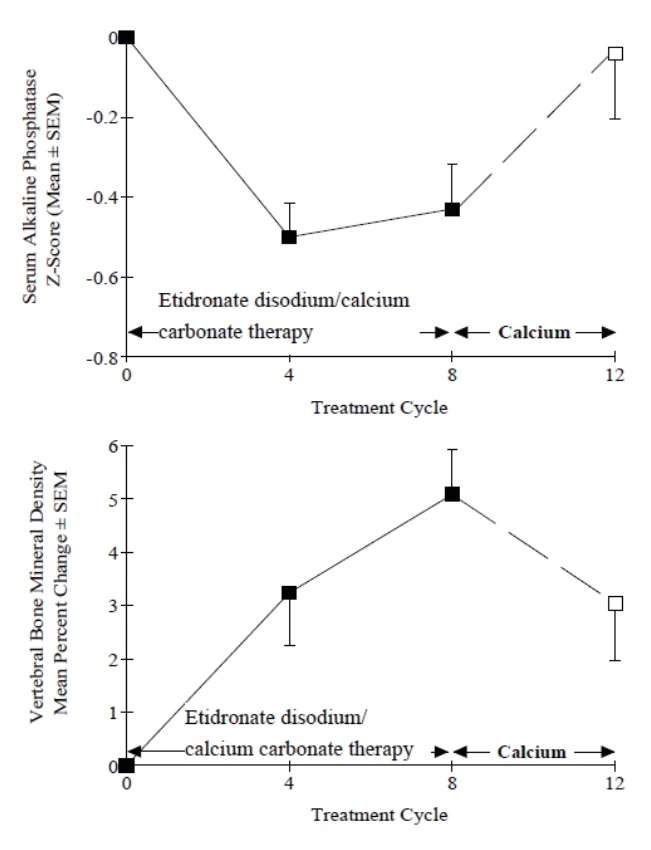
postmenopausal women with new vertebral fractures was observed in etidronate disodium/calcium carbonate tablets treated patients relative to those on placebo (23). In addition, postmenopausal women treated with etidronate disodium/calcium carbonate tablets experienced 94% (p<0.05) fewer vertebral fractures per patient than those on placebo.
Other
The pharmacological activity of etidronate (as measured by changes in serum alkaline phosphatase levels) and its clinical effects (i.e., vertebral bone mineral density) diminish relatively rapidly after withdrawal of therapy.
Figure 6: Pharmacodynamics of Cyclical Etidronate Regimen (Etidronate Disodium/Calcium Carbonate Tablets)
As shown in Figure 6, reduced serum alkaline phosphatase levels were maintained in patients while on etidronate disodium/calcium carbonate tablets therapy but returned to baseline within 12 months when they discontinued therapy. Bone mineral density decreased in those patients who discontinued etidronate disodium/calcium carbonate tablets therapy and received only calcium supplementation. These data indicate a reduction in pharmacological and clinical effects within 1 year of withdrawal of etidronate disodium/calcium carbonate tablets therapy.
Iliac-crest bone biopsies have been performed on more than 100 patients receiving etidronate intermittent cyclical therapy in clinical trials. Seven year biopsy results are shown in Figure 7.
Figure 7: Histomorphometric Parameters Through
7 Years of Contiguous Therapy
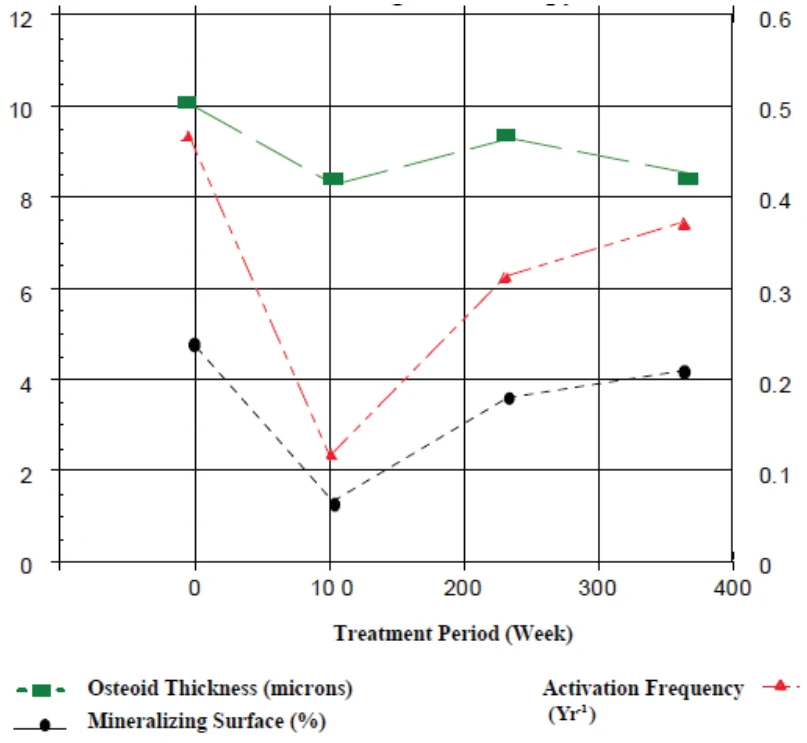
Histomorphometric analysis of biopsy samples indicates that therapy results in modest suppression of bone turnover (decreases in activation frequency of approximately 50%). The maximum effect of therapy on bone turnover occurs within 8 cycles (2 years) of treatment, after which turnover returns toward pretreatment levels even with continued treatment. Osteoid thickness, having decreased earlier with a later increase as turnover increased, tended to stabilize, as steady state conditions were approached. Mineralization surface also returned to higher levels at 7 years, attesting to the active mineralization of the newly-formed bone.
Based on the bone biopsy data, patients treated up to 10 cycles (2-3 years) have no greater incidence of histomorphometric abnormalities than did control patients. The number of abnormalities on long-term therapy, through 7 years, remained generally within the baseline range. At 240 weeks of therapy (5 years) an increase in the number of abnormalities was noted coincident with the observed increase in bone turnover which was expected to increase osteoid thickness. These changes have not been associated with any clinical consequences and no case of generalized osteomalacia was found at any time point. Other studies have demonstrated that osteoid, which may accumulate noticeably at chronic daily doses of 10-20 mg/kg, mineralizes normally post-therapy.
DETAILED PHARMACOLOGY
The oral absorption of etidronate disodium is low, namely, about 3.5% of the dose. Based on non-compartmental pharmacokinetics in normal human subjects, the plasma half-life (t½) of etidronate disodium is between 1-6 hours. In the initial phase, the drug is rapidly cleared from the circulation by the combination of renal excretion and chemisorption onto the surfaces of bone mineral (hydroxyapatite) crystals. As the plasma concentration falls, etidronate begins to desorb from inactive and resorbing bone surfaces. On surfaces undergoing active formation, etidronate becomes trapped within newly mineralizing bone. Approximately half of this retained fraction is slowly released by passive diffusion (3,4). The rest remains in an apparently inactive state unless released during a subsequent remodeling cycle. Retention time varies according to the turnover rate and may range from 2 years in trabecular bone to 10 years or longer in cortical bone.
The pharmacological basis for the efficacy of etidronate is that, while resident on bone surfaces, etidronate reduces the functional ability of osteoclasts to resorb bone. With repeated cyclic dosing as prescribed herein, there is a reduction of approximately 50% in the rate of bone turnover (5), which is similar to that achieved during hormonal replacement therapy. Decreased turnover is accompanied by a corresponding reduction in the rate of recruitment of osteoclasts and this in turn reduces the risk of perforation of thin trabeculae and the permanent loss of cancellous bone structure. Decreasing bone turnover also produces a modest increment in bone mass (6) which is responsible for most of the initial increase in measured bone density. In addition, etidronate has been shown to reduce bone resorption depth by about 10% (5) which further reduces the possibility of perforation. Finally, since resorption depth is reduced while the thickness of completed formation sites is unchanged, there is a shift towards positive bone balance in the remodeling process. This combination of increased bone density, reduced trabecular perforation and positive bone balance maintains biomechanical strength and so reduces fracture risk.
TOXICOLOGY
The acute oral toxicity of etidronate disodium is low. The oral LD50 is about 1300 mg/kg in rats and the dose that induces emesis in dogs is approximately 85 mg/kg.
No significant adverse effects were seen in rats and dogs fed diets containing up to 1% etidronate disodium for 2 years other than a spontaneously remitting microcytic, hypochromic anemia in dogs during the first 6 months of the study. In rats treated by oral gavage for 1 year at dosages up to 216 mg/kg, the primary effect was an extension of the pharmacology on the skeleton from long-term continuous administration with subsequent secondary effects on organ systems.
With high daily dosing of etidronate as occurs in toxicology studies, the physical presence of the drug on bone surfaces due to high and persistent dosing can lead to an inhibition of mineralization. In a two year dog study, inhibition of mineralization was first observed at 0.5 mg/kg/day after one year of continuous daily dosing. This exposure is 16 fold greater than the average daily clinical dose of etidronate as etidronate disodium/calcium carbonate tablets
therapy. This exposure is only 2.5 fold greater than the daily clinical dose over the 2 week etidronate dosing period, but since it required one year of daily dosing to produce this inhibition of mineralization in dogs, it is extremely unlikely that any inhibition of mineralization could be produced within the 2 weeks of etidronate administration of the etidronate disodium/calcium carbonate tablets therapy.
At doses of 2 mg/kg/day and above (66 times or more the average daily clinical exposure) for one year of continuous daily dosing, the pharmacologic effect became sufficiently extensive to reduce turnover to near zero values. In this setting, spontaneous fractures occurred in dogs receiving etidronate disodium at dose levels of 2 mg/kg subcutaneously for 1 year and orally at 100 mg/day for 2 years. The latter exposure translates to 53 times the average daily clinical dose. Fractures healed normally when the drug was discontinued.
In two fracture healing studies, animals treated subcutaneously with etidronate showed no significant differences in the clinically relevant endpoint of strength compared to their controls after 20 weeks of daily dosing except at a 5 mg/kg/day dose (167 times the average daily clinical dose). There was noted a delay in radiographic healing in the callus model (Lenehan) at a dose of 0.5 mg/kg/day (16 times the average daily clinical dose), although, as stated above, this delay resulted in no decrement in bone strength.
The biomechanical strength of bones from animals treated with etidronate has been tested from various animal models (intact, ovariectomized, denervectomized and steroid-treated) using different biomechanical tests (3 or 4 point bending, compression or torsion) over a wide range of etidronate dosing (0.1 - 40 mg/kg/day). Animals treated subcutaneously with etidronate have shown the same or greater strength in the respective biomechanical tests as the control group with the exception of the highest dose tested (40 mg/kg/day or 1333 times the average daily clinical dose).
Impairment of Fertility
In preclinical studies, no adverse effects on fertility have been observed at oral dose levels of up to 300 mg/kg (35 times the human dose). Studies with etidronate disodium in rats have shown decreased fertility at oral dose levels of 500 mg/kg (60 times the human dose) and higher. These dose levels also caused general toxicity in the rats.
Mutagenesis, Carcinogenesis
A two-year feeding study in rats and five mutagenicity assays (dominant lethal assay in mice, two Salmonella microsomal point mutation assays, a micronucleus test in the bone marrow of the Chinese hamster, and an in vitro Sacchromcyes cerevisiae MP- 1 point mutation assay) indicate that etidronate disodium is not carcinogenic or mutagenic.
REFERENCES
- 1.
Eriksen EF, Axelrod DW, Melsen F. Bone Histomorphometry. Raven Press, Ltd., New York,
New York, 1994.
- 2. Osteoporosis -- Consensus Conference. JAMA 1984; 252(6):799-802.
- 3.
Kasting GB, Francis MD. Retention of etidronate in humans, dogs, and rats. J Bone Mineral
Res 1992; 7:513-522.
- 4. Geddes AD, et al. Bisphosphonates: Structure-activity relationships and therapeutic implications. In: Bone and Mineral Research/8, Elsevier Science BV, Heersche JNM and Kanis JA, eds., 1994, pp. 265-306.
- 5. Steiniche T, Hasling C, Charles P, Eriksen EF, Melsen F, Mosekilde L. The effects of etidronate on trabecular bone remodeling in postmenopausal spinal osteoporosis: A randomized study comparing intermittent treatment and an ADFR regimen. Bone 1991; 12(3): 155-164.
- 6. Frost HM. Some effects of basic multicellular unit-based remodelling on photon absorptiometry of trabecular bone. Bone Miner 1989; 7(1): 47-66.
- 7.
Watts NB, et al. Intermittent cyclical etidronate treatment of postmenopausal osteoporosis. N
Engl J Med 1990; 323(2):73-79.
- 8.
Harris ST, et al. Four-year study of intermittent cyclic etidronate treatment of
postmenopausal osteoporosis: Three years of blinded therapy followed by one year of open therapy. Am J Med 1993; 95(6):557-567.
- 9. Storm T, et al. Effect of intermittent cyclical etidronate therapy on bone mass and fracture rate in women with postmenopausal osteoporosis. N Engl J Med 1990; 322(18):1265-71.
- 10. Storm T, et al. Long-term treatment with intermittent cyclical etidronate: Effect on bone mass and fracture rate. J Bone Mineral Res 1992; 7:S117 (Abstract #99).
- 11.
Licata AA., et al. Effects of 2 years follow-up cyclical etidronate treatment in
postmenopausal osteoporotic women. J Bone Mineral Res 1993; 8:S141 (Abstract #97).
- 12.
Tobias et al. Cyclical etidronate prevents spinal bone loss in early postmenopausal women;
British Journal of Rheumatology 1997; 36 (5): 612-613.
- 13.
Herd et al, The prevention of early postmenopausal bone loss by cyclical etidronate therapy:
A 2 year double-blind, placebo-controlled study. American Journal of Medicine 1997; 103: 92-99.
- 14. Pouilles et al. Effects of cyclical etidronate therapy on bone loss in early postmenopausal women who are not undergoing hormonal replacement therapy Osteoporosis International 1997; 7: 213-218.
- 15.
Meunier et al. Prevention of early postmenopausal bone loss with cyclical etidronate therapy
(a double-blind, placebo-controlled study and 1 year follow up). JCEM 1997; 82 (9): 2784-2791.
- 16. Adachi JD, Cranney A, Goldsmith CH et al Intermittent cyclical therapy with etidronate in the prevention of corticosteroid-induced bone loss. J Rheumatology 1994; 21(10): 1922-6.
- 17. Miller PD, Hamilos DL. Cyclical etidronate increases bone mass in patients with established steroid-induced osteoporosis. Calcif Tissue Int 1994; 54:355.
- 18. Mulder H, Struys A. Intermittent cyclical etidronate in the prevention of corticosteroid induced bone loss, Br J Rheum 1994; 33:348-350.
- 19. Sebaldt RJ, Adachi JD et al. Intermittent cyclic therapy with etidronate prevents corticosteroid- induced bone loss: Two years of follow-up. Scand J Rheum 1996; 25 (Suppl 103):91-93.
- 20. Struys A. Cyclical etidronate reverses bone loss of the spine and proximal femur in patients with established corticosteroid-induced osteoporosis. Am J Med 1995;99:235-242.
- 21.
Adachi et al Intermittent etidronate therapy to prevent corticosteroid-induced osteoporosis.
NEJM 1997; 337: 382-387.
- 22. Roux et al. Randomised trial of effect of cyclical etidronate in the prevention of corticosteroid-induced bone loss. JCEM 1998; 83 (4): 1128-1133.
- 23. Adachi et al. Intermittent cyclical therapy with etidronate in the prevention of corticosteroid-induced osteoporosis. Bone 1997; 20(4S): 92S, #P290.
- 24. Ruggiero SL, Mehrotra B, Rosenberg TJ, Engroff SL Osteonecrosis of the jaws associated with the use of bisphosphonates: a review of 63 cases. J Oral Maxillofac Surg 2004; 62(5):527-34.
- 25.
Product Monograph for DIDROCAL® by Proctor & Gamble Pharmaceuticals Canada Inc.
Toronto, Canada. Date of revision: September 13, 2011.
- 26.
A Single-dose Comparative Bioavailability Study of Two Formulations of Etidronate
Disodium 400 mg Tablets Under Fasting Conditions. Data on file at Teva Canada Ltd..