


Product Monograph - NTP-Naproxen Sodium
SUMMARY PRODUCT INFORMATION
Route of Administration | Dosage Form / Strength | Clinically Relevant Nonmedicinal Ingredients |
| Oral | 275 mg and 550 mg Film-Coated Tablet | None For a complete listing see Dosage Forms, Composition and Packaging section. |
INDICATIONS AND CLINICAL USE
NTP-NAPROXEN SODIUM or NTP-NAPROXEN SODIUM DS (naproxen sodium) is indicated for:
- The relief of mild to moderately severe pain, accompanied by inflammation in conditions such as musculo skeletal trauma and post-dental extraction.
- The relief of pain associated with post-partum cramping and dysmenorrhea.
For patients with an increased risk of developing cardiovascular and/or gastrointestinal adverse events, other management strategies that do NOT include the use of NSAIDs should be considered first. (See CONTRAINDICATIONS and WARNINGS AND PRECAUTIONS)
Use of NTP-NAPROXEN SODIUM or NTP-NAPROXEN SODIUM DS should be limited to the lowest effective dose for the shortest possible duration of treatment in order to minimize the potential risk for cardiovascular or gastrointestinal adverse events. (See CONTRAINDICATIONS and WARNINGS AND PRECAUTIONS)
NTP-NAPROXEN SODIUM or NTP-NAPROXEN SODIUM DS, as a NSAID, does NOT treat clinical disease or prevent its progression.
NTP-NAPROXEN SODIUM and NTP-NAPROXEN SODIUM DS, as a NSAID, only relieves symptoms and decreases inflammation for as long as the patient continues to take it.
Geriatrics (> 65 years of age):
Evidence from clinical studies and postmarket experience suggests that use in the geriatric population is associated with differences in safety (see WARNINGS AND PRECAUTIONS).
Pediatrics (< 18 years of age):
Safety and efficacy have not been established in the pediatric population.
CONTRAINDICATIONS
NTP-NAPROXEN SODIUM and NTP-NAPROXEN SODIUM DS are contraindicated in:
the peri-operative setting of coronary artery bypass graft surgery (CABG). Although
NTP-NAPROXEN SODIUM and NTP-NAPROXEN SODIUM DS have NOT been studied in this patient population, a selective COX-2 inhibitor NSAID studied in such a setting has led to an increased incidence of cardiovascular/thromboembolic events, deep surgical infections and sternal wound complications.
- the third trimester of pregnancy, because of risk of premature closure of the ductus arteriosus and prolonged parturition
- women who are breastfeeding, because of the potential for serious adverse reactions in nursing infants
- severe uncontrolled heart failure
- known hypersensitivity to naproxen sodium or to any of the components/excipients
history of asthma, urticaria, or allergic-type reactions after taking ASA or other NSAIDs
(i.e. complete or partial syndrome of ASA-intolerance - rhinosinusitis, urticaria/angioedema, nasal polyps, asthma). Fatal anaphylactoid reactions have occurred in such individuals. Individuals with the above medical problems are at risk of a severe reaction even if they have taken NSAIDs in the past without any adverse reaction. The potential for cross-reactivity between different NSAIDs must be kept in mind (see WARNINGS AND PRECAUTIONS: Hypersensitivity Reactions, Anaphylactoid Reactions).
- active gastric / duodenal / peptic ulcer, active GI bleeding.
- cerebrovascular bleeding or other bleeding disorders
- inflammatory bowel disease
- severe liver impairment or active liver disease
- severe renal impairment (creatinine clearance <30 mL/min or 0.5 mL/sec) or deteriorating renal disease (individuals with lesser degrees of renal impairment are at risk of deterioration of their renal function when prescribed NSAIDs and must be monitored) (see WARNINGS AND PRECAUTIONS: Renal)
known hyperkalemia (see WARNINGS AND PRECAUTIONS: Renal, Fluid and
Electrolyte Balance)
- children and adolescents less than 18 years of age
WARNINGS AND PRECAUTIONS
Risk of Cardiovascular (CV) Adverse Events: Ischemic Heart Disease, Cerebrovascular Disease, Congestive Heart Failure (NYHA II-IV) (See WARNINGS AND PRECAUTIONS - Cardiovascular).
NTP-NAPROXEN SODIUM and NTP-NAPROXEN SODIUM DS are non-steroidal anti-inflammatory drugs (NSAIDs).Use of some NSAIDs is associated with an increased incidence of cardiovascular adverse events (such as myocardial infarction, stroke or thrombotic events) which can be fatal. The risk may increase with duration of use. Patients with cardiovascular disease or risk factors for cardiovascular disease may be at greater risk.
Caution should be exercised in prescribing NTP-NAPROXEN SODIUM or NTP-NAPROXEN SODIUM DS to any patient with ischemic heart disease (including but NOT limited to acute myocardial infarction, history of myocardial infarction and/or angina), cerebrovascular disease (including but NOT limited to stroke, cerebrovascular accident, transient ischemic attacks and/or amaurosis fugax) and/or congestive heart failure (NYHA II-IV).
Use of NSAIDs, such as NTP-NAPROXEN SODIUM or NTP-NAPROXEN SODIUM DS, can promote sodium retention in a dose-dependent manner, through a renal mechanism, which can result in increased blood pressure and/or exacerbation of congestive heart failure. (see also WARNINGS AND PRECAUTIONS: Renal, Fluid and Electrolyte Balance)
Randomized clinical trials with NTP-NAPROXEN SODIUM and NTP-NAPROXEN SODIUM DS have not been designed to detect differences in cardiovascular events in a chronic setting. Therefore, caution should be exercised when prescribing NTP-NAPROXEN SODIUM or NTP-NAPROXEN SODIUM DS.
Risk of Gastrointestinal (GI) Adverse Events (see WARNINGS AND PRECAUTIONS: Gastrointestinal).
Use of NSAIDs, such as NTP-NAPROXEN SODIUM or NTP-NAPROXEN SODIUM DS, is associated with an increased incidence of gastrointestinal adverse events (such as peptic/duodenal ulceration, perforation, obstruction and gastrointestinal bleeding).
General
Frail or debilitated patients may tolerate side effects less well and therefore special care should be taken in treating this population. To minimize the potential risk for an adverse event, the lowest effective dose should be used for the shortest possible duration. As with other NSAIDs, caution should be used in the treatment of elderly patients who are more likely to be suffering from impaired renal, hepatic or cardiac function. For high risk patients, alternate therapies that do not involve NSAIDs should be considered.
NTP-NAPROXEN SODIUM or NTP-NAPROXEN SODIUM DS is NOT recommended for use with other NSAIDs, with the exception of low-dose ASA for cardiovascular prophylaxis, because of the absence of any evidence demonstrating synergistic benefits and the potential for additive adverse reactions. (See DRUG INTERACTIONS: Drug/Drug Interactions, Acetylsalicylic acid (ASA) or other NSAIDs)
NTP-NAPROXEN SODIUM or NTP-NAPROXEN SODIUM DS (naproxen sodium) should not be used concomitantly with the related drug NTP-NAPROX (naproxen) since they circulate in plasma as the naproxen anion.
Carcinogenesis and Mutagenesis
There is no evidence from animal data that NTP-NAPROXEN SODIUM or NTP-NAPROXEN SODIUM DS is carcinogenic or mutagenic (see Part II, TOXICOLOGY, for animal studies).
Cardiovascular and Cerebrovascular
NTP-NAPROXEN SODIUM and NTP-NAPROXEN SODIUM DS are non-steroidal anti-inflammatory drugs (NSAIDs). Use of some NSAIDs is associated with an increased incidence of cardiovascular adverse events (such as myocardial infarction, stroke or thrombotic events) which can be fatal. The risk may increase with duration of use. Patients with cardiovascular disease or risk factors for cardiovascular disease may be at greater risk.
Caution should be exercised in prescribing NTP-NAPROXEN SODIUM or NTP-NAPROXEN SODIUM DS to patients with risk factors for cardiovascular disease, cerebrovascular disease or renal disease, such as any of the following (NOT an exhaustive list)
- Hypertension
- Dyslipidemia / Hyperlipidemia
- Diabetes Mellitus
- Congestive Heart Failure (NYHA I)
- Coronary Artery Disease (Atherosclerosis)
- Peripheral Arterial Disease
- Smoking
- Creatinine Clearance < 60 mL/min or 1 mL/sec
Use of NSAIDs, such as NTP-NAPROXEN SODIUM or NTP-NAPROXEN SODIUM DS, can lead to new hypertension or can worsen pre-existing hypertension, either of which may increase the risk of cardiovascular events as described above. Thus blood pressure should be monitored regularly. Consideration should be given to discontinuing NTP-NAPROXEN SODIUM or NTP-NAPROXEN SODIUM DS should hypertension either develop or worsen with its use.
Use of NSAIDs, such as NTP-NAPROXEN SODIUM or NTP-NAPROXEN SODIUM DS, can induce fluid retention and edema, and may exacerbate congestive heart failure, through a renally-mediated mechanism. (See WARNINGS AND PRECAUTIONS: Renal, Fluid and Electrolyte Balance).
For patients with a high risk of developing an adverse CV event, other management strategies that do NOT include the use of NSAIDs should be considered first. To minimize the potential risk for an adverse CV event, the lowest effective dose should be used for the shortest possible duration.
Endocrine and Metabolism
Corticosteroids: NTP-NAPROXEN SODIUM or NTP-NAPROXEN SODIUM DS (naproxen sodium) is NOT a substitute for corticosteroids. It does NOT treat corticosteroid insufficiency.
Abrupt discontinuation of corticosteroids may lead to exacerbation of corticosteroid-responsive illness. Patients on prolonged corticosteroid therapy should have their therapy tapered slowly if a decision is made to discontinue corticosteroids. (see DRUG INTERACTIONS: Drug-Drug Interactions, Glucocorticoids)
Gastrointestinal
Serious GI toxicity (sometimes fatal), such as peptic / duodenal ulceration, inflammation, perforation, obstruction and gastrointestinal bleeding, can occur at any time, with or without warning symptoms, in patients treated with NSAIDs, such as NTP-NAPROXEN SODIUM or NTP-NAPROXEN SODIUM DS. Minor upper GI problems, such as dyspepsia, commonly occur at any time. Health care providers should remain alert for ulceration and bleeding in patients treated with NTP-NAPROXEN SODIUM or NTP-NAPROXEN SODIUM DS, even in the absence of previous GI tract symptoms. Most spontaneous reports of fatal GI events are in elderly or debilitated patients and therefore special care should be taken in treating this population. To minimize the potential risk for an adverse GI event, the lowest effective dose should be used for the shortest possible duration. For high risk patients, alternate therapies that do not involve NSAIDs should be considered. (see WARNINGS AND PRECAUTIONS: Special Populations, Geriatrics)
Patients should be informed about the signs and/or symptoms of serious GI toxicity and instructed to discontinue using NTP-NAPROXEN SODIUM or NTP-NAPROXEN SODIUM DS and seek emergency medical attention if they experience any such symptoms. The utility of periodic laboratory monitoring has NOT been demonstrated, nor has it been adequately assessed. Most patients who develop a serious upper GI adverse event on NSAID therapy have no symptoms. Upper GI ulcers, gross bleeding or perforation, caused by NSAIDs, appear to occur in approximately 1% of patients treated for 3-6 months, and in about 2-4% of patients treated for one year. These trends continue, thus increasing the likelihood of developing a serious GI event at some time during the course of therapy. Even short-term therapy has its risks.
Caution should be taken if prescribing NTP-NAPROXEN SODIUM or NTP-NAPROXEN SODIUM DS to patients with a prior history of peptic / duodenal ulcer disease or gastrointestinal bleeding as these individuals have a greater than 10-fold higher risk for developing a GI bleed when taking a NSAID than patients with neither of these risk factors. Other risk factors for GI ulceration and bleeding include the following: Helicobacter pylori infection, increased age, prolonged use of NSAID therapy, excess alcohol intake, smoking, poor general health status or concomitant therapy with any of the following:
- Anti-coagulants (e.g. warfarin)
- Anti-platelet agents (e.g. ASA, clopidogrel)
- Oral corticosteroids (e.g. prednisone)
- Selective Serotonin Reuptake Inhibitors (SSRIs) (e.g. citalopram, fluoxetine, paroxetine, sertraline)
Genitourinary
Some NSAIDs are associated with persistent urinary symptoms (bladder pain, dysuria, urinary frequency), hematuria or cystitis. The onset of these symptoms may occur at any time after the initiation of therapy with a NSAID. Should urinary symptoms occur, in the absence of an alternate explanation, treatment with NTP-NAPROXEN SODIUM or NTP-NAPROXEN
SODIUM DS should be stopped to ascertain if symptoms disappear. This should be done before urological investigations or treatments are carried out.
Hematologic
NSAIDs inhibiting prostaglandin biosynthesis interfere with platelet function to varying degrees; patients who may be adversely affected by such an action, such as those on anti-coagulants or suffering from haemophilia or platelet disorders should be carefully observed when NTP-NAPROXEN SODIUM or NTP-NAPROXEN SODIUM DS is administered.
Anti-coagulants: Numerous studies have shown that the concomitant use of NSAIDs and anticoagulants increases the risk of bleeding. Concurrent therapy of NTP-NAPROXEN SODIUM or NTP-NAPROXEN SODIUM DS with warfarin requires close monitoring of the international normalized ratio (INR).
Even with therapeutic INR monitoring, increased bleeding may occur.
Anti-platelet Effects: NSAIDs inhibit platelet aggregation and have been shown to prolong bleeding time in some patients. Unlike acetylsalicylic acid (ASA), their effect on platelet function is quantitatively less, or of shorter duration, and is reversible.
NTP-NAPROXEN SODIUM or NTP-NAPROXEN SODIUM DS and other NSAIDs have no proven efficacy as anti-platelet agents and should NOT be used as a substitute for ASA or other anti-platelet agents for prophylaxis of cardiovascular thromboembolic diseases. Anti-platelet therapies (e.g. ASA) should NOT be discontinued. There is some evidence that use of NSAIDs with ASA can markedly attenuate the cardioprotective effects of ASA. (see DRUG INTERACTIONS: Drug-Drug Interactions, Acetylsalicylic Acid or other NSAIDs)
Concomitant administration of NTP-NAPROXEN SODIUM or NTP-NAPROXEN SODIUM DS with low dose ASA increases the risk of GI ulceration and associated complications.
Blood dyscrasias: Blood dyscrasias (such as neutropenia, leukopenia, thrombocytopenia, aplastic anemia and agranulocytosis) associated with the use of NSAIDs are rare, but could occur with severe consequences.
Anemia is sometimes seen in patients receiving NSAIDs, including NTP-NAPROXEN SODIUM or NTP-NAPROXEN SODIUM DS. This may be due to fluid retention, GI blood loss, or an incompletely described effect upon erythropoiesis. Patients on long-term treatment with NSAIDs, including naproxen sodium, should have their hemoglobin or hematocrit checked if they exhibit any signs or symptoms of anemia or blood loss.
Hepatic/Biliary/Pancreatic
As with other NSAIDs, borderline elevations of one or more liver enzyme tests (AST, ALT, alkaline phosphatase) may occur in up to 15% of patients. These abnormalities may progress, may remain essentially unchanged, or may be transient with continued therapy.
A patient with symptoms and/or signs suggesting liver dysfunction, or in whom an abnormal liver function test has occurred, should be evaluated for evidence of the development of a more
severe hepatic reaction while on therapy with this drug. Severe hepatic reactions including jaundice and cases of fatal hepatitis, liver necrosis and hepatic failure, some of them with fatal outcomes, have been reported with NSAIDs.
Although such reactions are rare, if abnormal liver tests persist or worsen, if clinical signs and symptoms consistent with liver disease develop (e.g. jaundice), or if systemic manifestations occur (e.g. eosinophilia, associated with rash, etc.), this drug should be discontinued.
If there is a need to prescribe this drug in the presence of impaired liver function, it must be done under strict observation.
Hypersensitivity Reactions:
Anaphylactoid Reactions: As with NSAIDs in general, anaphylactoid reactions have occurred in patients without known prior exposure to NTP-NAPROXEN SODIUM or NTP-NAPROXEN SODIUM DS. In post-marketing experience, rare cases of anaphylactic/ anaphylactoid reactions and angioedema have been reported in patients receiving naproxen sodium. NTP-NAPROXEN SODIUM or NTP-NAPROXEN SODIUM DS should NOT be given to patients with the ASA-triad. This symptom complex typically occurs in asthmatic patients who experience rhinitis with or without nasal polyps, or who exhibit severe, potentially fatal bronchospasm after taking ASA or other NSAIDs (see CONTRAINDICATIONS).
ASA-Intolerance: NTP-NAPROXEN SODIUM or NTP-NAPROXEN SODIUM DS should NOT be given to patients with complete or partial syndrome of ASA-intolerance (rhinosinusitis, urticaria/angioedema, nasal polyps, asthma) in whom asthma, anaphylaxis, urticaria/angioedema, rhinitis or other allergic manifestations are precipitated by ASA or other NSAIDs. Fatal anaphylactoid reactions have occurred in such individuals. As well, individuals with the above medical problems are at risk of a severe reaction even if they have taken NSAIDs in the past without any adverse reaction (see CONTRAINDICATIONS).
Cross-sensitivity: Patients sensitive to one NSAID may be sensitive to any of the other NSAIDs as well.
Serious skin reactions: (See WARNINGS AND PRECAUTIONS: Skin)
Immune
(See WARNINGS AND PRECAUTIONS: Infection, Aseptic Meningitis)
Infection
NTP-NAPROXEN SODIUM or NTP-NAPROXEN SODIUM DS, in common with other NSAIDs, may mask signs and symptoms of an underlying infectious disease.
Aseptic Meningitis: Rarely, with some NSAIDs, the symptoms of aseptic meningitis (stiff neck, severe headaches, nausea and vomiting, fever or clouding of consciousness) have been observed. Patients with autoimmune disorders (systemic lupus erythematosus, mixed connective tissue diseases, etc.) seem to be pre-disposed. Therefore, in such patients, the health care provider must be vigilant to the development of this complication.
Neurologic
Some patients may experience drowsiness, dizziness, blurred vision, vertigo, tinnitus, hearing loss, insomnia or depression with the use of NSAIDs, such as NTP-NAPROXEN SODIUM or NTP-NAPROXEN SODIUM DS. If patients experience such adverse reaction(s), they should exercise caution in carrying out activities that require alertness.
Ophthalmologic
Blurred and/or diminished vision has been reported with the use of NSAIDs. If such symptoms develop NTP-NAPROXEN SODIUM or NTP-NAPROXEN SODIUM DS should be discontinued and an ophthalmologic examination performed. Ophthalmologic examination should be carried out at periodic intervals in any patient receiving NTP-NAPROXEN SODIUM or NTP-NAPROXEN SODIUM DS for an extended period of time.
Peri-Operative Considerations
(See CONTRAINDICATIONS: Coronary Artery Bypass Graft Surgery)
Psychiatric
(See WARNINGS AND PRECAUTIONS: Neurologic)
Renal
Long term administration of NSAIDs to animals has resulted in renal papillary necrosis and other abnormal renal pathology. In humans, there have been reports of acute interstitial nephritis, hematuria, low grade proteinuria and occasionally nephrotic syndrome.
Renal insufficiency due to NSAID use is seen in patients with pre-renal conditions leading to reduction in renal blood flow or blood volume. Under these circumstances, renal prostaglandins help maintain renal perfusion and glomerular filtration rate (GFR). In these patients, administration of a NSAID may cause a reduction in prostaglandin synthesis leading to impaired renal function. Patients at greatest risk of this reaction are those with pre-existing renal insufficiency (GFR < 60 mL/min or 1 mL/s), dehydrated patients, patients on salt restricted diets, those with congestive heart failure, cirrhosis, liver dysfunction, taking angiotensin-converting enzyme inhibitors, angiotensin-II receptor blockers, cyclosporin, diuretics, and those who are elderly. Serious or life-threatening renal failure has been reported in patients with normal or impaired renal function after short term therapy with NSAIDs. Even patients at risk who demonstrate the ability to tolerate a NSAID under stable conditions may decompensate during periods of added stress (e.g. dehydration due to gastroenteritis). Discontinuation of NSAIDs is usually followed by recovery to the pre-treatment state.
Caution should be used when initiating treatment with NSAIDs, such as NTP-NAPROXEN SODIUM or NTP-NAPROXEN SODIUM DS, in patients with considerable dehydration. Such patients should be rehydrated prior to initiation of therapy. Caution is also recommended in patients with pre-existing kidney disease.
Advanced Renal Disease: (See CONTRAINDICATIONS)
Fluid and Electrolyte Balance: Use of NSAIDs, such as NTP-NAPROXEN SODIUM or NTP-NAPROXEN SODIUM DS, can promote sodium retention in a dose-dependent manner, which can lead to fluid retention and edema, and consequences of increased blood pressure and exacerbation of congestive heart failure. Thus, caution should be exercised in prescribing NTP-NAPROXEN SODIUM or NTP-NAPROXEN SODIUM DS in patients with a history of congestive heart failure, compromised cardiac function, hypertension, increased age or other conditions predisposing to fluid retention (see WARNINGS AND PRECAUTIONS: Cardiovascular).
Use of NSAIDs, such as NTP-NAPROXEN SODIUM or NTP-NAPROXEN SODIUM DS, can increase the risk of hyperkalemia, especially in patients with diabetes mellitus, renal failure, increased age, or those receiving concomitant therapy with adrenergic blockers, angiotensin-converting enzyme inhibitors, angiotensin-II receptor antagonists, cyclosporin, or some diuretics. Electrolytes should be monitored periodically (see CONTRAINDICATIONS).
Each NTP-NAPROXEN SODIUM tablet contains approximately 25 mg of sodium and each NTP-NAPROXEN SODIUM DS tablet contains approximately 50 mg of sodium. This should be considered in patients whose overall intake of sodium must be markedly restricted.
It is possible that patients with questionable or compromised cardiac function may be at greater risk when taking NTP-NAPROXEN SODIUM or NTP-NAPROXEN SODIUM DS.
Respiratory
ASA-induced asthma is an uncommon but very important indication of ASA and NSAID sensitivity. It occurs more frequently in patients with asthma who have nasal polyps.
Sexual Function/Reproduction
The use of NTP-NAPROXEN SODIUM or NTP-NAPROXEN SODIUM DS, as with any drug known to inhibit cyclooxygenase/ prostaglandin synthesis, may impair fertility and is not recommended in women attempting to conceive. Therefore, in women who have difficulties conceiving, or who are undergoing investigation of infertility, withdrawal of NTP-NAPROXEN SODIUM or NTP-NAPROXEN SODIUM DS should be considered.
Skin
In rare cases, serious skin reactions such as Stevens-Johnson syndrome, toxic epidermal necrolysis, exfoliative dermatitis and erythema multiforme have been associated with the use of some NSAIDs. Because the rate of these reactions is low, they have usually been noted during post-marketing surveillance in patients taking other medications also associated with the potential development of these serious skin reactions. Thus, causality is NOT clear. These reactions are potentially life threatening but may be reversible if the causative agent is discontinued and appropriate treatment instituted. Patients should be advised that if they experience a skin rash they should discontinue their NSAID and contact their physician for assessment and advice, including which additional therapies to discontinue.
Special Populations
Pregnant Women: NTP-NAPROXEN SODIUM or NTP-NAPROXEN SODIUM DS is CONTRAINDICATED for use during the third trimester of pregnancy because of risk of premature closure of the ductus arteriosus and the potential to prolong parturition (see TOXICOLOGY).
Caution should be exercised in prescribing NTP-NAPROXEN SODIUM or NTP-NAPROXEN SODIUM DS during the first and second trimesters of pregnancy (see TOXICOLOGY).
Inhibition of prostaglandin synthesis may adversely affect pregnancy and/or the embryo-foetal development. Data from epidemiological studies suggest an increased risk of miscarriage and of cardiac malformation after use of a prostaglandin synthesis inhibitor in early pregnancy.
In animals, administration of a prostaglandin synthesis inhibitor has been shown to result in increased pre- and post-implantation loss and embryo-foetal lethality. In addition, increased incidences of various malformations, including cardiovascular, have been reported in animals given a prostaglandin synthesis inhibitor during the organogenetic period.
NTP-NAPROXEN SODIUM or NTP-NAPROXEN SODIUM DS is not recommended in labour and delivery because, through their prostaglandin synthesis inhibitory effect, they may adversely affect fetal circulation and inhibit uterine contractions, thus increasing the risk of uterine hemorrhage.
Nursing Women: (See CONTRAINDICATIONS)
Pediatrics: (See CONTRAINDICATIONS)
Geriatrics: Patients older than 65 years (referred to in this document as older or elderly) and frail or debilitated patients are more susceptible to a variety of adverse reactions from NSAIDs. The incidence of these adverse reactions increases with dose and duration of treatment. In addition, these patients are less tolerant to ulceration and bleeding. Most reports of fatal GI events are in this population. Older patients are also at risk of lower esophageal injury including ulceration and bleeding. For such patients, consideration should be given to a starting dose lower than the one usually recommended, with individual adjustment when necessary and under close supervision.
Monitoring and Laboratory Tests
Patients on long-term treatment with NTP-NAPROXEN SODIUM or NTP-NAPROXEN SODIUM DS should have their blood pressure monitored regularly and an ophthalmic examination should be carried out at periodic intervals (See WARNINGS AND PRECAUTIONS: Cardiovascular and Ophthalmic).
Hemoglobin, hematocrit, red blood cells (RBCs), white blood cells (WBCs), and platelets should be checked in patients on long-term treatment with NTP-NAPROXEN SODIUM or NTP-NAPROXEN SODIUM DS. Additionally, concurrent therapy with warfarin requires close monitoring of the international normalized ratio (INR) (See WARNINGS AND PRECAUTIONS: Hematology).
Serum transaminase and bilirubin should be monitored regularly during NTP-NAPROXEN SODIUM or NTP-NAPROXEN SODIUM DS therapy (see WARNINGS AND PRECAUTIONS: Hepatic, Biliary, Pancreatic).
Serum creatinine, creatine clearance and serum urea should be checked in patient during NTP-NAPROXEN SODIUM or NTP-NAPROXEN SODIUM DS therapy. Electrolytes including serum potassium should be monitored periodically (see WARNINGS AND PRECAUTIONS: Renal).
Monitoring of plasma lithium concentration is recommended when stopping or starting NTP-NAPROXEN SODIUM or NTP-NAPROXEN SODIUM DS therapy.
The administration of NTP-NAPROXEN SODIUM or NTP-NAPROXEN SODIUM DS (naproxen sodium) may result in increased urinary values for 17-ketogenic steroids because of an interaction between the drug and/or its metabolites with m-dinitrobenzene used in this assay. Although 17-hydroxy corticosteroid measurements (Porter Silber test) do not appear to be artifactually altered, it is suggested that therapy with NTP-NAPROXEN SODIUM or NTP-NAPROXEN SODIUM DS be temporarily discontinued 48 hours before adrenal function tests are performed. The drug may interfere with some urinary assays of 5-hydroxy indoleacetic acid (5HIAA). (See WARNINGS AND PRECAUTIONS and DRUG INTERACTIONS sections)
ADVERSE REACTIONS
Adverse Drug Reaction Overview
The most common adverse reactions encountered with nonsteroidal anti-inflammatory drugs are gastrointestinal, of which peptic ulcer, with or without bleeding, is the most severe. Fatalities have occurred particularly in the elderly.
As with all drugs in this class, the frequency and severity of adverse events depends on several factors: the dose of the drug and duration of treatment; the age, the sex, physical condition of the patient; any concurrent medical diagnoses or individual risk factors.
Clinical Trial Adverse Drug Reactions
Because clinical trials are conducted under very specific conditions the adverse reaction rates observed in the clinical trials may not reflect the rates observed in practice and should not be compared to the rates in the clinical trials of another drug. Adverse drug reaction information from clinical trials is useful for identifying drug-related adverse events and for approximating rates.
Adverse reactions reported in controlled clinical trials are listed below.
Table 1: Most Common Clinical Trial Adverse Drug Reactions (3%-9% and 1%-3%)
| Body System | Incidence | Adverse Reaction |
| Gastrointestinal | 3%-9% | Heartburn, constipation, abdominal pain, nausea |
| 1%-3% | Diarrhea, dyspepsia, stomatitis, diverticulitis | |
| Central Nervous System | 3%-9% | Headache, dizziness, drowsiness |
| 1%-3% | Light-headedness, vertigo, depression, fatigue. Occasionally patients had to discontinue treatment because of the severity of some of these complaints (headache and dizziness). | |
| Dermatologic | 3%-9% | Pruritus, ecchymoses, skin eruptions |
| 1%-3% | Sweating, purpura | |
| Cardiovascular | 3%-9% | Dyspnea, peripheral edema |
| 1%-3% | Palpitations | |
| Special Senses | 3%-9% | Tinnitus |
| 1%-3% | Hearing disturbances | |
| General | 1%-3% | Thirst |
Table 2: Less Common Clinical Trial Adverse Drug Reactions (<1%)
| Gastrointestinal: | gastrointestinal bleeding, hematemesis, melena, peptic ulceration with or without bleeding and/or perforation, vomiting, ulcerative stomatitis. |
| Central Nervous System: | inability to concentrate, malaise, myalgia, insomnia and cognitive dysfunction (i.e. decreased attention span, loss of short-term memory, difficulty with calculations). |
| Dermatologic: | alopecia, urticaria, skin rash, erythema multiforme, Stevens-Johnson syndrome, epidermal necrolysis, photosensitive dermatitis, exfoliative dermatitis, erythema nodosum. |
| Hepatic: | abnormal liver function tests, jaundice, cholestasis and hepatitis. |
| Cardiovascular: | congestive heart failure and vasculitis. |
| Renal: | Glomerular nephritis, hematuria, interstitial nephritis, nephrotic syndrome, nephropathy and tubular necrosis. |
| Hematologic: | Eosinophilia, granulocytopenia, leukopenia, thrombocytopenia, agranulocytosis, aplastic anemia and hemolytic anemia. |
| Special Senses: | hearing impairment and visual disturbances. |
| Reproductive, female: | infertility |
| General: | muscle weakness, anaphylactoid reactions, menstrual disorders, pyrexia (chills and fever), angioneurotic edema, hyperglycemia, hypoglycemia and eosinophilic pneumonitis. |
Post-Market Adverse Drug Reactions
The following adverse events have been reported with NSAIDs including naproxen and naproxen sodium:
| Gastrointestinal: | Peptic ulcers, perforation, or GI bleeding, sometimes fatal, particularly in the elderly. Heartburn, nausea, oesophagitis, vomiting, diarrhoea, flatulence, constipation, dyspepsia, abdominal pain, nonpeptic gastrointestinal ulceration, melaena, haematemesis, stomatitis, ulcerative stomatitis, exacerbation of ulcerative colitis and Crohn’s disease, pancreatitis, gastritis. |
| Infections: | aseptic meningitis |
| Blood and Lymphatic System Disorders: | agranulocytosis, aplastic anaemia, eosinophilia, haemolytic anaemia , leucopoenia, thrombocytopenia |
| Immune System Disorders: | anaphylactoid reactions |
Metabolic and Nutrition Disorders: | hyperkalemia |
| Psychiatric Disorders: | depression, dream abnormalities, insomnia |
| Nervous System Disorders: | dizziness, drowsiness, headache, lightheadedness, retrobulbar optic neuritis convulsions, cognitive dysfunction, inability to concentrate |
| Eye Disorders: | visual disturbances, corneal opacity, papillitis, papilloedema |
| Ear and Labyrinth Disorders: | hearing impairment, hearing disturbances, tinnitus, vertigo |
| Cardiac Disorders: | palpitations, cardiac failure has been reported in association with NSAID treatment, congestive heart failure |
| Vascular Disorders: | hypertension, vasculitis Clinical trial and epidemiological data suggest that use of coxibs and some NSAIDs (particularly at high doses and in long term treatment) may be associated with a small increased risk of arterial thrombotic events (for example myocardial infarction or stroke). |
| Respiratory, Thoracic and Mediastinal Disorders: | dyspnoea, pulmonary oedema, asthma, eosinophilic pneumonitis. |
| Hepatobiliary Disorders: | hepatitis (some cases of hepatitis have been fatal), jaundice. |
Skin and Subcutaneous Tissue Disorders: | ecchymoses, itching (pruritus), purpura, skin eruptions, sweating, alopecia, epidermal necrolysis, very rarely toxic epidermal necrolysis, erythema multiforme, bullous reactions, including Stevens-Johnson syndrome, erythema nodosum, fixed drug eruption, lichen planus, pustular reaction, skin rashes, SLE, urticaria, photosensitivity reactions, including rare cases resembling porphyria cutanea tarda (“pseudoporphyria”) or epidermolysis bullosa and angioneurotic oedema. If skin fragility, blistering or other symptoms suggestive of |
| pseudoporphyria occur, treatment should be discontinued and the patient monitored. | |
| Musculoskeletal and Connective Tissue Disorders: | myalgia, muscle weakness. |
| Renal and Urinary Disorders: | haematuria, interstitial nephritis, nephrotic syndrome, renal disease, renal failure, renal papillary necrosis |
ReproductiveSystem and Breast Disorders: | female infertility |
| General Disorders and Administration Site Conditions: | oedema, thirst, pyrexia (chills and fever), malaise |
| Investigations: | abnormal liver function tests, raised serum creatinine |
DRUG INTERACTIONS
Drug-Drug Interactions
Acetylsalicylic acid (ASA) or other NSAIDs: The use of NTP-NAPROXEN SODIUM or NTP-NAPROXEN SODIUM DS in addition to any other NSAID, including over-the-counter ones (such as ASA and ibuprofen) for analgesic and/or anti-inflammatory effects is NOT recommended because of the absence of any evidence demonstrating synergistic benefits and the potential for additive adverse reactions.
The exception is the use of low dose ASA for cardiovascular protection, when another NSAID is being used for its analgesic/anti-inflammatory effect, keeping in mind that combination NSAID therapy is associated with additive adverse reactions.
Some NSAIDs (e.g. ibuprofen) may interfere with the anti-platelet effects of low dose ASA, possibly by competing with ASA for access to the active site of cyclooxygenase-1.
Albumin Bound Drugs: Naproxen is highly bound to plasma albumin; it thus has a theoretical potential for interaction with other albumin-bound drugs such as coumarin-type anticoagulants, sulphonylureas, hydantoins, other NSAIDs and aspirin. Similarly, patients receiving NTP-NAPROXEN SODIUM or NTP-NAPROXEN SODIUM DS and a hydantoin, sulfonamide or sulfonylurea should be observed for adjustment of dose if required.
Antacids: The rate of absorption of naproxen is altered by concomitant administration of antacids but is not adversely influenced by the presence of food.
Anti-coagulants: (See WARNINGS AND PRECAUTIONS: Hematologic, Anticoagulants)
Anti-hypertensives: NSAIDs may diminish the anti-hypertensive effect of Angiotensin Converting Enzyme (ACE) inhibitors.
Combinations of ACE inhibitors, angiotensin-II antagonists, or diuretics with NSAIDs might have an increased risk for acute renal failure and hyperkalemia. Blood pressure and renal function (including electrolytes) should be monitored more closely in this situation, as occasionally there can be a substantial increase in blood pressure.
NTP-NAPROXEN SODIUM or NTP-NAPROXEN SODIUM DS and other non steroidal anti inflammatory drugs can reduce the antihypertensive effect of propranolol and other beta blockers as well as other antihypertensive agents.
Anti-platelet Agents (including ASA):There is an increased risk of bleeding, via inhibition of platelet function, when anti-platelet agents are combined with NSAIDs, such as NTP-NAPROXEN SODIUM or NTP-NAPROXEN SODIUM DS. (see WARNINGS AND PRECAUTIONS: Hematologic, Anti-platelet Effects)
Cholestyramine
Concomitant administration of cholestyramine can delay the absorption of naproxen, but does not affect its extent.
Cyclosporin: Inhibition of renal prostaglandin activity by NSAIDs may increase the plasma concentration of cyclosporine and/or the risk of cyclosporine induced nephrotoxicity. Patients should be carefully monitored during concurrent use.
Digoxin:Concomitant administration of an NSAID with digoxin can result in an increase in digoxin concentrations which may result in digitalis toxicity. Increased monitoring and dosage adjustments of digitalis glycosides may be necessary during and following concurrent NSAID therapy.
Diuretics:Clinical studies as well as post-marketing observations have shown that NSAIDs can reduce the effect of diuretics.
Glucocorticoids:Some studies have shown that the concomitant use of NSAIDs and oral glucocorticoids increases the risk of GI adverse events such as ulceration and bleeding. This is especially the case in older (> 65 years of age) individuals.
Lithium:Monitoring of plasma lithium concentrations is advised when stopping or starting a NSAID, as increased lithium concentrations can occur.
Methotrexate: Caution is advised in the concomitant administration of naproxen and methotrexate since naproxen and other non steroidal anti inflammatory agents have been reported to reduce the tubular secretion of methotrexate in an animal model, thereby possibly enhancing its toxicity.
Probenecid
Probenecid given concurrently increases naproxen anion plasma levels and extends its plasma half-life significantly. Caution is advised when probenecid is administered concurrently.
Selective Serotonin Reuptake Inhibitors (SSRIs): Concomitant administration of NSAIDs and SSRIs may increase the risk of gastrointestinal ulceration and bleeding (see Warnings and Precautions - Gastrointestinal).
Drug-Food Interactions
Concomitant administration of food can delay the absorption of naproxen, but does not affect its extent.
Drug-Herb Interactions
Interactions with herbal products have not been established.
Drug-Laboratory Interactions
(See WARNINGS AND PRECAUTIONS: Monitoring and Laboratory Tests).
Drug-Lifestyle Interactions
There are no specific studies about effects on the ability to drive vehicles and to use machinery. Patients who experience visual disturbances or other central nervous system disturbances should refrain from these activities.
Concurrent use of alcohol with an NSAID may increase the risk of gastrointestinal side effects, including ulceration and hemorrhage.
DOSAGE AND ADMINISTRATION
Recommended Dose and Dosage Adjustment
The recommended starting dose of NTP-NAPROXEN SODIUM (naproxen sodium) for adults is two 275 mg tablets, followed by one 275 mg tablet every 6 to 8 hours, as required. The total daily dose should not exceed 5 tablets (1375 mg). Alternatively, one NTP-NAPROXEN SODIUM DS tablet (550 mg naproxen sodium) given twice daily may be used.
Missed Dose
The missed dose should be taken as soon as remembered, and then the regular dosing schedule should be continued. Two doses of NTP-NAPROXEN SODIUM or NTP-NAPROXEN SODIUM DS should not be taken at the same time.
OVERDOSAGE
For management of a suspected drug overdose contact your regional Poison Control Centre.
Symptoms and Signs
Significant overdosage may be characterized by drowsiness, dizziness, disorientation, indigestion, epigastric pain, abdominal discomfort, nausea, vomiting, transient alterations in liver function, hypoprothrombinemia, renal dysfunction, metabolic acidosis and apnea. Because NTP-NAPROXEN SODIUM or NTP-NAPROXEN SODIUM DS may be rapidly absorbed, high and
early blood levels should be anticipated. A few patients have experienced convulsions, but it is not clear whether or not these were naproxen related.
Gastrointestinal bleeding may occur. Hypertension, acute renal failure, respiratory depression and coma may occur after the ingestion of NSAIDs but are rare.
Anaphylactoid reactions have been repeated with therapeutic ingestion of NSAIDs, and may occur following an overdose.
Treatment
Patients should be managed by symptomatic and supportive care following NSAIDs overdose. There are no specific antidotes. Prevention of further absorption (e.g. activated charcoal) may be indicated in patients seen within 4 hours of ingestion with symptoms or following a large overdose. Forced diuresis, alkalinization of urine, haemodialysis, or haemoperfusion may not be useful due to high protein binding.
For management of a suspected drug overdose, contact your regional Poison Control Centre.
ACTION AND CLINICAL PHARMACOLOGY
Mechanism of Action
Naproxen sodium has demonstrated analgesic and anti-inflammatory properties in human clinical studies and in classical animal test systems. It exhibits an anti-inflammatory effect even in adrenalectomized animals and therefore its action is not mediated through the pituitary-adrenal axis. It is not a corticosteroid. It inhibits prostaglandin synthetase, as do certain other nonsteroidal analgesic/anti inflammatory agents. As with other agents, however, the exact mechanism of its anti inflammatory and analgesic actions is not known.
Pharmacodynamics
(See DETAILED PHARMACOLOGY)
Pharmacokinetics
Naproxen sodium is freely soluble in water and is completely absorbed from the gastrointestinal tract. Plasma levels are obtained in patients within 20 minutes and peak levels in approximately 1 hour. It is extensively bound to plasma protein and has a plasma half-life of approximately 13 hours. The preferred route of excretion is via the urine with only 1% of the dose excreted in the feces.
STORAGE AND STABILITY
Store at room temperature (15 to 30°C) in a well-closed container. Protect from light.
Keep out of reach of children.
DOSAGE FORMS, COMPOSITION AND PACKAGING
Each NTP-NAPROXEN SODIUM 275 mg and NTP-NAPROXEN SODIUM DS 550 mg tablet contains the active ingredient Naproxen Sodium. Excipients: Magnesium Stearate, Microcrystalline Cellulose, Povidone, Sodium Lauryl Sulfate, Sodium Starch Glycolate, Colloidal Silicon Dioxide and Purified Water. Coating: FD&C Blue #2, Hypromellose, Polyethylene Glycol, Polysorbate and Titanium Dioxide.
NTP-NAPROXEN SODIUM are blue film coated tablets. Available in bottles of 100, 500.
NTP-NAPROXEN SODIUM DS tablets are film-coated, blue oval shaped, with white cores engraved ‘novo’ on one side and ‘550’ on the other side. Available in bottles of 100, 500. 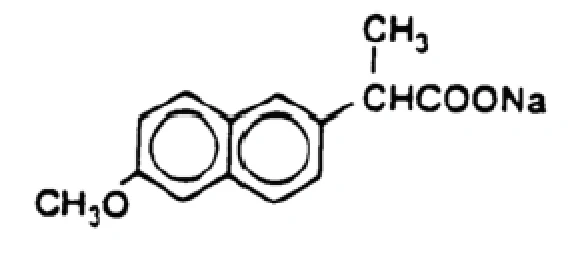
PART II: SCIENTIFIC INFORMATION
PHARMACEUTICAL INFORMATION
Drug Substance
Proper name: Naproxen sodium
Chemical name: (-)-Sodium 6-methoxy-α-methyl-2-naphthalene-acetate
Molecular formula: C14H13NaO3
Molecular mass: 252.54
Structural formula:
Physicochemical properties: Naproxen sodium is a white to creamy white, practically odourless crystalline powder. It is soluble in water and methanol; sparingly soluble in alcohol; very slightly soluble in acetone and practically insoluble in chloroform. Naproxen sodium melts at approximately 225°C with decomposition.
CLINICAL TRIALS
No data available.
DETAILED PHARMACOLOGY
A variety of pharmacologic tests were employed in assessing the analgesic and anti-inflammatory activities of naproxen sodium. It has been convincingly shown in man and animals that regardless of which drug (naproxen or naproxen sodium) is administered, the circulating moiety in the plasma is the same naproxen anion. The drug was active in all tests used to identify analgesic and anti-inflammatory activities where an inflammatory component was present. There were no discrepancies or exceptions evident.
Analgesic Activity
Depending on the assay used, naproxen sodium had less analgesic activity than indomethacin; it was more active than ASA, phenylbutazone and mefenamic acid. Like ASA, phenylbutazone and other “anti-inflammatory analgesics”, naproxen sodium raised the pain threshold only in experimental pain states involving inflammation (unlike morphine, which raises the pain threshold in both inflamed and uninflamed states). Further support for this contention is the fact that naproxen sodium did not raise heat-induced pain threshold responses as shown in the “Hot Plate Test”.
Anti-inflammatory Activity
Depending on the test system used, naproxen and naproxen sodium are slightly less active than indomethacin, and more active than hydrocortisone, ASA, phenylbutazone and mefenamic acid. Based on anti-edema effects in the rat, the duration of anti-inflammatory action of naproxen appears to be relatively short; however, these findings may only be relevant to this species, since metabolic half-life determinations in man indicate a much longer duration of action.
Naproxen and naproxen sodium appear to act directly at inflamed tissue sites, as do many other nonsteroidal anti-inflammatory agents. Their activity is not mediated by corticosteroids; the compounds do not have thymolitic activity and they have reduced inflammation in adrenalectomized rats.
As measured by the cotton-pellet-test, naproxen sodium produced significant inhibition of granuloma tissue over a relatively wide dose range (5-30 mg/kg/day), without affecting body weight or inducing other toxic manifestations.
Prostaglandin Synthesis Inhibition
Naproxen sodium inhibits the synthesis of prostaglandins E2 and F2 alpha from arachidonic acid by bovine seminal vesicle microsomes and by pregnant rat uterine microsomes. It also suppresses PGE2 production in cultures of rheumatoid synovial tissue and inhibits arachidonateinduced fetal bone resorption in vitro. The delay of parturition seen with naproxen sodium and other nonsteroidal anti-inflammatory agents might be explained by this ability to inhibit uterine prostaglandin biosynthesis since prostaglandins are known to stimulate uterine
smooth muscle contractions both in vitro and in vivo. It has been recognized for some time that they play an important role in initiating labour at term.
Naproxen sodium inhibited the biosynthesis of both PGF2 alpha and PGE2 by pregnant rat uterine microsomes in a dose dependent manner. It was about 0.3 to 0.5 times as potent as indomethacin in this system. In contrast, it was 0.04 to 0.06 times as potent as indomethacin in inhibiting PGF2 alpha and PGE2 synthesis by bull seminal vesicle microsomes.
Naproxen sodium also greatly decreased PGF2 alpha levels in the uteri of pregnant rats receiving oral doses of the drug for three days during late stages of pregnancy, confirming the in vitro effects seen with naproxen sodium in inhibiting PG synthetase.
Cardiovascular and Central Nervous System Effects
Acute studies were carried out to determine the effects of naproxen sodium on the cardiovascular and central nervous systems. Naproxen sodium was almost inert in cardiovascular system studies. Its CNS effects were minimal.
It was also determined that the effects of excessive amounts of naproxen sodium can be controlled by CNS depressants such as phenobarbital, pentobarbital, or chlordiazepoxide.
Effects on Reproductive System
Several studies were carried out to determine the drugs’ effects on the reproductive system. Naproxen did not demonstrate estrogenic, anti-estrogenic or androgenic effects. High, toxic dose levels decreased pregnancies; this appeared to be an indirect consequence of general toxicity rather than a true antifertility effect.
Pharmacology of Major Metabolite
The major metabolite of naproxen, 6-desmethyl naproxen was tested in a variety of pharmacologic preparations measuring diverse activities. From these studies it was concluded that the metabolite was only very weakly active in all pharmacologic assays in laboratory animals.
Human Metabolic Studies
Since naproxen is a weak acid with a pKa = 5 and because most of the body fluids have a pH higher than 5 (except the contents of the stomach) the drug molecules exist in these physiological fluids in the anionic form.
Therefore, any difference between ingested doses of naproxen sodium and naproxen exist only in the stomach; in the dissolution rate and the absorption rate. Once absorbed into the central circulatory system the distributive, metabolic and excretory fate of the two agents are identical.
Following I.V. administration, titrated naproxen appears to be distributed mainly in the blood, and is present there only as the unchanged drug. It is extensively bound to plasma protein and has a plasma half-life of approximately 13 hours. The preferred route of excretion is via the urine with only 1% of the dose excreted in the feces. The drug is excreted similarly by both the male and the female. Following 14 days of continuous exposure to the drug, there was no indication of induction of metabolizing enzymes. Naproxen sodium is freely soluble in water and is
completely absorbed from the gastrointestinal tract. Significant plasma levels are obtained in patients within 20 minutes and the peak level in one hour.
Blood levels achieved in the human following oral administration were only slightly lower than after rapid intravenous injection.
Naproxen has a relatively small volume of distribution, about 10% of the body weight in man. This index suggests naproxen has a relatively high affinity for the blood since a large fraction of the dose is held in the central circulatory system. The small volume of distribution is probably due to extensive plasma protein binding and the pH-partitioning effect which act together to restrict naproxen largely to the plasma compartment.
Human metabolism of naproxen (determined by analysis of the urinary radioactivity following a 100 mg intravenous dose) was found to be relatively simple. The parent structure was altered only by removal of a 6-methoxy group, and by conjugation of the acid function. 70% of the ingested dose was eliminated either as unchanged naproxen (10%) or as conjugated naproxen (60%). This conjugated fraction was comprised of 40% naproxen glucuronide and 20% other conjugates including glycine and sulfate conjugates. Approximately 28% of the dose underwent 6-demethylation. As a consequence, 5% of the dose appeared in the urine as demethylated naproxen, and 23% as conjugates of demethylated naproxen. The conjugates are further separable into 12% glucuronide and 11% other conjugates.
The plasma-level response to oral naproxen doses ranging up to 900 mg twice daily was studied in normal subjects. Areas under plasma concentration vs. time curves increased linearly with dose increments up to 500 mg twice a day, but larger doses fell short of the linear projections. Experiments with tritium labelled naproxen showed that there was no difference in the fraction of ingested drug excreted in the stools whether the dose was 250 mg or 900 mg, thus eliminating the possibility that this effect was a result of incomplete absorption. Accelerated renal clearance at high doses because of disproportionate increases in the amount of unbound drug appeared to be the most likely explanation.
A bioequivalence study comparing 2 x 275 mg naproxen sodium tablets to one 550 mg naproxen sodium tablet was conducted in 12 healthy volunteers (6 men, 6 women) using an open crossover design. Each subject received a different formulation on two separate days with a one-week interval between doses. Based on the parameters listed in the table below, the 550 mg naproxen sodium tablet is bioequivalent to two 275 mg naproxen sodium tablets.
| Parameter | Formulation | P-values1 | Comparison | 95 % Fiducial | |||||||||||||
| A B | Form’ln Period | B/A x 100% | Limits | ||||||||||||||
| Cmax (μg/mL) | 86.5 | 92.7 | .07 | .28 | 107.1 | 99.5%, | 115.5% | ||||||||||
| Tmax (min) | 75.0 | 50.0 | .12 | .12 | 66.7 | 33.4%, | 110.2% | ||||||||||
| Plasma Half-Life (hours) | 16.1 | 16.4 | .28 | .98 | 102.1 | 98.1%, | 106.4 % | ||||||||||
| AUC,0-24hr (μg/mLxhr) | 946.6 | 946.5 | .99 | .81 | 100.0 | 95.9%, | 104.3% | ||||||||||
| AUC,Total (μg/mLxhr) | 1440.2 | 1452.3 | .64 | .84 | 100.8 | 97.0%, | 104.8% | ||||||||||
Formula A= 2x275 mg naproxen sodium tablets Formula B=one 550 mg naproxen sodium tablet
1=p-values resulting from Analysis of Variance
TOXICOLOGY
NTP-NAPROXEN SODIUM or NTP-NAPROXEN SODIUM DS (naproxen sodium) is the sodium salt of naproxen. In a variety of animal species and in man, the circulating plasma entity is the same (naproxen anion) with oral administration of either naproxen sodium or naproxen. Therefore, for the purpose of evaluating systemic toxicity, studies carried out with either compound are interchangeable.
Acute Animal Toxicity
The oral LD50 values for naproxen are as follows:
Hamster 4110 mg/kg
Rats 543 mg/kg
Dogs >1000 mg/kg
Mice 1234 mg/kg
Subacute and Chronic Oral Toxicity
In subacute and chronic oral studies with naproxen in a variety of species, the principal pathologic effect was gastrointestinal irritation and ulceration. The lesions seen were predominantly in the small intestine and ranged from hyperemia to perforation and peritonitis.
Nephropathy was seen occasionally in rats, mice and rabbits at high dose levels of naproxen, but not in rhesus monkeys or miniature pigs. In the affected species the pathologic changes occurred in the cortex and papilla. Some rats examined 14 days after single oral doses of 230 mg/kg or more of naproxen evidenced necrotic areas of cortical and papillary tissue. Tubular dilation (ectasia) occurred in rabbits dosed orally for 14 days with 200 mg/kg/day or more of naproxen. An examination of unfixed renal tissue from rabbits so treated was conducted and revealed the presence of diffraction patterns similar to that of crystalline naproxen. This suggests that the ectasia observed was physical response to deposition of excreted naproxen within the tubules.
In mice given oral doses of 120 mg/kg/day or more of naproxen for 6 months, the kidneys were characterized by a low but non dosage related incidence of cortical sclerosis and papillary tip necrosis. Chronic administration of high doses of naproxen to mice appears to be associated with exacerbation of spontaneous murine nephropathy.
In rhesus monkeys given oral doses of 100 mg/kg/day or more of naproxen for 12 months, dose related renal lesions were observed. The changes included multifocal chronic active nephritis, which involved all components of the kidney in the most severely affected animals, and papillary tip necrosis.
A wide range of susceptibility to gastrointestinal lesions from administration of naproxen was evident in the various species tested. For example, 30 mg/kg/day was tolerated well by rats for 90 days, but the same dose was ulcerogenic when administered for 6 months. Rhesus monkeys and miniature swine exhibited no significant pathology when dosed with naproxen at 45 mg/kg/day for 30 days. This dose of naproxen was also tolerated by miniature swine without
obvious evidence of adverse effects when administered daily for 1 year. In rhesus monkeys doses as high as 180 mg/kg/day (90 mg/kg b.i.d.) for 12 months produced only mild irritation of the gastric mucosa. In rabbits the maximum tolerated repeated oral dose is 80 to 100 mg/kg/day. Mice survived oral daily doses of 240 mg/kg/day for 6 months. In dogs, on the other hand, 5.0 mg/kg/day approaches the maximum tolerated dose.
This peculiar canine susceptibility to gastrointestinal effects of non-steroidal anti-inflammatory agents has also been shown with indomethacin and ibuprofen. In dogs naproxen exhibits a considerably longer plasma half-life than it does in rats, guinea pigs, miniature swine, monkeys, and man. The same observation has been made with ibuprofen in dogs compared to rats and man. In addition, in the species listed, only the dog excretes significant amounts of administered naproxen in the feces (50%). In the rat, guinea pigs, miniature swine, monkey, and man, 86 90% of the administered drug is excreted in the urine. The suggested enterohepatic circulation of naproxen in the dog (as judged by fecal excretion) most likely is a major factor in the susceptibility of the dog to gastrointestinal irritation by this compound.
Pathologic changes in the spleen and mesenteric lymph nodes as well as peritoneal inflammation and adhesions were considered to be clearly secondary to the effects of high doses of naproxen on the gastrointestinal tract.
Moderate weight loss of the male secondary sex glands occurred in some studies in naproxentreated rats and dogs. Histopathologically the affected glands in some instances exhibitedatrophic and/or hypoplastic changes characterized by decreased secretory material. A possible estrogenic action of naproxen as a causative factor seems highly unlikely since in standard bioassay procedures the drug exhibited no estrogenic activity (see Pharmacology).
Weight loss of the male secondary sex glands as a result of inanition is well documented, and intestinal irritation with the probability of decreased absorption may have contributed in this direction. Nevertheless, daily doses of naproxen as high as 30 mg/kg administered for 60 days before mating had no effect on fertility and reproductive performance of male rats. These results reflect the physiological integrity of the entire male reproductive apparatus after administration of naproxen throughout the spermatogenic cycle.
Teratology
In teratology studies no skeletal or visceral anomalies or pathologic changes were induced in the fetuses of pregnant rats and rabbits treated during organogenesis with daily oral doses of naproxen up to 20 mg/kg nor in mice similarly treated with 30 or 50 mg/kg. In these studies there were also no significant differences from controls in the number of live fetuses, resorption, fetal weights or ano-genital distances. In another mouse study no malformations were observed with administration of 60 or 120 mg/kg of naproxen although there was a slight reduction in number of live fetuses in both dose groups and in fetal body weight in the high dose group.
Reproductive Studies
Daily oral administration of 15, 30 or 60 mg/kg of naproxen to female rabbits from 2 weeks before mating until day 20 of pregnancy did not affect fertility, gestation, or the number of live fetuses.
In a peri- and post-natal study in rats, oral doses of naproxen up to 20 mg/kg administered daily during the last part of pregnancy through weaning did not result in adverse effects in viability of pups, lactation index, sex ratio or weight gain of offspring.
However, there was a slight increase in gestation length at the 10 and 20 mg/kg dose levels; and, at the 10 mg/kg dose level, there was a significant increase in stillbirths.
Recent evidence, however, suggests that inhibition of prostaglandin synthesis by non-steroidal anti-inflammatory compounds may be related to decreased uterine contractibility. Thus, the onset of labour in a rat model system can be delayed with naproxen administration without causing maternal or fetal deaths in excess of that seen in controls. Since it has been shown that naproxen inhibits prostaglandin synthesis in vitro, it has been suggested that the effects of naproxen on uterine contractility are mediated through that mechanism.
Maternal and fetal deaths seen in naproxen-treated rats were, therefore, apparently related to dystocia rather than to a direct toxic effect of the compound. Naproxen is not unique in this regard since comparable results were obtained in the rat with other commonly used non steroidal anti-inflammatory agents (acetylsalicylic acid, indomethacin, mefenamic acid, and phenylbutazone). Similar results have been suggested in reports of other animal studies with mefenamic acid and ibuprofen.
In a fertility and reproduction study in mice, the dams were dosed daily with 12, 36 or 108 mg/kg from 14 days prior to mating through weaning. At the highest dose level, there was an increase in maternal deaths which was reflected in decreased 21 day survival and lactation indices. There were no other changes in the parameters examined. In a similar study in rats, daily doses were 2, 10 or 20 mg/kg from 14 days before mating through weaning. Other than decreased survival to weaning which appeared due to poor maternal care in pups born to high dose dams, there were no differences between control and treated groups. One mid and one high dose dam died during labour due to delayed parturition.
Mutagenicity
A mutagenicity study was performed with naproxen using 5 strains of bacteria and one of yeast. The test was carried out with and without mammalian microsomal activation. Naproxen was not mutagenic in any of these test systems.
Carcinogenicity
Naproxen sodium was administered with food to Sprague-Dawley rats for 24 months at doses of 8, 16 and 24 mg/kg/day. Naproxen sodium was not carcinogenic in rats.
REFERENCES
- 1. Adams SS, Bough RG, Cliffee EF, Lessel B, and Mills RFN. Absorption, distribution and toxicity of ibuprofen. Tox & Appl Pharmacol. 1969;15:310 330.
- 2. Aiken JW. Aspirin and indomethacin prolong parturition in rats: evidence that prostaglandins contribute to expulsion of fetus. Nature 1972;240:21 25.
- 3. Berry H., Bloom B., Hamilton E.B.D., Swinson D.R. Naproxen sodium, diflunisal, and placebo in the treatment of chronic back pain. 1982 Ann. of Rheum. Dis Vol. 41 pp 129 132.
- 4.
Bloomfield SS, et al. Naproxen, aspirin and codeine in postpartum uterine pain. Clin
Pharmacol Therap 1977;21:414 421.
- 5. Bodiwala GG. Naproxen sodium and ibuprofen in the treatment of acute soft-tissue injuries.Brit J Clin Practice 1982;36(7-8):270 275.
- 6. Chester R, et al. Delay of parturition in the rat by anti-inflammatory agents which inhibit the biosynthesis of prostaglandins. Nature 1972;240:37 38.
- 7.
Csapo AI, et al. The delay of spontaneous Labour by naproxen in the rat model.
Prostaglandins 1973;3:827 837.
- 8. Csapo AI, et al. The role of estradiol 17 in the activation of the uterus during premature labour and the effect of naproxen, an inhibitor of prostaglandin synthesis. Prostaglandins 1973;3:839 846.
- 9. Csapo AI, et al (1977). The effect of naproxen-sodium on the intrauterine pressure and menstrual pain of dysmenorrheic patients. Prostaglandins 1977;13:193 199.
- 10.
Dysmenorrhea and Prostaglandins. Proceedings of an international symposium in
Helsinki, November 16-17, 1978. Acta Obstet Gynecol Scand 1978;Suppl 87.
- 11.
Geczy M, et al. Naproxen tolerability in the elderly: A summary report. J Rheumatol
1987;14:348 354.
- 12. Halvorsen L, et al. Gastroscopic observations following aspirin and naproxen sodium administration. J Clin Pharmacol 1981;21:169 172
- 13. Henzl MR, et al. The treatment of dysmenorrhea with naproxen sodium: a report of two independent double-blind trials. Amer J Obstet Gynecol 1977;127:818 823.
- 14.
Information letter, Health Protection Branch. Nonsteroidal Anti-Inflammatory Drugs. DD
33;August 21, 1985.
- 15.
Julou L, et al. Etude toxicologique de l’acide metiazinique. Artzn Forsch 1969;19:1207
1214.
- 16.
McVerry JM, et al. Pharmacokinetics of naproxen in elderly patients. Eur J Clin
Pharmacol 1986;31:463 468.
- 17. Ogilvie-Harris, D.J., Bauer, M., Corey P. Prostaglandin Inhibition and the rate of recovery after orthoscopic meniscectomy. 1985 J of Bone and Joint Surgery. Vol. 67-B (4) pp 567 571.
- 18. Ouellette RD, et al. Naproxen sodium vs acetaminophen plus codeine in postsurgical pain. Curr Ther Res 1986;39(5):839 845.
- 19. Physicians Desk Reference. 1987 p 1535.
- 20. Runkel R, et al. Absorption, distribution, metabolism, and excretion of naproxen in various laboratory animals and human subjects. J Pharm Sci 1972;61(5):703 708.
- 21.
Runkel R, et al. Nonlinear plasma level response to high doses of naproxen. Clin
Pharmacol & Therap 1974;15(3):261 266.
- 22.
Runkel R, et al. Pharmacokinetics of naproxen overdoses. Clin Pharmacol Therap
1976;20:269 277.
- 23. Tomlinson RV, et al. Relationship between inhibition of prostaglandin synthesis and drug efficacy: support for the current therapy on mode of action of aspirin-like drugs. Biochem Biophys Res Comun 1972;46(2):552 559.
- 24.
Williams RA, et al. Naproxen disposition in patients with alcoholic cirrhosis. Eur J Clin
Pharmacol 1984;27:291 296.
- 25. G Smith et al. Reversible ovulatory failure associated with the development of luteinized unruptured follicles in women with inflammatory arthritis taking non-steroidal anti-inflammatory drugs. British J of Rheumatology 1996; 35: 458-462.
- 26. LLF Mendonca et al. Non-steriodal anti-inflammatory drugs as a possible cause for reversible infertility. Rheumatology 2000;39:880-882.
- 27.
RJ Norman. Reproductive consequences of COX-2 inhibition. The Lancet October 20,
2001;358:1287-1288.
- 28.
Anaprox® Anaprox® DS Product Monograph, Hoffmann-La Roche Limited, September
26, 2007.