


Product Monograph - Nucynta Ir
Recent Major Label Changes
| 2025-10 |
|---|---|
| 2025-10 |
| 2025-10 |
Table of Contents
Certain sections or subsections that are not applicable at the time of the preparation of the most recent authorized product monograph are not listed.
Recent Major Label Changes ................................................................................................. 2
Table of Contents ................................................................................................................. 2
Part 1: Healthcare Professional Information.......................................................................... 5
- 1.
Indications ................................................................................................................ 5
1.1. Pediatrics ..................................................................................................................... 5
1.2. Geriatrics ..................................................................................................................... 5
- 2. Contraindications ...................................................................................................... 5
- 3. Serious Warnings and Precautions Box ...................................................................... 6
- 4.
Dosage and Administration ....................................................................................... 7
4.1. Dosing Considerations ................................................................................................ 7
4.2. Recommended Dose and Dosage Adjustment ........................................................... 7
4.2.1. Discontinuing Treatment ................................................................................... 9
4.4. Administration .......................................................................................................... 10
4.5. Missed Dose .............................................................................................................. 10
- 5. Overdose ................................................................................................................ 10
- 6. Dosage Forms, Strengths, Composition, and Packaging ............................................ 10
- 7.
Warnings and Precautions .......................................................................................... 12
General ............................................................................................................................. 12
Carcinogenesis and Mutagenesis..................................................................................... 12
Dependence, Tolerance and/or Abuse Liability ............................................................... 12
Driving and Operating Machinery .................................................................................... 14
Gastrointestinal ................................................................................................................ 14
Hepatic/Biliary/Pancreatic ............................................................................................... 14
Immune ............................................................................................................................ 15
Neurologic ........................................................................................................................ 15
Perioperative Considerations .......................................................................................... 17
Renal ................................................................................................................................ 17
Reproductive Health ........................................................................................................ 17
Respiratory ....................................................................................................................... 18
7.1.1. Pregnancy ............................................................................................................... 19
7.1.2. Breastfeeding ......................................................................................................... 19
7.1.3. Pediatrics ................................................................................................................ 19
7.1.4. Geriatrics ................................................................................................................ 19
- 8.
Adverse Reactions ................................................................................................... 20
8.1. Adverse Reaction Overview ...................................................................................... 20
8.2. Clinical Trial Adverse Reactions ................................................................................ 20
8.3. Less Common Clinical Trial Adverse Reactions ......................................................... 22
8.5. Post-Market Adverse Reactions ................................................................................ 23
- 9.
Drug Interactions .................................................................................................... 24
9.1. Serious Drug Interactions ......................................................................................... 24
9.2. Drug Interactions Overview ...................................................................................... 24
9.3. Drug-Behavioural Interactions .................................................................................. 25
9.4. Drug-Drug Interactions ........................................................................................ 25
9.5. Drug-Food Interactions ............................................................................................. 27
9.6. Drug-Herb Interactions ............................................................................................. 27
9.7. Drug-Laboratory Test Interactions ............................................................................ 27
- 10.
Clinical Pharmacology ............................................................................................. 28
10.1. Mechanism of Action .............................................................................................. 28
10.2. Pharmacodynamics ................................................................................................. 28
10.3. Pharmacokinetics .................................................................................................... 30
- 11. Storage, Stability, and Disposal ................................................................................ 31
Part 2: Scientific Information .............................................................................................. 33
- 13. Pharmaceutical Information .................................................................................... 33
- 14.
Clinical Trials ........................................................................................................... 33
14.1. Clinical Trials by Indication...................................................................................... 33
- 15. Microbiology ........................................................................................................... 36
- 16. Non-Clinical Toxicology ........................................................................................... 37
Patient Medication Information ......................................................................................... 40
Part 1: Healthcare Professional Information
1. Indications
NUCYNTA IR (tapentadol immediate-release tablets) is indicated for the management of moderate to severe acute pain in adults.
1.1. Pediatrics
Pediatrics (<18 years of age): No data are available to Health Canada; therefore, Health Canada has not authorized an indication for pediatric use
1.2. Geriatrics
Geriatrics (≥65 years of age): Evidence from clinical studies and experience suggests that use in the geriatric population is associated with differences in safety or effectiveness. In general, dose selection for an elderly patient should be cautious, usually starting at the low end of the dosing range, reflecting the greater frequency of decreased hepatic, renal, or cardiac function, concomitant disease or other drug therapy (see 10.3. Pharmacokinetics, Special populations and conditions, Geriatrics).
2. Contraindications
NUCYNTA IR is contraindicated in:
- patients who are hypersensitive (e.g., anaphylaxis, angioedema, anaphylactic shock) to tapentadol, to opioids, or to any ingredient in the formulation, including any non-medicinal ingredient, or component of the container (see 7. Warnings and Precautions, Immune, Hypersensitivity; 8.5. Post-Market Adverse Reactions). For a complete listing of ingredients, see the 6. Dosage Forms, Strengths, Composition and Packaging section of the Product Monograph.
- patients with known or suspected mechanical gastrointestinal obstruction (e.g., bowel obstruction or strictures) or any diseases/conditions that affect bowel transit (e.g., ileus of any type).
- patients with suspected surgical abdomen (e.g., acute appendicitis or pancreatitis).
- patients with mild pain that can be managed with other pain medications.
- Patients with severe renal or hepatic impairment (creatinine clearance of less than 30 mL/min and/or Child-Pugh Class C).
- patients with acute or severe bronchial asthma, chronic obstructive airway disease, or status asthmaticus.
- patients with acute respiratory depression, elevated carbon dioxide levels in the blood, and cor pulmonale.
- patients with acute alcoholism, delirium tremens, and convulsive disorders.
- patients with severe central nervous system (CNS) depression, increased cerebrospinal or intracranial pressure, and head injury.
- patients taking monoamine oxidase inhibitors (MAOIs) (or within 14 days of such therapy).
- women who are breastfeeding, pregnant, or during labour and delivery (see 3. Serious Warnings and Precautions Box and 7.1.1. Pregnancy).
3. Serious Warnings and Precautions Box
|
|---|
4. Dosage and Administration
4.1. Dosing Considerations
- For acute pain, it is recommended that NUCYNTA IR be used for a maximum of 7 days at the lowest dose that provides adequate pain relief.
- All doses of opioids carry an inherent risk of fatal or non-fatal adverse events. This risk is increased with higher doses. If NUCYNTA IR is used for more than 7 days for the management of chronic non-cancer, non-palliative pain, it is recommended that 300 mg (90 morphine milligram equivalent) daily of NUCYNTA IR not be exceeded. Each patient should be assessed for their risk prior to prescribing NUCYNTA IR, as the likelihood of experiencing serious adverse events can depend upon the type of opioid, duration of treatment, level of pain as well as the patient’s own level of tolerance. In addition, the level of pain should be assessed routinely to confirm the most appropriate dose and the need for further use of NUCYNTA IR (see 4.2. Recommended Dose and Dosage Adjustment, Adjustment or Reduction of Dosage).
- NUCYNTA IR should not be used longer than necessary.
- NUCYNTA IR should only be used in patients for whom alternative treatment options are ineffective or not tolerated (e.g., non-opioid analgesics).
- NUCYNTA IR should be used with caution within 12 hours pre-operatively and within the first 12-24 hours post-operatively (see 7. Warnings and Precautions, Peri-operative Considerations). NUCYNTA IR was studied for its efficacy and safety using post-operative pain models under stringent controls. It should only be given to post-operative patients after vital signs and gastrointestinal function are adequately recovered post-operatively.
- As with many centrally acting analgesic medications, the dosing regimen should be individualized according to the severity of pain being treated, the patient’s medical and analgesic history, and the ability to follow-up and provide oversight of treatment.
- Treatment goals and discontinuation: Before initiating treatment with NUCYNTA IR, a treatment strategy including treatment duration and treatment goals, and a plan for end of the treatment, should be agreed together with the patient, in accordance with pain management guidelines. During treatment, there should be frequent contact between the physician and the patient to evaluate the need for continued treatment, consider discontinuation and to adjust dosages if needed. In absence of adequate pain control, the possibility of hyperalgesia, tolerance and progression of underlying disease should be considered.
4.2. Recommended Dose and Dosage Adjustment
Adults
Patients Not Receiving Opioid Analgesics at the Time of Treatment: The recommended initial oral dosage of NUCYNTA IR is 50 mg, 75 mg, or 100 mg every 4 to 6 hours depending upon the pain intensity. On the first day of dosing, the second dose may be administered as soon as one hour after the first dose, if adequate pain relief is not attained with the first dose. Subsequent dosing is 50 mg, 75 mg, or 100 mg every 4 to 6 hours and should be adjusted to achieve optimal analgesia with acceptable tolerability.
Daily doses greater than 700 mg on the first day of therapy and 600 mg on subsequent days have not been studied and are not recommended.
Patients Currently Receiving Opioids: When switching from opioids to NUCYNTA IR and choosing the initial dose, the nature of the previous medication, administration and the mean daily dose should be taken into account.
Opioid switching / rotation: Conversion ratios for opioids are subject to variations in kinetics governed by genetics and other factors. Therefore, when switching from one opioid to another, reduce calculated dose by 25-50 % to minimize the risk of overdose. Subsequently, up-titrate the dose as required to reach appropriate maintenance dose.
Table 1 – Opioid Conversion Tablea
| Opioids | To convert to oral morphine equivalent | To convert from oral morphine multiply by | Daily 90 mg MEDb |
| Morphine | 1 | 1 | 90 mg/d |
| Codeine | 0.15 | 6.67 | 600 mg/d |
| Hydromorphone | 5 | 0.2 | 18 mg/d |
| Oxycodone | 1.5 | 0.667 | 60 mg/d |
| Tapentadol | 0.3-0.4 | 2.5-3.33 | 300 mg/d |
| Tramadol | 0.1-0.2 | 6 | *** |
| Methadone | Morphine dose equivalence is not reliably established | ||
*** The maximum recommended daily dose of tramadol is 300 mg - 400 mg depending on the formulation.
- a) Adapted from the 2017 Canadian guideline for opioids for chronic non-cancer pain. McMaster University; 2017
- b) MED: Morphine Equivalent Dose
Conversion between NUCYNTA IR and NUCYNTA EXTENDED-RELEASE: Clinical data indicate that NUCYNTA IR may be titrated to achieve optimal analgesia with acceptable tolerability. Once on stable daily dosing, patients on NUCYNTA IR can be directly converted into an approximately equivalent total daily dose of NUCYNTA EXTENDED-RELEASE, and vice-versa, if necessary, with equivalent efficacy.
Patients with Hepatic Impairment: No dosage adjustment is recommended in patients with mild hepatic impairment (see 10.3. Pharmacokinetics, Special populations and conditions, Hepatic Insufficiency).
NUCYNTA IR should be used with caution in patients with moderate hepatic impairment. Treatment in these patients should be initiated at 50 mg of NUCYNTA IR and not be administered more frequently than once every 8 hours (maximum of three doses in 24 hours). Further treatment, which may include dose titration, should reflect maintenance of analgesia with acceptable tolerability (see 10.3. Pharmacokinetics, Special populations and conditions, Hepatic Insufficiency).
NUCYNTA IR has not been studied in patients with severe hepatic impairment and use in this population is contraindicated.
Patients with Renal Impairment: No dosage adjustment is recommended in patients with mild or moderate renal impairment (see 10.3. Pharmacokinetics, Special populations and conditions, Renal Insufficiency).
NUCYNTA IR has not been studied in controlled efficacy studies in patients with severe renal impairment. The use in this population is contraindicated.
Use with Non-Opioid Medications: If a non-opioid analgesic is being provided, it may be continued. If the non-opioid is discontinued, consideration should be given to increasing the opioid dose to compensate for the non-opioid analgesic. NUCYNTA IR can be safely used concomitantly with usual doses of other non-opioid analgesics.
Dose Titration: Dose titration is the key to success with opioid analgesic therapy. Proper optimization of doses scaled to the relief of the individual's pain should aim at administration of the lowest dose which will achieve the overall treatment goal of satisfactory pain relief with acceptable side effects.
Dosage adjustments should be based on the patient's clinical response.
Adjustment or Reduction of Dosage: Dependence and tolerance tend to occur with chronic administration of opioids, including NUCYNTA IR. Withdrawal (abstinence) symptoms may occur following abrupt discontinuation of therapy. In patients who are appropriately treated with opioid analgesics and who undergo gradual withdrawal for the drug, these symptoms are usually mild (see 7. Warnings and Precautions, Dependence, Tolerance and/or Abuse Liability, Withdrawal Symptoms). Tapering should be individualised and carried out under medical supervision.
Patient should be informed that reducing and/or discontinuing opioids decreases their tolerance to these drugs. If treatment needs to be re-initiated, the patient must start at the lowest dose and titrate up to avoid overdose.
Pediatrics (<18 years old)
Health Canada has not authorized an indication for pediatric use.
Geriatrics (≥65 years of age)
In general, recommended dosing for elderly patients with normal renal and hepatic function is the same as for younger adult patients with normal renal and hepatic function. Because elderly patients are more sensitive to opioid effects and more likely to have decreased renal and hepatic function, consideration should be given to starting elderly patients within the lower range of recommended doses.
Respiratory depression has occurred in the elderly following administration of large initial doses of opioids to patients who were not opioid-tolerant or when opioids were co-administered with other agents that can depress respiration. NUCYNTA IR should be initiated at a low dose and slowly titrated to effect (see 7.1.4. Geriatrics and 10.3. Pharmacokinetics, Special populations and conditions, Geriatrics).
4.2.1. Discontinuing Treatment
Patients on prolonged therapy with any tapentadol formulation may be withdrawn gradually from the drug if it is no longer required for pain control. Mild to moderate withdrawal symptoms could occur after abrupt discontinuation of treatment with tapentadol. Clinical experience suggests that withdrawal symptoms may be relieved by reinstitution of opioid therapy followed by a gradual, tapered dose reduction of the medication combined with symptomatic support (see 7. Warnings and Precautions, Dependence, Tolerance and/or Abuse Liability, Withdrawal Symptoms and 10.2. Pharmacodynamics).
4.4. Administration
NUCYNTA IR tablets should be swallowed whole with sufficient liquid. NUCYNTA IR can be taken with or without food (see 10.3 Pharmacokinetics, Absorption, Food Effect)
NUCYNTA IR tablets must be swallowed whole and must not be cut, broken, crushed, chewed, or dissolved the tablet. This can be dangerous and can lead to death or seriously harm patients (see 7. Warnings and Precautions, Abuse and Misuse).
NUCYNTA IR is not indicated for rectal administration.
4.5. Missed Dose
Patients should be advised not to take extra tablets or a double dose to make up for a missed dose. NUCYNTA IR should be taken approximately every 4 to 6 hours.
5. Overdose
Signs and Symptom
Experience with NUCYNTA IR overdose is very limited. Preclinical data suggest that symptoms similar to those of other centrally-acting analgesics with mu-opioid receptor agonist activity are to be expected upon intoxication with tapentadol. In principle, the clinical manifestations of opioid overdose are miosis, vomiting, cardiovascular collapse, consciousness disorders up to coma, convulsions, skeletal muscle flaccidity, cold and clammy skin, bradycardia, toxic leukoencephalopathy, delayed post-hypoxic leukoencephalopathy, hypotension, pneumonia aspiration, respiratory depression up to respiratory arrest, and death.
Management of Overdosage
Management of overdosage should be focused on treating symptoms of mu-opioid receptor agonism. Primary attention should be given to re-establishment of a patent airway and institution of assisted or controlled ventilation when overdosage of NUCYNTA IR is suspected.
Pure opioid antagonists, such as naloxone, are specific antidotes to respiratory depression resulting from opioid overdose. Respiratory depression following an overdose may outlast the duration of action of the opioid antagonist. Administration of an opioid antagonist is not a substitute for continuous monitoring of airway, breathing, and circulation following an opioid overdose. If the response to opioid antagonists is suboptimal or only brief in nature, an additional antagonist should be administered as directed by the manufacturer of the antagonist product. Overdosage with naloxone has been associated with seizure.
Gastrointestinal decontamination may be considered in order to eliminate unabsorbed drug. Gastrointestinal decontamination with activated charcoal or by gastric lavage may be considered within 2 hours after intake. Before attempting gastrointestinal decontamination, care should be taken to secure the airway.
| For the most recent information in the management of a suspected drug overdose, contact your regional poison control centre or Health Canada’s toll-free number, 1-844 POISON-X (1-844-764-7669). |
|---|
- 6. Dosage Forms, Strengths, Composition, and Packaging
Table 2 – Dosage Forms, Strengths, and Composition
Description
NUCYNTA IR tablets contain tapentadol (as tapentadol hydrochloride) as the medicinal ingredient and are available in 50 mg, 75 mg, and 100 mg tapentadol dose strengths in bottles of 100 tablets as follows:
50 mg tablet: Yellow round biconvex film-coated tablet debossed with ‘O-M’ on one side and ‘50’ on the other side.
75 mg tablet: Yellow-orange round biconvex film-coated tablet debossed with ‘O-M’ on one side and ‘75’ on the other side.
100 mg tablet: Orange round biconvex film-coated tablet debossed with ‘O-M’ on one side and ‘100’ on the other side.
Packaging
Nucynta IR is supplied as bottles of 100 tablets.
| Route of Administration | Dosage Form / Strength/Composition | Non-Medicinal Ingredients |
| oral | tablet 50 mg (as 58.24 mg of tapentadol hydrochloride) | Core tablet: croscarmellose sodium, lactose monohydrate, magnesium stearate, microcrystalline cellulose, povidone (K29 to K32) Film coat: D&C Yellow #10 aluminum lake, FD&C Yellow #6 aluminum lake, polyethylene glycol, polyvinyl alcohol, talc, titanium dioxide |
| tablet 75 mg (as 87.36 mg of tapentadol hydrochloride) | Core tablet: croscarmellose sodium, lactose monohydrate, magnesium stearate, microcrystalline cellulose, povidone (K29 to K32) Film coat: D&C Yellow #10 aluminum lake, FD&C Yellow #6 aluminum, polyethylene glycol, polyvinyl alcohol, talc, titanium dioxide | |
tablet 100 mg (as 116.48 mg of tapentadol hydrochloride) | Core tablet: croscarmellose sodium, lactose monohydrate, magnesium stearate, microcrystalline cellulose, povidone (K29 to K32) Film coat: FD&C Yellow #6 aluminum lake, polyethylene glycol, polyvinyl alcohol, talc, titanium dioxide | |
7. Warnings and Precautions
See 3. Serious Warnings and Precautions Box.
General
Patients should be instructed not to give NUCYNTA IR (tapentadol) tablets to anyone other than the patient for whom it was prescribed, as such inappropriate use may have severe medical consequences, including death. NUCYNTA IR should be stored securely to avoid theft or misuse.
NUCYNTA IR should only be prescribed by persons knowledgeable in the administration of potent opioids, in the management of patients receiving potent opioids for the treatment of pain, and in the detection and management of respiratory depression, including the use of opioid antagonists.
Patients should be cautioned not to consume alcohol while taking NUCYNTA IR as it may increase the chance of experiencing serious adverse events, including death.
Hyperalgesia that will not respond to a further dose increase of opioids can occur at particularly high doses. A tapentadol dose reduction or change in opioid may be required.
Risk of Overdosage: Serious potential consequences of overdosage with NUCYNTA IR are central nervous system depression, respiratory depression, and death. In treating an overdose, primary attention should be given to maintaining adequate ventilation along with general supportive treatment (see 5. Overdose).
Do not prescribe NUCYNTA IR for patients who are suicidal or addiction prone.
Carcinogenesis and Mutagenesis
See 16. Non-Clinical Toxicology section.
Cardiovascular
Hypotension: Tapentadol administration may result in severe hypotension in patients whose ability to maintain adequate blood pressure is compromised by reduced blood volume, or concurrent administration of drugs such as phenothiazines and other tranquilizers, sedative/hypnotics, tricyclic antidepressants or general anesthetics. These patients should be monitored for signs of hypotension after initiating or titrating the dose of NUCYNTA IR.
The use of NUCYNTA IR in patients with circulatory shock should be avoided as it may cause vasodilation that can further reduce ardiac output and blood pressure.
Dependence, Tolerance and/or Abuse Liability
As with other opioids, tolerance, dependence and opioid use disorder (OUD) may develop upon repeated administration of NUCYNTA IR. A higher dose and longer duration of opioid treatment can increase the risk of developing OUD.
Dependence and tolerance reflect the neuroadaptation of the opioid receptors to chronic exposure to an opioid, and are separate and distinct from abuse and OUD. Tolerance and dependence are not by themselves evidence of OUD or abuse.
The risk of developing OUD is increased in patients with a personal or a family history (parents or siblings) of substance use disorders (including alcohol use disorder), in current tobacco users or in patients with a personal history of other mental health disorders (e.g., major depression and anxiety).
Before initiating treatment with NUCYNTA IR and during the treatment, treatment goals and a discontinuation plan should be agreed with the patient (see 4.1. Dosing Considerations). Before and during treatment, the patient should also be informed about the risks and signs of OUD. If these signs occur, patients should be advised to contact their health professional.
Patients will require monitoring for signs of drug-seeking behaviour (e.g., too early requests for refills). This includes the review of concomitant opioids and psycho-active drugs (like benzodiazepines). For patients with signs and symptoms of OUD, consultation with an addiction specialist should be considered.
Abuse and Misuse: Like all opioids, NUCYNTA IR is a potential drug of abuse and misuse, which can lead to overdose and death. Therefore, NUCYNTA IR should be prescribed and handled with caution.
Patients should be assessed for their clinical risks for opioid abuse or OUD prior to being prescribed opioids. All patients receiving opioids should be routinely monitored for signs of misuse and abuse.
Opioids, such as NUCYNTA IR, should be used with particular care in patients with a history of alcohol and illicit/prescription drug abuse. However, concerns about abuse, OUD, and diversion should not prevent the proper management of pain.
NUCYNTA IR is intended for oral use only. The tablets should be swallowed whole with sufficient liquid and not chewed or crushed. Abuse of oral dosage forms can be expected to result in serious adverse events, including death.
Withdrawal Symptoms: The opioid withdrawal syndrome may occur following abrupt discontinuation of therapy or upon administration of an opioid antagonist. Some of the symptoms that may be associated with abrupt withdrawal of an opioid analgesic include body aches, diarrhea, gooseflesh, loss of appetite, nausea, nervousness or restlessness, anxiety, rhinorrhea, sneezing, tremors or shivering, abdominal cramps, tachycardia, trouble with sleeping, unusual increase in sweating, palpitations, unexplained fever, weakness, yawning, lacrimation, perspiration, myalgia, and mydriasis. Other symptoms also may develop, including irritability, backache, joint pain, insomnia, vomiting, increased blood pressure, respiratory rate or heart rate.
Generally, tolerance and/or withdrawal are more likely to occur the longer a patient is on continuous opioid therapy. In a safety study moderate withdrawal symptoms were seen in 0.3% of patients who stopped taking NUCYNTA IR abruptly, while 17% experienced mild withdrawal symptoms. Patients should be cautioned about the possibility of experiencing withdrawal symptoms and counselled accordingly.
Patients on prolonged therapy may be withdrawn gradually from the drug if it is no longer required for pain control. Clinical experience suggests that withdrawal symptoms may be relieved by reinstitution of opioid therapy followed by a gradual, tapered dose reduction of the medication combined with symptomatic support.
Neonatal Opioid Withdrawal Syndrome (NOWS): Prolonged maternal use of opioids during pregnancy can result in withdrawal signs in the neonate. Neonatal opioid withdrawal syndrome, unlike opioid withdrawal syndrome in adults, may be life-threatening.
Neonatal opioid withdrawal syndrome presents as irritability, hyperactivity and abnormal sleep pattern, high pitched cry, tremor, vomiting, diarrhea and failure to gain weight. The onset, duration, and severity of neonatal opioid withdrawal syndrome vary based on the specific opioid used, duration of use, timing and amount of last maternal use, and rate of elimination of the drug by the newborn.
Use of NUCYNTA IR is contraindicated in pregnant women (see 2. Contraindications).
Interactions with Alcohol and Drugs of Abuse: Due to its mu-opioid agonist activity, NUCYNTA IR may be expected to have additive effects when used in conjunction with alcohol, opioids, or illicit drugs that cause central nervous system depression, respiratory depression, hypotension, and profound sedation, coma, or death. If such combined therapy is necessary, a dose reduction of one or both agents should be considered. Use of NUCYNTA IR with alcoholic beverages or prescription or non-prescription products containing alcohol should be avoided (see 9.4. Drug-Drug Interactions, Interaction with Benzodiazepines and Other Central Nervous System (CNS) Depressants).
Use in Drug and Alcohol Addiction: NUCYNTA IR is an opioid with no approved use in the management of addictive disorders. Its proper usage in individuals with drug or alcohol dependence, either active or in remission is for the management of pain requiring opioid analgesia. Patients with a history of addiction to drugs or alcohol may be at higher risk of becoming addicted to NUCYNTA IR; extreme caution and awareness is warranted to mitigate the risk.
Driving and Operating Machinery
Patients should be cautioned that NUCYNTA IR may impair the mental and/or physical abilities required for the performance of potentially hazardous tasks such as driving a car or operating machinery. This is to be expected especially at the beginning of treatment, at any change of dosage, as well as in combination with other CNS depressants, including other opioids, phenothiazine, sedative/hypnotics and alcohol (see 9.4. Drug-Drug Interactions, Interaction with Benzodiazepines and Other Central Nervous System (CNS) Depressants).
Endocrine and Metabolism
Adrenal Insufficiency: Cases of adrenal insufficiency have been reported with opioid use, more often following greater than one month of use. Presentation of adrenal insufficiency may include non-specific symptoms and signs including nausea, vomiting, anorexia, fatigue, weakness, dizziness, and low blood pressure. If adrenal insufficiency is suspected, confirm the diagnosis with diagnostic testing as soon as possible. If adrenal insufficiency is diagnosed, treat with physiologic replacement doses of corticosteroids. Wean the patient off of the opioid to allow adrenal function to recover and continue corticosteroid treatment until adrenal function recovers. Other opioids may be tried as some cases reported use of a different opioid without recurrence of adrenal insufficiency. The information available does not identify any particular opioids as being more likely to be associated with adrenal insufficiency.
Gastrointestinal
Tapentadol and other morphine-like opioids have been shown to decrease bowel motility. Tapentadol may obscure the diagnosis or clinical course of patients with acute abdominal conditions (see 2. Contraindications).
Hepatic/Biliary/Pancreatic
Hepatic Impairment: A study of tapentadol in subjects with hepatic impairment showed higher serum concentrations than in those with normal hepatic function. NUCYNTA IR should be used with caution in patients with moderate hepatic impairment (see 4.2. Recommended Dose and Dosage Adjustment, Patients with Hepatic Impairment and 10.3. Pharmacokinetics, Special populations and conditions, Hepatic Insufficiency). NUCYNTA IR has not been studied in patients with severe hepatic impairment and, therefore, use in this population is contraindicated (see 2. Contraindications, 4.2. Recommended Dose and Dosage Adjustment, Patients with Hepatic Impairment, and 10.3. Pharmacokinetics, Special populations and conditions, Hepatic Insufficiency).
Use in Pancreatic/Biliary Tract Disease: Drugs with mu-opioid receptor agonist activity may cause spasm of the sphincter of Oddi. NUCYNTA IR should be used with caution in patients with biliary tract disease, including acute pancreatitis.
Immune
Hypersensitivity: There have been spontaneous post-marketing reports of hypersensitivity (e.g., anaphylaxis, angioedema, anaphylactic shock) in some patients during tapentadol treatment. Reported symptoms included skin redness, blisters, rash, hives, swollen face, throat tightness, dyspnea, and wheezing. Tapentadol treatment should be discontinued if such symptoms occur. Patients with hypersensitivity to tapentadol, or any other ingredient of the formulation or component of the container, should not take tapentadol (see 2. Contraindications and 8.5. Post-Market Adverse Reactions). Caution should also be exercised in patients who have had serious allergic reactions to other medications. For a complete listing of ingredients, see 6. Dosage forms, Strengths, Composition and Packaging.
Neurologic
Head Injury: The respiratory depressant effects of tapentadol, and the capacity to elevate cerebrospinal fluid pressure, may be greatly increased in the presence of an already elevated intracranial pressure produced by trauma. Also, tapentadol may produce confusion, miosis, vomiting and other side effects which obscure the clinical course of patients with head injury. In such patients, tapentadol must be used with extreme caution and only if it is judged essential (see 2. Contraindications).
Opioid induced hyperalgesia: Opioid induced hyperalgesia (OIH) is a paradoxical response to an opioid in which there is an increase in pain perception despite stable or increased opioid exposure. It differs from tolerance, in which higher opioid doses are required to achieve the same analgesic effect or treat recurring pain. Clinically, OIH may be associated with high opioid doses, long term opioid treatment, and intra-operative opioid use. OIH may manifest as an unexplained increase in pain, more diffuse pain than pre-existing, or as pain from ordinary (i.e. non-painful) stimuli (allodynia) in the absence of disease progression. When OIH is suspected, the dose of opioid should be reduced or tapered off, if possible. It is reasonable to consider opioid rotation, or the use of a non-opioid strategy for pain control. There is currently no well-established treatment for OIH.
Seizure Risk: Clinical studies with tapentadol excluded patients with a history of seizure disorder or epilepsy and those with a neurological disorder that may increase the risk of seizures, such as any of the following within one year: mild/moderate traumatic brain injury, stroke, transient ischemic attack, and brain neoplasm, and severe traumatic brain injury within 15 years (consisting of at least one of the following: brain contusion, intracranial hematoma, unconsciousness or post-traumatic amnesia, lasting for more than 24 hours or residual sequelae suggesting transient change in consciousness). During the clinical trials of tapentadol one subject with a past history of seizures developed convulsion.
Spontaneous post-marketing reports of patients receiving tapentadol indicate that seizures have been reported. Although tapentadol has been given with concomitant use of selective serotonin re-uptake inhibitors (SSRIs) or serotonin norepinephrine re-uptake inhibitors (SNRIs) and other medications in clinical trials, precaution should be used when tapentadol is administered concomitantly with other medications that may cause seizures. If seizures occur, tapentadol should be discontinued.
Risk of convulsions may also increase in patients with epilepsy, those with a history of seizures, or in patients with a recognized risk for seizure (such as head trauma, metabolic disorders, alcohol and drug withdrawal, CNS infections).
Serotonin toxicity / Serotonin syndrome: Serotonin toxicity also known as serotonin syndrome is a potentially life-threatening condition and has been reported with tapentadol hydrochloride, particularly during combined use with other serotonergic drugs (see 9.4. Drug-Drug Interactions, Drugs Associated with a Risk of Serotonin Toxicity (also known as Serotonin Syndrome).
Serotonin toxicity is characterised by neuromuscular excitation, autonomic stimulation (e.g. tachycardia, flushing) and altered mental state (e.g. anxiety, agitation, hypomania). In accordance with the Hunter Criteria, serotonin toxicity diagnosis is likely when, in the presence of at least one serotonergic agent, one of the following is observed:
- Spontaneous clonus
- Inducible clonus or ocular clonus with agitation or diaphoresis
- Tremor and hyperreflexia
- Hypertonia and body temperature >38°C and ocular clonus or inducible clonus.
If concomitant treatment with NUCYNTA IR and other serotonergic agents is clinically warranted, careful observation of the patient is advised, particularly during treatment initiation and dose increases (see 9.4. Drug-Drug Interactions, Drugs Associated with a Risk of Serotonin Toxicity (also known as Serotonin Syndrome). If serotonin toxicity is suspected, discontinuation of the serotonergic agents should be considered.
Interactions with CNS Depressants (including benzodiazepines and alcohol): Tapentadol should be used with caution and in a reduced dosage during concomitant administration of other opioid analgesics, general anesthetics, phenothiazines and other tranquilizers, sedatives, hypnotics, tricyclic antidepressants, antipsychotics, antihistamines, benzodiazepines, gabapentinoids, baclofen, centrally-active anti-emetics and other CNS depressants, including alcohol. Respiratory depression, hypotension and profound sedation, coma or death may result.
Observational studies have demonstrated that concomitant use of opioid analgesics and benzodiazepines increases the risk of drug-related mortality compared to use of opioid analgesics alone. Because of similar pharmacological properties, it is reasonable to expect similar risk with the concomitant use of other CNS depressant drugs with opioid analgesics (see 9.4. Drug-Drug Interactions, Interaction with Benzodiazepines and Other Central Nervous System (CNS) Depressants). If the decision is made to prescribe a benzodiazepine or other CNS depressant concomitantly with an opioid analgesic, prescribe the lowest effective dosages and minimum durations of concomitant use. In patients already receiving an opioid analgesic, prescribe a lower initial dose of the benzodiazepine or other CNS depressant than indicated in the absence of an opioid, and titrate based on clinical response. If an opioid analgesic is initiated in a patient already taking a benzodiazepine or other CNS depressant, prescribe a lower initial dose of the opioid analgesic, and titrate based on clinical response. Follow patients closely for signs and symptoms of respiratory depression and sedation.
Advise both patients and caregivers about the risks of respiratory depression and sedation when NUCYNTA IR is used with benzodiazepines or other CNS depressants (including alcohol and illicit drugs). Advise patients not to drive or operate heavy machinery until the effects of concomitant use of the benzodiazepine or other CNS depressant have been determined. Screen patients for risk of substance use disorders, including opioid abuse and misuse, and warn them of the risk for overdose and death associated with the use of additional CNS depressants including alcohol and illicit drugs (see 9.4. Drug-Drug Interactions, Interaction with Benzodiazepines and Other Central Nervous System (CNS) Depressants).
NUCYNTA IR should not be consumed with alcohol as it may increase the chance of experiencing dangerous side effects, including death (see 2. Contraindications and 8. Adverse Reactions, Sedation, and
9.4. Drug-Drug Interactions, Interaction with Benzodiazepines and Other Central Nervous System (CNS) Depressants).
Severe pain antagonizes the subjective and respiratory depressant actions of opioid analgesics. Should pain suddenly subside, these effects may rapidly become manifest.
Perioperative Considerations
NUCYNTA IR is not indicated for pre-emptive analgesia (administration pre-operatively for the management of post-operative pain).
In the case of planned chordotomy or other pain-relieving operations, patients should not be treated with NUCYNTA IR for at least 24 hours before the operation and NUCYNTA IR should not be used in the immediate post-operative period.
Physicians should individualize treatment, moving from parenteral to oral analgesics as appropriate.
Thereafter, if NUCYNTA IR is to be continued after the patient recovers from the post-operative period, a new dosage should be administered in accordance with the changed need for pain relief. The risk of withdrawal in opioid-tolerant patients should be addressed as clinically indicated.
The administration of analgesics in the peri-operative period should be managed by healthcare providers with adequate training and experience (e.g., by an anesthesiologist).
Tapentadol and other morphine-like opioids have been shown to decrease bowel motility. Ileus is a common post-operative complication, especially after intra-abdominal surgery with opioid analgesia. Caution should be taken to monitor for decreased bowel motility in post-operative patients receiving opioids. Standard supportive therapy should be implemented.
NUCYNTA IR should not be used in the early post-operative period (12 to 24 hours post-surgery) unless the patient is ambulatory and gastrointestinal function is normal.
Renal
NUCYNTA IR has not been studied in controlled efficacy studies in patients with severe renal impairment; therefore, its use in this population is contraindicated (see 2. Contraindications, 4.2. Recommended Dose and Dosage Adjustment, Patients with Renal Impairment, and 10.3. Pharmacokinetics, Special populations and conditions, Renal Insufficiency).
Reproductive Health
See sections 2. Contraindications and 7.1.1. Pregnant Women.
- Fertility
Animal data with Tapentadol did not show an alteration of fertility at any dose level (see section 16. Non-Clinical Toxicology, Reproductive and developmental toxicology, Impairment of fertility).
- Function
Long-term use of opioids may be associated with decreased sex hormone levels and symptoms such as low libido, erectile dysfunction, or infertility (see 8.5. Post-Market Adverse Reactions).
Respiratory
Respiratory Depression: Serious, life-threatening, or fatal respiratory depression has been reported with the use of opioids, even when used as recommended. Respiratory depression from opioid use, if not immediately recognized and treated, may lead to respiratory arrest and death. Management of respiratory depression may include close observation, supportive measures, and use of opioid antagonists, depending on the patient’s clinical status. Tapentadol should be used with extreme caution in patients with substantially decreased respiratory reserve, pre-existing respiratory depression, hypoxia or hypercapnia or decreased respiratory reserve such as: asthma, chronic obstructive pulmonary disease (COPD), cor pulmonale, severe obesity, sleep apnea syndrome, myxedema, kyphoscoliosis, CNS depression or coma. In these patients, even usual therapeutic doses of opioids may decrease respiratory drive while simultaneously increasing airway resistance to the point of apnea. Alternative non-opioid analgesics should be considered, and NUCYNTA IR should be employed only under careful medical supervision at the lowest effective dose in such patients (see 2. Contraindications).
While serious, life-threatening, or fatal respiratory depression can occur at any time during the use of NUCYNTA IR the risk is greatest during the initiation of therapy or following a dose increase. Patients should be closely monitored for respiratory depression when initiating therapy with NUCYNTA IR and following dose increases.
Life-threatening respiratory depression is more likely to occur in the elderly, cachectic, or debilitated patients because they may have altered pharmacokinetics or altered clearance compared to younger, healthier patients.
Severe pain antagonizes the respiratory-depressant effects of opioids. However, should pain suddenly subside, these effects may rapidly become manifest. Patients who are scheduled for regional anesthetic procedures or other interruptions of pain transmission pathways should not receive NUCYNTA IR within 24 hours of the procedure. Concomitant administration of tapentadol with other opioid analgesics is associated with an increased risk of respiratory failure. Therefore, it is important to reduce the dose of tapentadol when other opioid analgesics are given concomitantly.
To reduce the risk of respiratory depression, proper dosing and titration of NUCYNTA IR are essential (see 4.2. Recommended Dose and Dosage Adjustment). Overestimating the NUCYNTA IR dose when converting patients from another opioid product can result in fatal overdose with the first dose. In these patients, the use of non-opioid analgesics should be considered, if feasible (see 7.1. Special Populations, Special Risk Groups, and 4.2. Recommended Dose and Dosage Adjustment). Respiratory depression has also been reported with the use of opioids even when used as recommended and not misused or abused.
If respiratory depression does occur, it should be treated as an overdose. If naloxone is to be administered, use cautiously because it may precipitate seizures (see 7. Warnings and Precautions, Neurologic, Seizure Risk and 5. Overdose).
Use in Patients with Chronic Pulmonary Disease: Monitor patients with significant chronic obstructive pulmonary disease or cor pulmonale, and patients having a substantially decreased respiratory reserve, hypoxia, hypercarbia, or pre-existing respiratory depression, particularly when initiating therapy and titrating with NUCYNTA IR, as in these patients, even usual therapeutic doses of NUCYNTA IR may decrease respiratory drive to the point of apnea. In these patients, use of alternative non-opioid analgesics should be considered, if possible. The use of NUCYNTA IR is contraindicated in patients with acute or severe bronchial asthma, chronic obstructive airway, or status asthmaticus (see
- 2. Contraindications).
Sleep Apnea: Opioids can cause sleep-related breathing disorders such as sleep apnea syndromes (including central sleep apnea [CSA]) and hypoxia (including sleep-related hypoxia). Opioid use increases the risk of CSA in a dose-dependent fashion. Evaluate patients on an ongoing basis for the onset of a new sleep apnea, or a worsening of an existing sleep apnea. In these patients, consider reducing or stopping the opioid treatment if appropriate, using best practices for tapering of opioids (see 4.2. Recommended Dose and Dosage Adjustment, Adjustment or Reduction of Dosage; 7. Warnings and Precautions, Dependence, Tolerance and/or Abuse Liability).
7.1. Special Populations
Special Risk Groups: Tapentadol should be administered with caution to patients with a history of alcohol and drug abuse and in a reduced dosage to debilitated patients, and in patients with severely impaired pulmonary function, Addison’s disease, hypothyroidism, myxedema, toxic psychosis, prostatic hypertrophy or urethral stricture.
7.1.1. Pregnancy
Studies in pregnant women have not been conducted. While animal reproduction studies have revealed no evidence of harm to the fetus due to tapentadol (see 16. Non-Clinical Toxicology, Reproductive and developmental toxicology) NUCYNTA IR crosses the placental barrier and is contraindicated in pregnant women and prior to or during labour and delivery (see 2. Contraindications).
Prolonged maternal use of opioids during pregnancy can result in withdrawal signs in the neonate. Neonatal opioid withdrawal syndrome, unlike opioid withdrawal syndrome in adults, may be life-threatening (see 7. Warnings and Precautions, Dependence, Tolerance and/or Abuse Liability, Neonatal Opioid Withdrawal Syndrome, 8.5. Post-Market Adverse Reactions).
Pregnant women using opioids should not discontinue their medication abruptly as this can cause pregnancy complication such as miscarriage or still-birth. Tapering should be slow and under medical supervision to avoid serious adverse events to the fetus.
7.1.2. Breastfeeding
Since opioids are excreted in breast milk, NUCYNTA IR is contraindicated in nursing women. Life-threatening respiratory depression can occur in the infant if opioids are administered to the mother. Naloxone, a drug that counters the effects of opioids, should be readily available if NUCYNTA IR is used in this population.
7.1.3. Pediatrics
Pediatrics (< 18 years of age): No data are available to Health Canada; therefore, Health Canada has not authorized an indication for pediatric use.
7.1.4. Geriatrics
Geriatrics (> 65 years of age): Because elderly patients are more sensitive to opioid effects and more likely to have decreased renal and hepatic function, consideration should be given to starting elderly patients within the lower range of recommended doses. Such patients should be monitored closely, particularly when initiating and titrating NUCYNTA IR and when this drug is given concomitantly with other opioids or drugs that depress respiration. Of the total number of patients in Phase 2/3 double-blind, multiple-dose clinical studies of NUCYNTA IR, 16% were 65 and over, while 4% were 75 and over. No overall differences in effectiveness were observed between these patients and younger patients (see
10.3. Pharmacokinetics, Special populations and conditions).
8. Adverse Reactions
8.1. Adverse Reaction Overview
Adverse effects of NUCYNTA IR (tapentadol) tablets are similar to those of other opioid analgesics, and represent an extension of pharmacological effects of the drug class. The major hazards of opioids include respiratory and central nervous system depression and to a lesser degree, circulatory depression, respiratory arrest, shock and cardiac arrest.
NUCYNTA IR was studied in 10 multiple-dose, active- or placebo-controlled Phase 2/3 studies. A total of 2694 subjects with moderate to severe pain were treated with NUCYNTA IR every four to six hours. The population was 18 to 78 years old (median age 50 years). Of the 2694 subjects, 2212 subjects (82.1%) had no prior opioid use. 778 subjects (28.9%) had a mean total daily dose up to 200 mg, 1443 subjects (53.6%) >200 mg to 400 mg, 456 subjects (17.3%) >400 mg to 600 mg, and 6 subjects (0.6%) >600 mg to 700 mg.
Based on data from the placebo- and/or active-controlled studies that administered multiple doses of NUCYNTA IR, approximately 70 % of NUCYNTA IR-treated patients experienced adverse events. These were predominantly of mild and moderate severity. The most common adverse events (reported by ≥10% in any NUCYNTA IR dose group) were: nausea, dizziness, vomiting, somnolence and headache.
No deaths were reported during the treatment period or within 30 days after treatment discontinuation in NUCYNTA IR-treated groups. Approximately 0.7 % of NUCYNTA IR-treated patients experienced a serious adverse event during the Phase 2/3 multi-dose studies vs. 0.4 % on placebo. The reported serious adverse events were consistent with the safety profiles of NUCYNTA IR and the studied patient populations.
Approximately 10% of NUCYNTA IR-treated patients with adverse events discontinued from the Phase 2/3 multi-dose studies and 0.4% (2/483) discontinued during open-label treatment. The most common reasons for discontinuation due to adverse events in these studies for NUCYNTA IR and placebo-treated patients were nausea (2.0% vs. 0.5%), dizziness (2.3% vs. 0.6%), vomiting (1.3% vs. 0.1%), somnolence (1.2% vs. 0.3%), headache (0.9% vs. 0.4%), constipation (0.5% vs. 0%), and fatigue (0.5% vs. 0.1%), respectively.
8.2. Clinical Trial Adverse Reactions
Clinical trials are conducted under very specific conditions. Therefore the frequencies of adverse reactions observed in the clinical trials may not reflect the frequencies observed in clinical practice and should not be compared to the frequencies reported in the clinical trials of another drug.
Double-Blind Studies
Treatment emergent adverse events (TEAEs) reported in ≥1% of NUCYNTA IR-treated patients with moderate to severe pain from ten double-blind, active and/or placebo-controlled studies are summarized in Table 3, if they occurred at an equivalent or higher rate with NUCYNTA IR than with placebo. These adverse events were included regardless of any causal relationship to NUCYNTA IR.
Table 3 – Treatment Emergent Adverse Events reported by ≥1% of NUCYNTA IR-treated Patients in
Phase 2/3 Double-blind, Active and/or Placebo-controlled Multi-dose Clinical Studies
System/Organ Class MedDRA preferred Term | NUCYNTA IR (n=2694) % | Placebo (n=788) % |
| Gastrointestinal | ||
| Nausea | 27.8 | 12.8 |
| Vomiting | 16.4 | 3.8 |
| Constipation | 7.8 | 3.2 |
| Dry mouth | 3.5 | 0.3 |
| Diarrhea | 2.5 | 2.2 |
| Dyspepsia | 1.6 | 0.6 |
| Nervous system disorders | ||
| Dizziness | 20.5 | 7.1 |
| Somnolence | 12.9 | 2.8 |
| Headache | 9.8 | 9.8 |
| Tremor | 1.1 | 0.3 |
| Skin and subcutaneous tissue disorders | ||
| Pruritus | 4.4 | 0.9 |
| Hyperhidrosis | 2.3 | 0.9 |
| Pruritus generalized | 2.0 | 0.6 |
| Psychiatric disorders | ||
| Insomnia | 1.4 | 1.0 |
| Anxiety | 1.3 | 0.9 |
| Confusional state | 1.2 | 0 |
| General disorders and administration site conditions | ||
| Pyrexia | 3.4 | 3.4 |
| Fatigue | 2.7 | 0.5 |
| Feeling hot | 1.0 | 0.5 |
| Infections and infestations | ||
| Nasopharyngitis | 1.1 | 0.1 |
| Upper respiratory tract infection | 1.0 | 0.1 |
| Metabolism and nutrition disorders | ||
| Decreased appetite | 1.3 | 0 |
| Musculoskeletal and connective tissue disorders | ||
| Muscle spasms | 1.0 | 0.9 |
Sedation: Sedation is a common side effect of opioid analgesics, especially in opioid naïve individuals. Sedation may also occur partly because patients often recuperate from prolonged fatigue after the relief of persistent pain. Most patients develop tolerance to the sedative effects of opioids within three to five days and, if the sedation is not severe, will not require any treatment except reassurance. If excessive sedation persists beyond a few days, the dose of the opioid should be reduced and alternate causes investigated. Some of these are: concurrent CNS depressant medication, hepatic or renal dysfunction, brain metastases, hypercalcemia and respiratory failure. If it is necessary to reduce the dose, it can be carefully increased again after three or four days if it is obvious that the pain is not being well controlled. Dizziness and unsteadiness may be caused by postural hypotension, particularly in elderly or debilitated patients, and may be alleviated if the patient lies down.
Nausea and Vomiting: Nausea is a common side effect on initiation of therapy with opioid analgesics and is thought to occur by activation of the chemoreceptor trigger zone, stimulation of the vestibular apparatus and through delayed gastric emptying. The prevalence of nausea declines following continued treatment with opioid analgesics. When instituting therapy with an opioid for chronic pain, the routine prescription of an antiemetic should be considered. In the cancer patient, investigation of nausea should include such causes as constipation, bowel obstruction, uremia, hypercalcemia, hepatomegaly, tumor invasion of celiac plexus and concurrent use of drugs with emetogenic properties. Persistent nausea which does not respond to dosage reduction may be caused by opioid-induced gastric stasis and may be accompanied by other symptoms including anorexia, early satiety, vomiting and abdominal fullness. These symptoms respond to chronic treatment with gastrointestinal prokinetic agents.
Constipation: Practically all patients become constipated while taking opioids on a persistent basis. In some patients, particularly the elderly or bedridden, fecal impaction may result. It is essential to caution the patients in this regard and to institute an appropriate regimen of bowel management at the start of prolonged opioid therapy. Stimulant laxatives, stool softeners, and other appropriate measures should be used as required. As fecal impaction may present as overflow diarrhea, the presence of constipation should be excluded in patients on opioid therapy prior to initiating treatment for diarrhea.
The following adverse effects occur less frequently with opioid analgesics and include those reported in NUCYNTA IR clinical trials, whether related or not to tapentadol.
8.3. Less Common Clinical Trial Adverse Reactions
The following treatment emergent adverse events (TEAEs), which have been included regardless of any causal relationship to tapentadol, occurred in less than 1% of NUCYNTA IR-treated patients in the double-blind, placebo- or active-controlled clinical studies and were observed at a higher incidence with NUCYNTA IR than with placebo:
- Blood and lymphatic system disorders: leukocytosis
- Cardiac disorders: palpitations, angina pectoris
- Ear and labyrinth disorders: vertigo
- Eye disorders: vision blurred, visual disturbance, diplopia
- Gastrointestinal disorders: abdominal pain, stomach discomfort, abdominal distension, gastroesophageal reflux disease, rectal hemorrhage, toothache
- General disorders and administration site conditions: asthenia, irritability, edema peripheral, chest pain, infusion site pain, feeling of relaxation, pain, chills, drug withdrawal syndrome, feeling abnormal, feeling drunk, feeling jittery, local reaction, gait disturbance, influenza-like illness, thirst
- Infections and infestations: urinary tract infection, influenza, sinusitis, bronchitis, gastroenteritis, gastroenteritis viral, acute sinusitis, cystitis, rhinitis, laryngitis, lower respiratory tract infection, viral infection
- Injury, poisoning and procedural complications: contusion, fall, wound secretion, muscle strain, joint injury, skin laceration
- Investigations: oxygen saturation decreased, blood pressure increased, blood alkaline phosphatase increased, lipase increased, blood creatinine increased, blood triglycerides increased, electrocardiogram QT prolonged, electrocardiogram T-wave abnormal, liver function test abnormal
- Metabolism and nutrition disorders: anorexia, gout, dehydration, hyperglycemia, hypercholesterolemia
- Musculoskeletal and connective tissue disorders: arthralgia, muscle twitching, back pain, myalgia, joint swelling, muscle tightness, muscular weakness, musculoskeletal stiffness, bone pain, sensation of heaviness
- Nervous system disorders: lethargy, disturbance in attention, hypoesthesia, paraesthesia, sedation, dysarthria, migraine, burning sensation, dyskinesia, sinus headache, amnesia, dysgeusia, presyncope, memory impairment. Seizure occurred in one volunteer with a history of seizure in a Phase 1 study.
- Psychiatric disorders: abnormal dreams, euphoric mood, visual hallucination, disorientation, restlessness, agitation, nightmare, hallucination, depressed mood, depressive symptom, sleep disorder, depression, illusion, libido decreased, nervousness, affect lability, dysphoria, auditory hallucination, panic attack
- Renal and urinary disorders: dysuria, urinary retention, hematuria, pollakiuria, nocturia
- Reproductive system and breast disorders: erectile dysfunction
- Respiratory, thoracic and mediastinal disorders: cough, dyspnea, nasal congestion, hypoxia, nasal discomfort, sinus congestion, hiccups, dry throat
- Skin and subcutaneous tissue disorders: urticaria, blister, cold sweat, acne, rash pruritic
- Vascular disorders: hot flush, hypertension, flushing, phlebitis
QTc Interval in Healthy Volunteers: In a thorough QT study in healthy volunteers under stringent study conditions, tapentadol showed no clinically relevant effect on the QTc interval (see 10.2. Pharmacodynamics, Clinical safety pharmacology, Cardiac Electrophysiology).
8.5. Post-Market Adverse Reactions
Adverse events identified during post-marketing experience with tapentadol are included in Table 4. Because these events are reported voluntarily from a population of uncertain size, it is not always possible to reliably estimate their frequency or establish a causal relationship to drug exposure.
In Table 4, based on patient treatment years, the frequencies are provided according to the following convention:
Very common ≥1/10
Common ≥1/100 and <1/10
Uncommon ≥1/1000 and <1/100
Rare ≥1/10,000, <1/1000
Very Rare <1/10,000
Not known (cannot be estimated from the available data)
| Table 4 - Adverse Events Identified During Post-Marketing Experience with Tapentadol | |
| Gastrointestinal disorders | |
| Rare | Diarrhea |
| Immune system disorders | |
| Uncommon | Hypersensitivity (including rare events of angioedema, anaphylaxis and anaphylactic shock) |
| Psychiatric disorders | |
| Rare | Hallucination |
Very rare Not known | Panic attack Delirium |
| Nervous system disorders | |
| Uncommon | Headache |
| Cardiac disorders | |
| Rare | Palpitations |
Androgen deficiency: Chronic use of opioids may influence the hypothalamic-pituitary-gonadal axis, leading to androgen deficiency that may manifest as low libido, impotence, erectile dysfunction, amenorrhea, or infertility. The causal role of opioids in the clinical syndrome of hypogonadism is unknown because the various medical, physical, lifestyle, and psychological stressors that may influence gonadal hormone levels have not been adequately controlled for in studies conducted to date. Patients presenting with symptoms of androgen deficiency should undergo laboratory evaluation.
Hypersensitivity: There have been reports of hypersensitivity (e.g., anaphylaxis, angioedema, anaphylactic shock), including fatalities, in some patients during tapentadol treatment. Reported symptoms included skin redness, blisters, rash, hives, swollen face, throat tightness, dyspnea, and wheezing. Tapentadol treatment should be discontinued if such symptoms occur. Patients with hypersensitivity to tapentadol, or any other ingredient of the formulation or component of the container, should not take NUCYNTA IR (see 2. Contraindication and 7. Warnings and Precautions, Hypersensitivity). For a complete listing of ingredients, see 6. Dosage Forms, Strengths, Composition and Packaging section of the Product Monograph.
Serotonin Toxicity (also known as Serotonin syndrome): Cases of serotonin toxicity/serotonin syndrome, a potentially life-threatening condition, have been reported with tapentadol when used concomitantly with other serotonergic agents such as SSRI’s and MAOIs.
Suicidality: Suicidal ideation has been reported during post-market use of tapentadol. A causal relationship between suicidal ideation and tapentadol drug exposure has not been established based on data from clinical trials and post-marketing reports.
9. Drug Interactions
9.1. Serious Drug Interactions
|
|---|
9.2. Drug Interactions Overview
Tapentadol is mainly metabolized by glucuronidation, a system with a very high capacity which is not easily saturated even in disease. As therapeutic concentrations of drugs that are subject to glucuronidation are generally well below the concentrations needed for potential inhibition of glucuronidation, the risk of clinically relevant interaction between these drugs is generally low. The following substances have been included in a set of interaction studies without any clinically significant finding: acetaminophen, acetylsalicylic acid, naproxen and probenecid. The pharmacokinetics of tapentadol were not affected when gastric pH or gastrointestinal motility were increased by omeprazole and metoclopramide, respectively.
Plasma protein binding of tapentadol is low (approximately 20%). Therefore, the likelihood of pharmacokinetic drug-drug interactions by displacement from the protein binding site is low.
Drugs Metabolized by Cytochrome P450 Enzymes
In vitro investigations indicate that tapentadol does not inhibit or induce P450 enzymes. Thus, clinically relevant interactions mediated by the cytochrome P450 system are unlikely to occur.
Drugs That Inhibit or Induce Cytochrome P450 Enzymes
The major pathway of tapentadol metabolism is conjugation with glucuronic acid to produce glucuronides, a high capacity metabolic pathway. To a lesser extent, tapentadol is additionally metabolized to N-desmethyl tapentadol (13%) by CYP2C9 and CYP2C19, and to hydroxy tapentadol (2%) by CYP2D6, which are further metabolized by conjugation. Since only a minor amount of tapentadol is metabolized via the oxidative pathway, clinically relevant interactions mediated by the cytochrome P450 system are unlikely to occur.
9.3. Drug-Behavioural Interactions
The concomitant use of alcohol should be avoided. Due to its mu-opioid agonist activity, NUCYNTA IR may be expected to increase the sedative effect of alcohol (see 3. Serious Warnings and Precautions Box).
9.4. Drug-Drug Interactions
The drugs listed in this table are based on either drug interaction case reports or studies, or potential interactions due to the expected magnitude and seriousness of the interaction (i.e., those identified as contraindicated).
Table 5 – Established or Potential Drug-Drug Interactions
| Non-proprietary name(s) of the drug product(s) | Source of evidence | Effect | Clinical comment |
CNS Depressants (e.g. , benzodiazepines, other opioids, sedatives/hypnotics, barbiturates, gabapentinoids [gabapentin and pregabalin], antidepressants, anxiolytics, tranquilizers, muscle relaxants [e.g., baclofen], general anesthetics, antipsychotics, phenothiazines, neuroleptics, antihistamines, antitussives or substitution treatments, antiemetics, alcohol, beta-blockers) | T | Due to additive pharmacologic effect, the concomitant use with tapentadol may increase the risk of hypotension, respiratory depression, profound sedation, coma, and death. | Reserve concomitant prescribing of these drugs for use in patients for whom alternative treatment options are inadequate. Limit dosages and durations to the minimum required. Follow patients closely for signs of respiratory depression and sedation (see 7.Warnings and Precautions, Neurologic, Interactions with Central Nervous System Depressants (including benzodiazepines and alcohol) and Driving and Operating Machinery) NUCYNTA IR should not be consumed with alcohol as it may increase the risk of dangerous side effects. |
Monoamine Oxidase inhibitors (MAOIs) (e.g., linezolid, methylene blue and triptans) | C, T | Due to potential additive effects on norepinephrine levels, the concomitant use of tapentadol and a MAOI may result in adverse cardiovascular events. | NUCYNTA IR is contraindicated in patients who are receiving MAOIs or who have taken them within the last 14 days (see 2. Contraindications). |
Serotonergic Agents (e.g., selective serotonin re-uptake inhibitors [SSRIs], serotonin norepinephrine re-uptake inhibitors [SNRIs]), and other serotonergic drugs [tricyclic antidepressants, MAOIs] and drugs that impair metabolism of serotonin) | C, T | Coadministrati on with NUCYNTA IR may increase the risk of serotonin syndrome, a potentially life-threatening condition. This can occur within the recommended dose. | Caution is warranted when tapentadol used in concomitantly of serotonergic drugs. See 7. Warnings and Precautions, Neurologic, Serotonin toxicity / Serotonin syndrome) |
| Anticholinergic Drugs (e.g., oxybutynin, ipratropium bromide, tiotropium, carbamazepine) | T | The use of NUCYNTA IR with anticholinergic products may increase the risk of urinary retention and/or severe constipation, which may lead to paralytic ileus. | Caution is warranted. |
Legend: C = Case Study; T = Theoretical
9.5. Drug-Food Interactions
No effects on the pharmacokinetics of NUCYNTA IR were observed with administration of a high fat meal. NUCYNTA IR can be taken with or without food (see 10.3. Pharmacokinetics, Absorption, Food Effect).
9.6. Drug-Herb Interactions
Interactions with herbal products have not been established.
9.7. Drug-Laboratory Test Interactions
Interactions with laboratory tests have not been established.
10. Clinical Pharmacology
10.1. Mechanism of Action
Tapentadol is a centrally-acting synthetic analgesic. Although its exact mechanism is unknown, analgesic efficacy is thought to be due to mu-opioid agonist activity and the inhibition of norepinephrine reuptake.
Tapentadol hydrochloride, the centrally-active analgesic (antinociceptive) agent has an apparent dual-mode of action. Tapentadol is a mu-opioid receptor agonist with a Ki (mean ± SD) of 0.16 ± 0.04 µM, compared to morphine with a mean Ki of 0.009 ± 0.0035 µM, for the human mu-opioid receptor. In the GTPγS assay using membranes from cells expressing recombinant human mu-opioid receptors, the potency (mean EC50 ± SD) of tapentadol is 0.67 ± 0.15 µM, compared to 0.022 ± 0.003 µM for morphine.
Tapentadol also inhibits, in-vitro, the reuptake of norepinephrine via the norepinephrine transporter. Both mechanisms are likely to contribute to the analgesic effects of the compound. In a microdialysis study in the rat, tapentadol elicited a dose-dependent increase of extracellular concentrations of norepinephrine whereas morphine did not increase extracellular concentrations of norepinephrine.
10.2. Pharmacodynamics
Tapentadol is a novel 3-[(1R,2R)-3-(dimethylamino)-1-ethyl-2-methylpropyl]phenol with a dual mechanism of action, mu-opioid agonist and norepinephrine reuptake inhibitor. It is 18 times less potent than morphine in binding to the human mu-opioid receptor and is 2-3 times less potent in producing analgesia in animal models. Tapentadol has been shown to inhibit norepinephrine reuptake in the brains of rats, resulting in increased norepinephrine concentrations. In preclinical models, the analgesic activity due to the mu-opioid receptor agonist activity of tapentadol can be antagonized by selective mu-opioid antagonists (e.g., naloxone), whereas the norepinephrine reuptake inhibition is sensitive to norepinephrine modulators.
In preclinical models, the analgesic activity due to the mu-opioid receptor agonist activity of tapentadol can be antagonized by selective mu-opioid antagonists (e.g., naloxone), whereas the norepinephrine reuptake inhibition is sensitive to norepinephrine modulators.
Tapentadol-O-glucuronide, the major metabolite in man has no mu-opioid binding affinity and has no effects on norepinephrine and 5-hydroxy tryptophan uptake mechanisms, up to a concentration of 10 µM.Furthermore, there are no other metabolites which contribute to the analgesic activity of tapentadol. Tapentadol exerts its analgesic effects without a pharmacologically active metabolite.
Central Nervous System
NUCYNTA IR produces respiratory depression by direct action on brain stem respiratory centres. The respiratory depression involves both a reduction in the responsiveness of the brain stem centres to increases in CO2 tension and to electrical stimulation.
NUCYNTA IR depresses the cough reflex by direct effect on the cough centre in the medulla. Antitussive effects may occur with doses lower than those usually required for analgesia.
Tapentadol causes miosis, even in total darkness. Pinpoint pupils are a sign of opioid overdose but are not pathognomonic (e.g., pontine lesions of hemorrhagic or ischemic origin may produce similar findings). Marked mydriasis rather than miosis may be seen with hypoxia in the setting of tapentadol overdose.
Gastrointestinal Tract and Other Smooth Muscle
NUCYNTA IR causes a reduction in motility associated with an increase in smooth muscle tone in the antrum of the stomach and duodenum. Digestion of food in the small intestine is delayed and propulsive contractions are decreased. Propulsive peristaltic waves in the colon are decreased, while tone may be increased to the point of spasm resulting in constipation. Other opioid-induced effects may include a reduction in gastric, biliary and pancreatic secretions, spasm of the sphincter of Oddi, and transient elevations in serum amylase.
Cardiovascular System
NUCYNTA IR may produce release of histamine with or without associated peripheral vasodilation. Manifestations of histamine release and/or peripheral vasodilatation may include pruritus, flushing, red eyes, hyperhidrosis and/or orthostatic hypotension.
Endocrine System
Opioids may influence the hypothalamic-pituitary-adrenal or -gonadal axes. Some changes that can be seen include an increase in serum prolactin and decreases in plasma cortisol and testosterone. Clinical signs and symptoms may be manifest from these hormonal changes.
Clinical Safety Pharmacology
Cardiac Electrophysiology:
Thorough QT Study: In a randomized, double-blind, placebo- and positive-controlled crossover study, healthy subjects (N=61-63) were administered five consecutive doses of NUCYNTA IR 100 mg every 6 hours, NUCYNTA IR 150 mg every 6 hours, placebo and a single dose of moxifloxacin. At the doses studied, which produced mean ± SD steady-state Cmax values of 129 ± 42.0 ng/mL for the 100 mg q6h dose and 197 ± 89.1 ng/mL for the 150 mg q6h dose, NUCYNTA IR had no relevant effect on the QTc interval, the PR interval, or QRS duration.
Evaluation in Phase 2/3 Clinical Trials: In Phase 2/3 multiple-dose clinical studies, mean blood pressure values were similar between tapentadol and placebo for up to 3 months, but the frequencies of cases with clinically significant changes in blood pressure (blood pressure increased or decreased, hypertension or hypotension), were higher in those on tapentadol. In an objective central electrocardiogram (ECG) evaluation of Phase 2/3 clinical studies, tapentadol showed no clinically relevant effect on the QTc interval.
Dependence
Tolerance and/or a withdrawal syndrome are more likely to occur the longer a patient is on continuous opioid therapy. Withdrawal symptoms included: nausea, diarrhea, insomnia, sweating, anxiety, arthralgia, and chills. Withdrawal symptoms may be reduced by tapering.
In a randomized, open-label, parallel group safety study, NUCYNTA CR maintained stable analgesic scores throughout the 12-month duration of the study with stable average total daily dose, indicating no development of tolerance to the tested dose ranges of 50 to 250 mg twice daily. In another clinical study in patients with neuropathic pain (safety data only) patients were allowed to titrate within 3 weeks to optimal treatment dose followed by randomization to placebo or the same dose of NUCYNTA CR (100 to 250 mg) fixed for 12 weeks in the maintenance period. Stable analgesia was maintained; there was no evidence for tolerance to NUCYNTA CR, either over 15 weeks in fixed dosing, or over one year with flexible dosing.
In a randomized active-controlled safety study, NUCYNTA IR was given every 4 to 6 hours, in subjects with either low back pain, or pain from osteoarthritis of the knee or hip (present for at least 3 months). The primary objective of this study was to evaluate the safety profile of NUCYNTA IR with flexible doses of either 50 mg or 100 mg taken every 4 hours to 6 hours as needed (600 mg maximum total daily dose) over 90 days in comparison with a commonly used strong mu-opioid analgesic. For patients treated with NUCYNTA IR, the incidence of adverse events leading to discontinuation was 20.2% in opioid-naïve patients and 21.3% in opioid-experienced patients (defined as using opioid analgesics at least 5 days per week in the previous 30 days). For patients treated with the strong opioid comparator, the incidence of adverse events leading to discontinuation was 36.4% in opioid-naïve patients and 24.4% in opioid-experienced patients. NUCYNTA IR had better gastrointestinal tolerability (e.g., with respect to nausea, vomiting and constipation) than the strong opioid comparator. NUCYNTA IR was generally well tolerated with a safety profile consistent with its molecular actions. Moderate withdrawal symptoms were seen in 0.3% of patients who stopped taking NUCYNTA IR abruptly, while 17% experienced mild withdrawal symptoms.
10.3. Pharmacokinetics
Absorption
Mean absolute bioavailability after single-dose administration (fasting) of tapentadol is approximately 32% due to extensive first-pass metabolism.
Maximum serum concentrations of tapentadol are typically observed at around 1.25 hours after administration of NUCYNTA IR tablets. Dose-proportional increases in the Cmax and AUC values of tapentadol have been observed after administration of NUCYNTA IR tablets over the oral therapeutic dose range.
A multiple (every 6 hours) dose study with doses ranging from 75 to 175 mg of NUCYNTA IR tablets showed an accumulation ratio between 1.4 and 1.7 for the parent drug and between 1.7 and 2.0 for the major metabolite tapentadol-O-glucuronide (primarily determined by the dosing interval and apparent half-life of tapentadol and its metabolite).
Food Effect: The AUC and Cmax increased by 25% and 16%, respectively, when NUCYNTA IR tablets were administered after a high-fat, high-calorie breakfast. Phase 3 clinical studies were conducted without restrictions to food intake. NUCYNTA IR may be given with or without food.
Distribution
Tapentadol is widely distributed throughout the body. Following intravenous administration, the volume of distribution (Vz) for tapentadol is 540 ± 98 L. The plasma protein binding is low and amounts to approximately 20%.
Metabolism
In humans, the metabolism of tapentadol is extensive. About 97% of the parent compound is metabolized. Tapentadol is mainly metabolized via Phase 2 pathways, and only a small amount is metabolized by Phase 1 oxidative pathways. The major pathway of tapentadol metabolism is conjugation with glucuronic acid to produce glucuronides. After oral administration, approximately 70% (55% O-glucuronide and 15% sulfate of tapentadol) of the dose is excreted in urine in the conjugated form. A total of 3% of drug was excreted in urine as unchanged drug. Tapentadol is additionally metabolized to N-desmethyl tapentadol (13%) by CYP2C9 and CYP2C19 and to hydroxy tapentadol (2%) by CYP2D6, which are further metabolized by conjugation. Therefore, drug metabolism mediated by the cytochrome P450 system is of less importance than phase 2 conjugation.
None of the metabolites contributes to the analgesic activity.
Elimination
Tapentadol IR and its metabolites are excreted almost exclusively (99%) via the kidneys. The terminal half-life after oral administration is on average (± standard deviation) 4.3 (±0.8) hours and the apparent clearance (CL/F) is on average 4470 (±1519) mL/min across all doses of tapentadol IR. The total serum clearance of tapentadol after intravenous administration is 1530 ± 177 mL/min.
Special populations and conditions:
- Pediatrics (< 18 years of age): The pharmacokinetic profile of tapentadol in children has not been studied. No clinical studies with NUCYNTA IR have been conducted in children. Health Canada has not authorized an indication for pediatric use.
- Geriatrics (≥ 65 years of age): The mean exposure (AUC) to tapentadol was similar in elderly subjects (≥ 65 years of age) and young adults, with a 16% lower mean Cmax observed in the elderly subject group compared to young adult subjects. Because elderly patients are more sensitive to opioid effects and more likely to have decreased renal and hepatic function, care should be taken in dose selection as recommended.
- Sex: Sex was not identified as a statistically significant covariate in the Population Pharmacokinetic Analysis of tapentadol.
- Genetic Polymorphism: Tapentadol is primarily eliminated through glucuronidation by several uridine diphosphate glucuronyl transferase isozymes. Although there are no direct data on the impact of genetic variation of single isozymes on the pharmacokinetics of tapentadol or its glucuronide metabolite, such effect is not expected. Due to the small contribution of CYP2C9, CYP2C19, and CYP2D6 to the metabolism of tapentadol, a contribution of genetic polymorphism of these enzymes to variability in the pharmacokinetics of tapentadol is not expected.
- Ethnic Origin: No statistically significant effect of ethnic origin on any of the pharmacokinetic parameters was identified.
- Hepatic Insufficiency: Administration of tapentadol resulted in higher exposures and serum levels of tapentadol in subjects with impaired hepatic function compared to subjects with normal hepatic function. The ratio of tapentadol pharmacokinetic parameters for the mild and moderate hepatic impairment groups in comparison to the normal hepatic function group were 1.7 and 4.2, respectively, for AUC; 1.4 and 2.5, respectively, for Cmax; and 1.2 and 1.4, respectively, for t1/2. The rate of formation of tapentadol-O-glucuronide was lower in subjects with increased liver impairment (see 2. Contraindications).
- Renal Insufficiency: AUC and Cmax of tapentadol were comparable in subjects with varying degrees of renal function (from normal to severely impaired). In contrast, increasing exposure (AUC) to tapentadol-O-glucuronide was observed with increasing degree of renal impairment. In subjects with mild, moderate, and severe renal impairment, the AUC of tapentadol-O-glucuronide was 1.5-, 2.5-, and 5.5-fold higher compared with normal renal function, respectively (see 2.Contraindications).
- Storage, Stability, and Disposal
Storage and Stability
NUCYNTA IR tablets should be stored at 15-30oC.
Keep NUCYNTA IR out of the sight and reach of children.
NUCYNTA IR should be kept in a safe place, out of the sight and reach of children before, during and after use. NUCYNTA IR should not be used in front of children, since they may copy these actions.
Disposal
NUCYNTA IR should never be disposed of in household trash. Disposal via a pharmacy take back program is recommended. Unused or expired NUCYNTA IR should be properly disposed of as soon as it is no longer needed to prevent accidental exposure to others, including children or pets. If temporary storage is required before disposal, a sealed child-proof container, such as a biohazard waste container or a lockable medication box could be obtained from a pharmacy.
Part 2: Scientific Information
13. Pharmaceutical Information
Drug Substance
Non-proprietary name of the drug substance: tapentadol hydrochloride
Chemical name: 3-[(1R,2R)-3-(dimethylamino)-1-ethyl-2-methylpropyl]phenol hydrochloride.
Molecular formula and molecular mass: The molecular formula is C14H23NO•HCl. The molecular weight of tapentadol HCl is 257.80; the molecular weight of tapentadol base is 221.34.
Structural formula:
Physicochemical properties: Tapentadol hydrochloride is a white to off-white powder. Tapentadol hydrochloride is freely soluble in water, 0.1 N HCl, and simulated intestinal fluid (SIF), soluble in ethanol, sparingly soluble in methanol and slightly soluble in 2-propanol. The melting point ranges from 204 to 210 °C. The n-octanol:water partition coefficient log P value is 2.89. The pKa values are 9.36 and 10.37.
14. Clinical Trials
14.1. Clinical Trials by Indication
Moderate to Severe Acute Pain
Table 6 – Summary of patient demographics for clinical trials in moderate to severe acute pain
| Study # | Study design | Dosage, route of administration and duration | Study subjects (n) | Age (Range) | Sex |
PAI-3003/KF32 Post-operative pain following bunionectomy | Randomized, double-blind, parallel-group; placebo- and active- controlled | Fixed oral dose q4-6h for 72 hours with an option for an early second dose on Day 1 Treatment groups: NUCYNTA IR: 50 mg, 75 mg, or 100 mg; Oxycodone IR: 15 mg; placebo | n=602 | 46 years (18-77 years) | M: 77 F: 525 |
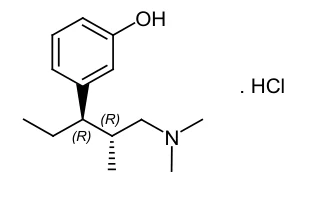
PAI-3016/KF35 Post-operative pain following abdominal hysterectomy | Randomized, double-blind, parallel-group; placebo- and active-controlled | Fixed oral dose q4-6h for 72 hours with an option for an early second dose on Day 1 Treatment groups: NUCYNTA IR: 50 mg, 75 mg, or 100 mg; Morphine IR 20 mg; placebo | n=854 | 47.5 years (28-78 years) | M: 0 F: 854 |
PAI-3002/KF33 End-stage degenerative joint disease, pending surgery in 10 days | Randomized, double-blind, parallel-group; placebo- and active-controlled | Fixed oral dose q4-6h for 10 days Treatment groups: NUCYNTA IR: 50 mg, or 75 mg; Oxycodone IR: 10 mg; placebo | n=666 | 61.2 years (20- 79 years) | M: 338 F: 328 |
Table 7 – Summary of patient demographics for clinical trials in NUCYNTA IR and NUCYNTA CR Dose Conversion Study
| Study | Study design | Dosage, route of administration and duration | Study subjects (n) | Mean age (Range) | Sex |
|---|---|---|---|---|---|
PAI-3019/KF3 9 Chronic low back pain | Randomized, double-blind, 2-period crossover | Titration phase (3-week titration to optimal effect and tolerability): NUCYNTA IR 50 mg, 75 mg, or 100 mg q4-6h. Double-blind phase (two 14-day cross-over periods): NUCYNTA IR 50 mg, 75 mg, or 100 mg q4-6h at dose reached during titration; NUCYNTA CR 100 mg, 150 mg, 200 mg, or 250 mg BID at the same total daily dose as for IR | n=116 (open –label) n=87 (for safety during double-blind treatment) n=60 (per protocol for non-inferiority) | 53.6 years (21-88 years) | M: 51 F: 65 |
The efficacy and safety of NUCYNTA IR have been established in two studies in patients with acute moderate to severe pain. These studies were randomized, double-blind, placebo- and active-controlled studies for the relief of post-operative pain, one in patients following bunionectomy and one in patients with pain following an abdominal hysterectomy. An additional study was a randomized, double-blind, placebo, and active-controlled study in patients with pain related to end-stage degenerative joint disease of the hip or knee within 10 days prior to a scheduled joint replacement surgery. An additional double-blind crossover study was also conducted to test whether subjects with moderate to severe chronic low back pain titrated to stable efficacy and tolerability could be switched between NUCYNTA IR (50 mg, 75 mg, or 100 mg every 4 to 6 hours) and NUCYNTA CR (100 mg, 150 mg, 200 mg, or 250 mg twice daily) while maintaining comparable efficacy.
PAI-3003/ KF32 (Bunionectomy Pain Model)
This study was a randomized, double-blind, parallel-group, placebo- and active-controlled, multiple-dose study evaluating the efficacy and safety of 50 mg, 75 mg, and 100 mg NUCYNTA IR given every 4 h to 6 h for 72 h in patients experiencing moderate to severe acute pain following unilateral, first metatarsal bunionectomy surgery, followed by an optional 9-day open-label extension period with NUCYNTA IR 50 mg or 100 mg. A total of 603 patients who qualified for the study with a baseline pain score of ≥4 on an 11-point numerical rating scale ranging from 0 to 10 were randomized to 1 of the 5 treatment groups in a 1:1:1:1:1 ratio and 602 subjects were treated. Patients were allowed to take a second dose of study medication as soon as 1 hour after the first dose on study Day 1, with subsequent dosing every 4 to 6 hours. If rescue analgesics were required, the patients were discontinued for lack of efficacy.
Subjects were between 18 years and 77 years of age, inclusive. Demographics and baseline characteristics were balanced across the treatment groups. Most subjects were White (55%), Hispanic (22%), or Black (20%). Most of the subjects across the treatment groups were women (87%) and less than 65 years of age (94%). The median baseline pain intensity score was 7.0 in all groups; the mean baseline pain score ranged from 6.9 in the placebo and NUCYNTA IR 100 mg groups to 7.2 in the NUCYNTA IR 50 mg group.
The primary efficacy endpoint was the sum of pain intensity difference over the first 48 hours (SPID48) versus placebo. NUCYNTA IR at each dose provided a greater reduction in pain compared to placebo based on SPID48 values adjusted for multiple comparisons. The proportions of patients who showed reduction in pain intensity at 48 hours of 30% or greater, were 40.0% on placebo, 64.7% on NUCYNTA IR 50 mg, 68.3% on NUCYNTA IR 75 mg, and 78.8% on NUCYNTA IR 100 mg.
PAI-3016/ KF35 (Hysterectomy Pain Model)
This was a multicenter, randomized, double-blind, parallel-group, placebo- and active-controlled, inpatient study that examined the efficacy, safety, and pharmacokinetics of multiple doses of 50 mg, 75 mg, and 100 mg of NUCYNTA IR for the relief of moderate to severe post-operative pain following an abdominal hysterectomy. Subjects took tapentadol IR every 4 hours to 6 hours for 3 days (with the option of taking an early second dose, as early as 1 hour, but no later than 6 hours after the first study drug administration). For inclusion, a baseline pain intensity of at least 4 on the 11-point (0 to 10) pain intensity NRS and at least moderate pain on a 4-point VRS rated within 30 minutes before randomization was required. Use of any additional analgesic medication during the double-blind treatment period led to the subjects being discontinued from the study for lack of efficacy. The primary variable was SPID24 based on the NRS.
The demographic data of the treatment groups were similar. The treated subjects had a mean age of 47.5 years, with 98.4% being under 65 years old, and the age ranging from 28 years to 78 years. For the Intent-to-Treat population, the mean baseline pain intensity based on the 11-point NRS was similar in all treatment groups, ranging from 5.1 to 5.2.
The primary efficacy variable for this trial was SPID24 calculated relative to the date and time of first dose.
NUCYNTA IR 50 mg, 75 mg, and 100 mg demonstrated statistically significant improvements in pain relief compared to placebo on the primary efficacy endpoint, adjusted for multiple comparisons. The responder rate with at least a 30% reduction at 24 hours was 53.6% on placebo, 71.2% on NUCYNTA IR 50 mg, 72.5% on NUCYNTA IR 75 mg, and 73.3% on NUCYNTA IR 100 mg.
PAI-3002/KF33 (Pain from End-Stage Degenerative Joint Disease Prior to Joint Replacement Surgery)
This was a randomized, double-blind, parallel-group, placebo- and active-controlled, multiple-dose study evaluated the efficacy and safety of 50 mg and 75 mg NUCYNTA IR given every 4 to 6 hours during waking hours in patients aged 20 to 79 years, experiencing moderate to severe pain from end stage degenerative joint disease of the hip or knee, waiting for a joint replacement surgery in 10 days. The severity of the pain was defined as a 3-day mean pain score of ≥5 on an 11-point pain intensity scale, ranging from 0 to 10. Pain scores were assessed twice daily and assessed the pain the patient had experienced over the previous 12 hours. Patients were allowed to continue non-opioid analgesic therapy for which they had been on a stable regimen before screening throughout the study. Eighty-three percent (83%) of patients in the NUCYNTA IR treatment groups and the placebo group took such analgesia during the study. The 75 mg treatment group was dosed at 50 mg for the first day of the study, followed by 75 mg for the remaining nine days. Patients requiring rescue analgesics other than study medication were discontinued for lack of efficacy.
Efficacy was evaluated by comparing the sum of pain intensity difference (SPID) versus placebo over the first five days of treatment. NUCYNTA IR 50 mg and 75 mg provided improvement in pain compared with placebo based on the 5-Day SPID (p<0.001 for both NUCYNTA IR treatment groups, adjusted for multiple comparisons). The responder rate of at least a 30% pain reduction was 30.2% on placebo, 43.1% on NUCYNTA IR 50 mg, and 41.0% on NUCYNTA IR 75 mg.
PAI-3019/KF39 (NUCYNTA IR and NUCYNTA Extended-Release dose conversion study in low back pain model)
Study PAI-3019/KF39 was a randomized, double-blind, multi-center, 2-period, crossover study to establish the dose equivalence and direct conversion between NUCYNTA IR and NUCYNTA CR in subjects with moderate to severe Low Back Pain (LBP). Subjects were titrated open label to an optimal dose of NUCYNTA IR (50 mg, 75 mg, or 100 mg every 4 hours or 6 hours, with a maximum total daily dose of 500 mg) for 21 days. This was followed by 2 double-blind fixed dose crossover periods (using the total daily dose given either as NUCYNTA IR or NUCYNTA CR in the titration phase) each for a 14-day duration. The primary efficacy endpoint, assessed using a non-inferiority test, was the mean average pain intensity score during the last 3 days of each double-blind treatment period, measured twice daily with the 11-point NRS.
A total of 116 subjects were enrolled in the open-label Titration Period, 88 subjects were randomized, 87 subjects were included in the double-blind Safety Analysis Set and 60 subjects were included in the Per-Protocol Analysis Set. For the patients in the open-label Safety Analysis Set, the median age was 53.0 years (range 21 to 88) and the majority of subjects were women (56%), white (77.6%), and under 65 years of age (74.1%). The mean pre-treatment pain intensity, based on the 11-point NRS, at the start of the open-label titration was 7.3. Slightly more than half of the subjects (53.4%) were opioid naïve, they had not taken opioids during the 3 months prior to the screening visit.
The total mean pain intensity score decreased from a pre-treatment value of 7.3 to a mean score of 4.2 after 3 weeks of open-label titration (before the start of the double-blind crossover) (n=60, per protocol). The estimated mean average pain intensity score over the last 3 days of treatment from the primary analysis per protocol was 4.0 for the period on NUCYNTA CR and 3.9 for the period on NUCYNTA IR. The estimated difference in mean primary endpoint values (mean average pain intensity score over the last 3 days of treatment: NUCYNTA CR to NUCYNTA IR) was 0.1 with a 95% CI of (-0.09, 0.28) which was within the pre-specified margin of non-inferiority (-2, 2). This study demonstrated that NUCYNTA IR may be used for titration to optimal balance of efficacy and tolerability. Then the patients can be directly converted into an approximately equivalent total daily dose of NUCYNTA CR, or vice-versa, if necessary, with equivalent efficacy.
15. Microbiology
No microbiological information is required for this drug product.
16. Non-Clinical Toxicology
General toxicology
Studies were conducted in mice, rats, guinea pigs, rabbits, dogs and monkeys to establish the toxicological profile of tapentadol hydrochloride following administration via different routes. In toxicological studies with tapentadol, the most common systemic effects of tapentadol were related to the mu-opioid receptor agonist and norepinephrine reuptake inhibition pharmacodynamic properties of the compound. Transient, dose-dependent and predominantly CNS-related findings were observed, including impaired respiratory function and convulsions, the latter occurring in the dog at plasma levels (Cmax), which are in the range associated with the maximum recommended human dose (MRHD).
Acute and repeat-dose toxicity studies: In acute toxicity studies in rodents with p.o. and i.v. administration, tapentadol HCl demonstrated a low acute toxicity. LD50 values were clearly above 300 (p.o.) or 40 (i.v.) mg/kg in mice and rats, respectively.
Tapentadol was evaluated in repeat-dose toxicity studies in mice, rats, dogs and monkeys up to a duration of 3, 6 or 12 months or 14 days, respectively. At high doses of tapentadol, transient, dose dependent and predominantly CNS-related findings, e.g., fearfulness, sedation or excited behaviour, recumbency and hunched posture, impaired respiratory function, rarely convulsions, were observed.
In dogs, salivation, vomiting and retching were additionally observed. The CNS and gastrointestinal symptoms are concordant with the pharmacodynamic effects of MOR agonists. In rats, adaptive changes of the liver were seen. These changes are considered to be related to the xenobiotic overload of hepatocytes due to substantial phase II metabolism and are not regarded as a sign of overt hepatotoxicity. Additionally; there was a lack of relevant tumour formation in the liver in both rodent species (rats and mice) in the 2-year carcinogenicity studies.
In dogs, transient prolongation of the QTc-time was observed in repeat-dose studies. The effects increased with dose and were significant only at the beginning of the studies. No other electrocardiographic findings were observed. Some late toxicity, including convulsions and deaths in rats and dogs occurred in the high dose groups with a delay of several hours following intravenous or oral administration. The cause of these deaths remained unclear, but is regarded as a result of exaggerated pharmacodynamic effects of the compound.
Genotoxicity
Tapentadol did not induce gene mutations in bacteria, but was clastogenic with metabolic activation in a chromosomal aberration test in V79 cells. The test was repeated and was negative in the presence and absence of metabolic activation. The one positive result for tapentadol was not confirmed in vivo in rats, using the two endpoints of chromosomal aberration and unscheduled DNA synthesis, when tested up to the maximum tolerated dose.
Carcinogenicity
Tapentadol was administered to rats (diet) and mice (oral gavage) for two years. In mice, tapentadol HCl was administered by oral gavage at dosages of 50, 100 and 200 mg/kg/day (200 mg/kg/day = maximum tolerated dose in mice) for 2 years. Exposures based on mean plasma Cmax were ~4.6x higher than the maximum recommended human daily dose. Exposure based on dose adjusted for body surface area (based on a 700 mg dose of NUCYNTA IR to a 50 kg human) was ~1.2x higher in mice than the maximum recommended human daily dose. No increase in tumour incidence was observed at any dose level. In rats, tapentadol HCl was administered in the diet at dosages of 10, 50, 125 and 250 mg/kg/day for two years. Exposure based on dose adjusted for body surface area (based on a 700 mg dose of NUCYNTA IR to a 50 kg human) was ~2.9x higher in rats than at the maximum recommended human daily dose. Cmax values were not measured in this carcinogenicity study and therefore a direct Cmax exposure multiple cannot be calculated. However, in 3- and 6-month oral gavage toxicity studies, at exposures similar to the AUC exposures in the rat carcinogenicity study, Cmax exposures were on average
~2.7x higher than in humans at the maximum recommended daily dose. No increase in tumour incidence was observed at any dose level.
Reproductive and developmental toxicology:
Impairment of Fertility: Tapentadol HCl was administered intravenously to male or female rats at dosages of 3, 6, or 12 mg/kg/day (representing exposures of up to approximately 0.4 times on an AUC basis, based on extrapolation from toxicokinetic analyses in a separate 4-week intravenous study in rats). Tapentadol did not alter fertility at any dose level. Maternal toxicity and adverse effects on embryonic development, including decreased numbers of implantations, decreased numbers of live conceptuses, and increased pre- and post-implantation losses occurred at dosages ≥6 mg/kg/day.
Developmental Studies: Tapentadol HCl was evaluated for teratogenic effects in pregnant rats and rabbits following intravenous and subcutaneous exposure during the period of embryofoetal organogenesis. When tapentadol was administered twice daily by the subcutaneous route in rats at dose levels of 10, 20, or 40 mg/kg/day [producing up to 1 times the plasma exposure at the maximum recommended human dose (MRHD)] of 700 mg/day for NUCYNTA IR based on an area under the time-curve (AUC) comparison], no teratogenic effects were observed. Evidence of embryofoetal toxicity included transient delays in skeletal maturation (i.e., reduced ossification) at the 40 mg/kg/day dose which was associated with significant maternal toxicity. Administration of tapentadol HCl in rabbits at doses of 4, 10, or 24 mg/kg/day by subcutaneous injection [producing 0.2, 0.6 and 1.85 times the plasma exposure at the MRHD based on an AUC comparison] revealed embryofoetal toxicity at doses ≥10 mg/kg/day. Findings included reduced foetal viability, skeletal delays and other variations. In addition, there were multiple malformations including gastroschisis/thoracogastroschisis, amelia/phocomelia, and cleft palate at doses ≥10 mg/kg/day and above, and ablepharia, encephalopathy, and spina bifida at the high dose of 24 mg/kg/day. Embryofoetal toxicity, including malformations, may be secondary to the significant maternal toxicity observed in the study.
In a study of pre- and postnatal development in rats, oral administration of tapentadol at doses of 20, 50, 150, or 300 mg/kg/day to pregnant and lactating rats during the late gestation and early postnatal period [resulting in up to 1.7 times the plasma exposure at the MRHD on an AUC basis] did not influence physical or reflex development, the outcome of neurobehavioral tests or reproductive parameters. Treatment-related developmental delay was observed, including incomplete ossification, and significant reductions in pup body weights and body weight gains at doses associated with maternal toxicity (150 mg/kg/day and above). At maternal tapentadol doses ≥150 mg/kg/day, a dose-related increase in pup mortality was observed to postnatal Day 4.
Special toxicology:
Dependence and Tolerance: Tapentadol is a mu-opioid receptor agonist. The potential to induce drug dependence and the abuse liability of tapentadol was studied in animal models in rats and monkeys. Tapentadol produced physical dependence as shown in an acute (mouse) and a chronic (rat) model. In both cases, however, tapentadol produced fewer withdrawal symptoms than morphine at equianalgesic doses. In rat models of reward and reinforcement, tapentadol had potency comparable to morphine at equianalgesic doses. Tapentadol produced a conditioned place preference, was intravenously self administered, and generalized to a morphine cue (but not to an amphetamine cue) in a drug discrimination procedure.
Development of tolerance to the analgesic effects of tapentadol was much slower than that of morphine (at equianalgesic doses) in an acute and a chronic pain model in rats.