


Product Monograph - Opdualag
Recent Major Label Changes
| 2026-01 2026-06 2026-xx |
|---|
Table of Contents
Certain sections or subsections that are not applicable at the time of the preparation of the most recent authorized product monograph are not listed.
Recent Major Label Changes ................................................................................................... 2
Table of Contents ................................................................................................................... 2
Part 1: Healthcare Professional Information ........................................................................... 5
- 1.
Indications ....................................................................................................................... 5
1.1. Pediatrics .................................................................................................................. 5
1.2. Geriatrics .................................................................................................................. 5
- 2. Contraindications ............................................................................................................ 5
- 3. Serious Warnings and Precautions Box ............................................................................ 5
- 4.
Dosage and Administration ............................................................................................. 6
4.1. Dosing Considerations .............................................................................................. 6
4.2. Recommended Dose and Dosage Adjustment ......................................................... 6
4.3. Reconstitution .......................................................................................................... 9
4.4. Administration .......................................................................................................... 9
4.5. Missed Dose ........................................................................................................... 10
- 5. Overdose ....................................................................................................................... 11
- 6. Dosage Forms, Strengths, Composition, and Packaging ................................................. 11
- 7.
Warnings and Precautions ............................................................................................. 12
General ............................................................................................................................... 12
Carcinogenesis and Genotoxicity ........................................................................................ 12
Driving and Operating Machinery ....................................................................................... 12
Hematologic ....................................................................................................................... 12
Hepatic/Biliary/Pancreatic .................................................................................................. 12
Immune .............................................................................................................................. 12
Infusion-Related Reactions ................................................................................................. 16
Monitoring and Laboratory Tests ....................................................................................... 16
Renal ................................................................................................................................... 17
Reproductive Health ........................................................................................................... 17
7.1. Special Populations ................................................................................................ 17
7.1.1. Pregnancy ....................................................................................................... 17
7.1.2. Breastfeeding ................................................................................................. 17
7.1.3. Pediatrics ........................................................................................................ 18
7.1.4. Geriatrics ........................................................................................................ 18
- 8.
Adverse Reactions ......................................................................................................... 18
8.1. Adverse Reaction Overview .................................................................................... 18
8.2. Clinical Trial Adverse Reactions .............................................................................. 19
8.2.1. Clinical Trial Adverse Reactions – Pediatrics ................................................... 24
8.3. Less Common Clinical Trial Adverse Reactions ....................................................... 24
8.3.1. Less Common Clinical Trial Adverse Reactions – Pediatrics ............................ 24
8.4. Abnormal Laboratory Findings: Hematologic, Clinical Chemistry, and Other Quantitative Data ............................................................................................................... 25
8.5. Post-Market Adverse Reactions ............................................................................. 25
- 9.
Drug Interactions ........................................................................................................... 26
9.2. Drug Interactions Overview .................................................................................... 26
9.3. Drug-Behaviour Interactions .................................................................................. 26
9.4. Drug-Drug Interactions ........................................................................................... 26
9.5. Drug-Food Interactions........................................................................................... 26
9.6. Drug-Herb Interactions ........................................................................................... 26
9.7. Drug-Laboratory Test Interactions ......................................................................... 26
- 10.
Clinical Pharmacology ................................................................................................... 26
10.1. Mechanism of Action .............................................................................................. 26
10.2. Pharmacodynamics ................................................................................................ 27
10.3. Pharmacokinetics ................................................................................................... 27
Distribution ......................................................................................................................... 27
Metabolism ......................................................................................................................... 27
Elimination .......................................................................................................................... 28
Special populations and conditions .................................................................................... 28
- Pediatrics ................................................................................................................ 28
- Hepatic Insufficiency .............................................................................................. 28
- Renal Insufficiency .................................................................................................. 28
10.4. Immunogenicity ...................................................................................................... 29
- 11. Storage, Stability, and Disposal ...................................................................................... 29
Part 2: Scientific Information ................................................................................................ 30
- 13. Pharmaceutical Information .......................................................................................... 30
- 14.
Clinical Trials .................................................................................................................. 30
14.1. Clinical Trials by Indication ..................................................................................... 31
Unresectable or Metastatic Melanoma .............................................................................. 31
- 16. Non-Clinical Toxicology .................................................................................................. 33
- 17. Supporting Product Monographs ................................................................................... 34
Patient Medication Information ........................................................................................... 35
Part 1: Healthcare Professional Information
1. Indications
OPDUALAG (nivolumab and relatlimab) is indicated for:
Unresectable or Metastatic Melanoma:
- Opdualag (nivolumab and relatlimab) is indicated for the treatment of adult and pediatric patients 12 years of age or older with unresectable or metastatic melanoma who have not received prior systemic therapy for unresectable or metastatic melanoma (see 14. Clinical Trials).
1.1. Pediatrics
Pediatrics (< 12 years of age):
The safety and efficacy of Opdualag in pediatrics <12 years of age has not been established. No data are available to Health Canada; therefore, Health Canada has not authorized an indication for pediatrics <12 years of age.
1.2. Geriatrics
Geriatrics (≥65 years of age):
No overall differences in safety or effectiveness were observed between elderly patients (≥65 years) and younger patients (<65 years) (see 7.1.4 Geriatrics).
2. Contraindications
Opdualag is contraindicated in patients who are hypersensitive to nivolumab or relatlimab or to any ingredient in the formulation, including any non-medicinal ingredient, or component of the container. For a complete listing, see 6. Dosage Forms, Strengths, Composition, and Packaging.
3. Serious Warnings and Precautions Box
Opdualag can cause severe and fatal immune-mediated adverse reactions, including pneumonitis, acute edema of the lung and hemophagocytic lymphohistiocytosis (HLH) (see 7. Warnings and Precautions, Immune-Mediated Adverse Reactions). Severe and fatal immune-mediated adverse reactions have been observed with nivolumab, which is a component of Opdualag. Healthcare professionals should consult the Opdivo (nivolumab) Product Monograph prior to initiation of Opdualag. Immune-mediated adverse reactions may involve any organ system. While most of these reactions occurred during treatment, onset months after the last dose has been reported (see 7. Warnings and Precautions). Early diagnosis and appropriate management are essential to minimize potential life-threatening complications. Patients should be monitored for signs and symptoms suggestive of immune-mediated adverse reactions (see 7. Warnings and Precautions and 4. Dosage and Administration for management guidelines for these adverse reactions). Opdualag must be permanently discontinued for any severe immune-related adverse reaction that recurs and for any life-threatening immune-mediated adverse reaction. |
|---|
4. Dosage and Administration
4.1. Dosing Considerations
The recommended Opdualag dosage for pediatric patients who are at least 12 years old and weigh at least 40 kg is the same as for adults. A recommended dose has not been established for pediatric patients who are 12 years or older and weigh less than 40 kg.
4.2. Recommended Dose and Dosage Adjustment
Recommended Dose
The recommended dosage of Opdualag is presented in Table 1.
Table 1: Recommended Dosage and Administration Schedule
| Indication | Recommended Dose and Schedule | Duration of Therapy |
|---|---|---|
| Unresectable or metastatic melanoma | Adult and Pediatric patients 12 years of age or older and weighing at least 40 kg: 480 mg nivolumab and 160 mg relatlimab every 4 weeks (30-minute intravenous infusion) | Until disease progression or unacceptable toxicity |
Recommended Dosage Adjustment
Dose escalation or reduction is not recommended. Dosing delay or discontinuation may be required based on individual safety and tolerability.
Dosage modifications for adverse reactions that require management different from these general guidelines are summarized in Table 2 (see also 7. Warnings and Precautions).
Table 2: Recommended Treatment Modifications for Opdualag
| Target Organ/System | Adverse Reaction1 | Treatment Modification |
| Pulmonary | Grade 2 pneumonitis | Withhold dose(s) until symptoms resolve, radiographic abnormalities improve, and management with corticosteroids is complete |
| Grade 3 or 4 pneumonitis | Permanently discontinue treatment | |
| Gastrointestinal | Grade 2 or 3 diarrhea or colitis | Withhold dose(s) until symptoms resolve and |
| management with corticosteroids, if needed, is complete | ||
| Grade 4 diarrhea or colitis | Permanently discontinue treatment | |
| Hepatic | Aspartate aminotransferase (AST) or Alanine aminotransferase (ALT) increases to more than 3 and up to 5 times upper limit of normal (ULN) or Total bilirubin increases to more than 1.5 and up to 3 times ULN. | Withhold dose(s) until laboratory values return to baseline and management with corticosteroids, if needed, is complete |
AST or ALT increases to more than 5 times ULN regardless of baseline. or Total bilirubin increases to more than 3 times ULN. or Concurrent AST or ALT increase to more than 3 times ULN and total bilirubin increase to more than 2 times ULN. | Permanently discontinue treatment | |
| Renal | Grade 2 or 3 creatinine elevation | Withhold dose(s) until creatinine returns to baseline and management with corticosteroids is complete |
| Grade 4 creatinine elevation | Permanently discontinue treatment | |
| Endocrine | Symptomatic Grade 2 or 3 hypothyroidism, hyperthyroidism, hypophysitis Grade 2 adrenal insufficiency Grade 3 diabetes | Withhold dose(s) until symptoms resolve and management with corticosteroids (if needed for symptoms of acute inflammation) is complete. Treatment should be continued in the presence of hormone replacement therapy as long as no symptoms are present |
Grade 4 hypothyroidism Grade 4 hyperthyroidism Grade 4 hypophysitis | Permanently discontinue treatment | |
Grade 3 or 4 adrenal insufficiency Grade 4 diabetes | ||
| Skin | Grade 3 rash | Withhold dose(s) until symptoms resolve and management with corticosteroids is complete |
| Suspected Stevens-Johnson syndrome (SJS), toxic epidermal necrolysis (TEN) or drug rash with eosinophilia and systemic symptoms (DRESS) | Withhold dose(s) | |
Grade 4 rash Confirmed SJS, TEN or DRESS | Permanently discontinue treatment | |
| Myocarditis | Grade 2, 3 or 4 myocarditis | Permanently discontinue treatment |
| Neurological2 | Grade 2 | Withhold dose(s) until symptoms resolve and management with corticosteroids, if needed, is complete |
| Grade 3 or 4 | Permanently discontinue treatment | |
| Infusion-Related Reactions | Grade 1 or 2 | Interrupt or slow the rate of infusion |
| Grade 3 or 4 | Permanently discontinue treatment | |
| Other | Grade 3 (first occurrence) | Withhold dose(s) until symptoms resolve or improve and management with corticosteroids is complete |
| Grade 4 or recurrent Grade 3; persistent Grade 2 or 3 despite treatment modification; inability to reduce corticosteroid dose to 10 mg prednisone or equivalent per day | Permanently discontinue treatment | |
1 National Cancer Institute Common Terminology Criteria for Adverse Events (CTCAE) v 5.0
2 Permanently discontinue treatment for demyelinating disease of any grade.
- Renal Impairment:
Based on a population pharmacokinetic analysis, no dose adjustment of Opdualag is recommended in patients with mild or moderate renal impairment. Data from patients with severe renal impairment are too limited to draw conclusions on this population (see 10.3 Pharmacokinetics).
- Hepatic Impairment:
Based on a population pharmacokinetic analysis, no dose adjustment is required in patients with mild or moderate hepatic impairment. Data from patients with severe hepatic impairment are too limited to draw conclusions on this population (see 10.3 Pharmacokinetics).
- Geriatric:
No dose adjustment is required for elderly patients (≥65 years) (see 7.1.4 Geriatrics and see 10.3 Pharmacokinetics).
- Pediatrics:
The safety and efficacy of Opdualag have not been established in pediatric patients under the age of 12 years or in pediatric patients 12 years of age or older who weigh less than 40 kg therefore no dosage is recommended (see 7.1.3 Pediatrics).
Use of Opdualag in pediatric patients 12 years of age or older and weighing at least 40 kg is supported by predicted drug exposures at the recommended Opdualag dose that are expected to result in similar safety and efficacy to that of adults.
4.3. Reconstitution
Opdualag is supplied as a clear to opalescent, colorless to slightly yellow solution for intravenous infusion in a single-use vial (see 6. Dosage Forms, Strengths, Composition, and Packaging). For information on administration, and instructions for preparation and use, see 4.4 Administration.
Incompatibilities:
In the absence of compatibility studies, this medicinal product must not be mixed with other medicinal products. Opdualag should not be infused concomitantly in the same intravenous line with other medicinal products.
4.4. Administration
Opdualag is a fixed-dose combination of nivolumab and relatlimab.
Opdualag is for intravenous use only.
Opdualag is supplied as a single-use vial and does not contain any preservatives.
Preparation
- Visually inspect the Opdualag concentrate for particulate matter or discolouration prior to administration. Opdualag is a clear to opalescent, colourless to slightly yellow solution. Discard the vial if the solution is cloudy, is discoloured, or contains extraneous particulate matter other than a few translucent-to-white particles. Do not shake the vial.
- Use aseptic technique when preparing Opdualag as the product does not contain a preservative.
- Opdualag can be administered undiluted or after dilution.
- Withdraw the required volume of Opdualag concentrate using an appropriate sterile syringe and transfer the concentrate into a sterile, intravenous container (ethylvinyl acetate (EVA), polyvinyl chloride [PVC], or polyolefin).
If diluting Opdualag prior to administration:
Dilute Opdualag solution with either sodium chloride 9 mg/mL (0.9%) solution for injection or glucose 50 mg/mL (5%) solution for injection to prepare an infusion meeting the following parameters:
- The final infusion concentration should range from 3 mg/mL nivolumab and 1 mg/mL relatlimab to 12 mg/mL nivolumab and 4 mg/mL relatlimab.
- The total infusion volume must not exceed 160 mL, or for adult patients weighing less than 40 kg, the total infusion volume should not exceed 4 mL per kilogram of patient weight.
- Gently mix the infusion by manual rotation. Do not shake.
After preparation, store the diluted solution either:
- at room temperature and room light for no more than 8 hours from the time of preparation to the end of the infusion. Discard the prepared solution if not used within 8 hours from the time of preparation;
or
- under refrigeration at 2°C to 8°C (36°F to 46°F) with protection from light for no more than 24 hours from the time of preparation, which includes the time allowed for equilibration of the infusion bag to room temperature and the duration of the infusion.
Discard the prepared solution if not used within 24 hours from the time of preparation.
Do not freeze.
Administration
Opdualag is administered as an intravenous infusion and must not be administered as an intravenous push or bolus injection.
- Administer the infusion over 30 minutes through an intravenous line containing a sterile, non-pyrogenic, low protein binding in-line filter (pore size of 0.2 micrometer to 1.2 micrometer).
- Opdualag infusion is compatible with EVA, PVC and polyolefin containers, PVC infusion sets and in-line filters with polyethersulfone (PES), nylon, and polyvinylidene fluoride (PVDF) membranes with pore sizes of 0.2 micrometer to 1.2 micrometer.
- Do not coadminister other drugs through the same intravenous line.
- After administration of the Opdualag dose, flush the intravenous line with sodium chloride 9 mg/mL (0.9%) solution for injection or 50 mg/mL (5%) glucose solution for injection, at end of infusion.
4.5. Missed Dose
If a planned dose of Opdualag is missed, the next dose should be scheduled as soon as possible.
5. Overdose
There is no information on overdosage with Opdualag.
In case of overdose, patients should be closely monitored for signs or symptoms of adverse reactions, and appropriate symptomatic treatment instituted immediately.
| For the most recent information in the management of a suspected drug overdose, contact your regional poison control centre or Health Canada’s toll-free number, 1-844 POISON-X (1-844-764-7669). |
|---|
- 6. Dosage Forms, Strengths, Composition, and Packaging
To help ensure the traceability of biologic products, including biosimilars, health professionals should recognize the importance of recording both the brand name and the non-proprietary (active ingredient) name as well as other product-specific identifiers such as the Drug Identification Number (DIN) and the batch/lot number of the product supplied.
Table 3 : Dosage Forms, Strengths, Composition and Packaging
| Route of Administration | Dosage Form / Strength/Composition | Non-medicinal Ingredients |
| Intravenous Infusion | Concentrate for solution for infusion / 240 mg nivolumab/20 mL (12 mg/mL) and 80 mg relatlimab/20 mL (4 mg/mL) single-use vial | Histidine, L-histidine hydrochloride monohydrate, pentetic acid (diethylenetriaminepentaacetic acid), polysorbate 80, sucrose and water for injection. |
Opdualag (nivolumab and relatlimab) injection for intravenous use is a fixed dose combination of nivolumab and relatlimab.
Nivolumab is IgG4 kappa monoclonal antibody (mAb) directed against PD-1, a negative T-cell regulator associated with T-cell exhaustion. Nivolumab has a calculated molecular mass of 146 kDa and is expressed in a recombinant CHO cell line.
Relatlimab is a human IgG4 kappa mAb directed against the human LAG-3, a negative T-cell regulator associated with T-cell exhaustion. Relatlimab has a calculated molecular mass of 148 kDa and is expressed in a recombinant Chinese Hamster Ovary (CHO) cell line.
Opdualag is a sterile, preservative-free, non-pyrogenic, clear to opalescent, colorless to slightly yellow solution that is essentially free of particles. Opdualag is supplied as 240 mg of nivolumab and 80 mg of relatlimab in a 20 mL single-use vial for intravenous use. Each mL of Opdualag solution contains 12 mg nivolumab, 4 mg relatlimab, and L-histidine (1.1 mg), histidine monohydrochloride monohydrate (2.7 mg), sucrose (85.6 mg), pentetic acid (0.008 mg), polysorbate 80 (0.5 mg), and Water for Injection, USP.
Store Opdualag under refrigeration at 2°C to 8°C (36°F to 46°F). Protect from light by storing in the original package until time of use. Do not freeze or shake.
7. Warnings and Precautions
See 3 Serious Warnings and Precautions Box.
General
Opdualag should be administered under the supervision of physicians experienced in the treatment of cancer.
Carcinogenesis and Genotoxicity
The mutagenic and carcinogenic potential of nivolumab or relatlimab have not been evaluated.
Driving and Operating Machinery
Opdualag may have an influence on the ability to drive and use machines. Because of potential adverse reactions such as fatigue, patients should be advised to use caution when driving or operating machinery until they are certain that Opdualag does not adversely affect them.
Hematologic
Hemophagocytic lymphohistiocytosis (HLH)
HLH has been observed with nivolumab as monotherapy, nivolumab in combination with relatlimab and nivolumab in combination with other agents with a fatal event reported in 1/355 patients (0.3%) treated with Opdualag. Patients should be closely monitored. If HLH is suspected, Opdualag should be withheld. If HLH is confirmed, administration of nivolumab in combination with relatlimab should be discontinued and treatment for HLH initiated (see 8. Adverse Reactions).
Hepatic/Biliary/Pancreatic
Hepatic Impairment
The safety and efficacy of Opdualag have not been studied in patients with severe hepatic impairment (see 4. Dosage and Administration).
Immune
Immune-Mediated Adverse Reactions
Immune-Mediated Adverse Reactions (IMARs), which can be severe or fatal, can occur with Opdualag. IMARs affecting more than one body system can occur simultaneously.
Early identification and management of IMARs are essential to minimize potential life-threatening complications. Patients should be monitored continuously (at least up to 5 months after the last dose) as an adverse reaction with Opdualag may occur at any time during or after discontinuation of therapy.
For suspected IMARs, adequate evaluation should be performed to confirm etiology or exclude other causes. Based on the severity of the adverse reaction, Opdualag should be withheld and corticosteroids administered. If immunosuppression with corticosteroids is used to treat an adverse reaction, a taper of at least 1 month duration should be initiated upon improvement. Rapid tapering may lead to worsening or recurrence of the adverse reaction. Non-corticosteroid immunosuppressive therapy should be considered if there is worsening or no improvement despite corticosteroid use.
Opdualag should not be resumed while the patient is receiving immunosuppressive doses of corticosteroids or other immunosuppressive therapy. Prophylactic antibiotics may be used to prevent opportunistic infections in patients receiving immunosuppressive therapy.
Opdualag must be permanently discontinued for any severe IMAR that recurs and for any life-threatening immune-mediated adverse reaction (see 4. Dosage and Administration).
Immune-Mediated Pulmonary Adverse Reactions
Severe pneumonitis or interstitial lung disease, including a fatal case, has been observed with Opdualag (see 8. Adverse Reactions). Patients should be monitored for signs and symptoms of pneumonitis such as radiographic changes (e.g. focal ground glass opacities, patchy infiltrates), dyspnoea, and hypoxia. Infectious and disease-related etiologies should be ruled out.
For Grade 3 or 4 pneumonitis, Opdualag must be permanently discontinued, and corticosteroids should be initiated at a dose of 2 to 4 mg/kg/day methylprednisolone equivalents.
For Grade 2 (symptomatic) pneumonitis, Opdualag should be withheld and corticosteroids initiated at a dose of 1 mg/kg/day methylprednisolone equivalents. Upon resolution of symptoms Opdualag may be resumed after corticosteroid taper. If worsening or no improvement occurs despite initiation of corticosteroids, corticosteroid dose should be increased to 2 to 4 mg/kg/day methylprednisolone equivalents and Opdualag must be permanently discontinued.
Immune-Mediated Gastrointestinal Adverse Reactions
Severe diarrhea or colitis has been observed with Opdualag (see 8. Adverse Reactions). Patients should be monitored for diarrhea and additional symptoms of colitis, such as abdominal pain and mucus and/or blood in stool. Infections and disease-related etiologies should be ruled out. Cytomegalovirus (CMV) infection/reactivation has been reported in patients with corticosteroid-refractory immune-mediated colitis. Stool infections work-up (including CMV, other viral etiology, culture, Clostridium difficile, ova, and parasite) should be performed upon presentation of diarrhea or colitis to exclude infectious or other alternate etiologies.
For Grade 4 diarrhea or colitis, Opdualag must be permanently discontinued, and corticosteroids should be initiated at a dose of 1 to 2 mg/kg/day methylprednisolone equivalents.
Opdualag should be withheld for Grade 3 diarrhea or colitis, and corticosteroids initiated at a dose of 1 to 2 mg/kg/day methylprednisolone equivalents. Upon resolution of symptoms, Opdualag may be resumed after corticosteroid taper. If worsening or no improvement occurs despite initiation of corticosteroids, Opdualag must be permanently discontinued.
For Grade 2 diarrhea or colitis, Opdualag should be withheld. Persistent diarrhea or colitis should be managed with corticosteroids at a dose of 0.5 to 1 mg/kg/day methylprednisolone equivalents. Upon resolution of symptoms, Opdualag may be resumed after corticosteroid taper, if needed. If worsening or no improvement occurs despite initiation of corticosteroids, corticosteroid dose should be increased to 1 to 2 mg/kg/day methylprednisolone equivalents and Opdualag must be permanently discontinued.
Addition of an alternative immunosuppressive agent to the corticosteroid therapy, or replacement of the corticosteroid therapy, should be considered in corticosteroid-refractory immune-related colitis if other causes are excluded (including CMV infection/reactivation evaluated with viral PCR on biopsy, and other viral, bacterial, and parasitic etiology).
Immune-Mediated Hepatic Adverse Reactions
Severe hepatitis has been observed with Opdualag (see 8. Adverse Reactions). Patients should be monitored for signs and symptoms of hepatitis such as transaminase and total bilirubin elevations. Infectious and disease-related etiologies should be ruled out.
For AST or ALT increases to more than 5 times ULN regardless of baseline, total bilirubin increases to more than 3 times ULN, or concurrent AST or ALT increase to more than 3 times ULN and total bilirubin increase to more than 2 times ULN, Opdualag must be permanently discontinued, and corticosteroids should be initiated at a dose of 1 to 2 mg/kg/day methylprednisolone equivalents.
For AST/ALT increases to more than 3 and up to 5 times ULN, or total bilirubin increases to more than 1.5 and up to 3 times ULN, Opdualag should be withheld. Persistent elevations in these laboratory values should be managed with corticosteroids at a dose of 0.5 to 1 mg/kg/day methylprednisolone equivalents. Once laboratory values have returned to baseline, Opdualag may be resumed after corticosteroid taper, if needed. If worsening or no improvement occurs despite initiation of corticosteroids, corticosteroid dose should be increased to 1 to 2 mg/kg/day methylprednisolone equivalents and Opdualag must be permanently discontinued.
Immune-Mediated Renal Adverse Reactions
Severe nephritis and renal dysfunction have been observed with Opdualag (see 8. Adverse Reactions). Patients should be monitored for signs and symptoms of nephritis or renal dysfunction. Most patients present with asymptomatic increases in serum creatinine. Disease-related etiologies should be ruled out.
For Grade 4 serum creatinine elevation, Opdualag must be permanently discontinued, and corticosteroids should be initiated at a dose of 1 to 2 mg/kg/day methylprednisolone equivalents.
For Grade 2 or 3 serum creatinine elevation, Opdualag should be withheld, and corticosteroids should be initiated at a dose of 0.5 to 1 mg/kg/day methylprednisolone equivalents. Once creatinine levels have returned to baseline, Opdualag may be resumed after corticosteroid taper. If worsening or no improvement occurs despite initiation of corticosteroids, corticosteroid dose should be increased to 1 to 2 mg/kg/day methylprednisolone equivalents, and Opdualag must be permanently discontinued.
Immune-Mediated Endocrinopathies
Severe endocrinopathies, including hypothyroidism, hyperthyroidism, adrenal insufficiency (including secondary adrenocortical insufficiency), hypophysitis (including hypopituitarism), and diabetes mellitus have been observed with Opdualag. Cases of diabetic ketoacidosis have been observed with nivolumab monotherapy and could potentially occur with Opdualag (see 8. Adverse Reactions).
Patients should be monitored for clinical signs and symptoms of endocrinopathies, and for hyperglycaemia and changes in thyroid function (at the start of treatment, periodically during treatment, and as indicated based on clinical evaluation). Patients may present with fatigue, headache, mental status changes, abdominal pain, unusual bowel habits, and hypotension, or nonspecific symptoms which may resemble other causes such as brain metastasis or underlying disease. Unless an alternate etiology has been identified, signs or symptoms of endocrinopathies should be considered immune-mediated.
For symptomatic hypothyroidism, Opdualag should be withheld, and thyroid hormone replacement should be initiated as needed. For symptomatic hyperthyroidism, Opdualag should be withheld and antithyroid medication should be initiated as needed. Corticosteroids at a dose of 1 to 2 mg/kg/day methylprednisolone equivalents should also be considered if acute inflammation of the thyroid is suspected. Once symptoms resolve, Opdualag may be resumed after corticosteroid taper, if needed. Monitoring of thyroid function should continue to ensure appropriate hormone replacement is utilised. Opdualag must be permanently discontinued for life-threatening (Grade 4) hyperthyroidism or hypothyroidism.
Opdualag must be permanently discontinued for severe (Grade 3) or life-threatening (Grade 4) adrenal insufficiency. For symptomatic Grade 2 adrenal insufficiency, Opdualag should be withheld, and physiologic corticosteroid replacement should be initiated as needed. Monitoring of adrenal function and hormone levels should continue to ensure appropriate corticosteroid replacement is utilised.
Opdualag must be permanently discontinued for life-threatening (Grade 4) hypophysitis. For symptomatic Grade 2 or 3 hypophysitis, Opdualag should be withheld, and hormone replacement should be initiated as needed. Corticosteroids at a dose of 1 to 2 mg/kg/day methylprednisolone equivalents should also be considered if acute inflammation of the pituitary gland is suspected. Once symptoms resolve, Opdualag may be resumed after corticosteroid taper, if needed. Monitoring of pituitary function and hormone levels should continue to ensure appropriate hormone replacement is utilised.
For symptomatic diabetes, Opdualag should be withheld, and insulin replacement should be initiated as needed. Monitoring of blood sugar should continue to ensure appropriate insulin replacement is utilised. Opdualag must be permanently discontinued for life-threatening (Grade 4) diabetes.
Immune-Mediated Skin Adverse Reactions
Severe rash has been observed with Opdualag (see 8. Adverse Reactions). Opdualag should be withheld for Grade 3 rash until symptoms resolve and management with corticosteroids is complete. Opdualag should be permanently discontinued for Grade 4 rash. Severe rash should be managed with high-dose corticosteroid at a dose of 1 to 2 mg/kg/day methylprednisolone equivalents.
Cases of SJS and TEN, some of them with fatal outcomes, have been reported with Opdualag (see 8.5 Post-Market Adverse Reactions). Rare cases of drug rash with eosinophilia and systemic symptoms (DRESS) have been observed with nivolumab monotherapy. If symptoms or signs of SJS, TEN or DRESS are suspected, Opdualag should be withheld and the patient referred to a specialized unit for assessment and treatment. If the patient has confirmed SJS, TEN or DRESS permanent discontinuation of Opdualag treatment is recommended (see 4.2 Recommended Dose and Dosage Adjustment).
Caution should be used when considering the use of Opdualag in a patient who has previously experienced a severe or life-threatening skin adverse reaction on prior treatment with other immune-stimulatory anticancer agents.
Immune-Mediated Myocarditis
Severe immune-mediated myocarditis has been observed with Opdualag and fatal myocarditis has been observed with nivolumab.
The diagnosis of myocarditis requires a high index of suspicion. Patients with cardiac or cardio-pulmonary symptoms should be assessed for potential myocarditis. If myocarditis is suspected, prompt initiation of a high dose of steroids (prednisone 1 to 2 mg/kg/day or methylprednisolone 1 to 2 mg/kg/day) and prompt cardiology consultation with diagnostic workup according to current clinical guidelines should be initiated. Once a diagnosis of myocarditis is established, Opdualag should be permanently discontinued as described below.
For Grade 2, 3 or 4 myocarditis, Opdualag must be permanently discontinued, and corticosteroids should be initiated at a dose of 1 to 2 mg/kg/day methylprednisone equivalents or 2 to 4 mg/kg/day methylprednisolone equivalents for Grade 2 or Grade 3-4 myocarditis, respectively.
Immune-Mediated Myocarditis-Myositis-Myasthenia Gravis Overlap Syndrome
Cases of Myocarditis-Myositis-Myasthenia Gravis Overlap Syndrome (presenting as an overlap of either two or all three conditions), some with fatal outcome, have been reported with nivolumab in combination with relatlimab, and other immune checkpoint inhibitors. It is important to recognize overlapping symptoms; patients presenting with signs or symptoms of one condition should also be monitored and evaluated for the other two conditions. Early recognition and aggressive management are essential to address associated morbidity and risk of mortality (see 4. Dosage and Administration).
Other Immune-Mediated Adverse Reactions
The following clinically significant immune-mediated adverse reactions have been reported in patients treated with Opdualag: uveitis, pancreatitis, gastritis, Guillain-Barre syndrome, myositis/rhabdomyolysis, myasthenia gravis, encephalitis, hemolytic anemia, and Vogt Koyanagi-Harada syndrome (VKH).
The following additional clinically significant immune-mediated adverse reactions have been reported with nivolumab monotherapy or nivolumab in combination with other agents: demyelination, autoimmune neuropathy (including facial and abducens nerve paresis), myasthenic syndrome, aseptic meningitis, sarcoidosis, duodenitis, and hypoparathyroidism.
For suspected immune-mediated adverse reactions, adequate evaluation should be performed to confirm etiology or exclude other causes. Based on the severity of the adverse reaction, Opdualag should be withheld and corticosteroids administered. Upon improvement, Opdualag may be resumed after corticosteroid taper. Opdualag must be permanently discontinued for any severe immune-related adverse reaction that recurs and for any life-threatening immune-mediated adverse reaction.
Solid organ transplant rejection has been reported in the post-marketing setting in patients treated with PD-1/PD-L1 inhibitors. Treatment with Opdualag may increase the risk of rejection in solid organ transplant recipients. The benefit of treatment with Opdualag versus the risk of possible organ rejection should be considered in these patients.
In patients treated with nivolumab before or after allogeneic HSCT, rapid-onset and severe GVHD, some with fatal outcome, have been reported. Treatment with nivolumab in combination with relatlimab may increase the risk of severe GVHD and death in patients who have had prior allogeneic HSCT, mainly in those with prior history of GVHD. The benefit of treatment with Opdualag versus the possible risk should be considered in these patients.
Infusion-Related Reactions
Opdualag can cause severe infusion-related reactions. Discontinue Opdualag in patients with severe or life-threatening infusion-related reactions. Interrupt or slow the rate of infusion in patients with mild or moderate infusion-related reactions (see 4. Dosage and Administration).
Monitoring and Laboratory Tests
Liver function tests, thyroid function tests, blood glucose and electrolytes should be monitored prior to and periodically during treatment. Patients should be closely monitored during treatment for signs and symptoms of immune-mediated adverse reactions, including but not limited to: dyspnea, hypoxia, increased frequency of bowel movements, diarrhea, elevated transaminase and bilirubin levels, elevated creatinine levels, rash, pruritus, headache, fatigue, hypotension, mental status changes, visual disturbances, muscle pain or weakness, parasthesias.
Renal
Renal Impairment
The safety and efficacy of Opdualag have not been studied in patients with severe renal impairment (see 4. Dosage and Administration).
Reproductive Health
- Fertility
Studies to evaluate the effect of nivolumab and/or relatlimab on fertility have not been performed. Thus, the effect of nivolumab and/or relatlimab on male and female fertility is unknown.
Pregnancy Testing
Pregnancy status should be verified for females of reproductive potential prior to initiating Opdualag (see 7.1.1 Pregnancy).
Contraception
Advise females of reproductive potential to use effective contraception during treatment with Opdualag and for at least 5 months following the last dose of Opdualag (see 10.3 Pharmacokinetics).
7.1. Special Populations
7.1.1. Pregnancy
Based on its mechanism of action and findings in animals, Opdualag can cause fetal harm when administered to a pregnant woman. Studies in animals receiving nivolumab have shown embryofetal toxicity. In animal reproduction studies, administration of nivolumab to cynomolgus monkeys from the onset of organogenesis through delivery resulted in increased abortion and premature infant death. Human IgG4 is known to cross the placenta and nivolumab and relatlimab are IgG4 antibodies; therefore, nivolumab and relatlimab have the potential to be transmitted from the mother to the developing fetus. There are no studies on the use of Opdualag in pregnant women to evaluate a drug-associated risk. Opdualag is not recommended during pregnancy and in women of childbearing potential not using effective contraception. Effective contraception should be used during treatment with Opdualag and for at least 5 months following the last dose of Opdualag (see 16. Non-Clinical Toxicology).
Teratogenic Risk
Based on its mechanism of action, Opdualag can cause fetal harm when administered to a pregnant woman.
7.1.2. Breastfeeding
The excretion of nivolumab and relatlimab in human milk, the effects on the breastfed child, or the effects on milk production have not been studied. Because nivolumab and relatlimab may be excreted in human milk and because of the potential for serious adverse reactions in a breastfed child, advise patients not to breastfeed during treatment with Opdualag and for at least 5 months after the last dose.
7.1.3. Pediatrics
Use of Opdualag in pediatric patients 12 years of age or older and weighing at least 40 kg is supported by predicted drug exposures at the recommended Opdualag dose that are expected to result in similar safety and efficacy to that of adults.
The safety and efficacy of Opdualag have not been established in pediatric patients under the age of 12 years or in patients 12 years of age or older and weighing less than 40 kg.
7.1.4. Geriatrics
Of the 355 patients treated with Opdualag in RELATIVITY 047, 47% of patients were 65 years or older, and 19% of patients were 75 years or older. No overall differences in safety or effectiveness were observed between elderly patients (≥65 years) and younger patients (<65 years).
8. Adverse Reactions
8.1. Adverse Reaction Overview
Unresectable or Metastatic Melanoma:
The safety of Opdualag was evaluated in RELATIVITY-047, a randomized (1:1), double-blinded trial in patients with previously untreated metastatic or unresectable melanoma (see 14. Clinical Trials). Patients received intravenous Opdualag (nivolumab 480 mg and relatlimab 160 mg) every 4 weeks (n=355) or nivolumab 480 mg by intravenous infusion every 4 weeks (n=359). Patients were treated with Opdualag or nivolumab until disease progression or unacceptable toxicity (see 14. Clinical Trials).
The median duration of treatment was 8.3 months (range: 0-38.8 months) for Opdualag and 6.5 months (range: 0-40.5 months) for nivolumab: 54.9% of patients in the Opdualag arm received Opdualag for ≥6 months and 38.0% of patients received Opdualag for ≥1 year. The median number of Opdualag doses received was 10 (range: 1-43 doses).
Fatal adverse reactions occurred in 4 (1.1%) patients who were treated with Opdualag; these included hemaphagocytic lymphohistiocytosis, acute edema of the lung, pnemonitis and multi-organ failure.
Serious adverse reactions occurred in 34% of patients treated with Opdualag and 28% of patients treated with nivolumab. The most common serious adverse reactions reported in ≥1% of patients treated with Opdualag were adrenal insufficiency, anemia, myocarditis, colitis, diarrhea, pneumonia, urinary tract infection and back pain.
Adverse reactions leading to discontinuation of study therapy were reported in 19.2% of patients treated with Opdualag and in 11.7% of patients treated with nivolumab. The most common (˃1%) adverse reactions leading to discontinuation of Opdualag were pneumonitis and myocarditis. In the Opdualag arm, 49.3% of patients had at least one dose withheld for an adverse reaction.
The most common adverse reactions reported in ≥15% of patients treated with Opdualag were fatigue, musculoskeletal pain, rash, pruritus, arthralgia, diarrhea, headache, nausea, hypothyroidism, cough and decreased appetite.
8.2. Clinical Trial Adverse Reactions
Clinical trials are conducted under very specific conditions. The adverse reaction rates observed in the clinical trials may not reflect the rates observed in practice and should not be compared to the rates in the clinical trials of another drug. Adverse reaction information from clinical trials may be useful in identifying and approximating rates of adverse drug reactions in real-world use.
Unresectable or Metastatic Melanoma:
RELATIVITY-047:
Table 4 lists adverse reactions that occurred in at least 1% of Opdualag treated patients in RELATIVITY-047 (19.9 months median follow-up).
Table 4: Adverse Reactions Reported in ≥1% of Patients in RELATIVITY-047
Opdualag (n=355) | Nivolumab (n=359) | ||||||||||||
| System Organ Class Preferred Term | All Grade | Grades 3-4 | All Grade | Grades 3-4 | |||||||||
| Percentage (%) of Patients1 | |||||||||||||
| Blood and Lymphatic Disorders | |||||||||||||
| Eosinophilia2 | 2.5 | 0 | 1.1 | 0 | |||||||||
| Cardiac Disorders | |||||||||||||
| Myocarditis | 1.4 | 0.6 | 0.6 | 0 | |||||||||
| Endocrine Disorders | |||||||||||||
| Hypothyroidism3 | 16.3 | 0 | 12.8 | 0 | |||||||||
| Hyperthyroidism | 6.5 | 0 | 7.8 | 0 | |||||||||
| Adrenal insufficiency | 4.5 | 1.4 | 1.1 | 0 | |||||||||
| Thyroiditis4 | 2.5 | 0 | 1.7 | 0 | |||||||||
| Hypophysitis | 1.4 | 0.6 | 0.8 | 0.3 | |||||||||
| Eye Disorders | |||||||||||||
| Uveitis5 | 1.4 | 0 | 1.1 | 0 | |||||||||
| Visual impairment | 1.7 | 0 | 0.3 | 0 | |||||||||
| Dry eye6 | 2.0 | 0 | 1.4 | 0 | |||||||||
| Increased lacrimation | 1.4 | 0 | 0.6 | 0 | |||||||||
| Gastrointestinal Disorders | |||||||||||||
| Diarrhea | 25.6 | 1.7 | 18.7 | 1.4 | |||||||||
| Nausea | 19.4 | 0.6 | 15.0 | 0 | |||||||||
| Abdominal pain7 | 13.5 | 0.3 | 12.5 | 0.8 | |||||||||
| Constipation | 11.3 | 0.6 | 6.4 | 0 | |||||||||
| Vomiting | 10.1 | 0.6 | 6.4 | 0.3 | |||||||||
| Dry mouth | 8.5 | 0 | 5.0 | 0 | |||||||||
| Colitis | 3.1 | 1.1 | 0.6 | 0 | |||||||||
| Stomatitis8 | 2.8 | 0 | 1.7 | 0 | |||||||||
| Gastritis | 2.5 | 0.8 | 1.1 | 0.3 | |||||||||
| Dysphagia | 2.0 | 0 | 1.1 | 0 | |||||||||
| Pancreatitis9 | 1.4 | 0 | 0.6 | 0 | |||||||||
| General Disorders and Administration Site Conditions | |||||||||||||
| Fatigue10 | 40.8 | 2.0 | 30.1 | 0.6 | |||||||||
| Pyrexia11 | 12.1 | 0 | 10.0 | 0.3 | |||||||||
| Edema12 | 8.7 | 0.3 | 5.8 | 0.3 | |||||||||
| Influenza like illness | 5.4 | 0 | 4.5 | 0 | |||||||||
| Chills | 3.7 | 0 | 3.9 | 0 | |||||||||
| Hepatobiliary Disorders | |||||||||||||
| Hepatitis13 | 1.1 | 1.1 | 1.1 | 0.6 | |||||||||
| Infections and infestations | |||||||||||||
| Urinary tract infection | 11.3 | 1.1 | 8.9 | 0.6 | |||||||||
| Upper respiratory tract infection14 | 9.3 | 0 | 9.7 | 0.3 | |||||||||
| Injury, poisoning and procedural complications | |||||||||||||
| Infusion-related reaction | 6.2 | 0 | 3.6 | 0.3 | |||||||||
| Investigations | |||||||||||||
| Weight decreased | 8.5 | 1.4 | 3.6 | 0 | |||||||||
| Metabolism and nutrition disorders | |||||||||||||
| Decreased appetite | 15.5 | 0.6 | 7.5 | 0.3 | |||||||||
| Hyperuricemia | 3.4 | 0 | 1.1 | 0 | |||||||||
| Hypoalbuminemia15 | 2.0 | 0 | 2.2 | 0 | |||||||||
| Diabetes mellitus16 | 1.1 | 0.6 | 1.4 | 0.8 | |||||||||
| Dehydration | 1.1 | 0.6 | 0.8 | 0.3 | |||||||||
| Musculoskeletal and Connective Tissue Disorders | |||||||||||||
| Musculoskeletal pain17 | 32.1 | 2.3 | 22.3 | 1.1 | |||||||||
| Arthralgia | 25.6 | 1.7 | 17.3 | 0.6 | |||||||||
| Arthritis18 | 5.6 | 0.8 | 1.1 | 0.3 | |||||||||
| Muscle spasms19 | 2.8 | 0 | 1.1 | 0 | |||||||||
| Muscular weakness | 2.8 | 0.3 | 2.2 | 0.8 | |||||||||
| Nervous System Disorders | |||||||||||||
| Headache | 19.7 | 0.3 | 12.0 | 0.3 | |||||||||
| Dizziness20 | 9.9 | 0 | 8.4 | 0 | |||||||||
| Peripheral neuropathy21 | 6.2 | 0 | 2.8 | 0.6 | |||||||||
| Dysgeusia | 2.0 | 0 | 0.3 | 0 | |||||||||
| Psychiatric disorders | |||||||||||||
| Confusional state22 | 1.7 | 0.6 | 0.3 | 0 | |||||||||
| Renal and Urinary Disorders | |||||||||||||
| Renal failure23 | 2.0 | 1.1 | 1.7 | 0.3 | |||||||||
| Proteinuria | 1.4 | 0 | 0.8 | 0 | |||||||||
| Respiratory, Thoracic, and Mediastinal Disorders | |||||||||||||
| Cough24 | 15.8 | 0.3 | 12.0 | 0 | |||||||||
| Dyspnea25 | 10.4 | 1.4 | 6.7 | 0.3 | |||||||||
| Pneumonitis26 | 5.1 | 0.8 | 2.8 | 0.3 | |||||||||
| Nasal congestion | 2.8 | 0 | 1.1 | 0 | |||||||||
| Skin and Subcutaneous Tissue Disorders | |||||||||||||
| Rash27 | 28.7 | 1.7 | 21.2 | 1.4 | |||||||||
| Pruritus | 26.2 | 0 | 17.8 | 0.6 | |||||||||
| Vitiligo | 13.2 | 0 | 12.0 | 0 | |||||||||
| Dry skin | 3.9 | 0 | 2.5 | 0 | |||||||||
| Alopecia | 1.7 | 0 | 0.8 | 0 | |||||||||
| Lichenoid keratosis | 1.1 | 0 | 0.3 | 0 | |||||||||
| Photosensitivity reaction | 1.4 | 0 | 0.3 | 0 | |||||||||
| Vascular Disorders | |||||||||||||
| Phlebitis | 1.1 | 0 | 0.3 | 0 | |||||||||
- 1. Incidences presented in this table are based on reports of treatment-emergent adverse events.
- 2. Includes eosinophilia, eosinophilia count increased.
- 3. Includes hypothyroidism, autoimmune hypothyroidism.
- 4. Includes thyroiditis, autoimmune thyroiditis.
- 5. Includes uveitis, iridocyclitis.
- 6. Includes dry eye, xerophthalmia.
- 7. Includes abdominal pain, abdominal discomfort, abdominal pain lower, abdominal pain upper, abdominal tenderness.
- 8. Includes stomatitis, aphthous ulcer, mouth ulceration, mucosal inflammation.
- 9. Includes pancreatitis, autoimmune pancreatitis, pancreatitis acute, pancreatitis chronic.
- 10. Includes fatigue, asthenia.
- 11. Includes pyrexia, body temperature increased, tumor associated fever.
- 12. Includes edema, generalised edema, peripheral edema, and peripheral swelling.
- 13. Includes hepatitis, autoimmune hepatitis, hepatitis toxic.
- 14. Includes upper respiratory tract infection, nasopharyngitis, pharyngitis, rhinitis.
- 15. Includes hypoalbuminaemia, blood albumin decreased.
- 16. Includes diabetes mellitus, type 1 diabetes mellitus, type 2 diabetes mellitus.
- 17. Includes musculoskeletal pain, back pain, bone pain, musculoskeletal chest pain, musculoskeletal discomfort, myalgia, neck pain, pain in extremity, spinal pain.
- 18. Includes arthritis, autoimmune arthritis, osteoarthritis, seronegative arthritis.
- 19. Includes muscle spasm, muscle contractions.
- 20. Includes dizziness, vertigo.
- 21. Includes peripheral neuropathy, dysaesthesia, hyperaesthesia, hypoaesthesia, peripheral motor neuropathy, peripheral semimotor neuropathy, peripheral sensory neuropathy.
- 22. Includes confusional state, apathy.
- 23. Includes renal failure, acute kidney injury.
- 24. Includes cough, productive cough.
- 25. Includes dyspnea, dyspnea exertional.
- 26. Includes pneumonitis, interstitial lung disease.
- 27. Includes rash, pustular rash, dermatitis, dermatitis acneiform, dermatitis allergic, dermatitis bullous, dermatitis psoriasiform, drug eruption, rash erythematous, rash macular, rash maculo-papular, rash morbilliform, rash papular, rash pruritic, rash vesicular.
Description of Immune-Mediated Adverse Reactions:
The management guidelines for these adverse reactions are described in Table 2 (see 4. Dosage and Administration and 7. Warnings and Precautions).
Immune-Mediated Pulmonary Adverse Reactions:
In patients treated with Opdualag in melanoma, the incidence of pneumonitis, including interstitial lung disease and lung infiltration was 5.1% (18/355). Grade 3 and 4 events were reported in 0.8% (3/355) of patients. A fatal adverse reaction of pneumonitis was reported in a patient treated with Opdualag.
The median time to onset was 28 weeks (range: 3.6-94.4). Six patients (1.7%) required permanent discontinuation of Opdualag. Ten patients (55.6%) received high dose corticosteroids (at least 40 mg prednisone or equivalents). Resolution occurred in 15 patients (83.3%) with a median time to resolution of 12.0 weeks (range: 2.1-29.7+); + denotes a censored observation.
Immune-Mediated Gastrointestinal Adverse Reactions:
In patients treated with Opdualag in melanoma, the incidence of diarrhea, colitis, or frequent bowel movements was 15.8% (56/355). Grade 3 and 4 events were reported in 2.0% (7/355) of patients.
The median time to onset was 14 weeks (range: 0.1-95.6). Seven patients (2.0%) required permanent discontinuation. Nineteen patients (33.9%) received high dose corticosteroids (at least 40 mg prednisone or equivalents). Resolution occurred in 51 patients (92.7%) with a median time to resolution of 3.9 weeks (range: 0.1-136.9+).
Immune-Mediated Hepatic Adverse Reactions:
In patients treated with Opdualag in melanoma, the incidence of hepatitis and liver function test abnormalities was 13.2% (47/355). Grade 3 and 4 events were reported in 3.9% (14/355) of patients.
The median time to onset was 11 weeks (range: 2.0-144.9). Seven patients (2.0%) required permanent discontinuation. Eighteen patients (38.3%) received high dose corticosteroids (at least 40 mg prednisone or equivalents). Resolution occurred in 37 patients (78.7%) with a median time to resolution of 6.1 weeks (range: 1.0-88.1+).
Immune-Mediated Renal Adverse Reactions:
In patients treated with Opdualag in melanoma, the incidence of nephritis or renal dysfunction was 4.5% (16/355). Grade 3 and 4 events were reported in 1.4% (5/355) of patients.
The median time to onset was 21 weeks (range: 1.9-127.9). Four patients (1.1%) required permanent discontinuation. Four patients (25.0%) received high dose corticosteroids (40 mg prednisone or equivalents). Resolution occurred in 13 patients (81.3%) with a median time to resolution of 8.1 weeks (range: 0.9-91.6+).
Immune-Mediated Endocrinopathies:
In patients treated with Opdualag in melanoma, the incidence of endocrinopathies was 26.5% (94/355). Thyroid disorders, including hypothyroidism and hyperthyroidism, occurred in 20.8% (74/255) of patients. There were no incidences of Grade 3 and 4 thyroid disorders. Adrenal insufficiency (including adrenocortical insufficiency acute) occurred in 4.8% (17/355) of patients. Grade 3 and 4 events of adrenal insufficiency occurred in 1.4% (5/355) of patients. Pituitary disorders, including hypophysitis occurred in 2.5% (9/355) of patients. One patient (0.3%) experienced a Grade 3-4 event of hypophysitis. Diabetes mellitus (including Type 1 diabetes mellitus) occurred in 0.3% of patients. Incidences of Grade 3 and4 diabetes mellitus were in one patient (0.3%), which was a Grade 3-4 event.
The median time to onset of these endocrinopathies was 13 weeks (range: 1.0-73.0). Four patients (1.1%) required permanent discontinuation. Seven patients (7.4%) received high dose corticosteroids (at least 40 mg prednisone or equivalents). Resolution occurred in 26 patients (27.7%) with a time to resolution range from 0.4 to 176.0+ weeks.
Immune-Mediated Skin Adverse Reactions:
In patients treated with Opdualag in melanoma, the incidence of rash, including pruritis and vitiligo was 45.1% (160/355). Grade 3 and 4 events were reported in 1.4% (5/355) of patients.
The median time to onset was 8 weeks (range: 0.1-116.4). One patient (0.3%) required permanent discontinuation. Six patients (3.8%) received high dose corticosteroids (at least 40 mg prednisone or equivalents). Resolution occurred in 76 patients (47.5%) with a median time to resolution of 64.1 weeks (range: 0.1-166.9+).
Immune-Mediated Myocarditis:
In patients treated with Opdualag in melanoma, the incidence of myocarditis was 1.4% (5/355). Incidences of Grade 3 and 4 events were 0.6 % (2/355).
The median time to onset was 4.1 weeks (range: 2.1-6.3). Five patients (1.4%) required permanent discontinuation. Five patients (100%) received high dose corticosteroids (at least 40 mg prednisone or equivalents). Resolution occurred in 5 patients (100%) with a median time to resolution of 3 weeks (1.9-14.0).
Infusion Reactions:
In patients treated with Opdualag, the incidence of hypersensitivity/infusion reactions was 6.8% (24/355). All events were Grade 1 or 2.
8.2.1. Clinical Trial Adverse Reactions – Pediatrics
No pediatric patients were enrolled in RELATIVITY-047.
The safety and efficacy of Opdualag for the treatment of unresectable or metastatic melanoma have been established in pediatric patients 12 years or older who weigh at least 40 kg, based on population PK analysis (see 10.3 Pharmacokinetics).
The safety and efficacy of Opdualag in pediatric patients younger than 12 years of age or 12 years of age or older and weighing less than 40 kg have not been established (see 1.1 Pediatrics, 4.1 Dosing Considerations, 7.1.3 Pediatrics).
8.3. Less Common Clinical Trial Adverse Reactions
Table 5: Less Common Clinical Trial Adverse Reactions (<1%)
| OPDIVO Study | System Organ Class |
|---|---|
Unresectable or Metastatic Melanoma: (previously untreated) RELATIVITY-047 | Blood and lymphatic system disorders: hemolytic anemia Cardiac disorders: pericardial effusion Endocrine disorders: hypopituitarism, hypogonadism Eye disorders: Vogt-Koyanagi-Harada disease, ocular hyperaemia Gastrointestinal disorders: esophagitis Hepatobiliary disorders: cholangitis Infections and Infestations: folliculitis Investigations: c-reactive protein increased, red blood cell sedimentation rate increased Musculoskeletal and connective tissue disorders: myositis, Sjogren’s Syndrome, polymyalgia rheumatica, rheumatoid arthritis, systemic lupus erythematosus Nervous system disorders: encephalitis, Guillain-Barré syndrome, optic neuritis Renal and urinary disorders: nephritis Reproductive system and breast disorders: azoopermia Respiratory, thoracic and mediastinal disorders: asthma Skin and subcutaneous tissue disorders: pemphigoid, psoriasis, urticaria |
8.3.1. Less Common Clinical Trial Adverse Reactions – Pediatrics
No pediatric patients were enrolled in RELATIVITY-047.
8.4. Abnormal Laboratory Findings: Hematologic, Clinical Chemistry, and Other Quantitative Data
Clinical Trial Findings
- -047 is shown in Table 6.
Table 6: Laboratory Abnormalities Worsening from Baseline Occurring in ≥10% of Patients with Unresectable or Metastatic Melanoma treated with Opdualag (RELATIVITY-047)
| Laboratory Abnormalities | Percentage of Patients with Worsening Laboratory Test from Baseline1 | |||
| Opdualag | Nivolumab | |||
| Grades 1-4 n (%) | Grades 3-4 n (%) | Grades 1-4 n (%) | Grades 3-4 n (%) | |
| Chemistry | ||||
| Increased AST | 116 (33.8) | 10 (2.9) | 85 (24.6) | 5 (1.4) |
| Increased ALT | 101 (29.4) | 12 (3.5) | 97 (28.1) | 8 (2.3) |
| Hyponatremia | 92 (27.0) | 5 (1.5) | 80 (23.2) | 4 (1.2) |
| Hyperkalemia | 56 (16.4) | 6 (1.8) | 61 (17.7) | 3 (0.9) |
| Hypocalcemia | 57 (17.0) | 2 (0.6) | 51 (15.2) | 1 (0.3) |
| Hypomagnesemia | 52 (15.6) | 2 (0.6) | 47 (13.7) | 0 |
| Increased alkaline phosphatase | 75 (22.1) | 2 (0.6) | 58 (16.8) | 2 (0.6) |
| Increased creatinine | 82 (24.0) | 5 (1.5) | 65 (18.8) | 3 (0.9) |
| Hypercalcemia | 39 (11.6) | 3 (0.9) | 46 (13.7) | 3 (0.9) |
| Hypokalemia | 35 (10.3) | 1 (0.3) | 36 (10.4) | 1 (0.3) |
| Hematology | ||||
| Anemia | 139 (41.1) | 12 (3.6) | 119 (34.7) | 12 (3.5) |
| Lymphopenia | 118 (35.2) | 11 (3.3) | 105 (30.7) | 11 (3.2) |
| Neutropenia | 45 (13.4) | 0 | 34 (9.9) | 1 (0.3) |
| Leukopenia | 44 (13.0) | 0 | 49 (14.3) | 0 |
- 1. Each test incidence is based on the number of patients who had both baseline and at least one on-study laboratory measurement available: Opdualag group (range: 35 to 343 patients) and nivolumab group (range: 70 to 345 patients).
8.5. Post-Market Adverse Reactions
The following events have been identified during post-approval use of nivolumab in combination with relatlimab. Because reports are voluntary from a population of unknown size, an estimate of frequency cannot be made.
Nervous system disorders: myasthenia gravis, Myocarditis-Myositis-Myasthenia Gravis Overlap
Syndrome.
Skin and subcutaneous tissue disorders: Stevens-Johnson syndrome (SJS), toxic epidermal necrolysis (TEN).
9. Drug Interactions
9.2. Drug Interactions Overview
There have been no formal drug interaction studies performed with Opdualag in humans. Nivolumab and relatlimab are both monoclonal antibodies and as such, are not metabolized by cytochrome P450 (CYP) enzymes or other drug metabolizing enzymes; therefore, inhibition or induction of these enzymes by co-administered medicinal products is not anticipated to affect the pharmacokinetics of nivolumab or relatlimab.
9.3. Drug-Behaviour Interactions
Drug-behavioural interactions have not been established.
9.4. Drug-Drug Interactions
Systemic immunosuppression
The use of systemic corticosteroids and other immunosuppressants at baseline, before starting Opdualag, should be avoided because of their potential interference with the pharmacodynamic activity. However, systemic corticosteroids and other immunosuppressants can be used after starting Opdualag to treat immune-mediated adverse reactions.
9.5. Drug-Food Interactions
Interactions with food have not been established.
9.6. Drug-Herb Interactions
Interactions with herbal products have not been established.
9.7. Drug-Laboratory Test Interactions
Interactions with laboratory tests have not been established.
10. Clinical Pharmacology
10.1. Mechanism of Action
Binding of the PD-1 ligands, PD-L1 and PD-L2, to the PD-1 receptor found on T cells, inhibits T-cell proliferation and cytokine production. Upregulation of PD-1 ligands occurs in some tumors and signaling through this pathway can contribute to inhibition of active T-cell immune surveillance of tumors. Nivolumab is a human IgG4 monoclonal antibody that binds to the PD-1 receptor and blocks its interaction with PD-L1 and PD-L2, reducing PD-1 pathway-mediated inhibition of the immune response, including the anti-tumor immune response. In syngeneic mouse tumor models, blocking PD-1 activity resulted in decreased tumor growth.
Relatlimab is a human IgG4 monoclonal antibody that binds to the LAG-3 T cell receptor, blocks its interaction with ligands, including MHC II, and reduces LAG-3 pathway-mediated inhibition of the immune response. Antagonism of this pathway promotes T-cell proliferation and cytokine secretion.
The combination of nivolumab (anti-PD-1) and relatlimab (anti-LAG-3) results in increased T-cell activation compared to the activity of either antibody alone. In murine syngeneic tumor models, LAG-3 blockade potentiates the anti-tumor activity of PD-1 blockage, inhibiting tumor growth and promoting tumor regression.
10.2. Pharmacodynamics
The exposure-response relationship and time course of pharmacodynamic response for the safety and effectiveness of Opdualag have not been fully characterized.
10.3. Pharmacokinetics
The pharmacokinetics (PK) of relatlimab following the administration of Opdualag was characterized in patients with various cancers who received relatlimab doses of 20 to 800 mg every 2 weeks and 160 to 1440 mg every 4 weeks either as a monotherapy or in combination with nivolumab doses of 80 or 240 mg every 2 weeks or 480 mg every 4 weeks.
Steady-state concentrations of relatlimab were reached by 16 weeks with an every 4-week regimen and the systemic accumulation was 1.9-fold. The average concentration (Cavg) of relatlimab after the first dose increased dose proportionally at doses ≥160 mg every 4 weeks.
The nivolumab and relatlimab pharmacokinetic parameters are summarized for adults in Table 7.
Table 7: Geometric Mean (CV%) of Nivolumab and Relatlimab Steady-state Exposures Following 480 mg Nivolumab and 160 mg Relatlimab Fixed Dose Combination Every 4 Weeks
| Cmax (μg/mL) | Cmin (μg/mL) | Cavg (μg/mL) | |
| Nivolumab | 187 (32.9%) | 59.7 (58.6%) | 94.4 (43.3%) |
| Relatlimab | 62.2 (30.1%) | 15.3 (64.3%) | 28.8 (44.8%) |
Based on population PK analyses, the Opdualag fixed-dose combination infusion duration of 30 minutes and 60 minutes were predicted to produce similar (<1% different) exposures of nivolumab and relatlimab.
In RELATIVITY-047, the nivolumab geometric mean Cmin at steady state in the Opdualag arm was similar to the nivolumab arm with a geometric mean ratio of 0.931 (95% CI: 0.855-1.013).
Distribution
The geometric mean value (CV%) for nivolumab volume of distribution at steady state is 6.65 L (19.2%) and relatlimab is 6.65 L (19.8%).
Metabolism
Nivolumab and relatlimab are therapeutic IgG4 mAb that are expected to be catabolised into small peptides, amino acids, and small carbohydrates by lysosome or receptor-mediated endocytosis.
Elimination
Nivolumab clearance is 21.1% lower [geometric mean (CV%), 7.57 mL/h (40%)] at steady state than that after the first dose [9.59 mL/h (40.3%)] and the terminal half-life (t1/2) is 26.5 days (36.4%).
Relatlimab clearance is 9.7% lower [geometric mean (CV%), 5.48 mL/h (41.3%)] at steady state than that after the first dose [6.06 mL/h (38.9%)]. Following Opdualag (nivolumab 480 mg and relatlimab 160 mg administered every four weeks), the geometric mean (CV%) effective half-life (t1/2) of relatlimab is 26.2 days (37%).
Special populations and conditions
- A population PK analysis suggested that the following factors had no clinically important effect on the clearance of nivolumab and relatlimab: age (range: 17-92 years), sex, or race (Caucasian, Asian, and Black/African American). The body weight (range: 37-170 kg) was a significant covariate on the nivolumab and relatlimab PK; however, there is no clinically relevant impact based on exposure-response analysis.
Pediatrics
Use of Opdualag is supported by evidence from an adequate and well-controlled study in adults and additional data analyses that suggest that nivolumab and relatlimab exposures in pediatric patients 12 years of age who weigh at least 40 kg are expected to result in similar safety and efficacy to that of adults. The pharmacokinetics of monoclonal antibodies and the course of unresectable or metastatic melanoma are sufficiently similar in adults and pediatric patients 12 years of age or older to allow extrapolation of data from adult patients to pediatric patients 12 years of age or older (who weigh at least 40 kg). The safety and efficacy of Opdualag in pediatrics <12 years of age, and pediatric patients 12 years of age or older who weigh less than 40 kg has not been established.
Nivolumab clearance and volume of distribution in pediatric patients with solid tumors were 36% and 16% lower, respectively, than those of adult reference patients. Relatlimab clearance and volume of distribution are also expected to be lower in adolescents than adults, since both therapies are IgG4 mAbs. However, no clinically meaningful differences in the exposure of nivolumab and relatlimab are expected between adults and pediatric patients 12 years of age or older and weighing at least 40 kg, at the same recommended dose.
Hepatic Insufficiency
In a population PK analysis, it was observed that mild hepatic impairment (total bilirubin [TB] less than or equal to upper limit of normal [ULN] and AST greater than ULN or TB greater than 1 to 1.5 times ULN and any AST) or moderate hepatic impairment (TB greater than 1.5 to 3 times ULN and any AST) had no clinically important effect on the clearance of nivolumab and relatlimab. The impact of severe hepatic impairment on the pharmacokinetics of nivolumab and relatlimab is unknown (see 7. Warnings and Precautions).
Renal Insufficiency
In a population PK analysis, it was observed that mild or moderate renal impairment (eGFR 30 to 89 mL/min/1.73 m2) had no clinically important effect on the clearance of nivolumab and relatlimab. The impact of severe renal impairment on the pharmacokinetics of nivolumab and relatlimab is unknown (see 7. Warnings and Precautions).
10.4. Immunogenicity
As with all therapeutic proteins, there is potential for immunogenicity with Opdualag.
The incidence of treatment-emergent anti-nivolumab antibodies and neutralizing antibodies against nivolumab in the Opdualag group were 3.8% (11/288) and 0.3% (1/288), respectively, which were similar to that observed in the nivolumab group: 5.9% (16/272) and 0.4% (1/272), respectively.
In RELATIVITY-047, the incidence of treatment-emergent anti-relatlimab antibodies and neutralizing antibodies against relatlimab in the Opdualag group was 5.6% (16/286) and 0.3% (1/286), respectively.
Due to the low incidence of anti-drug antibodies, the effect of these antibodies on the pharmacokinetics, safety, or efficacy of Opdualag is unknown.
The detection of antibody formation is highly dependent on the sensitivity and specificity of the assay. Additionally, the observed incidence of antibody (including neutralizing antibody) positivity in an assay may be influenced by several factors including assay methodology, sample handling, timing of sample collection, concomitant medications, and underlying disease. For these reasons, comparison of the incidence of antibodies to Opdualag and nivolumab with the incidence of antibodies in other studies or to other products may be misleading.
- 11. Storage, Stability, and Disposal
Opdualag (nivolumab and relatlimab) for intravenous use is supplied in a single-use vial containing 240 mg of nivolumab and 80 mg of relatlimab per 20 mL (12 mg and 4 mg per mL) per carton.
Store Opdualag under refrigeration at 2°C to 8°C. Protect Opdualag in the original carton to protect from light until time of use. Do not freeze or shake.
Part 2: Scientific Information
13. Pharmaceutical Information
Drug Substance
Non-proprietary name of the drug substance(s): nivolumab and relatlimab.
Molecular formula and molecular mass:
The predominant molecular isoform of nivolumab has a molecular formula of C6462H9990N1714O2074S42 (with heavy chain N-terminal pyroglutamate, without C-terminal lysine and with G0F/G0F glycoform) with a calculated molecular weight of 146,221 Da.
The predominant molecular isoform of relatlimab has a molecular formula of C6584H10106N1718O2102S38 (with heavy chain N-terminal pyroglutamate, without C-terminal lysine and with G0F/G0F glycoform) with a calculated molecular weight of 148,178 Da.
Structure:
Nivolumab is a fully human monoclonal antibody of the IgG4 class consisting of four polypeptide chains: two identical heavy chains of 440 amino acids and two identical kappa light chains of 214 amino acids, which are linked through inter-chain disulfide bonds.
Relatlimab is a human monoclonal antibody of the immunoglobulin G4 (IgG4) class consisting of four polypeptide chains: two identical heavy chains and two identical light chains of amino acids that are directed against human lymphocyte activation gene 3 (LAG-3).
Physicochemical properties:
OPDUALAG is a sterile, preservative-free, non-pyrogenic, clear to opalescent, colorless to slightly yellow liquid for intravenous infusion that is free of particles.
The solution has a pH of approximately 5.8 and an osmolality of approximately 310 mOsm/kg.
Product Characteristics:
Nivolumab, anti-programmed death receptor-1 (anti-PD-1) and relatlimab, anti-lymphocyte activation gene-3 (anti-LAG-3) are human IgG4 monoclonal antibodies that specifically block PD-1 and LAG 3, respectively. Both nivolumab and relatlimab are produced in Chinese Hamster Ovary cells by recombinant DNA technology.
14. Clinical Trials
Table 8: Summary of Opdualag Clinical Trials
| Indication | Trial |
|---|---|
| Unresectable or metastatic melanoma | RELATIVITY-047 (First-line) |
14.1. Clinical Trials by Indication
Unresectable or Metastatic Melanoma
Controlled Trial in Melanoma Patients Previously Untreated: RELATIVITY-047
RELATIVITY-047 is a phase 2/3, randomized (1:1), double-blinded trial in 714 patients with previously untreated metastatic or unresectable Stage III or IV melanoma. Patients were allowed to have received prior adjuvant or neoadjuvant melanoma therapy: anti-PD-1 therapy, anti-CTLA-4 therapy, or BRAF-MEK inhibitors were allowed if there was at least 6 months between the last dose of therapy and date of recurrence; interferon therapy was allowed if the last dose was at least 6 weeks prior to randomization.
The trial excluded patients with active autoimmune disease, a history of myocarditis, medical conditions requiring systemic treatment with moderate or high dose corticosteroids or immunosuppressive medicines, uveal melanoma, active or untreated brain or leptomeningeal metastases, elevated troponin levels ˃2 times ULN, and ECOG performance status score ≥2. Patients were randomized to receive Opdualag (480 mg nivolumab and 160 mg relatlimab) by intravenous infusion every 4 weeks (n=355) or nivolumab 480 mg by intravenous infusion every 4 weeks (n=359) until disease progression or unacceptable toxicity.
Randomization was stratified by tumor PD-L1 expression (≥1% vs. <1) using PD-L1 IHC 28-8 pharmDx test, LAG-3 expression (≥1% vs. <1) as determined by an analytically validated LAG-3 IHC clinical trial assay, BRAF V600 mutation status (V600 mutation positive vs. wild type), and M stage per the American Joint Committee on Cancer (AJCC) version 8 staging system (M0/M1any [0] vs. M1 any [1]).
The primary efficacy outcome measure was progression-free survival (PFS) determined by Blinded Independent Central Review (BICR) using Response Evaluation Criteria in Solid Tumors (RECIST v1.1). The secondary efficacy outcome measures were overall survival (OS) and objective response rate (ORR) determined by BICR using RECIST v1.1. Tumor assessments were conducted 12 weeks after randomization and continued every 8 weeks up to week 52 and then every 12 weeks.
The median age of the trial population was 63 years (range: 20 to 94) with 47% ≥65 years of age and 19% ≥75 years of age. The majority were male (58%), and White (97%). Baseline ECOG performance score was 0 (67%) or 1 (33%). Disease characteristics were: PD-L1 expression ≥1% (41%); LAG-3 expression ≥1% (75%); AJCC Stage IV disease (92%); M1c disease (39%), M1d disease (2.4%); elevated LDH (36%); and BRAF V600 mutation-positive melanoma (39%).
At the primary PFS analysis, with a median follow-up of 13.2 months, a statistically significant improvement in PFS was demonstrated for patients randomized to the Opdualag arm compared with the nivolumab arm. The result of the final OS analysis, with a median follow-up of 19.9 months, was not statistically significant.
Efficacy results are presented in Table 9 and Figure 1.
Table 9: Efficacy Results - RELATIVITY-047
Opdualag (n=355) | Nivolumab (n=359) | ||||
|---|---|---|---|---|---|
| Progression-free Survival1,2 | |||||
| Disease progression or death (%) | 180 (50.7) | 211 (58.8) | |||
Median in months3 (95% CI) | 10.1 (6.4, 15.7) | 4.6 (3.4, 5.6) | |||
Hazard ratio4 (95% CI) | 0.75 (0.62, 0.92) | ||||
| p-value5 | 0.0055 | ||||
| Overall Survival6 | |||||
| Deaths (%) | 137 (39) | 160 (45) | |||
Median in months3 (95% CI) | NR (34.2, NR) | 34.1 (25.2, NR) | |||
Hazard ratio4 (95% CI) | 0.80 (0.64, 1.01) | ||||
| p-value5 | NS7 | ||||
Objective Response Rate 1,6,8 n (%) (95% CI) | 153 (43) (38, 48) | 117 (33) (28, 38) | |||
| Complete response, n (%) | 58 (16) | 51 (14) | |||
| Partial response, n (%) | 95 (27) | 66 (18) | |||
- 1. Assessed by BICR.
- 2. Final PFS analysis, with a median follow-up of 13.2 months.
- 3. Kaplan-Meier estimate.
- 4. Based on stratified Cox proportional hazard model.
- 5. Based on stratified log-rank test.
- 6. At the time of the final OS analysis, which was event-driven and occurred after the final PFS analysis, with a median follow-up of 19.9 months.
- 7. Not Significant at alpha level 0.04302.
- 8. Not formally tested based on the testing hierarchy.
Abbreviation: CI=confidence interval, NR=not reached, NS=not significant
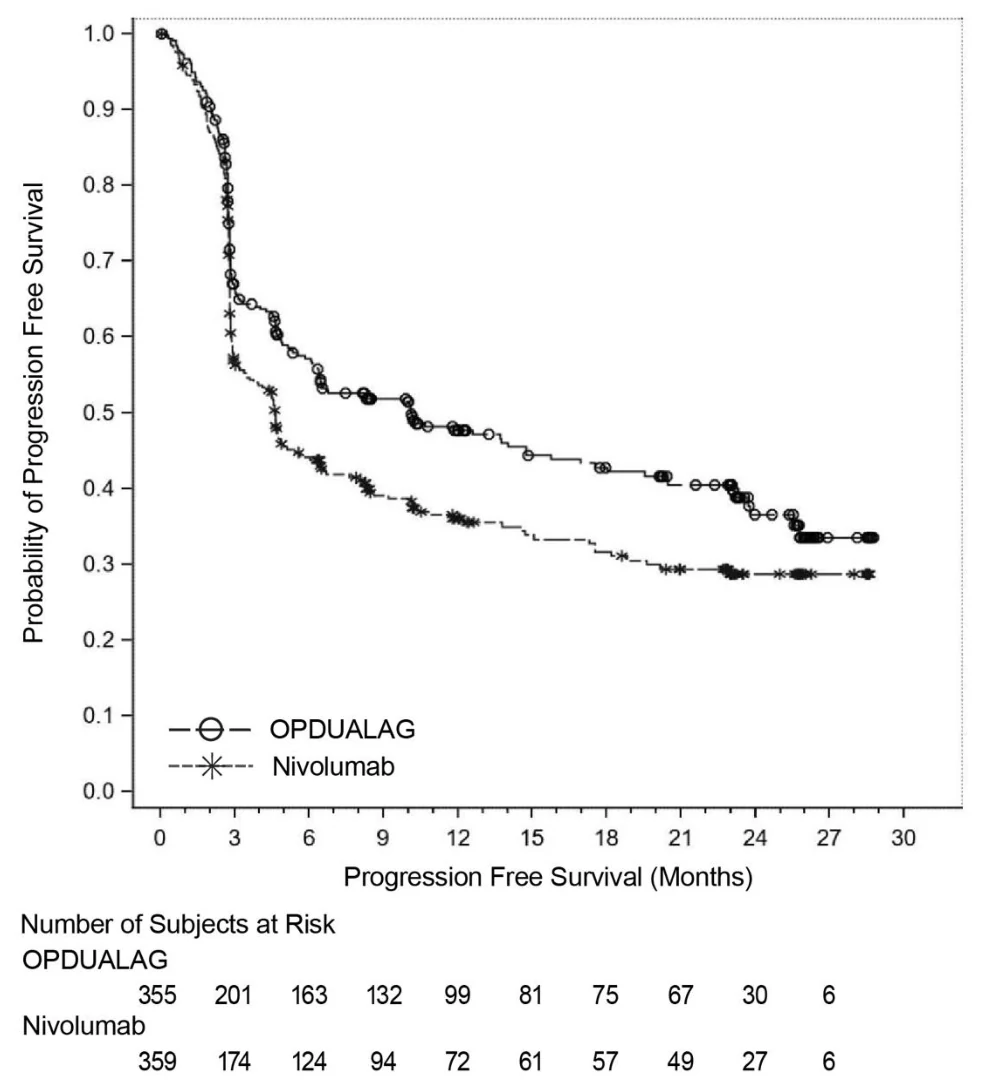
Figure 1: Progression-free Survival - RELATIVITY-047
In an exploratory PFS analysis for the subgroups defined by the stratification factor of PD-L1 status (≥1% vs. <1%), the HRs were 0.95 (95% CI: 0.68, 1.33) and 0.66 (95% CI: 0.51, 0.84), respectively.
16. Non-Clinical Toxicology
Opdualag contains nivolumab and relatlimab.
General Toxicology:
No animal studies were conducted with nivolumab in combination with relatlimab to evaluate potential carcinogenicity, genotoxicity or reproductive and developmental toxicity.
Inhibition of PD-1 and LAG-3 results in autoimmunity in preclinical models. Mice deficient in both PD-1 and LAG-3 develop lethal systemic autoimmunity that includes myocarditis.
In a 1-month study in monkeys, 1 male animal that received nivolumab and relatlimab had inflammation within the central nervous system (choroid plexus, vasculature, meninges, spinal cord) and the reproductive tract (epididymis, seminal vesicles and testes) that was associated with clinical signs necessitating euthanasia. CNS inflammation was observed in other monkeys; however, there were no associated clinical signs. Although safety margins were not established for these effects with the combination, they occurred at doses that suppose exposure levels significantly higher than those reached in patients (13-fold higher for nivolumab and 97-fold higher for relatlimab).
Carcinogenicity: No long-term animal studies were conducted to assess the carcinogenic potential of nivolumab or relatlimab.
Genotoxicity: No studies were conducted to assess the genotoxic potential of nivolumab or relatlimab.
Reproductive and Developmental Toxicology: Fertility studies have not been performed with nivolumab or relatlimab. In 1-month and 3-month repeat-dose toxicology studies with nivolumab, there were no notable effects in the reproductive organs of monkeys; however, most animals in these studies were not sexually mature. In the 3-month repeat-dose toxicology study with relatlimab, wherein most monkeys were sexually mature, there were no notable effects in the male and female reproductive organs. In the 1-month combination study with nivolumab and relatlimab, in which most monkeys were not sexually mature, inflammation of the reproductive tract was observed in one male monkey.
Nivolumab:
One function of the PD-1/PD-L1 pathway is to preserve pregnancy by maintaining immune tolerance to the fetus. The effects of nivolumab on prenatal and postnatal development were evaluated in monkeys that received nivolumab twice weekly from the onset of organogenesis through delivery, at exposure levels of between 9 and 42 times higher than those observed at the clinical dose of 3 mg/kg (based on AUC). Nivolumab administration resulted in a non-dose-related increase in spontaneous abortion and increased neonatal death in the absence of maternal toxicity. In surviving infants (18 of 32 compared to 11 of 16 vehicle-exposed infants) of cynomolgus monkeys treated with nivolumab, there were no apparent malformations and no effects on neurobehavioral, immunological, or clinical pathology parameters throughout the 6-month postnatal period.
Relatlimab:
There are no available animal data on the effect of relatlimab on pregnancy and reproduction. However, the effects of murine anti-LAG-3 antibodies were evaluated in mice using syngeneic and allogeneic breeding models. No maternal or developmental effects were observed; however, based on the mechanism of action, inhibition of LAG-3 with relatlimab can have a similar negative effect as nivolumab on pregnancy.
Special Toxicology: In animal models, inhibition of PD-1 signaling increased the severity of some infections and enhanced inflammatory responses. M. tuberculosis–infected PD-1 knockout mice exhibit markedly decreased survival compared with wild-type controls, which correlated with increased bacterial proliferation and inflammatory responses in these animals. PD-1 knockout mice have also shown decreased survival following infection with lymphocytic choriomeningitis virus.
Juvenile Toxicity: No studies have been performed to assess the potential long-term effects of early life exposure to nivolumab or relatlimab.
17. Supporting Product Monographs
- 1. OPDIVO, (Intravenous Infusion, 10 mg nivolumab/mL), control 305784, product monograph, Bristol-Myers Squibb Canada. (2026-06-16)