


Product Monograph - Optison
Recent Major Label Changes
Not applicable.
Table of Contents
Certain sections or subsections that are not applicable at the time of the preparation of the most recent authorized product monograph are not listed.
Recent Major Label Changes .................................................................................................... 2
Table of Contents .................................................................................................................... 2
Part 1: Healthcare Professional Information ............................................................................ 4
- 1.
Indications ........................................................................................................................ 4
1.1. Pediatrics (< 9 years of age) ....................................................................................... 4
1.2. Geriatrics (≥ 65 years of age) ..................................................................................... 4
- 2. Contraindications ............................................................................................................. 4
- 3. Serious Warnings and Precautions Box ............................................................................. 4
- 4.
Dosage and Administration .............................................................................................. 4
4.1. Dosing Considerations ............................................................................................... 4
4.2. Recommended Dose and Dosage Adjustment .......................................................... 5
4.4. Administration ........................................................................................................... 5
- 5. Overdose .......................................................................................................................... 7
- 6. Dosage Forms, Strengths, Composition, and Packaging .................................................... 7
- 7.
Warnings and Precautions ................................................................................................ 8
7.1. Special Populations ................................................................................................... 9
7.1.1. Pregnancy .......................................................................................................... 9
7.1.2. Breastfeeding .................................................................................................... 9
7.1.3. Pediatrics ........................................................................................................... 9
7.1.4. Geriatrics ......................................................................................................... 10
- 8.
Adverse Reactions .......................................................................................................... 10
8.1. Adverse Reaction Overview ..................................................................................... 10
8.2. Clinical Trial Adverse Reactions ............................................................................... 10
8.2.1. Clinical Trial Adverse Reactions – Pediatrics (9-17 years of age) ........................... 11
8.3. Less common clinical trial adverse reactions ........................................................... 11
8.5. Post-Market Adverse Reactions .............................................................................. 12
- 9.
Drug Interactions ............................................................................................................ 12
9.4. Drug-Drug Interactions ............................................................................................ 12
9.5. Drug-Food Interactions............................................................................................ 12
9.6. Drug-Herb Interactions ............................................................................................ 12
9.7. Drug-Laboratory Test Interactions .......................................................................... 12
- 10.
Clinical Pharmacology .................................................................................................... 13
10.1. Mechanism of Action ............................................................................................... 13
10.2. Pharmacodynamics ................................................................................................. 13
10.3. Pharmacokinetics .................................................................................................... 14
- 11. Storage, Stability, and Disposal ....................................................................................... 14
- 12. Special Handling Instructions .......................................................................................... 14
Part 2: Scientific Information ................................................................................................. 15
- 13. Pharmaceutical Information ........................................................................................... 15
- 14.
Clinical Trials ................................................................................................................... 15
14.1. Clinical Trials by Indication ...................................................................................... 15
- 15. Microbiology .................................................................................................................. 19
- 16. Non-Clinical Toxicology ................................................................................................... 19
Patient Medication Information ............................................................................................ 21
Part 1: Healthcare Professional Information
1. Indications
OPTISON (perflutren protein-type A microspheres) is an ultrasound contrast agent indicated for use in adult and pediatric patients aged 9 years and older with suboptimal echocardiograms to opacify the left ventricle and to improve the delineation of the left ventricular endocardial borders.
1.1. Pediatrics (< 9 years of age)
Pediatrics (< 9 years of age): No data are available; therefore, the safety and efficacy of OPTISON in children below 9 years of age have not yet been established.
1.2. Geriatrics (≥ 65 years of age)
In clinical trials of OPTISON (see 14.1 Clinical Trials by Indication), 98 (35%) participants were ≥ 65 years of age, 39 (14%) participants were ≥ 75 years of age. No overall differences in safety or efficacy were observed between these patients and younger patients, but greater sensitivity of some older individuals cannot be ruled out (see 7.1 Special Populations).
2. Contraindications
- OPTISON is contraindicated in patients who are hypersensitive to this drug or to any ingredient in the formulation such as perflutren or albumin, including any non-medicinal ingredient, or component of the container. For a complete listing, see 6 Dosage Forms, Strengths, Composition, and Packaging.
3. Serious Warnings and Precautions Box
Serious cardiopulmonary reactions, including fatalities have occurred uncommonly during or shortly following perflutren-containing microsphere administration, typically within 30 minutes of administration (see 7 Warnings and Precautions, Cardiovascular).
|
|---|
4. Dosage and Administration
4.1. Dosing Considerations
- OPTISON should not be used in pregnancy unless benefit outweighs risk and it is considered necessary by the physician, see section 7.1 Special Populations – Pregnancy.
- OPTISON is not recommended for use at mechanical indices greater than 0.8. (See 7 Warnings and Precautions, Cardiovascular, Ventricular Arrhythmia Related to High Mechanical Index).
Always have cardiopulmonary resuscitation personnel and equipment readily available prior to
- OPTISON administration and monitor all patients for acute reactions. (See 3 Serious Warnings and Precautions Box and 7 Warnings and Precautions, Cardiovascular, serious cardiopulmonary reactions).
4.2. Recommended Dose and Dosage Adjustment
Adults
- The recommended dose is 0.5 mL administered intravenously at a rate not exceeding 1 mL/s.
- If the contrast enhancement is inadequate after the dose of 0.5 mL, additional doses of 0.5 mL may be repeated for further contrast enhancement as needed.
- A dose of 3.0 mL is usually sufficient, but some patients may need higher doses.
- The maximum total dose is 5 mL in any 10-minute period. The maximum total dose is 8.7 mL in any one patient study.
- The duration of the useful imaging time is 2.5–4.5 minutes for a dose of 0.5–3.0 mL.
Pediatrics
The recommended dose by body weight in pediatric patients is shown in Table 1.
- Administer by intravenous injection at a rate not exceeding 0.05 mL/s.
- If the contrast enhancement is inadequate after the initial dose, up to four additional doses of the same diluted volume may be repeated for further contrast enhancement as needed.
- OPTISON must be diluted with 0.9% Sodium Chloride Injection to form a 1:1 dilution for pediatric administration.
Table 1 Recommended dose of OPTISON by body weight in pediatric patients (aged 9 years and older)
| Body Weight | Dose |
|---|---|
| 28 kg or less | 0.2 mL of OPTISON diluted with 0.2 mL of 0.9% Sodium Chloride Injection |
| 29 kg to 40 kg | 0.3 mL of OPTISON diluted with 0.3 mL of 0.9% Sodium Chloride Injection |
| 41 kg or more | 0.4 mL of OPTISON diluted with 0.4 mL of 0.9% Sodium Chloride Injection |
4.4. Administration
OPTISON should only be administered by healthcare professionals trained in the field of diagnostic ultrasound imaging. Ultrasound imaging must be performed during injection of OPTISON as optimal contrast effect is obtained immediately after administration.
Preparation Instructions
In the non-resuspended form, OPTISON has a white layer of microspheres on top of the liquid phase that requires resuspension before use. It is a homogeneous white suspension after resuspension
The following instructions should be followed:
- Visually inspect the OPTISON vial. Do not use if the container has been damaged, the protective seal and/or rubber cap have been entered, or the upper white layer is absent (may indicate the microspheres have been damaged and may result in poor or no echo contrast).
- Cold solutions taken directly from the refrigerator should not be injected.
- Invert the vial and gently rotate for 1 to 3 minutes to completely resuspend the microspheres. This process will also allow the product to come to room temperature (20°C to 25°C) before use.
- Inspect the vial for complete resuspension. Complete resuspension is indicated by a uniformly opaque white suspension and absence of any material on stopper and vial surfaces.
- Do not inject air into the vial as this will damage the product.
- Any pressure instability within the vial should be avoided since it may cause disruption of microspheres and loss of contrast effect. Vent the OPTISON vial with a sterile vent spike or with a sterile 18-gauge needle before withdrawing the OPTISON suspension into the injection syringe.
Administration Instructions
- OPTISON is for intravenous use only and must not be administered by intra-arterial injection (See 7 Warning and Precautions, Cardiovascular, Systemic Embolization).
- OPTISON should be withdrawn with care into a syringe and used immediately after resuspension. If one minute is exceeded, resuspend by inverting and gently rotating the syringe for no less than 10 seconds.
- OPTISON will segregate in an undisturbed syringe and must be resuspended before use. Failure to adequately resuspend OPTISON may cause inadequate delivery of the microspheres and may result in inadequate contrast.
- Immediately before injection, a careful visual inspection of the syringe is mandatory in order to ensure complete suspension of the microspheres.
- Inspect visually for foreign particulate matter and discoloration prior to administration, whenever suspension and container permit. Do not inject if the suspension is not opaque and milky-white, or foreign particulate matter is present.
- OPTISON must not be mixed with other medicinal products. A separate syringe should be used.
- For adults, inject through a 20-gauge or larger angiocatheter into a peripheral vein at a rate not exceeding 1 mL/s as a faster rate may reduce performance of the OPTISON microspheres.
- For pediatric patients, inject through a 24-gauge or larger angiocatheter into a peripheral vein at a rate not exceeding 0.05 mL/s as a faster rate may reduce performance of the OPTISON microspheres.
- Suggested methods of administration include: a short extension tubing, heparin lock, or intravenous line, all with a 3-way stopcock.
- Do not aspirate blood back into the OPTISON-containing syringe before administration; this may promote the formation of a blood clot within the syringe.
- For short extension tubing or heparin lock, fill one syringe with 10 mL of 0.9% Sodium Chloride Injection for adults or 5 mL of 0.9% Sodium Chloride Injection for pediatric patients and flush the line for patency before and after the injection of OPTISON.
- For a continuous intravenous line, open an intravenous line with 0.9% Sodium Chloride Injection or 5% Dextrose Injection to maintain vascular patency. Flush the line in its entirety immediately after injection of OPTISON.
- Warning: Never use any other type of route but the open flow connection. If injected otherwise OPTISON bubbles will be destroyed.
- Vials are intended for single use only. Once the rubber stopper has been vented, the contents should be used within 30 minutes, and any unused product discarded.
Dilution for Pediatric Administration
- Follow Preparation and Administration Instructions above.
- Draw equal volumes of OPTISON and 0.9% Sodium Chloride Injection into the same syringe to form a 1:1 dilution.
- Resuspend gently by holding the syringe horizontally between the palms and rolling it gently back and forth for at least 10 seconds. Dilution should be used immediately after resuspension. If one minute is exceeded, resuspend by inverting and gently rotating the syringe for no less than 10 seconds.
- If not used within 10 minutes after dilution, discard the diluted product.
5. Overdose
Effects suspected to be due to overdose have not been reported in clinical trials.
| For the most recent information in the management of a suspected drug overdose, contact your regional poison control centre or Health Canada’s toll-free number, 1-844 POISON-X (1-844-764-7669). |
|---|
- 6. Dosage Forms, Strengths, Composition, and Packaging
Table 2 Dosage Forms, Strengths, and Composition
Description
OPTISON is a transpulmonary echocardiographic contrast agent. In its non-resuspended form, OPTISON appears as a clear solution with a white microsphere top layer. After resuspension, OPTISON appears as a homogenous white dispersion. OPTISON consists of perflutren-containing microspheres of heat-treated human albumin (protein-type A), suspended in human albumin solution, 1% and is supplied at concentrations of 5.0 x 10⁸ - 8.0 x 10⁸ /mL of perflutren protein-type A microspheres, containing 0.22 ± 0.11 mg/mL perflutren. OPTISON contains no preservative. OPTISON is supplied as: five (5) vials of 3 mL or eighteen (18) vials of 3 mL per carton.
| Route of Administration | Dosage Form/ Strength/Composition | Non-Medicinal Ingredients |
| Intravenous | Suspension: 5.0 x 10⁸ - 8.0 x 10⁸ /mL perflutren protein-type A microspheres, containing 10 mg/mL human albumin, and 0.22 ± 0.11 mg/mL perflutren | Caprylic acid Human albumin (both in microsphere shell and in solution) N-acetyltrytophane Sodium chloride Water for injection |
Table 3 Microspheres size distribution
| Parameter | |
|---|---|
| Mean diameter (range) | 3.0 to 4.5 mcm* |
| Percentage less than or equal to 10 µm | 96.0 % |
| Larger diameter | 32 mcm* |
* mcm: micrometer
7. Warnings and Precautions
See 3 Serious Warnings and Precautions Box
General
This product contains heat treated human albumin, a derivative of human blood. Based on effective donor screening and product manufacturing processes, it carries an extremely remote risk for transmission of viral diseases.
The experience of OPTISON in severely ill patients is limited. There is limited clinical experience with OPTISON in patients with certain severe states of cardiac, pulmonary, renal and hepatic disease. Such clinical states include acute respiratory distress syndrome, the use of artificial respiration with positive end-expiratory pressure, severe heart failure (NYHA IV), endocarditis, acute myocardial infarction with on-going angina or unstable angina, hearts with prosthetic valves, acute states of systemic inflammation or sepsis, known states of hyperactive coagulation system and/or recurrent thromboembolism, renal or hepatic end-stage disease. OPTISON should be used in these patients only after careful consideration and monitored closely during and after administration.
The use of a low mechanical index and end-diastolic triggering is recommended.
Cardiovascular
Serious cardiopulmonary reactions
Serious cardiopulmonary reactions, including fatalities have occurred uncommonly during or shortly following perflutren-containing microsphere administration, typically within 30 minutes of administration. The reported reactions to perflutren-containing microspheres include: fatal cardiac or respiratory arrest, shock, syncope, symptomatic arrhythmias (atrial fibrillation, tachycardia, bradycardia, supraventricular tachycardia, ventricular fibrillation, ventricular tachycardia), hypertension, hypotension, dyspnea, hypoxia, chest pain, respiratory distress, stridor, wheezing, loss of consciousness and convulsions (see 8.5 Post-Market Adverse Reactions).
The risk for these reactions may be increased among patients with unstable cardiopulmonary conditions (acute myocardial infarction, acute coronary artery syndromes, worsening or unstable congestive heart failure, or serious ventricular arrhythmias or respiratory failure). In these patients, observe closely for at least 30 minutes after OPTISON administration.
Always have cardiopulmonary resuscitation personnel and equipment readily available prior to OPTISON administration and monitor all patients for acute reactions.
Systemic Embolization
The use of OPTISON has not been evaluated in children with cardiac shunts. When administering OPTISON to patients with a cardiac shunt, microspheres can bypass filtering of the lung and enter the arterial circulation. Assess patients with shunts for embolic phenomena following OPTISON administration. OPTISON is only for intravenous administration; do not administer OPTISON by intra-arterial injection.
Ventricular Arrhythmia Related to High Mechanical Index
High ultrasound mechanical index values may cause microsphere rupture and lead to ventricular arrhythmias. Additionally, end-systolic triggering with high mechanical indices has been reported to cause ventricular arrhythmias. OPTISON is not recommended for use at mechanical indices greater than 0.8.
Immune
Serious anaphylactic reactions have been observed during or shortly following perflutren-containing microsphere administration including: shock, hypersensitivity, bronchospasm, throat tightness, angioedema, edema (pharyngeal, palatal, mouth, peripheral, localized), swelling (face, eye, lip, tongue upper airway), facial hypoesthesia, rash, urticaria, pruritus, flushing, and erythema have occurred in patients with no prior exposure to perflutren-containing microsphere products (see 8.5 Post-Market Adverse Reactions). Always have cardiopulmonary resuscitation personnel and equipment readily available prior to OPTISON administration and monitor all patients for hypersensitivity reactions.
Reproductive Health
See 7.1.1 Pregnancy, 16 Non-clinical Toxicology.
7.1. Special Populations
7.1.1. Pregnancy
The safety of OPTISON for use during human pregnancy has not been established. The product should not be used in pregnancy unless benefit outweighs risk and it is considered necessary by the healthcare professional. A significant increase in the number of fetuses with slight to extreme dilation of the lateral ventricles in the brain associated with alterations of the skull, third ventricle and compression deformations of the skull, thorax and limbs was observed in pregnant rabbits administered perflutren protein-type A microspheres (see 16 Non-Clinical Toxicology).
7.1.2. Breastfeeding
It is not known whether OPTISON is excreted in human milk. Precaution should be exercised because many drugs can be excreted in human milk.
7.1.3. Pediatrics
Pediatrics (<9 years of age): The safety and effectiveness of OPTISON have not been established in children younger than 9 years of age (see 1.1 Pediatrics).
Pediatrics (9 to 17 years of age): The safety and effectiveness of OPTISON have been established in pediatric patients 9 to 17 years of age with suboptimal echocardiograms. This determination is based on evidence from adequate and well-controlled studies in adults and additional efficacy and safety data from a clinical study in 37 pediatric patients. Clinical experience in pediatric patients is limited.
The use of OPTISON has not been evaluated in children with cardiac shunts (see 7 Warnings and Precautions, Cardiovascular, Systemic Embolization).
7.1.4. Geriatrics
Of the total number of subjects in a clinical study of OPTISON, 98 (35%) participants were 65 and over, while 39 (14%) participants were 75 and over. No overall differences in safety or effectiveness were observed between these subjects and younger subjects, and other reported clinical experience has not identified differences in responses between the elderly and younger patients, but greater sensitivity of some older individuals cannot be ruled out.
8. Adverse Reactions
8.1. Adverse Reaction Overview
The safety of OPTISON was evaluated in 279 adult patients in clinical studies (see 14.1 Clinical Trials by Indications).
The most frequent adverse reactions observed in adult patients who received OPTISON during OPTISON clinical trials were headache, nausea and/or vomiting, warm sensation or flushing, and dizziness. No serious adverse reactions considered related to OPTISON were reported.
8.2. Clinical Trial Adverse Reactions
Clinical trials are conducted under very specific conditions. Therefore, the frequencies of adverse reactions observed in the clinical trials may not reflect frequencies observed in clinical practice and should not be compared to frequencies reported in clinical trials of another drug.
Clinical Trial Adverse Reactions in Adults
Table 4 Adverse Reactions Reported in ≥ 1% of the Adult Patients who Received OPTISON in Clinical Studies
Adverse Reaction System Organ Class/Preferred Term* | OPTISON n=279 n (%) | |
|---|---|---|
Adverse Reaction System Organ Class/Preferred Term* | OPTISON n=279 n (%) | |
| Nervous system disorders | ||
| Headache | 15 (5.4%) | |
| Dizziness | 7 (2.5%) | |
| Gastrointestinal disorders | ||
| Nausea and /or Vomiting | 12 (4.3%) | |
| General disorders and administration site conditions | ||
| Feeling hot / Flushing | 10 (3.6%) | |
| Chills / Pyrexia | 4 (1.4%) | |
| Influenza like illness | 3 (1.1%) | |
| Malaise / Asthenia / Fatigue | 3 (1.1%) | |
| Injection Site Discomfort | 3 (1.1%) | |
| Respiratory, thoracic and mediastinal disorders | ||
| Dyspnea | 3 (1.1%) | |
| Cardiac disorders | ||
| Chest Pain | 3 (1.1%) | |
| Nervous system disorders | ||
| Altered Taste (Dysgeusia) | 5 (1.8%) | |
* Coded using MedDRA version 29.1.
8.2.1. Clinical Trial Adverse Reactions – Pediatrics (9-17 years of age)
The safety of OPTISON was evaluated in 37 pediatric patients aged 9-17 years of age in a clinical study (see 14.1 Clinical Trials by Indications). The adverse reactions reported in ≥ 5% of pediatrics who received OPTISON were headache, nausea, and taste disorder.
The safety profile observed in a limited number of pediatric patients assessed in a clinical study was consistent with the safety profile in adult patients.
8.3. Less common clinical trial adverse reactions
Adults (<1%)
Adverse reactions that occurred with a frequency <1% in adult patients who received OPTISON are listed below:
Cardiac disorders: palpitations, premature ventricular contractions.
Ear and labyrinth disorders: tinnitus.
Eye disorders: burning sensation in the eyes, photophobia, visual blurring.
Gastrointestinal disorders: dry mouth.
General disorders and administration site conditions: body or muscle aches, discoloration at the injection site, induration.
Immune system disorders: hypersensitivity.
Musculoskeletal and connective tissue disorders: arthralgia, back pain.
Nervous system disorders: irritability, paresthesia, tremor.
Respiratory, thoracic and mediastinal disorders: oxygen saturation decline due to coughing, wheezing.
Skin and subcutaneous tissue disorders: erythema, pruritus, rash, urticaria.
8.3.1 Less Common Clinical Trial Adverse Reactions - Pediatrics
Adverse reactions that occurred with a frequency <5% in pediatric patients who received OPTISON are listed below: Gastrointestinal disorders: Abdominal discomfort; Abdominal pain.
General disorders and administration site conditions: Injection site pain.
Nervous system disorders: Dizziness; Dysgeusia; Migraine.
8.5. Post-Market Adverse Reactions
The following adverse reactions have been identified during the postmarketing use of OPTISON or other perflutren-containing microspheres.
Cardiopulmonary reactions: Fatal cardiac or respiratory arrest, symptomatic arrhythmias (atrial fibrillation, tachycardia, bradycardia, supraventricular tachycardia, ventricular fibrillation, ventricular tachycardia), hypoxia, respiratory distress or decreased oxygenation, stridor.
Immune system disorders: Anaphylaxis with manifestations that may include death, shock, bronchospasm, throat tightness, angioedema, edema (pharyngeal, palatal, mouth, peripheral, localized), swelling (face, eye, lip, tongue, upper airway), facial hypoesthesia, rash, urticaria, pruritus, flushing, erythema.
Nervous system disorders: Loss of consciousness, convulsion, syncope.
Vascular disorders: shock, hypertension, hypotension.
9. Drug Interactions
9.4. Drug-Drug Interactions
Interactions with other drugs have not been established.
9.5. Drug-Food Interactions
Interactions with food have not been established.
9.6. Drug-Herb Interactions
Interactions with herbal products have not been established.
9.7. Drug-Laboratory Test Interactions
Interactions with laboratory tests have not been established.
10. Clinical Pharmacology
10.1. Mechanism of Action
The OPTISON microspheres create an echogenic contrast effect in the blood.
The ultrasound echoes from blood and biological soft tissues such as fat and muscles are generated at interfaces due to small differences in the ultrasonic properties of the tissues. The ultrasonic properties of microspheres containing perflutren are very different from that of soft tissue and will generate strong echoes.
When used in conjunction with diagnostic ultrasound, OPTISON provides opacification of cardiac chambers, improvement in delineation of endocardial borders, enhancement of the Doppler signal and visualization of wall motion and blood flow within the heart.
10.2. Pharmacodynamics
OPTISON consists of perflutren-containing microspheres. The microspheres have a mean diameter of 3.0–4.5 microns and concentrations of 5.0 x 10⁸-8.0 × 10⁸ microspheres/mL. Microspheres in this size range contribute to the contrast effect by generating strongly enhanced echoes.
As OPTISON consists of microspheres that are stable and small enough for transpulmonary passage, it will also give enhanced echo signals in the left heart cavities. As a consequence of the complex relationship between the concentration of the microspheres and the ultrasound signal, data processing within the ultrasound equipment and the fact that each individual responds differently due to variability in cardiac and pulmonary function, a strict dose/response relationship cannot be defined. The dose of OPTISON will therefore have to be adjusted individually, although clinical studies have shown that an initial dose of 0.5–3.0 mL per patient can be recommended for left heart opacification. Higher doses produce greater contrast effect of longer duration. Duration of useful contrast effect at the recommended dose is adequate to perform a complete echocardiographic examination including Doppler assessment.
Use the smallest dose for adequate opacification of cavities since larger doses produce image blocking effects with the possibility of obscuring important information.
In two uncontrolled studies including a total of 42 children and adolescents, aged 8 months to 19 years, the safety profile appeared to be similar to that seen in adults. Doses administered in one study were 0.2 mL above 25 kg body weight and 0.1 mL under 25 kg, and in a second study 0.5 mL above 20 kg body weight and 0.3 mL under 20 kg, by bolus peripheral intravenous injection followed by a saline flush. Low mechanical index was used for ultrasound imaging.
The effect of OPTISON on pulmonary haemodynamics was studied in a prospective, open-label study of 30 patients scheduled for pulmonary artery catheterisation, including 19 with an elevated baseline pulmonary arterial systolic pressure (PASP) (>35 mmHg; mean 70.1±33.0 mmHg; range 36.0–176.0 mmHg) and 11 with a normal PASP (≤35 mmHg; mean 29.3±4.6 mmHg; range 22.0–35.0 mmHg). Systemic haemodynamic parameters and ECGs were also evaluated. No clinically important pulmonary haemodynamic, systemic haemodynamic, or ECG changes were observed. This study did not assess the effect of OPTISON on visualization of cardiac or pulmonary structures.
10.3. Pharmacokinetics
After injection of OPTISON, diffusion of the perflutren gas out of the microspheres is limited by the low partition coefficient of the gas in blood that contributes to the persistence of the microspheres.
The pharmacokinetic properties of the human albumin component of the microspheres have not been studied.
Distribution
The binding of perflutren to plasma proteins and its partitioning into blood cells are unknown. However, perflutren protein binding is expected to be minimal due to the low partition coefficient of the gas in blood.
Information obtained from a preclinical study in rats with 125I-labelled albumin microspheres indicated that microspheres were rapidly cleared from the circulation, and radio-labelled microspheres, albumin shells and 125I were taken up primarily in the liver. The primary route of elimination of radioactivity was the urine. High levels of radioactivity were also retained in lungs for a considerable time, approximately 10% of the total dose 40 minutes after dose administration (cf. 35% in liver).
Elimination
Following intravenous injection of 0.21 to 0.33 mL/kg of OPTISON to healthy volunteers, the perflutren component of OPTISON was rapidly and nearly completely eliminated in less than 10 minutes with a dominating pulmonary elimination half life of 1.3±0.7 minutes. The perflutren levels detected in blood following this dosage were too low and transient to accurately determine pharmacokinetic parameters.
- 11. Storage, Stability, and Disposal
Store upright in a refrigerator (2 °C to 8 °C). Storage at room temperature, (up to 25 °C) for up to 24 hours is acceptable. Do not freeze. Once the rubber stopper has been penetrated, the contents should be used within 30 minutes and any unused product discarded.
12. Special Handling Instructions
Any unused medicinal product or waste material should be disposed of in accordance with local (provincial and territorial) regulations/requirements.
Part 2: Scientific Information
13. Pharmaceutical Information
Drug Substance
Non-proprietary name of the drug substance(s): perflutren protein-type A microspheres
Chemical name: Octafluoropropane
Molecular formula and molecular mass: C3F8 and 188 g/mol
Structural formula:
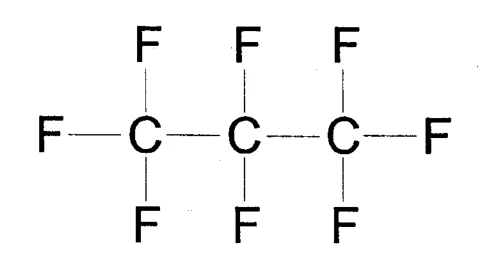
Physicochemical properties: The gas-filled microspheres are nearly spherical. If left undisturbed, the microspheres will rise and form a compact, well-defined white layer on top of the liquid infranatant. Upon resuspension by gentle agitation of the vial, the product appears as a uniform opaque, white suspension.
Pharmaceutical standard: USP.
14. Clinical Trials
14.1. Clinical Trials by Indication
Echocardiography in Adults
Table 5 Summary of Participant Demographics for Clinical Trials in Echocardiography in Adults
| Study # | Study design | Dosage, route of administration and duration | Study participants (n) | Age (range) | Sex |
| Study # | Study design | Dosage, route of administration and duration | Study participants (n) | Age (range) | Sex |
| Study A |
| Each patient received four intravenous injections of OPTISON at doses of 0.2, 0.5, 3.0, and 5.0 mL on 2 separate study days, at least 48 hours apart. | 101 | Mean age 56 years (24–84 years) | 74 males (73.3%); 27 females (26.7%) |
| Study B |
| Each patient received four intravenous injections of OPTISON at doses of 0.2, 0.5, 3.0, and 5.0 mL on 2 separate study days, at least 48 hours apart. | 102 | Mean age: 62 years (22-83 years) | 87 males (85.3%); 15 females (14.7%) |
The effectiveness of OPTISON was evaluated in two identical multicenter, controlled, dose escalation studies in 203 adult patients (Study A: n=101, Study B: n=102) with sub-optimal non-contrast echocardiography defined as having at least two out of six segments of the left ventricular endocardial border inadequately delineated in the apical 4-chamber view. These patients were 79% male, 21% female, 64% White, 25% Black or African American, 10% Hispanic or Latino, and 1% other race or ethnic group. The patients had a mean age of 61 years (range: 21 years to 83 years), a mean weight of 196 lbs. (range: 117 lbs. to 342 lbs.), a mean height of 68 inches (range: 47 inches to 78 inches), and a mean body surface area of 2 m2 (range: 1.4 m2 to 2.6 m2). Approximately 23% of the patients had chronic pulmonary disease, and 17% had congestive and dilated cardiomyopathy with left ventricular ejection fractions (LVEFs) between 20% and 40% (by previous echocardiography). Patients with a LVEF of less than 20% or with New York Heart Association Class IV heart failure were not included in the studies.
After non-contrast imaging, OPTISON was administered in increasing increments as four doses (0.2, 0.5, 3, and 5 mL) with at least 10 minutes between each dose. Ultrasound settings were optimized for the baseline (non-contrast) apical 4-chamber view and remained unchanged for the contrast imaging. Static echocardiographic images and video-tape segments were interpreted by a reader who was blinded to the patient’s clinical history and to the dose of OPTISON. Left ventricular endocardial border delineation and left ventricular opacification were assessed before and after OPTISON administration by the measurement of visualized endocardial border length and ventricular opacification.
In comparison to non-contrast ultrasound, OPTISON significantly increased the length of endocardial border that could be visualized both at end-systole and end-diastole (see Table 6). In these patients there was a trend towards less visualization in women. OPTISON increased left ventricular opacification (peak intensity) in the mid-chamber and apical views (see Table 7). The imaging effects of OPTISON on endocardial border delineation and left ventricular opacification were similar at doses between 0.5 mL and 5 mL and were also similar among patients with or without pulmonary disease and dilated cardiomyopathy.
Table 6 Left Ventricular Endocardial Border Length Visualized Before and After OPTISON in Adults *, †
| Study | OPTISON dose | Length at End-Systole (cm) | Length at End-Diastole (cm) |
|---|---|---|---|
| n | mean ± S.D. | n | mean ± S.D. |
| Study A (n=101) | |||
| 0 mL (baseline) | 88 | ||
| 7.7 ± 3.0 | 86 | 9.3 ± 3.4 | |
| 0.5 mL | 86 | ||
| 12.0 ± 4.9 | 91 | 15.8 ± 5.1 | |
| Study B (n=102) | |||
| 0 mL (baseline) | 89 | ||
| 8.1 ± 3.4 | 89 | 9.6 ± 3.7 | |
| 0.5 mL | 95 | ||
| 12.4 ± 4.9 | 97 | 16.4 ± 4.6 | |
* The differences in the number of enrolled patients and evaluated patients at each dose reflect exclusions based on withdrawal from the trial, or those with technically inadequate or missing images.
† An intent-to-treat analysis, with non-favorable values imputed for missing patients, provided qualitatively similar results.
Table 7 Intensity of Left Ventricular Opacification* Before and After OPTISON in Adults †, ‡
| Study | OPTISON dose | Mid-Chamber | Apex |
|---|---|---|---|
Intensity at End-Diastole | Intensity at End-Systole | Intensity at End-Diastole | Intensity at End-Systole |
| n | mean ± S.D. | ||
| n | mean ± S.D. | ||
| n | |||
| mean ± S.D. | n | ||
| mean ± S.D. | |||
| Study A (n=101) | |||
| 0 mL (baseline) | |||
| 91 | 39.5 ± 16.9 | ||
| 91 | 40.0 ± 18.1 | ||
| 91 | |||
| 46.7 ± 19.7 | 91 | ||
| 46.9 ± 20.1 | |||
| 0.5 mL | |||
| 91 | 57.3 ± 26.8 | ||
| 90 | 57.4 ± 26.7 | ||
| 91 | |||
| 67.0 ± 30.1 | 90 | ||
| 64.1 ± 30.2 | |||
| Study B (n=102) | |||
| 0 mL (baseline) | |||
| 95 | 40.4 ± 17.4 | ||
| 95 | 40.9 ± 17.5 | ||
| 95 | |||
| 43.7 ± 19.9 | 95 | ||
| 45.0 ± 19.6 | |||
| 0.5 mL | |||
| 97 | 53.3 ± 20.7 | ||
| 96 | 53.6 ± 21.0 | ||
| 97 | |||
| 64.4 ± 25.3 | 96 | ||
| 61.6 ± 26.7 | |||
* Intensity measured by videodensitometry in arbitrary gray scale units (0-255).
† The differences in the number of enrolled patients and evaluated patients at each dose reflect exclusions based on withdrawal from the trial, or those with technically inadequate or missing images.
‡ An intent-to-treat analysis, with non-favorable values imputed for missing patients, provided qualitatively similar results.
Echocardiography in Pediatrics (9-17 years of age)
Table 8 Summary of Patient Demographics for Clinical Trials in Pediatrics
| Study # | Study design | Dosage, route of administration and duration | Study subjects (n) | Age (range) | Sex |
| NCT03740997 | Multicenter open-label | 0.2 mL, 0.3 mL, or 0.4 mL, depending on body weight with at least 10 minutes between doses | 70% White, 8% Black or African American, 3% Asian, 3% American Indian or Alaska Native, 5% multiple races, 8% unknown race, and 3% race not reported. Ethnicity distribution was 49% Hispanic or Latino, 47% not Hispanic or Latino, and 3% not reported | 9 to 17 years | Male 62% Female 38% |
The effectiveness of OPTISON was evaluated in a multicenter open-label clinical trial (NCT03740997) of 37 pediatric patients aged 9 to 17 years who were clinically indicated for transthoracic echocardiography and had suboptimal non-contrast echocardiography, defined as at least two contiguous segments in any view that could not be visualized.
After non-contrast echocardiography, two increasing doses of OPTISON (dose level 1 and 2) based on body weight were administered with at least 10 minutes between doses. Contrast and non-contrast images for each patient were evaluated by three independent readers who were blinded to clinical information. Readers assessed visualization of 12 segments of the left ventricular wall in standard apical 4- and 2-chamber views on a 4-point Endocardial Border Delineation scale (0 to 3, indicating no, poor, fair, and good/optimal visualization). Segments scored 2 or 3 were considered visualized. The mean number of visualized segments of left ventricular wall under non-contrast echocardiography, echocardiography following OPTISON at dose level 2 (0.2 mL, 0.3 mL, or 0.4 mL, depending on body weight), and the difference (OPTISON at dose level 2 minus non-contrast) for the 37 patients in the full analysis set are shown in Table 9.
Table 9 Mean Number of Left Ventricular Wall Segments Visualized by Reader in Pediatric Patients (n=37 patients)*
| Reader | Non-Contrast Mean (SD) | OPTISON Dose Level 2† Mean (SD) | Difference Between OPTISON Dose Level 2 & Non-Contrast Mean (95% CI)‡ |
|---|---|---|---|
| Reader 1 | 3.3 (3.4) | 9.2 (4.3) | 5.9 (4.4, 7.5) |
| Reader 2 | 2.8 (2.8) | 9.0 (4.7) | 6.2 (4.4, 8.1) |
| Reader 3 | 4.6 (5.0) | 9.3 (4.1) | 4.6 (2.6, 6.7) |
*The full analysis set population consists of all 37 enrolled patients who had echocardiographic images collected both before and after OPTISON administration, irrespective of the quality of the OPTISON images. The number of segments visualized was based on the Endocardial Border Delineation score (segments rated as "2 = fair visualization" or "3 = good/optimal visualization") and ranged from 0 to 12.
† Dose level 2 was 0.2 mL, 0.3 mL, or 0.4 mL, depending on body weight
‡ CI=Confidence Interval
15. Microbiology
OPTISON is not an antimicrobial drug.
16. Non-Clinical Toxicology
General toxicology
Perflutren protein-type A microspheres were administered in a single dose at doses of 0.25, 5.0, 20 or 25 mL/kg by bolus intravenous injection in rats, 0.25, 5.0 or 20.0 mL/kg by intravenous infusion in beagle dogs, and 0.25, 5.0, 10.0 or 20.0 mL/kg by intravenous infusion in rhesus monkeys. In the rat study, deaths occurred in 2/3 males and 1/3 females in the high-dose group following dose administration. In single dose studies in rat, dog and monkey, the no-observed-adverse-effect level (NOAEL) was 20 mL/kg, corresponding to exposures 138-fold that of the maximum recommended human dose (MHRD) of 0.145 mL/kg (i.e., 8.7 mL/60 kg individual) on a body weight-normalized dose basis (mL/kg).
In a 3 week repeat-dose study, perflutren protein-type A microspheres were administered to rats at doses of 0.25, 5.0 or 20.0 mL/kg by bolus intravenous injection three times per week. Deaths or morbidity occurred in 3/5 males and 4/5 females receiving 20 mL/kg and 1/5 males and 1/5 females subsequently assigned to receive 10.0 mL/kg (69-fold the MHRD based on body weight-normalized dose) following clinical signs in animals in the 20.0 mL/kg group. Deaths occurred between study day 1 and 17. Deaths and morbidity were correlated with histopathological evidence of per-acute pulmonary congestion and intra-alveolar hemorrhage and pigmentation. The NOAEL was 5 mL/kg, corresponding to exposures 34-fold that of the MHRD of 0.145 mL/kg (i.e., 8.7 mL/60 kg individual) on a body weight-normalized dose basis. Adverse toxicological findings were not observed in the 3 week repeat-dose study in beagle dogs in which perfluten protein-type A microspheres were administered by intravenous infusion at doses of 0.25, 5.0 and 20.0 mL/kg three times per week. The NOAEL was 20 mL/kg, corresponding to exposures 138-fold that of the MHRD of 0.145 mL/kg (i.e., 8.7 mL/60 kg individual) on a body weight-normalized dose basis.
Genotoxicity
The result of the following genotoxicity studies with perflutren protein-type A microspheres were negative: 1) Salmonella/Escherichia coli reverse mutation assay, 2) in vitro mammalian chromosome aberration assay using Chinese hamster ovary cells (CHO) with and without metabolic activation, 3) CHO/HGPRT forward mutation assay, and 4) in vivo mammalian micronucleus assay.
Carcinogenicity
No long-term animal studies have been performed to evaluate the carcinogenic potential of Optison.
Reproductive and developmental toxicology
In the rabbit embryotoxicity study, groups of pregnant New Zealand White rabbits were intravenously administered perflutren protein-type A microspheres at doses of 0, 0.25, 2.5 or 5.0 mL/kg/day once daily during gestation days (GD) 6 to 18. Reductions in body weight and weight gain were observed in all treatment groups during the dosing period. A significant increase in the number of fetuses with slight to extreme dilation of the lateral ventricles in the brain associated with alterations of the skull, third ventricle and compression deformations of the skull, thorax and limbs was observed without dose-response. Incidence of ventricle dilation was classified as slight in 3 animals in 2 litters, and extreme in 13 animals in 5 litters. A statistically significant increase in embryo-fetal death was reported in the mid-dose group and reduced fetal weights were reported in the mid- and high-dose group. The maternal and developmental NOAELs were 0.25 mL/kg/day, corresponding to exposures 1.72-fold that of the maximum recommended human dose (MHRD) of 0.145 mL/kg (i.e., 8.7 mL/60 kg individual) on a body weight-normalized dose basis.
In the rat embryotoxicity study, perflutren protein-type A microspheres were intravenously administered to pregnant Sprague-Dawley rats at doses of 0, 0.25, 5.0 or 10.0 mL/kg/day once daily during GD 7 to 17. Reductions in maternal body weight and body weight gain were reported in the mid- and high-dose groups. A total of 8/25 high-dose group rats died shortly after injection on GD 10 to 17, correlated with adverse histological changes in the lung and pulmonary artery. Clinical observations including hyperpnea, laboured breathing, and signs of severe central nervous system depression were observed in mid-dose group animals and surviving high-dose group animals within minutes of injection. The maternal and developmental NOAELs were 0.25 mL/kg/day and 10.0 mL/kg/day, corresponding to exposures 1.72-fold and 69-fold that of the MHRD of 0.145 mL/kg (i.e., 8.7 mL/60 kg individual) on a body weight-normalized dose basis, respectively.
No dedicated animal fertility studies have been performed for perflutren protein-type A microspheres.
Juvenile Toxicity
Juvenile toxicity studies were not conducted for perflutren protein-type A microspheres.