


Product Monograph - Orkambi
RECENT MAJOR LABEL CHANGES
Not applicable
TABLE OF CONTENTS
RECENT MAJOR LABEL CHANGES ......................................................................................... 2
TABLE OF CONTENTS ............................................................................................................... 2
PART I: HEALTH PROFESSIONAL INFORMATION .................................................................. 4
1 INDICATIONS ................................................................................................................... 4
1.1 Pediatrics ................................................................................................................. 4
1.2 Geriatrics ................................................................................................................. 4
2 CONTRAINDICATIONS ................................................................................................... 4
4 DOSAGE AND ADMINISTRATION .................................................................................. 4
4.1 Dosing Considerations ............................................................................................ 4
4.2 Recommended Dose and Dosage Adjustment ....................................................... 4
4.4 Administration .......................................................................................................... 6
4.5 Missed Dose ............................................................................................................ 7
5 OVERDOSE ...................................................................................................................... 7
6 DOSAGE FORMS, STRENGTHS, COMPOSITION AND PACKAGING ......................... 8
7 WARNINGS AND PRECAUTIONS .................................................................................. 9
7.1 Special Populations ............................................................................................... 12
7.1.1 Pregnant Women ............................................................................................. 12
7.1.2 Breast-feeding ................................................................................................. 12
7.1.3 Pediatrics ......................................................................................................... 12
7.1.4 Geriatrics ......................................................................................................... 12
8 ADVERSE REACTIONS ................................................................................................. 12
8.1 Adverse Reaction Overview .................................................................................. 12
8.2 Clinical Trial Adverse Reactions ............................................................................ 13
8.2.1 Clinical Trial Adverse Reactions – Pediatrics .................................................. 15
8.4 Abnormal Laboratory Findings: Hematologic, Clinical Chemistry and Other Quantitative Data ............................................................................................................ 15
8.5 Post-Market Adverse Reactions ............................................................................ 16
9 DRUG INTERACTIONS .................................................................................................. 16
9.2 Drug Interactions Overview ................................................................................... 16
9.4 Drug-Drug Interactions .......................................................................................... 17
9.5 Drug-Food Interactions .......................................................................................... 22
9.6 Drug-Herb Interactions .......................................................................................... 22
10 CLINICAL PHARMACOLOGY ....................................................................................... 22
10.1 Mechanism of Action ....................................................................................... 22
10.2 Pharmacodynamics ......................................................................................... 23
10.3 Pharmacokinetics ............................................................................................ 25
11 STORAGE, STABILITY AND DISPOSAL ...................................................................... 29
12 SPECIAL HANDLING INSTRUCTIONS ......................................................................... 29
PART II: SCIENTIFIC INFORMATION ....................................................................................... 30
13 PHARMACEUTICAL INFORMATION ............................................................................ 30
14 CLINICAL TRIALS ......................................................................................................... 30
14.1 Clinical Trials by Indication .............................................................................. 30
15 MICROBIOLOGY ............................................................................................................ 35
16 NON-CLINICAL TOXICOLOGY ..................................................................................... 36
PATIENT MEDICATION INFORMATION .................................................................................. 40
PART I: HEALTH PROFESSIONAL INFORMATION
1 INDICATIONS
ORKAMBI (lumacaftor/ivacaftor) is indicated for the treatment of cystic fibrosis (CF) in patients 1 year of age and older who are homozygous for the F508del mutation in the cystic fibrosis transmembrane conductance regulator (CFTR) gene.
Limitations of Use
The efficacy and safety of ORKAMBI have not been established in patients with CF other than those homozygous for the F508del mutation.
1.1 Pediatrics
Pediatrics (<1 year of age): No data in patients younger than 1 year of age are available to Health Canada; therefore, Health Canada has not authorized the use of ORKAMBI in this age group.
1.2 Geriatrics
Geriatrics (≥65 years of age): No data in patients aged 65 years and older are available to Health Canada; therefore, Health Canada has not authorized the use of ORKAMBI in this age group.
2 CONTRAINDICATIONS
ORKAMBI is contraindicated in patients who are hypersensitive to this drug or to any ingredient in the formulation, including any non-medicinal ingredient, or component of the container. For a complete listing, see 6 DOSAGE FORMS, STRENGTHS, COMPOSITION AND PACKAGING.
4 DOSAGE AND ADMINISTRATION
4.1 Dosing Considerations
ORKAMBI should only be administered to patients who have a mutation in the CFTR gene listed in 1 INDICATIONS.
ORKAMBI should only be prescribed by healthcare professional with experience in the treatment of cystic fibrosis. If the patient’s genotype is unknown, an accurate and validated genotyping method should be performed to confirm the presence of the F508del mutation on both alleles of the CFTR gene.
ORKAMBI dosing may be impacted in the following patient groups:
- Hepatic Impairment: Moderate or severe hepatic impairment
- Renal Impairment: Severe renal impairment or end-stage renal disease
- Interactions with Medicinal Products: Concomitant use of strong CYP3A inhibitors
- Elevated Liver function tests (ALT, AST, and bilirubin)
4.2 Recommended Dose and Dosage Adjustment
Adults, Adolescents, and children aged 1 year and older
The recommended daily dose of ORKAMBI in adult and pediatric patients aged 1 year and older is based on patient’s age and weight as detailed in Table 1.
| Table 1: Dosage of ORKAMBI by Age and Body Weight in Patients Aged 1 Year and Older | |||||||||
|---|---|---|---|---|---|---|---|---|---|
| Age | Body Weight (kg) | Dose per unit (packet/tablet) every 12 hours | ORKAMBI Dose | ||||||
| Morning | Evening | ||||||||
| 1 to <2 years | 7 kg to <9 kg | lumacaftor 75 mg/ivacaftor 94 mg granules | 1 packet | 1 packet | |||||
| 9 kg to <14 kg | lumacaftor 100 mg/ivacaftor 125 mg granules | ||||||||
| ≥14 kg | lumacaftor 150 mg/ivacaftor 188 mg granules | ||||||||
| 2 to 5 years | < 14 kg | lumacaftor 100 mg/ivacaftor 125 mg granules | 1 packet | 1 packet | |||||
| 2 to 5 years | ≥ 14 kg | lumacaftor 150 mg/ivacaftor 188 mg granules | 1 packet | 1 packet | |||||
| 6 to 11 years | - | lumacaftor 100 mg/ivacaftor 125 mg tablets | 2 tablets | 2 tablets | |||||
| 12 years and older | - | lumacaftor 200 mg/ivacaftor 125 mg tablets | 2 tablets | 2 tablets | |||||
Health Canada has not authorized an indication for use in pediatric patients less than 1 year of age (see 7.1 Special Populations and 10.3 Pharmacokinetics).
ORKAMBI granules and tablets should be taken with fat-containing food. A fat-containing meal or snack should be consumed just before or just after dosing (see 4.4 Administration).
Hepatic Impairment
No dose adjustment is necessary for patients with mild hepatic impairment (Child-Pugh Class A). A dose reduction is recommended for patients with moderate hepatic impairment (Child-Pugh Class B).
Studies have not been conducted in patients with severe hepatic impairment (Child-Pugh Class C), but exposure is expected to be higher than in patients with moderate hepatic impairment. Therefore, after weighing the risks and benefits of treatment, ORKAMBI should be used with caution, at a reduced dose, in patients with severe hepatic impairment (see 7 WARNINGS AND PRECAUTIONS, Monitoring and Laboratory Tests, 8 ADVERSE REACTIONS, and 10 CLINICAL PHARMACOLOGY).
For dose adjustments for patients with hepatic impairment refer to Table 2.
| Table 2: Dosage Adjustment Recommendations for Patients with Hepatic Impairment | ||||
|---|---|---|---|---|
| Table 2: Dosage Adjustment Recommendations for Patients with Hepatic Impairment | ||||
| Hepatic Insufficiency | Age | Dose Adjustment* | ||
| Hepatic Insufficiency | Age | Dose Adjustment* | ||
| Morning Dose | Evening Dose | |||
| Morning Dose | Evening Dose | |||
| Mild hepatic impairment (Child-Pugh Class A) | 1 to 5 years | No dose adjustment 1 packet | No dose adjustment 1 packet | |
| 6 years and older | No dose adjustment 2 tablets | No dose adjustment 2 tablets | ||
| Moderate hepatic impairment (Child-Pugh | 1 to 5 years | Day 1: 1 packet Day 2: 1 packet | Day 1: 1 packet Day 2: Skip evening dose | |
| Class B) | 6 years and older | 2 tablets | 1 tablet | |
| Severe hepatic impairment (Child-Pugh Class C) | 1 to 5 years | 1 packet of granules per day** | ||
| 6 years and older | 1 tablet | 1 tablet | ||
*See Table 1 for the appropriate dose per unit based on age and weight.
** or less frequently
Elevated Liver Function Tests
Dosing should be interrupted, and laboratory tests closely followed in patients with ALT or AST greater than 5 x upper limit of normal (ULN) when not associated with elevated bilirubin. Dosing should also be interrupted, and laboratory tests closely followed in patients with ALT or AST elevations greater than 3 x ULN when associated with bilirubin elevations greater than 2 x ULN.
Renal Impairment
No dose adjustment is necessary for patients with mild to moderate renal impairment. Caution is recommended while using ORKAMBI in patients with severe renal impairment (creatinine clearance less than or equal to 30 mL/min) or end-stage renal disease (see 7 WARNINGS AND PRECAUTIONS and 10 CLINICAL PHARMACOLOGY).
Concomitant CYP3A Inhibitors
No dose adjustment is necessary when CYP3A inhibitors are initiated in patients currently taking ORKAMBI. However, when initiating ORKAMBI in patients currently taking strong CYP3A inhibitors (e.g., itraconazole), reduce ORKAMBI dose to 1 tablet daily or 1 packet of granules every other day as appropriate for the first week of treatment. Following this period, continue with the recommended daily dose.
If ORKAMBI is interrupted for more than 1- week and then re-initiated while taking strong CYP3A inhibitors, reduce ORKAMBI dose to 1 tablet daily or 1 packet of granules every other day for the first week of treatment re-initiation (see 9 DRUG INTERACTIONS). Following this period, continue with the recommended daily dose.
4.4 Administration
ORKAMBI granules and tablets should be taken with fat-containing food. A fat-containing meal or snack should be consumed just before or just after dosing.
Meals and snacks recommended in CF guidelines or meals recommended in standard nutritional guidelines contain adequate amounts of fat. A serving size of foods appropriate for age from a typical CF diet should be given. Examples of fat-containing food: meals that contain fat that have been prepared with butter or oils, meals that have eggs, nuts, whole-dairy products (such as whole-milk, breast milk, infant formula cheese, and yogurt), or meats.
Film-coated tablets
For oral use. Patients should be instructed to swallow the tablets whole (e.g., patients should not chew, break, crush or dissolve the tablets).
Granules
For oral use. The entire content of each packet of granules should be mixed with 5 mL (one teaspoon) of age-appropriate soft food or liquid and the mixture completely consumed. Some examples of soft foods or liquids include puréed fruits or vegetables, flavored yogurt or pudding, applesauce, water, milk, breast milk, infant formula or juice (except grapefruit). Food should be at 5 to 25ºC. Each packet is for single use only. Once mixed, the product has been shown to be stable for one hour and therefore should be ingested during this period and not stored for future use.
4.5 Missed Dose
If less than 6 hours have passed since the missed dose, the scheduled dose of ORKAMBI should be taken with fat-containing food. If more than 6 hours have passed, the patient should be instructed to wait until the next scheduled dose. Patients should be instructed not to take a double dose to make up for the forgotten dose.
5 OVERDOSE
The highest repeated dose was lumacaftor 1000 mg once daily/ivacaftor 450 mg q12h administered to 49 healthy subjects for 7 days in a trial evaluating the effect of ORKAMBI on electrocardiograms (ECGs). Adverse events reported at an increased incidence of ≥5% compared to the lumacaftor 600 mg/ivacaftor 250 mg dosing period and placebo included: headache (29%), transaminase increased (18%), and generalized rash (10%).
No specific antidote is available for overdose with ORKAMBI. Treatment of overdose consists of general supportive measures including monitoring of vital signs and observation of the clinical status of the patient.
For the most recent information in the management of a suspected drug overdose, contact your regional poison control centre or Health Canada’s toll-free number, 1-844 POISON-X (1-844-764-7669).
6 DOSAGE FORMS, STRENGTHS, COMPOSITION AND PACKAGING
| Table 3: Dosage Forms, Strengths, Composition and Packaging | ||
|---|---|---|
| Route of Administration | Dosage Form / Strength/Composition | Non-medicinal Ingredients |
| Oral | Tablet 100 mg lumacaftor/125 mg ivacaftor and 200 mg lumacaftor/125 mg ivacaftor | Cellulose, microcrystalline; croscarmellose sodium; hypromellose acetate succinate; magnesium stearate; povidone; and sodium lauryl sulfate. The tablet film coat contains carmine, FD&C Blue #1, FD&C Blue #2, polyethylene glycol, polyvinyl alcohol, talc, and titanium dioxide. The printing ink contains ammonium hydroxide, iron oxide black, propylene glycol, and shellac |
| Oral | Granules 75 mg lumacaftor/ 94 mg ivacaftor 100 mg lumacaftor/125 mg ivacaftor and 150 mg lumacaftor/188 mg ivacaftor | croscarmellose sodium; hypromellose acetate succinate, microcrystalline cellulose, povidone, sodium lauryl sulfate |
ORKAMBI 75 mg / 94 mg, 100 mg / 125 mg and 150 mg / 188 mg granules
White to off-white granules for oral administration and enclosed in unit dose packets.
ORKAMBI 100 mg / 125 mg tablets
Pink, oval-shaped film-coated tablets for oral administration, printed with “1V125” in black ink on one side and plain on the other.
ORKAMBI 200 mg/125 mg tablets
Pink, oval-shaped film-coated tablets for oral administration, printed with “2V125” in black ink on one side and plain on the other.
Nature and contents of container
ORKAMBI tablets are packaged in a thermoform blister consisting of clear Aclar (PCTFE – polychlorotrifluoroethylene) film laminated to PVC (polyvinyl chloride) film and sealed with a paper-backed aluminum foil lidding.
ORKAMBI granules are packaged in a printed, foil laminate packet. Material of construction is biaxially-oriented polyethylene terephthalate/polyethylene/foil/polyethylene (BOPET/ PE/Foil/PE). Polyethylene is the product contact layer for the packet.
Pack Sizes
ORKAMBI Tablets (100 mg / 125 mg):
112 tablets (supplied in a box containing 4 cartons, with each carton containing 7 blister strips with 4 tablets per strip).
ORKAMBI Tablets (200 mg / 125 mg):
112 tablets (supplied in a box containing 4 cartons, with each carton containing 7 blister strips, with 4 tablets per strip).
ORKAMBI Granules (75 mg / 94 mg):
56 packets (supplied in a box containing 4 wallets, with each wallet containing 14 packets of 75 mg/ 94 mg granules per printed foil laminate packet).
ORKAMBI Granules (100 mg / 125 mg):
56 packets (supplied in a box containing 4 wallets, with each wallet containing 14 packets of 100 mg / 125 mg granules per printed foil laminate packet).
ORKAMBI Granules (150 mg / 188 mg):
56 packets (supplied in a box containing 4 wallets, with each wallet containing 14 packets of 150 mg / 188 mg granules per printed foil laminate packet).
7 WARNINGS AND PRECAUTIONS
Cardiovascular
Effect on Blood Pressure and Heart Rate
Increased blood pressure and decreased heart rate have been observed during treatment with ORKAMBI (see 8 ADVERSE REACTIONS and 10 CLINICAL PHARMACOLOGY). Blood pressure should be monitored periodically in all patients during treatment. Caution should be observed in patients with pre-existing hypertension, a low heart rate at baseline, or other conditions that might be exacerbated by these hemodynamic effects. Concomitant medications that result in an increase in blood pressure and/or a decrease in heart rate should be avoided to the extent possible during treatment with ORKAMBI.
Driving and Operating Machinery
Dizziness has been reported with ivacaftor, one of the active ingredients of Orkambi, which could influence the ability to drive or operate machines. It is not known if ORKAMBI can cause dizziness.
Drug Interactions
Concomitant Use with CYP3A substrates
Lumacaftor is a strong inducer of CYP3A. Co-administration of ORKAMBI with sensitive CYP3A substrates or CYP3A substrates with a narrow therapeutic index is not recommended.
ORKAMBI may substantially decrease hormonal contraceptive exposure, reducing effectiveness. Hormonal contraceptives, including oral, injectable, transdermal, and implantable, should not be relied upon as an effective method of contraception when co-administered with ORKAMBI (see 9 DRUG INTERACTIONS and 4 DOSAGE AND ADMINISTRATION).
Concomitant Use with CYP3A Inhibitors or Inducers
Ivacaftor is a substrate of CYP3A. Medicinal products that inhibit or induce CYP3A activity, may impact the pharmacokinetics of ivacaftor.
The dose of ORKAMBI may need to be adjusted when concomitantly used with strong or moderate CYP3A inhibitors (see 9 DRUG INTERACTIONS and 4 DOSAGE AND ADMINISTRATION).
Exposure to ivacaftor may be reduced by the concomitant use of CYP3A inducers, potentially resulting in loss of ORKAMBI efficacy (see 9.2 Drug Interactions Overview, 9.4 Drug-Drug Interactions, and 9.6 Drug-Herb Interactions).
Hepatic/Biliary/Pancreatic
Hepatic Impairment
Abnormalities in liver function, including advanced liver disease, can be present in patients with CF. Worsening of liver function, including hepatic encephalopathy, in patients with advanced liver disease has been reported in some patients with CF while receiving ORKAMBI. Liver function decompensation, including liver failure leading to death, has been reported in patients with CF who have pre-existing cirrhosis with portal hypertension receiving ORKAMBI.
Use ORKAMBI with caution, monitoring closely after the initiation of treatment, in patients with advanced liver disease (e.g., cirrhosis and/or portal hypertension) and only if the benefits are expected to outweigh the risks (see 8 ADVERSE REACTIONS and 10 CLINICAL PHARMACOLOGY).
If ORKAMBI is used in patients with moderate to severe hepatic impairment, they should be closely monitored after the initiation of treatment and the dose should be reduced as recommended (see 4 DOSAGE AND ADMINISTRATION).
Effect on Liver Function Tests
Serious adverse reactions related to elevated transaminases (alanine transaminase [ALT] or aspartate transaminase [AST]) have been reported in patients with CF receiving ORKAMBI. In some instances, these elevations have been associated with concomitant elevations in total serum bilirubin (see 7 WARNINGS AND PRECAUTIONS, Monitoring and Laboratory Tests).
Dosing should be interrupted, and laboratory tests closely followed in patients with ALT or AST greater than 5 x upper limit of normal (ULN) when not associated with elevated bilirubin. Dosing should also be interrupted and laboratory tests closely followed in patients with ALT or AST elevations greater than 3 x ULN when associated with bilirubin elevations greater than 2 x ULN. Following resolution of transaminase elevations, consider the benefits and risks of resuming dosing.
Monitoring and Laboratory Tests
Transaminase (ALT or AST) Elevations and Monitoring
Elevated transaminases have been reported in patients with CF receiving ORKAMBI (see 8 ADVERSE REACTIONS). Because an association with liver injury cannot be excluded, assessments of liver function tests (ALT, AST, and bilirubin) are recommended before initiating ORKAMBI, every three months during the first year of treatment, and annually thereafter. For patients with a history of transaminase or bilirubin elevations, more frequent monitoring of liver function tests should be considered.
Patients who develop increased transaminase or bilirubin levels should be closely monitored until the abnormalities resolve. Dosing should be interrupted in patients with ALT or AST of greater than 5 x upper limit of normal (ULN). Dosing should also be interrupted in patients with ALT or AST elevations greater than 3 x ULN when associated with bilirubin elevations greater than 2 x ULN. Following resolution of transaminase elevations, consider the benefits and risks of resuming ORKAMBI dosing.
Patients should be advised to contact their doctor immediately if they develop symptoms suggestive of increased transaminases (e.g., abdominal pain, anorexia, jaundice, dark urine, pale stools, and pruritus).
Patients with advanced liver disease should be closely monitored while using ORKAMBI.
Blood Pressure Monitoring
ORKAMBI is associated with increases in blood pressure (see 8 ADVERSE REACTIONS and 10 CLINICAL PHARMACOLOGY, Cardiac Electrophysiology and Hemodynamics). Blood pressure should be monitored periodically during treatment.
Respiratory
Clinical experience in patients with ppFEV1 <40 is limited, and additional monitoring of these patients is recommended during initiation of therapy (see 7 WARNINGS AND PRECAUTIONS and 8 ADVERSE REACTIONS).
Ophthalmologic
Cataracts
Cases of non-congenital lens opacities without impact on vision have been reported in pediatric patients treated with ORKAMBI and ivacaftor monotherapy. Although other risk factors were present in some cases (such as corticosteroid use and exposure to radiation), a possible risk attributable to ivacaftor cannot be excluded (see 16 NON-CLINICAL TOXICOLOGY). Baseline and follow-up ophthalmological examinations are recommended in pediatric patients initiating ORKAMBI treatment.
Peri-Operative Considerations
Patients after Organ Transplantation
ORKAMBI has not been studied in patients with CF who have undergone organ transplantation. Therefore, use in transplanted patients is not recommended. See 9 DRUG INTERACTIONS for interactions with immunosuppressants such as cyclosporine or tacrolimus.
Renal
Caution is recommended while using ORKAMBI in patients with severe renal impairment (creatinine clearance less than or equal to 30 mL/min) or end-stage renal disease (see 4 DOSAGE AND ADMINISTRATION and 10.3 Pharmacokinetics).
Reproductive Health: Female and Male Potential
Menstrual abnormalities
Women taking ORKAMBI, particularly those on hormonal contraceptives, may have an increased incidence of combined menstrual abnormality events, such as amenorrhea, dysmenorrhea, menorrhagia, menstruation irregular, metrorrhagia, oligomenorrhea, and polymenorrhea (see 8 ADVERSE REACTIONS and 9 DRUG INTERACTIONS).
Respiratory
Respiratory events (e.g., chest discomfort, dyspnea, and respiration abnormal) were observed more commonly in patients during initiation of ORKAMBI compared to those who received placebo. These events have led to drug discontinuation and can be serious, particularly in patients with percent predicted FEV1 (ppFEV1) <40. Clinical experience in patients with ppFEV1 <40 is limited, and additional monitoring of these patients is recommended during initiation of therapy (see 8 ADVERSE REACTIONS).
7.1 Special Populations
7.1.1 Pregnant Women
No adequate and well-controlled studies of ORKAMBI have been conducted in pregnant women. The extent of exposure to ORKAMBI in pregnant women during clinical trials was very limited.
Animal reproduction studies were performed with the individual components of ORKAMBI, lumacaftor and ivacaftor (see 16 NON-CLINICAL TOXICOLOGY). Because animal reproduction studies are not always predictive of human response, ORKAMBI should be used during pregnancy only if the expected benefit to the patient clearly outweighs the potential risk to the fetus.
Lumacaftor
Lumacaftor was not teratogenic in rats and rabbits (see 16 NON-CLINICAL TOXICOLOGY for details). Placental transfer of lumacaftor was observed in pregnant rats and rabbits.
Ivacaftor
Ivacaftor was not teratogenic in rats and rabbits; placental transfer of ivacaftor was observed in pregnant rats and rabbits (see 16 NON-CLINICAL TOXICOLOGY for details).
Ivacaftor impaired fertility and reproductive performance indices in male and female rats at 200 mg/kg/day (approximately 11 and 7 times, respectively, the maximum recommended human dose (MRHD) of the ivacaftor component of ORKAMBI) when dams were dosed prior to and during early pregnancy. No effects on male or female fertility and reproductive performance indices were observed at ≤100 mg/kg/day (approximately 8 and 4.5 times the MRHD of the ivacaftor component of ORKAMBI) (see 16 NON-CLINICAL TOXICOLOGY).
7.1.2 Breast-feeding
Both lumacaftor and ivacaftor are excreted into the milk of lactating female rats. Excretion of lumacaftor or ivacaftor into human milk is probable. There are no human trials that have investigated the effects of lumacaftor and/or ivacaftor on breastfed infants. ORKAMBI should only be used during breastfeeding if the potential benefit to the patient outweighs the potential risk to the breastfed infant.
7.1.3 Pediatrics
Pediatrics (<1 year of age): No data in patients younger than 1 year of age, are available to Health Canada; therefore, Health Canada has not authorized the use of ORKAMBI in this age group.
7.1.4 Geriatrics
Geriatrics (≥65 years of age): No data in patients aged 65 years and older, are available to Health Canada; therefore, Health Canada has not authorized the use of ORKAMBI in this age group.
8 ADVERSE REACTIONS
8.1 Adverse Reaction Overview
The safety profile of ORKAMBI is based on the pooled data from 1108 patients with CF aged 12 years and older who were homozygous for the F508del mutation in the CFTR gene and who received at least 1 dose of study drug in 2 double-blind, placebo-controlled, Phase 3 clinical studies, each with 24 weeks of treatment (Trials 1 and 2). A total of 738 patients received lumacaftor/ivacaftor [369 patients received ORKAMBI (lumacaftor 400 mg q12h in combination with ivacaftor 250 mg q12h) and 369 patients received lumacaftor 600 mg qd in combination with ivacaftor 250 mg q12h] and 370 patients received placebo. Of the 1108 patients, 49% were female and 99% were Caucasian.
The proportion of patients who prematurely discontinued study drug due to adverse events was 5% for ORKAMBI treated patients and 2% for placebo treated patients.
The most common adverse reactions experienced by patients who received ORKAMBI in the pooled, placebo-controlled, Phase 3 studies were dyspnea (13%), nasopharyngitis (13%), nausea (13%), diarrhea (12%), and upper respiratory tract infection (10%).
Serious adverse reactions, whether considered drug-related or not by the investigators, that occurred in patients treated with ORKAMBI included pneumonia, hemoptysis, cough, increased blood creatine phosphokinase, transaminase elevations, cholestatic hepatitis, and hepatic encephalopathy. These occurred in 1% or less of patients.
The safety profile of ORKAMBI from a 24-week, open-label, multicentre Phase 3 trial (Trial 3) in 58 patients aged 6 through 11 years with CF who are homozygous for the F508del-CFTR mutation, was similar to that observed in Trials 1 and 2.
The safety profile of ORKAMBI from a 24-week, open-label, multicentre Phase 3 trial (Trial 4) in 60 patients aged 2 through 5 years with CF who were homozygous for the F508del-CFTR mutation was generally consistent to that observed in studies in patients aged 6 years and older.
The safety profile of ORKAMBI from a 24-week, open-label, multicenter Phase 3 trial (Trial 5 Part B) in 46 patients aged 1 to less than 2 years with CF who are homozygous for the F508del-CFTR mutation was generally consistent with the established safety profile of lumacaftor/ivacaftor observed in patients aged 2 years and older. Safety data were also obtained from a 96-week open-label clinical study (Trial 6) in 52 patients aged 1 year and older (39 rolled over from Trial 5 and 13 ORKAMBI naïve patients). The safety profile was similar to that observed in Trial 5.
8.2 Clinical Trial Adverse Reactions
Because clinical trials are conducted under very specific conditions the adverse reaction rates observed in the clinical trials of a drug cannot be compared to the rates in the clinical trials of another drug and may not reflect the rates observed in clinical practice. Adverse drug reaction information from clinical trials is useful for identifying drug-related adverse events and for approximating rates.
Patients with CF 12 Years of Age and Older Who Are Homozygous for the F508del Mutation (Trials 1 and 2)
The incidence of adverse reactions below is based upon the pooled analyses of Trials 1 and 2. Table 4 shows Adverse Reactions occurring in ≥5% of ORKAMBI-treated patients and at a frequency higher than placebo.
| Table 4: Incidence of Adverse Drug Reactions in ≥5% of ORKAMBI-Treated Patients who are Homozygous for the F508del Mutation in the CFTR Gene in -Two Placebo-Controlled Phase 3 Clinical Trials of 24 Weeks Duration in Patients aged 12 Years and Older | ||||
|---|---|---|---|---|
Adverse Reaction (Preferred Term) | ORKAMBI N=369 (%) | Placebo N=370 (%) | ||
| Respiratory, thoracic and mediastinal disorders | ||||
| Dyspnea | 48 (13) | 29 (8) | ||
| Respiration abnormal | 32 (9) | 22 (6) | ||
| Rhinorrhea | 21 (6) | 15 (4) | ||
| Infections and infestations | ||||
| Nasopharyngitis | 48 (13) | 40 (11) | ||
| Upper respiratory tract infection | 37 (10) | 20 (5) | ||
| Influenza | 19 (5) | 8 (2) | ||
| Gastrointestinal disorders | ||||
| Nausea | 46 (13) | 28 (8) | ||
| Diarrhea | 45 (12) | 31 (8) | ||
| Flatulence | 24 (7) | 11 (3) | ||
| General disorders and administration site conditions | ||||
| Fatigue | 34 (9) | 29 (8) | ||
| Investigations | ||||
| Blood creatine phosphokinase increased | 27 (7) | 20 (5) | ||
| Skin and subcutaneous tissue disorders | ||||
| Rash | 25 (7) | 7 (2) | ||
Respiratory Adverse Reactions
During Trials 1 and 2, the incidence of respiratory symptom-related adverse reactions (e.g., chest discomfort, dyspnea, and respiration abnormal) was more common in patients treated with ORKAMBI (22%) compared to patients who received placebo (14%). The incidence of these adverse reactions was more common in patients treated with ORKAMBI with lower pre-treatment FEV1. In patients treated with ORKAMBI, approximately three-quarters of the events began during the first week of treatment (see 7 WARNINGS AND PRECAUTIONS).
During Trial 3, in 58 patients aged 6 through 11 years (mean baseline ppFEV1 was 91.4), the incidence of respiratory symptom-related adverse reactions was 3% (2/58).
During Trial 4, in 60 patients aged 2 through 5 years, the incidence of respiratory symptom-related adverse reactions was 5% (3/60 patients).
Menstrual Abnormalities
In Trials 1 and 2, the incidence of combined menstrual abnormality events (amenorrhea, dysmenorrhea, menorrhagia, menstruation irregular, metrorrhagia, oligomenorrhea, and polymenorrhea) was more common in female patients treated with ORKAMBI (10.4%) compared to placebo (1.7%). These events occurred more frequently in the subset of female patients who were taking hormonal contraceptives (26.8%) compared to patients who were not taking hormonal contraceptives (3.2%) (see 7 WARNINGS AND PRECAUTIONS and 9 DRUG INTERACTIONS).
Increased Blood Pressure
In Trial 1 and Trial 2, the 24-week, placebo-controlled, Phase 3 studies, adverse reactions related to increased blood pressure (e.g., hypertension, blood pressure increased) were reported in 1.1% (4/369) of patients treated with ORKAMBI and in no patients who received placebo (0/370).
A placebo-adjusted mean increase from baseline in trough systolic blood pressure of 3.1 mmHg was observed at Week 24 in patients receiving ORKAMBI. The proportion of patients with at least one treatment-emergent systolic blood pressure value >140 mmHg was higher in patients receiving ORKAMBI (10.9%) than in the placebo group (5.4%).
A placebo-adjusted mean increase from baseline in trough diastolic blood pressure of 1.7 mmHg was observed at Week 24 in patients receiving ORKAMBI. The proportion of patients with at least one treatment-emergent diastolic blood pressure value >90 mmHg was higher in patients receiving ORKAMBI (4.9%) than in the placebo group (1.9%).
Decreased Heart Rate
In Trial 1 and Trial 2, serial ECG recordings were performed on days 1 and 15. In patients treated with ORKAMBI, maximum placebo-adjusted decrease in mean heart rate of 6 and 5 beats per minute (bpm) from baseline were observed on Day 1 and Day 15, respectively. The percentage of patients with heart rate values <50 bpm on treatment was 10.0% for patients who received ORKAMBI compared to 4.9% for patients who received placebo (see 7 WARNINGS AND PRECAUTIONS, Cardiovascular and Monitoring and Laboratory Tests, 9 DRUG INTERACTIONS, and 10.2 Pharmacodynamics, Cardiac Electrophysiology and Hemodynamics).
8.2.1 Clinical Trial Adverse Reactions – Pediatrics
The safety profile is generally consistent among pediatric and adult patients. Pediatric patients younger than 1 year of age have not been studied.
8.4 Abnormal Laboratory Findings: Hematologic, Clinical Chemistry and Other Quantitative Data
Transaminase Elevations
The incidence of maximum transaminase (ALT or AST) in patients aged 12 years and older (Trials 1 and 2) are presented in Table 5. Three patients who received ORKAMBI had liver-related serious adverse reactions, including 2 reported as transaminase elevations and 1 as hepatic encephalopathy, compared to none in the placebo group. Of these three, one had elevated transaminases (>3 x ULN) associated with bilirubin elevation >2 x ULN. Following discontinuation or interruption of ORKAMBI, transaminases decreased to <3 x ULN (see 7 WARNINGS AND PRECAUTIONS).
Among six patients with pre-existing cirrhosis and/or portal hypertension who received ORKAMBI, worsening liver function with increased ALT, AST, bilirubin, and hepatic encephalopathy was observed in one patient. The event occurred within 5 days of the start of dosing and resolved following discontinuation of ORKAMBI (see 7 WARNINGS AND PRECAUTIONS).
| Table 5: Threshold Analysis of Transaminase Elevations in Patients aged 12 Years and Older Treated with ORKAMBI (Trials 1 and 2) | ||||
|---|---|---|---|---|
| Threshold Analysis Criteria ALT or AST | ORKAMBI N = 369 | Placebo N = 370 | ||
| >3 × ULN | 4.3% | 5.1% | ||
| >5 × ULN | 1.4% | 1.9% | ||
| >8 × ULN | 0.8% | 0.5% | ||
| ALT: alanine aminotransferase; AST: aspartate aminotransferase | ||||
The incidence of maximum transaminase (ALT or AST) in patients aged 1 year and older (Trials 3, 4 and 5 respectively) are presented in Table 6. In Trial 3, ORKAMBI dosing was maintained or successfully resumed after interruption in all patients with transaminase elevations, except one patient who discontinued treatment. In Trial 4, three patients discontinued lumacaftor/ivacaftor treatment permanently due to transaminase elevations. In Trial 5, one patient discontinued lumacaftor/ivacaftor treatment due to transaminase elevations. No patients in either trial had total bilirubin levels >2 x ULN.
| Table 6: Threshold Analysis of Transaminase Elevations in Patients 1 to Less than 12 Years of Age Treated with ORKAMBI (Trials 3, 4 and 5) | ||||||
|---|---|---|---|---|---|---|
| Threshold Analysis Criteria ALT or AST | Trial 3 6 to 11 years N=58 | Trial 4 2 to 5 years N=60 | Trial 5 1 to <2 years N=46 | |||
| >3 × ULN | 19.3% | 15.0% | 10.9% | |||
| >5 × ULN | 8.8% | 11.7% | 4.3% | |||
| >8 × ULN | 5.3% | 8.3% | 2.2% | |||
| ALT: alanine aminotransferase; AST: aspartate aminotransferase | ||||||
8.5 Post-Market Adverse Reactions
The following additional adverse reactions were observed in a placebo-controlled clinical trial in patients aged 6 through 11 years receiving ORKAMBI: pulmonary exacerbation, productive cough, nasal congestion, oropharyngeal pain, upper abdominal pain, headache, sputum increased, and rhinitis. A transient post-dose ppFEV1 decline was also observed. Increased incidence of transaminase elevations were also observed compared to previous clinical trials in patients aged 12 years and older.
Post-marketing cases of liver function decompensation including liver failure leading to death have been reported in patients with CF who have pre-existing cirrhosis with portal hypertension who were treated with ORKAMBI (see 7 WARNINGS AND PRECAUTIONS).
9 DRUG INTERACTIONS
9.2 Drug Interactions Overview
Lumacaftor is a strong inducer of CYP3A. Ivacaftor is a weak inhibitor of CYP3A when given as monotherapy. The net effect of lumacaftor/ivacaftor therapy is expected to be strong CYP3A induction. Co-administration of lumacaftor with ivacaftor, a sensitive CYP3A substrate, decreased ivacaftor exposure by approximately 80%.
Lumacaftor is not extensively metabolized in humans with the majority of lumacaftor excreted unchanged in the feces. In vitro and in vivo data indicate that lumacaftor is mainly metabolized via oxidation and glucuronidation. Ivacaftor is extensively metabolized in humans. In vitro and in vivo data indicate that ivacaftor is primarily metabolized by CYP3A.
Drug interaction studies were performed in adults with lumacaftor/ivacaftor and other drugs likely to be co-administered or drugs commonly used as probes for pharmacokinetic interaction studies.
9.4 Drug-Drug Interactions
Based on exposure and indicated doses, the drug interaction profile is considered to be the same for all dosage strengths and forms.
The drugs listed in Table 7 are based on either drug interaction case reports or studies, or potential interactions due to the expected magnitude and seriousness of the interaction (i.e., those identified as contraindicated).
Table 7: Established and Other Potentially Significant Drug Interactions - Dose Recommendations for Use of Lumacaftor/Ivacaftor with Other Medicinal Products
Concomitant drug class:
Drug name
Source of Evidence
Effect
Clinical comment
Concomitant medicinal products of most clinical relevance
Anti-allergics:
montelukast
T
↓ montelukast
Due to the induction of CYP3A/2C8/2C9 by LUM
No dose adjustment for montelukast is recommended. Appropriate clinical monitoring should be employed, as is reasonable, when co-administered with lumacaftor/ivacaftor. Lumacaftor/ivacaftor may decrease the exposure of montelukast, which may reduce its efficacy.
Antibiotics:
clarithromycin
T
↑ IVA
Due to inhibition of CYP3A by clarithromycin
↓ clarithromycin
Due to induction of CYP3A by LUM
No dose adjustment of lumacaftor/ivacaftor is recommended when clarithromycin is initiated in patients currently taking lumacaftor/ivacaftor.
The dose of lumacaftor/ivacaftor should be reduced to one tablet daily or one packet of granules every other day for the first week of treatment when initiating lumacaftor/ivacaftor in patients currently taking clarithromycin.
An alternative to clarithromycin, such as azithromycin, should be considered. Lumacaftor/ivacaftor may decrease the exposures of clarithromycin, which may reduce it’s efficacy.
Table 7: Established and Other Potentially Significant Drug Interactions - Dose Recommendations for Use of Lumacaftor/Ivacaftor with Other Medicinal Products
Concomitant drug class:
Drug name
Source of Evidence
Effect
Clinical comment
erythromycin
T
↑ IVA
Due to inhibition of CYP3A by erythromycin
↓ erythromycin
Due to induction of CYP3A by LUM
No dose adjustment of lumacaftor/ivacaftor is recommended when co-administered with erythromycin.
An alternative to erythromycin, such as azithromycin, should be considered. Lumacaftor/ivacaftor may decrease the exposure of erythromycin, which may reduce its efficacy.
Anticonvulsants:
carbamazepine, phenobarbital, phenytoin
T
↓ IVA
Due to induction of CYP3A by these anticonvulsants
↓ carbamazepine, phenobarbital, phenytoin
Due to induction of CYP3A by LUM
Concomitant use of lumacaftor/ivacaftor with these anticonvulsants is not recommended. The exposures of ivacaftor and the anticonvulsant may be significantly decreased, which may reduce the efficacy of both active substances.
Table 7: Established and Other Potentially Significant Drug Interactions - Dose Recommendations for Use of Lumacaftor/Ivacaftor with Other Medicinal Products
Concomitant drug class:
Drug name
Source of Evidence
Effect
Clinical comment
Antifungals :
itraconazole, ketoconazole, posaconazole, voriconazole
CT
(itraconazole),
T
↑ IVA
Due to inhibition of CYP3A by these antifungals
↓ itraconazole, ketoconazole, voriconazole
Due to induction of CYP3A by LUM
↓ posaconazole
Due to induction of UGT by LUM
No dose adjustment of lumacaftor/ivacaftor is recommended when these antifungals are initiated in patients currently taking lumacaftor/ivacaftor.
The dose of lumacaftor/ivacaftor should be reduced to one tablet daily or one packet of granules every other day for the first week of treatment when initiating lumacaftor/ivacaftor in patients currently taking these antifungals.
Concomitant use of lumacaftor/ivacaftor with these antifungals is not recommended. Patients should be monitored closely for breakthrough fungal infections if such drugs are necessary. Lumacaftor/ivacaftor may decrease the exposures of these antifungals, which may reduce their efficacy.
fluconazole
T
↑ IVA
Due to inhibition of CYP3A by
fluconazole
↓ fluconazole
Due to induction by LUM
No dose adjustment of
lumacaftor/ivacaftor is recommended
when co-administered with fluconazole
A higher dose of fluconazole may be required to obtain the desired clinical effect. Lumacaftor/ivacaftor may decrease the exposure of fluconazole, which may reduce its efficacy.
Anti-inflammatories:
ibuprofen
T
↓ ibuprofen
Due to induction of CYP3A/2C8/2C9 by LUM
A higher dose of ibuprofen may be required to obtain the desired clinical effect. Lumacaftor/ivacaftor may decrease the exposure of ibuprofen, which may reduce its efficacy.
Table 7: Established and Other Potentially Significant Drug Interactions - Dose Recommendations for Use of Lumacaftor/Ivacaftor with Other Medicinal Products
Concomitant drug class:
Drug name
Source of Evidence
Effect
Clinical comment
Anti-mycobacterials:
rifabutin, rifampicin,
CT
(rifampicin)
↓ IVA
Due to induction of CYP3A by anti-mycobacterials
Concomitant use of lumacaftor/ivacaftor with these anti-mycobacterials is not recommended. The exposure of ivacaftor will be decreased, which may reduce the efficacy of lumacaftor/ivacaftor.
A higher dose of rifabutin may be required to obtain the desired clinical effect. Lumacaftor/ivacaftor may decrease the exposure of rifabutin, which may reduce its efficacy.
T ↓ rifabutin
Due to induction of
CYP3A by LUM
Benzodiazepines:
midazolam, triazolam
T
↓ midazolam, triazolam
Due to induction of CYP3A by LUM
Concomitant use of lumacaftor/ivacaftor with these benzodiazepines is not recommended. Lumacaftor/ivacaftor will decrease the exposures of midazolam and triazolam, which will reduce their efficacy.
Hormonal contraceptives:
ethinylestradiol, norethindrone, and other progestogens
T
↓ ethinyl estradiol, norethindrone, and other progestogens
Due to induction of CYP3A/UGT by LUM
Hormonal contraceptives, including oral, injectable, transdermal, and implantable, should not be relied upon as an effective method of contraception when co-administered with lumacaftor/ivacaftor. Lumacaftor/ivacaftor may decrease the exposure of hormonal contraceptives, which may reduce their efficacy.
Table 7: Established and Other Potentially Significant Drug Interactions - Dose Recommendations for Use of Lumacaftor/Ivacaftor with Other Medicinal Products
Concomitant drug class:
Drug name
Source of Evidence
Effect
Clinical comment
Immunosuppressants:
cyclosporine, everolimus, sirolimus, tacrolimus (used after organ transplant)
T
↓ cyclosporine, everolimus, sirolimus, tacrolimus
Due to induction of CYP3A by LUM
Concomitant use of lumacaftor/ivacaftor with these immunosuppressants is not recommended. Lumacaftor/ivacaftor will decrease the exposure of these immunosuppressants, which may reduce the efficacy of these immunosuppressants. The use of lumacaftor/ivacaftor in organ transplant patients has not been studied.
Proton pump inhibitors:
esomeprazole, lansoprazole, omeprazole
T
↓ esomeprazole, lansoprazole, omeprazole
Due to induction of CYP3A/2C19 by LUM
A higher dose of these proton pump inhibitors may be required to obtain the desired clinical effect. Lumacaftor/ivacaftor may decrease the exposures of these proton pump inhibitors, which may reduce their efficacy.
Other concomitant medicinal products of clinical relevance
Antiarrhythmics:
digoxin
T
↑ or ↓ digoxin
Due to potential induction or inhibition of P-gp
The serum concentration of digoxin should be monitored and the dose should be titrated to obtain the desired clinical effect. Lumacaftor/ivacaftor may alter the exposure of digoxin.
Anticoagulants:
warfarin
T
↑ or ↓ warfarin
Due to potential induction or inhibition of CYP2C9 by LUM
The international normalized ratio (INR) should be monitored when co-administration of warfarin with lumacaftor/ivacaftor is required. Lumacaftor/ivacaftor may alter the exposure of warfarin.
Antidepressants:
citalopram, escitalopram, sertraline
T
↓ citalopram, escitalopram, sertraline
Due to induction of CYP3A/2C19 by LUM
A higher dose of these antidepressants may be required to obtain the desired clinical effect. Lumacaftor/ivacaftor may decrease the exposures of these antidepressants, which may reduce their efficacy.
Table 7: Established and Other Potentially Significant Drug Interactions - Dose Recommendations for Use of Lumacaftor/Ivacaftor with Other Medicinal Products
Concomitant drug class:
Drug name
Source of Evidence
Effect
Clinical comment
Corticosteroids, systemic:
methylprednisolone, prednisone
T
↓ methylprednisolone, prednisone
Due to induction of CYP3A by LUM
A higher dose of these systemic corticosteroids may be required to obtain the desired clinical effect. Lumacaftor/ivacaftor may decrease the exposures of methylprednisolone and prednisone, which may reduce their efficacy.
H2 blockers:
ranitidine
T
↑ or ↓ ranitidine
Due to potential induction or inhibition of P-gp
Dose adjustment of ranitidine may be required to obtain the desired clinical effect. Lumacaftor/ivacaftor may alter the exposure of ranitidine.
Note: ↑ = increase, ↓ = decrease, LUM = lumacaftor; IVA = ivacaftor.
Legend: CT = Clinical Trial; T = Theoretical
CYP2B6 and CYP2C Substrates
In vitro studies suggest that lumacaftor has the potential to induce CYP2B6, CYP2C8, CYP2C9, and CYP2C19; inhibition of CYP2C8 and CYP2C9 has also been observed in vitro. Additionally, in vitro studies suggest that ivacaftor may inhibit CYP2C9. Therefore, concomitant use of ORKAMBI with CYP2B6, CYP2C8, CYP2C9, and CYP2C19 substrates may alter the exposure of these substrates.
9.5 Drug-Food Interactions
Increased exposure to lumacaftor and ivacaftor was observed following administration with food compared to fasting conditions. ORKAMBI should be taken with fat-containing food (see 10 CLINICAL PHARMACOLOGY, and 10.3 Pharmacokinetics).
9.6 Drug-Herb Interactions
Co-administration of ORKAMBI with herbal products that strongly induce CYP3A (e.g., St. John’s wort) may decrease the efficacy of ORKAMBI and therefore is not recommended.
10 CLINICAL PHARMACOLOGY
10.1 Mechanism of Action
The CFTR protein is a chloride channel present at the surface of epithelial cells in multiple organs. The F508del mutation results in protein misfolding by causing a defect in cellular processing and trafficking that reduces the quantity of CFTR at the cell surface. The small amount of F508del-CFTR that reaches the cell surface is less stable and has low channel-open probability (defective channel gating) compared to wild-type CFTR protein.
Lumacaftor is a CFTR corrector that is believed to improve the conformational stability of F508del-CFTR protein, resulting in increased processing and trafficking of mature F508del-CFTR protein to the cell surface. Ivacaftor is a CFTR potentiator that facilitates increased chloride transport by potentiating the channel-open probability (or gating) of the CFTR protein at the cell surface. In vitro studies have demonstrated that both lumacaftor and ivacaftor act directly on the CFTR protein in primary human bronchial epithelial cultures and other cell lines harbouring the F508del-CFTR mutation to increase the quantity, stability, and function of F508del-CFTR at the cell surface, resulting in increased chloride ion transport. In vitro responses do not necessarily correspond to in vivo pharmacodynamic response or clinical benefit.
10.2 Pharmacodynamics
Lumacaftor, a CFTR corrector, improved the cellular processing and trafficking of F508del-CFTR to enhance chloride transport in primary cultures of human bronchial epithelial (HBE) cells derived from people with CF homozygous for F508del. Ivacaftor, a CFTR potentiator, potentiated the channel gating activity (open probability) of the F508del-CFTR channels delivered to the cell surface by lumacaftor to further enhance chloride transport. The magnitude of chloride transport observed with the combination of lumacaftor and ivacaftor treatment was greater than that observed with either agent alone.
Safety Pharmacology
Lumacaftor
Oral administration of lumacaftor did not cause adverse effects on CNS, respiratory systems, or gastrointestinal motility in rats at single oral doses of up to 1000 mg/kg.
Ivacaftor
Oral administration of ivacaftor did not cause adverse effects on CNS, or respiratory systems in rats at single oral doses of up to 1000 mg/kg. Ivacaftor did not cause adverse effects on the cardiovascular system in telemetry studies at single oral doses up to 100 mg/kg in rats and 60 mg/kg in dogs. Ivacaftor produced an inhibition of gastric emptying and gastrointestinal transit in rats at single oral doses of 500 and 1000 mg/kg.
Cardiac Electrophysiology and Hemodynamics
The effect of multiple doses of lumacaftor 600 mg once daily/ivacaftor 250 mg q12h for 7 days, followed by lumacaftor 1000 mg once daily/ivacaftor 450 mg q12h for an additional 7 days was evaluated in a randomized, placebo- and active-controlled parallel-group, ascending dose thorough ECG study in 168 healthy subjects. No meaningful changes in the QTc interval, the QRS duration, or the PR interval were observed with either lumacaftor 600 mg once daily/ivacaftor 250 mg q12h or lumacaftor 1000 mg once daily/ivacaftor 450 mg q12h.
A decrease in heart rate was observed in subjects who received lumacaftor/ivacaftor. On Day 7, during treatment with lumacaftor 600 mg once daily/ivacaftor 250 mg q12h, statistically significant negative mean differences from placebo were observed at 9 of 10 time points, with a maximum mean difference from placebo of -7.86 bpm (90% CI -10.23, -5.49) at 3 hours post-dosing. On Day 14, during treatment with lumacaftor 1000 mg once daily/ivacaftor 450 mg q12h, statistically significant negative mean differences from placebo were observed at 4 of 10 time points, with a maximum mean difference from placebo of -4.09 bpm (90% CI -6.87, -1.31) at 6 hours.
Blood pressure assessments were performed prior to dosing on every treatment day. Placebo-adjusted mean increases from baseline in trough systolic blood pressure of 2 to 4 mmHg from Day 2 to Day 15 were observed in subjects who received lumacaftor/ivacaftor.
Placebo-adjusted mean increases from baseline in trough diastolic blood pressure of 2 to 6 mmHg from Day 2 to Day 15 were observed in subjects who received lumacaftor/ivacaftor (see 7 WARNINGS AND PRECAUTIONS, Cardiovascular and Monitoring and Laboratory Tests and 8 ADVERSE REACTIONS, Increased Blood Pressure).
Sweat Chloride Evaluation
Changes in sweat chloride in response to relevant doses of lumacaftor alone or in combination with ivacaftor were evaluated in a double-blind, placebo-controlled, Phase 2 clinical trial in patients with CF 18 years of age and older either homozygous or heterozygous for the F508del mutation. In that trial, 10 patients (homozygous for F508del) completed dosing with lumacaftor alone 400 mg q12h for 28 days followed by the addition of ivacaftor 250 mg q12h for an additional 28 days and 25 patients (homozygous or heterozygous for F508del) completed dosing with placebo. The treatment difference between lumacaftor 400 mg q12h alone and placebo evaluated as mean change in sweat chloride from baseline to Day 28 compared to placebo was -8.2 mmol/L (95% CI -14, -2). The treatment difference between the combination of lumacaftor 400 mg/ivacaftor 250 mg q12h and placebo evaluated as mean change in sweat chloride from baseline to Day 56 compared to placebo was -11 mmol/L (95% CI -18, -4).
Changes in sweat chloride in response to lumacaftor/ivacaftor were evaluated in a 24-week, open-label Phase 3 clinical trial (Trial 3) in 58 patients with CF aged 6 through 11 years (homozygous for F508del) who received lumacaftor 200 mg/ivacaftor 250 mg q12h for 24 weeks. Patients treated with lumacaftor/ivacaftor had a reduction in sweat chloride at Day 15 that was sustained through Week 24. The within-group LS mean absolute change from baseline in sweat chloride was -20.4 mmol/L at Day 15 and -24.8 mmol/L at Week 24. In addition, sweat chloride was also assessed after a 2-week washout period to evaluate the off-drug response. The within-group LS mean absolute change in sweat chloride from Week 24 at Week 26 following the 2-week washout period was 21.3 mmol/L.
Changes in sweat chloride in response to lumacaftor/ivacaftor were evaluated in a 24-week, open-label Phase 3 clinical trial (Trial 4) in 60 patients with CF, aged 2 through 5 years (homozygous for F508del) who received either lumacaftor 100 mg/ivacaftor 125 mg every 12 hours (patients <14 kg in weight) or lumacaftor 150 mg/ivacaftor 188 mg every 12 hours (patients ≥14 kg in weight) for 24 weeks. Treatment with lumacaftor/ivacaftor demonstrated a reduction in sweat chloride at Week 4 through Week 24. The mean absolute change from baseline in sweat chloride was –31.7 mmol/L (95% CI: –35.7, -27.6) at Week 24. In addition, sweat chloride was also assessed after a 2-week washout period to evaluate the off drug response. The mean absolute change in sweat chloride from Week 24 at Week 26 following the 2-week washout period was an increase of 33.0 mmol/L (95% CI: 28.9, 37.1). This change represents a return to baseline after treatment washout.
Changes in sweat chloride in response to lumacaftor/ivacaftor were evaluated in a 24-week, open-label Phase 3 clinical trial (Trial 5 Part B) in 46 patients with CF, aged 1 to less than 2 years (homozygous for F508del) who received lumacaftor 75 mg/ivacaftor 94 mg (1 patient weighing 7 kg to <9 kg at screening), lumacaftor 100 mg/ivacaftor 125 mg (44 patients weighing 9 kg to <14 kg at screening), lumacaftor 150 mg/ivacaftor 188 mg (1 patient weighing ≥14 kg at screening), every 12 hours for 24 weeks. Treatment with lumacaftor/ivacaftor demonstrated a reduction in sweat chloride at Week 4 which was sustained through Week 24. The mean (SD) absolute change from baseline in sweat chloride at Week 24 was -29.1(13.5) mmol/L (95% CI: -34.8, -23.4). In addition, sweat chloride was also assessed after a 2-week washout period to evaluate the off-drug response. The mean (SD) absolute change in sweat chloride from Week 24 at Week 26 following the 2-week washout period was 27.3 (11.1) mmol/L (95% CI:22.3, 32.3). This change represents a return towards baseline after treatment washout.
There was no direct correlation between decrease in sweat chloride levels and improvement in lung function (ppFEV1).
Secondary Pharmacodynamics
Lumacaftor
Lumacaftor did not correct the processing or trafficking of 38 other proteins examined, including other misfolded proteins, ABC-transporters, ion channels, kinases, and G-protein coupled receptors at concentrations up to 10 µM, suggesting that lumacaftor is not a general corrector of misfolded or normally folded proteins and therefore has a specific effect on CFTR. Lumacaftor was evaluated in vitro for off-target effects on a wide variety of receptors and enzymes in radioligand binding assays, as well as for interactions with a variety of ion channels. Binding activity was limited to the human thromboxane A2 (TXA2) receptor with a Ki=2.97 μM and lumacaftor was subsequently demonstrated to be a functional antagonist of TXA2 activity using rat aortic ring preparations. Overall, these results indicate a low potential for lumacaftor-mediated off-target or secondary pharmacodynamic effects.
Although limited by solubility in the test system, lumacaftor was not considered a potent hERG channel blocker (non-statistically significant 0.2% inhibition at maximum soluble concentration of 4.6 μM). The IC50 for the inhibitory effect could not be determined due to lack of significant inhibition at the limit of solubility and these results were corroborated in vivo by the lack of any cardiovascular, particularly ECG, findings in telemetered Beagle dogs at single oral doses of 200 mg/kg.
Ivacaftor
Ivacaftor was evaluated in vitro for off-target effects on a wide variety of receptors and enzymes in radioligand binding assays, as well as for interactions with a variety of ion channels. Ivacaftor did not potently bind to or alter the function of these targets, indicating a low potential for off-target effects. In electrophysiological studies, ivacaftor inhibited only CaV1.2 (IC50=1.3 µM) and KV1.5 (IC50=3.4 µM) with moderate potency and had little or no measurable activity (IC50>10 µM) on the other sodium, calcium, and potassium channels tested.
Ivacaftor produced concentration-dependent inhibition of hERG (human ether-à-go-go related gene) tail currents, with an IC15 of 5.5 µM, which is higher than the Cmax (1.5 µM) for ivacaftor at the therapeutic dose. However, no ivacaftor-related QT prolongation was observed in a dog telemetry study at single doses up to 60 mg/kg, or in ECG measurements from repeat-dose studies in dogs up to 1 year at 60 mg/kg/day. Ivacaftor produced dose-related but transient increase in the blood pressure parameters in dogs at single oral doses up to 60 mg/kg.
10.3 Pharmacokinetics
The findings from the in vivo studies demonstrated that the absorption of lumacaftor and ivacaftor in mice, rats, rabbits, and dogs is rapid and bioavailability (%F) ranged from 30% to 100%. When co-administered in combination studies in rats and dogs, systemic exposures to lumacaftor and ivacaftor were similar to exposures achieved when these compounds were administered individually. The apparent permeability of lumacaftor and ivacaftor in Caco-2 cell monolayer was high, which may have contributed to a high oral bioavailability. Neither lumacaftor nor ivacaftor is a substrate for efflux transporter P-gp.
A dose-proportional increase in exposure was observed when lumacaftor and ivacaftor were dosed at lower PK doses; whereas, exposure was generally less than dose proportional at higher doses explored in toxicity studies. No significant sex differences in exposure were observed for either lumacaftor or ivacaftor. Following repeated administration in mice, rats, rabbits, and dogs, there was no evidence of accumulation of lumacaftor; whereas, ivacaftor exposures were higher at steady state compared to single dose exposures and accumulation was evident over time in longer duration repeat-dose toxicity studies. In addition, systemic exposure to ivacaftor’s major metabolites (data not shown) was higher for M1 than for M6 for all 3 species measured (mice, rats, and dogs); however, M1 and M6 exposures were less than ivacaftor in these species.
In vitro protein binding of lumacaftor, M28-lumacaftor, ivacaftor, M1-ivacaftor, and M6-ivacaftor, was high (>98%) in mouse, rat, dog, and human plasma. Results from studies with isolated human plasma protein components indicate that these compounds are primarily bound to human serum albumin (HSA). In vivo, neither lumacaftor nor ivacaftor bind to melanin-containing tissues (skin and/or eyes). Placental transfer of 14C-labelled lumacaftor and 14C-labelled ivacaftor after a single oral dose to pregnant rats and rabbits occurred, but the exposures to ivacaftor in fetuses were low and variable.
Lumacaftor and ivacaftor are both substrates of CYP3A4; however, sensitivity to CYP3A4 metabolism was much greater for ivacaftor than lumacaftor. Neither lumacaftor nor ivacaftor is a substrate for OATP1B1 or OATP1B3 liver uptake transporters.
Based on studies in cultured human hepatocytes, lumacaftor has the potential to induce CYP3A4, CYP2B6, and the CYP2C family of enzymes; whereas ivacaftor, M1-ivacaftor, and M6-ivacaftor are not inducers of CYPs.
In in vitro inhibition studies, lumacaftor was a moderate inhibitor of CYP2C8 and ivacaftor has potential to inhibit CYP2C8 and CYP2C9, suggesting drug-drug interaction potential through inhibition of CYP2C8 and CYP2C9. Based on in vitro studies, lumacaftor and ivacaftor have potential to inhibit P-gp, but are not expected to inhibit OATP1B1 or OATP1B3.
Lumacaftor and ivacaftor were excreted predominately in the feces of all species evaluated. Lumacaftor was excreted primarily as the unchanged parent; whereas, ivacaftor was eliminated as polar oxidative metabolites. Lumacaftor and ivacaftor were also excreted in the milk of lactating rats.
The exposure (AUC) of lumacaftor is approximately 2-fold higher in healthy adult volunteers compared to exposure in patients with CF. The exposure of ivacaftor is similar between healthy adult volunteers and patients with CF. After twice daily dosing, steady state plasma concentrations of lumacaftor and ivacaftor in healthy subjects were generally reached after approximately 7 days of treatment, with an accumulation ratio of approximately 1.9 for lumacaftor. The steady state exposure of ivacaftor is lower than that of Day 1 due to the CYP3A induction effect of lumacaftor. Key pharmacokinetic parameters for lumacaftor/ivacaftor at steady state are shown in Table 8.
| Table 8: Summary of Lumacaftor and Ivacaftor Pharmacokinetic Parameters† at Steady State in Patients with CF 18 Years of Age and Older | ||||||||||||
|---|---|---|---|---|---|---|---|---|---|---|---|---|
| Drug | Cmax (mcg/mL) | Tmax (h) | t½ (h) ‡ | AUC0-12h (mcg*h/mL) | Typical Apparent Clearance CL/F (L/h) | Apparent Volume of Distribution Vz/F (L) ‡ | ||||||
Lumacaftor 400 mg q12h/ Ivacaftor 250 mg q12h | Lumacaftor | 25.0 (7.96) | 2.15 (0.00, 12.00) | 25.2 (9.94) | 198 (64.8) | 2.38 (29.4%) | 50.1 (17.4) | |||||
| Ivacaftor | 0.602 (0.304) | 2.10 (0.00, 11.10) | 9.34 (3.81) | 3.66 (2.25) | 25.1 (40.5%) | 1000 (550) | ||||||
| † Based on tablet formulation | ||||||||||||
| ‡ Based on lumacaftor 200 mg q12h/ivacaftor 250 mg q12h studied in healthy subjects | ||||||||||||
| Tmax is the median (minimum, maximum); Cmax, t1/2, AUC0-12h = mean (SD); CL/F and Vz/F = mean (CV) | ||||||||||||
Absorption: Tablet Formulation: Following multiple oral doses of lumacaftor, the exposure of lumacaftor generally increased proportional to dose over the range of 50 mg to 1000 mg every 24 hours. Following administration of a single 400 mg/250 mg dose of ORKAMBI with a high-fat, high-calorie meal, the AUC0-∞ and Cmax of lumacaftor increased by 1.6-fold and 2.2-fold, respectively when compared to administration under fasted conditions. The median (range) Tmax of lumacaftor is approximately 4.0 hours (2.0; 9.0) in the fed state.
Following multiple oral dose administration of ivacaftor in combination with lumacaftor, the exposure of ivacaftor generally increased with doses of 150 mg every 12 hours to 250 mg every 12 hours. Following administration of a single 400 mg/250 mg dose of ORKAMBI with a high-fat, high-calorie meal, the AUC0-∞ and Cmax of ivacaftor increased by 2.5-fold and 3.7-fold, respectively when compared to administration under fasted conditions. The median (range) Tmax of ivacaftor is approximately 4.0 hours (2.0; 6.0) in the fed state.
Granule Formulation: Following administration of a single 100 mg/125 mg dose of ORKAMBI with a high-fat, high-calorie meal to healthy adult volunteers, the AUC0-∞ and Cmax of lumacaftor increased by 1.2-fold and 1.5-fold, respectively when compared to administration under fasted conditions. The median (range) Tmax of lumacaftor is approximately 6.0 hours (2.0; 12.0) in the fed state.
Following administration of a single 100 mg/125 mg dose of ORKAMBI with a high-fat, high-calorie meal to healthy adult volunteers, the AUC0-∞ and Cmax of ivacaftor increased by 1.8-fold and 1.9-fold, respectively when compared to administration under fasted conditions. The median (range) tmax of ivacaftor is approximately 6.0 hours (3.0; 12.0) in the fed state.
Distribution:Lumacaftor is approximately 99% bound to plasma proteins, primarily to albumin. After oral administration of 400 mg every 12 hours in CF patients in a fed state, the typical apparent volumes of distribution for the central and peripheral compartments (CV) were estimated to be 23.5 L (48.7%) and 33.3 L (30.5%), respectively.
Ivacaftor is approximately 99% bound to plasma proteins, primarily to alpha 1-acid glycoprotein and albumin. Ivacaftor does not bind to human red blood cells.
After oral administration of ivacaftor 250 mg every 12 hours in combination with lumacaftor, the typical apparent volumes of distribution for the central and peripheral compartments (CV) were estimated to be 95.0 L (53.9%) and 201 L (26.6%), respectively.
Metabolism:Lumacaftor is not extensively metabolized in humans with the majority of lumacaftor excreted unchanged in the feces. In vitro and in vivo data indicate that lumacaftor is mainly metabolized via oxidation and glucuronidation.
Ivacaftor is extensively metabolized in humans. In vitro and in vivo data indicate that ivacaftor is primarily metabolized by CYP3A. M1 and M6 are the two major metabolites of ivacaftor in humans. M1 has approximately 1/6th the potency of ivacaftor and is considered pharmacologically active. M6 has less than 1/50th the potency of ivacaftor and is not considered pharmacologically active.
Elimination: Following oral administration of lumacaftor, the majority of lumacaftor (51%) is excreted unchanged in the feces. In a human pharmacokinetic study with lumacaftor alone, there was minimal elimination of lumacaftor and its metabolites in urine (only 8.6% of total radioactivity was recovered in the urine with 0.18% as unchanged parent).
Following oral administration of ivacaftor alone, the majority of ivacaftor (88%) is eliminated in the feces after metabolic conversion. The major metabolites, M1 and M6, accounted for approximately 65% of the total dose eliminated with 22% as M1 and 43% as M6. In a human pharmacokinetic study with ivacaftor alone, there was minimal elimination of ivacaftor and its metabolites in urine (only 6.6% of total radioactivity was recovered in the urine). There was negligible urinary excretion of ivacaftor as unchanged parent.
Special Populations and Conditions
Pediatrics: The following exposures are comparable between adults and the pediatric population based on population pharmacokinetics (PK) analyses as presented in Table 9.
| Table 9: Mean (SD) Lumacaftor and Ivacaftor Exposure by Age Group | |||||||||||
|---|---|---|---|---|---|---|---|---|---|---|---|
| Age Group | Weight | Dose | Mean lumacaftor (SD) AUCss (mcg*h/mL) | Mean ivacaftor (SD) AUCss (mcg*h/mL) | |||||||
| Patients 1 to <2 years | 7 kg to <9 kg | lumacaftor75 mg/ivacaftor 94 mg packet every 12 hours | 234a | 7.98a | |||||||
| 9 kg to < 14 kg | lumacaftor100 mg/ivacaftor 125 mg packet every 12 hours | 191 (40.6) | 5.35 (1.61) | ||||||||
| ≥14 kg | lumacaftor150 mg/ivacaftor 188 mg packet every 12 hours | 116a | 5.82a | ||||||||
| Patients 2 to 5 years | <14 kg | lumacaftor 100 mg/ivacaftor 125 mg packet every 12 hours | 180 (45.5) | 5.92 (4.61) | |||||||
| ≥14 kg | lumacaftor 150 mg/ivacaftor 188 mg packet every 12 hours | 217 (48.6) | 5.90 (1.93) | ||||||||
| Patients 6 to 11 years | lumacaftor 200 mg/ivacaftor 250 mg every 12 hours | 203 (57.4) | 5.26 (3.08) | ||||||||
| Patients 12 to <18 years | lumacaftor 400 mg/ivacaftor 250 mg every 12 hours | 241 (61.4) | 3.90 (1.56) | ||||||||
| Patients 18 years and older | lumacaftor 400 mg/ivacaftor 250 mg every 12 hours | 198 (64.8) | 3.66 (2.25) | ||||||||
a Values based on data from a single patient; standard deviation not reported.
Geriatrics: The safety and efficacy of ORKAMBI in patients aged 65 years and older have not been evaluated.
Sex: The effect of gender was evaluated using a population pharmacokinetics analysis of data from clinical studies of lumacaftor given in combination with ivacaftor. Results indicate no clinically relevant difference in pharmacokinetic parameters for lumacaftor and ivacaftor between males and females. No dose adjustments of ORKAMBI are necessary based on gender.
Hepatic Insufficiency: The impact of mild hepatic impairment (Child-Pugh Class A, score 5 to 6) on pharmacokinetics of lumacaftor given in combination with ivacaftor has not been studied, but the increase in exposure is expected to be less than 50%. Therefore, no dose adjustment is recommended for patients with mild hepatic impairment.
Following multiple doses of lumacaftor/ivacaftor for 10 days, patients with moderately impaired hepatic function (Child-Pugh Class B, score 7 to 9) had higher exposures (AUC0-12h by approximately 50% and Cmax by approximately 30%) compared with healthy patients matched for demographics. Therefore, a dose reduction is recommended for these patients (see 4 DOSAGE AND ADMINISTRATION).
Studies have not been conducted in patients with severe hepatic impairment (Child-Pugh Class C, score 10 to 15), but exposure is expected to be higher than in patients with moderate hepatic impairment. Therefore, ORKAMBI should be used with caution in patients with severe hepatic impairment after weighing the risks and benefits of treatment (see 7 WARNINGS AND PRECAUTIONS and 8 ADVERSE REACTIONS). A dose reduction is recommended for these patients (see 4 DOSAGE AND ADMINISTRATION).
Renal Insufficiency: Pharmacokinetic studies have not been performed with ORKAMBI in patients with renal impairment. However, in human pharmacokinetic studies with lumacaftor or ivacaftor alone, there was negligible urinary excretion of lumacaftor or ivacaftor as unchanged parent (see 10.3 Pharmacokinetics, Elimination). Therefore, no dose adjustments for ORKAMBI are recommended for mild to moderate renal impairment. However, caution is recommended when administering ORKAMBI to patients with severe renal impairment (creatinine clearance less than or equal to 30 mL/min) or end-stage renal disease (see 7 WARNINGS AND PRECAUTIONS).
11 STORAGE, STABILITY AND DISPOSAL
Store at or below 30°C.
Keep out of the sight and reach of children.
12 SPECIAL HANDLING INSTRUCTIONS
The release of pharmaceuticals in the environment should be minimized. Medicines should not be disposed of via wastewater and disposal through household waste should be avoided.
Use established “collection systems” if available.
PART II: SCIENTIFIC INFORMATION
13 PHARMACEUTICAL INFORMATION
Drug Substance
Proper name:
lumacaftor/ivacaftor (INN)
Chemical name:
lumacaftor: 3-[6-({[1-(2,2-difluoro-1,3-benzodioxol-5-yl) cyclopropyl] carbonyl}amino)-3-methylpyridin-2-yl]benzoic acid
ivacaftor: N-(2,4-di-tert-butyl-5-hydroxyphenyl)-1,4-dihydro-4-oxoquinoline-3-carboxamide
Molecular formula and molecular mass:
lumacaftor: C24H18F2N2O5; 452.41
ivacaftor: C24H28N2O3; 392.49
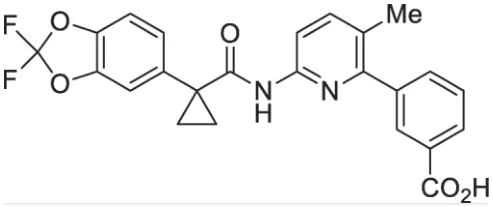
Structural formula:
lumacaftor
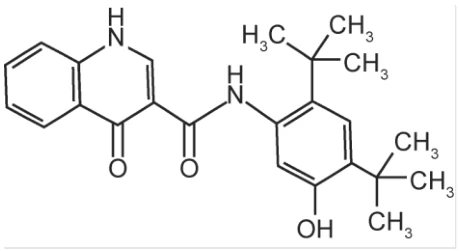
ivacaftor
Physicochemical properties:
Lumacaftor is a white to off-white powder that is practically insoluble in water (0.02 mg/mL)
Ivacaftor is a white to off-white powder that is practically insoluble in water (<0.05 mcg/mL)
14 CLINICAL TRIALS
14.1 Clinical Trials by Indication
The efficacy of ORKAMBI (lumacaftor/ivacaftor) in patients with CF was demonstrated in four Phase 3, clinical trials. Trials 1 and 2 were randomized, double-blind, placebo-controlled trials and Trials 3, 4 and 5 were open-label trials. These studies enrolled CF patients homozygous for the F508del mutation in the CFTR gene.
Patients with CF aged 12 years and older who are homozygous for the F508del mutation in the CFTR gene
| Table 10: Summary of Patient Demographics for Clinical Trials (Trials 1 and 2) in CF Patients with a F508del mutation in CFTR gene | ||||||
|---|---|---|---|---|---|---|
| Study # | Trial design | Dosage; route of administration; and duration | Study patients | Mean age (Range) | Sex | |
| Trial 1 (patients homozygous for F508del mutation in CFTR gene) | Randomized, double-blind, placebo-controlled, parallel-group, multiple-dose, multicentre | lumacaftor 600 mg once daily/ivacaftor 250 mg q12h, | 549 | 25.1 years (12 to 64 years) | Male: 53.7% Female: 46.3% | |
| lumacaftor 400 mg q12h/ivacaftor 250 mg q12h, or placebo; oral; with food; 24 weeks | ||||||
| Trial 2 (patients homozygous for F508del mutation in CFTR gene) | Randomized, double-blind, placebo-controlled, parallel-group, multiple-dose, multicentre | lumacaftor 600 mg once daily/ivacaftor 250 mg q12h, | 559 | 25.0 years (12 to 55 years) | Male: 47.9% Female: 52.1% | |
| lumacaftor 400 mg q12h/ivacaftor 250 mg q12h, or placebo; oral; with food; 24 weeks | ||||||
Trial 1
Trial 1 evaluated 549 patients with CF aged 12 years and older (mean age 25.1 years) with percent predicted FEV1 (ppFEV1) at screening between 40-90 [mean ppFEV1 60.7 at baseline (range: 31.1 to 94.0)]. All patients were tested for the CF genotype at screening; eligible patients had the F508del mutation on both alleles. Patients with a history of colonization with organisms such as Burkholderia cenocepacia, Burkholderia dolosa, or Mycobacterium abscessus, or who had 3 or more abnormal liver function tests (ALT, AST, AP, GGT ≥3 x the ULN or total bilirubin ≥2 x the ULN) were excluded.
Trial 2
Trial 2 evaluated 559 patients with CF aged 12 years and older (mean age 25.0 years) with ppFEV1 at screening between 40-90 [mean ppFEV1 60.5 at baseline (range: 31.3 to 99.8)]. All patients were tested for the CF genotype at screening; eligible patients had the F508del mutation on both alleles. Patients with a history of colonization with organisms such as Burkholderia cenocepacia, Burkholderia dolosa, or Mycobacterium abscessus, or who had 3 or more abnormal liver function tests (ALT, AST, AP, GGT ≥3 x the ULN or total bilirubin ≥2 x the ULN) were excluded.
Trials 1 and 2:
Efficacy
The efficacy of ORKAMBI in patients with CF who are homozygous for the F508del mutation in the CFTR gene was evaluated in two randomized, double-blind, placebo-controlled Phase 3 clinical trials in which 1108 clinically stable patients with CF were randomized and received at least 1 dose of study drug; 369 of these patients were randomized to the ORKAMBI (lumacaftor 400 mg q12h/ivacaftor 250 mg q12h) dose. Patients in both trials were randomized 1:1:1 to receive lumacaftor 600 mg once daily/ivacaftor 250 mg q12h; or ORKAMBI (lumacaftor 400 mg q12h/ivacaftor 250 mg q12h); or placebo. Patients took the study drug with fat-containing food for 24 weeks in addition to their prescribed CF therapies (e.g., bronchodilators, inhaled antibiotics, dornase alfa, and hypertonic saline). Patients from these trials were eligible to roll over into an uncontrolled extension study.
The primary efficacy endpoint in both studies was improvement in lung function as determined by the absolute change from baseline in ppFEV1 at Week 24, assessed as the average of the treatment effects at Week 16 and at Week 24.
In both trials, treatment with ORKAMBI resulted in a statistically significant improvement in ppFEV1. The treatment difference between ORKAMBI and placebo for the mean absolute change in ppFEV1 from baseline at Week 24 (assessed as the average of the treatment effects at Week 16 and at Week 24) was 2.6 percentage points in Trial 1 (P=0.0003) and 3.0 percentage points in Trial 2 (P<0.0001) (Figure 1). These changes persisted throughout the 24-week treatment period (Figure 1). Improvements in ppFEV1 were observed regardless of age, disease severity, sex, and geographic region.
Figure 1. Absolute Change From Baseline at Each Visit in Percent Predicted FEV1 in Trial 1 and Trial 2
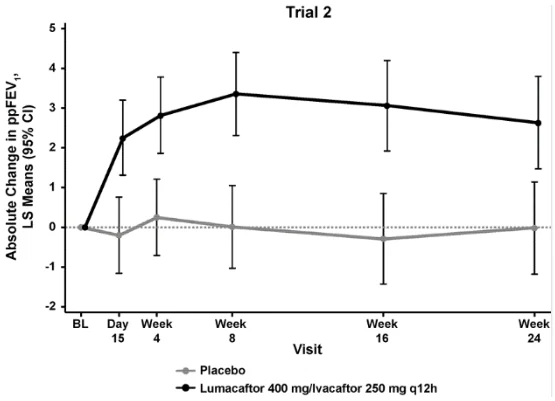
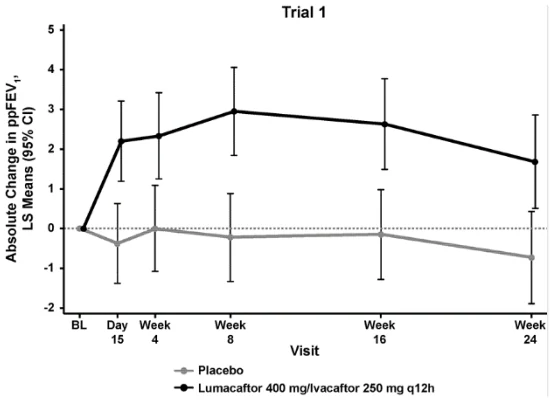
LS, Least Squares; q12h, every 12 hours
Other Clinical Endpoints
Other efficacy variables included relative change from baseline in ppFEV1 at Week 24, assessed as the average of the treatment effects at Week 16 and at Week 24; absolute change from baseline in BMI at Week 24; absolute change from baseline in CFQ-R Respiratory Domain at Week 24 (the CFQ-R is a disease-specific, patient-reported, health-related quality-of-life measure for cystic fibrosis consisting of generic and CF-specific scales). The respiratory domain of the CFQ-R was used as an assessment tool for clinically relevant respiratory symptoms such as cough, wheeze, congestion, sputum production, and difficulty breathing. The proportion of patients achieving ≥5% relative change from baseline in ppFEV1 using the average of Week 16 and Week 24 was also assessed in both trials along with the number of pulmonary exacerbations through Week 24. For the purposes of these trials, a pulmonary exacerbation was defined as a change in antibiotic therapy (IV, inhaled, or oral) for any 4 or more of 12 pre-specified sino-pulmonary signs/symptoms. Patients treated with ORKAMBI demonstrated statistically significant improvements in relative change in ppFEV1 and absolute change in BMI (in Trial 2 only) (see Table 11).
| Table 11: Summary of Key Secondary Outcomes in Trial 1 and Trial 2* | ||||||||||||||||||
|---|---|---|---|---|---|---|---|---|---|---|---|---|---|---|---|---|---|---|
| Trial 1 | Trial 2 | |||||||||||||||||
Placebo (n=184) | LUM 400 mg/IVA 250 mg q12h (n=182) | Placebo (n=187) | LUM 400 mg/IVA 250 mg q12h (n=187) | |||||||||||||||
| Relative change in ppFEV1 at Week 24† (%) | Treatment differencea | – | 4.3 (P=0.0006)‡ | – | 5.3 (P<0.0001)‡ | |||||||||||||
| Absolute change in BMI at Week 24 (kg/m2) | Treatment difference (95% CI) | – | 0.1 (-0.1, 0.3) | – | 0.4 (P=0.0001)‡ | |||||||||||||
| Absolute change in CFQ-R Respiratory Domain Score at Week 24 (points) | Treatment difference (95% CI) | – | 1.5 (-1.7, 4.7) | – | 2.9 (-0.3, 6.0) | |||||||||||||
| Proportion of patients with ≥5% relative change in ppFEV1 using the average of Week 16 and Week 24 | % | 22% | 37% | 23% | 41% | |||||||||||||
| Odds ratiob (95% CI) | – | 2.1 (1.3, 3.3) | – | 2.4 (1.5, 3.7) | ||||||||||||||
| Number of pulmonary exacerbations through Week 24 | # of events (rate per 48 weeks) | 112 (1.1) | 73 (0.7) | 139 (1.2) | 79 (0.7) | |||||||||||||
| Rate ratioc (95% CI) | – | 0.7 (0.5, 0.9) | – | 0.6 (0.4, 0.8) | ||||||||||||||
| * In each study, a hierarchical testing procedure was performed within each active treatment arm for primary and secondary endpoints vs. placebo; at each step, P≤0.0250 and all previous tests also meeting this level of significance were required for statistical significance. | ||||||||||||||||||
| † As assessed as the average of the treatment effects at Week 16 and Week 24. | ||||||||||||||||||
| ‡ Indicates statistical significance confirmed in the hierarchical testing procedure. Other efficacy measures are not considered statistically significant. | ||||||||||||||||||
| CI: confidence interval | ||||||||||||||||||
| a Treatment difference = effect of ORKAMBI – effect of placebo | ||||||||||||||||||
| b Odds ratio (LUM/IVA vs. placebo): odds of the event of LUM/IVA divided by odds of the event of placebo | ||||||||||||||||||
| c Rate ratio (LUM/IVA vs. placebo): event rate of LUM/IVA divided by event rate of placebo | ||||||||||||||||||
Patients with CF aged 1 to 11 years old who are homozygous for the F508del mutation in the CFTR gene
| Table 12: Summary of Patient Demographics for Clinical Trials (Trials 3, 4, and 5) in CF Patients with a F508del mutation in CFTR gene | |||||||||||
|---|---|---|---|---|---|---|---|---|---|---|---|
| Study # | Trial design | Dosage; route of administration; and duration | Study patients* | Mean age (Range) | Sex | ||||||
| Trial 3 (patients homozygous for F508del mutation in CFTR gene) | Open-label, multiple-dose, multicentre, safety trial | lumacaftor 200 mg q12h/ivacaftor 250 mg q12h; oral; with food; 24 weeks | 58† | 9.1 years (6 through 11 years) | Male: 46.6% Female: 53.4% | ||||||
| Trial 4 (patients homozygous for F508del | Open-label, multiple-dose, multicentre, safety trial | lumacaftor 100 mg q12h/ ivacaftor 125 mg q12h <14 kg; granules oral; with food; | 60 | 3.7 years (2 through 5 years) | Male 52.6% Female: 47.4% | ||||||
| mutation in CFTR gene) | 24 weeks | ||||||||||
| or | |||||||||||
| lumacaftor 150 mg q12h/ivacaftor 188 mg q12h ≥14 kg; granules oral; with food; 24 weeks | Male: 51.2% Female: 48.8% | ||||||||||
| Trial 5 (patients homozygous for F508del mutation in CFTR gene) | Open-label, multiple-dose, multi-centre, safety trial | lumacaftor 75 mg q12h/ ivacaftor 94 mg q12h 7 to <9 kg; granules oral; with food; 24 weeks | 46 | 18.1 months (1 to <2 years) | Male: 47.8% Female: 52.2% | ||||||
| lumacaftor 100 mg q12h/ivacaftor 125 mg q12h 9 to <14 kg; granules oral; with food; 24 weeks | |||||||||||
| lumacaftor 150 mg q12h/ivacaftor 188 mg q12h ≥14 kg; granules oral; with food; 24 weeks | |||||||||||
| * n=Number of patients randomized and dosed | |||||||||||
| † n=Number of patients dosed | |||||||||||
Trial 3: Safety and tolerability study in pediatric patients with CF aged 6 through 11 years homozygous for the F508del mutation in the CFTR gene
The efficacy of ORKAMBI in children ages 6 through 11 years is extrapolated from efficacy in patients ages 12 years and older homozygous for the F508del mutation in the CFTR gene with support from population pharmacokinetic analyses showing similar drug exposure levels in patients ages 12 years and older and in children aged 6 through 11 years (see Table 9).
Additional safety data were obtained from a 24-week, open-label, Phase 3 clinical trial in 58 patients with CF aged 6 through 11 years (mean age 9.1 years) with ppFEV1 at screening ≥40 and weight >15 kg (Trial 3). Patients had a mean baseline ppFEV1 of 91.4 (range: 55 to 122.7). All patients were tested for the CF genotype at screening; eligible patients had the F508del mutation on both alleles. Patients who had 3 or more abnormal liver function tests (ALT, AST, AP, GGT ≥3 x the ULN), or ALT or AST >5 x ULN, or total bilirubin >2 x the ULN were excluded.
In Trial 3, spirometry (ppFEV1) was assessed as a planned safety endpoint. The within-group LS mean absolute change from baseline in ppFEV1 at Week 24 was 2.5 percentage points. At the Week 26 safety follow-up visit (following a planned discontinuation) ppFEV1 was also assessed. The within-group LS mean absolute change in ppFEV1 from Week 24 at Week 26 was -3.2 percentage points.
BMI and BMI-for-age z-score were assessed as secondary endpoints. The within-group LS mean absolute change in BMI was 0.64 kg/m2 at Week 24 and BMI-for-age z-score was 0.15 at Week 24.
Trial 4: Safety and tolerability study in pediatric patients with CF aged 2 through 5 years homozygous for the F508del mutation in the CFTR gene
The efficacy of ORKAMBI in children ages 2 through 5 years is extrapolated from efficacy in patients ages 6 years and older homozygous for the F508del mutation in the CFTR gene with support from population pharmacokinetic analyses showing similar drug exposure levels in patients ages 6 years and older administered ORKAMBI tablets and in children ages 2 through 5 years (see Table 9) administered ORKAMBI oral granules.
Trial 4 was a 24-week open-label, safety trial that evaluated 60 patients with CF aged 2 through 5 years at screening (mean age at baseline 3.7 years) homozygous for F508del mutation. According to their weight at screening, patients were administered granules mixed with food every 12 hours, at a dose of lumacaftor 100 mg/ ivacaftor 125 mg granules for patients weighing less than 14 kg or lumacaftor 150 mg/ivacaftor 188 mg for patients weighing 14 kg or greater, for 24 weeks in addition to their prescribed CF therapies. All patients had a weight of greater than 8 kg. Patients who had an abnormal liver function test (ALT, AST or total bilirubin >2x ULN) were excluded. In order to evaluate off drug effects, patients had a safety follow-up visit following a 2-week washout period.
Spirometry (ppFEV1) was assessed in patients more than 3 years of age, however, data were available for only 13 patients at baseline and at Week 24 with all but 1 patients receiving the higher dose (lumacaftor 150 mg/ivacaftor 188 mg). The mean absolute change from baseline in ppFEV1 was 0.5 percentage points at Week 24 in the lumacaftor 150 mg /ivacaftor 188 mg group.
Clinical trial outcomes included BMI and BMI-for-age z-score as other secondary endpoints. The absolute change from baseline in BMI and in BMI-for-age z-score were 0.27 kg/m2 and 0.29, respectively at Week 24.
Trial 5: Safety and Pharmacokinetics study in patients with CF aged 1 to less than 2 years homozygous for F508del mutation in the CFTR gene
The efficacy of ORKAMBI in children ages 1 to less than 2 years is extrapolated from efficacy in patients ages 12 years and older homozygous for the F508del mutation in the CFTR gene with support from population pharmacokinetic analyses showing similar drug exposure levels in patients 2 years and older administered ORKAMBI.
Trial 5 Part B was a 24-week, open-label, safety trial that evaluated 46 patients with CF aged 1 to less than 2 years (mean age at baseline 18.1 months) homozygous for F508del mutation. According to their weight at screening, patients were administered granules mixed with food every 12 hours, at a dose of lumacaftor 75 mg/ivacaftor 94 mg for patients weighing 7 kg to less than 9 kg (1 patient) or lumacaftor 100 mg/ivacaftor 125 mg for patients weighing 9 kg to less than 14 kg (44 patients) or lumacaftor 150 mg/ivacaftor 188 mg for patients weighing 14 kg or greater (1 patient), for 24 weeks in addition to their prescribed CF therapies. Patients who had an abnormal liver function test (ALT, AST or total bilirubin >2x ULN) were excluded. In order to evaluate off drug effects, patients had a safety follow-up visit following a 2-week washout period.
In Trial 5 Part B, the primary endpoint of safety and tolerability was evaluated across 24 weeks. Secondary endpoints evaluated were pharmacokinetics and absolute change from baseline in sweat chloride at Week 24 (see section 10.2 Pharmacodynamics). Additional pharmacodynamic endpoints included BMI and BMI-for-age z-score. The absolute change from baseline in BMI and in BMI-for-age z-score were -0.2 kg/m2 and 0.04 kg/m2, respectively, at Week 24.
15 MICROBIOLOGY
No microbiological information is required for this drug product.
16 NON-CLINICAL TOXICOLOGY
General Toxicology
The toxicities of lumacaftor and ivacaftor were evaluated in acute, repeat-dose, genetic, carcinogenicity, developmental and reproductive, local tolerance, and other toxicity studies.
Acute Toxicity
Lumacaftor
Lumacaftor demonstrated a low potential for acute toxicity from high single doses in both rats and mice (maximum tolerated dose [MTD] ≥2000 mg/kg for both species). The established MTDs represent 10- to 20-times the MRHD on a mg/kg basis (assuming a 50-kg human).
Ivacaftor
Ivacaftor demonstrated a low potential for acute toxicity from high single doses in both mice, (MTD=2000 mg/kg) and rats (MTD=500 mg/kg). No ivacaftor-related adverse effects were seen at levels that represent 8- to 16-times the MRHD on a mg/kg basis (assuming a 50-kg human).
Repeat-dose Toxicity
Lumacaftor
Repeat-dose toxicity studies in mice up to 3 months, rats up to 6 months, and dogs up to 12 months in duration failed to identify any target organs of lumacaftor-related toxicity at dose levels up to and exceeding the MTDs established in these species in the 3-month studies. Noteworthy findings observed in both rats and dogs following repeated administration were limited to dose-related body weight decrements and dose-related minimal-to-moderate decreases in erythrocytic parameters which were regenerative in rats and non-regenerative in dogs. Noteworthy findings observed only in rats following repeated administration included the regenerative response to decreases in erythrocytic parameters (comprising an increase in circulating reticulocytes and, at high doses, extramedullary hematopoiesis in the spleen); and microscopic findings of minimal centrilobular hypertrophy in male livers at high doses considered an adaptive or compensatory response to the observed cytochrome P450 (CYP) induction in rats. Noteworthy findings observed only in dogs following repeated administration included mortality (3 animals requiring euthanasia due to deteriorating body condition, severely decreased food consumption, and/or associated clinical signs) occurring at a dose level clearly exceeding the MTD in this species as evidenced by additional clinical signs of toxicity (irregular gait, trembling, jerky movements, and/or muscle rigidity) observed sporadically in individual animals combined with significant body weight decrements (23%) noted in both sexes. With exception of those adverse effects noted at dose levels exceeding the MTD in dogs, these noteworthy findings were considered non-adverse, did not progress in severity over time, and were reversible or partially-reversible following recovery assessments built into the respective study designs.
In the chronic toxicity studies, lumacaftor exposures at the no observed adverse effect level (NOAEL) in rats (1000 mg/kg/day) and dogs (500 mg/kg/day), were at least 1.1- to 8-fold higher than established steady-state AUC0-24hr (396 mcg∙hr/mL) at the recommended human therapeutic dose administered in combination with ivacaftor as ORKAMBI.
Ivacaftor
Ivacaftor was tested in repeat-dose studies of up to 3 months in duration in mice, 6 months in duration in rats, and 12 months in duration in dogs. The only target organ of toxicity identified for ivacaftor was the liver of mice and rats. Clinical chemistry and/or morphological evidence of hepatotoxicity were observed at high dosages in mice (600 mg/kg/day in a 3-month study) and rats (200 mg/kg/day in the 3-month study and 100 mg/kg/day in the 6-month study). In mice, the main clinical pathology changes at the end of 3 months of dosing were elevated alanine aminotransferase (ALT), alkaline phosphatase (ALP), and serum electrolytes relative to the control group, and lower cholesterol and glucose, which were accompanied by minimal foci of hepatocellular necrosis in only a few of the animals. The main ivacaftor-related clinical pathology changes in rats (relative to the control group) included prolongation of prothrombin time (PT) and activated partial thromboplastin time (APTT); increases in ALT, gamma-glutamyltransferase (GGT), total protein, and blood urea nitrogen (BUN); serum electrolyte changes; and lower bicarbonate. Dose-related elevations in liver weights were accompanied by histopathological findings of centrilobular hepatocellular necrosis with acute/subacute inflammation in a few rats and mixed inflammatory cells occasionally seen in the liver. The hepatic enzyme elevations were typically less than 3-fold greater than normal.
Occasional instances of atrio-ventricular (AV) block occurred in dogs in repeat-dose studies. AV block is a well-documented background finding in this species. In addition, a slight increase in the incidence of supraventricular premature complex (SVPC) runs was observed in the chronic (12-month) study. The SVPC runs, which occurred in only 3 out of 40 dogs in this study, consisted of multiple events within a single electrocardiogram (ECG) recording at dosages ≥30 mg/kg/day and were reversible following a 28-day recovery period. All other ECG parameters were normal in all groups and the SVPC runs were not accompanied by morphological changes in the heart or changes in health status of these dogs.
In the chronic toxicity studies, summed exposures to ivacaftor and its metabolites at the NOAEL in rats (50 mg/kg/day) and dogs (60 mg/kg/day), were at least 3.6- to 6.4-fold higher than the established steady-state summed AUC0-24hr (81.12 mcg∙hr/mL) at the recommended human therapeutic dosage administered in combination with lumacaftor as ORKAMBI.
Lumacaftor and Ivacaftor Combination
A combination repeat-dose toxicity study involving the co-administration of lumacaftor and ivacaftor up to 3 months in duration in rats and 28 days in duration in dogs failed to produce any unexpected toxicities or interactions. Noteworthy findings in dogs were limited to a higher incidence of non-adverse cardiovascular findings (PR prolongation and AV block at doses ≥600/15 mg/kg/day lumacaftor/ivacaftor, and SVPC runs at doses of 600/60 mg/kg/day lumacaftor/ivacaftor) than previously noted in studies conducted with ivacaftor alone. Noteworthy findings in rats were limited to non-adverse microscopic findings of occasional small foci of erosion and necrosis in the glandular mucosa of the stomach, indicating that the combination was irritating to the gastrointestinal tract of rats (observed at doses ≥500/10 mg/kg/day lumacaftor/ivacaftor). These findings were not observed in dogs and were attributed to a local irritant effect of lumacaftor and ivacaftor at high concentrations that are likely not relevant to humans administered lumacaftor in combination with ivacaftor.
Carcinogenicity
Lumacaftor
A two-year study conducted in rats and a 26-week study conducted in transgenic Tg.rasH2 mice to assess carcinogenic potential of lumacaftor demonstrated that lumacaftor was not carcinogenic. Plasma exposures in male and female rats at the non-carcinogenic dosage (1000 mg/kg/day, the highest dosage tested) were 5.4- to 12.7-fold higher than the plasma levels for the lumacaftor component of ORKAMBI measured in humans following combination therapy. Plasma exposures to lumacaftor in mice at the non-carcinogenic dosage (2000 and 1500 mg/kg/day, the highest dose tested for each sex) were approximately 3.5- to 5.3-fold higher than the plasma levels for the lumacaftor component of ORKAMBI measured in humans following combination therapy.
Ivacaftor
Two-year studies in mice and rats to assess carcinogenic potential of ivacaftor demonstrated that ivacaftor was not carcinogenic in either species. Summed plasma exposures to ivacaftor and metabolites in mice at the non-carcinogenic dosage (200 mg/kg/day, the highest dosage tested) were approximately 1.7- to 3.4-fold higher than the summed plasma levels for the ivacaftor and metabolites components of ORKAMBI measured in humans following combination therapy. Summed plasma exposures to ivacaftor and its metabolites in rats at the non-carcinogenic dosage (50 mg/kg/day, the highest dosage tested) were approximately 8.9- to 13-fold higher than the summed plasma levels for the ivacaftor and its metabolites components of ORKAMBI measured in humans following combination therapy.
Genotoxicity
Lumacaftor
Lumacaftor was shown to be non-mutagenic and non-clastogenic in the following standard in vitro and in vivo genotoxicity tests: Ames test for bacterial gene mutation, in vitro chromosomal aberration assay in Chinese hamster ovary cells, and in vivo mouse micronucleus test.
Ivacaftor
Ivacaftor was shown to be non-mutagenic and non-clastogenic in the following standard in vitro and in vivo genotoxicity tests: Ames test for bacterial gene mutation, in vitro chromosomal aberration assay in Chinese hamster ovary cells, and in vivo mouse micronucleus test.
Reproductive and Developmental Toxicology
Lumacaftor
Lumacaftor had no effects on fertility and reproductive performance indices in male and female rats at 1000 mg/kg/day (approximately 3 and 8 times, respectively, the MRHD for the lumacaftor component of ORKAMBI on a lumacaftor AUC basis extrapolated from lumacaftor exposures in the 6-month repeat-dose toxicity study in this species). Lumacaftor was not teratogenic in rats at approximately 8 times the MRHD of the lumacaftor component of ORKAMBI (on a lumacaftor AUC basis at a maternal dose of 2000 mg/kg/day). Lumacaftor was not teratogenic in rabbits at approximately 5 times the MRHD of the lumacaftor component of ORKAMBI (on a lumacaftor AUC basis at a maternal dose of 200 mg/kg/day). Placental transfer of lumacaftor was observed in pregnant rats and rabbits. Lumacaftor did not cause developmental defects (learning and memory, reproductive capacity) in the offspring of pregnant rats dosed orally from pregnancy through parturition and weaning.
Ivacaftor
Ivacaftor impaired fertility and reproductive performance indices in male and female rats at 200 mg/kg/day (approximately 11 and 7 times, respectively, the MRHD of the ivacaftor component of ORKAMBI based on summed AUCs of ivacaftor and its metabolites extrapolated from Day 90 exposures at 150 mg/kg/day in the 6-month repeat-dose toxicity study in males and Day 17 of the pilot embryofetal developmental study in this species). Decreased weight of seminal vesicles in males and increases in prolonged diestrus in females were observed at 200 mg/kg/day. Ivacaftor decreased the fertility index in female rats and the number of corpora lutea, implantations, and viable embryos at 200 mg/kg/day when dams were dosed prior to and during early pregnancy. No effects on male or female fertility and reproductive performance indices were observed at ≤100 mg/kg/day (approximately 8 and 4.5 times the MRHD based on summed AUCs of the ivacaftor component of ORKAMBI based on summed AUCs of ivacaftor and its metabolites extrapolated from Day 90 exposures at 100 mg/kg/day in the 6-month repeat-dose toxicity study in this species). Ivacaftor was not teratogenic in rats at approximately 7 times the MRHD of the ivacaftor component of ORKAMBI (based on summed AUCs for ivacaftor and its metabolites at a maternal dose of 200 mg/kg/day extrapolated from ivacaftor female exposures in the pilot embryofetal development study and female metabolite-to-parent ratios in the 6-month toxicity study in this species). Ivacaftor was not teratogenic in rabbits at approximately 46 times the MRHD of the ivacaftor component of ORKAMBI (on an ivacaftor AUC basis at a maternal dose of 100 mg/kg/day). Placental transfer of ivacaftor was observed in pregnant rats and rabbits. Ivacaftor did not cause developmental defects (learning and memory, reproductive capacity) in the offspring of pregnant rats dosed orally from pregnancy through parturition and weaning. M1 and M6 were not directly quantitated in the developmental and reproductive toxicity studies.
Special Toxicology
Lumacaftor
Lumacaftor was determined to be non-irritating to skin based on results in the in vitro EPISKINTM skin irritation test. Lumacaftor was classified as a non-irritant to eyes when tested in vitro on isolated bovine corneas (bovine corneal opacity and permeability assay). In a murine local lymph node assay, lumacaftor had no effects on the proliferative response of lymph node cells from the draining auricular lymph nodes, demonstrating that lumacaftor does not show the potential to induce skin sensitization.
Ivacaftor
Ivacaftor was not irritating to skin after topical administration to rabbits. Ivacaftor was classified as a non-irritant to eyes when tested in vitro on isolated bovine corneas (bovine corneal opacity and permeability assay). In a murine local lymph node assay, ivacaftor had no effects on the proliferative response of lymph node cells from the draining auricular lymph nodes, demonstrating that ivacaftor does not show the potential to induce skin sensitization.
Juvenile Toxicity
Cataracts were seen in juvenile rats dosed with ivacaftor from postnatal day 7 to 35 at dose levels of 10 mg/kg/day and higher (approximately 0.32 times the MRHD for the ivacaftor component of ORKAMBI based on summed AUCs of ivacaftor and metabolites). This finding was not observed in older animals.