


Patient Medication Information: uses, side effects, how to take - Ovidrel
What is Ovidrel used for?
Ovidrel is indicated for women following the stimulation phase of infertility treatment. Ovidrel is used to trigger ovulation in infertile women with ovarian dysfunction.
How does Ovidrel work?
Ovidrel is the only recombinant human chorionic gonadotrophin (r-hCG). Its generic name is choriogonadotropin alfa. hCG, is a hormone that is involved in reproduction in women. It is found in the urine of pregnant women and is produced by the placenta. Ovidrel is produced as a solution in a pre-filled syringe or a pre-filled pen that is intended for subcutaneous injection. Ovidrel ensures that you are receiving the highest purity hCG on the market. Subcutaneous injections offer the advantage of being convenient and easy to self-administer.
What are the ingredients in Ovidrel?
Medicinal ingredients: Pre-filled Syringe and Pre-filled - choriogonadotropin alfa
Non-medicinal ingredients:
Prefilled Syringe - L-methionine, Mannitol, Phosphoric acid, Poloxamer 188, Sodium hydroxide, Water for injection
Prefilled Pen: Disodium hydrogen phosphate dihydrate, L-methionine, Mannitol, Phosphoric acid, Poloxamer 188, Sodium dihydrogen phosphate monohydrate, Sodium hydroxide, Water for injection.
Ovidrel comes in the following dosage forms:
Ovidrel comes in two formats: 250 mcg in a pre-filled pen or 250 mcg in 0.5 ml for the ready to use solution packaged in a pre-filled syringe.
Do not use Ovidrel if:
- if you are allergic to choriogonadotropin alfa or any of the other ingredients of this medicine.
- if you have a tumour in your hypothalamus or pituitary gland (both are parts of the brain).
- if you have large ovaries or sacs of fluid within the ovaries (ovarian cysts) of unknown origin.
- if you have unexplained vaginal bleeding.
- if you have cancer of your ovaries, womb or breast.
- if you have severe inflammation of your veins or blood clotting in your veins (active thromboembolic disorders).
- if you have any condition that usually makes a normal pregnancy impossible, such as menopause or early menopause (ovarian failure), or malformations of sexual organs.
- if you have an uncontrolled thyroid or adrenal function.
- if your ovaries stop functioning.
- If you are currently pregnant.
Other warnings you should know about:
- A higher risk of a blood clot
When undergoing assisted reproductive technologies or stimulation of your ovaries to produce eggs, there may be a higher occurrence of a miscarriage or pregnancy outside of the womb (ectopic pregnancy) than the average woman.
Reports of multiple births have been associated with fertility treatments. You should discuss the potential risk of multiple births with your healthcare professional before beginning treatment.
To help avoid side effects and ensure proper use, talk to your healthcare professional before you take Ovidrel. Talk about any health conditions or problems you may have, including if you have:
- Severe pain
- Bloating in the stomach
- Bloating in the pelvic area
- Severe upset stomach
- Vomiting
- Weight gain
Contact your healthcare professional if you have any of these signs or symptoms. These are symptoms of a medical event called Ovarian Hyperstimulation Syndrome (OHSS). OHSS occurs infrequently (usually less than 3% incidence). However, because OHSS can progress rapidly to a serious medical event, Ovidrel should be stopped at the first signs of OHSS.
There is no evidence to establish an association between the administration of Ovidrel to female patients and the occurrence of congenital anomalies in their offspring. The data supporting this position is derived from the conclusions of clinical trials, as well as from post-marketing information where no cases of congenital anomalies have been reported since the introduction of Ovidrel to the market. Moreover, based on large epidemiological studies published in the literature, the rate of major or minor congenital anomalies following assisted reproductive technology procedures is consistent with that found in the unassisted population. It must be noted that these epidemiological studies relate to clinical trials carried out with urinary drugs. There is, however, no ground to suspect that, with regards to this particular risk, the recombinant product would be different from similar drugs of urinary origin.
Tell your healthcare professional about all the medicines you take, including any drugs, vitamins, minerals, natural supplements or alternative medicines.
The following may interact with Ovidrel:
Please inform your healthcare professional and pharmacist if you are taking or have taken any other medications, even those not requiring a prescription.
How to take Ovidrel:
Ovidrel (choriogonadotropin alfa) offers the ease of use and convenience available with subcutaneous administration. Please familiarize yourself with the following instructions in order to understand how to self-administer Ovidrel.
Directions for Administration of Ovidrel in Pre-filled Syringe
OVIDREL in pre-filled syringes is intended for a single subcutaneous injection. Any unused material should be discarded. Ask your health care provider on how to dispose of used syringes and medicines no longer required. Ovidrel may be self-administered by the patient.
Follow the directions below for injecting Ovidrel
Step 1: Getting ready On a clean work surface, lay out the items listed below before you begin:
| |
|---|---|
Step 2: Cleanse
|  |
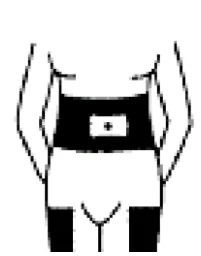
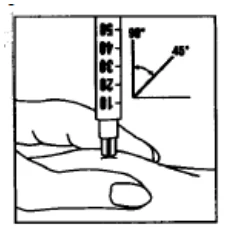
Step 3: Prepare Injection Site
|   |
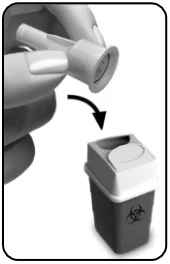
Step 4: Disposal of used Items Once you have finished your injection, immediately discard the needles and syringe (without recapping the needle) into the disposal container. Take the container to a clinic or pharmacy for proper disposal. | |
Directions for Administration of Ovidrel in Pre-filled Pen
| |
|  |
|---|---|
|
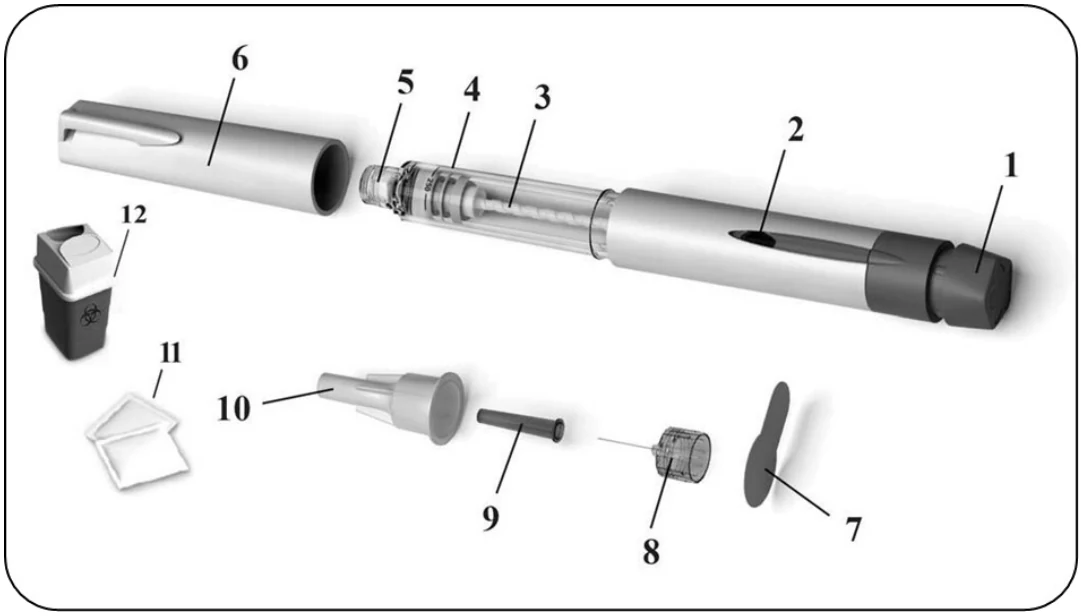
Ovidrel Pen, and other materials you may need for injection: |
|---|
|
|
|---|
 |
|---|
Follow the directions below for injecting Ovidrel
|
|
|---|
|
|---|
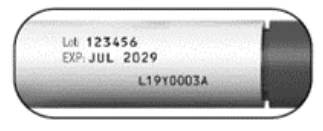
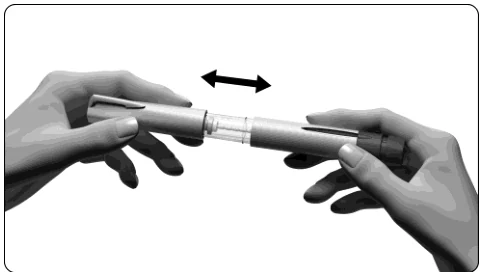
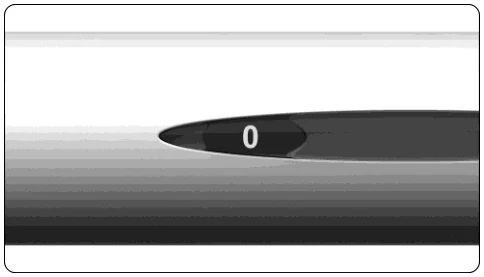
- 2. Getting your Ovidrel Pen ready for injection
 |
|---|
|  |
|---|---|
|  |
|
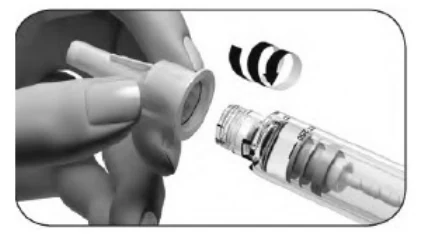
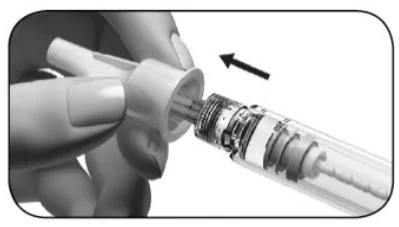
- 3. Attach the needle
|  | |
|---|---|---|
|  | |
| 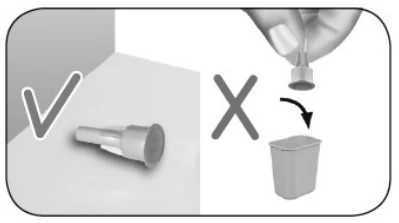 | |
| ||
| ||
| 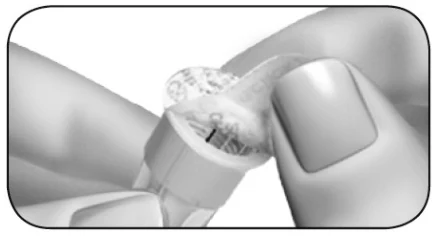 |
|---|
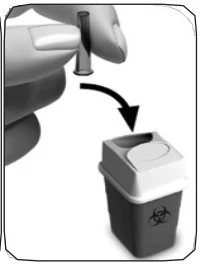 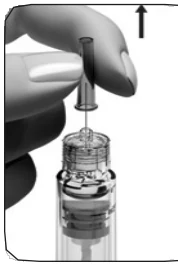 |
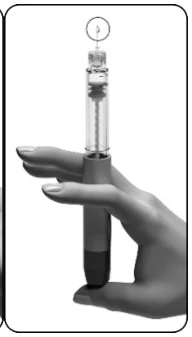
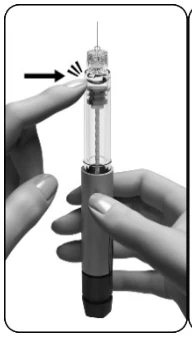
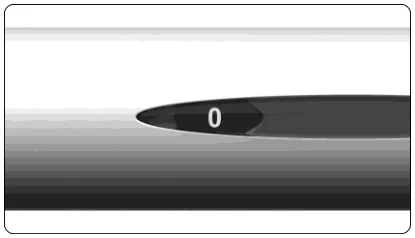
Caution: If you do not see a tiny drop(s) of fluid at or near the needle tip, you must perform the steps below: 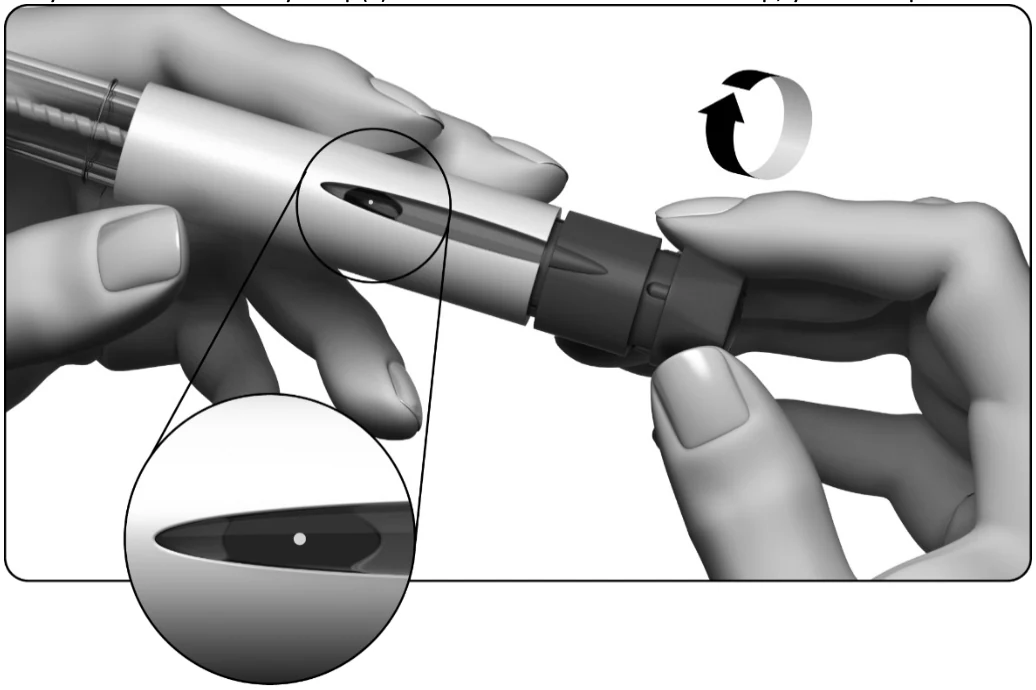
  |
|---|
| |
|---|---|
|
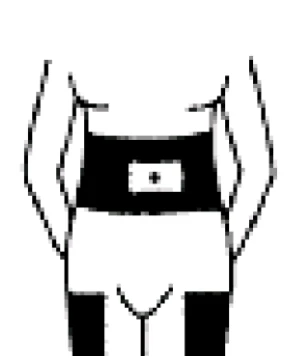
- 5. Injecting your dose
|  | |
|---|---|---|
| ||
| ||
| 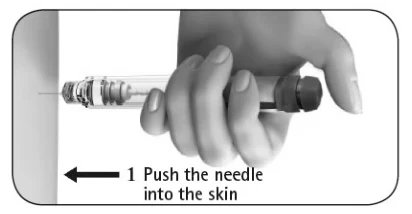 | |
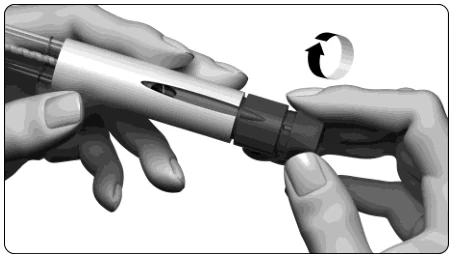 | |
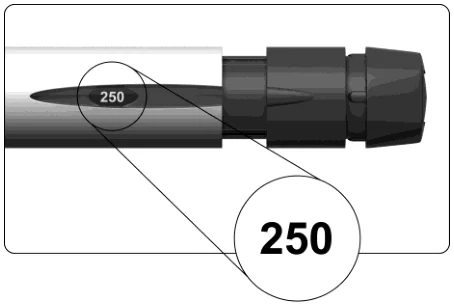 |
| 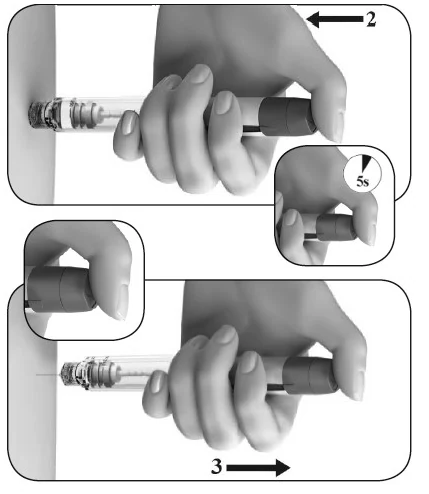 |
|---|---|
|  |
|  |
|   |
|
|---|
If you have any further questions on the use of this medicine, ask your healthcare professional or pharmacist.
Usual dose:
Ovidrel should not be administered until adequate follicular development is indicated by serum estradiol and/or vaginal ultrasonography
Ovidrel 250 mcg should be administered subcutaneously one day following the last dose of the follicle stimulating agent. Ovidrel administration should be withheld in situations where there is an excessive ovarian response, as evidenced by multiple follicular development, clinically significant ovarian enlargement or excessive estradiol production.
Overdose:
No case of overdosage has been reported. Nevertheless, there is a possibility that OHSS may result from an overdosage of Ovidrel.
| If you think you, or a person you are caring for, have taken too much Ovidrel, contact a healthcare professional, hospital emergency department, or regional poison control centre immediately, even if there are no symptoms. |
|---|
What are possible side effects from using Ovidrel?
These are not all the possible side effects you may have when taking Ovidrel. If you experience any side effects not listed here, tell your healthcare professional.
The following side effects have been reported with the use of Ovidrel:
- Discomfort at the injection site
- Stomach pain
- Nausea
- Vomiting
Ask your fertility team to discuss the possible side effects with you. As with all medications, it is important to report any physical changes and all symptoms to your healthcare professional.
If you have a troublesome symptom or side effect that is not listed here or becomes bad enough to interfere with your daily activities, tell your healthcare professional.
Reporting Side Effects
You can report any suspected side effects associated with the use of health products to Health Canada by:
NOTE: Contact your health professional if you need information about how to manage your side effects. The Canada Vigilance Program does not provide medical advice. |
Storage:
- Refer to the date indicated on the labels for the expiry date. Do not use after expiry date.
- Do not freeze. Store in the original package. Protect from light.
- Do not use the Ovidrel pre-filled syringe or pre-filled pen if the solution contains particles or is not clear.
- Ovidrel in pre-filled syringes are to be stored at 2 to 8°C (in a refrigerator). The patient may store the pre-filled syringe at 25°C (room temperature) for up to 30 days, however after this time the pre-filled syringe should be discarded.
- Ovidrel in pre-filled pens are to be stored at 2 to 8°C (in a refrigerator).
- Keep out of reach and sight of children.
If you want more information about Ovidrel:
- Talk to your healthcare professional
- Find the full product monograph that is prepared for healthcare professionals and includes this Patient Medication Information by visiting the Health Canada website: (https://www.canada.ca/en/health-canada/services/drugs-health-products/drug-products/drug-product-database.html; the manufacturer’s website https://medinfo.emdserono.ca/en, or by calling 1-800-387-8479.
OVIDREL® is a trademark of Merck KGaA, Darmstadt, Germany or its affiliates.