


Product Monograph - Ovral 21
SUMMARY PRODUCT INFORMATION
Route of Administration | Dosage Form / Strength | Clinically Relevant Nonmedicinal Ingredients |
| Oral | Tablet, 250 µg of d-norgestrel (as 500 µg of the dl-racemate) and 50 µg ethinyl estradiol | Lactose For a complete listing see Dosage Forms, Composition and Packaging section. |
INDICATIONS AND CLINICAL USE
OVRAL ® Tablets are indicated for conception control in circumstances where low dosage estrogen formulations prove to be unacceptable.
OVRAL tablets are not indicated for post-coital interception even though the formulation has been advocated in clinical publications.
Geriatrics (> 65 years of age):
OVRAL is not indicated for use in postmenopausal women.
Pediatrics:
Safety and efficacy of OVRAL tablets have been established in women of reproductive age. Use of this product before menarche is not indicated.
CONTRAINDICATIONS
Combination Oral Contraceptives (COCs) are contraindicated in the following:
- History of or actual thrombophlebitis or thromboembolic disorders.
- History of or actual cerebrovascular disorders.
- History of or actual myocardial infarction or coronary arterial disease.
- Deep vein thrombosis (current or history)
- Thrombogenic valvulopathies and Thrombogenic rhythm disorders
- Hereditary or acquired thrombophilias
- Migraine with focal neurological symptoms such as aura (current or history)
- Active liver disease, or abnormal liver function testing
- History of or actual or malignant liver tumours
- Known or suspected carcinoma of the breast
- Known or suspected estrogen-dependent neoplasia.
- Undiagnosed abnormal vaginal bleeding.
- Steroid-dependent jaundice, cholestatic jaundice, history of jaundice of pregnancy.
Any ocular lesion arising from ophthalmic vascular disease, such as
partial or complete loss of vision or defect in visual fields.
- When pregnancy is suspected or diagnosed.
Hypersensitivity to any of the components of OVRAL. For a complete listing, see the
DOSAGE FORMS, COMPOSITION AND PACKAGING section of the product monograph.
- Diabetes with vascular involvement
- Uncontrolled hypertension
- Pancreatitis associated with severe hypertriglyceridemia (current or history)
WARNINGS AND PRECAUTIONS
General
For any estrogen/progestin combination, the dosage regimen prescribed should be one which contains the least amount of estrogen and progestin that is compatible with a low failure rate and the needs of the individual patient. New users of COCs should be started on preparations containing less than 50 µg of estrogen.
Serious Warnings and Precautions Cigarette smoking increases the risk of serious adverse effects on the heart and blood vessels. This risk increases with age and becomes significant in hormonal contraceptive users older than 35 years of age who smoke. Women should be counselled not to smoke. (see WARNINGS AND PRECAUTIONS: Cardiovascular)
Patients should be counselled that birth control pills DO NOT PROTECT against sexually transmitted infections (STIs) including HIV/AIDS. For protection against STIs, it is advisable to use latex or polyurethane condoms IN COMBINATION WITH birth control pills.
Discontinue Medication at the Earliest Manifestation of the following:
A. Thromboembolic and cardiovascular disorders, such as thrombophlebitis, pulmonary embolism, cerebrovascular disorders, myocardial ischemia, mesenteric ischemia, mesenteric thrombosis and retinal thrombosis.
B. Conditions that predispose to venous stasis and to vascular thrombosis (e.g.
immobilization after accidents or confinement to bed during long-term illness). Other non-hormonal methods of contraception should be used until regular activities are resumed. For use of oral contraceptives when surgery is contemplated, see WARNINGS AND PRECAUTIONS: Peri-Operative Considerations.
C. Partial or complete loss of vision (see WARNINGS AND PRECAUTIONS:
Ophthalmologic)
D. Papilledema or ophthalmic vascular lesions
E. Severe headache of unknown etiology, worsening of pre-existing migraine headache
F. Increase in epileptic seizures
The following information is provided from studies of combination oral contraceptives (COCs).
The use of combination hormonal contraceptives is associated with increased risks of several serious conditions including myocardial infarction, thromboembolism, stroke, hepatic neoplasia and gallbladder disease, although the risk of serious morbidity and mortality is small in healthy women without underlying risk factors. The risk of morbidity and mortality increases significantly if associated with the presence of other risk factors such as hypertension, hyperlipidemias, obesity and diabetes.
Carcinogenesis and Mutagenesis
Breast Cancer
A meta-analysis from 54 epidemiological studies reported that there is a slightly increased relative risk (RR=1.24) of having breast cancer diagnosed in women who are currently using COCs compared to never-users. The increased risk gradually disappears during the course of the 10 years after cessation of COC use. These studies do not provide evidence for causation. The observed pattern of increased risk of breast cancer diagnosis may be due to an earlier detection of breast cancer in COC users, the biological effects of COCs or a combination of both. Because breast cancer is rare in women under 40 years of age, the excess number of breast cancer diagnoses in current and recent COC users is small in relation to the lifetime risk of breast cancer. Breast cancers diagnosed in ever-users tend to be less advanced clinically than the cancers diagnosed in never-users.
Increasing age and a strong family history are the most significant risk factors for the development of breast cancer. Other established risk factors include obesity, nulliparity and late age for first full-term pregnancy. The identified groups of women that may be at increased risk of developing breast cancer before menopause are long-term users of COCs (more than eight years) and starters at early age. The use of COCs may accelerate the growth of an existing but undiagnosed breast cancer. Since any potential increased risk related to COC use is small, there is no reason to change prescribing habits at present.
Women receiving COCs should be instructed in self-examination of their breasts. Their physicians should be notified whenever any masses are detected. A yearly clinical breast examination is also recommended, because if a breast cancer should develop, drugs that contain estrogen may cause a rapid progression.
Cervical Cancer
The most important risk factor for cervical cancer is persistent human papillomavirus infection. Some epidemiological studies have indicated that long-term use of COCs may further contribute to this increased risk but there continues to be controversy about the extent to which this finding is attributable to confounding effects, e.g., cervical screening and sexual behaviour including use of barrier contraceptives
In cases of undiagnosed abnormal genital bleeding adequate diagnostic measures are indicated.
Hepatocellular Carcinoma
Min-Ovral is contraindicated in patients with a history of or actual benign or malignant liver tumours.
Hepatocellular carcinoma may be associated with oral contraceptives. The risk appears to increase with duration of hormonal contraceptive use. However, the attributable risk (the excess incidence) of liver cancer in oral contraceptive users is extremely small.
See Product Monograph PART II SCIENTIFIC INFORMATION: TOXICOLOGY: Chronic Toxicity for discussion of animal data.
Cardiovascular
Predisposing Factors for Coronary Artery Disease
Cigarette smoking increases the risk of serious cardiovascular side effects and mortality. Birth control pills increase this risk especially with increasing age. Convincing data are available to support an upper age limit of 35 years for oral contraceptive use in women who smoke.
Other women who are independently at high risk for cardiovascular disease include those with diabetes, hypertension, abnormal lipid profile, obesity or a family history of these. Whether COCs accentuate this risk is unclear.
Hypertension
COC use is contraindicated in women with uncontrolled hypertension (see CONTRAINDICATIONS)
Patients with essential hypertension whose blood pressure is well-controlled may be given hormonal contraceptives but only under close supervision. If a significant elevation of blood pressure in previously normotensive or hypertensive subjects occurs at any time during the administration of the drug, cessation of medication is necessary.
Increases in blood pressure have been reported in women taking COCs. Elevated blood pressure associated with COC use will generally return to baseline after stopping COCs, and there appears to be no difference in the occurrence of hypertension among ever- and never-users.
Endocrine and Metabolism
Diabetes
Glucose intolerance has been reported in COC users. Current low-dose COCs exert minimal impact on glucose metabolism. Diabetic patients, or those with a family history of diabetes, should be observed closely to detect any worsening of carbohydrate metabolism. Women who are predisposed to diabetes, with impaired glucose tolerance or who have diabetes mellitus should be carefully monitored if using COCs. Young diabetic patients whose disease is of recent origin, well-controlled, and not associated with hypertension or other signs of vascular disease such as ocular fundal changes, should be monitored more frequently while using oral contraceptives.
Lipid and Other Metabolic Effects
A small proportion of women will have adverse lipid changes while taking oral contraceptives. Nonhormonal contraception should be considered in women with uncontrolled dyslipidemias. (See also CONTRAINDICATIONS). Persistent hypertriglyceridemia may occur in a small population of combination oral contraceptive users. Elevations of plasma triglycerides may lead to pancreatitis and other complications.
Women who are being treated for hyperlipidemias should be followed closely if they elect to use COCs.
Gastrointestinal
Published epidemiological studies indicate a possible association of COC use and the development of Crohn’s disease and ulcerative colitis, although this has not been firmly
established.
Absorption
Vomiting and/or diarrhea may reduce absorption of oral contraceptives resulting in decreased serum concentration and therefore may reduce contraceptive efficacy. Physicians should advise the patients of the need for a back-up contraceptive method in the case of such gastrointestinal symptoms.
Genitourinary
Vaginal Bleeding
Persistent irregular vaginal bleeding requires assessment to exclude underlying pathology. See also WARNINGS AND PRECAUTIONS: Sexual Function/Reproduction.
Fibroids
Patients with fibroids (leiomyomata) should be carefully observed. Sudden enlargement, pain, or tenderness requires discontinuation of the use of COCs.
Hematologic
Venous and arterial thrombosis and thromboembolism
Use of COCs is associated with an increased risk of venous and arterial thrombotic and thromboembolic events.
Venous thrombosis and thromboembolism
Epidemiological studies have shown that the incidence of venous thromboembolism (VTE) in users of oral contraceptives with low estrogen content (<50 µg ethinyl estradiol) ranges from about 20 to 40 cases per 100,000 women-years; this risk estimate varies according to the progestogen. This compares with 5 to 10 cases per 100,000 women-years for non-users.
The use of any combined oral contraceptive carries an increased risk of VTE compared with no use. Reported events include deep venous thrombosis, thrombophlebitis, pulmonary embolism and mesenteric thrombosis. The excess risk of VTE is highest during the first year a woman ever uses a combined oral contraceptive. The increased risk is less than the risk of VTE associated with pregnancy, which is estimated as 60 cases per 100,000 women years. VTE is fatal in 1-2% of cases.
Other Risk Factors for Venous Thromboembolism
Other generalized risk factors for venous thromboembolism include but are not limited to a personal history, a family history (the occurrence of VTE in a direct relative at a relatively early age may indicate genetic predisposition), severe obesity (body mass index ≥30 kg/m2) and systemic lupus erythematosus. The risk of VTE also increases with age. The risk of VTE may be temporarily increased with prolonged immobilization, major surgery, trauma, recent delivery, or
second-trimester abortion. Also, patients with a leg cast should be closely supervised.
If a hereditary or acquired predisposition for venous thromboembolism is suspected, the woman should be referred to a specialist for advice before deciding on any COC use.
Arterial thrombosis and thromboembolism
The use of COCs increases the risk of arterial thrombotic and thromboembolic events. Reported events include myocardial infarction and cerebrovascular events (ischemic and hemorrhagic stroke, transient ischemic attack). For information on retinal vascular thrombosis see WARNINGS AND PRECAUTIONS: Ophthalmologic.
The risk of arterial thrombotic and thromboembolic event is further increased in women with underlying risk factors. Examples of risk factors for arterial thrombotic and thromboembolic events are smoking hypertension, hyperlipidemias, obesity and increasing age. Caution must be exercised when prescribing COCs for women with risk factors for arterial thrombotic and thromboembolic events.
Hepatic/Biliary/Pancreatic
Hepatic Function
OVRAL is contraindicated in patients with active liver disease or abnormal liver function testing (see CONTRAINDICATIONS and DRUG INTERACTIONS: Drug-Laboratory Test Interactions).
Acute or chronic disturbances of liver function necessitate the discontinuation of COC use until markers of liver function return to normal.
Hepatocellular injury has been reported with COC use. Early identification of drug-related hepatocellular injury can decrease the severity of hepatotoxicity when the drug is discontinued. If hepatocellular injury is diagnosed, patients should stop their COC, use a non-hormonal form of contraception and consult their doctor.
Gallbladder Disease
For women with symptomatic gall bladder disease, consideration should be given to whether the benefits of COCs outweigh the risks. COC use these patients may worsen existing disease.
Jaundice
Patients who have had jaundice should be given oral contraceptives only with great care and under close observation. Oral contraceptive-related cholestasis has been described in women with a history of pregnancy-related cholestasis. Women with a history of cholestasis may have the condition recur with subsequent hormonal contraceptive use, and in this instance, OVRAL should be discontinued.
The development of severe generalized pruritus or icterus requires that the medication be withdrawn until the problem is resolved.
If a patient develops jaundice that proves to be cholestatic in type, the use of oral contraceptives should not be resumed. In patients taking hormonal contraceptives, changes in the composition of the bile may occur and an increased incidence of gallstones has been reported.
Hepatic Nodules
Hepatic nodules (adenoma and focal nodular hyperplasia) have been reported, particularly in long-term users of oral contraceptives. Although these lesions are extremely rare, they have caused fatal intra-abdominal hemorrhage and should be considered in women presenting with an abdominal mass, acute abdominal pain, or evidence of intra-abdominal bleeding.
Pancreatic Function
Please see WARNINGS AND PRECAUTIONS: Endocrine and Metabolism: Lipid and Other Metabolic Effects.
Immune
Angioedema
Exogenous estrogens may induce or exacerbate symptoms of angioedema, in particular in women with hereditary angioedema.
Neurologic
Migraine and Headache
The onset or exacerbation of migraine or the development of headache of a new pattern that is recurrent, persistent or severe, requires discontinuation of COCs and evaluation of the cause. (see CONTRAINDICATIONS)
Women with migraine headaches who take oral contraceptives may be at increased risk of stroke. (see CONTRAINDICATIONS)
Ophthalmologic
Patients who are pregnant or are taking oral contraceptives may experience corneal edema that may cause visual disturbances and changes in tolerance to contact lenses, especially of the rigid type. Soft contact lenses usually do not cause disturbances. If visual changes or alterations in tolerance to contact lenses occur, temporary or permanent cessation of wear may be advised.
With use of oral contraceptives there have been reports of retinal vascular thrombosis which may lead to partial or complete loss of vision. If there are signs or symptoms such as visual changes, onset of proptosis or diplopia, papilledema, or retinal vascular lesions, the oral contraceptives should be discontinued and the cause immediately evaluated.
Peri-Operative Considerations
Thromboembolic Complications – Post-surgery
There is an increased risk of thromboembolic complications in oral contraceptive users after major surgery. If feasible, oral contraceptives should be discontinued and an alternative method substituted at least one month prior to major elective surgery and during periods of prolonged immobilization. Oral contraceptive use should not be resumed for
at least two weeks after major elective surgery, and only after the first menstrual period has occurred following hospital discharge.
Psychiatric
Patients with a history of emotional disturbances, especially the depressive type, may be more prone to have a recurrence of depression while taking oral contraceptives. Women with a history of depression who use oral contraceptives should be carefully observed and the drug discontinued if depression recurs to a serious degree. Patients becoming significantly depressed while taking oral contraceptives should stop the medication and use an alternate method of contraception in an attempt to determine whether the symptom is drug-related. Women with premenstrual syndrome (PMS) may have a varied response to oral contraceptives, ranging from symptomatic improvement to worsening of the condition.
Renal
Fluid Retention
Hormonal contraceptives may cause some degree of fluid retention.
Sexual Function/Reproduction
Return to Fertility
After discontinuing oral contraceptives therapy, the patient should delay pregnancy until at least one normal spontaneous menstrual cycle has occurred in order to date the pregnancy. An alternate contraceptive method should be used during this time.
Vaginal Bleeding
Breakthrough bleeding/spotting may occur in women taking COCs, especially during the first three months of use. If this bleeding persists or recurs, nonhormonal causes should be considered and adequate diagnostic measures may be indicated to rule out pregnancy, infection, malignancy, or other conditions. Persistent irregular vaginal bleeding requires assessment to exclude underlying pathology. If pathology has been excluded (see WARNINGS AND PRECAUTIONS: Cervical Cancer), continued use of the COC or a change to another formulation may solve the problem.
Amenorrhea
In some women, withdrawal bleeding may not occur during the tablet-free interval. If the COC has been taken according to directions, it is unlikely that the woman is pregnant. However, if the
COC has not been taken according to directions prior to the first missed withdrawal bleed, or if two consecutive withdrawal bleeds are missed, tablet taking should be discontinued and a non-hormonal back-up method of contraception should be used until the possibility of pregnancy is excluded. Pregnancy must be ruled out before COC use is continued.
Women having a history of oligomenorrhea, secondary amenorrhea, or irregular cycles may remain anovulatory or become amenorrheic following discontinuation of estrogen-progestin combination therapy.
Amenorrhea, especially if associated with breast secretion, that continues for six months or more after withdrawal, warrants a careful assessment of hypothalamic-pituitary function.
Reduced Efficacy
The efficacy of COCs may be reduced in the event of missed tablets, gastro-intestinal disturbances or concomitant medication (see DRUG INTERACTIONS).
Skin
Chloasma may occasionally occur with use of hormonal contraceptives, especially in women with a history of chloasma gravidarum. Women with a tendency to develop chloasma should avoid exposure to the sun or ultraviolet radiation while taking hormonal contraceptives.
Special Populations
Pregnant Women:
Oral contraceptives should not be taken by pregnant women. If pregnancy occurs during treatment with OVRAL, further intake should be stopped. However, if conception accidentally occurs while taking the pill, there is no conclusive evidence that the estrogen and progestin contained in the oral contraceptive will damage the developing child.
Nursing Women
In breast-feeding women, the use of oral contraceptives results in the hormonal components being excreted in breast milk and may reduce its quantity and quality. Published studies have indicated that during lactation, 0.1% of the daily maternal dose of levonorgestrel and 0.02% of the daily maternal dose of ethinyl estradiol could be transferred to the newborn via milk.
Adverse effects on the child have been reported, including jaundice and breast enlargement. The nursing mother should be advised not to use oral contraceptives but to use other forms of contraception until she has completely weaned her child.
Pediatrics:
Safety and efficacy of OVRAL tablets have been established in women of reproductive age. Use of this product before menarche is not indicated.
Geriatrics (> 65 years of age):
OVRAL is not indicated for use in postmenopausal women.
Monitoring and Laboratory Tests
Physical Examination and Followup
Before oral contraceptives are used, a thorough individual and family history and physical examination should be performed, including a blood pressure determination. In addition, disturbances of the clotting system must be ruled out if any members of the family have suffered from thromboembolic diseases (e.g., deep vein thrombosis, stroke, myocardial infarction) at a young age. Breasts, liver, extremities and pelvic organs should be examined and a Papanicolaou (PAP) smear should be taken if the patient has been sexually active or if it is otherwise indicated.
The first followup visit should be done three months after oral contraceptives are prescribed. Thereafter, examinations should be performed at least once a year, or more frequently if indicated. At each annual visit, examination should include those procedures that were done at the initial visit as outlined above or per recommendations of the Canadian Task Force on the Preventative Health Care.
Tissue Specimens
Pathologists should be advised of COC therapy when specimens obtained from surgical procedures and Pap smears are submitted for examination.
ADVERSE REACTIONS
Adverse Drug Reaction Overview
An increased risk of the following serious adverse reactions has been associated with the use of combined oral contraceptives:
- Arterial thromoembolism
- Being diagnosed with breast cancer
- Benign hepatic tumours (e.g. focal nodular hyperplasia, hepatic adenomas)
- Cerebral hemorrhage
- Cerebral thrombosis
- Cervical cancer
- Cervical intraepithelial neoplasia
- Gallbladder disease, including gallstones*
- Hepatocellular carcinomas
- Hypertension
- Inflammatory bowel disease (Crohn’s Disease, ulcerative colitis)
- Mesenteric thrombosis
- Myocardial infarction
- Neuro-ocular lesions (e.g. retinal thrombosis)
- Pulmonary embolism
- Stroke
- Transient ischemic attack
- Thrombophlebitis
- Venous thrombosis
* COCs may worsen existing gallbladder disease and may accelerate the development of this disease in previously asymptomatic women.
The following adverse reactions also have been reported in patients receiving combined oral contraceptives:
Nausea and vomiting, usually the most common adverse reaction, occurs in approximately 10 percent or fewer of patients during the first cycle. Other reactions, as a general rule, are seen less frequently or only occasionally.
The following adverse reactions have been reported in patients receiving COC and are believed to be drug related:
- Amenorrhea
- Breakthrough bleeding
- Breast changes: pain, tenderness, enlargement, and secretion
- Change in cervical ectropion and secretion
- Change in corneal curvature (steepening)
- Change in menstrual flow
- Change in weight (increase or decrease)
- Chloasma (melasma) which may persist
- Cholestatic jaundice
- Dimunition in lactation when given immediately postpartum
- Dysmenorrhea
- Fluid retention/Edema
- Gastrointestinal symptoms (such as abdominal pain, cramps and bloating)
- Headache, including migraines
- Hepatocellular injury (e.g. hepatitis, hepatic function abnormal)
- Intolerance to contact lenses
- Mood changes, including depression
- Rash (allergic)
- Reduced tolerance to carbohydrates
- Retinal vascular thrombosis
- Spotting
- Temporary infertility after discontinuance of treatment
- Vaginitis including candidiasis
The following adverse reactions have been reported in users of COCs and the association has been neither confirmed nor refuted:
- Acne
- Aggravation of varicose veins
- Anaphylactic (anaphylactoid reactions, including very rare cases of urticaria, angioedema, and severe reactions with respiratory and circulatory symptoms)
- Budd-Chiari syndrome
- Cataracts
- Cerebral-Vascular disease with mitral valve prolapse
- Changes in appetite (increase or decrease)
- Changes in libido
- Changes in Serum Lipid levels, including hypertriglyceridemia
- Colitis
- Congenital anomalies
- Cystitis-like syndrome
- Decrease in serum folate levels**
- Dizziness
- Erythema multiforme
- Erythema nodosum
- Exacerbation of chorea
- Exacerbation of porphyria
- Exacerbation of systemic lupus erythematosus
- Hemolytic uremic syndrome
- Hemorrhagic eruption
- Hepatocellular Carcinomas
- Hirsutism
- Impaired renal function
- Ischemic colitis
- Loss of scalp hair
- Lupus-like syndromes
- Nervousness
- Optic neuritis***
- Pancreatitis
- Premenstrual syndrome
- Sickle-cell disease
- Vaginitis
**Serum folate levels may be depressed by COC therapy.
***Optic neuritis may lead to partial or complete loss of vision.
Clinical Trial Adverse Drug Reactions
Because clinical trials are conducted under very specific conditions the adverse reaction rates observed in the clinical trials may not reflect the rates observed in practice and should not be compared to the rates in the clinical trials of another drug. Adverse drug reaction information from clinical trials is useful for identifying drug-related adverse events and for approximating rates.
The contraceptive efficacy and safety of OVRAL® has been evaluated in multicentre clinical trials.
A total of 6,806 patients completed 127,872 cycles with OVRAL®: 4,961 completed 6 cycles, 3,754 completed 12 cycles, 2,642 completed 18 cycles, 1,876 completed 24 cycles and 118 completed 90 cycles.
Commonly associated side effects that occur during the use of oral contraceptives and with OVRAL® are listed by percentage of their occurrence in each cycle in ADVERSE REACTIONS: Clinical Trial Adverse Drug Reactions: Tables 1 and 2.
Spotting or breakthrough bleeding was infrequent and usually mild and self-limited. The medication should not be halted during such occurrences. If the bleeding persists, the usual diagnostic procedures should be undertaken to determine the cause of the vaginal bleeding.
The incidence of amenorrhea was very low with the use of OVRAL®. It can occur following an episode of breakthrough bleeding in the preceding cycle or may be unrelated to a previous bleeding episode. If one period is missed, appropriate diagnostic procedures should be undertaken to rule out pregnancy and medication should be discontinued during this time and an alternate method of contraception employed. Prompt return to fertility has been demonstrated following discontinuation of therapy with OVRAL®.
TABLE 1: SIDE EFFECTS COMMONLY REPORTED DURING USE OF ORAL
CONTRACEPTIVES
AS REPORTED WITH OVRAL®
SYMPTOM
CYCLE 1 (%) | TOTAL CYCLES (%) |
NO.
DROPOUTS
Weight gain (5 lb)
| 7.2 | 3.9 |
18 Dysmenorrhea
| 9.8 | 3.8 |
4 Headache
| 7.6 | 3.4 |
40 Weight Loss (5 lb)
| 2.4 | 2.5 |
3 Nausea/Vomiting
| 9.9 | 1.5 |
39 Dizziness
| 4.7 | 1.2 |
11 Libido, Increase
| 1.2 | 0.1 |
0 Libido, Decrease
| 0.6 | 0.1 |
10 Depression
| 0.5 | 0.1 |
2 Nervousness
| 0.3 | 0.1 |
16 Gastrointestinal discomfort
| 0.2 | 0.1 |
11 Vaginal Discharge/Pruritus
| 0.2 | 0.1 |
6 Muscle/Joint aches
| 0.1 | 0.1 |
0
NOTE: Other side effects were reported, but in an incidence less than 0.1 percent of total cycles.
TABLE 2: INCIDENCE OF MENSTRUAL IRREGULARITIES
PERCENT OF SUBJECTS
% OF
TOTAL CYCLES SYMPTOM CYCLE 1 12 24 36 48 60 72 84 96 Spotting
5.0 1.3 0.7 1.4 0.8 1.1 1.9 1.9 1.7 1.5
Breakthrough
Bleeding
2.7
1.1
0.6
0.7
0.2
1.1
0.4
0.6
0.0
1.0
Amenorrhea 0.9 0.5 0.6 0.6 1.1 1.3 0.0 0.6 0.0 0.7
DRUG INTERACTIONS
Overview
The concurrent administration of oral contraceptives with other substances may result in an altered response to either agent. Decreased ethinyl estradiol (EE) serum concentration may cause an increased incidence of breakthrough bleeding and menstrual irregularities and may possibly reduce efficacy of the oral contraceptives.
During concomitant use of EE containing products and substances that may lead to decreased EE serum concentration, it is recommended that a nonhormonal back-up method of birth control (such as condoms and spermicide) be used in addition to the regular intake of OVRAL. In the case of prolonged use of such substances oral contraceptives should not be considered the primary contraceptive.
After discontinuation of substances that may lead to decreased EE serum concentrations, use of a nonhormonal back-up method is recommended for at least 7 days. Longer use of a back-up method is advisable after discontinuation of substances that have led to induction of hepatic microsomal enzymes, resulting in decreased EE serum concentrations. It may sometimes take several weeks until enzyme induction has completely subsided, depending on dosage, duration of use and rate of elimination of the inducing substance.
Reduced effectiveness of the oral contraceptives, should it occur, is more likely with the low-dose formulations. It is important to ascertain all drugs that a patient is taking, both prescription and non-prescription, before oral contraceptives are prescribed.
Examples of substances that may decrease serum EE concentrations:
- Any substance that reduces gastrointestinal transit time
- Hypericum perforatum, also known as St. John’s wort and ritonovir (possibly by induction of hepatic microsomal enzymes)
- Substances that induce hepatic microsomal enzymes, such as rifampicin, rifabutin, barbiturates, primidone, phenylbutazone, phenytoin, dexamethasone, griseofulvin, modafinil, some protease inhibitors, topiramate,
- Certain antibiotics (eg, ampicillin and other penicillins, tetracyclines), by a decrease of enterohepatic circulation of estrogens.
Examples of substances that may increase serum EE concentrations:
- Atorvastatin
Competitive inhibitors for sulfation in the gastrointestinal wall, such as ascorbic acid
(vitamin C) and acetaminophen.
- Substances that inhibit cytochrome P 450 3A4 isoenzymes such as indinavir, fluconazole and troleandomycin.
- Troleandomycin may increase the risk of intrahepatic cholestasis during coadministration with COCs.
Ethinyl estradiol may interfere with the metabolism of other drugs by inhibiting hepatic microsomal enzymes, or by inducing hepatic drug conjugation, particularly glucuronidation. Accordingly, plasma and tissue concentrations may either be increased (eg, cyclosporine, theophylline, corticosteroids) or decreased (eg, lamotrigine).
In patients treated with flunarizine, use of oral contraceptives has been reported to increase the risk of galactorrhea.
The prescribing information of concomitant medications should be consulted to identify potential interactions.
For possible drug interactions with COCs, see DRUG INTERACTIONS: Drug-Drug Interactions: Tables 3 and 4.
Drug-Drug Interactions
| Table 3*: Drugs That May Decrease the Efficacy of Oral Contraceptives | |||
Class of Compound | Drug | Proposed Mechanism | Suggested Management |
| Antibiotics | Ampicillin Cotrimoxazole Penicillin | Enterohepatic circulation disturbance, intestinal hurry. | For short course, use additional method or use another drug. For long course, use another method. |
| Rifabutin Rifampin | Increased metabolism of progestins. Suspected acceleration of estrogen metabolism. | Use another method. | |
Chloramphenicol Metronidazole Neomycin Nitrofurantoin Sulfonamide Tetracyclines | Induction of hepatic microsomal enzymes. Also disturbance of enterohepatic circulation. | For short course, use additional method or use another drug. For long course, use another method. | |
| Troleandomycin | May retard metabolism of OCs, increasing the risk of cholestatic jaundice. | ||
| Table 3*: Drugs That May Decrease the Efficacy of Oral Contraceptives | |||
Class of Compound | Drug | Proposed Mechanism | Suggested Management |
| Anticonvulsants | Carbamazepine Ethosuximide Felbamate Lamotrigine Oxcarbazine Phenobarbital Phenytoin Primidone Topiramate | Induction of hepatic microsomal enzymes. Rapid metabolism of estrogen and increased binding of progestin and ethinyl estradiol to SHBG. | Use higher dose OCs (50 μg ethinyl estradiol), another drug or another method. |
| Antifungals | Griseofulvin | Stimulation of hepatic metabolism of contraceptive sterioids may occur. | Use another method. |
| Cholesterol Lowering Agents | Clofibrate | Reduces elevated serum triglycerides and cholesterol.; this reduces OC efficacy | Use another method. |
| HIV Protease Inhibitors | Ritonavir | Induction of hepatic microsomal enzymes. | Use another drug or another method. |
Non-nucleoside reverse transcriptase inhibitors | Nevirapine | Induction of hepatic microsomal enzymes | Use another drug or another method. |
| Sedatives and Hypnotics | Benzodiazepines Barbiturates Chloral Hydrate Glutethimide Meprobamate | Induction of hepatic microsomal enzymes. | For short course, use additional method or another drug. For long course, use another method or higher dose OCs. |
| Antacids | Decreased intestinal absorption of progestins. | Dose two hours apart | |
| Other Drugs | Phenylbutazone** Antihistamines** Analgesics** Antimigraine Preparations** Vitamin E | Reduced OC efficacy has been reported. Remains to be confirmed. | |
*Adapted from Dickey, RP, ed.: Managing Contraceptive Pill Patients, 5th edition Creative Informatics Inc., Durant, OK, 1987
** Refer to Oral Contraceptives 1994, A Report by the Special Advisory Committee on Reproductive Physiology to the Drugs Directorate, Health Protection Branch, Health Canada
| Table 4*: Modification of Other Drug Action by Oral Contraceptives | |||
Class of Compound | Drug | Proposed Mechanism | Suggested Management |
| Alcohol | Possible increased levels of ethanol or acetaldehyde. | Use with caution. | |
Alpha-II Adrenoreceptor Agents | Clonidine | Sedation effect increased. | Use with caution. |
| Anticoagulants | All | OCs increase clotting factors, decrease efficacy. However, OCs may potentiate action in some patients. | Use another method. |
| Anticonvulsants | All | Estrogens may increase risk of seizure. | Use another method. |
| Lamotrigene | Decrease lamotrigine levels, may lead to breakthrough seizures. | Use another method. | |
| Antidiabetic Drugs | Oral Hypoglycemics and Insulin | OCs may impair glucose tolerance. and increase blood glucose. | Use low-dose estrogen and progestin OC or another method. Monitor blood glucose. |
| Antihypertensive Agents | Guanethidine and Methyldopa | Estrogen component causes sodium retention, progestin has no effect. | Use low-dose estrogen OC or use another method. |
| Beta Blockers | Increased drug effect (decreased metabolism) | Adjust dose of drug if necessary. Monitor cardiovascular status. | |
| Antipyretics | Acetaminophen | Increased metabolism and renal clearance. | Dose of drug may have to be increased. |
| Antipyrine | Impaired metabolism. | Decrease dose of drug. | |
| ASA | Effects of ASA may be decreased by the short-term use of OCs. | Patients on chronic ASA therapy may require an increase in ASA dosage. | |
| Aminocaproic Acid | Theoretically, a hypercoagulable state may occur because OCs augment clotting factors. | Avoid concomitant use. | |
| Betamimetic Agents | Isoproterenol | Estrogen causes decreased response to these drugs. | Adjust dose of drug as necessary. Discontinuing OCs can result in excessive drug activity. |
| Table 4*: Modification of Other Drug Action by Oral Contraceptives | |||
Class of Compound | Drug | Proposed Mechanism | Suggested Management |
| Caffeine | The actions of caffeine may be enhanced as OCs may impair the hepatic metabolism of caffeine | Use with caution. | |
Cholesterol- lowering Agents | Clofibrate | Their action may be antagonized by OCs. OCs may also increase metabolism of clofibrate. | May need to increase dose of clofibrate. |
| Corticosteroids | Prednisone | Markedly increases serum levels. | Possible need for decrease in dose. |
| Cyclosporine | May lead to an increase in cyclosporine levels and hepatoxicity. | Monitor hepatic function. The cyclosporine dose may have to be decreased. | |
| Folic Acid | OCs have been reported to impair folate metabolism. | May need to increase dietary intake, or supplement. | |
| Meperidine | Possible increased analgesia and CNS depression due to decreased metabolism of meperidine. | Use combination with caution. | |
| Phenothiazine Tranquilizers | All phenothiazines, Reserpine, and similar drugs. | Estrogen potentiates the hyperprolactinemia effect of these drugs. | Use other drugs or lower dose OCs. If galactorrhea or hyperprolactinemia occurs, use other method. |
| Sedatives and Hypnotics | Chlordiazepoxide Lorazepam Oxazepam Diazepam | Increased effect (increased metabolism) | Use with caution. |
| Theophylline | All | Decreased oxidation, leading to possible toxicity. | Use with caution. Monitor theophylline levels. |
Tricyclic Antidepressants | Clomipramine (possibly others) | Increased side effects: i.e., depression. Increased serum levels due to decreased clearance. | Use with caution. |
| Vitamin B12 | OCs have been reported to reduce serum levels of Vitamin B12. | May need to increase dietary intake, or supplement. | |
*Adapted from Dickey, RP, ed.: Managing Contraceptive Pill Patients, 5th edition Creative Informatics Inc., Durant, OK, 1987
Several of the anti-HIV protease inhibitors (eg, ritonavir) and non-nucleoside reverse transcriptase inhibitors (eg, nevirapine) have been studied with coadministration of oral combination hormonal contraceptives; significant changes (increase and decrease) in the mean AUC of the estrogen and progestogen and the potential to affect hepatic metabolism have been noted in some cases. The efficacy and safety of oral contraceptive products may be affected.
Healthcare providers should refer to the label of the individual anti-HIV protease inhibitor for further drug-drug interaction information.
Drug-Food Interactions
No data is available.
Drug-Herb Interactions
Herbal products containing St. John’s Wort (hypericum perforatum) may induce hepatic enzymes (cytochrome P450) and p-glycoprotein transporter and may reduce the effectiveness of contraceptive steroids. This may also result in breakthrough bleeding.
Drug-Laboratory Interactions
Results of laboratory tests should be interpreted in the light that the patient is on COCs. The following laboratory tests are modified:
Liver Function Tests
Bromsulphthalein Retention Test (BSP) Moderate increase
AST (SGOT) and GGT Minor increase
Alkaline Phosphatase Variable increase
Serum Bilirubin Increased, particularly in conditions predisposing to or associated with hyperbilirubinemia
Coagulation Tests
Factors II, VII, IX, X, XII and XIII Increased
Factor VIII Mild increase
Platelet aggregation and adhesiveness Mild increase in response to common aggregating agents
Fibrinogen Increased
Plasminogen Mild increase
Antithrombin III Mild decrease
Prothrombin Time Decreased
Thyroid Function Tests
Protein-bound Iodine (PBI) Increased
Total Serum Thyroxine (T3 andT4) Increased
Thyroid Stimulating Hormone (TSH) Unchanged
Free T3 Resin Uptake Decreased
Adrenocortical Function Tests
Plasma Cortisol Increased
Cortisol Binding Globulin Increased
Dehydroepiandrosterone sulfate (DHEAS) Decreased
Miscellaneous Tests
Serum Folate Occasionally decreased
Glucose Tolerance Test Variable decrease with return to normal after 6 to 12 months
Insulin Response Mild to moderate decrease c-Peptide Response Mild to moderate decrease
NON-CONTRACEPTIVE BENEFITS OF ORAL CONTRACEPTIVES
Several health advantages other than contraception have been reported.
- 1. Combination oral contraceptives reduce the incidence of cancer of the endometrium and ovaries.
- 2. Oral contraceptives reduce the likelihood of developing benign breast disease and, as a result may decrease the incidence of breast biopsies.
- 3. Oral contraceptives reduce the likelihood of development of functional ovarian cysts.
- 4. Pill users have less menstrual blood loss and have more regular cycles thereby, reducing the chance of developing iron-deficiency anemia.
- 5. The use of oral contraceptives may decrease the severity of dysmenorrhea and premenstrual syndrome, and may improve acne vulgaris, hirsutism, and other androgen-mediated disorders.
- 6. Oral contraceptives decrease the incidence of acute pelvic inflammatory disease and reduce the incidence of ectopic pregnancy.
- 7. Oral contraceptives have potential effects on endometriosis.
DOSAGE AND ADMINISTRATION
Recommended Dose and Dosage Adjustment
OVRAL® 21 TABLETS REGIMEN
Each cycle consists of 21 days on medication and a 7-day interval without medication (three weeks on, one week off).
The dosage of OVRAL tablets is one tablet daily for 21 consecutive days per menstrual cycle, according to prescribed schedule.
For the first cycle of medication, the patient is instructed to take one OVRAL tablets daily for 21 consecutive days beginning on Day 1 of her menstrual cycle, Day 5, or on the first Sunday after her period begins. (For the first cycle only, the first day of menstrual flow is considered Day 1.) The tablets are then discontinued for seven days (one week). Withdrawal bleeding should usually occur within three days following discontinuation of OVRAL.
The patient begins her next and all subsequent 21-day courses of OVRAL tablets (following the same 21 days on, 7 days off) on the same day of the week that she began her first course. She begins taking her tablets seven days after discontinuation, regardless of whether or not withdrawal bleeding is still in progress.
SPECIAL NOTES ON ADMINISTRATION
It is recommended that OVRAL® tablets be taken at the same time each day, preferably after the evening meal or at bedtime.
OVRAL tablets are effective from the first day of therapy if the tablets are begun as described under "DOSAGE AND ADMINISTRATION".
If OVRAL tablets administration is initiated postpartum (no earlier than day 28 after delivery in the nonlactating mother) or after Day 1 of the first menstrual cycle, contraceptive reliance should not be placed on OVRAL until after the first seven consecutive days of administration. The possibility of ovulation and conception prior to initiation of medication should be considered. Therefore, nonhormonal methods of contraception (with the exception of the rhythm or temperature methods) should be used for the first 7 days of tablet taking. In the non-lactating mother, OVRAL may be prescribed in the postpartum period either immediately or at the first postpartum examination, whether or not menstruation has resumed.
If spotting or breakthrough bleeding occurs, the patient is instructed to continue on the same regimen. This type of bleeding usually is transient and without significance; however, if the bleeding is persistent or prolonged, the patient is advised to consult her physician.
The patient should be instructed to use the following chart if she misses one or more of her birth control pills. She should be told to match the number of pills with the appropriate starting time for her type of pill.
Missed Dose
The patient should be instructed to use the following chart if she misses one or more of her birth control pills. She should be told to match the number of pills with the appropriate starting time for her type of pill.
| SUNDAY START | OTHER THAN SUNDAY START |
| Miss One Pill | Miss One Pill |
| Take it as soon as you remember, and take the next pill at the usual time. This means that you might take two pills in one day. | Take it as soon as you remember, and take the next pill at the usual time. This means that you might take two pills in one day. |
| Miss Two Pills in a Row | Miss Two Pills in a Row |
First two weeks
If You Miss Two Periods in a Row, Call Your Doctor or Clinic. | First two weeks
If You Miss Two Periods in a Row, Call Your Doctor or Clinic. |
| Miss Three or More Pills in a Row | Miss Three or More Pills in a Row |
Anytime in the cycle
If You Miss Two periods in a Row, Call Your Doctor or Clinic. | Anytime in the cycle
If You Miss Two Periods in a Row, Call Your Doctor or Clinic. |
Contraceptive reliability may be reduced if active tablets are missed and particularly if the
missed tablets extend the tablet-free interval. If active tablets were missed and intercourse took place in the week before the tablets were missed, the possibility of pregnancy should be considered.
Administration
Tablets for oral use.
Advice in case of vomiting and/or diarrhea
If vomiting and/or diarrhea occurs within 4 hours after tablet-taking, tablet absorption may be incomplete. In such event, advice concerning the Management of Missed Tablet is outlined in the above chart. The woman must take the extra active tablet(s) needed from a backup pack.
No hormonal contraceptive use (in the past month)
Tablet-taking should start on day 1 of the woman’s natural cycle (ie, the first day of her menstrual bleeding). Starting on days 2-7 is allowed, but for the first 7 days of tablet-taking during the first cycle, a nonhormonal back-up method of birth control (such as condoms and spermicide) is recommended.
Changing from another oral contraceptive pill
The woman should start OVRAL preferably on the day after the last active tablet of her previous oral contraceptive, but at the latest, on the day following the usual tablet-free or inactive tablet interval of her previous COC.
Changing from a progestin only method (progestin-only pill, implant, intrauterine device [IUD], injection)
The woman may switch any day from the progestin-only pill and should begin OVRAL the next day. She should start OVRAL on the day that a progestin-only implant or a progestin-only IUD is removed. OVRAL use should begin on the day that the next progestin-only injection is scheduled. In all of these situations, the woman should be advised to use a nonhormonal back-up method for the first 7 days of tablet-taking.
Following first-trimester abortion
The woman may start OVRAL immediately. Additional contraceptive measures are not needed.
Following delivery or second-trimester abortion
Since the immediate post-partum period is associated with an increased risk of thromboembolism, COC should be started no earlier than day 28 after delivery in the nonlactating mother or after second-trimester abortion. The woman should be advised to use a nonhormonal back-up method for the first 7 days of tablet-taking. However, if intercourse has already occurred, pregnancy should be excluded before the actual start of COC use or the woman must wait for her first menstrual period.
OVERDOSAGE
Symptoms of COC overdosage in adults and children may include nausea, vomiting, breast tenderness, dizziness, abdominal pain, drowsiness/fatigue; withdrawal bleeding may occur in females. There is no antidote and further treatment of overdose, if necessary, is directed to the symptoms.
ACTION AND CLINICAL PHARMACOLOGY
Mechanism of Action
Oral Contraception:
Although the primary mechanism of action is inhibition of ovulation, the effectiveness of OVRAL 21 Tablets (OVRAL®) may also result from other mechanisms of action, such as hostility of the cervical mucus to sperm penetration and migration.
Progestins can have, in addition to progestational activity, estrogenic, anti-estrogenic and androgenic activity. When combined with estrogen, the progestin will markedly affect the overall biological activity by producing a synergistic summative or diminutional effect on activity. Comparisons of progestin potency are not considered scientifically valid because the effects of one progestin cannot be directly compared with those of another.30
A study of serum luteinizing hormone (LH), follicle stimulating hormone (FSH), progesterone and 17β-estradiol in patients taking other low-dose oral contraceptives indicated reduction or abolition of the mid-cycle ovulatory peak and post-ovulatory levels commonly associated with these hormones and gonadotrophins respectively.
Endometrial biopsies taken during the course of OVRAL® therapy reveal a histological sequence in the menstrual cycle of early glandular epithelial stimulation followed by later inhibition after the first half of the menstrual cycle. During the last days of the treatment period, the endometrium presents an irregular appearance with small or medium-size glands. In about one-third of the specimens there are small plaques of predecidual reaction either peri-glandular or situated below the superficial epithelium. Stromal effects are minimal although occasional stromal edema is observed. A true secretory endometrium is seen in only 3.9% of the biopsies taken from patients on OVRAL®.
Results of 24-hour urinary pregnanediol determinations made in patients taking OVRAL® reveal anovulatory levels in the second half of the cycles in most instances (95.8%).
Cervical mucus specimens were examined at mid-cycle (days 11-16) in patients taking OVRAL® to determine its effect on the ferning phenomenon and spinnbarkeit. Sixteen examinations of seventeen (94.1%) revealed atypical to absent ferning and decreased spinnbarkeit, indicative of poor conditions for sperm penetration and migration. For management of suspected drug overdose, contact your regional Poison Control Centre.
Pharmacokinetics
A human study of the metabolism of 14C-labelled norgestrel, the progestin component of OVRAL®, revealed that most of the urinary excretion of norgestrel occurred on the first day. There was no difference in the rate of excretion of norgestrel whether administered orally or intravenously. The amount of radioactivity in plasma fell rapidly within the first few hours and at the end of two days only small amounts were present. The foregoing and other studies with 14C-labelled and unlabelled norgestrel have shown that saturation of the 4,5-double bond with and without concomitant reduction of the 3-carbonyl to a 3-hydroxyl group are important reactions during metabolism.
Special Populations and Conditions
Geriatrics (> 65 years of age)
OVRAL is not indicated for use in postmenopausal women.
Pediatrics
Safety and efficacy of OVRAL tablets have been established in women of reproductive age. Use of this product before menarche is not indicated.
STORAGE AND STABILITY
Store at 15°C and 30°C. Keep out of reach of children and pets.
OVRAL® 21 Tablets should be protected from light once opened using the protective covering provided.
Medications should not be disposed of via wastewater or household waste. Ask your pharmacist how to dispose of medications no longer required. These measures will help to protect the environment.
SPECIAL HANDLING INSTRUCTIONS
None
DOSAGE FORMS, COMPOSITION AND PACKAGING
PrOVRAL® tablets are available in 21-day regimen (OVRAL® 21) blister packages.
Each package consists of 21 white OVRAL® tablets, each tablet containing 250 µg of d-norgestrel (as 500 µg of the dl-racemate) and 50 µg ethinyl estradiol.
All tablets are engraved with on one face and a “23” on the other face.
Non Medicinal Ingredients: Each OVRAL® tablet contains Lactose, Magnesium Stearate, Microcrystalline Cellulose, and Polacralin Potassium.
PART II: SCIENTIFIC INFORMATION
PHARMACEUTICAL INFORMATION
Drug Substance
Proper name: Norgestrel Ethinyl Estradiol Chemical name
(Index):
Norgestrel: 18,19-Dinorpregn-4-en-20-yn-3- one,13-ethyl-
17-hydroxy-,(17a)-(±)-
Ethinyl Estradiol: 19-Norpregna-1,3,5(10)-trien-20-yne-3,17-diol,(17a)-
Molecular formula
and molecular mass:
Norgestrel: C21H28O2
Ethinyl Estradiol: C20H24O2
Norgestrel: 312.46
Ethinyl Estradiol: 296.41
Structural formulae:
Norgestrel
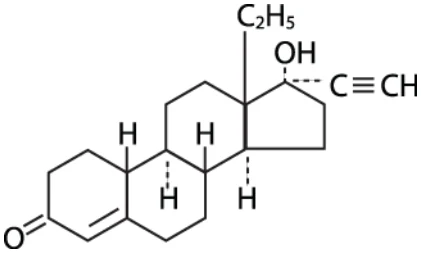
Ethinyl Estradiol
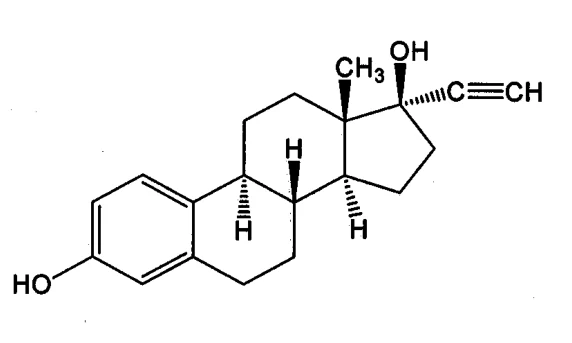
Physicochemical properties:
Solubility: Norgestrel: Sparingly soluble in alcohol, (USP
classification) practically insoluble in water. Ethinyl Estradiol: Insoluble in water, soluble in alcohol,
chloroform, ether, in vegetable oils and in solutions of fixed alkali hydroxides. Melting Point: Norgestrel: 205° - 212°C
Ethinyl Estradiol: 180° - 186°C
Biological
Properties:
Norgestrel: Unique, totally synthetic progestogen in
which only the d-enantiomer is biologically active. The International Non-proprietary Name for this biologically active enantiomer, also referred to as d-norgestrel, is Levonorgestrel.
Ethinyl Estradiol: A semisynthetic estrogen. The presence of the ethinyl group at C 17 on ring D of the steroid nucleus prevents enzymatic degradation of the estradiol molecule and results in an orally active compound.
CLINICAL TRIALS
The contraceptive efficacy and safety of OVRAL® has been evaluated in multicentre clinical trials.
A total of 6,806 patients completed 127,872 cycles with OVRAL®: 4,961 completed 6 cycles, 3,754 completed 12 cycles, 2,642 completed 18 cycles, 1,876 completed 24 cycles and 118 completed 90 cycles.
No pregnancies were reported that could be attributed to medication failure. The 19 pregnancies
that were reported in treatment cycles were all associated with omission of tablets. The overall pregnancy rate calculated by the Life Table Method is 0.7 and the Pearl Index is 0.16 per 100 woman-years. The corrected pregnancy rate (excluding the 19 pregnancies all classified as patient failures) is 0 as calculated by the Life Table Method and the corrected Pearl Index is 0 per 100 woman-years.
The withdrawal bleeding pattern was maintained in a regular manner. The mean length of the "menstrual cycle" was 28 days, the mean duration of the "menstrual period" 4 to 5 days, with an average amount of "menstrual flow" in 82.9% of the cycles, light flow in 11.3% and heavy flow in 5.8%. The latent period between the taking of the last pill in a cycle and the onset of the period averaged 3.4 days.
Study Results
Liver Function Tests
The results of hepatic function tests indicate that increased BSP retention and elevations of aspartate serum transaminase (AST) and alkaline phosphatase and gamma glutamine transaminase (GGT) can be expected to occur in some patients taking OVRAL® as with other oral contraceptives. BSP tests were performed in 160 patients; AST in 3,113; GGT in 3,158. These tests cannot be considered reliable when used to evaluate liver function in patients taking oral contraceptives. No patient developed symptoms or evidence, on physical examination, of liver disease while taking OVRAL®. The results of serum bilirubin, serum alkaline phosphatase, cephalin flocculation and thymol turbidity determinations in patients taking OVRAL® reveal no significant variations from pretreatment values. Serum bilirubin tests were performed in 6,401 patients; serum alkaline phosphatase in 6,265; cephalin flocculation in 97; and thymol turbidity in 57. Total serum protein and A/G ratio were normal in more than 2,000 patients during treatment.
Thyroid
As with other oral contraceptives, slight increases in protein-bound iodine determinations were reported in patients taking OVRAL®. PBI tests were performed in 306 patients. In the series of clinical investigations 6.9% of control determinations were elevated beyond normal limits (4-8 mg%) while on treatment 10.9% of the determinations were reported to be elevated. No clinical symptom complex of hyperthyroidism (nervousness, weakness, sensitivity to heat, sweating, restless activity, weight loss, increased appetite, headache, palpitations, tremor, nausea, abdominal pain, polyuria, prominence of the eyes) developed in any patient with an elevated determination during treatment. It is thought that the increases in protein-bound iodine are due to an increased thyroxin-binding globulin activity induced by the addition of exogenous estrogen.
Renal Function
No findings of significance were observed in the results of the urinalyses and blood urea nitrogen determinations made during the course of OVRAL® administration. Urinalyses were performed in 5,776 patients and BUN in 6,249.
Calcium and Phosphorus Serum Levels
Serum calcium and phosphorus were determined in 98 patients while taking OVRAL®. There were no significant changes from pretreatment levels.
Coagulation Tests
The results of a panel of nine coagulation tests performed on blood samples from 68 patients taking OVRAL® at three-month intervals for as long as eighteen months suggest a trend toward lower average clotting times in plastic tubes and average partial thromboplastin times. The means for these tests, however, remained within the normal range of values and the above findings were not found to be clinically significant except in two individuals with co-existent thrombophlebitis, a contraindication to the use of oral contraceptives (See
CONTRAINDICATIONS No. 1). There were no significant changes in the remainder of the panel of coagulation tests.
Adrenal Function
Adrenal function was measured by the determination of 24-hour urinary 17-hydroxy-corticosteroids in 421 patients. Three hundred and ninety of 400 determinations of urinary 17-hydroxy-corticosteroids fell within normal range. No significant variations from pretreatment values occurred in percentages of elevations or decreases outside normal limits. Although within normal range, a trend toward lower values of urinary 17-hydroxy-corticosteroids was noted in most cases as duration of treatment was lengthened. In a special study of OVRAL® with regard to its effect on the response of the pituitary-adrenal axis to ACTH stimulation, (6 patients) there was no change from pretreatment response. With regard to metapyrone stimulation (6 patients) as measured by excretion of urinary 17-hydroxy-corticosteroids, the results revealed a lessened response than elicited prior to therapy. As with other oral contraceptives, this effect is generally believed to be due to an enhancement of the binding power of transcortin for adrenal cortical hormones after their secretion by the adrenal gland mediated through the estrogenic component of OVRAL®.
Glucose Tolerance
Results of glucose tolerance tests performed during controlled clinical trials on 21 control patients and 37 OVRAL® patients both prior and during treatment for short duration indicate no effect on carbohydrate tolerance while taking OVRAL®.
Hematology
There were no significant variations from pretreatment determinations in the evaluation of routine hematology. Hemoglobin or hematocrit was determined in 8,462 patients; white cell counts were performed in 8,742 patients.
Cytology and Histology
Cervical Papanicolaou smears were obtained from patients prior to and during treatment with OVRAL®. In 7 of 8 studies, 48 of 6,453 pretreatment smears (0.7%) and 47 of 9,287 treatment smears (0.5%) were abnormal (Class III, IV or V).
In one study, 45 of 1,290 pretreatment smears (3.5%) were classified as abnormal; of 1,598 post-treatment smears 61 (3.8%) were abnormal. In the remaining studies 47 of 5,992 (0.8%) represented pretreatment abnormal smears and 26 of 5,105 (0.5%) represented abnormal post-treatment smears. Cytology slide-reading differences and differences in population characteristics in the one aforementioned may have contributed to the higher percentage of both pretreatment and treatment abnormals.
Pretreatment incidence, on cervical biopsy, of carcinoma in situ or carcinoma of the cervix was 3.1 per 1,000 (21 patients) as compared to an incidence of carcinoma in situ of the cervix, first diagnosed after six or more cycles on OVRAL®, of 3.7 per 1,000 (16 patients). Over 11,067 patients completed six or more cycles of therapy with OVRAL® and were included in the above calculations.
General Information
The following table gives reported pregnancy rates for various forms of birth control, including no birth control. The reported rates represent the number of women out of 100 who would become pregnant in one year.
Table 6: Reported Pregnancies per 100 Women per Year
| Combination pill | less than 1 to 2 |
| Intrauterine device (IUD) | less than 1 to 6 |
| Condom with spermicidal foam or gel | 1 to 6 |
| Mini-pill | 3 to 6 |
| Condom | 2 to 12 |
| Diaphragm with spermicidal foam or gel | 3 to 18 |
| Spermicide | 3 to 21 |
| Sponge with spermicide | 3 to 28 |
| Cervical cap with spermicide | 5 to 18 |
| Periodic abstinence (rhythm), all types | 2 to 20 |
| No birth control | 60 to 85” |
DETAILED PHARMACOLOGY
Animal Pharmacology
Norgestrel is a racemate, composed of equal parts of d- and l-enantiomers. The d-enantiomer accounts for all biological activity.
Intensive biological investigations have been carried out with norgestrel alone and in combination with ethinyl estradiol in rats, mice, rabbits, dogs and monkeys.
In tests for progestational alteration of the endometrium of rabbits, norgestrel by the subcutaneous route proved to be about nine times more active than progesterone and about one hundred times more active than norethisterone by oral and subcutaneous routes. In contrast to norethisterone, which is inactive, norgestrel will maintain pregnancy in spayed laboratory rats and produce endometrial gland development in rabbits when administered directly into the uterine lumen. In a broad series of biological tests, its activities are similar to those of progesterone. Although certain androgenic effects typical of many relatives of 19-nortestosterone are evident at high doses, norgestrel is devoid of such effects at usual clinical doses, and the separation of progestational from androgenic effects for norgestrel is greater than for related compounds. Norgestrel is not estrogenic, nor is it apparently converted in vivo to estrogen; it is an exceedingly potent estrogen antagonist. When combined with ethinyl estradiol, norgestrel tends to ameliorate the effects of the estrogen, while the estrogen will modify the effects of the progestin. In rats, suppression of fertility with norgestrel/ethinyl estradiol
combinations is followed by recovery of normal fertility and fecundity.
Additional experiments in laboratory animals were directed toward evaluating the endocrine effects and safety of the norgestrel and ethinyl estradiol formulation at dose levels approximating those employed clinically (on a milligram per kilogram basis). Metrotropic effects (uterine glandular development and growth) were most clearly demonstrated. Blockade of pituitary gonadotrophins can be produced by the estrogenic component alone at the clinical dose range; this pituitary effect does not appear to be modified by addition of the progestin.
The following properties, observed with high doses of norgestrel or norgestrel/ethinyl estradiol combinations, were absent at doses approximating the clinical range: pregnancy maintenance in spayed female rats; parturition delay in pregnant rats; estrogenic changes in mouse vaginal cytology; anti-estrogenic effect in mouse uterine growth or vaginal smear tests; androgenic, myotrophic or fetal masculinizing effects in rats; claudogenic (anti-nidatory) effects in rats; thymolymphatic involution in mice; mineralocorticoid effects in rats and dogs and anti-mineralocorticoid effects in rats. No glucocorticoid (rat liver glycogen) or anti-inflammatory (Selye pouch, TBR-arthritis or granuloma pellet tests) effects have been seen at any dose.
Human Pharmacology
Progestins can have, in addition to progestational activity, estrogenic, anti-estrogenic and androgenic activity. When combined with estrogen, the progestin will markedly affect the overall biological activity by producing a synergistic summative or diminutional effect on activity. Comparisons of progestin potency are not considered scientifically valid because the effects of one progestin cannot be directly compared with those of another.15
A study of serum luteinizing hormone (LH), follicle stimulating hormone (FSH), progesterone and 17b-estradiol in patients taking other low-dose oral contraceptives indicated reduction or abolition of the mid-cycle ovulatory peak and post-ovulatory levels commonly associated with these hormones and gonadotrophins respectively.
Endometrial biopsies taken during the course of OVRAL® therapy reveal a histological sequence in the menstrual cycle of early glandular epithelial stimulation followed by later inhibition after the first half of the menstrual cycle. During the last days of the treatment period, the endometrium presents an irregular appearance with small or medium-size glands. In about one-third of the specimens there are small plaques of predecidual reaction either peri-glandular or situated below the superficial epithelium. Stromal effects are minimal although occasional stromal edema is observed. A true secretory endometrium is seen in only 3.9% of the biopsies taken from patients on OVRAL®.
Results of 24-hour urinary pregnanediol determinations made in patients taking OVRAL® reveal anovulatory levels in the second half of the cycles in most instances (95.8%).
Cervical mucus specimens were examined at mid-cycle (days 11-16) in patients taking OVRAL® to determine its effect on the ferning phenomenon and spinnbarkeit. Sixteen examinations of seventeen (94.1%) revealed atypical to absent ferning and decreased
spinnbarkeit, indicative of poor conditions for sperm penetration and migration.
A human study of the metabolism of 14C-labelled norgestrel, the progestin component of OVRAL®, revealed that most of the urinary excretion of norgestrel occurred on the first day. There was no difference in the rate of excretion of norgestrel whether administered orally or intravenously. The amount of radioactivity in plasma fell rapidly within the first few hours and at the end of two days only small amounts were present. The foregoing and other studies with 14C-labelled and unlabelled norgestrel have shown that saturation of the 4,5-double bond with and without concomitant reduction of the 3-carbonyl to a 3-hydroxyl group are important reactions during metabolism.
MICROBIOLOGY
Not-applicable.
TOXICOLOGY
Acute Toxicity
Acute Toxicity
Norgestrel alone, ethinyl estradiol alone and the two agents combined in a 10:1 ratio were given as single oral doses to rats, mice and dogs. LD50 values for norgestrel alone and in combination were greater than 5,000 mg/kg in all species tested. The values for ethinyl estradiol were 2,952 (rat), 1,737 (mouse) and greater than 2,500 (dog) mg/kg.
The value for the combination exceeds 500,000 times the human oral dose of OVRAL®.
Subacute Toxicity
In subacute toxicity trials in rats, ethinyl estradiol was fed at doses which approximated up to 8 mg/kg and norgestrel was fed at doses which approximated up to 200 mg/kg. Studies of a 10:1 ratio of norgestrel and ethinyl estradiol utilized doses which approximated up to 100 and 10 mg/kg, respectively. This last study represents a dose approximately 10,000 times the equivalent human oral dose of OVRAL®.
Since estrogens are known to enhance a reduction in both food consumption and growth rate in rodents, it was not unexpected that studies involving high doses of ethinyl estradiol either alone or in combination with norgestrel exhibited such findings. Studies of norgestrel alone at high doses demonstrated a similar but less marked reduction of food consumption and growth rate.
There were increases in the ratio of organ weight to body weight for the pituitary, heart, lungs, kidneys, spleen, pancreas, thyroid, brain and uterus. A decrease in the organ weight to body weight ratio was found for the seminal vesicles, ventral prostate, testes and ovaries. With the exception of the expected endocrine target organ effects, any interpretation of organ weight changes must consider the compounding influence of the substantial body weight changes cited
above.
In subacute toxicity trials in dogs, ethinyl estradiol was administered at doses up to 1 mg/kg and norgestrel at doses up to 50 mg/kg. Studies of a 10:1 ratio of norgestrel and ethinyl estradiol combined utilized doses up to 10 and 1 mg/kg, respectively. This last study represents a dose in excess of 1,000 times the equivalent human dose of OVRAL®. At these dosage levels, there was a trend downward in hematocrits and hemoglobins. These changes were small and are not considered of biological importance. A similar interpretation was given to essentially incidental findings in assays of blood and urine chemistry. These changes were not seen at dosage levels approximating 100 times the human dose and lower.
Chronic Toxicity
Norgestrel and Ethinyl Estradiol
Long-term toxicity studies were conducted in rats and dogs for periods of up to 30 months. The dosage levels utilized approximated 700 times (rats) and 100 times (dogs) the usual human dose of OVRAL®. The components of OVRAL® were also studied individually in both species at a majority of the dosage levels used in the combination program.
Patchy, transient hair loss was observed in a few controls and occurred in the drug treatment group almost exclusively in animals treated with ethinyl estradiol or with ethinyl estradiol + norgestrel.
At doses of 35-50 times the human dose and above, a dose and time related incidence of lenticular opacities was seen in rats receiving ethinyl estradiol and ethinyl estradiol + norgestrel. The opacities are considered due to the ethinyl estradiol component and may be species specific since they were not seen in dogs.
In rats given doses of higher than 100 times the clinical dose of either ethinyl estradiol alone or in combination with norgestrel, there was a significant increase in the incidence of malignant mammary tumours. The data on norgestrel alone indicate that this material did not increase the incidence of mammary tumours in the rat. The overall results are similar to those cited in the literature for other estrogens. The meaning of these data is obscure since such effects have not been noted in human clinical use. Superficial mammary masses of varying sizes were seen to develop in treated rats as well as controls. Histopathological examination of the wall and content of these masses and clinical analysis of their content indicate that these masses are "milk cysts", possibly aggravated by continued secretion of acinar tissue despite obstruction of mammary ducts. There was no evidence of pre-neoplastic process or of benign or malignant neoplasia. In studies terminated by 9-12 months, there was a precocious appearance of masses in groups receiving ethinyl estradiol at 400-500 times the human use level of OVRAL®, irrespective of the level of norgestrel present. Norgestrel alone at over 700 times the human dose may have suppressed the spontaneous appearance of masses, but there was no evidence that norgestrel exerted a protective effect in any of the combinations tested.
In dogs, ongoing mammary gland studies ran for 7 years and were completed in November 1974. In monkeys, ongoing mammary gland studies ran for 10 years and were completed in December
1977.
Changes in organ weights observed after chronic studies were similar to those reported after shorter term tests and were due in part to reductions in food consumption and body weight.
Other findings related to treatment include cornification and cystic hyperplasia of the vaginal mucosa and exocervix, as well as cystic dilation and squamous hyperplasia and metaplasia of endometrial glands as expected. Similarly, endometritis and myometritis with pyometra were observed in dogs and endometritis with abscess formation was seen in rats; these effects were not noted at levels approaching the clinical dose and were most severe at 100 times (dogs) and 700 times (rats) the human dose. Epiphora with slight eversion of the lower eyelid, and mild hyperplasia of the gallbladder mucosa were seen in some dogs receiving norgestrel; and a brown pigment in the epithelium of the kidney tubules was seen in rats receiving ethinyl estradiol.
Norgestrel Alone
Studies were conducted in the mouse, the rat, the dog and the monkey. Mice were administered norgestrel at levels of up to 0.0014% in their diet for approximately 80 weeks. The histopathology reports showed that this level of dosing appeared quite innocuous and tumour incidence was not significant in relation to drug treatment at any dose level. When norgestrel was administered to rats in the diet at levels of up to 0.1% over 80 weeks, growth rate and food consumption were depressed in a dose-related manner. Small differences in hematology data from controls were well within normal limits. Superficial mammary masses were seen to develop in treated as well as control animals. Histopathological examination of the wall and content of these masses and chemical analysis of their contents indicate that these masses are "milk cysts", possibly aggravated by continued secretion of acinar tissue despite obstruction of mammary ducts. There was no evidence of pre-neoplastic process or of benign or malignant neoplasia. Histological changes seen in female rats following administration of norgestrel alone were those to be expected from a progestational agent.
Chronic studies in dogs have been completed using continuous dosing of up to 20 mg/kg for 52 weeks and 0.2 mg/kg for 102 weeks. An ongoing lifetime study at 0.25 mg/kg given cyclically has been undertaken and the study is now completed at 84 months. At the end of 84 months (ninety-two cycles) no findings giving rise to concern were reported. A 7-year report of a chronic oral study in beagle dogs receiving norgestrel continuously in doses up to 37.5 mg/kg daily indicated no untoward changes in general pharmacology, blood chemistry, urinary steroids, hematology and hemostatic function have occurred in comparison to control animals. At 84 months, ophthalmoscopy showed macular eye changes for 5 control dogs and 16 treated dogs. During the study, one or more nodules were noted in the mammary or contiguous tissues of 6 control dogs and 11 treated dogs (5 dogs at the 3 mg/kg/day, 3 dogs at the 15 mg/kg/day and 3 dogs at the 37.5 mg/kg/day dosage levels).
In chronic studies in the female Rhesus monkey, norgestrel was dosed on a cyclic basis up to a multiple of 50 times the daily human dose. No changes related to the drug have been noted in the observation, hematology, biochemical studies, diabetogenic studies and urinary steroid excretion. Cytological examination after 112 months of treatment revealed no evidence of vaginal neoplasia and palpation of mammae revealed no untoward findings. No differences
believed to be related to treatment were seen between control and treated monkeys. A long-term oral study in female Rhesus monkeys in which norgestrel was administered continuously at dosage levels up to 75 mg/kg daily has been completed at 120 months. No changes considered to be related to the drug were seen in hematology, biochemistry, clotting studies or urinary steroids. At 120 months, fundic alterations (changes in the macula and/or fovea) were noted for 0 control monkeys and 7 treated monkeys (2 monkeys at the 3 mg/kg/day, 3 monkeys at the 15 mg/kg/day and 2 monkeys at the 75 mg/kg/day dosage levels). In a similar previous study, 8 monkeys in the control group had fundic alterations. One or more nodules were present in the mammary or contiguous tissues of 1 control monkey and 4 treated monkeys (1 monkey at the 3 mg/kg/day, 2 monkeys at the 15 mg/kg/day and 1 monkey at the 75 mg/kg/day dosage levels) throughout the study.
Reproduction and Teratology
At doses in the clinical range, norgestrel, ethinyl estradiol and their combinations have no demonstrable effects on pregnant rats, their pregnancies, their offspring or the reproductive potential of the young.
Also at doses approximating the clinical range, norgestrel and/or ethinyl estradiol have no observable effects on lactating rats, the lactation process or the nursing young.
At doses in the clinical range and above, a small dose-related increase in the number of abnormal fetuses is observed in mice treated during pregnancy with norgestrel/ethinyl estradiol combinations in a ratio of 5:1. Abnormalities include open eye, cleft palate, exencephaly and umbilical hernia. Rabbits treated during pregnancy with doses of norgestrel and ethinyl estradiol in the clinical range and above, failed to demonstrate any teratogenic potential for the drug.
REFERENCES
- 1. Andelman MB, Zackler J, Walters JE. A low-dosage contraceptive in public health clinics. J Reprod Fertil. 1968; 5:117-124.
- 2. Barditch-Crovo P, Trapnell CB, Ette E, Zacur HA, Coresh J, Rocco LE, et al. The effects of rifampin and rifabutin on the pharmacokinetics and pharmacodynamics of a combination oral contraceptive. Clin Pharmacol Ther 1999;65(4);428-38.
- 3. Binkley KE, Davis A, 3rd. Clinical, biochemical, and genetic characterization of a novel estrogen-dependent inherited form of angioedema. J Allergy Clin Immunol 2000; 106(3);546-50. estrogen-dependent inherited form of angioedema. J Allergy Clin Immunol 2000;106(3);546-50.
- 4. Bork K, Fischer B, Dewald G. Recurrent episodes of skin angioedema and severe attacks of abdominal pain induced by oral contraceptives or hormone replacement therapy. AmJ Med 2003;114(4);294-8.
- 5.
Boyko EJ, Theis MK, Vaughan TL, Nicol-Blades B. Increased risk of inflammatory bowel disease associated with oral contraceptive use. Am J Epidemiol 1994; 140(3):268-
78.
- 6. Drugs taken with oral contraceptives. Br Med J. 1967; 1:287.
- 7. EMEA. CPMP Public assessment report: combined oral contraceptives and venous thromboembolism. London: EMEA Committee for Proprietary Medicinal Products (CPMP); 2001 Sep 28. Report No.: EMEA/CPMP/2201/01/en Final.
- 8.
Fotherby K. A metabolic assessment of different oral contraceptives. J Obstet Gynecol.
1983; 3, Suppl. 2:S77-S82.
- 9.
Francis WG, Dalzeil D. Accidental ingestion of oral contraceptives by children. Can
Med Assoc J. 1965; 92:191.
- 10. Godet PG, May GR, Sutherland LR. Meta-analysis of the role of ral contraceptive agents in inflammatory bowel disease. Gut 1995;37(5):668-73.
- 11. Heikkila K, Haukkamaa M, Luukkainen T. Levonorgestrel in mild and plasma of breast- feeding women with a levonorgestrel-releasing IUD. Contraception. 1982;25(1):41-49.
- 12.
Korba VD, Heil CG. Eight years of fertility control with norgestrel-ethinyl estradiol
(Ovral®): an updated clinical review. Fertil Steril. 1975; 26(10):973-981.
- 13.
Laurie RE, Lewis ET. Fertility control with Ovral®: a clinical review. J Reprod Fertil.
1968; 5, Suppl.:95-107.
- 14.
Littleton P, Fotherby K, Wilson G. Metabolism of norgestrel in humans. Biochem J.
1967; 103:14-15.
- 15. Logan RF, Kay CR. Oral contraception, smoking and inflammatory bowel disease-findings in the Royal College of General Practitioners Oral Contraception Study. Int J Epidemiol 1989;18(1):105-7.
- 16.
Mildvan D, Yarrish R, Marshak A, Hutman HW, McDonough M, Lamson M, et al.
Pharmacokinetic interaction between nevirapine and ethinyl estradiol/norethindrone when administered concurrently to HIV-infected women. J Acquir Immune Defic Syndr. 2002;29(5):471-477.
- 17.
Nilsson S et al: Ethinyl estradiol in human milk and plasma after oral administration.
Contraception. 17(2): 131-139, 1978..
- 18. Nzeako UC, Frigas E, Tremaine WJ. Hereditary angiodema; a broad review for clinicians. Arch Intern Med 2001;161(20):2417-29.
- 19.
O'Roark HC, Lock FR, Smith Foushee JH, Burt RL. Preliminary clinical study of WY-
3707 with ethinyl estradiol as an oral contraceptive. Int J Fertil. 1966; 11(4):405-411.
- 20. Ouellet D, Hsu A, Qian J, Locke CS, Eason CJ, Cavanaugh JH, et al. Effect of ritonavir on the pharmacokinetics of ethinyl oestradiol in healthy female volunteers. Br J Clin Pharmacol . 1998;46(2):111-116.
- 21.
Ramcharan S, Pellegrin FA, Ray R, Hsu J-P, Vessey MP. General summary of findings;
general conclusions; implications, In:The Walnut Creek Contraceptive Drug Study; a prospective study of the side effects of oral contraceptives. Volume III: An interim report; a comparison of disease occurrence leading to hospitalization or dealth in users and nonusers of oral contraceptives. NIH Publication No. 81-564. Bethesda (MD): US Department of Health, Education, and Welfare, Centre for Population Research; 1981. p. 211-246.
- 22. Realini JP, Goldzieher JW. Oral contraceptives and cardiovascular disease: a critique of the epidemiologic studies. Am J Obstet Gynecol. 1985; 152(6):729-798.
- 23.
Report on oral contraceptives, 1985. By: The Special Advisory Committee On
Reproductive Physiology. To: The Health Protection Branch, Health and Welfare, Canada. Published by the authority of The Honorable Jake Epp, Minister of National Health and Welfare.
- 24. Rozenbaum H. Relationships between chemical structure and biological properties of progestogens. Am J Obstet Gynecol. 1982; 142(6), Part 2:719-724.
- 25. Saano V, Glue P, Banfield CR, Reidenberg P, Colucci RD, Meehan JW, et al. Effects of felbamate on the pharmcokinetics of a low-dose combination oral contraceptive. Clin Pharmacol Ther 1995;58(5);523-31.
- 26.
Sturtevant FM. Breast cancer and oral contraceptives. (Correspondence). Lancet.
November 12, 1983; 1145.
- 27. Sturtevant FM. Breast cancer and oral contraceptives: critique of the proposition that high potency progestogen products confer excess risk. Biomed Pharmacother. 1984; 38:371-379.
- 28. Sutherland LR, Ramcharan S, Bryant H, Fick G. Effect of oral contraceptive use on reoperation following surgery for Crohn’s disease. Dig Dis Sci 1992;37(9);1377-82.
- 29. The Centres for Disease Control, Cancer and Steroid Hormone Study. Long-term oral contraceptive use and the risk of breast cancer. JAMA. 1983; 249:1591-1595.
- 30. Toxicity of oral contraceptives. Br Med J. 1967; 1:36.
- 31. Vessey M, Jewell D, Smith A, Yeates D, McPherson K. Chronic inflammatory bowel disease, cigarette smoking, and use of oral ocntraceptives; findings in a large cohort study of women of childbearing age. Br Med J (Clin Res Ed) 1986;292 (6528);1101-3.
- 32.
WHO. Medical eligibility criteria for contraceptive use. Geneva:World Health
Organization, Reproductive Health and research; 2004:1-176.