


Product Monograph - Oxycontin 10mg
INDICATIONS
OxyContin® (oxycodone hydrochloride controlled release tablets) is indicated for relief of moderate to severe pain requiring the continuous use of an opioid analgesic preparation for several days or more.
CONTRAINDICATIONS
OxyContin® (oxycodone hydrochloride controlled release tablets) is contraindicated for:
Patients who are hypersensitive to the active substance (oxycodone) or other opioid analgesics or to any ingredient in the formulation. For a complete listing, see the
PHARMACEUTICAL INFORMATION – Composition section of the Product
Monograph.
- In patients with known or suspected mechanical gastrointestinal obstruction (e.g., bowel obstruction, strictures) or any diseases/conditions that affect bowel transit (e.g., ileus of any type).
- Patients with suspected surgical abdomen (e.g., acute appendicitis or pancreatitis).
- Patients with mild, intermittent or short duration pain that can be managed with other pain medications.
- The management of acute pain.
- Patients with acute asthma or other obstructive airway, and status asthmaticus.
- Patients with acute respiratory depression, elevated carbon dioxide levels in the blood, and cor pulmonale.
- Patients with acute alcoholism, delirium tremens, and convulsive disorders.
- Patients with severe CNS depression, increased cerebrospinal or intracranial pressure, and head injury.
- Patients taking monoamine oxidase (MAO) inhibitors (or within 14 days of such therapy).
- Women who are breast-feeding, pregnant, or during labour and delivery.
WARNINGS
OxyContin® (oxycodone hydrochloride controlled release tablets) must be swallowed whole. Taking cut, broken, chewed, dissolved or crushed OxyContin tablets could lead to the rapid release and absorption of a potentially fatal dose of oxycodone.
OxyContin 60 mg, 80 mg, 120 mg and 160 mg tablets, or a single dose greater than 40 mg, are for use in opioid tolerant patients only (see also DOSAGE AND ADMINISTRATION).
A single dose greater than 40 mg, or total daily doses greater than 80 mg, may cause fatal respiratory depression when administered to patients who are not tolerant to the respiratory depressant effects of opioids (see PRECAUTIONS, Drug Interactions).
Patients should be instructed not to give OxyContin to anyone other than the patient for whom it was prescribed, as such inappropriate use may have severe medical consequences, including death.
Patients should be cautioned not to consume alcohol while taking OxyContin, as it may increase the chance of experiencing dangerous side effects.
Abuse of Opioid Formulations: OxyContin consists of a dual polymer matrix intended for oral use only. Abuse can lead to overdose and death. This risk is increased when the tablets are cut, crushed, broken, dissolved or chewed, and with concurrent consumption of alcohol or other CNS depressants. With parenteral abuse, the tablet excipients, especially talc, can be expected to result in local tissue necrosis, infection, pulmonary granulomas, and increased risk of endocarditis and valvular heart injury.
Dependence/Tolerance: As with other opioids, tolerance and physical dependence may develop upon repeated administration of oxycodone and there is a potential for development of psychological dependence. OxyContin tablets should therefore be prescribed and handled with the degree of caution appropriate to the use of a drug with abuse potential.
Abuse and addiction are separate and distinct from physical dependence and tolerance. In addition, abuse of opioids can occur in the absence of true addiction and is characterized by misuse for non-medical purposes, often in combination with other psychoactive substances.
Tolerance, as well as physical dependence, may develop upon repeated administration of opioids, and are not by themselves evidence of an addictive disorder or abuse.
Concerns about abuse, addiction, and diversion should not prevent the proper management of pain. Patients should be assessed for their clinical risks for opioid abuse or addiction prior to being prescribed opioids. All patients receiving opioids should be routinely monitored for signs of misuse and abuse. Addiction is not usually a problem in patients with pain in whom opioid analgesics are appropriately indicated. However, data are not available to establish the true incidence of addiction in chronic pain patients.
Opioids, such as oxycodone, should be used with particular care in patients with a history of alcohol and drug abuse.
Withdrawal symptoms may occur following abrupt discontinuation of therapy or upon administration of an opioid antagonist (see ADVERSE REACTIONS, Withdrawal (Abstinence)
Syndrome).
Therefore, patients on prolonged therapy should be withdrawn gradually from the drug if it is no longer required for pain control.
Use in Drug and Alcohol Addiction: OxyContin is an opioid with no approved use in the management of addictive disorders. Its proper usage in individuals with drug or alcohol
dependence, either active or in remission is for the management of pain requiring opioid analgesia.
CNS Depression: Oxycodone should be used with caution and in a reduced dosage during concomitant administration of other opioid analgesics, general anaesthetics, phenothiazines and other tranquilizers, sedative-hypnotics, tricyclic antidepressants, antipsychotics, antihistamines, benzodiazepines, centrally-active anti-emetics and other CNS depressants including alcohol.
Respiratory depression, hypotension and profound sedation, coma or death may result. When such combination therapy is contemplated, a substantial reduction in the dose of one or both agents should be considered and patients should be carefully monitored (see PRECAUTIONS,
Drug Interactions).
Severe pain antagonizes the subjective and respiratory depressant actions of opioid analgesics.
Should pain suddenly subside, these effects may rapidly become manifest.
Patient Counselling Information:
A patient information sheet should be provided when OxyContin tablets are dispensed to the patient.
Patients receiving OxyContin should be given the following instructions by the physician:
- 1. Patients should be informed that accidental ingestion or use by individuals (including children) other than the patient for whom it was originally prescribed, may lead to severe, even fatal consequences.
- 2. Patients should be advised that OxyContin contains oxycodone, an opioid pain medicine.
- 3.
Patients should be advised that OxyContin should only be taken as directed. The dose of
OxyContin should not be adjusted without consulting with a physician.
- 4. OxyContin must be swallowed whole (not cut, broken, chewed, dissolved or crushed) due to the risk of fatal oxycodone overdose.
- 5. Patients should be advised to report episodes of pain and adverse experiences occurring during therapy. Individualization of dosage is essential to make optimal use of this medication.
- 6. Patients should not combine OxyContin with alcohol or other central nervous system depressants (sleep aids, tranquilizers) because dangerous additive effects may occur, resulting in serious injury or death.
- 7. Patients should be advised to consult their physician or pharmacist if other medications are being used or will be used with OxyContin.
- 8.
Patients should be advised that if they have been receiving treatment with OxyContin and cessation of therapy is indicated, it may be appropriate to taper OxyContin dose, rather than abruptly discontinue it, due to the risk of precipitating withdrawal symptoms (see
ADVERSE REACTIONS, Withdrawal (Abstinence) Syndrome).
- 9. Patients should be advised that the most common adverse reactions that may occur while taking OxyContin are asthenia, constipation, dizziness, dry mouth, headache, nausea, pruritus, somnolence, sweating and vomiting.
- 10. Patients should be advised that they may pass empty matrix "ghosts" (tablets) via colostomy or in the stool, and that this is of no concern since the active medication has already been absorbed.
- 11.
Patients should be advised that OxyContin may cause drowsiness, dizziness or lightheadedness and may impair mental and/or physical ability required for the performance of potentially hazardous tasks (e.g., driving, operating machinery). Patients started on
OxyContin or patients whose dose has been adjusted should be advised not to drive a car or operate machinery unless they are tolerant to the effects of OxyContin.
- 12. Patients should be advised that OxyContin is a potential drug of abuse. They should protect it from theft or misuse.
- 13. Patients should be advised that OxyContin should never be given to anyone other than the individual for whom it was prescribed.
- 14. Patients should be advised that OxyContin 60 and 80 mg tablets or a single dose greater than 40 mg are for use only in individuals tolerant to the effect of opioids.
- 15.
Women of childbearing potential who become or are planning to become pregnant should be advised to consult a physician prior to initiating or continuing therapy with OxyContin.
Women who are breastfeeding or pregnant should not use OxyContin.
PRECAUTIONS
Respiratory Depression: Oxycodone should be used with extreme caution in patients with substantially decreased respiratory reserve, pre-existing respiratory depression, hypoxia or hypercapnia. Such patients are often less sensitive to the stimulatory effects of carbon dioxide
(CO2) on the respiratory centre and the respiratory depressant effects of oxycodone may reduce respiratory drive to the point of apnea.
Head Injury: The respiratory depressant effects of oxycodone, and the capacity to elevate cerebrospinal fluid pressure, may be greatly increased in the presence of an already elevated intracranial pressure produced by trauma. Also, oxycodone may produce confusion, miosis, vomiting and other side effects which obscure the clinical course of patients with head injury. In such patients, oxycodone must be used with extreme caution and only if it is judged essential.
Hypotension: Oxycodone administration may result in severe hypotension in patients whose ability to maintain adequate blood pressure is compromised by reduced blood volume, or concurrent administration of such drugs as phenothiazines or certain anaesthetics.
Acute Abdominal Conditions: Oxycodone and other morphine-like opioids have been shown to decrease bowel motility. Oxycodone may obscure the diagnosis or clinical course of patients with acute abdominal conditions.
Special Risk Groups: Oxycodone should be administered with caution to patients with a history of alcohol and drug abuse, and in a reduced dosage to debilitated patients, patients with severely reduced hepatic or renal function, and in patients with Addison's disease, myxedema, hypothyroidism, toxic psychosis, pancreatitis, prostatic hypertrophy or urethral stricture.
Female subjects have, on average, plasma oxycodone concentrations up to 25% higher than males on a body weight adjusted basis. Plasma concentrations of oxycodone are increased by approximately 15% in elderly subjects receiving OxyContin; by 50 - 60% in patients with
moderate degrees of renal impairment; and by approximately two-fold in patients with hepatic cirrhosis.
Peri-Operative Considerations: OxyContin is not indicated for pre-emptive analgesia
(administration pre-operatively for the management of post-operative pain).
In the case of planned chordotomy or other pain-relieving operations, patients should not be treated with OxyContin for at least 24 hours before the operation and OxyContin should not be used in the immediate post-operative period.
Physicians should individualize treatment, moving from parenteral to oral analgesics as appropriate. Thereafter, if OxyContin is to be continued after the patient recovers from the post-operative period, a new dosage should be administered in accordance with the changed need for pain relief. The risk of withdrawal in opioid-tolerant patients should be addressed as clinically indicated.
The administration of analgesics in the peri-operative period should be managed by healthcare providers with adequate training and experience (e.g., by an anesthesiologist).
Oxycodone and other morphine-like opioids have been shown to decrease bowel motility. Ileus is a common post-operative complication, especially after intra-abdominal surgery with opioid analgesia. Caution should be taken to monitor for decreased bowel motility in post-operative patients receiving opioids. Standard supportive therapy should be implemented.
OxyContin should not be used in the early post-operative period (12 – 24 hours post-surgery), unless the patient is ambulatory and gastrointestinal function is normal.
Pregnant Women: Animal reproduction studies have revealed no evidence of harm to the fetus due to oxycodone. In humans, it has not conclusively been established whether oxycodone can cause fetal harm when administered during pregnancy or if it can affect reproductive capacity, therefore, OxyContin is contraindicated in patients who are pregnant.
Use during Labour/Delivery and in Nursing Mothers: In view of the potential for opioids to cross the placental barrier and to be excreted in breast milk, OxyContin is contraindicated during labour or in nursing mothers. Physical dependence or respiratory depression may occur in the infant if opioids are administered during labour.
Driving and Operating Dangerous Machinery: Oxycodone may impair the mental and/or physical abilities needed for certain potentially hazardous activities such as driving a car or operating machinery. Patients should be cautioned accordingly. Patients should also be cautioned about the combined effects of oxycodone with other CNS depressants, including other opioids, phenothiazines, sedative/hypnotics and alcohol.
Drug Interactions: CNS depressants, such as other opioids, anaesthetics, sedatives, hypnotics, antidepressants, sleeping aids, phenothiazines, neuroleptics, chloral hydrate and glutethimide may enhance the depressant effect of oxycodone.
Oxycodone should be used with caution and started in a reduced dosage (1/3 to 1/2 of the usual dosage) in patients who are currently receiving other central nervous system depressants.
Monoamine oxidase inhibitors (including procarbazine hydrochloride), pyrazolidone, antihistamines, beta-blockers and alcohol may also enhance the depressant effect of oxycodone.
Oxycodone is metabolized in part by cytochrome CYP2D6 and cytochrome CYP3A4 pathways.
The activities of these metabolic pathways may be inhibited or induced by various co-administered drugs, which may alter plasma oxycodone concentrations. Oxycodone doses may need to be adjusted accordingly.
Inhibitors of CYP3A4:
Since the CYP3A4 isoenzyme plays a major role in the metabolism of OxyContin, drugs that inhibit CYP3A4 activity, such as macrolide antibiotics (e.g., erythromycin), azole-antifungal agents (e.g., ketoconazole), and protease inhibitors (e.g., ritonavir), may cause decreased clearance of oxycodone which could lead to an increase in oxycodone plasma concentrations. A published study showed that the co-administration of the antifungal drug, voriconazole, increased oxycodone AUC and Cmax by 3.6 and 1.7 fold, respectively. Although clinical studies have not been conducted with other CYP3A4 inhibitors, the expected clinical results would be increased or prolonged opioid effects. If co-administration with OxyContin is necessary, caution is advised when initiating therapy with, currently taking, or discontinuing CYP450 inhibitors.
Evaluate these patients at frequent intervals and consider dose adjustments until stable drug effects are achieved.
Inducers of CYP3A4:
CYP450 inducers, such as rifampin, carbamazepine and phenytoin, may induce the metabolism of oxycodone and, therefore, may cause increased clearance of the drug which could lead to a decrease in oxycodone plasma concentrations, lack of efficacy or, possibly, the development of an abstinence syndrome in a patient who had developed physical dependence to oxycodone. A published study showed that the co-administration of rifampin, a drug metabolizing enzyme inducer, decreased oxycodone (oral) AUC and Cmax by 86% and 63% respectively. If co-administration with OxyContin is necessary, caution is advised when initiating therapy with, currently taking or discontinuing CYP3A4 inducers. Evaluate these patients at frequent intervals and consider dose adjustments until stable drug effects are achieved.
Inhibitors of CYP2D6:
Oxycodone is metabolized in part to oxymorphone via cytochrome CYP2D6. While this pathway may be blocked by a variety of drugs (e.g., certain cardiovascular drugs including amiodarone and quinidine as well as polycyclic antidepressants), such blockade has not been shown to be of clinical significance during oxycodone treatment.
Administration with Mixed Activity Agonist/Antagonist Opioids
Mixed agonist/antagonist opioid analgesics (i.e., pentazocine, nalbuphine, butorphanol, and buprenorphine) should be administered with caution to a patient who has received or is receiving a course of therapy with a pure opioid agonist analgesic such as oxycodone. In this situation, mixed agonist/antagonist analgesics may reduce the analgesic effect of oxycodone and/or may precipitate withdrawal symptoms in these patients.
MAO Inhibitors
MAO Inhibitors intensify the effects of opioid drugs which can cause anxiety, confusion and decreased respiration. OxyContin is contraindicated in patients receiving MAO Inhibitors or who have used them within the previous 14 days (see CONTRAINDICATIONS).
Drug-Herb Interactions
Interactions with herbal products have not been established.
Drug-Laboratory Interactions
Interactions with laboratory tests have not been established.
“In Vitro” Dissolution Studies of Interaction with Alcohol: Increasing concentrations of alcohol in the dissolution medium resulted in a slight decrease in the rate of release of oxycodone from
OxyContin tablets.
ADVERSE REACTIONS
Adverse effects of OxyContin® (oxycodone hydrochloride controlled release tablets) are similar to those of other opioid analgesics, and represent an extension of pharmacological effects of the drug class. The major hazards of opioids include respiratory and central nervous system depression and to a lesser degree, circulatory depression, respiratory arrest, shock and cardiac arrest.
The most frequently observed adverse effects of OxyContin are asthenia, constipation, dizziness, dry mouth, headache, nausea, pruritus, somnolence, sweating and vomiting.
Sedation: Sedation is a common side effect of opioid analgesics, especially in opioid naïve individuals. Sedation may also occur partly because patients often recuperate from prolonged fatigue after the relief of persistent pain. Most patients develop tolerance to the sedative effects of opioids within three to five days and, if the sedation is not severe, will not require any treatment except reassurance. If excessive sedation persists beyond a few days, the dose of the opioid should be reduced and alternate causes investigated. Some of these are: concurrent CNS depressant medication, hepatic or renal dysfunction, brain metastases, hypercalcemia and respiratory failure. If it is necessary to reduce the dose, it can be carefully increased again after three or four days if it is obvious that the pain is not being well controlled. Dizziness and unsteadiness may be caused by postural hypotension, particularly in elderly or debilitated patients, and may be alleviated if the patient lies down.
Nausea and Vomiting: Nausea is a common side effect on initiation of therapy with opioid analgesics and is thought to occur by activation of the chemoreceptor trigger zone, stimulation of the vestibular apparatus and through delayed gastric emptying. The prevalence of nausea declines following continued treatment with opioid analgesics. When instituting therapy with an opioid for chronic pain, the routine prescription of an antiemetic should be considered. In the cancer patient, investigation of nausea should include such causes as constipation, bowel obstruction, uremia, hypercalcemia, hepatomegaly, tumor invasion of celiac plexus and concurrent use of drugs with emetogenic properties. Persistent nausea which does not respond to
dosage reduction may be caused by opioid-induced gastric stasis and may be accompanied by other symptoms including anorexia, early satiety, vomiting and abdominal fullness. These symptoms respond to chronic treatment with gastrointestinal prokinetic agents.
Constipation: Practically all patients become constipated while taking opioids on a persistent basis. In some patients, particularly the elderly or bedridden, fecal impaction may result. It is essential to caution the patients in this regard and to institute an appropriate regimen of bowel management at the start of prolonged opioid therapy. Stimulant laxatives, stool softeners, and other appropriate measures should be used as required.
The following adverse effects occur less frequently with opioid analgesics and include those reported in OxyContin clinical trials, whether related or not to oxycodone.
General and CNS: abnormal dreams, abnormal gait, agitation, amnesia, anaphylactic reaction, anaphylactoid reaction, anxiety, confusional state, convulsion, delirium, depersonalization, depression, disorientation, drug dependence, drug tolerance, drug withdrawal syndrome, dysphoria, edema peripheral, emotional lability, euphoria, hallucinations, hypertonia, hypoaesthesia, hypotonia, insomnia, miosis, muscle contractions involuntary, nervousness, paresthesia, speech disorder, thought abnormalities, tinnitus, tremor, twitching, vertigo and vision abnormalities
Cardiovascular: chest pain, faintness, hypotension, migraine, orthostatic hypotension, palpitation, ST depression, syncope, tachycardia and vasodilation
Respiratory: bronchitis, bronchospasm, cough, dyspnea, pharyngitis, pneumonia, respiratory depression, sinusitis and yawning
Gastrointestinal: abdominal pain, anorexia, biliary spasm, cholestasis, dental caries, diarrhea, dyspepsia, dysphagia, eructation, flatulence, gastritis, gastrointestinal disorder, hiccups, ileus, increased appetite, stomatitis and taste perversion
Genitourinary: amenorrhea, antidiuretic effects, libido decreased, dysuria, hematuria, impotence, polyuria, urinary retention or hesitancy
Dermatologic: dry skin, exfoliative dermatitis, edema, other skin rashes and urticaria
Other: allergic reaction, asthenia, chills, dehydration, fever, hypoglycemia, increased hepatic enzymes, lymphadenopathy, malaise, thirst and weight loss
Withdrawal (Abstinence) Syndrome: Physical dependence with or without psychological dependence tends to occur with chronic administration. An abstinence syndrome may be precipitated when opioid administration is discontinued or opioid antagonists administered. The
following withdrawal symptoms may be observed after opioids are discontinued: body aches, diarrhea, gooseflesh, loss of appetite, nausea, nervousness or restlessness, runny nose, sneezing, tremors or shivering, stomach cramps, tachycardia, trouble with sleeping, unusual increase in sweating, palpitations, unexplained fever, weakness and yawning. In patients who are appropriately treated with opioid analgesics and who undergo gradual withdrawal from the drug, these symptoms are usually mild.
SYMPTOMS AND TREATMENT OF OVERDOSAGE
For management of a suspected drug overdose, contact your Regional Poison Control Centre.
Symptoms: Serious overdosage with oxycodone may be characterized by respiratory depression
(a decrease in respiratory rate and/or tidal volume, Cheyne-Stokes respiration, cyanosis), extreme somnolence progressing to stupor or coma, miotic pupils, skeletal muscle flaccidity, cold and clammy skin, and sometimes bradycardia and hypotension. Severe overdosage may result in apnea, circulatory collapse, cardiac arrest and death.
Treatment: Primary attention should be given to the establishment of adequate respiratory exchange through the provision of a patent airway and controlled or assisted ventilation. The opioid antagonist naloxone hydrochloride is a specific antidote against respiratory depression due to overdosage or as a result of unusual sensitivity to oxycodone. An appropriate dose of an opioid antagonist should therefore be administered, preferably by the intravenous route. The usual initial i.v. adult dose of naloxone is 0.4 mg or higher. Concomitant efforts at respiratory resuscitation should be carried out. Since the duration of action of oxycodone, particularly
sustained release formulations, may exceed that of the antagonist, the patient should be under continued surveillance and doses of the antagonist should be repeated as needed to maintain adequate respiration.
An antagonist should not be administered in the absence of clinically significant respiratory or cardiovascular depression. Oxygen, intravenous fluids, vasopressors and other supportive measures should be used as indicated.
In individuals physically dependent on opioids, the administration of the usual dose of narcotic antagonist will precipitate an acute withdrawal syndrome. The severity of this syndrome will depend on the degree of physical dependence and the dose of antagonist administered. The use of narcotic antagonists in such individuals should be avoided if possible. If a narcotic antagonist must be used to treat serious respiratory depression in the physically dependent patient, the antagonist should be administered with extreme care by using dosage titration, commencing with
10 to 20% of the usual recommended initial dose.
Evacuation of gastric contents may be useful in removing unabsorbed drug, particularly when a sustained release formulation has been taken.
DOSAGE AND ADMINISTRATION
OxyContin® tablets should be swallowed whole and should not be cut, broken, chewed, dissolved or crushed since this can lead to rapid release and absorption of a potentially fatal dose of oxycodone.
OxyContin 60 mg, 80 mg, 120 mg and 160 mg tablets, or a single dose greater than 40 mg, are for use in opioid tolerant patients only. A single dose greater than 40 mg, or total daily doses greater than 80 mg, may cause fatal respiratory depression when administered to patients who are not tolerant to the respiratory depressant effects of opioids.
OxyContin should not be used in the early post-operative period (12 - 24 hours post-surgery)
unless the patient is ambulatory and gastrointestinal function is normal.
OxyContin is not indicated for rectal administration.
The controlled release tablets may be taken with or without food, with a glass of water.
Adults: Individual dosing requirements vary considerably based on each patient's age, weight, severity and cause of pain, and medical and analgesic history.
Patients Not Receiving Opioids at the Time of Initiation of Oxycodone Treatment: The usual initial adult dose of OxyContin for patients who have not previously received opioid analgesics is 10 or 20 mg every 12 hours.
Patients Currently Receiving Opioids: Patients currently receiving other oral oxycodone formulations may be transferred to OxyContin tablets at the same total daily oxycodone dosage, equally divided into two 12 hourly OxyContin doses.
For patients who are receiving an alternate opioid, the "oral oxycodone equivalent" of the analgesic presently being used should be determined. Having determined the total daily dosage of the present analgesic, TABLE 1 can be used to calculate the approximate daily oral oxycodone dosage that should provide equivalent analgesia. This total daily oral oxycodone dose should then be equally divided into two 12 hourly OxyContin doses. It is usually appropriate to treat a patient with only one opioid at a time.
TABLE 1 OPIOID ANALGESICS: APPROXIMATE ANALGESIC EQUIVALENCES1
Drug Equivalent Dose (mg)2
(compared to morphine 10 mg IM)
Duration of Action (hours)
Parenteral Oral
Strong Opioid Agonists:
Morphine
Oxycodone
Hydromorphone
Anileridine
Levorphanol
Meperidine6
Oxymorphone
Methadone5
Heroin
10
15
1.5
25
2
75
1.5
-
5-8
603 304 7.5
75
4
300 5 (rectal)
-
10-15
3-4
2-4
2-4
2-3
4-8
1-3
3-4
-
3-4
Weak Opioid Agonists:
Codeine
Propoxyphene
120
50
200 100
3-4
2-4
Mixed Agonist-Antagonists7:
Pentazocine6
Nalbuphine
Butorphanol
60
10
2
180
-
-
3-4
3-6
3-4
References:
1 Expert Advisory Committee on the Management of Severe Chronic Pain in Cancer Patients, Health and Welfare Canada. Cancer pain: A monograph on the management of cancer pain. Ministry of Supplies and Services Canada, 1987. Cat. No. H42-2/5-1984E.
Foley KM. The treatment of cancer pain. N Engl J Med 1985;313(2):84-95.
Aronoff GM, Evans WO. Pharmacological management of chronic pain: A review. In: Aronoff GM, editor. Evaluation and treatment of chronic pain. 2nd ed. Baltimore (MD): Williams and Wilkins; 1992. p. 359-68. Cherny NI, Portenoy RK. Practical issues in the management of cancer pain. In: Wall PD, Melzack R, editors. Textbook of pain. 3rd ed. New York: Churchill Livingstone; 1994. p. 1437-67.
2 Most of the data were derived from single-dose, acute pain studies and should be considered an approximation for selection of doses when treating chronic pain. As analgesic conversion factors are approximate and patient response may vary, dosing should be individualized according to relief of pain and side effects. Because of incomplete cross-tolerance, dose reductions of 25-50% of the equianalgesic dose may be appropriate in some patients when converting from one opioid to another, particularly at high doses.† Upward titration may be required to reach appropriate maintenance doses.
†Levy MH. Pharmacologic treatment of cancer pain. N Engl J Med 1996;335:1124-1132. 3 For acute pain, the oral or rectal dose of morphine is six times the injectable dose. However, for chronic dosing, clinical experience indicates that this ratio is 2 - 3: 1 (i.e., 20-30 mg of oral or rectal morphine is equivalent to 10 mg of parenteral morphine).
4 Based on single entity oral oxycodone in acute pain.
5 Extremely variable equianalgesic dose. Patients should undergo individualized titration starting at an equivalent to 1/10 of the morphine dose.
6 Not recommended for the management of chronic pain.
7 Mixed agonist-antagonists can precipitate withdrawal in patients on pure opioid agonists.
Patients who are receiving 1 to 5 tablets/capsules per day of a fixed-dose combination opioid/non-opioid containing 5 mg of oxycodone or 30 mg codeine should be started on 10 to
20 mg OxyContin q12h. For patients receiving 6 to 9 tablets/capsules per day of a fixed-dose combination opioid/non-opioid containing 5 mg of oxycodone or 30 mg codeine, a starting dose of 20 to 30 mg q12h should be used and for patients receiving 10 to 12 tablets/capsules per day of a fixed-dose combination opioid/non-opioid containing 5 mg of oxycodone or 30 mg codeine, a starting dose of 30 to 40 mg q12h is suggested. For those receiving > 12 tablets/capsules per day of a fixed-dose combination opioid/non-opioid containing 5 mg of oxycodone or 30 mg codeine, conversions should be based on the total daily opioid dose.
Use with Non-Opioid Medications: If a non-opioid analgesic is being provided, it may be continued. If the non-opioid is discontinued, consideration should be given to increasing the opioid dose to compensate for the non-opioid analgesic. OxyContin can be safely used concomitantly with usual doses of other non-opioid analgesics.
Dose Titration: Dose titration is the key to success with opioid analgesic therapy. Proper optimization of doses scaled to the relief of the individual's pain should aim at regular administration of the lowest dose of controlled release oxycodone (OxyContin) which will achieve the overall treatment goal of satisfactory pain relief with acceptable side effects.
Dosage adjustments should be based on the patient's clinical response. In patients receiving
OxyContin, the dose may be titrated at intervals of 24-36 hours to that which provides
satisfactory pain relief without unmanageable side effects. OxyContin is designed to allow 12 hourly dosing.
If pain repeatedly occurs at the end of the dosing interval it is generally an indication for a dosage increase rather than more frequent administration of controlled release oxycodone
(OxyContin).
Adjustment or Reduction of Dosage: Following successful relief of pain, periodic attempts to re-assess the opioid analgesic requirements should be made. If treatment discontinuation is required, the dose of opioid may be decreased as follows: one-half of the previous daily dose given q12h (OxyContin) for the first two days, followed thereafter by a 25% reduction every two days.
Withdrawal symptoms may occur following abrupt discontinuation of therapy. These symptoms may include body aches, diarrhea, gooseflesh, loss of appetite, nausea, nervousness or restlessness, runny nose, sneezing, tremors or shivering, stomach cramps, tachycardia, trouble with sleeping, unusual increase in sweating, palpitations, unexplained fever, weakness and yawning.
Patients on prolonged therapy should be withdrawn gradually from the drug if it is no longer required for pain control. In patients who are appropriately treated with opioid analgesics and who undergo gradual withdrawal for the drug, these symptoms are usually mild.
Opioid analgesics may only be partially effective in relieving dysesthetic pain, postherpetic neuralgia, stabbing pains, activity-related pain and some forms of headache. That is not to say that patients with these types of pain should not be given an adequate trial of opioid analgesics, but it may be necessary to refer such patients at an early time to other forms of pain therapy.
Missed Dose
If the patient forgets to take a dose, it should be taken as soon as possible, however, if it is almost time for the next scheduled dose, they should skip the missed dose and take their next dose at the scheduled time and in the normal amount.
PHARMACEUTICAL INFORMATION
Drug Substance: Oxycodone is a semi-synthetic derivative of the naturally occurring opium alkaloid, thebaine.
Proper Name: Oxycodone Hydrochloride
Structure:
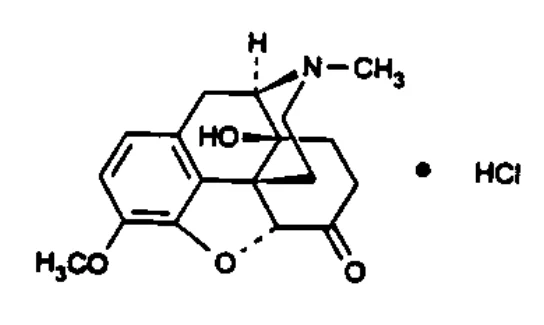
Molecular Formula: C18H21NO4•HCl
Chemical Name: 4,5αEpoxy-14-hydroxy-3-methoxy-17-methylmorphinan-6-one hydrochloride
Molecular Weight: 351.83
Appearance: White to off-white, odourless, crystalline powder.
Solubility: Soluble in water, slightly soluble in alcohol.
Melting Point: 218° to 223°C.
Composition:
Active Ingredient(s): Oxycodone Hydrochloride
Non-medicinal Ingredients:
OxyContin (all strengths): lactose, magnesium stearate, polymethyl acrylate, povidone, stearyl alcohol, talc and triacetin
5 mg Film Coating:
Opadry® Blue:
- FD&C Blue No.1
- hydroxypropyl methylcellulose
- polyethylene glycol
titanium dioxide
10 mg Film Coating:
Opadry® White:
- hydroxypropyl methylcellulose
- hydroxypropyl cellulose
- polyethylene glycol
- titanium dioxide
15 mg Film Coating:
Opadry® Grey:
- hydroxypropyl methylcellulose
- iron oxide
- polyethylene glycol
titanium dioxide
20 mg Film Coating:
Opadry® Pink:
- hydroxypropyl methylcellulose
- iron oxide
- polyethylene glycol
- polysorbate 80
- titanium dioxide
30 mg Film Coating:
Opadry® Brown:
- hydroxypropyl methylcellulose
- iron oxide
- polyethylene glycol
- polysorbate 80
titanium dioxide
40 mg Film Coating:
Opadry® Yellow:
- hydroxypropyl methylcellulose
- iron oxide
- polyethylene glycol
- polysorbate 80
- titanium dioxide
60 mg Film Coating:
Opadry® Red:
- hydroxypropyl methylcellulose
- iron oxide
- polyethylene glycol
- polysorbate 80
- titanium dioxide
FD&C Red No. 40 Aluminum Lake
80 mg Film Coating:
Opadry® Green:
- FD&C Blue No. 2 Aluminum Lake
- hydroxypropyl methylcellulose
- hydroxypropyl cellulose
- iron oxide
- polyethylene glycol
- titanium dioxide
120 mg Film Coating:
Opadry® Purple:
- hydroxypropyl methylcellulose
- iron oxide
- polyethylene glycol
- polysorbate 80
titanium dioxide
160 mg Film Coating:
Opadry® Blue:
- FD&C Blue No. 2 Aluminum Lake
- hydroxypropyl methylcellulose
- polyethylene glycol
- polysorbate 80
- titanium dioxide
Stability and Storage Recommendations:
Store at room temperature (15E- 30°C). Keep in a dry place.
AVAILABILITY OF DOSAGE FORMS
OxyContin® (oxycodone hydrochloride controlled release tablets) 5 mg are round, unscored, pale blue, biconvex tablets imprinted with CDN on one side and the mg strength on the other.
They are available in opaque plastic bottles of 50 or 60 tablets.
OxyContin® (oxycodone hydrochloride controlled release tablets) 10 mg are round, unscored, white, biconvex tablets imprinted with CDN on one side and the mg strength on the other. They are available in opaque plastic bottles of 50 or 60 tablets and in PVC/PVdC coated aluminum foil blister packs (control packs) of 25.
OxyContin® (oxycodone hydrochloride controlled release tablets) 15 mg are round, unscored, grey, biconvex tablets imprinted with CDN on one side and the mg strength on the other. They are available in opaque plastic bottles of 50 or 60 and 100 tablets.
OxyContin® (oxycodone hydrochloride controlled release tablets) 20 mg are round, unscored, pink, biconvex tablets imprinted with CDN on one side and the mg strength on the other. They are available in opaque plastic bottles of 50 or 60 tablets and in PVC/PVdC coated aluminum foil blister packs (control packs) of 25.
OxyContin® (oxycodone hydrochloride controlled release tablets) 30 mg are round, unscored, brown, biconvex tablets imprinted with CDN on one side and the mg strength on the other. They are available in opaque plastic bottles of 50 or 60 and 100 tablets.
OxyContin® (oxycodone hydrochloride controlled release tablets) 40 mg are round, unscored, yellow, biconvex tablets imprinted with CDN on one side and the mg strength on the other.
They are available in opaque plastic bottles of 50 or 60 tablets and in PVC/PVdC coated aluminum foil blister packs (control packs) of 25.
OxyContin® (oxycodone hydrochloride controlled release tablets) 60 mg are round, unscored, red, biconvex tablets imprinted with CDN on one side and the mg strength on the other. They are available in opaque plastic bottles of 50 or 60 and 100 tablets.
OxyContin® (oxycodone hydrochloride controlled release tablets) 80 mg are round, unscored, green, biconvex tablets imprinted with CDN on one side and the mg strength on the other. They are available in opaque plastic bottles of 50 or 60 tablets and in PVC/PVdC coated aluminum foil blister packs (control packs) of 25.
OxyContin® (oxycodone hydrochloride controlled release tablets) 120 mg are round, unscored, purple, biconvex tablets imprinted with CDN on one side and the mg strength on the other. They are available in opaque plastic bottles of 50 or 60 and 100 tablets.
OxyContin® (oxycodone hydrochloride controlled release tablets) 160 mg are capsule shaped, unscored, blue, convex tablets imprinted with CDN on one side and the mg strength on the other.
They are available in opaque plastic bottles of 50 or 60 tablets.
PHARMACOLOGY
Pharmacodynamics:
Oxycodone and related μ-agonist opioids produce their major effects on the CNS and the bowel by acting at specific saturable opioid receptors in the CNS and other tissues. The effects include analgesia, drowsiness, changes in mood, respiratory depression, cough suppression, decreased gastrointestinal motility, nausea, vomiting, and alterations of the endocrine and autonomic nervous systems.
Oxycodone receptor selectivity has not been extensively studied or characterized, and there appears to be a discrepancy between its weak affinity for opioid receptors and its potent antinociceptive activity.
Oxycodone has been shown to be 2 - 4 times more potent than morphine after both subcutaneous and intraperitoneal administration in rats. In clinical studies in patients with acute post-operative pain, oxycodone has been demonstrated to be twice as potent as morphine.
TOXICOLOGY
The LD50 after subcutaneous administration of oxycodone in mice was 275 - 340 mg/kg. The lowest lethal dose has been reported to be 200 mg/kg after subcutaneous administration in mice.
These values are similar to those obtained for morphine. In a preliminary 12 day study in rabbits, no drug related toxic effects were discernable at 5 mg/kg. Doses of 25, 75 and 150 mg/kg were associated with variable and transient pharmacotoxic effects typical of high dose opioid treatment in animals (decreased activity, decreased or absent defecation and convulsions).
Teratogenicity:
Oxycodone had no effect on fertility or early embryonic development in male and female rats at doses as high as 8 mg/kg/day. Also, oxycodone did not induce any malformations in rats at doses as high as 8 mg/kg/day or in rabbits at doses as high as 125 mg/kg/day. Dose-related increases in developmental variations (increased incidences of extra (27) presacral vertebrae and extra pairs of ribs) were observed in rabbits when the data for individual fetuses were analyzed.
However, when the same data were analyzed using litters as opposed to individual fetuses, there was no dose-related increase in developmental variations although the incidence of extra presacral vertebrae remained significantly higher in the 125 mg/kg/day group compared to the control group. Since this dose level was associated with severe pharmacotoxic effects in the pregnant animals, the fetal findings may have been a secondary consequence of severe maternal toxicity.
In a study of peri- and postnatal development in rats, maternal body weight and food intake parameters were reduced for doses ≥2 mg/kg/day compared to the control group. Body weights
were lower in the F1 generation from maternal rats in the 6 mg/kg/day dosing group. There were no effects on physical, reflexological, or sensory developmental parameters or on behavioural and reproductive indices in the F1 pups (the NOEL for F1 pups was 2 mg/kg/day based on body weight effects seen at 6 mg/kg/day). There were no effects on the F2 generation at any dose in the study.
There are no adequate and well-controlled studies in pregnant women, and no studies on fertility or the post-natal effects of intrauterine exposure have been carried out.
Mutagenicity:
Oxycodone was not mutagenic in the following assays: Ames Salmonella and E. coli test with and without metabolic activation at doses of up to 5,000 µg, chromosomal aberration test in human lymphocytes in the absence of metabolic activation at doses of up to 1,500 µg/ml and with activation 48 hours after exposure at doses of up to 5,000 µg/ml, and in the in vivo bone marrow micronucleus test in mice at plasma levels of up to 48 µg/ml. Mutagenic results occurred in the presence of metabolic activation in the human chromosomal aberration test (at greater than or equal to 1,250 µg/ml) at 24 but not 48 hours of exposure and in the mouse lymphoma assay at doses of 50 µg/ml or greater with metabolic activation and at 400 µg/ml or greater without metabolic activation. The data from these tests indicate that the genotoxic risk to humans may be considered low.
Carcinogenicity:
Studies of oxycodone in animals to evaluate its carcinogenic potential have not been conducted owing to the length of clinical experience with the drug substance.
REFERENCES
- 1. Beaver WT, Wallenstein SL, Rogers A, Houde RW. Analgesic studies of codeine and oxycodone in patients with cancer. I. Comparisons of oral with intramuscular codeine and of oral with intramuscular oxycodone. J Pharmacol Exp Ther 1978;207:92-100.
- 2. Beaver WT, Wallenstein SL, Rogers A, Houde RW. Analgesic studies of codeine and oxycodone in patients with cancer. II. Comparisons of intramuscular oxycodone with intramuscular morphine and codeine. J Pharmacol Exp Ther 1978;207:101-8.
- 3. Chen ZR, Irvine RJ, Somogyi AA, Bochner F. Mu receptor binding of some commonly used opioids and their metabolites. Life Sciences 1991:48:2165-71.
- 4.
Dickson PH, Lind A, Studts P, Nipper HC, Makoid M, Makoid M, et al. The routine analysis of breast milk for drugs of abuse in a clinical toxicology laboratory. J Forensic
Sci 1994;39(1):207-14.
- 5.
Fleischmann R, Hale M, Wild J, Salzman R, Iwan T, Kaiko R, Lacouture P. Treatment of chronic low back pain (LBP) with around-the-clock CR oxycodone administration: A pk/pd model. Proceedings of the American Pain Society 14th Annual Scientific Meeting;
1995 November 9-12; Los Angeles, CA. U.S.A. Abstract #95883. p. A-147.
- 6. Gimbel JS, Richards P, Portenoy RK. Controlled-release oxycodone for pain in diabetic neuropathy. A randomized controlled trial. Neurology 2003;60:927-34.
- 7. Glare PA, Walsh TC. Dose-ranging study of oxycodone for chronic pain in advanced cancer. J Clin Oncology 1993;11:973-8.
- 8.
Gutstein HB and Akil H. Opioid Analgesics. In: Brunton LB, Lazo JS, Parker KL, editors. Goodman & Gilman’s - The pharmacological basis of therapeutics. 11th Ed.
Toronto: McGraw-Hill, Medical Publishing Division; 2006.
- 9.
Hagelberg NM, Nieminen TH, Saari TI, Neuvonen M, Neuvonen PJ, Laine K, et al.
Voriconazole drastically increases exposure to oral oxycodone. Eur J Clin Pharmacol
2009;65(3):263-71.
- 10.
Heiskanen T, Olkkola KT and Kalso E. Effects of blocking CYP2D6 on the pharmacokinetics and pharmacodynamics of oxycodone. Clin Pharmacol Ther 1998;
64:603-11.
- 11.
Kaiko R, Benziger D, Cheng C, Hou Y, Grandy R. Clinical pharmacokinetics of controlled-release oxycodone in renal impairment. Clin Pharmacol Ther 1996;59(2):130
(PI-3).
- 12.
Kaiko R, Grandy R, Hou Y, Benziger D. Controlled-release oxycodone pharmacokinetics/ pharmacodynamics in hepatic cirrhosis. Proceedings of the American Pain Society 14th
Annual Scientific Meeting; 1995 November 9-12; Los Angeles, CA. U.S.A. Abstract
#95881. p. A-146.
- 13.
Kaiko R, Lacouture P, Hopf K, Brown J, Goldenheim P. Analgesic onset and potency of oral controlled-release (CR) oxycodone and CR morphine. Clin Pharmacol Ther
1996;59(2):130 (PI-4).
- 14. Kalso E, Vainio A. Morphine and oxycodone hydrochloride in the management of cancer pain. Clin Pharmacol Ther 1990;47:639-46.
- 15.
Kaplan R, Parris W, Citron M, Croghan M, Herbst L, Rosenbluth R, et al. Decrease in opioid-related adverse events during chronic therapy with controlled-release oxycodone in cancer pain patients. Proceedings of the American Pain Society 14th Annual Scientific
Meeting; 1995 November 9-12; Los Angeles, CA. U.S.A. Abstract #95882. p. A-146.
- 16.
Leow KP, Smith MT, Williams B, Cramond T. Single-dose and steady-state pharmacokinetics and pharmacodynamics of oxycodone in patients with cancer. Clin
Pharmacol Ther 1992;52:487-95.
- 17. Leow KP, Wright AWE, Cramond T, Smith MT. Determination of the serum protein binding of oxycodone and morphine using ultrafiltration. Ther Drug Monit 1993;15:440-7.
- 18.
Mandema JW, Kaiko RF, Oshlack B, Reder RF, Stanski DR. Characterization and validation of a pharmacokinetic model for controlled-release oxycodone. Br J Clin
Pharmacol 1996;42:747-56.
- 19.
Pöyhiä R, Seppälä T, Olkkola KT, Kalso E. The pharmacokinetics and metabolism of oxycodone after intramuscular and oral administration to healthy subjects. Br J Clin
Pharmacol 1992;33:617-21.
- 20. Pöyhiä R, Kalso E, Seppälä T. Pharmacodynamic interactions of oxycodone and amitriptyline in healthy volunteers. Current Ther Res 1992;51:739-49.
- 21.
Roth S, Burch F, Fleischmann R, Dietz F, Rutstein J, Iwan T, et al. The effect of controlled-release (CR) oxycodone on pain intensity and activities in patients with pain secondary to osteoarthritis. Proceedings of the American Pain Society 14th Annual
Scientific Meeting; 1995 November 9-12; Los Angeles, CA. U.S.A. Abstract #95884.
p.A-147.
- 22. Sunshine A, Olson NZ, Colon A, Rivera J, Fitzmartin R, Grandy R. Onset and duration of analgesia for controlled-release vs. immediate-release oxycodone alone and in combination with acetaminophen in postoperative pain. Clin Pharmacol Ther 1995;57:137.
- 23. Watson CPN, Babul N. Efficacy of oxycodone in neuropathic pain. A randomized trial in postherpetic neuralgia. Neurology 1998;50:1837-41.
- 24. Watson CP, Moulin D, Watt-Watson J, Gordon A, Eisenhoffer J. Controlled-release oxycodone relieves neuropathic pain: a randomized controlled trial in painful diabetic neuropathy. Pain 2003:105(1-2):71-8.
- 25. Weinstein SH, Gaylord JC. Determination of oxycodone in plasma and identification of a major metabolite. J Pharm Sciences 1979;68:527-8.