


Product Monograph - Pennsaid
RECENT MAJOR LABEL CHANGES
| None | N/A |
|---|
TABLE OF CONTENTS
Sections or subsections that are not applicable at time of authorization are not listed.
RECENT MAJOR LABEL CHANGES ............................................................................................ 2
TABLE OF CONTENTS .............................................................................................................. 2
PART I: HEALTH PROFESSIONAL INFORMATION ...................................................................... 4
1 INDICATIONS ............................................................................................................... 4
1.1 Pediatrics (<18 years of age) ................................................................................. 4
1.2 Geriatrics (≥65 years of age) ................................................................................. 4
2 CONTRAINDICATIONS ................................................................................................. 4
3 SERIOUS WARNINGS AND PRECAUTIONS BOX ............................................................ 5
4 DOSAGE AND ADMINISTRATION ................................................................................. 6
4.1 Dosing Considerations .......................................................................................... 6
4.2 Recommended Dose and Dosage Adjustment ..................................................... 6
4.4 Administration ...................................................................................................... 7
4.5 Missed Dose ......................................................................................................... 7
5 OVERDOSAGE .............................................................................................................. 7
6 DOSAGE FORMS, STRENGTHS, COMPOSITION AND PACKAGING ................................. 8
7 WARNINGS AND PRECAUTIONS .................................................................................. 8
7.1 Special Populations ............................................................................................. 14
7.1.1 Pregnant Women ........................................................................................... 14
7.1.2 Breast-feeding ................................................................................................ 15
7.1.3 Pediatrics ........................................................................................................ 15
7.1.4 Geriatrics ........................................................................................................ 15
8 ADVERSE REACTIONS ................................................................................................ 15
8.1 Adverse Reaction Overview ................................................................................ 15
8.2 Clinical Trial Adverse Reactions .......................................................................... 15
8.3 Less Common Clinical Trial Adverse Reactions ................................................... 17
8.5 Post-Market Adverse Reactions ......................................................................... 17
9 DRUG INTERACTIONS ................................................................................................ 18
9.2 Drug Interactions Overview ................................................................................ 18
9.3 Drug-Behavioural Interaction ............................................................................. 18
9.4 Drug-Drug Interactions ....................................................................................... 18
9.5 Drug-Food Interactions ....................................................................................... 20
9.6 Drug-Herb Interactions ....................................................................................... 20
9.7 Drug-Laboratory Test Interactions ...................................................................... 20
10 CLINICAL PHARMACOLOGY ....................................................................................... 20
10.1 Mechanism of Action .......................................................................................... 20
10.2 Pharmacodynamics ............................................................................................ 20
10.3 Pharmacokinetics ............................................................................................... 20
11 STORAGE, STABILITY AND DISPOSAL ......................................................................... 22
12 SPECIAL HANDLING INSTRUCTIONS ........................................................................... 22
PART II: SCIENTIFIC INFORMATION ....................................................................................... 23
13 PHARMACEUTICAL INFORMATION ............................................................................ 23
14 CLINICAL TRIALS ........................................................................................................ 23
14.1 Clinical Trials by Indication ................................................................................. 23
15 MICROBIOLOGY ........................................................................................................ 27
16 NON-CLINICAL TOXICOLOGY ..................................................................................... 27
PATIENT MEDICATION INFORMATION .................................................................................. 31
PART I: HEALTH PROFESSIONAL INFORMATION
1 INDICATIONS
PENNSAID® (diclofenac sodium solution) is indicated for the treatment of the symptoms associated with osteoarthritis of the knee(s), only for a treatment regimen of not more than three months in duration, whether continuous or intermittent.
1.1 Pediatrics (<18 years of age)
No data are available to Health Canada, therefore PENNSAID is contraindicated for pediatric patients. See 2 CONTRAINDICATIONS.
1.2 Geriatrics (≥65 years of age)
Evidence from clinical studies and experience suggests that use in the geriatric population is associated with differences in safety. See 7 WARNINGS AND PRECAUTIONS and 4.2 Recommended Dose and Dosage Adjustment.
2 CONTRAINDICATIONS
PENNSAID® (diclofenac sodium solution) is contraindicated in:
- The peri-operative setting of coronary artery bypass graft surgery (CABG). Although PENNSAID has NOT been studied in this patient population, a selective COX-2 inhibitor NSAID studied in such a setting has led to an increased incidence of cardiovascular/thromboembolic events, deep surgical infections and sternal wound complications.
- Patients who are hypersensitive to this drug or to other non-steroidal anti-inflammatory drug (NSAID), or to any ingredient in the formulation, including any non-medicinal ingredient, or component of the container. For a complete listing, see 6 DOSAGE FORMS, STRENGTHS, COMPOSITION AND PACKAGING. The potential for cross-reactivity between different NSAIDs must be kept in mind.
- Patients who are pregnant (all trimesters).
- Patients who are breastfeeding as the safety of PENNSAID has not been established in this group.
- Pediatric patients less than 18 years of age as the safety of PENNSAID has not been established in this group.
- Patients with severe uncontrolled heart failure.
- Patients with active peptic ulcer, a history of recurrent ulceration or active inflammatory disease of the gastrointestinal system.
Patients with the complete or partial syndrome of acetylsalicylic acid (ASA) intolerance (rhinosinusitis, urticaria/angioedema, nasal polyps and asthma), in whom asthma, anaphylaxis, urticaria, rhinitis or other allergic manifestations are precipitated by ASA or other non-steroidal anti-inflammatory agents. Fatal anaphylactoid reactions have occurred in such individuals. As well, individuals with the above medical problems are at risk of a severe reaction even if they have taken NSAIDs in the past without any adverse effects. See
7 WARNING AND PRECAUTIONS, Sensitivity/resistance.
Patients with
severe hepatic impairment or active liver disease.
- Patients with severely impaired or deteriorating renal function (creatinine clearance <30 mL/min). Individuals with lesser degrees of renal impairment are at risk of deterioration of their renal function when prescribed NSAIDs and must be monitored. See 7 WARNINGS AND PRECAUTIONS, Renal.
- Known hyperkalemia. See 7 WARNINGS AND PRECAUTIONS, Renal.
- Patients using other NSAIDs because of the absence of any evidence demonstrating synergistic benefits and the potential for additive side effects.
- A treatment regimen of duration longer than 3 months, because the long term safety of PENNSAID is unknown.
3 SERIOUS WARNINGS AND PRECAUTIONS BOX
Serious Warnings and Precautions
|
|---|
7 WARNINGS AND PRECAUTIONS, Gastrointestinal.
|
|---|
4 DOSAGE AND ADMINISTRATION
4.1 Dosing Considerations
- For patients older than 65 years and frail or debilitated see 4.2 Recommended Dose and Dosage Adjustment.
- Because the long-term safety of PENNSAID® is unknown, PENNSAID is indicated for a treatment regimen of not more than three months in duration, whether continuous or intermittent.
- PENNSAID therapy should be discontinued if the application site displays signs of significant skin reaction, including swelling, urticaria or vesiculobullous rash.
4.2 Recommended Dose and Dosage Adjustment
Table 1 – Dosage and Administration of PENNSAID (1.5% w/w diclofenac sodium solution)
| Medical Condition | Population (Age Group) | Dose | Route of Administration | Maximum Duration of Treatment |
|---|---|---|---|---|
| Osteoarthritis of the knee(s) | Adults (≥18 years of age) | 50 drops per knee, 3 times a day, or 40 drops per knee, 4 times a day | Topical | 3 months |
Pediatrics (<18 years of age): No data are available to Health Canada, therefore PENNSAID is contraindicated for pediatric patients.
Geriatrics (≥65 years of age): Patients older than 65 years and frail or debilitated patients are most susceptible to a variety of adverse reactions from non-steroidal anti-inflammatory drugs (NSAIDs); the incidence of these adverse reactions increases with dose and duration of treatment. In addition, these patients are less tolerant to ulceration and bleeding. Most reports of fatal GI events are in this population. Older patients are also at risk of lower esophageal ulceration and bleeding.
For such patients, consideration should be given to a starting dose lower than the one usually recommended, with individual adjustment when necessary and under close supervision. See 7 WARNINGS AND PRECAUTIONS, Renal.
4.4 Administration
PENNSAID is intended for external use only. Contact with the eyes or mucous membranes should be avoided.
PENNSAID should be applied to clean, dry skin, and not used under bandages or dressings.
PENNSAID should be dispensed onto the hand, or directly onto the knee, and spread evenly around front, back and sides of the knee until completely covered.
PENNSAID treatment has no relationship to food intake.
The treatment regiment for PENNSAID should not exceed three months in duration, whether continuous or intermittent.
4.5 Missed Dose
If one or more doses are missed, the next scheduled dose should be applied. Two doses of PENNSAID should not be applied to make up for a forgotten dose.
5 OVERDOSAGE
In the event of ingestion of PENNSAID® (1.5% w/w diclofenac sodium in 45% dimethyl sulfoxide), there is no specific antidote. An entire 60 mL bottle of PENNSAID contains approximately 960 mg of diclofenac sodium. Systemic absorption should be prevented as soon as possible by the induction of vomiting, gastric lavage or treatment with activated charcoal. Supportive and symptomatic treatment should be given for complications such as hypotension, renal failure, convulsions, gastrointestinal irritation and respiratory depression. Measures to accelerate elimination (e.g., forced diuresis, hemoperfusion, and dialysis) may be considered, but may be of limited use because of the high protein binding and extensive metabolism of diclofenac.
A 60 mL bottle of PENNSAID contains approximately 29 g of dimethyl sulfoxide (DMSO), well below any toxic level (oral LD50 of DMSO in monkeys is > 4 g/kg, while dermal LD50 in monkeys is > 11 g/kg). Acute toxicity through inhalation of high vapor concentrations of DMSO, through the use or abuse of PENNSAID, is remote. In the event that exposure occurs, it may lead to irritation of the mucous membranes of the upper respiratory tract, wheezing, nausea or vomiting. Treatment includes administration of oxygen or other symptomatic measures as necessary.
In the event of topical application of an excessive dose, wash the area with soap and water as soon as possible. Local irritation may occur. Treatment includes symptomatic measures as necessary.
| For the most recent information in the management of a suspected drug overdose, contact your regional poison control centre or Health Canada’s toll-free number, 1-844 POISON-X (1-844-764-7669). |
|---|
6 DOSAGE FORMS, STRENGTHS, COMPOSITION AND PACKAGING
Table 2 – Dosage Forms, Strengths, Composition and Packaging
PENNSAID® is a clear and odourless liquid, supplied in low-density polyethylene bottles of 30 and 60 mL and high-density polyethylene bottles of 30, 60 and 120 mL with a plastic dropper cap.
7 WARNINGS AND PRECAUTIONS
Please see 3 SERIOUS WARNINGS AND PRECAUTIONS BOX.
Carcinogenesis and Mutagenesis
See 16 NON-CLINICAL TOXICOLOGY.
Cardiovascular
PENNSAID® is a non-steroidal anti-inflammatory drug (NSAID). Use of some NSAIDs is associated with an increased incidence of cardiovascular adverse events (such as myocardial infarction, stroke or thrombotic events) which can be fatal. Large population-based observational studies, meta-analyses and systematic reviews suggest an increased risk of myocardial infarction and stroke also in association with the use of diclofenac. The risk may increase with the dose and duration of use. Patients with cardiovascular disease or risk factors for cardiovascular disease may be at greater risk.
Caution should be exercised in prescribing PENNSAID to patients with risk factors for cardiovascular disease, cerebrovascular disease or renal disease, such as any of the following (NOT an exhaustive list):
- Hypertension
- Dyslipidemia / Hyperlipidemia
- Diabetes Mellitus
- Congestive Heart Failure (NYHA I)
- Coronary Artery Disease (Atherosclerosis)
- Peripheral Arterial Disease
- Smoking
- Creatinine Clearance < 60 mL/min or 1 mL/sec
Use of NSAIDs, such as PENNSAID, can lead to new hypertension or can worsen pre-existing hypertension, either of which may increase the risk of cardiovascular events as described
| Route of Administration | Dosage Form / Strength/Composition | Non-medicinal Ingredients |
| Topical | Solution 1.5% w/w of diclofenac sodium | dimethyl sulfoxide, ethanol, glycerine and propylene glycol in purified water |
above. Thus blood pressure should be monitored regularly. Consideration should be given to discontinuing
PENNSAID should hypertension either develop or worsen with its use.
Use of NSAIDs, such as PENNSAID, can induce fluid retention and edema, and may exacerbate congestive heart failure, through a renally-mediated mechanism.
For patients with a high risk of developing an adverse CV event, other management strategies that do NOT include the use of NSAIDs should be considered first. To minimize the potential risk for an adverse CV event, the lowest effective dose should be used for the shortest possible duration.
Driving and Operating Machinery
Some patients may experience drowsiness, dizziness, vertigo, insomnia or depression with the use of PENNSAID. If patients experience these side effects, they should exercise caution in carrying out activities that require alertness.
Gastrointestinal
In clinical studies, PENNSAID has not been associated with serious gastrointestinal (GI) toxicity, such as peptic ulceration, perforation and GI bleeding commonly associated with NSAIDS.
Serious GI toxicity, such as peptic ulceration, perforation and gastrointestinal bleeding, sometimes severe and occasionally fatal, can occur at any time, with or without symptoms, in patients treated with NSAIDs, including diclofenac sodium.
Gastrointestinal symptoms, such as dyspepsia, are common, usually developing early in therapy. Healthcare professionals should remain alert for the signs and symptoms of ulceration and bleeding in patients treated with NSAIDs, even in the absence of previous GI tract symptoms.
In patients observed in clinical trials of NSAIDs given orally, symptomatic upper GI ulcers, gross bleeding, or perforation appear to occur in approximately 1% of patients treated for 3-6 months and in about 2-4% of patients treated for one year. The incidence of these complications is related to dose, past history of known ulcer disease, and advanced age.
PENNSAID should be given under close medical supervision to patients with a history of ulcer of the gastrointestinal tract, or inflammatory disease of the gastrointestinal tract, such as ulcerative colitis or Crohn's disease. In these cases the healthcare professionals must weigh the benefits of treatment against the possible hazards.
Patients should be informed about the signs and/or symptoms of serious GI toxicity and instructed to contact a healthcare professional immediately if they experience persistent dyspepsia or other symptoms or signs suggestive of gastrointestinal ulceration or bleeding.
Because serious GI tract ulceration and bleeding can occur without warning symptoms, healthcare professionals should follow patients for signs and symptoms of ulceration and bleeding and should inform the patients of the importance of this follow-up.
If ulceration is suspected or confirmed, or if GI bleeding occurs, PENNSAID should be discontinued immediately, appropriate treatment instituted and the patient monitored closely.
No studies, to date, have identified any group of patients not at risk of developing ulceration and bleeding. The major risk factors are a prior history of serious GI events and increasing age. Possible risk factors include Helicobacter pylori infection, excess alcohol intake, smoking, concomitant oral steroids, anticoagulants, anti-platelet agents (including ASA) and selective serotonin reuptake inhibitors (SSRIs).
There is no definitive evidence that the concomitant administration of histamine H2-receptor antagonists and/or antacids will either prevent the occurrence of gastrointestinal side effects or allow the continuation of PENNSAID therapy when, and if, these adverse reactions appear.
Genitourinary
Some NSAIDs are known to cause persistent urinary symptoms (bladder pain, dysuria, urinary frequency), hematuria or cystitis. The onset of these symptoms may occur at any time after the initiation of therapy with an NSAID. Some cases have become severe on continued treatment. Should urinary symptoms occur, treatment with PENNSAID must be stopped immediately to obtain recovery. This should be done before any urological investigation or treatment is carried out.
Hematologic
In clinical studies with PENNSAID, abnormal hemoglobin, white blood cell (WBC) or platelet counts have not been observed.
The effect of PENNSAID on platelet function was studied in 10 healthy patients randomly selected to participate in a sub-study of multiple-dose pharmacokinetic study where 40 drops of PENNSAID were applied to each knee four times a day for 7 days. Following 7-day treatment with PENNSAID, the mean change in % aggregation for ADP-collagen-, epinephrine- and arachidonic acid-induced aggregation was 1.31%, -0.19%, 9.85% and -0.95%, respectively. These results indicate that there was no marked effect on platelet aggregation after application of the maximum clinical dose for 7 days.
Diclofenac sodium increases platelet aggregation time but does not affect bleeding time, plasma thrombin clotting time, plasma fibrinogen, or factors V and VII to XII. Statistically significant changes in prothrombin and partial thromboplastin times have been reported in normal volunteers. The mean changes were observed to be less than 1 second in both instances, and are unlikely to be clinically important.
Drugs inhibiting prostaglandin biosynthesis interfere with platelet function to varying degrees; therefore, patients who may be adversely affected by such an action, such as those on anti-coagulants or suffering from haemophilia or platelet disorders, should be carefully observed when PENNSAID is administered.
Blood dyscrasias (such as neutropenia, leukopenia, thrombocytopenia, aplastic anemia and agranulocytosis) associated with the use of NSAIDs are rare, but could occur with severe consequences. Patients on long-term diclofenac sodium treatment should have their hematopoietic system evaluated periodically.
Hepatic/Biliary/Pancreatic
As with other NSAIDs, including PENNSAID, borderline elevations of one or more liver enzyme tests (AST, ALT, alkaline phosphatase) may occur in up to 15% of patients. These abnormalities may progress, may remain essentially unchanged, or may be transient with continued therapy. Toxicity studies in animals with high doses of DMSO have shown occasional, transient elevation of liver function tests.
In two clinical trials with PENNSAID, a mild elevation of AST was seen in 4 of 117 (3.4%) patients using PENNSAID, 2 of 109 (1.8%) using vehicle-control (both of these solutions contained DMSO 45.5%) and 1 of 110 (0.9%) using Placebo. A mild elevation of ALT was seen in 4 of 117 (3.4%) patients using PENNSAID, 6 of 111 (5.4%) using vehicle-control and 2 of 108 (1.9%) using placebo. In most cases the increase was minimal and in two patients (one treated with PENNSAID, one treated with vehicle-control) the increase was 2.5 times normal.
In post-marketing reports of patients receiving diclofenac, cases of drug-induced hepatotoxicity have been reported in the first month, and in some cases, the first 2 months of therapy, but can occur at any time during treatment. A patient with symptoms and/or signs suggesting liver dysfunction, or in whom an abnormal liver test has occurred, should be evaluated for evidence of the development of more severe hepatic reaction while on therapy with PENNSAID. Post-marketing surveillance has reported cases of severe hepatic reactions including jaundice, fulminant hepatitis with and without jaundice, liver necrosis and hepatic failure. Some of these cases have resulted in fatalities or liver transplantation.
Transaminases should be measured periodically in patients receiving PENNSAID because severe hepatotoxicity may develop without a prodrome of distinguishing symptoms. Severe hepatic reactions can occur at any time during treatment with diclofenac. Although such reactions are rare, if abnormal liver function tests persist or worsen, if clinical signs and symptoms consistent with liver disease develop (e.g. jaundice), or if systemic manifestations occur (e.g. eosinophilia, rash, etc.), this drug should be discontinued immediately.
To minimize the possibility that hepatic injury will become severe between transaminase measurements, patients should be informed of warning signs and symptoms of hepatotoxicity (e.g. nausea, fatigue, lethargy, diarrhea, pruritus, jaundice, right upper quadrant tenderness, and “flu-like” symptoms), and the appropriate action they should take if these signs and symptoms appear. Use of diclofenac is contraindicated in patients with significant hepatic impairment or active liver disease. If there is a need to prescribe this drug to patients with liver impairment, it must be done under strict observation.
Caution is advised when using diclofenac sodium in patients with hepatic porphyria, since diclofenac sodium may trigger an attack.
Immune
In common with other NSAIDs, diclofenac sodium may mask the usual signs of infection (i.e. fever).
Aseptic Meningitis
In rare cases, with some NSAIDs, the symptoms of aseptic meningitis (stiff neck, severe headaches, nausea and vomiting, fever or clouding of consciousness) have been observed. Patients with autoimmune disorders (systemic lupus erythematosus, mixed connective tissue diseases, etc.) seem to be pre-disposed. Therefore, in such patients, the healthcare professional must be vigilant to the development of this complication.
Monitoring and Laboratory Tests
The following testing or monitoring should be considered (note: this is not an exhaustive list):
Cardiovascular: Blood pressure monitoring should be considered. See 2 CONTRAINDICATIONS, 3 SERIOUS WARNINGS AND PRECAUTIONS BOX, 7 WARNINGS AND PRECAUTIONS, Cardiovascular.
Hematology: Concurrent therapy with anticoagulants may require monitoring of the international normalized ratio (INR). Hemoglobin, hematocrit, red blood cells (RBCs), white blood cells (WBCs), and platelets may require monitoring. See 7 WARNINGS AND PRECAUTIONS, Hematologic and 9 DRUG INTERACTIONS.
Lithium plasma concentration (in case of lithium co-prescription) should be monitored. See 9 DRUG INTERACTIONS.
Hepatic: Serum transaminase and bilirubin may require monitoring. See 7 WARNINGS AND PRECAUTIONS, Hepatic/Biliary/Pancreatic.
Ophthalmologic: If ophthalmological symptoms develop, PENNSAID should be discontinued and an ophthalmologic examination performed. See 7 WARNINGS AND PRECAUTIONS, Ophthalmologic .
Renal: Serum creatinine, creatinine clearance, serum urea and electrolytes including serum potassium may require monitoring. See 2 CONTRAINDICATIONS, 3 SERIOUS WARNINGS AND PRECAUTIONS BOX, 4.2 Recommended Dose and Dosage Adjustment, 7 WARNINGS AND PRECAUTIONS, Renal and 9 DRUG INTERACTIONS.
Pregnancy: PENNSAID is contraindicated for use in pregnancy. See 2 CONTRAINDICATIONS.
Ophthalmologic
Blurred and/or diminished vision has been reported with the use of NSAIDs. Changes in the refractive index and lens opacities have been seen in non-primate animals with chronic administration of dimethyl sulfoxide, in doses far in excess of those used in humans. If ophthalmological symptoms develop, PENNSAID should be discontinued and an ophthalmologic examination performed.
Peri-operative Considerations
See 2 CONTRAINDICATIONS.
Renal
In clinical studies with PENNSAID, increase in urea or creatinine, or any other renal toxicity has not been observed.
Long-term administration of NSAIDs to animals has resulted in renal papillary necrosis and other abnormal renal pathology. In humans, there have been reports of acute interstitial nephritis with hematuria, proteinuria, and occasionally nephrotic syndrome.
A second form of renal toxicity has been seen in patients with pre-renal conditions leading to reduction in renal blood flow or blood volume, where the renal prostaglandins have a supportive role in the maintenance of renal perfusion. In these patients, administration of an NSAID may cause a dose-dependent reduction in prostaglandin formation and may precipitate overt renal decompensation. Patients at greatest risk of this reaction are those with impaired renal function, heart failure, liver dysfunction, those taking diuretics, and the elderly. Discontinuation of NSAID therapy is usually followed by recovery to the pretreatment state.
Diclofenac sodium and its metabolites are eliminated primarily (60%) by the kidneys; therefore, PENNSAID should be used with great caution in patients with impaired renal function. In these cases, utilization of lower doses of PENNSAID should be considered and patients carefully monitored.
Fluid and Electrolyte Balance
In clinical studies with PENNSAID, fluid or electrolyte abnormalities have not been observed.
Fluid retention and edema have been observed in patients treated with diclofenac sodium. Therefore, as with many other NSAIDs, the possibility of precipitating congestive heart failure in elderly patients or those with compromised cardiac function should be borne in mind. PENNSAID should be used with caution in patients with heart failure, hypertension or other conditions predisposing to fluid retention.
With NSAID treatment, there is a potential risk of hyperkalemia, particularly in patients with conditions such as diabetes mellitus or renal failure; elderly patients; or in patients receiving concomitant therapy with β-adrenergic blockers, angiotensin-converting enzyme inhibitors, angiotensin-II receptor antagonists or some diuretics. Patients at risk should be monitored periodically.
Sensitivity/Resistance
Dimethyl sulfoxide may initiate the liberation of histamine and occasional hypersensitivity reactions have occurred with topical administration. If anaphylactoid symptoms develop, appropriate therapy should be instituted and further use of PENNSAID immediately discontinued.
As with other NSAIDs, allergic reactions, including anaphylactic/anaphylactoid reactions, can occur without prior exposure to the drug. Careful questioning for patient history of asthma, nasal polyps, urticaria, and hypotension associated with NSAIDs is important before starting therapy. Because hypersensitivity reactions may occur even at a low systemic level, the possibility of such adverse effects with PENNSAID cannot be completely excluded.
These reactions are potentially life-threatening, but may be reversible if the causative agent is discontinued and appropriate treatment instituted. Patients should be advised that if they experience a generalized skin rash they should discontinue PENNSAID and contact their healthcare professional for assessment and advice, including which additional therapies to discontinue.
Skin
PENNSAID should not be applied to open, abraded or infected skin, and it should not be used under occlusive dressings. Contact with the eyes or mucous membranes should be avoided.
Patients should be warned against excessive exposure to sunlight in order to reduce the incidence of photosensitivity.
Serious skin reactions
Use of some NSAIDs, such as PENNSAID, have been associated with rare post-market cases of serious, fatal or otherwise life-threatening skin reactions, including:
- drug reaction with eosinophilia and systemic symptoms (DRESS)
- Stevens-Johnson syndrome (SJS)
- toxic epidermal necrolysis (TEN)
- exfoliative dermatitis
- erythema multiforme
Patients appear to be at higher risk for these events early in the course of therapy, with the onset of cases usually occurring within the first month of treatment. These reactions may be reversible if the causative agent is discontinued and appropriate treatment instituted. Patients should be advised that they should discontinue their NSAID at the first appearance of a skin rash, mucosal lesions or any other sign of hypersensitivity, and contact their physician immediately for assessment and advice, including which therapies to discontinue.
DRESS typically, although not exclusively, presents with fever, rash, lymphadenopathy, and/or facial swelling. Other clinical manifestations may include hepatitis, nephritis, hematological abnormalities, myocarditis, or myositis. Sometimes symptoms of DRESS may resemble an acute viral infection, and eosinophilia is often present. Because this disorder is variable in its presentation, other organ systems not noted here may be involved. It is important to note that early manifestations of hypersensitivity, such as fever or lymphadenopathy, may be present even though rash is not evident.
7.1 Special Populations
7.1.1 Pregnant Women
PENNSAID is contraindicated for use during pregnancy because of risks of premature closure of the ductus arteriosus and the potential to prolong parturition (see 2 CONTRAINDICATIONS and 16 NON-CLINICAL TOXICOLOGY).
Published studies and post-marketing reports describe maternal NSAID use at approximately 20 weeks gestation or later in pregnancy associated with fetal renal dysfunction leading to oligohydramnios, and in some cases, neonatal renal impairment or failure. NSAIDs were shown to cause significant reduction in fetal urine production prior to reduction of amniotic fluid volume. There have also been a limited number of case reports of maternal NSAID use and neonatal renal dysfunction and renal impairment without oligohydramnios, some of which were irreversible, even after treatment discontinuation.
These adverse outcomes are seen, on average, after days to weeks of treatment, although oligohydramnios has been infrequently reported as soon as 48 hours after NSAID initiation. Complications of prolonged oligohydramnios may for example, include limb contractures and delayed lung maturation. In some post-marketing cases of impaired neonatal renal function, invasive procedures such as exchange transfusion or dialysis were required.
Inhibition of prostaglandin synthesis may adversely affect pregnancy and/or embryo-fetal development. Data from epidemiological studies suggest an increased risk of miscarriage and of cardiac malformation after use of a prostaglandin synthesis inhibitor in early pregnancy.
In animals, administration of a prostaglandin synthesis inhibitor has been shown to result in increased pre- and post-implantation loss and embryo-fetal lethality. In addition, increased incidences of various malformations, including cardiovascular, have been reported in animals given a prostaglandin synthesis inhibitor during the organogenesis period.
7.1.2 Breast-feeding
PENNSAID is contraindicated in breast-feeding women (see 2 CONTRAINDICATIONS).
7.1.3 Pediatrics
Pediatrics (<18 years of age): No data are available to Health Canada, therefore PENNSAID is contraindicated in the pediatric population (see 2 CONTRAINDICATIONS).
7.1.4 Geriatrics
Geriatrics (≥ 65 years of age): Evidence from clinical studies and experience suggests that use in the geriatric population is associated with differences in safety (see 4.2 Recommended Dose and Dosage Adjustment).
8 ADVERSE REACTIONS
8.1 Adverse Reaction Overview
Adverse reaction reporting is based on double-blind, controlled clinical studies in which 446 patients were exposed to PENNSAID®. Mean drop-out rates were: PENNSAID, 22.0%; vehicle-control (C), 28.3%; diclofenac control, 19.2%; placebo, 20.6%.
Application-site, dermatological reactions are the most commonly seen adverse events with PENNSAID (see Table 3).
The most common adverse reactions encountered with oral NSAIDs are gastrointestinal, of which peptic ulcer, with or without bleeding, is the most severe. Fatalities have occurred, particularly in the elderly. The most severe, albeit rare, dermatological reactions observed were erythema multiforme (Stevens-Johnson syndrome and Lyell's syndrome).
8.2 Clinical Trial Adverse Reactions
Clinical trials are conducted under very specific conditions. The adverse reaction rates observed in the clinical trials; therefore, may not reflect the rates observed in practice and should not be compared to the rates in the clinical trials of another drug. Adverse reaction information from clinical trials may be useful in identifying and approximating rates of adverse drug reactions in real-world use.
The following table lists all adverse events, regardless of causality, occurring in > 2% of patients receiving PENNSAID from five controlled studies conducted in patients with osteoarthritis that included a vehicle-control, active-control and/or placebo-control group.
Table 3 – Adverse Events Occurring in >2% of PENNSAID Patients in Five Vehicle-Controlled Studies
| Adverse Event | PENNSAID (n=446) (%) | Control-DMSO1 (n=442) (%) | Control-diclofenac 2 (n=52) (%) | Placebo3 (n=175) (%) | |||||||
| Gastrointestinal | |||||||||||
| Dyspepsia | 4.48 | 3.85 | 9.62 | 4 | |||||||
| Nausea | 2.02 | 2.26 | 3.85 | 1.71 | |||||||
| Central and Peripheral Nervous System | |||||||||||
| Paresthesia | 2.02 | 1.58 | 0 | 1.14 | |||||||
| Paresthesia (Application Site) | 7.85 | 9.05 | 7.69 | 10.29 | |||||||
| Skin and Appendages | |||||||||||
| Application-Site Reaction | 2.47 | 1.13 | 5.77 | 1.71 | |||||||
| Dry Skin (Application Site) | 41.93 | 23.3 | 23.08 | 6.86 | |||||||
| Pruritus (Application Site) | 2.91 | 4.52 | 3.85 | 4 | |||||||
| Rash | 2.02 | 1.81 | 3.85 | 2.86 | |||||||
| Rash (Application Site) | 9.64 | 4.98 | 7.69 | 2.86 | |||||||
| Special Senses | |||||||||||
| Taste Perversion | 3.81 | 3.62 | 0 | 4.57 | |||||||
| Respiratory | |||||||||||
| Pharyngitis | 5.38 | 2.71 | 5.77 | 6.86 | |||||||
| Musculoskeletal | |||||||||||
| Arthralgia | 16.82 | 16.52 | 40.38 | 37.14 | |||||||
| Arthrosis | 4.04 | 3.85 | 3.85 | 12 | |||||||
| Joint Disorder | 4.71 | 5.43 | 7.69 | 15.43 | |||||||
| Body As A Whole | |||||||||||
| Abdominal Pain | 3.14 | 1.58 | 0 | 5.14 | |||||||
| Back Pain | 6.5 | 5.66 | 15.38 | 7.43 | |||||||
| Flu Syndrome | 4.04 | 4.07 | 0 | 4.57 | |||||||
| Headache | 12.11 | 13.12 | 32.69 | 26.86 | |||||||
| Infection | 3.14 | 2.71 | 11.54 | 4.57 | |||||||
| Pain | 6.05 | 6.33 | 17.31 | 10.86 | |||||||
1 Contains the full carrier with DMSO, no diclofenac sodium
2 Contains negligible DMSO with the full dose of diclofenac sodium
3 Contains negligible DMSO with no diclofenac sodium
8.3 Less Common Clinical Trial Adverse Reactions
The following spontaneous adverse events occurred in 0.2 to 1.8% of patients treated with PENNSAID regardless of causality:
Gastrointestinal: colitis, constipation, diarrhea, dry mouth, flatulence, gastritis, gastroenteritis, gingivitis, periodontal abscess, rectal disorder, thirst, tooth caries, vomiting;
Central and Peripheral Nervous System: aphasia, confusion, dizziness, depression, dysthymia, hypertonia, insomnia, migraine, nervousness, neuritis, sleep disorder, speech disorder, thinking abnormal, vertigo;
Skin and Appendages: acne, acne (application site), contact dermatitis, dry skin, furunculosis, hair disorder, maculopapular rash, nail disorder, pruritus, pustular rash, skin nodule, urticaria, vesiculobullous rash;
Cardiovascular: arrhythmia, arteriosclerosis, bradycardia, cardiovascular disorder, hypertension, myocardial infarction, palpitation, vasodilation, vasodilation (application site);
Special Senses: amblyopia, cataract, ear pain, eye pain, lacrimation disorder;
Hemic and Lymphatic: ecchymosis;
Urogenital: dysmenorrhea, prostatic specific antigen increase, testis disorder, vaginal hemorrhage;
Metabolic and Nutritional: edema, gout, hypercholesterolemia, peripheral edema;
Respiratory: asthma, bronchitis, congestion, cough increased, dyspnea, epistaxis, rhinitis, sinusitis;
Musculoskeletal: abnormal gait, arthritis, bone pain, leg cramps, myasthenia;
Body as a Whole: accidental injury, allergic reaction, asthenia, body odour, carcinoma, chest pain, chills, face edema, fever, halitosis, hernia, malaise, neck pain, neck rigidity.
In a controlled clinical trial conducted to assess the alternative dose regimen of 50 drops t.i.d, a total of 311 patients received at least one dose of PENNSAID for mean treatment duration of 66 days. The safety profile observed in this study was consistent with that reported in previous studies, the primary adverse events experienced by PENNSAID patients being application-site reactions.
In a long-term, uncontrolled clinical trial (approximately 800 patients were treated with PENNSAID for one year or longer), the adverse event profile was similar to that observed in the controlled clinical trials.
8.5 Post-Market Adverse Reactions
In post-marketing surveillance for PENNSAID and other diclofenac containing products, the following adverse reactions have been reported:
Body as a whole: Abdominal pain, Accidental injury, Allergic reaction, Asthenia, Back pain, Body odor, Chest pain, Edema, Face edema, Halitosis, Headache, lack of drug effect, Neck rigidity, Pain;
Cardiovascular: Cardiovascular disorder, Palpitation;
Digestive: Diarrhea, Dry mouth, Dyspepsia, Mouth ulceration, Nausea, Rectal hemorrhage, Ulcerative stomatitis;
Hepatic: Hepatotoxicity, severe hepatic reactions including liver necrosis, jaundice, fulminant hepatitis with and without jaundice and liver failure, with a fatal outcome or requiring liver transplantation (see 7 WARNINGS AND PRECAUTIONS, Hepatic/Biliary/Pancreatic);
Metabolic and nutritional: Creatinine increased;
Musculoskeletal: Leg cramps, Myalgia;
Nervous: Depression, Dizziness, Drowsiness, Paresthesia, Paresthesia, app. site;
Respiratory: Asthma, Dyspnea, Laryngismus, Laryngitis, Pharyngitis;
Skin and appendages: At the Application site: Contact dermatitis, Contact dermatitis with vesicles, Dry skin, Pruritus, Rash. Other skin adverse reaction: Rash, Skin discoloration, Urticaria;
Special senses: Abnormal vision, Blurred vision, Cataract, Ear pain, Eye disorder, Eye pain, Taste perversion.
9 DRUG INTERACTIONS
9.2 Drug Interactions Overview
Diclofenac metabolism is predominantly mediated via cytochrome P450 CYP 2C9 in the liver. Patients who are known or suspected to be poor CYP2C9 metabolizers based on previous history/experience with other CYP2C9 substrates should be administered diclofenac with caution as they may have abnormally high plasma levels due to reduced metabolic clearance. Caution is recommended when co-prescribing diclofenac with potent CYP2C9 inhibitors (such as sulfinpyrazone and voriconazole), which could result in a significant increase in peak plasma concentrations and exposure to diclofenac due to inhibition of diclofenac metabolism.
9.3 Drug-Behavioural Interaction
Alcohol: There may be an increased risk of GI side effects, including ulceration or hemorrhage, when taken concomitantly with NSAIDs.
9.4 Drug-Drug Interactions
The drugs listed below are based on either drug interaction case reports or studies, or potential interactions due to the expected magnitude and seriousness of the interaction (i.e., those identified as contraindicated).
Acetylsalicylic Acid (ASA) or other NSAIDs: The use of PENNSAID® in addition to any other NSAID, including those over-the-counter ones (such as ASA and ibuprofen) is not recommended due to the possibility of additive side effects. Low dose ASA (<325 mg/day) for cardiovascular prophylaxis, is permitted.
Digoxin: Diclofenac sodium may increase the plasma concentration of digoxin. Dosage adjustment of digoxin may be required.
Anticoagulants, Heparin, Thrombolytic Agents and Other Platelet Aggregation Inhibitors: Numerous studies have shown that the concomitant use of NSAIDs and anticoagulants increases the risk of GI adverse events such as ulceration and bleeding.
Because prostaglandins play an important role in hemostasis, and NSAIDs affect platelet function, concurrent therapy of PENNSAID with warfarin requires close monitoring to be certain that no change in anticoagulant dosage is necessary.
Oral Hypoglycemics: Pharmacodynamic studies have shown no potentiation of effect with concurrent administration with diclofenac sodium; however, there are isolated reports of both hypoglycemic and hyperglycemic effects in the presence of diclofenac sodium, which necessitated changes in the dosage of hypoglycemic agents.
Diuretics: NSAIDs have been reported to decrease the activity of diuretics. Concomitant treatment with potassium-sparing diuretics may be associated with increased serum potassium, thus making it necessary to monitor levels.
Antihypertensives: Like other NSAIDs, diclofenac sodium can reduce the antihypertensive effects of propranolol and other beta-blockers, as well as other antihypertensive agents.
Glucocorticoids: Numerous studies have shown that concomitant use of NSAIDs and oral glucocorticoids increases the risk of GI side effects such as ulceration and bleeding. This is especially the case in older individuals (>65 years of age).
Methotrexate: Caution should be exercised when NSAIDs are administered less than 24 hours before or after treatment with methotrexate. Elevated blood concentrations of methotrexate may occur, increasing its toxicity.
Acetaminophen: There may be an increased risk of adverse renal effects when administered concomitantly with NSAIDs.
Cyclosporine: The nephrotoxicity of cyclosporine may be increased because of the effects of NSAIDs on renal prostaglandins.
Lithium: Lithium plasma concentrations will increase when administered concomitantly with diclofenac sodium (which affects lithium renal clearance). Dosage adjustment of lithium may be required.
Probenecid: May decrease the excretion and increase serum concentration of NSAIDs, possibly enhancing effectiveness and/or increasing the potential for toxicity. Concurrent therapy of NSAIDs with probenecid requires close monitoring of dosage.
Quinolone Antibacterials: There have been isolated reports of convulsions, which may have been due to concomitant use of quinolones and NSAIDs.
Phenytoin: When using phenytoin concomitantly with diclofenac, monitoring of phenytoin plasma concentrations is recommended due to an expected increase in exposure to phenytoin.
Sulfinpyrazone: Concomitant administration of diclofenac and sulfinpyrazone could result in a significant increase in peak plasma concentrations and exposure to diclofenac due to inhibition of diclofenac metabolism.
Voriconazole: Concomitant administration of diclofenac and voriconazole could result in a significant increase in peak plasma concentrations and exposure to diclofenac due to inhibition of diclofenac metabolism.
9.5 Drug-Food Interactions
Interactions with food have not been established.
9.6 Drug-Herb Interactions
Interactions with herbal products have not been established.
9.7 Drug-Laboratory Test Interactions
Interactions with laboratory tests have not been established.
10 CLINICAL PHARMACOLOGY
10.1 Mechanism of Action
Diclofenac sodium is a non-steroidal anti-inflammatory drug (NSAID) of the arylacanoic acid group, with analgesic and anti-inflammatory properties. The mode of action of diclofenac sodium is not fully known, but it is considered to be primarily through its inhibitory effects on prostaglandin synthesis by interfering with the action of prostaglandin synthetase/cyclo-oxygenase, isoforms 1 and 2 (COX-1 and COX-2). It does not act through the pituitary-adrenal axis.
10.2 Pharmacodynamics
Diclofenac sodium is an NSAID with analgesic and antipyretic properties. Diclofenac inhibits prostaglandin synthesis by interfering with the action of prostaglandin synthetase/ COX-1 and COX-2. This inhibitory effect may partially explain its actions. Diclofenac sodium demonstrated excellent analgesic potential when compared to other NSAIDs. The analgesic potential of the most active metabolite of diclofenac sodium was about 50 times less than the potential of the diclofenac sodium itself.
Although diclofenac sodium does not alter the course of the underlying disease, it has been found to relieve pain, reduce fever, swelling and tenderness, and increase mobility in patients with various rheumatic disorders.
10.3 Pharmacokinetics
Absorption
Oral administration: Orally administered diclofenac sodium is rapidly and almost completely absorbed and distributed through the blood to all organs. The plasma concentration shows a linear relationship to the administered dose. After administration of 50 mg of enteric-coated diclofenac sodium, on an empty stomach, the mean peak plasma concentration (CMAX) was reported as approximately 1,500 ng/mL after about 2 h. No accumulation occurs, provided the recommended dosage intervals are observed.
Following a single topical application of PENNSAID® (1.0 mL) to a single knee, the mean peak plasma diclofenac sodium concentration (CMAX) in six volunteers was 9.7 ± 4.7 ng/mL after 24 to 48 h (TMAX). The mean total urinary recovery of diclofenac sodium was 3.68%.
Following multiple doses of PENNSAID, 40 drops (one knee) or 80 drops (two knees, four times a day for 84 days, to 20 patients, the mean plasma diclofenac sodium level was 8.95 ± 9.17 ng/mL.
Two additional PK studies had been performed. In an open-label, single-dose pharmacokinetic study, a total of 80 drops of PENNSAID were applied on both knees (40 drops per knee). After a single administration of PENNSAID a maximum diclofenac concentration in plasma of 8.05 ng/mL was reached in about 10 h, and diclofenac remained measurable up to 72 h post-dose in 18 subjects. Mean elimination half-life was 37h (13 subjects).
In an open-label, multiple dose pharmacokinetic study, a total of 80 drops of PENNSAID (40 drops per knee), were applied on both knees over 7 days with the final dose on the morning of Day 8. Additionally, pre-dose samples were collected on Days 6, 7 and 8. Diclofenac reached plasma concentration levels at or near steady state on Day 6. After the last dose of PENNSAID on Day 8, mean plasma Cmax value of diclofenac was 19.4 ng/mL and mean Tmax was 4.0 hrs. The apparent terminal half-life (t1/2) was 79.0 h.
Distribution
Diclofenac sodium is extensively bound (99%) to serum albumin. The apparent volume of distribution is 0.12 to 0.17 L/kg.
Metabolism
Diclofenac sodium, regardless of the route of application, once systemically absorbed, undergoes single and multiple hydroxylation followed by o-methylation of the hydroxy metabolites, producing 3'-, 4'-, 5-hydroxy, 4'-5-hydroxy and 3'-hydroxy-4'-methoxy derivatives of diclofenac sodium. These phenolic metabolites are largely inactive and, along with the parent compound, are converted mostly to glucuronide conjugates.
Elimination
Oral administration: Following oral administration, plasma clearance of diclofenac sodium is reported as 263 ± 56 mL/minute. The mean terminal drug half-life in plasma is 1.8 hours. About 60% of the drug and its metabolites are eliminated in the urine and the balance through biliary secretion into the feces. More than 90% of an oral dose is accounted for in elimination products, within 72 hours. About 1% of an oral dose is excreted unchanged in urine.
After topical administration of PENNSAID, the mean total urinary recovery of diclofenac sodium after 120 h was 3.68%. The peak urinary excretion rate was reached by 24 h and was maintained until 48-72 h.
Dimethyl sulfoxide (DMSO) pharmacokinetics in humans
Following topical application, DMSO is absorbed and generally distributed throughout the body tissues and fluids. DMSO is detectable in serum after 5 minutes. The peak serum concentration occurs in 4 – 6 h. DMSO is metabolized by oxidation to dimethyl sulfone or by reduction to dimethyl sulfide. Dimethyl sulfoxide and dimethyl sulfone are excreted in the urine and feces. Dimethyl sulfide is a volatile gas that is eliminated through the breath and skin and is responsible for the garlic-like odour sometimes noticed by patients. Trace amounts persist in serum for more than 2 weeks after a single intra vesical instillation. No residual accumulation of DMSO has occurred in patients who have received treatment for protracted periods of time. Following multiple doses of PENNSAID, 40 drops (one knee) or 80 drops (two knees) q.i.d. for up to 84 days, the mean plasma diclofenac sodium level was 8.95 ± 9.17 ng/mL. The mean whole blood level of (DMSO) was 647.8 ± 659.3 ng/mL, in 18 patients, up to 6 h following the last application.
Two additional Pharmacokinetic studies have been performed. In an open-label, single-dose pharmacokinetic study, a total of 80 drops of PENNSAID were applied on both knees (40 drops per knee). After a single administration of PENNSAID, maximum DMSO concentration in plasma of 0.48 μg/mL was reached in about 8 h, and DMSO remained measurable up to 24 h post-dose in 18 subjects. Mean elimination half-life was 8.4 h (9 subjects).
In an open-label, multiple dose pharmacokinetic study, a total of 80 drops of PENNSAID (40 drops per knee), were applied on both knees over 7 days with the final dose on the morning of Day 8. DMSO reached plasma concentration levels at or near steady state on Day 6. Following the last dose of PENNSAID on Day 8, mean Cmax value of DMSO was 1.2 μg/mL and mean Tmax value was 3.8 h. The mean apparent terminal half-life (t1/2) was 43 hrs. Dimethyl sulfone (DMSO2) reached plasma concentration levels at or near steady state on Day 6. Following the last dose of PENNSAID on Day 8, Cmax values of DMSO2 were 18.0 μg/mL and mean Tmax value was 9.4 h.
11 STORAGE, STABILITY AND DISPOSAL
Store at room temperature (15-25°C). Keep out of the reach of children. Any unused product or waste material should be disposed of in accordance with local requirements.
12 SPECIAL HANDLING INSTRUCTIONS
Not applicable.
PART II: SCIENTIFIC INFORMATION
13 PHARMACEUTICAL INFORMATION
Drug Substance
Proper name: Diclofenac sodium, USP
Chemical name: 2-[(2,6-dichlorophenyl)amino]benzeneacetic acid monosidum salt
Molecular formula and molecular mass: C14H10Cl2NNaO2, 318.13
Structural formula:
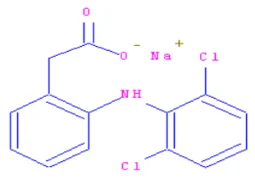
Physicochemical properties: White to off-white powder with a salty, bitter taste. Diclofenac sodium is 2% soluble in water (pH 7.7, 25°C), practically insoluble in aqueous acidic solutions and sparingly soluble in water at pH 5.2.
14 CLINICAL TRIALS
14.1 Clinical Trials by Indication
Osteoarthritis of the knee
Table 4 – Summary of clinical trials in patients with osteoarthritis of the knee
| Study # | Study design | Duration |
|---|---|---|
| Study 1 | Double-blind, vehicle-controlled clinical trial in patients with osteoarthritis of the knee | 84 days (12 weeks) |
| Study 2 | Double-blind, vehicle-controlled clinical trial in patients with osteoarthritis of the knee | 42 days (6 weeks) |
| Study 3 | Double-blind, vehicle- and placebo-controlled clinical trial in patients with osteoarthritis of the knee | 28 days (4 weeks) |
| Study 4 | 84 days (12 weeks) |
Study 1: Efficacy Data for 84-day Vehicle-Controlled Study
In an 84-day (12-week), double-blind, vehicle-controlled clinical trial in patients with osteoarthritis of the knee, the efficacy of PENNSAID® was demonstrated by three primary variables-pain and physical function, as measured with the WOMAC LK3.1 Osteoarthritis Index-plus Patient Global Assessment. Efficacy was confirmed by the secondary variable, stiffness, as measured by WOMAC LK3.1 Osteoarthritis Index.
For all treated patients (ALL), descriptive statistical analysis revealed that the PENNSAID group showed greater improvement in scores than the vehicle-control group for all variables. Based on ANCOVA, using baseline score as a covariate, PENNSAID was found to be statistically significantly (p<0.05) more effective than vehicle-control for all variables (see Table 5).
Study 2: Efficacy Data for 42-day Vehicle-Controlled Study
In a 42-day (6-week), double-blind, vehicle-controlled clinical trial in patients with osteoarthritis of the knee, the efficacy of PENNSAID was demonstrated by three primary variables-pain and physical function, as measured with the WOMAC LK3.1 Osteoarthritis Index-plus Patient Global Assessment. Efficacy was confirmed by the secondary variable, stiffness, as measured by WOMAC LK3.1 Osteoarthritis Index.
For all treated patients (ALL), descriptive statistical analysis revealed that the PENNSAID group showed greater improvement in scores than the vehicle-control group for all variables. Based on ANCOVA, using baseline score as a covariate, PENNSAID was found to be statistically significantly (p<0.05) more effective than the vehicle-control for all variables (see Table 6).
Study 3: Efficacy Data for 28-day Vehicle- and Placebo-Controlled Study
In a 28-day (4-week), double-blind, vehicle- and placebo-controlled clinical trial in patients with osteoarthritis of the knee, the efficacy of PENNSAID was demonstrated by the primary variable-pain, as measured with the WOMAC LK3.0 Osteoarthritis Index. Efficacy was confirmed by three secondary variables-physical function and stiffness, as measured by the WOMAC LK3.0 Osteoarthritis Index-plus Patient Global Assessment.
For all treated patients (ALL) descriptive statistical analysis revealed that the PENNSAID group showed greater improvement in scores than the vehicle-control and placebo groups for all WOMAC variables and for the Patient Global Assessment. Based on ANOVA (contrast analysis between least squares means) PENNSAID was found to be statistically significantly (p < 0.05) more effective than vehicle-control and placebo for all variables (see Table 7).
Vehicle-control (C) and Placebo (P) were not statistically significantly different for any of the efficacy variables-pain (p = 0.557); physical function (p = 0.412); Patient Global Assessment (p = 0.882); stiffness (p = 0.873).
Study 4: Efficacy data for 84-day study comparing PENNSAID (50 drops tid) and oral diclofenac (50 mg tid) (data normalized to 100 mm) VAS
The efficacy of PENNSAID (50 drops, 3 times a day) versus oral diclofenac (50 mg, 3 times a day) in relieving symptoms of primary osteoarthritis (OA) of the knee was assessed in an 84-day, randomized, double blind, double-dummy clinical study. The three primary efficacy variables were change from baseline to final assessment in (1) WOMAC Index VA3.1 pain subscale score, (2) WOMAC Index VA3.1 physical function subscale score and (3) Patient Global Assessment score. Efficacy was also supported by secondary efficacy variable, stiffness, as measured by WOMAC Index VA3.1.
The primary efficacy results on the Per Protocol (PP) dataset are summarized in Table 8.
Table 5 – Results of Study 1 in osteoarthritis of the knee
| Improvement in Score of: | ALL | |||||||||
| N | Mean Baseline score (S.D.) | Mean Change in score 1 (S.D.) | p value2 PENNSAID >C | |||||||
Pain PENNSAID Vehicle-control (C) | 164 162 | 13.0 (3.3) 13.0 (3.4) | -5.9 (4.7) -4.4 (4.4) | p = 0.0017 | ||||||
Physical Function PENNSAID Vehicle-control (C) | 164 162 | 42.0 (11.7) 41.3 (11.6) | -15.3 (15.2) -10.3 (13.9) | p = 0.0024 | ||||||
Patient Global Assessment PENNSAID Vehicle-control (C) | 164 162 | 3.1 (0.7) 3.1 (0.7) | -1.3 (1.2) -1.0 (1.1) | p = 0.0052 | ||||||
Stiffness PENNSAID Vehicle-control (C) | 164 162 | 5.2 (1.5) 5.2 (1.5) | -1.8 (2.1) -1.3 (2.0) | p = 0.0086 | ||||||
1Final - Baseline; WOMAC LK3.1
2ANCOVA (baseline score as a covariate)
Table 6 – Results of Study 2 in osteoarthritis of the knee
| Improvement in Score of: | ALL | |||||||||
| N | Mean Baseline score (S.D.) | Mean Change in score 1 (S.D.) | p value2 PENNSAID> C | |||||||
Pain PENNSAID Vehicle-control (C) | 107 109 | 13.0 (3.2) 12.8 (3.1) | -5.3 (5.0) -3.4 (4.3) | p = 0.0040 | ||||||
Physical Function PENNSAID Vehicle-control (C) | 107 109 | 40.7 (12.0) 40.4 (11.2) | -13.0 (16.2) -7.3 (13.4) | p = 0.0041 | ||||||
Patient Global Assessment PENNSAID Vehicle-control (C) | 107 109 | 3.1 (0.8) 3.2 (0.8) | -1.2 (1.3) -0.7 (1.2) | p = 0.0004 | ||||||
Stiffness PENNSAID Vehicle-control (C) | 107 109 | 5.2 (1.5) 5.2 (1.5) | -1.7 (2.1) -1.0 (1.9) | p = 0.0023 | ||||||
1Final - Baseline; WOMAC LK3.1
2ANCOVA (baseline score as a covariate)
Table 7 – Results of Study 3 in osteoarthritis of the knee
| Improvement in Score of: | ALL | |||||||||
| N | Mean Baseline score (S.D.) | Mean Change in score 2 (S.D.) | p value1 | |||||||
Pain PENNSAID Vehicle-control (C) Placebo (P) | 84 80 84 | 9.2 (0.4) 9.2 (0.4) 9.6 (0.4) | -3.9 (4.4) -2.3 (3.4) -2.7 (4.0) | PENNSAID > C; p = 0.008 PENNSAID > P; p = 0.034 | ||||||
Physical Function PENNSAID Vehicle-control (C) Placebo (P) | 84 80 84 | 29.5 (13.7) 30.5 (11.8) 30.9 (13.1) | -11.5 (14.5) -5.6 (11.1) -7.2 (12.3) | PENNSAID > C; p = 0.002 PENNSAID > P; p = 0.017 | ||||||
Patient Global Assessment3 PENNSAID Vehicle-control (C) Placebo (P) | 82 76 83 | NA 4 NA 4 NA 4 | 6.6 (3.1) 7.7 (3.5) 7.8 (3.0) | PENNSAID > C; p = 0.040 PENNSAID > P; p = 0.024 | ||||||
Stiffness PENNSAID Vehicle-control (C) Placebo (P) | 84 80 84 | 3.7 (1.7) 3.5 (1.7) 3.7 (1.8) | -1.5 (1.8) -0.7 (2.0) -0.7 (1.9) | PENNSAID > C; p = 0.011 PENNSAID > P; p = 0.006 | ||||||
1ANOVA (contrast analysis between least squares means)
2Final - Baseline; WOMAC LK3.0
3Sum of weekly scores; some patients had no Patient Global Assessment data
4NA = Not applicable
Table 8 – Results of Study 4 in osteoarthritis of the knee
| WOMAC Pain | WOMAC Physical Function | Patient Global Assessment | Stiffness | |
|---|---|---|---|---|
PENNSAID: N Mean Change (SD) | 237 -25.4 (24.0) | 237 -22.4 (23.3) | 234 -29.5 (30.9) | 237 -24.1 (29.5) |
Oral Diclofenac: N Mean Change (SD) | 255 -28.0 (25.3) | 255 -26.6 (25.3) | 251 -33.8 (30.7) | 255 (-27.3 (30.5) |
| Absolute Differences of Means (95% CI) | 2.7 (-1.7 to 7.0) | 4.2 (-0.1 to 8.5) | 4.3 (-1.2 to 9.8) | 3.2 (-2.2 to 8.5) |
Randomized clinical trials with PENNSAID have NOT been designed to detect differences in cardiovascular adverse events in a chronic setting. However, large population-based observational studies, meta-analyses and systematic reviews suggest that diclofenac use is associated with an increased risk of cardiovascular thrombotic events, including myocardial infarction and ischemic stroke. Results of some studies suggest that the cardiovascular risk is related to the dose and duration of diclofenac exposure and is greater in patients with risk factors for cardiovascular disease.
15 MICROBIOLOGY
No microbiological information is required for this drug product.
16 NON-CLINICAL TOXICOLOGY
General Toxicology
Acute Toxicity
Diclofenac sodium:
| Species | Route of Administration | LD50 mg/kg |
| Mouse | p.o. i.v. | 389 133 |
| Rat | p.o. i.v. | 173 106 |
Guinea- pig | p.o. i.v. | 1110 127 |
| Rabbit | p.o. | 194 |
Symptoms included bradycardia and convulsions. The most frequent autopsy findings in animals that died were gastric irritation, perforation and their sequelae.
Dimethyl sulfoxide (DMSO):
The dermal LD50 of DMSO is approximately 40,000 mg/kg in mice and rats. The oral and intravenous LD50 values are >2,500 mg/kg in laboratory animals (mouse, rat, cat, dog and monkey).
There was no evidence of significant change in serum creatinine levels, and no histological changes, with DMSO treatment. There was no additional nephrotoxicity in rats with dichromate-induced renal failure that were given DMSO compared to those that were given only the dichromate.
Long-Term Toxicity Studies
Diclofenac sodium:
Diclofenac sodium given orally to male and female rats, in doses of 0.25, 1.0 and 2.0 mg/kg/day, from 59 weeks (high-dose groups) to 98 weeks (low- and intermediate-dose groups) resulted in high, dose-related mortality caused by severe ulceration of the gastrointestinal tract, with perforated ulcers leading to peritonitis and its sequelae. Hematological patterns showing neutrophilic leucocytosis and anemia were seen in the high- and intermediate-dose groups, particularly females at weeks 52 and 98. Females tended to develop enlarged adrenals and eventually experienced depressed glucose and elevated alkaline phosphatase levels. No increase in tumour incidence was observed in the drug-treated groups as compared to the control group.
Diclofenac sodium, given orally once daily to baboons (Papio spp.), at dose levels of 0, 5, 15 (reduced to 10 on day 254) and 50 (reduced to 30 on day 38) mg/kg/day, for up to 52 weeks, caused ulceration of the gastrointestinal tract, constipation and occasional diarrhea. In all groups receiving diclofenac, there was a dose-related fall in serum albumin level. In the recovery groups (controlled, low and intermediate), no intestinal lesions were present.
Dimethyl sulfoxide (DMSO):
Sixty percent (60 %) or 100% DMSO was applied dermally to the shaved back of dogs and monkeys at doses of 3,300 to 33,000 mg/kg/week for 6 months. Initially, the skin became transiently reddened and warm, particularly with 100% DMSO. With continued application, erythema, desquamation and focal skin lesions occurred at three weeks and lasted for the duration of treatment. No other changes were observed.
DMSO administered in large doses to dogs, rabbits and pigs (particularly by the oral route) caused changes in the refractive index of the lens, with progressive myopia in the nucleus and an increase in hyperopia in the lens cortex. Chemical analysis indicated a reduction of the usual concentrations of soluble protein, urea, glutathione, uric and amino acid in the lens of affected eyes. The most sensitive animal was the rabbit, where the no observed effect level (NOEL) was 500 mg/kg/day. The lenticular changes seen in pigs after 27 weeks of topical DMSO at 2.7-4.5 g/kg doses were reversible. Two months after cessation of treatment, lens alterations regressed. However, following 5 g/day oral DMSO to dogs, lesions persisted after 8 months. No change to the lens of monkeys was detected at oral doses up to 5 g/kg/day for 100 days. The doses required to produce ocular changes in animals are far in excess of those that have been used clinically in humans.
Careful examination of patients who had received treatment with DMSO, 30 gm/day for 3-19 months revealed no adverse effects on the eye. In another study, 84 patients treated with DMSO, (average dose of`18.5 mL of 90% DMSO; average duration of 2.5 months) were examined ophthalmoscopically; no toxicity to the eye was observed. These exposures are orders of magnitude higher than the recommended dosage of PENNSAID®.
Daily oral administration to rats of 50% DMSO, 5.0 g/kg for 45 days, caused slight weight loss. Microscopic examination of the liver showed necrosis of the liver cells (degenerative modifications of the hepatocytes) with inflammation and irritation of the portal spaces. However, orally administered doses of 2.0 g/kg affected neither weight gain nor growth of the 5 weeks old young animal. Histopathological examination showed no abnormality. In a study by Smith et al. (1967) of rats receiving daily oral DMSO doses of 1.0, 3.0 and 10 g/kg for 59 consecutive days, no grossly adverse effects were observed.
Smith et al. (1967) observed the response of three dogs to repeated oral doses of 2.5-10 g/kg DMSO, for 14 to 35 days. Halitosis, vomiting and ocular changes were observed. One dog that died had liver degeneration and hemorrhagic gastroenteropathy.
Rhesus monkeys, receiving 2-3 g/kg of DMSO intravenously, once daily for nine days, showed no evidence of damage to the liver, kidneys or eyes. Feinman and co-workers administered DMSO orally to monkeys for five consecutive days, at doses up to 4.0 g/kg, and reported no markedly adverse effects.
Carcinogenicity
Carcinogenicity of DMSO in animals has not been determined.
Genotoxicity
PENNSAID
PENNSAID was examined in three mutagenicity studies.
In the Salmonella typhimurim reverse mutation assay (Ames test), no mutagenic effect was observed for PENNSAID tested up to 5000 μg/plate in any of the test strains in the two experiments with or without metabolic activation.
PENNSAID showed no clastogenic activity in human peripheral lymphocyte cultures at concentrations up to 5000 µg/mL, under either metabolic activation or non-activation conditions.
In the in vivo mouse micronucleus assay, PENNSAID-treated animals at the maximum tolerated dose of 12 mL/kg showed no significant increase in micronucleus frequency compared to negative control, whereas the known clastogenic agent cyclophosphamide induced large and statistically significant increases in micronucleus frequency.
Diclofenac sodium
Mutagenicity studies were carried out in vitro in bacteria and in mammalian cells, with and without microsomal activation. In vivo studies were also performed. Diclofenac sodium was not mutagenic in any of these test systems.
Dimethyl sulfoxide (DMSO)
DMSO was studied with the Ames test and was found to be non-mutagenic.
Reproductive and Developmental Toxicology
Diclofenac sodium
Doses of 2 or 4 mg/kg/day were given orally to male and female rats with no noticeable effect on fertility. Dosing was carried out during pre-mating, mating, gestation and lactation periods. At the higher dose, prolonged gestation and dystocia were observed. Embryo toxicity (low birth weight, failure to survive) was observed at both doses, but it was minimal at 2 mg/kg/day. Post-natal survival and growth of pups from drug-treated females were comparable to those of controls, except for slightly retarded growth at the higher dose.
Teratology studies in mice and rats, at oral doses of 2, 3, 10, and 20 mg/kg/day, showed no teratogenic effects on fetuses. At the higher doses, pronounced gastrointestinal effects were observed in the dams and a marked toxic effect noted in fetuses (reduced birth weights and increased fetal death).
Pregnant rabbits, treated with an oral dose of 5 or 10 mg/animal/day throughout the gestation period, showed a dose-dependent increase in resorption rate, diminished fetus weight, and abnormal skeletal findings. Definite embryo toxicity was observed at the highest dose although there was no evidence to suggest teratogenicity.
Dimethyl sulfoxide (DMSO)
Studies show that for induction of a teratogenic effect in mammals, very high doses (2,500 -10,000 mg/kg) of DMSO must be administered systemically, not topically.