


Patient Medication Information: uses, side effects, how to take - Penthrox
What is PENTHROX used for?
PENTHROX is used for short-term relief of moderate to severe pain following trauma or during medical procedures.
PENTHROX is NOT for use:
- in chronic pain conditions or for relief of repetitive pain.
during pregnancy or labour.
in children less than 18 years old.
How does PENTHROX work?
PENTHROX contains methoxyflurane. It is used to reduce pain. The way methoxyflurane reduces pain is not exactly known.
What are the ingredients in PENTHROX?
Medicinal ingredients: methoxyflurane
Non-medicinal ingredient: butylated hydroxytoluene (BHT)
PENTHROX comes in the following dosage forms:
Volatile liquid, 3 mL of 99.9% methoxyflurane
Serious Warnings and Precautions
- Excessive doses of inhaled methoxyflurane can lead to serious damage to the kidneys. Always follow your healthcare professional’s dosing instructions when using PENTHROX. This can help to prevent or limit any kidney problems.
- Very rare cases of liver damage have been reported when methoxyflurane was used to treat pain using an inhaler.
Do not use PENTHROX if you:
- are allergic (hypersensitive) to methoxyflurane, BHT or any other inhalational anesthetic.
- require an anesthetic agent.
have a history or family history of malignant hyperthermia:
- symptoms include a very high fever, fast, irregular heartbeat, muscle spasms and breathing problems after you have been given an anesthetic.
- have had liver damage after previous use of methoxyflurane or any inhalational anesthetics.
- have kidney disease.
- have abnormal or unstable blood pressure.
- have difficulty breathing.
have a change in the level of consciousness due to any cause including head injury, drugs or alcohol.
- are under 18 years of age.
- are pregnant, intending to become pregnant or if you are breast-feeding.
To help avoid side effects and ensure proper use, talk to your healthcare professional before you take PENTHROX. Talk about any health conditions or problems you may have, including if you:
- have kidney or liver problems or are at risk for liver problems.
- are over 65 years old and have problems with your blood pressure or heart rate.
- have a medical condition which may cause kidney problems, such as diabetes.
- have taken PENTHROX before.
Other warnings you should know about:
This medicine may affect your ability to drive or use machines safely. You may feel dizzy or drowsy after taking PENTHROX. Do not drive or use machines while taking PENTHROX or if you feel dizzy or drowsy after taking PENTHROX.
Due to the way it works in the body, PENTHROX may cause:
- euphoria (a state of intense happiness and self-confidence)
- sedation (a state of calm or sleep)
- mood changes
- a change in your ability to concentrate and to be coordinated
- temporary memory problems
You will not be given PENTHROX if you have been or are drinking alcohol or under the influence of drugs as it could make the symptoms above much worse.
- Respiratory depression, with symptoms such as slow and shallow breathing or other difficulties in breathing, has been reported in association with treatment with PENTHROX. Tell your healthcare professional immediately if you experience any breathing problems.
- This medicine contains a stabiliser ingredient called butylated hydroxytoluene (BHT). BHT may cause skin reactions such as a red, itchy rash. It may also irritate the eyes and mucous membranes (inside the ears, nose, mouth, etc.).
Tell your healthcare professional about all the medicines you take, including any drugs, vitamins, minerals, natural supplements or alternative medicines.
The following may interact with PENTHROX:
- Phenobarbital or carbamazepine to treat epilepsy.
- Rifampicin, isoniazid or other antibiotics to treat infection.
- Nevirapine or efavirenz to treat Human Immunodeficiency Virus (HIV).
Medicines, or illegal drugs, that have a dampening effect on the nervous system such as:
- alcohol
- narcotics, pain killers, opioids
- sedatives, sleeping pills, tranquilizers
- general anesthetics
- phenothiazines (to treat psychotic disorders)
- muscle relaxants
- sedating antihistamines (allergy pills that can make you sleepy)
Taking PENTHROX with certain other drugs may harm your kidneys. These include:
- antibiotics such as tetracycline, gentamicin, colistin, polymyxin B and amphotericin B.
- contrast agents, used to help healthcare professionals visualize the different body parts using an x-ray or a type of scan.
- non-steroidal anti-inflammatory drugs (NSAIDs), such as ibuprofen, naproxen
If you need hospital treatment requiring general anesthesia, tell the healthcare professional treating you that you have used this medicine.
How to take PENTHROX:
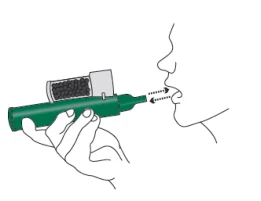
- You will take PENTHROX from an inhaler. The inhaler is for single patient use only.
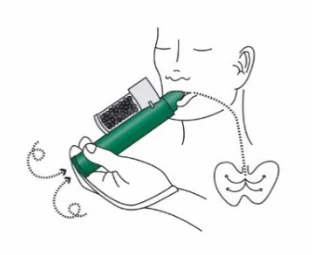
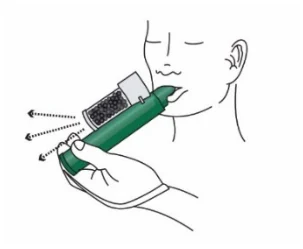
- PENTHROX is a liquid that easily evaporates. It is important that you also exhale into the inhaler to help prevent PENTHROX from going into the air.
- You will take PENTHROX while being supervised by a healthcare professional who will help you with how to use PENTHROX.
- Always take this medicine exactly as your healthcare professional has told you.
Usual dose:
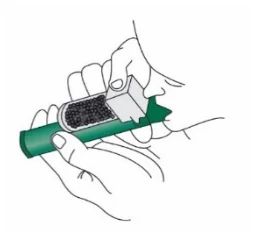
- Your healthcare professional will prepare the PENTHROX inhaler for you. They will load one bottle of 3 mL of PENTHROX into the inhaler. They may add one additional bottle if you need it for pain relief.
- The maximum recommended dosage is 6 mL of PENTHROX (2 bottles) at one time or over 48 hours of treatment, and 15 mL (5 bottles) over a period of 3 months.
- You should not be given the maximum recommended dosage (2 bottles) two days in a row. You should also not be given PENTHROX on a regular basis.
- You should not inhale more than the maximum dose.
Steps for using PENTHROX:
| |
|---|---|
| |
| |
|  |
|
Overdose:
The healthcare professional giving you PENTHROX will be experienced in its use, so it is unlikely that you will be given too much. If the maximum dose is exceeded, PENTHROX may cause irreversible damage to your kidneys. Tell your healthcare professional immediately if you think you may have taken too much PENTHROX. The symptoms could include feeling drowsy (including loss of consciousness), having pale skin, having less control over your muscles (they feel very relaxed) or having difficulties breathing.
| If you think you, or a person you are caring for, have taken too much PENTHROX, contact a healthcare professional, hospital emergency department, or regional poison control centre or Health Canada’s toll-free number, 1-844 POISON-X (1-844-764-7669) immediately, even if there are no signs or symptoms. |
|---|
What are possible side effects from using PENTHROX?
These are not all the possible side effects you may have when taking PENTHROX. If you experience any side effects not listed here, tell your healthcare professional.
Side effects with PENTHROX may include:
- Dizziness
- Drowsiness
- Euphoria
- Headache
- Nausea
- Feeling abnormal
- Changes in taste
Serious side effects and what to do about them
| Symptom / effect | Talk to your healthcare professional | Stop taking drug and get immediate medical help | |
|---|---|---|---|
| Only if severe | In all cases | ||
| VERY RARE | |||
| Kidney problems: reduced or excessive urination or swelling of feet or lower legs. | ✓ | ||
| Liver problems: loss of appetite, nausea, vomiting, jaundice (yellowing of the skin and/or eyes), dark coloured urine, pale coloured stools, pain/ache or sensitivity to touch in your right stomach area (below your ribs). | ✓ | ||
| Serious allergic reaction: difficulty breathing and/or swelling of the face. | ✓ | ||
| UNKNOWN FREQUENCY | |||
| Respiratory problems: slow, shallow breathing rate or other difficulties breathing. | ✓ | ||
If you have a troublesome symptom or side effect that is not listed here or becomes bad enough to interfere with your daily activities, tell your healthcare professional.
Reporting Side Effects
You can report any suspected side effects associated with the use of health products to Health Canada by:
NOTE: Contact your health professional if you need information about how to manage your side effects. The Canada Vigilance Program does not provide medical advice. |
Storage:
- Store between 5 - 30°C.
- After use, a healthcare professional will place the used PENTHROX Inhaler in a plastic bag and dispose of it through normal waste.
- Keep out of reach and sight of children.
If you want more information about PENTHROX:
- Talk to your healthcare professional
- Find the full product monograph that is prepared for healthcare professionals and includes this Patient Medication Information by visiting the Health Canada website: (https://www.canada.ca/en/health-canada/services/drugs-health-products/drug-products/drug-product-database.html); the manufacturer’s website (https://knighttx.com), by emailing medinfo@knighttx.com or by calling 1-844-483-5636.