


Product Monograph - Penthrox
RECENT MAJOR LABEL CHANGES
| 7 Warnings and Precautions, Respiratory | 03/2024 |
|---|---|
| 7 Warnings and Precautions, General; Hepatic/Biliary/Pancreatic; Renal | 01/2025 |
TABLE OF CONTENTS
Sections or subsections that are not applicable at the time of authorization are not listed.
RECENT MAJOR LABEL CHANGES .......................................................................................... 2
TABLE OF CONTENTS ............................................................................................................ 2
PART I: HEALTH PROFESSIONAL INFORMATION .................................................................... 4
1 INDICATIONS ............................................................................................................. 4
1.1 Pediatrics .................................................................................................................. 4
1.2 Geriatrics .................................................................................................................. 4
2 CONTRAINDICATIONS ................................................................................................ 4
3 SERIOUS WARNINGS AND PRECAUTIONS BOX ........................................................... 5
4 DOSAGE AND ADMINISTRATION ................................................................................ 5
4.1 Dosing Considerations ............................................................................................. 5
4.2 Recommended Dose and Dosage Adjustment ........................................................ 5
4.4 Administration ......................................................................................................... 6
5 OVERDOSAGE ............................................................................................................ 7
6 DOSAGE FORMS, STRENGTHS, COMPOSITION AND PACKAGING ................................ 8
7 WARNINGS AND PRECAUTIONS ................................................................................. 8
7.1 Special Populations ................................................................................................ 10
7.1.1 Pregnant Women ............................................................................................. 10
7.1.2 Breast-feeding .................................................................................................. 10
7.1.3 Pediatrics .......................................................................................................... 10
7.1.4 Geriatrics .......................................................................................................... 10
8 ADVERSE REACTIONS............................................................................................... 11
8.1 Adverse Reaction Overview ................................................................................... 11
8.2 Clinical Trial Adverse Reactions ............................................................................. 11
8.3 Less Common Clinical Trial Adverse Reactions ...................................................... 14
8.5 Post-Market Adverse Reactions ............................................................................. 15
9 DRUG INTERACTIONS .............................................................................................. 15
9.2 Drug Interactions Overview ................................................................................... 15
9.3 Drug-Behavioural Interactions ............................................................................... 15
9.4 Drug-Drug Interactions .......................................................................................... 15
9.5 Drug-Food Interactions .......................................................................................... 16
9.6 Drug-Herb Interactions .......................................................................................... 16
9.7 Drug-Laboratory Test Interactions......................................................................... 16
10 CLINICAL PHARMACOLOGY ...................................................................................... 16
10.1 Mechanism of Action ....................................................................................... 16
10.2 Pharmacodynamics .......................................................................................... 16
10.3 Pharmacokinetics ............................................................................................. 16
11 STORAGE, STABILITY AND DISPOSAL ........................................................................ 18
12 SPECIAL HANDLING INSTRUCTIONS .......................................................................... 18
PART II: SCIENTIFIC INFORMATION ..................................................................................... 19
13 PHARMACEUTICAL INFORMATION .......................................................................... 19
14 CLINICAL TRIALS ...................................................................................................... 20
14.1 Clinical Trials by Indication .............................................................................. 20
15 MICROBIOLOGY ...................................................................................................... 24
16 NON-CLINICAL TOXICOLOGY .................................................................................... 24
PATIENT MEDICATION INFORMATION ................................................................................ 27
PART I: HEALTH PROFESSIONAL INFORMATION
1 INDICATIONS
PENTHROX (methoxyflurane) is indicated for:
- short-term relief of moderate to severe acute pain, associated with trauma or interventional medical procedures, in conscious adult patients.
Due to dose limitations of a treatment course of PENTHROX and the duration of associated pain relief, PENTHROX is not appropriate for providing relief of break-through pain in chronic pain conditions. PENTHROX is also not appropriate for relief of repetitive pain (see 4 DOSAGE AND ADMINISTRATION).
PENTHROX is not indicated for use during pregnancy or the peripartum period, including labour (see 7.1.1 Pregnant Women).
1.1 Pediatrics
Pediatrics (< 18 years of age): No data are available to Health Canada; therefore, Health Canada has not authorized an indication for pediatric use.
1.2 Geriatrics
Geriatrics (≥ 65 years of age): Evidence from clinical studies and experience suggest that use in the geriatric population is associated with differences in safety or effectiveness (7.1.4 Geriatrics).
2 CONTRAINDICATIONS
PENTHROX (methoxyflurane) is contraindicated in patients, with:
- an altered level of consciousness, due to any cause, including head injury, drugs, or alcohol
- clinically significant renal impairment
- a history of liver dysfunction after previous methoxyflurane use or other halogenated anesthetics
- hypersensitivity to methoxyflurane or other halogenated anesthetics or to any ingredient in the formulation, including any non-medicinal ingredient, or component of the container. For a complete listing see 6 DOSAGE FORMS, STRENGTHS, COMPOSITION AND PACKAGING.
- known or genetically susceptible to malignant hyperthermia or a history of severe adverse reactions in either patient or relatives
- clinically evident hemodynamic instability
- clinically evident respiratory impairment
Use of PENTHROX as an anesthetic agent is contraindicated.
3 SERIOUS WARNINGS AND PRECAUTIONS BOX
Serious Warnings and Precautions
|
|---|
4 DOSAGE AND ADMINISTRATION
4.1 Dosing Considerations
- PENTHROX (methoxyflurane) use should be self-administered under supervision of a healthcare practitioner, trained in its administration, using the hand-held PENTHROX Inhaler.
- Avoid use of PENTHROX in patients taking CNS depressants, such as opioids, sedatives or hypnotics, general anesthetics, phenothiazines, tranquilizers, skeletal muscle relaxants, sedating antihistamines or alcohol (see 9 DRUG INTERACTIONS).
- Also, avoid PENTHROX with potentially nephrotoxic drugs, such as, contrast agents, NSAIDs, some antibiotics (see 9 DRUG INTERACTIONS).
- PENTHROX should not be used for the treatment of chronic or repetitive pain (see 1 INDICATIONS).
- Additional PENTHROX treatments should not be repeated at an interval of less than 3 months
4.2 Recommended Dose and Dosage Adjustment
The lowest effective dosage of PENTHROX to provide analgesia should be used. The recommended dose is a single administration of a 3 mL bottle. On finishing the 3 mL dose, another 3 mL may be used, if necessary.
The maximum recommended dose is:
- 6 mL (2 bottles) in a single administration or over a 48-hour period;
- 15 mL (5 bottles) over a 3-month period
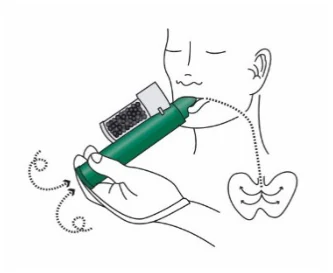
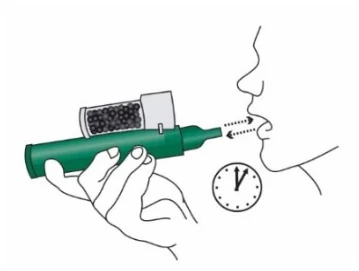
Expected onset of pain relief is rapid with a median onset of 5 minutes. Patients should be instructed to inhale intermittently to achieve adequate analgesia. Patients are able to assess their own level of pain and titrate the amount of PENTHROX inhaled for adequate pain control. Continuous inhalation provides analgesic relief for up to 25-30 minutes, or approximately 1 hour when administered intermittently. Patients should be advised to take the lowest possible dose to achieve pain relief.
4.4 Administration
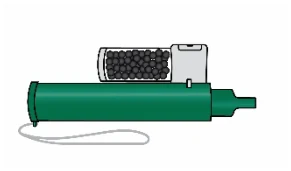
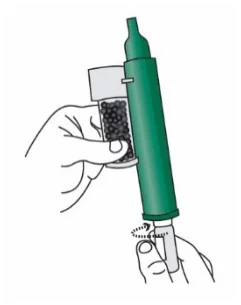
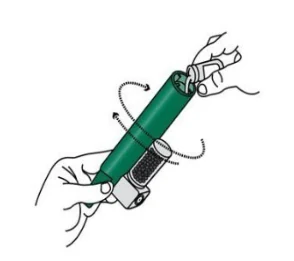
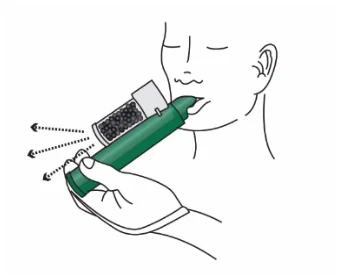
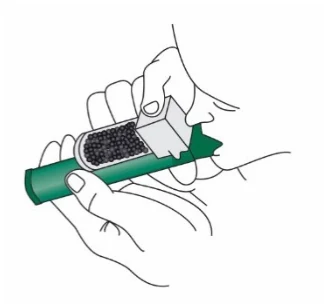
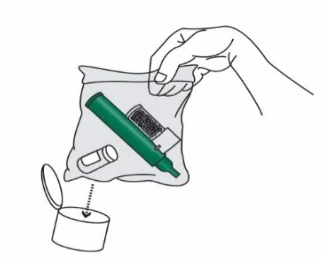
PENTHROX is a portable, lightweight, non-invasive inhaler for self-administration (single patient use). Instructions on the preparation of the PENTHROX Inhaler and correct administration are provided below:
| |
|---|---|
| |
| |
| |
|
| |
|---|---|
| |
|
5 OVERDOSAGE
At high doses, methoxyflurane is an anesthetic agent, but with analgesic doses, anesthetic effects should not occur. Patients should be observed for signs of excessive drowsiness (including loss of consciousness), lowering of blood pressure, respiratory depression, pallor and muscle relaxation following methoxyflurane administration. After PENTHROX discontinuation, such overdose effects usually resolve quickly often with no other intervention required but cardiorespiratory supportive measures should be implemented if necessary.
High doses of methoxyflurane cause dose-related nephrotoxicity. High output renal failure has occurred several hours or days after the administration of repeated high analgesic or anesthetic doses of methoxyflurane.
| For management of a suspected drug overdose, contact your regional poison control centre or Health Canada’s toll-free number, 1-844 POISON-X (1-844-764-7669). |
|---|
6 DOSAGE FORMS, STRENGTHS, COMPOSITION AND PACKAGING
Table 1 – Dosage Forms, Strengths, Composition and Packaging
PENTHROX is packaged into an amber glass screw neck bottle, closed with a white copolymer screw cap.
PENTHROX is authorized in the following presentations:
- Combination pack with a single (3 mL) dose, one PENTHROX Inhaler and one AC Chamber.
- Single dose (3 mL) pack of 10.
7 WARNINGS AND PRECAUTIONS
Please see 3 SERIOUS WARNINGS AND PRECAUTIONS BOX.
General
Occupational Exposure: Healthcare professionals who are regularly exposed to patients using PENTHROX inhalers should be aware of relevant occupational health and safety guidelines for the use of inhalational agents. To reduce occupational exposure to methoxyflurane, the PENTHROX Inhaler should always be used with the Activated Carbon (AC) Chamber. Patients should be instructed to exhale into the PENTHROX inhaler so the exhaled vapour passes through the AC Chamber which adsorbs exhaled methoxyflurane. Multiple use of the PENTHROX Inhaler without the AC Chamber creates additional risk. Elevation of liver enzymes, blood urea nitrogen, and serum uric acid, have been reported in healthcare professionals regularly exposed to methoxyflurane inhalational products. There have been reports of dizziness, headache, nausea or malaise, and reports of hypersensitivity reactions to methoxyflurane or other ingredients in healthcare professionals exposed to PENTHROX.
Cardiovascular
Potential effects on blood pressure and heart rate are known class effects of high dose methoxyflurane when used in anesthesia, as well as other anesthetics. When used at analgesic doses, these effects do not appear to be significant. However, as the risk may be potentially increased for older individuals with hypotension or bradycardia, caution should be exercised in the elderly due to possible reduction in blood pressure.
Dependence/Tolerance
The CNS effects of methoxyflurane can be a risk factor for potential abuse. There have been very rare post-marketing reports of misuse.
| Route of Administration | Dosage Form / Strength / Composition | Non-medicinal Ingredients |
| Inhalation | Volatile liquid / 3 mL of 99.9% methoxyflurane | Butylated hydroxytoluene (BHT) |
Driving and Operating Machinery
PENTHROX may have an adverse influence on the ability to drive and use machines. Dizziness, somnolence and drowsiness may occur following the administration of PENTHROX. Patients should be advised not to drive or operate machinery during PENTHROX administration, or if they are feeling drowsy or dizzy following PENTHROX use.
Hepatic/Biliary/Pancreatic
Methoxyflurane is metabolised in the liver, therefore increased exposures in patients with hepatic impairment can cause toxicity. There have been reports of increased hepatic enzymes and very rare reports of hepatoxicity, including hepatic injury and failure, with inhalation of methoxyflurane at analgesic doses. PENTHROX should be used with care in patients with underlying hepatic conditions or having risk factors for hepatic dysfunction (see 3 SERIOUS WARNINGS AND PRECAUTIONS BOX and 16 NON-CLINICAL TOXICOLOGY).
PENTHROX must not be used in patients who have a history of showing signs of liver damage after previous methoxyflurane use or halogenated hydrocarbon anesthesia (see 2 CONTRAINDICATIONS).
Monitoring and Laboratory Tests
Due to the pharmacologic properties of PENTHROX, standard opioid-associated observation and monitoring post-administration is not required.
Neurologic
Secondary pharmacodynamic effects, including potential CNS effects such as sedation, euphoria, amnesia, ability to concentrate, altered sensorimotor co-ordination and change in mood, are known class effects. Self-administration of PENTHROX in analgesic doses should be limited by occurrence of these CNS effects.
Do not administer PENTHROX to patients concomitantly with alcohol ingestion.
Renal
Consecutive day use of PENTHROX is not recommended because of nephrotoxic potential (see 4 DOSAGE AND ADMINISTRATION).
Methoxyflurane causes significant nephrotoxicity at high doses, e.g., extended anesthetic doses (see 2 CONTRAINDICATIONS). Serious nephrotoxicity has been reported when methoxyflurane inhalation has been used for analgesia at exposures substantially higher than currently recommended (see 3 SERIOUS WARNINGS AND PRECAUTIONS BOX). While the risk of methoxyflurane-induced nephrotoxicity is related to dose, duration of exposure and the rate of metabolism, there have been reports of renal failure and increased blood urea nitrogen/creatinine levels following PENTHROX use.
Factors that increase the rate of metabolism of methoxyflurane, such as drugs that induce CYP2E1, e.g., alcohol, isoniazid, and CYP2A6 isozymes, e.g., phenobarbital, rifampicin, can increase the risk of toxicity with methoxyflurane, since increased levels of fluorinated breakdown products of methoxyflurane are thought to lead to nephrotoxicity (see 9 DRUG INTERACTIONS). Patients with genetic variations of these isozymes may result in fast metabolizer status, leading to increased risk of toxicity.
Nephrotoxicity is thought to be associated with inorganic fluoride ions, a metabolic break-down product. Subclinical toxicity in the past when used as an anesthetic agent has been determined to be associated with peak serum levels of 50 – 80 μmol/L. Following a single dose of 3 mL, serum levels did not exceed 10 μmol/L.
Despite this safety margin, the lowest effective dose of PENTHROX should be administered, especially in the elderly or in patients with other known risk factors of renal disease. In addition, PENTHROX should be cautiously used in patients diagnosed with clinical conditions that would predispose to renal injury.
Respiratory
Methoxyflurane causes respiratory depression at anesthetic doses. Respiratory depression has also been reported with analgesic doses of methoxyflurane (8.5 Post-Market Adverse Reactions). Respiration should be monitored due to the risk of respiratory depression and hypoxia.
Skin
PENTHROX contains butylated hydroxytoluene, a stabilizer. Butylated hydroxytoluene may cause local skin reactions, e.g., contact dermatitis, or irritation to the eyes and mucous membranes.
7.1 Special Populations
7.1.1 Pregnant Women
Methoxyflurane inhalation has not been adequately studied during pregnancy or in labour. Neonates, whose mothers were exposed to methoxyflurane during labour, showed increased levels of serum fluoride after birth. Since safe exposure to methoxyflurane has not been established during pregnancy, its use is not indicated in pregnant women.
7.1.2 Breast-feeding
It is not known if methoxyflurane is distributed into breast milk. Caution should be exercised if methoxyflurane is administered to a nursing mother.
7.1.3 Pediatrics
Pediatrics (< 18 years of age): No data are available to Health Canada; therefore, Health Canada has not authorized an indication for pediatric use.
7.1.4 Geriatrics
Geriatrics (≥ 65 years of age): PENTHROX may be used in the elderly. However, as the risk potentially may be increased for older individuals with hypotension or bradycardia, caution should be exercised in these patients due to possible reduction in blood pressure (
WARNINGS AND PRECAUTIONS, Cardiovascular and Renal).
8 ADVERSE REACTIONS
8.1 Adverse Reaction Overview
The most common reactions are related to the CNS system, including dizziness, headache and somnolence.
Serious dose-related nephrotoxicity has been associated with methoxyflurane when used at high doses over prolonged periods. There have been reports of renal failure and increased blood urea nitrogen/creatinine levels following PENTHROX use. There have also been reports of increased hepatic enzymes and very rare reports of hepatoxicity, including hepatic injury and failure, with inhalation of methoxyflurane at analgesic doses. The recommended maximum dose for PENTHROX should not be exceeded (see 4 DOSAGE AND ADMINISTRATION and 7 WARNINGS AND PRECAUTIONS).
8.2 Clinical Trial Adverse Reactions
Clinical trials are conducted under very specific conditions. The adverse reaction rates observed in the clinical trials; therefore, may not reflect the rates observed in practice and should not be compared to the rates in the clinical trials of another drug. Adverse reaction information from clinical trials may be useful in identifying and approximating rates of adverse drug reactions in real-world use.
Table 2 shows treatment-emergent adverse events (TEAEs) experienced by ≥ 1% of patients with trauma and associated pain from a placebo-controlled trial, Study MEOF-001. The safety population in this study was defined as those patients who were randomized to treatment and received at least one dose of PENTHROX (149 patients) or placebo (149 patients). The age range of patients included in the study was 12-84, with 171 (57.4%) male and 127 (42.6%) female.
A total of 243 patients (81.5%) used only one inhaler, with a slightly higher number of patients in the placebo group (125 patients; 83.9%), compared with the PENTHROX group (118 patients; 79.2%).
At least one AE was experienced by 50% of the patients in the study. The proportion of patients reported to have experienced an AE during the study was higher in the PENTHROX group (88 patients; 59.1%), than in the placebo group (61 patients; 40.9%). In this study, PENTHROX had no clinically relevant effects on vital signs, such as blood pressure, heart rate and rhythm or respiratory rate.
Table 2 – Treatment-emergent Adverse Events ≥ 1% in Adult and Adolescent Patients in Study MEOF-001
Preferred term n (%) | PENTHROX n = 149 | Placebo n = 149 | |||||
| Reproductive System and Breast Disorders | |||||||
| Dysmenorrhoea | 2 (1.3) | 0 (0) | |||||
| Respiratory, Thoracic and Mediastinal Disorders | |||||||
| Cough | 2 (1.3) | 1 (0.7) | |||||
| Oropharyngeal pain | 3 (2.0) | 3 (2.0) | |||||
| Skin and Subcutaneous Tissue Disorders | |||||||
| Rash | 2 (1.3) | 1 (0.7) | |||||
| Vascular Disorders | |||||||
| Hypotension | 2 (1.3) | 4 (2.7) | |||||
Preferred term n (%) | PENTHROX n = 149 | Placebo n = 149 | |||||
| Any Adverse Event | 88 (59.1) | 61 (40.9) | |||||
| Gastrointestinal Disorders | |||||||
| Dry Mouth | 3 (2.0) | 0 (0) | |||||
| Nausea | 2 (1.3) | 5 (3.4) | |||||
| Toothache | 2 (1.3) | 2 (1.3) | |||||
| Vomiting | 2 (1.3) | 4 (2.7) | |||||
| General Disorders and Administration Site Conditions | |||||||
| Influenza Like Illness | 0 (0) | 3 (2.0) | |||||
| Feeling drunk | 2 (1.3) | 0 (0) | |||||
| Infections and Infestations | |||||||
| Influenza | 2 (1.3) | 1 (0.7) | |||||
| Nasopharyngitis | 2 (1.3) | 4 (2.7) | |||||
| Viral infection | 2 (1.3) | 0 (0) | |||||
| Injury, Poisoning and Procedural Complications | |||||||
| Fall | 2 (1.3) | 0 (0) | |||||
| Joint sprain | 2 (1.3) | 0 (0) | |||||
| Musculoskeletal and Connective Tissue Disorders | |||||||
| Back pain | 3 (2.0) | 2 (1.3) | |||||
| Nervous System Disorders | |||||||
| Amnesia | 2 (1.3) | 0 (0) | |||||
| Dizziness | 44 (29.5) | 12 (8.1) | |||||
| Dysarthria | 2 (1.3) | 0 (0) | |||||
| Headache | 32 (21.5) | 24 (16.1) | |||||
| Migraine | 2 (1.3) | 1 (0.7) | |||||
| Somnolence | 8 (5.4) | 1 (0.7) | |||||
Laboratory investigations in Study MEOF-001 revealed that serum AST and ALT were not elevated in patients treated with PENTHROX, compared to placebo. Serum LDH was elevated at 1.3% in PENTHROX-treated patients, compared to 0% of placebo-treated patients.
Table 3 shows all TEAEs experienced by patients who underwent a bone marrow biopsy (BMB) in a placebo-controlled trial, Study 06/61. The safety population in this study included 49 patients in the PENTHROX group and 48 patients in the placebo group. Safety was assessed by recording adverse events 30-45 minutes, 48 hours and up to 30 days following completion of the procedure. The age range of patients included in the study was 25-82, with 74 (76.3%) male and 23 (23.7%) female.
There were more patients who experienced AEs in the PENTHROX group, compared with the placebo group at 30-45 minutes after the BMB procedure.
The most frequent (>5%) AEs at 48 hours follow-up in the PENTHROX group were pain at BMB site, nausea and somnolence (depressed level of consciousness). The most frequent (>5%) AEs at 30 days follow-up for both arms were fatigue (asthenia, lethargy, malaise), pain, constipation and nausea.
Table 3 – Treatment-emergent Adverse Events ≥ 2% Experienced following BMB – 30-45 Minutes Post-Procedure in Study 06/61
Preferred term n (%) | PENTHROX n = 49 | Placebo n = 48 | |||
| Adverse Events 30-45 minutes after procedure | |||||
| Gastrointestinal Disorders | |||||
| Nausea | 1 (2%) | 1 (2.1%) | |||
| Vomiting | 0 (0%) | 1 (2.1%) | |||
| General Disorders and Administration Site Conditions | |||||
| Flushing | 1 (2%) | 0 (0%) | |||
| Hyperhidrosis | 1 (2%) | 1 (2.1%) | |||
| Nervous System Disorders | |||||
| Dizziness | 4 (8.2%) | 0 (0%) | |||
| Dysgeusia | 1 (2%) | 1 (2.1%) | |||
| Peripheral sensory neuropathy | 1 (2%) | 0 (0%) | |||
| Somnolence / Depressed level of consciousness | 1 (2%) | 0 (0%) | |||
| Psychiatric Disorders | |||||
| Anxiety | 1 (2%) | 0 (0%) | |||
| Depression | 1 (2%) | 0 (0%) | |||
| Euphoric mood | 2 (4.1%) | 0 (0%) | |||
| Vascular Disorders | |||||
| Hypertension | 1 (2%) | 0 (0%) | |||
8.3 Less Common Clinical Trial Adverse Reactions
The listing below presents AEs which occurred at a rate of < 1% in Studies MEOF-001 and MR-311-3502.
| Eye disorders: diplopia |
|---|
| Gastrointestinal disorders: oral discomfort, oral pruritus, salivary hypersecretion |
| General disorders and administration site conditions: fatigue, feeling abnormal, feeling of relaxation, hangover, hunger, shivering |
| Nervous system disorders: dysgeusia, paresthesia |
| Psychiatric disorders: inappropriate affect, disturbance in attention, verbigeration |
8.5 Post-Market Adverse Reactions
Very rare (≥1/10,000 to <1/1,000) reports of hepatic failure/hepatitis, liver injury and uncommon (≥1/1,000 to <1/100) reports of hepatic enzymes increased have been observed with analgesic use of methoxyflurane.
Other events linked to methoxyflurane use in analgesia (in addition to the reactions from clinical trials listed above), including reports from the literature include:
- Cardiovascular disorders: presyncope
- Eye disorders: blurred vision
- Hepatobiliary disorders: hepatitis, jaundice, liver injury, hepatic failure
- Immune system disorders: hypersensitivity
- Investigations: increased blood uric acid, increased blood urea nitrogen, increased blood creatinine, increased hepatic enzymes, oxygen saturation decreased
- Nervous system disorders: altered state of consciousness, drowsiness, disorientation, nystagmus
- Psychiatric disorders: affect liability, agitation, confusional state, dissociation, restlessness
- Renal and urinary disorders: renal failure
- Respiratory, thoracic and mediastinal disorders: choking, hypoxia, respiratory depression
9 DRUG INTERACTIONS
9.2 Drug Interactions Overview
The metabolism of methoxyflurane is mediated by the CYP 450 enzymes, particularly CYP2E1, CYP2B6 and to some extent CYP2A6. It is possible that enzyme inducers (such as alcohol or isoniazid for CYP2E1, and phenobarbital or rifampicin for CYP2A6 and carbamazepine, efavirenz, rifampicin or nevirapine for CYP2B6) which increase the rate of methoxyflurane metabolism may increase its potential toxicity (see 7 WARNINGS AND PRECAUTIONS, Renal). Therefore, concomitant use with methoxyflurane should be avoided.
9.3 Drug-Behavioural Interactions
Drug-behavioural interactions have not been established.
9.4 Drug-Drug Interactions
Concomitant use of PENTHROX with CNS depressants, such as opioids, sedatives or hypnotics, general anesthetics, phenothiazines, tranquilizers, skeletal muscle relaxants, sedating antihistamines and alcohol may produce additive depressant effects (see 4 DOSAGE AND ADMINISTRATION). If opioids must be given concomitantly with PENTHROX, the patient should be observed closely.
Concomitant use of PENTHROX with medicines which are known to have a nephrotoxic effect, e.g., contrast agents, NSAIDs, some antibiotics, should be avoided as there may be an additive effect on nephrotoxicity. Antibiotics with known nephrotoxic potential include tetracycline, gentamicin, colistin, polymyxin B and amphotericin B. It is advisable to avoid using sevoflurane anesthesia following PENTHROX analgesia, as sevoflurane increases serum fluoride levels, and nephrotoxicity of PENTHROX is associated with raised serum fluoride.
9.5 Drug-Food Interactions
Interactions with food have not been established.
9.6 Drug-Herb Interactions
Interactions with herbal products have not been established.
9.7 Drug-Laboratory Test Interactions
Interactions with laboratory tests have not been established.
10 CLINICAL PHARMACOLOGY
10.1 Mechanism of Action
Methoxyflurane (2,2-dichloro-1,1-difluoro-1-methoxyethane) belongs to the halogenated hydrocarbon group of volatile anesthetic agents. The mechanism of action of methoxyflurane in analgesia has not been elucidated. It is unclear why methoxyflurane is the only member of the halogenated inhalational anesthetic class of compounds to display analgesic properties at sub-anesthetic doses. Potential factors contributing to the analgesic activity of methoxyflurane include effects on substance P and beta-endorphin. Inhaled doses of methoxyflurane are rapidly absorbed into the bloodstream to provide analgesia.
10.2 Pharmacodynamics
Methoxyflurane vapour provides analgesia when inhaled at low concentrations. After methoxyflurane administration, drowsiness may occur. During methoxyflurane administration, the cardiac rhythm is usually regular. The myocardium is only minimally sensitised to adrenaline by methoxyflurane. At analgesic therapeutic doses, pain relief may lead to some decrease in blood pressure, along with heart rate decrease.
10.3 Pharmacokinetics
Absorption
Methoxyflurane has the following partition coefficients (at 37°C):
- a water/gas coefficient of 4.5,
- a blood/gas coefficient of 10.2 - 14.1 and
- an oil/gas coefficient of 825
Methoxyflurane enters the lungs in the form of a vapour and is rapidly transported into the blood, leading to rapid onset of analgesic activity.
In a PK study in healthy male volunteers (N=8), the mean plasma concentration time curves showed a rapid rise in methoxyflurane plasma concentrations. Following a single dose of 3 mL methoxyflurane inhaled intermittently over an hour, the arterial profile is demonstrated by a tmax at 15 minutes (range 4.8 – 45 minutes, Cmax of 32.39 μg/mL (SD 13.546 μg/mL, CV 41.8%) and the AUC of 28.95 h•μg/mL (range 12.3 – 52.6 h•μg/mL).
Distribution
Methoxyflurane has a high oil/gas coefficient, hence methoxyflurane is highly lipophilic. Methoxyflurane has great propensity to diffuse into fatty tissue, where it forms a reservoir from which it is released slowly over days.
Metabolism
Methoxyflurane is metabolised by dechlorination and o-demethylation in the liver, mediated by CYP450 enzymes, particularly CYP2E1, CYP2B6 and CYP2A6. Methoxyflurane is metabolised to free fluoride, oxalic acid, difluoromethoxyacetic acid, and dichloroacetic acid. Both free fluoride and oxalic acid can cause renal damage at concentrations higher than those achievable with single analgesic dose use. Methoxyflurane is more susceptible to metabolism than other halogenated methyl ethyl ethers and has greater propensity to diffuse into fatty tissues. Hence, methoxyflurane is released slowly from this reservoir and becomes available for biotransformation for many days.
Elimination
Following a single dose of 3 mL methoxyflurane inhaled intermittently over an hour in healthy male volunteers (N=8), the venous median half-life for methoxyflurane was 3.16 hours (range 1.06 – 7.89 hours), and that for the metabolite, inorganic fluoride, was 33.30 hours (range 23.50 – 51.20 hours). Methoxyflurane concentrations returned to baseline after 24 hours, however, there were significant concentrations of inorganic fluoride measured 48 hours after administration. The PK profiles for methoxyflurane and inorganic fluoride exhibited high inter-subject variability. Approximately 60% of methoxyflurane uptake is excreted in the urine as organic fluorine, fluoride and oxalic acid; the remainder is exhaled unaltered or as carbon dioxide. Higher peak blood fluoride levels may be obtained earlier in obese than in non-obese people, and in the elderly.
Special Populations and Conditions
- Pediatrics: Pharmacologic data are not available for this population (see 1.1 Pediatrics).
- Pregnancy and Breast-feeding: See 7.1 Special Populations.
- Hepatic Insufficiency: See 7 WARNINGS AND PRECAUTIONS, Hepatic.
- Renal Insufficiency: See 7 WARNINGS AND PRECAUTIONS, Renal.
- Obesity: Obesity is associated with a two- to three-fold increase in the hepatic content and catalytic activity of CYP2E1, which has been identified as the predominant enzyme in the human liver catalyzing microsomal defluorination of methoxyflurane. This may result in the elevated plasma fluoride. Caution should be exercised when administering to obese patients.
11 STORAGE, STABILITY AND DISPOSAL
Store between 5-30°C.
After loading the PENTHROX Inhaler, replace cap onto PENTHROX bottle. After use, place used PENTHROX Inhaler and used bottle in plastic bag provided, seal and dispose through normal waste.
12 SPECIAL HANDLING INSTRUCTIONS
Not applicable
PART II: SCIENTIFIC INFORMATION
13 PHARMACEUTICAL INFORMATION
Drug Substance
Proper name: Methoxyflurane
Chemical name: 2,2-dichloro-1,1-difluoro-1-methoxyethane
Molecular formula and molecular mass: C3H4Cl2F2O / 164.97
Structural formula:

Physicochemical properties: Methoxyflurane has the following partition coefficients (at 37°C):
- a water/gas coefficient of 4.5,
- a blood/gas coefficient of 10.2 – 14.1 and
- an oil/gas coefficient of 825
14 CLINICAL TRIALS
14.1 Clinical Trials by Indication
Short-term Relief of Moderate to Severe Acute Pain Associated with Trauma in Conscious Adult Patients
Table 4 – Summary of patient demographics for the clinical trial in treatment of acute pain in conscious patients with trauma pain
| Study # | Study design | Dosage, route of administration and duration | Study subjects (n) | Mean age (Range) | Sex |
| MEOF-001 (STOP!) | Randomised, double blind, prospective; placebo controlled | One to two PENTHROX Inhalers containing 3 mL methoxyflurane or 5 mL placebo Duration of treatment: 2 administration (each administration corresponding to up to 1 hour of pain relief when used intermittently) | n=298 149 PENTHROX 149 placebo 203 adults 95 adolescents | Adult: PENTHROX 36.7 yrs (18- 74 yrs) Placebo 35.7 yrs (18- 84 yrs) Adolescents: PENTHROX 14.4 yrs (12- 17 yrs) Placebo 13.5 yrs (12- 17 yrs) | PENTHROX M/F: 53/49 Placebo M/F: 51/50 PENTHROX M/F: 32/15 Placebo M/F: 35/13 |
Study MEOF-001 (STOP!)
In a randomised, double-blind, multi-centre, placebo-controlled study in the treatment of acute pain in patients with minor trauma presenting to an emergency department (ED), 300 patients were recruited (149 received PENTHROX and 149 received placebo). Patients with a pain score of ≥ 4 to ≤ 7 on the Numerical Rating Scale (NRS) were eligible for the study.
Study Results
In Study MEOF-001, to demonstrate the effectiveness of PENTHROX in the treatment of acute pain, the Visual Analogue Score (VAS) of pain intensity, and its change from Baseline after 5, 10, 15 and 20 minutes were measured. The estimated mean change in VAS pain from Baseline to 5, 10, 15 and 20 minutes was significantly greater in the PENTHROX group compared to the placebo group. The greatest treatment effect was seen at 15 minutes, see Table 5, below.
Table 5 – Results of study MEOF-001 – VAS Pain Intensity Score (ITT Population) – Adults
PENTHROX (N=102) | Placebo (N=101) | Estimated Treatment Effect (95% Confidence Interval) | p-value | |
Adjusteda change from baseline Overall | -29.0 | -11.6 | -17.4 (-22.3, -12.5) | < 0.0001 |
| 5 minutes | -20.7 | -8.0 | -12.6 (-17.0, -8.3) | |
| 10 minutes | -27.4 | -11.1 | -16.3 (-21.4, -11.1) | |
| 15 minutes | -33.3 | -12.3 | -21.0 (-26.8, -15.3) | |
| 20 minutes | -34.8 | -15.2 | -19.7 (-26.0, -13.3) | |
| Time by Treatment interaction | 0.0004 |
N=number of patients
a Adjusted for baseline pain score Pain scores recorded following the start of the planned ED procedure have been excluded from the analysis. Pain scores taken after initiation of rescue medication have been included in the analysis.
Table 6, below, documents the mean VAS pain scores from Study MEOF-001, adjusted for baseline pain score (NRS = 4 to NRS = 7) and age group, using repeated measures analysis of variance. The estimated treatment effect was greatest in the subgroups with a baseline NRS pain scores of 5 or 6: -18.6 (p=0.0001; 95% CI -27.8 to -9.4) and -18.3 (p<0.0001; 95% CI -26.3 to -10.3), respectively. The subgroup with a baseline NRS of 7 also had a highly significant estimated treatment effect (-13.2; p=0.0001; 95% CI -19.7 to -6.6). The overall estimated treatment effect for the subgroup with a baseline NRS of 4 did not reach significance (-10.4; p=0.1279; 95% CI -24.2 to 3.4).
Table 6 – Analysis of VAS pain intensity score (ITT population) – Baseline NRS = 4, 5, 6 and 7 – Total population (adults and adolescent)
| Pain Score (NRS) | PENTHROX | Placebo | Estimated Treatment Effect (95% Confidence Interval) | p-value | |||||
Adjusteda change from baseline Overall | 4 | (N=11) -22.6 | (N=10) -12.2 | -10.4 (-24.2, 3.4) | 0.1279 | ||||
| 5 | (N=31) -29.6 | (N=31) -11.0 | -18.6 (-27.8, -9.4) | 0.0001 | |||||
| 6 | (N=45) -32.5 | (N=37) -14.2 | -18.3 (-26.3, -10.3) | <0.0001 | |||||
| 7 | (N=62) -30.7 | (N=71) -17.5 | -13.2 (-19.7, -6.6) | 0.0001 | |||||
N=number of patients
a Adjusted for baseline pain score and age group (adolescent/adult) Pain scores recorded following the start of the planned ED procedure have been excluded from the analysis. Pain scores taken after initiation of rescue medication have been included in the analysis.
The use of rescue medication within 20 minutes of the start of treatment, as requested by the patient, is summarised in Table 7, below. There was a significant difference (p=0.0002) between the PENTHROX and placebo group.
Table 7 – Use of rescue medication (ITT population) – Total population (adults and adolescents)
PENTHROX (N=149) | Placebo (N=149) | ||
| Rescue med. useda | Yes | 2 (1.3%) | 25 (16.8%) |
| No | 147 (98.7%) | 124 (83.2%) |
N=number of patients
a Rescue medication requested by the patient within 20 minutes of start of treatment.
Short-term Relief of Moderate to Severe Acute Pain Associated with Interventional Medical Procedures in Conscious Adult Patients
Table 8 – Summary of patient demographics for clinical trials in treatment of acute pain in conscious adult patients undergoing interventional medical procedures (bone marrow biopsy)
| Study # | Study design | Dosage, route of administration and duration | Study subjects (n) | Mean age (Range) | Sex |
| 06/61 | Randomised, double blind, prospective; placebo controlled | One PENTHROX Inhaler containing 3 mL methoxyflurane or 5 mL placebo. Duration of treatment: variable – self-administration prior and during procedure | n=97 49 PENTHROX 48 Placebo | PENTHROX 63 yrs (38 – 82 yrs) Placebo 58.5 yrs (25 – 82 yrs) | PENTHROX M/F: 39/10 Placebo M/F:35/13 |
Study 06/61
Study 06/61 was a randomised, double-blind, single centre, placebo-controlled study to assess the safety and efficacy of PENTHROX for the treatment of incident pain in patients undergoing a bone marrow biopsy (BMB) procedure. In the PENTHROX-treated group, 80% were males, with a mean age of 61 years. The primary endpoint was worst pain during BMB, which was the highest of two pain scores [Numeric Rating Scale (NRS)] recorded, as rated by the patient at two time points: pain during aspiration and pain during core biopsy. Using the NRS, patients were asked to rate the worst pain intensity experienced during aspiration, during core biopsy and at the end of the BMB procedure (overall). The mean worst pain overall, see Table 9 below, was significantly higher in the placebo arm (p = 0.011), as was the mean worst pain score during aspiration (p < 0.001).
Study Results
Table 9 – Results of study 06/61 in acute pain in conscious patients undergoing procedure
PENTHROX (N=49) | Placebo (N=48) | Overall (N=97) | p-value a | |
| Worst pain during aspiration | 3.3 | 5.0 | 4.1 | <0.001 |
| Worst pain during core biopsy | 4.5 | 5.4 | 4.9 | 0.073 |
| Worst pain overall | 4.9 | 6.0 | 5.4 | 0.011 |
N=number of patients
a Two-sample t-test (or Mann-Whitney test)
15 MICROBIOLOGY
No microbiological information is required for this drug product.
16 NON-CLINICAL TOXICOLOGY
Animal Pharmacology: Methoxyflurane is highly lipophilic and can diffuse into fatty tissue. Clearance of methoxyflurane by ventilation is relatively low with metabolism the major route of elimination. The metabolites of methoxyflurane are primarily excreted in expired air and in urine. Assessment of metabolites formed in hepatocytes in vitro show quantitative differences between species, but similar metabolic profiles. Assessment of urinary metabolites show that a large proportion of what is excreted by rats is methoxydifluoroacetic acid (MDFAA) whereas in dogs, urinary fluoride is present at much higher levels such that MDFAA, fluoride, and oxalate levels in urine are more similar to each other. No effect of sex on the metabolic profile of urinary metabolites was observed.
Two metabolic pathways have been identified: initial dichlorination and initial O-demethylation/defluorination. The initial dechlorination pathway leads to the formation of methoxydifluoroacetate, in addition to chloride, fluoride and oxalate. The O-demethylation/defluorination pathway produces formaldehyde, fluoride and dichloroacetate, the latter being further metabolised to oxalate, glycolate, glycine and CO2 which may then enter endogenous biochemical processes. Urinary products of this demethylation and defluorination pathway consist mainly of fluoride and oxalate. The dechlorination pathway is the principal pathway for methoxyflurane, while the O-demethylation pathway appears to be recruited as a second pathway if the methoxyflurane concentration is high.
General Toxicology:
Acute Toxicity
Acute toxicity induced by high anesthetic doses of methoxyflurane has been observed in mice and rats. Mortality is dependent on methoxyflurane concentrations and duration of exposure. In mice methoxyflurane inhalation at 1.8% for 4 h or 6.4% for 5 min resulted in death, in rats the LC50 was 0.5% for a 4 h exposure. Death appears to be due to respiratory arrest.
Renal and Hepatic Effects
In Fisher 344 male rats, anesthetic doses of methoxyflurane induced vasopressin-resistant diuresis and at high doses this was accompanied by increases in serum sodium and urea nitrogen concentrations (at ≥0.5% methoxyflurane for 3 h) and pathological findings of renal tubular necrosis (0.75% methoxyflurane for 6 h) and at 0.75% for 6 h, one rat was euthanized due to oliguric renal failure. For renal toxicity, the margin of safety is roughly 2 times the clinical dose. Importantly, the results are consistent with lack of effects on kidney morphology and function at plasma/serum fluoride concentration of ≤40 µM. The findings in the rat also provide findings consistent with induction of cytochrome P450 resulting in increased renal effects correlating with circulating fluoride concentrations and administration of methoxyflurane with known nephrotoxicants resulting in exacerbation of renal injury. The more recent data conducted in the rat suggest that fluoride alone may not be the penultimate nephrotoxicant, but rather toxicity is related to interactions of fluoride with the metabolite dichloroacetic acid or a yet to be identified metabolite. However, while the mechanism may not be elucidated for methoxyflurane, the results are consistent with dose related predictable renal effects correlating with circulating fluoride concentrations.
Continuous administration of higher anesthetic doses of methoxyflurane to rats has been associated with renal tubular necrosis and mitochondrial swelling.
After 6 hours of continuous inhalation of methoxyflurane for 14 consecutive days in F344/NHsd Fischer rats, liver findings included minimal/mild centrilobular vacuolation expansion of cytoplasm (centrilobular hepatocytes) at the doses of 396 mg/kg and 792 mg/kg (0.3-0.9-fold the maximum human daily dose based on AUC). There was also increased AST/ALT observed in methoxyflurane treated animals. In the kidney there was minimal vacuolation of cortical tubules observed at doses of 198 – 792 mg/kg in female animals (0.1-0.8-fold the maximum human daily dose based on AUC).
After 90 minutes of continuous inhalation of methoxyflurane for 14 consecutive days in dogs, there was minimal to mild centrilobular glycogen accumulation observed in the liver at the dose of 407 mg/kg (1.0-fold the maximum human daily dose based on AUC).
There was increased ALP and urine volume observed in methoxyflurane treated animals. Fluoride urine concentrations increased with dose and number of exposures and was greater than dose proportional on Day 14. The levels did not return to baseline after the recovery period.
Long-term Toxicity
No renal effects were reported in male and female Wistar rats, guinea pigs or rabbits exposed to a sub anesthetic dose of 200 ppm (0.02%) methoxyflurane in air for 7 hours/day, 5 days per week and a total period of 7 weeks. Hepatic changes were observed, consisting of minimal focal fatty metamorphosis in rats, minimal to marked centrilobular fatty metamorphosis in guinea pigs, and minimal centrilobular fatty metamorphosis in rabbits. In the latter species, hepatic findings were occasionally accompanied by elevated serum ALT and AST activities.
Continuous (24 h/day) exposure of Fischer 344 rats to 0.005% methoxyflurane vapor for 14 weeks resulted in depressed growth and hepatic injury (foci of hepatocellular degeneration and necrosis, as well as evidence of liver cell regeneration and varying amounts of fatty change). Hepatic injury had not disappeared one month after cessation of exposure.
Genotoxicity: Methoxyflurane was not mutagenic in bacterial (Ames) assays conducted with and without metabolic activation. Published in vitro non-GLP studies indicated that methoxyflurane did not cause sister chromatid exchanges in Chinese hamster ovary cells but appeared to interfere with the spindle apparatus of human lymphoid and mouse fibroblast cell, as well as chick embryo cells in vivo, and caused chromosome aberrations in human peripheral blood lymphocytes. However, in vivo, methoxyflurane did not increase the incidence of micronucleated immature erythrocytes in the bone marrow of rats when administered intravenously at doses up to 50 mg/kg.
Carcinogenicity: The carcinogenicity potential has not been comprehensively evaluated in animals. It is not deemed necessary given the dose and duration of PENTHROX (short term intermittent dose).
Reproductive and Developmental Toxicology: Methoxyflurane did not affect the percentage of abnormal sperm cells in mice.
Methoxyflurane passes the placenta but demonstrated no evidence of embryotoxic or teratogenic properties in mice or rats. Methoxyflurane caused delayed fetal development (reduced fetal body weight and decreased ossification) following repeated dosing over 9 days. The NOAEL for embryo-fetal development was 0.006% (104 mg/kg) – 4 hours/day in mice (GD6-GD15) and close to 0.01% (245 mg/kg) - 8 hours/day in rats (throughout gestation). The NOAELs in mouse and rat are 1 to 2 times on a mg/kg basis and 0.1 to 0.3 times on a mg/m2 basis, the proposed maximal human dose.