


Product Monograph - Piperacillin and Tazobactam for Injection (Sandoz Canada)
RECENT MAJOR LABEL CHANGES
| 7 WARNINGS AND PRECAUTIONS, Immune | 04/2024 |
|---|
TABLE OF CONTENTS
Sections or subsections that are not applicable at the time of authorization are not listed.
RECENT MAJOR LABEL CHANGES ............................................................................................. 2
TABLE OF CONTENTS ................................................................................................................ 2
PART I: HEALTH PROFESSIONAL INFORMATION ....................................................................... 4
1 INDICATIONS ................................................................................................................ 4
1.1 Pediatrics ..................................................................................................................... 5
1.2 Geriatrics ..................................................................................................................... 5
2 CONTRAINDICATIONS ................................................................................................... 5
3 SERIOUS WARNINGS AND PRECAUTIONS BOX .............................................................. 6
4 DOSAGE AND ADMINISTRATION .................................................................................. 6
4.1 Dosing Considerations ................................................................................................. 6
4.2 Recommended Dose and Dosage Adjustment ............................................................ 6
4.3 Reconstitution ............................................................................................................. 8
4.4 Administration ........................................................................................................... 12
5 OVERDOSAGE ............................................................................................................. 12
6 DOSAGE FORMS, STRENGTHS, COMPOSITION AND PACKAGING ................................ 13
7 WARNINGS AND PRECAUTIONS .................................................................................. 14
7.1 Special Populations ................................................................................................... 17
7.1.1 Pregnant Women ................................................................................................ 17
7.1.2 Breast-feeding .................................................................................................... 17
7.1.3 Pediatrics ............................................................................................................ 17
7.1.4 Geriatrics ............................................................................................................ 18
8 ADVERSE REACTIONS .................................................................................................. 18
8.2 Clinical Trial Adverse Reactions ................................................................................. 18
8.3 Less Common Clinical Trial Adverse Reactions .......................................................... 19
8.4 Abnormal Laboratory Findings: Hematologic, Clinical Chemistry and Other Quantitative Data ............................................................................................................ 21
8.5 Post-Market Adverse Reactions ................................................................................ 22
9 DRUG INTERACTIONS ................................................................................................. 22
9.3 Drug-Behavioural Interactions................................................................................... 22
9.4 Drug-Drug Interactions .............................................................................................. 22
9.5 Drug-Food Interactions ............................................................................................. 23
9.6 Drug-Herb Interactions .............................................................................................. 24
9.7 Drug-Laboratory Test Interactions ............................................................................ 24
10 CLINICAL PHARMACOLOGY ......................................................................................... 24
10.1 Mechanism of Action ........................................................................................... 24
10.2 Pharmacodynamics .............................................................................................. 24
10.3 Pharmacokinetics ................................................................................................. 25
11 STORAGE AND STABILITY ............................................................................................ 27
12 SPECIAL HANDLING INSTRUCTIONS ............................................................................ 27
PART II: SCIENTIFIC INFORMATION ........................................................................................ 28
13 PHARMACEUTICAL INFORMATION ............................................................................. 28
14 CLINICAL TRIALS ......................................................................................................... 29
15 MICROBIOLOGY .......................................................................................................... 29
16 NON-CLINICAL TOXICOLOGY ....................................................................................... 33
17 SUPPORTING PRODUCT MONOGRAPHS ..................................................................... 36
PATIENT MEDICATION INFORMATION ................................................................................... 37
PART I: HEALTH PROFESSIONAL INFORMATION
1 INDICATIONS
Piperacillin and Tazobactam for Injection (sterile piperacillin sodium/tazobactam sodium) is indicated for the treatment of patients with systemic and/or local bacterial infections, caused by piperacillin resistant, piperacillin/tazobactam susceptible, ß-lactamase producing strains of the designated microorganisms in the specified conditions listed below:
- a)
INTRA-ABDOMINAL INFECTIONS
Appendicitis (complicated by rupture or abscess) and peritonitis caused by piperacillin resistant, ß-lactamase producing strains of Escherichia coli or members of the Bacteroides fragilis group.
- b)
SKIN AND SKIN STRUCTURE INFECTIONS
Uncomplicated and complicated skin and skin structure infections, including cellulitis, cutaneous abscess, acute ischemic/diabetic foot infections caused by piperacillin resistant ß-lactamase producing strains of Staphylococcus aureus (not methicillin-resistant strains).
- c)
GYNECOLOGICAL INFECTIONS
Postpartum endometritis or pelvic inflammatory disease caused by piperacillin resistant, ß-lactamase producing strains of Escherichia coli.
- d) COMMUNITY-ACQUIRED LOWER RESPIRATORY TRACT INFECTIONS Community-acquired pneumonia (moderate severity only) caused by piperacillin resistant, ß-lactamase producing strains of Haemophilus influenzae.
- e)
NOSOCOMIAL PNEUMONIA
Nosocomial pneumonia (moderate to severe) caused by piperacillin-resistant, ß-lactamase producing strains of Staphylococcus aureus and by piperacillin/tazobactam-susceptible Acinetobacter baumannii, Haemophilus influenzae, Klebsiella pneumoniae, and Pseudomonas aeruginosa (Nosocomial pneumonia caused by P. aeruginosa should be treated in combination with an aminoglycoside) (see 4 DOSAGE AND ADMINISTRATION).
To reduce the development of drug-resistant bacteria and maintain the effectiveness of Piperacillin and Tazobactam for Injection and other antibacterial drugs, Piperacillin and Tazobactam for Injection should be used only to treat infections that are proven or strongly suspected to be caused by susceptible bacteria. When culture and susceptibility information are available, they should be considered in selecting or modifying antibacterial therapy. In the absence of such data, local epidemiology and susceptibility patterns may contribute to the empiric selection of therapy.
While Piperacillin and Tazobactam for Injection is indicated only for the conditions listed above, infections caused by piperacillin susceptible organisms are also amenable to Piperacillin and Tazobactam for Injection treatment due to its piperacillin content. The tazobactam component of this combination product does not decrease the activity of the piperacillin component against piperacillin susceptible organisms. Therefore, the treatment of polymicrobial infections caused by piperacillin susceptible organisms and ß-lactamase producing organisms susceptible to Piperacillin and Tazobactam for Injection should not require the addition of another antibiotic.
Piperacillin and Tazobactam for Injection may be useful as presumptive therapy in the indicated conditions prior to identification of causative organisms because of its broad spectrum of bactericidal activity against gram-positive and gram-negative aerobic and anaerobic organisms.
Appropriate cultures should usually be performed before initiating antimicrobial treatment in order to isolate and identify the organisms causing infection and to determine their susceptibility to Piperacillin and Tazobactam for Injection. Antimicrobial therapy should be adjusted, if appropriate, once results of culture(s) and antimicrobial susceptibility testing are known.
1.1 Pediatrics
Pediatrics (< 12 years of age): Safety and efficacy in children below the age of 12 years have not been established (see 7 WARNINGS AND PRECAUTIONS, 7.1 Special Populations, 7.1.3 Pediatrics).
1.2 Geriatrics
Geriatrics (> 65 years of age): Patients over 65 years of age are not at an increased risk of developing adverse effects solely because of age. However, dosage should be adjusted in the presence of renal insufficiency (see 4 DOSAGE AND ADMINISTRATION, 4.2 Recommended Dose and Dosage Adjustment, Renal Insufficiency and 7 WARNINGS AND PRECAUTIONS, 7.1 Special Populations, 7.1.4 Geriatrics).
2 CONTRAINDICATIONS
The use of Piperacillin and Tazobactam for Injection (sterile piperacillin sodium/tazobactam sodium) is contraindicated in:
- Patients who are hypersensitive to this drug or to any ingredient in the formulation or component of the container. For a complete listing, see 6 DOSAGE FORMS, STRENGTHS, COMPOSITION AND PACKAGING.
- Patients with a history of allergic reactions to any of the penicillins and/or cephalosporins or ß-lactamase inhibitors.
3 SERIOUS WARNINGS AND PRECAUTIONS BOX
Serious Warnings and Precautions
|
|---|
4 DOSAGE AND ADMINISTRATION
4.1 Dosing Considerations
In patients with renal insufficiency, the intravenous dose should be adjusted to the degree of actual renal function impairment (see 4.2 Recommended Dose and Dosage Adjustment, Renal Insufficiency).
4.2 Recommended Dose and Dosage Adjustment
The usual total daily dose of Piperacillin and Tazobactam for Injection for adults is 3.375 g (3 g piperacillin sodium / 0.375 g tazobactam sodium every six hours totalling 13.5 g (12 g piperacillin sodium / 1.5 g tazobactam sodium).
Clinical trial data in the treatment of intra-abdominal infections support the efficacy of 4.5 g Piperacillin and Tazobactam for Injection (4 g piperacillin sodium / 0.5 g tazobactam sodium) given every eight hours.
Nosocomial Pneumonia
Initial presumptive treatment of patients with nosocomial pneumonia should start with Piperacillin and Tazobactam for Injection at a dosage of 4.5 g (4 g piperacillin sodium / 0.5 g tazobactam sodium) every six hours plus an aminoglycoside, totalling 18 g (16 g piperacillin sodium / 2 g tazobactam sodium). Treatment with the aminoglycoside should be continued in patients from whom Pseudomonas aeruginosa is isolated. If Pseudomonas aeruginosa is not isolated, the aminoglycoside may be discontinued at the discretion of the treating physician.
Due to the in vitro inactivation of the aminoglycoside by beta-lactam antibiotics, Piperacillin and Tazobactam for Injection and the aminoglycoside should be reconstituted, diluted and administered separately when concomitant therapy with aminoglycosides is indicated (see 9 DRUG INTERACTIONS, 9.4 Drug-Drug Interactions, Aminoglycosides).
When concomitant therapy with an aminoglycoside is indicated, Piperacillin and Tazobactam for Injection and the aminoglycoside should be administered separately.
In certain circumstances where co-administration is preferred, compatibility for simultaneous co-administration via Y-site infusion has been established for Piperacillin and Tazobactam for Injection supplied in vials with the following aminoglycosides under the following conditions:
The following compatibility information only applies to Piperacillin and Tazobactam for Injection:
Table 1 – Compatibility Information for Piperacillin and Tazobactam for Injection
| Aminoglycoside | Piperacillin/tazobactam (grams) dose | Piperacillin/tazobactam Diluent Volume (mL) | Aminoglycoside Concentration Range‡ (mg / mL) | Acceptable Diluents |
| Amikacin | 2.25, 3.375, 4.5 | 50, 100, 150 | 1.75 – 7.5 | 0.9% sodium chloride or 5% dextrose |
| Gentamicin | 2.25, 3.375, 4.5 | 100, 150 | 0.7 – 3.32 | 0.9% sodium chloride |
‡The dose of aminoglycoside should be based on patient weight, status of infection (serious or life threatening) and renal function (creatinine clearance).
Piperacillin/tazobactam is not compatible with tobramycin for simultaneous coadministration via Y-site infusion. Compatibility of piperacillin/tazobactam with other aminoglycosides has not been established. Only the concentration and diluents of amikacin or gentamicin with the dosages of Piperacillin and Tazobactam for Injection listed in the above table have been established as compatible for co-administration via Y-site infusion. Simultaneous administration via Y-site infusion in any manner other than listed above may result in inactivation of the aminoglycoside by piperacillin/tazobactam.
Renal Insufficiency
In patients with renal insufficiency, the intravenous dose should be adjusted to the degree of actual renal function impairment. In patients with nosocomial pneumonia receiving concomitant aminoglycoside therapy, the aminoglycoside dosage should be adjusted according to the recommendations of the aminoglycoside used. The recommended daily doses of Piperacillin and Tazobactam for Injection for patients with renal insufficiency are as follows:
Table 2 – Recommended Dosing of Piperacillin and Tazobactam for Injection in Patients with Normal Renal Function and Renal Insufficiency
(As total grams piperacillin/tazobactam)
| Renal Function (Creatinine Clearance, mL / min) | All Indications (except Nosocomial Pneumonia) | Nosocomial Pneumonia |
| > 40 mL / min | 3.375 q6h | 4.5 q6h |
| 20-40 mL / min* | 2.25 q6h | 3.375 q6h |
| < 20 mL / min* | 2.25 q8h | 2.25 q6h |
| Hemodialysis** | 2.25 q12h | 2.25 q8h |
| CAPD*** | 2.25 q12h | 2.25 q8h |
* Creatinine clearance for patients not receiving hemodyalysis
** 0.75 g should be administered following each hemodialysis session on hemodialysis days
***CAPD: Continuous Ambulatory Peritoneal Dialysis
For patients on hemodialysis, the maximum dose is 2.25 g piperacillin/tazobactam (2 g piperacillin sodium / 0.25 g tazobactam sodium) given every twelve hours for all indications other than nosocomial pneumonia and 2.25 g (2 g piperacillin sodium / 0.25 g tazobactam sodium) every eight hours for nosocomial pneumonia. In addition, because hemodialysis removes 30% to 40% of piperacillin/tazobactam dose in four hours, one additional dose of 0.75 g piperacillin/tazobactam (0.67 g piperacillin sodium / 0.08 g tazobactam sodium) should be administered following each dialysis period. For patients with renal failure, measurement of serum levels of piperacillin/tazobactam will provide additional guidance for adjusting dosage.
Dosage adjustment is based on pharmacokinetic data. Clinical studies with piperacillin/tazobactam have not been performed in patients with impaired renal function.
Duration of Therapy
The usual duration of Piperacillin and Tazobactam for Injection treatment is from seven to ten days. However, the recommended duration of Piperacillin and Tazobactam for Injection treatment of nosocomial pneumonia is 7 to 14 days. In all conditions, the duration of therapy should be guided by the severity of the infection and the patient's clinical and bacteriological progress.
4.3 Reconstitution
Reconstitution for single dose vial:
Reconstitute Piperacillin and Tazobactam for Injection with at least 5 mL of a suitable diluent per gram of piperacillin from the list of diluents provided below. Swirl until dissolved. It should be further diluted to the desired final volume with an acceptable diluent.
Table 3 – Reconstitution for single dose vial
| Vial Size (piperacillin/tazobactam) | Volume of diluent to be added to vial | Approximate available volume | Nominal concentration per mL |
| 2.25 g (2 g / 0.25 g) | 10 mL | 11.60 mL | 0.194 g / mL (0.172 g / mL/0.022 g / mL) |
| 3.375 g (3 g / 0.375 g) | 15 mL | 17.36 mL | 0.194 g / mL (0.172 g / mL/0.022 g / mL) |
| 4.5 g (4 g / 0.5 g) | 20 mL | 23.15 mL | 0.194 g / mL (0.172 g / mL/0.022 g / mL) |
Table 4 – List of suitable diluents for the reconstitution and dilution of Piperacillin and Tazobactam for Injection
| Reconstitute Piperacillin and Tazobactam for Injection per gram of piperacillin with 5 mL of a Compatible Reconstitution Diluent (listed below) | Further dilute the reconstituted Piperacillin and Tazobactam for Injection with 50 mL to 150 mL of a Compatible Intravenous Solution (listed below) |
0.9% Sodium Chloride Injection Sterile Water for Injection 5% Dextrose Injection | 0.9% Sodium Chloride Injection Sterile Water for Injection* 6% Dextran in Saline 5% Dextrose Injection Lactated Ringer’s Injection *Maximum recommended volume per dose of Sterile Water for Injection is 50 mL |
Bacteriostatic Water/Parabens Bacteriostatic Saline/Benzyl Alcohol Bacteriostatic Water/Benzyl Alcohol | 0.9% Sodium Chloride Injection |
Lactated Ringer’s Injection is compatible with Piperacillin and Tazobactam for Injection
Reconstitution for pharmacy bulk vials:
Piperacillin 12 g (as piperacillin sodium) and Tazobactam 1.5 g (as tazobactam sodium):
Reconstitute the pharmacy bulk vial with exactly 51 mL of a compatible reconstitution diluent, listed below, to a concentration of 200 mg / mL of piperacillin and 25 mg / mL of tazobactam.
Swirl well until dissolved. It should be further diluted to the desired final volume with an acceptable diluent.
Table 5 – Reconstitution for Pharmacy Bulk Vial
Piperacillin 12 g (as piperacillin sodium) and Tazobactam 1.5 g (as tazobactam sodium)
| Reconstitute Piperacillin and Tazobactam for Injection per pharmacy bulk vial with 51 mL of a Compatible Reconstitution Diluent (listed below) | Further dilute the reconstituted Piperacillin and Tazobactam for Injection with 50 mL to 150 mL of a Compatible Intravenous Solution (listed below) |
|---|---|
Sodium Chloride for Injection 0.9% Sterile Water for Injection Dextrose Injection 5% | Sodium Chloride for Injection 0.9% Sterile Water for Injection* Dextran in Saline 6% Dextrose Injection 5% Lactated Ringer’s Injection *Maximum recommended volume per dose of Sterile Water for Injection is 50 mL. |
Bacteriostatic Water/Parabens Bacteriostatic Saline/Benzyl Alcohol Bacteriostatic Water/Benzyl Alcohol | Sodium Chloride for Injection 0.9% |
Lactated Ringer’s Injection is compatible with Piperacillin and Tazobactam for Injection
Piperacillin 36 g (as piperacillin sodium) and Tazobactam 4.5 g (as tazobactam sodium):
Reconstitute the pharmacy bulk vial with exactly 152 mL of a compatible reconstitution diluent, listed below, to a concentration of 200 mg / mL of piperacillin and 25 mg / mL of tazobactam. Swirl well until dissolved. It should be further diluted to the desired final volume with an acceptable diluent.
Table 6 – Reconstitution for Pharmacy Bulk Vial
Piperacillin 36 g (as piperacillin sodium) and Tazobactam 4.5 g (as tazobactam sodium)
| Reconstitute Piperacillin and Tazobactam for Injection per pharmacy bulk vial with 152 mL of a Compatible Reconstitution Diluent (listed below) | Further dilute the reconstituted Piperacillin and Tazobactam for Injection with 50 mL to 150 mL of a Compatible Intravenous Solution (listed below) |
|---|---|
Sodium Chloride for Injection 0.9% Sterile Water for Injection Dextrose Injection 5% | Sodium Chloride for Injection 0.9% Sterile Water for Injection* Dextran in Saline 6% Dextrose Injection 5% Lactated Ringer’s Injection *Maximum recommended volume per dose of Sterile Water for Injection is 50 mL. |
Bacteriostatic Water/Parabens Bacteriostatic Saline/Benzyl Alcohol | Sodium Chloride for Injection 0.9% |
| Bacteriostatic Water/Benzyl Alcohol |
|---|
Lactated Ringer’s Injection is compatible with Piperacillin and Tazobactam for Injection
Intermittent Intravenous Infusion - Reconstitute as previously described, with 5 mL of an acceptable diluent per 1 gram of piperacillin and then further dilute in the desired volume (at least 50 mL). This diluted solution must be used immediately. Administer by infusion over a period of at least 30 minutes. During the infusion it is desirable to discontinue the primary infusion solution.
Stability of Piperacillin and Tazobactam for Injection Following Reconstitution
Piperacillin and Tazobactam for Injection is stable in glass and plastic containers (plastic syringes, IV bags and tubing) when reconstituted with acceptable diluents.
Stability studies of Piperacillin and Tazobactam for Injection in glass vials have demonstrated chemical stability [potency, pH of reconstituted solution, appearance, and clarity of solution] for up to 24 hours at room temperature (between 20 and 25ºC) and up to 48 hours at refrigerated temperatures (between 2 and 8 ºC). Discard unused portions after storage for 24 hours at room temperature or 48 hours when refrigerated.
Stability studies of Piperacillin and Tazobactam for Injection in glass vials have demonstrated chemical stability with Lactated Ringer’s Injection [potency, pH of reconstituted solution, appearance, and clarity of solution] for up to 24 hours at room temperature (between 20 and 25ºC) and up to 72 hours at refrigerated temperatures (between 2 and 8 ºC). Discard unused portions.
DUE TO MICROBIAL CONSIDERATIONS, INTRAVENOUS ADMIXTURES ARE USUALLY RECOMMENDED FOR USE WITHIN A MAXIMUM OF 24 HOURS AT ROOM TEMPERATURE OR 72 HOURS WHEN REFRIGERATED (2-8°C).
Stability studies of Piperacillin and Tazobactam for Injection in PVC IV bags have demonstrated chemical stability (potency, appearance, and clarity of solution) for up to 24 hours at room temperature and up to 72 hours at refrigerated temperature. Piperacillin and Tazobactam for Injection contains no preservatives. Appropriate consideration of aseptic technique should be used.
Incompatibilities
Not to be added to blood products or albumin hydrolysates.
Because of chemical instability, Piperacillin and Tazobactam for Injection should not be used for intravenous administration with solutions containing sodium bicarbonate alone. It may be used with intravenous admixtures containing other ingredients as well as sodium bicarbonate for up to 24 hours at room temperature and 48 hours refrigerated.
Solutions containing Piperacillin and Tazobactam for Injection and protein hydrolysates or amino acids should be used within 12 hours if stored at room temperature and
24 hours if refrigerated.
Piperacillin and Tazobactam for Injection should not be mixed with other drugs in a syringe or infusion bottle since compatibility has not been established.
4.4 Administration
Piperacillin and Tazobactam for Injection should be administered by slow intravenous infusion over 30 minutes (see 10 CLINICAL PHARMACOLOGY, 10.3 Pharmacokinetics).
Directions for dispensing from pharmacy bulk vial
The use of pharmacy bulk vial is restricted to hospitals with a recognized intravenous admixture program. The pharmacy bulk vial is intended for single puncture, multiple dispensing.
As with all parenteral drug products, intravenous admixtures should be inspected visually for clarity, particulate matter, precipitate, discolouration and leakage prior to administration, whenever solution and container permit. Solutions showing haziness, particulate matter, precipitate, discolouration or leakage should not be used. Discard unused portion.
5 OVERDOSAGE
There have been post-marketing reports of overdose with piperacillin/tazobactam. The majority of those events experienced including nausea, vomiting, and diarrhea have also been reported with the usual recommended dosages. Patients may experience neuromuscular excitability or convulsions if higher than recommended doses are given intravenously (particularly in the presence of renal failure).
Treatment should be supportive and symptomatic according to the patient’s clinical presentation.
Excessive serum levels of either tazobactam or piperacillin may be reduced by hemodialysis, although no specific antidote is known. As with other penicillins, neuromuscular excitability or convulsions have occurred following large intravenous doses, primarily in patients with impaired renal function.
In the case of motor excitability or convulsions, general supportive measures, including administration of anticonvulsive agents (eg., diazepam or barbiturates) may be considered.
| For management of a suspected drug overdose, contact your regional poison control centre. |
|---|
6 DOSAGE FORMS, STRENGTHS, COMPOSITION AND PACKAGING
Table 7 – Dosage Forms, Strengths, Composition and Packaging
| Route of Administration | Dosage Form / Strength / Composition | Non-medicinal Ingredients |
|---|---|---|
| Intravenous | Lyophilized Powder for Injection 2.25 g / vial (2 g piperacillin as piperacillin sodium, 0.25 g tazobactam as tazobactam sodium). Each vial contains 4.69 mEq (108 mg) of sodium. 3.375 g / vial (3 g piperacillin as piperacillin sodium, 0.375 g tazobactam as tazobactam sodium). Each vial contains 7.03 mEq (162 mg) of sodium. 4.5 g / vial (4 g piperacillin as piperacillin sodium, 0.5 g tazobactam as tazobactam sodium). Each vial contains 9.37 mEq (216 mg) of sodium. 13.5 g / vial (12 g piperacillin as piperacillin sodium, 1.5 g tazobactam as tazobactam sodium). Each vial contains 28.17 mEq (648 mg) of sodium. 40.5 g / vial (36 g piperacillin as piperacillin sodium, 4.5 g tazobactam as tazobactam sodium). Each vial contains 84.96 mEq (1953 mg) of sodium. | none |
Piperacillin and Tazobactam for Injection is a white to off-white sterile, cryodesiccated powder or cake consisting of tazobactam and piperacillin as their sodium salts packaged in glass vials.
It is readily soluble in water. The pH of the aqueous solution (reconstituted to 1 g piperacillin per 5 mL at 25°C) is 4.5 to 7.0.
Piperacillin and Tazobactam for Injection is available in the following packaging formats:
Piperacillin and Tazobactam for Injection 2.25 g vial is packaged in 30 mL glass vials with rubber stoppers and flip-off bordered caps in boxes of 10.
Piperacillin and Tazobactam for Injection 3.375 g vial is packaged in 30 mL glass vials with rubber stoppers and flip-off bordered caps in boxes of 10.
Piperacillin and Tazobactam for Injection 4.5 g vial is packaged in 50 mL glass vials with rubber stoppers and flip-off bordered caps in boxes of 10.
Piperacillin and Tazobactam for Injection 13.5 g vial is packaged in 100 mL glass vials with rubber stoppers and flip-off bordered caps in a box of 1.
Piperacillin and Tazobactam for Injection 40.5 g vial is packaged in 250 mL glass vials with rubber stoppers and flip-off bordered caps in a box of 1.
The vial stopper is not made with natural rubber latex.
7 WARNINGS AND PRECAUTIONS
Please see 3 SERIOUS WARNINGS AND PRECAUTIONS BOX.
General
As with other semisynthetic penicillins, piperacillin therapy has been associated with an increased incidence of fever and rash in cystic fibrosis patients.
Because of chemical instability, Piperacillin and Tazobactam for Injection should not be used for intravenous administration with solutions containing only sodium bicarbonate (see 4 DOSAGE AND ADMINISTRATION, 4.3 Reconstitution).
Piperacillin and Tazobactam for Injection should not be added to blood products or albumin hydrolysates.
Use of Piperacillin and Tazobactam for Injection with other drugs may lead to drug-drug interactions (see 9 DRUG INTERACTIONS, 9.4 Drug-Drug Interactions).
Carcinogenesis and Mutagenesis
Long-term carcinogenicity studies in animals have not been conducted with piperacillin/tazobactam, piperacillin, or tazobactam (see 16 NON-CLINICAL TOXICOLOGY).
Driving and Operating Machinery
No studies on the effect of ability to drive or use machines have been performed.
Severe Cutaneous Adverse Reactions
Severe cutaneous adverse reactions (SCAR) such as acute generalized exanthematous pustulosis (AGEP), drug reaction with eosinophilia and systemic symptoms (DRESS), Stevens-Johnson syndrome (SJS), and toxic epidermal necrolysis (TEN) have been reported in association with beta-lactam treatment. When SCAR is suspected, Piperacillin and Tazobactam for Injection should be discontinued and appropriate therapy and/or measures should be taken.
Gastrointestinal
Clostridium difficile-Associated Disease
Clostridium difficile-associated disease (CDAD) has been reported with use of many antibacterial agents, including piperacillin/tazobactam. CDAD may range in severity from mild diarrhea to fatal colitis. It is important to consider this diagnosis in patients who present with diarrhea, or symptoms of colitis, pseudomembranous colitis, toxic megacolon, or perforation of colon subsequent to the administration of any antibacterial agent. CDAD has been reported to occur over 2 months after the administration of antibacterial agents.
Treatment with antibacterial agents may alter the normal flora of the colon and may permit overgrowth of Clostridium difficile. Clostridium difficile produces toxins A and B, which contribute to the development of CDAD. CDAD may cause significant morbidity and mortality. CDAD can be refractory to antimicrobial therapy.
If the diagnosis of CDAD is suspected or confirmed, appropriate therapeutic measures should be initiated. Mild cases of CDAD usually respond to discontinuation of antibacterial agents not directed against Clostridium difficile. In moderate to severe cases, consideration should be given to management with fluids and electrolytes, protein supplementation, and treatment with an antibacterial agent clinically effective against Clostridium difficile. Surgical evaluation should be instituted as clinically indicated, as surgical intervention may be required in certain severe cases (see 8 ADVERSE REACTIONS).
Hematologic
Bleeding manifestations or significant leukopenia following prolonged administration have occurred in some patients receiving ß-lactam antibiotics, including piperacillin. These reactions have sometimes been associated with abnormalities of coagulation tests such as clotting time, platelet aggregation and prothrombin time and are more likely to occur in patients with renal failure. If bleeding manifestations occur, the antibiotic should be discontinued and appropriate therapy instituted.
Leukopenia and neutropenia may occur, especially during prolonged therapy. Therefore, periodic assessment of hematopoietic function should be performed (see 7 WARNINGS AND PRECAUTIONS, Monitoring and Laboratory Tests).
Immune
Haemophagocytic lymphohistiocytosis
Cases of haemophagocytic lymphohistiocytosis (HLH) have been reported in patients treated with piperacillin-tazobactam, often following treatment longer than 10 days (see 8.5 Post-Market Adverse Reactions1). HLH is a life-threatening syndrome of pathologic immune activation characterized by clinical signs and symptoms of excessive systemic inflammation (e.g. fever, hepatosplenomegaly, hypertriglyceridaemia, hypofibrinogenaemia, high serum ferritin, cytopenias and haemophagocytosis) and is associated with high mortality rates if not recognized early and treated.
- Immediately evaluate patients who develop early manifestations of pathologic immune activation.
- If HLH is diagnosed, discontinue piperacillin-tazobactam treatment.
Monitoring and Laboratory Tests
Piperacillin and Tazobactam for Injection contains a total of 2.35 mEq (54 mg) of sodium (Na+) per gram of piperacillin in the combination product. This should be considered when treating patients requiring restricted salt intake. Periodic electrolyte determinations should be performed in patients with low potassium reserves, and the possibility of hypokalemia should be kept in mind with patients who have potentially low potassium reserves and who are receiving cytotoxic therapy or diuretics.
Periodic assessment of hematopoietic function should be performed, especially with prolonged therapy (see 7 WARNINGS AND PRECAUTIONS, Hematologic and 8 ADVERSE REACTIONS, 8.4 Abnormal Laboratory Findings: Hematologic, Clinical Chemistry and Other Quantitative Data).
Coagulation parameters should be tested more frequently and monitored regularly, during simultaneous administration of Piperacillin and Tazobactam for Injection and high doses of heparin, oral anticoagulants and/or other drugs that may affect the blood coagulation system and/or the thrombocyte function (see 9 DRUG INTERACTIONS, 9.4 Drug-Drug Interactions).
Piperacillin may reduce the excretion of methotrexate. Therefore, to avoid drug toxicity, serum levels of methotrexate should be monitored in patients simultaneously treated with Piperacillin and Tazobactam for Injection and methotrexate (see 9 DRUG INTERACTIONS, 9.4 Drug-Drug Interactions).
Neurologic
As with other penicillins, patients may experience neuromuscular excitability or convulsions if higher than recommended doses are given intravenously (particularly in the presence of renal failure).
Renal
In patients with creatinine clearance < 40 mL / min and dialysis patients [hemodialysis and chronic ambulatory peritoneal dialysis (CAPD)], the intravenous dose should be adjusted to the degree of renal function impairment (see 4 DOSAGE AND ADMINISTRATION, 4.2 Recommended Dose and Dosage Adjustment, Renal Insufficiency. Also see Hematologic and Neurologic above).
Reproductive Health: Female and Male Potential
Studies in animals have shown reproductive and developmental toxicity in rats at maternally toxic doses when administered intravenously or intraperitoneally but have not shown teratogenicity of the piperacillin/tazobactam combination when administered intravenously (see 16 NON-CLINICAL TOXICOLOGY).
Sensitivity/Resistance
The possibility of the emergence of resistant organisms that might cause superinfections should be kept in mind. If this occurs, appropriate measures should be taken.
Prescribing Piperacillin and Tazobactam for Injection in the absence of a proven or strongly suspected bacterial infections is unlikely to provide benefit to the patient and risks the development of drug-resistant bacteria.
7.1 Special Populations
7.1.1 Pregnant Women
Studies in animals have shown reproductive and developmental toxicity, but no evidence of teratogenicity, at doses that are maternally toxic (see 16 NON-CLINICAL TOXICOLOGY). There are no adequate and well-controlled studies with the piperacillin/tazobactam combination or with piperacillin or tazobactam alone in pregnant women. Piperacillin and tazobactam cross the placenta. Because animal reproduction studies are not always predictive of human response pregnant women should be treated with Piperacillin and Tazobactam for Injection only if the expected benefit outweighs the possible risks to the pregnant woman and fetus.
7.1.2 Breast-feeding
Caution should be exercised when Piperacillin and Tazobactam for Injection is administered to nursing mothers. Piperacillin is excreted in low concentrations in human milk; tazobactam concentrations in milk have not been studied in humans. Women who are breast-feeding should be treated only if the expected benefit outweighs the possible risks to the woman and child.
7.1.3 Pediatrics
Pediatrics (< 12 years of age): Safety and efficacy in children below the age of 12 have not been established.
7.1.4 Geriatrics
Geriatrics (> 65 years of age): Patients over 65 years of age are not at an increased risk of developing adverse effects solely because of age. However, dosage should be adjusted in the presence of renal insufficiency (see 4 DOSAGE AND ADMINISTRATION, 4.2 Recommended Dose and Dosage Adjustment, Renal Insufficiency).
In general, dose selection for an elderly patient should be approached with caution, usually starting at the low end of the dosing range, reflecting the greater frequency of decreased hepatic, renal, or cardiac function, and of concomitant disease or other drug therapy.
Piperacillin and Tazobactam for Injection contains 54 mg (2.35 mEq) of sodium per gram of piperacillin in the combination product. At the usual recommended doses, patients would receive between 648 and 864 mg / day (28.2 and 37.6 mEq) of sodium. The geriatric population may respond with a blunted natriuresis to salt loading. This may be clinically important with regard to diseases such as congestive heart failure.
Piperacillin/tazobactam is known to be substantially excreted by the kidney, and the risk of toxic reactions to this drug may be greater in patients with impaired renal function. Elderly patients are more likely to have decreased renal function and therefore care should be taken in dose selection. It may be useful to monitor renal function.
8 ADVERSE REACTIONS
8.2 Clinical Trial Adverse Reactions
Clinical trials are conducted under very specific conditions. The adverse reaction rates observed in the clinical trials; therefore, may not reflect the rates observed in practice and should not be compared to the rates in the clinical trials of another drug. Adverse reaction information from clinical trials may be useful in identifying and approximating rates of adverse drug reactions in real-world use.
Clinical Trials (except Nosocomial Pneumonia)
During the clinical investigations, 2621 patients worldwide were treated with piperacillin/tazobactam in phase III trials. In the key North American clinical trials (n=830 patients), 90% of the adverse events reported were mild to moderate in severity and transient in nature. However, in 3.2% of the patients treated worldwide, piperacillin/tazobactam was discontinued because of adverse events primarily involving the skin (1.3%), including rash and pruritus; the gastrointestinal system (0.9%), including diarrhea, nausea, and vomiting; and allergic reactions (0.5%).
Adverse local reactions that were reported, irrespective of relationship to therapy with piperacillin/tazobactam, were phlebitis (1.3%), injection site reaction (0.5%), pain (0.2%), inflammation (0.2%), thrombophlebitis (0.2%), and edema (0.1%).
Based on patients from the North American trials (n=1063), the events with the highest incidence in patients, irrespective of relationship to piperacillin/tazobactam therapy, were diarrhea (11.3%); headache (7.7%); constipation (7.7%); nausea (6.9%); insomnia (6.6%); rash (4.2%), including maculopapular, bullous, urticarial, and eczematoid; vomiting (3.3%); dyspepsia (3.3%); pruritus (3.1 %); stool changes (2.4%); fever (2.4%); agitation (2.1 %); pain (1.7%); moniliasis (1.6%); hypertension (1.6%); dizziness (1.4%); abdominal pain (1.3%); chest pain (1.3%); edema (1.2%); anxiety (1.2%); rhinitis (1.2%); and dyspnea (1.1%).
Nosocomial Pneumonia Trials
In a completed study of nosocomial pneumonia, 222 patients were treated with piperacillin sodium/tazobactam in a dosing regimen of 4.5 g every 6 hours in combination with an aminoglycoside and 215 patients were treated with a comparator in combination with an aminoglycoside. In this trial, treatment emergent adverse events were reported by 402 patients,
204 (91.9%) in the piperacillin/tazobactam group and 198 (92.1%) in the comparator group. Twenty-five (25, 11.0%) patients in the piperacillin/tazobactam group and 14 (6.5%) in the comparator group (p>0.05) discontinued treatment due to an adverse event.
In this study of piperacillin sodium/tazobactam sodium in combination with an aminoglycoside, adverse events that occurred in more than 1% of patients and were considered by the investigator to be drug-related were: diarrhea (17.6%), fever (2.7%), vomiting (2.7%), urinary tract infection (2.7%), rash (2.3%), abdominal pain (1.8%), generalized edema (1.8%), moniliasis (1.8%), nausea (1.8%), oral moniliasis (1.8%), BUN increased (1.8%), creatinine increased (1.8%), peripheral edema (1.8%), abdomen enlarged (1.4%), headache (1.4%), constipation (1.4%), liver function tests abnormal (1.4%), thrombocythemia (1.4%), excoriations2 (1.4%), and sweating (1.4%).
8.3 Less Common Clinical Trial Adverse Reactions
Clinical Trials (except Nosocomial Pneumonia)
Additional adverse systemic clinical events reported in 1.0% or less of the patients are listed below within each body system:
Blood and lymphatic system disorders: mesenteric embolism, purpura, epistaxis, pulmonary embolism (see 7 WARNINGS AND PRECAUTIONS, Hematologic).
Cardiac disorders: tachycardia, including supraventricular and ventricular; bradycardia; arrhythmia, including atrial fibrillation, ventricular fibrillation, cardiac arrest, cardiac failure, circulatory failure, myocardial infarction.
Ear and labyrinth disorders: vertigo, tinnitus.
Eye disorders: photophobia.
2 These were coded under the COSTART term skin necrosis in CSR-44881, Supportive Table 10-3.
Gastrointestinal disorders: ileus, melena, flatulence, hemorrhage, gastritis, hiccough, ulcerative stomatitis.
Pseudomembranous colitis was reported in one patient during the clinical trials. The onset of pseudomembranous colitis symptoms may occur during or over 2 months after the administration of antibacterial treatment (see 7 WARNINGS AND PRECAUTIONS, Gastrointestinal).
General disorders and administration site conditions: rigors, malaise, thirst.
Hepatobiliary disorders: jaundice.
Immune system disorders: anaphylaxis (including shock). Incidence of rash and fever is higher in patients with cystic fibrosis.
Infections and Infestations: candidiasis, vaginitis, pharyngitis.
Metabolism and nutrition disorders: symptomatic hypoglycemia.
Musculoskeletal and connective tissue and bone disorders: myalgia, arthralgia, back pain.
Nervous system disorders: syncope tremor, convulsions, taste perversion.
Psychiatric disorders: confusion, hallucination, depression.
Renal and urinary disorders: retention, dysuria, oliguria, hematuria, incontinence.
Reproductive system and breast disorders: leucorrhea, genital pruritus.
Respiratory, thoracic and mediastinal disorders: pulmonary edema, bronchospasm, coughing.
Skin and subcutaneous tissue disorders: diaphoresis, toxic epidermal necrolysis.
Vascular disorders: flushing, hypotension.
Nosocomial Pneumonia Trials
Drug-related adverse events reported in 1% or less of patients in the nosocomial pneumonia study of piperacillin/tazobactam with an aminoglycoside were: acidosis, acute kidney failure, agitation, alkaline phosphatase increased, anemia, asthenia, atrial fibrillation, chest pain, CNS depression, colitis, confusion, convulsion, cough increased, thrombocytopenia, dehydration, depression, diplopia, drug level decreased, dry mouth, dyspepsia, dysphagia, dyspnea, dysuria, eosinophilia, fungal dermatitis, gastritis, glossitis, grand mal convulsion, hematuria, hyperglycemia, hypernatremia, hypertension, hypertonia, hyperventilation, hypochromic anemia, hypoglycemia, hypokalemia, hyponatremia, hypophosphatemia, hypoxia, ileus, injection site edema, injection site pain, injection site reaction, kidney function abnormal, leukocytosis, leukopenia, local reaction to procedure, melena, pain, prothrombin decreased, pruritus, respiratory disorder, AST (SGOT) increased, ALT (SGPT) increased, sinus bradycardia, somnolence, stomatitis, stupor, tremor, tachycardia, ventricular extrasystoles, and ventricular tachycardia.
8.4 Abnormal Laboratory Findings: Hematologic, Clinical Chemistry and Other Quantitative Data
Changes in laboratory parameters, without regard to drug relationship, were reported in all studies, including studies of nosocomial pneumonia in which a higher dose of piperacillin and tazobactam for injection was used in combination with an aminoglycoside. The changes in laboratory parameters include:
Hematologic: agranulocytosis, pancytopenia, anemia, decreases in hemoglobin and hematocrit, thrombocytopenia, increases in platelet count, eosinophilia, leukopenia, neutropenia. The leukopenia/neutropenia associated with piperacillin sodium/tazobactam sodium administration appears to be reversible and most frequently associated with prolonged administration, i.e., ≥ 21 days of therapy. These patients were withdrawn from therapy; some had accompanying systemic symptoms (e.g., fever, rigors, chills).
Coagulation: positive direct Coombs test, prolonged prothrombin time, activated partial thromboplastin time prolonged, bleeding time prolonged.
Hepatic: Increase of AST (SGOT), ALT (SGPT), alkaline phosphatase, blood bilirubin, gamma-glutamyltransferase.
Renal: increases in serum creatinine, blood urea nitrogen, renal failure.
Urinalysis: proteinuria, hematuria, pyuria.
Additional laboratory events include abnormalities in electrolytes (i.e., increases and decreases in sodium, potassium, and calcium), hyperglycemia, decreases in albumin, protein total decreased. In individuals with liver disease or those receiving cytotoxic therapy or diuretics, piperacillin sodium/tazobactam sodium has been reported rarely to produce a decrease in serum potassium levels at high doses of piperacillin.
The following adverse reactions have also been reported for piperacillin sodium:
Hepatobiliary disorders: cholestatic hepatitis.
Nervous system disorders: prolonged muscle relaxation (see 9 DRUG INTERACTIONS, 9.4 Drug-Drug Interactions, Vecuronium).
Renal and urinary disorders: rarely tubulointerstitial nephritis.
Skin and subcutaneous tissue disorders: erythema multiforme and Stevens-Johnson syndrome, rarely reported.
8.5 Post-Market Adverse Reactions
Additional adverse events reported from worldwide marketing experience with piperacillin/tazobactam occurring under circumstances where causal relationship to piperacillin/tazobactam is uncertain:
Blood and lymphatic system disorders: hemolytic anemia, anemia, thrombocytosis, agranulocytosis, pancytopenia.
Hematologic: haemophagocytic lymphohistiocytosis.
Hepatobiliary disorders: hepatitis, cholestatic jaundice.
Immune system disorders: hypersensitivity, anaphylactoid reaction, anaphylactic reaction, anaphylactoid shock, anaphylactic shock.
Infections and infestations: candidiasis.
Renal and urinary disorders: tubulointerstitial nephritis, renal failure.
Skin and subcutaneous tissue disorders: erythema multiforme, Stevens-Johnson Syndrome (SJS), Toxic Epidermal Necrolysis (TEN), Drug Reactions with Eosinophilia and Systemic Symptoms (DRESS), dermatitis bullous.
9 DRUG INTERACTIONS
9.3 Drug-Behavioural Interactions
Interactions with lifestyle have not been established.
9.4 Drug-Drug Interactions
Aminoglycosides
The mixing of beta-lactam antibiotics with aminoglycosides in vitro can result in substantial inactivation of the aminoglycoside. Therefore, Piperacillin and Tazobactam for Injection and the aminoglycoside must be administered separately, when concomitant therapy with aminoglycosides is indicated. However, amikacin and gentamicin were determined to be compatible in vitro with Piperacillin and Tazobactam for Injection in certain diluents at specific concentrations for a simultaneous Y-site infusion (see 4 DOSAGE AND ADMINISTRATION, 4.2 Recommended Dose and Dosage Adjustment).
The inactivation of aminoglycosides in the presence of penicillin-class drugs has been recognized. It has been postulated that penicillin-aminoglycoside complexes form; these complexes are microbiologically inactive and of unknown toxicity. Sequential administration of piperacillin/tazobactam with tobramycin to patients with normal renal function and mild to moderate renal impairment has been shown to modestly decrease serum concentrations of tobramycin but does not significantly affect tobramycin pharmacokinetics. When aminoglycosides are administered in combination with piperacillin to patients with end-stage renal disease requiring hemodialysis, the concentrations of the aminoglycosides (especially tobramycin) may be significantly altered and should be monitored. Since aminoglycosides are not equally susceptible to inactivation by piperacillin, consideration should be given to the choice of the aminoglycoside when administered in combination with piperacillin to these patients.
Probenecid
Concomitant administration of piperacillin/tazobactam and probenecid results in prolonged half-life of piperacillin (21%), and tazobactam (71%) and lower renal clearance for both piperacillin and tazobactam; however, peak plasma concentrations of either drug are unaffected.
Vancomycin
No pharmacokinetic interactions are found between piperacillin/tazobactam and vancomycin.
Heparin
Coagulation parameters should be tested more frequently and monitored regularly, during simultaneous administration of high doses of heparin, oral anticoagulants and other drugs that may affect the blood coagulation system and/or the thrombocyte function (see 7 WARNINGS AND PRECAUTIONS, Monitoring and Laboratory Tests).
Vecuronium
Piperacillin used concomitantly with vecuronium has been implicated in the prolongation of the neuromuscular blockade of vecuronium. Piperacillin/tazobactam could produce the same phenomenon if given along with vecuronium. Due to their similar mechanism of action, it is expected that the neuromuscular blockade produced by any of the non-depolarizing muscle relaxants could be prolonged in the presence of piperacillin (see package insert for vecuronium bromide).
Methotrexate
Piperacillin may reduce the excretion of methotrexate; therefore, serum levels of methotrexate should be monitored in patients to avoid drug toxicity (see 7 WARNINGS AND PRECAUTIONS, Monitoring and Laboratory Tests).
Where piperacillin/tazobactam is administered concurrently with another antibiotic the drugs should not be mixed in the same solution but must be administered separately.
9.5 Drug-Food Interactions
Interactions with food have not been established.
9.6 Drug-Herb Interactions
Interactions with herbal products have not been established.
9.7 Drug-Laboratory Test Interactions
As with other penicillins, the administration of piperacillin/tazobactam may result in a false-positive reaction for glucose in the urine using a copper-reduction method (CLINITEST®∗). It is recommended that glucose tests based on enzymatic glucose oxidase reactions (such as DIASTIX®* or TES-TAPE®**) be used.
There have been reports of positive test results using the Bio-Rad Laboratories Platelia Aspergillus EIA test in patients receiving piperacillin/tazobactam injection who were subsequently found to be free of Aspergillus infection. Cross-reactions with non-Aspergillus polysaccharides and polyfuranoses with Bio-Rad Laboratories Platelia Aspergillus EIA test have been reported. Therefore, positive test results in patients receiving piperacillin/tazobactam should be interpreted cautiously and confirmed by other diagnostic methods.
10 CLINICAL PHARMACOLOGY
10.1 Mechanism of Action
Piperacillin and Tazobactam for Injection (sterile piperacillin sodium/tazobactam sodium) is an injectable antibacterial combination of the semisynthetic antibiotic piperacillin sodium and the ß-lactamase inhibitor tazobactam sodium for intravenous administration. Thus, piperacillin/tazobactam combines the properties of a broad-spectrum antibiotic and a β-lactamase inhibitor.
Piperacillin sodium exerts bactericidal activity by inhibiting septum formation and cell wall synthesis. Piperacillin and other β-lactam antibiotics block the terminal transpeptidation step of cell wall peptidoglycan biosynthesis in susceptible organisms by interacting with the penicillin binding proteins (PBPs), the bacterial enzymes that carry out this reaction. In vitro, piperacillin is active against a variety of gram-positive and gram-negative aerobic and anaerobic bacteria.
10.2 Pharmacodynamics
Tazobactam sodium has little clinically relevant in vitro activity against bacteria due to its reduced affinity to penicillin-binding proteins. It is, however, a β-lactamase inhibitor of the Richmond-Sykes class III (Bush class 2b & 2b') penicillinases and cephalosporinases. It varies in its ability to inhibit class II and IV (2a & 4) penicillinases. Tazobactam does not induce chromosomally-mediated β-lactamases at tazobactam concentrations achieved with the recommended dosage regimen.
∗CLINITEST® and DIASTIX® are registered trademarks of Ames Division, Miles Laboratories, Inc.
**TES-TAPE® is a registered trademark of Eli Lilly and Company.
10.3 Pharmacokinetics
Absorption
Peak plasma concentrations of tazobactam and piperacillin are attained immediately after completion of an intravenous infusion of piperacillin/tazobactam. Piperacillin plasma concentrations, following a 30 minute infusion of piperacillin/tazobactam are similar to those obtained when equivalent doses of piperacillin are administered alone, with mean peak plasma concentrations of approximately 134, 242, and 298 mcg / mL for the 2 g / 0.25 g, 3 g / 0.375 g and 4 g / 0.5 g (piperacillin/tazobactam) doses, respectively. The corresponding mean peak plasma concentrations of tazobactam are 15, 24 and 34 mcg / mL.
After 3 g / 0.375 g (piperacillin/tazobactam) 30 minute IV infusions administered every 6 hours, steady state plasma concentrations of tazobactam and piperacillin are similar to those obtained after the first dose. In like manner, after 4 g / 0.5 g or 2 g / 0.25 g piperacillin/tazobactam 30 minute infusions given every 6 hours, from those obtained after the first dose. Steady state plasma concentrations after 30 minute infusions every 6 hours are provided in Table 8 (A, B), respectively.
Table 8 (A, B):
Steady state mean plasma concentrations in adults
after 30-minute intravenous infusion of piperacillin/tazobactam every 6 hours
A) Tazobactam
| Dose* | Plasma concentrations (mcg / mL) | AUC (mcg•h / mL) | ||||||||||
| 30 min | 1 h | 2 h | 3 h | 4 h | 6 h | AUC 0-6 | ||||||
| 2 g / 0.25 g | 14.8 (14) | 7.2 (22) | 2.6 (30) | 1.1 (35) | 0.7 (6)b | <0.5 | 16.0 (21) | |||||
| 3 g / 0.375 g | 24.2 (14) | 10.7 (7) | 4.0 (18) | 1.4 (21) | 0.7 (16)a | <0.5 | 25.0 (8) | |||||
| 4 g / 0.5 g | 33.8 (15) | 17.3 (16) | 6.8 (24) | 2.8 (25) | 1.3 (30) | <0.5 | 39.8 (15) | |||||
* piperacillin/tazobactam
a N=4
b N=3
B) Piperacillin
| Dose* | Plasma concentrations (mcg / mL) | AUC (mcg•h / mL) | ||||||||||
| 30 min | 1 h | 2 h | 3 h | 4 h | 6 h | AUC 0-6 | ||||||
| 2 g / 0.25 g | 134 (14) | 57 (14) | 17.1 (23) | 5.2 (32) | 2.5 (35) | 0.9 (14)a | 131 (14) | |||||
| 3 g / 0.375 g | 242 (12) | 106 (8) | 34.6 (20) | 11.5 (19) | 5.1 (22) | 1.0 (10) | 242 (10) | |||||
| Dose* | Plasma concentrations (mcg / mL) | AUC (mcg•h / mL) | |||||||||
| 30 min | 1 h | 2 h | 3 h | 4 h | 6 h | AUC 0-6 | |||||
| 4 g / 0.5 g | 298 (14) | 141 (19) | 46.6 (28) | 16.4 (29) | 6.9 (29) | 1.4 (30) | 322 (16) | ||||
* piperacillin/tazobactam
a N=4
24 (2.25 g and 4.5 g) and 22 (3.375 g) subjects were enrolled in the study and all were evaluable for pharmacokinetic analysis.
In healthy subjects, following single or multiple piperacillin/tazobactam doses, the plasma half-lives of tazobactam and piperacillin range from 0.7 to 1.2 hours and are unaffected by dose or duration of infusion.
Distribution:
Tazobactam and piperacillin are widely distributed into tissues and body fluids including, but not limited to, intestinal mucosa, gallbladder, lung, female reproductive tissues (uterus, ovary and fallopian tube) interstitial fluid and bile. Mean tissue concentrations were generally 50-100% of those in plasma. Distribution of tazobactam and piperacillin into cerebrospinal fluid is low in subjects with non-inflamed meninges, as with other penicillins.
Metabolism:
Piperacillin is metabolized to a minor microbiologically active desethyl metabolite. Tazobactam is metabolized to a single metabolite which lacks pharmacological and antibacterial activities.
Elimination
Both tazobactam and piperacillin are eliminated by the kidney via glomerular filtration and tubular secretion. Tazobactam and its metabolite are eliminated primarily by renal excretion with 80% of the dose as unchanged drug and the remainder as the single metabolite. Piperacillin is excreted rapidly as unchanged drug, with 68% of the dose in the urine. Piperacillin, tazobactam and desethyl piperacillin are also secreted into the bile.
Special Populations and Conditions
- Hepatic Insufficiency: Tazobactam and piperacillin half-lives increase by approximately 18 % and 25% respectively, in patients with hepatic cirrhosis compared to healthy subjects. However, dosage adjustment of Piperacillin and Tazobactam for Injection due to hepatic cirrhosis is not necessary.
Renal Insufficiency: In subjects with renal impairment, the half-lives of tazobactam and piperacillin, after single doses, increase with decreasing creatinine clearance. At creatinine clearance below 20 mL / min, the increase in half-life is four-fold for tazobactam and two-fold for piperacillin compared to subjects with normal renal function. Dosage adjustments for Piperacillin and Tazobactam for Injection are recommended when creatinine clearance is below 40 mL / min in patients receiving the
- daily dose of Piperacillin and Tazobactam for Injection (see 4 DOSAGE AND ADMINISTRATION, 4.2 Recommended Dose and Dosage Adjustment, Renal Insufficiency).
Hemodialysis removes 30-40% of a piperacillin/tazobactam dose with an additional 5% of the tazobactam dose removed as the tazobactam metabolite. Peritoneal dialysis removes approximately 21% and 6% of the tazobactam and piperacillin doses, respectively, with up to 16% of the tazobactam dose removed as the tazobactam metabolite. For dosage recommendations for patients undergoing hemodialysis, see 4 DOSAGE AND ADMINISTRATION, 4.2 Recommended Dose and Dosage Adjustment, Renal Insufficiency).
11 STORAGE AND STABILITY
Piperacillin and Tazobactam for Injection vials should be stored between 15 and 30°C.
For single dose vials and pharmacy bulk vials, discard unused portions.
12 SPECIAL HANDLING INSTRUCTIONS
There are no special handling instructions.
PART II: SCIENTIFIC INFORMATION
13 PHARMACEUTICAL INFORMATION
Drug Substance
Proper name: Tazobactam Sodium
Chemical name: Sodium (2S, 3S, 5R)-3-methyl-7-oxo-3-(1H-1,2,3-triazol-1-ylmethyl)-4-thia-1-azabicyclo[3.2.0]heptane-2-carboxylate 4,4-dioxide
Molecular formula and molecular mass: C10H11N4Na05S, 322.29 g / mol
Structural formula:
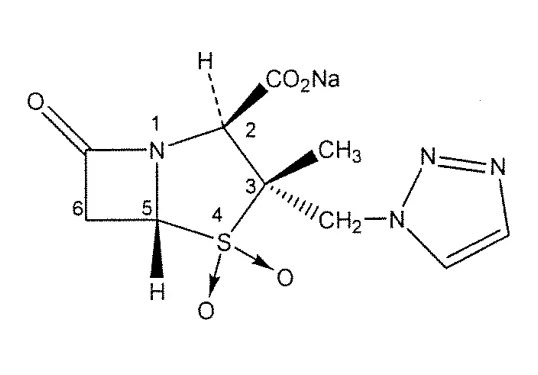
tazobactam sodium
Physicochemical properties:
Description: Tazobactam is a white to almost white crystalline powder.
Drug Substance
Proper name: Piperacillin Sodium
Chemical name: Sodium (2S,5R,6R)-6-[(R)-2-(4-ethyl-2,3-dioxo-1-piperazinecarboxyamido)-2-phenylacetamido]-3,3-dimethyl-7-oxo-4-thia-1azabicyclo[3.2.0]-heptane-2-carboxylate.
Molecular formula and molecular mass: C23H26N5Na07S, 539.5 g / mol
Structural formula:
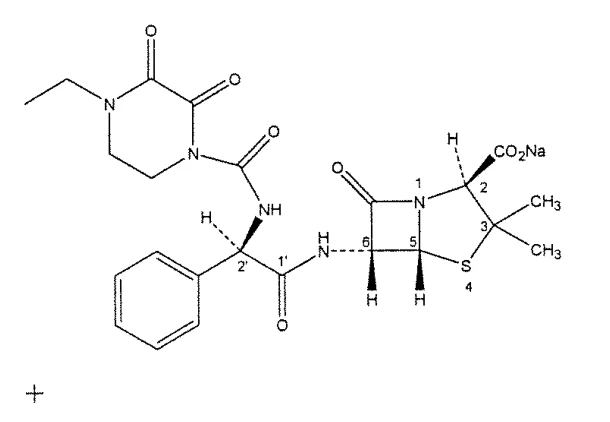
piperacillin sodium
Physicochemical properties:
Description: Piperacillin monohydrate is a white or almost white powder.
14 CLINICAL TRIALS
The clinical trial data on which the original indication was authorized is not available.
15 MICROBIOLOGY
Piperacillin sodium exerts bactericidal activity by inhibiting septum formation and cell wall synthesis of susceptible bacteria. Piperacillin and other β-lactam antibiotics block the terminal transpeptidation step of cell wall peptidoglycan biosynthesis in susceptible organisms by interacting with the penicillin binding proteins (PBPs), the bacterial enzymes that carry out this reaction. In vitro, piperacillin is active against a variety of gram-positive and gram-negative aerobic and anaerobic bacteria. Tazobactam sodium, which has very little intrinsic microbiologic activity due to its very low level of binding to penicillin-binding proteins, is a ß-lactamase inhibitor of the Richmond-Sykes class III (Bush class 2b & 2b') penicillinases and
cephalosporinases. It varies in its ability to inhibit class II and IV (2a & 4) penicillinases. Tazobactam does not induce chromosomally-mediated ß-lactamases at tazobactam levels achieved with the recommended dosing regimen.
Mechanism of Resistance:
There are three major mechanisms of resistance to β-lactam antibiotics: changes in the target PBPs resulting in reduced affinity for the antibiotics, destruction of the antibiotics by bacterial β-lactamases, and low intracellular antibiotic levels due to reduced uptake or active efflux of the antibiotics.
In gram-positive bacteria, changes in PBPs are the primary mechanism of resistant to β-lactam antibiotics, including piperacillin/tazobactam. This mechanism is responsible for methicillin resistance in staphylococci and penicillin resistance in Streptococcus pneumoniae and viridans group streptococci. Resistance caused by changes in PBPs also occurs in fastidious gram-negative species such as Haemophilus influenzae and Neisseria gonorrhoeae. Piperacillin/tazobactam is not active against strains in which resistance to β-lactam antibiotics is determined by altered PBPs. As indicated above, there are some β-lactamases that are not inhibited by tazobactam.
Spectrum of Activity:
Piperacillin/tazobactam has been shown to be active against most strains of the following microorganisms both in vitro and in clinical infections as described in 1 INDICATIONS.
Aerobic and facultative gram-positive microorganisms
Staphylococcus aureus (methicillin-susceptible strains only)
Aerobic and facultative gram-negative microorganisms
Acinetobacter baumanii
Escherichia coli
Haemophilus influenzae (excluding β-lactamase negative, ampicillin-resistant isolates)
Klebsiella pneumoniae
Pseudomonas aeruginosa (given in combination with an aminoglycoside to which the isolate is susceptible)
Gram-negative anaerobes
Bacteroides fragilis group (B. fragilis, B. ovatus, B. thetaiotaomicron, and B. vulgatus)
The following in vitro data are available, but their clinical significance is unknown.
At least 90% of the following microorganisms exhibit an in vitro minimum inhibitory concentration (MIC) less than or equal to the susceptible breakpoint for piperacillin/tazobactam. However, the safety and effectiveness of piperacillin/tazobactam in treating clinical infections due to these bacteria have not been established in adequate and well-controlled clinical trials.
Aerobic and facultative gram-positive microorganisms
Enterococcus faecalis (ampicillin or penicillin-susceptible isolates only)
Staphylococcus epidermidis (methicillin-susceptible isolates only)
Streptococcus agalactiae†
Streptococcus pneumoniae† (penicillin-susceptible isolates only)
Streptococcus pyogenes†
Viridans group streptococci†
Aerobic and facultative gram-negative microorganisms
Citrobacter koseri
Moraxella catarrhalis
Morganella morganii
Neisseria gonorrhoeae
Proteus mirabilis
Proteus vulgaris
Serratia marcescens
Providencia stuartii
Providencia rettgeri
Salmonella enterica
Gram-positive anaerobes
Clostridium perfringens
Gram-negative anaerobes
Bacteroides distasonis
Prevotella melaninogenica
† These are not β-lactamase producing bacteria and, therefore, are susceptible to piperacillin alone.
Susceptibility Testing Methods:
As is recommended with all antimicrobials, the results of in vitro susceptibility tests, when available, should be provided to the physician as periodic reports, which describe the susceptibility profile of nosocomial and community-acquired pathogens. These reports should aid the physician in selecting the most effective antimicrobial.
Dilution Techniques:
Quantitative methods are used to determine antimicrobial minimum inhibitory concentrations (MICs). These MICs provide estimates of the susceptibility of bacteria to antimicrobial compounds. The MICs should be determined using a standardized procedure. Standardized procedures are based on a dilution method (broth or agar) or equivalent with standardized inoculum concentrations and standardized concentrations of piperacillin and tazobactam powders. MIC values should be determined using serial dilutions of piperacillin combined with a fixed concentration of 4 mcg/mL tazobactam. For anaerobic bacteria, the susceptibility to piperacillin/tazobactam can be determined by the reference agar dilution method. The MIC values obtained should be interpreted according to criteria provided in Table 9.
Diffusion Techniques:
Quantitative methods that require measurement of zone diameters also provide reproducible estimates of the susceptibility of bacteria to antimicrobial compounds. One such standardized procedure requires the use of standardized inoculum concentrations. This procedure uses paper disks impregnated with 100 mcg of piperacillin and 10 mcg of tazobactam to test the susceptibility of microorganisms to piperacillin/tazobactam. The disk diffusion interpretation criteria are provided in Table 9.
Table 9 – Susceptibility Interpretive Criteria for Piperacillin/Tazobactam
| Pathogen | Minimal Inhibitory Concentration (MIC) in mg / L of Piperacillin a | Diskb Diffusion Inhibition Zone (Diameter in mm) | |||||||
| S | I | R | S | I | R | ||||
| Enterobacteriaceae and Acinetobacter baumanii | ≤ 16 | 32 - 64 | ≥ 128 | ≥ 21 | 18 - 20 | ≤ 17 | |||
| Haemophilus influenzaec | ≤ 1 | - | ≥ 2 | ≥21 | - | - | |||
| Pseudomonas aeruginosa | ≤ 16 | 32 - 64 | ≥ 128 | ≥ 21 | 15 - 20 | ≤ 14 | |||
| Staphylococcus aureus | ≤ 8 | - | ≥ 16 | ≥ 18 | - | ≤ 17 | |||
| Bacteroides fragilis groupd | ≤ 32 | 64 | ≥ 128 | - | - | - | |||
S = Susceptible. I = Intermediate. R = Resistant.
aMICs are determined using a fixed concentration of 4 mg / L tazobactam
bInterpretive criteria are based on disks containing 100 mcg of piperacillin and 10 mcg of tazobactam.
cThese interpretive criteria for Haemophilus influenzae are applicable only to tests performed using Haemophilus Test Medium inoculated with a direct colony suspension and incubated at 35°C in ambient air for 20 to 24 hours.
dWith the exception of Bacteroides fragilis itself MICs are determined by agar dilution only.
A report of S (“Susceptible”) indicates that the pathogen is likely to be inhibited by usually achievable concentrations of the antimicrobial compound in the blood. A report of I (“Intermediate”) indicates that the result should be considered equivocal and, if the microorganism is not fully susceptible to alternative, clinically feasible drugs, the test should be repeated. This category implies clinical applicability in body sites where the drug is physiologically concentrated or in situations where high dosage of drug can be used. This category also provides a buffer zone that prevents small uncontrolled technical factors from causing major discrepancies in interpretation. A report of R (“Resistant”) indicates that usually achievable concentrations of the antimicrobial compound in the blood are unlikely to be inhibitory and other therapy should be selected.
Quality Control
Standardized susceptibility test procedures require the use of quality control microorganisms to control the technical aspects of the test procedures. Standard piperacillin/tazobactam lyophilized powder should provide the following ranges of values noted in Table 10. Quality control microorganisms are specific strains with intrinsic biological properties relating to resistance mechanisms and their genetic expression within the microorganism; the specific strains used for susceptibility test quality control are not clinically significant.
| Table 10 – Quality control ranges for piperacillin/tazobactam to be used in conjunction with susceptibility test interpretive criteria |
| Quality Control Strain | Minimum Inhibitory Concentration Range in mg / L of piperacillin | Disk Diffusion Inhibition Zone Diameter Range in mm |
|---|---|---|
| Escherichia coli ATCC 25922 | 1 - 4 | 24 – 30 |
| Escherichia coli ATCC 35218 | 0.5 - 2 | 24 – 30 |
| Pseudomonas aeruginosa ATCC 27853 | 1 - 8 | 25 – 33 |
| Haemophilus influenzae a ATCC 49247 | 0.06 - 0.5 | 33-38 |
| Staphylococcus aureus ATCC 29213 | 0.25 - 2 | - |
| Staphylococcus aureus ATCC25923 | - | 27 – 36 |
| Bacteroides fragilis ATCC 25285 | 0.12 - 0.5 b | - |
| Bacteroides thetaiotaomicron ATCC 29741 | 4 – 16 b | - |
a This quality control range for Haemophilus influenzae is applicable only to tests performed using Haemophilus Test Medium inoculated with a direct colony suspension and incubated at 35°C in ambient air for 20 to 24 hours.
bAgar dilution only
16 NON-CLINICAL TOXICOLOGY
General Toxicology:
Acute Toxicity
In mice (10/sex), IV doses of 2000:500 mg / kg of piperacillin:tazobactam resulted in no mortality and no signs of toxicity or treatment-related effects while 4000:1000 mg / kg of piperacillin: tazobactam resulted in death in 1 of 10 male mice and 5 of 10 female mice within 6 hours after dosing. At this dose, muscular hypertonia, tachypnea and convulsions were observed. In mice, IV doses of 4500:562.5 mg / kg of piperacillin:tazobactam resulted in death of 2 of 10 males within 6 hours and 3 of 10 females (2 females died 2 days and 1 female died 7 days after dosing). At this dose, shallow and frequent respiration, muscular hypertonia, reduced mobility and convulsions were observed. In mice (10/sex), IV doses of tazobactam up to 3500 mg / kg resulted in no mortality and no signs of toxicity or treatment related effects while an IV piperacillin dose of 4500 mg / kg in mice resulted in death in 4 of 10 females within 6 hours after dosing. At this dose, shallow and frequent respiration, muscular hypertonia, reduced mobility and convulsions were observed. In 1 of 10 male mice, the right kidney was white in colour. In addition, partial papillary necrosis and partial tubular necrosis of the cortex accompanied by mononuclear leucocyte infiltration were observed.
In rats, IV doses of piperacillin:tazobactam resulted in death in 7 of 10 females at 2000:250 mg / kg, in 3 of 10 males at 2200:275 mg / kg, and in 10 of 10 males and 9 of 10 females at 2400:300 mg / kg, within 6 hours after dosing. In rats dosed IV, shallow and frequent respiration, muscular hypertonia, staggering, and convulsions were observed. Following administration of IP doses of 4000:1000 mg / kg of tazobactam:piperacillin, there was no mortality. At this IP dose, transient wet perianal area and decreased body-weight gain and food consumption in male rats occurred during the first week after dosing. Distended cecum occurred in two females.
In rats, IV doses of piperacillin resulted in death in 8 of 10 females at 1000 mg / kg (twice daily), 4 of 10 males and 8 of 10 females at 2200 mg / kg, and 8 of 10 males and 9 of 10 females at 2400 mg / kg, within 6 hours after dosing. At these doses, shallow and frequent respiration, muscular hypertonia, staggering and convulsions occurred. Following administration of IP doses of 5000 mg / kg of tazobactam, there was no mortality. At this dose, transient wet perianal area and decreased body-weight gain and food consumption in male and/or female rats occurred during the first week after dosing.
In dogs (1/sex), IV doses resulted in salivation at 2600:330 mg / kg of piperacillin:tazobactam; emesis, salivation and conjunctival congestion at 4000:500 mg / kg of piperacillin:tazobactam; and death in 1 male and 1 female within 2 hours after dosing at 5200:650 mg / kg of piperacillin:tazobactam.
In dogs, IV doses of tazobactam at 3000 or 5000 mg / kg resulted in no deaths. At these doses, erythema, edema, emesis, loose stools, slight changes in hematology (decreased red blood cell parameters, platelets and lymphocytes) and in serum chemistry (decreased potassium and increased AST) parameters occurred. In addition, salivation occurred at 3000 mg / kg of tazobactam and decreased motor activity occurred at 5000 mg / kg of tazobactam. An IV dose of 5200 mg / kg of piperacillin resulted in no deaths. At this dose, emesis and salivation occurred.
Long-Term Toxicity
Long-term toxicity studies in the rat and dog established target organ toxicity. In both species, altered hepatocellular glycogen distribution, a well-known effect of ß-lactamase inhibitors, was observed. This finding occurred in drug-treated rats in 5-day, 1-,3-, and 6-month studies at doses ≥ 80 mg / kg / day of tazobactam alone or in combination with piperacillin. In dogs, it occurred with tazobactam alone or in combination with piperacillin at 3000 mg / kg / day for 5 days, ≥ 40 mg / kg / day for 1 and 3 months and ≥ 80 mg / kg / day for 6 months. Additionally, enlarged ceca were observed in rats. Enlarged ceca, caused by suppression of intestinal microflora, is a non-specific effect of antimicrobials in rodents. Other drug-related effects observed in rats and dogs in long-term toxicity studies were decreased red blood cell parameters and decreased cholesterol and serum triglycerides.
Decreased platelets and total protein, and increased alkaline phosphatase, ALT, and AST were also seen in dogs. The effect on red blood cell parameters, cholesterol and triglyceride levels, and altered distribution of hepatocellular glycogen were reversible or diminished following a recovery period.
Carcinogenicity:
Longterm studies in animals to evaluate carcinogenic potential have not been performed with piperacillin/tazobactam, piperacillin or tazobactam.
Genotoxicity:
Piperacillin/tazobactam:
Piperacillin/tazobactam was negative in microbial mutagenicity assays at concentrations up to 14.84 / 1.86 mcg / plate. Piperacillin/tazobactam was negative in the unscheduled DNA synthesis (UDS) test at concentrations up to 5689 / 711 mcg / mL. Piperacillin/tazobactam was negative in a mammalian point mutation (Chinese hamster ovary cell HPRT) assay at concentration up to 8000 / 1000 mcg / mL. Piperacillin/tazobactam was negative in a mammalian cell (BALB/c-3T3) transformation assay at concentrations up to 8 / 1 mcg / mL. In vivo, piperacillin/tazobactam did not induce chromosomal aberrations in rats dosed IV with 1500 / 187.5 mg / kg; this dose is similar to the maximum recommended human daily dose on a body-surface-area basis (mg / m2).
Piperacillin:
Piperacillin was negative in microbial mutagenicity assays at concentrations up to 50 mcg / plate. There was no DNA damage in bacteria (Rec assay) exposed to piperacillin at concentrations up to 200 mcg / disc. Piperacillin was negative in the UDS test at concentrations up to 10,000 mcg / mL, which is 26 times the human plasma concentration of piperacillin. In mammalian point mutation (mouse lymphoma cells) assay, piperacillin was positive at concentrations ≥ 2500 mcg / mL, which is 7 times the human plasma concentration. Piperacillin was negative in a cell (BALB/c-3T3) transformation assay at concentrations up to 3000 mcg / mL, which is 8 times the human plasma concentration. In vivo, piperacillin did not induce chromosomal aberrations in mice at IV doses up to 2000 mg / kg / day or rats at IV doses up to 1500 mg / kg / day. These doses are 6 (mice) and 4 (rats) times the maximum recommended human daily dose based on body weight, and half (mice) or similar to (rats) the human dose based on body-surface area (mg / m2). In another in vivo test, there was no dominant lethal effect when piperacillin was given to rats at IV doses up to 2000 mg / kg / day, which is similar to the human dose based on body-surface area. When mice were given piperacillin at IV doses up to 2000 mg / kg / day, which is half the human dose based on body-surface area (mg / m2), urine from these animals was not mutagenic when tested in a microbial mutagenicity assay. Bacteria injected into the peritoneal cavity of mice given piperacillin at IV doses up to 2000 mg / kg / day did not show increased mutation frequencies.
Tazobactam:
Tazobactam was negative in microbial mutagenicity assays at concentrations up to 333 mcg / plate. Tazobactam was negative in the UDS test at concentrations up to 2000 mcg / mL.
Tazobactam was negative in a mammalian point mutation (Chinese hamster ovary cell HPRT) assay at concentrations up to 5000 mcg / mL. In another mammalian point mutation (mouse lymphoma cells) assay, tazobactam was positive at concentrations ≥ 3000 mcg / mL. Tazobactam was negative in a cell (BALB/c-3T3) transformation assay at concentrations up to 900 mcg/mL. In an in vitro cytogenetics (Chinese hamster lung cells) assay, tazobactam was negative at concentrations up to 3000 mcg / mL. In vivo, tazobactam did not induce chromosomal aberrations in rats at IV doses up to 5000 mg / kg, which is 23 times the human dose based on body-surface area (mg / m2).
Reproductive and Developmental Toxicology:
A fertility and general reproduction study in rats using intraperitoneal administration of tazobactam or the combination piperacillin/tazobactam reported a decrease in litter size and an increase in fetuses with ossification delays and variations of ribs (skeletal anomalies such as delays in bone ossification), concurrent with maternal toxicity. Fertility of the F1 generation and embryonic development of F2 generation were not impaired.
Teratogenicity studies using intravenous administration of tazobactam or the combination piperacillin/tazobactam in mice and rats resulted in slight reductions in rat fetal weights at maternally toxic doses but did not show teratogenic effects.
Peri/postnatal development was impaired (reduced pup weights, increase in stillbirths, increase in pup mortality) concurrent with maternal toxicity after intraperitoneal administration of tazobactam or the combination piperacillin/tazobactam in the rat.
Excretion in Breast Milk:
Although drug related concentrations of radioactivity were detected in milk of lactating rats, the concentrations of unchanged tazobactam in pup plasma and tissues were very low.
17 SUPPORTING PRODUCT MONOGRAPHS
- 1. PrTazocin® (Piperacillin Sodium and Tazobactam Sodium Lyophilized Powder for Injection; 2.0 g/0.25 g, 3 g/0.375 g, 4.0 g/0.5 g), submission control 171562, Product Monograph, Pfizer Canada Inc. (April 8, 2014).
- 2. PrPiperacillin and Tazobactam for Injection (Piperacillin Sodium/Tazobactam Sodium Lyophilized Powder for Injection; 2 g/0.25 g, 3 g/0.375 g, 4 g/0.5 g, 12 g/1.5 g and 36 g/4.5 g), submission control 191213, Product Monograph, SteriMax Inc. (May 10, 2018).