


Product Monograph - PMS-Busulfan
INDICATIONS AND CLINICAL USE
pms-BUSULFAN (busulfan) injection is indicated for use in combination with other chemotherapeutic agents and/or radiotherapy as a conditioning regimen prior to hematopoietic progenitor cell transplantation, including: acute lymphocytic leukemia, acute non-lymphocytic leukemia, acute myeloid leukemia, chronic myeloid leukemia, non-Hodgkin’s lymphoma, Hodgkin’s disease, multiple myeloma, and myelodysplastic syndrome. In any regimen utilizing pms-BUSULFAN, the patient’s disease status should either be refractory to other therapies or carry sufficiently high risk for recurrence of disease, so that progenitor cell transplant is the treatment of choice, in the opinion of a qualified physician.
CONTRAINDICATIONS
pms-BUSULFAN (busulfan) injection is contraindicated in patients who are sensitive, allergic or intolerant of the drug or its vehicle.
WARNINGS
pms-BUSULFAN (busulfan) injection is a potent cytotoxic drug that results in profound myelosuppression at the recommended dosage. It should be administered under the supervision of a qualified physician who is experienced in the use of cancer chemotherapeutic agents and in the management of patients with severe pancytopenia. Appropriate management of therapy and complications is only possible when adequate diagnostic and treatment facilities are readily available.
The most frequent, serious consequence of treatment with busulfan at the recommended dose and schedule is profound myelosuppression, occurring in all patients. Severe granulocytopenia, thrombocytopenia, anemia, or any combination thereof may develop. Frequent complete blood counts, including white blood cell differentials, and quantitative platelet counts should be monitored during treatment and until recovery is achieved. Absolute neutrophil counts <0.5 x 10⁹/L at a median of 4 days post-transplant occurred in 100% of patients and recovered at median day 10 following transplant (median neutropenic period of 6 days). Prophylactic or empiric use of anti-infectives (bacterial, fungal, viral) should be considered for prevention and management of infections during the neutropenic period. Thrombocytopenia (<25,000/mm3 or requiring platelet transfusion) at a median of 5-6 days occurred in 98% of patients. Anemia (hemoglobin <8.0 g/dL) occurred in 69% of patients. Platelet and red blood cell support should be employed as medically indicated.
Busulfan may be a human carcinogen. Secondary malignancy has been reported in patients treated with busulfan. Several cases of leukemia have occurred 5-8 years following oral busulfan treatment. Busulfan may also cause cellular dysplasia.
Busulfan may cause temporary or permanent infertility in females and males. Ovarian suppression and amenorrhea commonly occur in premenopausal women undergoing chronic, low-dose busulfan therapy for chronic myelogenous leukemia. Sterility, azoospermia and testicular atrophy have been reported in male patients.
Bronchopulmonary dysplasia with pulmonary fibrosis is a rare complication following chronic busulfan therapy. The average onset of symptoms is after 4 years of therapy (range 4 months to 10 years).
Pregnancy: Busulfan can cause fetal harm when administered to a pregnant woman. There are no adequate and well-controlled studies in pregnant women. pms-BUSULFAN should not be administered to pregnant women or women who may possibly be pregnant. If pms-BUSULFAN is used during pregnancy, or if the patient becomes pregnant while taking this drug, the patient should be apprised of the potential hazard to the fetus. Women of childbearing potential should be advised to use effective contraception during and up to 6 months after treatment. pms-BUSULFAN may damage spermatozoa and testicular tissue, resulting in possible genetic fetal abnormalities. Men treated with pms-BUSULFAN are advised not to father a child during and up to 6 months after treatment.
Nursing Mothers: It is not known whether this drug is excreted in human milk. Because many drugs are excreted in human milk and because of the potential for tumorigenicity shown for busulfan in human and animal studies, breast-feeding should be discontinued during treatment with pms-BUSULFAN. The safety of busulfan in nursing women has not been established.
Hepatic Insufficiency: Busulfan has not been administered to patients with hepatic insufficiency. However, patients who have received prior radiation therapy, greater than or equal to three cycles of chemotherapy, or a prior progenitor cell transplant may be at an increased risk of developing hepatic veno-occlusive disease with the recommended busulfan dose and regimen (see ADVERSE REACTIONS).
PRECAUTIONS
General
At the recommended dosage of busulfan, profound myelosuppression is universal, and can be manifested as neutropenia, thrombocytopenia, anemia or a combination thereof. The patient should be monitored for signs of local or systemic infection or bleeding and their hematologic status evaluated frequently.
Caution should be exercised when administering the recommended dose of busulfan to patients with a history of seizure disorder, head trauma, or receiving other potentially epileptogenic drugs. It is recommended that appropriate anti-convulsant therapy be administered prophylactically to such patients (see Drug Interactions). Seizures have been reported with high dose oral busulfan treatment.
Information for Patients
The risks associated with the use of pms-BUSULFAN, such as the risk of a second malignancy or the risk of veno-occlusive liver disease, as well as the plan for regular monitoring during therapy should be explained to the patient. Patients of reproductive potential should be advised of the potential risk to a fetus and the need to use effective contraception during and after treatment with pms-BUSULFAN, and to inform their healthcare professional of a known or suspected pregnancy. Patients should be informed of the possibility of developing low blood cell counts and the need for hematopoietic progenitor cell infusion. They should also be instructed to immediately report to their healthcare professional if fever develops.
Monitoring
Patients receiving busulfan should be monitored daily with a complete blood count, including differential count and quantitative platelet count, until engraftment has been demonstrated.
To detect hepatotoxicity, which may herald the onset of hepatic veno-occlusive disease, serum transaminases, alkaline phosphatase, and bilirubin should be evaluated daily through transplant day 28. Cardiac function should be monitored regularly in patients receiving pms-BUSULFAN.
Drug Interactions
There are no known or manifest interactions with the antifungal agent fluconazole; however, administration of itraconazole to patients receiving busulfan may result in reduced busulfan clearance. It may increase plasma concentration of busulfan, resulting in the enhancement of pms-BUSULFAN activity. Itraconazole decreases busulfan clearance by up to 25%, and may produce an AUC > 1500 mcMol•min in some patients. Metronidazole significantly increases plasma levels of busulfan, which may lead to treatment-related toxicities.
It has been reported that phenytoin increases the clearance of busulfan by 10% or more, possibly due to the induction of GST. Since virtually all patients are empirically treated with anticonvulsants (phenytoin, clonazepam), the dose of busulfan should be adjusted to account for enhanced clearance (see DOSAGE AND ADMINISTRATION).
Busulfan is eliminated from the body via conjugation with glutathione. Since acetaminophen may decrease glutathione levels in blood and tissues, concurrent or prior use (<72 hours) may result in modified busulfan clearance.
Special Populations
Pediatric
A busulfan conditioning regimen above has been used in pediatric patients as young as 5 months of age. The use of busulfan has not been fully investigated in the pediatric population.
Older patients
Patients older than 50 years of age (n=23) have been successfully treated with busulfan as measured by myeloablation and engraftment and which was well tolerated in these patients.
Gender/Race
Dosing with busulfan does not need adjustment for gender or race.
Renal Insufficiency
Studies in renally impaired patients have not been conducted; however, busulfan is not significantly metabolized by the kidney or excreted in the urine.
ADVERSE REACTIONS
Treatment with busulfan at the recommended dose and schedule will result in profound myelosuppression in 100% of patients, including granulocytopenia, thrombocytopenia, anemia, or a combined loss of formed elements of the blood. All patients received 0.8 mg/kg busulfan as a two-hour infusion every six hours for 16 doses over four days. Ninety percent (90%) of patients receiving this dose of busulfan maintained AUCs less than 1,500 mcMol•min which has generally been considered efficacious in terms of myelosuppression, engraftment, and relapse prevention, and safe with respect to minimizing the risk of VOD, acute infection and other causes of morbidity.
Patients undergoing high-dose busulfan therapy followed by hematopoietic progenitor cell transplantation experience a wide range of adverse experiences. These may result from their disease, prior therapy, concomitant cytotoxic drugs or other medications, as well as from busulfan.
Hepatic veno-occlusive disease (HVOD) developed in 5.8% (6/103) (1 of 42 autologous and 5 of 61 allogeneic patients) of patients treated with busulfan in these studies and was fatal in 1.9% (2/103) (2 of 61 allogeneic patients, one of which had a prior transplant). Of the two mortalities, one patient was heavily pre-treated and had undergone a prior transplant. Of the six patients identified by site investigators, four met the Jones’ criteria, including the two mortalities and two of the other identified cases, which both resolved. Therefore, the incidence of HVOD per the Jones’ criteria was 3.8% (4/103). Hepatic veno-occlusive disease was reported in 17% of patients treated with high-dose oral busulfan in the transplant setting; 5-6% of patients died. Serum transaminases, alkaline phosphatase, and bilirubin should be monitored regularly for early detection of hepatotoxicity.
As reported in the literature, HVOD is recognized as a common complication of pre-transplant preparative regimens, and various preparative regimens have been implicated. Both oral and IV busulfan have been associated with the occurrence of HVOD. The incidences of HVOD were compared in patients undergoing allogeneic transplantation using an oral or IV busulfan/cyclophosphamide (BuCy2) conditioning regimen (see Table 1 below).
Table 1: Incidences of HVOD in Patients Undergoing Allogeneic Transplantation: IV Bu vs. Oral Bu
| Publication | Population | Conditioning regimen | N | HVOD Incidence (%) | HVOD criteria | ||||||||||
| IV Bu | Oral Bu | IV Bu | Oral Bu | ||||||||||||
| Kashyap30 | CML, acute leukemia, MDS, NHL, MM | BuCy2 | 61 | 30 | 8 | 33 | Clinical | ||||||||
| 5 | 20 | Baltimore | |||||||||||||
| Lee31 | AML, CML, ALL, MDS, other | BuCy2 | 55 | 186 | 18.5 | 41.7 | Seattle | ||||||||
BuCy2: IV busulfan was administered at 0.8 mg/kg over 2 hours every 6 hours for 16 doses (days –7 to –4). Oral busulfan was administered at a fixed dose of 1 mg/kg adjusted ideal body weight every 6 hours for a total of 16 dose (days –7 to –4). Cyclophosphamide was then given at 60 mg/kg IV over 1 hour daily for 2 doses (days –3 and –2).
Although not seen with busulfan, cardiac tamponade (often fatal), frequently preceded by abdominal pain and vomiting, has been reported in thalassemia patients who received high doses of oral busulfan and cyclophosphamide.
Clinical Trial and Literature Database Adverse Drug Reactions:
Adverse reaction information is derived from two clinical studies (n=103) of busulfan (Tables 2 and 3) and the literature database (Table 4). The busulfan studies prospectively identified events to be recorded and adverse experience incidence rates were calculated. All patients received 0.8 mg/kg busulfan as a two-hour infusion every six hour for 16 doses over four days. Information from the literature database is limited to those events selected by the authors for reporting. Incidence is approximated by considering the number of patients (n) equal to the sum of the patients included in those studies that reported a particular event. Seventy- seven percent (77%) of the patients in the literature database received a total busulfan dose of 16 mg/kg. Other than the expected bone marrow suppression often resulting in opportunistic infections that can be lethal, the most clinically relevant adverse events are for the liver, lung and brain.
Table 2: Summary of the Incidence (≥ 20%) of Hematologic Adverse Events in Patients Who Received Busulfan Prior to Autologous or Allogeneic Hematopoietic Progenitor Cell Transplantation (n=103)
| Hematological Adverse Events | Percent Incidence (# Patients) |
Anemia Grade 3 (65 – 79 g/L) Grade 4 (<65 g/L ) | 62 (64) 6 (6) |
Leukopenia Grade 3 (1.0 x 10⁹ – 1.9 x 10⁹ cells/L) Grade 4 (<1.0 x 10⁹ cells/L) | 0 (0) 96 (99) |
Thrombocytopenia Grade 3 (25 x 109 – 49 x 109 cells/L) Grade 4 (<25 x 109 cells/L) | 2 (2) 91 (94) |
Median number of Platelet transfusions per patient Autologous (n=41) Allogeneic (n=60) | 3 6 |
Median number of Red Blood Cell transfusions per patient Autologous (n=37) Allogeneic (n=53) | 3 4 |
Table 3: Summary of the Incidence (>20%) of Non-Hematologic Adverse Events in Patients Who Received Busulfan Prior to Autologous or Allogeneic Hematopoietic Progenitor Cell Transplantation (n=103) Through Blood and Marrow Transplant (BMT) Day +28
| NON-HEMATOLOGICAL ADVERSE EVENTS* | PERCENT INCIDENCE |
|---|---|
| BODY AS A WHOLE | |
| Fever | 87 |
| Headache | 69 |
| Abdominal Pain | 62 |
| Asthenia | 56 |
| Chills | 47 |
| Pain | 41 |
| Allergic Reaction | 32 |
| Edema General | 27 |
| Inflammation at Injection Site | 23 |
| Chest Pain | 22 |
| CARDIOVASCULAR SYSTEM | |
| Tachycardia | 50 |
| Thrombosis | 27 |
| Hypertension | 25 |
| Vasodilation | 23 |
| DIGESTIVE SYSTEM | |
| Nausea | 97 |
| Stomatitis (Mucositis) | 96 |
| Vomiting | 91 |
| Anorexia | 80 |
| Diarrhea | 80 |
| Dyspepsia | 40 |
| Constipation | 31 |
| Rectal Disorder | 24 |
| METABOLIC AND NUTRITIONAL SYSTEM | |
| Hypomagnesemia | 64 |
| Hypokalemia | 58 |
| Hyperglycemia | 57 |
| Hypocalcemia | 43 |
| Hyperbilirubinemia | 37 |
| Edema | 37 |
| SGPT Elevation | 25 |
| Hypophosphatemia | 21 |
| NERVOUS SYSTEM | |
| Insomnia | 80 |
| Anxiety | 65 |
| NON-HEMATOLOGICAL ADVERSE EVENTS* | PERCENT INCIDENCE |
|---|---|
| Dizziness | 26 |
| Depression | 20 |
| RESPIRATORY SYSTEM | |
| Rhinitis | 44 |
| Cough | 36 |
| Lung Disorder | 34 |
| Pharyngitis | 27 |
| Epistaxis | 23 |
| Dyspnea | 23 |
| SKIN AND APPENDAGES | |
| Rash | 50 |
| Pruritus | 29 |
* All reported adverse events regardless of severity (toxicity grades 1-4)
Safety assessment of high-dose oral busulfan-based regimens prior to hematopoietic progenitor cell transplantation as reported from the literature is limited by the information selected for inclusion into published reports. Available adverse event information is derived from the Subset Literature Database and from the Overall Literature Database when it was provided. The denominator for incidence reporting is the sum of the patients in those studies that reported that event.
The reported non-hematologic general toxicities are noted in Table 4.
Table 4: Percent Incidence of Non-Hematologic Adverse Events Reported in a Review of 43 Publications Using High-Dose Oral Busulfan as a Conditioning Regimen Prior to Hematopoietic Progenitor Cell Transplant
| Non-hematologic Adverse Events | Percent Incidence (# Patients) |
| Mucositis/Stomatitis | 85 (483/571) |
| Fever | 83 (379/457) |
| Nausea/Vomiting | 72 (52/172) |
| Rash | 67 (38/57) |
| Diarrhea | 58 (28/48) |
| Acute GVHD | 45 (187/413) |
| Chronic GVHD | 35 (301/848) |
| Infection | 31 (128/407) |
| Hemorrhagic cystitis | 15 (149/968) |
| Hepatic veno-occlusive disease | 13 (153/1196) |
| Interstitial pneumonitis | 11 (45/415) |
| Seizures | 3 (15/482) |
Acute graft versus host disease (GVHD) incidence was 26% (1153/4367 patients) in the Overall Literature Database. Chronic graft versus host disease of all grades was 28% (793/2846 patients) in the Overall Literature Database and 35% (301/848 patients) in the Subset Literature Database. The incidence of infection was 43% (911/2099 patients) in the Overall Literature Database and 31% (128/407 patients) in the Subset Literature Database. Allogeneic transplants were associated with a higher incidence of infection than autologous transplants (38% versus 22%, respectively). The reported incidence of hepatic veno-occlusive disease (HVOD) was 17% (960/5798) in the Overall Literature Database and 13% (153/1196) in the Subset Literature Database [14% (43/316) for autologous and 12% (106/856) for allogeneic transplantation]. At least one publication reported that patients whose initial area under the plasma busulfan curve (AUC) >1,500 mcMol•min were at an increased risk of developing VOD. Interstitial pneumonitis was reported at an incidence of 10% (262/2633) in the Overall Literature Database and 11% (45/415) in the Subset Literature Database. The incidence among allogeneic transplants was 11% (39/348) compared with 12% (4/34) for autologous transplants. Seizures were reported at an incidence of 7.4% (170/2303 patients) in the Overall Literature Database and 3.1% (15/482 patients) in the Subset Literature Database. For patients who received prophylactic anticonvulsant therapy there was a 1.7% (1/60) incidence of seizure.
The following sections describe clinically significant events occurring in the two busulfan clinical trials regardless of an attribution.
Hematologic
At the indicated dose and schedule, busulfan produced profound myelosuppression in 100% of patients. Severe leukopenia occurred in 92% of patients, thrombocytopenia in 86%, and anemia in 50%. Following hematopoietic progenitor cell infusion, recovery of neutrophil counts to >500 cells/mm3 occurred at median day 10 and 13, for autologous and allogeneic patients respectively.
Gastrointestinal
Gastrointestinal toxicities were frequent and generally considered to be related to the drug. Few were categorized as serious. Mild/moderate nausea occurred in 93% of patients and mild/moderate vomiting in 91% through blood and marrow transplant (BMT) Day +28; nausea was severe in 4%. The incidence of vomiting during busulfan administration (BMT Day -7 to -4) was 38% (39/103). Stomatitis was severe in 13% of patients and mild/moderate in 83%; 6% of patients developed mild/moderate esophagitis. Severe anorexia occurred in 16% of patients and was mild/moderate in 64%. Diarrhea was severe in 6% of patients and mild/moderate in 74%. Mild/moderate constipation occurred in 31% of patients; ileus developed in 7% and was severe in 2%. Forty percent (40%) of patients reported mild/moderate dyspepsia. Two percent (2%) of patients experienced mild hematemesis. Mild/moderate rectal discomfort occurred in 24% of patients. One patient (1%) developed gastrointestinal bleeding which was severe and considered serious.
Hepatic
Hyperbilirubinemia was observed in 37% of patients; it was life-threatening in 3% and associated with veno-occlusive disease, severe in 8%, and mild/moderate in 26%. It was associated with graft versus host disease in six patients. Severe serum glutamic pyruvic transaminase (SGPT) elevations occurred in 2% of patients. There were mild/moderate increases in SGPT in 23% and in serum glutamic oxaloacetic transaminase (SGOT) in 10%. Alkaline phosphatase increases were mild/moderate in 12% of patients. Mild/moderate jaundice developed in 8% of patients; it was associated with graft versus host disease or hepatic veno- occlusive disease in 4%. Mild/moderate hepatomegaly developed in 5% of patients.
Hepatic Veno-occlusive Disease
Hepatic veno-occlusive disease (HVOD) is a recognized potential complication of conditioning therapy prior to transplant. Six of 103 patients (6%) experienced HVOD; it was fatal in 2%, severe in 2% and moderate in 2%.
Graft Versus Host Disease
Graft versus host disease developed in 15% of patients (9/61) receiving allogeneic transplants; it was severe in 2%, and mild/moderate in 13%. After BMT day +28, an additional 3% developed graft versus host disease that was considered serious.
Edema
Seventy-one percent (71%) of patients exhibited some form of edema, hypervolemia, or weight increase; all events were mild/moderate. One patient (<1%) developed moderate capillary leak syndrome.
Infection/Fever
Although 39% of patients (40/103) experienced one or more episodes of infection, 83% (33/40) were rated as mild or moderate. Pneumonia was fatal in 1% and life- threatening in 3% of patients. Other infections were considered severe in 3% of patients. Fever was reported in 87% of patients; it was mild/moderate in 84% and severe in 3%. 47% of patients experienced chills which were mild/moderate in 46% and severe in 1%.
Cardiovascular
Mild/moderate tachycardia was reported in 50% of patients. Other rhythm abnormalities, which were all mild/moderate, included arrhythmia (3%), atrial fibrillation (2%), ventricular extrasystoles (1%), and bradycardia (1%). Mild/moderate thrombosis occurred in 27% of patients, usually associated with the central venous catheter. One patient (1%) experienced a severe femoral artery thrombosis, which was controlled with coagulation therapy. Hypertension was reported in 25% of patients and was severe in 1%. Hypotension occurred in 17% of patients and was severe in 2%. Mild vasodilation was reported in 23% of patients. Other cardiovascular events included mild cardiomegaly, mild ECG abnormality, moderate pericardial effusion, moderately decreased ejection fraction, and moderate pericarditis; all were reported at an incidence of <3% and mainly in the post-cyclophosphamide phase.
Pulmonary
Mild/moderate dyspnea occurred in 22% of patients and was severe in 2%. One
patient (1%) experienced severe hyperventilation; and in 4 (4%) additional patients, it was mild/moderate. Respiratory failure occurred in two patients (2%), either in conjunction with HVOD and cerebral hemorrhage or pneumonia. Mild/moderate rhinitis and cough were reported in
44% and 36% of patients, respectively; most events were mild. Epistaxis events were mild in 22% of patients and moderate in 1%. Alveolar hemorrhages were severe in 1% and life- threatening in 1% of patients. Other pulmonary events that were mild/moderate included abnormal breath sounds (34%), pharyngitis (27%), hiccup (17%), asthma (7%), atelectasis (3%), pleural effusion (3%), and hypoxia (1%).
Neurologic
The most commonly reported events involved nonspecific, global disturbances of the central nervous system: insomnia (80%), anxiety (65%), dizziness (26%), and depression (20%). Severity was mild/moderate except for one patient (1%) who experienced severe insomnia. One patient (1%) developed a life-threatening cerebral hemorrhage and a coma as a terminal event following multi-organ failure after HVOD. Other events considered severe included delirium (1%), nervousness (1%), confusion (2%), hallucination (1%), agitation (1%), and encephalopathy (1%). One patient (1%) experienced a mild seizure while receiving cyclophosphamide; however, 99% of patients were prophylactically treated with phenytoin.
Renal
Creatinine was mild/moderately elevated in 17% of patients. BUN was increased in 2% of patients and to a severe degree in 1%. 13% of patients experienced dysuria, 11% oliguria, and 9% hematuria; all were mild/moderate except for 1% severe hematuria. Moderate renal insufficiency was reported in 2% of patients.
Skin
Mild/moderate rash (50%) and pruritus (29%) were reported; both conditions were predominantly mild. Alopecia was mild in 12% of patients and moderate in 3%. Mild vesicular rash was reported in 8% of patients and mild/moderate maculopapular rash in 7%.
Metabolic
Hyperglycemia was observed in 57% of patients and was severe in 5%. More than half of the patients experienced some electrolyte disturbance, usually a decrease, and none were considered serious. Hypomagnesemia was mild/moderate in 64% of patients; hypokalemia was mild/moderate in 57% and severe in 1%, hypocalcemia was mild/moderate in 40% and severe in 3%; hypophosphatemia was mild/moderate in 21%; hyponatremia was mild/moderate in 3%.
Other
Other events reported include: headache (mild/moderate 65%, severe 4%), abdominal pain (mild/moderate 61%, severe 2%), asthenia (mild/moderate 56%, severe 1%), unspecified pain (mild/moderate 40%, severe 1%), allergic reaction (mild/moderate 31%, severe 1%), injection site inflammation (mild/moderate 23%) or injection site pain (mild/moderate 17%), chest pain (mild/moderate 23%), back pain (mild/moderate 18%), myalgia (mild/moderate 17%), and arthralgia (mild/moderate 13%).
Post-Marketing Adverse Drug Reactions
The following additional adverse events have been spontaneously reported during the post- marketing use of busulfan: febrile neutropenia; tumor lysis syndrome; thrombotic micro-angiopathy (TMA); severe bacterial, viral (e.g., cytomegalovirus viraemia) and fungal infections;
sepsis; and tooth hypoplasia. Because these events are reported voluntarily from a population of uncertain size, it is not always possible to reliably estimate their frequency or establish a causal relationship to drug exposure.
Reporting Side Effects
You can report any suspected side effects associated with the use of health products to Health Canada by:
- Visiting the Web page on Adverse Reaction Reporting (https://www.canada.ca/en/health-canada/services/drugs-health-products/medeffect-canada/adverse-reaction-reporting.html) for information on how to report online, by mail or by fax; or
- Calling toll-free at 1-866-234-2345.
NOTE: Contact your health professional if you need information about how to manage your side effects. The Canada Vigilance Program does not provide medical advice.
SYMPTOMS AND TREATMENT OF OVERDOSAGE
The principal toxic effect is profound bone marrow hypoplasia/aplasia and pancytopenia, but the central nervous system, liver, lungs, and gastrointestinal tract may be affected.
There is no known antidote to busulfan overdosage, other than hematopoietic progenitor cell transplantation. The hematologic status should be closely monitored, and vigorous supportive measures instituted as medically indicated. In the absence of hematopoietic progenitor cell transplantation, the recommended dosage for pms-BUSULFAN (busulfan) would constitute an overdose of busulfan. Survival after a single 140-mg dose of busulfan tablets in an 18 kg, 4- year old child has been reported. Inadvertent administration of a greater than normal dose of oral busulfan (2.1 mg/kg; total dose of 23.3 mg/kg) occurred in a 2-year old child prior to a scheduled bone marrow transplant without sequelae. An acute dose of 2.4 g was fatal in a 10-year old boy. There has been one report that busulfan is dialyzable, thus dialysis should be considered in the case of an overdose. Busulfan is metabolized through conjugation with glutathione, thus administration of glutathione may be considered.
For management of a suspected drug overdose, contact your regional poison control center immediately.
DOSAGE AND ADMINISTRATION
pms-BUSULFAN (busulfan) should be administered intravenously via a central venous catheter as a two-hour infusion every 6 hours x 4 consecutive days for a total of 16 doses. All patients should be premedicated with anticonvulsants, such as phenytoin, to prevent seizures, as busulfan is known to cross the blood brain barrier. Antiemetics of the 5-HT3 class should be administered prior to the first dose of pms-BUSULFAN and continued on a fixed schedule through administration of pms-BUSULFAN or considered through completion of the preparative regimen.
The usual adult dose of pms-BUSULFAN in combination with cyclophosphamide as a preparative regimen prior to bone marrow or peripheral blood progenitor cell replacement support is 0.8 mg/kg of ideal body weight or actual body weight, whichever is lower. For obese or severely obese patients, dosing based on adjusted ideal body weight could be considered. Ideal body weight (IBW) should be calculated as follows (height in cm, and weight in kg): IBW (kg; men) = 50 + 0.91 x (height -152); IBW (kg, women) = 45 + 0.91 x (height -152). Adjusted ideal body weight (AIBW) should be calculated as follows: AIBW = IBW + 0.25 x (actual weight - IBW). Cyclophosphamide in combination with pms-BUSULFAN was given on each of two days as a one-hour infusion at 60 mg/kg beginning on BMT day -3, no sooner than six hours following the 16th dose of pms-BUSULFAN. Based on the literature evidence, there appears to be safety benefits in patients with hematologic malignancies receiving cyclophosphamide 6 hours or more following pms-BUSULFAN.
PHARMACEUTICAL INFORMATION
Drug Substance
Proper name: Busulfan
Chemical name: 1, 4-butanediol-dimethanesulfonate
Molecular formula: C6H14O6S2
Molecular mass: 246.3 g/mol
Structural formula:
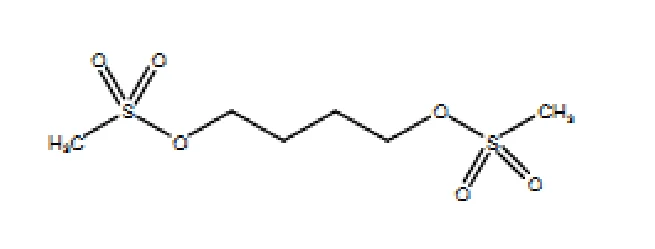
Description: Busulfan is a white crystalline powder that is only very slightly soluble in water, slightly soluble in ethanol (96%), and freely soluble in acetone and acetonitrile. The pH profile is not applicable since the drug product is only very slightly soluble in water.
Melting Range: 115ºC - 118ºC
Composition
Active Ingredient: Each 10-mL single-use vial contains 60 mg busulfan, USP.
Non-medicinal Ingredients: Each 10-mL vial also contains the ingredients dimethylacetamide and polyethylene glycol 400, NF, in quantities of 3.333 mL and 6.667 mL, respectively.
The vial stopper is free of natural rubber latex.
Stability and Storage Recommendations
Unopened vials of pms-BUSULFAN injection must be stored under refrigerated conditions between 2°C - 8ºC.
pms-BUSULFAN diluted in 0.9% Sodium Chloride Injection, USP or 5% Dextrose Injection, USP is stable at room temperature (25ºC) for up to 8 hours but the infusion must be completed within that time. pms-BUSULFAN diluted in 0.9% Sodium Chloride Injection, USP is stable at refrigerated conditions (2ºC - 8ºC) for up to 12 hours but the infusion must be completed within that time.
FREEZING OF DILUTED PREPARATIONS OF PMS-BUSULFAN IS NOT RECOMMENDED.
Reconstituted Solutions
Preparation for Intravenous Administration
As with all parenteral drug products, intravenous admixtures should be inspected visually for clarity, particulate matter, precipitate, discoloration and leakage prior to administration, whenever solution and container permit. Discard unused portion. pms-BUSULFAN must be diluted prior to use with either 0.9% Sodium Chloride Injection, USP (normal saline) or 5% Dextrose Injection, USP (D5W). The diluent quantity should be 10 times the volume of pms-BUSULFAN Injection, so that the final concentration is approximately 0.5 mg/mL. By way of example, for a 70-kg patient, the amount of drug to be administered would be calculated as follows:
(70 kg patient) x (0.8 mg/kg) / (6 mg/mL) = 9.3 mL busulfan (56 mg total dose).
To prepare the final solution for infusion, add 9.3 mL of busulfan to 93 mL of diluent (normal saline or D5W) as calculated below:
(9.3 mL busulfan) x (10) = 93 mL of either diluent plus the 9.3 mL of busulfan to yield a final concentration of busulfan of 0.54 mg/mL (9.3 mL x 6 mg/mL / 102.3 mL = 0.54 mg/mL).
All transfer procedures require strict adherence to aseptic techniques, preferably employing a vertical laminar flow safety hood while wearing gloves and protective clothing. Using a syringe fitted with a needle, remove the calculated volume of busulfan injection from the vial and dispense the contents of the syringe into an intravenous bag (or syringe) that already contains the calculated amount of either normal saline or D5W, making sure that the drug flows into and through the solution. DO NOT put the busulfan injection into an intravenous bag that does not contain normal saline or D5W. Always add the busulfan to the diluent, not the diluent to the busulfan. Mix thoroughly by inverting several times.
Infusion pumps should be used to administer the diluted busulfan solution. Set the flow rate of the pump to deliver the entire prescribed busulfan dose over two hours. Prior to and following each infusion, flush the catheter line with approximately 5 mL of 0.9% Sodium Chloride Injection,
USP or 5% Dextrose Injection, USP. DO NOT infuse concomitantly with another intravenous solution of unknown compatibility. WARNING: PMS-BUSULFAN SHOULD NOT BE GIVEN BY RAPID INTRAVENOUS INJECTION OR BOLUS.
Parenteral Products
Intravenous Injection
- 1) 0.9% Sodium Chloride Injection, USP
| Vial Size (mL) | Volume of Diluent to be added (mL) (for a 70-kg patient) | Approximate Available Volume (mL) (for a 70-kg patient) | Nominal Concentration per mL |
| 10 | 93 | 102 | 0.5 mg |
- 2) 5% Dextrose Injection, USP
| Vial Size (mL) | Volume of Diluent to be added (mL) for a 70-kg patient) | Approximate available Volume (mL) (for a 70-kg patient) | Nominal Concentration per mL |
| 10 | 93 | 102 | 0.5 mg |
By way of example, for a 70-kg patient, the amount of drug to be administered would be calculated as follows:
(70-kg patient) x (0.8 mg/kg) / (6 mg/mL) = 9.3 mL busulfan (56 mg total dose).
To prepare the final solution for infusion, add 9.3 mL of busulfan to 93 mL of diluent (normal saline or D5W) as calculated below:
(9.3 mL busulfan) x (10) = 93 mL of either diluent plus the 9.3 mL of busulfan to yield a final concentration of busulfan of 0.54 mg/mL (9.3 mL x 6 mg/mL / 102.3 mL = 0.54 mg/mL).
Special Instructions
Preparation and Administration Precautions
As with other cytotoxic compounds, caution should be exercised in handling and preparing the solution of pms-BUSULFAN. Skin reactions may occur with accidental exposure. The use of gloves is recommended. If pms-BUSULFAN or diluted pms-BUSULFAN solution contacts the skin or mucosa, wash the skin or mucosa thoroughly with water.
DO NOT USE POLYCARBONATE SYRINGES OR POLYCARBONATE FILTER NEEDLES WITH PMS-BUSULFAN.
Procedures for proper handling and disposal of anticancer drugs should be considered. Several guidelines on this subject have been published. There is no general agreement that all of the procedures recommended in the guidelines are necessary or appropriate.
AVAILABILITY OF DOSAGE FORMS
pms-BUSULFAN injection is supplied as a sterile concentrated solution in 10 mL single-use clear glass vials each containing 60 mg of busulfan at a concentration of 6 mg/mL for intravenous use. pms-BUSULFAN is provided in packages of eight vials.
PHARMACOLOGY
Busulfan is an alkylating agent producing DNA cross-linking and chromosomal damage that can be lethal to rapidly dividing cells. At the low end of the active dose range, busulfan causes a selective depression of granulocytopoiesis. Increasing doses lead to progressive general myelotoxicity culminating in marrow ablation due to cell death.
In several animal species and man, oral doses of busulfan result in a prolonged depression in hemopoietic progenitor cells. The drug reduces the ability of the cell to differentiate progeny and produces a delayed, but prolonged, hematological depression. High doses cause significant DNA and genetic damage and are myeloablative, killing the marrow cells.
The selectivity of busulfan for marrow cells has several explanations. One theory is based on the susceptibility of relatively undifferentiated stem cells during the G-phase of the cell mitotic cycle to alkylation by busulfan. Busulfan treatment during the G-phase prevents further differentiation and progression of the cell through other stages. Microscopic examination of various stem cell populations indicates arrested cell division with polyploidy and cell death. The more differentiated types of progenitor cells show relatively less genetic damage from busulfan exposure, which has been attributed to increased exposure in the S-phase of the cell cycle. In this phase, active DNA repair reduces the damage produced by busulfan. There were few general acute pharmacological effects of busulfan reported in the literature. Higher doses of busulfan in the myelotoxic range produce emesis and myoclonic seizures in animals and man, but treatment with anticonvulsant drugs can prevent the seizures, and Droperidol and other antiemetics have been useful in treating the emesis. Flushing has been reported in monkeys after IV administration.
Most of the side effects reported for busulfan occurred more than three to four days following high acute doses or chronic treatment. These effects have been attributed to the genetic damage caused by busulfan. The relative selectivity of the drug for the more undifferentiated progenitor, or stem, cells has been used to explain certain actions of busulfan on other organ systems, especially gonadal changes leading to sterility and lenticular distortion and cataracts in the eye. Genetic damage to alveolar cells may explain the pulmonary fibrosis that can occur in the lung following chronic treatment with busulfan. In addition, mechanical damage from busulfan crystals in the liver may be the basis of veno-occlusive disease. There is also a low incidence of sudden cardiac tamponade related to haemochromatosis that occurs in man; this has not been reported in animals. There were no reports found in the literature of acute cardiovascular pharmacology.
Pharmacokinetic studies have demonstrated that busulfan distributes from the blood to various organs within minutes, but is primarily found in the liver, lung and brain. Despite its rapid tissue distribution, low, but constant levels remain in the plasma for an extended period of time. Following intraperitoneal (IP) or IV administration, three main urinary metabolites have been identified: 3-hydroxysulfolane, tetrahydrothiophene 1-oxide and sulfolane. The sulfonium ion of glutathione, or γ-glutamyl-β-(S-tetrahydrothiophenium) alanyl-glycine, was also hypothesized as a urinary metabolite, but because of its instability, it has only been measured indirectly. Unreacted busulfan is excreted in small amounts. Finally, excretion occurs primarily through the urine followed by exhaled CO2 and the feces.
The pharmacokinetics of busulfan were studied in 27 patients participating in two prospective trials of a busulfan/cyclophosphamide preparatory regimen prior to hematopoietic progenitor cell transplantation. Patients received busulfan every six hours for a total of 16 doses over four days. In twelve patients the initial dose was administered orally at 1.0 mg/kg, followed six hours later by the first of 15 two-hour intravenous infusions of 0.8 mg/kg. Nine of twelve patients contributed fully analyzable pharmacokinetic data for both oral and intravenous modes of administration (Table 5). In comparing the action of busulfan to oral busulfan in the same patient group, 92% of patients administered busulfan maintained AUC values below the target value (<1500 mcMol•min) while only 67% of evaluable patients administered oral busulfan had an AUC below this target level. Of the three patients who could not be analyzed, two were due to delayed absorption of the oral formulation and one was due to delayed plasma collection.
Table 5: Selected Pharmacokinetic Parameters Following Oral Busulfan (1 mg/kg) and Busulfan Injection (0.8 mg/kg) Administration (n=9)
| Median | Mean | CV% | Range | |
| Maximum concentration (ng/mL) | ||||
| Oral | 728 | 870 | 30 | 608-1318 |
| IV | 1127 | 1167 | 12 | 997-1405 |
| AUC (mcMol·min) | ||||
| Oral | 1356 | 1396 | 24 | 1021-1951 |
| IV | 1178 | 1156 | 14 | 965-1404 |
| Elimination Half-life (hr) | ||||
| Oral | 3.17 | 3.55 | 33 | 2.41-5.66 2.64-3.59 |
| IV | 3.17 | 3.11 | 10 | 2.64-3.59 |
| Volume of distribution (L/patient) | ||||
| Oral | 54 | 58 | 27 | 36-78 |
| IV | 50 | 49 | 15 | 35-61 |
| Plasma clearance (mL/min/Patient) | ||||
| Oral | 176 | 195 | 27 | 133-310 |
| IV | 181 | 182 | 16 | 148-245 |
When maximum concentration, AUC, elimination half-life, and plasma clearance are compared for intravenous and oral routes of administration, intravenous busulfan had a more consistent pharmacokinetic profile among patients. When the coefficients of variation for all pharmacokinetic parameters are compared, those for busulfan ranged from 9.8%-17% and those for the oral busulfan from 17-46%. Intravenous busulfan demonstrated consistency between dose 1 and dose 9, and between dose 9 and dose 13 as demonstrated by predictability of Tmax, reproducibility of steady state Cmax and AUC, and low coefficients of variation of these parameters. Because intravenous busulfan allows predictable drug exposure, the pharmacokinetic profile of the first intravenous busulfan dose predicts with high precision the steady state AUC values of subsequent doses. The predictability of pms-BUSULFAN allows the physician to target the optimal systemic exposure to achieve the appropriate balance between therapeutic effectiveness and dose-limiting toxicity effects. If the patient’s body size is normalized as body surface area (m2) or adjusted ideal body weight, differences in clearance are not significant among body weight groups (underweight, normal, obese, and severely obese).
Overall, 90% of patients delivered intravenous busulfan maintained AUCs lower than the targeted level of 1500 mcMol•min. When intravenous busulfan is delivered, the resulting AUC can be predicted with high precision.
pms-BUSULFAN systemic exposure is immediate and complete due to intravenous administration. Studies of distribution, metabolism, and elimination of pms-BUSULFAN have not been done; however, the literature on oral busulfan is relevant. Additionally, for modulating effects on pharmacodynamic parameters, see PRECAUTIONS - Drug Interactions.
Busulfan achieves concentrations in the cerebrospinal fluid approximately equal to those in plasma. Irreversible binding to plasma elements, primarily albumin, has been estimated to be 32.4 + 2.2%, which is consistent with the reactive electrophilic properties of this alkylator. Busulfan is eliminated through conjugation with glutathione, both spontaneously and through glutathione S-transferase (GST).
In humans, approximately 30% of 14C-labelled busulfan was excreted into the urine over 48 hours; negligible amounts were recovered in feces. The lack of complete urine label recovery may be due to the production of long-lived metabolites or due to nonspecific alkylation of macromolecules.
CLINICAL STUDIES
Documentation of the safety and efficacy of busulfan in combination with cyclophosphamide or other drugs as a conditioning regimen prior to hematopoietic progenitor cell reconstitution derives from two sources:
- i) analysis of two prospective clinical trials of busulfan in 103 patients diagnosed with various hematologic malignancies,
ii) a review of the world literature addressing the clinical use of high-dose oral busulfan in the transplant setting since 1964. Forty-two publications (2,065 patients) were selected for review based on availability of engraftment rate and days to engraftment as well as sufficient patients (≥ 23) to provide confidence in the engraftment rate reported. In addition, information on disease response, relapse, durations of disease-free and overall
- survival, adverse events, and acute mortality (death within the first month following transplant) was included.
Clinical Trials
Two prospective, single-arm, open-label, uncontrolled trials of 103 patients administered busulfan differed only in that hematopoietic progenitor cells were of autologous origin in one trial and allogeneic origin in the other and that allogeneic transplant patients received graft versus host disease prophylaxis. Diseases included were acute leukemia past first remission, in first or subsequent relapse, in first remission (high-risk), or induction failures; chronic myelogenous leukemia in chronic phase, accelerated phase or blast crisis; primary refractory or resistant relapsed Hodgkin’s disease or non-Hodgkin’s lymphoma; and myelodysplastic syndrome. Patients received busulfan doses of 0.8 mg/kg every 6 hours as a two-hour infusion for 4 days, followed by 2 daily doses of cyclophosphamide at 60 mg/kg once per day for two days (BuCy2 regimen). After one rest day, hematopoietic progenitor cells were infused. The primary efficacy parameters in these studies were myeloablation (defined as one or more of the following: absolute neutrophil count [ANC] less than 0.5 x 10⁹/L, absolute lymphocyte count [ALC] less than 0.1 x 10⁹/L, thrombocytopenia defined as a platelet count less than 20,000/mm3 or a platelet transfusion requirement), engraftment (ANC > 0.5 x 10⁹/L), relapse, and survival. In both studies, all patients received and retained their prescribed 16/16 dose regimen of busulfan. No patients were discontinued from treatment due to adverse events related to busulfan. All patients experienced profound myelosuppression. The studies are described individually in Table 6 and Table 7.
Table 6: Summary of Autologous Study and Allogenic Study with Busulfan
| Parameter | Autologous Study | Allogeneic Study |
| Number of patients | 42 patients; 5 centers | 61 patients; 7 centers |
| % Heavily Pretreated* | 81% | 48% |
| % Active Disease | 83% | 75% |
Median Time to Neutropenia (ANC<0.5 x 10⁹/L) | 4 days | 4 days |
| Median Duration of Neutropenia | 6 days (range: 2-13) | 9 days (range: 1-28) |
| Median Duration of Lymphopenia | 3 days (range: 1-7) | 4 days (range: 1-19) |
| Median Time to Engraftment | 10 days (range: 8-19) | 13 days (range: 9-29) |
| % of Patients Relapsed | 43% | 38% |
| Median Time to Relapse | 146 days (range: 13-463) | 178 days (range: 36-406) |
% of Patients Free from Disease (median follow-up) | 57% (321days) | 62% (269days) |
| Survival | At Day +100, survival was 100% (42/42). 80% alive with median follow-up of 264 days. Eight deaths at median of 217 days. | At Day +100, survival was 87% (53/61). 70% alive with median follow-up of 288 days. Eighteen deaths at median of 139 days. |
| Freedom from Relapse at 100 days | 0.93 | 0.93 |
*Defined as having at least one of the following: prior radiation, > 3 prior chemotherapeutic regimens, or prior hematopoietic progenitor cell transplant.
Table 7: Summary of Efficacy Results for Patients Who Received Busulfan 0.8 mg/kg Prior to Autologous or Allogeneic Hematopoietic Progenitor Cell Transplantation.
| Autologous (n=42) | Allogeneic (n=61) | |||||||||||
| % Pts | Median Day (range) | % Pts | Median Day (range) | |||||||||
Myeloablation Neutrophil (<0.5x10⁹/L) | 100 | +4 (-7 to +6) | 100 | +4 (-7 to +5) | ||||||||
Lymphocyte (<0.1x10⁹/L) | 69 | +2 (-3 to +11) | 75 | +3 (-2 to +21) | ||||||||
| Platelet (<20,000/mm3) | 98 | +6 (-3 to +9) | 98 | +5 (-7 to +10) | ||||||||
| Engraftment | 100 | +10 (+8 to +19) | 100 | +13 (+9 to +29) | ||||||||
Relapse-free @ +365 Days (Kaplan-Meier) | 0.58 | 0.51 | ||||||||||
Survival @ +365 Days (Kaplan-Meier) | 0.71 | 0.67 | ||||||||||
Disease Free Survival @ +365 Days (Kaplan-Meier) | 0.58 | 0.42 | ||||||||||
Days expressed as BMT = day 0
Alternative Dosing Regimens
Ryu et al. examined QD dosing (3.2 mg/kg/day over a three-hour infusion) of busulfan in a randomized study comparing it to QID dosing (0.8 mg/kg every six hours). It was determined that all pharmacokinetic parameters, i.e. daily AUC, clearance etc., were comparable between the two groups. No significant differences were observed in engraftment rates or time to engraftment. No safety issues were reported in the QD arm, moreover there were no significant differences in the incidences of early post transplantation toxicity between the two arms. The one-year survival rates were similar between the two groups. Additional evidence and support for this dosing regimen was provided by de Lima et al 2004 and Russell et al, 2002.
Discussion of Literature
There were 2,065 patients treated with high-dose oral busulfan in the 42 publications analyzed. The availability of endpoint information was highly variable among publications. These trials included high-dose oral busulfan combined with other chemotherapeutic agents, including cyclophosphamide in 87% of patients and a smaller percentage with irradiation. Adult and pediatric patients, as well as multiple disease types were included in many studies. Data obtained are as follows: 72% of the transplants were allogeneic and 28% were autologous. Acute leukemias were the conditions most frequently treated (52%), followed by chronic myeloid leukemia (26%), lymphoma (8%), multiple myeloma (8%), myelodysplastic syndrome (4%), and other conditions (3%). The range of median days of duration of neutropenia in patients treated with a high-dose oral busulfan conditioning regimen was 7-11 days for autologous and allogeneic transplant patients combined from the literature.
In a single dose escalation study of busulfan with total doses from 8-16 mg/kg, white blood cell nadirs occurred 2-8 days after transplant and granulocyte (neutrophil) levels recovered to 0.5 x 10⁹/L in a mean of 21 days (range 14-26 days). Among 34 studies reporting white blood cell recovery to 0.5 x 10⁹/L, the average of the medians was 16.5 days (range of medians 8-42 days). Among the 32 studies, which reported engraftment, 95% (1632/1712) of patients engrafted. Eighteen papers provided analyses of disease response in patients who had active disease at transplant. Complete and/or partial response rates for patients are shown in Table 8 according to disease.
Table 8: Response Rate of Patients Receiving High Dose Oral Busulfan According to Disease Type
| Disease | Complete Response | Partial Response |
| AML | 12/12 (100%) | -- |
| ALL | 4/4 (100%) | -- |
| CML | 25/26 (96%) | -- |
| Multiple myeloma | 53/114(46%) | 48/114 (42%) |
| Lymphoma | 43/73 (55%) | 18/78 (23%) |
The overall acute mortality for oral busulfan (through day 30) was 6.7%, for autologous transplant it was 2.6% and for allogeneic transplant it was 7.9%.
Multiple factors including stage of disease, prior therapy, graft versus host disease therapy, and patient’s age were reported to influence both relapse and survival.
Busulfan has also been used as a conditioning regimen prior to stem cell transplantation for the treatment of various genetic disorders and immune disorders including red cell production disorders, storage disease disorders and severe immunodeficiency disorders.
TOXICOLOGY
An acute toxicity and two multiple-dose toxicity studies were conducted on busulfan. In this acute intravenous toxicity study, male rats received single doses of 1, 5, 10, 20, or 40 mg/kg of two lots of the busulfan formulation; one representing a standard batch and one lot which underwent forced degradation. The purpose of this study was to show that potential degradation products did not affect the acute toxicity profile of the busulfan formulation. A dose of 40 mg/kg of both formulations produced mortality in all treated animals and 20 mg/kg of reference busulfan produced mortality in three of five treated animals. No other deaths occurred. Clinical signs were primarily limited to 20 mg/kg (both formulations) and included scabbing, abnormal excretion, hair loss, hypoactivity and the appearance of material on the nose, mouth, neck forelimbs and uro- and anogenital areas. Overall, the total incidence of and number of rats exhibiting clinical signs were greater in the 20 mg/kg reference busulfan group than in the 20 mg/kg degraded busulfan group. Only isolated reports of clinical effects were noted at doses of 10 mg/kg and below. In addition, body weight gain and food consumption were decreased during the first and third weeks in rats treated with 20 mg/kg reference busulfan. At necropsy, effects were noted in the lungs of animals dying during treatment and in one animal surviving treatment; isolated findings were reported in other organ systems. The LD50 for the reference busulfan formulation was 19 mg/kg, but the LD50 for the degraded formulation could not be calculated due to the mortality pattern; it was concluded to be greater than 20 and less than 40 mg/kg. Based on the clinical signs, body weight, food consumption and mortality data, the degraded busulfan formulation was less toxic than the reference formulation, possibly due to a slightly lower percentage of active drugs.
Two multiple dose toxicity studies have been conducted on busulfan. In both, the drug was administered intravenously to beagle dogs at doses ranging from 0.25 to 4 mg/kg q.i.d. for 4 days. The highest dose produced severe toxicity expressed as hypoactivity, prostration, significant body weight loss and decreased food consumption; these effects required the animals to be euthanized. Other less severe treatment-related effects observed at doses greater than 0.25 mg/kg included decreases in body weight gain and food consumption, liver toxicity (measured as elevations in alanine aminotransferase, alkaline phosphatase, and gamma glutamyltransferase), serum chemistry changes and hematopoietic toxicity (i.e., decreased white blood cell, platelet and reticulocyte counts). No treatment-related gross or microscopic lesions were noted at necropsy. The lowest no-observable-effect-level for busulfan was 0.25 mg/kg q.i.d.
Studies in mice and rats from the literature revealed that busulfan produces sterility. Spermatogonia were the primary target in males and oocytes were the target in females. In addition, exposure of pregnant rats after gestation day 11 produced virtually complete sterility in the offspring. Busulfan was teratogenic producing adverse effects on gonadal development, weight gain and the musculo-skeletal system.
Busulfan was mutagenic in both in vitro and in vivo screens. Nevertheless, only “limited” evidence exists for a carcinogenic effect of busulfan treatment. Mixed results were reported in various bioassays.
REFERENCES
- 1. Aggarwal C, Gupta S, Vaughan WP, et al. Improved outcomes in intermediate- and high- risk aggressive non-Hodgkin lymphoma after autologous hematopoietic stem cell transplantation substituting intravenous for oral busulfan in a busulfan, cyclophosphamide, and etoposide preparative regimen. Biol Blood Marrow Transplant 2006;12(7):770-777.
- 2. Alyea EP, Kim HT, Ho V, et al. Comparative outcome of nonmyeloablative and myeloablative allogeneic hematopoietic cell transplantation for patients older than 50 years of age. Blood 2005; 105(4):1810-1814.
- 3. AMA Council on Scientific Affairs. Guidelines for handling parenteral antineoplastics. J Am Med Assoc 1985; 253:1590-1591.
- 4. American Society of Hospital Pharmacists. ASHP technical assistance bulletin on handling cytotoxic and hazardous drugs. Am J Hosp Pharm 1990; 47:1033-1049.
- 5.
Andersson BS, de Lima M, Thall PF, et al. Once daily IV busulfan and fludarabine (IV
Bu-Flu) compares favorably with IV busulfan and cyclophosphamide (IV BuCy2) as pretransplant conditioning therapy in AML/MDS. Biol Blood Marrow Transplant 2008;14(6):672-684.
- 6. Angelucci E, Mariotti E, Lucarelli G, et al. Sudden cardiac tamponade after chemotherapy for marrow transplantation in thalassaemia. The Lancet 1992; 339:287-289.
- 7. Beelen DW, Quabeck K, Graeven U, Sayer HG, Mahmoud HK, Schaefer UW. Acute toxicity and first clinical results of intensive post induction therapy using a modified busulfan and cyclophosphamide regimen with autologous bone marrow rescue in first remission of acute myeloid leukemia. Blood 1989; 74(5):1507-1516.
- 8.
Bishop JB, Wassom JS. Toxicological review of busulfan (Myleran). Mutation Research
1986; 168(1):15-45.
- 9. Blanes M, de la Rubia J, Lahuerta JJ, et al. Single daily dose of intravenous busulfan and melphalan as a conditioning regimen for patients with multiple myeloma undergoing autologous stem cell transplantation: a phase II trial. Leuk Lymphoma. 2009; 50(2):216-222.
- 10. Bollag W. The effect of myleran on rat gonads. Experientia 1953; 9:268.
- 11. Buggia I, Zecca M, Alessandrino EP et al. Itraconazole can increase systemic exposure to busulfan in patients given bone marrow transplantation. GITMO (Gruppo Italiano Trapianto di Midollo Osseo). Anticancer Res 1996; 16:2083-2088.
- 12. Clive D, Johnson KO, Spector JFS, Batson G, Brown MMM. Validation and characterization of the L5178Y/TK+/- mouse lymphoma mutagen assay system. Mutation Res 1979; 59:61-108.
- 13. Czerwinski M, Gibbs JP, Slattery JT. Busulfan conjugation by glutathiaone s-transferases, alpha, mu, and pi. Drug Metab Dispos. 1996; 24(9):1015-1019.
- 14. Dean RM, Pohlman B, Sweetenham JW, et al. Superior survival after replacing oral with intravenous busulfan in autologous stem cell transplantation for non-Hodgkin lymphoma with busulfan, cyclophosphamide and etoposide. Br J Haematol. 2010; 148(2):226-234.
- 15. deLima M, Couriel D, Thall PF, et al. Once-daily intravenous busulfan and fludarabine: clinical and pharmacokinetic results of a myeloablative, reduced-toxicity conditioning regimen for allogeneic stem cell transplantation in AML and MDS. Blood 2004;104(3):857-864.
- 16. Dix SP, Wingard JR, Mullins RE, et al. Association of busulfan area under the curve with veno-occlusive disease following BMT. Bone Marrow Transplantation 1996; 17:225-230.
- 17.
Eisenberg, S. Safe handling and administration of antineoplastic chemotherapy. J Infus
Nurs. 2009; 32:23-32.
- 18.
Ehrsson H, Hassan M. Binding of busulfan to plasma proteins and blood cells. J Pharm
Pharmacol 1984; 36(10):694-696.
- 19. Escalon MP, Stefanovic A, Venkatraman A, et al. Autologous transplantation for relapsed non-Hodgkin's lymphoma using intravenous busulfan and cyclophosphamide as conditioning regimen: a single center experience. Bone Marrow Transplant 2009; 44:89-96.
- 20.
Fox BW. Mechanism of action of methane sulfonates. In: Sartorelli AC, Johns DG, eds.
Antineoplastic and Immunosuppressive Agents, Part II. Berlin: Springer Verlag; 1975:35-
46.
- 21. Generoso WM, Stout SK, Huff SW. Effects of alkylating chemicals on reproductive capacity of adult female mice. Mutation Research 1971; 13:171-184.
- 22.
Gibbs JP, Czerwinski M, Slattery JT. Busulfan-glutathione conjugation catalyzed by human liver cytosolic glutathione s-transferases. Cancer Research 1996; 56(16):3678-
3681.
- 23.
Grigg AP, Shepherd JD, Phillips GL. Busulphan and phenytoin. Ann Intern Med 1989;
111(12):1049-1050.
- 24. Grochow LB, Jones RJ, Brundrett RB, et al. Pharmacokinetics of busulfan; correlation with veno-occlusive disease in patients undergoing bone marrow transplantation. Cancer Chemotherapy and Pharmacology 1989; 25:55-61.
- 25. Hartmann O, Benhamou E, Beaujean F, et al. High dose busulfan and cyclophosphamide with autologous bone marrow transplantation support in advanced malignancies in children: a phase II study. J Clinical Oncology 1986; 4(12):1804-1810.
- 26.
Hassan M, Ehrsson H. Urinary metabolites of busulfan in the rat. Drug Metabol Disposit
1987; 15(2):399-402.
- 27.
Hassan M, Ehrsson H, Smedmyr B, et al. Cerebrospinal fluid and plasma concentrations of
busulfan during high-dose therapy. Bone Marrow Transplantation 1989; 4:113-114.
- 28. Hassan M, Oberg G, Bjorkholm M, Wallin I, Lindgren M. Influence of prophylactic anticonvulsant therapy on high-dose busulphan kinetics. Cancer Chemotherapy and Pharmacology 1993; 33(3):181-186.
- 29.
Jones RB, Frank R, Mass T. Safe handling of chemotherapeutic agents: a report from the
Mount Sinai Medical Center. CA-A Cancer J Clin 1983; 33:258-263.
- 30.
Kashyap A, Wingard J, Cagnoni P, et al. Intravenous versus oral busulfan as part of a busulfan/cyclophosphamide preparative regimen for allogeneic hematopoietic stem cell transplantation: decreased incidence of hepatic venoocclusive disease (HVOD), HVOD- related mortality, and overall 100-day mortality. Biol Blood Marrow Transplant 2002;
8:493-500.
- 31. Lee JH, Choi SJ, Lee JH, et al. Decreased incidence of hepatic veno-occlusive disease and fewer hemostatic derangements associated with intravenous busulfan vs. oral busulfan in adults conditioned with busulfan + cyclophosphamide for allogeneic bone marrow transplantation. Ann Hematol 2005; 84(5):321-330.
- 32. Marchand DH. The role of glutathione and glutathione s-transferases in the metabolism of busulfan. Twin Cities, MN: University of Minnesota; 1987. Thesis.
- 33.
Marchand DH, Remmel RP, Abdel-Monem MM. Biliary excretion of a glutathiuone conjugate of busulfan and 1,4-diiodobutane in the rat. Drug Metabol Disposit 1988;
16(1):85-92.
- 34. Marcus R., Goldman J. Convulsions due to high dose busulfan. Lancet 1984; 309:1463.
- 35. Martell RW, Sher C, Jacobs P, Monteagudo F. High dose busulfan and myoclonic epilepsy. Annals of Internal Medicine 1987; 106:173.
- 36. Maslov EN, Galenko AM. Case of aplasia of hematopoiesis developing after a single dose of Myelosan. Probl Gematol Perelliv Krovi 1973;18(1):59.
- 37.
Nadkarni MV, Trams EG, Smith PK. Preliminary studies on the distribution and fate of
TEM, TEPA, and Myleran in the human. Cancer Research 1959; 19(7):713-718.
- 38. National Study Commission on Cytotoxic Exposure. Recommendations for handling cytotoxic agents. 1987. Available from Louis P. Jeffrey, Chairman, National Study Commission on Cytotoxic Exposure. Massachusetts College of Pharmacy and Allied Health Sciences, 179 Longwood Avenue, Boston, MA, 02115.
- 39. Nilsson C, Aschan J, Hentschke P, et al. The effect of metronidazole on busulfan pharmacokinetics in patients undergoing hematopoietic stem cell transplantation, Bone Marrow Transplant 2003; 31(6): 429-435.
- 40. Petersen FB, Sanders JE, Storb R, Bensinger WI, Clift RA, Buckner CD. Inadvertent administration of a greater-than-usual pre-marrow transplant dose of busulfan-report of a case. Transplantation 1988; 45(4):821-822.
- 41. Recommendations for the safe handling of parenteral antineoplastic drugs. Washington, DC: Division of Safety, National Institutes of Health; 1983. US Department of Health and Human Services, Public Health Service publication NIH 83-2621.
- 42. Russell JA, Quinlan D, et al. Transplantation from matched siblings using once-daily intravenous busulfan/fludarabine with thymoglobulin: a myeloablative regimen with low non-relapse mortality in all but older patients with high-risk disease. Biol Blood Marrow Transplant 2008; 14:888-895.
- 43. Russell JA, Tran HT, Quinlan D, Chaudhry A, Duggan P, Brown C et al. Once-daily intravenous busulfan given with fludarabine as conditioning for allogeneic stem cell transplantation: Study of pharmacokinetics and early clinical outcomes. Biol Blood Marrow Transplant 2002; 8:468-476.
- 44. Ryu S-G, Lee J-H, Choi S-J, Lee J-H, Lee Y-S, Seol M, et al. Randomized comparison of four-times daily versus once-daily intravenous busulfan in conditioning therapy for hematopoietic cell transplantation. Biol Blood Marrow Transplant 2007; 13:1095-1105.
- 45.
Seidenberg JM, Becker RA. A summary of the results of 55 chemicals screened for developmental toxicity in mice. Teratogenesis, Carcinogenesis and Mutagenesis 1987;
7:17-28.
- 46. Shulman HM, Hinterberger W. Hepatic veno-occlusive disease-liver toxicity syndrome after bone marrow transplantation. Bone Marrow Transplantation 1992;10:197-214.
- 47.
Sostman HD, Matthay RA, Putman CE. Cytotoxic drug-induced lung disease. Am J Med
1977; 62:608-615.
- 48.
Stott H, Fox W, Girling DJ, Stephens RJ, Galton DAG. Acute leukemia after busulfan. Br
Med J 1977; 2:1513-1517.
- 49.
Sureda A, Perez de Oteyza J, Larana JG, Odriozola J. High dose busulfan and seizures.
Ann Intern Med 1989;111:543-544.
- 50. Szczylik C, Ratajczak MZ, Urbanowska E, Jedrzejczak WW. Kinetics of destruction and regeneration of the haemopoietic system after administration of busulphan and cyclophosphamide followed by bone marrow transplantation. Peripheral blood parameters. Acta Med Pol 1989; 30(3-4):93-109.
- 51. Vassal G, Gouyette A, Hartmann O, Pico JL, Lemerle J. Pharmacokinetics of high-dose busulfan in children. Cancer Chemotherapy and Pharmacology 1989; 24(6):386-390.
- 52. Hassan M, Ljungman P, Ringdén O, Hassan Z, Öberg G, Nilsson C, et al. The effect of busulphan on the pharmacokinetics of cyclophosphamide and its 4-hydroxy metabolite: time interval influence on therapeutic efficacy and therapy-related toxicity. Bone Marrow Transplantation 2000; 25(9); 915–924.
- 53. Williams CB, Day SD, Reed MD, et al. Dose Modification Protocol Using Intravenous Busulfan (BUSULFEX®) and Cyclophosphamide Followed by Autologous or Allogeneic Peripheral Blood Stem Cell Transplantation in Patients with Hematologic Malignancies. Biol Blood Marrow Transplant 2004; 10(9):614-623.
- 54. BUSULFEX® Product Monograph, Otsuka Pharmaceutical Co., Ltd. Tokyo, Japan, dated March 10, 2017, Control no. 200963.
For the latest information about pms-BUSULFAN, find the product monograph prepared for healthcare professionals by visiting the Health Canada website (www.healthcanada.gc.ca); the manufacturer’s website (www.pharmascience.com), or by calling 1-888-550-6060.