


Product Monograph - PMS-Propafenone (Pharmascience, PM 00036600)
SUMMARY PRODUCT INFORMATION
| Route of Administration | Dosage Form / Strength | Clinically Relevant Non-medicinal Ingredients |
| Oral | Film Coated Tablet / 150 mg and 300 mg | Sodium Croscarmellose, Microcrystalline Cellulose, Povidone, Hydroxypropyl Methylcellulose, Colloidal Anhydrous Silica, Sodium Lauryl Sulphate, Magnesium Stearate, and coating material Opadry containing Hypermellose, Titanium Dioxide, Macrogol/Polyethylene glycol 400 (150 mg strength) and coating material Opadry containing Titanium Dioxide, Polydextrose, Hypromellose, Triacetin and Macrogol/Polyethylene glycol 8000 (300 mg strength). |
INDICATIONS AND CLINICAL USE
pms-PROPAFENONE (propafenone hydrochloride) is indicated for:
- the treatment of documented life-threatening ventricular arrhythmias, such as sustained ventricular tachycardia prevention.
pms-PROPAFENONE (propafenone hydrochloride) may also be used for the treatment of patients with documented symptomatic ventricular arrhythmias when the symptoms are of sufficient severity to require treatment. Because of the proarrhythmic effects of pms-PROPAFENONE, its use should be reserved for patients in whom, in the opinion of the physician, the benefit of treatment clearly outweighs the risks.
For patients with sustained ventricular tachycardia, pms-PROPAFENONE therapy should be initiated in the hospital. Initiation in hospital may also be required for certain other patients depending on their cardiac status and underlying cardiac disease.
The effects of propafenone in patients with recent myocardial infarction have not been adequately studied and, therefore, its use in this condition cannot be recommended.
There is no evidence from controlled clinical trials that the use of propafenone favourably affects survival or the incidence of sudden death.
Geriatrics (> 65 years of age):
Evidence from clinical trials and experience showed that use in elderly patients is associated with differences in safety. See (WARNINGS AND PRECAUTIONS).
Pediatrics (< 18 years of age):
Propafenone has not been studied in children in controlled clinical trials and therefore use in this age group is not recommended.
CONTRAINDICATIONS
- Patients who are hypersensitive to this drug or to any ingredient in the formulation or component of the container. For a complete listing, see the DOSAGE FORMS, COMPOSITION AND PACKAGING section of the Product Monograph.
- Known Brugada Syndrome.
- Incident of myocardial infarction within the last 3 months.
- Severe or uncontrolled congestive heart failure. See (WARNINGS AND PRECAUTIONS).
- Cardiogenic shock.
- Sinoatrial, atrioventricular and intraventricular disorders of impulse conduction and sinus node dysfunction (e.g. sick sinus syndrome) in the absence of an artificial pacemaker.
- Severe bradycardia (less than 50 beats/min).
- Marked hypotension.
- Bronchospastic disorders.
- Severe disorders of electrolyte balance.
- Severe hepatic failure. See (WARNINGS AND PRECAUTIONS).
- Myasthenia gravis.
- Concomitant treatment with ritonavir (see DRUG INTERACTIONS).
WARNINGS AND PRECAUTIONS
Serious Warnings and Precautions
|
Carcinogenesis and Mutagenesis
See (TOXICOLOGY, Carcinogenicity and Mutagenicity).
Cardiovascular
Mortality
The results of the Cardiac Arrhythmia Suppression Trials (CAST) in post-myocardial infarction patients with asymptomatic ventricular arrhythmias showed a significant increase in mortality and in the non-fatal cardiac arrest rate in patients treated with flecainide or encainide compared with a matched placebo-treated group. CAST was continued using a revised protocol with the moricizine and placebo arms only. The trial was prematurely terminated because of a trend towards an increase in mortality in the moricizine treated group.
The applicability of these results to other populations or other antiarrhythmic agents is uncertain, but at present it is prudent to consider these results when using any antiarrhythmic agent in patients with structural heart disease.
Brugada Syndrome
A Brugada Syndrome may be unmasked or Brugada-like electrocardiogram (ECG) changes may be provoked after exposure to propafenone in previously asymptomatic carriers of the syndrome. After initiating therapy with propafenone, an ECG should be performed to rule out changes suggestive of Brugada Syndrome.
Proarrhythmic Effects
Propafenone hydrochloride may cause new or worsen existing arrhythmias. Such proarrhythmic effects range from an increase in frequency of premature ventricular contractions (PVCs) to the development of more severe ventricular tachycardia, ventricular fibrillation or torsade de pointes. Some of these arrhythmias can be life-threatening and may require resuscitation to prevent a potentially fatal outcome. It is therefore essential that each patient administered propafenone hydrochloride be evaluated clinically and electrocardiographically prior to, and during therapy to determine whether the response to propafenone supports continued treatment.
Overall in clinical trials with propafenone, 4.7% of all patients had new or worsened ventricular arrhythmia possibly representing a proarrhythmic event [0.7% was an increase in PVCs, 4.0% a worsening, or new appearance, of ventricular tachycardia (VT) or ventricular fibrillation (VF)]. Of the patients who had worsening of VT (4%), 92% had a history of VT and/or VT/VF, 71% had coronary artery disease, and 68% had a prior myocardial infarction. The incidence of proarrhythmia in patients with less serious or benign arrhythmias which include patients with an increase in frequency of PVCs, was 1.6%. Although most proarrhythmic events occurred during the first week of therapy, late events also were seen and the CAST study suggests that a risk is present throughout treatment. See (WARNINGS AND PRECAUTIONS, Cardiovascular, Mortality).
Congestive Heart Failure
During treatment with oral propafenone in patients with depressed baseline function (mean EF = 33.5%), no significant decreases in ejection fraction (EF) were seen. In clinical trial experience, new or worsened congestive heart failure (CHF) has been reported in 3.7% of patients; of those 0.9% were considered probably or definitely related to propafenone. Of the patients with CHF probably related to propafenone, 80% had preexisting heart failure and 85% had coronary artery disease. CHF attributable to propafenone developed rarely (< 0.2%) in patients who had no previous history of CHF.
Propafenone hydrochloride exerts both beta blockade and a dose related direct negative inotropic effect on myocardium. Therefore, pms-PROPAFENONE should not be prescribed in patients with uncontrolled congestive heart failure where left ventricular output is less than 35%.
Caution should be exercised when using pms-PROPAFENONE in patients with minimal cardiac reserve or in those who are receiving other drugs with negative inotropic potential.
Effects on Cardiac Conduction
Propafenone hydrochloride slows cardiac conduction which may result in a dose-related prolongation of PR interval and QRS complex, development of first or higher degree AV block, bundle branch block and intraventricular conduction delay. See (ADVERSE REACTIONS). Therefore, development of signs of increasing depression of cardiac conductivity during pms-PROPAFENONE therapy requires a reduction in dosage or a discontinuation of pms-PROPAFENONE unless the ventricular rate is adequately controlled by a pacemaker.
Effects on Pacemaker Threshold
Patients with permanent pacemakers should have their existing thresholds re-evaluated after initiation of or change in pms-PROPAFENONE (propafenone hydrochloride) therapy because of a possible increase in endocardial stimulation threshold.
Hematologic
Hematologic Disturbances
Agranulocytosis has been reported infrequently in patients taking propafenone. The onset is generally within four to six weeks and presenting symptoms have included fever, fatigue, and malaise. Agranulocytosis occurs in less than 0.1% of patients taking propafenone. Patients should be instructed to immediately report fever, fatigue, malaise or any signs of infection, especially in the first three months of therapy. Prompt discontinuation of propafenone therapy is recommended when a decreased white blood cell count or other signs and symptoms warrant consideration of agranulocytosis/granulocytopenia. Cessation of propafenone therapy is usually followed by recovery of blood counts within two weeks.
Hepatic/Biliary/Pancreatic
Use in Patients with Impaired Hepatic Function
Since propafenone hydrochloride is highly metabolized by the liver it should be administered cautiously to patients with impaired hepatic function. See (CONTRAINDICATIONS). Administration of propafenone hydrochloride to these patients results in an increase in bioavailability to approximately 70% compared to 3 to 40% for patients with normal liver function, prolongation of the half-life, a decrease in the systemic clearance, and a reduction in the serum protein binding of the drug. As a result, the dose of pms-PROPAFENONE given to patients with impaired hepatic function should be reduced. See (DOSAGE AND ADMINISTRATION). It is important to monitor electrocardiographic intervals for signs of excessive pharmacological effects. See (OVERDOSAGE) and/or adverse reactions, until an individualized dosage regimen has been determined.
A number of patients with liver abnormalities associated with propafenone therapy have been reported in foreign post-marketing experience. Some appeared due to be hepatocellular injury, some were cholestatic and some showed a mixed picture. Some of these reports were simply discovered through clinical chemistries, others because of clinical symptoms. One case was rechallenged with a positive outcome.
Increased hepatic enzymes (alkaline phosphatase, serum transaminases) (0.2%), hepatitis (0.03%) and cholestasis (0.1%) have also been observed. See (ADVERSE REACTIONS, Less Common Clinical Trial Adverse Drug Reactions (<1%)).
Immune
Elevated ANA Titres
In long-term studies, positive antinuclear antibody (ANA) titres have been reported in 21% of patients receiving propafenone. However, it is impossible to determine what exact percentage of patients had a new positive ANA titre as a result of propafenone therapy. This laboratory finding has not been associated with clinical symptoms. One case of Lupus-like syndrome has been reported which resolved upon discontinuation of therapy. Laboratory evaluation for antinuclear antibodies should be performed initially and at regular intervals. It is recommended that patients in whom an abnormal ANA test has occurred be evaluated regularly. If worsening elevation of ANA titres or clinical symptoms are detected, pms-PROPAFENONE should be discontinued.
Renal
There is limited experience with use of oral propafenone hydrochloride in patients with impaired renal function. In patients whose kidney function is impaired, there may be drug accumulation after standard therapeutic doses. In patients with renal impairment, exposure to propafenone and
5-hydroxypropafenone was similar to that in healthy controls, while accumulation of glucuronide metabolites was observed. Since a considerable percentage of propafenone metabolites are excreted in the urine (18.5 to 38% of the dose/48 hours), pms-PROPAFENONE should be used cautiously in patients with renal impairment and only after consideration of the benefit/risk ratio. These patients should be carefully monitored for signs of toxicity. See (OVERDOSAGE). The dose in these patients has not been determined.
Respiratory
Nonallergic Bronchospasm (e.g. chronic bronchitis, emphysema)
Patients with bronchospastic disease should, in general, not receive propafenone hydrochloride or other agents with beta-adrenergic blocking activity. See (CONTRAINDICATIONS).
Propafenone hydrochloride should be used with caution in patients with obstruction of the airways e.g. asthma.
Sexual Function/Reproduction
Impaired Spermatogenesis
Clinical evaluation of spermatogenesis was undertaken in 11 normal subjects, given oral propafenone 300 mg twice daily for four days which was then increased to 300 mg three times daily for an additional four days. Patients were followed for 128 days post-treatment and demonstrated a 28% reduction in semen sample volume following the last dose (Day 8) and a 27% reduction in sperm count, on Day 72. Follicle-stimulating hormone (FSH) and testosterone levels were also slightly decreased. Neither the decrease in sperm count nor the decrease in sample volume were sustained beyond the single visit in which they occurred, and both values remained within the laboratories normal reference range. Reduced spermatogenesis was also observed in animal experiments. The significance of these findings is uncertain.
Special Populations
Pregnant Women
Propafenone hydrochloride has been shown to be embryotoxic in the rat when given in doses of 600 mg/kg (about six times the maximum recommended human dose on a mg/m2 basis) and in the rabbit when given in doses of 150 mg/kg (about three times the maximum recommended human dose on a mg/m2 basis). In a perinatal and postnatal study in rats, propafenone hydrochloride produced dose-dependent increases in maternal and neonatal mortality, decreased maternal and pup body weight gain and reduced neonatal physiological development.
There are no adequate and well controlled studies in pregnant women. pms-PROPAFENONE should be used during pregnancy only when the potential benefit outweighs the risk to the fetus. Propafenone hydrochloride is known to pass the placental barrier in humans. The concentration of propafenone hydrochloride in the umbilical cord has been reported to be about 30% of that in the maternal blood.
Labour and Delivery - It is not known whether the use of propafenone hydrochloride during labour or delivery has immediate or delayed adverse effects on the fetus, or whether it prolongs the duration of labour or increases the need for forceps delivery or other obstetrical intervention.
Nursing Women
Propafenone and 5-hydroxypropafenone are excreted in human milk. Because of possible serious adverse reactions in nursing infants, an alternative method of infant feeding should be considered when the use of pms-PROPAFENONE is considered essential.
Pediatrics (< 18 years of age)
The use of propafenone tablets in children is not recommended, since safety and efficacy have not been established.
Geriatrics (> 65 years of age)
A slight increase in the incidence of dizziness was observed in elderly patients. Because of the possible increased risk of impaired hepatic or renal function in this age group, pms-PROPAFENONE should be used with caution. The effective dose may be lower in these patients.
Gender
The effect of gender on propafenone hydrochloride, when administered as propafenone tablets, has not been investigated.
Race
The effect of different races on propafenone hydrochloride, when administered as propafenone tablets, has not been investigated.
ADVERSE REACTIONS
Adverse Drug Reaction Overview
The most frequent and very common adverse reactions related to propafenone therapy are dizziness, cardiac conduction disorders and palpitations.
In 2127 patients treated with propafenone (propafenone hydrochloride) in North American controlled and open clinical trials, the most common adverse reactions reported were dizziness (12.5%), nausea and/or vomiting (10.7%), unusual taste (8.8%) and constipation (7.2%). The adverse effects judged to be most severe were aggravation or induction of arrhythmia (4.7%), congestive heart failure (3.7%) and ventricular tachycardia (3.4%). The incidences for these three adverse reactions in patients with a previous history of myocardial infarction (MI) were 6.9, 5.3 and 5.5%, respectively, while in patients without a history of MI the incidences were 3.0, 2.4 and 1.8%, respectively. Approximately 20% of patients had propafenone discontinued due to adverse reactions.
Adverse reactions were dose related and occurred most frequently during the first month of therapy.
Clinical Trial Adverse Drug Reactions
Because clinical trials are conducted under very specific conditions the adverse reaction rates observed in the clinical trials may not reflect the rates observed in practice and should not be compared to the rates in the clinical trials of another drug. Adverse drug reaction information from clinical trials is useful for identifying drug-related adverse events and for approximating rates.
The adverse events listed in Table 1 were observed in greater than one percent of patients.
Table 1: Adverse Events Observed in Greater than 1% of Patients Treated with propafenone (propafenone hydrochloride) Tablets
CARDIOVASCULAR SYSTEM Dyspnea Proarrhythmia Angina Congestive Heart Failure Ventricular Tachycardia Palpitations First Degree AV Block Syncope QRS Duration, Increased Bradycardia PVC’S Edema Bundle Branch Block Atrial Fibrillation Intraventricular Conduction Delay Hypotension | Incidence By Overall % of Total Daily Dose (%) Incidence Pts. Who 450mg 600mg 900mg At Any Dose Discont. (N=2127) 2.2 2.3 3.6 5.3 1.6 2.0 2.1 2.9 4.7 4.7 1.7 2.1 3.2 4.6 0.5 0.8 2.2 2.6 3.7 1.4 1.4 1.6 2.9 3.4 1.2 0.6 1.6 2.6 3.4 0.5 0.8 1.2 2.1 2.5 0.3 0.8 1.3 1.4 2.2 0.7 0.5 0.9 1.7 1.9 0.5 0.5 0.8 1.1 1.5 0.5 0.6 0.6 1.1 1.5 0.1 0.6 0.4 1.0 1.4 0.2 0.3 0.7 1.0 1.2 0.5 0.7 0.7 0.5 1.2 0.4 0.2 0.7 0.9 1.1 0.1 0.1 0.5 1.0 1.1 0.4 |
CENTRAL NERVOUS SYSTEM Dizziness Headaches Blurred Vision Ataxia Insomnia Tremor(s) Drowsiness | 3.6 6.6 11.0 12.5 2.4 1.5 2.5 2.8 4.5 1.0 0.6 2.4 3.1 3.8 0.8 0.3 0.6 1.5 1.6 0.2 0.3 1.3 0.7 1.5 0.3 0.3 0.8 1.1 1.4 0.3 0.6 0.5 0.7 1.2 0.2 |
GASTROINTESTINAL SYSTEM Nausea and/or Vomiting Unusual Taste Constipation Dyspepsia Diarrhea Dry Mouth Anorexia Abdominal Pain/Cramping Flatulence | 2.4 6.1 8.9 10.7 3.4 2.5 4.9 6.3 8.8 0.7 2.0 4.1 5.3 7.2 0.5 1.3 1.7 2.5 3.4 0.9 0.5 1.6 1.7 2.5 0.6 0.9 1.0 1.4 2.4 0.2 0.5 0.7 1.6 1.7 0.4 0.8 0.9 1.1 1.7 0.4 0.3 0.7 0.9 1.2 0.1 |
OTHER Fatigue Rash Weakness Atypical Chest Pain Anxiety Diaphoresis Pain, Joints | 1.8 2.8 4.1 6.0 1.0 0.6 1.4 1.9 2.6 0.8 0.6 1.6 1.7 2.4 0.7 0.5 0.7 1.4 1.8 0.2 0.7 0.5 0.9 1.5 0.6 0.6 0.4 1.1 1.4 0.3 0.2 0.4 0.9 1.0 0.1 |
Less Common Clinical Trial Adverse Drug Reactions (<1%)
The following adverse reactions were reported less frequently than 1% in clinical trials. Causality and relationship to propafenone hydrochloride therapy cannot necessarily be judged from these events.
Cardiovascular: atrial flutter, AV dissociation, cardiac arrest, flushing, hot flashes, sick sinus syndrome, sinus pause or arrest, supraventricular tachycardia, Torsades de Pointes, ventricular fibrillation
Gastrointestinal: gastroenteritis, abdominal distension
Hepatic: A number of patients with liver abnormalities associated with propafenone hydrochloride therapy have been reported in foreign post-marketing experience. Some appeared due to hepatocellular injury, some were cholestatic and some showed a mixed picture. Some of these reports were simply discovered through clinical chemistries, others because of clinical symptoms. One case was rechallenged with a positive outcome.
cholestasis (0.1%), elevated liver enzymes (alkaline phosphatase, serum transaminases) (0.2%), hepatitis (0.03%)
Immune System: allergic reactions
Nervous System: abnormal dreams/nightmares, abnormal speech, abnormal vision, confusion,
depression, memory loss, numbness, paresthesias, psychosis/mania, seizures (0.3%), tinnitus, unusual smell sensation, vertigo
Other: alopecia, eye irritation, impotence, increased glucose, positive ANA (0.7%), muscle cramps, muscle weakness, nephrotic syndrome, pain, pruritus, reddening of the skin
Abnormal Hematologic and Clinical Chemistry Findings
Hematologic: agranulocytosis See (WARNINGS AND PRECAUTIONS), anemia, bruising, granulocytopenia, leukopenia, purpura, thrombocytopenia
Post-Market Adverse Drug Reactions
Cardiovascular: ventricular fibrillation, cardiac conduction disorders (e.g. sinoatrial block, intraventricular block), postural or orthostatic hypotension, cardiac failure (an aggravation of preexisting cardiac insufficiency may occur), heart rate reduced
Gastrointestinal: jaundice, bitter taste, abdominal pain, retchning
Hematologic: increased bleeding time
Nervous System: apnea, coma, convulsion, extrapyramidal symptoms, restlessness
Other: hyponatremia/inappropriate ADH secretion, lupus erythematosis, chest pain, urticaria, kidney failure, sperm count decreased, pyrexia
There have been post-marketing reports of patients experiencing conversion of paroxysmal atrial fibrillation to atrial flutter with accompanying 2:1 conduction block or 1:1 conduction. However, the clinical significance has not been established.
DRUG INTERACTIONS
Overview
Drugs that inhibit CYP2D6 (e.g. quinidine), CYP1A2 (e.g. cimetidine) and CYP3A4 (e.g. ketoconazole, cimetidine, erythromycin and grapefruit juice) might lead to increased plasma levels of propafenone. When pms-PROPAFENONE (propafenone hydrochloride) is administered with inhibitors of these enzymes, the patients should be closely monitored and the dose adjusted accordingly.
Co-administration of propafenone with drugs metabolized by CYP2D6 (e.g. venlafaxine) might lead to increased levels of these drugs and/or of propafenone.
Drug-Drug Interactions
Table 2: Established or Potential Drug-Drug Interactions
| Proper name | Ref | Effect | Clinical comment |
| Digitalis | CT, T | Propafenone hydrochloride has been shown to produce dose-related increases in serum digoxin levels ranging from approximately 35% at 450 mg/day to 85% at 900 mg/day of propafenone hydrochloride without affecting digoxin renal clearance. Elevations of digoxin levels were maintained for up to 16 months during concomitant administration. | Plasma digoxin levels of patients on concomitant therapy should be measured, and digoxin dosage should ordinarily be reduced when propafenone hydrochloride is started, especially if a relatively large digoxin dose is used or if plasma concentrations are relatively high. |
| Beta-agonists | CT, T | In a study involving healthy subjects, concomitant administration of propafenone hydrochloride and propranolol resulted in substantial increases in propranolol plasma concentration and elimination t1/2 with no change in propafenone plasma levels from control values. Similar observations have been reported with metoprolol. Propafenone appears to inhibit the hydroxylation pathway for the two beta-antagonists (just as quinidine inhibits propafenone metabolism). Increased plasma concentrations of metoprolol could overcome its relative cardioselectivity. In propafenone hydrochloride clinical trials, patients who were receiving beta-blockers concurrently did not experience an increased incidence of side effects. | While the therapeutic range for beta-blockers is wide, a reduction in dosage may be necessary during concomitant administration with propafenone hydrochloride. |
| Anticoagulants | CT | In a study of eight healthy subjects receiving propafenone hydrochloride and concomitant warfarin, mean steady-state warfarin plasma concentrations increased 39% with a corresponding prolongation in prothrombin times of approximately 25%. | It is therefore recommended that in patients treated with propafenone hydrochloride and anticoagulants (e.g. warfarin, acenocoumarol) concomitantly, prothrombin time should be carefully monitored and the dose of anticoagulant adjusted as necessary. |
| Cimetidine | CT | Concomitant administration of propafenone hydrochloride tablets and cimetidine resulted in a 20% increase in steady-state plasma concentrations of propafenone with no detectable changes in electrocardiographic parameters beyond that measured on propafenone hydrochloride alone. | Therefore, patients should be carefully monitored and the dose of propafenone hydrochloride adjusted when appropriate. |
| Lidocaine | T | No clinically significant effects on the pharmacokinetics of propafenone or lidocaine have been seen following their concomitant use in healthy volunteers. However, the concomitant use of propafenone hydrochloride and intravenous lidocaine has been reported to increase the frequency and severity of central nervous system side effects of lidocaine. | Therefore, the combination of propafenone hydrochloride and lidocaine should be used with caution. |
| Desipramine | C, T | Concomitant administration of propafenone hydrochloride and desipramine may result in elevated serum desipramine levels. | Both desipramine, a tricyclic antidepressant, and propafenone are cleared by oxidative pathways of demethylation and hydroxylation carried out by the hepatic P-450 cytochrome. |
| Cyclosporin | C, T | Propafenone hydrochloride therapy may increase |
| levels of cyclosporin. | |||
| Theophylline | C, T | Propafenone hydrochloride may increase theophylline concentration during concomitant therapy with the development of theophylline toxicity. | |
| Rifampin | T | Rifampin may accelerate the metabolism and decrease the plasma levels and antiarrhythmic efficacy of propafenone. | |
Ritonavir, Lopinavir/ ritonavir | T | ||
| Amiodarone | T | Combination therapy of amiodarone and propafenone hydrochloride can affect conduction and repolarization and lead to abnormalities that have the potential to be proarrhythmic. | Dose adjustments of both compounds based on therapeutic response may be required. |
| Phenobarbital | T | Phenobarbital is a known inducer of CYP3A4 | Response to propafenone hydrochloride therapy should be monitored during concomitant chronic phenobarbital use. |
| Fluoxetine, Paroxetine and Fluvoxamine | C, T | Elevated levels of plasma propafenone may occur when propafenone hydrochloride is used concomitantly with SSRI’s, such as fluoxetine and paroxetine. Concomitant administration of propafenone hydrochloride and fluoxetine in extensive metabolizers increased the S propafenone Cmax and AUC by 39 and 50% and the R propafenone Cmax and AUC by 71 and 50%. | Lower doses of propafenone may be sufficient to achieve the desired therapeutic response. In poor metabolizers, concomitant administration of propafenone hydrochloride and fluvoxamine may require a dose reduction of propafenone. |
Legend: C = Case Study; CT = Clinical Trial; T = Theoretical
Drug-Food Interactions
Co-administration of propafenone with grapefruit juice might lead to increased plasma levels of propafenone. Bioavailability is enhanced by administration of the drug with food.
Drug-Herb Interactions
Caution should be exercised when administering pms-PROPAFENONE with cytochrome P450 modulating herbal products such as St. John's wort.
Drug-Lifestyle Interactions
Driving and Using Machines
Blurred vision, dizziness, fatigue and postural hypotension may affect the patient’s speed of reaction and impair the individual’s ability to operate machinery and motor vehicles.
DOSAGE AND ADMINISTRATION
Dosing Considerations
- The dose of pms-PROPAFENONE (propafenone hydrochloride) must be individually determined on the basis of patient's response and tolerance. The usefulness of monitoring plasma levels for optimization of therapy has not been established. The recommended dose titration regimen can be used for both fast and slow metabolizers. See (ACTION AND CLINICAL PHARMACOLOGY).
Recommended Dose and Dosage Adjustment
The initial dose of pms-PROPAFENONE is 150 mg given every 8 hours (450 mg/day). Dosage may be increased at three to four day intervals to 300 mg every 12 hours (600 mg/day). Should a further increase in dosage be necessary a maximum dose of 300 mg every 8 hours (900 mg/day) may be given.
In those patients in whom widening of the QRS complex (>0.12 seconds) or prolongation of PR interval (>0.24 seconds) occurs, the dosage of pms-PROPAFENONE should be reduced.
In patients with mild to moderate hepatic insufficiency pms-PROPAFENONE therapy should be initiated with 150 mg given once daily (150 mg/day). See (WARNINGS AND PRECAUTIONS). The dosage may be increased at a minimum of 4 day intervals to 150 mg twice daily (300 mg/day) then to 150 mg every 8 hours (450 mg/day) and, if necessary, to 300 mg every 12 hours (600 mg/day).
There is no information on dosing with pms-PROPAFENONE in patients with renal impairment. pms-PROPAFENONE should be used cautiously in these patients and only after consideration of the benefit/risk ratio. These patients should be carefully monitored for signs of toxicity. Lower doses may be required. See (WARNINGS AND PRECAUTIONS).
In elderly patients, impaired hepatic or renal function may cause the effective dose of pms-PROPAFENONE to be lower, therefore, these patients should be carefully monitored. See (WARNINGS AND PRECAUTIONS).
There is no information on the appropriate regimen for the transfer from lidocaine to propafenone.
Missed Dose
If you forget to take one tablet, take another as soon as you remember, unless it is almost time for your next dose. If it is, do not take the missed tablet at all. Never double-up on a missed dose.
Administration
Administration of pms-PROPAFENONE with food is recommended. Owing to the bitter taste and surface anesthetic action of propafenone, the film-coated tablets should be swallowed whole (without chewing) with liquid.
OVERDOSAGE
| For management of a suspected drug overdose, contact your regional Poison Control Centre Immediately. |
The symptoms of overdose may include bradycardia, conduction disturbances, which may include PR prolongation, QRS widening, suppression of sinus node automaticity, AV block, ventricular tachycardia, ventricular flutter and/or ventricular fibrillation. Reduction of contractility (negative inotropic effect) can cause hypotension which, in severe cases, can lead to cardiovascular shock. Headache, dizziness, blurred vision, paraesthesia, tremor, nausea, constipation and dry mouth may occur frequently. In extremely rare cases, convulsions have been reported on overdose. Death has also been reported.
In severe cases of poisoning, clonic-tonic convulsions, paraesthesia, somnolence, coma and respiratory arrest may occur.
If ingestion is recent, perform gastric lavage or induce emesis.
In addition to general emergency measures, the patient's vital parameters should be monitored in an intensive care setting, and rectified, as appropriate.
Defibrillation as well as infusion of dopamine and isoproterenol have been effective in controlling rhythm and blood pressure. Convulsions have been alleviated with intravenous diazepam.
Supportive measures such as mechanical respiratory assistance and cardiac massage may be necessary.
Defibrillation and the use of a temporary pacemaker, as well as infusion of isoproterenol and dopamine have been effective in controlling cardiac rhythm and blood pressure. Convulsions have been alleviated with intravenous diazepam.
Detoxification measures such as forced diuresis, hemoperfusion and hemodialysis have not proven useful.
Treatment
Owing to high protein binding (> 95%) and the large volume of distribution, hemodialysis is ineffective and attempts to achieve elimination via hemoperfusion are of limited efficacy.
ACTION AND CLINICAL PHARMACOLOGY
Mechanism of Action
pms-PROPAFENONE (propafenone hydrochloride) is an antiarrhythmic agent which possesses class 1C properties in the modified electrophysiological classification of Vaughan-Williams. Propafenone hydrochloride has a direct stabilizing action on myocardial cell membranes. The electrophysiological effect of propafenone hydrochloride manifests itself as a reduction of the upstroke velocity (Phase 0) of the monophasic action potential, while Phase 4 spontaneous automaticity is depressed. Diastolic excitability threshold is increased and effective refractory period prolonged. In Purkinje fibers, and to a lesser extent myocardial fibers, propafenone hydrochloride reduces the fast inward sodium current.
In addition to a local anesthetic effect, approximately equal to procaine, propafenone hydrochloride has weak beta-blocking activity. Clinical trials employing isoproterenol challenge and exercise testing suggest that the affinity of propafenone hydrochloride for beta-adrenergic receptors, as calculated from dose ratios and drug concentrations, is about 1/40 that of propranolol. Propafenone hydrochloride also inhibits the slow calcium influx at high concentrations, however, this action is weak (approximately 1/100 of verapamil) and does not contribute to its antiarrhythmic effect.
Pharmacodynamics
Electrophysiology
Electrophysiology studies have shown that propafenone hydrochloride prolongs atrioventricular conduction and in some instances significantly lengthens sinus nodal recovery times with a non-significant effect on sinus cycle length. Both atrioventricular (AV) nodal conduction time
(AH interval) and His-Purkinje conduction time (HV interval) are prolonged. Propafenone hydrochloride increases atrial, AV nodal and ventricular effective refractory periods. Propafenone hydrochloride causes a dose-dependent increase in the PR interval and QRS complex duration. Non-significant increases in the QTc interval and occasional slowing of the heart rate have also been observed.
Hemodynamics
Propafenone hydrochloride can exert a negative inotropic effect on the myocardium. Increases in pulmonary capillary wedge pressure and systemic and pulmonary vascular resistance, with a concurrent mild depression of cardiac output and cardiac index, have occurred following propafenone hydrochloride administration. Decreases in left ventricular function have been recorded in patients with depressed baseline function.
Pharmacokinetics
Absorption
Due to a genetically determined presence or deficiency of one metabolizing pathway (CYP2D6), patients may be categorized into fast (over 90% of all patients) or slow metabolizers of propafenone hydrochloride, resulting in low or high plasma concentrations respectively. Following oral administration in fast metabolizers, propafenone hydrochloride is nearly completely absorbed and undergoes extensive first-pass hepatic metabolism resulting in a dose- dependent absolute bioavailability ranging from 3 to 40%. Peak plasma concentrations occur within two to three hours. In fast metabolizers, the saturable hydroxylation pathway (CYP2D6) results a non-linear pharmacokinetics (increase in drug plasma concentration and bioavailability with increase in dosage), presumably due to saturation of first pass hepatic metabolism. This departure from dose linearity occurs when single doses above 150 mg are given. A 300 mg dose gives plasma levels six times that of a 150 mg dose. Similarly, for a 3-fold increase in daily dose from 300 to 900 mg/day there is a 10-fold increase in steady-state plasma concentration. In slow metabolizers, as opposed to fast metabolizers, a linear relationship between propafenone hydrochloride dose and plasma concentration was observed.
Slow metabolizers had higher propafenone plasma concentrations which they required for suppression of arrhythmia since they did not produce the active metabolite
5-hydroxypropafenone (5-OHP). These higher propafenone plasma concentrations may lead to clinically evident beta-blockade.
Despite these differences in pharmacokinetics, steady-state conditions are achieved after three to four days of dosing in all patients (fast and slow metabolizers).
Therapeutic plasma levels of propafenone appear to be in the range of 0.5 to 2.0 mcg/mL.
Distribution
Propafenone distributes rapidly. The steady-state volume of distribution is 1.9 to 3.0 L/kg. The degree of plasma protein binding of propafenone is concentration dependent and decreased from
97.3% at 0.25 μg/mL to 91.3% at 100 μg/mL.
Biotransformation and Elimination
In fast metabolizers, propafenone undergoes extensive hepatic metabolism with less than 1% excreted as unchanged drug. The major active metabolites are 5-hydroxypropafenone (5-OHP) which is formed by CYP2D6 and N-depropylpropafenone (NDPP) which is formed by CYP3A4 and CYP1A2; both metabolites occurring in concentrations less than 20% of the parent compound. In vitro preparations and animal studies have shown that the 5-OHP metabolite possesses antiarrhythmic and beta-adrenoreceptor blocking activity comparable to propafenone.
Propafenone is 97% bound to plasma proteins.
For fast metabolizers of propafenone hydrochloride, the elimination t1/2 ranges from 2 to 10 hours; for slow metabolizers, the elimination t1/2 ranges from 10 to 32 hours. Clearance of propafenone is 0.67 to 0.81 L/h/kg.
Influence of Food
Bioavailability is enhanced by administration of the drug with food.
Special Populations and Conditions
Pediatrics
Propafenone hydrochloride pharmacokinetics have not been evaluated in patients less than 18 years of age.
Geriatrics
Propafenone hydrochloride pharmacokinetics have not been evaluated in elderly patients greater than 65 years of age. However, a slight increase in the incidence of dizziness was observed in elderly patients. Because of the possible increased risk of impaired hepatic or renal function in this age group, propafenone hydrochloride should be used with caution. The effective dose may be lower in these patients.
STORAGE AND STABILITY
Store pms-PROPAFENONE (propafenone hydrochloride) at controlled room temperature (15º to 30ºC) in a tight, light-resistant container. Do not use beyond the expiry date indicated on the label.
DOSAGE FORMS, COMPOSITION AND PACKAGING
pms-PROPAFENONE (propafenone HCl) is available as 150 mg and 300 mg tablets, packaged in bottles of 100's.
150 mg tablet: white, round, biconvex, film-coated tablet with “PF” over “150" on one side and a “G” on the other side, containing 150 mg of Propafenone HCl.
300 mg tablet: white, round, biconvex, film-coated tablet with “PF” scoreline “300" on one side and a scoreline on the other side, containing 300 mg of Propafenone HCl.
Listing of Non-Medicinal Ingredients
The non-medicinal ingredients in pms-PROPAFENONE 150 mg are: Sodium Croscarmellose, Microcrystalline Cellulose, Povidone, Hydroxypropyl Methylcellulose, Colloidal Anhydrous Silica, Sodium Lauryl Sulphate, Magnesium Stearate, and coating material Opadry containing Hypermellose, Titanium Dioxide, Macrogol/Polyethylene glycol 400.
The non-medicinal ingredients in pms-PROPAFENONE 300 mg are: Sodium Croscarmellose, Microcrystalline Cellulose, Povidone, Hydroxypropyl Methylcellulose, Colloidal Anhydrous Silica, Sodium Lauryl Sulphate, Magnesium Stearate, and coating material Opadry containing Titanium Dioxide, Polydextrose, Hypromellose, Triacetin, and Macrogol/Polyethylene glycol 8000.
PART II: SCIENTIFIC INFORMATION
PHARMACEUTICAL INFORMATION
DRUG SUBSTANCE
Proper name: Propafenone hydrochloride, USP
Chemical name: 1) 1-Propanone, 1-[2-[2-hydroxy-3-(propylamino)-propoxy]phenyl]-
3-phenyl-, hydrochloride
- 2) 2'-[2-Hydroxy-3-(propylamino)propoxy]-3-phenylpropiophenone hydrochloride
Structural formula:
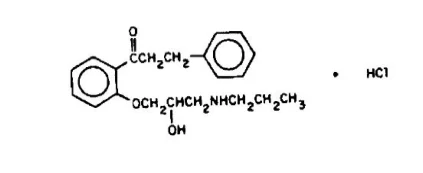
Molecular formula: C21H27NO3.HCl
Molecular weight: 377.92 g/mol
Physicochemical Propafenone hydrochloride occurs as colourless crystals or white properties: crystalline powder with a very bitter taste. It has a pKa of 8.8 ± 0.3 and is slightly soluble in water (20°C), sparingly soluble in hot water, hot chloroform and methanol and is practically insoluble in ethanol and acetone. Propafenone hydrochloride has a pH of 5.2 to 6.2 (0.5% m/v in water) and has a melting point of 172.0° to 174.0°C.
CLINICAL TRIALS
Comparative Bioavailability Studies
A two-way, multiple dose, comparative, randomised, crossover, steady-state, fasting bioavailability study of pms-PROPAFENONE (propafenone hydrochloride) 300 mg tablets against the Canadian Reference Rythmol® 300 mg tablets and 150 mg tablets against the Canadian Reference Rythmol® 150 mg tablets in normal, healthy, male volunteers was conducted. The pharmacokinetic data calculated for pms-PROPAFENONE and Canadian Reference Product Rythmol® are presented below.
pms-Propafenone
(1 x 300 mg taken twice daily)
From Measured Data
Geometric Mean
Arithmetic Mean (C.V.)
| Parameter | Test* | Reference† | % Ratio of Geometric Means | 95% Confidence Interval |
| AUCtau (ng.hr/mL) | 5525.35 | 5108.79 | 108 | 99 – 119% |
| 6273.06 (44.77) | 5977.54 (52.39) | |||
| Cmax (ng/mL) | 860.08 | 771.34 | 112 | 101 – 124% |
| 922.13 (33.25) | 847.35 (41.21) | |||
| Cmin (ng/mL) | 166.06 | 157.19 | 106 | 96 – 118% |
| 243.50 (82.89) | 232.02 (89.28) | |||
| Tmax (hours)§ | 2.54 (41.87) | 3.24 (32.20) |
* pms-PROPAFENONE, Manufactured by Pharmascience Inc., Canada
† RYTHMOL® Manufactured by Knoll Pharma Inc., Canada
§ Expressed as arithmetic mean (CV%) only.
pms-Propafenone
(1 x 150 mg taken twice daily)
From Measured Data
Geometric Mean
Arithmetic Mean (C.V.)
| Parameter | Test* | Reference† | Ratio (%) of Geometric Means | 95% Confidence Interval |
| AUCtau (ng.hr/mL) | 851.26 | 809.09 | 105 | 94 – 118% |
| 1018.72 (46.55) | 1006.02 (57.62) | |||
| Cmax (ng/mL) | 190.88 | 178.96 | 107 | 93 – 122% |
| 220.66 (43.88) | 214.67 (52.49) | |||
| Cmin (ng/mL) | 8.74 | 8.83 | 99 | 90 – 108% |
| 12.34 (79.74) | 13.08 (96.39) | |||
| Tmax (hours)§ | 2.5 (0.83) | 2.0 (0.82) |
* pms-PROPAFENONE, Manufactured by Pharmascience Inc., Canada
† RYTHMOL® Manufactured by Knoll Pharma Inc., Canada
§ Expressed as arithmetic mean (CV%) only.
Study Demographics and Trial Design
Table 3: Summary of Patient Demographics for Clinical Trials in Patients with severe ventricular arrhythmias
| Study # | Trial Design | Dosage, Route of Administration and Duration | Study Subjects (n = number) |
| I | Double-blind, crossover, placebo controlled evaluation in patients with severe ventricular arrhythmias | 150 mg b.i.d. 150 mg t.i.d. 300 mg b.i.d. 300 mg t.i.d. Oral dose. 4 weeks. | 64 treated |
| II | Double-blind, randomized, placebo- controlled, crossover, In-hospital evaluation in patients with severe ventricular arrhythmias. | 150 mg b.i.d. 150 mg t.i.d. 300 mg b.i.d. 300 mg t.i.d. Oral dose. 6 days | 37 treated |
Definitions: b.i.d. = twice daily; t.i.d. = three times daily
Study Results
Study I was designed to evaluate the safety and efficacy of chronic propafenone (propafenone hydrochloride) administration in patients with severe ventricular arrhythmias. The study consisted of a one-week placebo run-in phase to establish eligibility followed by a four-week dose-ranging phase (300, 450, 600 and 900 mg/day) to establish each patient’s optimal therapeutic dose of propafenone hydrochloride. A double-blind, randomized, crossover phase consisting of two two-week periods comparing propafenone hydrochloride to placebo followed. Each two-week period was proceeded by a one-week placebo washout period. Holter recordings were made at weekly intervals throughout the study and analyzed to determine efficacy. Results of this study are summarized in Table 4.
Table 4: Efficacy Results of Study I in Patients with severe ventricular arrhythmias
| Efficacy Parameters | Treatment | Combined Double-Blind Period | |||||||
| N | Pretreatment | Post-treatment | |||||||
| Mean ± S.D. | p- valuea | Mean ± S.D. | Mean (Median) Change | p- valueb | p- valuea | p- valuec | |||
| Average # of VPB’s per hour | Propafenone | 43 | 469.3 ± 510.8 | N.S. | 74.5 ± 177.2 | -394.7 (-217.3) | <0.01 | <0.01 | <0.01 |
| Placebo | 42 | 428.6 ± 402.0 | 503.5 ± 460.0 | 74.9 (52.8) | N.S. | ||||
| Average # of single VPB’s per hour | Propafenone | 43 | 425.5 ± 451.0 | N.S. | 71.6 ± 173.4 | -354.0 (-210.6) | <0.01 | <0.01 | <0.01 |
| Placebo | 42 | 398.8 ± 377.7 | 451.8 ± 395.3 | 53.0 (44.6) | N.S. | ||||
| Average # of paired VPB’s per hour | Propafenone | 43 | 40.6 ± 85.2 | N.S. | 1.6 ± 4.7 | -39.0 (-3.8) | <0.01 | <0.01 | <0.01 |
| Placebo | 42 | 26.8 ± 54.7 | 45.9 ± 106.6 | 19.1 (0.0) | N.S. | ||||
| Average # of VT beats per 24 hours | Propafenone | 43 | 75.3 ± 221.7 | N.S. | 33.7 ± 216.3 | -41.7 (-9.7) | <0.01 | <0.01 | <0.01 |
| Placebo | 42 | 71.6 ± 204.7 | 139.5 ± 371.2 | 67.9 (0.0) | N.S. | ||||
| Average # of VT events per 24 hours | Propafenone | 43 | 22.3 ± 64.7 | N.S. | 1.1 ± 5.6 | -21.2 (-2.9) | <0.01 | <0.01 | <0.01 |
| Placebo | 42 | 22.5 ± 64.3 | 40.7 ± 115.4 | 18.2 (0.0) | N.S. | ||||
VPB’s = Ventricular Premature Beats Paired VPB’s = The number of VPB’s occurring in pairs or couplets (not the number of pairs). VT beats or Ventricular Tachycardia beats = Ventricular Premature Beats occurring in events of 3 or more. VT events = 3 or more VPB’s. N.S. = Not statistically significant at the 0.05 significance level. a Between treatment p-value for current period values. b Within treatment p-value for change from baseline. c Between treatment p-value for change from baseline. | |||||||||
Propafenone hydrochloride was clinically and statistically (p < 0.01) superior to placebo in reducing the number of ventricular premature beats (total ventricular premature beats [VPB’s], single VPB's, paired VPB's), ventricular tachycardia beats, and ventricular tachycardia events. In addition to the above combined period analysis, the first period was analyzed alone (results not shown) and propafenone hydrochloride was significantly superior to placebo for all efficacy parameters.
Study II was also designed to evaluate the safety and efficacy of chronic propafenone hydrochloride administration in patients with severe ventricular arrhythmias. The study began with a two-day placebo run-in phase during which patients must have 60 VPB's/hour or sustained VT or “R on T” etc. Patients fulfilling the entrance criteria were entered into an eight-day dose-ranging phase. A double-blind, randomized, crossover phase consisting of two three-day periods comparing propafenone hydrochloride to placebo followed. Each three-day period was preceded by a two- to three-day placebo washout period. Nine, 24-hour Holter recordings were obtained throughout the study for each completed patient.
Propafenone hydrochloride was shown clinically and statistically (p < 0.0l) superior to placebo in reducing all ventricular ectopy parameters as shown in the following Table 5.
Table 5: Efficacy Results of Study II in Patients with severe ventricular arrhythmias
| Efficacy Parameters | Treatment | Combined Double-Blind Period | |||||||
| N | Pre-treatment | Post-treatment | |||||||
| Mean ± S.D. | p- valuea | Mean ± S.D. | Mean (Median) Change | p- valueb | p- valuea | p- valuec | |||
| Average # of VPB’s | Propafenone | 19 | 633.2 ± 635.6 | 0.02d,e | 66.9 ± 81.9 | -566.3 (-452.1) -566.3 (-452.1) | <0.01d | <0.01d | <0.01d |
| per hour | Placebo | 19 | 542.7 ± 581.1 | 682.0 ± 789.7 | 139.3 (-2.4) | N.S.d | |||
| Average # of single | Propafenone | 19 | 499.5 ± 433.8 | <0.01d,e | 62.5 ± 77.2 | -437.0 (-438.9) | <0.01d | <0.01d | <0.01d |
| VPB’s per hour | Placebo | 19 | 399.2 ± 428.4 | 483.9 ± 475.5 | 84.7 (-10.4) | N.S.d | |||
| Average # of paired | Propafenone | 19 | 77.9 ± 152.0 | N.S.d | 4.1 ± 13.5 | -73.8 (-8.0) | <0.01d | <0.01d | <0.01d |
| VPB’s per hour | Placebo | 19 | 93.3 ± 184.8 | 121.4 ± 250.9 | 28.1 (0.0) | N.S.d | |||
| Average # of VT | Propafenone | 19 | 1340.3 ± | N.S.d | 7.0 ± 21.2 | -1333.3 (-32.5) | <0.01d | <0.01d | <0.01d |
| beats per 24 hours | 3851.4 | ||||||||
| Placebo | 19 | 1204.7 ± | 1839.3 ± | 634.7 (0.0) | N.S.d | ||||
| 2550.2 | 5257.5 | ||||||||
| Average # of VT | Propafenone | 19 | 317.0 ± 780.9 | N.S.d | 2.3 ± 7.0 | -314.7 (-10.5) | <0.01d | <0.01d | <0.01d |
| events per 24 hours | Placebo | 19 | 343.7 ± 708.0 | 476.3 ± | 132.6 (0.0) | N.S.d | |||
| 1301.1 | |||||||||
VPB’s = Ventricular Premature Beats Paired VPB’s = The number of VPB’s occurring in pairs or couplets (not the number of pairs). VT beats or Ventricular Tachycardia beats = Ventricular Premature Beats occurring in events of 3 or more. VT events = 3 or more VPB’s. N.S. = Not statistically significant at the 0.05 significance level. a Between treatment p-value for current period values. b Within treatment p-value for change from baseline. c Between treatment p-value for change from baseline. d This test was performed on transformed data. e Indicates a difference in the behaviour of the two treatment sequences, possibly due to the inconsistent results during the placebo periods. | |||||||||
DETAILED PHARMACOLOGY
Electrophysiology
The antiarrhythmic effect of propafenone (propafenone hydrochloride) has been demonstrated in a number of different animal models. Electrically-induced ventricular fibrillation was controlled by propafenone hydrochloride (2 mg/kg intravenous) in the guinea pig and rabbit. Chloroform- and adrenaline-induced arrhythmias were reduced or abolished by propafenone hydrochloride in the cat (1 mg/kg intravenous, 2 to 10 mg/kg intravenous) and dog (1 mg/kg intravenous, 10 mg/kg oral) as were arrhythmias induced by calcium chloride, glycoside and coronary ligature in the dog (1 to 4 mg/kg intravenous). Aconitine-induced arrhythmias were also controlled by propafenone hydrochloride in the rabbit (3 mg/kg intravenous).
Propafenone can be classified as an antiarrhythmic drug with a membrane stabilizing effect.
Hemodynamics
In the dog, the force of ventricular contraction and blood pressure were not affected by doses of 3 mg/kg intravenous. However, after higher doses of 12 mg/kg intravenous or in hearts predamaged by coronary ligature, or when administering beta-blockers concomitantly, a fall in blood pressure, a reduction in the heart rate and contractility, and an increase in ECG-intervals (PR and QRS) have been seen.
Other
Structural similarities between propafenone and propranolol prompted several animal investigations into the possible beta-blocking effects of propafenone. A beta1-sympatholytic action on isolated heart preparations (guinea pigs) and a beta2-sympatholytic action on the coronary arteries and tracheal muscles (bovine) have been demonstrated in vitro. In vivo studies in rats showed that the antiarrhythmic effect occurred with intravenous doses seven times lower than necessary for the beta-blocking effect (ED50 at 0.437 mg/kg and 3.25 mg/kg respectively). However, the in vitro beta-blocking effect of propafenone occurred in the same dose range as the antiarrhythmic effect.
In in vitro studies of bovine coronary arteries, propafenone (56.0 mg/L) yielded a relaxing effect weaker than that of etafenone, papaverine, hexobendine, fendiline and oxifedrine but stronger than that of theophylline, aminophylline and carbocromen. In bovine tracheal muscle, and guinea pig colon, the potency of propafenone was the same as that of papaverine. In vivo, canine duodenum tone decreased slightly after intravenous propafenone, 0.5 to 4.0 mg/kg, with a marked decrease of the amplitude of peristalsis following propafenone, 1.0 to 4.0 mg/kg.
The local anesthetic activity of propafenone was demonstrated in the cornea of conscious guinea pigs with a 0.5% solution of propafenone.
TOXICOLOGY
Acute Toxicity
Table 6: LD50 Values Observed in the Acute Toxicity Studies
Species Route Sex LD50 ( 95 % Confidence Interval )
Mouse oral male 650 (445-888) mg/kg
female 605 (434-840) mg/kg
i.v. male 29.3 (26.6-32.7) mg/kg
female 31.1 (28.3-35.7) mg/kg
Rat oral male 1,316 (978-1,729) mg/kg
(Adult) female 1,250 (263-5,934) mg/kg*
i.v. male 18.6 (16.8-22.0) mg/kg
female 16.8 (14.4-19.4) mg/kg
Rat oral male 3,556 (2,731-4,885) mg/kg
(Juvenile) female 2,902 (2,090-4,484) mg/kg
i.v. male 23.0 (16.0-32.0) mg/kg
female 23.1 (16.1- 31.8) mg/kg
* 90% confidence interval
In an acute oral dose tolerance study in dogs with two animals per dose level, no dogs died at 350 mg/kg, one dog died at 500 mg/kg and both dogs died at 650 mg/kg. In a similar study in cats, no animals died at 60 mg/kg and both cats died at the 100 mg/kg dose level.
Primary symptoms of toxicity were ataxia, attenuated reflexes and tonic-clonic convulsions.
Subacute and Chronic Toxicity
The studies are summarized in Table 7. For all studies, animals in each group were equally divided by sex.
Table 7: Summary of Subacute and Chronic Toxicity Studies
| Species | Route of Dosing | Duration of Dosing | Daily Dose (mg/kg) | No. of Animals Per Dose Group | No. of Deaths per Dose Group | Toxic Effects |
| Rabbit | i.v. | 3 weeks | 0 | 4 | 0 | Dose related reduction in body weight increases and elevated SPGT values were observed in the high dose group. High dose group had significantly increased heart weights, with focal muscle cell degeneration. Reduced spermatogenesis was found on histological examination in all groups. |
| 0.3 | 4 | 0 | ||||
| 0.5 | 4 | 0 | ||||
| 1.0 | 4 | 0 | ||||
Rat (Wistar) | i.v. | 4 weeks | 0 | 30 | 0 | Changes were observed in the 3.5 mg/kg group. Sedation, tremor and reduced alertness were noted as well as reduction in body weight gain and food and water consumption. Clinical laboratory tests revealed decreases in erythrocyte count and serum urea, sodium and phosphorus values. Increases in serum chloride were also noted. |
| 0.35 | 30 | 0 | ||||
| 1.75 | 30 | 0 | ||||
| 3.5 | 30 | 0 | ||||
Rat (Wistar) | Oral (gavage) | 4 weeks | 0 | 20 | 0 | A decrease in serum sodium values was observed in rats receiving 300 mg/kg. |
| 30 | 20 | 0 | ||||
| 150 | 20 | 0 | ||||
| 300 | 20 | 0 | ||||
Rat (Wistar) | Oral (gastric tube) | 6 months | 0 | 30 | 0 | Due to high mortality, the intermediate and high doses were reduced after eight weeks. Death was preceded by weight loss or reduced weight gain. Intermediate doses produced sedation and reduced reflexes. Sedation, apathy, ataxia, impaired coordination, shaggy skin, loose stool and intermittent tonic-clonic convulsions occurred in the high dose group. Histopathology revealed a dose related increase in fatty liver cells and kidney protein cylinders in the tubuli. Nephritis was observed in the high dose group. Focal to complete degeneration of the tubular epithelial cells in the testes was observed equally in all dose groups. |
| 90 | 30 | 0 | ||||
| 270 (180) | 30 | 3 | ||||
| 600 (360) | 30 | 11 | ||||
Rat (Sprague-Dawley) | Oral (gavage) | 26 weeks | 0 | 52 | 0 | Due to high mortality, the high dose was decreased after 6 weeks. Primarily in the high dose group, observations included unkempt coat, sedation, ataxia and apathy. Inhibition of body weight gain occurred in all groups. Inflammatory renal lesions (nephritis and nephrohydrosis) caused by precipitations of propafenone in the upper tubules was noted in several high dose and one intermediate dose animal. |
| 90 | 52 | 0 | ||||
| 180 | 52 | 14 | ||||
| 500 (360) | 52 | 27 | ||||
| Species | Route of Dosing | Duration of Dosing | Daily Dose (mg/kg) | No. of Animals Per Dose Group | No. of Deaths per Dose Group | Toxic Effects |
Dog (Beagle) | i.v. | 4 weeks | 0 | 6 | 0 | The 5 mg/kg animals showed a reduction in bodyweight and food consumption, and increased restlessness, timidity, anxiety and shaggy coats. Tremor, reduced responses and spontaneous defecation were observed immediately post injection. ECG tracings taken at the end of the study revealed significant heart rate reduction. Laboratory evaluations revealed significantly lowered LDH, BUN, Na, Cl, and inorganic phosphorus. Complete cessation of spermatogenesis was observed on histopathology. |
| 0.3 | 6 | 0 | ||||
| 1.0 | 6 | 0 | ||||
| 5 | 6 | 0 | ||||
Dog (Beagle) | i.v. | 4 weeks | 0 | 6 | 0 | The 5 mg/kg group showed a decrease in serum potassium. |
| 1.0 | 6 | 0 | ||||
| 2.2 | 6 | 0 | ||||
| 5 | 6 | 0 | ||||
Dog (Mongrel) | Oral | 4 weeks | 0 | 2 | 0 | Reduction in body weight and increased heart and liver weights were observed in the high dose group. |
| 20 | 2 | 0 | ||||
| 50 | 2 | 0 | ||||
| 100 | 2 | 0 | ||||
Dog (Beagle) | Oral | 6 months | 0 | 6 | 0 | The following effects were observed in the 120 mg/kg group: sedation, intermittent tremor, reduced body weight gain and food consumption. Prothrombin time was also shortened. Due to one death and the marked deterioration of remaining animals in the 240 mg/kg group, the dose was reduced to 180 mg/kg at 9 weeks and gradually increased to 240 mg/kg at the thirtieth week. At this dose, animals exhibited apathy, sedation, ataxia, convulsions, vomiting, salivation, diarrhea, reduced body weight gain and food intake, reduced prothrombin time, decreased LDH values and increased uric acid. |
| 30 | 6 | 0 | ||||
| 120 | 6 | 0 | ||||
240 (180) (210) (240) | 6 | 1 | ||||
Dog (Beagle) | Oral | 52 weeks | 0 | 10 | 0 | Vomiting was observed in the 60 mg/kg dosed dogs. The 120 mg/kg dogs exhibited vomiting, ataxia and tremor with tonic-clonic spasm. Biochemical analysis showed decreased total protein and globulins. One animal at 60 mg/kg and 3 animals at 120 mg/kg died. Probable cause of death: circulatory collapse. |
| 30 | 10 | 0 | ||||
| 60 | 10 | 1 | ||||
| 120 | 10 | 3 | ||||
Monkey (Rhesus) | i.v. | 4 weeks | 0 | 4 | 0 | A dose related decrease in body weight gain was reported. All animals treated showed a decrease in the ejaculation volume and sperm count. Death of all spermatozoa was observed in the high dose group. The following was observed on histopathology: inhibition of spermatogenesis in the 2.0 mg/kg group and more severe disorders of spermatogenesis (including absence of spermatozoa maturation, severe degree of atypical nuclei with hyperchromasia and an increased number of nucleus pycnosis) in the 5.0 mg/kg dose group. Sperm counts returned to normal within 8 weeks post study. |
| 2.0 | 4 | 0 | ||||
| 5.0 | 4 | 0 | ||||
Mutagenicity and Carcinogenicity
Mutagenicity Study
The mutagenic potential of propafenone was investigated in bacteria in vitro (Salmonella / microsome assay) as well as in Chinese hamsters, rats and mice in vivo. No indication of mutagenic activity was detected in any of these studies.
Carcinogenicity Studies
Propafenone hydrochloride was administered in doses of 60, 180 and 540 (360) mg/kg to NMR mice for 104 weeks. After 21 weeks, the maximum dose was reduced to 360 mg/kg for the remainder of the study. Sprague-Dawley rats were given doses of 30, 90 and 270 mg/kg in the food for 30 months. In these studies propafenone hydrochloride was not carcinogenic.
Reproduction and Teratology
Fertility and General Reproductive Performance
SPF albino rats (24/sex/dose) received 0, 30, 90and 270 mg/kg/day of propafenone hydrochloride (gavage). Males were treated for 70 days prior to mating and females began treatment 14 days prior to mating. Both continued treatment for a maximum of 14 days during the mating period. Propafenone hydrochloride did not produce any adverse effects on fertility but increased the time required for mating.
Male Wistar rats (20/group) and male albino rabbits (10/group) received oral propafenone hydrochloride at doses of 0 or 150 mg/kg (rats) and 0 or 120 mg/kg (rabbits) over 10 weeks (6 days/week). On the last day of treatment in the rat and after termination of treatment in the rabbit, each male was paired with two non-treated females. There was no effect in either species on fertility, mating behaviour, or litter size.
Teratology Studies
Female Wistar rats (20/group) received oral propafenone hydrochloride (gavage) at doses of 0, 90, 270 or 600 mg/kg from the 5th to the 15th day of pregnancy. There was no evidence of teratogenicity at any dose. An embryotoxic effect (i.e. increased resorption rates and decreased fetal weights) was detected at the highest dose level. This dose was already toxic to dams as evidenced by reduced weight gain.
White pregnant female New Zealand rabbits received oral (gavage) propafenone hydrochloride at doses of 0, 15, 30 or 150 mg/kg/day from the 6th to the 18th day of pregnancy. Fetuses of the intermediate and high dose group showed variations (retarded ossification of the skull, the coccygeal vertebra and end-phalanx). The number of resorption and dead fetuses was increased in the high dose group. This dose was toxic to the dam as evidenced by reduced weight gain and increased mortality.
Spermatogenesis
Intravenous administration of propafenone hydrochloride in doses of 0.3, 0.5 and 1.0 mg/kg for three weeks to NZ-rabbits (two per dose) resulted in reduced spermatogenesis. The dose of 1.0 mg/kg produced degenerated spermatogenic epithelium in the testes of all animals.
Additional studies of spermatogenesis were performed in the monkey, dog and rabbit. After intravenous administration of 2 and 5 mg/kg propafenone hydrochloride per day to monkeys for four weeks, decreased spermatogenesis occurred, but was reversible eight weeks after discontinuation of propafenone hydrochloride. Minor alterations in the spermatogram (oligospermia) were observed in dogs administered 5 mg/kg intravenous for four weeks and rabbits administered 3.5 and 5 mg/kg intravenous for six days. The phenomenon was reversible four weeks after discontinuation of propafenone hydrochloride. No injury to the parenchyma of the testes occurred, nor did electron microscopy demonstrate any changes in the spermatogenic epithelium of rabbits.
REFERENCES
- 1. Baker BJ, Dinh H, Kroskey D, de Soyza N, Murphy ML, Franciosa JA. Effect of Propafenone on Left Ventricular Ejection Fraction. Am J Cardiol 1984; 54(9): 20D-22D.
- 2. Brodsky MA, Allen BJ, Abata D, Henry WL. Propafenone Therapy for Ventricular Tachycardia in the Setting of Congestive Heart Failure. Am Heart J 1985; 110(4): 794-799.
- 3. Chilson DA, Heger JJ, Zipes DP, Browne KF, Prystowsky EN. Electrophysiologic Effects and Clinical Efficacy of Oral Propafenone Therapy in Patients with Ventricular Tachycardia. J Am Coll Cardiol 1985; 5(6): 1407-1413.
- 4. Connolly SJ, Kates RE, Lebsack CS, Harrison DC, Winkle RA. Clinical Pharmacology of Propafenone. Circulation 1983; 68(3): 589-596.
- 5. Connolly SJ, Lebsack CS, Winkle RA, Harrison DC, Kates RE. Propafenone Disposition Kinetics in Cardiac Arrhythmia. Clin Pharmaco Ther 1984; 36: 163-168.
- 6. De Soyza N, Terry L, Murphy ML, Thompson CH, Doherty JE, Sakhaii M, Dinh H. Effect of Propafenone in Patients with Stable Ventricular Arrhythmias. Am Heart J 1984; 108(2): 285-289.
- 7. Echt DS, Liebson PR, Mitchell LB, et al. Mortality and Morbidity in Patients Receiving Encainide, Flecainide, or Placebo. The Cardiac Arrhythmia Suppression Trial. N Engl J Med 1991; 324: 781-788.
- 8. Hill MR, Gotz VP, Harman E, McLeod I, Hendeles L. Evaluation of the Asthmogenicity of Propafenone, a New Antiarrhythmic Drug. Chest 1986; 90(5): 698-702.
- 9. Naccarella F, Bracchetti D, Palmieri M, Cantelli I, Bertaccini P, Ambrosioni E. Comparison of Propafenone and Disopyramide for Treatment of Chronic Ventricular Arrhythmias: Placebo-controlled, Double-blind, Randomized Crossover Study. Am Heart J 1985; 109(4): 833-840.
- 10. Podrid PJ, Lown B. Propafenone: A New Agent for Ventricular Arrhythmia. J Am Coll Cardiol 1984; 4(1): 117-125.
- 11. Podrid PJ, Lampert S, Graboys B, Blatt CM, Lown B. Aggravation of Arrhythmia by Antiarrhythmic Drugs - Incidence and Predictors. Am J Cardiol 1987;59:38E-44E.
- 12. Rabkin SW, Rotem CE, Boroomand-Rashti K, Bar-Shlomo B. Propafenone for the Treatment of Severe Ventricular Arrhythmias. Can Med Assoc J 1984; 131: 601-603.
- 13. Salerno DM, Granrud G, Sharkey P, Asinger R, Hodges M. A Controlled Trial of Propafenone for Treatment of Frequent and Repetitive Ventricular Premature Complexes. Am J Cardiol 1984; 53(1): 77-83.
- 14. Shen EN, Sung RJ, Morady F, Schwartz AB, Scheinman MM, DiCarlo L, Shapiro W. Electrophysiologic and Hemodynamic Effects of Intravenous Propafenone in Patients with Recurrent Ventricular Tachycardia. J Am Coll Cardiol 1984; 3(5): 1291-1297.
- 15. Product Monograph for RYTHMOL® by Abbott Laboratories, Limited. Control No: 169503. Date of Revision: March 26, 2014.