


Product Monograph - PRISM0CAL
SUMMARY PRODUCT INFORMATION
| Route of Administration | Dosage Form / Strength | Clinically Relevant Nonmedicinal Ingredients |
For intravenous infusion For hemodialysis | Sterile solution for hemofiltration and hemodialysis / Lactic acid 0.284 g/L, Magnesium chloride hexahydrate 0.108 g/L, sodium bicarbonate 58.8 g/L, and sodium chloride 6.449 g/L solution. | Not relevant All non medicinal ingredients are pharmacologically inactive. For a complete listing see Dosage Forms, Composition and Packaging section of the prescribing information document. |
INDICATIONS AND CLINICAL USE
Prism0CAL:
- Is used in the treatment of acute renal failure, as replacement solution in hemofiltration and hemodiafiltration and as dialysis solution in hemodialysis or hemodiafiltration in Continuous Renal Replacement Therapy (CRRT).
- Is indicated in patients who have tendency to hyperkalaemia and/or hypercalcemia.
- May also be used in case of drug poisoning with dialysable or filterable substances.
The solution should be used only by, or under the direction of, a physician competent in renal failure treatments using hemofiltration, hemodiafiltration and hemodialysis in CRRT.
Geriatrics (> 65 years of age):
There are no adequate data for use in geriatric patients.
Pediatrics (< 16 years of age):
There are no adequate data for use in pediatric patients.
CONTRAINDICATIONS
Solution dependant contraindications
- Hypokalaemia
- Metabolic alkalosis
- Hypocalcaemia
Prism0CAL is contraindicated in patients with known hypersensitivity to the product.
WARNINGS AND PRECAUTIONS
General:
Check that the solutions are clear and that all seals are intact before mixing. Use only if the overwrap and solution bag are undamaged. Use of a contaminated solution may cause sepsis and shock. Carefully follow the instructions for use.
The electrolyte solution must be mixed with the buffer solution before use to obtain the reconstituted solution suitable for hemofiltration / hemodiafiltration / hemodialysis in CRRT.
Do not administer the solution unless it is clear. Aseptic technique must be used during connection / disconnection of the line sets.
The product is not intended to be used with other renal replacement therapies, including conventional hemodialysis, sustained low-efficiency dialysis (SLED), extended daily dialysis (EDD), or prolonged intermittent renal replacement therapy (PIRRT).
The solution may be heated to no more than 37°C and this must be carefully controlled. After heating, verify that the solution remains clear and contains no particulate matter.
Prism0CAL is potassium-free and calcium-free and its use could result in hypocalcaemia and/or hypokalaemia. Close monitoring might be necessary. The serum potassium concentration must be monitored before and during hemofiltration and/or hemodialysis.
Because Prism0CAL contains no dextrose, administration of Prism0CAL may lead to Hypoglycemia. Blood glucose levels should be monitored regularly. If Hypoglycemia develops, use of a dextrose-containing solution should be considered. Other corrective measures may be necessary to maintain desired glycemic control.
Prism0CAL contains hydrogen carbonate (bicarbonate), and lactate (a bicarbonate precursor) which can influence the patient’s acid–base balance. If metabolic alkalosis develops during therapy with Prism0CAL, the administration should be stopped.
The patient’s hemodynamic status and fluid balance should be monitored throughout the procedure. In case of hypervolaemia, one possible cause is a discrepancy between the prescribed and actual rates of dialysate, replacement fluid and effluent. If such a discrepancy exists, the user should determine its cause. The net ultrafiltration rate prescribed for the CRRT devices can be increased and/or the rate of administration of solutions other than dialysate and/or replacement fluid can be reduced.
In case of hypovolaemia, one possible cause is a discrepancy between the prescribed and actual rates of dialysate, replacement fluid and effluent. If such a discrepancy exists, the user should determine its cause. The net ultrafiltration rate prescribed for the CRRT device can be reduced and/or the rate of administration of solutions other than dialysate and/or replacement can be increased.
Vitamin D and other vitamin D analogues may increase the risk of hypercalcemia. If hypercalcemia develops, toxicity of vitamin D as a potential cause should be considered.
Special Populations
Pregnant Women: There are no adequate data from the use of Prism0CAL in pregnant women. The prescribing health professional should carefully consider the potential risks and benefits for each specific patient before administering this solution to pregnant women. Prism0CAL may be considered during pregnancy if clearly needed.
Nursing Women: There are no adequate data from the use of Prism0CAL in lactating women. The prescribing health professional should carefully consider the potential risks and benefits for each specific patient before administering this solution to breast-feeding women.
Pediatrics (< 16 years of age): There are no adequate data for use in pediatric patients.
Geriatrics (> 65 years of age): There are no adequate data for use in geriatric patients.
Monitoring and Laboratory Tests
Hemodynamic status, fluid balance, electrolyte and acid-base balance should be closely monitored throughout the procedure.
As the solution is potassium free and calcium free, special attention should be given to potassium and calcium levels. A potassium and calcium supplement may be necessary.
The blood inorganic phosphate concentration should be monitored regularly. Inorganic phosphate must be substituted in cases of hypophosphataemia.
Assessment of buffer needs through repeated blood pH and blood bicarbonate measurements and review of the overall therapy is mandatory. A solution with higher hydrogen carbonate content may be required, based on the patient’s clinical condition, the CRRT prescription (including the flow rates of dialysate and/or replacement fluid), and the type of anticoagulation prescribed. Frequent monitoring of blood electrolytes, acid-base parameters, and ionized calcium is especially important when Regional Citrate Anticoagulation (RCA) is prescribed.
In case of metabolic alkalosis, the alkali content of other fluids being administered to the patient (including those prescribed as part of the CRRT procedure) should be evaluated. Buffer load provided as a part of RCA is especially important to assess.
In case of fluid imbalance (example: cardiac failure, head trauma…), the clinical situation must be carefully monitored and balancing must be restored.
ADVERSE REACTIONS
Adverse Drug Reaction Overview
Adverse drug reactions can result from the solution used or the treatment.
Bicarbonate-buffered hemofiltration and hemodialysis solutions are generally well tolerated. However, the following adverse drug reactions are conceivable:
Hyper- or hypovolemia, electrolyte disturbances, hypophosphataemia, metabolic alkalosis.
Some adverse reactions related to the dialysis treatments (hemodialysis, hemofiltration and hemodiafiltration) can occur, such as nausea, vomiting, and muscle cramps.
Other adverse reactions reported with similar products include
- Hypotension
- Acid–base balance disorders
- Electrolyte imbalance
- Fluid imbalance
Clinical Trial Adverse Drug Reactions
Not applicable
Less Common Clinical Trial Adverse Drug Reactions (<1%)
Not applicable
Abnormal Hematologic and Clinical Chemistry Findings
Not applicable Post-Market Adverse Drug Reactions No serious and/or unexpected adverse drug reactions, other than those listed in the previous ADVERSE REACTIONS subsections, have been reported post market.
DRUG INTERACTIONS
Overview
The blood concentration of filterable/dialysable drugs may be reduced during treatment due to their removal by the extracorporeal filter. Corresponding corrective therapy should be instituted if necessary to establish the desired blood concentrations for drugs removed during treatment. Interactions with other medications can be avoided by correct dosage of the solution for hemofiltration and hemodialysis and precise monitoring.
It is the responsibility of the physician to consider the compatibility of any medication that is to be mixed with the Prism0CAL solution, by checking for colour change and precipitation of insoluble complexes or crystals. The Instructions for Use of the medication to be added must be consulted.
The compatible medication must be added to the reconstituted solution and the solution must be administered immediately.
Medication should only be added under the direction of a physician in the following way: Remove any fluid from injection port, hold the bag upside down, insert the drug through the injection port and mix thoroughly. When introducing additives, use aseptic techniques. The solution must be administered immediately.
Drug-Drug Interactions
Interactions with other drugs have not been established.
However, the following interactions are conceivable:
- The risk of digitalis-induced cardiac arrhythmia is increased during hypokalaemia;
- Additional sodium bicarbonate [or buffer source] contained in the CRRT fluids or in other fluids administered during therapy may increase the risk of metabolic alkalosis.
- When citrate is used as an anticoagulant, it contributes to the overall buffer load and can reduce plasma calcium levels.
Drug-Food Interactions
Interactions with food have not been established.
Drug-Herb Interactions
Interactions with herbal products have not been established.
Drug-Laboratory Interactions
Interactions with laboratory tests have not been established.
Drug-Lifestyle Interactions
Not relevant
DOSAGE AND ADMINISTRATION
Dosing Considerations
The rate at which Prism0CAL is administered depends on the blood concentration of electrolytes, acid-base balance, fluid balance and overall clinical condition of the patient. The volume of replacement solution and/or dialysate to be administered will also depend on the desired intensity (dose) of the treatment. The solution should be prescribed and administration (dose, infusion rate and cumulative volume) should be established only by a physician experienced in critical care medicine and CRRT.
Phosphate up to 1.2 mmol/L may be added to Prism0CAL. If potassium phosphate is added, the total potassium concentration should not exceed 4 mEq/L (4 mmol/L).
Recommended Dose and Dosage Adjustment
The approximate range of commonly used flow rates for the replacement solution in hemofiltration and hemodiafiltration are:
Adult: 500 - 3000 mL/h
Children (including adolescents to 18 years): 1000 - 4000 mL/h/1.73 m2
The approximate range of commonly used flow rates for the dialysis solution (dialysate) in continuous hemodialysis and continuous hemodiafiltration are:
Adults: 500 - 2500 mL/h
Children (including adolescents to 18 years): 1000 - 4000 mL/h/1.73 m2
Commonly used flow rates in adults are approximately 2000 to 2500 mL/h which correspond to a daily fluid volume of approximately 48 to 60 L. Prism0CAL has an osmolarity of 282 mOsmol/L.
Missed Dose
Not relevant, since Prism0CAL is administered continuously.
Administration
Intravenous use for hemofiltration (and part of hemodiafiltration) and dialysis transmembrane use for hemodialysis.
Prism0CAL is used as a replacement solution and/or dialysate. Prism0CAL, when used as replacement solution, is administered into the extra-corporeal circuit before (pre-dilution) or after (post-dilution) the hemofilter or hemodiafilter.
Prism0CAL, when used as a dialysis fluid (dialysate), is administered in the dialysate compartment of the filter separated from the blood flow by a semipermeable membrane.
Use only with appropriate extracorporeal renal replacement equipment. Prism0CAL may be warmed to 37 °C (98.6 °F) to enhance patient comfort. Warming of Prism0CAL prior to use should be done before reconstitution with dry heat only (e.g., heating pad, warming plate). Solutions should not be heated in water or in a microwave oven due to the potential for patient injury or discomfort.
Prism0CAL should be inspected visually for particulate matter and discoloration prior to administration, whenever solution and container permit. Do not administer unless the solution is clear and the seal is intact.
Reconstitution:
The solution in the small compartment A is added to the solution in the large compartment B after breaking the peel seal immediately before use to obtain the clear and colorless reconstituted solution.
INSTRUCTION FOR USE:
Aseptic technique should be used throughout the handling and administration to the patient.
Use only if the overwrap is not damaged, all seals are intact, peel seal is not broken, and the solution is clear. Press bag firmly to test for any leakage. If leakage is discovered, discard the solution immediately since sterility can no longer be assured.
Do not remove unit from over wrap until ready for use.
The reconstituted solution should be used immediately (not to exceed 24 hours)
The reconstituted solution is for single use only.
Discard any unused portion.
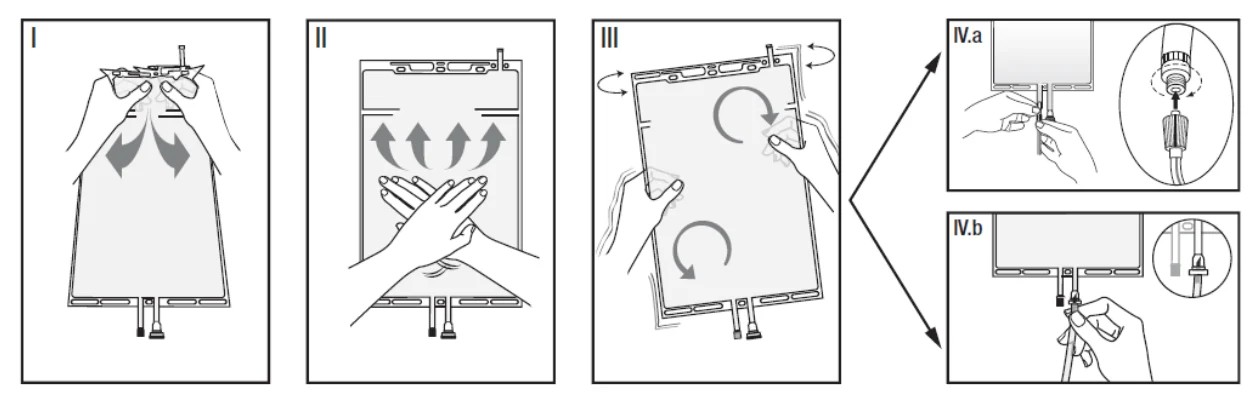
A peel seal separates the two compartments of the bag the following instructions for use should be followed:
I Remove the overwrap from the bag immediately before use and discard any other packaging materials. Open the seal by holding the small compartment with both hands and squeeze it until an opening is created in the peel seal between the two compartments. (See figure I below)
II Push with both hands on the large compartment until the peel seal between the two compartments is entirely open. (See figure II below)
III Secure complete mixing of the solution by shaking the bag gently. The solution is now ready for use, and can be hung on the equipment. (See figure III below)
IV The dialysis or replacement line may be connected to the luer access or the injection port.
IVa If the luer access is used, using aseptic technique, remove the cap with a twist and pull motion and connect the male luer lock on the dialysis or replacement line to the female luer receptor on the bag using a push and twist motion. Ensure that the connection is fully seated and tighten. The connector is now open. Verify that the the fluid is flowing freely. (See figure IV.a below). When the dialysis or replacement line is disconnected from the luer connector, the connector will close and the flow of the solution will stop. The luer port is a needle-less and swabbable port.
IVb If the injection port is used, first remove the snap-off cap. The injection port is a swabbable port. Then introduce the spike through the rubber septum. Verify that the fluid is flowing freely. (See figure IV.b below)
Adding substance or medication to the solution:
The large compartment is fitted with an injection port (spike connector) for the possible addition of other necessary drugs after reconstitution of the solution. Additives may be incompatible. The instructions for use of the medication to be added and other relevant literature must be consulted. After addition, if there is a color change and/or the appearance of precipitates, insoluble complexes, or crystals, do not use.
Mix the solution thoroughly when additives have been introduced. The introduction and mixing of additives must always be performed prior to connecting the solution bag to the extracorporeal circuit.
Before adding a substance or medication, verify that it is soluble and stable in Prism0CAL solution and that the pH range of Prism0CAL is appropriate (pH of the reconstituted solution is 7.0 to 8.5).
Drugs should only be added to the solution under the responsibility of a health professional in the following way: Remove any fluid from the injection port, hold the bag upside down, insert the drug through the injection port. Mix the solution thoroughly when additives have been introduced. The solution must be administered immediately.
OVERDOSAGE
Symptoms of overdose
Overdose of Prism0CAL can lead to severe clinical conditions, such as fluid overload (including congestive heart failure), electrolyte disturbances (including hypokalaemia and hypocalcaemia), or acid-base disturbances.
Electrolyte imbalance and acid–base balance abnormalities (e.g., metabolic alkalosis, Hypophosphatemia, Hypokalemia, etc.) may occur in the event of an overdose. Stop administration promptly. There is no specific antidote for overdose. The risk can be minimized by close monitoring during treatment.
Treatment of overdose
- Electrolyte disturbances
In case of either hypokalaemia or hypocalcaemia, the flow rate of Prism0CAL may need to be reduced or electrolyte administration rate may need to be increased from other sources, such as another CRRT therapeutic fluid (dialysate or replacement fluid) or a solution not part of the CRRT prescription.
- Acid-base disturbances
In case of metabolic acidosis, the overall rate of net alkali administration needs to be increased.
The alkali content of all fluids being administered to the patient (including those prescribed as part of the CRRT procedure) should be evaluated. If RCA is part of the CRRT prescription, it is important to assess the clinical factors potentially influencing citrate metabolism (especially liver function).
For management of suspected overdose, please contact the regional poison centre.
ACTION AND CLINICAL PHARMACOLOGY
Mechanism of Action
Prism0CAL is pharmacologically inactive. The sodium, magnesium and chloride ions are present at concentrations similar to physiological levels in plasma.
The solutions are used to replace water and electrolytes removed during hemofiltration and hemodiafiltration or to serve as a suitable exchange medium for use during hemodiafiltration or hemodialysis in CRRT.
Bicarbonate is used as an alkalising buffer.
Pharmacodynamics
No factor affects the pharmacodynamic response.
Pharmacokinetics
Not relevant, since the drug substances are pharmacologically inactive and are present at concentrations similar to physiological levels in plasma.
Special Populations and Conditions
Not relevant, since the pharmacokinetics are not modified with specific population and conditions.
STORAGE AND STABILITY
Store between 4°C and 30°C. Do not refrigerate. Protect from freezing.
Prism0CAL is for single use only. Any unused solution must be discarded.
Chemical and physical in-use stability of the reconstituted solutions has been demonstrated for 24 hours at 22o C. If not used immediately in-use storage times and conditions prior to use are the responsibility of the user and should not be longer than 24 hours including the duration of the treatment.
Others
Keep in a safe place out of the reach and sight of children.
DOSAGE FORMS, COMPOSITION AND PACKAGING
The container made in polyolefin (polypropylene based, multilayer laminates) materials is a two-compartment bag. A peel seal separates the two compartments.
The large compartment B is fitted with an injection port for drug's admixture after reconstitution of the solution, as well as a luer connector for the connection of the bag with a suitable replacement fluid / dialysate line.
The bag is overwrapped with a transparent outer packaging made of multilayer copolymers.
The 5000 mL bag is composed of a small compartment (250 mL) and a large compartment bag (4750 mL). The solutions are sterile.
Each two compartment bag contains 5000 mL.
Pack size: 2 x 5000 mL in a box
Composition of Prism0CAL before reconstitution
| BEFORE RECONSTITUTION | Prism0CAL | |
|---|---|---|
| Small compartment A (250 mL) | ||
Sodium bicarbonate Water for injection Carbon dioxide | 58.8 g/L to 1000 mL pH adjuster | |
| Large compartment B (4,750 ml) | ||
Sodium chloride (S) - Lactic acid (as lactic acid solution 90% w/w Magnesium chloride, hexahydrate Water for injection | 6.449 g/L 0.284 g/L 0.315 g/L) 0.108 g/L To 1000 mL | |
Composition of Prism0CAL after reconstitution
Theoretical osmolarity: 282 mOsm/L.
| AFTER RECONSTITUTION | Prism0CAL | ||||
| mmol/L | mEq/L | ||||
| Magnesium Mg2+ | 0.5 | 1.0 | |||
| Sodium Na+ | 140 | 140 | |||
| Chloride Cl- | 106 | 106 | |||
| Lactate | 3.0 | 3.0 | |||
| Bicarbonate HCO3- | 32 | 32 | |||
PART II: SCIENTIFIC INFORMATION
PHARMACEUTICAL INFORMATION
Drug Substance 1
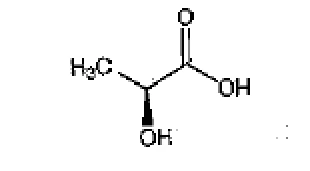
Proper name: Lactic Acid Solution 90% w/w
Chemical name: Lactic Acid Solution 90% w/w
Molecular formula and molecular mass:
C3H6O3
Mr: 90.078 g/mol
Structural formula:
Physicochemical properties:
Appearance: Lactic Acid Solution 90% w/w is colourless or slightly yellow, syrupy liquid.
Solubility: Miscible with water and with ethanol (96 per cent).
Drug Substance 2
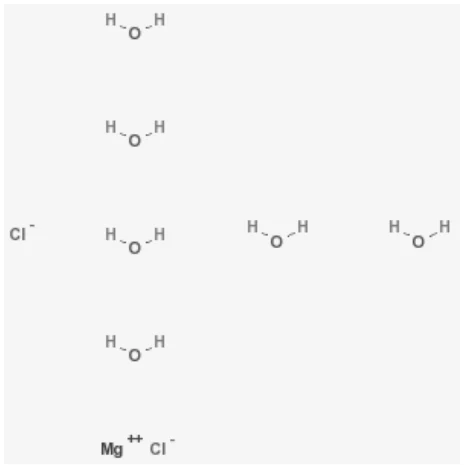
Proper name: Magnesium Chloride Hexahydrate
Chemical name: Magnesium Chloride Hexahydrate
Molecular formula and molecular mass:
MgCl2, 6H2O.
Mr: 203.3 g/mol
Structural formula:
Physicochemical properties:
Appearance: Magnesium Chloride Hexahydrate is a colourless crystal.
Solubility: Magnesium Chloride Hexahydrate is freely soluble in water, freely soluble in alcohol.
Drug Substance 3
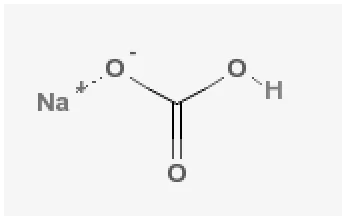
Proper name: Sodium Bicarbonate
Chemical name: Sodium Bicarbonate
Molecular formula and molecular mass:
NaHCO3.
Mr: 84.0 g/mol
Structural formula:
Physicochemical properties:
Appearance: Sodium Bicarbonate is a white crystalline powder.
Solubility: Sodium Bicarbonate is soluble in water, practically insoluble in alcohol.
Other Properties: When heated in the dry state or in solution it gradually changes into sodium carbonate.
Drug Substance 4
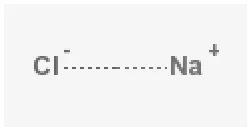
Proper name: Sodium Chloride
Chemical name: Sodium Chloride
Molecular formula and molecular mass:
NaCl.
Mr: 58.44 g/mol
Structural formula:
Physicochemical properties:
Appearance: Sodium Chloride is a white crystalline powder or is presented as colourless crystals or white pearls.
Solubility: Sodium Chloride is freely soluble in water, and practically insoluble in ethanol.
CLINICAL TRIALS
Since Prism0CAL is based on concentrations of electrolytes already in use in the treatment of Acute Renal Failure (ARF) in Continuous Renal Replacement Therapy (CRRT), application has therefore been supported by a review of published literature. There was no specific clinical trial initiated by the applicant for the development of the formulation of this solution.
DETAILED PHARMACOLOGY
Pharmacological studies with Prism0CAL have not been performed. The omission of preclinical studies is justified by the clinical experience with solutions with similar composition as Prism0CAL, used for hemodialysis, hemofiltration and hemodiafiltration.
MICROBIOLOGY
Not applicable
TOXICOLOGY
Toxicological studies with Prism0CAL have not been performed. The omission of preclinical studies is justified by the clinical experience with solutions with similar composition as Prism0CAL, used for hemodialysis, hemofiltration and hemodiafiltration.