


Product Monograph - Pylera
RECENT MAJOR LABEL CHANGES
| 2 CONTRAINDICATIONS | 08/2024 |
|---|---|
| 7 WARNINGS AND PRECAUTIONS, Cardiovascular | 08/2024 |
| 7 WARNINGS AND PRECAUTIONS, Gastrointestinal | 08/2024 |
| 7 WARNINGS AND PRECAUTIONS, Neurologic | 08/2024 |
| 7 WARNINGS AND PRECAUTIONS, Renal | 08/2024 |
TABLE OF CONTENTS
Sections or subsections that are not applicable at the time of authorization are not listed.
RECENT MAJOR LABEL CHANGES ............................................................................... 2
TABLE OF CONTENTS ...................................................................................................... 2
PART I: HEALTH PROFESSIONAL INFORMATION ...................................................... 4
1 INDICATIONS ........................................................................................................... 4
1.1 Pediatrics (<18 years) ........................................................................................... 4
1.2 Geriatrics (> 75 years) ........................................................................................... 4
2 CONTRAINDICATIONS ........................................................................................... 4
4 DOSAGE AND ADMINISTRATION ........................................................................ 5
4.2 Recommended Dose and Dosage Adjustment ..................................................... 5
4.4 Administration ...................................................................................................... 5
4.5 Missed Dose ......................................................................................................... 5
5 OVERDOSAGE......................................................................................................... 5
6 DOSAGE FORMS, STRENGTHS, COMPOSITION AND PACKAGING ............. 6
7 WARNINGS AND PRECAUTIONS ......................................................................... 6
7.1 Special Populations ............................................................................................. 10
7.1.1 Pregnant Women ......................................................................................... 10
7.1.2 Breast-feeding .............................................................................................. 10
7.1.3 Pediatrics (<18 years) ................................................................................. 10
7.1.4 Geriatrics (>75 years) .................................................................................. 11
8 ADVERSE REACTIONS ........................................................................................ 11
8.1 Adverse Reaction Overview ................................................................................ 11
8.2 Clinical Trial Adverse Reactions .......................................................................... 13
8.3 Less Common Clinical Trial Adverse Reactions ................................................... 14
8.5 Post-Market Adverse Reactions ......................................................................... 15
9 DRUG INTERACTIONS ......................................................................................... 15
9.3 Drug-Behavioural Interactions ............................................................................ 15
9.4 Drug-Drug Interactions ....................................................................................... 15
9.5 Drug-Food Interactions ....................................................................................... 17
9.6 Drug-Herb Interactions ....................................................................................... 17
9.7 Drug-Laboratory Test Interactions ...................................................................... 17
10 CLINICAL PHARMACOLOGY .............................................................................. 17
10.1 Mechanism of Action .......................................................................................... 17
10.2 Pharmacodynamics ............................................................................................ 17
10.3 Pharmacokinetics ............................................................................................... 18
11 STORAGE, STABILITY AND DISPOSAL ............................................................ 20
12 SPECIAL HANDLING INSTRUCTIONS ............................................................... 20
PART II: SCIENTIFIC INFORMATION ............................................................................ 20
13 PHARMACEUTICAL INFORMATION .................................................................. 20
14 CLINICAL TRIALS ................................................................................................. 22
14.1 Clinical Trials by Indication ................................................................................. 22
Eradication of H. pylori in Patients with Active Duodenal Ulcer or History of Duodenal Ulcer Disease .................................................................................................................. 22
15 MICROBIOLOGY .................................................................................................... 23
16 NON-CLINICAL TOXICOLOGY ............................................................................ 25
PATIENT MEDICATION INFORMATION ........................................................................ 30
PART I: HEALTH PROFESSIONAL INFORMATION
1 INDICATIONS
Pylera® (bismuth subcitrate potassium, metronidazole, and tetracycline hydrochloride capsules), in combination with omeprazole, are indicated for:
- the eradication of H. pylori in patients with H. pylori infection and active duodenal ulcer
Eradication of H. pylori has been shown to reduce the risk of duodenal ulcer recurrence. Appropriate doses of omeprazole for the treatment of active duodenal ulcers should be prescribed in all patients (see 4 DOSAGE AND ADMINISTRATION).
To reduce the development of drug-resistant bacteria and maintain the effectiveness of Pylera® and other antibacterial drugs, Pylera® should be used only to treat infections that are proven or strongly suspected to be caused by susceptible bacteria. When culture and susceptibility information are available, they should be considered in selecting or modifying antibacterial therapy. In the absence of such data, local epidemiology and susceptibility patterns may contribute to the empiric selection of therapy.
In patients with a recent history of duodenal ulcers who are H. pylori positive, eradication therapy may reduce the rate of recurrence of duodenal ulcers. The optimal timing for eradication therapy for such patients remains to be determined (see 14 CLINICAL TRIALS and 4 DOSAGE AND ADMINISTRATION)
1.1 Pediatrics (<18 years)
Safety and effectiveness of Pylera® and omeprazole in pediatric patients infected with H. pylori have not been established; therefore, Health Canada has not authorized an indication for pediatric use (see 2 CONTRAINDICATIONS and 7.1.3 Pediatrics).
1.2 Geriatrics (> 75 years)
Safety and effectiveness of Pylera® in patients over 75 years old infected with H. pylori have not been established (see 7.1.4 Geriatrics).
2 CONTRAINDICATIONS
- Patients who are hypersensitive to bismuth, metronidazole or other nitroimidazole derivatives, any of the tetracyclines, or to any ingredient in the formulation, including any non-medicinal ingredient, or component of the container. For a complete listing, see 6 DOSAGE FORMS, STRENGTHS, COMPOSITION AND PACKAGING.
- Pregnancy and breast-feeding
- Pediatric population
- Renal or hepatic impairment
- Patients with Cockayne syndrome (see 8 ADVERSE REACTIONS)
Metronidazole should not be administered to patients with active neurological disorders or a history of blood dyscrasia, hypothyroidism or hypoadrenalism.
Omeprazole should not be administered to patients who are hypersensitive to omeprazole or any of the components of this medication. The Product Monograph for omeprazole should be consulted.
4 DOSAGE AND ADMINISTRATION
4.2 Recommended Dose and Dosage Adjustment
Three capsules of Pylera® should be administered four times a day (after meals and at bedtime) for a total daily dose of 12 capsules. Pylera® should be administered for 10 days. Pylera® should be administered with omeprazole 20 mg taken twice a day (after morning and evening meals).
Health Canada has not authorized an indication for pediatric use (see 1.1 Pediatrics).
4.4 Administration
The capsules should not be opened but be swallowed whole with a full glass (250 mL) of water. Pylera® and omeprazole should be taken after a meal. Ingestion of adequate amounts of fluid while standing or sitting upright, particularly with the bedtime dose, is recommended to reduce the risk of esophageal irritation and ulceration by tetracycline hydrochloride. Patients should not lay down immediately after Pylera® and omeprazole intake.
4.5 Missed Dose
Missed doses can be made up by continuing the normal dosage schedule until the medication is gone.
5 OVERDOSAGE
In a case of overdose, patients should contact a physician, poison control centre, or emergency room. There is neither a pharmacologic basis nor data suggesting an increased toxicity of the combination compared to individual components.
Bismuth Subcitrate Potassium: The optimal treatment of bismuth overdosage is unknown. Gastric lavage, purgation, and hydration should be considered, even if the patient presents late, as bismuth may be absorbed from the colon. Chelating agents may be effective in the early stages following ingestion. Haemodialysis may be necessary but whether this hastens tissue clearance is uncertain.
Metronidazole: Massive ingestion may produce vomiting, ataxia and slight disorientation. Neurotoxic effects, including seizures and peripheral neuropathy, have been reported after 5 to 7 days of doses of 6 to 10.4 g every other day.
There is no specific antidote for metronidazole overdose. Management of the patient should consist of symptomatic and supportive therapy. Metronidazole is dialyzable. Give ipecac syrup or perform gastric lavage. Activated charcoal combined with a cathartic may also be used.
Tetracycline: The acute toxicity of tetracycline in overdose is not well established in the literature. Therapeutic and overdose quantities of tetracycline can cause gastrointestinal symptoms such as nausea, vomiting, diarrhea, esophagitis or esophageal ulceration.
Hypersensitivity reactions including anaphylaxis may also occur.
There is no specific antidote for tetracycline overdose. Management of the patient should consist of symptomatic and supportive therapy. Tetracycline is not dialyzable. Dilute well with water or milk due to the possibility of esophageal ulceration. Antacids may relieve nausea and abdominal pain (e.g. calcium carbonate or lactate, milk of magnesia, aluminum hydroxide). Measures to reduce absorption such as induction of emesis or use of cathartic may be beneficial in certain patients.
| For management of a suspected drug overdose, contact your regional poison control centre. |
|---|
6 DOSAGE FORMS, STRENGTHS, COMPOSITION AND PACKAGING
Table 1: Dosage Forms, Strengths, Composition and Packaging
Pylera® is a hard gelatin capsule, size 0 (a red body and cap), with “BMT” printed on the cap. Each capsule contains the following components:
- a smaller capsule (size 3) containing tetracycline hydrochloride, 125 mg
- metronidazole, 125 mg
- bismuth subcitrate potassium, 140 mg (equivalent to 40 mg bismuth oxide).
Each capsule contains 61 mg of lactose monohydrate and 32 mg of potassium.
Pylera® is supplied in bottles of 120 capsules.
7 WARNINGS AND PRECAUTIONS
General
The use of Pylera® should be avoided in chronic users of bismuth (>20 days/month) especially in the presence of renal or hepatic insufficiency.
| Route of Administration | Dosage Form / Strength/Composition | Non-medicinal Ingredients |
| oral | capsule Bismuth subcitrate potassium (140 mg) [equivalent to 40 mg bismuth oxide], metronidazole (125 mg) and tetracycline hydrochloride (125 mg) | D&C Yellow # 10, FD&C Blue # 1, FD&C Red # 40, gelatin, lactose, magnesium stearate, talc, titanium dioxide and white ink |
Bismuth Subcitrate Potassium
Bismuth subcitrate potassium may cause a temporary and harmless darkening of the tongue and/or black stool. Stool darkening should not be confused with melaena.
Metronidazole
Known or previously unrecognized candidiasis may present more prominent symptoms during therapy with metronidazole and requires treatment with a candicidal agent.
Tetracycline Hydrochloride
THE USE OF DRUGS OF THE TETRACYCLINE CLASS DURING TOOTH DEVELOPMENT (LAST HALF OF PREGNANCY, INFANCY, AND CHILDHOOD TO THE AGE OF 8 YEARS) MAY CAUSE PERMANENT DISCOLOURATION OF THE TEETH (YELLOW-GRAY-BROWN). This adverse reaction is more common during long-term use of the drugs but has been observed following repeated short-term courses. Enamel hypoplasia has also been reported. TETRACYCLINE HYDROCHLORIDE, AS A COMPONENT OF PYLERA® THEREFORE SHOULD NOT BE USED IN THESE PATIENT POPULATIONS (see 2 CONTRAINDICATIONS).
As with other antibiotics, use of tetracycline hydrochloride may result in overgrowth of non-susceptible organisms, including fungi. If superinfection occurs, tetracycline should be discontinued and appropriate therapy should be instituted.
Carcinogenesis and Mutagenesis
Metronidazole
Metronidazole has been shown to be carcinogenic in mice and rats (see 16 NON-CLINICAL TOXICOLOGY). Unnecessary use of the drug should be avoided. Its use should be reserved for the conditions described in the 1 INDICATIONS section.
Cardiovascular
Metronidazole
QT prolongation has been reported when metronidazole is administered with other medicinal products with a potential for prolonging the QT interval and with a potential for increased plasma levels of these compounds due to drug-drug interaction (see 9.4 Drug-Drug Interactions).
Gastrointestinal
Pylera® contains lactose. Patients with rare hereditary problems of galactose intolerance, the Lapp lactose deficiency or glucose-galactose malabsorption should not take this medicine.
Tetracycline Hydrochloride
In rare instances, oral tetracycline has caused esophagitis and esophageal ulceration. Patients should be advised to take tetracycline with a large glass of water, while standing or sitting upright.
Hematologic
Metronidazole
Metronidazole is a nitroimidazole and should be used with care in patients with evidence of, or history of, blood dyscrasia. A mild leukopenia has been observed, however, no persistent hematologic abnormalities attributable to metronidazole have been observed. (See 2 CONTRAINDICATIONS)
Transient eosinophilia and leukopenia have been observed during treatment with metronidazole.
Hepatic/Biliary/Pancreatic
Metronidazole
Patients with severe hepatic disease metabolize metronidazole slowly, with resultant accumulation of metronidazole and its metabolites in plasma (see 2 CONTRAINDICATIONS).
Cases of severe irreversible hepatotoxicity/acute liver failure, including cases with fatal outcomes with very rapid onset after initiation of systemic use of products containing metronidazole, have been reported in patients with Cockayne syndrome (see 2 CONTRAINDICATIONS).
Neurologic
Post marketing cases of encephalopathy associated with the use of Pylera® have been received.
Cases of peripheral neuropathy have been reported with Pylera®. If abnormal neurologic signs appear, prompt discontinuation of Pylera® is required. Pylera® should be administered with caution to patients with diseases of the central nervous system (see 8.5 Post-Market Adverse Reactions).
Metronidazole
Very rare cases of encephalopathy have been reported with metronidazole (see 8.5 Post-Market Adverse Reactions).
Convulsive seizures and peripheral neuropathy, the latter characterized mainly by numbness or paraesthesia of an extremity, have been reported in patients treated with metronidazole. The prevalence and severity of the neuropathy are directly related to the cumulative dose and duration of therapy, being most prevalent in patients taking high doses for prolonged treatment periods.
A rare case of reversible but profound neurological deterioration with ataxia and confusion has been reported following a single oral dose of metronidazole; it is therefore advisable that a patient taking this drug for the first time not be left unattended for a period of 2 hours.
The appearance of abnormal neurologic signs demands prompt discontinuation of metronidazole therapy and, when severe, immediate medical attention. Gastric lavage may be considered if no more than 2 or 3 hours have elapsed since oral administration of the drug.
Metronidazole should be administered with caution to patients with central nervous system diseases.
Treatment with metronidazole should be discontinued if ataxia or any other symptom of CNS involvement occurs.
Tetracycline Hydrochloride
Pseudotumor cerebri (benign intracranial hypertension) in adults has been associated with the use of tetracyclines. The usual clinical manifestations are headache and blurred vision. While this condition and related symptoms usually resolve soon after discontinuation of tetracycline, the possibility for permanent sequelae exists.
Renal
Pylera® contains approximately 96 mg of potassium per dose (3 capsules containing 32 mg of potassium each). To be taken into consideration by patients with reduced kidney function or patients on a controlled potassium diet.
Tetracycline Hydrochloride
The antianabolic action of the tetracyclines may cause an increase in blood urea nitrogen (BUN). While this is not a problem in those with normal renal function, in patients with significantly impaired renal function, higher serum levels of tetracycline may lead to azotemia, hyperphosphatemia, and acidosis.
It is important to adhere closely to expiration dates; ingestion of outdated or deteriorated tetracycline has produced kidney damage corresponding clinically to acute Fanconi syndrome (nausea, vomiting, polyuria, polydipsia, albuminuria, glycosuria, aminoaciduria, hypophosphatemia, hypokalemia, and acidosis). Such damage is usually reversed slowly after withdrawal of the deteriorated tetracycline, although fatal reactions have been reported.
Sensitivity/Resistance
Development of Drug-Resistant Bacteria
Prescribing Pylera® in the absence of a proven or strongly suspected bacterial infection is unlikely to provide benefit to the patient and risks the development of drug-resistant bacteria.
Tetracycline Hydochloride
Since sensitivity reactions are more likely to occur in patients with a history of allergy, asthma, hay fever or urticaria, tetracycline should be used with caution in such individuals.
Skin
Severe cutaneous adverse reactions (SCARs) such as Stevens-Johnson syndrome, toxic epidermal necrolysis (Lyell syndrome; potentially fatal) and DRESS syndrome (drug reaction with eosinophilia and systemic symptoms) have been reported with the use of Pylera® and the individual components, metronidazole and tetracycline. The occurrence of severe cutaneous adverse reactions requires immediate discontinuation of Pylera® (see 8.5 Post-Market Adverse Reactions).
Tetracycline Hydochloride
Photosensitivity manifested by an exaggerated sunburn reaction has been observed in some individuals taking tetracyclines. Patients apt to be exposed to direct sunlight or ultraviolet light should be advised that this reaction can occur with tetracycline drugs.
Treatment should be discontinued at the first evidence of skin erythema.
7.1 Special Populations
7.1.1 Pregnant Women
Pylera® is contraindicated in pregnancy (see 2 CONTRAINDICATIONS).
Metronidazole crosses the placenta barrier and enters the foetal circulation rapidly. Although it has been given to pregnant women without apparent complication, it is advisable that administration be avoided in pregnant patients and metronidazole be withheld during the first trimester of pregnancy. Tetracycline may cause foetal toxicity and should not be used in pregnant women unless in the judgement of the clinician the potential benefit to the mother outweighs the possible risk to the foetus.
Bismuth Subcitrate Potassium
Limited information exists pertaining to the use of bismuth subcitrate potassium in pregnant females (see 2 CONTRAINDICATIONS).
Tetracycline Hydrochloride
Tetracycline, as a component of Pylera®, should not be used during pregnancy. Results of animal studies indicate that tetracyclines cross the placenta, are found in foetal tissues, and can have toxic effects on the developing foetus (often related to retardation of skeletal development). Evidence of embryotoxicity has also been noted in animals treated early in pregnancy. If this drug is used during pregnancy or if the patient becomes pregnant while taking this drug, the patient should be informed of the potential hazard to the foetus.
7.1.2 Breast-feeding
Metronidazole and tetracycline are both secreted into human milk. Because of the potential for tumorigenicity shown for metronidazole in mouse and rat studies, and because of the potential for serious adverse reactions in nursing infants from tetracyclines, a decision should be made whether to discontinue nursing or to discontinue therapy, taking into account the importance of the therapy to the mother. Metronidazole is secreted in human milk in concentrations similar to those found in plasma (see 2 CONTRAINDICATIONS).
Bismuth Subcitrate Potassium
Limited information exists pertaining to the use of bismuth subcitrate potassium in nursing females (see 2 CONTRAINDICATIONS).
7.1.3 Pediatrics (<18 years)
Safety and effectiveness of Pylera® and omeprazole in pediatric patients infected with H. pylori have not been established; therefore, Health Canada has not authorized an indication for pediatric use. (see 2 CONTRAINDICATIONS).
Bismuth Subcitrate Potassium
Limited information exists pertaining to the use of bismuth subcitrate potassium in children aged 2-12 (see 2 CONTRAINDICATIONS).
7.1.4 Geriatrics (>75 years)
Safety and effectiveness of Pylera® in patients over 75 years old infected with H. pylori have not been established.
8 ADVERSE REACTIONS
8.1 Adverse Reaction Overview
Bismuth Subcitrate Potassium
The following adverse reactions from the labeling for bismuth subcitrate potassium are provided for information:
Gastrointestinal disorders: Black stools; Temporary and harmless darkening of the tongue.
Metronidazole
The following adverse reactions from the labeling for metronidazole are provided for information:
Blood and lymphatic system disorders: Reversible neutropenia (leukopenia); rarely, reversible thrombocytopenia;
Cardiac disorders: Flattening of the T-wave may be seen in electrocardiographic tracings;
Gastrointestinal disorders: The most common adverse reactions reported have been referable to the gastrointestinal tract, particularly nausea reported by about 12% of patients, sometimes accompanied by headache, anorexia, and occasionally vomiting, diarrhea, epigastric distress, and abdominal cramping. Constipation has also been reported. Rare cases of pancreatitis, which abated on withdrawal of the drug, have been reported. A sharp, unpleasant metallic taste is not unusual. Furry tongue, glossitis, stomatitis have occurred; these may be associated with a sudden overgrowth of Candida which may occur during therapy.;
Hepatobiliary disorders: Cases of severe irreversible hepatotoxicity/acute liver failure, including cases with fatal outcomes with very rapid onset after initiation of systemic use of products containing metronidazole, have been reported in patients with Cockayne Syndrome (see 2 CONTRAINDICATIONS).;
Immune system disorders: Urticaria, erythematous rash, flushing, nasal congestion, dryness of mouth (or vagina or vulva), and fever;
Nervous system disorders: Convulsive seizures, peripheral neuropathy, dizziness, vertigo, incoordination, ataxia, confusion, irritability, depression, weakness, and insomnia. Two serious adverse reactions reported in patients treated with metronidazole have been convulsive seizures and peripheral neuropathy, the latter characterized mainly by numbness or paresthesia of an extremity. Since persistent peripheral neuropathy has been reported in some patients receiving prolonged administration of metronidazole, patients should be specifically warned about these reactions and should be told to stop the drug and report immediately to their physicians if any neurologic symptoms occur;
Renal and urinary disorders: Dysuria, cystitis, polyuria, incontinence, and a sense of pelvic pressure. Instances of darkened urine have been reported by approximately one patient in 100,000. Although the pigment which is probably responsible for this phenomenon has not been positively identified, it is almost certainly a metabolite of metronidazole and seems to have no clinical significance;
Other: Proliferation of Candida in the vagina, dyspareunia, decrease of libido, proctitis, and fleeting joint pains sometimes resembling "serum sickness." If patients receiving metronidazole drink alcoholic beverages, they may experience abdominal distress, nausea, vomiting, flushing, or headache. A modification of the taste of alcoholic beverages has also been reported. Crohn's disease patients are known to have an increased incidence of gastrointestinal and certain extraintestinal cancers. There have been some reports in the medical literature of breast and colon cancer in Crohn's disease patients who have been treated with metronidazole at high doses for extended periods of time. A cause and effect relationship has not been established.
Tetracycline hydrochloride
The following adverse reactions from the labeling for tetracycline hydrochloride are provided for information:
Blood and lymphatic system disorders: Hemolytic anemia, thrombocytopenia, thrombocytopenic purpura, neutropenia, and eosinophilia;
Gastrointestinal disorders: Anorexia, nausea, epigastric distress, vomiting, diarrhea, glossitis, black hairy tongue, dysphagia, enterocolitis, and inflammatory lesions (with monilial overgrowth) in the anogenital region. Rare instances of esophagitis and esophageal ulceration have been reported in patients taking the tetracycline-class antibiotics in capsule and tablet form. Most of the patients who experienced esophageal irritation took the medication immediately before going to bed (see 4.4 Administration);
Hepatobiliary disorders: Hepatotoxicity and liver failure have been observed in patients receiving large doses of tetracycline and in tetracycline-treated patients with renal impairment. Increases in liver enzymes and hepatic toxicity have been reported rarely;
Immune system disorders: Urticaria, angioneurotic edema, anaphylaxis, anaphylactoid purpura, pericarditis, exacerbation of systemic lupus erythematosus and serum sickness-like reactions, as fever, rash, and arthralgia;
Musculoskeletal and connective tissue disorders: Permanent discoloration of teeth may be caused during tooth development. Enamel hypoplasia has also been reported (see 7 WARNINGS AND PRECAUTIONS, General);
Nervous system disorders: Pseudotumor cerebri (benign intracranial hypertension) in adults and bulging fontanels in infants (see 7 WARNINGS AND PRECAUTIONS, Neurologic). Dizziness, tinnitus, and visual disturbances have been reported. Myasthenic syndrome has been reported rarely;
Renal and urinary disorders: Rise in BUN has been reported and is apparently dose related (see 7 WARNINGS AND PRECAUTIONS, Renal);
Skin and subcutaneous tissue disorders: Maculopapular and erythematous rashes have been reported. Exfoliative dermatitis has been rarely reported. Photosensitivity (see 7 WARNINGS AND PRECAUTIONS, Skin), onycholysis, and discoloration of the nails have been reported rarely;
Other: When given over prolonged periods, tetracyclines have been reported to produce brown-black microscopic discoloration of thyroid glands. No abnormalities of thyroid function studies are known to occur.
8.2 Clinical Trial Adverse Reactions
Clinical trials are conducted under very specific conditions. The adverse reaction rates observed in the clinical trials; therefore, may not reflect the rates observed in practice and should not be compared to the rates in the clinical trials of another drug. Adverse reaction information from clinical trials may be useful in identifying and approximating rates of adverse drug reactions in real-world use.
The adverse events by treatment group from the controlled clinical trial for Pylera® are summarized below, in order of decreasing incidence.
Table 2: Adverse events of incidence > 1% in controlled clinical trial by treatment group, by decreasing frequency [n (%)]*
| Preferred Term | OBMT | (n = 147) | OAC (n =152 ) |
|---|---|---|---|
| Stool Abnormality | 23 | (15.6) | 7 (4.6) |
| Diarrhea | 13 | (8.8) | 23 (15.1) |
| Dyspepsia | 13 | (8.8) | 17 (11.2) |
| Abdominal Pain | 13 | (8.8) | 15 (9.9) |
| Nausea | 12 | (8.2) | 16 (10.5) |
| Headache | 12 | (8.2) | 11 (7.2) |
| Flu Syndrome | 8 | (5.4) | 5 (3.3) |
| Taste Perversion | 7 | (4.8) | 18 (11.8) |
| Asthenia | 6 | (4.1) | 4 (2.6) |
| Vaginitis | 6 | (4.1) | 4 (2.6) |
| Dizziness | 5 | (3.4) | 4 (2.6) |
| Lab Test Abnormality | 4 | (2.7) | 4 (2.6) |
| Pain | 3 | (2.0) | 7 (4.6) |
| Infection | 3 | (2.0) | 5 (3.3) |
| Pharyngitis | 3 | (2.0) | 4 (2.6) |
|---|---|---|---|
| Pain, Back | 3 | (2.0) | 2 (1.3) |
| SGPT Increased | 3 | (2.0) | 0 |
| Urinary abnormality | 3 | (2.0) | 0 |
| Infection | 2 | (1.4) | 6 (3.9) |
| Rhinitis | 2 | (1.4) | 4 (2.6) |
| Dry Mouth | 2 | (1.4) | 1 (0.7) |
| Vomit | 2 | (1.4) | 1 (0.7) |
| Anxiety | 2 | (1.4) | 0 |
| Gastritis | 2 | (1.4) | 0 |
| Gastroenteritis | 2 | (1.4) | 0 |
| Pain, Chest | 2 | (1.4) | 0 |
| Palpitation | 2 | (1.4) | 0 |
| Rash Mac Pap | 2 | (1.4) | 0 |
| SGOT Increase | 2 | (1.4) | 0 |
| Flatulence | 1 | (0.7) | 6 (3.9) |
| Coughing | 1 | (0.7) | 3 (2.0) |
| Rash | 1 | (0.7) | 3 (2.0) |
| Sinusitis | 1 | (0.7) | 2 (1.3) |
| Pruritis | 0 | 4 (2.6) | |
| Glossitis | 0 | 2 (1.3) |
*OBMT = Omeprazole+Pylera® (bismuth subcitrate potassium /metronidazole/tetracycline HCl); OAC = Omeprazole+Amoxicillin+Clarityromycin
8.3 Less Common Clinical Trial Adverse Reactions
The additional adverse reactions (< 1%) previously reported in clinical trials when all three components of this therapy were given concomitantly are listed below and divided by body system:
Cardiac disorders: Cerebral ischemia, chest pain, hypertension, myocardial infarction;
Gastrointestinal disorders: Dry mouth, dysphagia, eructation, GI monilia, glossitis, intestinal obstruction, rectal hemorrhage, stomatitis;
Metabolism and nutrition disorders: SGOT increase, SGPT increase;
Musculoskeletal and connective tissue disorders: Arthritis, rheumatoid arthritis, tendonitis;
Nervous system disorders: nervousness, somnolence;
Renal and urinary disorders: Urinary tract infection
Skin and subcutaneous tissue disorders: Acne, ecchymosis, photosensitivity reaction (see 7 WARNINGS AND PRECAUTIONS, Skin), pruritus, rash;
Other: Conjunctivitis, flu syndrome, infection, malaise, neoplasm, rhinitis, syncope, tooth disorder.
8.5 Post-Market Adverse Reactions
The following Adverse Reactions have been reported with the use of Pylera® (see 7 WARNINGS AND PRECAUTIONS)
Infections and infestations: Pseudomembranous colitis (Clostridium difficile colitis).
Nervous system disorders: Peripheral neuropathy, Aseptic meningitis, Encephalopathy.
Skin and subcutaneous tissue disorders: Blister, Skin exfoliation. Severe cutaneous adverse reactions (SCARs) such as Stevens-Johnson syndrome, toxic epidermal necrolysis (Lyell syndrome; potentially fatal) and drug reaction with eosinophilia and systemic symptoms (DRESS) have been reported with the use of Pylera® and the individual components, metronidazole and tetracycline.
9 DRUG INTERACTIONS
9.3 Drug-Behavioural Interactions
Alcohol-Containing Beverages, and Pharmaceutical Products: Alcohol beverages should not be consumed during metronidazole therapy and for at least one day afterward because abdominal cramps, nausea, vomiting, headaches, and flushing may occur.
9.4 Drug-Drug Interactions
Antibiotics: Since bacteriostatic drugs, such as the tetracycline class of antibiotics, may interfere with the action of bactericides, it is not advisable to administer these drugs concomitantly.
Anticoagulants: Individual components of Pylera® have potential interaction with anticoagulants. Tetracycline has been shown to depress plasma prothrombin activity. Metronidazole has been reported to potentiate the anticoagulant effect of warfarin and other oral coumarin anticoagulants, resulting in a prolongation of prothrombin time. Therefore, monitoring anticoagulant therapy with appropriate adjustment of the anticoagulant dosage may be warranted if concurrent therapy is instituted.
Anesthetics: The concurrent use of tetracycline and methoxyflurane has been reported to result in fatal renal toxicity.
Digoxin: Bioavailability of digoxin may be increased by tetracycline in a small subset of patients (<10%) who metabolize significant amounts of digoxin in the gut, apparently by altering the gastrointestinal flora. Increased serum digoxin may result and may occur up to several months after the discontinuation of tetracycline. If both drugs are used together, it is recommended to monitor for potential increase in the response to digoxin; a lower dose of digoxin may be needed in certain patients.
Disulfiram: Psychotic reactions have been reported in alcoholic patients who are using metronidazole and disulfiram concurrently. Metronidazole should not be given to patients who have taken disulfiram within the last 2 weeks.
Drugs Impairing Tetracycline Absorption: Absorption of tetracyclines is impaired by antacids containing aluminum, calcium, or magnesium; preparations containing iron, zinc, or sodium bicarbonate; or milk or dairy products.
Insulin: Tetracycline may reduce insulin requirements. Controlled studies are needed. Monitor blood glucose.
Iron: Iron salts may impair the gastrointestinal absorption of tetracycline. It is also possible that tetracycline may reduce iron absorption. If concurrent use cannot be avoided, give iron 3 hours before or 2 hours after the tetracycline.
Lithium: In patients stabilized on relatively high doses of lithium, short term metronidazole therapy has been associated with elevation of serum lithium and, in a few cases, signs of lithium toxicity. Serum lithium and serum creatinine should be obtained several days after beginning metronidazole to detect any increase that may precede clinical symptoms of lithium intoxication.
Metallic Ions: Tetracycline forms relatively insoluble chelates with divalent and trivalent metallic ions such as calcium, magnesium, aluminum, iron, bismuth, and zinc. These chelates are formed in the gastrointestinal tract to form complexes which are absorbed poorly.
Microsomal Liver Enzyme Inducers and Inhibitors: The simultaneous administration of drugs that decrease microsomal liver enzyme activity, such as cimetidine, may prolong the half-life and decrease plasma clearance of metronidazole.
The simultaneous administration of drugs that induce microsomal liver enzyme activity, such as phenytoin or phenobarbital, may accelerate the elimination of metronidazole, resulting in reduced plasma levels; impaired clearance of phenytoin has also been reported.
Oral Contraceptives: Concurrent use of tetracycline may render oral contraceptives less effective. Patients should be advised to use a different form of contraception.
Breakthrough bleeding has been reported. Women who become pregnant while on Pylera® should be advised to notify their prescriber immediately.
Concomitant products that prolong QT interval and of which metabolism may be inhibited by metronidazole:
QT prolongation has been reported when metronidazole is administered with other medicinal products with a potential for prolonging the QT interval. The combination of metronidazole with compounds being metabolised by CYP3A4 or CYP2C9 and prolonging the QT interval should be avoided (e.g., ondansetron, amiodarone, methadone, domperidone).
9.5 Drug-Food Interactions
Food significantly reduced the rate and extent of absorption of all three Pylera® components (see 10.3 Pharmacokinetics and 4.4 Administration).
9.6 Drug-Herb Interactions
Interactions with herbal products have not been established.
9.7 Drug-Laboratory Test Interactions
Metronidazole
Metronidazole may interfere with certain types of determinations of serum chemistry values, such as aspartate aminotransferase (AST), alanine aminotransferase (ALT), lactate dehydrogenase (LDH), triglycerides, and hexokinase glucose. Values of zero may be observed. All of the assays in which interference has been reported involve enzymatic coupling of the assay to oxidation-reduction of nicotine adenine dinucleotide (NAD+/NADH). Interference is due to the similarity in absorbance peaks of NADH (340nm) and metronidazole (322 nm) at pH 7.
10 CLINICAL PHARMACOLOGY
10.1 Mechanism of Action
Eradication of H. pylori has been associated with decreased risk of duodenal ulcer recurrence. The eradication of H. pylori requires the concomitant administration of various therapeutic agents for a period of several days. Previous studies have indicated that the three active ingredients (bismuth subsalicylate or bismuth subcitrate, metronidazole and tetracycline) have been shown to be effective against H. pylori. All the components were administered separately. The mechanism of the interaction among the three active moieties is not known at this time.
Pylera® simplifies the administration mode of these antibacterials with the objective of promoting patient compliance. Each component alone may suppress but not eradicate the bacterium. Coadministration of an acid suppressant, such as omeprazole, increases the eradication rate in strains with metronidazole resistant characteristics. From eleven studies on H. pylori resistance to metronidazole in Canada, the prevalence of primary H. pylori resistance to metronidazole was estimated to be at 20%. The majority of these studies used 8 μg/mL as the breakpoint.
10.2 Pharmacodynamics
The minimum inhibitory concentration of bismuth subcitrate potassium for H. pylori ranges from 4 to 50 mg/L in vitro. Bismuth subcitrate potassium can suppress, but not eradicate, H. pylori. Bismuth compound inhibits the activity of pepsin, increases secretion of mucus, and interacts with proteins in the ulcer crater, presumably forming a barrier to the diffusion of acid. Bismuth penetrates the mucosal layer and is incorporated into the H. pylori, thereby reducing the bacterial cell’s ability to adhere to gastric epithelium.
Tetracycline is a bacteriostatic agent which inhibits bacterial protein synthesis by binding the 30S and to some extent the 50S ribosomal subunits. It may also alter the cytoplasmic membrane leading to leakage of intracellular components such as nucleotides from the cell. Tetracycline hydrochloride has been used in multiple drug regimens for the eradication of H.
pylori.
Metronidazole is amebicidal, trichomonacidal and bactericidal. The exact mechanism of action for the drug is unknown. Metronidazole has been used successfully in multiple drug regimens for the eradication of H. pylori.
10.3 Pharmacokinetics
Pharmacokinetics of Pylera®
A randomized, 3-period, 3-sequence, cross-over design, comparative bioavailability study of metronidazole (375 mg), tetracycline (375 mg) and bismuth (120 mg) administered simultaneously (from 1 formulation (Pylera®) or separately (from 3 formulations) was conducted in healthy male volunteers. The pharmacokinetic profile of the studied formulations was determined following single dose administration under fasting and fed conditions.
The time to peak concentration (Tmax) and the elimination half-lives (T1/2) were similar whether the components were taken as Pylera® or as separate capsules. The Cmax and AUC parameters for metronidazole after Pylera® capsule administration met the criteria for bioequivalence when compared to when each component was taken as a separate capsule. For tetracycline or bismuth, however, the amounts available in the circulation (Cmax and AUC) were less when Pylera® capsules were taken versus when each component was taken as a separate capsule. The lack of bioequivalence may have been due to high inter-subject variability (>107%).
Food significantly reduced the rate and extent of absorption of all three Pylera® components, with AUC values for metronidazole, tetracycline and bismuth being reduced by 6%, 34% and 60% respectively (Table 3). This food effect is well known for tetracycline, where the prescribing information advises against taking the product with food or dairy products. This is important when getting tetracycline into systemic circulation for the eradication of organisms at remote locations. In the case of H. pylori infections, although retention of active substances at the site of the infection may have a beneficial effect, compounds absorbed and secreted back into the gastric fluid may also contribute to the therapeutic effects.
Table 3: Pylera® pharmacokinetic parameters in fasted and fed states*
| FED | FASTED | |||||||
|---|---|---|---|---|---|---|---|---|
| Metronidazole | Tetracycline | Bismuth | Metronidazole | Tetracycline | Bismuth | |||
| Cmax (ng/mL) | 6764.14 | 484.27 | 1.41 | 8449.09 | 663.13 | 7.25 | ||
| AUCT (ng.h/mL) | 76946.08 | 5264.18 | 8.25 | 82022.09 | 7990.89 | 20.09 | ||
| AUC∞ (ng.h/mL) | 78211.09 | 5542.66 | 12.49 | 83411.81 | 8337.56 | 28.03 | ||
*Pylera® was administered as 3 capsules for a total treatment dose of: 375 mg metronidazole, 375 mg tetracycline hydrochloride, and 120 mg as bismuth oxide equivalents.
The effect of omeprazole on bismuth absorption was assessed in a parallel group design in healthy volunteers given Pylera® (qid) with or without omeprazole (20 mg bid) for 6 days. In the presence of omeprazole, the extent of absorption of bismuth from Pylera® was significantly increased, compared to bismuth absorption when no omeprazole was given (Table 4). Although elevated serum concentrations of bismuth have been associated with toxicity, those levels are in excess of the bismuth blood levels seen with Pylera®, and are generally associated with long-term use of bismuth compounds.
Table 4: Bismuth absorption following Pylera® (3 capsules) administration with and without omeprazole (20 mg)*
| Parameter | Without omeprazole | With omeprazole |
|---|---|---|
| Cmax (ng/mL) | 6.61 | 20.50 |
| AUCT (ng·h/mL) | 47.28 | 128.84 |
*Based on a multiple dose study (HLD-PO-180).
The effect of omeprazole on the pharmacokinetics of metronidazole and tetracycline components of Pylera® have not been studied. There is no information about the gastric mucosal concentrations of omeprazole, metronidazole, and tetracycline when these agents are administered as Pylera®+ omeprazole.
Bismuth Subcitrate Potassium
Absorption: Following oral administration of bismuth subcitrate potassium, the plasma concentration reaches steady state after about 4 to 5 weeks of chronic administration.
Distribution: Absorbed bismuth is distributed throughout the entire body.
Elimination: Absorbed bismuth continues to be excreted for about 12 weeks after stopping therapy. The elimination half-life of bismuth is approximately 5 days in both blood and urine. In patients, excretion was lower from spinal fluid, with a half life of 13.9 days. Elimination of bismuth is primarily through urinary and biliary routes. The rate of renal elimination appears to reach steady state 2 weeks after treatment discontinuation with no statistically significant difference in the rates at 6 weeks after discontinuation. Urinary elimination of bismuth is slow, dropping by 2.6% per day in the first two weeks after discontinuation and remaining high (24 to 250 mcg/mL) 2 weeks after discontinuation, suggesting tissue accumulation and slow elimination.
Metronidazole
Absorption: Following oral administration, metronidazole is well absorbed, with peak plasma concentrations occurring between 1 and 2 hours after administration. Plasma concentrations of metronidazole are proportional to the administered dose, with oral administration of 500 mg producing a peak plasma concentration of 13 mcg/mL.
Distribution: Metronidazole is the major component appearing in the plasma, with lesser quantities of the 2-hydroxymethyl metabolite also being present. Less than 20% of the circulating metronidazole is bound to plasma proteins. Metronidazole also appears in cerebrospinal fluid, saliva, and breast milk in concentrations similar to those found in plasma.
Elimination: The average elimination half-life in normal volunteers is 8 hours. The major route of elimination of metronidazole and its metabolites is via the urine (60% to 80% of the dose), with fecal excretion accounting for 6% to 15% of the dose. The metabolites that appear in the urine result primarily from side-chain oxidation [1-(β-hydroxyethyl) 2- hydroxymetyl-5-nitroimidazole and 2-methyl-5-nitroimidazole-1-yl-acetic acid] and glucuronide conjugation, with unchanged metronidazole accounting for approximately 20% of the total. Renal clearance of metronidazole is approximately 10 mL/min/1.73m2.
Tetracycline hydrochloride
Absorption: Tetracyclines are absorbed (60%-90%) and are bound to plasma proteins in varying degrees. Absorption takes place mainly in the stomach and upper small intestine. The presence of food, milk or cations may significantly decrease the extent of absorption.
Distribution: Tetracycline is distributed into most body tissues and fluids. It is distributed into the bile and undergoes varying degrees of enterohepatic recirculation. Tetracycline tends to localize in tumors, necrotic or ischemic tissue, liver and spleen and form tetracycline- calcium orthophosphate complexes at sites of new bone formation or tooth development. Tetracycline readily crosses the placenta and is excreted in high amounts in breast milk.
Metabolism: Tetracycline is not metabolized in the body.
Elimination: Tetracyclines are concentrated by the liver in the bile and excreted in the urine and feces at high concentrations in a biologically active form.
Special Populations and Conditions
- Hepatic Insufficiency: In patients with decreased liver function, plasma clearance of metronidazole is decreased. Patients with severe hepatic disease metabolize metronidazole slowly, with resultant accumulation of metronidazole and its metabolites.
- Renal Insufficiency: Decreased renal function does not alter the single dose pharmacokinetics of metronidazole; however, accumulation of metronidazole metabolite may occur. The potential for toxicity of these metabolites is not known.
11 STORAGE, STABILITY AND DISPOSAL
Store at controlled room temperature between 15 - 30◦C. Protect from light.
12 SPECIAL HANDLING INSTRUCTIONS
Not applicable
PART II: SCIENTIFIC INFORMATION
13 PHARMACEUTICAL INFORMATION
Drug Substance: Bismuth Subcitrate Potassium
Structural Formula:
The theoretical structural formula of bismuth subcitrate potassium is BiK5 (OH)2 (C6H5O7)2 . H2O
The organic portion of bismuth subcitrate potassium (citric acid) has no stereogenic center.
Molecular Formula: BiK5C12H14O BiK5C12H14O17
Molecular Weight: 834.7 g.mol-1
Chemical Name:
1,2,3-propanetricarboxylic acid, 2-hydroxy-,bismuth (3+) potassium salt (2:1:5)
Bismuth pentapotassium dihydroxide bis(2-hydroxypropane-1,2,3-tricarboxylate) hydrate
Description: White to almost white, amorphous powder soluble in water and in alkaline solutions, insoluble in acids and organic solvents.
Drug Substance: Metronidazole
Structural Formula:
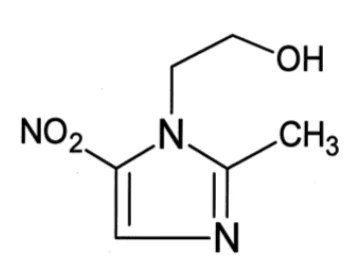
Molecular Formula: C6H9N3O3
Molecular Weight: 171.2
Chemical Name: 2-Methyl-5-nitroimidazole-1-ethanol, 2-(5-nitro-2-methylimidazol-1-yl) ethanol
Description: White to pale yellow crystalline powder. Solubility at 20°C (g/100 mL): water <1.0, ethanol 0.5, ether <0.05. The melting range is 159-163°C.
Drug Substance: Tetracycline Hydrochloride
Structural Formula:
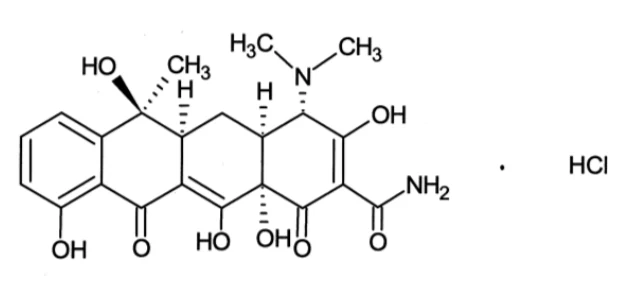
Molecular Formula: C22H24N2O8 · HCl
Molecular Weight: 480.9
Chemical Name: (4S,4aS,5aS,6S,12aS)-4-dimethylamino-1,4,4a,5,5a,6,11,12a-octahydro-3,6,10,12,12a-pentahydroxy- 6-methyl-1,11- dioxo-2-naphthacenecarboxamide hydrochloride
Description: Light yellow powder soluble in water, slightly soluble in methanol and ethanol, practically insoluble in acetone, ether and hydrocarbons.
14 CLINICAL TRIALS
14.1 Clinical Trials by Indication
Eradication of H. pylori in Patients with Active Duodenal Ulcer or History of Duodenal Ulcer Disease
An open-label (evaluator-blinded), parallel group, active- controlled, multicenter study in H. pylori positive patients with current duodenal ulcer or a history of duodenal ulcer disease was conducted. Ten days of treatment was given with either one of two treatments: OBMT, which was Pylera® [three [3] capsules qid after meals and at bedtime, (containing daily doses of Bismuth subcitrate potassium 1680 mg [equivalent to 480 mg of bismuth oxide], Tetracycline hydrochloride 1500 mg, Metronidazole 1500 mg)] and one omeprazole 20 mg capsule bid, after morning and evening meals, or OAC, which was Clarithromycin 500 mg bid, Amoxicillin 500 mg, 2 capsules bid, and Omeprazole 20 mg bid, taken before breakfast and supper. In this trial, 275 patients were randomized to one of the two treatments, and 244 were evaluable per protocol (120 for OBMT and 124 for OAC).
Pre-treatment biopsies of the gastric mucosa were taken to assess the presence of H. pylori and its susceptibility to metronidazole and clarithromycin. 13C urea breath test and rapid urease tests were also done pre-treatment to confirm the presence of H. pylori.
There was no statistical difference in the rates of response in the intent-to-treat or per protocol populations between the two treatment groups. Two hundred and thirty-eight strains were successfully cultured and tested for antibiotic sensitivity. The observed prevalence of resistance was 40.7% and 11.5% for metronidazole and clarithromycin respectively. When antibiotic resistance was taken into account, the eradication rate achieved by OAC in clarithromycin-resistant strains was statistically lower than in sensitive ones, while there were no statistically significant differences with OBMT between metronidazole sensitive and resistant strains. The same results were observed both for MITT and per protocol populations (Table 5).
Table 5: H. pylori Eradication Rates
| Treatment | Modified Intent-to-Treat | Per Protocol | ||||
|---|---|---|---|---|---|---|
| No. of patients | % eradicated | p value | No. of patients | % eradicated | p value | |
| OBMT | 138 | 87.7 | 120 | 92.5 | ||
| Metronidazole sensitive | 74 | 91.9 | 0.06 | 64 | 95.3 | 0.1 |
| Metronidazole resistant | 51 | 80.4 | 44 | 86.4 | ||
|---|---|---|---|---|---|---|
| OAC | 137 | 83.2 | 124 | 87.1 | ||
| Clarithromycin sensitive | 101 | 92.1 | 0 | 93 | 94.6 | 0 |
| Clarithromycin resistant | 14 | 21.4 | 13 | 23.1 | ||
OMBT: Omeprazole + Bismuth subcitrate potassium + Metronidazole + Tetracycline OAC: Omeprazole + Amoxicillin + Clarithromycin | ||||||
Patients have active duodenal ulcer or history of duodenal ulcer for 2 years or less and H. pylori infection at baseline. ITT: intent-to-treat patients, randomized patients who had documented infection at baseline and confirmed duodenal ulcer or history of duodenal ulcer for 2 years or less. PP: per protocol, as ITT but patients did not deviate from protocol. H. pylori infection was assessed with the UBT test, histology and culture. Eradication of H.pylori was assessed between approximately 29 and 35 days (>4 weeks) after end of treatment by the UBT test and repeated approximately 56 and 63 days (>8 weeks) after the end of treatment. If a positive test was found 4 weeks after end of treatment patients were endoscoped for assessment of microbial sensitivity to metronidazole and clarithromycin. A minimum inhibitory concentration of 8 μg/mL or greater for metronidazole was defined as positive resistance. A minimum inhibitory concentration of 1 μg/mL or greater for clarithromycin was defined as positive resistance, 0.5 μg/mL as intermediate resistance, and 0.25 μg/mL as sensitivity. | ||||||
15 MICROBIOLOGY
Bismuth Subcitrate Potassium
The minimum inhibitory concentration (MIC) of bismuth subcitrate potassium for H. pylori ranges from 4 to 50 mg/L in vitro. Bismuth subcitrate potassium, especially in combination with an antibacterial drug, can suppress H. pylori in patients with H. pylori gastritis sufficiently to allow normalisation of the epithelium. Regrowth of the bacteria occurs in many cases within a few months, but the restoration of the mucosa delays the recurrence of gastritis and ulcer formation.
Using electron microscopy of biopsy specimens from infected patients, within 2 hours of administration of bismuth subcitrate potassium, the bacterial site was changed from beneath the gastric mucus layer to within it, suggesting a loss of adherence to the epithelium. Vacuolization occurred to varying degrees within the bacteria, resulting in fragmented cell walls and, in some cases, complete condensation of the cell contents. Bismuth was seen deposited in aggregates on the surface and within the bacteria. The irregular antral epithelial protrusions and loss of surface microvilli seen in an infected patient before therapy were restored to normal within 4 weeks of receiving bismuth subcitrate potassium.
The mechanism of action of bismuth subcitrate potassium could involve a direct bactericidal effect, or bismuth subcitrate potassium could inactivate bacterial enzymes which would disrupt cell metabolism and subsequently leave the bacteria more susceptible to the body’s normal defences.
Metronidazole
McNulty et al (1985) conducted a study on the susceptibility of clinical isolates of H. pylori to 11 antimicrobial agents, including metronidazole. The majority of strains were susceptible to metronidazole, i.e., 80% had an MIC of 1 mcg/mL or less, 88.7% had an MIC of 2 mcg/mL or less, but a few strains had a higher MIC of 8 mcg/mL with this agent. This study appeared to show a bimodal distribution of MICs for metronidazole. Kasper and Dickglesser (1985) conducted a similar study and their results for metronidazole suggested a lower activity. The MIC 50 in the McNulty study was 1.0, the MIC 90 was 8.0 and the MIC range was 0.5-8.0 mcg/mL.
Resistance to metronidazole has been most extensively studied in tricomonads in both laboratory strains and clinical isolates. Both aerobic and anaerobic mechanisms of resistance have been demonstrated. Anaerobic resistance to metronidazole, which has to date been shown only in laboratory studies of Trichomonas vaginalis and T. foetus strains exposed to increasing concentrations of the drug in culture, appears to result from decreased or absent activity of enzymes within the hydrogenosome, a unique organelle that is the site of glycolysis in these organisms. In contrast, strains of T. vaginalis isolated from human patients with refractory cases of trichomoniasis display an aerobic type of resistance to metronidazole that can be detected only when the organisms are grown in the presence of oxygen. These metronidazole-resistant strains have been shown to contain decreased levels of ferredoxin, the protein that catalyzes reaction of metronidazole in these organisms.
Expert testing for metronidazole resistance is challenging. Not uncommonly a few colonies of H. pylori are visible within the zone of inhibited growth with the E-test, the clinical significance of which is uncertain. In the Amsterdam study involving 156 patients, 33% were found to be infected with H. pylori populations, heterogeneous for their susceptibility to metronidazole. Reassessment of MIC values in those patients revealed genuine metronidazole resistance in 18% of them. Ten percent of the isolates heterogeneous in metronidazole susceptibility were heterogeneous at the genome level. This study clearly shows the limitations and the risks of possible misinterpretations when only a single colony is analysed for metronidazole susceptibility. Moreover, there is the possibility to overcome in vitro metronidazole resistance in vivo as resistant organisms may be successfully eradicated using a metronidazole containing regimen.
Many studies have shown in the past that the eradication efficacy of bismuth, metronidazole and tetracycline substantially drops in cases of primary metronidazole resistance. Adding proton pump inhibitors to regimens containing metronidazole appears to overcome, in part, the deleterious influence of metronidazole resistance upon final outcome. From the available literature, it would appear that the magnitude by which the deleterious effect of metronidazole resistance can be overcome is somewhat larger with quadruple therapy compared to proton pump inhibitor triple regimens.
The mechanisms involved in this phenomenon are not clear; only speculation can be offered for the time being. Proton pump inhibitors may influence the metabolism of H. pylori through an interaction with disulphide bridges present in many enzyme systems of the organism. It is possible that this may alter the oxidative chain metabolism and perhaps weaken the organism’s defence against oxidative attack.
Tetracycline Hydrochloride
Microorganisms that have become resistant to one tetracycline frequently exhibit resistance to the others. Resistance to the tetracyclines in Escherichia coli and probably in other bacterial species is primarily plasmid-mediated and is an inducible trait. The three main resistance mechanisms are (1) decreased accumulation of tetracycline as a result of either decreased antibiotic influx or acquisition of an energy-dependent efflux pathway, (2) decreased access of tetracycline to the ribosome because of the presence of ribosome protection proteins, and (3) enzymatic inactivation of tetracyclines.
Triple Therapy
Bismuth, metronidazole, and tetracycline have individually demonstrated in vitro activity against most susceptible strains of H. pylori.
Metronidazole resistance in Canada has remained stable at around 30% over the last 5 years and mostly occurs in patients previously treated with metronidazole. Some H. pylori strains isolated from patients treated with bismuth, metronidazole, and tetracycline demonstrate an increase in metronidazole minimum inhibitory concentrations (MIC’s), indicating decreasing susceptibility and increasing resistance.
Two clinical studies were conducted with Pylera®, one in North America and one in Europe, Australia, and North America. In the North American study resistance rates were 40.8% for metronidazole, 11.5% for clarithromycin and 2.8% for tetracycline. In the international study resistance rates for metronidazole were 33.3%.
In vitro antimicrobial susceptibility testing (NCCLS Approved Agar Dilution Procedure) was used to assess susceptibility of H. pylori isolates to clarithromycin and metronidazole. The range of concentrations tested for clarithromycin was 0.015 μg/mL to 16 μg/mL. The range of concentrations tested for metronidazole was 0.125 μg/mL to 256 μg/mL. Complete inhibition of growth on a plate was interpreted as the MIC for that isolate. A minimum inhibitory concentration of 8 μg/mL or greater for metronidazole was defined as positive resistance. A minimum inhibitory concentration of 1 μg/mL or greater for clarithromycin was defined as positive resistance, 0.5 μg/mL as intermediate resistance, and 0.25 μg/mL as sensitivity.
16 NON-CLINICAL TOXICOLOGY
General Toxicology
Bismuth Subcitrate Potassium
Mice (24-32 g) received food and water, ad lib., with bismuth subcitrate potassium 4.28 mg/10 g given once, twice or three times daily. The highest dose given was 6.42 mg/10 g three times daily which corresponds to a dose of 134.8 g/day for a 70 kg human. No toxic effects were seen either in male or female mice. There was no alteration in the mucous membrane of the stomach either on macroscopic or microscopic examination; neither was there any damage of adjoining tissue (oesophagus and duodenum) except for a pink staining by the bismuth subcitrate potassium solution. Weight gain in all instances was similar to that of control mice. It was concluded that no LD50 was available for mice.
Rats (190-215 g) were given acute dosage of bismuth subcitrate potassium under the same conditions as the mice, but the dose was slightly higher; 21.4 mg/100 g, twice, three, four and five times daily. The maximum dose corresponded to a daily dose of 74.9 g for a 70 kg human.
Results obtained were identical to those obtained with mice. There was no evidence for any toxicity in either male or female rats, and in all cases weight gain was comparable to control rats. It was concluded that no LD50 for rats was available.
Rats (190-215 g) received bismuth subcitrate potassium 10.7 mg/100 g and 21.4 mg/100 g twice daily for 30 days. These doses are equivalent to doses of 7.5 g and 15 g daily for a 70 kg human; the 15 g/day dose corresponds to 35 times the daily therapeutic dose in man based on body weight. No accumulated toxicity was observed; no damage was observed in the mucosa of the oesophagus, stomach or duodenum. All mucous membranes were normal, and free from necrotic or congested areas. No lesions or damage were apparent in the liver, heart, kidneys, adrenals, or gonads; organs were normal both in size and colour. Weight gain was comparable to that of control rats. No diarrhea or constipation were observed and food and water intake were normal.
Tetracycline
Acute toxicity studies of tetracycline hydrochloride established the LD50 for golden hamsters to be in excess of 400 mg/kg (oral, SC). Rats, given that dose intraperitoneally, developed potentially lethal metabolic acidosis. The accompanying hyperkalemia resulted in dangerous cardiac arrhythmias.
Tetracycline and its analogues have been reported to cause discolouration and to affect development of teeth when injected IP in rats.
Metronidazole
The LD50 values for metronidazole are given in the following table.
Table 6: Metronidazole LD50 values
| Species | Sex | Route | LD50(mg/kg) |
|---|---|---|---|
| Mouse | - | p.o. | 4350 |
| m | i.p. | 3650 | |
| m | i.v. | 1170 | |
| f | i.v. | 1260 | |
| Rat | - | p.o. | 5000 |
| m | i.p. | 5000 | |
| m | i.v. | 1575 | |
| f | i.v. | 1575 |
Signs of toxicity following oral and intravenous administration of metronidazole were sedation, ataxia and death in mice, and sedation and death in rats.
The acute toxicity of metronidazole was also tested in dogs. Beagle dogs (male or female, 1 dog per dose) were administered single oral doses of 500, 750, 1000, 1500, 3000 or 5000 mg/kg of metronidazole by gastric intubation. The highest oral dosage which did not produce neurological disturbances and severe vomiting was 500 mg/kg. At the higher doses, ataxia, loss of spatial judgement, dozing, walking blindly, a general state of unawareness, convulsion, retching and/or vomiting were observed. There were no deaths but the dogs which received 1500 and 5000 mg/kg were killed on humane grounds 48 and 2.5 hours after dosing respectively.
Pairs of one male and one female beagle were administered total doses of 125, 200 or 250 mg/kg of metronidazole. These were given as 4 or 5 separate injections at hourly intervals, except for the 125 mg/kg dose which was given at half-hourly intervals. At 200 mg/kg, the male trembled during the third injection, the female appeared slightly lethargic following the third injection and its heart rate was rapid during the final injection. Following the 125 mg/kg and 250 mg/kg doses, no sign nor evidence of intolerance at the injection sites was observed.
The ocular irritant effects of 0.5%, 1% and 2% topical metronidazole cream and placebo cream were tested in rabbits. An aliquot (0.1 mL) of one of the cream formulations was placed in the lower lid of one eye of each of three animals. The eyes were subsequently examined for the appearance and severity of ocular lesions after 1 hour, and 1, 2, 3, 4, and 7 days after instillation. Mild conjunctival irritation was noted in several animals in both the active and placebo cream groups. The eyes of the animals in all treatment groups normalized within 1 to 3 days of instillation. None of the rabbits showed any corneal or indial inflammation.
Rats were administered metronidazole orally at doses of 0, 25 and 50 mg/kg for a month, 100 mg/kg for fifteen days, and 1000 mg/kg for thirty days. Except for testicular changes which consisted of minor epithelial desquamation and fewer spermatocytes in the epididymus in the 100 and 1000 mg/kg groups, no other abnormalities were observed. No interference with fertility or embryogenesis was observed.
Twenty male and 20 female rats were administered metronidazole intravenously at a dose of 30 mg/kg/day for 4 weeks. There was no evidence of local intolerance at the injection site. A statistically significant decrease in body weight gain was noted in the males only, with their overall weight increase being about 90% that of controls. Mean absolute and relative (to body weight) thyroid weights were significantly lower (by approximately 25%) than the control values in both sexes in the treated group. However, at microscopic examination, the architecture of the thyroid glands of treated animals was within normal limits. In another study conducted under the same experimental conditions, assessment of the thyroid function before and at the end of the dosing period revealed no effect of metronidazole in rats.
Dogs were administered metronidazole orally at doses of 0.25 and 50 mg/kg for a period of one month. They showed no physical or biological alteration and no tissue modification. Other dogs dosed at 75, 110 and 225 mg/kg for a period of six months developed ataxia, muscular rigidity and tremor. No apparent dulling of the sensorium was noted.
Two male and 2 female dogs were administered metronidazole intravenously at doses of 37.5 mg/kg 5 days per week for 4 weeks. In the two males and in one of the 2 females, the relative weights of the thyroids were below control values (31% decrease for males and 26% decrease for females).
Carcinogenicity
Tetracycline
No evidence of carcinogenic activity was found when tetracycline hydrochloride was administered to F344/N rats and B6C3F, mice in diets containing 1.25 and 2.5% of the drug.
Metronidazole
Two separate tumorigenic studies were carried out in two different strains of mice with metronidazole. Metronidazole was administered in the diet at daily doses of 75, 150 and 600 mg/kg in both experiments. The study with the strain of Swiss mice was terminated after 78 weeks, while the other experiment with CF mice was terminated at 92 weeks.
There was no evidence that the administration of metronidazole at any dosage level produced an adverse effect upon the physical appearance, behaviour, body weight and food consumption. However, the survival in mice in the treated groups was better than that in the controls.
Statistical analysis of necropsy data, gross and microscopic, using life-table and other techniques revealed a significant increase in the rates of benign lung tumours in the groups of mice treated with 600 mg/kg. With the lower dosage, there was also a trend for increased rate; however, the changes were not significant. It should, though, be noted that this type of tumour was also seen in up to 30% of mice in the untreated group.
In the rat, dose levels of 75, 150 and 300 mg/kg/day were administered orally in the diet for 80 consecutive weeks; a dosage of 600 mg/kg was administered for 13 weeks only. No consistent deleterious effects were observed with doses of 75 and 150 mg/kg for 28- 80 weeks on physical, behavioural, clinical laboratory or post-mortem examinations. At the dosage of 300 mg/kg, testicular dystrophy was regularly encountered at 13 weeks or longer and was not reversed by a 28 week recovery (no drug) period; prostatic atrophy was also seen at 26 weeks. The 600 mg/kg dosage group showed a high incidence of testicular dystrophy and prostatic atrophy with a pronounced reduction in the rate of body weight gain. There was a significant increase in the number of benign mammary tumours only in the females of the 300 mg/kg group.
Two independent tumorigenicity studies conducted in the hamster gave negative results.
Genotoxicity
Tetracycline
Tetracycline hydrochloride was not mutagenic in four strains of Salmonella typhimurium and in the mouse lymphoma L5178Y/TI+/- assay with or without induced rat liver S9; it gave a marginally positive response when tested in the presence of noninduced S9. In the cytogenetic assays with Chinese hamster ovary cells, tetracycline hydrochloride, both with and without S9, did not induce chromosomal aberrations or sister chromatid exchange. In addition, tetracycline did not induce sex-linked recessive lethal mutations when administered to male Drosophila.
Metronidazole
The mutagenic potential of metronidazole has been measured in two test systems. In a study using a bacterial indicator strain to detect mutagenic effects, positive results were reported. The inherent antimicrobial property of metronidazole further complicates the interpretation regarding genetic and carcinogenic hazard to man. The other test system, the dominant lethal test, measured the effect of metronidazole on mammalian germ cells. Male rats administered doses of metronidazole up to 600 mg/kg/day for five consecutive days, were mated to untreated females. Foetal deaths, the primary measure of dominant lethality, were not increased in those females mated to treated males.
Reproductive and Developmental Toxicology
Tetracycline
Abortions and still birth occurred in rats receiving intraperitoneal injections containing tetracycline hydrochloride (85 mg/kg daily) on days 14-19 of gestation; no foetal malformations were observed. Tetracycline hydrochloride administered IM to pregnant rats (40-80 mg/kg) produced a marked reduction in foetal size and weight. Oral doses of tetracycline (5 mg/day) administered to pregnant rats resulted in cleft palate, hypoplasia of the mandible, shortness of the limbs, and syndactyly.
Metronidazole
Metronidazole has been evaluated for its embryotoxic and teratogenic potential in the rat, rabbit and mouse. In four studies performed in the rabbit the compound was administered orally by capsule, by buccal intubation or by gastric intubation at doses of 30 to 200 mg/kg/day for periods ranging from 3 to 13 days during pregnancy. Neither embryotoxic nor teratogenic effects related to drug administration were observed.
In one study metronidazole was administered intravenously to rabbits (18 per group) at doses of 15 or 30 mg/kg/day from days 6-18 of pregnancy inclusive. There were no statistically significant differences between control and treated groups for any foetal parameter, but discrepancies between the numbers of corpora lutea and implantation sites suggested that the drug may have caused a 10-15% increase in pre-implantation loss. No embryotoxic or teratogenic effects were observed.
In five rat studies, metronidazole was administered either at a dietary concentration of 0.13% for 18 days of gestation, or by gastric intubation at dose levels from 50 to 200 mg/kg/day for periods ranging from 10 days (mid-gestation) to 40 days (before and during pregnancy). Drug related embryotoxic or teratogenic effects were not observed in any of the five studies.
In rats, metronidazole was administered intravenously at doses of 15 or 30 mg/kg/day from days 5-17 of pregnancy inclusive. There was a statistically significant increase in the mean numbers of implantations and live foetuses per litter in the metronidazole treated groups, but no difference in any other foetal parameter.
In one mouse study, two groups of mice were treated from the sixth to the fifteenth day of gestation. Metronidazole was administered by gastric intubation at doses of 10 and 20 mg/kg/day. At the dosage utilized, metronidazole was devoid of any teratogenic activity.
In humans, data has been accumulated on 2500 women who received metronidazole at various stages during pregnancy. The overall incidence of congenital abnormalities remained within the expected limits for untreated mothers and an examination of the reports revealed that there was no trend or consistent pattern in the reported defects nor was there any evidence of causal relationship.