


Patient Medication Information: uses, side effects, how to take - Rapamune (Pfizer Canada, 1 mg)
What is Rapamune used for?
Rapamune is used, in adults and children 13 years of age and older, to prevent your body from rejecting transplanted kidneys. It is often used in combination with medicines called cyclosporine and corticosteroids.
How does Rapamune work?
Rapamune contains the medicinal ingredient sirolimus. It belongs to a class of drugs called immunosuppressants. These drugs work to suppress or reduce your body’s natural immune response. Normally your body’s immune system works to protect you from infections and other foreign material. When you receive an organ transplant, the body’s white blood cells will try to get rid of (reject) the transplanted organ. Rapamune works by preventing the white blood cells from getting rid of the transplanted organ.
What are the ingredients in Rapamune?
Medicinal ingredients: sirolimus (pronounced sih-ROW-lih-mus).
Serious Warnings and Precautions
- You will be prescribed Rapamune by a healthcare professional experienced in using immunosuppressive drugs and in the management of organ transplant patients. Your treatment will be managed in a medical centre that had access to the appropriate staff, laboratory facilities and supportive medical resources. The healthcare professional in charge of your maintenance treatment will be in direct contact with your transplant centre.
- Rapamune is not indicated for use in liver or lung transplant patients.
Immune system effects:
- Rapamune may reduce your body's ability to fight infections.
- Patients taking immunosuppressant drugs, like Rapamune, are at risk of developing cancer of the lymphoid tissues (called lymphoma) and skin.
- Severe allergic reactions: Cases of severe allergic reaction, including skin reactions, have happened in patients taking Rapamune.
Non-medicinal ingredients:
- Oral solution: phosal 50 PG® (ascorbyl palmitate, ethanol, phosphatidyl-choline, propylene glycol, soybean oil fatty acids and sunflower mono and diglycerides) and polysorbate 80.
- Tablets: calcium sulfate anhydrous, carnauba wax, glyceryl monooleate, ink, lactose monohydrate, magnesium stearate, microcrystalline cellulose, pharmaceutical glaze, polaxamer 188, polyethylene glycol 8000 powdered, polyethylene glycol type 20,000, povidone, vitamin E (dl-alpha tocopherol), sucrose, talc, titanium dioxide.
Rapamune comes in the following dosage forms:
- Oral solution: 1 mg / mL
- Tablet: 1 mg
Do not use Rapamune if:
- you are allergic to sirolimus and any of the non-medicinal ingredients in Rapamune or component of the container (See What are the ingredients in Rapamune?).
To help avoid side effects and ensure proper use, talk to your healthcare professional before you take Rapamune. Talk about any health conditions or problems you may have, including if you:
- have or have had liver problems
- have high cholesterol or triglycerides (fat in blood)
- are going to have an operation, or if you still have a wound that hasn’t healed completely after a surgery. Rapamune may prevent these wounds from healing properly.
- are taking angiotensin-converting enzyme (ACE) inhibitors, used to lower high blood pressure and treat heart failure
- are taking HMG-CoA reductase inhibitors or fibrates, used to lower high cholesterol
- are going to receive any vaccinations. Rapamune may make vaccinations less effective or increase your risk of getting an illness from a live vaccine.
- are using cannabidiol (CBD)
are lactose intolerant or have one of the following rare hereditary diseases:
- Galactose intolerance
- Lapp lactase deficiency
- Glucose-galactose malabsorption
Because lactose is a non-medicinal ingredient in Rapamune.
Other warnings you should know about:
Tell all healthcare professionals you see (doctor, dentists, nurses, pharmacists) that you are taking Rapamune.
Immune system effects:
- Rapamune suppresses the function of your immune system. This means you are more likely to get bacterial, fungal or viral infections. To help reduce complications from these infections, talk to your healthcare professional immediately if you get any cold or flu-like symptoms (such as a fever or sore throat), mouth ulcers, cold sores, swollen lymph nodes, boils on your skin, or have pain when you urinate.
The suppressed function of your immune system may also increase your chances of developing cancer. Cancers of the lymphoid tissues (lymphomas) and other types of cancer, like skin cancer, have occurred in people taking sirolimus. Talk to your healthcare professional immediately if you notice any of these symptoms:
- lump in your neck, armpits, collarbone region, or groin
- unintended weight loss
- any new moles or any changes in the size, shape, or colour of moles you already have
- Limit your exposure to sunlight and UV light by wearing protective clothing and using a sunscreen with a high protection factor.
Pregnancy and Breastfeeding:
- You should not take Rapamune if you are pregnant or planning to become pregnant. Rapamune may harm your unborn baby.
- You must use a reliable method of birth control while you are taking Rapamune and for 12 weeks after you have stopped taking it.
- Talk to your healthcare professional immediately if you become pregnant, or think you might be pregnant, while you are taking Rapamune. You will want to discuss the possible benefits and risks of continuing with this drug.
- If you get pregnant while you are taking Rapamune talk to your healthcare professional about registering with the Transplant Pregnancy Registry International. You can contact the registry at 1-877-955-6877 for more information.
- You should not breastfeed while you are taking Rapamune. It is not known if Rapamune passes into breastmilk. Talk to your healthcare professional about other ways to feed your baby.
Alcohol: Rapamune oral solution contains up to 3.17% ethanol (alcohol). Each 2 mg dose contains up to 50 mg of alcohol, approximately the same amount of alcohol as half a teaspoon of a light beer. Talk to your healthcare professional if you have any concerns.
Blood tests and monitoring: Be sure to keep all appointments at your clinic. Some of these visits will be used to check the level of Rapamune, and the other medicines you are taking, in your blood. Levels that are too low can cause transplant rejection, while levels that are too high may cause damage to other organs. It is therefore very important not to miss any tests or check-ups with your healthcare professional. Your liver and kidney function, blood sugar levels and your blood lipids (triglycerides and cholesterol) should be checked regularly.
Tell your healthcare professional about all the medicines you take, including any drugs, vitamins, minerals, natural supplements or alternative medicines.
Serious Drug Interactions
You should not take Rapamune if you are taking any of the following:
- antifungal medicines used to treat fungal infections, such as ketoconazole, voriconazole, itraconazole
- antibiotics used to treat bacterial infections, such as telithromycin, clarithromycin
- antibiotics used to treat tuberculosis, such as rifampin, rifabutin
The following may interact with Rapamune:
- Any other immunosuppressive agents.
- Antibiotics or antifungal medicines used to treat infection, such as erythromycin, troleandomycin, rifapentine, clotrimazole, fluconazole.
- Antiviral medicines used to treat cytomegalovirus (CMV), such as letermovir, ganciclovir.
- High blood pressure medicines or medicines for heart problems, such as nicardipine, verapamil, diltiazem.
- Anti-convulsant medicines used to prevent seizures, such as carbamazepine, phenobarbital, phenytoin.
- Medicines used to treat stomach and digestive problems, such as cisapride, metoclopramide, cimetidine.
- Medicines used to lower high cholesterol, such as HMG-CoA reductase inhibitors and fibrates.
- Protease inhibitors, used to treat HIV infection, such as ritonavir, indinavir and Hepatitis C Virus, such as boceprevir, telaprevir.
- Bromocriptine, used to treat certain menstrual and hormonal problems.
- Cannabidiol, also known as CBD, used to treat conditions including epilepsy.
- Danazol, used to treat endometriosis and fibrocystic breast disease.
- Herbal preparations, such as St. John's Wort, used to treat depression.
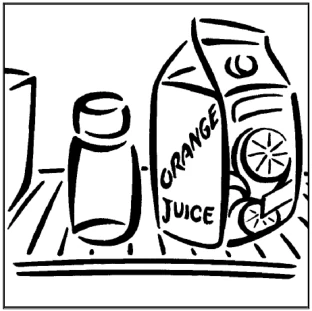
- Grapefruit juice or products containing grapefruit juice.
How to take Rapamune:
- Rapamune is for oral use only.
- Always take Rapamune exactly as your healthcare professional tells you. Follow your healthcare professional’s instructions exactly and never change the dose yourself. Do not stop taking Rapamune unless your healthcare professional tells you to.
- Your healthcare professional will decide exactly what dose of Rapamune you must take and how often to take it.
- Take Rapamune once a day, at about the same time each day.
- Rapamune should be taken consistently, either with or without food.
- Do NOT take Rapamune with grapefruit or grapefruit juice.
- If you are taking Rapamune tablets, do not crush, chew, or split the tablets. Talk to your healthcare professional if you have trouble swallowing the tablet.
- If you are taking Rapamune oral solution, avoid contact with the skin, mucous membranes and eyes. In case of accidental contact with the skin or mucous membranes, wash with soap and water. In case of eye contact, rinse with plain water.
- Do not switch between the tablets and the oral solution without talking to your healthcare professional as they may need to change your dose.
- If you are also taking cyclosporine, Rapamune should be taken 4 hours after cyclosporine. After 2-4 months, your healthcare professional may stop your dose of cyclosporine and increase your dose of Rapamune.
Usual dose:
- Adults: 6 mg at the time of your kidney transplant operation and then 2 mg each day.
Your healthcare professional may adjust your dose depending on your age, other medications you may be taking, other medical conditions you may have and the levels of Rapamune in your blood.
- A lower dose may be required in elderly patients (older than 65 years).
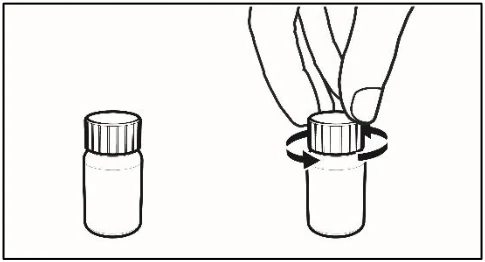
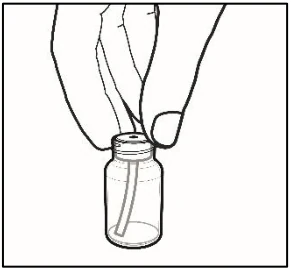
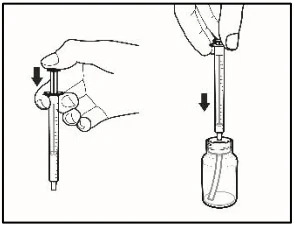
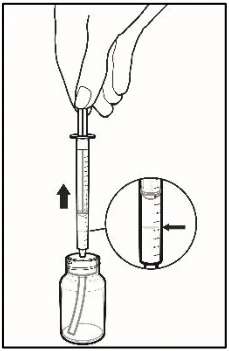
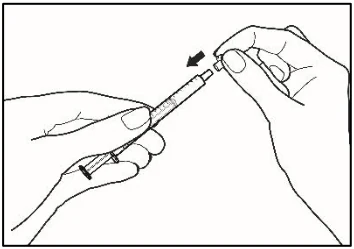
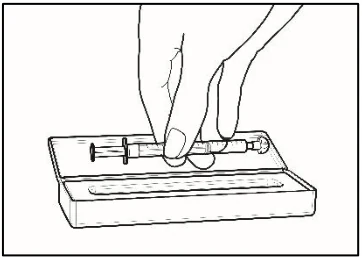
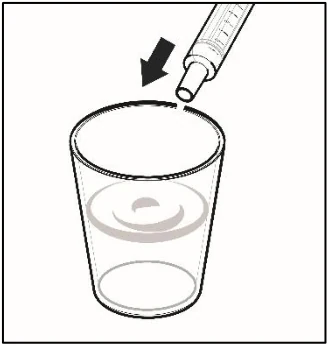
How to dilute Rapamune oral solution supplied in a bottle:
 | |
|---|---|
 | |
 | |
| |
 | |
| |
 | |
| |
|
Overdose:
If you think you, or a person you are caring for, have taken too much Rapamune, contact a healthcare professional, hospital emergency department, regional poison control centre or Health Canada's toll-free number, 1-844 POISON-X (1-844-764-7669) immediately, even if there are no signs or symptoms.Take the labelled medicine bottle with you, even if it is empty.
Missed Dose:
- If you forget to take a dose, take it as soon as you remember. Then continue with your usual dosing schedule.
- If it is almost time for your next dose (within 4 hours), skip the dose you missed and take your next dose at the usual time.
- Do not take a double dose to make up for a forgotten dose, and always take Rapamune approximately 4 hours after cyclosporine.
- If you are not sure what to do, call your healthcare professional.
What are possible side effects from using Rapamune?
 | |
|---|---|
 | |
These are not all the possible side effects you may have when taking Rapamune. If you experience any side effects not listed here, tell your healthcare professional.
Side effects may include:
- Slow healing of wounds
- Vision problems
- Acne
- Rash
- Constipation
- Diarrhea
- Nausea or upset stomach
- Indigestion
- Stomach pain
- Swollen abdomen
- Weight gain
- Headache
- Insomnia
- Joint, bone or back pain
- Leg pain, muscle pain
- Swelling of the hands, feet, ankles, or lower legs
- Shaking (tremor)
- Weakness, anxiety
- Increased hair growth in women, especially on the face, chest, lower abdomen, inner thighs and back
Serious side effects and what to do about them
| Serious side effects and what to do about them | |||
|---|---|---|---|
| Serious side effects and what to do about them | |||
| Symptom / effect | Talk to your healthcare professional | Get immediate medical help | |
| Symptom / effect | Talk to your healthcare professional | Get immediate medical help | |
| Symptom / effect | Talk to your healthcare professional | Get immediate medical help | |
| Only if severe | In all cases | ||
| Only if severe | In all cases | ||
| Only if severe | In all cases | ||
| VERY COMMON or COMMON | |||
| Lung infection: cough, shortness of breath, coughing up blood, fever, chills, cold or flu-like symptoms | √ | ||
| Heart problems: increased heart rate, palpitations | √ | ||
| Low levels of white blood cells: bacterial, fungal or viral infection, fatigue, mouth ulcers, cold sores, sore throat, fever, chills, swollen lymph nodes, aches and pains, boils on your skin, flu-like symptoms, pain when urinating | √ | ||
| Low levels of red blood cells or platelets: unusual bleeding or bruising, nose bleeds, pale skin, tiredness, breathlessness | √ | ||
| Menstrual problems: absence of menstrual period, heavy and prolonged menstrual period | √ | ||
| High blood pressure: headache, chest pains, vision problems, ringing in the ears | √ | ||
| High or low levels of potassium in the blood: irregular heartbeat, muscle weakness, generally feeling unwell | √ | ||
Low blood pressure: dizziness, fainting, light-headedness May occur when you go from lying or sitting to standing up. | √ | ||
| Kidney problems, including kidney infection: decreased urination, blood in the urine, pain or discomfort in your back, side or genitals, fever, chills, nausea, vomiting, swelling of the extremities, fatigue, lack of appetite | √ | ||
| Ovarian cysts: pelvic pain or heaviness, pain during intercourse, difficulty emptying your bowels, frequent need to urinate, heavy or irregular menstrual periods, bloating | √ | ||
| High blood sugar: frequent urination, thirst, hunger | √ | ||
| UNCOMMON | |||
| Cancer: lump in your neck, armpits, collarbone region or groin, unintended weight loss, new moles, changes in the size, shape, or colour of moles you already have | √ | ||
| RARE | |||
| Allergic reaction (including severe skin reactions): chest tightness, dizziness, faintness, rapid heartbeat, itching, rash, hives, extreme redness and peeling of the skin, purple or brownish-red | √ | ||
| spots on the skin, blistering of the skin, swelling of the face, lips, tongue or throat, difficulty swallowing or breathing, shortness of breath, wheezing, swollen lymph nodes, fever | |||
| Inflammation of the pancreas: severe abdominal pain that lasts and gets worse when you lie down, nausea, vomiting | √ | ||
| Clostridium difficile infection: watery diarrhea, severe abdominal cramps, rapid heart rate, fever, nausea, kidney problems | √ | ||
| Liver problems: yellowing of the skin and/or eyes, dark urine, pale stool, abdominal pain, vomiting and nausea, loss of appetite | √ | ||
If you have a troublesome symptom or side effect that is not listed here or becomes bad enough to interfere with your daily activities, tell your healthcare professional.
Reporting Side Effects
You can report any suspected side effects associated with the use of health products to Health Canada by:
- Visiting the Web page on Adverse Reaction Reporting (canada.ca/drug-device-reporting) for information on how to report online, by mail or by fax; or
- Calling toll-free at 1-866-234-2345.
NOTE: Contact your healthcare professional if you need information about how to manage your side effects. The Canada Vigilance Program does not provide medical advice.
Storage:
- Keep Rapamune oral solution in its original container.
- Protect from light.
- Store oral solution at 2°C to 8°C, in a refrigerator for up to the expiration date indicated on the container label.
- Do NOT freeze.
Once the bottle has been opened, the contents should be kept refrigerated and used within 30
- days.
- If it is necessary to wipe clean the mouth of the bottle before returning the medication to the refrigerator, wipe with a dry cloth to avoid introducing water, or any other liquid into the bottle.
- When refrigerated the solution in the bottle may develop a slight haze. If this occurs, simply bring your Rapamune oral solution to room temperature and shake gently until the haze disappears. The presence of this haze does not affect the quality of Rapamune.
- If necessary, you may store bottles at 15°C to 30°C for a short time, but no longer than 5 days.
- Storage of Rapamune oral solution in capped syringe: Rapamune can only be stored refrigerated (2°C to 8°C) or at room temperatures (15°C to 30°C) for a maximum of 24 hours. The syringe should be discarded after one use. After dilution, the preparation should be used immediately.
- Rapamune tablets should be stored at 15°C to 30°C for up to the expiration date indicated on the container label. Use cartons to protect blister cards from light.
Keep Rapamune oral solution and tablets out of reach and sight of children.
If you want more information about Rapamune:
- Talk to your healthcare professional
- Find the full product monograph that is prepared for healthcare professionals and includes this Patient Medication Information by visiting the Health Canada Drug Product Database website: https://www.canada.ca/en/health-canada/services/drugs-health-products/drug-products/drug-product-database.html; the manufacturer’s website https://www.pfizer.ca, or by calling 1-800-463-6001.