


Product Monograph - Retavase
Clinical Trials:
The safety and efficacy of Retavase were evaluated in three controlled clinical trials. The INJECT study was designed to assess the relative effects of Retavase or Streptokinase upon mortality rates at 35 days following an AMI. The other studies (RAPID-1 and Rapid-2) were arteriographic studies which compared the effect on coronary patency of Retavase to two regimens of Alteplase in patients with an AMI. In all three studies, patients were treated with aspirin and heparin (see PHARMACOLOGY). The safety and
efficacy of Retavase have not been evaluated using antithrombotic or antiplatelet regimens other than those described above.
Retavase (10 + 10 U) was compared to Streptokinase (1.5 million units over 60 minutes) in a double-blind, randomized, European study (INJECT), which studied 6,010 patients treated within 12 hours of the onset of symptoms of AMI. The results of the primary endpoint (mortality at 35 days), six month mortality and selected other 35 day endpoints are shown in Table 1 for patients receiving study medications.
TABLE 1
INJECT TRIAL Incidence of Selected Outcomes
| Endpoint | Retavase n=2,965 | Streptokinase n=2,971 | Retavase- Streptokinase difference (95% CI) | P value |
| 35 Day mortality | 8.9% | 9.4% | -0.5 (-2.0, 0.9) | 0.49a |
| 6 month mortalityb | 11.0% | 12.1% | -1.1 (-2.7, 0.6) | 0.22 |
| Combined outcome of 35 day mortality or nonfatal stroke within 35 days | 9.6% | 10.2% | -0.6 (-2.1, 1.0) | 0.47 |
| Heart failure | 24.8% | 28.1% | -3.3 (-5.6, -1.1) | 0.004 |
| Cardiogenic shock | 4.6% | 5.8% | -1.2 (-2.4, -0.1) | 0.03 |
| a p value for the exploratory analysis comparing Retavase versus Streptokinase b Kaplan-Meier estimates | ||||
For mortality, and the combined outcome of mortality or stroke, the 95% confidence intervals in Table 1 reflect the range within which the true difference in outcomes probably lies and includes the possibility of no difference. The incidences of congestive heart failure and or cardiogenic shock were significantly lower among patients treated with Retavase.
Two arteriographic studies (RAPID-1 and RAPID-2) were performed utilizing open-label administration of the study agents and a blinded review of the arteriograms. Patients were treated within 6 hours and 12 hours of the onset of symptoms in RAPID 1 and RAPID 2 studies, respectively.
In RAPID-1, Retavase (in doses of 10+10 U, 15 U, or 10+5 U) was compared to a 3 hour regimen of Alteplase (100 mg administered over 3 hours). In RAPID-2, Retavase (10+10 U) was compared to an accelerated regimen of Alteplase (100 mg administered over 1.5 hrs). The percentages of patients with partial or complete flow (TIMI grades 2 or 3) and complete flow (TIMI grade 3), are shown along with ventricular function assessments in Table 2. The follow-up arteriogram was performed at a median of 8 (RAPID-1) and 5 (RAPID-2) days following the administration of the thrombolytics. In RAPID-1 the best patency results were obtained with the 10+10 U dose. In RAPID-2, the percentage of patients with partial or complete flow and the percentage of patients with complete flow was significantly higher with Retavase than with Alteplase at 90 minutes after the initiation of therapy. In both clinical trials the reocclusion rates were similar for Retavase and Alteplase.
TABLE 2
RAPID-1 and RAPID-2 TRIALS
Arteriographic Results
| Outcome | RAPID-2 | RAPID-1* | ||||
| Retavase (10+10 U) | Alteplase (Accelerated regimen) | p | Retavase (10+10 U) | Alteplase (Standard regimen) | p | |
90 minute patency rates TIMI 2 or 3 TIMI 3 | n = 157 | n = 146 | n = 142 | n = 145 | ||
| 83% 60% | 73% 45% | 0.03 0.01 | 85% 63% | 77% 49% | 0.08 0.02 | |
Follow-up patency rates TIMI 2 or 3 TIMI 3 | n = 128 | n = 113 | n = 123 | n = 123 | ||
| 89% 75% | 90% 77% | 0.76 0.72 | 95% 88% | 88% 71% | 0.04 0.001 | |
| Follow-up ejection fraction mean% | n = 89 | n = 77 | n = 91 | n = 84 | ||
| 52% | 54% | 0.25 | 53% | 49% | 0.03 | |
Follow-up regional wall motion Standard deviation from mean normal value | n = 87 | n = 72 | n = 84 | n = 80 | ||
| -2.3 | -2.3 | 0.96 | -2.2 | -2.6 | 0.02 | |
*p values represent one of multiple dose comparisons
Approximately 70% (RAPID-1) and 78% (RAPID-2) of the patients in the arteriographic studies underwent optional arteriography at 60 minutes following the administration of the study agents. In both trials the percentage of patients with complete flow at 60 minutes was significantly higher with Retavase than with Alteplase. Neither RAPID clinical trial was designed nor powered to compare the efficacy or safety of Retavase and Alteplase with respect to the outcomes of mortality and stroke.
These clinical trial results were performed using an arginine phosphate formulation rather than the presently marketed TAPS formulation which contains tranexamic acid. Studies in a canine coronary thrombosis model have shown therapeutic equivalence between the two formulations for time to reperfusion, cumulative patency time, time to reocclusion, residual thrombus weight and AUC of coronary blood flow. (See also Pharmacology section)
INDICATIONS AND CLINICAL USE
Acute Myocardial Infarction
Retavase (reteplase) is indicated for use in the management of AMI in adults for the lysis of thrombi obstructing coronary arteries, the improvement of ventricular function following AMI, the reduction of the incidence of congestive heart failure and the reduction of mortality associated with AMI. Treatment should be initiated as soon as possible after the onset of symptoms (see ACTIONS AND CLINICAL PHARMACOLOGY).
CONTRAINDICATIONS
Because thrombolytic therapy increases the risk of bleeding, Retavase (reteplase) is contraindicated in the following situations:
C Active internal bleeding
C History of cerebrovascular accident
C Recent (within two months) intracranial or intraspinal surgery or trauma (see WARNINGS) C Intracranial neoplasm, arteriovenous malformation, or aneurysm
C Known bleeding diathesis
C Severe uncontrolled hypertension
WARNINGS
Bleeding
The most common complication encountered during Retavase (reteplase) therapy is bleeding. The type of bleeding associated with thrombolytic therapy can be divided into two broad categories:
C Internal bleeding, involving intracranial and reoperitoneal sites, or the gastrointestinal, genitourinary, or respiratory tracts.
C Superficial or surface bleeding, observed mainly at invaded or disturbed sites (e.g., venous cutdowns, arterial punctures, sites of recent surgical intervention.
The concomitant use of heparin or anticoagulation or antithrombotic therapy may contribute to bleeding. Some of the hemorrhagic episodes occurred one or more days after the effects of Retavase had dissipated, but while heparin therapy was continuing.
As fibrin is lysed during Retavase therapy, bleeding from recent puncture sites may occur. Therefore, thrombolytic therapy requires careful attention to all potential bleeding sites (including catheter insertion sites, arterial and venous puncture sites, cutdown sites, and needle puncture sites). Noncompressible arterial puncture must be avoided (i.e., internal jugular and subclavian punctures should be avoided to minimize bleeding from noncompressible sites).
Should an arterial puncture be necessary during the administration of Retavase, it is preferable to use an upper extremity vessel that is accessible to manual compression. Pressure should be applied for at least 30 minutes, a pressure dressing applied, and the puncture site checked frequently for evidence of bleeding.
Intramuscular injections and nonessential handling of the patient should be avoided during treatment with Retavase. Venipunctures should be performed carefully and only as required.
Should serious bleeding (not controllable by local pressure) occur, any concomitant heparin or anticoagulation or antithrombotic therapy should be terminated immediately. In addition, the second bolus of Retavase should not be given if the serious bleeding occurs before it is administered.
Each patient being considered for therapy with Retavase should be carefully evaluated and anticipated benefits weighted against the potential risks associated with therapy. In the following conditions, the risks of Retavase therapy may be increased and should be weighed against the anticipated benefits:
C Recent (within 10 days) major surgery , e.g., coronary artery bypass graft, obstetrical delivery, organ biopsy, previous puncture of noncompressible vessels
C Cerebrovascular disease
C Recent gastrointestinal or genitourinary bleeding (within 10 days)
C Recent trauma (within 10 days)
C Hypertension: systolic BP $180 mm Hg and/or diastolic BP $ 110 mm Hg C High likelihood of left heart thrombus, e.g., mitral stenosis with atrial fibrillation C Acute pericarditis
C Subacute bacterial endocarditis
C Hemostatic defects including those secondary to severe hepatic or renal disease C Severe liver or renal dysfunction
C Pregnancy
C Diabetic hemorrhagic retinopathy or other hemorrhagic opthalmic conditions C Septic thrombophlebitis or occluded AV cannula at a seriously infected site C Advanced age, i.e., over 75 years old
C Patients currently receiving oral anticoagulants, e.g., warfarin sodium
C Any other condition in which bleeding constitutes a significant hazard or would be particularly difficult to manage because of its location.
Cholesterol Embolization
Cholesterol embolism has been reported rarely in patients treated with thrombolytic agents; the true incidence is unknown. This serious condition, which can be lethal, is also associated with invasive vascular procedures (e.g., cardiac catheterization, angiography, vascular surgery) and/or anticoagulant therapy. Clinical features of cholesterol embolism may include livedo reticularis, “purple toe” syndrome, acute renal failure, gangrenous digits, hypertension, pancreatitis, myocardial infarction, cerebral infarction, spinal cord infarction, retinal artery occlusion, bowel infarction, and rhabdomyolysis.
Arrhythmias
Coronary thrombolysis may result in arrhythmias associated with reperfusion. These arrhythmias (such as sinus bradycardia, accelerated idioventricular rhythm, ventricular premature depolarizations, ventricular tachycardia) are not different from those often seen in the ordinary course of acute myocardial infarction and should be managed with standard antiarrhythmic measures. It is recommended that antiarrhythmic therapy for bradycardia and/or ventricular irritability be available when Retavase is administered.
PRECAUTIONS
General
Standard management of myocardial infarction should be implemented concomitantly with Retavase (reteplase) treatment. Arterial and venous punctures should be minimized. In the event of serious bleeding, any concomitant heparin or anticoagulation or antithrombotic therapy should be terminated immediately. In addition, the second bolus of Retavase should not be given if the serious bleeding occurs before it is administered. Heparin effects can be reversed by protamine.
Readministration
There is no experience with patients receiving repeat courses of therapy of Retavase.
Retavase did not induce the formation of Retavase specific antibodies in any of the approximately 2,400 patients who were tested for antibody formation. If any anaphylactoid reaction occurs, the second bolus of Retavase should not be given, and appropriate therapy should be initiated.
Drug Interactions
The interaction of Retavase with other cardioactive drugs has not been studied. In addition to bleeding associated with heparin and vitamin K antagonists, drugs that alter platelet function (such as acetylsalicylic acid, dipyridamole and Abciximab) may increase the risk of bleeding if administered prior to or after Retavase therapy.
Use of Antithrombotics
Heparin and aspirin have been administered concomitantly with and following the administration of Retavase in the management of acute myocardial infarction. Because heparin, aspirin, or Retavase may cause bleeding complications, careful monitoring for bleeding is advised, especially at arterial puncture sites.
Laboratory Tests
Administration of Retavase may cause marked decreases in plasminogen and fibrinogen. During Retavase therapy, if coagulation tests and/or measurements of fibrinolytic activity are performed, the results may be unreliable unless specific precautions are taken to prevent in vitro artifacts. Retavase is an enzyme that when present in blood and pharmacologic concentrations remains active under in vitro conditions. This can lead to degradation of fibrinogen in blood samples removed for analysis. Collection of blood samples in the presence of PPACK (chloromethylketone) at 2 :M concentrations was used in clinical trials to prevent in vitro Fibronolytic artifacts.
Carcinogenesis, Mutagenesis
Long-term studies in animals have not been performed to evaluate the carcinogenic potential of Retavase. Studies to determine mutagenicity, chromosomal aberrations, gene mutations, and micronuclei induction were negative at all concentrations tested.
Pregnancy, Impairment of Fertility
Reteplase has been shown to have an abortifacient effect in rabbits when given in doses 3 times the human dose (0.86 U/kg). Reproduction studies performed in rats at doses up to 15 times the human dose (4.31 U/kg) revealed no evidence of fetal anomalies; however, Reteplase administered to pregnant rabbits resulted in hemorrhaging in the genital tract, leading to abortions in mid-gestation. There are no adequate and well-controlled studies in pregnant women. The most common complication of thrombolytic therapy is bleeding and certain conditions, including pregnancy, can increase this risk. Reteplase should be used during pregnancy only if the potential benefit justifies the potential risk to the fetus.
Nursing Mothers
It is not know whether Retavase is excreted in human milk. Because many drugs are excreted in human milk, caution should be exercised when Retavase is administered to a nursing woman.
Geriatric Use
Special precaution should be observed in patients aged 75 years and older, particularly, if their systolic blood pressure at entry is 160 mm Hg and above.
Pediatric Use
Safety and effectiveness of Retavase in children have not been established.
ADVERSE REACTIONS
Bleeding
The most frequent adverse reaction associated with Retavase (reteplase) is bleeding. The type of bleeding associated with thrombolytic therapy can be divided into two broad categories:
C Internal bleeding, involving intracranial and retroperitoneal sites, or the gastrointestinal, genitourinary, or respiratory tracts.
C Superficial or surface bleeding, observed mainly at invaded or disturbed sites (e.g., venous cutdowns, arterial punctures, sites of recent surgical intervention).
The incidence of bleeding varied widely from study to study and depended on the use of arterial catheterization and other invasive procedures. The overall incidence of any bleeding events in patients treated with Retavase in clinical studies (n = 3,805) was 21.1%. Incidences of bleeding events, regardless of severity, for the 10+10 U Retavase regimen from controlled clinical studies are summarized in Table 3.
TABLE 3
| INJECT | RAPID 1 & 2* | |||
| Bleeding Site | Retavase (n = 2,965) % | Streptokinase (n = 2,971) % | Retavase (n = 323) % | Alteplase (n = 309) % |
| gastrointestinal | 2.5 | 2.8 | 6.5 | 7.1 |
| genitourinary | 1.6 | 1.9 | 6.5 | 6.1 |
| retroperitoneal | 0.1 | 0.1 | 0.9 | 1.3 |
| injection site* | 4.6 | 5.1 | 38.4 | 35.6 |
| anemia, Hb decreased | 2.6 | 3.4 | 1.2 | 0.6 |
| * The high incidence of injection sites hemorrhage in RAPID 1 & 2 is due to the fact that these were angiographic studies. | ||||
In these studies the severity and incidence of bleeding events were comparable for Retavase and the comparison thrombolytic agents.
The overall incidence of in-hospital strokes in all 3,805 patients treated with Retavase in clinical studies was 1.1% and the incidence of presumed intracranial hemorrhage (not all of which were fatal) was 0.71%. In-hospital stroke rates for the 10+10 U Retavase regimen from the three controlled clinical studies are summarized in Table 4. Although there was no significant difference in stroke rates between Retavase and Streptokinase in the INJECT study, more patients treated with Retavase experienced hemorrhagic strokes than patients treated with Streptokinase. An exploratory analysis indicated that the incidence of intracranial hemorrhage was higher among older patients or those with elevated blood pressure. The incidence of intracranial hemorrhage among the 698 patients treated with Retavase who were older than 70 years was 2.2%. Intracranial hemorrhage occurred in 8 of the 332 (2.4%) patients treated with Retavase who had an initial systolic blood pressure > 160 mm Hg and in 15 of the 2,629 (0.6%) Retavase patients who had an initial systolic blood pressure < 160 mm Hg.
TABLE 4
| INJECT | ||
Retavase (n = 2,965) % | Streptokinase (n = 2,971) % | |
| All in hospital strokes | 1.21 | 1.01a |
| Intracranial hemorrhage | 0.78 | 0.37 |
| Nonhemorrhagic stroke | 0.30 | 0.30 |
| Unknown etiology | 0.13 | 0.34 |
| a p = 0.46 (Fisher’s Exact Test) | ||
Should serious bleeding in a critical location (intracranial, gastrointestinal, retroperitoneal, pericardial) occur, any concomitant heparin or anticoagulation or antithrombotic therapy should be terminated immediately. In addition, the second bolus of Retavase should not be given if the serious bleeding occurs before it is administered. Death and permanent disability are possible outcomes for patients who have experienced stroke (including intracranial bleeding) and other serious bleeding episodes.
Fibrin, which is part of the hemostatic plug formed at needle puncture sites, will be lysed during Retavase therapy. Therefore, Retavase therapy requires careful attention to potential bleeding sites (e.g., catheter insertion sites, arterial puncture sites.)
Allergic Reactions
Among the 2,965 patients receiving Retavase in the INJECT trial, serious allergic reactions were noted in 3 patients, with one patient experiencing dyspnea and hypotension. No anaphylactoid reactions were observed among the 3,856 patients treated with Retavase in initial clinical trials. Preliminary results from the GUSTO III trial reported 3 anaphylactoid reactions among approximately 10,000 patients receiving Retavase.
Other Adverse Events
Patients administered Retavase as treatment for myocardial infarction have experienced many events which are frequent sequelae of myocardial infarction and may or may not be attributable to Retavase therapy. These events include cardiogenic shock, arrhythmias (e.g., sinus bradycardia, accelerated idioventricular rhythm, ventricular premature depolarizations, supraventricular tachycardia, ventricular tachycardia, ventricular fibrillation), AV block, pulmonary edema, heart failure, cardiac arrest, recurrent ischemia, reinfarction, myocardial rupture, mitral regurgitation, pericardial effusion, pericarditis, cardiac tamponade, venous thrombosis and embolism, and electromechanical dissociation. The events can be life-threatening and may lead to death. Other adverse events have been reported, including nausea and/or vomiting, hypotension, fever and transitory injection site burning and pain.
SYMPTOMS AND TREATMENT OF OVERDOSAGE
There is no experience with Retavase (reteplase) overdosage. The fibrinogen levels are decreased with Retavase use and therefore depletion of fibrinogen may be expected. Depletion of fibrinogen and other blood coagulation parameters bears the risk of bleeding.
Any concomitant heparin or anticoagulation or antithrombotic therapy should be terminated.
If serious bleeding complications occur, fresh frozen plasma or fresh whole blood should be infused. If necessary, antifibrinolytic agents may be administered.
DOSAGE AND ADMINISTRATION
Retavase (reteplase) is for intravenous administration only.
Retavase is administered as a 10+10 U double-bolus injection. Each bolus is administered as a slow intravenous injection not to exceed 2 minutes. The second bolus is given 30 minutes after initiation of the first bolus injection. Each bolus injection should be given via an intravenous line. No other medication should be added to the injection solution containing Retavase. As with the administration of any medication via IV injection, it is recommended that a vein of proper size and location be chosen for the IV infusion. There is no experience with patients receiving repeat courses of therapy with Retavase.
Although the value of anticoagulants and antiplatelet drugs during and following administration of Retavase has not been shown to be of unequivocal benefit, heparin has been administered concomitantly in more than 99% of patients. Aspirin has been given either during and/or following heparin treatment. Studies assessing the safety and efficacy of Retavase without adjunctive therapy with heparin and aspirin have not been performed.
Heparin and Retavase are incompatible when combined in solution. Other incompatibilities may exist. It is recommended that an independent line be used for Retavase administration. Do not administer heparin and Retavase simultaneously in the same intravenous line. If Retavase is to be injected through an intravenous line containing heparin, a normal saline or 5% dextrose (D5W) solution should be flushed through the line prior to and following the Retavase injection.
PHARMACEUTICAL INFORMATION
Drug Substance
Proper Name: Reteplase
Molecular Weight: 39,571 D
Structural Formula:
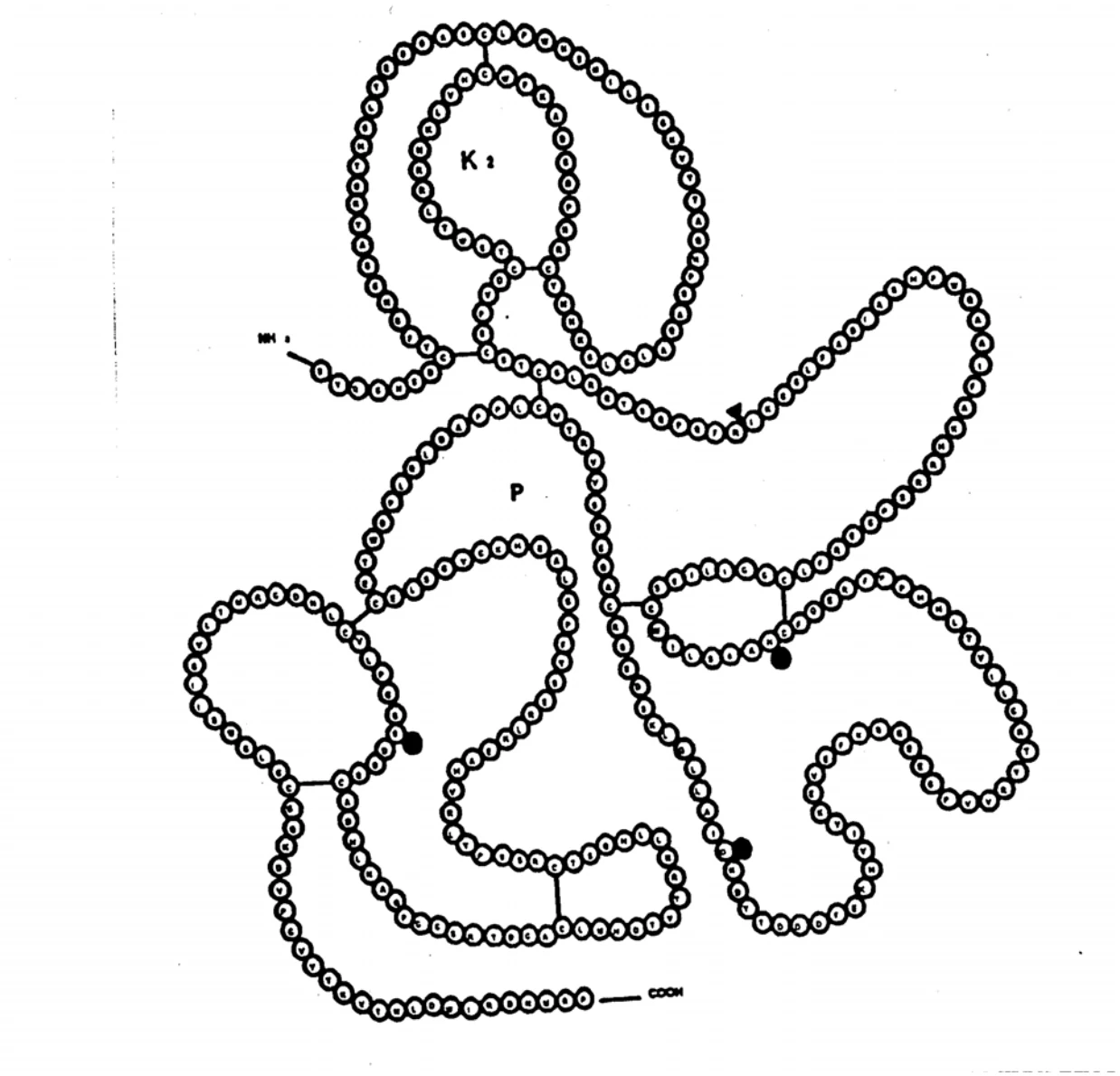
Description: Reteplase, a non-glycosylated deletion variant of tissue plasminogen activator consisting of the kringle 2 and the protease domains of human tissue plasminogen activator, contains 355 of the 527 amino acids of native tissue plasminogen activator (amino acids 1-3 and 176-527). The protein is isolated as inactive inclusion bodies from E. coli and converted into its active form by an in vitro folding process. The biological potency of a vial of Retavase corresponds to 575 mU/mg. This value is only calculated and not measured directly.
pH of the solution: 5.7-6.3
Composition
Retavase (reteplase) is a sterile, white, lyophilized powder for intravenous bolus injection after reconstitution with Sterile Water for Injection, USP. Each vial of the lyophilized product contains 18.1 mg (10.4 U) reteplase, 8.3 mg Tranexamic Acid, 136.2 mg di-potassium-hydrogen phosphate, 51.3 mg phosphoric acid, 364.0 mg sucrose and 5.2 mg polysorbate 80.
The Retavase vial is sealed under slight vacuum. Retavase contains no preservatives.
Stability and Storage Recommendations
Store Retavase kit at room temperature (15E-25EC) or under refrigeration (2E-8EC). DO NOT FREEZE. Kit should remain sealed until use to protect the lyophilisate from excessive exposure to light. Do not use beyond the expiration printed date on the kit.
Reconstituted Solutions
Reconstitution should be carried out using the diluent, syringe, needle and dispensing pin provided in the Retavase kit. It is important that Retavase be reconstituted only with Sterile Water for Injection, USP (without preservatives). The reconstituted preparation results in a clear, colorless solution containing Retavase 1 U/mL. Slight foaming upon reconstitution is not unusual; allowing the vial to stand undisturbed for several minutes is usually sufficient to allow dissipation of any large bubbles.
Because Retavase contains no antibacterial preservatives, it should be reconstituted immediately before use. Prior to administration, the product should be visually inspected for particulate matter and discoloration. When reconstituted as directed, the solution is chemically stable at room temperature (15E-25EC) or under refrigeration (2E-8EC) for 4 hours.
Reconstitution Instructions:
Use aseptic technique throughout.
- 1.
Remove the protective flip-cap from one vial of Sterile Water for Injection, USP (SWFI).
Open the package containing the 10 mL syringe with attached needle.
Remove the protective cap from the needle and withdraw 10 mL of SWFI from the vial.
- 2.
Open the package containing the dispensing pin. Remove the needle from the syringe, discard the needle.
Remove the protective cap from the luer lock port of the dispensing pin and connect the syringe to the dispensing pin.
Remove the protective flip-cap from one vial of Retavase.
- 3.
Remove the protective cap from the spike end of the dispensing pin, and insert the spike into the vial of
Retavase until the security clips lock into the vial.
Transfer the 10 mL of SWFI through the dispensing pin into the vial of Retavase.
- 4.
With the dispensing pin and syringe still attached to the vial, swirl the vial gently to dissolve the
Retavase. DO NOT SHAKE.
- 5. Check that the solution is free of particles. Withdraw 10 mL of Retavase reconstituted solution back into the syringe. A small amount of solution will remain in the vial due to overfill.
- 6. Detach the syringe from the dispensing pin, and attach the sterile 20 G needle provided.
- 7. The 10 mL bolus dose is now ready for administration.
Safely discard all used reconstitution components and the empty Retavase vial according to institutional procedures.
AVAILABILITY OF DOSAGE FORMS
Retavase (reteplase), is supplied as a sterile, preservative-free, lyophilized powder in 10.4 U (18.1 mg) vials under slight vacuum, in a kit with components for reconstitution.
The Retavase kit contains 2 x 10.4 U vials of sterile reteplase lyophilisate for reconstitution, 2 x 10 mL vials of Sterile Water for Injection, USP, 2 x 10 mL sterile syringes each with 20 G needle, 2 sterile dispensing pins, 2 x 20 G sterile needles, and 2 alcohol swabs.
PHARMACOLOGY
Animal Studies
The nonclinical pharmacology studies demonstrate that the recombinant plasminogen activator reteplase, a variant of human t-PA, possesses thrombolytic activity. In vivo, the thrombolytic potency of reteplase is several fold higher than that of alteplase on both a dose and molar basis. This greater thrombolytic potency is due to the lower clearance rate of reteplase as compared to alteplase. These in vivo findings are in contrast to the lower potency of reteplase in comparison with alteplase observed in vitro, which is apparently explained by the lower fibrin binding and lower catalytic efficiency of reteplase as compared to alteplase. Reteplase induces rapid reperfusion in animal models of coronary thrombosis, and reperfusion is significantly more rapid after intravenous bolus injection than after infusion. Reperfusion after a single bolus of reteplase is accompanied by reocclusion; however, a double-bolus regimen is significantly more effective in stabilizing coronary artery blood flow and preventing reocclusion. Reteplase achieves maximal thrombolysis rates in vivo. At equieffective doses, reteplase exhibits the same degree of fibrin selectively as alteplase. Reteplase is less effective than alteplase in lysis of platelet-rich plasma clots and aged clots.
Reteplase produces no marked effects on the central nervous system, and in therapeutic doses does not produce significant changes in hemodynamic parameters. There is no evidence of marked effects on the respiratory system. Reteplase apparently affects gastrointestinal motility and contractions; however, these effects are also found with excipient and with alteplase. Generally, the observed effects of reteplase on renal
function are consistent with those of alteplase. The antigenicity profile of reteplase is no different from that of alteplase.
The nonclinical pharmacokinetic studies carried out in various animal species revealed that reteplase follows dose-independent pharmacokinetics. The lower clearance rate as compared to that for alteplase was observed consistently among the species. The longer half-life of reteplase as compared with that of alteplase has several pharmacodynamic implications: it contributes to the higher thrombolytic potency; it allows dose reduction; and it enables intravenous bolus injection, which is associated with more rapid reperfusion than that observed after administration of reference thrombolytic agents.
The currently marketed formulation (TAPS) and the arginine-phosphate formulation have been tested for pharmacokinetic and pharmacodynamic equivalency in the canine model. The bioavailability of reteplase in both formulations was assessed in a cross-over study using 29 adult beagle dogs given a double bolus i.v. injection of reteplase and was found to be equivalent. Additionally, thrombolysis activity studies were performed in an in-vivo model using 20 adult beagle dogs of both sexes given a double bolus i.v. injection of reteplase. Parameters measured include the time to reperfusion, cumulative patency time, time to re-occlusion, residual thrombus weight and the AUC of coronary blood flow. From these studies, the change from the arginine-phosphate formulation to the TAPS formulation appears to have no impact on the thrombolytic activity of reteplase.
Clinical Pharmacology
Hemostatic and Fibrinolytic Systems: The effects of reteplase on the hemostatic and fibrinolytic systems were as expected for a thrombolytic agent. Fibrinogen values decreased in a dose-dependent manner, with no effect seen at the low doses used in healthy volunteers (0.1125 MU to 6 MU) and a clear effect seen at the higher doses used in patients with acute myocardial infarction (10 MU to 20 MU). In spite of the dose dependency over the entire dose range, there appeared to be little dose dependency over the dose range from 15 MU (15 MU and 10+5 MU) to 20 MU (10+10 MU).
In a controlled study, fibrinogen levels at four hours after the initiation of therapy were decreased by 59% for the 10+10 U Retavase regimen and by 42% for alteplase. Overall, the evaluation of fibrinogen demonstrated that reteplase exhibits relative, but not complete, fibrin specificity. The RAPID 1 study demonstrated that reteplase is less fibrin specific than standard-dose alteplase. The importance of this is unclear, since reduced fibrinogen levels do not appear to be strongly correlated with bleeding risks. In fact, it has been hypothesized that the reduction in fibrinogen may have beneficial effects by improving blood rheology and microcirculation in the heart. Furthermore, high levels of fibrinogen degradation products generated by fibroinogenolysis can have anticoagulant properties that may have beneficial effects.
Pharmacokinetics: Five studies characterized the pharmacokinetics of reteplase. These included three studies in healthy volunteers and two in patients with acute myocardial infarction.
Healthy Volunteers: These studies examined the pharmacokinetics of reteplase over the dose range of 0.1125 MU to 6 MU. Plasma activity concentrations increased with increasing dose and appeared to decline in a mono-exponential manner with a half-life of 11-16 min, which is 4 to 7 x that of alteplase. AUC and CMAX increased in a reasonably linear manner with dose.
Based upon the higher doses, plasma reteplase antigen concentrations declined in a biexponential manner and persisted for a longer period of time than did those of reteplase activity. This is also reflected by the longer elimination half-life of reteplase antigen (0.94 to 2.7 h). These results are not unexpected since the reteplase antigen assay measures total reteplase-related protein, not all of which may be active reteplase.
There appears to be relatively low intersubject variability in the pharmacokinetics of reteplase in healthy subjects. In one of these studies, the pharmacokinetic parameters for reteplase activity and reteplase antigen were essentially the same between Japanese and Caucasian subjects.
Patients with Acute Myocardial Infarction: The pharmacokinetics of reteplase were examined in two clinical efficacy studies using subsets of the patients being treated for acute myocardial infarction.
In the first study, drug was administered according to three regimens : (1) 10 MU (18 mg) followed by 5 MU (9 mg) 30 minutes later; (2) 10 (18 mg) MU followed by 10 MU (18 mg) 30 minutes later; and (3) 15 MU (27 mg). The mean plasma concentrations and the mean maximum and minimum plasma concentrations were comparable following administration of 10 MU as a first dose to the 10+5 and 10+10 groups. In addition, the mean increase in plasma concentration following the second dose was consistent with the dose given. After administration of a total dose of 15 MU (10+5 MU and 15 MU), comparable values were observed for AUC (684 and 719 MU, respectively). These observations are consistent with the low variability and reasonably linear pharmacokinetics observed in healthy volunteers.
The disposition of reteplase activity in these patients appeared to follow bi-exponential decay with a mean half-life for the terminal phase of 1.63 to 4.15 h. As discussed above, the disposition of activity in healthy volunteers was mono-exponential. This apparent difference may be a consequence of the higher doses administered to the patients and the resultant ability to follow plasma concentrations for a longer period of time as well as a decrease in elimination due to impaired hepatic and/or renal function.
The mean “distribution” half-life (t1/2") of 0.22 to 0.27 (13 to 16 min) is consistent with the elimination half-life observed in healthy volunteers and may be considered to represent the effective half-life of reteplase. The “distribution” phase accounts for >80% of the total AUC and may thus be more representative of the overall disposition of reteplase.
As was observed in healthy volunteers, although both appear to decay at a slower rate, reteplase antigen concentrations appear to persist longer than those of activity.
In the second study, drug was administered as either a 10 MU or a 15 MU injection. Mean plasma concentrations and pharmacokinetic parameters for the 15 MU dose are consistent with those from the first study. However, plasma concentrations, CMAX and AUC for the 10 MU dose are essentially the same as those for the 15 MU dose. Elimination half-life (.0.20 h, . 12 min) was consistent with that observed in the first study.
Comparison of Healthy Volunteers and Patients: Although the doses administered to patients were .3-fold higher than those given to healthy volunteers, essentially the same relationship between AUC and CMAX and dose is observed. Overall, the pharmacokinetics of reteplase do not appear to be affected by the target disease.
Clinical Trials
A total of 3,805 patients with acute myocardial infarction (AMI) were treated with Retavase (reteplase) in clinical studies. Of these, 3,296 patients were treated with the 10+10 U Retavase regimen, while the remainder were treated with the 10 U (n=42), 15 U (n = 256), or 10+5 U (n=211) regimens.
Three adequate and well-controlled studies were performed to demonstrate safety and efficacy (RAPID 1, RAPID 2, INJECT). All patients in these studies were to receive aspirin (initial doses of 160 mg to 350 mg and subsequent doses of 75 mg to 350 mg) and a 5,000 U IV heparin bolus prior to the administration of Retavase, followed by a 1000 U/hour continuous IV infusion of heparin for at least 24 hours. The safety and efficacy of Retavase has not been evaluated using antithrombotic or antiplatelet regimens other than those described above.
The RAPID 1 and RAPID 2 studies were angiographic studies which evaluated coronary artery patency at 90 minutes after the initiation of therapy as the primary endpoint. Other endpoints included coronary artery patency at 60 minutes after the initiation of therapy and prior to hospital discharge, and left ventricular function prior to hospital discharge. The RAPID 1 study was a 606 patient randomized study that compared three
regimens of Retavase (15 U, 10+5 U, and 10+10 U) with the 3-hour infusion of alteplase. Patients were eligible for enrollment in the RAPID 1 study if they were treated within 6 hours of the onset of symptoms. The RAPID 2 study was a 324 patient randomized study that compared the 10+10 U Retavase regimen with the accelerated-infusion (90 minutes) of alteplase. Patients were eligible for enrollment in the RAPID 2 study if they were treated within 12 hours of the onset of symptoms.
Angiographic results from the RAPID 1 and RAPID 2 studies for the 10+10 U Retavase regimen and for the alteplase regimens are displayed in the following table as the percentage of patients with patent arteries (TIMI Grades 2 and 3) and the percentage of patients with complete reperfusion (TIMI Grade 3). These studies demonstrated higher and earlier patency rates for the 10+10 U Retavase regimen in comparison with both the 3-hour (RAPID 1) and 90-minute (RAPID 2) alteplase regimens.
In both studies, complete reperfusion rates at 60 and 90 minutes after the initiation of therapy were significantly higher for the 10+10 U Retavase regimen than they were for the respective alteplase regimen.
TABLE 5
| 60 Minutes | 90 Minutes | Prior to Hospital Discharge | ||||
| Treatment | Patency | TIMI 3 | Patency | TIMI 3 | Patency | TIMI 3 |
| RAPID 1 | ||||||
| Retavase, 10+10 U | 77.6% | 51.0% | 85.2% | 62.7% | 95.1% | 87.8% |
| Alteplasea | 66.3% | 32.7% | 77.2% | 49.0% | 87.8% | 70.7% |
| p Value | 0.079 | 0.009 | 0.084 | 0.019 | 0.040 | <0.001 |
| RAPID 2 | ||||||
| Retavase, 10+10 U | 81.8% | 51.2% | 83.4% | 59.9% | 89.1% | 75.0% |
| Alteplaseb | 66.1% | 37.4% | 73.3% | 45.2% | 90.3% | 77.0% |
| p Value | 0.006 | 0.032 | 0.031 | 0.011 | 0.76 | 0.72 |
| a 3-hour infusion of alteplase b 90-minute infusion of alteplase | ||||||
Left ventricular function was evaluated by contrast ventriculography in the RAPID 1 and RAPID 2 studies. In the RAPID 1 study, left ventricular function at hospital discharge was improved with the 10+10 U Retavase regimen in comparison with the alteplase regimen. Mean ejection fraction at hospital discharge was 52.9% in the Retavase group compared with 49.0% in the alteplase group (p=0.034), and mean regional wall motion of the infarct zone was -2.19 standard deviations from normal in the Retavase group compared with -2.61 standard deviations from normal in the alteplase group (p=0.02). In the RAPID 2 study, there were no differences in left ventricular function between the 10+10 U Retavase regimen and the accelerated-infusion (90 minutes) of alteplase.
The INJECT study was 6,010 patient double-blind, randomized, multinational study that compared the effects of 10+10 U Retavase and streptokinase (1.5 million units over 60 minutes) in patients treated within 12 hours of the onset of symptoms of acute myocardial infarction. The results of the primary endpoint (mortality at 35 days) and three secondary endpoints are displayed in Table 6.
TABLE 6
| Endpoint | 10+10 U Retavase (n = 2,965) | streptokinase (n = 2,971) | p Value |
| Mortality (35 days) | 8.90% | 9.43% | 0.49 |
| Mortality (6 months)a | 11.02% | 12.05% | 0.22 |
| Combined outcome of 35 day mortality or nonfatal stroke within 35 days | 9.6% | 10.2% | 0.47 |
| Heart failure (35 days) | 24.79% | 28.11% | 0.004 |
| Cardiogenic Shock (35 days) | 4.59% | 5.82% | 0.03 |
| a Kaplan-Meier estimates | |||
The 35-day mortality of Retavase was 0.53% lower (0.5% relative risk reduction) than streptokinase. In addition, the combined outcome of 35-day mortality or nonfatal stroke within 35 days for Retavase was 0.6% lower (0.6% relative risk reduction) than for streptokinase. The incidences of congestive heart failure and of cardiogenic shock were significantly lower among patients treated with Retavase.
TOXICOLOGY
Acute Toxicity
The nonclinical toxicity studies involving various animal species revealed that hypotension and hemorrhaging are adverse events associated with high doses of reteplase. Acute toxicity studies were carried out in cross-bred rabbits. Sprague-Dawley rats, and cynomolgus monkeys. There were no deaths during the observation period (14 to 18 days). The lethal dose was determined to be above 8.4 MU/kg. Transient apathy was a common effect in all species after a single intravenous injection of reteplase 4.2 or 8.4 MU/kg. The results of the acute toxicity studies are summarized in the following table:
| Species | Route | Dose | Effect |
Sprague-Dawley Rat 5 male/group 5 female/group | i.v. | 4.2, 8.4 | No mortality. Slight apathy in high-dose group for 30 minutes after the dose. No treatment-related tissue changes. |
Cross-bred Rabbit 5 male 5 female | i.v. | 4.2 | No mortality. Slight apathy immediately after administration, with return to normal behavior shortly thereafter. Transient hematuria. Small congenital renal cyst in one animal. No other remarkable macroscopic or microscopic findings at necropsy. |
Cynomolgus Monkey 2 male/group 2 female | i.v. short infusion | 4.2, 8.4 | No mortality. Expected pharmacologic effects of fibrinolysis, with subcutaneous hemorrhages persisting. Sedative effect ranging from apathy to unconsciousness lasting up to 90 minutes related to severe hypotension in low-dose group (one male) and in high-dose group (two males and one female) during and immediately after i.v. infusion. Transient hypoventilation at higher dose. Further transient findings were emesis, pupil construction, repeated sneezing, hunched posture, peeling of skin with injection site bleeding (which began to heal after 7 to 13 days), reversible hematuria, epistaxis (one female), dose-related reduction in food consumption without weight loss. Severe coagulopathy on Day 1, predose levels on Day
|
Local toxicity studies in rabbits indicate that local irritation is associated with bolus injection but not a 2-minute injection. Because of local paravenous irritation, reteplase should be given as a deep intravenous injection. Extrapolation of results from local intra-arterial studies to the clinical situation indicates that intra-arterial injection of reteplase in humans should not cause drug-related local irritation.
Subchronic Toxicity
Studies investigating the subchronic (2 weeks) toxicity of reteplase administered intravenously were conducted in the rat, dog, and monkey, and are summarized in the following table:
| Species | Strain | Initial Group | Route | Dose (MU/kg) | Duration (wk) |
| Rat | Sprague-Dawley | 40 male 40 female | i.v. | 0, 0.14, 0.42, 1.4 | 2 |
| Dog | Beagle | 12 male 12 female | i.v. | 0, 0.14, 0.42, 1.4 | 2 |
| Monkey | Cynomolgus | 8 male 8 female | i.v. | 0, 0.34, 1.04, 3.11 | 2 |
No animals died during the study period in any of the studies. Reteplase, in doses of up to 1.4 MU/kg/day, was well tolerated in rats with no signs of a toxic reaction clinically, macroscopically, or pathohistologically.
Repeated dosing of reteplase in dogs had no toxic effects during the first week. During the second week, several reteplase-treated dogs exhibited transient prostration but no other adverse events. It was concluded on the basis of the close relationship between the production of antibodies and the occurrence of these
collapse-like symptoms that the symptoms were caused by an allergic/anaphylactic reaction. Histologic examination in dogs revealed no apparent drug-related or dose-related changes.
In the 14-day monkey study, effects observed in all animals were the expected primary and secondary pharmacodynamic effects of reteplase. All dose levels caused focal hemorrhages correlating to low RBC count, but there was no internal hemorrhaging even at the highest dose. Animals in the low dose did not exhibit any other adverse effects. In the mid-dose group, a reversible decrease in blood pressure was an additional observation. In the high-dose group, a further significant finding, in addition to hypotension, was unilateral hemorrhage and parenchymal necrosis of the right adrenal gland of one female monkey. The latter finding is assessed to be morphologically equivalent to stress but is not considered to be a sign of internal hemorrhaging. Two of the drug-treated animals had synovitis as a result of the injection technique to cubitus. Clinico-chemically or pathomorphologically there were no other adverse effects.
Reproduction and Teratology
Reproduction toxicity studies in rats (Segment I and Segment II) and in rabbits (Segment II) revealed no teratogenic effects of reteplase. The no-effect dose level of reteplase on reproduction and on the fetus was determined to be 4.31 MU/kg. Reteplase, in dosages of 0.86 or 2.88 MU/kg given for 13 days to pregnant rabbits, caused hemorrhaging from the genital tract with subsequent abortion. Examination of litters at these doses revealed no effect of reteplase on the implantation index, fetal mortality, sex ratio, body weight, placental weight or number of corpora lutea, implantations, or live fetuses.
Mutagenicity
The mutagenic potential of reteplase was investigated in eight studies utilizing various in vitro and in vivo assay models. This battery included two Ames tests (different strains of Salmonella typhimurium and E. coli), two gene mutation assays (HPRT Gen in V79 cells), two chromosome aberration tests with V79 cells and human lymphocytes, and two micronucleus tests in mice (single dose) and rats (based on the 14-day toxicity Study G1). The results from these studies indicate that reteplase dose not possess mutagenic potential and are summarized in the following table:
| Type | Methods | Dose Range of Reteplase | Effects |
| In vitro | Ames Salmonella typhimurium | 10.4, 34.7, 104, 347, 1040 kU/plate | Weak bacteriostatic effects on some test strains (347 and 1040 kU); no significant increase in the incidence of mutant colonies. |
| In vitro | Ames S. typhimurium, Escherichia coli | 2, 6, 20, 60, 200 kU/plate | No increase in revertant numbers at any dose level; weak colony count reductions in some strains in the presence or absence of exogenous metabolic system, most at upper dose levels. |
| In vitro | Gene mutation assay Chinese hamster V79 cells HPRT | 10, 30, 40, 50, 70, 100 kU/mL | No mutagenicity, either in the presence or absence of S9 metabolic activation. |
| In vitro | Chromosome aberration test Chinese hamster V79 cells | 0.2, 2.0, 20 kU/mL | No evidence of clastogenic activity in the absence or presence of S9 metabolism at any dose level. |
| In vitro | Chromosome aberration test Human peripheral lymphocytes | 2, 6, 20 kU/mL | No chromosomal aberrations induced at any dose level, thus no indication of clastogenic activity. |
| In vitro | Micronucleus test NMRI mouse bone marrow | Single i.v. injection 2000, 4000 8000 kU/kg | No increase in micronucleus-bearing polychromatic erythrocytes (PCE), thus no potential for in vivo chromosome damage or spindle dysfunction. |
| In vitro | Micronucleus test Sprague-Dawley rats | 14-day i.v. injection 0.14, 0.42, 1.4 MU/kg | No detectable effect at any dose level; no difference from negative control. |
In addition, a dose-ranging in vivo study involving NMRI mice was carried out to determine the maximum tolerated dose of intravenous reteplase for the micronucleus test. A single dose of reteplase of up to 8.0 MU/kg did not induce systemic toxicity and was established as the maximum tolerated dose for the micronucleus study in NMRI mice.
SELECTED BIBLIOGRAPHY
- 1. Martin U, Sponer G, Strein K. Evaluation of thrombolytic and systemic effects of the novel recombinant plasminogen activator BM 06.022 compared with alteplase, antistreplase, streptokinase and urokinase in a canine model of coronary artery thrombosis. JACC 1992; 19:443-440.
- 2. Kohnert U, Rudolph R, Verheijen JH. Biochemical properties of the kringle 2 and protease domains are maintained in the refolded t-PA deletion variant BM 06.022. Protein Engineering 1992; 5:93-100.
- 3. Smalling R, Bode C, Kalbfleisch J, et al. More rapid, complete, and stable coronary thrombolysis with bolus administration of reteplase compared with alteplase infusion in acute myocardial infarction. Circulation 1995; 91:2725-2732.
- 4. Bode C, Smalling R, Gunther B, et al. Randomized comparison of coronary thrombolysis achieved with double bolus reteplase (recombinant plasminogen activator) and front-loaded accelerated alteplase (recombinant tissue plasminogen activator) in patients with acute myocardial infarction. Circulation 1996: 94:891-898.
- 5. INJECT Study Group. Randomised, double-blind comparison of reteplase double-bolus administration with streptokinase in acute myocardial infarction (INJECT): trial to investigate equivalence. Lancet 1995; 346:329-336.
- 6. DeWood MA, Spores J, Notske R, et al. Prevalence of total coronary occlusion during the early hours of transmural myocardial infarction. N Eng J Med 1980; 303:897-902.
- 7.
Chesebro JH, Knatterud G, Roberts R, et al. Thrombolysis in myocardial infarction (TIMI) trial, phase I:
a comparison between intravenous tissue plasminogen activator and intravenous streptokinase. Circulation 1987; 76:142-154.
- 8. Martin U, Gartner D, Markl HJ, et al. D-Phe-Pro-Arg-chloromethylketone prevents in vitro fibrinogen reduction by the novel recombinant plasminogen activator BM 06.022. Ann Hematol 1992; 64 (Supplement) A47.
- 9. The GUSTO Angiographic Investigators. The effects of tissue plasminogen activator, streptokinase, or both on coronary-artery patency, ventricular function, and survival after acute myocardial infarction. N Eng J Med 1993; 329:1615-1622.