


Product Monograph - Riva-Oxazepam
RECENT MAJOR LABEL CHANGES
| 1 INDICATIONS, 1.2 Geriatrics | 12/2022 |
|---|---|
| 3 SERIOUS WARNINGS AND PRECAUTIONS BOX | 12/2022 |
| 4 DOSAGE AND ADMINISTRATION, 4.1 Dosing Considerations | 12/2022 |
| 4 DOSAGE AND ADMINISTRATION, 4.4 Administration | 12/2022 |
| 4 DOSAGE AND ADMINISTRATION, 4.5 Missed Dose | 12/2022 |
| 7 WARNINGS AND PRECAUTIONS | 12/2022 |
| 7 WARNINGS AND PRECAUTIONS, 7.1.2 Breast-Feeding | 12/2022 |
| 7 WARNINGS AND PRECAUTIONS, 7.1.4 Geriatrics | 12/2022 |
TABLE OF CONTENTS
Sections or subsections that are not applicable at the time of authorization are not listed.
RECENT MAJOR LABEL CHANGES .......................................................................................... 2
TABLE OF CONTENTS ............................................................................................................ 2
PART I: HEALTH PROFESSIONAL INFORMATION .................................................................... 4
1 INDICATIONS ............................................................................................................. 4
1.1 Pediatrics .................................................................................................................. 4
1.2 Geriatrics .................................................................................................................. 4
2 CONTRAINDICATIONS ................................................................................................ 4
3 SERIOUS WARNINGS AND PRECAUTIONS BOX ........................................................... 5
4 DOSAGE AND ADMINISTRATION ................................................................................ 5
4.1 Dosing Considerations ............................................................................................. 5
4.2 Recommended Dose and Dosage Adjustment ........................................................ 6
4.4 Administration ......................................................................................................... 6
4.5 Missed Dose ............................................................................................................. 6
5 OVERDOSAGE ............................................................................................................ 6
6 DOSAGE FORMS, STRENGTHS, COMPOSITION AND PACKAGING ................................ 7
7 WARNINGS AND PRECAUTIONS ................................................................................. 7
7.1 Special Populations ................................................................................................ 10
7.1.1 Pregnant Women ............................................................................................. 10
7.1.2 Breast-feeding .................................................................................................. 10
7.1.3 Pediatrics .......................................................................................................... 10
7.1.4 Geriatrics .......................................................................................................... 10
8 ADVERSE REACTIONS............................................................................................... 11
8.1 Adverse Reaction Overview ................................................................................... 11
8.5 Post-Market Adverse Reactions ............................................................................. 11
9 DRUG INTERACTIONS .............................................................................................. 12
9.1 Serious Drug Interactions ...................................................................................... 12
9.2 Drug Interactions Overview ................................................................................... 12
9.3 Drug-Behavioural Interactions ............................................................................... 12
9.4 Drug-Drug Interactions .......................................................................................... 12
9.5 Drug-Food Interactions .......................................................................................... 13
9.6 Drug-Herb Interactions .......................................................................................... 13
9.7 Drug-Laboratory Test Interactions......................................................................... 13
10 CLINICAL PHARMACOLOGY ...................................................................................... 13
10.1 Mechanism of Action ....................................................................................... 13
10.2 Pharmacodynamics .......................................................................................... 13
10.3 Pharmacokinetics ............................................................................................. 13
11 STORAGE, STABILITY AND DISPOSAL ........................................................................ 14
12 SPECIAL HANDLING INSTRUCTIONS .......................................................................... 14
PART II: SCIENTIFIC INFORMATION ..................................................................................... 15
13 PHARMACEUTICAL INFORMATION .......................................................................... 15
14 CLINICAL TRIALS ...................................................................................................... 16
15 MICROBIOLOGY ...................................................................................................... 16
16 NON-CLINICAL TOXICOLOGY .................................................................................... 16
17 SUPPORTING PRODUCT MONOGRAPHS ................................................................... 16
PATIENT MEDICATION INFORMATION ................................................................................ 17
PART I: HEALTH PROFESSIONAL INFORMATION
1 INDICATIONS
RIVA-OXAZEPAM (oxazepam tablets) is indicated for the short-term symptomatic relief of excessive anxiety and tension in patients with anxiety neurosis.
Anxiety or tension associated with the stress of everyday life usually does not require treatment with an anxiolytic.
RIVA-OXAZEPAM also is indicated for relieving the symptoms of acute alcoholic withdrawal, including acute agitation and impending delirium tremens.
1.1 Pediatrics
Pediatrics (<18 years of age): RIVA-OXAZEPAM is contraindicated in infants (see 2 CONTRAINDICATIONS).
No data are available to Health Canada; therefore, Health Canada has not authorized an indication for pediatric use.
1.2 Geriatrics
Geriatrics (>65 years of age): Evidence from clinical studies and experiences suggests that use in the geriatric population is associated with differences in safety or effectiveness. Long-term use of RIVA-OXAZEPAM should be avoided in elderly patients. Enhanced monitoring is recommended (see 4.1 Dosing considerations, 7 WARNING AND PRECAUTIONS, Falls and Fractures).
2 CONTRAINDICATIONS
RIVA-OXAZEPAM is contraindicated in:
- patients with previous history of hypersensitivity reactions to oxazepam, to other benzodiazepines or to any ingredient in the formulation, including any non-medicinal ingredient, or component of the container. For a complete listing, see 6 DOSAGE FORMS, STRENGHTS, COMPOSITION AND PACKAGING.
- infants
- patients with a history of glaucoma
- patients with myasthenia gravis
3 SERIOUS WARNINGS AND PRECAUTIONS BOX
Serious Warnings and Precautions
Addiction, Abuse and Misuse The use of benzodiazepines, including RIVA-OXAZEPAM, can lead to abuse, misuse, addiction, physical dependence, and withdrawal reactions. Abuse and misuse can result in overdose or death, especially when benzodiazepines are combined with other medicines, such as opioids, alcohol, or illicit drugs.
Withdrawal Benzodiazepines, like RIVA-OXAZEPAM, can produce severe or life-threatening withdrawal symptoms.
(see 7 WARNINGS AND PRECAUTIONS, Dependence/Tolerance) Risks from Concomitant use with Opioids Concomitant use of RIVA-OXAZEPAM and opioids may result in profound sedation, respiratory depression, coma and death (see 7 WARNINGS AND PRECAUTIONS, General, Concomitant use with opioids).
|
|---|
4 DOSAGE AND ADMINISTRATION
4.1 Dosing Considerations
- RIVA-OXAZEPAM should always be prescribed at the lowest effective dose for the shortest duration possible.
- RIVA-OXAZEPAM can produce withdrawal signs and symptoms or rebound phenomena following abrupt discontinuation or rapid dose reduction (see 3 SERIOUS WARNINGS AND PRECAUTIONS BOX, Withdrawal; 7 WARNINGS AND PRECAUTIONS, Dependence/Tolerance). Abrupt discontinuation should be avoided and treatment - even if only of short duration - should be terminated by gradually tapering the dosage schedule under close monitoring.
- Tapering should be tailored to the specific patient. Special attention should be given to patients with a history of seizure.
- If a patient experiences withdrawal signs and symptoms, consider postponing the taper or raising the benzodiazepine to the previous dosage prior to proceeding with a gradual taper.
- Geriatric patients in particular may be more sensitive to benzodiazepines (see 7 WARNINGS AND PRECAUTIONS, Falls and Fractures).
- Long-term use of RIVA-OXAZEPAM should be avoided in elderly patients. Enhanced monitoring is recommended.
4.2 Recommended Dose and Dosage Adjustment
Recommended Dose
Adults: The recommended dosage is 30-120 mg daily, in divided doses, according to severity of symptoms and patient response. Initiate treatment by lower dose and increase gradually.
Elderly and/or Debilitated Patients: The recommended dosage is 5 mg once or twice daily, as tolerated. Initiate treatment always by the lowest dose and increase gradually as needed and tolerated.
Pediatrics: RIVA-OXAZEPAM is contraindicated in infants (see 2 CONTRAINDICATIONS). Health Canada has not authorized an indication for pediatric use (see 7.1.3 Pediatrics).
Dosage Adjustment
As with other benzodiazepines, the dosage of RIVA-OXAZEPAM must be individualized and carefully titrated in order to avoid excessive sedation or mental and motor impairment. As with other anxiolytic- sedatives, short courses of treatment should usually be the rule for the symptomatic relief of excessive anxiety and the initial course of treatment should not last longer than one week without re-assessment of the need for a limited extension. If necessary, drug dosage can be adjusted after one week of treatment. Initially, not more than one week's supply of the drug should be provided, and automatic prescription renewals should not be allowed. Subsequent prescriptions, when required, should be limited to short courses of therapy.
4.4 Administration
Patients should be advised to take the recommended dose orally with a glass of water. The tablets are scored therefore can be split adequately to deliver fractional doses if needed in the dosage.
4.5 Missed Dose
If the patient misses a dose, inform the patient to take it as soon as possible. However, if it is almost time for the next dose, inform the patient to skip the missed dose and take the next dose at the regular dosing schedule. Inform the patient to not double doses.
5 OVERDOSAGE
Symptoms of overdosage with RIVA-OXAZEPAM include somnolence, muscle weakness, ataxia, dysarthria and particularly in children, paradoxical excitement may occur. In more severe cases, diminished reflexes, confusion and coma may ensue. Fatalities rarely occur except when other drugs, alcohol or aggravating factors are involved. Hypotension and respiratory depressions are not found frequently unless other drugs have been associated.
There is no specific antidote. Management consists of supportive measures and close supervision and monitoring. Cardiovascular and central nervous system stimulants may be used, if necessary. Although oxazepam has a relatively long half-life, the use of dialysis is of questionable value.
| For management of a suspected drug overdose, contact your regional poison control centre. |
|---|
6 DOSAGE FORMS, STRENGTHS, COMPOSITION AND PACKAGING
Table 1 – Dosage Forms, Strengths, Composition and Packaging
| Route of Administration | Dosage Form / Strength/Composition | Non-medicinal Ingredients |
|---|---|---|
| Oral | Tablets, 10 mg, 15 mg | D&C Yellow #10 Aluminum Lake, FD&C Yellow #6 Aluminum Lake, lactose, magnesium stearate, microcrystalline cellulose and starch. |
| Tablets, 30 mg | Lactose, magnesium stearate, microcrystalline cellulose and starch. |
RIVA-OXAZEPAM 10 mg tablets are supplied as light yellow, round, flat-faced tablet with “R” score “10” on one side and plain on the other side. RIVA-OXAZEPAM 10 mg tablets are supplied in bottles of 500.
RIVA-OXAZEPAM 15 mg tablets are supplied as yellow, round, flat-faced tablet with “R” score “15” on one side and plain on the other side. RIVA-OXAZEPAM 15 mg tablets are supplied in bottles of 500.
RIVA-OXAZEPAM 30 mg tablets are supplied as white, round, flat-faced tablet with “R” score “30” on one side and plain on the other side. RIVA-OXAZEPAM 30 mg tablets are supplied in bottles of 500.
7 WARNINGS AND PRECAUTIONS
Please see 3 SERIOUS WARNINGS AND PRECAUTIONS BOX.
General
Concomitant use with opioids: Concomitant use of benzodiazepines, including RIVA-OXAZEPAM, and opioids may result in profound sedation, respiratory depression, coma, and death. Because of these risks, reserve concomitant prescribing of these drugs for use in patients for whom alternative treatment options are not possible (see 3 SERIOUS WARNINGS AND PRECAUTIONS BOX, Risks from Concomitant use with Opioids; 9.1 Serious Drug Interactions).
Observational studies have demonstrated that concomitant use of opioid analgesics and benzodiazepines increases the risk of drug-related mortality compared to use of opioid analgesics alone. Because of similar pharmacological properties, it is reasonable to expect similar risk with the concomitant use of other central nervous system (CNS) depressant drugs with benzodiazepines.
If a decision is made to prescribe RIVA-OXAZEPAM concomitantly with opioids, prescribe the lowest effective dosages and minimum durations of concomitant use. In patients already receiving an opioid analgesic, prescribe a lower initial dose of RIVA-OXAZEPAM than indicated, and titrate based on clinical response. If an opioid analgesic is initiated in a patient already taking RIVA-OXAZEPAM, prescribe a lower initial dose of the opioid analgesic and titrate based on clinical response. Follow patients closely for signs and symptoms of respiratory depression and sedation (see 5 OVERDOSAGE).
Advise both patients and caregivers about the risks of respiratory depression and sedation when RIVA-OXAZEPAM is used with opioids.
Advise patients not to drive or operate heavy machinery.
Dependence/Tolerance
Use of benzodiazepines, such as RIVA-OXAZEPAM, can lead to abuse, misuse, addiction, physical dependence (including tolerance) and withdrawal reactions. Abuse and misuse can result in overdose or death, especially when benzodiazepines are combined with other medicines, such as opioids, alcohol, or illicit drugs.
The risk of dependence increases with higher doses and longer-term use but can occur with short-term use at recommended therapeutic doses. The risk of dependence is greater in patients with a history of psychiatric disorders and/or substance (including alcohol) use disorder.
- Discuss the risks of treatment with RIVA-OXAZEPAM with the patient, considering alternative (including non- drug) treatment options.
- Carefully evaluate each patient’s risk of abuse, misuse and addiction, considering their medical condition and concomitant drug use, prior to prescribing RIVA-OXAZEPAM. In individuals prone to substance use disorder, RIVA-OXAZEPAM should only be administered if deemed medically necessary, employing extreme caution and close supervision.
- RIVA-OXAZEPAM should always be prescribed at the lowest effective dose for the shortest duration possible.
- All patients receiving benzodiazepines should be routinely monitored for signs and symptoms of misuse and abuse. If a substance use disorder is suspected, evaluate the patient and refer them for substance abuse treatment, as appropriate.
Withdrawal: Benzodiazepines, such as RIVA-OXAZEPAM, can produce withdrawal signs and symptoms, ranging from mild to severe and even life threatening, following abrupt discontinuation or rapid dose reduction. Other factors that may precipitate withdrawal are switching from a long-acting to a short-acting benzodiazepine, decreasing blood levels of the drug or administration of an antagonist. The risk of withdrawal is higher with higher dosages and/or prolonged use but can occur with short-term use at recommended therapeutic doses.
The onset of withdrawal signs and symptoms can range from hours to weeks following drug cessation and occur even with tapered dosage. Some symptoms can persist for months. Since symptoms are often similar to those for which the patient is being treated, it may be difficult to distinguish from a relapse of the patient’s condition.
Severe or life-threatening signs and symptoms of withdrawal include catatonia, delirium tremens, depression, dissociative effects (e.g. hallucinations), mania, psychosis, seizures (including status epilepticus) and suicidal ideation and behaviour.
Other withdrawal signs and symptoms include abdominal cramps, cognitive impairment, diarrhea, dysphoria, extreme anxiety or panic attacks, headache, hypersensitivity to light, noise and physical contact, insomnia, irritability, muscle pain or stiffness, paresthesia, restlessness, sweating, tension, tremors and vomiting. There is also a possibility of rebound anxiety or rebound insomnia.
- Abrupt discontinuation should be avoided and treatment - even if only of short duration - should be terminated by gradually tapering the dosage schedule under close monitoring.
- Tapering should be tailored to the specific patient. Special attention should be given to patients with a history of seizure.
- If a patient experiences withdrawal symptom, consider postponing the taper or raising the benzodiazepine to the previous dosage prior to proceeding with a gradual taper.
- Inform patients of risk of discontinuing abruptly, reducing dosage rapidly or switching medications.
- Stress the importance of consulting with their health care professional in order to discontinue safely.
- Patients experiencing withdrawal symptoms should seek immediate medical attention.
(see 3 SERIOUS WARNINGS AND PRECAUTIONS BOX, Addiction, Abuse and Misuse; Withdrawal; 4.1 Dosing Considerations)
Driving and Operating Machinery
Since patients may become excessively sedated or drowsy while taking RIVA-OXAZEPAM, they should be warned not to undertake activities requiring mental alertness, judgment and physical coordination, such as driving or operating machinery, particularly in the early phases of dosage adjustment or with concomitant use of an opioid.
Falls and Fractures
There have been reports of falls and fractures among benzodiazepine users due to adverse reactions such as sedation, dizziness and ataxia. The risk is increased in those taking concomitant sedatives (including alcoholic beverages), the elderly or debilitated patients.
Hepatic/Biliary/Pancreatic
Caution should be employed when RIVA-OXAZEPAM, is administered to patients with impaired hepatic function, and blood counts and liver function tests should be performed regularly in patients receiving large doses or therapy for a prolonged period.
Immune
Hypersensitivity and Severe Anaphylactic Reactions: Skin rash, urticaria and rare cases of angioedema involving the tongue, glottis or larynx have been reported in patients after taking the first or subsequent doses of sedative-hypnotics, including RIVA-OXAZEPAM. Some patients have had additional symptoms such as dyspnea, throat closing or nausea and vomiting that suggest anaphylaxis. Some patients have required medical therapy in the emergency department. If angioedema involves the throat, glottis or larynx, airway obstruction may occur and be fatal. Patients who develop these symptoms after treatment with RIVA-OXAZEPAM should not be rechallenged with the drug.
Neurologic
Seizures: Since oxazepam may occasionally exacerbate grand mal seizures, caution is required when it is used in epileptic patients and an adjustment may be necessary in their anticonvulsive medication. Abrupt withdrawal of RIVA-OXAZEPAM in these patients should be avoided.
Psychiatric
Emotional Disorders: RIVA-OXAZEPAM is not recommended in severely depressed patients. Caution is required in the treatment of patients with evidence of depression who may develop suicidal tendencies. RIVA-OXAZEPAM should not be used in patients with non-pathologic anxiety with characterological and personality disorders or those with obsessive-compulsive neurosis.
Psychosis: RIVA-OXAZEPAM is not recommended in psychotic patients. May react with excessive stimulation when treated with this drug, and RIVA-OXAZEPAM should not be used in patients suspected of having a psychotic underlay to their anxiety.
Renal
Caution should be employed when RIVA-OXAZEPAM, is administered to patients with impaired renal function.
Reproductive Health: Female and Male Potential
- Fertility
The clinical data for the effect of oxazepam on fertility is not available.
- Teratogenic Risk
There are no adequate and well-controlled studies of oxazepam in pregnant women. Animal studies with other anxiolytic-sedative agents have suggested increased risk of congenital malformations (see 7.1.1 Pregnant women; 16 NON-CLINICAL TOXICOLOGY, Reproductive and Developmental Toxicology).
7.1 Special Populations
7.1.1 Pregnant Women
Several studies have suggested increased risk of congenital malformations associated with the use of anxiolytic-sedative agents such as diazepam, chlordiazepoxide and meprobamate during the first trimester of pregnancy. Oxazepam, a benzodiazepine derivative, has not been studied adequately to determine whether it too, may be associated with an increased risk of fetal abnormality. Because use of these drugs is rarely a matter of urgency, their use during this period should almost always be avoided. If the drug is prescribed to a woman of child-bearing potential, she should be warned to contact her physician regarding discontinuation of the drug if she intends to become or suspects that she is pregnant.
7.1.2 Breast-feeding
It is unknown if oxazepam is excreted in human milk. Precaution should be exercised because many drugs can be excreted in human milk.
7.1.3 Pediatrics
Pediatrics (<18 years of age): RIVA-OXAZEPAM is contraindicated in infants (see 2 CONTRAINDICATIONS).
No data are available to Health Canada; therefore, Health Canada has not authorized an indication for pediatric use (see 4.2 Recommended Dose and Dosage Adjustment).
7.1.4 Geriatrics
Geriatrics (>65 years of age): Long-term use of RIVA-OXAZEPAM should be avoided in elderly or debilitated patients who may be more sensitive to benzodiazepines. There is an increased risk of cognitive impairment, delirium, falls, fractures, hospitalizations, and motor vehicle accidents in these users. Enhanced monitoring is recommended in this population.
8 ADVERSE REACTIONS
8.1 Adverse Reaction Overview
As with other benzodiazepines, adverse reactions most observed include drowsiness, dizziness, fatigue and ataxia.
Other adverse reactions reported are headache, vertigo, diplopia, blurred vision, weakness, hypotension, impairment of memory, slurred speech, sluggish response, hypoactivity, dysarthria, depression, euphoria, anorexia, nausea, constipation, incontinence or urinary retention, changes in libido, urticaria, skin rashes, generalized exfoliative dermatitis, tremors, edema and changes in the EEG pattern (increased fast activity).
Drug dependence after withdrawal, abstinence symptoms such as anxiety, muscle twitches, convulsions or delirium with psychotic manifestations may occur (see 7 WARNINGS AND PRECAUTIONS, Dependence/Tolerance).
Release of hostility and other paradoxical reactions such as irritability, excitability, rage, hallucination, increased muscle spasticity and sleep disturbances may occur with RIVA-OXAZEPAM. Leukopenia, jaundice, hypersensitivity reactions and abnormal kidney and liver function tests have been reported with this class of drugs (see 7 WARNINGS AND PRECAUTIONS, Hepatic/Biliary/Pancreatic; Renal).
8.5 Post-Market Adverse Reactions
Injury, Poisoning and Procedural Complications
There have been reports of falls and fractures in benzodiazepine users due to adverse reactions such as sedation, dizziness and ataxia. The risk is increased in those taking concomitant sedatives (including alcoholic beverages), the elderly and debilitated patients (see 7 WARNINGS AND PRECAUTIONS, Falls and Fractures).
Dependence/Withdrawal
Development of physical dependence and withdrawal following discontinuation of therapy has been observed with benzodiazepines such as RIVA-OXAZEPAM. Severe and life-threatening symptoms have been reported (see 3 SERIOUS WARNINGS AND PRECAUTIONS BOX, Addiction, Abuse and Misuse; 7 WARNINGS AND PRECAUTIONS, Dependance/Tolerance).
9 DRUG INTERACTIONS
9.1 Serious Drug Interactions
Serious Drug Interactions Concomitant use of RIVA-OXAZEPAM and opioids may result in profound sedation, respiratory depression, coma and death.
(see 3 SERIOUS WARNINGS AND PRECAUTIONS BOX, Risk form Concomitant use with Opioids; 7 WARNINGS AND PRECAUTIONS, General, Concomitant use with Opioids). |
|---|
9.2 Drug Interactions Overview
Benzodiazepines, including RIVA-OXAZEPAM, may produce additive CNS depressant effects when co- administered with alcohol, and medications, including opioids, which themselves can produce CNS depression (see 9.3 Drug-Behavioural Interactions; 9.4 Drug-Drug Interactions).
The activity of benzodiazepines, including RIVA-OXAZEPAM, may be enhanced by compounds which inhibit certain hepatic enzymes such as cytochrome P450 enzymes (see 9.4 Drug-Drug Interactions).
9.3 Drug-Behavioural Interactions
Benzodiazepines, including RIVA-OXAZEPAM, may produce additive CNS depressant effects when co- administered with alcohol.
9.4 Drug-Drug Interactions
CNS depressant drugs: Benzodiazepines, including RIVA-OXAZEPAM, may produce additive CNS depressant effects when co-administered sedative antihistamines, narcotic analgesics, anticonvulsants, antipsychotics (neuroleptics), anesthetics, antidepressant agents or psychotropic medications which themselves can produce CNS depression.
Cytochrome P450: Compounds which inhibit certain hepatic enzymes (particularly cytochrome P450) may enhance the activity of benzodiazepines and benzodiazepine-like agents. Examples include cimetidine or erythromycin.
Opioids: Due to additive CNS depressant effect, the concomitant use of benzodiazepines, including RIVA-OXAZEPAM, and opioids increases the risk of profound sedation, respiratory depression, coma, and death. Reserve concomitant prescribing of these drugs for use in patients for whom alternative treatment options are inadequate. Limit dosages and durations of concomitant use of benzodiazepines and opioids to the minimum required. Follow patients closely for respiratory depression and sedation (see 3 SERIOUS WARNINGS AND PRECAUTIONS BOX, Risk from Concomitant use with Opioids; 7 WARNINGS AND PRECAUTIONS, General, Concomitant use with Opioids)
9.5 Drug-Food Interactions
Interactions with food have not been established.
9.6 Drug-Herb Interactions
Interactions with herbal products have not been established.
9.7 Drug-Laboratory Test Interactions
Interactions with laboratory tests have not been established.
10 CLINICAL PHARMACOLOGY
10.1 Mechanism of Action
Oxazepam, a benzodiazepine, is a CNS depressant. Oxazepam possesses anxiolytic and sedative properties of value in the symptomatic relief of manifest anxiety and tension states in psychoneurotic patients.
10.2 Pharmacodynamics
Oxazepam is a benzodiazepine derivative with a wide spectrum of pharmacological effects upon the CNS, qualitatively similar to chlordiazepoxide and diazepam, but less potent.
10.3 Pharmacokinetics
Absorption and Distribution
Following an oral dose, peak plasma levels of oxazepam are reached in 3-4 hours and its half-life is estimated to be approximately 11 hours. Plasma binding of oxazepam in normal subjects is approximately 89%.
Metabolism
Oxazepam is conjugated to a pharmacologically inactive glucuronide.
Elimination
Excretion is primarily in the urine, as the glucuronide, with the feces containing approximately 21% of unchanged drug. After the administration of a single oral dose, most of the drug is excreted within 48 hours.
Special Populations and Conditions
- Geriatrics: Age does not appear to have a clinically significant effect on oxazepam kinetics. A statistically significant increase in elimination half-life in the very elderly (>80 years of age) as compared to younger subjects has been reported, due to 30% increase in volume distribution, as well as a 50% reduction in unbound clearance of oxazepam in the very elderly.
11 STORAGE, STABILITY AND DISPOSAL
Store at room temperature 15 to 30°C.
Keep out of reach and sight of children.
12 SPECIAL HANDLING INSTRUCTIONS
None
PART II: SCIENTIFIC INFORMATION
13 PHARMACEUTICAL INFORMATION
Drug Substance
Proper name: Oxazepam
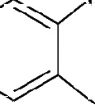
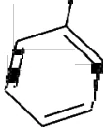
Chemical name: 7-chloro-1,3-dihydro-3-hydroxy-5-phenyl-2H-l1,4-benzodiazepin-2 one
Molecular formula and molecular mass: C15H11ClN2O2 286.71 g/mol
Structural formula:




Physicochemical properties:
Description: White to pale yellow powder or crystalline solid, practically odourless with bitter taste. Melting point: 205-206°C
Solubility: Soluble in alcohol, chloroform, dioxane. Solubility in water: 0.02 g/L at 22°C
Log KOW: 2.24 at pH 7.4
pH: Between 4.8 and 7.0 (1 in 50 Suspension)
14 CLINICAL TRIALS
The clinical trial data on which the original indication was authorized is not available.
15 MICROBIOLOGY
No microbiological information is required for this drug product.
16 NON-CLINICAL TOXICOLOGY
General Toxicology
Acute Toxicity: The oral LD50 in mice and rats, is greater than 5000 mg/kg.
Subacute Toxicity: Fatty metamorphosis of the liver occurred in rats in six-week studies with oxazepam administered in the diet at 0.5%. No liver necrosis or fibrosis occurred. Dogs were treated for 4 weeks with doses of 480 and 960 mg/kg p.o. Two out of eight dogs at the high dose died with evidence of circulatory collapse.
Chronic Toxicity: Oxazepam was administered to rats in the diet at levels of 0, 0.015, 0.03, 0.06 and 0.12% in a 55-56 week study. Increase in the organ-body weight ratio were seen for the liver at the 3 upper levels (0.03, 0.06 and 0.12%). An increase in kidney weight occurred in males at the two upper levels. The changes were considered reversible.
Reproductive and Developmental Toxicology:
In mice, reproduction studies in which oxazepam was administered orally at doses of 25, 50 and 100 mg/ kg/day on days 7 through 14 of the gestation periods showed no effect on mortality, litter size and in the number of deaths of the young in the first few days after birth.
In rats on two consecutive matings, the percent of females conceiving and giving birth to viable young was 50% and 55% compared to an average of 87.5% for the controls, when oxazepam was administered in the diet at 0.06%. The average litter size for this same group for the two phases was 9.8 and 11.6 and 11.9 for controls. No gross abnormalities were detected in the offspring.
17 SUPPORTING PRODUCT MONOGRAPHS
- 1. OXPAM® (oxazepam), tablets, 10 mg, 15 mg, 30 mg, submission control 248567, Product Monograph, Biomed Pharma (May 17, 2022)