


Product Monograph - Diastat
Recent Major Label Changes
| None at the time of the most resent authorization |
|---|
Table of Contents
Certain sections or subsections that are not applicable at the time of the preparation of the most recent authorized product monograph are not listed.
Recent Major Label Changes ................................................................................................... 2
Table of Contents ................................................................................................................... 2
Part 1: Healthcare Professional Information ........................................................................... 4
- 1.
Indications ....................................................................................................................... 4
1.1. Pediatrics .................................................................................................................. 4
1.2. Geriatrics .................................................................................................................. 4
- 2. Contraindications ............................................................................................................ 4
- 3. Serious Warnings and Precautions Box ............................................................................ 5
- 4.
Dosage and Administration ............................................................................................. 5
4.1. Dosing Considerations .............................................................................................. 5
4.2. Recommended Dose and Dosage Adjustment ......................................................... 6
4.4. Administration .......................................................................................................... 7
- 5. Overdose ......................................................................................................................... 7
- 6. Dosage Forms, Strengths, Composition, and Packaging ................................................... 7
- 7.
Warnings and Precautions ............................................................................................... 8
General ................................................................................................................................. 8
Carcinogenesis and Genotoxicity .......................................................................................... 9
Dependence, Tolerance and/or Abuse Liability .................................................................... 9
Driving and Operating Machinery ....................................................................................... 10
Hepatic/Biliary/Pancreatic .................................................................................................. 10
Musculoskeletal .................................................................................................................. 10
Neurologic .......................................................................................................................... 10
Renal ................................................................................................................................... 11
Respiratory ......................................................................................................................... 11
7.1. Special Populations ................................................................................................ 11
7.1.1. Pregnancy ...................................................................................................... 11
7.1.2. Breastfeeding ................................................................................................ 12
7.1.3. Pediatrics ....................................................................................................... 12
7.1.4. Geriatrics ....................................................................................................... 12
- 8.
Adverse Reactions ......................................................................................................... 12
8.1. Adverse Reaction Overview .................................................................................... 12
8.2. Clinical Trial Adverse Reactions .............................................................................. 12
8.3. Less Common Clinical Trial Adverse Reactions ....................................................... 14
8.5. Post-Market Adverse Reactions ............................................................................. 15
- 9.
Drug Interactions ........................................................................................................... 15
9.1. Serious Drug Interactions ....................................................................................... 15
9.2. Drug Interactions Overview .................................................................................... 15
9.3. Drug-Behaviour Interactions .................................................................................. 16
9.4. Drug-Drug Interactions ........................................................................................... 16
9.5. Drug-Food Interactions........................................................................................... 17
9.6. Drug-Herb Interactions ........................................................................................... 17
9.7. Drug-Laboratory Test Interactions ......................................................................... 18
- 10.
Clinical Pharmacology ................................................................................................... 18
10.1. Mechanism of Action .............................................................................................. 18
10.3. Pharmacokinetics ................................................................................................... 18
- 11. Storage, Stability, and Disposal ...................................................................................... 20
Part 2: Scientific Information ................................................................................................ 21
- 13. Pharmaceutical Information .......................................................................................... 21
- 14.
Clinical Trials .................................................................................................................. 22
14.1. Clinical Trials by Indication ..................................................................................... 22
- 16. Non-Clinical Toxicology .................................................................................................. 24
Patient Medication Information ........................................................................................... 25
Part 1: Healthcare Professional Information
1. Indications
DIASTAT (diazepam gel) is indicated for:
- the management of selected, refractory, patients with epilepsy, on stable regimens of anti-epileptic drugs (AEDs), who require intermittent use of diazepam to control bouts of increased seizure activity.
These bouts are defined as a form of severe seizures variously referred to as recurrent, serial, cluster or crescendo seizures. These clusters are a predictable component of the patient’s seizure disorder that are historically distinct from the patient’s other seizures in either type, frequency, severity or duration and have an onset that is easily recognized by the family and physician. The clusters have a consistent component, such as an aura, prodrome or characteristic single or multiple seizures, that is predictably and temporally linked to subsequent seizures. Patients typically demonstrate recovery between these seizures. As is the case with all seizure classifications, there is a common pattern of seizure presentation and there are clearly different features for every individual.
DIASTAT is intended for use by caregivers to treat patients in the home setting, as well as in hospitals, emergency and urgent care units and residential institutions.
1.1. Pediatrics
Pediatrics (< 2 years of age): Based on the data submitted and reviewed by Health Canada, the safety and efficacy of DIASTAT in pediatric patients less than 2 years of age has not been established; therefore, Health Canada has not authorized an indication for pediatric use in patients less than 2 years old. Evidence from clinical experience suggests that use in the infant pediatric population is associated with differences in safety. A brief discussion can be found in the appropriate sections (see 4.2 Recommended Dose and Dosage Adjustment, 7.1.3 Pediatrics, 10 Clinical Pharmacology, and 14 Clinical Trials).
Pediatrics (2 to < 18 years of age): Based on the data submitted and reviewed by Health Canada, the safety and efficacy of DIASTAT in pediatric patients aged 2 to < 18 years of age has been established. Therefore, Health Canada has authorized an indication for pediatric patients 2 years and older (see 4.2 Recommended Dose and Dosage Adjustment, and 7.1.3 Pediatrics).
1.2. Geriatrics
Geriatrics (> 60 years of age): Long-term use of DIASTAT should be avoided in patients > 60 years of age. Enhanced monitoring is recommended (see 7 Warnings and Precautions, Musculoskeletal and 4.2 Recommended Dose and Dosage Adjustment).
2. Contraindications
DIASTAT is contraindicated in patients:
- who are hypersensitive to this drug or to any ingredient in the formulation, including any non-medicinal ingredient, or component of the container. For a complete listing of excipients, see 6 Dosage Forms, Strengths, Composition, and Packaging.
- with acute narrow angle glaucoma. DIASTAT may be used in patients with open angle glaucoma who are receiving appropriate therapy.
3. Serious Warnings and Precautions Box
Addiction, Abuse and Misuse The use of benzodiazepines, including DIASTAT, can lead to abuse, misuse, addiction, physical dependence and withdrawal reactions. Abuse and misuse can result in overdose or death, especially when benzodiazepines are combined with other medicines, such as opioids, alcohol or illicit drugs.
Withdrawal Benzodiazepines, like DIASTAT, can produce severe or life-threatening withdrawal symptoms.
(see 7 Warnings and Precautions, Dependence, Tolerance and/or Abuse Liability) Risks from Concomitant use with Opioids Concomitant use of DIASTAT and opioids may result in profound sedation, respiratory depression, coma and death (see 7 Warnings and Precautions, General and Concomitant use with opioids, and 9.1 Serious Drug Interactions).
|
|---|
4. Dosage and Administration
4.1. Dosing Considerations
- DIASTAT should always be prescribed at the lowest effective dose for the shortest duration possible.
- Tapering should be tailored to the specific patient. Special attention should be given to patients with a history of seizure.
- The prescribed dose of study medication should be adjusted by the physician periodically to reflect changes in the patient's age or weight. It is recommended that dosage be reviewed at 6-month intervals.
4.2. Recommended Dose and Dosage Adjustment
Calculating Prescribed Dose
The DIASTAT dose should be individualized for maximum beneficial effect. The target dose of DIASTAT is 0.2 - 0.5 mg/kg depending on age. Health Canada has not authorized an indication for use in pediatric patients < 2 years of age (see 1.1 Pediatrics, 7.1.3 Pediatrics, 10 Clinical Pharmacology, 14 Clinical Trials). See the dosing table for specific recommendations.
Table 1 – Specific Recommendations (Dosing Table)
| Age (years) | Target Dose |
| 2 through 5 | 0.5 mg/kg |
| 6 through 11 | 0.3 mg/kg |
| 12 and older | 0.2 mg/kg |
DIASTAT is provided in fixed, unit-doses of 5, 10 and 15 mg. The prescribed dose is obtained by rounding upward to the next available dose. The following table provides acceptable doses for each age category and weight range, such that patients will receive between 90% and 180% of the calculated target dose. The safety of this strategy has been established in clinical trials.
Table 2 – Acceptable Weight Ranges for Each Dose and Age Category
2-5 Years 0.5 mg/kg | 6-11 Years 0.3 mg/kg | 12+ Years 0.2 mg/kg | |||
| Weight (kg) | Dose (mg) | Weight (kg) | Dose (mg) | Weight (kg) | Dose (mg) |
| 6 to 11 | 5 | 10 to 18 | 5 | 14 to 27 | 5 |
| 12 to 22 | 10 | 19 to 37 | 10 | 28 to 50 | 10 |
| 23 to 33 | 15 | 38 to 55 | 15 | 51 to 75 | 15 |
| 34 to 44 | 20* | 56 to 74 | 20* | 76 to 111 | 20* |
*Not currently commercialized.
Additional Dose
If a single dose does not adequately treat the episode, the physician may wish to prescribe 2 doses of DIASTAT. The second dose may be given 4-12 hours after the first dose if seizures persist, are known to reoccur, or if the patient is known to have especially refractory seizures.
Treatment Frequency
It is recommended that patients be treated with DIASTAT no more frequently than every five days and no more than five times per month. If a patient requires more frequent administration of DIASTAT for seizure control, the patient's treatment regimen may require re-evaluation by the physician.
Geriatrics (> 60 years of age)
Geriatric and debilitated patients in particular may be more sensitive to benzodiazepines (see 7 Warnings and Precautions, Musculoskeletal). In these patients, it is recommended that the dosage be adjusted downward to reduce the likelihood of ataxia or oversedation.
Long-term use of DIASTAT should be avoided in geriatric patients. Enhanced monitoring is recommended.
4.2.1 Discontinuing Treatment
DIASTAT can produce withdrawal signs and symptoms or rebound phenomena following abrupt discontinuation or rapid dose reduction (see 3 Serious Warnings and Precautions Box, Withdrawal, and 7 Warnings and Precautions, Dependence, Tolerance and/or Abuse Liability). Abrupt discontinuation should be avoided and treatment – even if only of short duration - should be terminated by gradually tapering the dosage schedule under close monitoring.
If a patient experiences withdrawal signs and symptoms, consider postponing the taper or raising the benzodiazepine to the previous dosage prior to proceeding with a gradual taper.
4.4. Administration
See 7 Warnings and Precautions, General section for general considerations.
5. Overdose
In the DIASTAT clinical trials, the practice was to dose patients up to twice the target dose (see 4 Dosage and Administration). Two patients received more than twice the target dose and reported no adverse events (AEs).
Previous reports of diazepam overdosage have shown that manifestations of diazepam overdosage include somnolence, confusion, coma, and diminished reflexes. Respiration, pulse and blood pressure should be monitored, as in all cases of drug overdosage, although, in general, these effects have been minimal. General supportive measures should be employed, along with intravenous fluids, and an adequate airway maintained. Hypotension may be combated by the use of levarterenol or metaraminol. Dialysis is of limited value.
| For the most recent information in the management of a suspected drug overdose, contact your regional poison control centre or Health Canada’s toll-free number, 1-844 POISON-X (1-844-764-7669). |
|---|
- 6. Dosage Forms, Strengths, Composition, and Packaging
Table 3 – Dosage Forms, Strengths, and Composition
| Route of Administration | Dosage Form/ Strength/Composition | Non-Medicinal Ingredients |
| Rectal | Gel 5 mg/mL | Benzoic Acid, Benzyl Alcohol (1.5%), Ethyl Alcohol (10%), Hydroxypropyl Methylcellulose, Propylene Glycol, Sodium Benzoate, and Water. |
Description
DIASTAT rectal delivery system is a non-sterile diazepam gel provided in a prefilled, unit-dose, rectal delivery system. The rectal delivery system includes a plastic applicator with a flexible, molded tip available in 2 lengths, designated for convenience as Pediatric, Universal or Adult. DIASTAT is available in the following 3 presentations:
Table 4 – Doses of Diazepam with Respective Pre-filled Volume Syringe and Rectal Tip Sizes
| Dose of Diazepam (mg) | Volume per pre-filled syringe (mL) | Rectal Tip Size |
| 5.0 | 1.0 | Pediatric (4.4 cm) |
| 10.0 | 2.0 | Universal (4.4 cm) |
| 15.0 | 3.0 | Adult (6.0 cm) |
Each package contains 2 DIASTAT rectal delivery systems, 2 packets of lubricating jelly, and Instructions for Use.
DIASTAT is clear to slightly yellow and has a pH between 6.5 and 7.2.
7. Warnings and Precautions
Please see 3 Serious Warnings and Precautions Box.
General
DIASTAT should only be administered by caregivers who in the opinion of the prescribing physician: 1) are able to distinguish the distinct cluster of seizures (and/or the events presumed to herald their onset) from the patient’s ordinary seizure activity, 2) have been instructed and judged to be competent to administer the treatment rectally, 3) understand explicitly which seizure manifestations may or may not be treated with DIASTAT, and 4) are able to monitor the clinical response and recognize when that response is such that immediate professional medical evaluation is required.
Concomitant use with Opioids
Concomitant use of benzodiazepines, including DIASTAT, and opioids may result in profound sedation, respiratory depression, coma, and death. Because of these risks, reserve concomitant prescribing of these drugs for use in patients for whom alternative treatment options are not possible (see 3 Serious Warnings and Precautions Box, Risks from Concomitant use with Opioids and 9.1 Serious Drug Interactions).
Observational studies have demonstrated that concomitant use of opioid analgesics and benzodiazepines increases the risk of drug-related mortality compared to use of opioid analgesics alone. Because of similar pharmacological properties, it is reasonable to expect similar risk with the concomitant use of other CNS depressant drugs with benzodiazepines.
If a decision is made to prescribe DIASTAT concomitantly with opioids, prescribe the lowest effective dosages and minimum durations of concomitant use. In patients already receiving an opioid analgesic, prescribe a lower initial dose of DIASTAT than indicated, and titrate based on clinical response. If an opioid analgesic is initiated in a patient already taking DIASTAT, prescribe a lower initial dose of the opioid analgesic and titrate based on clinical response. Follow patients closely for signs and symptoms of respiratory depression and sedation (see 5 Overdose).
Advise both patients and caregivers about the risks of respiratory depression and sedation when DIASTAT is used with opioids.
Advise patients not to drive or operate heavy machinery until the effects of concomitant use of the opioid have been determined.
Carcinogenesis and Genotoxicity
Only animal data are available (see 16 Non-Clinical Toxicology, Carcinogenicity).
The data currently available are inadequate to determine the mutagenic potential of diazepam.
Dependence, Tolerance and/or Abuse Liability
Use of benzodiazepines, such as DIASTAT, can lead to abuse, misuse, addiction, physical dependence (including tolerance) and withdrawal reactions. Abuse and misuse can result in overdose or death, especially when benzodiazepines are combined with other medicines, such as opioids, alcohol, or illicit drugs.
The risk of dependence increases with higher doses and longer-term use but can occur with short-term use at recommended therapeutic doses. The risk of dependence is greater in patients with a history of psychiatric disorders and/or substance (including alcohol) use disorder.
- Discuss the risks of treatment with DIASTAT with the patient, considering alternative (including non-drug) treatment options.
- Carefully evaluate each patient’s risk of abuse, misuse and addiction, considering their medical condition and concomitant drug use, prior to prescribing DIASTAT. In individuals prone to substance use disorder, DIASTAT should only be administered if deemed medically necessary, employing extreme caution and close supervision.
- DIASTAT should always be prescribed at the lowest effective dose for the shortest duration possible. It is recommended that patients be treated with DIASTAT no more frequently than every five days and no more than five times per month.
- All patients receiving benzodiazepines should be routinely monitored for signs and symptoms of misuse and abuse. If a substance use disorder is suspected, evaluate the patient and refer them for substance abuse treatment, as appropriate.
DIASTAT is not recommended for chronic, daily use as an anticonvulsant because of the potential for development of tolerance to diazepam. Chronic daily use of diazepam may increase the frequency and/or severity of grand mal seizures, requiring an increase in the dosage of standard anticonvulsant medication. In such cases, abrupt withdrawal of chronic diazepam may also be associated with a temporary increase in the frequency and/or severity of seizures.
Withdrawal
Benzodiazepines, such as DIASTAT, can produce withdrawal signs and symptoms, ranging from mild to severe and even life threatening, following abrupt discontinuation or rapid dose reduction. Other factors that may precipitate withdrawal are switching from a long-acting to a short-acting benzodiazepine, decreasing blood levels of the drug or administration of an antagonist. The risk of withdrawal is higher with higher dosages and/or prolonged use but can occur with short-term use at recommended therapeutic doses.
The onset of withdrawal signs and symptoms can range from hours to weeks following drug cessation and occur even with tapered dosage. Some symptoms can persist for months. Since symptoms are often similar to those for which the patient is being treated, it may difficult to distinguish from a relapse of the patient’s condition.
Severe or life-threatening signs and symptoms of withdrawal include catatonia, delirium tremens, depression, dissociative effects (e.g. hallucinations), mania, psychosis, seizures (including status epilepticus) and suicidal ideation and behavior.
Other withdrawal signs and symptoms include abdominal cramps, cognitive impairment, diarrhea, dysphoria, extreme anxiety or panic attacks, headache, hypersensitivity to light, noise and physical contact, insomnia, irritability, muscle pain or stiffness, paresthesia, restlessness, sweating, tension, tremors and vomiting. There is also a possibility of rebound anxiety or rebound insomnia.
- Abrupt discontinuation should be avoided and treatment - even if only of short duration - should be terminated by gradually tapering the dosage schedule under close monitoring.
- Tapering should be tailored to the specific patient. Special attention should be given to patients with a history of seizure.
- If a patient experiences withdrawal symptom, consider postponing the taper or raising the benzodiazepine to the previous dosage prior to proceeding with a gradual taper.
- Inform patients of risk of discontinuing abruptly, reducing dosage rapidly or switching medications.
- Stress the importance of consulting with their health care professional in order to discontinue safely.
- Patients experiencing withdrawal symptoms should seek immediate medical attention.
(see 3 Serious Warnings and Precautions Box, Addiction, Abuse and Misuse and Withdrawal, and 4.2.1 Discontinuing Treatment).
Driving and Operating Machinery
As is true of most preparations containing central nervous system (CNS)-acting drugs, patients should be cautioned against engaging in hazardous occupations requiring complete mental alertness or physical coordination, such as operating machinery, driving a motor vehicle or riding a bicycle following use of DIASTAT.
Hepatic/Biliary/Pancreatic
Precautions in treating patients with impaired hepatic function should be observed because patients with severely impaired hepatic function may be unable to biotransform diazepam to inactive metabolites (see 10.3 Pharmacokinetics).
Musculoskeletal
There have been reports of falls and fractures among benzodiazepine users due to adverse reactions such as sedation, dizziness and ataxia. The risk is increased in those taking concomitant sedatives (including alcoholic beverages), the geriatric or debilitated patients.
Neurologic
CNS Depression
Concomitant Use of Other CNS Depressants: Since diazepam has a CNS-depressant effect, patients should be advised against the simultaneous use of alcohol or other CNS-depressants during DIASTAT therapy.
Use in Patients with Petit Mal Status: Tonic status epilepticus has been precipitated in patients treated with intravenous diazepam for petit mal status or petit mal variant status.
Use in Patients with Neurologic Damage: DIASTAT should be used with caution in patients with neurologic damage.
Renal
Metabolites of diazepam are excreted by the kidney; to avoid their excess accumulation, caution should be exercised in the administration to patients with compromised kidney function (see 10.3 Pharmacokinetics).
Respiratory
DIASTAT should be used with caution in patients with compromised respiratory function related to a concurrent disease process (e.g., asthma, pneumonia).
7.1. Special Populations
7.1.1. Pregnancy
In humans, measurable amounts of diazepam have been found in maternal and cord blood, indicating placental transfer of the drug. Diazepam has been shown to be teratogenic in mice and hamsters when given orally in doses that are more than 140 times the highest DIASTAT treatment dose. Cleft palates and resorptions are the most common and consistently reported form of developmental toxicity produced in laboratory animals by high doses (>100 mg/kg) of diazepam during gestation. There are no adequate and well-controlled studies of diazepam in pregnant women. However, benzodiazepines have been associated with an increased risk of congenital malformations after first trimester exposure. Hypotonia, lethargy, hypothermia, respiratory and suckling difficulties have been reported in infants whose mothers received benzodiazepines during labor. Children born to mothers receiving benzodiazepines on a regular basis late in pregnancy may be at some risk of experiencing withdrawal symptoms during the postnatal period. DIASTAT should be used during pregnancy only if the potential benefit justifies the potential risk to the fetus.
It is important to note that anticonvulsant drugs should not be discontinued in patients in whom the drug is administered to prevent seizures because of the strong possibility of precipitating status epilepticus with attendant hypoxia and threat to life. In individual cases where the severity and frequency of the seizure disorder are such that the removal of medication does not pose a serious threat to the patient, discontinuation of the drug may be considered prior to and during pregnancy, although it cannot be said with any confidence that even mild seizures do not pose some hazards to the developing embryo or fetus.
Patients should be advised to notify their physician if they become pregnant or intend to become pregnant during therapy with DIASTAT.
7.1.2. Breastfeeding
Diazepam is excreted in human milk; therefore, DIASTAT should not be administered to nursing women.
7.1.3. Pediatrics
Pediatrics (< 2 years of age): Based on the data submitted and reviewed by Health Canada, the safety and efficacy of DIASTAT in pediatric patients < 2 years of age has not been established; therefore, Health Canada has not authorized an indication for use in pediatric patients < 2 years of age. Prolonged CNS depression has been observed in neonates treated with diazepam, apparently due to an inability to biotransform diazepam into inactive metabolites. See 1.1 Pediatrics.
Pediatrics (2 to < 18 years of age): Based on the data submitted and reviewed by Health Canada, the safety and efficacy of DIASTAT in pediatric patients aged 2 to < 18 years of age has been established. Therefore, Health Canada has authorized an indication for pediatric use in patients 2 years and older (see 1.1 Pediatrics).
7.1.4. Geriatrics
Geriatrics (> 60 years of age): The effects of DIASTAT in patients over 60 years of age have not been well characterized. In geriatric patients, DIASTAT should be used with caution due to an increase in half-life with a corresponding decrease in the clearance of free diazepam. It is also recommended that the dosage be adjusted downward to reduce the likelihood of ataxia or oversedation.
Long-term use of DIASTAT should be avoided in geriatric or debilitated patients who may be more sensitive to benzodiazepines. There is an increased risk of cognitive impairment, delirium, falls, fractures, hospitalizations and motor vehicle accidents in these users. Enhanced monitoring is recommended in this population (see 4.2 Recommended Dose and Dosage Adjustment).
8. Adverse Reactions
8.1. Adverse Reaction Overview
The most frequent adverse event (AE) reported to be related to DIASTAT in the 2 double-blind, placebo-controlled studies was somnolence (23%). Less frequent AEs were dizziness, headache, pain, diarrhea, euphoria, incoordination and nervousness, which occurred in approximately 2-5% of patients. In addition, ataxia (8%), asthenia (4%), hiccup (2%) and vertigo (2%) were reported in open-label studies. There were no differences in the pattern of AEs in children and adults.
8.2. Clinical Trial Adverse Reactions
Clinical trials are conducted under very specific conditions. Therefore, the frequencies of adverse reactions observed in the clinical trials may not reflect the frequencies observed in clinical practice and should not be compared to frequencies reported in clinical trials of another drug. Adverse reaction information from clinical trials may be useful in identifying and approximating rates of adverse drug reactions in real-world use.
DIASTAT AE data were collected from double-blind, placebo-controlled studies and open-label studies. The majority of AEs were mild to moderate in severity and transient in nature.
Table 5 – Number and Percent of Patients with Adverse Events for Combined Data from the Controlled Studies (AN094-001, AN094-003)
(Adverse events with a frequency of ≥ 1%)
Intent-to-Treat Population
| System organ class/preferred term | DIASTAT n = 101 | Placebo n = 104 | ||||||||||
| System organ class/preferred term | DIASTAT n = 101 | Placebo n = 104 | ||||||||||
All n (%) | Related* n (%) | All n (%) | Related* n (%) | |||||||||
All n (%) | Related* n (%) | All n (%) | Related* n (%) | |||||||||
| General | 12 (12) | 7 (7) | 14 (13) | 9 (9) | ||||||||
| Abdominal Pain | 2 (2) | 1 (<1) | 2 (2) | 1 (<1) | ||||||||
| Fever | 0 (0) | 0 (0) | 4 (4) | 2 (2) | ||||||||
| Headache | 5 (5) | 2 (2) | 4 (4) | 3 (3) | ||||||||
| Pain+ | 3 (3) | 3 (3) | 4 (4) | 3 (3) | ||||||||
| Cardiovascular | 2 (2) | 2 (2) | 1 (<1) | 1 (<1) | ||||||||
| Vasodilatation | 2 (2) | 2 (2) | 0 (0) | 0 (0) | ||||||||
| Digestive | 6 (6) | 4 (4) | 8 (8) | 6 (6) | ||||||||
| Anorexia | 1 (<1) | 1 (<1) | 2 (2) | 2 (2) | ||||||||
| Diarrhea | 4 (4) | 2 (2) | 1 (<1) | 0 (0) | ||||||||
| Vomiting | 1 (<1) | 1 (<1) | 2 (2) | 2 (2) | ||||||||
| Hemic and Lymphatic† | 2 (2) | 0 (0) | 3 (3) | 1 (<1) | ||||||||
| Metabolic and Nutritional† | 0 (0) | 0 (0) | 3 (3) | 1 (<1) | ||||||||
| Nervous | 32 (32) | 29 (29) | 16 (15) | 13 (13) | ||||||||
| Ataxia | 3 (3) | 1 (<1) | 1 (<1) | 1 (<1) | ||||||||
| Convulsion | 1 (<1) | 1 (<1) | 3 (3) | 0 (0) | ||||||||
| Dizziness | 3 (3) | 3 (3) | 2 (2) | 2 (2) | ||||||||
| Euphoria | 3 (3) | 3 (3) | 0 (0) | 0 (0) | ||||||||
| Incoordination | 3 (3) | 3 (3) | 0 (0) | 0 (0) | ||||||||
| Nervousness | 2 (2) | 2 (2) | 2 (2) | 2 (2) | ||||||||
| Somnolence | 23 (23) | 23 (23) | 8 (8) | 8 (8) | ||||||||
| Other Body System | 1 (<1) | 1 (<1) | 2 (2) | 2 (2) | ||||||||
| Other | 1 (<1) | 1 (<1) | 2 (2) | 2 (2) | ||||||||
| Respiratory | 4 (4) | 0 (0) | 3 (3) | 2 (2) | ||||||||
| Asthma | 2 (2) | 0 (0) | 0 (0) | 0 (0) | ||||||||
| Rhinitis | 2 (2) | 0 (0) | 2 (2) | 2 (2) | ||||||||
| Skin and Appendages | 5 (5) | 3 (3) | 1 (<1) | 0 (0) | ||||||||
| Rash | 3 (3) | 2 (2) | 0 (0) | 0 (0) | ||||||||
| Special Senses | 1 (<1) | 1 (<1) | 2 (2) | 0 (0) | ||||||||
| Otitis Media | 0 (0) | 0 (0) | 2 (2) | 0 (0) | ||||||||
| Urogenital† | 1 (<1) | 0 (0) | 2 (2) | 0 (0) | ||||||||
* Related means the adverse event was definitely, probably, or possibly related to the study drug.
+ Pain includes rectal symptoms such as rectal burning, discomfort, that code to “pain”.
† Individual adverse events in these categories were less than 1% and therefore are not included in this table.
8.3. Less Common Clinical Trial Adverse Reactions
General: Asthenia, infection.
Cardiovascular: Palpitation.
Digestive: Dyspepsia, dysphagia, fecal incontinence, nausea.
Hemic and Lymphatic: Anemia, cyanosis, ecchymosis, lymphadenopathy, thromboplastin decreased.
Metabolic and Nutritional: Acidosis, dehydration, peripheral edema.
Nervous: Agitation, grand mal convulsion, hyperkinesia, increased salivation, stupor, tremor, twitching.
Respiratory: Cough increased, pneumonia, sinusitis.
Skin and Appendages: Pruritus, skin discoloration, sweating.
Special senses: Mydriasis.
Urogenital: Kidney failure, urinary incontinence, urinary tract infection.
Other AEs occurring less frequently (< 2%) and reported to be related to DIASTAT in clinical studies.
General: Abdominal pain, accidental injury, accidental overdose, back pain, chills, fever, infection.
Cardiovascular: Hypotension, pallor, postural hypotension, vasodilation.
Digestive: Abnormal stools, anorexia, diarrhea, dysphagia, increased salivation, nausea, nausea and vomiting, rectal disorder, rectal hemorrhage, tenesmus, thirst, vomiting.
Hemic and Lymphatic: Prothrombin time increased.
Musculoskeletal: Myasthenia, back pain.
Nervous: Agitation, amnesia, confusion, convulsion, dysarthria, emotional lability, euphoria, hyperkinesia, hypokinesia, hypotonia, incoordination, increased salivation, insomnia, movement disorder, nervousness, speech disorder, stupor, thinking abnormal, tremor, twitching.
Respiratory: Cough increased, hypoventilation, hypoxia.
Skin and Appendages: Pruritis, rash.
Special senses: Abnormal vision, amblyopia, diplopia, mydriasis, taste perversion.
Urogenital: Urinary incontinence.
8.5. Post-Market Adverse Reactions
Injury, Poisoning and Procedural Complications
There have been reports of falls and fractures in benzodiazepine users due to adverse reactions such as sedation, dizziness and ataxia. The risk is increased in those taking concomitant sedatives (including alcoholic beverages), the geriatric and debilitated patients (see 7 Warnings and Precautions, Musculoskeletal).
Dependence/Withdrawal
Development of physical dependence and withdrawal following discontinuation of therapy has been observed with benzodiazepines such as DIASTAT. Severe and life-threatening symptoms have been reported. (see 3 Serious Warnings and Precautions Box, Addiction, Abuse and Misuse and 7 Warnings and Precautions, Dependence, Tolerance and/or Abuse Liability).
9. Drug Interactions
9.1. Serious Drug Interactions
Concomitant use of DIASTAT and opioids may result in profound sedation, respiratory depression, coma and death.
(see 3 Serious Warnings and Precaution Box, Risks from Concomitant use with Opioids, and 7 Warnings and Precautions, General, Concomitant use with Opioids) |
|---|
9.2. Drug Interactions Overview
Potential drug-drug interactions may occur when diazepam is given concurrently with agents:
- that affect CYP2C19 (e.g., cimetidine, quinidine, tranylcypromine, rifampicin, omeprazole, propranolol, and imipramine) activity.
- that affect CYP3A4 (e.g., ketoconazole, clotrimazole, carbamazepine, phenytoin, dexamethasone and phenobarbital, cyclosporine, paclitaxel, terfenadine, theophylline and warfarine) activity.
- psychotropic agents or other CNS depressants (e.g., phenothiazines, narcotics, barbiturates, MAO inhibitors and other antidepressants).
- Alcohol.
- Valproate.
9.3. Drug-Behaviour Interactions
Potential drug-behavioral Interactions may occur when diazepam is given (see 7 Warnings and Precautions, Neurologic, Concomitant Use of Other CNS Depressants).
When diazepam is used simultaneously with alcohol or other CNS depressants, the potential for a synergistic CNS-depressant effect must be considered.
9.4. Drug-Drug Interactions
Table 6 – Established or Potential Drug-Drug Interactions
| Non-proprietary name(s) of the drug product(s) | Source of evidence | Effect | Clinical comment |
|---|---|---|---|
| Non-proprietary name(s) of the drug product(s) | Source of evidence | Effect | Clinical comment |
| Agents that affect CYP2C19 activity (e.g., cimetidine, quinidine, tranylcypromine, rifampicin) | T | Potential drug-drug interactions may occur when diazepam is given concurrently with agents that affect CYP2C19 activity. | In vitro studies using human liver preparations suggest that CYP2C19 is one of the principal isozymes involved in the initial oxidative metabolism of diazepam. The clearance of diazepam and certain other benzodiazepines can be delayed in association with cimetidine administration. The clinical significance of this is unclear. |
| Agents that affect CYP3A4 activity (e.g., ketoconazole, clotrimazole, carbamazepine, phenytoin, dexamethasone and phenobarbital) | T | Potential drug-drug interactions may occur when diazepam is given concurrently with agents that affect CYP3A4 activity. | In vitro studies using human liver preparations suggest that CYP3A4 is one of the principal isozymes involved in the initial oxidative metabolism of diazepam. |
| CYP2C19 substrates (e.g., omeprazole, propranolol, and imipramine) | T | Potential drug-drug interaction. | There are no reports as to which isozymes could be inhibited or induced by diazepam. But, based on the fact that diazepam is a substrate for CYP2C19, it is possible that diazepam may interfere with the metabolism of drugs which are substrates for CYP2C19. |
| CYP3A4 substrates (e.g., cyclosporine, paclitaxel, terfenadine, theophylline and warfarine) | T | Potential drug-drug interaction. | There are no reports as to which isozymes could be inhibited or induced by diazepam. But, based on the fact that diazepam is a substrate for CYP3A4, it is possible that diazepam may interfere with the metabolism of drugs which are substrates for CYP3A4. |
| Psychotropic agents or other CNS depressants (e.g., phenothiazines, narcotics, barbiturates, MAO inhibitors and other antidepressants) | T | May potentiate the action of diazepam. | If DIASTAT is to be combined with other psychotropic agents or other CNS depressants, careful consideration should be given to the pharmacology of the agents to be employed - particularly with known compounds which may potentiate the action of diazepam. Concomitant use of DIASTAT and opioids may result in profound sedation, respiratory depression, coma and death (see 3 Serious Warnings and Precaution Box, Risks from Concomitant use with Opioids, and 7 Warnings and Precautions, General, Concomitant use with Opioids). |
| Valproate | T | Valproate is known to potentiate the CNS-depressant effects of diazepam. | DIASTAT should be used with caution in patients expected to have high plasma concentrations of valproic acid. |
Legend: T = Theoretical (or in vitro evidence).
9.5. Drug-Food Interactions
Interactions with food have not been established.
9.6. Drug-Herb Interactions
Interactions with herbal products have not been established.
9.7. Drug-Laboratory Test Interactions
Interactions with laboratory tests have not been established.
10. Clinical Pharmacology
10.1. Mechanism of Action
Animal and in vitro studies indicate that diazepam acts to suppress seizures through an allosteric influence on the α-aminobutyric acid (GABA) receptors of the A-type (GABAA). GABA acts at this receptor to open the membrane channel allowing chloride ions to flow into neurons. Entry of chloride ions causes an inhibitory potential that reduces the ability of neurons to depolarize to the threshold potential necessary to produce action potentials. Excessive depolarization of neurons is implicated in the generation and spread of seizures.
The benzodiazepine binding site is associated with the GABAA receptor. Diazepam binds to this site and enhances the actions of GABA by causing GABA to bind more tightly to the GABAA receptor, increasing the opening of the chloride channel and increasing the chloride ion influx into the neuron. At doses in the lower therapeutic range, diazepam decreases the spread of seizures from the active site or focus by increasing inhibition in the surrounding neurons. At high therapeutic doses, diazepam may suppress seizures originating at the active focus as well.
10.3. Pharmacokinetics
The absorption, distribution, metabolism and excretion of diazepam are well characterized.
Absorption
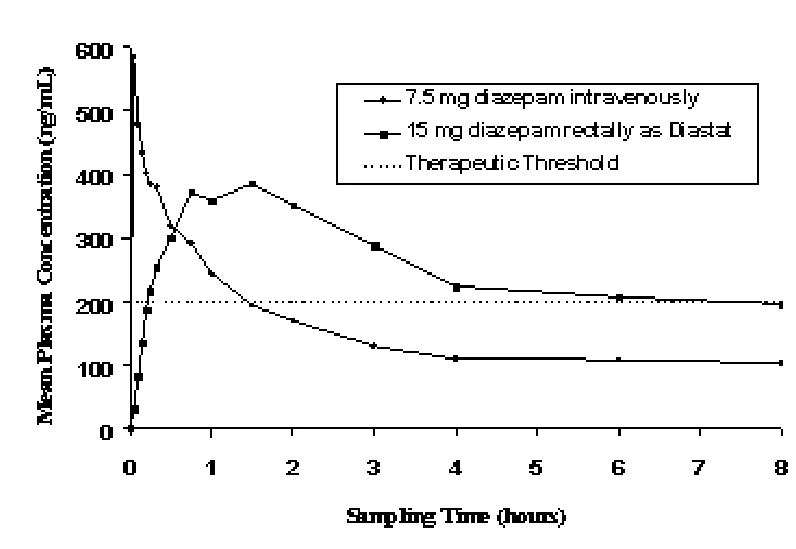
Protein binding is high, ranging from 96.8%-98.6%. After diazepam gel administration, the absorption of diazepam from the rectum is rapid with an absolute bioavailability of 90.4% relative to an intravenous dose. The following figure shows diazepam plasma levels following rectal administration of 15 mg diazepam as diazepam gel and intravenous administration of 7.5 mg diazepam. Following rectal dosing, diazepam plasma levels reach 200 ng/mL within 15 minutes, reaching peak plasma concentrations within 1.5 hours. Intravenous dosing results in a quicker rise in plasma levels followed quickly by a fall as diazepam is sequestered in muscle and fat.
Distribution
Following rectal dosing, absorptive and redistribution phases overlap, and therapeutic levels of diazepam are maintained for at least 4 hours without having the high peak concentrations of intravenous diazepam, which are often associated with adverse events. The time to maximum plasma concentration (Tmax) following rectal administration is not different in children and adults given doses normalized to body weight.
Metabolism
It has been reported in the literature that diazepam is extensively metabolized to one major active metabolite (desmethyldiazepam) and two minor active metabolites, 3-hydroxydiazepam (temazepam) and 3-hydroxy-N-diazepam (oxazepam) in plasma. At therapeutic doses, desmethyldiazepam is found in plasma at concentrations equivalent to those of diazepam while oxazepam and temazepam are not usually detectable. The metabolism of diazepam is primarily hepatic and involves demethylation (involving primarily CYP2C19 and CYP3A4) and 3-hydroxylation (involving primarily CYP3A4), followed by glucuronidation. The marked inter-individual variability in the clearance of diazepam reported in the literature is probably attributable to variability of CYP2C19 (which is known to exhibit genetic polymorphism; about 3-5% of Caucasians have little or no activity and are “poor metabolizers”) and CYP3A4. No inhibition was demonstrated in the presence of inhibitors selective for CYP2A6, CYP2C9, CYP2D6, CYP2E1, or CYP1A2, indicating that these enzymes are not significantly involved in metabolism of diazepam.
The primary metabolite of diazepam following a single dose is desmethyldiazepam in both children and adults.
Elimination
The elimination kinetics of diazepam are similar following rectal and intravenous administration.
Special populations and conditions
- Pediatrics: Clinical studies have not been conducted to establish the efficacy and safety of DIASTAT in children under 2 years of age. Prolonged CNS depression has been observed in neonates treated with diazepam, apparently due to an inability to biotransform diazepam into inactive metabolites.
- Geriatrics: The effects of DIASTAT in patients over 60 years of age have not been well characterized. In geriatric patients, DIASTAT should be used with caution due to an increase in half-life with a corresponding decrease in the clearance of free diazepam.
Hepatic Insufficiency: Precautions in treating patients with impaired hepatic function should be observed because patients with severely impaired hepatic function may be unable to
- biotransform diazepam to inactive metabolites.
- Renal Insufficiency: Metabolites of diazepam are excreted by the kidney; to avoid their excess accumulation, caution should be exercised in the administration to patients with compromised kidney function.
- Storage, Stability, and Disposal
Store at controlled room temperature 15 - 30ºC (59 - 86ºF).
DIASTAT should be stored securely to avoid theft or misuse.
Keep out of sight and reach of children.
Part 2: Scientific Information
13. Pharmaceutical Information
Drug Substance
Non-proprietary name of the drug substance: Diazepam
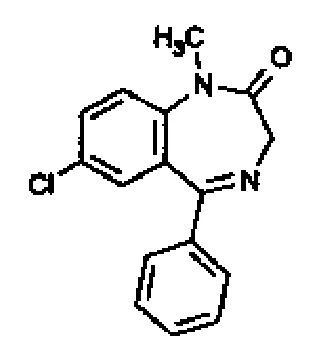
Chemical name: 7-chloro-1,3-dihydro-1-methyl-5-phenyl-2H-1,4-benzodiazepin-2-one
Molecular formula and molecular mass: C16H13ClN2O, 284.75 g/mol
Structural formula:
Physicochemical properties:
Description: Diazepam is a crystalline powder.
Solubility: Freely soluble in chloroform, soluble in ethanol and propylene glycol, and practically insoluble in water.
pKa: Diazepam has a pKa of 3.4.
Partition coefficient: A partition coefficient of 382 (octanol : phosphate).
Melting range: 131-135ºC.
14. Clinical Trials
14.1. Clinical Trials by Indication
Management of Selected, Refractory Patients with Epilepsy
The usefulness of DIASTAT as an adjunct in treatment of bouts of increase seizure activity has been established in 2 adequate and well-controlled clinical studies in children and adults. These studies confirmed the efficacy of rectal diazepam as treatment for acute seizures as established in numerous scientific reports.
Table 7 – Summary of Patient Demographics for Clinical Trials in the Management of Selected, Refractory Patients with Epilepsy
| Study # | Study design | Dosage, route of administration and duration | Study subjects (n) | Age (range) | Sex |
| 1 | The first double-blind study compared sequential doses of DIASTAT and placebo. The first dose was given at the onset of the defined episode. | Children could be dosed again 4 hours after the first dose and were observed for 12 hours. Adults could be dosed again 4 and 12 hours after the first dose and were observed for 24 hours. | 91 patients | 47 children 44 adults | N/A |
| 2 | A second double-blind study compared single doses of DIASTAT and placebo. The dose was given at the onset of the defined episode | Patients were observed for 12 hours. | 114 patients | 53 children 61 adults | N/A |
Table 8 – Results of Key Endpoints in the Management of Selected, Refractory Patients with Epilepsy
| Primary Endpoints | Associated value and statistical significance for Placebo or active control |
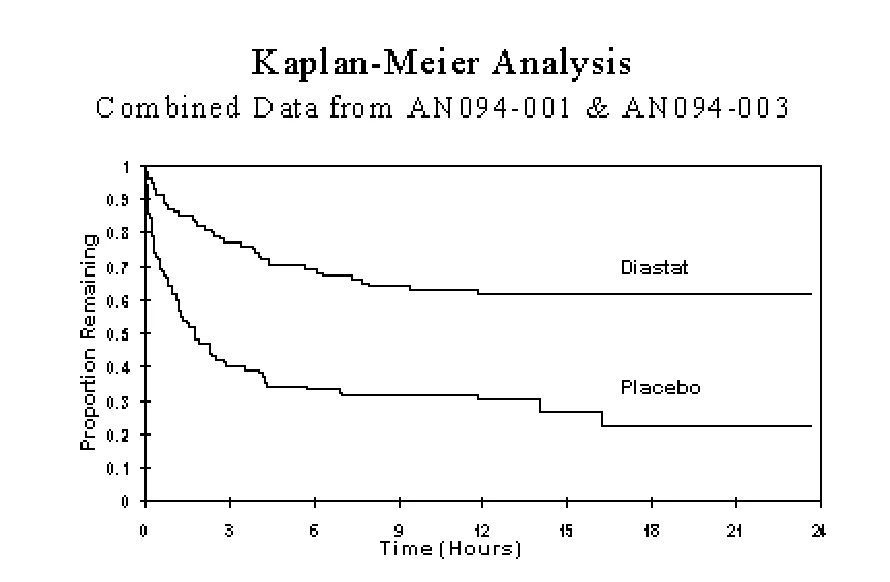
| DIASTAT significantly reduced seizure frequency (p < 0.0001) and increased the time to the next seizure (p = 0.0002). | In addition, 62% of patients treated with DIASTAT were seizure-free during the observation period compared to 20% of placebo patients. Overall, caregivers judged DIASTAT to be much more effective than placebo (p < 0.0001). |
| DIASTAT significantly reduced seizure counts (p = 0.029) and increased the time to the next seizure (p=0.0072). | In addition, 55% of patients treated with DIASTAT were seizure-free during the observation period compared to 34% of placebo patients. Overall, caregivers judged DIASTAT to be more effective than placebo (p=0.018). In addition, investigators also evaluated the effectiveness of DIASTAT and judged DIASTAT to be more effective than placebo (p < 0.001). |
The following figure shows the proportion of patients remaining seizure-free following treatment of an episode with DIASTAT. This analysis of the combined data from both double-blind, placebo-controlled studies, confirms that the anti-seizure effect of DIASTAT is maintained throughout the observation period.
Long-term experience has been evaluated in 2 open-label studies following the double-blind studies. Patients in these studies were prescribed DIASTAT for treatment of bouts of increased seizure activity. Patients’ episodes could be treated with DIASTAT no more frequently than every 5 days and no more than 5 times per month. There was no evidence for development of tolerance to the effect of DIASTAT over time.
16. Non-Clinical Toxicology
Refer to 10.1 Mechanism of Action.
Studies in animals have provided information that is relevant to the pharmacology of diazepam in humans. Diazepam, unlike chlorpromazine and reserpine, has no demonstrable peripheral autonomic blocking action, nor does it produce extrapyramidal side effects; however, animals treated with diazepam do have a transient ataxia at higher doses. Diazepam was found to have transient cardiovascular depressor effects in dogs. Long-term experiments in rats revealed no disturbances of endocrine function. It is expected that rectal administration of diazepam will not alter the pharmacologic or toxic effects previously observed with other formulations of diazepam. No irritation was observed following repeated rectal administration of diazepam gel to rabbits.
Genotoxicity: The data currently available are inadequate to determine the mutagenic potential of diazepam.
Carcinogenicity: The carcinogenic potential of rectal diazepam has not been evaluated. In studies in which mice and rats were administered diazepam in the diet (orally) at a dose of 75 mg/kg/day (approximately 6 and 12 times, respectively, the maximum recommended human dose) for 80 and 104 weeks, respectively, an increased incidence of liver tumors was observed in males of both species.
Reproductive and developmental toxicology: Reproduction studies in rats showed a decrease in the number of pregnancies and surviving offspring at an oral dose of 100 mg/kg [approximately 100 times the highest diazepam gel treatment dose]. These effects may be secondary to prolonged sedation. Normal neonatal survival rates were observed at doses lower than 100 mg/kg.