


Product Monograph - Rotateq
RECENT MAJOR LABEL CHANGES
| 1 Indications | 2025-11 |
|---|---|
| 2 Contraindications | 2025-11 |
Table Of Contents
RECENT MAJOR LABEL CHANGES .............................................................................................. 2
Table Of Contents ..................................................................................................................... 2
Part 1: Health Professional Information ................................................................................... 4
1 Indications .................................................................................................................... 4
1.1 Pediatrics ................................................................................................................. 4
2 Contraindications .......................................................................................................... 4
4 Dosage and Administration .......................................................................................... 4
4.1 Dosing Considerations ............................................................................................. 4
4.2 Recommended Dose and Dosage Adjustment .......................................................... 4
4.3 Reconstitution ......................................................................................................... 5
4.4 Administration ......................................................................................................... 5
5 Overdosage ................................................................................................................... 6
6 Dosage Forms, Strengths, Composition, and Packaging................................................ 6
7 Warnings and Precautions ............................................................................................ 7
7.1 Special Populations .................................................................................................. 9
7.1.1 Pregnancy ...................................................................................................... 9
7.1.2 Breastfeeding ................................................................................................. 9
7.1.3 Pediatrics ....................................................................................................... 9
7.1.4 Geriatrics ..................................................................................................... 10
8 Adverse Reactions....................................................................................................... 10
8.1 Adverse Reaction Overview ................................................................................... 10
8.2 Clinical Trial Adverse Reactions .............................................................................. 10
8.2.1 Clinical Trial Adverse Reactions – Pediatrics ........................................................ 10
8.3 Less Common Clinical Trial Adverse Reactions ....................................................... 13
8.3.1 Less Common Clinical Trial Adverse Reactions – Pediatrics ................................. 13
8.4 Abnormal Laboratory Findings: Hematologic, Clinical Chemistry and Other
Quantitative Data ........................................................................................................ 14
8.5 Post-Market Adverse Reactions ............................................................................. 14
9 Drug Interactions ........................................................................................................ 15
9.2 Drug Interactions Overview ................................................................................... 15
9.4 Drug-Drug Interactions .......................................................................................... 15
10 Clinical Pharmacology ................................................................................................. 16
10.1 Mechanism of Action ........................................................................................... 17
10.4 Immunogenicity ................................................................................................... 18
11 Storage, Stability, and Disposal................................................................................... 18
Part 2: Scientific Information .................................................................................................. 19
13 Pharmaceutical Information ....................................................................................... 19
14 Clinical Trials ............................................................................................................... 19
14.1 Clinical Trials by Indications ................................................................................. 19
15 Microbiology ............................................................................................................... 27
16 Non-Clinical Toxicology ............................................................................................... 27
Patient Medication Information ............................................................................................. 28
Part 1: Health Professional Information
1 Indications
RotaTeq® (rotavirus vaccine, live, oral, pentavalent) is indicated for the prevention of rotavirus gastroenteritis caused by the serotypes G1, G2, G3, G4, and G-serotypes that contain P1A[8], when administered to infants 6 weeks through 32 weeks of age (see 6 Dosage Forms, Strengths, Composition, and Packaging and 14 Clinical trials).
1.1 Pediatrics
Safety and effectiveness of RotaTeq® have not been established in infants less than 6 weeks or more than 32 weeks of age.
Data are available from clinical studies to support the use of RotaTeq® in pre-term infants according to their age in weeks since birth (see 8 Adverse Reactions).
1.2 Geriatrics
RotaTeq® is not indicated for use in adult populations.
2 Contraindications
RotaTeq® is contraindicated in:
- Patients who are hypersensitive to this vaccine or to any ingredient in the formulation or component of the container. For a complete listing, see 6 Dosage Forms, Strengths, Composition, and Packaging.
- Individuals who develop symptoms suggestive of hypersensitivity after receiving a dose of RotaTeq® should not receive further doses of RotaTeq®.
- Individuals with Severe Combined Immunodeficiency Disease (SCID). Cases of gastroenteritis associated with vaccine virus have been reported post-marketing in infants with SCID.
- Infants with uncorrected congenital malformation (such as Meckel’s diverticulum) of the gastrointestinal tract that would predispose for intussusception.
- Infants who have a history of intussusception.
4 Dosage and Administration
4.1 Dosing Considerations
RotaTeq® is for oral use only. Not for injection.
4.2 Recommended Dose and Dosage Adjustment
The vaccination series consists of three ready-to-use liquid doses of RotaTeq® administered orally to infants.
The first dose of RotaTeq® should be administered at 6 to 12 weeks of age; the subsequent doses should be administered at an interval of 4 to 10 weeks between each dose, which includes a 2, 4 and 6 months immunization schedule.
There are no restrictions on the infant’s consumption of food or liquid, including breast milk, either before or after vaccination with RotaTeq®.
RotaTeq® may be given to pre-term infants according to their chronological age.
If for any reason an incomplete dose is administered (e.g., infant spits or regurgitates the vaccine), a replacement dose is not recommended. The infant should continue to receive any remaining doses in the recommended series.
4.3 Reconstitution
Oral Solutions: The vaccine is to be administered orally without mixing with any other vaccines or solutions. Do not reconstitute or dilute.
4.4 Administration
Each dose is supplied in a container consisting of a squeezable plastic, latex-free dosing tube with a twist-off cap, allowing for direct oral administration. The dosing tube is contained in a pouch.
To administer the vaccine:
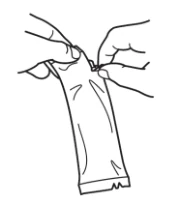
Tear open the pouch and remove the dosing tube.
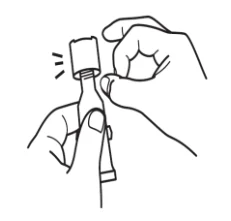
Clear the fluid from the dispensing tip by holding tube vertically and tapping cap.
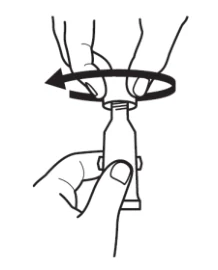
Open the dosing tube in 2 easy motions:
- 1. Puncture the dispensing tip by screwing cap clockwise until it becomes tight.
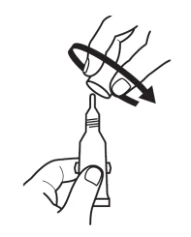
- 2. Remove cap by turning it counterclockwise.
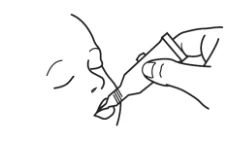
Administer dose by gently squeezing liquid into infant's mouth toward the inner cheek until dosing tube is empty. (a residual drop may remain in the tip of the tube.)
Discard the empty tube and cap in approved biological waste containers according to local regulations.
5 Overdosage
There have been reports of administration of higher than recommended doses of RotaTeq®. In general, the adverse event profile reported with overdose was comparable to that observed with recommended doses of RotaTeq®.
For the most recent information in the management of a suspected vaccine overdose, contact your regional poison control centre or Health Canada’s toll-free number, 1-844 POISON-X (1-844-764-7669).
6 Dosage Forms, Strengths, Composition, and Packaging
To help ensure the traceability of vaccines for patient immunization record-keeping as well as safety monitoring, health professionals should record the time and date of administration, quantity of administered dose (if applicable), anatomical site and route of administration, brand name and generic name of the vaccine, the product lot number and expiry date.
Table 1 – Dosage Forms, Strengths, and Composition
Dosage Forms:
RotaTeq® (rotavirus vaccine, live, oral, pentavalent) is supplied as a sterile solution for oral use in a single-dose tube. It is a pale yellow, clear liquid that may have a pink tint.
Composition:
| Route of Administration | Dosage Form / Strength/Composition | Non-medicinal Ingredients |
| Oral | Solution Minimum dose levels of reassortants: G1 2.2 × 10⁶ infectious units G2 2.8 × 10⁶ infectious units G3 2.2 × 10⁶ infectious units G4 2.0 × 10⁶ infectious units P1A[8] 2.3 × 10⁶ infectious units | Diluent and cell culture media Polysorbate 80 Sodium citrate dihydrate Sodium hydroxide Sodium phosphate monobasic monohydrate Sucrose |
Each single dose (2 mL) contains:
Active Ingredients: Human-bovine rotavirus reassortants: G1, G2, G3, G4, and P1A[8]. The minimum dose levels at the end of shelf life of the reassortants are as follows:
G1
G2
G3
G4
P1A[8]
2.2 × 10⁶ infectious units
2.8 × 10⁶ infectious units
2.2 × 10⁶ infectious units
2.0 × 10⁶ infectious units
2.3 × 10⁶ infectious units
Other Ingredients
Excipients
Sucrose
Sodium citrate dihydrate
Sodium phosphate monobasic monohydrate
Sodium hydroxide
Polysorbate 80
Diluent and cell culture media
1080 mg
127 mg
29.8 mg
2.75 mg
0.17–0.86 mg
15% (v/v)
The reassortants are suspended in a buffered stabilizer solution. There are no preservatives or thimerosal present.
Manufacturing Process Residuals
The reassortants are propagated in Vero cells using standard tissue culture techniques in the absence of antifungal agents. Residual cell DNA content per dose of vaccine is below the World Health Organization (WHO) recommended upper limit of 100 µg/dose for orally administered vaccines. Trace amounts of fetal bovine serum may also be present.
DNA fragments from porcine circoviruses (PCV) 1 and 2 have been detected in RotaTeq®. The source is porcine-derived material used in the manufacture of the vaccine. PCV-1 and PCV-2 are not known to cause disease in humans.
Packaging
RotaTeq® is supplied as a single, pre-filled 2 mL unit dose in a 4-mL squeezable plastic (low density polyethylene) oral dosing tube with a plastic (high density polyethylene) twist-off cap. The dosing tube is contained in a pouch. The container and delivery system are latex-free.
RotaTeq® is available in packages of 10 single-dose tubes.
7 Warnings and Precautions
General
Adequate treatment provisions, including epinephrine injection (1:1000), should be available for immediate use should an anaphylactic reaction occur.
No safety or efficacy data are available from clinical trials regarding the administration of RotaTeq® to:
immunocompromised patients such as
- individuals with malignancies or who are otherwise immunocompromised;
- individuals receiving immunosuppressive therapy;
- individuals infected with HIV; or
- individuals who have received a blood transfusion or blood products, including immunoglobulins within 42 days.
Infants with serious medical conditions were excluded from the trials. However, a small subset of infants with such conditions (e.g., cystic fibrosis, failure to thrive, cancer, congenital heart disease, and neutropenia) were diagnosed after enrollment in the study. No fecal shedding of vaccine strains was seen in this group. Health care providers must consider the benefits and potential risks of administering RotaTeq® to infants with serious medical conditions while keeping in mind nearly all children are infected with naturally occurring rotavirus by age 5 years.
In clinical trials, RotaTeq® was not administered to infants known to have immunodeficient household members. In these trials, RotaTeq® was shed in the stools of 8.9% of vaccine recipients almost exclusively in the week after dose 1, in no vaccine recipient after dose 2, and in only one vaccine recipient (0.3%) after dose 3. Transmission of vaccine virus strains to non-vaccinated contacts has been observed post-marketing. RotaTeq® should be administered with caution to individuals with immunodeficient close contacts such as:
- individuals with malignancies or who are otherwise immunocompromised; or
- individuals receiving immunosuppressive therapy.
However, because nearly all children are infected with naturally occurring rotavirus by the age of 5 years, vaccination of infants may decrease the risk of exposure of immunodeficient household contacts to naturally occurring rotavirus. The health care provider should assess the potential risks and benefits of administering RotaTeq® to infants known to have immunodeficient close contacts.
Infants with active gastrointestinal illness, chronic diarrhea or growth retardation, or a history of congenital abdominal disorders or intussusception were not to be included in the clinical studies. Administration of RotaTeq® may be considered with caution in such infants when, in the opinion of the physician, withholding the vaccine entails a greater risk.
Any acute infection or febrile illness may be reason for delaying use of RotaTeq® except when, in the opinion of the physician, withholding the vaccine entails a greater risk. Low-grade fever itself and mild upper respiratory infection are not contraindications to vaccination with RotaTeq®.
As with any vaccine, vaccination with RotaTeq® may not result in complete protection in all recipients.
The clinical studies were not designed to assess the level of protection provided by only 1 or 2 doses of RotaTeq®. Post hoc analyses of data from a large clinical study suggest that RotaTeq® provides protection against hospitalizations and emergency department visits for rotavirus gastroenteritis during administration of the 3-dose vaccination series starting from 14 days post dose 1. However, to provide the level and duration of protection against rotavirus gastroenteritis that was observed in the clinical studies, infants should receive all 3 doses.
No clinical data are available for RotaTeq® when administered after exposure to rotavirus.
The risk of intussusception has been evaluated in the large-scale (34,837 vaccine recipients and 34,788 placebo recipients), placebo-controlled Rotavirus Efficacy and Safety Trial (REST, Study 006). RotaTeq® did not increase the risk of intussusception relative to placebo (see 8 Adverse reactions).
In a prospective post-marketing observational study conducted in the U.S. using a large medical claims database, the risk of intussusception resulting in emergency department visits or hospitalizations during the 30 days following any dose of vaccine was analyzed among 85,150 infants receiving one or more doses of RotaTeq®. During the 0–30 day follow-up period after vaccination, there was no statistically significant difference in the rate of intussusception compared with the expected background rate (see 8 Adverse reactions, 8.5 Post-Market Adverse Reactions).
A Vaccine Safety Datalink Study in the U.S. assessed the rate of intussusception in the 1–7 and 1 30 day period after vaccination with RotaTeq®. There was no statistically significant increased risk of intussusception after any dose or after the first dose in either the 1–7 day or 1–30 day period after vaccination compared with the rate in concurrent, unvaccinated controls (see 8 Adverse Reactions, 8.5 Post-Market Adverse Reactions).
However, a self controlled case series analysis was undertaken in Australian infants immunized between June 2007 and December 2009 to evaluate cases of intussusception in the 21 day period following any vaccination with rotavirus vaccines. Preliminary data from this study indicates the likelihood of a small increased risk of intussusception following the first dose of RotaTeq® (see 8 Adverse reactions, 8.5 Post-Market Adverse Reactions).
In worldwide post-marketing surveillance, cases of intussusception have been reported in temporal association with RotaTeq® (see 8 Adverse Reactions, 8.5 Post-Market Adverse Reactions).
Therefore, as a precaution, Health Care providers should follow-up on any symptoms indicative of intussusception (severe abdominal pain, persistent vomiting, bloody stools, abdominal bloating and/or high fever). Parents/guardians should be advised to promptly report such symptoms.
Carcinogenesis and Mutagenesis
RotaTeq® has not been evaluated for its carcinogenic or mutagenic potential or its potential to impair fertility.
7.1 Special Populations
7.1.1 Pregnancy
RotaTeq® is a pediatric vaccine and is not indicated for use in adults. There have been no studies in women or any developmental and reproductive toxicity studies in animals.
7.1.2 Breastfeeding
As RotaTeq® is a pediatric vaccine and is not indicated for use in adults, information on the safety of the vaccine when used during lactation is not available.
7.1.3 Pediatrics
RotaTeq® has been shown to be generally well tolerated and efficacious in preventing rotavirus gastroenteritis when administered to infants 6 weeks through 32 weeks of age (see 4 Dosage and Administration for the recommended dosage schedule).
RotaTeq® may be given to pre-term infants according to their chronological age. Safety and efficacy have not been established in infants less than 6 weeks or more than 32 weeks of age.
7.1.4 Geriatrics
RotaTeq® is not indicated for use in adult populations.
8 Adverse Reactions
8.1 Adverse Reaction Overview
71,725 infants were evaluated in 3 placebo-controlled clinical trials (Study 006, Study 007, and Study 009) including 36,165 infants who received RotaTeq® and 35,560 infants who received placebo. Parents/guardians were contacted on days 7, 14, and 42 after each dose regarding intussusception and any other serious adverse events.
The vaccine is generally well tolerated.
8.2 Clinical Trial Adverse Reactions
Clinical trials are conducted under very specific conditions. Therefore, the frequencies of adverse reactions observed in the clinical trials may not reflect frequencies observed in clinical practice and should not be compared to frequencies reported in clinical trials of another vaccine.
8.2.1 Clinical Trial Adverse Reactions – Pediatrics
Intussusception: In the large-scale (34,837 vaccine recipients and 34,788 placebo recipients), placebo-controlled Rotavirus Efficacy and Safety Trial (REST, Study 006), RotaTeq® did not increase the risk of intussusception relative to placebo (see Table 2). Active surveillance was employed to identify potential cases of intussusception at days 7, 14, and 42 after each dose and every 6 weeks thereafter for 1 year after dose one. There were no confirmed cases of intussusception during the 42-day period after dose one, and there was no clustering of cases among vaccine recipients at any time period after any dose. Following the 1-year safety follow- up period, 4 cases of intussusception were reported in children who had received placebo during the study.
| Table 2 – Confirmed cases of intussusception in recipients of RotaTeq® as compared with placebo recipients during REST | ||||||
|---|---|---|---|---|---|---|
RotaTeq® (n=34,837) | Placebo (n=34,788) | Relative Risk (95% CI) | ||||
| Confirmed intussusception cases within 42 days after each dose† | 6 | 5 | 1.6 (0.4, 6.4) | |||
Confirmed intussusception cases within 365 days after dose one | 13 | 15 | 0.9 (0.4, 1.9) | |||
| † Relative Risk and 95% Confidence Interval based upon group sequential design stopping criteria employed in REST | ||||||
Hematochezia: Hematochezia reported as an adverse experience occurred in 0.6% (39/6,130) of vaccine and 0.6% (34/5,560) of placebo recipients within 42 days of any dose. Hematochezia reported as a serious adverse experience occurred in < 0.1% (4/36,150) of vaccine and < 0.1% (7/35,536) of placebo recipients within 42 days of any dose.
Serious Adverse Events: Serious adverse events occurred in 2.4% of recipients of RotaTeq® when compared to 2.6% of placebo recipients within the 42-day period of a dose in the phase 3 clinical studies of RotaTeq®. The most frequently reported serious adverse events for RotaTeq® compared to placebo were:
bronchiolitis (0.6% RotaTeq® vs. 0.7% Placebo),
gastroenteritis (0.2% RotaTeq® vs. 0.3% Placebo),
pneumonia (0.2% RotaTeq® vs. 0.2% Placebo),
fever (0.1% RotaTeq® vs. 0.1% Placebo), and
urinary tract infection (0.1% RotaTeq® vs. 0.1% Placebo).
Deaths: Across the clinical studies, 52 deaths were reported. There were 25 deaths in the RotaTeq® recipients compared to 27 deaths in the placebo recipients. The most commonly reported cause of death was sudden infant death syndrome (SIDS), which was observed in 8 recipients of RotaTeq® and 9 placebo recipients.
Seizures: All seizures reported in the phase 3 trials of RotaTeq® (by vaccination group and interval after dose) are shown in Table 3.
Table 3 – Seizures reported by day range in relation to any dose in the phase 3 trials of RotaTeq®
| Day range | 1–7 | 1–14 | 1–42 |
|---|---|---|---|
| RotaTeq® | 10 | 15 | 33 |
| Placebo | 5 | 8 | 24 |
Seizures reported as serious adverse experiences occurred in < 0.1% (27/36,150) of vaccine and < 0.1% (18/35,536) of placebo recipients (not significant). Ten febrile seizures were reported as serious adverse experiences, 5 were observed in vaccine recipients and 5 in placebo recipients.
Kawasaki Disease: Kawasaki disease was reported in the phase III clinical trials in < 0.1% (5/36,150) of vaccine recipients and < 0.1% (1/35,536) of placebo recipients within 42 days of any dose (not statistically significant).
Solicited Adverse Experiences Regardless of Causality: In 11,711 infants (6,138 recipients of RotaTeq®) from the 3 studies, a Vaccination Report Card was used by parents/guardians to record the child’s temperature and any episodes of diarrhea and vomiting on a daily basis during the first week following each vaccination. Table 4 summarizes the frequencies of these adverse events, regardless of cause.
Table 4 – Solicited adverse experiences within the first week after doses 1, 2, and 3 (detailed safety cohort)
Although an increase in elevated temperature among vaccine recipients compared to placebo recipients was observed in Study 007, the incidences of elevated temperature for the combined data from Studies 006, 007, and 009 were comparable as shown above in Table 4.
Vaccine-Related Adverse Experiences Compared to Placebo: Parents/guardians of the 11,711 infants were also asked to report the presence of other events on the Vaccination Report Card for 42 days after each dose. Overall, 47% of infants given RotaTeq® experienced a vaccine-related adverse experience compared with 45.8% of infants given placebo. The most commonly reported adverse experiences that occurred more frequently with vaccine than with placebo were pyrexia (20.9%), diarrhea (17.6%) and vomiting (10.1%).
The following vaccine-related adverse experiences were observed among recipients of RotaTeq® at a frequency at least 0.3% greater than that observed among placebo recipients (see Table 5).
| Table 5 – Adverse experiences (incidence ≥1%) observed in recipients of RotaTeq® at a frequency at least 0.3% greater than the frequency among placebo recipients | |||||
|---|---|---|---|---|---|
| Adverse experiences | Vaccine (%) | Placebo (%) | |||
Gastrointestinal disorders: Diarrhea Vomiting | 17.6 10.1 | 15.1 8.2 | |||
General disorders and administration-site conditions: Pyrexia | 20.9 | 18.7 | |||
Administration of other licensed vaccines was permitted in all studies. The safety of RotaTeq® when administered concomitantly with prespecified licensed vaccines including Haemophilus influenzae type b and hepatitis B vaccine, diphtheria and tetanus toxoids and acellular pertussis (DTaP) vaccine, inactivated poliovirus vaccine (IPV), pneumococcal conjugate vaccine, and hexavalent vaccines was evaluated in all 3 phase III, placebo-controlled studies. In subsequent controlled studies, the safety and immunogenicity of RotaTeq® when administered concomitantly with oral poliovirus vaccine, meningococcal group C conjugate vaccine, or hexavalent vaccine were evaluated. In all these studies, concomitant use with these vaccines was well tolerated; the frequency of adverse experiences observed was generally similar to that seen when the concomitant vaccines were administered with placebo.
| Adverse experience | RotaTeq® | Dose 1 Placebo | RotaTeq® | Dose 2 Placebo | Dose 3 RotaTeq® | Placebo |
|---|---|---|---|---|---|---|
| n=5,616 | n=5,077 | n=5,215 | n=4,725 | n=4,865 | n=4,382 | |
| Elevated temperature* | 17.1% | 16.2% | 20.0% | 19.4% | 18.2% | 17.6% |
| n=6,130 | n=5,560 | n=5,703 | n=5,173 | n=5,496 | n=4,989 | |
| Vomiting | 6.7% | 5.4% | 5.0% | 4.4% | 3.6% | 3.2% |
| Diarrhea | 10.4% | 9.1% | 8.6% | 6.4% | 6.1% | 5.4% |
| *Temperature ≥100.5°F (38.1°C) rectal equivalent obtained by adding 1 degree F to otic and oral temperatures and 2 degrees F to axillary temperatures | ||||||
Other Adverse Events: Otitis media and bronchospasm occurred in more vaccine than placebo recipients (14.5% versus 13.0% and 1.1% versus 0.7%, respectively) overall; however, among cases that were considered to be vaccine-related in the opinion of the study investigator, the incidence was the same for vaccine and placebo recipients for otitis media (0.3%) and bronchospasm (< 0.1%).
Safety in Pre-Term Infants: RotaTeq® or placebo was administered to 2,070 pre-term infants (25 to 36 weeks gestational age, median 34 weeks) according to their age in weeks since birth in REST. All pre-term infants were followed for serious adverse experiences; a subset of 308 infants was monitored for all adverse experiences. There were 4 deaths throughout the study, 2 among vaccine recipients (1 SIDS and 1 motor vehicle accident) and 2 among placebo recipients (1 SIDS and 1 unknown cause). No cases of intussusception were reported. Serious adverse experiences occurred in 5.5% of vaccine and 5.8% of placebo recipients. The most common serious adverse experience was bronchiolitis, which occurred in 1.4% of vaccine and 2.0% of placebo recipients. Parents/guardians were asked to record the child’s temperature and any episodes of vomiting and diarrhea daily for the first week following vaccination. The frequencies of these adverse experiences and irritability within one week after each of the three doses are summarized in Table 6.
Table 6 – Solicited adverse experiences within the first week of doses 1, 2, and 3 among pre-term infants
| Adverse event | Dose 1 RotaTeq® | Placebo | Dose 2 RotaTeq® | Placebo | Dose 3 RotaTeq® | Placebo | ||||||
|---|---|---|---|---|---|---|---|---|---|---|---|---|
| n=127 | n=133 | n=124 | n=121 | n=115 | n=108 | |||||||
| Elevated temperature* | 18.1% | 17.3% | 25.0% | 28.1% | 14.8% | 20.4% | ||||||
| n=154 | n=154 | n=137 | n=137 | n=135 | n=129 | |||||||
| Vomiting | 5.8% | 7.8% | 2.9% | 2.2% | 4.4% | 4.7% | ||||||
| Diarrhea | 6.5% | 5.8% | 7.3% | 7.3% | 3.7% | 3.9% | ||||||
| Irritability | 3.9% | 5.2% | 2.9% | 4.4% | 8.1% | 5.4% | ||||||
| *Temperature ≥100.5°F (38.1°C) rectal equivalent obtained by adding 1 degree F to otic and oral temperatures and 2 degrees F to axillary temperatures | ||||||||||||
8.3 Less Common Clinical Trial Adverse Reactions
8.3.1 Less Common Clinical Trial Adverse Reactions – Pediatrics
Infections and Infestations: Nasopharyngitis occurred in 0.6% of vaccine recipients and 0.3% of placebo recipients; this is the only less common (incidence < 1%) vaccine-related adverse experience that occurred at a frequency that was at least 0.3% greater among vaccine recipients than among placebo recipients.
8.4 Abnormal Laboratory Findings: Hematologic, Clinical Chemistry and Other Quantitative Data
Clinical Trial Findings
Routine laboratory evaluations were not performed during the conduct of clinical trials; therefore, no laboratory adverse experiences were reported.
8.5 Post-Market Adverse Reactions
Post-Market Adverse Drug Reactions
The following adverse experiences have been spontaneously reported during post-approval use of RotaTeq®. Because these experiences were reported voluntarily from a population of uncertain size, it is not possible to reliably estimate their frequency or to establish a causal relationship to vaccine exposure.
Skin and Subcutaneous Tissue Disorders: Angioedema, urticaria.
Immune System Disorders: Anaphylactic reaction.
Infections and Infestations: Kawasaki disease.
Gastrointestinal Disorders: Gastroenteritis associated with vaccine viral shedding. Intussusception: Increased reporting of intussusception in the 1-7 day period after vaccination, particularly after the first dose, has been observed.
Post-Marketing Safety Surveillance Studies
Post-Marketing Observational Safety Surveillance Study
In a prospective post-marketing observational study conducted in the U.S. using a large medical claims database, the risks of intussusception or Kawasaki disease resulting in emergency department visits or hospitalizations during the 30 days following any dose of vaccine were analyzed among 85,150 infants receiving one or more doses of RotaTeq®. Medical charts were reviewed to confirm these diagnoses. In addition, general safety was monitored by electronic search of the automated records database for all emergency department visits and hospitalizations. The study included an independent, external Safety Monitoring Committee.
During the 0–30 day follow-up period after vaccination, there were no statistically significant differences in the rates of intussusception or Kawasaki disease compared with the expected background rates. The risk of these adverse events during the 0–30 day follow-up period was also compared between infants receiving RotaTeq® (n=85,150; 17,433 person-years of follow-up) and infants in a concurrent control group who received DTaP, but not RotaTeq® (n=62,617; 12,339 person-years of follow-up). There were 6 confirmed cases of intussusception among infants vaccinated with RotaTeq® compared with 5 among the concurrent controls vaccinated with DTaP (relative risk = 0.8, 95% CI: 0.22–3.52). There was one chart-confirmed case of Kawasaki disease identified among infants vaccinated with RotaTeq® and one chart-confirmed case of Kawasaki disease among concurrent DTaP controls (relative risk = 0.7, 95% CI: 0.01–55.56). In the general safety analyses, the Safety Monitoring Committee did not identify any specific safety concerns (see 7 Warnings And Precautions).
Vaccine Safety Datalink Study
Another study in the U.S. was conducted by the Vaccine Safety Datalink (a collaboration between the Centers for Disease Control and Prevention and 8 managed care organizations). This study assessed the rate of intussusception in the 1–7 and 1–30 day period after vaccination among 850,293 children who received one or more doses of RotaTeq®. There was no statistically significant increased risk of intussusception after any dose or after the first dose in either the 1-7 day or 1–30 day period after vaccination compared with the rate in concurrent, unvaccinated controls.
Australian Case Series Analysis of Intussusception
A self controlled case series analysis was undertaken in Australian infants immunized between June 2007 and December 2009 to evaluate cases of intussusception in the 21 day period following any vaccination with rotavirus vaccines. Preliminary data from this study indicates the likelihood of a small increased risk of intussusception following the first dose of RotaTeq® (RI 4.12, 95% CI: 1.26–13.48, p=0.02). The study also found that an elevated risk may also extend into the period 8-21 days post-vaccination with the first dose of RotaTeq®.
Post-licensure Rapid Immunization Safety Monitoring (PRISM)
The temporal association between vaccination with RotaTeq® and intussusception was evaluated in the Post-licensure Rapid Immunization Safety Monitoring (PRISM) program, an electronic active surveillance program comprised of 3 US health insurance plans.
More than 1.2 million RotaTeq® vaccinations (507,000 of which were first doses) administered to infants 5 through 36 weeks of age were evaluated. From 2004 through 2011, potential cases of intussusception in either the inpatient or emergency department setting and vaccine exposures were identified through electronic procedure and diagnosis codes. Medical records were reviewed to confirm intussusception and rotavirus vaccination status.
The risk of intussusception was assessed using self-controlled risk interval and cohort designs, with adjustment for age. Risk windows of 1-7 and 1-21 days were evaluated. Cases of intussusception were observed in temporal association within 21 days following the first dose of RotaTeq®, with a clustering of cases in the first 7 days. Based on the results, approximately 1 to 1.5 excess cases of intussusception occur per 100,000 vaccinated US infants within 21 days following the first dose of RotaTeq®. In the first year of life, the background rate of intussusception hospitalizations in the US has been estimated to be approximately 34 per 100,000 infants.
9 Drug Interactions
9.2 Drug Interactions Overview
There are no known drug interactions (see 9.4 Drug-Drug Interaction).
Immunosuppressive therapies may reduce the immune response to vaccines. The potential interaction of these therapies with RotaTeq® is not known.
9.4 Drug-Drug Interactions
Use with other Vaccines
RotaTeq® was administered with other routine infant vaccines in the clinical trials. The immune response following concomitant administration of RotaTeq® with diphtheria and tetanus toxoids and acellular pertussis (DTaP) vaccine, inactivated poliovirus vaccine (IPV), Haemophilus influenzae type b conjugate (Hib) vaccine, hepatitis B vaccine and pneumococcal conjugate vaccine was formally examined in a subset of Study 006. The immune responses to the specified vaccines were unaffected by RotaTeq®.
In subsequent controlled studies, the safety and immunogenicity of concomitant administration of RotaTeq® with meningococcal group C conjugate vaccine or hexavalent vaccine (DTaP, IPV, Hib and hepatitis B) were evaluated.
In the study of the concomitant use of RotaTeq® and the hexavalent vaccine, the immune responses to Hib capsular polysaccharide polyribosylribitol phosphate (PRP) and to hepatitis B surface antigen (HBsAg) were evaluated. The immune response to PRP and HBsAg were unaffected by concomitant administration of RotaTeq®.
In the study of the concomitant use of RotaTeq® and meningococcal group C conjugate vaccine, the immune response to meningococcal group C was evaluated. The immune response to meningococcal group C was unaffected by concomitant administration of RotaTeq®.
The results of a separate study indicate that concomitant administration of RotaTeq® and oral poliovirus vaccine (OPV) does not affect the immune response to the poliovirus antigens, but may reduce that to RotaTeq®. The immune responses to RotaTeq® are unaffected when OPV is administered two weeks after RotaTeq®.
Concomitant administration of RotaTeq® with these infant vaccines was well tolerated.
10 Clinical Pharmacology
Rotavirus is the leading cause of severe acute gastroenteritis in infants and young children in industrialized and developing countries. If left untreated without prompt oral or intravenous administration of fluids, rotavirus gastroenteritis may cause dehydration that can be fatal. Although other viral agents cause gastroenteritis, rotavirus has been demonstrated to be the etiologic virus directly responsible for the majority of gastroenteritis cases requiring medical care.
Rotavirus gastroenteritis is a universal disease affecting over 95% of infants and young children by the time they are 5 years old, regardless of their socioeconomic status or environmental conditions. Because nearly every child is infected with rotavirus early in life, the number of physician office visits and hospitalizations caused by this pathogen has a significant impact on public health resources. Rotavirus gastroenteritis is a seasonal illness in temperate climates with epidemics occurring in the winter months and is generally endemic in tropical and subtropical climates.
Rotavirus is a physically robust virus that can survive on objects for more than 60 minutes. The fecal-oral route is considered as the primary mode of rotavirus transmission; although, other modes may be involved as indicated by widespread infection and the lack of documented oral-fecal transmission for all cases.
Globally, it is estimated that 138 million children develop rotavirus gastroenteritis each year which results in 25 million clinic visits, 2.1 million hospitalizations and 352,000 to 592,000 deaths. In the US it is estimated that 3.5 million children develop rotavirus gastroenteritis each year which results in 500,000 physician office visits, 55,000 hospitalizations, and 20 to 102 deaths. The greatest proportion of hospitalizations occurs among infants and young children between 6 months and 35 months of age.
Rotavirus is responsible for approximately 28% to 78% of all hospitalizations for diarrhea in young children worldwide, regardless of geographic region and season. One out of every 8 children will seek care from a physician and one out of every 73 children will be hospitalized for rotavirus gastroenteritis in the US by the time they are 5 years old.
Similarly, in Canada, rotavirus-associated diarrhea represents an important cause of health care resource utilization including hospitalization. In a population based prospective Toronto-area study, between 1 in 106 and 1 in 160 children are hospitalized for rotavirus by 5 years of age. The true hospitalization rate may be greater than these estimates since emergency department visits and hospital visits of short duration were not completely evaluated in this study.
Two separate studies conducted over different rotavirus seasons found approximately 78% of gastroenteritis episodes in young hospitalized children during the peak winter-spring months were attributable to rotavirus. Among those hospitalized, children who tested positive for rotavirus presented with vomiting more frequently upon admission and a greater proportion required intravenous fluids as compared with children who tested negative for rotavirus. Other than hospitalization, rotavirus is also responsible for pediatric office visits, over 20% of which may still require further hospital care.
A recent Toronto-area study measuring rotavirus associated diarrhea seen in emergency departments, pediatric practices and child care centres found that the illness presented with a mean duration of 5.8 to 6.1 days.
Although the number of deaths due to rotavirus may be underestimated because testing for rotavirus is not routine, the mortality for Canada is proportionally compatible with estimated numbers from the US of 20 to 102 deaths per year.
Adults who are in contact with infected infants are at particular high risk of rotavirus infection. Data from two recent Canadian studies showed that diarrhea rates in household members in the 2-week period before and after exposure to rotavirus-associated diarrhea in children < 3 years of age were: 65–74% in contacts with other children less than 3 years of age; 38–43% in contacts with those 3 to 18 years of age; and 29–35% in those older than 18.
10.1 Mechanism of Action
Protection from natural rotavirus infection is largely serotype specific. The human rotavirus serotypes (G1, G2, G3, G4, and P1A[8]) have been selected for RotaTeq® because these strains caused nearly 90% of rotavirus disease in North America, Europe and Australia and over 88% of rotavirus disease worldwide between 1973 and 2003. In the Toronto area, most strains observed in stool samples collected from November 1997 to June 1998 were G1 (65%) and G2 (31%) with sporadic occurrences of G3, G4, and G9. The exact immunologic mechanism by which RotaTeq® protects against rotavirus gastroenteritis is unknown. Studies suggest a combination of factors is important in rotavirus immunity including neutralizing antibodies to the outer capsid G proteins, serum and secretory IgA, and other local mucosal responses (see 10.4 Immunogenicity).
10.4 Immunogenicity
A relationship between antibody responses to RotaTeq® and protection against rotavirus gastroenteritis has not yet been established. However, RotaTeq® induces antibodies that neutralize human serotypes G1, G2, G3, G4 and P1A[8]. In phase III clinical studies, 92.9% to 100% of recipients of RotaTeq® achieved a significant rise in serum anti-rotavirus IgA after a three-dose regimen.
11 Storage, Stability, and Disposal
Store and transport refrigerated at 2 °C to 8 °C. Protect from light. The product must be used before the expiration date.
RotaTeq® should be administered as soon as possible after being removed from refrigeration. When out of refrigeration, vaccine should not be exposed to freezing temperatures and should be stored at temperatures at or below 25 °C. Under these conditions, administration may be delayed for up to 4 hours.
For additional information regarding stability under conditions other than recommended, call at: 1-800-567-2594.
Vaccine not administered should be discarded in approved biological waste containers according to local regulations.
Part 2: Scientific Information
13 Pharmaceutical Information
Drug Substance
Proper name: rotavirus vaccine, live, oral, pentavalent
Product Characteristics:
RotaTeq® is a live, oral pentavalent vaccine for use in the prevention of rotavirus gastroenteritis. The vaccine contains 5 live reassortant rotaviruses. The rotavirus parent strains of the reassortants were isolated from human and bovine hosts. Four reassortant rotaviruses express one of the outer capsid VP7 proteins (serotype G1, G2, G3, or G4) from the human rotavirus parent strains and the VP4 attachment protein (serotype P7[5]) from the bovine rotavirus parent strain. The fifth reassortant virus expresses the VP4 attachment protein (serotype P1A[8]) from the human rotavirus parent strain and the outer capsid VP7 protein (serotype G6) from the bovine rotavirus parent strain (see Table 7).
Table 7 : Reassortant Composition Details
| Name of Reassortant | Human Rotavirus Parent Strains and Outer Surface Protein Compositions | Bovine Rotavirus Parent Strain and Outer Surface Protein Composition | Reassortant Outer Surface Protein Composition (Human Rotavirus Component in Bold) | |||
|---|---|---|---|---|---|---|
| G1 | WI79 – G1, P1A[8] | WC3 – G6, P7[5] | G1, P7[5] | |||
| G2 | SC2 – G2, P2A[6] | G2, P7[5] | ||||
| G3 | WI78 – G3, P1A[8] | G3, P7[5] | ||||
| G4 | BrB – G4, P2A[6] | G4, P7[5] | ||||
| P1A[8] | WI79 – G1, P1A[8] | G6, P1A[8] | ||||
14 Clinical Trials
14.1 Clinical Trials by Indications
Table 8 – Summary of demographics for randomized patients in clinical trials in specific indication
| Study # | Study design | Dosage, route of administration and duration | Study subjects (n) | Mean age (Range) | Sex |
006 (REST) | Multicenter double- blinded and in-house blinded, randomized, placebo-controlled study | Release range G1-4, P1A[8]: 6.72 to 12.4 × 10⁷ IU†/ dose Oral 3 doses of 2 mL as follows: –Day 1 –Day 28–70 after vaccination 1 –Day 28–70 after vaccination 2 | 69,274: 34,644 Vaccine 34,630 Placebo | Vaccine: 9.8 weeks (3 to 13 weeks) Placebo: 9.8 weeks (1 to 16 weeks) | Vaccine: male – 17,586 (50.8%) Placebo: male – 17,529 (50.6%) |
007 (Dose confirmation) | Multicenter double- blinded and in-house blinded, randomized, placebo-controlled study | Release range G1-4, P1A[8]: ~1.1 × 10⁷ IU†/dose Oral 3 doses of 2 mL as follows: –Day 1 –Day 28–70 after vaccination 1 –Day 28–70 after vaccination 2 | 1,312: 651 Vaccine 661 Placebo | Vaccine: 10.1 weeks (6 to 13 weeks) Placebo: 9.1 weeks (6 to 13 weeks) | Vaccine: male – 347 (53.3%) Placebo: male – 338 (51.1%) |
009 (Consistency lots study) | Multicenter double- blinded and in-house blinded, randomized, placebo-controlled study | Release range G1-4, P1A[8]: 6.91 to 8.81 × 10⁷ IU†/ reassortant Oral 3 doses of 2 mL as follows : –Day 1 –Day 28–70 after vaccination 1 –Day 28–70 after vaccination 2 | 793: 680 Vaccine* 113 Placebo | Vaccine*: 9.9 weeks (7 to 14 weeks) Placebo: 9.9 weeks (8 to 12 weeks) | Vaccine*: male – 356 (52.4%) Placebo: male – 70 (61.9%) |
Figures represent the aggregate potency per dose for all 5 reassortants
† Infectious Units
* Combined lots
Efficacy: Overall, 71,942 healthy infants were randomized worldwide in 3 placebo-controlled phase III studies. The data demonstrating the efficacy of RotaTeq® in preventing rotavirus gastroenteritis come from 6,983 of these infants from the US (including Navajo and White Mountain Apache Nations) and Finland who were enrolled in 2 of these studies: the Rotavirus Efficacy and Safety Trial (REST) and Study 007. The majority of subjects (about 68%) enrolled in the studies were of the white race. The efficacy evaluations in these studies included: 1) Efficacy against any severity of rotavirus gastroenteritis and 2) Efficacy against severe rotavirus gastroenteritis (see Table 9). The effect on health care contacts for rotavirus gastroenteritis, including hospitalizations and emergency department visits, was also evaluated among the 68,038 infants vaccinated in REST and in a subset of 20,736 infants among the Finnish cohort randomized in REST who continued follow-up in the Extension study. The infants were followed for up to 2 years in REST and those in the Extension study continued to be followed for up to 3 years post-vaccination. No safety data were collected during the Extension study. The reductions in routine visits to a physician and parent/legal guardian work loss days were also evaluated in REST. The vaccine was given as a 3-dose regimen with the first dose administered between 6 and 12 weeks of age and subsequent doses were to be given at 4- to 10-week intervals. The third dose was administered to infants up to 32 weeks of age. Breast-feeding and concomitant administration of other licensed childhood vaccines except for oral poliovirus vaccine (OPV) were permitted in all phase III studies.
The case definition for rotavirus gastroenteritis used to determine vaccine efficacy required that both the following criteria be met: 1) three (3) or more watery or looser-than-normal stools within a 24-hour period and/or forceful vomiting; and 2) rotavirus antigen detection in a stool specimen taken within 14 days of onset of symptoms.
As Table 9 shows, RotaTeq® was efficacious against rotavirus gastroenteritis of any severity and severe rotavirus gastroenteritis. The efficacy analyses include cases that occurred at least 14 days after the third dose. Severe gastroenteritis is defined as a numerical score of >16 points on a 24-point scale. The scoring system evaluates the clinical manifestations of rotavirus gastroenteritis taking into account the duration and intensity of fever, vomiting, diarrhea, and behavioral changes. The scoring system has been validated to correlate with physician- assessment of the intensity of these signs and symptoms.
Efficacy through the first rotavirus season after vaccination against severe rotavirus gastroenteritis caused by naturally occurring rotavirus of the composite of the G1, G2, G3 and G4 serotypes included in the vaccine was 98.2%, and efficacy against any severity of rotavirus gastroenteritis was 73.8% (see Table 9). The vaccine was specifically designed to prevent rotavirus gastroenteritis caused by the individual G-serotypes included in the vaccine (G1, G2, G3, and G4); P1A[8] was included in the vaccine to potentially provide cross-protection against non-vaccine G-serotypes that may contain P1A[8]. Based on limited data, the efficacy against any severity of gastroenteritis caused by the non-vaccine G-serotype (G9) was 74.1%.
| Table 9 – Efficacy of RotaTeq® against rotavirus gastroenteritis caused by the composite of the G-serotypes (G1, G2, G3, or G4) included in the vaccine through the first full rotavirus season after completion of vaccination | |||
|---|---|---|---|
Rotavirus Gastroenteritis Cases by Severity | (Number of Cases/ Number of Evaluable Subjects) | % Efficacy (95% CI) | |
| RotaTeq® | Placebo | ||
| Any Severity | |||
| G1–G4 | 97/2,758 | 369/2,869 | 73.8 (67.2, 79.3)* |
| G1 | 85/2,757 | 339/2,860 | 75.0 (68.2, 80.5)* |
| G2 | 6/2,755 | 17/2,856 | 63.4 (2.7, 88.2)* |
| G3 | 3/2,754 | 7/2,850 | 55.6 (< 0, 92.6) |
| G4 | 3/2,754 | 6/2,850 | 48.1 (< 0, 91.6) |
| G9 | 1/2,754 | 4/2,849 | 74.1 (< 0, 99.5) |
| Severe | |||
| G1–G4 | 1/2,747 | 57/2,834 | 98.2 (89.6, 100.0)* |
| * Statistically Significant | |||
Infants with Hospitalizations, Emergency Department Visits, and Non-urgent Visits: RotaTeq® reduced the rate of hospitalizations, emergency department visits, and non-urgent care visits. The reduction in hospitalizations and emergency department visits for rotavirus gastroenteritis caused by serotypes G1–G4 was evaluated among 68,038 infants vaccinated in REST (Safety Cohort) and in a subset of 20,736 infants randomized (20,732 infants vaccinated) in REST among the Finnish cohort who continued follow-up in the Extension study. The infants were followed for up to 2 years in REST and those in the Extension study continued to be followed for up to 3 years post-vaccination. During year 3 (RotaTeq® n=3,112 infants, placebo n=3,126 infants), there were no health care contacts for rotavirus gastroenteritis in the vaccine group and there was 1 (non-typeable) in the placebo group. Non-urgent care visits were evaluated for up to two years after vaccination in the Efficacy Cohort of REST (n=5,673). The rate reductions for health care contacts are shown in Table10 . The reduction in hospitalizations and emergency department visits for rotavirus gastroenteritis by individual serotypes identified in stool in REST and the Extension study is shown in Table 11.
| Table 10 – Number of health care contacts and rate reductions for rotavirus gastroenteritis caused by the G-serotypes included in the vaccine in REST and the Extension Study combined | ||||||||
|---|---|---|---|---|---|---|---|---|
| Type of Health Care Contact | RotaTeq® | Placebo | % Rate Reduction (95% CI) | |||||
| Combined Endpoint (Hospitalizations and Emergency Department Visits)* | 28 | 493 | 94.4 (91.6, 96.2) | |||||
| Hospitalizations | 13 | 226 | 94.3 (89.9, 97.0) | |||||
| Emergency Department Visits | 15 | 267 | 94.4 (90.5, 96.9) | |||||
| Non-Urgent Visits** | 13 | 98 | 86.0 (73.9, 92.5) | |||||
*N=68,038 infants vaccinated (34,035 vaccine recipients, 34,003 placebo recipients) followed for up to 2 years in REST. There were 20,732 Finnish infants vaccinated in REST (10,367 vaccine recipients, 10,365 placebo recipients) who continued to be followed for up to 3 years post-vaccination in the Extension study. There were no typeable episodes of rotavirus gastroenteritis leading to hospitalizations or emergency department visits for rotavirus gastroenteritis in year 3 among 6,238 vaccinated subjects (3,112 vaccine recipients, 3,126 placebo recipients). **N=5,673 infants vaccinated (2,834 vaccine recipients, 2,839 placebo recipients), followed for up to 2 years in REST. | ||||||||
| Table 11 – Reduction in the numbers of hospitalizations and/or emergency department visits by G-serotype in stool for up to 2 years after vaccination in REST and for up to 3 years post-vaccination in the Extension study* | |||||||
|---|---|---|---|---|---|---|---|
| Serotype | RotaTeq® (n=34,035) | Placebo (n=34,003) | Percent rate reduction (95% CI) | ||||
| Number of hospitalizations and/or emergency department visits | |||||||
| G1 | 20 | 440 | 95.5 (92.8, 97.2) | ||||
| G2 | 2 | 11 | 81.9 (16.1, 98.0) | ||||
| G3 | 2 | 18 | 89.0 (53.3, 98.7) | ||||
| G4 | 4 | 24 | 83.4 (51.2, 95.8) | ||||
| G9 | 1 | 17 | 94.2 (62.2, 99.9) | ||||
| *There were no typeable episodes of rotavirus gastroenteritis leading to hospitalizations or emergency department visits for rotavirus gastroenteritis in year 3. | |||||||
Among the parents/guardians of the 68,038 infants studied for up to 2 years in REST, there was an 86.6% reduction in work loss days, with 65 work loss days among parents/guardians of recipients of RotaTeq® compared with 487 work loss days among parents/guardians of placebo recipients.
Efficacy Between Doses
The protective efficacy of RotaTeq® against the incidence of rotavirus gastroenteritis of any severity caused by serotypes G1–G4 in the intervals between doses was not statistically significant. This was evaluated in a post hoc analysis of data from the clinical efficacy cohort of REST (n=5,673 infants).
The protective efficacy of RotaTeq® as measured by a reduction in the rate of hospitalizations and emergency department visits for rotavirus gastroenteritis caused by serotypes G1–G4 in the intervals between doses during administration of the 3-dose vaccination series was evaluated in post hoc analyses of data from REST (n=68,038 infants). The results of these analyses are presented in Table 12.
| Table 12 – Reduction in hospitalizations and emergency department visits for rotavirus gastroenteritis in the intervals between doses during administration of the 3-dose vaccination series in REST | |||||||
|---|---|---|---|---|---|---|---|
| RotaTeq® n=34,035 infants; Placebo n=34,003 infants | |||||||
| From ≥14 days after dose 1 until dose 2 | From ≥14 days after dose 2 until dose 3 | ||||||
| Serotype | G1-G4 | G1-G4 | |||||
Efficacy estimate % [95% confidence interval] | 100 (72.2, 100) | 90.9 (62.9, 99.0) | |||||
Efficacy through a Second Rotavirus Season: The efficacy of RotaTeq® persisted through the second rotavirus season after vaccination. Among a subset of 4,451 (2,173 received RotaTeq® and 2,278 received placebo) infants who were evaluated, efficacy against any severity of rotavirus gastroenteritis caused by the composite of the vaccine G-serotypes through two seasons after vaccination was 71.3%. The efficacy of RotaTeq® in preventing cases occurring only during the second rotavirus season postvaccination was 62.6% (see Table 13).
| Table 13 – Efficacy of RotaTeq® against any severity of rotavirus gastroenteritis caused by the G-serotypes included in the vaccine for the second rotavirus season after vaccination | ||||||
|---|---|---|---|---|---|---|
| RotaTeq® | Placebo | % Efficacy (95% CI) | ||||
| Number of cases/Number of evaluable subjects | ||||||
| Rotavirus gastroenteritis cases occurring through the first and second seasons | 118/2,173 | 403/2,278 | 71.3 (64.7, 76.9) | |||
| Rotavirus gastroenteritis cases occurring during the second season only | 36/813 | 88/756 | 62.6 (44.3, 75.4) | |||
Safety and Efficacy in Pre-Term Infants: RotaTeq® was generally well tolerated and prevented rotavirus gastroenteritis in infants born prematurely. RotaTeq® or placebo was administered to 2,070 pre-term infants (25 to 36 weeks gestational age, including 166 infants < 32 weeks gestational age) according to their chronological age in a placebo-controlled study. In a subset of 204 vaccinated infants (99 in the vaccine group), protective efficacy, as measured by a reduction in the incidence of rotavirus gastroenteritis of any severity caused by vaccine serotypes (G1–G4) that occurred at least 14 days after the third dose of vaccine through the first full rotavirus season after vaccination, was 70.3% (95% CI: < 0, 94.7). In 2,070 vaccinated infants (1,007 in the vaccine group) in REST, protective efficacy, as measured by a reduction in the rate of hospitalizations and emergency department visits for rotavirus gastroenteritis caused by G1–G4 from 14 days for up to 2 years after the third dose, was 100% (95% CI: 74, 100) [see Table 14]. Likewise, the protective efficacy, as measured by a reduction in the rate of hospitalizations and emergency department visits for rotavirus gastroenteritis caused by any serotype from 14 days for up to 2 years after the third dose, was 100% (95% CI: 82, 100).
Table 14 – Efficacy of RotaTeq® in pre-term infants
Reduction in incidence of rotavirus gastroenteritis of any severity caused by the vaccine serotypes G1–G4 through one full season post-vaccination in REST
RotaTeq®
Placebo
% Efficacy
Number of cases/Number of evaluable subjects
70.3
Reduction in hospitalizations and emergency department visits for rotavirus gastroenteritis caused by the serotypes G1–G4 for up to 2 years post-vaccination in REST
RotaTeq®
Placebo
% Rate reduction
Number of hospitalizations and emergency department visits/Number of evaluable subjects
100
VACCINE EFFECTIVENESS
The results of three post-licensure vaccine effectiveness studies are presented in Table 15. Claims database analysis (US) demonstrated high and consistent reduction in rotavirus-related hospitalizations (100%), emergency department visits(100%) and office visits (96%); reduction in all-cause gastroenteritis hospitalizations and emergency department visits was 59%.
Vaccine effectiveness data from the US case-control study also showed that RotaTeq® provided strain specific effectiveness against G12P[8] (78%) and sustained protection against rotavirus-related hospitalizations and emergency department visits in children up to the 7th year of life (6th-7th year of life: 69%).
| Table 15 - Post-Marketing Studies Demonstrating the Effectiveness of RotaTeq to Prevent Gastroenteritis | ||||||||
|---|---|---|---|---|---|---|---|---|
| Table 15 - Post-Marketing Studies Demonstrating the Effectiveness of RotaTeq to Prevent Gastroenteritis | ||||||||
Study design (Region) | Study population | Endpoints | Effectiveness % [95%CI] | RV seasons | ||||
Study design (Region) | Study population | Endpoints | Effectiveness % [95%CI] | RV seasons | ||||
| Claims database analysis (US)* | 33,140 vaccinated 26,167 unvaccinated Aged ≥7 months Received 3 doses | Hospitalization and Emergency Department (ED) visits due to RVGE† Outpatient visits due to RVGE | 100% [87,100] 96% [76,100] | 2007-2008 | ||||
| Hospitalization and ED visits due to all-cause gastroenteritis | 59% [47,68] | |||||||
Cohort study (France)‡ | 1,895 vaccinated with 3 doses 2,102 unvaccinated Aged <2 years | Hospitalization due to RVGE | 98% [83,100] | 2007-2008 2008-2009 | ||||
| Case-control study (US)§ | 402 cases 2,559 controls¶ Aged < 8 years Received 3 doses | Hospitalization and ED visits due to RVGE Strain-specific
Age-specific
| 80% [74,84] 89% [55,97] 87% [65,95] 80% [64,89] 78% [71,84] 91% [78,96] 82% [69,89] 88% [78,93] 76% [51,88] 60% [16,81] 69% [43,84] | 2011-2012 2012-2013 | ||||
*Wang FT, et al. Effectiveness of the pentavalent rotavirus vaccine in preventing gastroenteritis in the United States. Pediatrics.125 (e208). 2009-1246. 2010. †RVGE = Rotavirus Gastroenteritis ‡Gagneur, A, et al. Impact of rotavirus vaccination on hospitalizations for rotavirus diarrhea: The IVANHOE study. Vaccine. (29). 3753-3759. 2011. §Payne DC, et al. Long-term consistency in rotavirus vaccine protection: RV5 and RV1 vaccine effectiveness in US children, 2012-2013. Clin Infect Dis.1-7. 2015. ¶RV-negative acute gastroenteritis controls | ||||||||
Safety, Efficacy, and Immunogenicity with Concomitant Administration of RotaTeq® and Other Vaccines: RotaTeq® was well tolerated and efficacious when administered concomitantly with other licensed childhood vaccines. The efficacy of RotaTeq® was evaluated among a subset of infants in the US in REST (Study 006) who received Haemophilus influenzae type b and hepatitis B vaccine, diphtheria and tetanus toxoids and acellular pertussis (DTaP) vaccine, inactivated poliovirus vaccine (IPV), and pneumococcal conjugate vaccine. The efficacy of RotaTeq® was 89.5% against rotavirus gastroenteritis of any severity caused by the composite of the G-serotypes included in the vaccine for the first rotavirus season after vaccination (see Table 16). The immune responses to the specified vaccines were unaffected by RotaTeq®.
| Table 16 – Efficacy of RotaTeq® against any severity of rotavirus gastroenteritis caused by the G-serotypes included in the vaccine in infants who received RotaTeq® concomitantly with other licensed pediatric vaccines in REST (Study 006) | ||||||
|---|---|---|---|---|---|---|
| RotaTeq® | Placebo | % Efficacy | ||||
| Number of cases/Number of evaluable subjects | ||||||
| Rotavirus gastroenteritis cases | 1/602 | 10/637 | 89.5 | |||
In a randomized, double-blinded, placebo-controlled multicenter immunogenicity and safety trial among 403 healthy infants, concomitant administration of RotaTeq® with a hexavalent vaccine was well tolerated. The immune responses to Hib capsular polysaccharide polyribosylribitol phosphate (PRP) and to hepatitis B surface antigen (HBsAg) were evaluated. The immune response to PRP and HBsAg were unaffected by concomitant administration of RotaTeq®.
An open-label, randomized, comparative, multicenter study of the immunogenicity and safety of the concomitant use of RotaTeq® and a meningococcal group C conjugate vaccine was conducted among 246 healthy infants, and both vaccines were well tolerated. The immune response to meningococcal group C was evaluated. The immune response to meningococcal group C was unaffected by concomitant administration of RotaTeq®.
15 Microbiology
No microbiological information is required for this drug product.
16 Non-Clinical Toxicology
Animal Toxicology: A single and repeated dose oral toxicity study in mice suggests no special hazard to humans. The dose administered to mice was approximately 2.79 × 10⁸ infectious units per kg (about 14-fold the projected infant dose).