


Product Monograph - Sandoz Tolterodine LA
SUMMARY PRODUCT INFORMATION
| Route of Administration | Dosage Form / Strength | Nonmedicinal Ingredients |
| Oral | Extended release capsules/ 2 mg, 4 mg | cellulose microcrystalline, colloidal anhydrous silica, dioctyl sodium sulfosuccinate, ethylcellulose, gelatin, hydroxypropylmethylcellulose, indigotine – FD&C Blue 2, lactose monohydrate, magnesium stearate, methacrylic acid-ethyl acrylate copolymer, poly(vinyl acetate), povidone, propylene glycol, titanium dioxide, triethyl citrate and sodium lauryl sulphate. The 4 mg capsules also contain yellow iron oxide. Both capsule strengths are imprinted with a pharmaceutical grade ink that contains sodium hydroxide, shellac, povidone, propylene glycol and titanium dioxide. |
INDICATIONS AND CLINICAL USE
Sandoz Tolterodine LA (tolterodine L-tartrate extended release capsules) is indicated for:
- the symptomatic management of patients with an overactive bladder with symptoms of urinary frequency, urgency, or urge incontinence, or any combination of these symptoms (see WARNINGS AND PRECAUTIONS and DETAILED PHARMACOLOGY, Electrophysiology).
Geriatrics (≥ 65 years of age): No overall differences were observed in safety between older (patients ≥ 65 years) and younger patients (patients < 65 years) on tolterodine extended release capsules; and therefore, no dosage adjustment for elderly patients is recommended (see WARNINGS AND PRECAUTIONS, Special Populations, DETAILED PHARMACOLOGY and CLINICAL TRIALS).
CONTRAINDICATIONS
Tolterodine L-tartrate extended release capsule is contraindicated in patients with:
- urinary retention,
- gastric retention,
- uncontrolled narrow angle glaucoma,
- a known hypersensitivity to this drug or to any ingredient in the formulation or component of the container (see PHARMACEUTICAL INFORMATION).
WARNINGS AND PRECAUTIONS
Gastrointestinal and Genitourinary
Patients at Risk of Urinary Retention and Gastric Retention
Sandoz Tolterodine LA should be administered with caution to patients with clinically significant bladder outflow obstruction because of the risk of urinary retention, to patients at risk of decreased gastrointestinal motility, and to patients with gastrointestinal obstructive disorders, such as pyloric stenosis, because of the risk of gastric retention (see CONTRAINDICATIONS).
Cardiovascular
Patients with Congenital or Acquired QT Prolongation:
In a clinical QT study, the QT prolonging effect of two times the highest labeled dose of tolterodine (8 mg/per day in divided doses, given as tolterodine immediate release tablets was 50% to 60% less than that of the active control moxifloxacin (400 mg) at its labeled dose. At the recommended therapeutic dose (4 mg daily) of tolterodine immediate release tablets, the effect was lower. Since the QT prolongation effect is in linear relationship with exposure, any QT effect of tolterodine L-tartrate extended release capsules would also be expected to be similarly lower. This study, however, was not designed to make direct statistical comparisons between drugs, tolterodine formulations, or dose levels.
The clinical relevance of these findings will depend on individual patient risk factors and susceptibilities present. Particular care should be exercised in patients who are at an increased risk of experiencing torsade de pointes during treatment with QT/QTc-prolonging drugs. This especially holds true in patients with abnormally long baseline QT/QTc intervals or when taking potent CYP3A4 inhibitors (see DRUG INTERACTIONS, Drug-Drug Interactions, DOSAGE AND ADMINISTRATION, DETAILED PHARMACOLOGY, Electrophysiology).
In the general population, the risk factors for torsade de pointes include, but are not limited to, the following:
- female;
- elderly (65 years);
- genetic variants affecting cardiac ion channels or regulatory proteins, especially congenital long QT syndrome;
- family history of sudden cardiac death at < 50 years;
- cardiac disease (e.g., myocardial ischemia or infarction, congestive heart failure, left ventricular hypertrophy, cardiomyopathy);
- demonstrated history of arrhythmias (especially ventricular arrhythmias, atrial fibrillation, or recent conversion from atrial fibrillation);
- bradycardia (< 50 beats per minute);
- acute neurological events (e.g., intracranial or subarachnoid haemorrhage, stroke, intracranial trauma ;
- electrolyte disturbances (e.g., hypokalemia, hypomagnesemia, hypocalcemia);
- nutritional deficits (e.g., eating disorders, extreme diets);
- diabetes mellitus;
- autonomic neuropathy;
- hepatic or renal dysfunction if relevant to the elimination of the drug.
Approximately 7% of Caucasians are poor metabolizers of CYP2D6 substrates. A pharmacokinetic/pharmacodynamic model estimated that QTc interval increases in poor metabolizers treated with tolterodine 2 mg BID are comparable to those observed in extensive metabolizers receiving 4 mg BID.
Discontinuation of the drug should be considered if symptoms suggestive of arrhythmia occur.
Aggravation with Pre-existing Cardiac Conditions
Although there are no clinical trial or post-marketing data to confirm the potential for tolterodine to aggravate certain pre-existing cardiac conditions, this product is in the class anticholinergic medications which are known to have cardiac effects. Prescribers should therefore use caution when prescribing Sandoz Tolterodine LA to patients with ischemic heart disease, congestive heart failure, cardiac arrhythmias, or tachycardia.
Neurologic
Sandoz Tolterodine LA should be used with caution in patients with myasthenia gravis.
Ophthalmologic
Controlled Narrow Angle Glaucoma
Sandoz Tolterodine LA should be used with caution in patients being treated for narrow angle glaucoma.
Hepatic/Biliary/Pancreatic/Renal
Patients with impaired hepatic function and patients with renal impairment should not receive doses of Sandoz Tolterodine LA greater than 2 mg daily (see DETAILED PHARMACOLOGY, Pharmacokinetics in Special Populations).
Special Populations
Pregnant Women: Studies in mice have shown that at doses of 30 to 40 mg/kg/day, tolterodine caused embryolethality, reduced fetal weight, and increased incidence of fetal abnormalities
(cleft palate, digital abnormalities, intra-abdominal hemorrhage, various skeletal abnormalities, primarily reduced ossification in mice). At these doses, AUC values were about 20- to 25-fold higher than in humans. At doses of 20 mg/kg/day (AUC value was about 15-fold higher than in humans), no anomalies or malformations were seen in mice. There are no studies of tolterodine in pregnant women. Therefore, Sandoz Tolterodine LA should be used during pregnancy only if the potential benefit for the mother justifies the potential risk for the fetus. Women of childbearing potential should be considered for treatment only if using adequate contraception (see TOXICOLOGY).
Nursing Women: Tolterodine is excreted into the milk in mice. It is not known whether tolterodine is excreted in human milk. Because many drugs are excreted into human milk, administration of Sandoz Tolterodine LA should be avoided during nursing.
Pediatrics: The safety and effectiveness of tolterodine L-tartrate extended release capsules in pediatric patients have not been established.
Geriatrics (65 - 93 years of age): Of the 1120 patients who were treated in the four, phase III, 12-week clinical studies of tolterodine immediate release tablets, 474 (42%) were 65 to 91 years of age. No overall differences in safety were observed between the older and younger patients.
Of the 1526 patients who were treated in the 12-week clinical study comparing tolterodine L-tartrate extended release capsules and tolterodine immediate release tablets versus placebo, 642 (42%) were 65 to 93 years of age. No overall differences in safety were observed between the older and younger patients (see DETAILED PHARMACOLOGY, Pharmacokinetics in Special Populations).
Monitoring and Laboratory Tests
Monitoring of the QT/QTc interval and/or serum electrolyte levels may be appropriate in high risk patients who are being treated with Sandoz Tolterodine LA, such as:
- patients with known congenital or acquired QT/QTc prolongation or electrolyte disturbances;
- patients with impaired hepatic or renal function or other comorbid conditions that may increase tolterodine exposure or cause QT/QTc prolongation;
- patients who are taking drugs that have been associated with QT/QTc prolongation and/or torsade de pointes such as Class IA (e.g., quinidine, procainamide) or Class III (e.g., amiodarone, sotalol) antiarrhythmic medications, or those taking potent CYP3A4 inhibitors.
(see WARNINGS AND PRECAUTIONS, Cardiovascular, DRUG INTERACTIONS, Drug-Drug Interactions, DOSAGE AND ADMINISTRATION, DETAILED PHARMACOLOGY, Electrophysiology).
Discontinuation of the drug should be considered if symptoms suggestive of arrhythmia occur or if the QT/QTc interval becomes markedly prolonged.
Information For Patients
The ability to drive and use machinery may be negatively affected. Patients should be advised to exercise caution.
ADVERSE REACTIONS
Adverse Drug Reaction Overview
In a large randomized, multicenter, double-blind, 12-week study, patients treated with tolterodine L-tartrate extended release capsules, 4 mg once daily (N=505), tolterodine immediate release tablets, 2 mg twice daily (N=512), or placebo (N=507), were evaluated for safety.
Tolterodine L-tartrate extended release capsules, 4 mg once daily, was generally well tolerated, with an overall incidence of adverse events comparable to tolterodine immediate release tablets, 2 mg twice daily, and placebo. Dry mouth was the most frequently reported adverse event for patients treated with tolterodine L-tartrate extended release capsules occurring in 23.4% of patients treated with tolterodine L-tartrate extended release capsules, 30.5% in patients treated with tolterodine immediate release tablets and 7.7% of placebo-treated patients. The overall dry mouth rate for patients taking tolterodine L-tartrate extended release capsules, in this single pivotal trial, was 23% lower than for tolterodine immediate release tablets (p<0.02).
| Adverse events considered to be related to treatment with tolterodine L-tartrate extended release capsules, tolterodine immediate release tablets, versus placebo | |||
Tolterodine extended release capsules | Tolterodine immediate release tablets | Placebo | |
| Dry Mouth | 23.4% | 30.5% | 7.7% |
| Abdominal Pain | 3.8% | 2.5% | 1.6% |
| Dyspepsia | 3.0% | 3.1% | 1.4% |
| Dizziness/Vertigo | 2.2% | 1.8% | 1.0% |
| Fatigue | 2.2% | 1.2% | 0.8% |
| Sinusitis | 1.8% | 0.6% | 0.6% |
| Abnormal Vision | 1.2% | 0.8% | 0.4% |
| Dysuria | 1.0% | 1.6% | 0.2% |
Dry mouth, constipation, abnormal vision (accommodation abnormalities), urinary retention, and dry eyes are expected side effects of antimuscarinic agents.
The frequency of discontinuation due to adverse events was highest during the first 4 weeks of treatment. Similar percentages of patients treated with tolterodine L-tartrate extended release capsules, tolterodine immediate release tablets or placebo, discontinued treatment due to adverse events; the most common adverse events associated with discontinuation were dry mouth (1.6%), headache (1.0%), and constipation (0.7%).
Clinical Trial Adverse Drug Reactions
Because clinical trials are conducted under very specific conditions the adverse reaction rates observed in the clinical trials may not reflect the rates observed in practice and should not be compared to the rates in the clinical trials of another drug. Adverse drug reaction information from clinical trials is useful for identifying drug-related adverse events and for approximating rates.
The following table lists the adverse events reported in ≥ 5% or more of patients treated with tolterodine L-tartrate extended release capsules, 4 mg once daily, in the 12-week study. The adverse events were reported regardless of causality.
| Incidence (%) of Adverse Events that Occurred in ≥ 5% of Patients Treated with Tolterodine L-tartrate extended release capsules and Tolterodine immediate release tablets in a 12-week Controlled Clinical Trial | ||||||||
Tolterodine extended release capsules 4 mg Once Daily n=505 | Placebo n=507 | Tolterodine immediate release tablets 2 mg twice daily n=512 | ||||||
% Patients Reporting Serious Events % Patients Discontinuing due to Adverse Events | 1.4 5.3 | 3.6 6.5 | 2.3 5.4 | |||||
| Dry mouth | 23.4 | 7.7 | 30.5 | |||||
| Headache | 6.3 | 4.5 | 3.7 | |||||
| Constipation | 5.9 | 4.3 | 6.6 | |||||
Less Common Clinical Trial Adverse Drug Reactions (1% to < 5%)
Other events reported by 1% to < 5% of patients treated with tolterodine L-tartrate extended release capsules and numerically greater than those reported for patients receiving placebo are listed in order of descending frequency: abdominal pain, dry eyes, urinary tract infection, dyspepsia, upper respiratory tract infection, somnolence, dizziness, fatigue, flatulence, sinusitis, edema, pain, abnormal vision, and dysuria.
Over 400 patients treated for up to 6 months with tolterodine L-tartrate extended release capsules, 4 mg once daily, had an overall incidence and adverse event profile similar to those patients treated with tolterodine L-tartrate extended release capsules for 12 weeks.
Post-Market Adverse Drug Reactions
The following events have been reported in association with tolterodine use in clinical practice: anaphylactoid reactions (including angioedema), tachycardia, palpitations, peripheral edema, hallucinations, disorientation, memory impairment, and diarrhea.
Cholinesterase Inhibitors: Worsening of symptoms of dementia (e.g. confusion, disorientation, delusion) have been reported after tolterodine therapy was initiated in patients taking cholinesterase inhibitors for the treatment of dementia.
DRUG INTERACTIONS
Overview
Concomitant medication with other drugs that possess antimuscarinic properties may result in more pronounced therapeutic and/or adverse effects. Conversely, the therapeutic effect of tolterodine may be reduced by concomitant administration of muscarinic receptor agonists.
Drug-Drug Interactions
Effects of Other Drugs on Tolterodine L-tartrate extended release capsules
Drugs Which Prolong the QT/QTc Interval: Drugs that have been associated with QT/QTc interval prolongation and/or torsade de pointes include, but are not limited to, the examples in the following list. Chemical/pharmacological classes are listed if some, although not necessarily all, class members have been implicated in QT/QTc prolongation and/or torsade de pointes:
- Antiarrhythmics (Class IA, e.g., quinidine, procainamide, disopyramide; Class III, e.g., amiodarone, sotalol, ibutilide; Class IC, e.g., flecainide, propafenone);
- Antipsychotics (e.g., thioridazine, chlorpromazine, pimozide, haloperidol, droperidol);
- Antidepressants (e.g., amitriptyline, imipramine, maprotiline, fluoxetine, venlafexine);
- Opioids (e.g., methadone);
- Antibacterials (e.g., erythromycin, clarithromycin, telithromycin, moxifloxacin, gatifloxacin);
- Antimalarials (e.g., quinine);
- Pentamidine;
- Azole antifungals (e.g., ketoconazole, fluconazole, voriconazole);
- Gastrointestinal drugs (e.g., domperidone, dolasetron, ondasetron);
- B2-adrenoreceptor agonist (salmeterol, formoterol);
- Tacrolimus
This list of potentially interacting drugs is not comprehensive. Prior to initiating drug treatment in the presence of concomitant medications, physicians should consult current scientific literature for information on the ability of newly approved drugs to prolong the QT/QTc interval, inhibit the metabolizing enzyme or transporter, or cause electrolyte disturbances, as well for older drugs for which these effects have recently been established (see WARNINGS AND PRECAUTIONS).
Cytochrome P450 3A4 inhibitors: Patients treated with ketoconazole or other potent CYP3A4 inhibitors such as other azole antifungals (e.g., itraconazole, miconazole) or macrolide antibiotics (e.g., erythromycin, clarithromycin) or cyclosporine or vinblastine, should not receive doses of tolterodine L-tartrate extended release capsules greater than 2 mg daily (see DETAILED PHARMACOLOGY, Drug Interactions).
Fluoxetine: Fluoxetine, a potent inhibitor of P450 2D6, inhibits significantly the metabolism of tolterodine in extensive metabolizers. The sum of unbound serum concentrations of tolterodine and the 5-hydroxymethyl derivative (DD 01) is 25% higher when the two drugs are administered concomitantly. No dose adjustment is required (see DETAILED PHARMACOLOGY, Drug Interactions).
Effects of Tolterodine L-tartrate extended release capsules on Other Drugs
Other Drugs Metabolized by P450 2D6: The potential effect of tolterodine on the pharmacokinetics of drugs that are metabolized by P450 2D6 (such as flecainide, vinblastine, carbamazepine, tricyclic antidepressants) has not been formally evaluated (see DETAILED PHARMACOLOGY, Drug Interactions).
Diuretics: Coadministration of diuretics (such as indapamide, hydrochlorothiazide, triamterene, bendroflumethiazide, chlorothiazide, methylchlorothiazide, or furosemide) with tolterodine immediate release tablets (2 mg, twice daily) did not cause any adverse ECG effects, however, in the presence of diuretics causing hypokalemia, and, concomitant medications known or suspected to cause adverse ECG effects (such as QT/QTC prolongation), the physician is advised to exercise caution and advise the patient about the signs and symptoms of cardiac arrhythmia (see DETAILED PHARMACOLOGY, Drug Interactions).
Oral Contraceptives: Clinical drug interaction studies have shown that there are no known interactions between tolterodine immediate release tablets and oral contraceptives (ethinyl estradiol/levonorgestrel).
Warfarin: Clinical drug interaction studies have shown that there are no known interactions between tolterodine immediate release tablets and warfarin.
Concomitant use of tolterodine L-tartrate extended release capsules with alpha-blockers in men
Tolterodine L-tartrate extended release capsules efficacy has not been established in studies of men on an alpha-blocker therapy. The two trials conducted in men with overactive bladder symptoms (OAB) with and without benign prostatic hyperplasia or in men with persistent OAB symptoms on alpha-blocker therapy demonstrated that tolterodine L-tartrate extended release capsules, in addition to an alpha-blocker therapy, showed no excess incidence of acute urinary retention. However, in these studies, the incidence of adverse events such as dry mouth, constipation, nasal congestion, ejaculation failure, headache, and dysuria was increased in patients treated with an alpha-blocker in combination with tolterodine L-tartrate extended release capsules (n=554) compared to those patients treated with an alpha-blocker alone (n=538). An increase in discontinuation due to adverse events was also observed in patients treated with an alpha-blocker in combination with tolterodine L-tartrate extended release capsules (7%) compared to those treated with an alpha-blocker alone (3%). Tolterodine L-tartrate extended release capsules should be administered with caution in men who are suspicious of having bladder outlet obstruction (see WARNINGS AND PRECAUTIONS, Gastrointestinal and Genitourinary).
Drug-Food Interactions
Food intake does not result in clinically relevant changes in the pharmacokinetic profile of either the tolterodine immediate release tablets or extended release capsules.
Drug-Herb Interactions
Interaction with herbal products has not been established.
Drug-Laboratory Interactions
Interactions between tolterodine and laboratory tests have not been studied.
Patient Counselling
Patients should be informed that antimuscarinic agents such as tolterodine L- tartrate extended release capsules may produce blurred vision or dizziness.
DOSAGE AND ADMINISTRATION
Dosing Considerations
Dosing of Sandoz Tolterodine LA may be affected by the following:
- individual response and tolerability
- impaired hepatic function and renal impairment
- potent CYP3A4 inhibitors
(see WARNINGS AND PRECAUTIONS and DOSAGE AND ADMINISTRATION, Recommended Dose and Dosage Adjustment)
Recommended Dose and Dosage Adjustment
The initial recommended maximum dose of Sandoz Tolterodine LA is 4 mg once daily. The dose may be reduced to 2 mg once daily based on individual response and tolerability. However, limited efficacy data are available for tolterodine L- tartrate extended release capsules 2 mg once daily. For patients with impaired hepatic function and patients with renal impairment, the recommended dose is 2 mg once daily (see WARNINGS AND PRECAUTIONS). No dosage adjustment for elderly patients (≥ 65 years of age) is recommended (see WARNINGS AND PRECAUTIONS, Special Populations and DETAILED PHARMACOLOGY).
Patients treated with potent CYP3A4 inhibitors should not receive doses of Sandoz Tolterodine LA greater than 2 mg once daily (see WARNINGS AND PRECAUTIONS).
The maximum recommended daily dose of 4 mg should not be exceeded.
Administration
Sandoz Tolterodine LA can be taken with food. It should be swallowed whole.
OVERDOSAGE
The highest dose of tolterodine tartrate given to human volunteers was 12.8 mg as single dose.
The most severe adverse events observed were accommodation disturbances and micturition difficulties. One case of overdose has been reported prior to the marketing of the tolterodine immediate release tablets that involved a 27-month-old child who ingested 5 to 7 tablets of tolterodine immediate release 2 mg. He was hospitalized overnight with symptoms of dry mouth and was treated with a suspension of activated charcoal. The child recovered fully.
Management of Overdosage
Treatment of overdosage with tolterodine L-tartrate extended release capsules should consist of gastric lavage and activated charcoal. Treatments for symptoms are recommended as follows. For severe central anticholinergic effects (hallucinations, severe excitation), an anticholinesterase agent, such as physostigmine, may be used. If excitation and convulsions occur, administer an anticonvulsant, such as diazepam. Patients with respiratory insufficiency should be given respiratory assistance. If respiratory arrest occurs, patients should be given artificial respiration. Patients with tachycardia may be treated with a beta-blocker, and those with urinary retention may be catheterized. Patients with troublesome mydriasis may be placed in a dark room or treated with pilocarpine eye drops, or both. ECG should be monitored.
In clinical trials of normal volunteers, QT interval prolongation was observed with tolterodine immediate release at doses of 8 mg (4 mg BID). The risk of torsade de pointes with a QT/QTc-prolonging drug is usually dose-dependent. It is recommended that continuous ECG monitoring may be appropriate in cases of overdose with tolterodine immediate release tablets (or tolterodine L-tartrate extended release capsules). Concomitant therapy should be immediately reviewed and stopped if potential for drug-drug interaction and exacerbation of the QT prolongation effect is possible (see WARNINGS AND PRECAUTIONS, DRUG INTERACTIONS, Drug-Drug Interactions, DETAILED PHARMACOLOGY, Electrophysiology).
| For management of a suspected drug overdose, contact your regional Poison Control Centre immediately. |
ACTION AND CLINICAL PHARMACOLOGY
Mechanism of Action
Tolterodine L-tartrate, is a competitive muscarinic receptor antagonist, which has been shown to inhibit carbachol-induced contraction of isolated bladder preparations from rats, guinea pigs, and man. Tolterodine L-tartrate (henceforth referred to as tolterodine) inhibits contractions of the detrusor muscle from the guinea pig, and electrically induced contractions of human detrusor muscle from stable and overactive bladders ex vivo. Tolterodine is significantly more active in inhibiting acetylcholine-induced urinary bladder contractions than electrically induced salivation in the anesthetized cat.
Pharmacodynamics
Tolterodine has a pronounced effect on bladder function in healthy volunteers. The main effects following a 6.4 mg single dose of tolterodine were an increase in residual urine, reflecting an incomplete emptying of the bladder, and a decrease in detrusor pressure. These findings are consistent with antimuscarinic action on the lower urinary tract.
In patients with an overactive bladder who received recommended therapeutic doses of the tolterodine immediate release tablets, urodynamic measurements have shown that tolterodine increased the volume at first contraction and maximum cystometric capacity.
Tolterodine is converted to a pharmacologically active 5-hydroxymethyl metabolite (DD 01) by the isozyme cytochrome P450 2D6 (debrisoquine hydroxylase). This metabolite exhibits an antimuscarinic profile similar to that of tolterodine, both in vitro and in vivo. In view of the antimuscarinic activity of DD 01 and pharmacokinetic data from both humans and animals, it has been concluded that this metabolite contributes significantly to the therapeutic effect in extensive metabolizers (see Metabolism below, and DETAILED PHARMACOLOGY).
A dose-effect relationship was established in a Phase II study for the tolterodine extended release capsule (002) for mean residual volume per micturition during 12 hours.The dose of the tolterodine extended release capsule that has the same effect as the tolterodine immediate release tablets, 2 mg twice daily, was estimated to be 4.7 mg (3.7 mg after correction for relative exposure to the active moiety). A dose-effect relationship was also observed for the inhibition of salivation (see DETAILED PHARMACOLOGY).
Pharmacokinetics
Absorption: In a study of 14C-tolterodine in healthy volunteers who received a 5 mg oral dose, at least 77% of the radiolabeled dose was absorbed. Tolterodine immediate release tablets are rapidly absorbed and maximum serum concentrations (Cmax) occur within 1 to 2 hours after dose administration. The pharmacokinetics of tolterodine immediate release tablets, based on Cmax and area under the concentration-time curve (AUC) determinations, are dose-proportional over the range of 1 to 4 mg. Based on the sum of unbound serum concentrations of tolterodine and DD 01, the AUC of tolterodine extended release capsules, 4 mg once daily, is equivalent to tolterodine immediate release tablets, 2 mg twice daily. Cmax and Cmin levels of the extended release capsule are about 75% and 150% of the immediate release tablet, respectively, with maximum serum concentrations observed 2 to 6 hours after dose administration. Food intake does not result in clinically relevant changes in the pharmacokinetic profile of either the tolterodine immediate release tablets or extended release capsules (see DETAILED PHARMACOLOGY).
Metabolism: Tolterodine is extensively metabolized by the liver following oral dosing, and is converted to DD 01 by the isozyme cytochrome P450 2D6. Further metabolism leads to formation of the 5-carboxylic acid and N-dealkylated 5-carboxylic acid metabolites which account for 51% ± 14% and 29% ± 6.3% of the metabolites recovered in the urine respectively. (see DETAILED PHARMACOLOGY).
The potential effect of tolterodine on the pharmacokinetics of other drugs also metabolized by P450 2D6, such as tricyclic antidepressants, some antiarrhythmics and selective serotonin reuptake inhibitors, and neuroleptics has not been formally evaluated.
Variability in Metabolism: A subset (about 7%) of the population is devoid of the drug-metabolizing isoenzyme cytochrome P450 2D6, the enzyme responsible for the formation of DD 01. The identified pathway of metabolism for these individuals, referred to as “poor metabolizers” (PMs), is dealkylation via cytochrome P450 3A4 to N-dealkylated tolterodine. The remainder of the population is referred to as “extensive metabolizers” (EMs). Pharmacokinetic studies revealed that tolterodine is metabolized at a slower rate in PMs than in EMs. Since tolterodine and DD 01 have similar antimuscarinic effects, the net activity of tolterodine L-tartrate extended release capsules is expected to be similar in EMs and PMs (see DETAILED PHARMACOLOGY).
Distribution: Tolterodine is highly bound to plasma proteins, primarily α 1-acid glycoprotein. Unbound concentrations of tolterodine average 3.7% ± 0.13% over the concentration range achieved in clinical studies. The 5-hydroxymethyl metabolite (DD 01) is not extensively protein bound, with unbound fraction concentrations averaging 36% ± 4.0%. The blood to serum ratio of tolterodine and DD 01 averages 0.6 and 0.8, respectively, indicating that these compounds do not distribute extensively into erythrocytes. The volume of distribution of tolterodine following administration of a 1.28 mg intravenous dose is 113 ± 26.7 L.
Excretion: Following administration of a 5 mg oral dose of 14C-tolterodine solution to healthy volunteers, 77% of radioactivity was recovered in urine and 17% was recovered in feces in 7 days. Less than 1% (< 2.5% in poor metabolizers) of the dose was recovered in urine and feces as intact tolterodine; 5% to 14% (< 1% in poor metabolizers) was recovered as DD 01 within the first 24 hours. This is consistent with the apparent half-life of tolterodine: 1.9 to 3.7 hours. The levels of the serum metabolites other than DD 01 determined in four poor metabolizers and four extensive metabolizers, were comparable for the tolterodine extended release capsule and immediate release tablet.
Special Populations and Conditions
Age: No overall differences were observed in safety between older and younger patients on tolterodine immediate release tablets in Phase III, 12 week, controlled clinical studies; and therefore, no dosage adjustment for elderly patients is recommended (see DETAILED PHARMACOLOGY).
Gender: There are no sex dependent differences in the pharmacokinetic profile of tolterodine or DD 01.
Race: Pharmacokinetic differences due to race have not been identified.
Hepatic Insufficiency: Subjects with hepatic cirrhosis exhibit higher serum concentrations and longer half-lives of tolterodine and DD 01 compared to young healthy subjects given the same dose (see DETAILED PHARMACOLOGY).
Renal Insufficiency: Potential pharmacologic effects and also the toxicological significance of metabolite levels should be taken into account if exposing subjects with renal impairment (GFR
< 30 mL/min) to repeated doses of tolterodine (see DETAILED PHARMACOLOGY).
STORAGE AND STABILITY
Store bottles at room temperature 15ºC to 30ºC.
Store blisters at temperature 15ºC to 25ºC. Protect from moisture and heat.
SPECIAL HANDLING INSTRUCTIONS
Not applicable.
DOSAGE FORMS, COMPOSITION AND PACKAGING
Each capsule contains 2 mg or 4 mg of the active ingredient, tolterodine L-tartrate. The capsules also contain the following inactive ingredients: cellulose microcrystalline, colloidal anhydrous silica, dioctyl sodium sulfosuccinate, ethylcellulose, gelatin, hydroxypropylmethylcellulose, indigotine – FD&C Blue2, lactose monohydrate, magnesium stearate, methacrylic acid-ethyl acrylate copolymer, poly(vinyl acetate), povidone, propylene glycol, titanium dioxide, triethyl citrate and sodium lauryl sulphate. The 4 mg capsules also contain yellow iron oxide. Both capsule strengths are imprinted with a pharmaceutical grade ink that contains sodium hydroxide, shellac, povidone, propylene glycol and titanium dioxide.
Sandoz Tolterodine LA is available as 2 mg capsules (opaque green with symbol “2mg” (body) and ''A129'' (cap) printed in white ink), and 4 mg capsules (opaque light blue with symbol “4mg” (body) and ''A130'' (cap) printed in white ink) and are supplied as follows:
Bottles of 100: 2 mg and 4 mg
Blister packs of 30: 2 mg and 4 mg
PART II: SCIENTIFIC INFORMATION
PHARMACEUTICAL INFORMATION
Drug Substance
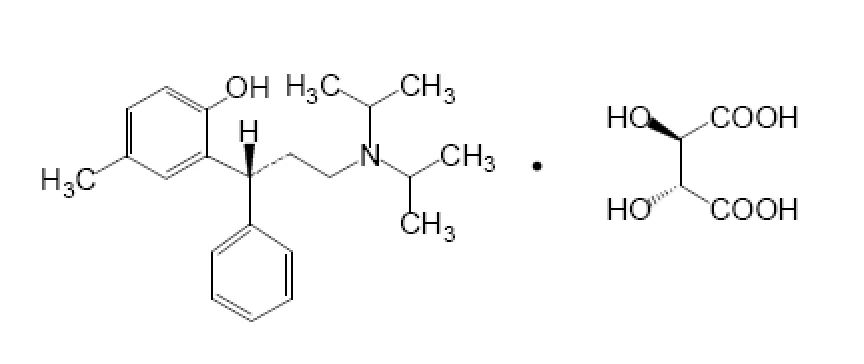
Proper name: tolterodine L-tartrate
Chemical name: (R)-N,N-Diisopropyl-3-(2-hydroxy-5-methylphenyl)-3-phenylpropylamine L-hydrogen tartrate
(R)-N,N-Diisopropyl-3-(2-hydroxy-5-methylphenyl)-3-phenylpropan-1-amine L-hydrogen tartrate
Molecular formula and molecular mass: C22H31NO*C4H6O6; 475.57 g/mol
Structural formula:
Physicochemical properties:
Physical form: White or almost white crystalline powder
Solubility: Freely soluble in N, N-dimethylformamide and dimethylsulfoxide; slightly soluble in water, methanol; and ethanol; very slightly soluble in acetone; practically insoluble in isopropyl alcohol and ethyl acetate. .
pKa: 9.87
Melting point: 206°C – 212°C
CLINICAL TRIALS
Comparative Bioavailability Studies
Blinded, single-dose, randomized, two-period, two-sequence, two-treatment, crossover comparative bioavailability study between Sandoz Tolterodine LA (tolterodine L-tartrate extended release capsules, Sandoz Canada Inc.) and Detrol LA™ (tolterodine L-tartrate extended release capsules, Pfizer Canada Inc.) after a single 4 mg dose in 55 healthy (28 male and 27 female) subjects aged 19-54 under fasting conditions.
SUMMARY TABLE OF THE COMPARATIVE BIOAVAILABILITY DATA
Tolterodine (1 x 4 mg) From measured data Geometric Mean Arithmetic Mean (CV %) | ||||
|---|---|---|---|---|
| Parameter | Test* | Reference† | % Ratio of Geometric Means | Confidence Interval, 90% |
AUCT (ng*h/mL) | 24.73 48.98 (153) | 22.79 43.77 (162) | 108.5 | 98.5 - 119.5 |
AUCI (ng*h/mL) | 29.13 55.90 (169) | 26.19 51.04 (174) | 111.2 | 104.2 - 118.8 |
Cmax (ng/mL) | 1.59 2.43 (113) | 1.73 2.67 (120) | 91.9 | 83.4 - 101.3 |
Tmax§ (h) | 8.61 ( 40) | 5.15 ( 26) | ||
T½§ (h) | 8.17 ( 40) | 11.39 ( 49) | ||
* Tolterodine L-tartrate 4 mg extended release capsules (manufactured for Sandoz Canada Inc.)
† Detrol LA™ 4 mg extended release capsules (manufactured by Pfizer Canada Inc. and purchased in Canada)
§ Expressed as the arithmetic mean (CV%) only
Blinded, single-dose, randomized, two-period, two-sequence, two-treatment, crossover comparative bioavailability study between Sandoz Tolterodine LA (tolterodine L-tartrate extended release capsules, Sandoz Canada Inc.) and Detrol LA™ (tolterodine L-tartrate extended release capsules, Pfizer Canada Inc.) after a single 4 mg dose in 34 healthy (16 male and 18 female) subjects aged 19-54 under fed conditions.
SUMMARY TABLE OF THE COMPARATIVE BIOAVAILABILITY DATA
Tolterodine (1 x 4 mg) From measured data Geometric Mean Arithmetic Mean (CV %) | ||||
|---|---|---|---|---|
| Parameter | Test* | Reference† | % Ratio of Geometric Means | Confidence Interval, 90% |
AUCT (ng*h/mL) | 23.45 45.74 (190) | 21.88 38.78 (149) | 107.18 | 100.23 - 114.62 |
AUCI (ng*h/mL) | 25.31 52.40 (223) | 24.27 50.61 (204) | 104.26 | 98.56 - 110.29 |
Cmax (ng/mL) | 2.07 3.21 (106) | 1.87 2.66 ( 95) | 110.95 | 100.65 - 122.30 |
Tmax§ (h) | 7.27 ( 28) | 5.68 ( 42) | ||
T½§ (h) | 8.16 ( 77) | 10.34 ( 90) | ||
* Tolterodine L-tartrate 4 mg extended release capsules (manufactured for Sandoz Canada Inc.)
† Detrol LA™ 4 mg extended release capsules (manufactured by Pfizer Canada Inc. and purchased in Canada)
§ Expressed as the arithmetic mean (CV%) only
Study demographics and trial design
Tolterodine L-tartrate extended release capsule was evaluated in patients with symptoms of overactive bladder with urinary urge incontinence, frequency, and/or urgency in a large randomized, placebo-controlled, multicenter, double-blind, 12-week study. A total of 507 patients were treated with tolterodine L-tartrate extended release capsules, 4 mg once daily, 514 were treated with tolterodine immediate release tablets, 2 mg twice daily, and 508 were treated with placebo. The majority of patients were Caucasian (95%), with a mean age of 61 years (range, 20 to 93 years). Women (81%) and men (19%) participated in the study; 53% of patients had prior pharmacotherapy for overactive bladder (included responders and nonresponders). At study entry, 97% of patients had at least 5 urge incontinence episodes per week and 91% of patients had 8 or more micturitions per day. The primary efficacy endpoint was change in mean number of incontinence episodes per week at week 12 from baseline. Secondary efficacy endpoints included change in mean number of micturitions per day and mean volume voided per micturition at week 12 from baseline. As shown below, the efficacy results for tolterodine L-tartrate extended release capsules and tolterodine immediate release tablets were significantly better than placebo for all efficacy parameters.
Study results
| Difference between Tolterodine L-tartrate extended release capsules (4 mg once daily), tolterodine immediate release tablets (2 mg twice daily) and Placebo for Mean Change at Week 12 from Baseline* | ||||||||
Tolterodine extended release capsules (n=507) | Tolterodine immediate release tablets (n=514) | Placebo (n=508)† | ||||||
Number of incontinence episodes/week Mean Baseline Mean Change from Baseline (%) p-value‡ | 22.1 -11.8 (53) 0.0001 | 23.2 -10.6 (46) 0.0005 | 23.3 -6.9 (30) | |||||
Number of micturitions/day Mean Baseline Mean Change from Baseline (%) p-value‡ | 10.9 -1.8 (17) 0.0047 | 11.1 -1.7 (15) 0.0079 | 11.3 -1.2 (11) | |||||
Volume per micturition (mL) Mean Baseline Mean Change from Baseline (%) p-value‡ | 141 34 (24) 0.0001 | 137 29 (21) 0.0001 | 136 14 (10) | |||||
*Intent-to-treat analysis
†1 to 2 patients missing in placebo group for each efficacy parameter
‡Mean change versus placebo
DETAILED PHARMACOLOGY
Preclinical Pharmacology
Tolterodine is a competitive muscarinic receptor antagonist, which has been shown to inhibit carbachol-induced contraction of isolated bladder preparations from rats, guinea pigs, and man. Tolterodine is significantly more active in inhibiting acetylcholine-induced urinary bladder contractions (ID50 = 101 nmol/kg) than electrically induced salivation (ID50 = 257 nmol/kg) in the anesthetized cat; whereas oxybutynin exhibits the opposite selectivity profile (urinary bladder contraction ID50 = 200 nmol/kg; salivation ID50 = 104 nmol/kg). At unbound serum concentrations relevant to those observed clinically, tolterodine has no effects on central nervous system (CNS) or intestinal motility in mice. Tolterodine has high affinity for muscarinic receptors and has a very weak affinity for α - adrenoreceptors, histamine receptors, the neuromuscular junction, and calcium channels.
Preclinical studies have shown that tolterodine is as active as oxybutynin in inhibiting contractions of the detrusor muscle from the guinea pig. Tolterodine also has similar activity to oxybutynin in inhibiting electrically induced contractions of human detrusor muscle from stable and overactive bladders ex vivo. These electrically induced contractions are completely blocked by tolterodine.
Effects on the cardiovascular system in conscious dogs, treated orally with tolterodine for 10 days, have been investigated using telemetry technique. Heart rate and diastolic blood pressure were increased at 1 mg/kg (tolterodine 103 mcg/L, 5-hydroxymethyl metabolite (DD 01) 25 mcg/L). Except for a prolongation of the QT-interval (10-20 %) observed at 4.5 mg/kg (tolterodine > 600 mcg/L, DD 01 100 mcg/L), there were no abnormalities of the ECG pattern and no signs of arrhythmias were observed.
In anaesthetised dogs, tolterodine had little or no effect on the cardiovascular and respiratory systems when administered as a continuous IV infusion. Marked effects (20 - 40% prolongation of the QT-interval and T-wave duration) occurred only at tolterodine concentrations 500 mcg/L. Heart rate, blood pressure and respiration remained virtually unaffected (1000 mcg/L).
Effects of tolterodine (PO) on the central nervous system, gastrointestinal tract and renal function have been evaluated in the mouse. The strict no observed effect level for these effects is 1.5 mg/kg (tolterodine 2.1 mcg/L, DD 01 2.4 mcg/L). However, the dose at which effects were observed (15 mg/kg) was in some other studies a no effect dose. The true no observed effect level may therefore be closer to 15 mg/kg than to 1.5 mg/kg. A dose of 15 mg/kg can be expected to result in high serum levels of both tolterodine (83 mcg/L) and DD 01 (63 mcg/L).
Most of the effects observed at high doses in the mouse (≥15 mg/kg) and dog (≥1 mg/kg) were antimuscarinic in nature. Increased locomotor activity, mydriasis, decreased intestinal motility, increased residual urine and increased heart rate can all be attributed to the primary action of tolterodine and DD 01 on muscarinic receptors. Preclinical studies have shown that DD 01 exhibits a similar antimuscarinic profile to that of tolterodine, and a greater antimuscarinic activity on the bladder relative to the salivary gland in vivo.
The degree of serum protein binding differs between species and this must be taken into account when comparisons to humans are made. Thus, the unbound concentrations of tolterodine (2.2 mcg/L) and DD 01 (8 mcg/L) at which an increased heart rate was observed in the dog, are
17 and 8 times higher than the unbound serum concentrations achieved in most patients treated with tolterodine 2 mg bid (tolterodine: 0.13 mcg/L; DD 01: 1.04 mcg/L). The unbound concentrations at which effects on the central nervous system, intestinal motility and renal function were observed in the mouse (tolterodine: 13 mcg/L; DD 01: 45 mcg/L) are approximately 100 and 40 times, respectively, higher than those expected to be achieved in patients. Almost the same factors (100 and 30 times) were calculated for the unbound concentrations at which a slight QT-prolongation was recorded in the conscious dog (tolterodine: 13 mcg/L; DD 01: 32 mcg/L).
Clinical Pharmacology
Pharmacodynamics
After oral administration, tolterodine is metabolized in the liver, resulting in the formation of the 5-hydroxymethyl derivative, a major pharmacologically active metabolite. The
5-hydroxymethyl metabolite (DD 01), which exhibits an antimuscarinic activity similar to that of tolterodine, contributes significantly to the therapeutic effect. Both tolterodine and DD 01 exhibit a high affinity for muscarinic receptors and have a very weak affinity for α-adrenoreceptors, histamine receptors, neuromuscular junction, and calcium channels.
Preclinical studies have shown that tolterodine is as active as oxybutynin in inhibiting contractions of the detrusor muscle from the guinea pig; it has a potency similar to that of oxybutynin in inhibiting electrically induced contractions of human detrusor muscle from stable and overactive bladders ex vivo.
Bioavailability
The absolute bioavailability of the tolterodine immediate release tablet was determined using a 1.28 mg intravenous dose as reference. Reported values in the oral dose interval 3.2 - 12.8 mg were 29-39%. In selected extensive metabolizers (EMs) and poor metabolizers (PMs) the bioavailability was 17 ± 9% and 65 ± 26%. This difference is explained by a higher degree of first-pass metabolism in EMs. The bioavailability estimate as such is, however, not an informative parameter with respect to clinical effect, since DD 01 is found in pharmacologically active concentrations in the majority of the population (EMs).
In a phase II study (002), serum concentrations of tolterodine and DD 01 were assessed in 25 to 29 patients per dose group. At the end of the 7-day treatment using the prototype tolterodine extended release capsule, blood samples were taken periodically during the 24 hours following the last dose of capsules (2, 4, 6 or 8 mg), and 12 hours following tolterodine immediate release tablets, 2 mg bid.
The relative bioavailability (dose-normalized AUCt estimated over all doses) of the prototype extended release capsule used compared with the immediate release tablet averaged 71% for tolterodine and 73% based on DD 01. The relative exposure to the active moiety from the prototype capsule used compared with the tablet averaged 79% based on dose-normalized AUC12.
Pharmacokinetics
Absorption: In a study of 14C-tolterodine in healthy volunteers who received a 5 mg oral dose, at least 77% of the radiolabeled dose was absorbed. Tolterodine is rapidly absorbed and maximum serum concentrations (Cmax) typically occur within 1 to 2 hours after dose administration. The pharmacokinetics of tolterodine immediate release tablets, based on Cmax and area under the concentration-time curve (AUC) determinations, are dose-proportional over the range of 1 to 4 mg.
After single-dose administration, dose-normalized AUC (corrected for differences in dose) of both tolterodine and DD 01 showed equivalence after administration of the final extended release capsule (2 x 4 mg) and the immediate release tablets (2 x 2mg). Cmax for the capsule was markedly lower than for the tablet.
After multiple-dose administration, the final extended release capsule was equivalent to the immediate release tablet based on AUC for the active moiety. The extended release capsule showed the desired extended release properties with Cmax levels of the active moiety, which were approximately 75% of the tablet Cmax. Cmin levels (active moiety) were about 1.4 times higher for the capsule. The fluctuation index was consequently lower for the capsule than for the tablet.
Food intake does not result in clinically relevant changes in the pharmacokinetic profile of either the tolterodine immediate release tablets or extended release capsules.
Metabolism: Tolterodine is extensively metabolized by the liver following oral dosing. The primary metabolic route involves the oxidation of the 5-methyl group and is mediated by the isoenzyme cytochrome P450 2D6 and leads to the formation of a major pharmacologically active 5-hydroxymethyl metabolite. Further metabolism leads to formation of the 5-carboxylic acid and N-dealkylated 5-carboxylic acid metabolites, which account for 51% ± 14% and 29% ± 6.3%, respectively, of the metabolites recovered in the urine.
Variability in Metabolism: A subset (about 7%) of the population is devoid of the drug-metabolizing isoenzyme cytochrome P450 2D6, the enzyme responsible for the formation of DD 01. The identified pathway of metabolism for these individuals, referred to as “poor metabolizers” (PMs), is dealkylation via cytochrome P450 3A4 to N-dealkylated tolterodine. The remainder of the population is referred to as “extensive metabolizers” (EMs). Pharmacokinetic studies revealed that tolterodine is metabolized at a slower rate in PMs than in EMs. This results in significantly higher serum concentrations of tolterodine and in negligible concentrations of DD 01. Because of differences in the protein-binding characteristics of tolterodine and DD 01, the sum of unbound serum concentrations of tolterodine and DD 01 is similar in EMs and PMs at steady state. Since tolterodine and DD 01 have similar antimuscarinic effects, the net activity of tolterodine L-tartrate extended release capsules is expected to be similar in EMs and PMs.
The AUC24 data for serum metabolites measured in 4 PMs and 4 EMs after multiple-dose administration indicated that the levels of the known serum metabolites are similar for the tolterodine extended release capsules and immediate release tablets. As for the tablet, the exposure to the active moiety is within the same range after administration to PMs and EMs.
The PMs in this study had levels of the active moiety that are within the range observed in the EMs, both for the extended release capsules and immediate release tablets. For the PMs, the effect of the sustained release and slower absorption of tolterodine is less pronounced than for the EMs.
Excretion: Following administration of a 5 mg oral dose of 14C-tolterodine to healthy volunteers, about 77% of radioactivity was recovered in urine and 17% was recovered in feces. Less than 1% (< 2.5% in PMs) of the dose was recovered as intact tolterodine, and 5% to 14% was recovered as the active DD 01 metabolite. Most of the radioactivity was recovered within the first 24 hours, which is consistent with the apparent half-life of tolterodine: 1.9 to 3.7 hours in pharmacokinetic studies.
Pharmacokinetics in Special Populations
Age: In phase I multiple-dose studies in which tolterodine immediate release tablets 2 mg were administered twice daily, serum concentrations of tolterodine and of DD 01 were similar in healthy elderly volunteers (aged 64 through 80 years) and healthy young volunteers (aged less than 40 years). In another phase I study, elderly volunteers (aged 71 through 81 years) were given tolterodine immediate release tablets, 1 or 2 mg twice daily. Mean serum concentrations of tolterodine and DD 01 in these elderly volunteers were approximately 20% and 50% higher, respectively, than reported in young healthy volunteers. However, no overall differences were observed in safety between older and younger patients in phase III, 12- week, controlled clinical studies; and therefore, no dosage adjustment is recommended (see WARNINGS AND PRECAUTIONS, Special Populations).
Pediatric: The pharmacokinetics of the extended release capsules have not been established in pediatric patients.
Gender: Pharmacokinetic data from three Phase I clinical studies (Studies 022, 024, and 028) in which a tolterodine immediate release tablet dose of 2 mg was administered in the fasting state were analyzed with respect to gender. The pharmacokinetics of tolterodine and DD 01 are not influenced by gender. Mean Cmax of tolterodine (1.6 mcg/L in males versus 2.2 mcg/L in females) and DD 01 (2.2 mcg/L in males versus 2.5 mcg/L in females) are similar in males and females who were administered tolterodine immediate release tablets 2 mg. Mean AUC values of tolterodine (6.7 mcg/h/L in males versus 7.8 mcg/h/L in females) and DD 01 (10 mcg/h/L in males versus 11 mcg/h/L in females) are also similar. The elimination half-life of tolterodine immediate release tablets for both males and females is 2.4 hours, and the half-life of DD 01 is 3.3 hours in males and 3.0 hours in females.
Race: Differences among races regarding metabolic capacity can be assumed to be of quantitative nature and are probably less than the thoroughly documented difference between extensive and poor metabolizers. The few non-Caucasians included do not show a different pharmacokinetic profile of tolterodine or DD 01.
Renal Impairment: A study was conducted to evaluate the pharmacokinetics of tolterodine immediate release tablets in 12 subjects with renal impairment compared to 12 healthy volunteers. The exposure to unbound tolterodine and DD 01 was on average 2-3 fold higher in patients with renal impairment compared with healthy volunteers. AUC of N-dealkylated tolterodine was in an extreme case, about 60-fold higher in a poor metabolizer (PM) in the renal impairment group than in the only healthy extensive metabolizer (EM) with quantifiable AUC. However, the corresponding ratio for what is generally observed in healthy PMs is about 10. Tolterodine acid levels and N-dealkylated tolterodine acid were on average 5 times and 11 times higher, respectively, in the renal impairment group with respect to AUC (extreme case 9-fold and 31-fold higher than most exposed healthy subjects). Potential pharmacologic effects and also the toxicological significance of metabolite levels should be taken into account if exposing subjects with renal impairment (GFR < 30 mL/min) to repeated doses of tolterodine (see WARNINGS AND PRECAUTIONS).
Hepatic Insufficiency: As might be predicted from a drug in which hepatic metabolism is the primary route of elimination, liver impairment can significantly alter the disposition of tolterodine. In a study of cirrhotic patients, elimination half-life of tolterodine immediate release tablets was longer in cirrhotic patients (mean, 8.7 hours) than in healthy, young and elderly volunteers (mean, 2 to 4 hours). The clearance of orally administered tolterodine immediate release tablets was substantially lower in cirrhotic patients (1.1 ± 1.7 L/h/kg) than in the healthy volunteers (5.7 ± 3.8 L/h/kg). Patients with significantly reduced hepatic function should not receive doses of tolterodine L-tartrate extended release capsules greater than 2 mg daily (see WARNINGS AND PRECAUTIONS).
Drug Interactions
Fluoxetine: Fluoxetine is a selective serotonin reuptake inhibitor and a potent inhibitor of cytochrome P450 2D6 activity. In a study to assess the effect of fluoxetine on the pharmacokinetics of tolterodine and its metabolites, it was observed that fluoxetine significantly inhibited the metabolism of tolterodine immediate release tablets in extensive metabolizers, resulting in a 4.8-fold increase in tolterodine AUC. However, DD 01 showed a 52% decrease in Cmax and a 20% decrease in AUC. Fluoxetine thus alters the pharmacokinetics in patients who would otherwise be extensive metabolizers of tolterodine to resemble the pharmacokinetic profile in poor metabolizers. The sums of unbound serum concentrations of tolterodine and DD 01 are 25% higher during the interaction. However, no dose adjustment is required when tolterodine L-tartrate extended release capsules and fluoxetine are coadministered (see DRUG INTERACTIONS).
Other Drugs Metabolized by P450 2D6: The potential effect of tolterodine L-tartrate extended release capsules on the pharmacokinetics of drugs that are metabolized by P450 2D6 (such as flecainide, vinblastine, carbamazepine, tricyclic antidepressants) has not been formally evaluated (see DRUG INTERACTIONS).
Warfarin: In healthy volunteers, coadministration of tolterodine immediate release tablets 2 mg twice daily for 7 days and a single dose of warfarin 25 mg on day 4 had no effect on prothrombin time, Factor VII suppression, or on the pharmacokinetics of warfarin.
Oral Contraceptives: Tolterodine immediate release tablets, 2 mg twice daily, has no effect on the pharmacokinetics of an oral contraceptive (ethinyl estradiol 30 mcg; levonorgestrel 150 mcg) as evidenced by the monitoring of ethinyl estradiol and levonorgestrel over a 2-month cycle in healthy female volunteers.
Diuretics: Coadministration of tolterodine immediate release tablets up to 4 mg twice daily for up to 12 weeks with diuretic agents, such as indapamide, hydrochlorothiazide, triamterene, bendroflumethiazide, chlorothiazide, methylchlorothiazide, or furosemide, did not cause any adverse electrocardiographic (ECG) effects in patients with overactive bladder.
Cytochrome P450 3A4 inhibitors: The use of tolterodine immediate release tablets in combination with ketoconazole, a potent CYP3A4 inhibitor, was studied in 8 healthy subjects, all of whom were poor metabolizers of CYP2D6. Concomitant treatment with ketoconazole resulted in a 2.2 fold increase in tolterodine AUC at steady state. Based on these findings, potent CYP3A4 inhibitors such as macrolide antibiotics (erythromycin and clarithromycin) or azole antifungal agents (ketoconazole, itraconazole and miconazole), or cyclosporin or vinblastine may also lead to increases of tolterodine plasma concentrations (see DRUG INTERACTIONS).
A clinical explorative study with marker drugs for the major P450 isoenzymes suggests that metabolic activity of CYP2D6, 2C9, 2C19, 3A4 or 1A2 is unlikely to be inhibited by tolterodine immediate release tablets.
Electrophysiology
The QT effect of 2 mg BID and 4 mg BID doses of tolterodine L-tartrate immediate release tablets was evaluated in a steady-state, 4-way crossover, double-blind, placebo- and active-controlled (moxifloxacin 400 mg QD) study in 48 healthy volunteers (18-55 yrs age, with approximately equal representations of males and females and of CYP2D6 poor and extensive metabolizers). The QT interval was measured over a 12-hour period including peak times at steady state. This evaluation was done at up to two times the highest dose of tolterodine L-tartrate immediate release tablets at peak exposures equivalent to three times the highest dose of tolterodine L-tartrate extended release capsules.
The following table summarizes the largest time-matched, placebo and baseline-adjusted mean effects on Fridericia-corrected QTc (QTcF) at steady-state. The mean increase of heart rate associated with a 4 mg/day dose of tolterodine in this study was 2.0 beats/minute and 6.3 beats/minute with 8 mg/day tolterodine. The change in heart rate with moxifloxacin was 0.5 beats/minute.
Largest Time-Matched, Placebo and Baseline-Adjusted Mean Effects on Fridericia-corrected QTc (QTcF) at Steady-State
| Treatment Dose | Multiple of Maximum Recommend Dose | Machine-Read QTcF(msec) ** | Manually-Read QTcF(msec) ** | |||||||||||||||
| Time of Max Increase | Point Estimate* | 90% Confidence Interval | Time of Max Increase | Point Estimate* | 90% Confidence Interval | |||||||||||||
Tolterodine 2 mg BID | 1 X | 3 | 1.4 | -2.8, 5.6 | 1 | 5.0 | 1.0, 9.0 | |||||||||||
Tolterodine 4 mg BID | 2 X | 1 | 5.6 | 2.2, 9.1 | 1 | 11.8 | 7.9, 15.8 | |||||||||||
| Moxifloxacin 400 mg QD | 1 X | 4 | 13.5 | 9.9, 17.1 | 4 | 22.4*** | 19.3, 27.1 | |||||||||||
* The point estimate is the difference between arithmetic means for pair-wise comparisons of the drug versus placebo treatments. QTc values are corrected for heart rate using Fridericia’s formula (QTc=QT/RR^0.33)
** The machine-read methodology is based on earliest Q onset to latest T offset in 12 simultaneous recorded leads, while the manual over-read method is based on lead II only. The reason for the difference between machine and manual read of QT interval is unclear.
*** The effect on QTc interval with 4 days of moxifloxacin dosing in this QT trial may be greater than typically observed in QT trials of other drugs.
The QT effect appeared greater for 8 mg/day compared with 4 mg/day tolterodine immediate release tablets. The effect of the highest tolterodine dose (two times the therapeutic dose) was 50-60% less than that of the active control moxifloxacin (400 mg) at its therapeutic dose. Tolterodine’s effect on QT interval was found to correlate with plasma concentration of tolterodine. The peak exposures of tolterodine and its 5-hydroxymethyl metabolite following dosing with tolterodine L-tartrate extended release capsules are about 61% and 67%, respectively, compared with tolterodine L-tartrate immediate release tablets. Since the QT prolongation effect is in linear relationship with exposure, any QT effect of tolterodine L-tartrate extended release capsules would also be expected to be similarly lower. The effect on QTc interval appeared to be greater in CYP2D6 poor metabolizers than in CYP2D6 extensive metabolizers. In this study, the point estimates of manual-read QTc interval increase were 2.1 msec in extensive metabolizers and 8.7 msec in poor metabolizers receiving tolterodine 2 mg BID treatment. However, this study was not designed to make direct statistical comparisons by CYP2D6 metabolizer status nor between drugs or dose levels. At both doses of tolterodine, no subject, irrespective of their metabolic profile (ie. poor/extensive metabolizers), exceeded 500 msec for absolute QTcF or 60 msec for change from baseline. The clinical relevance of these findings will depend on individual patient risk factors and susceptibilities present (see WARNINGS AND PRECAUTIONS, Cardiovascular)
TOXICOLOGY
Acute toxicity
The single oral dose administration studies in mice, rats and dogs showed species differences. At 300 mg/kg in mice, a 10-60% mortality was recorded, whereas 375 mg/kg was non-lethal in rats. In mice, a dose of 200 mg/kg caused no lethality. In the dog, at 40 mg/kg (the highest dose tested) no mortality occurred, but pronounced clinical signs were seen such as decreased locomotor activity, clouding of consciousness and stupor. Following a single intravenous dose, 8 mg/kg was a no observed effect level in both rats and mice. At 24 mg/kg, 30% mortality was recorded in rats, and 80% mortality in mice.
Long-term toxicity
The metabolic profiles in urine from the mouse, rat, dog and man given an oral dose of radioactively labeled tolterodine show that the mouse, dog and man have a similar metabolic pattern including the formation of the pharmacologically active 5-hydroxymethyl metabolite, DD 01. In contrast, the metabolism of tolterodine in the rat is more extensive and occurs also via other pathways involving mono- and dihydroxylation of the unsubstituted benzene ring. The mouse is considered to be a more appropriate species than the rat for the safety evaluation of tolterodine in man.
Mouse
In the 2 week study, dose levels of 4, 12, 40 or 80 mg/kg/day were used, and in the 13 week study, the dose levels were 4, 12 or 40 mg/kg/day. In the 26 week study dose levels of 3, 10 or 30 mg/kg/day were used. In the 2 week study, no toxicity was found after doses up to 80 mg/kg/day. During the 13 week study, 7 males and 8 females receiving 40 mg/kg/day died shortly after dosing. Treatment related deaths also occurred in the 26 week study, where 12 males and 15 females treated at 30 mg/kg/day died within one hour of dosing. In both studies, the deaths were distributed throughout the treatment period starting from the second week of treatment. Although the mechanism of the unexpected deaths is unknown, it is most likely related to exaggerated pharmacological effects (circulatory and/or respiratory failure) occurring at serum peak levels.
Rat
In the 13 week repeated dose study in rats, doses of 4, 12 or 40 mg/kg/day were given. In females given 40 mg/kg/day depressed body weight gain and reduced food consumption were recorded. Also, ten female rats died approximately 20 hours after dosing. The deaths occurred from week 3. Cause of death could not be established, but is most likely related to exaggerated pharmacologic effects (circulatory and/or respiratory failure) following the accumulation of tolterodine with time.
Dog
The clinical signs that were associated with tolterodine treatment in the 13 week, 26 week and 52 week (0.5, 1.5 or 4.5 mg/kg/day) studies were characterized mainly by dose related peripheral antimuscarinic effects, i.e. dry mouth, mydriasis and dryness of the eye. In some dogs receiving 1.5 or 4.5 mg/kg/day, diminished lacrimation caused conjunctivitis and/or corneal changes especially at the high dose level.
Tolterodine, as well as its active human metabolites prolong action potential duration (90% repolarization) in canine purkinje fibers (23 - 123 times therapeutic levels) and block the K+-current in cloned human ether-a-go-go-related gene (hERG) channels (0.8 – 14.7 times therapeutic levels). In dogs prolongation of the QT interval has been observed after application of tolterodine and its human metabolites (5.1 - 62.7 times therapeutic levels).
Central antimuscarinic effects, i.e. locomotor disturbances and drowsiness, were seen in all three studies on day 1, in a few dogs receiving 4.5 or 8 mg/kg/day. These symptoms occurred in dogs with high serum concentrations of tolterodine (Cmax 800-1250 mcg/L), and DD 01. Ataxia and tremor were also observed occasionally in high dose animals during the 26 week study.
Carcinogenicity
Carcinogenicity studies with tolterodine were conducted in mice and rats. At the maximum-tolerated dose in mice (30 mg/kg/day [123 mg/m2/day]), female rats (20 mg/kg/day), and male rats (30 mg/kg/day), AUC values obtained for tolterodine were 355, 291, and 462 mcg·h/L, respectively. In comparison, the human AUC value for a 2-mg dose administered twice daily is estimated at 34 mcg·h/L. Thus, tolterodine exposure in the carcinogenicity studies was 9- to 14-fold higher than expected in humans. No increase in tumors was found in either mice or rats.
Mutagenicity
No mutagenic effects of tolterodine were detected in a battery of in vitro tests, including bacterial mutation assays (Ames test) in four strains of Salmonella typhimurium and in two strains of Escherichia coli, a gene mutation assay in L5178Y mouse lymphoma cells, and chromosomal aberration tests in human lymphocytes. Tolterodine was also negative in vivo in the bone marrow micronucleus test in the mouse.
Reproduction and Teratology
In female mice treated for 2 weeks before mating and during gestation with 20 mg/kg/day (corresponding to AUC value of about 500 mcg·h/L), neither effects on reproductive performance or fertility nor any anomalies or malformations were seen. Based on AUC values, the systemic exposure was about 15-fold higher in animals than in humans. At doses of 30 to 40 mg/kg/day, tolterodine caused a dose-related increase in embryolethality, reduced fetal weight, and increased incidence of fetal abnormalities. At these doses, AUC values were about 20- to 25-fold higher than in humans. In male mice, a dose of 30 mg/kg/day did not induce any adverse effects on fertility.
REFERENCES
- 1. Abrams P, Jackson S, Mattiasson A, et. al. A randomised, double-blind, placebo controlled, dose-ranging study of the safety and efficacy of tolterodine in patients with hyperreflexia [abstract]. 26th Annual Meeting of International Continence Society; 27-30 August 1996; Athens, Greece: International Continence Society, 1996. Publication Citation.
- 2. Bertilsson L. Geographical/interracial differences in polymorphic drug oxidation. Current state of knowledge of cytochromes P450 (CYP) 2D6 and 2C19. Clin Pharmacokinet 1995;29:192-209.
- 3. Brøsen K, Gram LF, Haghfelt T, Bertilsson L. Extensive metabolizers of debrisoquine become poor metabolizers during quinidine treatment. Pharmacology & Toxicology 1987;60:312-4.
- 4. Brynne N, Olofsso S, Hallén B, Grälls M. Pharmacokinetics of tolterodine in subjects with renal failure compared to healthy volunteers. An open controlled non-randomized parallel group study. CTN 97-OATA-040. Document c–0013132 (1999) - Data on file.
- 5. Brynne N, Stahl M, Hallén B, Edlund PO, Palmér L. Clinical Pharmacokinetics of Tolterodine: A New Drug in the Treatment of Urge Incontinence [abstract]. Therapie 1995; 50 (Suppl): abstr 353. Publication Citation.
- 6. Chapple C, Herschorn S, Abrams P, Sun F, Brodsky M, Guan Z. Tolterodine Treatment Improves Storage Symptoms Suggestive of Overactive Bladder in Men Treated With alpha-Blockers. Eur Urol 2009;56(3):534-41.
- 7. Eichelbaum M, Gross AS. The genetic polymorphism of debrisoquine/sparteine metabolism-clinical aspects. Pharmacol Ther 1990;46:377-94.
- 8. Ekstrōm B, Stahl M, Mattiasson A, Andersson K-E. Effects of Tolterodine on Bladder Function in Healthy Volunteers [abstract]. AUA; J Urol 1995;153 (4 Suppl): 394A. Publication Citation.
- 9. Fantl JA, Newman DK, Co-Chair. Treatment of urinary incontinence. In: Urinary incontinence in adults: acute and chronic management, clinical practice guideline; Number 2, 1996 update. US Department of Health and Human Services, Agency for Health Care Policy and Research, 1996: 31-73.
- 10. Freeman R, Hill S, Millard R, Slack M, Sutherst J. Tolterodine study group. Reduced perception of urgency in treatment of overactive bladder with extended-release tolterodine. Obstet Gynecol 2003;102(3):605-11.
- 11. Frewen W. Role of bladder training in the treatment of the unstable bladder in the female. Urol Clin North Am 1979;6:273-7.
- 12. Griebling TL, Kraus SR, Richter HE, Glasser DB, Carlsson M. Tolterodine extended release is well tolerated in older subjects. Int J Clin Pract. 2009; 63(8):1198-204.
- 13. Gustafsson L. The influence of ketoconazole on the pharmacokinetics and safety of tolterodine. An open, single group study in healthy volunteers. CTN 97-OATA-036 Pharmacia & Upjohn Document 9810186 (1998) - Data on file.
- 14. Kaplan SA, Roehrborn CG, Rovner ES, Carlsson M, Bavendam T, Guan Z. Tolterodine and tamsulosin for treatment of men with lower urinary tract symptoms and overactive bladder: a randomized controlled trial. JAMA 2006;296(19):2319-28.
- 15. Keam SJ, Perry CM. Management of overactive bladder: Defining the role of extended-release tolterodine. Dis Manage Health Outcomes 2004;12 (2): 121-142.
- 16. Khullar V, Hill S, Laval KU, Schiøtz HA, Jonas U, Versi E. Treatment of urge-predominant mixed urinary incontinence with tolterodine extended release: A randomized, placebo-controlled trial. urology. 2004;64(2):269-75.
- 17. Landis JR, Kaplan S, Swift S, Versi E. Efficacy of antimuscarinic therapy for overactive bladder with varying degrees of incontinence severity. J Urol 2004;171(2 Pt 1):752-6.
- 18. Larsson G, Hallén B, Nilvebrant L. Tolterodine in the Treatment of Urge Incontinence. Analysis of the Pooled Phase II Efficacy and Safety Data [abstract]. 26th Annual Meeting of International Continence Society; 27-30 August 1996; Athens, Greece: International Continence Society, 1996. Publication Citation.
- 19. Layton D, Pearce GL, Shakir SAW. Safety profile of tolterodine as used in general practice in England – Results of prescription-event monitoring. Drug Saf 2001; 24(9):703-13.
- 20. Malone-Lee J, Lubel D, Szonyi G. Low dose oxybutynin for the unstable bladder [abstract]. BMJ 1992;304:1053.
- 21. Marinac JS, Foxworth JW, Willsie SK. Dextromethrophan polymorphic hepatic oxidation (CYP2D6) in healthy black American adult subjects. Therapeutic Drug Monitoring 1995:17,120-4.
- 22. Maurice M, Pichard L, Daujat M, Fabre I, Joyeux H, Domergue J, Maurel P. Effects of imidazole derivates of cytochromes P450 from human heapatocytes in primary culture. The FASEB Journal 1992; 6:752-8.
- 23.
Messelink EJ, Soler JM, Madersbacher H, et al. Urodynamic Aspects of the Efficacy of
- Tolterodine, A New Antimuscarinic Drug in the Treatment of Detrusor Hyperreflexia [abstract]. 25th Annual Meeting of International Continence Society; 17-20 October 1995; Sydney, Australia: International Continence Society, 1995. Publication Citation.
- 24. Naerger H, Fry CH, Nilvebrant L. Effect of tolterodine on electrically induced contractions of isolated human detrusor muscle from stable and unstable bladders [abstract]. Neurology and Urodynamics 1995;14:524-6.
- 25. Olsson B, Szamosi J. Multiple dose pharmacokinetics and pharmacodynamics of tolterodine prolonged release capsules in comparison with tolterodine immediate release tablets. An open-randomized, cross-over trial in healthy volunteers. Final report of the trial CTN 98-TOCR-006 Pharmacia & Upjohn Document No. c0008272 (13 October 1999) – data on file.
- 26. Olsson B, Szamosi J. The effect of food on the bioavailability of tolterodine prolonged-release capsules. An open, randomized, cross-over trial in healthy volunteers. Final report of the trial CTN 98-TOCR-010. Pharmacia & Upjohn Document No. c0003212 (25 February 1999) – data on file.
- 27. Otton SV, Wu D, Joffe RT, Cheung SW and Sellers EM. Inhibition by fluoxetine of cytochrome P450 2D6 activity. Clin Pharmaco Ther 1992;53:401-9.
- 28. Ouslander JG, Blaustein J, Coonor A, Orzeck S, Yong CL. Pharmacokinetics and clinical effects of oxybutynin in geriatric patients. Journal of Urology 1988;140: 47-50.
- 29. Ouslander JG. Management of overactive bladder. N Engl J Med. 2004;350(8):786-99.
- 30. Rentzhog L, Abrams P, Cardozo L, et al. Tolterodine - A New Bladder Selective Drug for the Treatment of Detrusor Instability [abstract]. 25th Annual Meeting of International Continence Society; 17-20 October 1995; Sydney, Australia: International Continence Society, 1995. Publication Citation.
- 31. Riva D, Casolati E. Oxybutynin chloride in the treatment of female idiopathic bladder instability. Results from double blind treatment. Clin Exp Obstet Gynecol 1984;11:37-42.
- 32. Salvatore S, Khullar V, Cardozo L, Kelleher CJ, Abbott D, Hill S. Long term outcome of women with detrusor instability treated with oxybutynin [abstract]. Neurourol Urodyn 1995;14:460-1.
- 33. Söderström J, Szamosi J. Clinical efficacy and tolerability/safety of tolterodine prolonged release capsules and tolterodine immediate release tablets vs. placebo. A randomized, double-blind, placebo-controlled, multinational study in patients with symptoms of overactive bladder. Final report of the trial 98-TOCR-007. Pharmacia & Upjohn Document No. c0013194 (13 December 1999) – data on file.
- 34. Stahl M, Brynne N, Ekström, et al. Pharmacokinetics of Tolterodine in Relation to Effects on the Bladder in Healthy Volunteers [abstract]. Therapie 1995; 50 (Suppl): abstr 355. Publication Citation.
- 35. Stahl MMS, Ekström B, Sparf B, Mattiasson A, Andersson K-E. Urodynamic and Ohter Effects of Tolterodine: A Novel Antimuscarinic Drug for the Treament of Detrusor Overactivity [abstract]. Neurol Urodyn 1995; 14:647-55. Publication Citation
- 37. Tapp AJS, Cardozo LD, Versi E, Cooper D. The treatment of detrusor instability in post- menopausal women with oxybutynin chloride: a double blind placebo controlled study. Br J Obstet Gynaecol 1990; 97: 521-6.
- 38. Thomas TM, Plymat KR, Blannin J, Meade TW. Prevalence of urinary incontinence. BMJ 1980;281:1243-5.
- 39. Thüroff JW, Bunke B, Ebner A, Faber P, de Geeter P, Hannappel J, Heidler H, Madersbacher H, Melchoir H, Schafer W, Schwenzer T, Stockle M. Randomized, double-blind, multicenter trial on treatment of frequency, urgency and incontinence related to detrusor hyperactivity: Oxybutynin versus propantheline versus placebo. J Urol 1991;145:813-7.
- 40. Urinary incontinence in adults - National Institute of Health consensus statement. JAMA 1989;261:2685-90.
- 41. Van Kerrebroeck P, Kreder K, Jonas U, Zinner N, Wein A. Tolterodine Once-Daily: Superior Efficacy and Tolerability in the Treatment of the Overactive Bladder. Urology 2001;57(3):414-21.
- 42. Winter S. Tolterodine: a new drug for urinary incontinence. Inpharma 1996;1040. Publication Citation.
- 43. Yarker YE, Goa KL, Fitton A. Oxybutynin. A review of its pharmacodynamic and pharmacokinetic properties, and its therapeutic use in detrusor instability. Drugs and Aging 1995;6:243-62.
- 44. Zinner NR, Mattiasson A, Stanton S.L. Efficacy, Safety, and Tolerability of Extended-Release Once-Daily Tolterodine Treatment for Overactive Bladder in Older versus Younger Patients. J Am Geriatr Soc 2002; 50: 799-807.
- 45. Pfizer Canada, Product Monograph DETROL LA (tolterodine L-tartrate extended release capsules), Submission Control No: 180260, Date of Revision: February 2, 2015.