


Product Monograph - Sevorane Af
RECENT MAJOR LABEL CHANGES
| 7 WARNINGS AND PRECAUTIONS, 7.1.3 Pediatrics | 05/2021 |
TABLE OF CONTENTS
Sections or subsections that are not applicable at the time of authorization are not listed.
RECENT MAJOR LABEL CHANGES ........................................................................................................ 2
TABLE OF CONTENTS .......................................................................................................................... 2
PART I: HEALTH PROFESSIONAL INFORMATION .................................................................................. 4
1 INDICATIONS ......................................................................................................................... 4
1.1 Pediatrics ............................................................................................................................... 4
1.2 Geriatrics ............................................................................................................................... 4
2 CONTRAINDICATIONS ............................................................................................................ 4
3 SERIOUS WARNINGS AND PRECAUTIONS BOX ........................................................................ 4
4 DOSAGE AND ADMINISTRATION ............................................................................................ 5
4.1 Dosing Considerations .......................................................................................................... 5
4.2 Recommended Dose and Dosage Adjustment ..................................................................... 5
4.4 Administration ...................................................................................................................... 5
5 OVERDOSAGE ........................................................................................................................ 6
6 DOSAGE FORMS, STRENGTHS, COMPOSITION AND PACKAGING .............................................. 6
7 WARNINGS AND PRECAUTIONS .............................................................................................. 6
7.1 Special Populations ............................................................................................................. 10
7.1.1 Pregnant Women ......................................................................................................... 10
7.1.2 Breast-feeding .............................................................................................................. 10
7.1.3 Pediatrics ..................................................................................................................... 10
7.1.4 Geriatrics ...................................................................................................................... 11
8 ADVERSE REACTIONS ........................................................................................................... 11
8.1 Adverse Reaction Overview ................................................................................................ 11
8.2 Clinical Trial Adverse Reactions .......................................................................................... 11
8.3 Less Common Clinical Trial Adverse Reactions ................................................................... 15
8.4 Abnormal Laboratory Findings: Hematologic, Clinical Chemistry and Other Quantitative Data 15
8.5 Post-Market Adverse Reactions .......................................................................................... 15
9 DRUG INTERACTIONS ........................................................................................................... 16
9.2 Drug Interactions Overview ................................................................................................ 16
9.3 Drug-Behavioural Interactions ............................................................................................ 16
9.4 Drug-Drug Interactions ....................................................................................................... 17
9.5 Drug-Food Interactions ....................................................................................................... 18
9.6 Drug-Herb Interactions ....................................................................................................... 19
9.7 Drug-Laboratory Test Interactions ...................................................................................... 19
10 CLINICAL PHARMACOLOGY .................................................................................................. 19
10.1 Mechanism of Action .................................................................................................... 19
10.2 Pharmacodynamics ...................................................................................................... 19
10.3 Pharmacokinetics ......................................................................................................... 20
11 STORAGE, STABILITY AND DISPOSAL ..................................................................................... 21
12 SPECIAL HANDLING INSTRUCTIONS ...................................................................................... 22
PART II: SCIENTIFIC INFORMATION ................................................................................................... 23
13 PHARMACEUTICAL INFORMATION ....................................................................................... 23
14 CLINICAL TRIALS ................................................................................................................... 24
14.1 Trial Design and Study Demographics .......................................................................... 24
14.2 Study Results ................................................................................................................ 24
15 MICROBIOLOGY ................................................................................................................... 27
16 NON-CLINICAL TOXICOLOGY ................................................................................................. 27
PATIENT MEDICATION INFORMATION .............................................................................................. 30
PART I: HEALTH PROFESSIONAL INFORMATION
1 INDICATIONS
SEVORANE AF (sevoflurane) is indicated for:
- induction and maintenance of general anesthesia in adult and pediatric patients for inpatient and outpatient surgery.
1.1 Pediatrics
Pediatrics (< 18 years of age): For a brief discussion, see 7.1.3 Pediatrics.
1.2 Geriatrics
Geriatrics (> 65 years of age): For a brief discussion, see 7.1.4 Geriatrics.
2 CONTRAINDICATIONS
- SEVORANE AF (sevoflurane) is contraindicated in patients with known sensitivity to sevoflurane or to other halogenated inhalation anesthetics.
- SEVORANE AF is contraindicated in patients in whom liver dysfunction, jaundice or unexplained fever, leucocytosis, or eosinophilia has occurred after a previous halogenated anesthetic administration. See 7 WARNINGS AND PRECAUTIONS, Hepatic/Biliary/Pancreatic.
- SEVORANE AF is contraindicated in patients with known or suspected genetic susceptibility to malignant hyperthermia, or in patients with a known or suspected history of malignant hyperthermia.
- SEVORANE AF should not be used when general anesthesia is contraindicated.
3 SERIOUS WARNINGS AND PRECAUTIONS BOX
Serious Warnings and Precautions
|
4 DOSAGE AND ADMINISTRATION
4.1 Dosing Considerations
Fresh gas flow rates of less than 2 L/min in a circle absorber system are not recommended, as safety at lower rates has not yet been established:
The concentration of SEVORANE AF (sevoflurane) being delivered from a vaporizer during anesthesia should be known. This may be accomplished by using a vaporizer calibrated specifically for SEVORANE AF. The administration of general anesthesia must be individualized based on the patient's response.
Pre-Anesthetic Medication:
No specific premedication is either indicated or contraindicated with SEVORANE AF. The decision as to whether or not to premedicate and the choice of premedication is left to the discretion of the anesthesiologist.
Induction:
SEVORANE AF has a non-pungent odour and does not cause respiratory irritability; therefore, it is suitable for mask induction in pediatrics and adults.
Maintenance:
Surgical levels of anesthesia can usually be achieved with concentrations of 0.5 to 3% SEVORANE AF with or without the concomitant use of nitrous oxide. See 9.4 Drug-Drug Interactions, The drugs listed in this table are based on either drug interaction case reports or studies, or potential interactions due to the expected magnitude and seriousness of the interaction (i.e., those identified as contraindicated).
Table 6. SEVORANE AF can be administered with any type of anesthesia circuit.
4.2 Recommended Dose and Dosage Adjustment
Minimum alveolar concentration (MAC) values according to age are presented in Table 1Table 1.
Table 1 - MAC Values According to Age
| Infants (N = 26) | Children (N = 39) | Adults (N = 41) | ||||||||||||||
| 1 to < 6 months | 6 to < 12 months | 1 to < 3 years | 3 to 12 years | 25 years | 40 years | 60 years | 80 years | |||||||||
| MAC in Oxygen | 3.0% | 2.8% | 2.6% | 2.5% | 2.5% | 2.1% | 1.6% | 1.4% | ||||||||
| MAC in 65% N2O / 35% O2 | - | - | 2.0% | - | 1.4% | 1.1% | 0.9% | 0.7% | ||||||||
Note 1: In 12 neonates of full-term gestational age, MAC was determined to be 3.3%. Note 2: In 1 to < 3 year old pediatric patients, 60% N2O / 40% O2 was used. | ||||||||||||||||
4.4 Administration
SEVORANE AF should be administered only by persons trained in the administration of general anesthesia. See 7 WARNINGS AND PRECAUTIONS, General.
5 OVERDOSAGE
In the event of overdosage, or what may appear to be overdosage, the following action should be taken: discontinue administration of SEVORANE AF (sevoflurane), maintain a patent airway, initiate assisted or controlled ventilation with oxygen and maintain adequate cardiovascular function.
6 DOSAGE FORMS, STRENGTHS, COMPOSITION AND PACKAGING
Table 2 - Dosage Forms, Strengths, Composition and Packaging
Composition:
SEVORANE AF (sevoflurane) is a clear, colorless, liquid. The finished product is comprised only of the active drug substance, sevoflurane (about 99.9875% v/v on anhydrous basis).
Availability of Dosage Forms:
SEVORANE AF is available in 250 mL PEN (polyethylene naphthalate) plastic bottles with QUIK-FIL closures.
7 WARNINGS AND PRECAUTIONS
Please see 3 SERIOUS WARNINGS AND PRECAUTIONS BOX.
General:
The concentration of sevoflurane being delivered from a vaporizer must be known exactly. Monitoring of end-tidal sevoflurane concentration may be considered. As volatile anesthetics differ in their physical properties, only vaporizers specifically calibrated for sevoflurane must be used. The administration of general anesthesia must be individualized based on the patient's response.
During the maintenance of anesthesia, increasing the concentration of SEVORANE AF produces dose-dependent decreases in blood pressure. Due to SEVORANE AF’s insolubility in blood, these hemodynamic changes may occur more rapidly than with other volatile anesthetics. Excessive decreases in blood pressure or respiratory depression may be related to depth of anesthesia and may be corrected by decreasing the inspired concentration of SEVORANE AF.
| For management of a suspected drug overdose, contact your regional Poison Control Centre. |
| Route of Administration | Dosage Form / Strength/Composition | Non-medicinal Ingredients |
| inhalation | volatile liquid / 99.9875% v/v sevoflurane (on anhydrous basis) | none |
The recovery from general anesthesia should be assessed carefully before patient is discharged from the post-anesthesia care unit.
- Safe Use of CO2 Absorbents
Carbon dioxide absorbents containing potassium hydroxide should not be used, as safe limits for its level of hydration have not been established.
Care should be taken to avoid using dried out (i.e., desiccated) CO2 absorbents. The color indicator of most CO2 absorbents does not necessarily change as a result of desiccation. Therefore, the lack of significant color change should not be taken as an assurance of adequate hydration. CO2 absorbents should be replaced routinely regardless of the state of the color indicator.
Compound A is produced when SEVORANE AF interacts with soda lime and Baralyme®. See 10.3 Pharmacokinetics, Elimination, Compound A Production in Anesthesia Circuit. Its concentration in a circle absorber system increases with increasing absorber temperature and increasing SEVORANE AF concentrations and with decreasing fresh gas flow rates. It has been reported that the concentration of Compound A increases significantly with prolonged dehydration of Baralyme®. Although Compound A is a dose-dependent nephrotoxin in rats, there have been no cases of renal toxicity reported in humans, when SEVORANE AF is used as recommended.
Rare cases of extreme heat, smoke, and/or spontaneous fire in the anesthesia machine have been reported during SEVORANE AF use in conjunction with the use of desiccated CO2 absorbent, specifically those containing potassium hydroxide. An unusually delayed rise or unexpected decline of inspired SEVORANE AF concentration compared to the vaporizer setting may be associated with excessive heating of the CO2 absorbent canister.
An exothermic reaction, enhanced sevoflurane degradation, and production of degradation products can occur when the CO2 absorbent becomes desiccated, such as after an extended period of dry gas flow through the CO2 absorbent canisters. See 11 STORAGE, STABILITY AND DISPOSAL, Stability. Sevoflurane degradants (methanol, formaldehyde, carbon monoxide, and Compounds A, B, C, and D) were observed in the respiratory circuit of an experimental anesthesia machine using desiccated CO2 absorbents and maximum SEVORANE AF concentrations (8%) for extended periods of time (≥ 2 hours). Concentrations of formaldehyde observed at the anesthesia respiratory circuit (using sodium hydroxide containing absorbents) were consistent with levels known to cause respiratory irritation.
Carcinogenesis and Mutagenesis:
Studies on carcinogenesis have not been performed. No mutagenic effect was noted in the Ames test, see 16 NON-CLINICAL TOXICOLOGY, Genotoxicity.
Cardiovascular:
Caution should be exercised when administering SEVORANE AF to susceptible patients. SEVORANE AF can prolong the QT interval in adults and children. This effect is exacerbated by some of the patient’s disease conditions or concomitant peri-operative medications. Isolated post-market cases of cardiac arrhythmia associated with the QT prolongation have been reported. There are very rare reports of torsade de pointes, some of which were fatal.
Driving and Operating Machinery:
Patients should be advised that performance of activities requiring mental alertness, such as operating a motor vehicle or hazardous machinery, may be impaired for some time after general anesthesia.
Endocrine and Metabolism:
- Malignant Hyperthermia
In susceptible individuals, potent inhalation anesthetic agents, including SEVORANE AF, may trigger a skeletal muscle hypermetabolic state leading to high oxygen demand and the clinical syndrome known as malignant hyperthermia.
The clinical syndrome is signaled by hypercapnia, and may include muscle rigidity, tachycardia, tachypnea, cyanosis, arrhythmias, and/or unstable blood pressure. Some of these non-specific signs may also appear during light anesthesia, acute hypoxia, hypercapnia and hypovolemia.
In clinical trials, one case of malignant hyperthermia was reported. In addition, there have been post-marketing reports of malignant hyperthermia. Some of these reports have been fatal.
Treatment of malignant hyperthermia includes discontinuation of triggering agents (e.g., sevoflurane), administration of intravenous dantrolene sodium (consult prescribing information for intravenous dantrolene sodium for additional information on patient management), and application of supportive therapy. Such therapy includes vigorous efforts to restore body temperature to normal, respiratory and circulatory support as indicated, and management of electrolyte fluid-acid-base abnormalities. Renal failure may appear later, and urine flow should be monitored and sustained if possible.
- Perioperative Hyperkalemia
Use of inhaled anesthetic agents has been associated with rare increases in serum potassium levels that have resulted in cardiac arrhythmias and death in pediatric patients during the postoperative period. Patients with latent as well as overt neuromuscular disease, particularly Duchenne muscular dystrophy, appear to be most vulnerable. Concomitant use of succinylcholine has been associated with most, but not all, of these cases. These patients also experienced significant elevations in serum creatine kinase levels and, in some cases, changes in urine consistent with myoglobinuria. Despite the similarity in presentation to malignant hyperthermia, none of these patients exhibited signs or symptoms of muscle rigidity or hypermetabolic state. Early and aggressive intervention to treat the hyperkalemia and resistant arrhythmias is recommended, as is subsequent evaluation for latent neuromuscular disease.
- Mitochondrial Disorders
Caution should be exercised in administering general anesthesia, including sevoflurane, to patients with mitochondrial disorders.
Hepatic/Biliary/Pancreatic:
- Hepatitis
Cases of mild, moderate and severe post-operative hepatic dysfunction or hepatitis with or without jaundice have been reported in association with SEVORANE AF from post-marketing experiences.
As with other halogenated anesthetics, SEVORANE AF may cause sensitivity hepatitis in patients who have been sensitized by previous exposure to halogenated anesthetics (especially when the exposure interval is less than 3 months). Clinical judgement and appropriate alternative anesthetic agents should be considered when SEVORANE AF is used in patients with underlying hepatic conditions or under treatment with drugs known to cause hepatic dysfunction. See 2 CONTRAINDICATIONS and 8.5 Post-Market Adverse Reactions, Post-operative Hepatitis.
Although the mechanism by which this occurs is still unclear, data from studies on halothane suggests that metabolism by cytochrome P450 2E1 (CYP2E1) catalyzes formation of trifluoroacetylated haptens, which may be implicated as target antigens in the mechanism of halothane-induced hepatitis. Although other halogenated anesthetics are believed to be metabolized to a much lesser degree by the CYP2E1 system (halothane by 20%, compared to sevoflurane by 3%, isoflurane by 0.2%, and desflurane by 0.01%), the reported hepatic injuries share similarities with that associated with halothane.
- Hepatic Impairment
In a limited number of patients with mild-to-moderate hepatic impairment (N = 16), the hepatic function was not affected by SEVORANE AF. The safety of SEVORANE AF in patients with severe hepatic impairment has not been established; therefore, SEVORANE AF should be used with caution in these patients.
Neurologic:
- Seizures
Cases of seizures have been reported in association with SEVORANE AF. See 7.1.3 Pediatrics and 8.5 Post-Market Adverse Reactions, Seizures.
Peri-Operative Considerations:
- Neurosurgery
Due to the limited number of patients who received SEVORANE AF during neurosurgical procedures (N = 22), safety in neurosurgery has not been fully established at this time and SEVORANE AF should be used with caution. In a study of 20 patients, there was no difference between SEVORANE AF and isoflurane with regard to recovery from anesthesia. In 2 studies, a total of 22 patients with intracranial pressure (ICP) monitors received either SEVORANE AF or isoflurane. There was no difference between SEVORANE AF and isoflurane with regard to ICP response to inhalation of 0.5, 1.0, and 1.5 minimum alveolar concentration (MAC) inspired concentrations of volatile agent during N2O-O2-fentanyl anesthesia. During progressive hyperventilation from PaCO2 = 40 to PaCO2 = 30, ICP response to hypocarbia was preserved with SEVORANE AF at both 0.5 and 1.0 MAC concentrations. In patients at risk for elevations of ICP, SEVORANE AF should be administered cautiously in conjunction with ICP-reducing maneuvers such as hyperventilation.
Psychiatric:
SEVORANE AF, as well as other general anesthetics, may cause a slight decrease in cognitive function for two to four days following anesthesia. As with other anesthetics, small changes in moods may persist for several days following administration.
Renal:
Because clinical experience in administering SEVORANE AF in patients with renal insufficiencies (creatinine > 1.5 mg/dL) is limited (N = 35), its safety in these patients has not been established. Therefore, SEVORANE AF should be used with caution in patients with renal insufficiency. Limited pharmacokinetic data in these patients appear to suggest that the half-life of sevoflurane may be increased. The clinical significance is unknown at this time. See 10 CLINICAL PHARMACOLOGY, Special
Populations and Conditions, Renal Insufficiency.
Respiratory:
Sevoflurane inhibits spontaneous respiration, which is enhanced with concurrent use of other inhalational and intravenous anesthetics. Respiration must be closely monitored and supported by assisted or controlled ventilation when necessary. Excessive respiratory depression may be related to depth of anesthesia and responds to decreasing the inspired concentration of sevoflurane.
7.1 Special Populations
SEVORANE AF should only be used in pregnant women, including women in labour and delivery, or young children when its benefits outweigh potential risks. Patients should be followed up post-operatively after exposure to SEVORANE AF as appropriate to identify potential adverse effects. See 16 NON-CLINICAL TOXICOLOGY, Reproductive and Developmental Toxicology.
7.1.1 Pregnant Women
There are no adequate and well-controlled studies in pregnant women.
- Labour and Delivery
The safety of SEVORANE AF in labour and delivery has not yet been demonstrated. SEVORANE AF, like other inhalational agents, has relaxant effects on the uterus with the potential risk for uterine bleeding. Clinical judgment should be observed when using SEVORANE AF during obstetric anesthesia.
- Cesarean Section
Due to the limited number of patients studied, safety in cesarean section has not been fully established at this time and SEVORANE AF should be used with caution.
7.1.2 Breast-feeding
It is not known whether sevoflurane or its metabolites are excreted in human milk. Due to lack of information, women should be advised to skip breast-feeding for 48 hours after receiving SEVORANE AF and discard milk produced during this period.
7.1.3 Pediatrics
The concentration of SEVORANE AF required for maintenance of general anesthesia is age-dependent. See 4.2 Recommended Dose and Dosage Adjustment.
Risk of seizures
The use of SEVORANE AF has been associated with seizures. The majority of post-marketing cases reported have occurred in children as young as 5 days of age and young adults, most of whom had no predisposing risk factors. Seizures have been reported during all phases of anesthesia (induction, maintenance, emergence) as well as in the post-operative period. Clinical judgment should be exercised when using SEVORANE AF in patients who may be at risk for seizures. See 8.5 Post-Market Adverse Reactions, Seizures.
Congenital, Familial and Genetic Disorders
- Pompe’s disease: Cases of ventricular arrhythmia were reported in pediatric patients with Pompe’s disease during anesthesia, including inhalation anesthesia. Caution should be exercised in administering general anesthesia, including SEVORANE AF, to patients with Pompe’s disease.
- Down syndrome: Caution should be exercised when inducing general anesthesia with SEVORANE AF in pediatric patients with Down Syndrome (DS). Information from published observational studies and post-market spontaneous reports suggests a greater risk (higher frequency and degree) of bradycardia in children with DS exposed to sevoflurane for induction compared to healthy children.
7.1.4 Geriatrics
Minimum alveolar concentration (MAC) decreases with increasing age. The average concentration of SEVORANE AF to achieve MAC in an 80 year old is approximately 50% of that required in a 20 year old. In adults, the incidence of bradycardia is greater with SEVORANE AF than with isoflurane.
8 ADVERSE REACTIONS
8.1 Adverse Reaction Overview
Adverse events are derived from controlled clinical trials conducted in the United States, Canada and Europe. The reference drugs were isoflurane, enflurane, and propofol in adults and halothane in pediatric patients. The studies were conducted using a variety of premedications, other anesthetics, and surgical procedures of varying length. Most adverse events reported were mild and transient, and may reflect the surgical procedures, patient characteristics (including disease) and/or medications administered.
Nausea, vomiting, and delirium have been observed in the post-operative period, common sequelae of surgery and general anesthesia, which may be due to inhalational anesthetic, other agents administered intra-operatively or post-operatively, and to the patient's response to the surgical procedure.
8.2 Clinical Trial Adverse Reactions
Clinical trials are conducted under very specific conditions. The adverse reaction rates observed in the clinical trials; therefore, may not reflect the rates observed in practice and should not be compared to the rates in the clinical trials of another drug. Adverse reaction information from clinical trials may be useful in identifying and approximating rates of adverse drug reactions in real-world use.
Of the 5182 patients enrolled in the clinical trials, 2906 were exposed to SEVORANE AF (sevoflurane), including 118 adults and 507 pediatric patients who underwent mask induction. Each patient was counted once for each type of adverse event. Adverse events reported in patients in clinical trials are presented within each body system in Table 3, Table 4 and Table 5. One case of malignant hyperthermia was reported in pre-registration clinical trials.
Table 3 - Adverse Events During Induction Period (From Onset of Anesthesia by Mask Induction to Surgical Incision) Possibly or Probably Related with Incidence > 1%
| Body System | Adult Patients N = 118 (%) | Pediatric Patients N = 507 (%) |
|---|---|---|
| Cardiovascular | ||
| Bradycardia | 5 | - |
| Hypotension | 4 | 4 |
| Tachycardia | 2 | 6 |
| Nervous System | ||
| Agitation | 7 | 15 |
| Increased salivation | - | 2 |
| Respiratory System | ||
| Airway obstruction | 8 | - |
| Apnea | - | 2 |
| Breath-holding | 5 | 5 |
| Cough increased | 5 | 5 |
| Laryngospasm | 8 | 3 |
| NOTE: Similar incidence of adverse events was noted when all adverse reactions were recorded, not only possibly or probably related. | ||
Table 4 - Adverse Events for All Patients During All Anesthetic Periods with Possibly or Probably Related Incidence ≥ 1%
| Body System | SEVORANE AF N = 2906 (%) |
|---|---|
| Body as a Whole | |
| Fever | 1 |
| Headache | 1 |
| Hypothermia | 1 |
| Movement | 1 |
| Shivering | 6 |
| Cardiovascular | |
| Bradycardia | 5 |
| Hypertension | 2 |
| Hypotension | 11 |
| Tachycardia | 2 |
| Digestive System | |
| Nausea | 25 |
| Vomiting | 18 |
| Nervous System | |
| Agitation | 9 |
| Dizziness | 4 |
| Increased salivation | 4 |
| Somnolence | 9 |
| Respiratory System | |
| Breath-holding | 2 |
| Cough increased | 11 |
| Laryngospasm | 2 |
Table 5 - All Adverse Events for All Patients During All Anesthetic Periods with Incidence ≥ 1%
| Body System | SEVORANE AF N = 2906 (%) | Reference Agent N = 2276 (%) |
|---|---|---|
| Body as a Whole | ||
| Fever | 11 | 12 |
| Headache | 2 | 3 |
| Hypothermia | 2 | 2 |
| Movement | 1 | 1 |
| Shivering | 7 | 8 |
| Cardiovascular | ||
| Bradycardia | 7 | 8 |
| Hypertension | 10 | 9 |
| Hypotension | 15 | 16 |
| Tachycardia | 4 | 4 |
| Digestive System | ||
| Nausea | 37 | 36 |
| Vomiting | 25 | 27 |
| Nervous System | ||
| Agitation | 11 | 9 |
| Dizziness | 8 | 9 |
| Increased salivation | 7 | 11 |
| Somnolence | 14 | 17 |
| Respiratory System | ||
| Breath-holding | 3 | 3 |
| Cough increased | 24 | 29 |
| Laryngospasm | 2 | 3 |
8.3 Less Common Clinical Trial Adverse Reactions
Adverse events, with incidence < 1% (reported in 3 or more patients), for all patients (N = 2906) during all anesthetic period are listed below:
| Body as a Whole: | asthenia, pain |
| Cardiovascular: | arrhythmia, atrial arrhythmia, atrial fibrillation, bigeminy, complete atrioventricular (AV) block, hemorrhage, inverted T wave, second degree AV block, S-T depressed, supraventricular extrasystoles, syncope, ventricular extrasystoles |
| Hemic and Lymphatic System: | leucocytosis, thrombocytopenia |
| Metabolism and Nutrition: | acidosis, albuminuria, bilirubinemia, fluorosis, glycosuria, hyperglycemia, hypophosphatemia, increases in alanine aminotransferase (ALT), aspartate aminotransferase (AST), blood urea nitrogen (BUN), lactate dehydrogenase (LDH), alkaline phosphatase, creatinine |
| Nervous System: | confusion, crying, dry mouth, hypertonia, insomnia, nervousness |
| Respiratory System: | apnea, bronchospasm, dyspnea, hiccup, hyperventilation, hypoventilation, hypoxia, pharyngitis, sputum increased, stridor, wheezing |
| Skin and Special Senses: | conjunctivitis, pruritus, rash, taste perversion |
| Urogenital: | oliguria, urination impaired, urinary retention, urine abnormality |
8.4 Abnormal Laboratory Findings: Hematologic, Clinical Chemistry and Other Quantitative Data
Transient elevations in glucose, liver function tests, and white blood cell count may occur as with use of other anesthetic agents.
8.5 Post-Market Adverse Reactions
Adverse events have been spontaneously reported during post-approval use of SEVORANE AF. These events are reported voluntarily from a population of an unknown rate of exposure. Therefore, it is not possible to estimate reliably the true incidence of adverse events or establish a causal relationship to SEVORANE AF exposure.
QT Prolongation:
There are literature and post-market reports that link SEVORANE AF with QT prolongation. Very rare cases of torsade de pointes, some resulting in deaths, have been reported. See 7 WARNINGS AND PRECAUTIONS, Cardiovascular.
- Cardiac Arrest:
- There have been very rare post-marketing reports of cardiac arrest in the setting of SEVORANE AF use.
- Malignant Hyperthermia:
- There have been post-marketing reports of rare events of malignant hyperthermia. See 2 CONTRAINDICATIONS and 7 WARNINGS AND PRECAUTIONS, Endocrine and Metabolism, Malignant Hyperthermia.
- Anaphylactic and Anaphylactoid Reactions:
- Rare events of allergic reactions, such as rash, urticaria, pruritus, bronchospasm, anaphylactic or anaphylactoid reactions have also been reported. See 2 CONTRAINDICATIONS.
- Hypersensitivity:
- Rare reports of hypersensitivity (including dermatitis contact, rash, dyspnoea, wheezing, chest discomfort, swelling face, or anaphylactic reaction) have been received, particularly in association with long-term occupational exposure to inhaled anesthetic agents, including sevoflurane.
- Seizures:
- Cases of seizures and dystonic movement have been associated with the use of SEVORANE AF. The majority of cases were in children and young adults, most of whom had no predisposing risk factors. Several cases reported no concomitant medications, and at least one case was confirmed by electroencephalogram (EEG). Although many cases resolved spontaneously or after treatment, cases of multiple seizures have also been reported. Seizures have occurred during or soon after SEVORANE AF induction, during emergence, and during post-operative recovery up to a day following anesthesia. See 7 WARNINGS AND PRECAUTIONS, Neurologic, Seizures.
- Post-operative Hepatitis:
- There have also been reports of post-operative hepatitis. In addition, there have been rare post-marketing reports of hepatic failure and hepatic necrosis associated with the use of potent volatile anesthetic agents, including SEVORANE AF. Due to the uncontrolled nature of these spontaneous reports, a causal relationship to SEVORANE AF has not been established.
- Bradycardia:
- There have been reports of bradycardia, including cases of cardiac arrest, in pediatric patients with Down syndrome following induction of general anesthesia with sevoflurane. See 7.1.3 Pediatrics.
9 DRUG INTERACTIONS
9.2 Drug Interactions Overview
SEVORANE AF (sevoflurane) has been shown to be safe and effective when administered concurrently with a wide variety of agents commonly used in surgical situations such as: central nervous system depressants, autonomic nervous system drugs, skeletal muscle relaxants, anti-infective agents, hormones and synthetic substitutes, blood derivatives, and cardiovascular drugs, including epinephrine.
9.3 Drug-Behavioural Interactions
Performance of activities requiring mental alertness, such as operating a motor vehicle or hazardous machinery, may be impaired for some time after general anesthesia. See 7 WARNINGS AND PRECAUTIONS, Driving and operating machinery.
9.4 Drug-Drug Interactions
The drugs listed in this table are based on either drug interaction case reports or studies, or potential interactions due to the expected magnitude and seriousness of the interaction (i.e., those identified as contraindicated).
Table 6 - Established or Potential Drug-Drug Interactions
| Drug | Effect | Clinical comment |
|---|---|---|
| Intravenous anesthetics | ↓ MAC of SEVORANE AF | SEVORANE AF administration is compatible with barbiturates and non-barbiturates (such as propofol). |
| Benzodiazepines | ↓ MAC of SEVORANE AF | Benzodiazepines would be expected to decrease the minimum alveolar concentration (MAC) of SEVORANE AF in the same manner as with other inhalational anesthetics. SEVORANE AF administration is compatible with benzodiazepines as commonly used in surgical practice. |
| Calcium antagonists | ↓ blood pressure | SEVORANE AF may lead to marked hypotension in patients treated with calcium antagonists, in particular dihydropyridine derivates. Caution should be exercised when calcium antagonists are used concomitantly with inhalation anesthetics due to the risk of additive negative inotropic effect. |
| Inducers of CYP2E1 | ↑ metabolism of SEVORANE AF ↑ plasma fluoride concentrations | Medicinal products and compounds that increase the activity of cytochrome P450 isoenzyme CYP2E1, such as isoniazid and alcohol, may increase the metabolism of SEVORANE AF and lead to significant increases in plasma fluoride concentrations. Moreover, CYP2E1 metabolic pathways may be involved in the rare hepatotoxic effects observed with halogenated anesthetics, therefore, a concomitant use of CYP2E1 inducers may potentiate this risk in susceptible patients. |
| Drug | Effect | Clinical comment |
|---|---|---|
| Neuromuscular Blocking Agents | ↑ neuromuscular effect | As is the case with other volatile anesthetics, SEVORANE AF increases both the intensity and duration of neuromuscular blockade induced by non-depolarizing muscle relaxants. The effect of SEVORANE AF on succinylcholine and the duration of depolarizing neuromuscular blockade has not been studied. |
| Nitrous Oxide | ↓ MAC of SEVORANE AF | As with other halogenated volatile anesthetics, the anesthetic requirement for SEVORANE AF is decreased when administered in combination with nitrous oxide. Using 50% N2O, the MAC equivalent dose requirement is reduced approximately 50% in adults, and approximately 25% in pediatric patients. See 4.2 Recommended Dose and Dosage Adjustment. |
| Non-selective MAO-inhibitors | ↑ blood pressure | Risk of hypertensive crisis during the operation. It is generally recommended that treatment should be stopped 2 weeks prior to surgery. |
| Opioids | ↓ MAC of SEVORANE AF | Opioids would be expected to decrease the MAC of SEVORANE AF in the same manner as with other inhalational anesthetics. SEVORANE AF administration is compatible with opioids as commonly used in surgical practice. |
| Succinylcholine | ↑ serum potassium levels | Concomitant use of succinylcholine with inhaled anesthetic agents has been associated with rare increases in serum potassium levels that have resulted in cardiac arrhythmias and death in pediatric patients during the post-operative period. See 7 WARNINGS AND PRECAUTIONS. |
| Sympathomimetic Agents | ↑ risk of ventricular arrhythmia | Beta-sympathomimetic agents like isoprenaline and alpha- and beta- sympathomimetic agents like adrenaline and noradrenaline should be used with caution during SEVORANE AF narcosis, due to a potential risk of ventricular arrhythmia. |
9.5 Drug-Food Interactions
Interactions with food have not been established.
9.6 Drug-Herb Interactions
Interactions with herbal products have not been established.
9.7 Drug-Laboratory Test Interactions
Interactions with laboratory tests have not been established.
10 CLINICAL PHARMACOLOGY
10.1 Mechanism of Action
Anesthesia with sevoflurane is both time- and concentration-dependent and involves suppression of cerebral cortex activity (loss of awareness and motor reflexes), suppression of the cerebellum and mesencephalon (loss of righting reflex, corneal reflex), suppression of the spinal cord (loss of the tail pinch response), and suppression of the medulla oblongata (depression of respiration).
10.2 Pharmacodynamics
SEVORANE AF (sevoflurane) is an inhalational anesthetic agent for use in induction and maintenance of general anesthesia. SEVORANE AF has a non-pungent odour and does not cause respiratory irritability. SEVORANE AF is suitable for mask induction in adults and pediatric. Minimum alveolar concentration (MAC) of SEVORANE AF in oxygen for a 40 year old adult is 2.1%. The MAC of SEVORANE AF decreases with age. See 4.2 Recommended Dose and Dosage Adjustment for details.
Methyl ethers have proven to be a successful series of anesthetics because of several characteristics: molecular stability, non-flammability, lack of arrhythmogenicity, lack of neuronal excitation, relative cardiovascular stability, large lethal to anesthetic concentration ratio, minimal effect on cerebral blood flow at low concentrations and minimal end-organ effects. In addition to these characteristics, sevoflurane exhibits a low blood solubility with a blood gas partition coefficient of 0.63 to 0.69 at 37°C and has a pleasant, non-irritating odor. These qualities provide a rapid and smooth inhalational induction of, and rapid recovery from, anesthesia.
Emergence times in pediatric patients are faster for SEVORANE AF (12 minutes) than for halothane (19 minutes). Time to first analgesia in pediatric patients is earlier in SEVORANE AF (approx. 52 minutes) than with halothane (approx. 68 minutes). The facts should be taken into account in cases where post-anesthesia pain is anticipated.
Equipotent doses of sevoflurane and isoflurane produce similar effects on cerebral blood flow (CBF), cerebral metabolic rate for oxygen (CMRO2), intracranial pressure (ICP) and electroencephalogram patterns (EEG). In contrast, after short-term exposure, sevoflurane administration (1 minimum alveolar concentration: MAC) produces a smaller increase in ICP than does an equipotent concentration of halothane.
Sevoflurane suppresses heart rate and arterial blood pressure in a dose-dependent fashion. In general, the hemodynamic/cardiovascular effects of sevoflurane are comparable to those of isoflurane. However, a more pronounced tachycardia was observed in dogs exposed to 1.2 MAC sevoflurane than those animals exposed to 1.2 MAC isoflurane. The magnitude of myocardial contractile depression observed in dogs during sevoflurane anesthesia was similar to those previously reported for isoflurane and desflurane; however, sevoflurane appears to cause less depression of the inotropic state than that reported for halothane.
Sevoflurane does not appear to have any remarkable coronary vasodilatory effects, does not negatively affect the blood flow distribution in areas of local myocardial ischemia, and, therefore, does not appear to exacerbate myocardial ischemia. Sevoflurane does not reduce collaterally-derived myocardial perfusion or cause coronary steal.
At clinical concentrations in the absence of pacing, sevoflurane does not affect atrioventricular (A-V) conduction. Sevoflurane appears to have a lower risk for the potentiation of epinephrine-induced arrhythmias, or other pressoramine-induced arrhythmias, than either halothane or enflurane.
The administration of epinephrine during sevoflurane anesthesia does not appear to be associated with the production of ventricular arrhythmia. In a dog model, halothane was more sensitizing to the myocardium in the presence of pressoramines than was sevoflurane. Also, in the same dog model, ventricular fibrillation was observed with epinephrine and norepinephrine under halothane, no ventricular fibrillation was produced under sevoflurane anesthesia in this study.
Mean MAC for sevoflurane has been determined as 2.2% in rats, 2.3% in mice, 3.61 to 3.7% in rabbits, 2.36% in dogs, 2.58% in cats, and 2.12% in newborn swine.
Sevoflurane will trigger malignant hyperthermia (MH) in susceptible pigs; however, it is a weak trigger. The onset of MH is slow and easily reversible. In contrast, halothane triggers MH in susceptible pigs much sooner and more strongly than does sevoflurane.
10.3 Pharmacokinetics
Absorption:
Because of the low solubility of sevoflurane in blood (blood/gas partition coefficient at 37°C = 0.63 to 0.69), a minimal amount of sevoflurane is required to be dissolved in the blood before the alveolar partial pressure is in equilibrium with the arterial partial pressure. Therefore there is a rapid rate of increase in the alveolar (end-tidal) concentration (FA) toward the inspired concentration (FI) during induction and rapid elimination via the lungs when it is discontinued.
Distribution:
The effects of sevoflurane on the displacement of drugs from serum and tissue proteins have not been investigated. Other fluorinated volatile anesthetics have been shown to displace drugs from serum and tissue proteins in vitro. The clinical significance of this is unknown. Clinical studies have shown no untoward effects when SEVORANE AF is administered to patients taking drugs that are highly bound and have a small volume of distribution (e.g., phenytoin).
Metabolism:
Sevoflurane is metabolized by cytochrome P450 2E1, to hexafluoroisopropanol (HFIP) with the release of inorganic fluoride and CO2. Once formed, HFIP is rapidly conjugated with glucuronic acid and eliminated as a urinary metabolite. No other metabolite pathways for sevoflurane have been identified. In vivo metabolism studies suggest that approximately 5% of the sevoflurane dose may be metabolized.
Cytochrome P450 2E1 is the principal isoform identified for sevoflurane metabolism and this may be induced by chronic exposure to isoniazide and ethanol. This is similar to the metabolism of isoflurane and enflurane and is distinct from that of methoxyflurane which is metabolized via a variety of cytochrome P450 isoforms. The metabolism of sevoflurane is not inducible by barbiturates. Inorganic fluoride concentrations peak within 2 hours of the end of SEVORANE AF anesthesia and return to baseline concentrations within 48 hours post-anesthesia in the majority of cases (67%). The rapid and extensive pulmonary elimination of sevoflurane minimizes the amount of anesthetic available for metabolism.
In 12 clinical trials with SEVORANE AF, approximately 7% (55 out of 886) of adults evaluated for inorganic fluoride had serum concentrations greater than 50 micromolar; there were no reports of toxicity associated with elevated fluoride ion levels. See 9.4 Drug-Drug Interactions, The drugs listed in this table are based on either drug interaction case reports or studies, or potential interactions due to the expected magnitude and seriousness of the interaction (i.e., those identified as contraindicated).
Table 6.
Elimination:
Up to 3.5% of the SEVORANE AF dose appears in the urine as inorganic fluoride. Studies on fluoride indicate that up to 50% of fluoride clearance is non-renal (via fluoride being taken up into bone).
- Compound A Production in Anesthesia Circuit
The only known degradation reaction in the clinical setting is through direct contact with CO2 absorbents (soda lime and Baralyme®) producing Compound A (pentafluoroisopropenyl fluoromethyl ether).
The concentrations of Compound A measured in the anesthesia circuit when SEVORANE AF is used as indicated are not known to be deleterious to humans. Fresh gas flow rates below 2 L/min in a circle absorber system are not recommended, as safety at lower rates has not yet been established.
Special Populations and Conditions:
Pediatrics
Sevoflurane pharmacokinetics have not been investigated in pediatric population.
Geriatrics
Sevoflurane pharmacokinetics have not been investigated in geriatric population.
Sex
No gender related pharmacokinetic differences have been observed in adult patients studied.
Ethnic Origin
Pharmacokinetic differences due to race have not been identified.
Hepatic Insufficiency
Limited pharmacokinetic data in these patients appear to suggest that the half-life of sevoflurane may be increased. The clinical significance is unknown at this time.
Renal Insufficiency
Limited pharmacokinetic data in these patients appear to suggest that the half-life of sevoflurane may be increased. The clinical significance is unknown at this time.
11 STORAGE, STABILITY AND DISPOSAL
Stability:
SEVORANE AF is stable when stored under normal room lighting conditions. No discernible degradation of SEVORANE AF occurs in the presence of strong acids or heat. SEVORANE AF is not corrosive to stainless steel, brass, aluminum, nickel-plated brass, chrome-plated brass, or copper beryllium alloy.
Chemical degradation can occur upon exposure of inhaled anesthetics to CO2 absorbent within the anesthesia machine. When used as directed with fresh absorbents, degradation of SEVORANE AF is minimal, and degradants are undetectable or non-toxic. SEVORANE AF degradation and subsequent degradant formation are enhanced by increasing absorbent temperature, desiccated CO2 absorbent (especially those containing potassium hydroxide), increased SEVORANE AF concentration and decreased fresh gas flow. Sevoflurane can undergo alkaline degradation by two pathways. The first results from the loss of hydrogen fluoride with the formation of pentafluoroisopropanyl fluoromethyl ether (PIFE or more commonly known as Compound A). The second occurs only in the presence of desiccated CO2 absorbents and leads to the dissociation of sevoflurane into hexafluoroisopropanol (HFIP) and formaldehyde. HFIP is inactive, non-genotoxic, rapidly glucoronidated, cleared, and has toxicity comparable to sevoflurane. Formaldehyde is present during normal metabolic processes. Upon exposure to a highly desiccated absorbent, formaldehyde can further degrade into methanol and formate. Formate can contribute to the formation of carbon monoxide, in the presence of high temperature. Methanol can react with Compound A to form the methoxy addition product Compound B. Compound B can undergo further HF elimination to form Compounds C, D, and E. With highly desiccated absorbents, especially those containing potassium hydroxide, the formation of formaldehyde, methanol, carbon monoxide, Compound A and perhaps some of its degradants, Compounds B, C, and D may occur.
The interaction with CO2 absorbents is not unique to SEVORANE AF. The production of degradants in the anesthesia circuit results from the extraction of the acidic proton in the presence of a strong base (KOH and/or NaOH) forming an alkene (Compound A) from sevoflurane similar to formation of 2-bromo-2-chloro-1,1-difluoro ethylene (BCDFE) from halothane.
Lewis Acid Degradation:
At least 300 ppm of water is present as a Lewis Acid inhibitor. No other additives or chemical stabilizers are utilized.
Temperature:
Store between 15 and 25°C.
12 SPECIAL HANDLING INSTRUCTIONS
No Special Handling Instructions are required for this drug product.
PART II: SCIENTIFIC INFORMATION
13 PHARMACEUTICAL INFORMATION
Drug Substance:
| Proper name: | sevoflurane | |
| Chemical name: | fluoromethyl 2,2,2-trifluoro-l-(trifluoromethyl)ethyl ether | |
| Molecular formula and molecular mass: | C4H3F7O | 200.05 |
| Structural formula: | 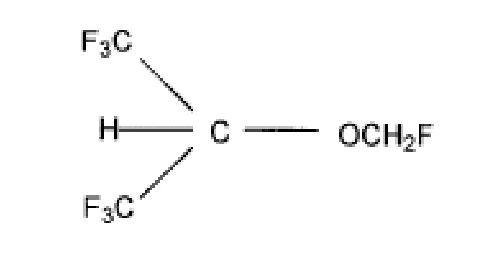 | |
| Physicochemical properties: | Sevoflurane, a nonflammable and nonexplosive liquid administered by vaporization, is a halogenated general inhalation anesthetic drug. Sevoflurane is nonpungent. It is miscible with ethanol, ether, chloroform and petroleum benzene, and it is slightly soluble in water. Sevoflurane has the following physical and chemical properties: | |
| Boiling Point at 760 mm Hg | 58.6°C |
| Specific Gravity at 20°C | 1.520 - 1.525 |
| Vapor Pressure* | 157 mm Hg at 20°C 197 mm Hg at 25°C 317 mm Hg at 36°C |
Distribution Partition Coefficients at 37°C: Blood/Gas Water/Gas Olive Oil/Gas Brain/Gas | 0.63 - 0.69 0.36 47.2 - 53.9 1.15 |
| *Vapor pressure (mm Hg) is calculated using the equation: Log10Pvap = A+B/T, where A = 8.086; B = -1726.68; T = °C + 273.16°K (Kelvin) |
| Mean Component/Gas Partition Coefficients at 25°C for Polymers Used Commonly in Medical Applications: |
| Conductive rubber | 14.0 |
| Butyl rubber | 7.7 |
| Polyvinyl chloride | 17.4 |
| Polyethylene | 1.3 |
14 CLINICAL TRIALS
14.1 Trial Design and Study Demographics
For information regarding the trial design and study demographics, refer to 14.2 Study Results.
14.2 Study Results
Cardiovascular Effects:
SEVORANE AF (sevoflurane) was studied in 14 healthy volunteers (18 to 35 years old) comparing sevoflurane-O2 (Sevo/O2) to sevoflurane-O2/N2O (Sevo/O2/N2O) during 7 hours of anesthesia. During controlled ventilation, hemodynamic parameters measured are shown in Figure 1, Figure 2, Figure 3, and Figure 4.
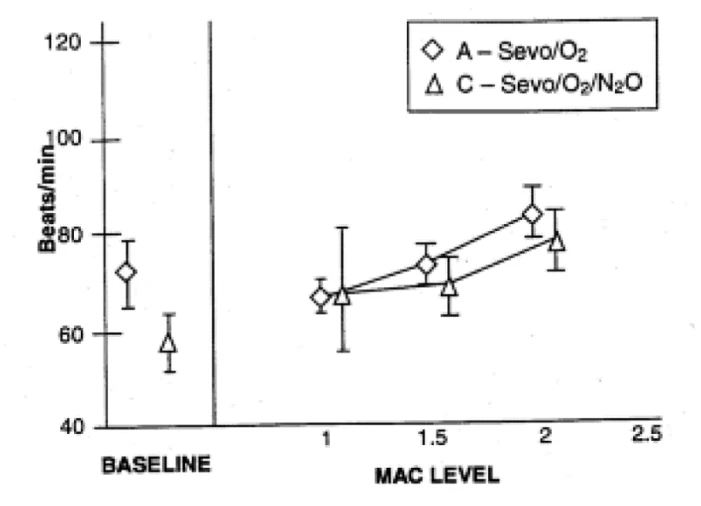
Figure 1 - Heart Rate – SEVORANE AF does not produce an increase in heart rate with or without nitrous oxide at doses less than 2 minimum alveolar concentration (MAC).
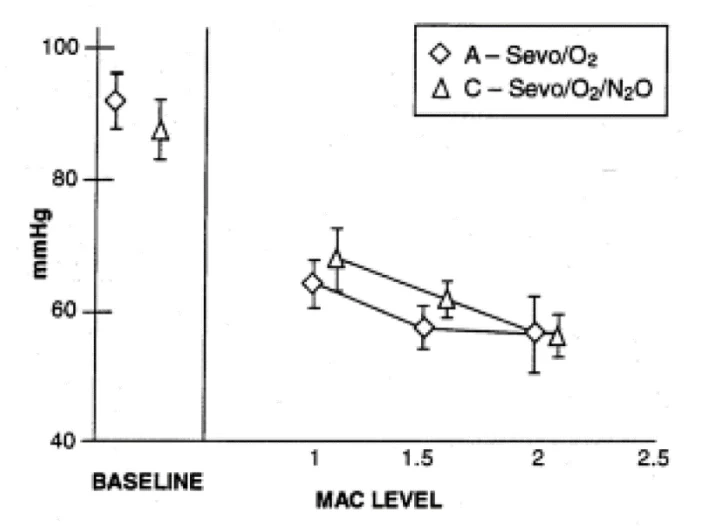
Figure 2 - Mean Arterial Pressure – The decrease in mean arterial pressure seen with SEVORANE AF with or without nitrous oxide is dose dependent at all MAC values.
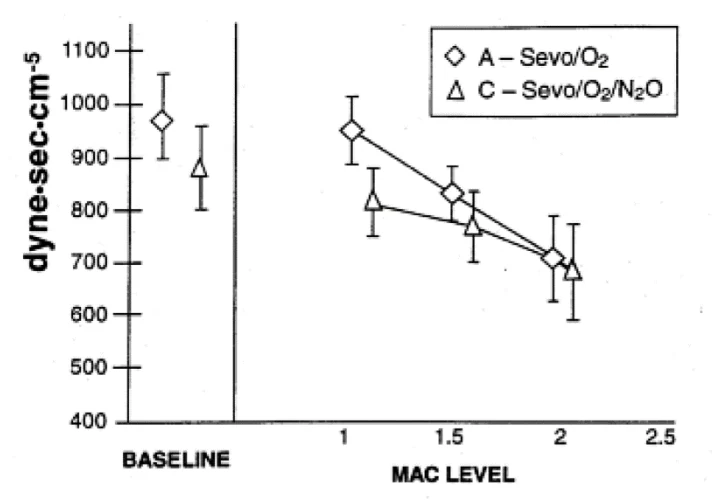
Figure 3 - Systemic Vascular Resistance – The decrease in systemic vascular resistance seen with SEVORANE AF with or without nitrous oxide is dose dependent at all MAC values.
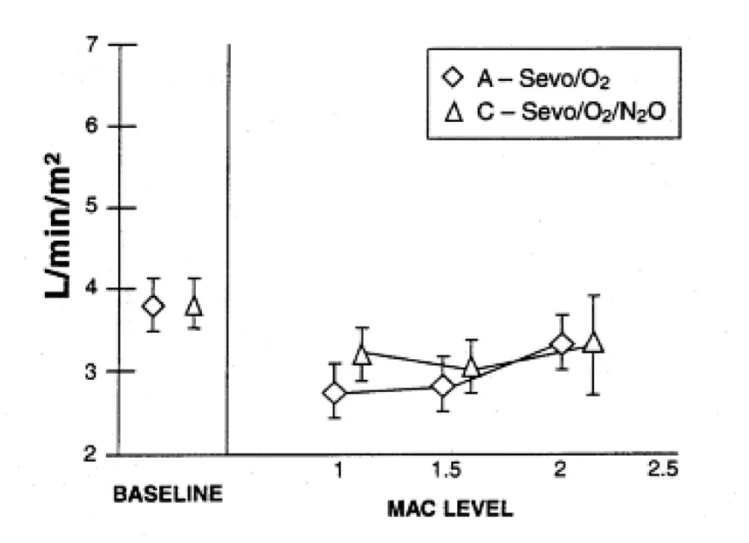
Figure 4 - Cardiac Index - SEVORANE AF has a dose-related cardiac depressant effect with or without nitrous oxide.
A study investigating the epinephrine-induced arrhythmogenic effect of SEVORANE AF versus isoflurane in adult patients undergoing transsphenoidal hypophysectomy (N = 40) demonstrated that the threshold dose of epinephrine (i.e., the dose at which the first sign of arrhythmia was observed) producing multiple ventricular arrhythmias was 5 mcg/kg in both groups.
Cardiovascular Surgery / Coronary Artery Bypass Graft (CABG) Surgery:
SEVORANE AF was compared to isoflurane as an adjunct with opioids in a multicentre study of 273 patients undergoing CABG surgery. The average MAC dose was 0.49 for SEVORANE AF and 0.53 for isoflurane. No statistical differences were observed between the two treatment groups with respect to incidence (SEVORANE AF 7%, isoflurane 11%) and duration (SEVORANE AF approx. 18 minutes, isoflurane approx. 17 minutes) of ischemic events, number of patients with diagnosis of myocardial infarction (SEVORANE AF 8%, isoflurane 10%), time to hemodynamic stability (SEVORANE AF approx. 5 hours, isoflurane approx. 6 hours), or use of cardioactive drugs (SEVORANE AF 53%, isoflurane 47%).
Non-Cardiac Surgery Patients at Risk for Myocardial Ischemia:
Sevoflurane-N2O was compared to isoflurane-N2O for maintenance of anesthesia in a multicentre study of 214 patients who were at mild-to-moderate risk for myocardial ischemia who underwent elective non-cardiac surgery. The average MAC dose was 0.49 for both drugs. No statistical differences were observed between the treatment groups for the incidence of any hemodynamic variation (tachycardia, bradycardia, hypertension, hypotension, and ischemia without hemodynamic abnormality). No statistical differences were observed between the two regimens with respect to intra-operative incidence of myocardial ischemia (SEVORANE AF 6%, isoflurane 3%) or post-operative incidence of ischemic events (SEVORANE AF 10%, isoflurane 16%). No statistical differences were observed between the treatment groups for the incidences of study drug-related adverse experience by body system or by COSTART term (SEVORANE AF 60%, isoflurane 61%). There was one death in SEVORANE AF group while four deaths occurred in the isoflurane group. None of these deaths were considered by the investigator to be drug-related.
Pediatric Anesthesia:
The concentration of SEVORANE AF required for maintenance of general anesthesia is age-dependent. See 4.2 Recommended Dose and Dosage Adjustment. Incidences of bradycardia (more than 20 beats/min less than normal) is lower for SEVORANE AF (3%) than for halothane (7%). Emergence times for SEVORANE AF are faster than with halothane (12 vs 19 minutes, respectively). A higher incidence of agitation occurs with SEVORANE AF (208/837 patients or 25%) when compared with halothane (114/661 patients or 17%).
15 MICROBIOLOGY
No microbiological information is required for this drug product.
16 NON-CLINICAL TOXICOLOGY
General Toxicology:
- Acute Toxicity
Five laboratory animal species (rat, mouse, rabbit, dog, monkey) have been studied to determine the acute toxic effects and median lethal concentration of sevoflurane via the inhalation route and, in rodents, by oral, and parenteral routes. Calculated median lethal concentrations for 1-hour inhalation exposure ranged from 5.8% in the rat to 10.6% in rabbits. Prolongation of exposure lowered the LC50 within each species. See Table 7.
Table 7 - Summary of Calculated Median Lethal Concentrations
| Species | Inhalation LC50 | |
| 1 hour | 3 hours | |
| Mouse | 8.3% | 2.9% |
| Rat | 5.8% | 2.9% |
| Rabbit | 10.6% | - |
| Dog | 7.3% | - |
| Monkey | - | 6.8% |
Sevoflurane was virtually non-toxic orally (LD50 10.8 to 24.3 mL/kg) and parenterally (LD50 6.3 to 11.7 mL/kg). No significant differences in response to sevoflurane were detected between males and females. Neonatal rodents were shown to be more tolerant to acute exposures than adults.
Dyspnea and cyanosis appeared to be the primary cause of death following acute inhalation exposure in all species studied. There was no clear organ pathology associated with acute sevoflurane exposure in these studies even at lethal concentrations.
- Subchronic Toxicity
Repeated exposure studies have confirmed the absence of any specific organ toxicity associated with non-lethal concentrations of sevoflurane. Rats and monkeys have been exposed for up to 3 hours/day, 3 days/week, for 8 weeks at concentrations ranging from 0.1 to 1.0 minimum alveolar concentration (MAC) (0.22 to 2.2%) and 1.0 to 2.5 MAC (2 to 5%), respectively. Dogs have been repeatedly anesthetized (3 hours/day, 5 days/week for 2 weeks) at concentrations of up to 5%.
Dogs and monkeys in these studies revealed no evidence of autonomic or central nervous system stimulation, cardiac arrhythmia or unexpected cardiorespiratory depression. Bradycardia was rarely reported in dogs, and was never observed in monkeys. Clinical observations, hematology and pathology were unremarkable, indicating no adverse effects.
Carcinogenicity:
Studies on carcinogenesis have not been performed.
Genotoxicity:
Mutagenicity studies indicate that sevoflurane is not mutagenic when tested both in vitro and in vivo.
Reproductive and Developmental Toxicology:
There were no significant effects on male and female reproductive capabilities at exposure concentrations of up to 1.0 MAC (2.2%) in a classic Segment I reproduction study. Systemic toxicity, as manifested by reductions in body weight gain, was observed in the males at exposures > 0.5 MAC (1.1%) and at exposures > 0.3 MAC (0.66%) in females.
Fetal body weights were slightly reduced at these maternally toxic exposure levels (> 0.3 MAC), and an increase in skeletal variations at the highest exposure level, a common occurrence in this species, was also observed.
Developmental toxicity (Segment II and III) studies in rats indicate that sevoflurane is not a selective developmental toxicant. Similar to what was observed in the rat reproduction study, reductions in fetal and neonatal body weights and increased skeletal variations were observed only at maternally toxic concentrations of 1.0 MAC (2.2%). No effects on offspring viability, behaviour or reproductive capability were observed.
In rabbits, no developmental toxicity was observed at maternally toxic concentrations of up to 1.0 MAC (1.8%).
Studies in rodents demonstrate that the use of anesthetic agents during the period of rapid brain growth or synaptogenesis results in widespread neuronal and oligodendrocyte cell loss in the developing brain and alterations in synaptic morphology and neurogenesis. Based on comparisons across species, the window of vulnerability to these changes is believed to correlate with exposures in the third trimester through the first several months of life, but may extend out to approximately 3 years of age in humans.
In primates, three hours exposure to an anesthetic regimen that produced a light surgical plane of anesthesia did not increase neuronal cell loss; however, treatment regimens of five hours or longer increased neuronal cell loss.
Data in rodents and in primates suggest that the neuronal and oligodendrocyte cell losses are associated with subtle but prolonged cognitive deficits in learning and memory.
Inhalation Toxicology:
- Compound A
In Wistar rats the LC50 of Compound A was 1050 to 1090 ppm in animals exposed for 1 hour and 400 to 420 ppm in animals exposed for 3 hours (median lethal concentrations were approximately 1070 and 330 to 490 ppm, respectively). In rats exposed to 30, 60, or 120 ppm of Compound A in an eight week chronic toxicity study (24 exposures, 3 hours/exposure), no apparent evidence of toxicity was observed other than loss of body weight in females on the last study day.
Sprague-Dawley rats were administered Compound A via nose-only inhalation exposure in an open system (25, 50, 100 or 200 ppm [0.0025 to 0.02%] of Compound A alone or in combination with 2.2% sevoflurane. Control groups were exposed to air. The threshold, at which reversible alterations in urinary and clinical parameters indicative of renal changes (concentration-dependent increases in blood urea nitrogen (BUN), creatinine, glucose, protein/creatinine ratios and N-acetyl-glucosamidase (NAG)/creatinine ratios) were observed, was 114 ppm Compound A. Histological lesions were reversible as indicated by histological examinations and by urinalysis surrogate markers (ketones, occult blood, glucose, NAG/creatinine, protein/creatinine).
Since the uptake of inhalational agents in small rodents is substantially higher than in humans, higher levels of drug, Compound A (degradant of sevoflurane) or 2-bromo-2-chloro-1,1-difluoro ethylene (BCDFE) (degradant/metabolite of halothane) would be expected in rodents. Also, the activity of the key enzyme (β-lyase) involved in haloalkene nephrotoxicity is tenfold greater in the rat than it is in humans.
In the clinical situation, the highest concentration of Compound A in the anesthesia circuit with soda lime as the CO2 absorbant was 15 ppm in pediatrics and 32 ppm in adults. However, concentrations to 61 ppm have been observed in patients attached to systems with Baralyme® as the CO2 absorbant with no evidence of renal dysfunction.
- Compound B
In the clinical situation, the concentration of Compound B detected in the anesthesia circuit did not exceed 1.5 ppm. Inhalation exposure to Compound B at concentrations of up to 2400 ppm (0.24%) for 3 hours resulted in no adverse effects on renal parameters or tissue histology in Wistar rats.