


Patient Medication Information: uses, side effects, how to take - Solu-Medrol (Pfizer Canada, 125 mg, ..., 500 mg)
ABOUT THIS MEDICATION
What the medication is used for:
SOLU-MEDROL (methylprednisolone sodium succinate) is used to relieve inflammation (swelling, heat, redness, and pain) caused by various conditions. For example, symptoms of inflammation are often seen with allergic reactions such as severe allergic skin reactions, reactions to insect bites, and anaphylaxis (a severe, life-threatening allergic reaction).
Other conditions treated with SOLU-MEDROL include: relief of asthma symptoms caused by inflamed breathing passages, severe skin diseases, and ulcerative colitis (an intestinal disorder). SOLU-MEDROL is also used for the prevention of rejection of organ transplants. SOLU-MEDROL can be used in combination with other drugs (short term treatment) in some forms of arthritis. SOLU-MEDROL can also be used in some surgical procedures.
What it does:
SOLU-MEDROL belongs to a group of medicines known as corticosteroids. SOLU-MEDROL is a synthetic corticosteroid and is usually used for short periods in severe conditions to decrease inflammation.
When it should not be used:
Except for short-term or emergency use such as severe allergic reactions, SOLU-MEDROL should not be given to patients with:
- viral diseases including vaccinia (cowpox), varicella (chickenpox), and herpes simplex of the eye
- fungal infections
- tuberculosis
- serious mental disorder (psychoses)
- Cushing's syndrome (abnormal bodily condition caused by excess corticosteroids)
- a stomach ulcer
- altered kidney function
low platelet count
SOLU-MEDROL should not be given to premature infants because the formulation contains benzyl alcohol.
Patients taking SOLU-MEDROL should not receive live vaccines.
SOLU-MEDROL should not be given to patients who are allergic to this medicine or any ingredient of this medication.
What the medicinal ingredient is:
methylprednisolone sodium succinate
What the important nonmedicinal ingredients are:
Lactose hydrous. SOLU-MEDROL also contains the following nonmedicinal ingredients: dibasic sodium phosphate dried and monobasic sodium phosphate anhydrous. When needed, the pH is adjusted with sodium hydroxide.
The diluent for reconstitution of the Vials and the Act-O-Vials with preservative is Bacteriostatic Water for Injection, which contains benzyl alcohol. Benzyl alcohol has been reported to be associated with fatal “Gasping Syndrome” in premature infants.
The diluent for reconstitution of the Act-O-Vials without preservative is Sterile Water for Injection, which is benzyl alcohol free.
What dosage forms it comes in:
SOLU-MEDROL comes in vials containing sterile powder for intravenous or intramuscular injection or for intravenous infusion.
The available formulations are:
Act-O-Vials with preservative (benzyl alcohol)
- 40 mg Act-O-Vial
- 125 mg Act-O-Vial
- 500 mg Act-O-Vial
- 1 g Act-O-Vial
Act-O-Vials without preservative
- 40 mg Act-O-Vial
- 125 mg Act-O-Vial
- 500 mg Act-O-Vial
- 1 g Act-O-Vial
Vials
- 500 mg Vial
- 1 g Vial
WARNINGS AND PRECAUTIONS
BEFORE you use SOLU-MEDROL talk to your doctor or pharmacist if:
- you have an infection (such as herpes simplex, chicken pox, tuberculosis, threadworm)
- you have bleeding problems or blood clotting problems
- you have brittle bone (osteoporosis)
- you have high blood pressure (hypertension)
- you have seizures (fits)
- you have thyroid problems (hypothyroidism or hyperthyroidism)
- you have muscle pain or muscle weakness (such as myasthenia gravis)
- you have skin cancer (Kaposi’s sarcoma)
- you have certain eye diseases such as glaucoma, cataracts, herpes infection
- you have kidney disease
- you have liver disease
- you have heart disease
- you have diabetes (high blood sugar)
- you have certain mental or mood conditions (such as depression)
- you have stomach or gut problems (ulcer, ulcerative colitis)
- you have low potassium or calcium
- you have Cushing’s disease (caused by an excess of cortisol hormone)
- you have weak immune response
- you have thrombophlebitis (vein inflammation)
you are pregnant, planning to be become pregnant or are breast-feeding (nursing).
- you have any allergies to this medicine or to any of the ingredients of this medication.
- you had any prior use of SOLU-MEDROL.
INTERACTIONS WITH THIS MEDICATION
Tell your doctor or pharmacist about all prescription and non-prescription medications you are using. It is especially important that your doctor or pharmacist know if you are taking medication from the following categories of drugs:
- Antibiotics/Antifungals (e.g. rifampin, ketoconazole, troleandomycin, erythromycin and amphotericin B)
- Anticholinesterase (drugs that prevent the elimination of a neurotransmitter, acetylcholine. e.g. neostigmine and pyridostigmine)
- Drugs that prevent blood clotting (e.g. warfarin or heparin)
- Epilepsy medication (e.g. phenytoin)
- Diabetes medication (e.g. insulin or metformin)
- High blood pressure treatment (e.g. amlodipine or quinapril)
- Diuretics (e.g. furosemide)
- Heart medication (e.g. digoxin, calcium channel blockers)
- Vaccines

- Drugs that suppress the immune system (methotrexate or cyclosporine)
- Neuromuscular Blocking Agents (agents that block signals between nerves and muscles. e.g. pancuronium)
- Drugs that act on the nervous system (e.g. diazepam or clozapine)
- Aspirin and non-steroidal anti-inflammatory medicines (also called NSAIDs) such as ibuprofen
- Sympathomimetic Agents (agents that mimic the effects of adrenaline. e.g. salbutamol)
Drugs to treat high cholesterol (e.g., cholestyramine)
- Drugs to treat diarrhea
- Drugs to treat tuberculosis
- Hormone replacement therapy or hormonal oral contraceptives
- Aromatase inhibitors (drugs to treat breast or ovarian cancer)
- Immunosuppressants (drugs that suppress or reduce the strength of the body's immune system
Do not drink grapefruit juice while taking Depo-Medrol
Driving and Using Machines
Side effects, such as dizziness, vertigo, visual disturbance and fatigue are possible after treatment with corticosteroids. If you experience these effects, you should not drive or operate machinery.
PROPER USE OF THIS MEDICATION
SOLU-MEDROL may be administered by intravenous or intramuscular injection or by intravenous infusion, the preferred method for initial emergency use being intravenous injection. To administer intravenous (or intramuscular) injection, the solution is prepared as follows:
DIRECTIONS FOR USING THE ACT-O-VIAL SYSTEM
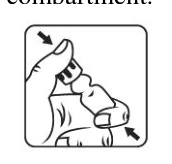
- 1. Press down on plastic activator to force diluent into the lower compartment.
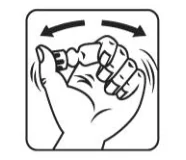
- 2.
Gently agitate to effect solution.
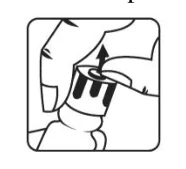
- 3. Remove plastic tab covering centre of stopper.
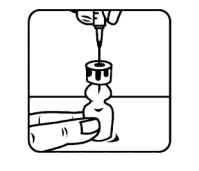
- 4. Sterilize top of stopper with suitable germicide.
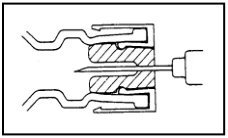
- 5. Insert needle squarely through centre of stopper until tip is just visible. Invert vial and withdraw dose.
Parenteral drug products should be inspected visually for particulate matter and discolouration prior to administration, whenever solution and container permit.
Usual dose:
Initial dosage will vary from 10 to 500 mg depending on the clinical problem being treated. Larger doses may be required for short-term management of severe, acute conditions. Therapy may be initiated by administering SOLU-MEDROL intravenously over a period of at least 5 minutes (e.g., doses up to 250 mg) to at least 30 minutes (e.g., doses greater than 250 mg). Subsequent doses may be given intravenously or intramuscularly at intervals dictated by the patient's response and clinical condition. Corticosteroid therapy is used in combination with, and not replacement for, conventional therapy. The dose needs to be gradually decreased when the medication needs to be discontinued after several days of treatment.
Overdose:
There is no easily noticeable symptom of an acute overdose of SOLU-MEDROL. If an overdose occurs, SOLU-MEDROL can be eliminated through dialysis. Continuous overdosing would require careful gradual reduction of the dose of the medication in order to prevent the occurrence of a condition where the body would be unable to normally produce certain hormones.
SIDE EFFECTS AND WHAT TO DO ABOUT THEM
Like all medicines, SOLU-MEDROL can have side effects although not everybody gets them.
SOLU-MEDROL may hide symptoms of infections, may cause latent infections becoming active, and may induce infections by normally inoffensive organisms due to lowered body resistance.
Potential side effects with SOLU-MEDROL include:
Allergic Reactions:
- Anaphylaxis (a severe, life-threatening allergic reaction)
- Cardiac arrest
- Bronchospasm (narrowing of the airway)
- Rapid swelling of the skin
Cardiovascular:
- Heart failure
- Heart attack
- Arrhythmia (irregular heartbeat)
- Slow heart beat
High and low blood pressure
- Fainting
- Blood clots
- Thrombophlebitis (vein inflammation)
Dermatologic:
- Thin fragile skin
- Impaired wound healing
- Ecchymoses (spots caused by ruptured blood vessels)
- Petechiae (reddish spot containing blood that appears in skin)
- Skin changes (depressions) at the injection
- Acne
- Rash
- Itchiness
- Dry scaly skin
- Swelling
- Redness
- Increased sweating
- Lightening or darkening of an area of the skin
- Abscess
- Thinning scalp hair
- Injection site infections
Endocrine and Metabolism:
- Development of Cushingoid state (abnormal bodily condition caused by excess corticosteroids)
- Moon face (enlargement of face and forehead)
- Weight gain
- Abnormal fat deposits
- Suppression of pituitary-adrenal axis (a condition that could lead to disabling the body’s responses to physiological stress such as severe infections or trauma)
- Suppression of growth in children
- Abnormal hair growth
- Sodium retention and excretion
- Fluid retention
- Increased urination
- Decreased carbohydrate (sugar) tolerance
- New symptoms of diabetes
- Need for higher doses of insulin or sugar lowering pills in diabetics
Gastrointestinal:
- Stomach ulcer
- Stomach bleeding
- Inflammation of the pancreas and esophagus
- Perforation of the bowel
- Nausea
- Vomiting or altered sense of taste (with rapid administration of large doses)
- Abdominal pain
- Bloating
- Bowel/bladder dysfunction
- Increased appetite
Hepatic:
- Enlarged liver
In case of overdose, contact a health care practitioner, hospital emergency department or regional poison control centre immediately, even if there are no symptoms.
- Liver injury
- Hepatitis
Musculoskeletal:
- Muscle disease
- Muscle weakness
- Muscle pain
- Loss of muscle mass
- Malaise (feeling of general discomfort or uneasiness)
- Osteoporosis
- Aseptic necrosis (tissue death)
- Pathologic fractures
- Vertebral compression fractures
- Tendon rupture, particularly of the Achilles tendon
- Charcot joint disease
- Pain and inflammation of the tissues surrounding the injection site
Neurologic:
- Increased pressure within the skull with oedema and inflammation of the optic nerve
- Seizures
- Headache
- Pain and tenderness
- Impaired sensation, strength and reflexes
- Sensation of tingling, tickling, prickling or burning of a person’s skin
- Vertigo
- Meningitis
- Amnesia
- Dizziness
Ophthalmologic:
- Cataracts
- Protrusion of the eyeball
- Increased intraocular pressure
- Glaucoma
- Blindness.
Psychiatric:
- Mental illness
- Depression
- Emotional instability
- Euphoria (intense feelings of well-being, elation, happiness, excitement, and joy)
- Insomnia (difficulty sleeping)
- Mood swings
- Personality changes
- Thoughts of suicide
- Delusion
- Hallucination
- Confusion
- Schizophrenia
- Anxiety
Sexual Function/Reproduction:
- Menstrual irregularities
- Increased or decreased motility and number of sperm
Hemotology:
- Above normal white blood cell count
- Abnormal blood tests
Other: SOLU-MEDROL may cause abnormal liver tests and may suppress reactions to skin tests. SOLU-MEDROL may also cause hiccups, fatigue and irritability.
| SERIOUS SIDE EFFECTS, HOW OFTEN THEY HAPPEN AND WHAT TO DO ABOUT THEM | |||
|---|---|---|---|
| Symptom / effect | Talk with your doctor or pharmacist | Seek IMMEDIATE medical attention | |
| Only if severe | In all cases | ||
| Burst or bleeding ulcers: symptoms of which are stomach pain, bleeding from the rectum, black or bloodstained stools and/or vomiting blood | √ | ||
| Flare up of a previous Tuberculosis: symptoms of which could be coughing blood or pain in the chest | √ | ||
| Serious allergic reaction: symptoms of which include rash, itching/swelling (especially of the face/tongue/throat), severe dizziness and trouble breathing | √ | ||
| Signs of infection (such as persistent fever/cough/sore throat, painful urination, eye pain/discharge) | √ | ||
| High blood pressure (symptoms of which may be headaches or generally feeling unwell) | √ | ||
| Fast/pounding/irregular heartbeat | √ | ||
| Swelling | √ | ||
| Cramps and spasms | √ | ||
| Vision changes | √ | ||
| Increased thirst/urination | √ | ||
| SERIOUS SIDE EFFECTS, HOW OFTEN THEY HAPPEN AND WHAT TO DO ABOUT THEM |
|---|
| Symptom / effect | Talk with your doctor or pharmacist | Seek IMMEDIATE medical attention |
|---|
| Only if severe | In all cases | ||
|---|---|---|---|
| Mental/mood changes (such as mood swings, depression, suicidal thinking, agitation, anxiety) | √ | ||
| Tendon pain | √ | ||
| Bone/joint pain | √ | ||
| Easy bruising/bleeding | √ | ||
| Pain/redness/swelling at the injection site | √ | ||
| Thinning skin | √ | ||
| Poor wound healing | √ | ||
| Unusual hair growth | √ | ||
| Unusual skin growth | √ | ||
HOW TO STORE IT
Before Reconstitution: store SOLU-MEDROL Sterile Powder at room temperature (15° - 30°C). Protect from light. Keep out of the reach of children
After Reconstitution: store reconstituted solution at room temperature (15° - 30°C). Use reconstituted solution within 48 hours after mixing. Protect from light. Keep out of the reach of children
MORE INFORMATION
This document plus the full product monograph, prepared for health professionals may be obtained by contacting the sponsor, Pfizer Canada Inc., at:
1-800-463-6001
Pfizer Canada Inc.
Kirkland, Quebec
H9J 2M5
Last revised: 11 February 2015
REPORTING SUSPECTED SIDE EFFECTS You can report any suspected adverse reactions associated with the use of health products to the Canada Vigilance Program by one of the following 3 ways:
- Report online at www.healthcanada.gc.ca/medeffect
- Call toll-free at 1-866-234-2345
Complete a Canada Vigilance Reporting Form and:
- Fax toll-free to 1-866-678-6789, or
- Mail to: Canada Vigilance Program Health Canada Postal Locator 0701E Ottawa, Ontario K1A 0K9
Postage paid labels, Canada Vigilance Reporting Form and the adverse reaction reporting guidelines are available on the MedEffect™ Canada Web site at www.healthcanada.gc.ca/medeffect.
NOTE: Should you require information related to the management of side effects, contact your health professional. The Canada Vigilance Program does not