


Product Monograph - Sudafed Sinus Advance
1 INDICATIONS
SUDAFED® SINUS ADVANCE (Ibuprofen/Pseudoephedrine Hydrochloride) is indicated:
- for temporary relief of symptoms associated with the common cold, sinusitis or flu including nasal congestion, headache, fever, body aches and pains.
1.1 Pediatrics
Pediatrics (< 12 years of age):
Based on the data submitted, the safety and efficacy of SUDAFED® SINUS ADVANCE is indicated in pediatric patients ≥ 12 years of age for the treatment of symptoms of colds including nasal congestion, sinus pain, headache, fever, body aches and pains (see 14 CLINICAL TRIALS).
The safety and efficacy of SUDAFED® SINUS ADVANCE in pediatric patients < 12 years of age have not been established.
1.2 Geriatrics
Geriatrics (> 60 years of age):
Caution should be observed in elderly patients, due to increased susceptibility to effects of sympathomimetic amines and increased risk of toxicity with ibuprofen, and patients with diminished renal function.
2 CONTRAINDICATIONS
- Should not be used in patients who have previously exhibited hypersensitivity to it, or its components ibuprofen or any other nonsteroidal anti-inflammatory drug (NSAID), including acetylsalicylic acid (ASA), pseudoephedrine, or to any of the ingredients in the formulation, including any non-medicinal ingredient or component of the container, or in individuals with the angioedema syndrome of nasal polyps. For a complete listing, see 6 DOSAGE FORMS, STRENGTHS, COMPOSITION AND PACKAGING.
- Should not be used in individuals with the angioedema syndrome of nasal polyps, and bronchospastic reactivity to acetylsalicylic acid, or other nonsteroidal anti-inflammatory agents.
Should not be used in patients with hypertension, coronary artery disease and in patients on monoamine oxidase (MAO) inhibitor therapy, or for 2 weeks after stopping MAO
- inhibitor drug (see Drug Interactions). The concomitant use of these medications may cause a rise in high blood pressure or hypertensive crisis.
- The third trimester of pregnancy, because of risk of premature closure of the ductus arteriosus, and prolonged parturition.
- Should not be used in nursing mothers because its safety under these conditions has not been established.
- Should not be used in pediatric patients because safety under these conditions has not been established.
- Should not be used by patients with systemic lupus erythematosus. Aseptic meningitis, fever, or rash has been reported in connection with ibuprofen therapy in patients with systemic lupus erythematosus.
- Should not be taken by patients with active peptic ulcer disease or gastrointestinal bleeding.
- Should not be used right before or after heart surgery.
- Should not be used if there is significant hepatic impairment or active liver disease
- Should not be used if there is severely impaired or deteriorating renal function (creatinine clearance <30 ML/min). Individuals with lesser degrees of renal impairment are at risk of deterioration of their renal function when prescribed NSAIDs and must be monitored.
- Ibuprofen should not be used in the presence of known hyperkalemia (also see Warnings and Precautions – Renal section).
- Children (i.e. 18 years of age and younger) with kidney disease and children who have suffered significant fluid loss due to vomiting, diarrhea or lack of fluid intake, should not be given ibuprofen.
- Should not be used in patients with thyroid disease
3 SERIOUS WARNINGS AND PRECAUTIONS BOX
Serious Warnings and Precautions
SUDAFED SINUS ADVANCE should be used only under the supervision of a physician in patients with the following conditions:
- history of active peptic ulcer disease or gastrointestinal bleeding. The chance of stomach bleeding is higher if you are: age 60 or older, have had stomach ulcers or bleeding problems, take a blood thinner or steroid drug, take with other drugs containing an NSAID like acetylsalicyclic acid (ASA), ibuprofen, naproxen, or prescription anti-inflammatory drugs, have 3 or more alcoholic drinks every day while using this product.
- risk of kidney problems, including the elderly or those using diuretics
- Caution should be exercised in prescribing SUDAFED® SINUS ADVANCE if trying to conceive, during the first and second trimesters of pregnancy, or nursing. Use of NSAIDS at approximately 20 weeks of gestation or later may cause oligohydramnios, and renal dysfunction including renal failure (see WARNINGS AND PRECAUTIONS-Special Populations). SUDAFED® SINUS ADVANCE is CONTRAINDICATED for use during the third trimester because of risk of premature closure of the ductus arteriosus and uterine inertia (prolonged parturition) (see CONTRAINDICATIONS).
- high blood pressure,
- heart disease,
- diabetes,
- narrow angle glaucoma,
- thyroid disease,
- difficulty in urination due to enlargement of the prostate gland
4 DOSAGE AND ADMINISTRATION
Dosing Considerations
- Do not take for fever for more than 3 days or for more than 5 days for cold symptoms/pain.
Not recommended for patients over 65 years.
- Do not give to children under 12 years of age.
Recommended Dose and Dosage Adjustment
- Adults and children 12 years to 65 years of age: Take 1 or 2 caplets every four to six hours as needed. Do not exceed six caplets in 24 hours, unless directed by a physician
Administration
- The product is taken orally with water.
Missed Dose
Continue to take 1 or 2 caplets every 4 to 6 hours as needed after a missed dose. Do not take twice the recommended dose following a missed dose.
5 OVERDOSAGE
Signs of overdose of SUDAFED® SINUS ADVANCE (Ibuprofen and Pseudoephedrine Hydrochloride) include nausea, heartburn or stomach pain, dizziness, headache or nervousness, rapid eye movement or lack of response to moderate pain, respiratory distress (breathing may be rapid and deep or shallow), flushing or bluish colouration of skin or mucous membranes, rapid, weak heartbeats or palpitations, renal tubular acidosis.
Due to the rapid absorption of pseudoephedrine and ibuprofen from the gut, emetics and gastric lavage must be instituted within four hours of overdosage to be effective. Charcoal is useful only if given within one hour. Cardiac status should be monitored and the serum electrolytes measured. If there are signs of cardiac toxicity, propranolol may be administered intravenously. A slow infusion of a dilute solution of potassium chloride should be initiated in the event of a drop in the serum potassium level. Despite hypokalemia, the patient is unlikely to be potassium-depleted; therefore, overload must be avoided. Monitoring of the serum potassium is advisable for several hours after administration of the salt. For delirium or convulsions, intravenous administration of diazepam is indicated.
For management of a suspected drug overdose, contact your regional poison control centre.
6 DOSAGE FORMS, STRENGTHS, COMPOSITION AND PACKAGING
Table – Dosage Forms, Strengths, Composition and Packaging
SUDAFED® SINUS ADVANCE (Ibuprofen and Pseudoephedrine Hydrochloride) is supplied as white tablets for oral administration containing 200 mg ibuprofen and 30 mg pseudoephedrine
| Route of Administration | Dosage Form / Strength/Composition | Non-medicinal Ingredients |
| Oral | Tablet 200 mg ibuprofen and 30 mg pseudoephedrine hydrochloride | Calcium stearate, Candelilla Wax, Croscarmellose Sodium, Hydroxypropyl Methylcellulose, Methylparaben, Microcrystalline Cellulose, Povidone, Pregelatinized starch, Propylene Glycol, Propylparaben, Sodium Lauryl Sulfate, Stearic acid, Titanium Dioxide |
hydrochloride per tablet (caplet). SUDAFED® SINUS ADVANCE is packaged in aluminum-backed blisters and is available in packages of 20 and 40 caplets.
7 WARNINGS AND PRECAUTIONS
Please see 3 SERIOUS WARNINGS AND PRECAUTIONS BOX.
General
In common with other anti-inflammatory drugs, ibuprofen may mask the usual signs of infection. If the symptoms do not improve, or are accompanied by a high fever, or new symptoms occur, the patient should be advised to report to his physician.
NSAIDS should be used with caution in patients with asthma, gastrointestinal disease, renal disease, hepatic disease, hypertension, fluid retention, heart disease or in patients taking a diuretic.
Patients with thyroid disease, diabetes, or difficulty in urination due to enlargement of the prostate should not take pseudoephedrine unless directed by a physician.
Adult and Pediatric Formulations
Ibuprofen may cause a severe allergic reaction, especially in patients allergic to acetylsalicylic acid (ASA). Symptoms may include hives, facial swelling, asthma (wheezing), shock, skin reddening, rash or blisters with or without pyrexia or erythema. If any of these symptoms occur, patients should stop use and seek medical help right away.
For children 12 years and older, caregivers should ask a doctor before use if the child has not been drinking fluids or has lost a lot of fluid due to vomiting or diarrhea.
Carcinogenesis and Mutagenesis
Ibuprofen and pseudoephedrine have been individually studied in animals with no significant effects.
Cardiovascular
Patients with high blood pressure, or heart disease or congestive heart failure should take SUDAFED® SINUS ADVANCE only under the advice and supervision of a physician. NSAIDS may cause an increased risk of serious cardiovascular thrombotic events, myocardial infarction, and stroke. This risk may increase with dose and duration of use. Patients with cardiovascular disease or risk factors for cardiovascular disease may be at greater risk. Ibuprofen may decrease the cardioprotective and antiplatelet activity of acetylsalicylic acid (ASA).
Dependence/Tolerance
Pseudoephedrine has the potential to cause drug dependency and withdrawal effects.
Ear/Nose/Throat
Patients on SUDAFED® SINUS ADVANCE should be cautioned to report to their physician if any signs or symptoms of tinnitus occur.
Endocrine and Metabolism
Patients with diabetes, thyroid disease or enlargement of the prostate gland should take SUDAFED® SINUS ADVANCE only under the advice and supervision of a physician. (see Serious Warnings and Precautions)
Gastrointestinal
Patients with active peptic ulcer disease or gastrointestinal bleeding should not take SUDAFED® SINUS ADVANCE (see Contraindications). NSAIDS, including Ibuprofen, may cause serious GI toxicity, such as peptic ulceration, perforation and gastrointestinal bleeding, sometimes severe and occasionally fatal, at any time, with or without symptoms. The risk may increase with dose and duration of use and may be higher in the elderly patients with a history of gastric ulcers or bleeding disorders, patients taking anticoagulants, corticosteroids, or other NSAIDS, and with alcohol use.
There is no definitive evidence that the concomitant administration of histamine H2-receptor antagonists and/or antacids will either prevent the occurrence of gastrointestinal side effects or allow the continuation of SUDAFED® SINUS ADVANCE if GI side effects occur.
Patients on SUDAFED® SINUS ADVANCE should be cautioned to report to their physician any signs or symptoms of gastrointestinal ulceration or bleeding.
Patients with a history of gastrointestinal tract disease should only use SUDAFED® SINUS ADVANCE under the advice and the supervision of a physician. (see Serious Warnings and Precautions).
Ischemic colitis has been reported in association with the use of pseudoephedrine. In reported cases the patient recovered without further incident or recurrence after pseudoephedrine was discontinued.
Genitourinary
Some NSAIDS are known to cause persistent urinary symptoms (bladder pain, dysuria, urinary frequency) hematuria or cystitis. The onset of these symptoms may occur at any time after the initiation of therapy with an NSAID. Some cases have become severe on continued treatment.
Should urinary symptoms occur, treatment with SUDAFED® SINUS ADVANCE must be stopped immediately to obtain recovery. This should be done before any urological investigations or treatments are carried out.
Patients with pre-existing difficulty in urination due to enlargement of the prostate gland should take SUDAFED® SINUS ADVANCE only under the advice and supervision of a physician.
Hematologic
Like other nonsteroidal anti-inflammatory agents, ibuprofen can inhibit platelet aggregation. However, compared to ASA, the effect is quantitatively less, of shorter duration, and reversible upon discontinuation of ibuprofen. Bleeding time has also been prolonged by ibuprofen though within the normal range in normal subjects. Because this effect on bleeding time may be exaggerated in patients with underlying hemostatic defects, SUDAFED® SINUS ADVANCE should be avoided by persons with intrinsic coagulation defects and those on anticoagulant therapy.
Blood dyscrasias (such as neutropenia, leukopenia, thrombocytopenia, aplastic anemia and agranulocytosis) associated with the use of non-steroidal anti-inflammatory drugs are rare, but could occur with severe consequences.
Hepatic/Biliary/Pancreatic
As with other nonsteroidal anti-inflammatory drugs, borderline elevations of one or more liver function tests (AST, ALT, alkaline phosphatase) may occur in up to 15% of patients. These abnormalities may progress, may remain essentially unchanged, or may be transient with continued therapy. A patient with symptoms and/or signs suggesting liver dysfunction, or in whom an abnormal liver test has occurred, should be evaluated for evidence of the development of more severe hepatic reaction while on therapy with this drug. Ibuprofen has very rarely been reported to cause Vanishing Bile Duct Syndrome. Severe hepatic reactions including jaundice and cases of fatal hepatitis and liver necrosis have been reported with nonsteroidal anti-inflammatory drugs.
Although such reactions are rare, if abnormal liver tests persist or worsen, if clinical signs and symptoms consistent with liver disease develop, of if systemic manifestations occur (e.g., eosinophilia, rash, etc.) this drug should be discontinued.
During long-term therapy, liver function tests should be monitored periodically. If there is a need to prescribe this drug in the presence of impaired liver function, it must be done under strict observation.
For NSAID users as a group, the only factors that had an independent effect on the occurrence of acute liver injury were the simultaneous use of hepatotoxic medication or the presence of rheumatoid arthritis. Based on these data, the short-term use of ibuprofen as an analgesic/antipyretic should not be of concern regarding the development of liver disease.
Immune System
Should not be used by patients with systemic lupus erythematosus, or other autoimmune disorders except under a physician’s supervision (see Serious Warnings and Precautions).
Patients with complete or partial syndrome of nasal polyps, rhinitis or other allergic manifestations should not use ASA or other anti-inflammatory agents. Fatal anaphylactoid reactions have occurred in such individuals even if they have taken NSAIDS in the pas without any adverse effects.
Monitoring and Laboratory Tests
Pregnancy: If SUDAFED® SINUS ADVANCE is administered in the middle (approximately 20 weeks) to the end of the second trimester, it is recommended that pregnant women on SUDAFED® SINUS ADVANCE be closely monitored for amniotic fluid volume since SUDAFED®
SINUS ADVANCE may result in reduction of amniotic fluid volume and even oligohydramnios (see Special Populations). SUDAFED® SINUS ADVANCE is CONTRAINDICATED for use in the third trimester of pregnancy.
Neurological
Patients on SUDAFED® SINUS ADVANCE should be cautioned to report to their physician any signs or symptoms of dizziness, vertigo, insomnia, or depression. Caution should be exercised in activities that alertness. There is a possibility of insomnia, if this medicine is taken before bedtime.
High plasma concentrations of phenylalanine in individuals with phenylketonuria may exacerbate the CNS effects of pseudoephedrine.
Ophthalmologic
Patients with glaucoma should take SUDAFED® SINUS ADVANCE only under the advice and supervision of a physician.
Patients on SUDAFED® SINUS ADVANCE should be cautioned to report to their physician if any signs or symptoms of blurred vision or other eye symptoms occur. If such symptoms develop this drug should be discontinued and an ophthalmologic examination performed. Ophthalmic examination should be carried out at periodic intervals in any patient receiving this drug for an extended period of time.
Peri-Operative Considerations
Use of Nonsteroidal anti-inflammatory agents around the time of surgery is generally avoided to prevent surgical bleeding (see Hematologic).
Renal
Conditions associated with dehydration appear to increase the risk of renal toxicity. SUDAFED® SINUS ADVANCE should therefore be used with caution in patients with chronic renal failure, congestive heart failure or hypertension being treated chronically with diuretics. Caution should be observed in patients with diminished renal function.
In patients with prerenal conditions leading to the reduction in renal blood flow or blood volume, NSAIDS may precipitate overt renal decompensation. Patients at greatest risk of this reaction are those with impaired renal function, heart failure, liver dysfunction, those taking diuretics, and the elderly. Discontinuation of NSAID therapy is usually followed by recovery to the pre-treatment state.
During long term therapy kidney function should be monitored periodically.
Fluid and Electrolyte Balance
Patients on SUDAFED® SINUS ADVANCE should be cautioned to report to their physician any signs or symptoms of weight gain, or edema. SUDAFED® SINUS ADVANCE should be used with caution in patients with heart failure, hypertension or other conditions predisposing to fluid retention.
With nonsteroidal anti-inflammatory treatment there is a potential risk of hyperkalemia, particularly in patients with conditions such as diabetes mellitus or renal failure; elderly patients; or in patients receiving concomitant therapy with β-adrenergic blockers, angiotensin converting enzyme inhibitors or some diuretics. Serum electrolytes should be monitored periodically during long-term therapy, especially in patients who are at risk.
Respiratory
Should not be used in individuals with the angioedema syndrome of nasal polyps, and bronchospastic reactivity to acetylsalicylic acid (see Contraindications). Should be not be used in patients with asthma. Fatal anaphylactoid reactions have occurred in such individuals even if they have taken NSAIDS in the past without any adverse effects.
Patients on SUDAFED® SINUS ADVANCE should be cautioned to report to their physician any signs or symptoms of respiratory difficulty.
Sensitivity/Resistance
Should not be used in patients who have previously exhibited hypersensitivity to it, or its components (ibuprofen, pseudoephedrine), or other nonsteroidal anti-inflammatory agents (see Contraindications).
Skin
Patients on SUDAFED® SINUS ADVANCE should be cautioned to report to their physician if any signs or symptoms of skin rash occur. Serious skin reactions such as Erythema Multiforme, Stevens-Johnson syndrome (SJS), and toxic epidermal Necrolysis (TEN), Drug Reaction with Eosinophilia and Systemic Symptoms (DRESS) and Acute Generalized Exanthematous Pustulosis (AGEP) have been reported very rarely in patients receiving ibuprofen.
Pseudoephedrine may induce non-pigmenting, fixed-type skin eruptions, which are typically indurated, erythematous, pruritic, tender, and edematous. The reaction tends to occur within 24 hours after administration of pseudoephedrine and to resolve 2 to 3 days after discontinuation.
Severe skin reactions such as acute generalized exanthemous pustulosis (AGEP) have been reported very rarely with pseudoephedrine-containing products. This acute pustular eruption may exhibit an early or delayed onset with numerous, small, mostly non-follicular pustules arising on a widespread oedematous erythema mainly localized on the skin folds, trunk and upper extremities which may be accompanied by fever. Patients should be carefully monitored.
Special Populations
Oligohydramnios/Neonatal Renal Impairment:
Use of NSAIDs, including SUDAFED® SINUS ADVANCE, at approximately 20 weeks gestation or later in pregnancy may cause fetal renal dysfunction leading to oligohydramnios and, in some more severe cases, neonatal respiratory, musculoskeletal and renal problems (see Non-Clinical Toxicology).
Published studies and post-marketing reports describe maternal NSAID use at approximately 20 weeks gestation or later in pregnancy associated with fetal renal dysfunction leading to oligohydramnios, and in some cases, neonatal renal impairment, or failure. NSAIDs were shown to cause significant reduction in fetal urine production prior to reduction of amniotic fluid volume. There have also been a limited number of case reports of maternal NSAID use and neonatal renal dysfunction without oligohydramnios, some of which were irreversible, even after treatment discontinuation.
These adverse outcomes are seen, on average, after days to weeks of treatment, although oligohydramnios has been infrequently reported as soon as 48 hours after NSAID initiation. Oligohydramnios is often, but not always, reversible with treatment discontinuation. Complications of prolonged oligohydramnios may, for example, include limb contractures and delayed lung maturation. In some post-marketing cases of impaired neonatal renal function, invasive procedures such as exchange transfusion or dialysis were required.
If, after careful consideration of alternative treatment options for pain management, NSAID treatment is necessary anywhere from the middle (onset approximately 20 weeks) to the end of the second trimester of pregnancy, it is recommended that the use be limited to the lowest effective dose and shortest duration possible.
Consider ultrasound monitoring of fetal well-being, including of amniotic fluid volume assessment if SUDAFED® SINUS ADVANCE treatment extends beyond 48 hours. It is recommended that NSAIDs treatment be discontinued if oligohydramnios occurs, followed by appropriate medical follow up.
Inform pregnant women not to use SUDAFED® SINUS ADVANCE and other NSAIDs from the third trimester of pregnancy because of the risk of the premature closing of the fetal ductus arteriosus [see Contraindications]. If treatment with SUDAFED® SINUS ADVANCE is needed for a pregnant woman anywhere from the middle (onset approximately 20 weeks gestation to the end of the second trimester of pregnancy), advise her that she may need to be monitored for oligohydramnios, if treatment continues for longer than 48 hours.
7.1.1 Pregnant Women
CAUTION SHOULD BE EXERCISED IN PRESCRIBING SUDAFED® SINUS ADVANCE TO WOMEN WHO ARE TRYING TO CONCEIVE, DURING THE FIRST AND SECOND TRIMESTERS OF PREGNANCY, OR IF NURSING. SUDAFED® SINUS ADVANCE (Ibuprofen and Pseudoephedrine) is CONTRAINDICATED during the last 3 months of pregnancy. When used within the third trimester of pregnancy, nonsteroidal anti-inflammatory drugs, including ibuprofen, are associated with premature closure of the fetal ductus arteriosus, which may result in persistent pulmonary hypertension in the newborn infant (see Contraindications). The use of nonsteroidal anti-inflammatory drugs at 20 weeks gestation or later in pregnancy may cause fetal renal dysfunction leading to oligohydramnios.
Inhibition of prostaglandin synthesis may adversely affect pregnancy and/or embryo-fetal development. Data from epidemiological studies suggest an increased risk of miscarriage and of cardiac malformation after use of a prostaglandin synthesis inhibitor in early pregnancy.
In animals, administration of a prostaglandin synthesis inhibitor has been shown to result in increased pre- and post-implantation loss and embryo-fetal lethality. In addition, increased incidences of various malformations, including cardiovascular, have been reported in animals given a prostaglandin synthesis inhibitor during the organogenetic period.
7.1.2 Breast-feeding
SUDAFED® SINUS ADVANCE (Ibuprofen and Pseudoephedrine) should not be used during pregnancy or lactation unless the potential benefit of treatment to the mother outweighs the possible risks to the developing fetus or nursing infant (see Contraindications).
7.1.3 Pediatrics
(< 12 years of age): Do not give to children under 12 years of age.
7.1.4 Geriatrics
(> 60 years of age): Caution should be observed in elderly patients, due to increased susceptibility to effects of sympathomimetic amines and increased risk of toxicity, such as ulceration and bleeding, with ibuprofen, and patients with diminished renal function.
SUDAFED® SINUS ADVANCE is not indicated for use in patients over 65 years of age
8 ADVERSE REACTIONS
Adverse Reaction Overview
Ibuprofen
The adverse reactions most frequently seen with prescribed ibuprofen therapy involve the gastrointestinal system. The most commonly reported adverse events for ibuprofen (3 to 9%) are: nausea, epigastric pain, heartburn, dizziness, rash (including maculopapular type) and tinnitus. Adverse reactions that occurred at lesser incidence are summarised below. Note: Reactions listed below under “Causal Relationship Unknown” are those which occurred under circumstances where a causal relationship could not be established. However, in these rarely reported events, the possibility of a relationship to ibuprofen cannot be excluded.
Allergic
Incidence less than 1%: anaphylaxis (see Contraindications)
Causal relationship unknown: fever, serum sickness, lupus erythematosus
Cardiovascular
Incidence less than 1%: congestive heart failure in patients with marginal cardiac function, elevated blood pressure
Causal relationship unknown: arrhythmias (sinus tachycardia, sinus bradycardia, palpitations), Kounis syndrome
CNS
Incidence 3 to 9%: dizziness
Incidence 1 to 3%: headache, nervousness
Incidence less than 1%: depression, insomnia
Causal relationship unknown: paresthesia, hallucinations, dream abnormalities
Aseptic meningitis and meningoencephalitis, in one case accompanied by eosinophilia in the cerebrospinal fluid, have been reported in patients who took ibuprofen intermittently and did not have any connective tissue disease.
Dermatologic
Incidence 3 to 9%: rash (including maculopapular type)
Incidence 1 to 3%: pruritus
Incidence less than 1%: vesiculobullous eruptions, urticaria, erythema multiforme
Causal relationship unknown: alopecia, Stevens-Johnson syndrome
Endocrine
Causal relationship unknown: gynecomastia, hypoglycemic reaction
Menstrual delays of up to two weeks and dysfunctional uterine bleeding occurred in nine patients taking ibuprofen, 400 mg t.i.d., for three days before menses.
Gastrointestinal
Incidence 3 to 9%: nausea, epigastric pain, heartburn
Incidence 1 to 3%: diarrhea, abdominal distress, nausea and vomiting, indigestion, constipation, abdominal cramps or pain, fullness of the gastrointestinal tract (bloating or flatulence)
Incidence less than 1%: gastric or duodenal ulcer with bleeding and/or perforation, gastrointestinal hemorrhage, melena, hepatitis, jaundice, abnormal liver function (SGOT, serum bilirubin and alkaline phosphatases)
Hematologic
Incidence less than 1%: leukopenia and decreases in hemoglobin and hematocrit
Causal relationship unknown: hemolytic anemia, thrombocytopenia, granulocytopenia, bleeding episodes (e.g. purpura, epistaxis, hematuria, menorrhagia)
Metabolic
Incidence 1 to 3%: decreased appetite, edema, fluid retention
Fluid retention generally responds promptly to drug discontinuation (see Precautions).
Renal
Causal relationship unknown: decreased creatinine clearance, polyuria, azotemia
Like other non-steroidal anti-inflammatory drugs, ibuprofen inhibits renal prostaglandin synthesis, which may decrease renal function and cause sodium retention. Renal blood flow and glomerular filtration rate decreased in patients with mild impairment of renal function who took 1200 mg/day of ibuprofen for one week. Renal papillary necrosis has been reported. A number of factors appear to increase the risk of renal toxicity (see Precautions).
In comparative clinical trials analyzed by The Boots Company involving 7624 ibuprofen-treated, 2822 (ASA) Acetylsalicylic acid-treated and 2843 placebo-treated patients, adverse reactions involving renal function were reported by 0.6% of the ibuprofen group, 0.3% of the ASA group and 0.1% of the placebo group. The analysis included data from trials which employed doses greater than 1200 mg, used for longer periods than OTC recommendations and by patients being treated for serious conditions.
Special Senses
Incidence 1 to 3%: tinnitus
Incidence less than 1%: amblyopia (blurred and/or diminished vision, scotomata and/or changes in colour vision)
Any patient with eye complaints during ibuprofen therapy should have an ophthalmological examination.
Causal relationship unknown: conjunctivitis, diplopia, optic neuritis
Pseudoephedrine
Pseudoephedrine may cause mild CNS stimulation, especially in patients who are hypersensitive to the effects of sympathomimetic drugs. Nervousness, excitability, restlessness, dizziness, weakness, and insomnia may occur. Headache and drowsiness have also been reported. Large doses may cause light-headedness, nausea, and/or vomiting. In addition, the possibility of other adverse effects associated with sympathomimetic drugs, including fear, anxiety, tenseness, tremor, hallucinations, seizures, pallor, respiratory difficulty, dysuria, and cardiovascular collapse should be considered.
Although oral administration of usual doses of pseudoephedrine to normotensive patients usually produced negligible pressor effects, the drug should be used with caution in hypertensive patients. Pseudoephedrine may increase the irritability of heart muscle and may alter the rhythmic function of the ventricles, especially in large doses or when administered to patients who are hypersensitive to the myocardial effects of sympathomimetic drugs. Tachycardia or palpitation may occur. One patient who received 120 mg of pseudoephedrine hydrochloride every 4 hours developed multifocal premature ventricular contractions which disappeared a few days after the drug was discontinued. In addition, pseudoephedrine may have precipitated an attack of atrial fibrillation in an infant. It was postulated that the patient my have had previously unsuspected idiopathic atrial fibrillation, and therefore may have been especially sensitive to the myocardial effects of the drug.
8.2 Clinical Trial Adverse Reactions
Clinical trials are conducted under very specific conditions. The adverse reaction rates observed in the clinical trials; therefore, may not reflect the rates observed in practice and should not be compared to the rates in the clinical trials of another drug. Adverse reaction information from clinical trials may be useful in identifying and approximating rates of adverse drug reactions in real-world use.
Adverse drug reactions for Ibuprofen and Pseudoesphedrine active ingredients are summarized individually above. The following tables provide company specific clinical trial and postmarketing data on Ibuprofen, Pseudoephedrine and the two drugs combined.
Clinical Trial Data
The safety of the combination of ibuprofen and pseudoephedrine from clinical
trial data is based on data from 4 double-blind placebo-controlled single dose
randomized studies in the treatment of sinus headache.
Table 1. Adverse Events Reported by >1% of Subjects Treated with Ibuprofen and Pseudoephedrine Combination in 4 Randomized Placebo-Controlled Clinical Trials
| System Organ Class | Ibuprofen 400 mg/ Pseudoephedrine 60 | Ibuprofen 200 mg/ Pseudoephedrine 30 | Placebo (N=241) |
|---|---|---|---|
| Preferred Term | x 1 dose (N=244) % (frequency) | mg x 1 dose (N=238) % (frequency) | % (frequency) |
General Disorders and Administration Site Conditions Thirst | 0.4 (uncommon) | 1.3 (common) | 0.4 (uncommon) |
Gastrointestinal Disorders Abdominal pain upper | 1.6 (common) | - | - |
Nervous System Disorders Dizziness Tremor | 4.9 (common) - | 6.3 (common) 1.7 (common) | 5.8 - |
Psychiatric Disorders Anxiety Nervousness | 1.6 (common) 6.1 (common) | 0.4 (uncommon) 2.5 (common) | - 1.7 (common) |
Eye Disorders Eye Disorder | 1.2 (common) | - | - |
Ear and Labyrinth Disorders Tinnitus | 0.4 (uncommon) | 1.7 (common) | 0.4 (uncommon) |
Table 1 above includes adverse events that occurred where greater than one event was reported, and the incidence was greater than placebo and in 1% of patients or more.
The following adverse events were reported by ≥ 1% of subjects in randomized, placebo-controlled trials with single-ingredient pseudoephedrine or single-ingredient ibuprofen: pseudoephedrine: dry mouth, nausea, dizziness, insomnia, and nervousness; ibuprofen: dyspepsia, abdominal pain, asthenia, dizziness and somnolence.
8.5 Post-Market Adverse Reactions
The following Table 2 provides adverse drug reactions identified from spontaneous reporting rates. All adverse drug reactions had a frequency of < 1/10,000 (very rare). Frequencies were calculated according to the total number of reported Company adverse events under a given preferred term or medical concept and the denominator represents exposure data calculated from sales data.
Table 2
SOC Adverse Event Preferred Term
Infections and Infestations Meningitis aseptic
Blood and Lymphatic Disorders Bone Marrow Toxicity, Eosinophilia, Thrombocytopenia, Anemia
Immune Disorders Hypersensitivity reactions, Anaphylactic reaction
Psychiatric Disorders Euphoric Mood, Hallucination, Visual Hallucination, Restlessness
Nervous System Disorders Headache, Psychomotor Hyperactivity, Cerebrovascular Accident, Paraesthesia, Posterior Reversible Encephalopathy Syndrome, Reversible Cerebral Vasoconstriction Syndrome
Eye Disorders Vison Blurred, Visual Impairment
Cardiac Disorders Palpitations, Arrhythmia, Tachycardia, Cardiac Failure, Myocardial Infarction
Vascular Disorder Haemorrhage (Non-GI), Hypertension
Respiratory, Thoracic and
Mediastinal Disorders Asthma, Bronchospasm
Gastrointestinal Disorders Constipation, Diarrhea, Gastrointestinal Inflammation, Gastrointestinal Hemorrhage, Gastrointestinal Ulcer, Gastrointestinal Ulcer Perforation, Gastrointestinal Ulceration Hemorrhage, Oral Discomfort (local burning sensation, irritation), Pancreatitis, Vomiting
Hepatobiliary Disorders Hepatotoxicity (Hepatic function abnormal, Hepatitis, Transaminases increased), Vanishing Bile Duct Syndrome
Skin and Subcutaneous Tissue
Disorders Acute Generalized Exanthematous Pustulosis, Rash, Pruritus, Erythema, Erythema Multiforme, Stevens-Johnson Syndrome, Toxic Epidermal Necrolysis, Urticaria, Angioedema, Drug Reaction with Eosinophilia and Systemic Symptoms (DRESS), Fixed Eruption
Renal and Urinary Disorders Dysuria, Urinary Retention, Nephritis, Nephrotic Syndrome, Renal Failure, Renal Impairment, Renal Papillary Necrosis
General Disorders and
Administration Site Conditions Hypothermia
9 DRUG INTERACTIONS
9.1 Serious Drug Interactions
Serious Drug Interactions
- With acetaminophen may increase the risk of adverse renal effect.
- With acetylsalicylic acid (ASA), and other NSAIDs including ibuprofen may result in possible additive side effects (See Contraindications).
- With anticoagulants may increase the risk of GI adverse events (e.g. ulceration and bleeding).
- With antihypertensives the benefit and risk must be weighed individually.
- With digoxin may increase serum digoxin concentration and the risk of digoxin toxicity.
- With diuretics may reduce the diuretic effect.
- With hypoglycemic agents (insulin and oral agents) my increase the risk of hypoglycemia.
- With lithium may elevate plasma lithium levels, reduce renal lithium clearance and increase the risk of lithium toxicity.
- With methotrexate may increase the risk of methotrexate toxicity.
- With monoamine oxidase inhibitors may result in hypertensive crisis and other serious adverse reactions (See Contraindications).
9.2 Drug Interactions Overview
The drug interaction profiles of Ibuprofen and Pseudoephedrine are considered individually and in combination below. The drugs listed are based on either drug interaction case reports or studies, or potential interactions due to the expected magnitude and seriousness of the interaction (i.e., those identified as contraindicated).
9.4 Drug-Drug Interactions
Coumarin-Type Anticoagulants
Like other nonsteroidal anti-inflammatory agents, ibuprofen can inhibit platelet aggregation. However, compared to ASA, the effect is quantitatively less, of shorter duration, and reversible upon discontinuation of ibuprofen. Bleeding time has also been prolonged by ibuprofen though within the normal range in normal subjects. Because this effect on bleeding time may be exaggerated in patients with underlying hemostatic defects, SUDAFED® SINUS ADVANCE should be avoided by persons with intrinsic coagulation defects and those on anticoagulant therapy.
ASA
Anaphylactoid reactions have occurred in patients with known ASA hypersensitivity (see Contraindications).
Animal studies show that ASA given with nonsteroidal anti-inflammatory agents including ibuprofen yields a net decrease in anti-inflammatory activity with lowered blood levels of the non-ASA drug. Single dose bioavailability studies in normal volunteers have failed to show an effect of ASA on ibuprofen blood levels. Correlative clinical studies have not been conducted. Ibuprofen may inhibit the antiplatelet effects of aspirin when taken concomitantly. Some NSAIDS may interfere with the anti-platelet effects of low dose ASA (81-325 mg per day), possibly by competing with ASA for access to the active site of cyclooxygenase-1. The concomitant administration of ibuprofen but not acetaminophen has been shown to antagonize the irreversible platelet inhibition induced by ASA. Regular use of ibuprofen in patients with increased cardiovascular risk may limit the cardio protective effects of ASA. To minimize this interaction, regular users of ibuprofen and of low-dose, immediate-release ASA should take the ibuprofen at least one hour after and 11 hours before the daily ASA dose. The use of delayed-release (e.g. enteric-coated) ASA is not recommended when using ibuprofen regularly. Healthcare professionals should advise consumers and patients regarding the appropriate concomitant use of ibuprofen and ASA.
Other Anti-inflammatory Agents (NSAIDs)
SUDAFED® SINUS ADVANCE should not be used in patients who have previously exhibited hypersensitivity to ibuprofen or other nonsteroidal anti-inflammatory agents (see Contraindications)
The addition of SUDAFED® SINUS ADVANCE to a pre-existent prescribed NSAID regimen in patients with a condition such as rheumatoid arthritis may result in increased risk of adverse effects.
Diuretics
Because of its fluid retention properties, high doses of ibuprofen can decrease the diuretic and antihypertensive effects of diuretics, and increased diuretic dosage may be required. Patients with impaired renal function who are taking potassium-sparing diuretics should not take SUDAFED® SINUS ADVANCE (see Contraindications).
Hypoglycemic Agents
Ibuprofen may increase hypoglycemic effects of oral antidiabetic agents and insulin.
Acetaminophen
Although interactions have not been reported, concurrent use with SUDAFED® SINUS ADVANCE is not advisable, it may increase the risk of adverse renal effect.
Antihypertensives
NSAIDS may elevate blood pressure in patients receiving antihypertensive medication. The relationship between ibuprofen and antihypertensives is not well defined. The benefits of concomitant medication should be analyzed and compared to the potential risks before being prescribed. If ibuprofen is being recommended for long term use, the periodic monitoring of blood pressure may be useful. Blood pressure monitoring is not necessary if ibuprofen is being recommended for short term use as an analgesic.
Cough-Cold/Allergy Medications
The use of other decongestants, cough and cold medications, allergy medications or medications containing pseudoephedrine or ibuprofen should be avoided as such use can increase the risk of serious side effects and overdose.
Methotrexate
Ibuprofen as well as other NSAIDS has been reported to competitively inhibit methotrexate accumulation in rabbit kidney slices. This may indicate that ibuprofen could enhance the toxicity of methotrexate. Caution should be used when ibuprofen is administered concomitantly with methotrexate.
Monoamine Oxidase Inhibitors
SUDAFED SINUS ADVANCED should not be used concomitantly with MAO inhibitors or for 14 days after stopping the MAO inhibitor drug. Hypertensive crisis and other serious adverse reactions have been reported in patients using pseudoephedrine or other sympathomimetic drugs such as ephedrine in combination with or shortly after discontinuing MAO inhibitors. (See Contraindications).
Other Drugs
Although ibuprofen binds extensively to plasma proteins, interactions with other protein-bound drugs occur rarely. Nevertheless, caution should be observed when other drugs, also having a high affinity for protein binding sites, are used concurrently. Some observations have suggested a potential for ibuprofen to interact with furosemide, pindolol, digoxin, phenytoin and lithium salts. However, the mechanisms and clinical significance of these observations are presently not known. Caution should be exercised when SUDAFED® SINUS ADVANCE is used in conjunction with, probenecid, digitalis, thyroxine, steroids, antibiotics or benzodiazepines. SUDAFED® SINUS ADVANCE may enhance the pressor effects of monoamine oxidase (MAO) inhibitors.
9.5 Drug-Food Interactions
There are no known food interactions with SUDAFED® SINUS ADVANCE. In one clinical study therapeutic blood levels of ibuprofen were found to be lower when taken in conjunction with food.
9.6 Drug-Herb Interactions
Interactions with herbal products have not been established.
9.7 Drug-Laboratory Test Interactions
See Warnings and Precautions for haematology considerations.
10 CLINICAL PHARMACOLOGY
10.1 Mechanism of Action
Ibuprofen has exhibited analgesic and antipyretic activity in animal studies designed to specifically demonstrate these effects. Ibuprofen has been shown to have no glucocorticoid-like activity.
Pseudoephedrine is a “generally recognized safe and effective” OTC ingredient that is an orally effective nasal decongestant when administered in doses of 60 mg per dose, up to 240 mg/day.
Pseudoephedrine acts as an indirect sympathomimetic agent by stimulating sympathetic (adrenergic) nerve endings to release norepinephrine. Norepinephrine, in turn stimulates alpha and beta receptors throughout the body. The action of pseudoephedrine hydrochloride is apparently more specific for the blood vessels of the upper respiratory tract and less specific for the blood vessels of the systemic circulation. The vasoconstriction elicited at these sites results in the shrinkage of swollen tissues in the sinuses and nasal passages.
Pseudoephedrine acts directly on both α- and , to a lesser degree, β-adrenergic receptors. It is believed that α-adrenergic effects result from the inhibition of the production of cyclic adenosine-3',5'-monophosphate (cAMP) by inhibition of the enzyme adenyl cyclase, whereas β-adrenergic effects result from stimulation of adenyl cyclase activity.
Like ephedrine, pseudoephedrine also has an indirect effect by releasing norepinephrine from its storage sites.
In order to comply with the flexible dosing schedule approved for non-prescription ibuprofen, clinical studies were conducted to demonstrate the efficacy of 30 mg pseudoephedrine when administered in the combination product and evidence of dose response between the 30 mg and 60 mg doses.
10.2 Pharmacodynamics
Ibuprofen is rapidly absorbed by the gastrointestinal tract, metabolized in the liver and eliminated in the urine. The excretion of ibuprofen is virtually complete 24 hours after the last dose. Maximal plasma levels are achieved in man approximately 1-2 hours after a single 200 mg oral dose. With increasing doses, ibuprofen is dose proportional and does not accumulate during a multiple dosing regimen. The oral bioavailability approaches 100%. Serum concentrations are linearly related to the administered dose. The serum half-life of ibuprofen is two hours. The duration of analgesic effect is 4-6 hours.
Plasma protein binding is approximately 99%, however, at normal therapeutic doses, less than 18% of plasma serum albumin binding sites are occupied. In man, drug concentrations have been found in the synovial fluid of inflamed tissue approximately 5-12 hours after oral administration.
Ibuprofen has been found to be less likely to cause gastrointestinal bleeding in doses usually used than is acetylsalicylic acid.
Pseudoephedrine acts directly on α-adrenergic receptors in the mucosa of the respiratory tract producing vasoconstriction which results in shrinkage of swollen nasal mucous membranes, reduction of tissue hyperemia, edema, and nasal congestion, and an increase in nasal airway patency. Drainage of sinus secretions is increased and obstructed Eustachian ostia may be opened.
Pseudoephedrine may relax bronchial smooth muscle by stimulation of β2-adrenergic receptors; however, substantial bronchodilation has not been demonstrated consistently following oral administration of the drug.
Oral administration of usual doses of pseudoephedrine to normotensive patients usually produces a negligible effect on blood pressure. Pseudoephedrine may increase the irritability of the heart muscle and may alter the rhythmic function of the ventricles, especially in large doses or after administration to patients such as those with cardiac disease who are hypersensitive to the myocardial effects of sympathomimetic drugs. Tachycardia, palpitation, and/or multifocal premature ventricular contractions may occur.
Pseudoephedrine may cause mild CNS stimulation, especially in patients who are sensitive to the effects of sympathomimetic drugs.
Bronchodilation
The bronchodilating potencies of pseudoephedrine and ephedrine in anesthetized dogs are approximately equal, but pseudoephedrine produces a greater degree of nasal decongestion with less cardiovascular involvement than ephedrine.
Central Nervous System
Doses as high as 200 mg/kg (i.p.) do not increase locomotor activity in mice, but do reduce wheel-revolving activity. Rectal temperature is decreased by 50 mg/kg doses of pseudoephedrine, whereas 200 mg/kg, temperature is first decreased and subsequently increased. Pseudoephedrine does not alter pentobarbital sleep-time. The effects of pseudoephedrine on the central nervous system are clearly weaker than those of ephedrine and may involve different mechanisms.
10.3 Pharmacokinetics
A clinical study has shown that SUDAFED® SINUS ADVANCE and Advil Cold & Sinus are bioequivalent based on the pharmacokinetic parameters for SUDAFED® SINUS ADVANCE, as summarized in the following tables. For tabular results see CLINICAL TRIALS Comparative Bioavailability.
Absorption and Distribution: Ibuprofen is rapidly absorbed from the gastrointestinal tract with maximal plasma levels being achieved in man approximately 1-2 hours after a single 200 mg oral dose. Pseudoephedrine is rapidly and almost completely absorbed from the gastrointestinal tract and is distributed to body tissues and fluids, including fetal tissue, breast milk and the central nervous system.
Metabolism and Excretion: Ibuprofen is metabolized in the liver and eliminated in the urine.
Excretion is virtually complete 24 hours after the last dose. Considerable variation in the half-life of pseudoephedrine has been observed (from about 4.5 to 10 hours), which is attributed to individual differences in absorption and excretion. Excretion rates of pseudoephedrine are also altered by urine pH, increasing with acidification and decreasing with alkalinization. Mean half-life falls to about 3 to 6 hours at pH 5 and increases to 9 to 26 hours at pH 8.
Urinary excretion of unchanged pseudoephedrine has been reported to be 70 to 90% of the administered dose within 24 hours; the remainder is apparently metabolized in the liver to inactive compounds by N-demethylation, parahydroxylation and oxidative deamination.
Special Populations and Conditions
- Pediatrics Ibuprofen: The pharmacokinetics of ibuprofen have also been evaluated in children, in whom the metabolism has been shown to be similar to that reported for adults with an elimination half-life of approximately two hours. On multiple dosing, no accumulation of the drug was noted.
Geriatrics Ibuprofen: There is no evidence of a differential metabolism of elimination of ibuprofen in the elderly. A pharmacokinetic evaluation of ibuprofen in ten geriatric subjects compared with young adult subjects was conducted specifically to re-examine ibuprofen in the light of adverse experiences with other NSAIDs with longer half-lives; there were no clinically significant differences in the kinetic profiles of ibuprofen for these age groups. Furthermore, there was no statistically significant difference between the two populations in the urinary excretion pattern of the drug and its major metabolites.
Further evidence of the tolerance of ibuprofen in the elderly was obtained by a long-term, open, multicentre trial conducted in the United Kingdom on 744 patients with rheumatoid arthritis, osteoarthritis or an allied arthritic condition.
For the purpose of comparing the outcome of geriatric patients with that of younger patients, the group was divided into those adults under 60 years (518 patients) and adults 60 years or older (226 patients). Ibuprofen doses ranged from 200-2,000 mg per day. Approximately one-third received 600 mg, one-third 800 mg and one-third 1200 mg per day. These doses were administered from 3 to 66 months (75% received ibuprofen for at least 3 months, roughly 50% were in the trial for 6 months and 25% of the patients continued treatment for at least one year). There was no significant difference in the incidence of side effects reported by the two age groups. From this data, it can be concluded that ibuprofen is well tolerated in the elderly.
Thus, ibuprofen appears to exhibit a similar pharmacokinetic profile in all age groups examined.
- Hepatic Insufficiency There is no specific information associated with ibuprofen and hepatic insufficiency. Since SUDAFED® SINUS ADVANCE are metabolized in the liver appropriate supervision by a physician is recommended for patients with hepatic insufficiency.
- Renal Insufficiency Ibuprofen and Pseudoephedrine are eliminated in the urine therefore dosing should be under the supervision of a physician in patients with renal insufficiency. See Warnings and Precautions.
11 STORAGE, STABILITY AND DISPOSAL
Recommended storage condition is between 15 and 30 °C. Protect from light. Keep dry.
PART II: SCIENTIFIC INFORMATION
13 PHARMACEUTICAL INFORMATION
Drug Substance
Proper name: Ibuprofen
Chemical name: (±)-2-(p-isobutylphenyl) propionic acid
Molecular formula and molecular mass: M.W. 206.28
Structural formula:
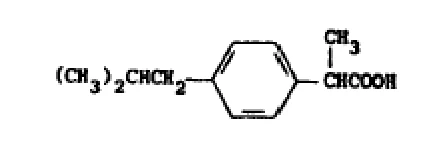
Physicochemical properties: White, powder/crystals. Practically insoluble in water. Soluble- 1 in 1.5 of alcohol, 1 in 1 of chloroform, 1 in 2 of ether, and 1 in 1.5 of acetone. Also soluble in aqueous solution of alkali hydroxides and carbonates. Melting point 75 - 78 °C
Proper name: Pseudoephedrine Hydrochloride (the dextro isomer of ephedrine hydrochloride)
Chemical name: (+)-pseudoephedrine hydrochloride
{S-(R*, R*)}-
- -{1-(methylamino)ethyl}benzenemethanol hydrochloride
Molecular formula and molecular mass: M.W. 201.70
Structural formula:
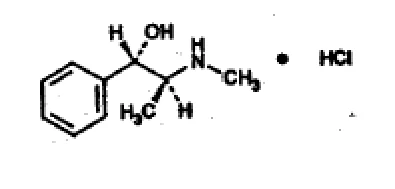
Physicochemical properties: White powder/crystals. Soluble in water, alcohol. Slightly soluble in chloroform. pH 4.6-6.0 (1 in 20 solution). Melting Point 182-186 °C
14 CLINICAL TRIALS
14.1 Efficacy and Safety Studies
Ibuprofen
There is considerable evidence in the world literature documenting the efficacy of 200 to 400 mg doses of ibuprofen in the treatment of mild to moderate pain in a broad range of pain models, including headache, post-operative dental pain, dysmenorrhea and muscular aches. Clinical trials evaluating the analgesic efficacy of ibuprofen clearly demonstrate that ibuprofen is a more effective analgesic than acetylsalicylic acid or acetaminophen (650 or 1000 mg). Several studies have observed a plateau of analgesia at the 500 mg dose, concluding that higher anti-inflammatory doses afford no additional analgesia. The antipyretic efficacy of ibuprofen was more effective than 300 mg of APAP at 6 and 8 hours after drug administration and had a longer duration of action. In adults, 200 mg of ibuprofen was more effective than 300 mg of acetylsalicylic acid.
Following a single 200 mg dose of ibuprofen in humans, therapeutic blood levels were demonstrable in 45 minutes and still present at six hours but at barely detectable levels. Peak levels occurred approximately one hour after ingestion. Levels were lower when taken in conjunction with food.
There is no evidence of a differential metabolism of elimination of ibuprofen in the elderly. A pharmacokinetic evaluation of ibuprofen in ten geriatric subjects compared with young adult subjects was conducted specifically to re-examine ibuprofen in the light of adverse experiences with other NSAIDs with longer half-lives; there were no clinically significant differences in the kinetic profiles of ibuprofen for these age groups. Furthermore, there was no statistically significant difference between the two populations in the urinary excretion pattern of the drug and its major metabolites. The pharmacokinetics of ibuprofen have also been evaluated in children, in whom the metabolism has been shown to be similar to that reported for adults with an elimination half-life of approximately two hours. On multiple dosing, no accumulation of the drug was noted. Thus, ibuprofen appears to exhibit a similar pharmacokinetic profile in all age groups examined.
Further evidence of the tolerance of ibuprofen in the elderly was obtained by a long-term, open, multicentre trial conducted in the United Kingdom on 744 patients with rheumatoid arthritis, osteoarthritis or an allied arthritic condition.
For the purpose of comparing the outcome of geriatric patients with that of younger patients, the group was divided into those adults under 60 years (518 patients) and adults 60 years or older (226 patients). Ibuprofen doses ranged from 200-2,000 mg per day. Approximately one-third received 600 mg, one-third 800 mg and one-third 1200 mg per day. These doses were administered from 3 to 66 months (75% received ibuprofen for at least 3 months, roughly 50% were in the trial for 6 months and 25% of the patients continued treatment for at least one year). There was no significant difference in the incidence of side effects reported by the two age groups. From this data, it can be concluded that ibuprofen is well tolerated in the elderly.
Pseudoephedrine
See CLINICAL PHARMACOLOGY.
The onset of action of nasal decongestant effects is within 30 minutes and is reported to last at least 4 hours.
14.2 Study Results
DETAILED PHARMACOLOGY
Human Pharmacology - Ibuprofen
Two metabolites of ibuprofen were isolated from the urine of patients who had been treated for one month with the drug. The metabolites were identified as 2-4'(2-hydroxy-2-methylpropyl) phenylpropionic acid (metabolite A) and 2-4'(2-carboxypropyl) phenylpropionic acid (metabolite B). About 1/3 of the dose was excreted in the urine of patients as Metabolite B, 1/10 as unchanged ibuprofen and 1/10 as Metabolite A. The remainder of the dose could not be identified in the urine.
Effect of Ibuprofen on Platelet Aggregation, Bleeding and Clotting Times in Normal Volunteers
Platelet aggregation studies using the method of Sekhar were performed. Platelet aggregation fell significantly at a dosage of 1800 mg per day of ibuprofen when given over a period of 28 days.
Ibuprofen was also found to influence ADP induced aggregation to a lesser extent than that influenced by collagen. Platelet aggregation induced by recalcification of citrated platelet-rich plasma (a thrombin induced reaction) was not influenced by ibuprofen treatment. Likewise, ibuprofen did not affect whole blood clotting time recalcification or prothrombin time. Bleeding time performed two hours after the administration of ibuprofen showed a significant dose related increase.
Effect of Ibuprofen on Acetylsalicylic Acid Induced Gastrointestinal Bleeding
A small group of patients demonstrating ASA acid-induced gastrointestinal bleeding were switched directly to ibuprofen. Bleeding induced by ASA was neither prolonged nor aggravated while patients were on ibuprofen therapy.
Gastrointestinal Blood Loss Study
There was no increase in gastrointestinal blood loss as measured by Cr51-labelled red blood cells in healthy volunteers receiving up to 1800 mg of ibuprofen per day for three weeks.
A number of studies comparing ASA and ibuprofen have been conducted over a wide range of doses and dosage schedules and in all cases, losses due to ibuprofen have been similar to normal daily blood loss and less than that produced by ASA.
An analysis of approximately 19,000 patients receiving analgesic/antiinflammatory agents in controlled trials showed that gastrointestinal upset was one of the more frequently encountered side effects with this type of therapy. The incidence of serious gastrointestinal reactions (severe epigastric pain, peptic ulcer, hematemesis, fecal blood loss) with ASA was 1 in 40 patients, with ibuprofen the incidence was 1 in 700 patients.
The gastric tolerance of ibuprofen was also well established by a special study in which the drug was specifically given to patients with a history of severe gastrointestinal intolerance to other NSAIDs. Ibuprofen was well tolerated in 39 to 45 patients for periods of up to two years.
Data from a retrospective study carried out in the United States provides substantial evidence that ibuprofen use in 1,957 people under 65 years of age was responsible for few, if any, hospitalizations for major gastrointestinal side effects. This is particularly relevant in view of the fact that ibuprofen was being preferentially prescribed for patients with chronic upper gastrointestinal problems.
A follow-up study of 13,230 ibuprofen users under the age of 65 years was conducted where hospitalizations that occurred within 3 months after a prescription of ibuprofen were reviewed. In this population, there were only 3 cases where peptic ulcer or upper gastrointestinal bleeding was documented for the first time. Although an etiological connection with ibuprofen was not confirmed, even 3 cases in a cohort of over 13,000 established an extremely low frequency for such effects.
There is no direct evidence that ibuprofen has produced peptic ulceration but possible exacerbation of pre-existing lesions may occur occasionally.
Human Pharmacology – Pseudoephedrine
See CLINICAL PHARMACOLOGY.
Pseudoephedrine acts directly on α-adrenergic receptors in the mucosa of the respiratory tract producing vasoconstriction which results in shrinkage of swollen nasal mucous membranes, reduction of tissue hyperemia, edema, and nasal congestion, and an increase in nasal airway patency. Drainage of sinus secretions is increased and obstructed eustachian ostia may be opened.
Pseudoephedrine may relax bronchial smooth muscle by stimulation of β2-adrenergic receptors; however, substantial bronchodilation has not been demonstrated consistently following oral administration of the drug.
Oral administration of usual doses of pseudoephedrine to normotensive patients usually produces a negligible effect on blood pressure. Pseudoephedrine may increase the irritability of the heart muscle and may alter the rhythmic function of the ventricles, especially in large doses or after administration to patients such as those with cardiac disease who are hypersensitive to the myocardial effects of sympathomimetic drugs. Tachycardia, palpitation, and/or multifocal premature ventricular contractions may occur.
Pseudoephedrine may cause mild CNS stimulation, especially in patients who are sensitive to the effects of sympathomimetic drugs.
Animal Pharmacology
Ibuprofen: After single oral doses of 20 to 150 mg/kg of C14-labelled drug in rats, the peak plasma level occurred at or before the earliest time examined (20 minutes in the 20 mg/kg group and 45 minutes in the 150 mg/kg group) and peak levels occurred with 45 minutes of dosing in nearly all tissues examined. The concentration in plasma and tissue decreased to very low levels by six hours after the 20 mg/kg dose and by 17 hours after the 150 mg/kg dose. Sixteen to 38% of the daily dose of ibuprofen was excreted in the urine and 38 to 70% was excreted in the feces in dogs given 8 mg/kg twice daily for 14 days.
A similar dose was given to dogs for periods of up to six months with no evidence of accumulation of the drug or its metabolites.
Effect on Blood Coagulability in Animals
Platelet aggregation and thrombus formation were studied using a revolving plastic loop and freshly obtained citrated blood from Spartan rats. Ibuprofen was inactive when tested in vitro. A single subcutaneous dose of 10 mg/kg or three successive oral doses of 20 mg/kg per day of ibuprofen in rats did not produce any effect on the platelet aggregation parameters of prothrombin time.
Cardiovascular
Pseudoephedrine is a vasopressor with a potency in dogs of approximately one fifth that of ephedrine, with more pronounced tachyphylaxis. The positive inotropic and chronotropic effects of pseudoephedrine in dogs are less than those of ephedrine.
Pressor responses, as well as increased heart rate, induced by pseudoephedrine in anesthetized dogs are reduced by reserpinization.
Pseudoephedrine constricts all systemic blood vessels in dogs with the exception of the vertebral and renal vessels; the latter blood vessels are dilated by pseudoephedrine.
Bronchodilation
The bronchodilating potencies of pseudoephedrine and ephedrine in anesthetized dogs are approximately equal, but pseudoephedrine produces a greater degree of nasal decongestion with less cardiovascular involvement than ephedrine.
Central Nervous System
Doses as high as 200 mg/kg (i.p.) do not increase locomotor activity in mice, but do reduce wheel-revolving activity. Rectal temperature is decreased by 50 mg/kg doses of pseudoephedrine, whereas 200 mg/kg, temperature is first decreased and subsequently increased. Pseudoephedrine does not alter pentobarbital sleep-time. The effects of pseudoephedrine on the central nervous system are clearly weaker than those of ephedrine, and may involve different mechanisms.
14.3 Comparative Bioavailability Studies
A clinical study has shown that SUDAFED® SINUS ADVANCE and Advil Cold & Sinus are bioequivalent based on the pharmacokinetic parameters for ibuprofen and pseudoephedrine, as summarized in the following tables.
Summary Tables of the Comparative Bioavailability Data of SUDAFED® SINUS ADVANCE
(2 x 200 mg ibuprofen/30 mg pseudoephedrine hydrochloride) - From measured data
Geometric mean
Arithmetic Mean (CV%)
| Ibuprofen | ||||
| Ibuprofen | ||||
| Parameter | SUDAFED® SINUS ADVANCE | Advil Cold & Sinus* | % Ratio of Geometric Means | Confidence Interval |
| Parameter | SUDAFED® SINUS ADVANCE | Advil Cold & Sinus* | % Ratio of Geometric Means | Confidence Interval |
AUCT (ng⋅hr/ml) | 1116440 113032 (16%) | 109522 110604 (15%) | 102 | |
AUCI (ng⋅hr/ml) | 112101 113417 (16%) | 111618 112826 (15%) | 100 | |
CMAX (ng/ml) | 35466 36088 (19%) | 30155 30761 (20%) | 118 | |
| TMAX** (h) | 1.24 (73%) | 1.64 (64%) | Not applicable | Not applicable |
| T½ ** (h) | 1.83 (7%) | 1.84 (9%) | Not applicable | Not applicable |
| Pseudoephedrine Hydrochloride | ||||
| Parameter | SUDAFED® SINUS ADVANCE | Advil Cold & Sinus* | % Ratio of Geometric Means | Confidence Interval |
AUCT (ng⋅hr/ml) | 2084 2123.2 (19%) | 2019.6 2088.7 (26%) | 103 | |
AUCI (ng⋅hr/ml) | 2254.4 2298.1 (20%) | 2187.2 2265.1 (27%) | 103 | |
CMAX (ng/ml) | 199.52 201.72 (15%) | 200.15 203.12 (17%) | 100 | |
| TMAX ** (h) | 2.31 (41%) | 2.25 (39%) | Not applicable | Not applicable |
| T½ ** (h) | 5.76 (15%) | 5.77 (21%) | Not applicable | Not applicable |
* Manufactured by Whitehall Robins, Mississauga, Ontario; Origin: Canada
** Expressed as arithmetic means (CV%)
15 MICROBIOLOGY
No microbiological information is required for this drug product
16 NON-CLINICAL TOXICOLOGY
General Toxicology:
Ibuprofen
Acute Animal Toxicity
The LD50 values for ibuprofen, expressed as mg/kg of weight are as follows:
Mouse:
Oral 800 mg/kg
Intraperitoneal 320 mg/kg
Rat:
Oral 1600 mg/kg
Intraperitoneal 1300 mg/kg
Dogs given single oral doses of 125 mg/kg, 200 mg/kg, 320 mg/kg and above had gastric damage, fecal blood loss and transient albuminuria, while doses of 20 and 50 mg/kg produced no adverse effects. At all three high dose levels albuminuria subsided within 48 hours. Fecal blood loss was detected 28 hours after the 125 mg/kg dose, but not again, and after the 200 and 320 mg/kg doses, it was noted occasionally throughout the seven day observation period.
90-Day Oral Toxicity in Mice
Four groups of mice were given 0, 19, 75 and 300 mg/kg daily of ibuprofen for 90 days. There was an increase in liver weight in the high dosage group, but no liver enlargement in the two lower dose or control groups. There were no histological changes in the liver or significant changes in the plasma GPT activity, suggesting that the drug is not hepatotoxic. The kidneys were not affected at any dose level.
Six Month Oral Toxicity in Rats
Newly weaned rats were given 0, 7.5, 60 and 180 mg/kg daily of ibuprofen for six months. One group given 540 mg/kg per day for four days demonstrated a high incidence of ulcerogenic activity and this dose was dropped from the study. The 180 mg/kg group demonstrated ulcerogenic activity, anemia and slight inhibition of growth. Enlargement of the kidneys and liver, without histological changes, may reflect functional hypertrophy as these are the organs most closely involved in the metabolism and excretion of the drug. Daily doses of 20 and 60 mg/kg were not ulcerogenic, but did cause small changes in organ weight. A dose of 7.5 mg/kg per day showed no adverse effect.
Six Month Oral Toxicity in Dogs
Ibuprofen in a dose of 8 and 16 mg/kg daily, orally in dogs caused gastric or intestinal ulceration. Intestinal ulceration is a species-specific reaction to drugs of this type, including ASA, indomethacin, and others. Ibuprofen had no ill effects at daily doses of 2 and 4 mg/kg/day. No other effects were noted at either the high or low dose.
One-Year Oral Toxicity in Rats
Groups of ten male and female rats were given doses of 0, 25, 50 and 100 mg/kg/day of ibuprofen for one year. Three animals at the 100 mg/kg/day dose level showed gastrointestinal ulceration. Otherwise, under the condition of this experiment, ibuprofen did not demonstrate toxicity.
One-Year Oral Toxicity in Rhesus Monkeys
Eighteen Rhesus monkeys, divided into three groups of six (three males and three females) were given 20, 50 and 80 mg/kg of ibuprofen daily, six days a week for 12 months. A fourth group of three males and three female was given vehicle only. Other than variations in body weight gains and increased kidney and liver weights in the 80 mg/kg/day dosage groups, there were no significant abnormalities seen in these animals.
Effect of Ibuprofen on Induced Infections in Mice
Because other anti-inflammatory agents, particularly steroids, are known to mask signs of active infections or to activate latent infections, this matter was explored with reference to ibuprofen. At a dosage of 100 mg/kg/day in mice, ibuprofen did not cause an exacerbation of non-lethal E. coli infection, whereas cortisone acetate, at doses of 50, 150 and 200 mg/kg, did cause the infection to become fulminating.
Three-Month Oral Toxicity of Ibuprofen in Combination with Gold Sodium Thiomalate in Rhesus Monkeys
When Rhesus monkeys were treated with gold thiomalate, 1 or 5 mg/kg per week, intramuscularly, plus ibuprofen 80 mg/kg/day, orally, six days a week, the combination was generally well tolerated. There was an increase in the total serum protein and serum calcium levels in the groups receiving the combination of the two drugs. The biological significance of these findings is questionable.
Carcinogenicity:
Two-Year Carcinogenesis Study in Rats
Thirty male and thirty female rats were given 180 mg/kg/day of ibuprofen orally for 55 weeks and 60 mg/kg/day for the next 60 weeks. The only specific pathological effect observed was intestinal ulceration. There was no evidence of tumour induction and it is concluded that ibuprofen is not carcinogenic in the rat.
Reproductive and Developmental Toxicology:
Teratology Study in Rabbits
New Zealand white rabbits were given 0, 7.5, 20 and 60 mg/kg/daily of ibuprofen from day 1 to day 29 of pregnancy and no evidence of drug-induced teratogenic activity was noted. One litter from the 60 mg/kg group consisted of six fetuses, four of which had multiple malformations, characteristic of cyclopia. This rare malformation has been recorded as occurring spontaneously in most species, including the rabbit. Other abnormalities noted in treated rabbits were two cases of a missing small lobe of the lung at the 60 mg/kg dose level, one case of unilateral microphthalmia and one case of gallbladder aplasia at the 20 mg/kg dose level and one case of unilateral microphthalmia at the 7.5 mg/kg dose level. Similar abnormalities appeared in the control group.
Teratology Study in Rats
Newly mated female albino rats were given ibuprofen in doses of 0, 7.5, 20, 60 and 180 mg/kg/day from day 1 to day 20 of pregnancy and no evidence of drug-induced teratogenic activity was noted.
There were no malformations in the 180 mg/kg group. One fetus in the 60 mg/kg group had abnormalities associated with a placental disorder. In the 20 mg/kg level, two fetuses had a short thirteenth rib on one side and one had a slightly irregular calcification of the sternebrae. At the 7.5 mg/kg dose level, one small fetus had mild hydrocephalus.
Penetration of Ibuprofen into the Rabbit and Rat Fetus
Rabbits and rats in late pregnancy were given single oral doses of 60 and 20 mg/kg respectively of C14-labelled ibuprofen. Rabbits were killed three hours after dosing and rats killed 1.5 hours after dosing when maternal and fetal blood was collected. Similar concentrations of radioactive ibuprofen were detected in both the mother and fetus, indicating that the drug and its metabolites readily crossed the placenta barrier into the fetal circulation.
Pseudoephedrine Hydrochloride
Mice injected with toxic doses of pseudoephedrine manifest increased motor activity, penile erection, mydriasis, and eventually die in respiratory exhaustion. The intravenous LD50 in mice is approximately 90 mg/kg.
The approximate oral LD 50 values for several species are 726 mg/kg (mouse), 2,206 mg/kg (rat), 1,117 mg/kg (rabbit), 105 mg/kg (beagle dog) and 307 mg/kg (mongrel dog). Toxic effects in these species include decreased respiratory activity, salivation and lacrimation, loss of pupillary reflex reaction to light, tremor, convulsions and cardiac arrhythmias.
Ibuprofen and Pseudoephedrine Hydrochloride
The oral toxicity of combinations of ibuprofen and pseudoephedrine were evaluated in mice and rats. The LD50s derived from these studies are listed below. From these values, it was concluded that the combinations tested have a relatively low order of toxicity.
| Combination | Rats | Mice |
| Ibuprofen 200 mg pseudoephedrine 30 mg | 1.4 (1.4-1.5) | 2.4 (1.7-3.4) |
| Ibuprofen 400 mg pseudoephedrine 60 mg | 1.4 (1.3-1.6) | 1.2 (0.42-2.9) |
| Ibuprofen 200 mg | 0.85 (0.68-1.06) | 1.8 (1.3-2.5) |
A study was conducted to evaluate the potential toxic and teratogenic effects of the combination product and its individual components, ibuprofen and pseudoephedrine HCl when administered orally to pregnant rats during the period of major organogenesis. Three groups of 25 mated female rats were each administered the fixed combination of dosage levels of 11.5, 34.5 and 115 mg/kg/day. Two additional groups, composed of identical numbers of animals were dosed with the individual components, (ibuprofen and pseudoephedrine) at levels of 100 and 15 mg/dg/day, respectively. The control group received the vehicle, 1% aqueous methylcellulose. The animals were treated for 10 consecutive days from gestation day 6 through 15. During the study, the animals were observed daily for occurrence of changes in external appearance and behaviour. Body weight and food intake were measured on gestation days 0, 6, 9, 12, 16 and 20. Caesarean sections were performed on gestation day 20. The fetuses were weighed and examined for external visceral, skeletal development malformations and variations.
Neither the combination drug product, nor its components, ibuprofen and pseudoephedrine HCl, affected maternal survival at dosage levels employed in this study. Mean maternal body weight gains and food consumption were reduced during the treatment period in the high dose combination (115 mg/kg/day) and ibuprofen (100 mg/kg/day) groups when compared with the control group. Increased incidence of enlarged mesenteric lymph nodes was observed in the high-dose combination (115 mg/kg/day), ibuprofen (100 mg/kg/day) and pseudoephedrine (15 mg/kg/day) groups when compared to the control group. The biological significance of this finding is unknown.
Mean numbers of viable and dead fetuses, early and late resorption, as well as mean fetal weights were comparable between the control and all treated groups. The occurrence of developmental malformations and variations were similar among the control and the treated animals.
No clinical sign of maternal or fetal toxicity having teratogenic effects were observed at the dosage levels selected for this study.