


Product Monograph - Teva-Betamethasone/ Calcipotriol
SUMMARY PRODUCT INFORMATION
Route of Administration | Dosage Form / Strength | Clinically Relevant Nonmedicinal Ingredients |
| topical | Ointment, 0.5 mg/g betamethasone (as dipropionate) and 50 mcg/g calcipotriol | none For a complete listing see Dosage Forms, Composition and Packaging section. |
INDICATIONS AND CLINICAL USE
TEVA-BETAMETHASONE/CALCIPOTRIOL (betamethasone dipropionate and calcipotriol) ointment is indicated for the topical treatment of psoriasis vulgaris for up to 4 weeks.
TEVA-BETAMETHASONE/CALCIPOTRIOL should not be used on the face (see WARNINGS AND PRECAUTIONS, Skin).
Geriatrics: (>65 years): Safety and effectiveness of TEVA-BETAMETHASONE/CALCIPOTRIOL in geriatric patients over 65 years of age have not been established.
Pediatrics: (<18 years of age): Safety and effectiveness of TEVA-BETAMETHASONE/CALCIPOTRIOL in pediatric patients less than 18 years of age have not been established. TEVA-BETAMETHASONE/CALCIPOTRIOL is not recommended for children under 18 years of age.
CONTRAINDICATIONS
- Patients who are hypersensitive to TEVA-BETAMETHASONE/CALCIPOTRIOL (betamethasone dipropionate and calcipotriol) ointment, to any ingredient in the formulation or to components of the tube (see DOSAGE FORMS, COMPOSITION AND PACKAGING)
- Patients who are hypersensitive to other corticosteroids.
- Ophthalmic use
- Patients with known disorders of calcium metabolism
- Viral (e.g. herpes or varicella) lesions of the skin, fungal or bacterial skin infections, parasitic infections, skin manifestations in relation to tuberculosis or syphilis
- Perioral dermatitis, atrophic skin, striae atrophicae, fragility of skin veins, ichtyosis, acne vulgaris, acne rosacea, rosacea, ulcers and wounds, chicken pox, and eruptions following vaccinations
- Erythrodermic, exfoliative and pustular psoriasis
WARNINGS AND PRECAUTIONS
General
Due to the content of calcipotriol, hypercalcaemia may occur if the maximum daily dose is exceeded. Serum calcium is normalised when treatment is discontinued. (See DOSAGE AND ADMINISTRATION and MONITORING AND LABORATORY TESTS).
TEVA-BETAMETHASONE/CALCIPOTRIOL should not be used on the face, axillae, flexures, groin, or genitals (see WARNINGS AND PRECAUTIONS, Skin). Application on large areas of damaged skin, under occlusive dressing, or in skin folds should be avoided (see WARNINGS AND PRECAUTIONS, Endocrine and Metabolism).
Patients should be advised to inform current and subsequent physicians of the prior use of corticosteroids.
Hypercalcemia, hypercalciuria and hypothalamic-pituitary-adrenal (HPA) axis suppression has been observed with the use of betamethasone dipropionate and calcipotriol ointment (see WARNINGS AND PRECAUTIONS/Endocrine and Metabolism).
Carcinogenesis and Mutagenesis
Calcipotriol when used in combination with ultraviolet radiation (UVR) may enhance the known skin carcinogenic effect of UVR. This potential risk is based on the pre-clinical finding in mice of a reduced time to tumour formation from long term exposure of UVR and topically applied calcipotriol (see TOXICOLOGY/Carcinogenicity).
Patients who apply TEVA-BETAMETHASONE/CALCIPOTRIOL ointment to exposed skin should avoid excessive exposure to both natural and artificial sunlight (e.g. phototherapy, tanning beds, sun lamps, etc.) (see DRUG INTERACTIONS). Treated skin areas should be protected from sunlight and UV light (using physical coverings and/or sunscreens).
Cardiovascular
Suitable precautions should be taken when using TEVA-BETAMETHASONE/CALCIPOTRIOL in patients with stasis dermatitis and other skin diseases associated with impaired circulation.
Use of TEVA-BETAMETHASONE/CALCIPOTRIOL around chronic leg ulcers may be associated with a higher occurrence of local hypersensitivity reactions and an increased risk of local infection.
Endocrine and Metabolism
TEVA-BETAMETHASONE/CALCIPOTRIOL contains a potent group III steroid and concurrent treatment with other steroids must be avoided.
Systemic absorption of topical corticosteroids can produce reversible hypothalamic-pituitary-adrenal (HPA) axis suppression with the potential for clinical glucocorticoid insufficiency. This may occur during treatment or upon withdrawal of the topical corticosteroid.
Factors that predispose a patient using a topical corticosteroid to HPA axis suppression include the use of more potent steroids, use over large surface areas, use over prolonged periods, use under occlusion, use on an altered skin barrier, and use in patients with liver failure.
Application of topical corticosteroid products including TEVA-BETAMETHASONE/CALCIPOTRIOL ointment on large areas of broken skin (i.e. open sores), on mucous membranes, in skin folds or under occlusive dressings should therefore be avoided. The use of occlusion may increase penetration of the drug into the stratum corneum, increasing the risk of adverse events. Manifestations of Cushing’s syndrome, effects on the metabolic control of diabetes mellitus (e.g. hyperglycaemia glucosuria) and unmasking of latent diabetes mellitus can also be produced in some patients by systemic absorption of topical corticosteroids. Occlusive dressings should not be applied if body temperature is elevated.
Because of the potential for systemic absorption, use of topical corticosteroids may require that patients be periodically evaluated for HPA axis suppression. An ACTH stimulation test may be helpful in evaluating patients for HPA axis suppression (see WARNINGS AND PRECAUTIONS/Monitoring and Laboratory Tests).
Hypercalcemia and hypercalciuria have been observed with the use of betamethasone dipropionate and calcipotriol ointment. If hypercalemia or hypercalciuria develop, treatment should be discontinued until parameters of calcium metabolism have normalized (see WARNINGS AND PRECAUTIONS/Monitoring and Laboratory).
All of the adverse effects associated with systemic use of corticosteroids, including adrenal suppression, may also occur following topical administration of corticosteroid containing products such as TEVA-BETAMETHASONE/CALCIPOTRIOL, especially in children (See Special Populations, Pediatrics).
When treating psoriasis with TEVA-BETAMETHASONE/CALCIPOTRIOL, there may be a risk of generalised pustular psoriasis or of rebound effects when discontinuing treatment. Medical supervision should therefore continue in the post-treatment period.
Immune
TEVA-BETAMETHASONE/CALCIPOTRIOL may increase the risk of infection including aggravation of cutaneous infection, masked infection, and secondary infections.
If lesions become secondarily infected, they should be treated with antimicrobiological therapy. However, if infection worsens, treatment with TEVA-BETAMETHASONE/CALCIPOTRIOL should be stopped.
Opthalmologic
TEVA-BETAMETHASONE/CALCIPOTRIOL ointment is not for ophthalmic use. TEVA-BETAMETHASONE/CALCIPOTRIOL ointment may cause eye irritation. Avoid contact with the eyes or conjunctiva.
Sensitivity
If hypersensitivity reactions occur, TEVA-BETAMETHASONE/CALCIPOTRIOL should be discontinued and appropriate therapy should be initiated.
Skin
TEVA-BETAMETHASONE/CALCIPOTRIOL ointment contains a potent World Health Organization (WHO) group III steroid and concurrent treatment with other corticosteroids on the same treatment area must be avoided.
TEVA-BETAMETHASONE/CALCIPOTRIOL ointment should not be used on the face, axillae, flexures, groin or genitals. TEVA-BETAMETHASONE/CALCIPOTRIOL ointment may give rise to itching and erythema of the facial skin. The patient must be instructed in the correct use of TEVA-BETAMETHASONE/CALCIPOTRIOL ointment (e.g. washing their hands after each application) to avoid accidental transfer or application to these regions or to the mouth, mucous membranes or eyes (see DOSAGE AND ADMINISTRATION). Should facial dermatitis develop, in spite of these precautions, treatment with TEVA-BETAMETHASONE/CALCIPOTRIOL ointment should be discontinued.
With long-term use, there is an increased risk of local and systemic corticosteroid adverse reactions. Treatment should be discontinued in case of corticosteroid adverse reactions related to long-term use of TEVA-BETAMETHASONE/CALCIPOTRIOL ointment (see ADVERSE REACTIONS).
When treating psoriasis with topical corticosteroid containing products, including TEVA-BETAMETHASONE/CALCIPOTRIOL ointment for a prolonged period of time, it is recommended that treatment be interrupted periodically. There may be a risk of generalised pustular psoriasis or rebound psoriasis when discontinuing corticosteroids (see ADVERSE REACTIONS). Medical supervision should therefore continue in the post-treatment period.
Concomitant skin infections should be treated with an appropriate antimicrobial agent. If the infection worsens, TEVA-BETAMETHASONE/CALCIPOTRIOL ointment should be discontinued until the infection has been adequately treated. TEVA-BETAMETHASONE/CALCIPOTRIOL may produce striae or atrophy of the skin or subcutaneous tissues. If skin atrophy occurs, discontinue treatment. TEVA-BETAMETHASONE/CALCIPOTRIOL should not be used on lesions of the groin and axillae as these areas are more prone to atrophic changes than other areas of the body.
Special Populations
Pregnant Women: The safety of calcipotriol and/or topical corticosteroids for use during pregnancy has not been established. Although studies in experimental animals have not shown teratogenic effects with calcipotriol, studies with corticosteroids have shown teratogenic effects .
The use of TEVA-BETAMETHASONE/CALCIPOTRIOL is not recommended in pregnant women.
Nursing Women: The safety of calcipotriol and/or topical corticosteroids for use in nursing women has not been established. It is not known whether calcipotriol can be excreted in breast milk. Betamethasone passes into breast milk, but it is not known if topical application of corticosteroid containing products, including TEVA-BETAMETHASONE/CALCIPOTRIOL can lead to sufficient systemic absorption to produce detectable quantities in breast milk. The use of TEVA-BETAMETHASONE/CALCIPOTRIOL is not recommended in nursing women, including use on the breast.
Geriatrics (>65 years of age): The safety of TEVA-BETAMETHASONE/CALCIPOTRIOL has not been studied in geriatric patients.
Geriatric patients may be more susceptible to percutaneous absorption and the potential effects of systemic absorption. In general, topical corticosteroids should be used cautiously in elderly patients, reflecting their increased skin fragility and greater frequency of hepatic, renal, or cardiac dysfunction, and of concomitant disease or other drug therapy. The greater frequency of decreased hepatic or renal function in the elderly may delay elimination if systemic absorption occurs.
Pediatrics (<18 years of age): There is no clinical trial experience with the use of TEVA-BETAMETHASONE/CALCIPOTRIOL in children. Children may demonstrate greater susceptibility to systemic steroid related adverse effects due to a larger skin surface area to body weight ratio as compared to adults. TEVA-BETAMETHASONE/CALCIPOTRIOL is not recommended for children under 18 years of age.
Patients with renal/hepatic impairment: The safety of TEVA-BETAMETHASONE/CALCIPOTRIOL has not been studied in patients with renal or hepatic impairment.
In case of systemic absorption, metabolism and elimination may be delayed leading to increased risk of systemic toxicity.
There are no adequate and well controlled studies of TEVA-BETAMETHASONE/CALCIPOTRIOL in patients with renal or hepatic impairment. For patients with renal or hepatic impairment, the minimum quantity should be used for the minimum duration (see DOSAGE AND ADMINISTRATION).
Monitoring and Laboratory Tests
In patients at risk for hypercalcaemia it is recommended that baseline serum calcium levels be obtained before starting treatment with subsequent monitoring of serum calcium levels at suitable intervals. If serum calcium becomes elevated, TEVA-BETAMETHASONE/CALCIPOTRIOL administration should be discontinued and serum calcium levels should be measured once weekly until they return to normal. Patients with marginally elevated serum calcium may be treated with TEVA-BETAMETHASONE/CALCIPOTRIOL, provided that serum calcium is monitored at suitable intervals.
The ACTHstimulation test may be helpful in evaluating patients for HPA axis suppression. If HPA axis suppression is documented, an attempt should be made to gradually withdraw the drug, reduce the frequency of application, or substitute a less potent steroid. Manifestations of adrenal insufficiency may require supplemental systemic corticosteroids. Recovery of HPA Axis function is generally prompt and complete upon discontinuation of topical corticosteroids (see Endocrine and Metabolism and, ACTION AND CLINICAL PHARMACOLOGY).
ADVERSE REACTIONS
Clinical Trial Adverse Drug Reactions
Because clinical trials are conducted under very specific conditions the adverse reaction rates observed in the clinical trials may not reflect the rates observed in practice and should not be compared to the rates in the clinical trials of another drug. Adverse drug reaction information from clinical trials is useful for identifying drug-related adverse events and for approximating rates.
In clinical trials, the most common adverse reaction associated with betamethasone dipropionate and calcipotriol was pruritus. Pruritus was usually mild and no patients were withdrawn from treatment.
Calcipotriol is associated with local reactions such as transient lesional and perilesional irritation. Rare cases of hypersensitivity reaction have been reported. Hypercalcemia can develop but is usually related to excessive administration (i.e. greater than the recommended weekly amount of 100 g ointment or 5 mg calcipotriol - See DOSAGE AND ADMINISTRATION).
Topical corticosteroids can cause the same spectrum of adverse effects associated with systemic steroid administration, including adrenal suppression, cushinoid features (e.g. moon face, central obesity), increased weight/obesity, delayed weight gain/growth retardation in children, decreased endogenous cortisol levels, hyperglycemia/glucosuria, hypertension, osteoporosis, steroid withdrawal syndrome, cataracts, glaucoma.
In a randomized, double-blind, parallel group, safety study of psoriasis patients with at least moderate disease severity, betamethasone dipropionate and calcipotriol ointment was used intermittently on an 'as needed' basis under medical supervision (N=207). Patients were followed for up to 52 weeks. The median amount of study drug used was 15.4 g/week. The effects of betamethasone dipropionate and calcipotriol ointment on calcium metabolism were not studied and the effects on adrenal suppression were not adequately studied. The following adverse drug reactions were reported in 1% or more of patients: pruritus (5.8%), psoriasis (5.3%), skin atrophy (based on a dermatologist’s visual assessment) (1.9%), folliculitis (1.9%), skin burning sensation (1.4%), application site skin depigmentation (1.4%), and erythema (1.0%). One case of serious flare-up of psoriasis was reported.
Other Adverse Drug Reactions
Adverse reactions observed for the individual drug substances betamethasone dipropionate and calcipotriol are described below.
Betamethasone dipropionate
Local reactions can occur after topical use especially during prolonged application. These include dryness, itching, burning, local irritation, atrophy of the skin or subcutaneous tissues, telangiectasia, striae, folliculitis, skin hyperpigmentation, hypertrichosis, perioral dermatitis, allergic contact dermatitis, depigmentation, colloid milia, miliaria, maceration of the skin and secondary infection. If applied to the face, acne rosacea or perioral dermatitis can occur. When treating psoriasis with topical corticosteroids and following reduction or discontinuation of treatment, there are reports of the development of pustular psoriasis from chronic plaque psoriasis.
Systemic reactions due to topical use of corticosteroid containing products, including betamethasone dipropionate and calcipotriol ointment in adults occur infrequently but can be severe. Adrenocortical suppression, cataract, infections, impact on the metabolic control of diabetes mellitus and increase of intra-ocular pressure can occur, especially after long-term treatment. Application of betamethasone dipropionate and calcipotriol ointment under occlusion, on large areas or for prolonged treatment periods may result in an increased risk of systemic adverse events, and is therefore not recommended (see WARNINGS AND PRECAUTIONS).
Calcipotriol
Adverse reactions include application site reactions, pruritus, skin irritation, burning and stinging sensation, dry skin, erythema, rash, dermatitis, eczema, aggravated psoriasis, photosensitivity and hypersensitivity reactions including very rare cases of angioedema and facial oedema. Very rare cases of hypercalcaemia or hypercalciuria have been reported (see WARNINGS AND PRECAUTIONS).
DRUG INTERACTIONS
Overview
No clinical trials were specifically designed to assess potential drug-drug, drug-food, drug-herb, or drug-laboratory interactions with TEVA-BETAMETHASONE/CALCIPOTRIOL.
Co-administered drugs that can inhibit CYP3A4 (e.g., ritonavir, itraconazole) have been shown to inhibit the metabolism of corticosteroids leading to increased systemic exposure. The extent to which this interaction is clinically relevant depends on the dose and route of administration of the corticosteroids and the potency of the CYP3A4 inhibitor.
TEVA-BETAMETHASONE/CALCIPOTRIOL, when used in combination with ultraviolet radiation (UVR), may enhance the known skin carcinogenic effect of UVR (see TOXICOLOGY, Carcinogenicity). TEVA- BETAMETHASONE/CALCIPOTRIOL should only be used with UV radiation therapy if the potential benefits outweigh the potential risks (see WARNINGS AND PRECAUTIONS, CARCINOGENSIS).
Drug-Drug Interactions
No drug interaction studies have been performed with TEVA-BETAMETHASONE/CALCIPOTRIOL.
DOSAGE AND ADMINISTRATION
Recommended Dose and Dosage Adjustment
The affected area should be clean and dry. TEVA-BETAMETHASONE/CALCIPOTRIOL should be applied topically to the affected areas once daily for up to 4 weeks. After satisfactory improvement has occurred, the drug can be discontinued. If recurrence takes place after discontinuation, treatment may be reinstituted.
The maximum daily dose should not exceed 15 g and the maximum weekly dose should not exceed 100 g of TEVA-BETAMETHASONE/CALCIPOTRIOL and/or other products containing calcipotriol. The total body surface area treated should not exceed 30%. TEVA-BETAMETHASONE/CALCIPOTRIOL ointment is not recommended for use in children and adolescents below the age of 18 years.
Missed Dose
If a dose is missed, the patient should apply TEVA-BETAMETHASONE/CALCIPOTRIOL as soon as he/she remembers and then continue on as usual.
Administration
Application under occlusive dressings should be avoided since it increases systemic absorption of corticosteroids.
TEVA-BETAMETHASONE/CALCIPOTRIOL ointment should not be applied directly to the face, eyes, flexures, groin or genitals (see WARNINGS AND PRECAUTIONS/Ophthalmologic, and WARNINGS AND PRECAUTIONS/Skin).
TEVA-BETAMETHASONE/CALCIPOTRIOL ointment should be gently rubbed on the areas of your skin affected by psoriasis. Wash your hands after using TEVA-BETAMETHASONE/CALCIPOTRIOL ointment to prevent getting any on your face. No special dressing or cover is needed.
OVERDOSAGE
| For management of a suspected drug overdose, contact your regional Poison Control Centre |
Due to the calcipotriol component of TEVA-BETAMETHASONE/CALCIPOTRIOL (betamethasone dipropionate and calcipotriol), excessive administration (i.e. more than the recommended weekly amount of 100 g) may cause elevated serum calcium, which should subside when treatment is discontinued. In such cases, it is recommended to monitor serum calcium levels once weekly until they return to normal. The symptoms of hypercalcemia include polyuria, constipation, muscle weakness, confusion and coma.
Excessive prolonged use of topical corticosteroid containing products, including TEVA-BETAMETHASONE/CALCIPOTRIOL ointment, may suppress pituitary-adrenal functions, resulting in secondary adrenal insufficiency and manifestations of hypercorticoidism, including Cushing’s disease which is usually reversible. If this occurs, symptomatic treatment is indicated. In cases of chronic toxicity, treatment with TEVA-BETAMETHASONE/CALCIPOTRIOL ointment must be discontinued gradually.
ACTION AND CLINICAL PHARMACOLOGY
Mechanism of Action
TEVA-BETAMETHASONE/CALCIPOTRIOL is a combination of the corticosteroid betamethasone dipropionate and vitamin D analogue calcipotriol .
Topical corticosteroids such as betamethasone dipropionate have anti-inflammatory, anti- pruritic, and vasoconstrictive properties. The mechanism of the anti-inflammatory activity is generally unclear. However, corticosteroids are thought to induce phospholipase A2 inhibitor proteins, preventing arachidonic acid release and the biosynthesis of potent mediators of inflammation.
Calcipotriol is a non-steroidal antipsoriatic agent, derived from the naturally occurring vitamin D. Calcipotriol exhibits a vitamin D-like effect by competing for the 1,25(OH)2D3 receptor. Calcipotriol is as potent as 1,25(OH)2D3, the naturally occurring active form of vitamin D, in regulating cell proliferation and cell differentiation, but much less active than 1,25(OH)2D3 in its effect on calcium metabolism. Calcipotriol induces differentiation and suppresses proliferation of keratinocytes (without any evidence of a cytotoxic effect), thus reversing the abnormal keratinocyte changes in psoriasis. The therapeutic goal envisaged with calcipotriol is thus a normalization of epidermal growth.
Clinical Pharmacology
A large multicentre, randomized, double-blind clinical trial has shown betamethasone dipropionate and calcipotriol ointment (0.5 mg/g betamethasone (as dipropionate) plus 50 mcg/g calcipotriol) administered twice daily to be more efficacious and to provide faster onset of action than either of the individual components alone (betamethasone dipropionate or calcipotriol) for the treatment of plaque psoriasis. These findings were supported by a second large, multicentre, randomised, double-blind trial comparing betamethasone dipropionate and calcipotriol twice daily to betamethasone dipropionate and calcipotriol, each in their currently marketed formulations. A third large, multicentre, randomised, double-blind trial found betamethasone dipropionate and calcipotriol once daily to be more efficacious than vehicle alone and calcipotriol twice daily (betamethasone alone was not evaluated). It was also demonstrated that once daily betamethasone dipropionate and calcipotriol was similar to twice daily betamethasone dipropionate and calcipotriol for most of the efficacy measures. In all three studies, betamethasone dipropionate and calcipotriol was effective in terms of reducing PASI (Psoriasis Area and Severity Index) score and thickness of target lesions. Furthermore, a significant proportion of patients on betamethasone dipropionate and calcipotriol achieved marked improvement or clearance at the end of 4 weeks of treatment. Clinical improvement occurred rapidly and a significant improvement was evident within 1 week of treatment. Betamethasone dipropionate and calcipotriol was well tolerated with the most common adverse reaction being mild pruritus. In one additional study, patients were treated with betamethasone dipropionate and calcipotriol once daily for 8 weeks. Optimal population results in this study were seen between 4 and 5 weeks of treatment. The therapeutic goal envisioned with betamethasone dipropionate and calcipotriol is to provide an effective, rapid acting topical agent for initial treatment of psoriasis and/or for treatment of flare-ups of psoriasis.
Pharmacodynamics
Adrenal response to ACTH was determined by measuring serum cortisol levels in patients with both extensive scalp and body psoriasis, using up to 106 g per week combined betamethasone dipropionate and calcipotriol gel (on the scalp) and betamethasone dipropionate and calcipotriol ointment (on the body) (study A). A borderline decrease in cortisol response at 30 minutes post ACTH challenge was seen in 5 of 32 patients (15.6%) after 4 weeks of treatment and in 2 of 11 patients (18.2%) who continued treatment until 8 weeks. In all cases, the serum cortisol levels were normal at 60 minutes post ACTH challenge. There was no evidence of change of calcium metabolism observed in these patients.
In addition, HPA axis suppression was evaluated in adult patients (n=43) with extensive psoriasis involving 15-30% of the body surface area (including the scalp) (study B). Treatment consisted of once daily application of betamethasone dipropionate and calcipotriol gel on the body and the scalp for up to 8 weeks. Adrenal suppression, as indicated by a 30-minute post-stimulation cortisol level ≤18 mcg/dL, was observed in 3 of 43 patients (7%) after 4 weeks of treatment and in 0 of the 36 patients who provided data after 8 weeks treatment.
Pharmacokinetics
A pharmacokinetic study of calcipotriol ointment demonstrated that the apparent systemic absorption over 12 hours is approximately 5.5% of the dose in normal subjects and in psoriatic patients. Topical application of corticosteroids to normal skin results in minimal absorption. Only small amounts of drug reach the dermis and are then absorbed into the systemic circulation. However, absorption may be greater when corticosteroids are applied to certain areas of the body (such as the axilla and scrotum) or if the epidermis is damaged by disease or inflammation. Continued absorption of corticosteroids may occur, even after washing, due to retention of the drug in the stratum corneum. The individual pharmacokinetics of betamethasone dipropionate and calcipotriol, are not affected by their combined presence in and betamethasone dipropionate and calcipotriol ointment. Under normal conditions of use, systemic absorption of betamethasone dipropionate and/or calcipotriol from betamethasone dipropionate and calcipotriol ointment is not expected to have any effects.
STORAGE AND STABILITY
Store 15-25°C. Use within 12 months of first opening the tube.
For easy application do not refrigerate, this is to prevent pulling of delicate skin.
DOSAGE FORMS, COMPOSITION AND PACKAGING
Dosage Form
Ointment (off-white to yellowish ointment)
Composition
0.5 mg/g betamethasone (as dipropionate) plus 50 mcg/g calcipotriol.
Non-medicinal ingredients: Butylhydroxytoluene, liquid paraffin, polyoxypropylene-15-stearyl ether and white soft paraffin.
Packaging
Available in 30g, 60g, and 120g tubes.
PART II: SCIENTIFIC INFORMATION
PHARMACEUTICAL INFORMATION
Drug Substance
| Proper name (I.N.N.): | Calcipotriol anhydrous | Betamethasone dipropionate | |
| Chemical name: | (1-α,3-β,5Z,7E,22E,24S)-24-cyclopropyl-9,10-secochola-5,7,10(19)22-tetraene-1,3,24-triol | 9-fluoro-11β,17,21-trihydroxy-16β-methylpregna-1,4-diene-3,20-dione 17,21-dipropionate | |
| Alternative chemical | Pregna-1,4-diene-3,20-dione,9-fluoro-11-hydroxy-16-methyl-17,21-bis(1-oxopropoxy)-(11β,16β) | ||
| Molecular formula: | C27H40O3 | C28H37FO7 | |
| Molecular mass: | 412.6 | 504.59 | |
| Structural formula: | 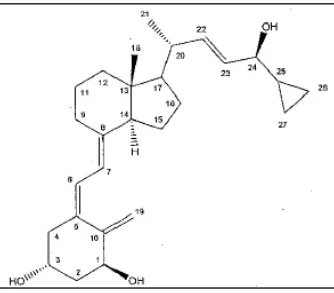 | 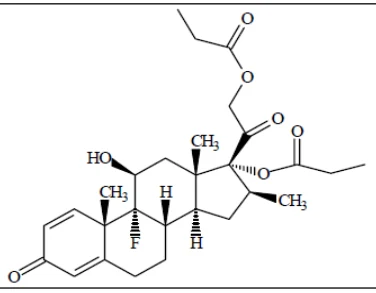 | |
| Physicochemical properties: | |||
| Physical Form: | White to off-white crystals or crystalline powder. | White to almost white powder. | |
| Solubility at room temperature: | Soluble in chloroform, dichloromethane, acetone, methyl formate, ethyl acetate, dimethyl sulfoxide, glycerol and other organic solvents; practically insoluble in water. | Freely soluble in acetone, in dioxane, in dichloromethane and in chloroform; soluble in methanol; sparingly soluble in alcohol; slightly soluble in ether; insoluble in water and in hexane. | |
| Melting point: | 166-168°C | 179°C | |
CLINICAL TRIALS
A large multicentre, randomized, double-blind clinical trial has shown betamethasone dipropionate and calcipotriolointment (0.5 mg/g betamethasone (as dipropionate) plus 50 mcg/g calcipotriol (as monohydrate)) administered twice daily to be more efficacious and to provide faster onset of action than either of the individual components alone (betamethasone dipropionate or calcipotriol) for the treatment of plaque psoriasis. These findings were supported by a second large, multicentre, randomised, double-blind trial comparing betamethasone dipropionate a n d calcipotriol twice daily to betamethasone dipropionate and calcipotriol, each in their currently marketed formulations. A third large, multicentre, randomised, double-blind trial found betamethasone dipropionate and calcipotriol once daily to be more efficacious than vehicle alone and calcipotriol twice daily (betamethasone dipropionate alone was not evaluated). It was also demonstrated that once daily betamethasone dipropionate and calcipotriol was similar to twice daily betamethasone dipropionate and calcipotriol for most of the efficacy measures. In all three studies, betamethasone dipropionate and calcipotriol was effective in terms of reducing PASI (Psoriasis Area and Severity Index) score and thickness of target lesions. Furthermore, a significant proportion of patients on betamethasone dipropionate and calcipotriol achieved marked improvement or clearance at the end of 4 weeks of treatment. Clinical improvement occurred rapidly and a significant improvement was evident within 1 week of treatment. Betamethasone dipropionate and calcipotriol was well tolerated with the most common adverse reaction being mild pruritus. In one additional study, patients were treated with betamethasone dipropionate and calcipotriol once daily for 8 weeks. Optimal population results in this study were seen between 4 and 5 weeks of treatment. The therapeutic goal envisioned with betamethasone dipropionate and calcipotriol is to provide an effective, rapid acting topical agent for initial treatment of psoriasis and/or for treatment of flare-ups of psoriasis.
In a randomized, double-blind, parallel group, safety study, patients with at least moderate disease severity were given betamethasone dipropionate and calcipotriol ointment intermittently on an 'as needed' basis under medical supervision (N=207). Patients were followed for up to 52 weeks. The median amount of study drug used was 15.4 g/week. The effects of betamethasone dipropionate and calcipotriol ointment on calcium metabolism were not studied and the effects on adrenal suppression were not adequately studied. The following adverse drug reactions were reported in 1% or more of patients: pruritus (5.8%), psoriasis (5.3%), skin atrophy (based on a dermatologist’s visual assessment) (1.9%), folliculitis (1.9%), skin burning sensation (1.4%), application site skin depigmentation (1.4%), and erythema (1.0%). One case of serious flare-up of psoriasis was reported.
Special Studies
Effects on adrenal function and calcium metabolism were investigated in an open-label study in 35 patients with extensive psoriasis on both scalp (at least 30% of scalp area) and body (15-30% of body surface area). Patients used an average of 23.7 g/week betamethasone and calcipotriol gel on the scalp and an average of 40.2 g/week betamethasone and calcipotriol ointment on the body. Adrenal response to ACTH was determined by measuring serum cortisol levels 30 and 60 minutes after ACTH challenge. A borderline decrease in cortisol response at 30 minutes post ACTH challenge was seen in 5 of the 32 evaluable patients (15.6%) after 4 weeks of treatment and in 2 of 11 patients (18.2%) who continued treatment until 8 weeks. In all cases, the serum cortisol levels were normal at 60 minutes post ACTH challenge. There was no evidence of a change in calcium metabolism observed in these patients.
Effects on adrenal function and calcium metabolism were also investigated using only betamethasone and calcipotriol gel in an open-label study in 43 adult patients with extensive psoriasis involving 15-30% of the body surface area (including the scalp). Treatment consisted of once daily application of betamethasone and calcipotriol gel on the body and the scalp for up to 8 weeks. Adrenal response to ACTH was determined by measuring serum cortisol levels 30 and 60 minutes after ACTH challenge. The mean baseline extent of psoriasis was 20.6% of body surface area. The mean amount of study drug used over the total treatment period was 52.3 g/week (range 7.6 g/week to 92.9 g/week).
Three (7.0%) subjects had a serum cortisol ≤18 mcg/dL 30 minutes after the ACTH stimulation test at week 4. None of the 36 subjects who continued to week 8 and had samples with data had a 30 minute serum cortisol ≤18 mcg/dL. The adrenal suppression was considered borderline in two of these subjects because the 30 minute value was only slightly below the defined cut off level and the 60 minute value showed adequate response. One subject showed clear signs of adrenal suppression with a cortisol level lower than the cut off level at both 30 and 60 minutes. There were no clinically relevant changes in mean serum or urinary calcium levels. Elevated urinary calcium levels outside the normal range were observed in 2 patients (1 at 4 weeks and 1 at 8 weeks).
SUMMARY OF CLINICAL TRIALS
| STUDY CODE | STUDY DESIGN | EVALUATION CRITERIA AND RESULTS |
| 01/10/CP T/TP3 | Design Multicentre, randomised, double-blind, placebo-controlled, active controlled, parallel group comparative study.
Inclusion Criteria Plaque psoriasis amenable to topical treatment. Treatment period Once daily (in the evening) topical application for 4 (four) weeks. After the treatment period, there were 4 weeks without study treatment but without breaking the blind to assess relapse and rebound effects. Treatment Groups: Test product: TEVA-BETAMETHASONE/CALCIPOTRIOL 0.5 mg/g + 50 μg/g ointment (by Teva Canada Limited) (285 patients) Active comparator: Dovobet ® Calcipotriol+Betamethasone 50 μg/g+ 0.5 mg/g ointment (by Leo Pharmaceutical Laboratories) (276 patients) Placebo: Ointment with no active ingredient (91 | Evaluation Criteria: Efficacy was evaluated for 650 subjects by using the Modified PASI score at all visits; Visit 1 (week 1/day1), Visit 2 (week 3/day 15), Visit 3 (week 5/day 29), Visit 4 (week 9/day 57). The proportion of subjects with target lesion scores (erythema, scaling and plaque thickness), ISGA and Subject’s Global Assessment were secondary variables. Safety was assessed for 652 patients by adverse events (AEs) and serum calcium levels. Note: PASI Psoriasis Area and Severity Index ISGA: Investigator’s Static Global Assessment Results: The primary efficacy results showed a mean percent reduction in Modified PASI from baseline to the end of treatment of -65.4% in the Teva group, -67.7% in the Dovobet group and -25.0% in the Vehicle only group. The treatment difference between Teva and Dovobet ointment was not statistically significant [2.09% (95% CI -2.08% to 6.26%)] meeting the pre-defined criteria for therapeutic equivalence, whereas statistically significant differences were observed for both Teva over Vehicle [-40.73% (95% CI -46.68% to -34.79%)] and for Dovobet over Vehicle [-42.82% (95% CI -48.79% to -36.86%)]. The results of the sensitivity analyses and secondary efficacy endpoints supported the conclusions of the primary analysis. The incidence of AEs was very limited and similar for all three treatments group. Both TEVA-BETAMETHASONE/CALCIPOTRIOL and Dovobet® ointment were well tolerated. |
| patients) |
| STUDY CODE | STUDY DESIGN | EVALUATION CRITERIA AND RESULTS |
| MCB 9903 DE | Design: Randomised, double-blind, right/left comparison on the forearm. Inclusion Criteria: Healthy volunteers. Treatment Period: Twice daily topical application for 4 weeks (28 days). Treatment Groups: Phase I: (1) calcipotriol and betamethasone dipropionate ointment (50 mcg/g calcipotriol (as monohydrate) plus 0.5 mg betamethasone (as dipropionate); (2) Betamethasone dipropionate ointment (0.5 mg/g). (n=30) Phase II: (1) calcipotriol and betamethasone dipropionate ointment (50 mcg/g calcipotriol (as monohydrate) plus 0.5 mg betamethasone (as dipropionate); (2) Placebo ointment. (n=15) | Evaluation Criteria: Sonography was performed on day 1. Sonography and clinical assessments of atrophy, telangiectasia and erythema) were performed on days 8, 15, 22 and 29. Skin biopsies were taken from 10 subjects on day 29 for morphometric determination of epidermal and dermal thickness and epidermal cell layers. Sonography and clinical assessments were repeated 2 weeks after treatment (day 43) in subjects who did not have a biopsy taken. Results: There were no clinical signs of atrophy, telangiectasia or irritation (erythema). Sonography demonstrated skin thinning with calcipotriol and betamethasone dipropionate relative to placebo ointment but similar to betamethasone (12.3% and 13.2% respectively) after 4 weeks of treatment. There were no histological differences in epidermal or dermal thickness between calcipotriol and betamethasone dipropionate and betamethasone dipropionate. |
SUMMARY OF CLINICAL TRIALS (continued)
| STUDY CODE | STUDY DESIGN | EVALUATION CRITERIA AND RESULTS |
| MCB 9902 FR | Design: Single centre, randomised, double-blind, bioequivalence study according to FDA guideline for vasoconstrictor assays. Inclusion Criteria: Healthy volunteers. Treatment Period: Pilot Phase: Single 10 mcl application on the ventral forearm for 0.25, 0.5, 0.75, 1, 1.5, 2, 4, and 6 hours followed up to 24 hours. Pivotal Phase: (1) Single 10 mcl application of calcipotriol and betamethasone dipropionate and betamethasone dipropionate ointment (Diprosone*) at a dose-duration corresponding to ED50 (1h04min) on two sites each per forearm. (2) Betamethasone dipropionate was also applied on two sites per forearm at dose-durations corresponding to 0.5 times ED50 (32 min.) and 2 times ED50 (2h08min.) Treatment: Pilot Phase: Diprosone* (0.5 mg/g betamethasone (as dipropionate)). (n=12) Pivotal Phase: (1) calcipotriol and betamethasone dipropionate (50 mcg/g calcipotriol (as monohydrate) plus 0.5 mg/g betamethasone (as dipropionate)) ointment; (2) Diprosone* (0.5 mg/g betamethasone (as dipropionate). (n=90) | Evaluation Criteria: Skin blanching (vasoconstrictor) assessed using the chromametric a value and visual scoring. Results: Pilot Part: Betamethasone dipropionate ointment (Diprosone*) produced a dose-duration dependent vasoconstriction with an ED50 (half maximal response) of 1h04min., D1 (0.5 times ED50) of 32 min and D2 (2 times ED50) of 2h08 min. 67% of the included subjects were ‘detectors’ (AUC at D1 was at least 1.25 time the AUC at D2). Pivotal Part: Betamethasone dipropionate in calcipotriol and betamethasone dipropionate ointment is bioequivalent to the reference product, Diprosone* ointment, as the 90% confidence interval for the skin blanching response ratio (test to reference) is [0.81 ; 1.04] and within the interval [0.80 ; 1.25] as defined by the applicable FDA guideline. * registered trademark of Schering-Plough Ltd. |
SUMMARY OF CLINICAL TRIALS (continued)
| STUDY CODE | STUDY DESIGN | EVALUATION CRITERIA AND RESULTS |
| MCB 9801 NL | Design: Single centre, open, randomised, multiple (2 application sites on the thigh) topical absorption study. Inclusion Criteria: Healthy volunteers. Treatment Period: Single 12 hour application. Treatment: Calcipotriol and betamethasone dipropionate (50 mcg/g calcipotriol (as monohydrate) plus 0.5 mg/g betamethasone (as dipropionate)) ointment containing 3H- labelled calcipotriol. (n=4) | Evaluation Criteria: Pharmacokinetic parameters: Recovery of 3H-radioactivity from gauzes, gloves, swabs and shorts; excretion of 3H-radioactivity in urine and faeces; 3H-radioactivity levels in serum. Safety parameters: adverse events, local tolerability results, vital signs, ECG parameters and clinical laboratory parameters. Results: Excretion and recovery data suggest that there is only minimal systemic absorption of calcipotriol. The ointment was well tolerated. |
SUMMARY OF CLINICAL TRIALS (continued)
| STUDY CODE | STUDY DESIGN | EVALUATION CRITERIA AND RESULTS |
| MCB 9901 NL | Design: Single centre, open, randomised, multiple (2 application sites on the thigh) topical absorption study. Inclusion Criteria: Healthy volunteers. Treatment Period: Single 12 hour application of 3H labelled ointment and single 12 hour application after 4 weeks of twice daily topical application of unlabelled ointment. Treatment Groups: Group I: Single 12 hour application of 2.5 g Dovonex (50 mcg/g calcipotriol) ointment containing 3H labelled calcipotriol. Four weeks (28 days) of twice daily treatment with unlabelled Dovonex. On day 36, another single 12 hour application of Dovonex containing 3H labelled calcipotriol. (n=6) Group II: Single 12 hour application of 2.5 g calcipotriol and betamethasone dipropionate (50 mcg/g calcipotriol (as monohydrate) plus 0.5 mg/g betamethasone dipropionate) ointment containing 3H labelled calcipotriol. Four weeks (28 days) of twice daily treatment with unlabelled calcipotriol and betamethasone dipropionate. On day 36, another single 12 hour application of calcipotriol and betamethasone dipropionate containing 3H labelled calcipotriol. (n=6) Group III: Single 12 hour application of 2.5 g calcipotriol and betamethasone dipropionate ointment vehicle containing 3H labelled calcipotriol. Group IV: Single 12 hour application of 2.5 g calcipotriol and betamethasone dipropionate ointment containing 3H labelled betamethasone dipropionate. Group V: Single 12 hour application of 2.5 g calcipotriol and betamethasone dipropionate ointment vehicle containing 3H labelled betamethasone dipropionate. | Evaluation Criteria: Pharmacokinetic parameters: Recovery of 3H radioactivity from gauzes, gloves, swabs and shorts; excretion of 3H radioactivity in urine and faeces; 3H radioactivity levels in serum. Safety parameters: adverse events, local tolerability results, vital signs, ECG parameters and clinical laboratory parameters. Results: The absorption of calcipotriol after a single application of calcipotriol and betamethasone dipropionate is similar to absorption after application of the other marketed formulation of calcipotriol (i.e. Dovonex®; 50 mcg/g calcipotriol (as monohydrate)). Thus, the safety profile of Dovonex is applicable to calcipotriol and betamethasone dipropionate. Betamethasone dipropionate in calcipotriol and betamethasone dipropionate does not influence the absorption rate of calcipotriol and vice versa calcipotriol does not affect the absorption of betamethasone dipropionate. Absorption of calcipotriol is similar after 4 weeks of treatment with calcipotriol and betamethasone dipropionate as it is after a single application. |
SUMMARY OF CLINICAL TRIALS (continued)
| STUDY CODE | STUDY DESIGN | EVALUATION CRITERIA AND RESULTS |
MCB 9802 INT | Design: Multi-centre, randomised, double-blind, vehicle-controlled, parallel-group study. Inclusion Criteria: Plaque psoriasis amenable to topical treatment. Treatment Period: Twice daily topical application for 4 weeks of active treatment. Treatment Groups: (1) Combination ointment (50 mcg/g calcipotriol (as monohydrate) plus 0.5 mg betamethasone dipropionate; calcipotriol and betamethasone dipropionate), (n=301); (2) Calcipotriol ointment (50 mcg/g), (n=308); (3) Betamethasone dipropionate ointment (0.5 mg/g), (n=313); (4) Ointment vehicle, (n=108) | Evaluation Criteria: Change in PASI score after 4 weeks of treatment, speed of response (change in PASI score after 1 week of treatment), change in plaque thickness of a target lesion, investigators’ overall assessment of treatment response (clearance or marked improvement) at the end of treatment, patient assessment of overall treatment response, patient assessment of treatment acceptability, adverse events, and serum biochemistry. Results: Calcipotriol and betamethasone dipropionate combination treatment was effective and provided a more rapid onset of action than either of the individual components (calcipotriol or betamethasone dipropionate). At the end of 4 weeks treatment, PASI score was reduced by 73% with calcipotriol and betamethasone dipropionate, 49% with calcipotriol, 63% with betamethasone dipropionate and 29% with vehicle (p<0.001). After 1 week of treatment PASI score was reduced by 48% with calcipotriol and betamethasone dipropionate, 28% with calcipotriol, 41% with betamethasone dipropionate and 22% with vehicle (p<0.001). The greatest reduction in target lesion thickness was observed with calcipotriol and betamethasone dipropionate. Plaque thickness was reduced by 79% with calcipotriol and betamethasone dipropionate compared to 54% with calcipotriol, 67% with betamethasone dipropionate and 27% with vehicle (p<0.001). The greatest treatment response according to the investigators’ overall assessment was also observed in the calcipotriol and betamethasone dipropionate group. With calcipotriol and betamethasone dipropionate combination treatment 76% of patients achieved clearance or marked improvement compared to 33% with calcipotriol, 56% with betamethasone dipropionate and 8% with vehicle (p<0.001). Adverse reactions associated with calcipotriol and betamethasone dipropionate were similar to reactions with betamethasone. Mild pruritus was the most common adverse reaction. |
SUMMARY OF CLINICAL TRIALS (continued)
| STUDY CODE | STUDY DESIGN | EVALUATION CRITERIA AND RESULTS |
| MCB 9904 INT | Design: Multi-centre, randomised, double-blind, vehicle-controlled, parallel-group study. Inclusion Criteria: Plaque psoriasis amenable to topical treatment. Treatment Period: Phase 1: Twice daily topical application of active treatment (double-blind) for 4 weeks. Phase 2: twice daily maintenance therapy with Dovonex® (open-label) for 4 weeks. Treatment Groups: Phase 1: (1) calcipotriol and betamethasone dipropionate ointment (50 mcg/g calcipotriol (as monohydrate) plus 0.5 mg betamethasone dipropionate), (n=369); (2) Dovonex® ointment (50 mcg/g calcipotriol, Leo Pharmaceutical Products), (n=365); (3) Diprosone* ointment (0.5 mg/g betamethasone dipropionate, Schering-Plough Ltd.), (n=363) Phase 2: Patients from each of the above groups (n=344, 332, and 344, respectively) transferred to Dovonex® ointment. | Evaluation Criteria: Phase 1: Change in PASI score after 4 weeks of treatment, speed of response (change in PASI score after 1 week of treatment), change in plaque thickness of a target lesion, investigators’ overall assessment of treatment response (clearance or marked improvement) at the end of treatment, patient assessment of overall treatment response, change in redness and scaliness of a target lesion, adverse events, and serum biochemistry. Phase 2: general evaluation of transfer to Dovonex® maintenance therapy. Results: Calcipotriol and betamethasone dipropionate combination treatment was effective and provided a more rapid onset of action than either of the individual components in their currently marketed formulations (Dovonex® and Diprosone*). At the end of 4 weeks treatment, PASI score was reduced by 74% with calcipotriol and betamethasone dipropionate, 55% with Dovonex®, and 61% with Diprosone* (p<0.001). After 1 week of treatment PASI score was reduced by 47% with calcipotriol and betamethasone dipropionate, 31% with Dovonex®, and 40% with Diprosone* (p<0.001). The greatest reduction in target lesion thickness was observed with calcipotriol and betamethasone dipropionate. Plaque thickness was reduced by 79% with calcipotriol and betamethasone dipropionate compared to 63% with Dovonex®, and 62% with Diprosone* (p<0.001). The greatest treatment response according to the investigators’ overall assessment was also observed in the calcipotriol and betamethasone dipropionate group. With calcipotriol and betamethasone dipropionate combination treatment 68% of patients achieved clearance or marked improvement compared to 39% with Dovonex®, and 47% with Diprosone* (p<0.001). Adverse reactions associated with calcipotriol and betamethasone dipropionate were predictable based on the individual components with mild pruritus being the most common adverse reaction. Patients were safely transferred to maintenance therapy with Dovonex®. |
SUMMARY OF CLINICAL TRIALS (continued)
| STUDY CODE | STUDY DESIGN | EVALUATION CRITERIA AND RESULTS |
| MCB 9905 INT | Design: Multi-centre, randomised, double-blind, vehicle-controlled, parallel-group study. Inclusion Criteria: Plaque psoriasis amenable to topical treatment. Treatment Period: Active topical treatment once or twice daily for 4 weeks. To maintain blinding, the once daily group received vehicle in the morning and study medication in the evening. Treatment Groups: (1) Calcipotriol and betamethasone dipropionate combination ointment (50 mcg/g calcipotriol (as monohydrate) plus 0.5 mg betamethasone dipropionate) once daily, (n=150); (2) calcipotriol and betamethasone dipropionate ointment twice daily, (n=234); (3) Dovonex ® ointment (50 mcg/g calcipotriol) twice daily, (n=227); (4) Ointment vehicle twice daily, (n=207). | Evaluation Criteria: Change in PASI score after 4 weeks of treatment, speed of response (change in PASI score after 1 week of treatment), change in plaque thickness of a target lesion, investigators’ overall assessment of treatment response (clearance or marked improvement) at the end of treatment, patient assessment of overall treatment response, patient assessment of treatment acceptability, change in redness and scaliness of target lesion, adverse events, and serum biochemistry. Results: Once daily calcipotriol and betamethasone dipropionate combination treatment was as effective as twice daily calcipotriol and betamethasone dipropionate treatment but more effective than twice daily Dovonex® treatment. At the end of 4 weeks, PASI score was reduced by 69% with calcipotriol and betamethasone dipropionate once daily, 59% with Dovonex® twice daily, and 27% with vehicle twice daily (p<0.001). Reduction in PASI after 4 weeks of twice daily calcipotriol and betamethasone dipropionate treatment (74%) was similar to that after once daily calcipotriol and betamethasone dipropionate treatment (p=0.052). After 1 week of treatment PASI score was reduced by 46% with calcipotriol and betamethasone dipropionate once daily, 34% with Dovonex® twice daily, and 20% with vehicle twice daily (p<0.001). The speed of response to calcipotriol and betamethasone dipropionate twice daily treatment was similar to that after calcipotriol and betamethasone dipropionate once daily treatment, with the reduction in PASI after one week being 48%. The greatest reduction in target lesion thickness was observed with calcipotriol and betamethasone dipropionate, with similar reductions occurring after once daily (74%) and twice daily (78%) treatment. The greatest treatment response according to the investigators’ overall assessment was also observed in the calcipotriol and betamethasone dipropionate groups, with twice daily treatment favoured over once daily. Adverse reactions associated with calcipotriol and betamethasone dipropionate were predictable based on the individual components with mild pruritus being the most common adverse reaction. |
SUMMARY OF CLINICAL TRIALS (continued)
| STUDY CODE | STUDY DESIGN | EVALUATION CRITERIA AND RESULTS |
| MCB 0003 INT | Design: Multi-centre, randomised, double-blind, vehicle-controlled, parallel-group study. Inclusion Criteria: Plaque psoriasis amenable to topical treatment. Treatment Period: Active topical treatment once daily for 4 weeks. Treatment Groups: (1) Calcipotriol and betamethasone dipropionate combination ointment (50 mcg/g calcipotriol (as monohydrate) plus 0.5 mg betamethasone dipropionate) once daily, (n=490); (2) Calcipotriol ointment (50 mcg/g calcipotriol) once daily, (n=480); (3) Betamethasone dipropionate ointment (0.5 mg/g betamethasone dipropionate) once daily, (n=476); (4) Vehicle ointment once daily, (n=157). | Evaluation Criteria: Change in PASI score after 4 weeks of treatment, controlled disease after 4 weeks of treatment, speed of response (change in PASI score after 1 week of treatment), treatment success, and adverse events. Results: Once daily calcipotriol and betamethasone dipropionate combination treatment was more effective than once daily application of its individual components or vehicle. At the end of 4 weeks, PASI score was reduced by 71% with calcipotriol and betamethasone dipropionate, 46% with calcipotriol, 57% with betamethasone dipropionate and 23% with vehicle (p<0.001). The percentage of patients with controlled disease at the end of treatment was 56% for calcipotriol and betamethasone dipropionate, 22% for calcipotriol, 37% for betamethasone and 10% for vehicle (p<0.001). After 1 week of treatment PASI score was reduced by 39% with calcipotriol and betamethasone dipropionate, 23% with calcipotriol, 33% with betamethasone dipropionate and 18% with vehicle ( p<0.001). The proportion of patients with treatment success was 65% with calcipotriol and betamethasone dipropionate, 29% with calcipotriol, 46% with betamethasone, and 10% with vehicle (p<0.001). Adverse reactions associated with calcipotriol and betamethasone dipropionate were predictable based on the individual components with mild pruritus being the most common adverse reaction. |
DETAILED PHARMACOLOGY
Preclinical Pharmacology
Animal Pharmacodynamic Studies with Calcipotriol: The pharmacodynamic studies performed with calcipotriol have been aimed at establishing the activity of the compound as a regulator of cell differentiation and proliferation in cells possessing the receptor for the active form of vitamin D3, 1,25(OH) 2D3. These studies are relevant for the intended clinical use in patients with psoriasis, due to the characteristic findings of epidermal hyperproliferation and incomplete keratinocyte differentiation in this disease.
Other current therapeutic agents act mainly through non-specific cytostatic/cytotoxic effects on the proliferating cells or suppression of underlying inflammatory and immunological reactions. In contrast, calcipotriol was shown to induce differentiation of low-differentiated human histiocytic lymphoma cells, of skin cells from newborn mice and of human keratinocytes. At the same time, proliferation was inhibited without evidence of any cytotoxic effect. The therapeutic goal envisaged with calcipotriol is thus a normalization of epidermal growth.
Calcipotriol was also found to inhibit cell proliferation induced by interleukin-1 but not by other related cellular mediators. Interleukin-1 is produced both by keratinocytes in the epidermis and by activated macrophages in the dermis. It is thought to play a pathogenetic role in psoriasis by activating both keratinocytes and immunological cells. Inhibition of interleukin-1 mediated effects in psoriatic skin by calcipotriol may therefore provide a way of regulating epidermal/dermal interactions in affected skin areas.
The pharmacodynamic studies performed in-vitro have shown that the activity of calcipotriol is very similar, both qualitatively and quantitatively, to that of 1,25(OH) 2D3. This is not surprising given the structural analogy of the two compounds and the ability of calcipotriol to bind to the cellular 1,25(OH) 2D3 receptor with the same affinity as 1,25(OH) 2D3 itself. In-vivo however, the effects of calcipotriol were significantly different from those of 1,25(OH) 2D3. The active form of vitamin D3, 1,25(OH) 2D3, had potent effects on calcium metabolism and overdosage resulted in hypercalcemia and hypercalciuria.
From studies performed in rats, it was shown that the effect of calcipotriol on calcium metabolism was at least 100 to 200 times lower than that of 1,25(OH) 2D3. This low activity on calcium metabolism might be an intrinsic property of the calcipotriol molecule. However, the pharmacokinetic studies performed with calcipotriol suggested that the low activity on calcium metabolism was associated with a rapid metabolic degradation of the active compound.
Animal Pharmacokinetic Studies with Calcipotriol: Pharmacokinetic studies are summarized briefly here and in more detail by species in tabular form following this section. Pharmacokinetic studies with 3H-calcipotriol have been performed in rats and minipigs.
In vivo: Oral absorption of calcipotriol was approximately 60% in rats and 40% in minipigs. The half-life of calcipotriol was 12 minutes in rats and 60 minutes in minipigs. The major metabolite of calcipotriol MC1080 was present in the first plasma sample at 5 minutes; its half- life was 54 minutes in rats and 1.8 hours in minipigs. Drug-related radioactivity was excreted in urine and faeces and clearance was considered to be almost exclusively metabolic, as less than
5% of the administered radioactivity was excreted at the time of disappearance of all calcipotriol from plasma. Determination of the tissue distribution of calcipotriol was complicated by the appearance of 3H-H20 from the metabolic degradation of 3H-calcipotriol. Autoradiography studies performed in rats, however, established that calcipotriol concentrations were highest in the liver, kidney and intestine. No drug-related radioactivity was present 24 hours after administration of 3H-calcipotriol.
In vitro: Two main metabolites of calcipotriol were observed in incubations of calcipotriol with rat liver homogenate supernatants. The two metabolites, MC1046 and MC1080, were isolated, identified and synthesized. Both metabolites were also present in supernatants from minipig, rabbit and human liver homogenates and in plasma samples from rats and minipigs. Although the necessity of using very high dosages of calcipotriol precludes the study of calcipotriol metabolism in humans, the present evidence strongly suggests that calcipotriol metabolism is qualitatively similar in rats, minipigs, rabbits and humans. In addition, both metabolites had lost most of the biological activity associated with calcipotriol thus constituting a deactivation pathway for the drug.
IN VIVO PHARMACOKINETIC STUDIES WITH CALCIPOTRIOL
| TYPE OF STUDY | METHODS | MAJOR RESULTS AND INTERPRETATION |
|---|---|---|
| (1) Acute administration of 3H-MC903 by i.v. and oral routes to rats. | Female rats dosed with 3H- MC903, 0.10 mg/kg i.v. or 0.20 mg/kg p.o. In experiment 1, rats sacrificed at different time points for measurement of radioactivity in plasma and tissues. In experiment 2, same doses, radio- activity measured in urine and faeces during first few hours and for several days. Six rats per dose per route. | Rapid metabolism of MC903, with a half-life of 12 min. after i.v. Main metabolite: MC1080 in first plasma sample after 5 min; half-life of MC1080 54 min. Much lower levels after oral dosing. After both routes slow decline in the late phase due to further metabolic degradation leading to formation of 3H-H2O. MC903 also metabolized to MC1046 then to more polar compounds later [possible glucuronides and sulphates, as well as putative metabolism to calcitronic acid, discussed in Study (5) below]. Renal excretion 16% (p.o.) and 26% (i.v.) of administered dose, peaking on Day 1 at 6-24 h (both routes); declined slowly in accordance with large volatile component, 3H-H2O. Faecal excretion 43% (p.o.) and 40% (i.v.), also highest on the first day with both routes. Total excreted radioactivity 59% (p.o.) and 67% (i.v.); <100% presumably due to exhalation of volatile components. Calculated absorption of MC903; by ratio of urinary excretion after oral and i.v. dosing, approximately 60%. Tissue levels: Highest amounts in liver, kidney and intestine; also in fat, muscle and spleen. Early measurements most accurate, ie. before formation of volatile radioactivity. |
(2) Acute topical administration of 3H-MC903 to rats and rabbits. | 6 rats, 2 rabbits, dosed once with topical 3H-MC903, 21-25 mcg/ kg in rats, 9-10 mcg/kg in rabbits. Urine and faeces collected every 24 h for 144 h. Surplus ointment removed after 4 h to prevent licking. Samples taken of serum, liver, treated skin, urine, and faeces. | Surplus ointment removed at 4 h had accounted for about 60% of radioactivity. At 4 and 144 h less than 2% (in total) recovered from cages. Small amount of radioactivity retained in skin at 144 h (0.5-3.1%); this is approximately 30 (rats) and 200 (rabbits) times higher than levels found after i.v. dosing. Serum levels of 3H-MC903 were 0.2-0.6 ng-eqv/mL. This compares to 17 ng-eqv/mL after i.v. dosing of 0.1 mg/kg (see above study in rats). Percutaneous absorption based on total recovery from urine and faeces was 17%, 27% and 10% for male rats, female rats and female rabbits, respectively. Liver levels of 3H-MC903 ranged from 0.4-1.1 ng-eqv/g. |
| TYPE OF STUDY | METHODS | MAJOR RESULTS AND INTERPRETATION |
|---|---|---|
| 5 and 6 rats dosed orally and i.v., respectively, 2 controls, sacri- ficed at various times after dosing. Distribution of radio- actively labelled, non-volatile material assessed by examin- ation of x-ray films after ≈ 7 months exposure to tissue sections. | I.V.: Low radioactivity distributed uniformly to most tissues including brain. Higher levels in excreting organs, bile ducts, liver and to a minor extent, kidneys. Oral: Similar to i.v. dosing, except more radioactivity in oral cavity, oesophagus and stomach. Is noted that MC903 passes the blood-brain barrier with p.o. or i.v. dosing, that biliary excretion was evident after 15 min. with both routes of administration and no secretion to the stomach via gastric mucosa was observed. 24 h after dosing levels of non-volatile MC903-like material were very low, with no evidence for accumulation. |
IN VIVO PHARMACOKINETIC STUDIES WITH CALCIPOTRIOL (continued)
| TYPE OF STUDY | METHODS | MAJOR RESULTS AND INTERPRETATION |
| (4) Acute oral and i.v. dosing of 3H-MC903 to minipigs. | 2 pigs/dose (1M,1F), doses 0.1 mg/kg i.v., 0.20 mg/kg oral, and placebo. Blood samples at specified times and collection of urine and faeces for 10 days. 6 weeks later females crossed over to alternate regimen, urine and faeces and certain tissues (no blood) examined for MC903. | Absorption with oral dosing rapid but incomplete (≈40%). No clear distribution phase following i.v. administration. Short elimination half-life of 1 h for parent. Metabolite MC1080 apparent after 5 min, with half- life of 1.8 h. No late elimination phase detected, indicating accumulation of MC903 with repeat dosing unlikely. Rebound levels observed in 1 pig at 4 hours, likely indicative of enterohepatic recirculation for parent and metabolite. Level of radioactivity after 12 h declined with half-life of ≈ 2.6 days, likely due to 3H2O. MC903 and metabolite MC1080 eliminated from plasma within 24 h; only 4% by renal, thus elimination mostly by metabolism. Excretion: Total cumulative recovery of 16% in urine and 44% in faeces. Tissue (mainly liver and kidney) radioactivity after 10 days mainly 3H2O [Putative metabolic pathways discussed in study (5) below.] |
(5) Rats and Minipigs treated as described in 1 and 4 above. Metabolism further studied. | Synthetic samples of MC1080, MC1046, MC1024 and MC1235 obtained. Plasma samples from rat and minipig obtained after dosing described above in (1) and (4). Samples analyzed by HPLC. | MC903 disappeared rapidly from plasma in both species, with half-lives of ≈ 12 min (rat) and 60 min (pig). Metabolites of MC903, mainly MC1080, were observed in the first sample at 5 min after i.v. dosing. MC903, MC1080 and MC1046 account for most of the radioactivity in the samples during first hour after dosing both species. Distribution between parent and metabolites similar to in vitro studies; in rat MC1046 more prevalent after oral than i.v., possibly due to first pass. Minor metabolites more polar than MC1046 observed in both species. Content of radioactivity in eluate increases rapidly with time; 6 hours after dosing >80% radioactivity found in this fraction, both species, both routes; due mainly to radioactive water. Metabolism of MC903 to MC1080 and MC1046 involves oxidation at the 24-position, similar to oxidation of 1,25 dihydroxyvitamin D3, active form of vitamin D3. Likely that MC903 is metabolized to calcitronic acid, similar to 1,25 dihydroxyvitamin D3. |
IN VITRO PHARMACOKINETIC STUDIES WITH CALCIPOTRIOL
| TYPE OF STUDY | METHODS | MAJOR RESULTS AND INTERPRETATION |
| (1) Identification of metabolite of MC903 in rat liver homogenates. | Livers removed from 6-week old rats, homogenized, centrifuged and super-natants collected. Samples incubated at 37° with MC903. Structure elucidation by proton NMR and mass spectrometry. | Structure elucidation by proton NMR and mass spectrometry revealed a metabolite that is identical to MC1080 detected in in vivo studies. |
| (2) Identification of metabolites in liver homogenates of rat, minipig, rabbit, and man. | Supernatants prepared from liver samples from rat, minipig, rabbit and man. Incubations with labelled or unlabelled MC903. | Metabolite identified from rat as MC1080. Also formed in substantial amounts with liver supernatants from pig, man and rabbit. Additional peak in man and rabbit due to metabolite MC1046; to a lessor extent in pig and rat. MC1080 and MC1046, along with MC903 (parent) accounted for 71%-73% of radioactivity in rat, pig and human; 7-15% due to more polar metabolites. Quantitative differences existed among the species, but the pattern of metabolism was similar for all species. |
Clinical Pharmacology
The atrophogenic potential and dermal tolerance of betamethasone dipropionate and calcipotriol ointment was compared with that of 0.5 mg/g betamethasone (as dipropionate) ointment and placebo ointment in a randomized, double-blind, right/left comparison on the forearm of subjects (study MCB 9903 DE). Sonography demonstrated skin thinning with betamethasone dipropionate and calcipotriol relative to placebo ointment when applied twice daily for 4 weeks. However, skin thinning with betamethasone dipropionate and calcipotriol was similar to betamethasone dipropionate (12.3% and 13.2% respectively). There were no clinical signs of atrophy, telangiectasia or irritation (erythema). There were no histological differences in epidermal or dermal thickness between betamethasone dipropionate and calcipotriol and betamethasone dipropionate.
The absorption and excretion balance of 3H-betamethasone dipropionate and 3H-calcipotriol was evaluated after a single application of radiolabelled betamethasone dipropionate and calcipotriol to healthy volunteers (study MCB 9901NL). Subjects were also treated with betamethasone dipropionate and calcipotriol for 4 weeks and then absorption and excretion was again evaluated after a single application of radiolabelled betamethasone dipropionate and calcipotriol. The absorption of calcipotriol after a single application of betamethasone dipropionate and calcipotriol is similar to absorption after application of the other marketed formulation of calcipotriol (i.e. DOVONEX®, 50 mcg/g calcipotriol). Thus, the safety profile of DOVONEX® is applicable to betamethasone dipropionate and calcipotriol. Betamethasone dipropionate in calcipotriol and betamethasone dipropionate does not influence the absorption rate of calcipotriol and vice versa calcipotriol does not affect the absorption of betamethasone dipropionate. Absorption of calcipotriol is similar after 4 weeks of treatment with betamethasone dipropionate and calcipotriol as it is after a single application.
A bioequivalence study of betamethasone dipropionate in betamethasone dipropionate and calcipotriol ointment versus Diprosone® (Schering-Plough Ltd.) ointment was conducted in healthy volunteers according to the FDA guideline for vasoconstrictor bioassay (study MCB 9902 FR). Betamethasone dipropionate is bioequivalent in the two preparations as the 90% confidence interval for the skin blanching response ratio (test to reference) is [0.81; 1.04] and within the interval of [0.80; 1.25] as defined by the FDA guideline.
TOXICOLOGY
Toxicologic studies are summarized briefly here and in more detail by species in tabular form following this section.
Systemic Toxicity of Calcipotriol
Despite the intended topical use of calcipotriol in the treatment of psoriasis, most of the toxicological studies were performed using the oral route of administration. This was done to assure maximum exposure to the compound. From these studies it was evident that toxicity associated with the administration of pharmacologically excessive doses of calcipotriol was due to the calcitropic activity of the compound. The maximum doses were 54 mcg/kg/day in rats, 18 mcg/kg/day in minipigs and 3.6 mcg/kg/day in dogs. In the acute, subacute and chronic toxicity studies the main signs of toxicity were loss of bodyweight, increases in plasma or serum calcium, creatinine and urea, renal toxicity and soft tissue calcifications. These changes resulted from the exaggerated absorption of calcium and phosphorous from the intestine and are characteristic of vitamin D overdosage. The kidney was the main target organ of toxicity and tubular lesions and calcifications were apparent after prolonged hypercalcemia in all species investigated. These types of changes, however, are not considered indicative of a human risk, since less than 1% of calcipotriol is absorbed through the skin in man and there is no evidence of calcitropic effects in man with the prescribed dose.
Dermal Toxicity of Calcipotriol
Dermal toxicity of calcipotriol was limited to a slight-to-moderate skin irritative effect. The studies performed with calcipotriol ointment showed that the incidence and severity of skin irritation was slightly less in the calcipotriol-treated group than in the placebo ointment group. The formulation of the ointment base is analogous to that employed for a number of steroids available for the treatment of psoriasis. Skin thinning, as seen with steroid application, was not observed with the calcipotriol ointment.
Dermal Tolerability of betamethasone dipropionate and calcipotriol (0.5 mg/g betamethasone (as dipropionate) and 50 mcg/g calcipotriol (as monohydrate)): Two dermal tolerability studies were conducted in rabbits. In the first study, no skin irritation was observed and only slight irritation attributed primarily to calcipotriol was observed in the second study. A gradual reduction in skin thickness was observed over 6 weeks which was attributed to betamethasone dipropionate. However, the stratum corneum of rabbit skin is much thinner than that of humans and rabbits are very sensitive to skin irritants.
Reproduction and Mutagenicity with Calcipotriol
Reproduction studies have shown that calcipotriol has no effect on fertility in male and female rats nor on their F1 generation progeny. Fetal toxicity and teratogenicity studies showed no evidence of embryotoxic or teratogenic effects in rats and rabbits. Peri- and post-natal development studies indicated that calcipotriol had no toxic effects on the F1 or F2 generation. There was also no evidence for a mutagenic or clastogenic potential with calcipotriol.
Carcinogenicity with Calcipotriol
A dermal carcinogenicity study in mice showed no indications of increased carcinogenic risks. Calcipotriol solution was applied topically for up to 24 months at doses of 3, 10 and 30 mcg/kg/day (corresponding to 9, 30 and 90 mcg/m2/day). The high-dose was considered to be the Maximum Tolerated Dose for dermal treatment of mice with calcipotriol. Survival was decreased at 10 and 30 mcg/kg/day; particularly in the males. The reduced survival was associated with an increased incidence of obstructive uropathy, most probably caused by treatment-related changes in the urinary composition. This is an expectable effect of treatment with high doses of calcipotriol or other vitamin D analogues. There were no dermal effects and no dermal or systemic carcinogenicity.
Photo(co)carcinogenicity:
Calcipotriol: In a study where albino hairless mice were repeatedly exposed to both ultraviolet radiation (UVR) and topically applied calcipotriol for 40 weeks at the same dose levels as in the dermal carcinogenicity study (see above), a reduction in the time required for UVR light to induce the formation of skin tumours was observed (statistically significant in males only), suggesting that calcipotriol may enhance the effect of UVR to induce skin tumours. The clinical relevance of these findings is unknown.
Betamethasone dipropionate: No carcinogenicity or photocarcinogenicity studies have been performed with betamethasone dipropionate.
ACUTE TOXICITY OF CALCIPOTRIOL
| TEST COMPOUND | ANIMAL | ROUTE / DOSAGE | IMPORTANT FINDINGS |
Calcipotriol (MC903) | Mouse Rat | Oral 0-20 mg/kg i.p. 0-20 mg/kg Oral 0-40 mg/kg i.p. 0-60 mg/kg | Oral and i.p. LD50 in mouse and oral LD50 in rat ≈ 20 mg/kg. i.p. LD50 in rat ≈ 40 mg/kg. Clinical symptoms due to hypercalcemia; subsequent soft tissue calcification was main symptom. Cause of death: Renal failure. Organs affected: Kidney, heart, thymus and liver in rat (at > 20 mg/kg) and kidney in mouse (at > 5 mg/kg). |
| MC1046 & MC1080 (main metabolites of MC903) | Rat | Oral 0-80 mg/kg i.p. 0-80 mg/kg for both compounds | Oral and i.p. LD50 for MC1046 ≈ 45 mg/kg. Oral LD50 for MC1080 ≈ 35 mg/kg and ≈ 2X as much for i.p. Clinical symptoms due to hypercalcemia; subsequent soft tissue calcification was main symptom. Cause of death: Renal failure. Organs affected: Kidney, heart, GI tract, lung and testes (at > 20 mg/kg). |
LOCAL TOLERANCE OF CALCIPOTRIOL
| TEST SYSTEM | ANIMAL | MC903 DOSAGE | IMPORTANT FINDINGS |
|---|---|---|---|
| Skin irritation test | Rabbit (n=6) | 5 mcg/day for 3 weeks | Only minor skin reactions were seen. |
| Skin irritation test | Rabbit (n=6 / group) | 25 mcg/day ointment vs. placebo for 6 weeks | Treatment caused clinically well-defined to moderate skin reactions, as did placebo ointment. Reaction considered related to propylene glycol content in ointment base. No adverse histopathological changes were observed. |
| Skin irritation test | Rabbit (n=6) | 100 mg of 50 mcg/g cream vs placebo for 6 weeks | Only slight irritancy developed. The irritancy developed quicker with the calcipotriol group than the placebo. The magnitude of the reactions was similar in both groups. |
| Skin irritation test | Rabbit (n=6) | 100 mcl of 50 mcg/mL scalp solution vs placebo for 6 weeks | Only very slight irritancy was observed. Thickening of the epidermis was observed in areas treated with calcipotriol. |
| Acute eye irritation | Rabbit (n=3) | 5 mcg ointment single dose | Only transient, fully reversible swelling of the conjunctivae was observed. |
| TEST SYSTEM | ANIMAL | MC903 DOSAGE | IMPORTANT FINDINGS |
|---|---|---|---|
| Allergenic potential maximization test | Guinea pig (n=10, placebo; n=20, MC903) | 0.5-5 mcg/mL | MC903 was classified as a mild potential allergen. |
LONG-TERM TOXICITY OF CALCIPOTRIOL
| TEST COMPOUND | ANIMAL | ROUTE / DOSAGE | IMPORTANT FINDINGS |
Calcipotriol (MC903) | Rat (20/dose) | Oral 0 (control), 6,18 and 54 mcg/kg/day for 4 weeks. | Apart from a higher incidence of focal calcification at the cortico-medullary junction of the kidneys in the high dose animals, no other adverse effects were seen. The focal calcification can be attributed to the pharmacological effect of MC903. No mortality was seen. |
Calcipotriol (MC903) | Dog (4/dose) | Oral 0 (control), 0.1, 0.3 and 0.9 mcg/kg/ day for the first 4 weeks, ≤1.8-3.6 mcg/kg/day for the last 2 weeks. Total 6 weeks. | No changes were seen at doses up to 0.9 mcg/kg/day for 4 weeks, whereas raising the dose to 1.8 mcg/kg/day at week 5 and further to 3.6 mcg/kg/day at week 6 caused morphological changes in the kidneys, increases of kidney functioning and plasma calcium, all of which are attributed to the pharmacological activity of MC903. No mortality was seen. |
Calcipotriol (MC903) | Rat (20/dose) | Dermal 0 (control) 6, 18 and 54 mcg/kg/day for 13 weeks. | Topical treatment for 13 weeks gave rise to slight skin reactions and some minor changes in the clinical chemistry parameters. The minimal focal calcification seen in the kidneys of all treatment group animals was a minor change which may be attributed to the calcitropic effect of MC903. The same changes occur spontaneously in lab rats. The changes recorded in the low dose group were within the level of spontaneous incidence. |
Calcipotriol (MC903) | Rat (40/dose) | Oral 0 (control), 4, 12 and 36 mcg/kg/day for 26 weeks. | The target organ was identified as the kidneys. The main clinical chemistry findings were the dose-related increases in serum calcium, indicating a calcitropic effect of MC903. This was further confirmed at autopsy by increased kidney weights, lighter coloured appearance of kidneys, increased bone mineralization and renal focal and soft tissue calcification. One low dose female died on day 77, not considered as treatment-related. |
Calcipotriol (MC903) | Minipig (6/dose) | Oral 0 (control), 1, 3 and 6 mcg/kg/day for the first 20 weeks and then up to 9-18 mcg/ kg/day for the last 6 weeks. Total 26 weeks. | No changes were seen in low- and mid-dose animals. Increase in high-dose rapidly affected the animals by inducing distress, lethargy and bodyweight loss. These changes were accompanied by a slight decrease, still within normal range, in Hb, erythrocyte and hematocrit. Serum calcium and urea were increased, serum inorganic phosphate was decreased. At autopsy high-dose animals showed enlarged kidneys with pronounced striation of the medulla on cut surfaces. Urinary calculi were observed in 1 animal. Histopathology showed tubular necrosis and calcifications in the kidneys and the parotid gland in high-dose animals. No mortality was observed. |
MUTAGENICITY OF CALCIPOTRIOL
| TEST SYSTEM | TEST | MC903 DOSAGE | IMPORTANT FINDINGS |
| Ames Test | Salmonella typhimurium | 0.01-1 mg/plate | MC903 was not found mutagenic in this in vitro bacterial test at the dose levels tested. |
Mouse lymphoma TK locus assay | Mouse lymphoma L5178Y (TK+/-) cells | 1-40 mcg/mL | MC903 demonstrates no evidence of mutagenic potential in this in vitro test system. |
| Metaphase chromosome analysis | Human lymphocytes | 2-1000 mcg/mL | MC903 has shown no evidence of clastogenic activity in this in vitro cytogenetic test system. |
| Micronucleus test | Mouse bone marrow | 1 mg/kg p.o. | MC903 did not show a mutagenic potential under the conditions of this in vivo micronucleus test. |
REPRODUCTION AND TERATOLOGY OF CALCIPOTRIOL
| STUDY | ANIMAL | MC903 DOSAGE | IMPORTANT FINDINGS |
|---|---|---|---|
| Fertility and general reproductive performance | Rat (20M, 40F) | 6-54 mcg/kg/day p.o. | Treatment with MC903 did not give rise to any major abnormalities in the offspring or affect the reproductive performance, morphological development or auditory, visual or behavioural systems. |
| Fetal development | Rat (32/dose) | 6-54 mcg/kg/day p.o. | A few minor deviations occurred in pregnant rats given p.o. MC903 during days 6-15 of gestation, attributable to the pharmacological effects of MC903 on calcium metabolism. No teratogenic effects were observed. |
| Teratology | Rabbit (18/dose) | 4-36 mcg/kg/day p.o. | At 36 mcg/kg/day of MC903 from day 6-18 of gestation, maternal toxicity was observed, characterized by deaths, bodyweight losses, reduced food intake, increased post-implantation loss, reduced mean fetal weight and increased minor ossification changes. At 12 mcg/kg/day slight signs of maternal toxicity (bodyweight loss, reduced food intake, maternal death or abortion in 2/18 animals) and reduced mean fetal weight were seen. At 4 mcg/kg/day, no adverse maternal or fetal effects were observed. |
| STUDY | ANIMAL | MC903 DOSAGE | IMPORTANT FINDINGS |
|---|---|---|---|
| Peri- and post-natal | Rat (32/dose) | 6-54 mcg/kg/day p.o. | Administration of MC903 to pregnant rats from day 15 of gestation to day 20 post-partum did not cause significant adverse effects on late fetal development, labour and delivery, lactation, neonatal viability and growth of the young or give rise to any major abnormalities. |
LOCAL TOLERANCE OF CALCIPOTRIOL AND BETAMETHASONE DIPROPIONATE (50 mcg/g calcipotriol plus 0.5 mg/g betamethasone (as dipropionate))
| STUDY | ANIMAL | CALCIPOTRIOL AND BETAMETHASONE DIPROPIONATE | IMPORTANT FINDINGS |
| Dermal tolerability | Rabbit (n=6) | Once daily application of 100 mg calcipotriol and betamethasone dipropionate and 100 mg vehicle ointment on separate skin areas for 6 weeks. | No skin irritation was observed. Histopathological changes consisting of squamous metaplasia of pilosebaceous tissue and comedogenic activity attributable to the ointment vehicle were observed. |
| Dermal tolerability | Rabbit (n=6) | Once daily application of 100 mg of calcipotriol and betamethasone dipropionate, calcipotriol (50 mcg/g), betamethasone (0.5 mg/g), and vehicle ointment on separate skin areas for 6 weeks. | Slight skin irritation attributed primarily to calcipotriol was observed. Histopathological changes consisting of squamous metaplasia of pilosebaceous tissue and comedogenic activity attributable primarily to the ointment vehicle were observed. |
REFERENCES
- 1. Arndt. KA. Psoriasis. In: Arndt KA, editor. Manual of dermatologic therapeutics. 4th ed. New York (NY): Little Brown; 1989. p. 119-27.
- 2. Bell NH. Vitamin D endocrine system. J Clin Invest 1986;76:1-6.
- 3. Binderup L. MC903, a novel vitamin D analogue with potent effects on cell proliferation and cell differentiation. In: Norman AW, Schaefer K, Gringoleit HG, Herrath DV, editors. Vitamin D molecular, cellular and clinical endocrinology. Berlin, Germany: Walter de Gruyter; 1988. p 300-9.
- 4. Binderup L, Bramm E. Effect of a novel vitamin D analogue calcipotriol on cell proliferation and differentiation in-vitro and on calcium metabolism in-vivo. Biochem Pharmacol 1988;37:889-95.
- 5. BMS-181161 (calcipotriol): Dermal carcinogenicity study in mice (Study no. CTOX0101), data on file at LEO Pharma Inc., Thornhill, ON, L3T 7W8.
- 6. BMS-181161 (calcipotriol) solution: 12-month photocarcinogenesis study with ultraviolet radiation in hairless mice (Study no. CTOX0102), data on file at LEO Pharma Inc., Thornhill, ON, L3T 7W8.
- 7. Calverley MJ. Synthesis of MC903, a biologically active vitamin D metabolite analogue. Tetrahedron 1987;43:4609-19.
- 8. Clapp MJL. The effect of diet on some parameters measured in toxicological studies in the rat. Lab Anim 1980;14:253-61.
- 9. Darley CR, Cunliffe WJ, Green CM, Hutchinson PE, Klaber MR, Downes N. Safety and efficacy of calcipotriol ointment (Dovonex) in treating children with psoriasis vulgaris. Br J Dermatol 1996;135:390-3.
- 10. Engstrom GW, Littledike ET. Vitamin D metabolism in the pig. In: Tumbleson ME, editor. Swine in biomedical research. New York (NY): Plenum Press;1986.
- 11. Haddad JG Jr, Min C, Mendelsohn M, Slatopolsky E, Hahn TJ. Competitive protein- binding radioassay for 25-hydroxycholecalciferol. J Clin Endocrinol 1971;33:992-5.
- 12. Haussler MR, Cordy PE. Metabolites and analogues of vitamin D. JAMA 1982;247(6):841-4.
- 13. Hayashi S, Sakaguchi T, Ozawa H. Pharmacokinetic investigation of 17α- desoxymethasone (A41304) in rats. Chem Pharm Bulletin 1974;22:2771-7.
- 14. Holliday MA, Egan TJ. Renal function in man, dog and rat. Nature 1962;193:748-50.
- 15. Hosomi J, Hosoi J, Abe E, Suda T, Kuroki T. Regulation of terminal differentiation of cultured mouse epidermal cells by 1α,25-dihydroxyvitamin D3. Endocrinol 1983;113:1950-7.
- 16.
Hughes MR, Baylink DJ, Jones PG, Haussler MR. Radioligand receptor assay for 25-
- hydroxyvitamin D2/D3 and 1α,25-dihydroxyvitamin D2/D3. J Clin Invest 1976;58:61-70.
- 17. Jones G, Vriezen D, Lohnes D, Palda V, Edwards NS. Side chain hydroxylation of vitamin D3 and its physiological implications. Steroids 1987;49:29-53.
- 18. Kato T, Rokugo M, Terui T, Tagami H. Successful treatment of psoriasis with topical application of active vitamin D3 analogue, 1α,24-dihydroxy-cholecalciferol. Br J Dermatol 1986;115:431-3.
- 19. Kawaura A, Tanida N, Sawada K, Oda M, Shimoyama T. Supplemental administration of 1α-hydroxyvitamin D3 inhibits promotion by intrarectal instillation of lithocholic acid in N-methyl-N-nitrosourea-induced colonic tumorigenesis in rats. Carcinogenesis 1989;10:647-9.
- 20. Koeffler HP, Hirji K, Itri L. 1,25-Dihydroxyvitamin D3 - in-vivo and in-vitro effects on human preleukemic and leukemic cells. Cancer Treatment Reports 1985;65:1399-1407.
- 21. Kragballe K. Treatment of psoriasis by the topical application of the novel cholecalciferol analogue calcipotriol (MC 903). Arch Dermatol 1989; 125:1647-52.
- 22. Kragballe K, Beck HI, Sogaard H. Improvement of psoriasis by a topical vitamin D3 analogue (MC903) in a double-blind study. Br J Dermatol 1988;119:223-30.
- 23. Kragballe K, Wildfan IL. Calcipotriol, a non-calciotropic vitamin D3 analogue stimulates differentiation and inhibits proliferation of cultured human keratinocytes. Arch Dermatol Res. 1990;282:164-7.
- 24. Kragballe K, Barnes L, Hamberg KJ, Hutchinson P, Murphy F, Moller S, et al. Calcipotriol cream with or without concurrent topical corticosteroid in psoriasis: tolerability and efficacy. Br J Dermatol 1998;139:649-54.
- 25. Kragballe K, Austad J, Barnes L, Bibby A, de la Brassinne M, Cambazard F, et al. A 52- week randomized safety study of a calcipotriol/betamethasone dipropionate two-compound product (Dovobet®/Daivobet®/Taclonex®) in the treatment of psoriasis vulgaris. Br J Dermatol 2006;154(6):1155-1160.
- 26. Kumar R. Metabolism of 1,25-dihydroxyvitamin D3. Physiol Rev 1984;64:478-504.
- 27. Lynfield YL, Schechter S. Choosing and using a vehicle. J Am Acad Dermatol 1984; 10:56-9.
- 28. Makita T, Uotani Y, Izawa Y, Kawashima H, Hashimoto Y. Toxicologic studies of the hormonal form of vitamin D3: acute and subacute toxicity of 1α-hydroxycholecalciferol. Toxicology and Applied Pharmacology 1976;36:323-9.
- 29. Morrissey R. Urinary system. In: Bennington JL, Beckwith JB, editors. Monograph on pathology of laboratory animals. Berlin, Germany: Springer Verlag;1986. p. 361-4.
- 30. Morimoto S, Yoshikawa K, Kozuka T, Kitano Y, Imanaka S, Fukuo K, et al. An open study of vitamin D3 treatment in psoriasis vulgaris. Br J Dermatol 1986;115:421-9.
- 31. Nguyen HT, Woodard JC. Intranephronic calculosis in rats. Am J Pathol 1980;100:39-56.
- 32. Oranje AP, Marcoux D, Svensson A, Prendiville J, Krafchik B, Toole J, et al. Topical calcipotriol in childhood psoriasis. J Am Acad Dermatol 1997;36:203-308.
- 33. Ristow HJ. A major factor contributing to epidermal proliferation in inflammatory skin diseases appears to be interleukin 1 or a related protein. Proc Natl Acad Sci USA 1987;84:1940-4.
- 34. Shelley WB, Shelley ED. Psoriasis. In: Shelley WB, Shelley ED, editors. Advanced dermatologic therapy. Philadelphia: WB Saunders; 1987. p. 94-5.
- 35. Smith EL, Walworth NC, Holick MF. Effect of 1α,25-dihydroxyvitamin D3 on the morphologic and biochemical differentiation of cultured human epidermal keratinocytes grown in serum-free conditions. J Invest Dermatol 1986;86:709-14.
- 36. Smith EL, Pincus SH, Donovan L, Holick MF. A novel approach for the evaluation and treatment of psoriasis -oral or topical use of 1,25-dihydroxyvitamin D3 can be safe and effective therapy of psoriasis. J Am Acad Dermatol 1988;19:516-28.
- 37. Sorensen H, Binderup L, Calverley MJ, Hoffmeyer L, Andersen NR. In-vitro metabolism of calcipotriol (MC903), a vitamin D analogue. Biochem Pharmacol 1990;39:391-3.
- 38. Stagbert B, Roed-Petersen J, Menne T. Efficacy of topical treatment in psoriasis with MC903, a new vitamin D analogue. Acta Derm Venereol 1989;69:147-50.
- 39. Trees S, Marks R. An explanation for the placebo effect of bland ointment bases. Br J Dermatol 1975;92:195-8.
- 40. Wester RC, Bucks DA, Maibach HI. In-vivo percutaneous absorption of hydrocortisone in psoriatic patients and normal volunteers. J Am Acad Dermatol 1983;8:645-7.
- 41. Wood AW, Chang RL, Huang MT, Uskokovic M, Conney AH. 1α,25-Dihydroxy- vitamin D3 inhibits phorbol ester-dependent chemical carcinogenesis in mouse skin. Biochem Biophys Res Com 1983;116:605-11.
- 42. Clinical trial and adverse event data (including children) on file at LEO Pharma Inc., Thornhill, ON, L3T 7W8.
- 43. DOVOBET® Product Monograph, LEO Pharma Inc. Control No. 190820, Revision date April 4, 2016.