


Patient Medication Information: uses, side effects, how to take - Teva-Mirtazapine Od
ABOUT THIS MEDICATION
What the medication is used for:
Mirtazapine belongs to a group of medicines known as antidepressants.
TEVA-MIRTAZAPINE OD TABLETS have been prescribed to you to relieve your symptoms of depression. Treatment with these types of medications is most safe and effective when you and your doctor have good communication about how you are feeling.
What it does:
The way TEVA-MIRTAZAPINE OD TABLETS works to treat depression is unknown. TEVA-MIRTAZAPINE OD TABLETS is thought to have an effect in the brain on chemicals called serotonin and norepinephrine.
When it should not be used:
Do not use TEVA-MIRTAZAPINE OD TABLETS, if you are:
- allergic to it or any of the components (see section What the important non-medicinal ingredients are);
- currently taking or have recently taken monoamine oxidase (MAO) inhibitors (including some types of anti-depressants and anti-Parkinson treatments) (see section INTERACTIONS WITH THIS MEDICATION).
What the medicinal ingredient is:
Mirtazapine
What the important nonmedicinal ingredients are:
Aspartame, crospovidone, eudragit, magnesium stearate, mannitol, orange flavour, silicon dioxide and xylitol.
What dosage forms it comes in:
TEVA-MIRTAZAPINE OD TABLETS are supplied as:
15 mg Tablets - white to off white, round, flat, beveled edge tablet - one side of the tablet debossed with the number “93" and the other side debossed with the number “7303".
30 mg Tablets - white to off white, round, flat, beveled edge tablet - one side of the tablet debossed with the number “93" and the other side debossed with the number “7304".
45 mg Tablets - white to off white, round, flat, beveled edge tablet - one side of the tablet debossed with the number “93" and the other side debossed with the number “7305".
WARNINGS AND PRECAUTIONS
During treatment with these types of medications, it is important that you and your doctor have good ongoing communication about how you are feeling.
TEVA-MIRTAZAPINE OD Tablets are not for use in children under 18 years of age.
Changes in Feelings and Behaviour:
It is important that you have good communication with your doctor about how you feel. Discussing your feelings and treatment with a friend or relative who can tell you if they think you are getting worse is also useful.
Some patients may feel worse when first starting or changing the dose of drugs such as TEVA-MIRTAZAPINE OD TABLETS. You may feel more anxious or may have thoughts of hurting yourself or others, especially if you have had thoughts of hurting yourself before. These changes in feelings can happen in patients treated with drugs like TEVA-MIRTAZAPINE OD TABLETS for any condition, and at any age, although it may be more likely if you are aged 18 to 24 years old. If this happens, see your doctor immediately. Do not stop taking TEVA-MIRTAZAPINE OD TABLETS on your own.
BEFORE you use TEVA-MIRTAZAPINE OD TABLETS talk to your doctor or pharmacist:
- if you have ever had an allergic reaction to any medication;
- if you have QT/QTc prolongation or a family history of QT/QTc prolongation;
- if you have heart disease;
- about all your medical conditions, including a history of seizures, liver or kidney disease, heart problems, such as certain kinds of heart conditions that may change your heart rhythm, a recent heart attack, heart failure, or take certain medicines that may affect the heart’s rhythm, diabetes, low blood pressure, glaucoma (increased intra-ocular pressure), high cholesterol and/or high triglycerides (fats in the blood), difficulties in urinating as a result of an enlarged prostate, psychiatric diseases such as schizophrenia and bipolar disorder (alternating periods of elation/overactivity and depressed mood);
- about any medications (prescription or non-prescription) which you are taking (refer to the next section for specific interactions with TEVA-MIRTAZAPINE OD Tablets);
- about any natural or herbal products you are taking (e.g., St. John’s Wort);
- if you are pregnant or thinking of becoming pregnant, or if you are breastfeeding;
about your habits of alcohol consumption;
- if you have been told by your doctor that you have an intolerance to some sugars.
TEVA-MIRTAZAPINE OD Tablets contain a source of phenylalanine. It may be harmful for people with phenylketonuria.
TEVA-MIRTAZAPINE OD Tablets are not for use in children under 18 years of age.
Refrain from potentially hazardous tasks, such as driving a car or operating dangerous machines, until you are certain that this medication does not affect your mental alertness or physical coordination.
Contact your physician before stopping or reducing your dosage of TEVA-MIRTAZAPINE OD Tablets. Symptoms such as dizziness, abnormal dreams, electric shock sensations, agitation, anxiety, difficulty concentrating, headache, tremor, nausea, vomiting, sweating or other symptoms may occur after stopping or reducing the dosage of TEVA-MIRTAZAPINE OD Tablets. Such symptoms may also occur if a dose is missed. These symptoms usually disappear without needing treatment. Tell your doctor immediately if you have these or any other symptoms. Your doctor may adjust the dosage of TEVA-MIRTAZAPINE OD Tablets to alleviate the symptoms.
Effects on Pregnancy and Newborns
If you are already taking/using TEVA-MIRTAZAPINE OD Tablets and have just found out that you are pregnant, you should talk to your doctor immediately. You should also talk to your doctor if you are planning to become pregnant.
Possible complications at birth (from taking any newer antidepressant, including TEVA-MIRTAZAPINE OD Tablets):
Post-marketing reports indicate that some newborns whose mothers took an SSRI (Selective Serotonin Reuptake Inhibitor) or other newer anti-depressants, such as TEVA-MIRTAZAPINE OD Tablets, during pregnancy have developed complications at birth requiring prolonged hospitalization, breathing support and tube feeding. Reported symptoms include: feeding and/or breathing difficulties, seizures, tense or overly relaxed muscles, jitteriness and constant crying. In most cases, the newer anti-depressant was taken during the third trimester of pregnancy. These symptoms are consistent with either a direct adverse effect of the anti-depressant on the baby, or possibly a discontinuation syndrome caused by sudden withdrawal from the drug. These symptoms normally resolve over time. However, if your baby experiences any of these symptoms, contact your doctor as soon as you can.
If you are pregnant, or nursing, and taking an SSRI or other newer anti-depressants, such as TEVA-MIRTAZAPINE OD Tablets, you should discuss the risks and benefits of the various treatment options with your doctor. It is very important that you do NOT stop taking these medications without first consulting your doctor. See also SIDE EFFECTS AND WHAT TO DO ABOUT THEM section.
INTERACTIONS WITH THIS MEDICATION
Serious Drug Interactions Do not use TEVA-MIRTAZAPINE OD if you are taking or have recently taken:
|
You should tell your doctor if you are taking or have recently taken any medications (prescription, non-prescription or natural/herbal), especially:
- other antidepressants, such as SSRIs, venlafaxine and certain tricyclics
- other drugs that affect serotonin such as tryptophan, triptans, lithium, tramadol, methylene blue (used to treat high levels of methemoglobin in the blood), St. John’s Wort ketoconazole(medicine for treating fungal infections)
- cimetidine (used to treat reflux and stomach ulcers)
- erythromycin [used to treat bacterial infections (antibiotic)]
- drugs used to treat Human Immunodeficiency Virus
- (HIV), such as a combination of fosamprenavir and ritonavir
- nefazodone (used to treat depression)
- certain drugs used to treat epilepsy, such as carbamazepine and phenytoin
- rifampicin (used to treat tuberculosis)
- warfarin (used to prevent blood clotting)
- benzodiazepines (e.g., midazolam, oxazepam and diazepam) – as TEVA-MIRTAZAPINE OD Tablets may add to the sedative effects of these agents.
- medicines that may affect the heart’s rhythm such as certain antibiotics and some anti-psychotics.
Avoid alcoholic drinks while taking TEVA-MIRTAZAPINE OD Tablets.
PROPER USE OF THIS MEDICATION
Usual dose:
It is very important that you take TEVA-MIRTAZAPINE OD TABLETS exactly as your doctor has instructed. Generally, most people take between 15 mg and 45 mg per day.
How to take TEVA-MIRTAZAPINE OD Tablets:
- Never increase or decrease the amount of TEVA-MIRTAZAPINE OD Tablets you, or those in your care if you are a caregiver or guardian, are taking unless your doctor tells you to, and do not stop taking this medication without consulting your doctor (see Warnings and Precautions when taking TEVA-MIRTAZAPINE OD Tablets).
- Some symptoms may begin to improve within about two weeks, but significant improvement can take several weeks. Continue to follow the doctor’s instructions.
- The tablets should be taken at the same time each day, preferably as a single evening dose (prior to sleep). Do not chew them.
- Keep taking your tablets until the doctor tells you to stop. The doctor may tell you to take your medicine for several months. Continue to follow the doctor’s instructions.
- If you forget to take your evening dose, do not take the missed dose the next morning. Continue treatment in the evening (prior to sleep) with your normal dose.
The tablet(s) should be taken as follows:
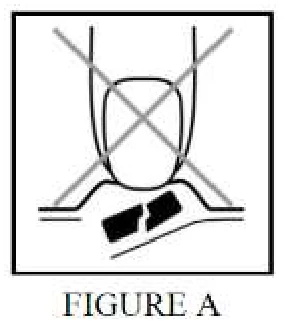
In order to prevent crushing the tablet, do not push against the tablet pocket (Figure A).
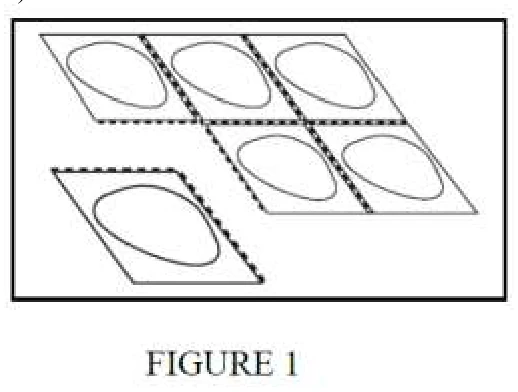
- Each strip contains six tablet pockets, which are separated by perforations. Bend the strip as indicated. Tear off one tablet pocket along the dotted lines (Figure 1).
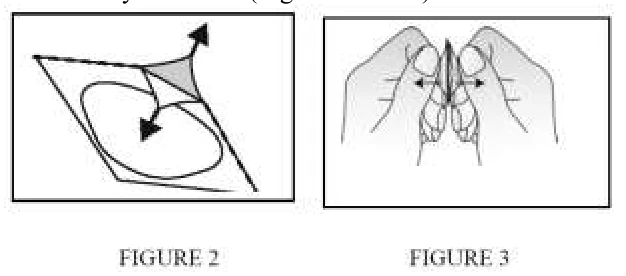
- Carefully peel off the lidding foil, starting in the corner indicated by the arrow (Figures 2 and 3).
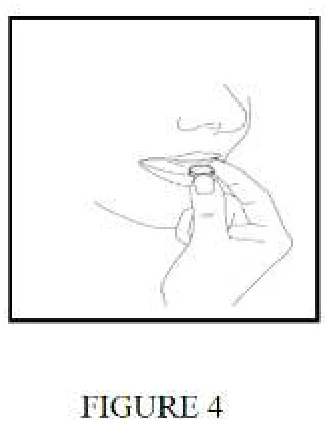
- Take out the tablet (making sure your hands are dry) and place it on the tongue (Figure 4). The tablet will rapidly disintegrate and can be swallowed without water.
- The tablet should be used immediately after removal from its blister; once removed, it cannot be stored.
- Do not attempt to split the tablet.
Overdose:
In case of drug overdose, contact a health care practitioner, hospital emergency department or regional Poison Control Centre immediately, even if there are no symptoms.
The most likely signs of an overdose of TEVA-MIRTAZAPINE OD Tablets (without other medicines or alcohol) are drowsiness, disorientation and increased heart rate. The symptoms of a possible overdose may include changes to your heart rhythm (fast, irregular heartbeat) and/or fainting which could be symptoms of a life-threatening condition known as Torsade de Pointes.
Missed Dose:
Do not take a double dose to make up for forgotten doses. If you forget to take your evening dose, do not take the missed dose the next morning. Continue treatment in the evening (prior to sleep) with your normal dose.
SIDE EFFECTS AND WHAT TO DO ABOUT THEM
Like other medications, TEVA-MIRTAZAPINE OD Tablets can cause some side effects. You may not experience any of them. For most patients, side effects are likely to be minor and temporary. However, some may be serious. Some of these side effects may be dose related. Consult your doctor if you experience these or other side effects, as the dose may have to be adjusted.
These are not all the possible side effects you may feel when taking TEVA-MIRTAZAPINE OD Tablets. If you experience any side effects not listed here, contact your healthcare professional.
- The most common side effects (>10%) include sleepiness, dry mouth, increased appetite, constipation and weight gain.
Other side effects may include: tiredness (feeling weak); swelling (typically ankles or feet); occasional dizziness
- or faintness (especially when you get up quickly from a lying or sitting position); itchiness; tremor (shakiness); abnormal dreams; rash; increased levels of fats in the blood; urinary tract infections; abnormal sensation in the skin (e.g., burning, stinging, tickling or tingly).
Decrease in White Blood Cells
If you experience sudden unexplainable signs of infection such as high fever, chills, sore throat and mouth or nose sores, tell your doctor right away. In rare cases, TEVA-MIRTAZAPINE OD Tablets can cause a decrease in white blood cells, which are needed to fight infection.
New or Worsened Emotional or Behavioural Problems
A small number of patients taking drugs of this type may feel worse instead of better; for example, they may experience new or worsened feelings of agitation, hostility or anxiety, or thoughts about suicide. Your doctor should be informed of such changes immediately. Close observation by a doctor is necessary in this situation. Do not discontinue your medication on your own. See also the WARNINGS AND PRECAUTIONS section.
Discontinuation Symptoms
Contact your doctor before stopping or reducing your dosage of TEVA-MIRTAZAPINE OD Tablets. Symptoms such as dizziness, abnormal dreams, electric shock sensations, agitation, anxiety, difficulty concentrating, headache, tremor, nausea, vomiting, sweating and other symptoms have been reported after stopping TEVA-MIRTAZAPINE OD Tablets. These symptoms usually disappear without needing treatment. Tell your doctor immediately if you have these or any other symptoms. Your doctor may adjust the dosage of TEVA-MIRTAZAPINE OD Tablets to alleviate the symptoms. See WARNINGS AND PRECAUTIONS section for more information.
Effects on Newborns
Some newborns whose mothers took an SSRI or other newer antidepressants during pregnancy have shown such symptoms as breathing and feeding difficulties, jitteriness and constant crying. If your baby experiences any of these symptoms, contact your doctor as soon as you can. See WARNINGS AND PRECAUTIONS section for more information.
| SERIOUS SIDE EFFECTS, HOW OFTEN THEY HAPPEN AND WHAT TO DO ABOUT THEM | |||||||
|---|---|---|---|---|---|---|---|
| Symptom / effect | Talk with your doctor or pharmacist | Seek immediate emergency medical assistance | |||||
| Only if severe | In all cases | ||||||
| Common | Drowsiness which can lead to impaired concentration, generally occurring during the first few weeks of treatment | √ | |||||
| Weight gain | √ | ||||||
| Infrequent | Aggression | √ | |||||
| Rare | Bruising and/or unusual bleeding and symptoms of infection such as sudden high fever, sore throat, mouth ulcers, severe digestive system disturbances or other signs of infection (symptoms of blood cell disturbances). | √ | |||||
| Convulsions (loss of consciousness with uncontrollable shaking) | √ | ||||||
| Fainting/loss of consciousness | √ | ||||||
| Nightmares/ vivid dreams, agitation or confusion | √ | ||||||
| SERIOUS SIDE EFFECTS, HOW OFTEN THEY HAPPEN AND WHAT TO DO ABOUT THEM |
|---|
| Symptom / effect | Talk with your doctor or pharmacist | Seek immediate emergency medical assistance |
|---|
| Only if severe | In all cases | ||
|---|---|---|---|
| Hallucinations (strange visions or sounds) | √ | ||
| Mania (excessive happiness or irritability, racing thoughts, greatly increased energy, severe trouble sleeping, reckless behaviour) | √ | ||
| Akathisia (feeling restless and unable to stand still) | √ | ||
| Uncontrolled, sudden movements | √ | ||
| Restless legs (feeling of unrest during night mainly located in the legs combined with sudden muscle contractions in the legs) | √ | ||
| Pain in the joints or muscles | √ | ||
| SERIOUS SIDE EFFECTS, HOW OFTEN THEY HAPPEN AND WHAT TO DO ABOUT THEM |
|---|
| Symptom / effect | Talk with your doctor or pharmacist | Seek immediate emergency medical assistance |
|---|
| Only if severe | In all cases | |||
|---|---|---|---|---|
| Jaundice (yellowing of eyes or skin; dark urine | √ | |||
| Symptoms of depression (anxiety and disturbed sleep) | √ | |||
| Severe skin reactions such as Stevens-Johnson syndrome (fever, rash, swollen lymph nodes, hives, sore mouth, sore eyes or swelling of lips or tongue) | √ | |||
| Low sodium levels in blood (feeling ill with symptoms of weakness, drowsiness, confusion, combined with achy, stiff or uncoordinated muscles) | √ | |||
| Abdominal pain and nausea; this may suggest inflammation of the pancreas (pancreatitis) | √ |
| SERIOUS SIDE EFFECTS, HOW OFTEN THEY HAPPEN AND WHAT TO DO ABOUT THEM |
|---|
| Symptom / effect | Talk with your doctor or pharmacist | Seek immediate emergency medical assistance |
|---|
| Only if severe | In all cases | |||
|---|---|---|---|---|
| Very Rare | A combination of symptoms such as unexplainable fever, sweating, increased heart rate, diarrhea, (uncontrollable) muscle contractions, shivering, overactive reflexes, restlessness, mood changes and unconsciousness (can be signs of serotonin syndrome) | √ | ||
| See WARNINGS & PRECAUTIONS | Changes in feelings or behaviour (anger, anxiety, suicidal or violent thoughts) | √ | ||
| Unknown | Abnormal heart rate or rhythm, palpitations, fainting | √ | ||
| Rhabdomyolysis (very dark (“tea coloured”) urine, muscle tenderness and/or aching) | √ |
This is not a complete list of side effects. For any unexpected effects while taking Teva-Mirtazapine OD Tablets, contact your doctor or pharmacist.
HOW TO STORE IT
- Store at controlled room temperature, 15º - 30ºC in the original package. Protect from light and moisture. Use
- immediately upon opening individual tablet blister.
- Keep TEVA-MIRTAZAPINE OD Tablets out of the reach and sight of children.
- Do not use TEVA-MIRTAZAPINE OD TABLETS after the expiry date indicated on the package.
Reporting Side Effects
You can report any suspected side effects associated with the use of health products to Health Canada by:
NOTE: Contact your health professional if you need information about how to manage your side effects. The Canada Vigilance Program does not provide medical advice. |
MORE INFORMATION
This document plus the full product monograph, prepared for health professionals, can be obtained by contacting the sponsor, Teva Canada Limited by:
Phone: 1-800-268-4127 ext. 3;
Email: druginfo@tevacanada.com; or
Fax: 1-416-335-4472
Teva Canada Limited
30 Novopharm Court
Toronto, Ontario
Canada, M1B 2K9
www.tevacanada.com