


Product Monograph - Teva-Spironolactone
Recent Major Label Changes
| 2 CONTRAINDICATIONS | 01/2026 |
|---|
Table of Contents
Recent Major Label Changes………………………………………………………………………………………………….2
Table of Contents ..................................................................................................................... 2
PART 1: Healthcare Professional Information .......................................................................... 4
1 Indications ............................................................................................................................ 4
1.1 Pediatrics ......................................................................................................................... 5
1.2 Geriatrics .......................................................................................................................... 5
2 Contraindications .................................................................................................................. 5
3 Serious Warnings and Precautions Box ................................................................................. 5
4 Dosage and Administration ................................................................................................... 5
4.2 Recommended Dose and Dosage Adjustment ................................................................. 6
4.5 Missed Dose .................................................................................................................... 7
5 Overdose .............................................................................................................................. 8
6 Dosage Forms, Strengths, Composition and Packaging .......................................................... 8
7 Warnings and Precautions .................................................................................................... 9
General ................................................................................................................................... 9
Carcinogenesis and Genotoxicity ............................................................................................ 9
Cardiovascular ........................................................................................................................ 9
Driving and Operating Machinery........................................................................................... 9
Endocrine and Metabolism .................................................................................................... 9
Hepatic/Biliary/Pancreatic ...................................................................................................... 9
Monitoring and Laboratory Tests ......................................................................................... 10
Neurologic ............................................................................................................................ 10
Reproductive Health ............................................................................................................. 10
7.1 Special Populations ......................................................................................................... 11
7.1.1 Pregnancy .................................................................................................................... 11
7.1.2. Breastfeeding…………………………………………………………………………………………………12
7.1.3 Pediatrics ..................................................................................................................... 11
8 Adverse Reactions ............................................................................................................... 11
8.1 Adverse Reaction Overview ............................................................................................ 12
8.5 Post-Market Adverse Reactions ...................................................................................... 13
9 Drug Interactions ................................................................................................................ 15
9.4 Drug-Drug Interactions ................................................................................................... 15
9.5 Drug-Food Interactions ................................................................................................... 18
9.6 Drug-Herb Interactions ................................................................................................... 19
9.7 Drug-Laboratory Test Interactions .................................................................................. 19
10 Clinical Pharmacology ....................................................................................................... 19
10.1 Mechanism of Action .................................................................................................... 19
10.2 Pharmacodynamics ...................................................................................................... 19
10.3 Pharmacokinetics ......................................................................................................... 20
11 Storage, Stability and DisposaL ......................................................................................... 21
12 Special Handling Instructions ............................................................................................ 21
Part 2: Scientific Information ................................................................................................. 22
- 13. Pharmaceutical Information ............................................................................................. 22
14 Clinical Trials ..................................................................................................................... 22
14.1 Clinical Trial by Indication ............................................................................................. 22
14.2 Comparative Bioavailability Studies .............................................................................. 28
15 Microbiology ..................................................................................................................... 28
16 Non-Clinical Toxicology ..................................................................................................... 28
17 Supporting Product Monographs ...................................................................................... 30
Patient Medication Information ............................................................................................ 31
PART 1: Healthcare Professional Information
1 Indications
TEVA-SPIRONOLACTONE (spironolactone) is indicated for:
Primary Hyperaldosteronism
TEVA-SPIRONOLACTONE (spironolactone) is a useful agent in the diagnosis of primary hyperaldosteronism. In the presence of hypokalemic alkalosis and hypertension, a diagnosis of primary hyperaldosteronism should be considered if both blood pressure (BP) and serum electrolytes return to normal following treatment with TEVA-SPIRONOLACTONE.
TEVA-SPIRONOLACTONE is useful in the pre-operative treatment of patients with primary hyperaldosteronism and for the maintenance therapy of such patients who decline surgery, or who are unsuitable for surgery.
Edematous Conditions
Congestive Heart Failure (CHF):
TEVA-SPIRONOLACTONE is useful in the management of edema and sodium retention in CHF when the patient is only partially responsive to, or intolerant of, other therapeutic measures. TEVA-SPIRONOLACTONE may be used alone or with thiazides. It is indicated in patients with CHF taking digitalis when other therapies are considered inappropriate.
Cirrhosis of the Liver Accompanied by Edema and/or Ascites:
Aldosterone levels may be exceptionally high in this condition. TEVA SPIRONOLACTONE is indicated for maintenance therapy, in combination with bed rest and the restriction of fluid and sodium.
- The Nephrotic Syndrome:
TEVA-SPIRONOLACTONE is useful for inducing a diuresis in patients not responsive to glucocorticoid therapy (for the nephrotic syndrome), and not responding to other diuretics. However, spironolactone has not been shown to affect the basic pathological process.
Essential Hypertension
TEVA-SPIRONOLACTONE is indicated, usually in combination with other drugs, for patients who cannot be treated adequately with other agents or for whom other agents are considered inappropriate. TEVA-SPIRONOLACTONE alone has mild to moderate antihypertensive activity.
Hypokalemia
TEVA-SPIRONOLACTONE is indicated for treatment of hypokalemia, when other measures are considered inappropriate or inadequate. It is also indicated for the prophylaxis of hypokalemia in digitalis therapy when other measures are inadequate or inappropriate.
1.1 Pediatrics
Pediatrics (<18 years of age): Based on the data submitted and reviewed by Health Canada, the safety and efficacy of spironolactone in pediatric patients has not been established; therefore, Health Canada has not authorized an indication for pediatric use.
1.2 Geriatrics
Geriatrics: Evidence from clinical studies and experience suggests that use in the geriatric population is associated with differences in safety or effectiveness.
2 Contraindications
TEVA-SPIRONOLACTONE is contraindicated in:
- Patients who are hypersensitive to spironolactone, or to any ingredient in the formulation. For a complete listing, see 6 Dosage Forms, Strengths, Composition and Packaging.
- Patients with anuria
- Patients with Addison’s disease
- Patients with acute renal insufficiency or with severe impairment of renal function (GFR < 30 mL/Min/1.73 m2
- Patients with hyperkalemia
- Women who are pregnant (See 7.1.1 Pregnant Women)
- Nursing women (see 7.1.2 Breast-feeding)
Combination with eplerenone (see 7 Warnings and Precautions, Hematologic,
Hyperkalemia and 9 Drug Interactions)
- Combination with heparin, low molecular weight heparin (see 7 Warnings and Precautions, Hematologic, Electrolyte Balance, a) Hyperkalemia and 9 Drug Interactions)
- Combination with mitotane (see 9.4 Drug-Drug Interactions)
3 Serious Warnings and Precautions Box
Avoid potassium supplements, salt substitutes and foods containing high levels of potassium (e.g., bananas, prunes, raisins and orange juice). Low-salt or low-sodium diet and daily exercise are recommended.
4 Dosage and Administration
4.2 Recommended Dose and Dosage Adjustment
- 1. Diagnosis and Treatment of Primary Hyperaldosteronism
As an initial diagnostic measure to provide presumptive evidence of primary hyperaldosteronism while patients are on normal diets:
Long Test: Administer TEVA-SPIRONOLACTONE at a daily dosage of 400 mg for 3-4 weeks. Correction of hypokalemia and hypertension provides presumptive evidence for the diagnosis of primary hyperaldosteronism.
Short Test: Administer TEVA-SPIRONOLACTONE at a daily dosage of 400 mg x 4 days. If serum potassium increases or urinary potassium decreases during TEVA-SPIRONOLACTONE administration, but reverts when TEVA-SPIRONOLACTONE is discontinued, a presumptive diagnosis of primary hyperaldosteronism should be considered.
After the diagnosis of primary hyperaldosteronism has been established by more definitive testing procedures, TEVA-SPIRONOLACTONE may be administered in doses of 75 mg to 400 mg daily in preparation for surgery. For those unsuitable for surgery, spironolactone may be employed for long-term maintenance therapy at the lowest effective dosage determined for the individual.
- 2. Edematous Disorders Associated with Congestive Heart Failure, Cirrhosis and the Nephrotic Syndrome
When given as sole agent for diuresis, continue administration for at least 5 days. If an adequate response has been achieved within 5 days, continue dosage at the same level (or in selected patients, at a reduced dosage) in either single or divided daily doses. Some may respond adequately to a dosage of only 75 mg daily. If adequate diuresis is not obtained within 5 days, a second diuretic also should be given for additive effect. Occasionally for severe resistant edema, one may add a potent glucocorticoid to this combined therapy. Normally, an initial daily dosage of 100 mg (but may range from 25 mg to 200 mg daily) of TEVA-SPIRONOLACTONE administered in either single or divided doses is recommended.
Dosage in Children (<18 years of age): The initial daily dosage should provide approximately 3 mg/kg of body weight administered in either single or divided doses. This dose should be reduced to 1-2 mg/kg for maintenance therapy or combination use with other diuretics.
Health Canada has not authorized an indication for pediatric use (see 1.1 Pediatrics)
- 3. Essential Hypertension
Usually in combination with other drugs, TEVA-SPIRONOLACTONE is indicated for patients who cannot be treated adequately with other agents or for whom other agents are considered inappropriate. TEVA-SPIRONOLACTONE has mild to moderate antihypertensive activity.
For adults an initial daily dosage of 50 mg/day to 100 mg/day (in either single or divided doses) of TEVA-SPIRONOLACTONE is recommended. TEVA-SPIRONOLACTONE may also be given with diuretics that act more proximally in the renal tubule or with other antihypertensive agents. Since a stabilized response may not occur before 2 weeks, continue treatment in either single or divided daily doses for that duration of time. Subsequently, adjust dosage in response to patient's needs. Most patients will respond to doses not exceeding 200 mg/day.
- 4. Hypokalemia
TEVA-SPIRONOLACTONE in dosage ranging from 25 mg to 100 mg daily is useful in treating a diuretic-induced hypokalemia, when oral potassium supplements or other potassium-sparing regimens are inappropriate. See also Table 1 for a summary of dosage recommendations.
Table 1 - TEVA-SPIRONOLACTONE Dosage*
| In Single or Divided Daily Doses | |||||||
|---|---|---|---|---|---|---|---|
| CONDITION | TYPE OF TEST | INITIAL DOSAGE | MAXIMUM DOSAGE | ||||
| Primary Hyperaldosteronism | Long Test: | 400 mg/day x 3-4 weeks | - | ||||
| Short Test: | 400 mg/day x 4 days | - | |||||
| In Preparation for Surgery: | 100-400 mg/day | 400 mg/day | |||||
| Edematous Disorders: | |||||||
| Congestive Heart Failure | - | 100 mg/day | 200 mg/day | ||||
| Cirrhosis | Urinary: Na+/K+ ratio >1 Na+/K+ ratio <1 | 100 mg/day 200-400 mg/day | 100 mg/day 400 mg/day | ||||
| Nephrotic Syndrome | - | 100 mg/day | 200 mg/day | ||||
| Essential Hypertension | - | 50-100 mg/day | 200 mg/day | ||||
| Hypokalemia | - | 25-100 mg/day | 100 mg/day | ||||
* Maintenance dosage should be individually determined, and may be lower than the recommended initial dose.
4.5 Missed Dose
Take the missed dose as soon as you remember it. If it is almost time for your next dose, wait until then to take the medicine and skip the missed dose. Do not take a double dose to make up for a missed one.
5 Overdose
Symptoms: There have been no reports of fatal overdose in man (except indirectly through hyperkalemia). Nausea and vomiting occur, and (much more rarely) drowsiness, dizziness, mental confusion, diarrhea, or a maculopapular or erythematous rash. These manifestations disappear promptly on discontinuation of medication. Hyperkalemia may be exacerbated.
Treatment: No specific antidote. No persistent toxicity has occurred or is expected. Inducing vomiting and evacuating the stomach by lavage could be considered. Spironolactone use should be discontinued and potassium intake (including dietary sources) restricted.
For the most recent information in the management of a suspected drug overdose, contact your regional poison control centre or Health Canada’s toll-free number, 1-844 POISON-X (1-844-764-7669).
6 Dosage Forms, Strengths, Composition and Packaging
Table 2 – Dosage Forms, Strengths and Composition
| Route of Administration | Dosage Form / Strength / Composition | Non-Medicinal Ingredients |
|---|---|---|
| oral | Tablets 25 mg ,100 mg | D&C Yellow # 10, FD&C Yellow # 6, lactose monohydrate, magnesium stearate, natural peppermint flavour, sodium lauryl sulfate and sodium starch glycolate. |
TEVA-SPIRONOLACTONE 25 mg:
Each cream coloured, round, bi-convex, peppermint odour, compressed tablets, engraved 2 vertical bisect 5 on one side and modified N on the reverse contains Spironolactone 25 mg.
Available in bottles of 500 tablets and in boxes of 100 tablets (as unit dose strips).
TEVA-SPIRONOLACTONE 100 mg:
Each cream coloured, round, bi-convex, peppermint odour, compressed tablets, engraved modified N vertical bisect N on one side and 100 on the reverse contains Spironolactone 100 mg.
Available in bottles of 100 tablets.
7 Warnings and Precautions
See 3 Serious Warnings and Precautions Box
General
Use TEVA-SPIRONOLACTONE only for conditions described under "1 Indications".
The concurrent administration of potassium supplements, a diet rich in potassium, or other potassium -sparing diuretics is not recommended as this may induce hyperkalemia.
Carcinogenesis and Genotoxicity
Tumorigenicity: Spironolactone, in chronic toxicity studies, has been shown to be a tumorigenic in rats. Breast cancer and other neoplasms (intestinal, pancreas, etc.) have been reported in postmarket surveillance.
Cardiovascular
Somnolence and dizziness have been reported to occur in some patients. Caution is advised when driving or operating machinery until the response to initial treatment has been determined.
Driving and Operating Machinery
Somnolence and dizziness have been reported to occur in some patients. Caution is advised when driving or operating machinery until the response to initial treatment has been determined.
Endocrine and Metabolism
Gynecomastia: Gynecomastia may develop with the use of TEVA-SPIRONOLACTONE and physicians should be advised of its possible occurrence. The development of gynecomastia appears to be related to both dosage and duration of therapy and is normally reversible when the drug is discontinued. If gynecomastia develops, discontinue the drug. In rare instances some breast enlargement may persist.
Hyperchloremic metabolic acidosis: Reversible hyperchloremic metabolic acidosis, usually in association with hyperkalemia, has been reported to occur in some patients with decompensated hepatic cirrhosis, even when renal function is normal. Caution should be used in treating patients with acute or severe liver impairments, since vigorous diuretic therapy may precipitate hepatic encephalopathy.
Acidosis and Renal Function: Rare reports of acidosis have been reported with spironolactone.
Hepatic/Biliary/Pancreatic
Impaired Hepatic Function: TEVA-SPIRONOLACTONE should be used with caution in patients with impaired hepatic function because minor alterations of fluid and electrolyte balance may precipitate hepatic coma.
Management of Cirrhosis: Although high doses of TEVA-SPIRONOLACTONE are required to treat edema and ascites in patients with cirrhosis, the drug dosage may be decreased before diuresis is complete to avoid the possibility of dehydration.
Monitoring and Laboratory Tests
General: TEVA-SPIRONOLACTONE therapy may cause transient elevation of BUN, especially in patients with pre-existing renal impairment.
Several reports of possible interference with digoxin radioimmunoassays by spironolactone or its metabolites have appeared in the literature. Neither the extent nor the potential clinical significance of this interference (which may be assay specific) has been fully established.
Discontinue spironolactone for at least 4, and preferably 7, days prior to plasma cortisol determinations, if they are to be done by the method of Mattingly, that is, by fluorometric assay. No interference has been demonstrated with the competitive protein binding technique or radioimmunoassay technique.
Adrenal Vein Catheterization and Plasma Renin Activity: Discontinue spironolactone several days prior to adrenal vein catheterization for measurement of aldosterone concentrations and measurements of plasma renin activity.
Neurologic
Lithium generally should not be given with diuretics (See 9 Drug Interactions).
Reproductive Health
Cross-reference to other relevant sections (e.g., 2 Contraindications, 7.1.1 Pregnancy, 10.3 Pharmacokinetics, 16 Non-clinical Toxicology) as required; consider contraception for both females and males.
Fertility
In a reproduction study in which female rats received dietary doses of 15 and 50 mg/kg/day spironolactone, there were no effects on mating or fertility, but there was a small increase in incidence of stillborn pups at the higher dose. When injected into female rats (100 mg/kg/day, 7 days i.p.) spironolactone was found to increase the length of the estrous cycle by prolonging diestrus during treatment and inducing constant diestrus during a two-week, post-treatment observation period. These effects were associated with retarded ovarian follicle development and a reduction in circulating estrogen levels, which would be expected to impair mating, fertility and fecundity. Spironolactone (100 mg/kg/day i.p.) administered to female mice decreased the number of mated mice that conceived, and decreased the number of implanted embryos in those that became pregnant; at 200 mg/kg/day it also increased the latency period to mating.
7.1 Special Populations
7.1.1 Pregnancy
See 2 Contraindications
Spironolactone and its metabolites do cross the placental barrier. There are no studies in pregnant women. TEVA-SPIRONOLACTONE should not be administered to patients who are pregnant. Females of reproductive potential who undergo treatment with TEVA-SPIRONOLACTONE should be informed of the potential hazard to the fetus and should be advised to avoid becoming pregnant prior to or during treatment.
Spironolactone was devoid of teratogenic effects in mice. Rabbits receiving spironolactone showed reduced conception rate, increased resorption rate, and lower number of live births. No embryotoxic effects were seen in rats administered high dosages, but limited, dose-related hypoprolactinemia and decreased ventral prostate and seminal vesicle weights in males, and increased luteinizing hormone secretion and ovarian and uterine weights in females were reported. Feminization of the external genitalia of male fetuses was reported in another rat study.
7.1.2 Breastfeeding
See 2 Contraindications
Canrenone, a major (and active) metabolite of spironolactone, appears in human breast milk. Because of the unknown potential for adverse events on the breast-feeding infant, a decision should be made whether to discontinue breast-feeding or discontinue the drug, taking into account the importance of the drug to the mother.
7.1.3 Pediatrics
Based on the data submitted and reviewed by Health Canada, the safety and efficacy of spironolactone in pediatric patients has not been established; therefore, Health Canada has not authorized an indication for pediatric use.
8 Adverse Reactions
8.1 Adverse Reaction Overview
The following adverse reactions have been reported in association with spironolactone:
Blood and lymphatic system disorders: Leukopenia (including agranulocytosis), thrombocytopenia, anemia.
Gastrointestinal disorders: Diarrhea and cramping, gastric bleeding, gastritis, nausea, ulceration, vomiting.
General disorders and administration site conditions: Malaise, ataxia.
Hepatobiliary disorders: Abnormal hepatic function. A few cases of mixed cholestatic/hepatocellular toxicity, with one reported fatality, have been reported with spironolactone administration.
Immune system disorders: Drug fever, urticaria, maculopapular or erythematous cutaneous eruptions, anaphylactic reactions, vasculitis, pruritus, rash.
Metabolism and nutrition disorders: Electrolyte disturbances, hyperkalemia.
Musculoskeletal and connective tissue disorders: Leg cramps, muscle spasms, rhabdomyolysis, myalgia, weakness
Nervous system/psychiatric disorders: Mental confusion, ataxia, headache, drowsiness, lethargy, dizziness, change in libido.
Renal and urinary disorders: Renal dysfunction (including acute renal failure).
Reproductive system and breast disorders: gynecomastia* (see 7 Warnings and
Precautions, Carcinogenesis and Mutagenesis), erectile dysfunction (inability to achieve or maintain erection), abnormal semen (decreased motility and sperm count), irregular menses or amenorrhea, postmenopausal bleeding, benign breast neoplasm, breast pain, breast carcinoma (including male patients)
Respiratory, thoracic and mediastinal disorders: Dysphonia, dyspnea.
Skin and subcutaneous tissue disorders: Stevens-Johnson syndrome (SJS), toxic epidermal necrolysis (TEN), drug rash with eosinophilia and systemic symptoms (DRESS), alopecia, hypertrichosis.
*Gynecomastia may develop with the use of spironolactone, and physicians should be advised of its possible occurrence. Development of gynecomastia is related to both dose and duration of therapy. If gynecomastia develops, discontinue the drug. Gynecomastia is usually reversible when spironolactone is discontinued, although in rare instances some breast enlargement may persist.
Adverse reactions are usually reversible upon discontinuation of the drug.
8.5 Post-Market Adverse Reactions
Table 3 - Post Market Adverse Events for TEVA-SPIRONOLACTONE
The frequency of the event listed in Table 3 are evaluated as very rare: (<1/10,000; <0.01%)
| Blood and lymphatic system disorders | Disseminated intravascular coagulation, Bone marrow failure, Lymphadenopathy Neutropenia Pancytopenia, Lymphopenia, Splenomegaly, Coagulopathy Eosinophilia |
|---|---|
| Cardiac disorders | Cardiac arrest, Cardio-respiratory/Sinus arrest, Torsade de pointes, Atrioventricular block (1st/2nd degree, complete), Bundle branch block (left), Sinoatrial block, Myocardial infarction, Myocardial ischaemia, Defect conduction intraventricular, Ventricular/Supraventricular tachycardia, Ventricular/Supraventricular extrasystoles, Cardiomegaly, Cardiomyopathy Cardiogenic shock, Sick sinus syndrome, Cardiac failure, Ventricular fibrillation, Atrial fibrillation/flutter, Tachycardia, Coronary artery disease, Cardiovascular disorder, Sinus bradycardia, Angina unstable, Angina pectoris, Tricuspid valve incompetence, Mitral valve incompetence, Palpitations, Arrhythmia, Pericardial effusion, Cyanosis, Coronary artery occlusion |
| Ear and labyrinth disorders | Deafness, Hypoacusis, Vertigo, Ear disorder, Ear pain, Tinnitus |
| Endocrine disorders | Hyperthyroidism, Hypothyroidism, Inappropriate antidiuretic hormone secretion |
| Eye disorders | Diabetic retinopathy, Cataract, Vision blurred, Visual impairment |
| Gastrointestinal disorders | Pancreatitis, GI haemorrhage, Varices oesophageal, Intestinal obstruction, Large intestine polyp, Diverticulum, Hiatus hernia, Ileus paralytic, Melaena, Coeliac disease, Gastrooesophageal reflux disease, Haemorrhoids, Duodenitis, Retching, Gastric disorder, Gastrointestinal disorder, Abdominal distension, Dyspepsia, Dysphagia, Constipation |
| General disorders and administration site conditions | Sudden death, Multi-organ failure, Hypothermia, Peripheral swelling, Face oedema, Chest pain/discomfort, General physical health deterioration, Gait disturbance, Swelling, Chills, Pain, Asthenia, Fatigue |
| Hepatobiliary disorders | Hepatitis, Hepatic failure/necrosis/cirrhosis/steatosis Portal hypertension, Hepatorenal syndrome, Portal vein thrombosis Jaundice cholestatic, Hepatic Hepatomegaly, Cholecystitis, Cholelithiasis Jaundice, Hyperbilirubinaemia, Gallbladder disorder |
| Immune system | Anaphylactic shock |
| Infections and infestations | Septic shock, Pneumonia, Sepsis, Respiratory tract infection, Empyema, Bronchitis, Pyelonephritis, Bacterial/fungal/viral infection, Urinary tract infection, Herpes zoster, Diverticulitis, Gastroenteritis, Mastitis, Cystitis, Cellulitis, Sinusitis, Onychomycosis Infection |
| Injury, poisoning and procedural complications | Head injury, Fall, Ankle fracture, Lower limb fracture, Contusion, Road traffic accident, Injury |
| Investigations | Electrocardiogram QT prolonged, Electrocardiogram QRS complex prolonged, Electrocardiogram abnormal, Blood creatinine increased, Blood pressure increased/decreased, , Blood bilirubin increased, Transaminases increased, Aspartate aminotransferase increased, International normalised ratio increased, Alanine aminotransferase increased, Gamma-glutamyltransferase increased, Liver function test abnormal, Blood alkaline phosphatase increased, Haematocrit decreased, Blood glucose increased/decreased, Blood lactate dehydrogenase increased, Blood potassium decreased, Amylase increased, Blood chloride decreased, Occult blood positive, Blood aldosterone increased, Blood uric acid increased, Urine output decreased, White blood cell count increased, Eosinophil count increased, Weight decreased/increased |
| Metabolism and nutrition disorders | Diabetes mellitus, Hypo/hyperglycaemia, Fluid retention, Hypovolaemia Dehydration, Hypomagnesaemia, Hypo/hypercalcaemia, Metabolic alkalosis Hyperammonaemia, Gout, Malnutrition, Obesity, Decreased appetite |
| Musculoskeletal and connective tissue disorders | Rhabdomyolysis, Systemic lupus erythematosus/lupus like syndrome, Rheumatoid arthritis, Osteoarthritis, Muscle haemorrhage, Osteopenia, Osteoporosis, Muscle spasms/weakness/pain, Bursitis, Limb discomfort, Arthropathy, Myalgia, Arthralgia, Back pain, Pain in extremity |
| Neoplasms benign, malignant and unspecified | Pancreatic carcinoma, Lung neoplasm malignant, Hepatic cancer. Neoplasm malignant, Colon cancer, Gastrointestinal carcinoma, Lymphoma |
| Nervous system disorders | Cerebral haemorrhage, Cerebral infarction, Cerebrovascular accident, Coma, Depressed/altered level of consciousness, Transient ischaemic attack, Hepatic encephalopathy, Hydrocephalus, Encephalopathy, Cerebral atrophy, Paralysis, Convulsion, |
Parkinson's disease, VIIth nerve paralysis, Diabetic neuropathy, Neuropathy peripheral, Syncope, Presyncope, Dementia, Memory impairment, Cognitive disorder, Paraesthesia, Hypoaesthesia, Dysarthria, Stupor, Ageusia, Asterixis, Tremor, Disturbance in attention, Hypokinesia, Nystagmus, Speech disorder, Balance disorder | |
| Psychiatric disorders | Suicide/Suicide attempt/suicidal ideation, Hallucination, Depression, Psychotic disorder, Abnormal behaviour, Apathy, Visual disorientation, Delirium, Insomnia, Anxiety, Agitation, Drug abuse |
| Renal and urinary disorders | Anuria, Chronic Renal failure, Renal tubular necrosis, Tubulointerstitial nephritis, Nephropathy toxic, Diabetic nephropathy, Prerenal failure, Proteinuria, Nephrolithiasis, Renal cyst, Urinary retention, Haematuria, Dysuria, Chromaturia, Pollakiuria, Oliguria, Polyuria |
| Reproductive system and breast disorders | Breast mass, Breast swelling Genital haemorrhage, Uterine disorder |
| Respiratory, thoracic and mediastinal disorders | Respiratory arrest/disorder/distress/failure Pulmonary embolism, Pulmonary oedema, Pulmonary hypertension Atelectasis, Bronchospasm, Pneumonitis, Interstitial lung disease, Pneumonia aspiration, Asthma, Wheezing, Pleural effusion, Chronic obstructive pulmonary disease, Haemoptysis, Sleep apnoea syndrome, Hypoxia, Lung disorder, Oropharyngeal pain, Epistaxis, Cough, Rales |
| Skin and subcutaneous tissue disorders | Toxic skin eruption, Angioedema, Skin necrosis/exfoliation, Lichenoid keratosis, Drug eruption, Dermatitis bullous/exfoliative, Erythema multiforme, Photosensitivity reaction, Hyperhidrosis, Lichen planus, Skin ulcer, Eczema, Pemphigoid, Dermatitis, Erythema, Purpura, Blister, Dry skin, Skin discolouration, Cold sweat |
| Surgical and medical procedures | Surgery, Hysterectomy, Knee arthroplasty |
| Vascular disorders | Circulatory collapse, Hypovolaemic shock, Shock haemorrhagic, Shock, Infarction, Haemorrhage, Thrombosis, Hypotension, Orthostatic hypotension, Peripheral arterial occlusive disease, Arteriosclerosis, Deep vein thrombosis, Peripheral vascular disorder, Peripheral venous disease, Phlebitis, Angiopathy, Lymphoedema, Haematoma, Flushing, Hot flush |
9 Drug Interactions
9.4 Drug-Drug Interactions
The drugs listed in this table are based on either drug interaction case reports or studies, or potential interactions due to the expected magnitude and seriousness of the interaction (i.e., those identified as contraindicated).
Table 4- Established or Potential Drug-Drug Interactions
| Spironolactone | Source of Evidence | Effect | Clinical comment |
|---|---|---|---|
| Spironolactone | Source of Evidence | Effect | Clinical comment |
| Spironolactone | Source of Evidence | Effect | Clinical comment |
| Abiraterone | C | Spironolactone binds to the androgen receptor and may increase prostate-specific antigen (PSA) levels in abiraterone-treated prostate cancer patients. | |
| Alcohol, barbiturates or narcotics | T | Potentiation of orthostatic hypotension may occur. | Avoid alcohol, barbiturates or narcotics, especially with initiation of therapy. |
| Antipyrine | T | Spironolactone enhances the metabolism of antipyrine. | |
| Cholestyramine/ Ammonium Chloride | CS | Hyperchloremic metabolic acidosis, frequently associated with hyperkalemia, has been reported in patients given spironolactone concurrently with ammonium chloride or cholestyramine. | |
Corticosteroids, and adrenocorticotropic hormone (ACTH) | T | Intensified electrolyte depletion, particularly hypokalemia, may occur. | Monitor serum potassium, and adjust medications, as required. |
| Digoxin | CS | Spironolactone has been shown to increase the half-life of digoxin. This may result in increased serum digoxin levels and subsequent digitalis toxicity. | It may be necessary to reduce the maintenance dose of digoxin when spironolactone is administered, and the patient should be carefully monitored to avoid over-or under digitalization. |
| Diuretics and Antihypertensives | CS | Although TEVA-SPIRONOLACTONE may be | It is advisable to reduce the dose of |
administered concomitantly with diuretics and antihypertensives, the effect of spironolactone is additive. Hyperkalemia has been associated with the use of angiotensin converting enzyme (ACE) inhibitors, nonsteroidal anti-inflammatory drugs, angiotensin II antagonists and aldosterone blockers in combination with spironolactone. | these drugs. In particular, the dose of ganglionic blocking agents should be reduced by at least 50% when TEVA-SPIRONOLACTONE is added to the regimen. | ||
| Drugs known to cause hyperkalemia | T | Concomitant use of drugs known to cause hyperkalemia with spironolactone may result in severe hyperkalemia. | |
| Eplerenone | CT | Severe hyperkalemia has been associated with the use of aldosterone blockers in combination with spironolactone. | |
| Heparin, low molecular weight heparin | CT | Concomitant use of spironolactone with heparin, low molecular weight heparin may lead to severe hyperkalemia. | |
| Lithium | T | Like other diuretic agents, spironolactone reduces the renal clearance of lithium, thus increasing the risk of lithium toxicity. | Lithium generally should not be given with diuretics, including spironolactone. Monitor lithium levels periodically when spironolactone has to be coadministered with lithium. |
| Mitotane | C | Spironolactone may reduce mitotane plasma levels in adrenocortical carcinoma patients. | Spironolactone must not be used concomitantly |
| with mitotane, since spironolactone may block the action of mitotane. See 2 Contraindications. | |||
| Non-Steroidal Anti-Inflammatory Drugs | CS | Nonsteroidal anti-inflammatory drugs such as ASA, mefenamic acid, and indomethacin may attenuate the natriuretic efficacy of diuretics due to inhibition of intrarenal synthesis of prostaglandins and have been shown to attenuate the diuretic action of spironolactone. Hyperkalemia has been associated with the use of indomethacin in combination with potassium-sparing diuretics. | However, it has been shown that ASA does not alter the effect of spironolactone on blood pressure, serum electrolytes, urea nitrogen, or plasma renin activity in hypertensive patients. If combination use is necessary, monitor renal function, serum potassium, and blood pressure closely. Dose adjustment may be required. |
| Norepinephrine | CT | Spironolactone reduces the vascular responsiveness to norepinephrine. | Caution should be exercised in the management of patients subjected to regional or general anaesthesia while being treated with spironolactone. |
Legend: CS = Case Study; CT = Clinical Trial; T = Theoretical
9.5 Drug-Food Interactions
In a 9 subject study, statistically significant increases of approximately 2-fold in spironolactone AUC(0-24) and greater than 2-fold in Cmax were reported after food co-administration. At the same time, increases of approximately 1.4-fold were seen in Cmax and AUC (0-24) of canrenone.
The clinical importance of this finding is not known.
9.6 Drug-Herb Interactions
Interactions with herbal products have not been established.
9.7 Drug-Laboratory Test Interactions
Several reports of possible interference with digoxin radioimmunoassays by spironolactone, or its metabolites, have appeared in the literature. Neither the extent, nor the potential clinical significance of its interference (which may be assay specific) has been fully established.
Spironolactone has been shown to increase the half-life of digoxin. This may result in increased serum digoxin levels and subsequent digitalis toxicity (see 9.4 Drug-Drug Interactions).
10 Clinical Pharmacology
10.1 Mechanism of Action
Spironolactone is a specific pharmacologic antagonist of aldosterone, acting primarily through competitive binding of receptors at the aldosterone-dependent, sodium-potassium exchange site in the distal convoluted renal tubule. Spironolactone causes increased amounts of sodium and water to be excreted, while potassium loss is minimized.
Spironolactone acts both as a diuretic and as an antihypertensive drug by this mechanism. It may be given alone or with other diuretic agents which act more proximally in the renal tubule.
10.2 Pharmacodynamics
Increased levels of the mineralocorticoid, aldosterone, are present in primary and secondary hyperaldosteronism. Edematous states in which secondary aldosteronism is usually involved include congestive heart failure, hepatic cirrhosis, and nephrotic syndrome. By competing with aldosterone for receptor sites, spironolactone provides effective therapy for the edema and ascites in those conditions. Spironolactone counteracts secondary aldosteronism induced by the volume depletion and associated sodium loss caused by diuretic therapy.
Spironolactone is effective in lowering the systolic and diastolic blood pressure in patients with primary hyperaldosteronism. It is also effective in most cases of essential hypertension, despite the fact that aldosterone secretion may be within normal limits in benign essential hypertension.
Through its action in antagonizing the effect of aldosterone, spironolactone inhibits the exchange of sodium for potassium in the distal renal tubule and helps to prevent potassium loss.
Spironolactone has not been demonstrated to elevate serum uric acid, to precipitate gout, or to alter carbohydrate metabolism.
10.3 Pharmacokinetics
Table 5: Summary of spironolactone Pharmacokinetic Parameters in Healthy Volunteers Administered 100 mg daily for 15 days
| Cmax | Tmax | t1/2 (h) | AUC0-∞ | CL | Vd | |
|---|---|---|---|---|---|---|
7-α (thiomethyl) spirolactone (TMS) | 391 | 3.2 | 13.8 | 1.25 | - | - |
| 6-Ǝ-hydroxy-7-Ɐ- (thiomethyl) spirolactone (HTMS)) | 125 | 5.1 | 15.0 | 1.50 | - | - |
| Canrenone (C) | 181 | 4.3 | 16.5 | 1.41 | - | - |
| Spironolactone | 80 | 2.6 | ~1.4 (t½ Ǝ) | 1.30 | - | - |
Metabolism
Spironolactone is rapidly and extensively metabolized to a number of metabolites including canrenone and the sulfur-containing 7-thiomethylspirolactone, both of which are pharmacologically active. Approximately 25 to 30% of the dose administered is converted to canrenone, which attains peak serum levels 2-4 hours after single oral administration of spironolactone. In the dose range of 25 mg to 200 mg, an approximately linear relationship exists between a single dose of spironolactone and plasma levels of canrenone.
Elimination
Plasma concentrations of canrenone decline in two distinct phases, the first phase lasting from 3 to 12 hours, being more rapid than the second phase lasting from 12 to 96 hours. Canrenone clearance data, following multiple doses of spironolactone, indicate that accumulation of canrenone in the body with 100 mg once a day would be lower than with 25 mg four times a day. Both spironolactone and canrenone are more than 90 percent bound to plasma proteins. The metabolites of spironolactone are excreted both in the urine (32-53%), and through biliary excretion in the feces (14-36%).
Special Populations and Conditions
- Pediatrics No pharmacokinetic studies have been performed with spironolactone in the pediatric population. Therefore, safety and effectiveness in pediatric patients have not been established.
- Geriatrics No pharmacokinetic studies have been performed with spironolactone in the elderly population. Caution is advised in patients with hepatic and/or renal impairment (see 2 Contraindications and 7 Warnings and Precautions, Hepatic/biliary/pancreatic).
- Hepatic Insufficiency No pharmacokinetic studies have been performed with spironolactone in patients with hepatic insufficiency. Caution is advised in patients with hepatic impairment (see 7 Warnings and Precautions, Hepatic/biliary/pancreatic).
- Renal Insufficiency No pharmacokinetic studies have been performed with spironolactone in patients with renal insufficiency. TEVA-SPIRONOLACTONE is contraindicated in patients with anuria, acute renal insufficiency or with severe impairment of renal function (GFR < 30 mL/Min/1.73 m2) (see 2 Contraindications).
11 Storage, Stability and DisposaL
Store between 15°C-30°C. Protect from light and humidity.
12 Special Handling Instructions
This information is not available for this drug product.
Part 2: Scientific Information
13. Pharmaceutical Information
Drug Substance
Proper name: spironolactone
Chemical name: 17-Hydroxy-7a-mercapto-3-oxo-17a-pregn-4-ene-21-carboxylic acid, g-1actone acetate
Molecular formula and molecular mass: C24H32O4S; 416.6 g/mol
Structural formula:
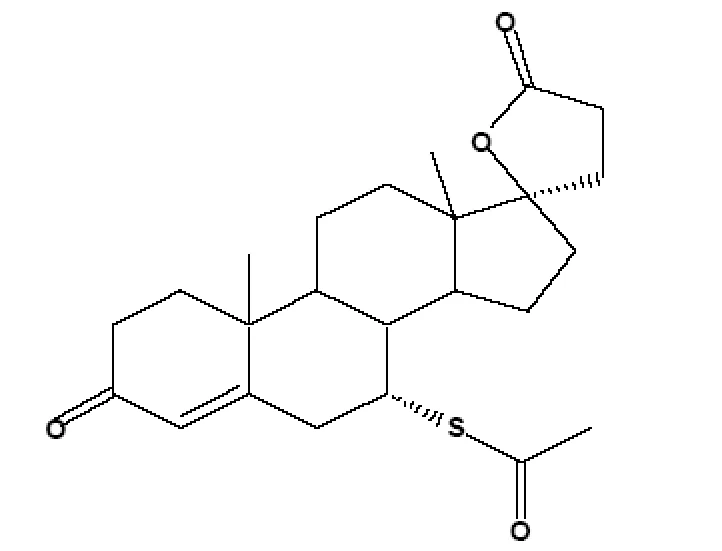
Physicochemical properties : Spironolactone is an off-white, micronized powder with a slightly bitter taste. It is practically insoluble in water, soluble in chloroform, ethanol, ethyl acetate, and slightly soluble in methanol.
14 Clinical Trials
14.1 Clinical Trial by Indication
Ascites:
Available studies suggest that spironolactone (100 to 400 milligrams (mg) daily) is effective for treating cirrhotic ascites in nonazotemic patients; an initial dose of 100 to 200 mg/day as a single dose has been recommended. Some patients may require doses of up to 1000 mg/day. When administered in doses of 300 to 600 mg/daily, 50% to 90% of patients achieve a satisfactory diuresis, suggesting hyperaldosteronism plays an important role in the pathogenesis of ascites in cirrhotic patients. Spironolactone should be avoided in patients with renal impairment, due to the risk of hyperkalemia.
Congestive Heart Failure:
In patients with severe congestive heart failure the addition of spironolactone to standard therapy (e.g., ACE inhibitors, digoxin, thiazide and loop diuretics) significantly reduces morbidity (i.e., reduced hospitalization rate, improvement in symptoms) and mortality. Spironolactone improves exercise capacity and left ventricular volumes and systolic function (i.e., ejection fraction) in patients with heart failure already on standard therapy including an ACE inhibitor at the maximal tolerated dose. The combination of spironolactone and ACE inhibitors is effective in the treatment of heart failure; however, the combination should not be used in patients with renal insufficiency and hyperkalemia.
Spironolactone improves exercise capacity and left ventricular (LV) volumes and systolic function in patients with heart failure (HF) already on standard treatment including an ACE inhibitor at the maximal tolerated dose. Left atrial end-systolic volume significantly decreased in patients given spironolactone compared with baseline (p < 0.01). LV ejection fraction significantly improved in patients given spironolactone and did not change in the control group (treatment group-by-time interaction, p=0.02). Peak oxygen consumption significantly decreased in the control group compared with baseline (p < 0.001) and did not change in the spironolactone group (treatment group-by-time interaction, p < 0.05). A dose-dependent effect was observed on LV ejection fraction and exercise capacity, with the greatest benefits from spironolactone in those patients treated with 50 mg/day. (See Tables 6 and 7)
Table 6: Summary of patient demographics for clinical trials in Congestive Heart Failure
Study # | Study design | Dosage, route of administration and duration | Study subjects (n) | Mean age (Range) | Sex (male/fem ale) |
|---|---|---|---|---|---|
| 1 | 12 months, parallel, double-blind non-placebo controlled | -12.5 – 50 p.o. -Control group | n=106 patients treated with digitalis, diuretics and beta-blockers | 62.1 + 8.3 | 92/14 |
Table 7: Results of study 1 in Congestive Heart Failure
| Primary Endpoint | Associated value and statistical significance for Drug at specific dosages | Associated value and statistical significance for Placebo or active control |
|---|---|---|
| Effect on left ventricular (LV) function | LVEDV: B 275 + 104 mL F-UP 251 + 105 mL (p=0.06) LVESV: B 188 + 94 mL F-UP 171 + 97 mL | LVEDV: B 275 + 80 mL F-UP 253 + 89 mL (p=NS) LVESV: B 173 + 71 mL F-UP 168 + 79 mL |
| (p=0.03) | (p=NS) |
B = baseline, F-UP = follow-up, LVEDV = left ventricular end-diastolic volume, LVESV = left ventricular end-systolic volume, NS = not statistically significant
In patients with severe congestive heart failure the addition of spironolactone to standard therapy significantly reduces morbidity and mortality. In the (Randomized Spironolactone Evaluation Study RALES) study, patients with severe heart failure (New York Heart Association [NYHA] Class III - IV; left ventricular ejection fraction of no more than 35%) who were receiving standard therapy (i.e., ACE inhibitor, loop diuretic, digoxin) were given either spironolactone or placebo. The study was stopped early, after a mean follow-up period of 24 months. There was a 30% reduction in the risk of death (p < 0.001). The reduction in the risk of death in the spironolactone group was attributed to a lower risk of both death from progressive heart failure and sudden death from cardiac causes. The rate of hospitalization for worsening heart failure was 35% lower in the spironolactone group compared with the placebo group (p < 0.001). In addition, the rate of hospitalization for all cardiac causes was 30% lower in the spironolactone group compared with the placebo group (p < 0.001). The reductions in the risk of death and hospitalization were observed after 2 to 3 months of treatment and persisted throughout the study period. A significant improvement in the symptoms of heart failure (p < 0.001) occurred in patients who received spironolactone (41% of patients improved, 21% did not change, and 38% worsened) compared with placebo (33% of the patients improved, 18% did not change, and 48% worsened). Gynecomastia or breast pain occurred in 10% of the men in the spironolactone group and in 1% of the men in the placebo group (p < 0.001). The incidence of serious hyperkalemia was minimal and similar in both groups. (see Tables 8 and 9).
Table 8: Summary of patient demographics for RALES study in Congestive Heart Failure
Study # | Study design | Dosage, route of administration and duration | Study subjects (n) | Mean age (Range) | Sex (male/female) |
|---|---|---|---|---|---|
| 2 | 24 months, parallel, double-blind, placebo controlled |
| 1663 patients treated with ACE inhibitors, diuretics and digoxin in most cases | 65± 12 | 73/27 |
Table 9: Results of RALES study in Congestive Heart Failure
| Primary Endpoint | Associated value and statistical significance for Drug at specific dosages | Associated value and statistical significance for Placebo or active control |
|---|---|---|
| Death from any cause | 284 deaths (35%) RR = 0.70, 95% CI: 0.60-0.82 p<0.001 | 386 deaths (46%) |
The results of a study involving 214 patients with NYHA functional class II to IV congestive heart failure indicate that the addition of spironolactone to conventional therapy that includes ACE inhibitors, loop diuretics, and digoxin is safe and effective in blocking the effects of aldosterone. In addition to conventional therapy, patients were administered either placebo or spironolactone 12.5, 25, 50, or 75 milligrams once daily for 12 weeks (see Table 10).
Table 10: Summary of patient demographics for RALES study in Congestive Heart Failure
Study # | Study design | Dosage, route of administration and duration | Study subjects (n) | Mean age (Range) | Sex (male/female) |
|---|---|---|---|---|---|
| 3 | 12 week, parallel, double-blind, placebo controlled | -12.5 mg p.o. -25 mg p.o. -50 mg p.o. -75 mg p.o. -placebo | 214 patients treated with ACE inhibitors, diuretics +/- digoxin | 63 + 12 61 + 9 62 + 13 62 + 13 61 + 12 (placebo) | 78/22 82/18 74/26 88/12 83/16 (placebo) |
Compared to placebo, the addition of spironolactone produced statistically significant increases in plasma renin activity (PRA) and aldosterone excretion and decreases in blood pressure and pro-atrial natriuretic factor (ANF). Urinary aldosterone levels and PRA increased in a dose-dependent manner. Hypokalemia developed in 10% of patients given placebo and in 0.5% given spironolactone. The incidence of hyperkalemia increased with doses of spironolactone greater than or equal to 50 mg. Hyperkalemia developed in 5% of patients given placebo and in 5%, 13%, 20%, and 24% of patients given spironolactone 12.5, 25, 50, and 75 mg, respectively. There were no statistically significant changes in clinical status in spironolactone compared with placebo-treated patients.
Spironolactone administered to congestive heart failure (CHF) patients receiving normal doses of enalapril and furosemide caused an increase in serum magnesium and a decrease in ventricular arrhythmias. In a study involving 42 patients with NYHA functional class II or III CHF receiving enalapril (mean dose 17 mg/day) and furosemide (mean dose 72 mg/day), spironolactone 100 mg/day was administered causing statistically significant changes in the following parameters: increased plasma magnesium, decreased sodium retention, reduced urinary potassium and magnesium excretion, elevated plasma aldosterone and renin activity, and a reduction in ventricular premature contractions. (see Table 11).
Table 11: Summary of patient demographics for study in Congestive Heart Failure
Study # | Study design | Dosage, route of administration and duration | Study subjects (n) | Mean age (Range) | Sex (male/fema le) |
|---|---|---|---|---|---|
| 4 | 8 weeks, parallel, double-blind, placebo controlled | -50-100 mg p.o. -placebo | 214 patients treated with ACE inhibitors and diuretics | 68 + 3 70 + 2 (placebo) | 22/6 10/4 (placebo) |
A similar study of CHF showed that the addition of spironolactone 50 mg to 75 mg daily significantly reduced hourly premature ventricular complexes compared with baseline (p < 0.0001). Episodes of non-sustained ventricular tachycardia during exercise were reduced by 100% in the spironolactone group and by 33% in the control group. Antagonism of aldosterone was thought to be an important mechanism in reducing these arrhythmias (see Table 12).
Table 12: Summary of patient demographics for study in Congestive Heart Failure
Study # | Study design | Dosage, route of administration and duration | Study subjects (n) | Mean age (Range) | Sex (male/fe male) |
|---|---|---|---|---|---|
| 5 | 20 weeks, parallel, non-placebo controlled (4 weeks of observation + 16 weeks treatment) | -50 mg p.o. x 12 weeks then 25 mg p.o. x 4 weeks -control group | 35 patients treated with ACE inhibitors, diuretics and digoxin | 48 + 9 | 32/3 |
Hypertension:
Spironolactone is effective in the treatment of hypertension in doses of up to 400 mg/day with reduction in both standing and supine blood pressure with reported mean reduction values for systolic ranging from 20 to 30 mm Hg and for diastolic blood pressure 5 to 20 mm Hg or more. Spironolactone has been shown to be effective therapy for patients with refractory hypertension including African American and white patients, with or without primary aldosteronism, who are receiving multidrug regimens that include a diuretic and an ACE inhibitor or angiotensin receptor blocker (ARB). The antihypertensive effects of spironolactone persist for 1 to 2 weeks after discontinuation.
Low-dose spironolactone added-on to a multidrug regimen is effective in white and African American patients, with or without primary aldosteronism (PA), with resistant hypertension. In this study, patients receiving a multidrug regimen that included a diuretic and an ACE inhibitor or ARB were given spironolactone 12.5 to 50 mg daily as add-on therapy in order to achieve a further reduction in blood pressure (BP) (see Table 13).
Table 13: Summary of patient demographics for study in Hypertension
Study # | Study design | Dosage, route of administration and duration | Study subjects (n) | Mean age (Range) | Sex (male/fe male) |
|---|---|---|---|---|---|
| 6 | 6 month, parallel, double-blind | -12.5-50 mg p.o. | 76 patients treated with ACE inhibitors or ARBs and diuretics | 55 + 12 | 31/45 |
At the 6-month follow-up, spironolactone produced an additional mean reduction in BP to a similar extent in African American and white patients with or without PA (mean decrease in systolic and diastolic BP, 25 and 12 mm Hg, respectively). The BP response was also similar in patients receiving an ACE inhibitor or an ARB. The mean number of antihypertensives decreased significantly from baseline to the 6-month follow-up (p<0.05) in patients with or without PA. It should be noted that patients with PA were more likely to have spironolactone titrated up to 50 mg/day.
Spironolactone is safe and effective in the treatment of refractory hypertension. This prospective study involved 25 patients (ages 51 to 89 years) with refractory hypertension (hypertension of greater than 6 months duration; blood pressure (BP) greater than 140/90 mm Hg despite treatment with at least 2 antihypertensive agents given at optimal dosage). Spironolactone was added to the previous regimen at a dosage of 1 mg/kg/day. The dosage of spironolactone was reduced as soon as normalization of BP was achieved (see Table 14).
Table 14: Summary of patient demographics for study in Hypertension
Study # | Study design | Dosage, route of administration and duration | Study subjects (n) | Mean age (Range) | Sex (male/fe male) |
|---|---|---|---|---|---|
| 6 | 3 month open-label | 1 mg/kg/day p.o. | 25 | 65 + 11 (51-89) | 10/15 |
For patients receiving an ACE inhibitor, this agent was replaced by spironolactone. Following 1 month of treatment with spironolactone, 23 patients achieved a BP of < 140/90 mm Hg. The 2 remaining patients achieved a BP of <140/90 mm Hg by 2 months. After 3 months of therapy with spironolactone, the mean number of antihypertensive agents required per patient significantly decreased from 3.2 to 2.1 (p < 0.001) including 5 patients who achieved adequate BP control with spironolactone monotherapy.
Hypokalemia:
Spironolactone produced significant dose-related increases in plasma potassium and aldosterone, and reductions in plasma sodium and bicarbonate in 15 hypertensive patients taking a diuretic. There was variability in response.
Nephrotic Syndrome:
Spironolactone is useful for inducing diuresis in edematous patients with nephrotic syndrome when glucocorticoid therapy is not effective. However, spironolactone does not affect the basic pathological process of the disease.
14.2 Comparative Bioavailability Studies
A two-way, single-dose, crossover comparative bioavailability study of Teva-Spironolactone 25 mg tablets (Teva Canada Limited) and PrALDACTONE® 25 mg tablets (G.D. Searle Canada Ltd.) was conducted in 12 subjects under fasting conditions. Comparative bioavailability data are presented in the following table:
SUMMARY TABLE OF THE COMPARATIVE BIOAVAILABILITY DATA
Canrenone
(8 x 25 mg)
Arithmetic mean ± SD
Parameter
Test1
Reference2
AUC0-24hr
(ng·hr/mL)
2088.7 ± 560.3
2161.8 ± 601.3
Cmax
(ng/mL)
170.5 ± 42.2
185.0 ± 50.1
Tmax
(hr)
3.3 ± 1.1
3.5 ± 0.7
T½
(hr)
10.2 ± 2.0
9.4 ± 1.7
1 Teva-Spironolactone (spironolactone) tablets, 25 mg (Teva Canada Limited)
2 PrALDACTONE® (spironolactone) tablets, 25 mg (G.D. Searle Canada Limited)
15 Microbiology
No microbiological information is required for this drug product.
16 Non-Clinical Toxicology
Acute Toxicity of Spironolactone:
| Species | Route | LD50 + Standard Error (mg/kg) |
|---|---|---|
| Mouse | Intragastric Intraperitoneal | >1000 356 + 94 |
| Rat | Intragastric Intraperitoneal | >1000 786 + 125 |
| Rabbit | Intragastric Intraperitoneal | >1000 866 + 156 |
Long-Term Toxicity:
| Species/ Number | Length of study | Dose (mg/kg/d) | Results |
|---|---|---|---|
| Species/ Number | Length of study | Dose (mg/kg/d) | Results |
| Spironolactone | |||
Rat (25/sex/gp) | 26 w | 0, 120, 300, 700 | Only minor changes: dose-related increase in liver weights. |
Rat (36/sex/gp) | 78 w | 0, 50, 150, 500 | Significant dose-related increase in benign adenomas of thyroid follicular cells and testicular interstitial cells. |
Rat (60/sex/gp) | 104 w | 0, 10, 30, 100, 150 | Significant dose-related increase in benign adenomas of thyroid follicular cells. Dose-related increase in liver weights. |
Dog (2/sex/gp) | 13 w | 0, 12, 30, 70 (1-6 w); 100 (7-9 w); 250 (10-13 w) | No treatment-related findings. |
Monkey (12/sex/gp) | 26 w | 0, 125 | No treatment-related changes or tumours. |
Monkey (4/sex/gp) | 52 w | 0, 20, 50, 125 (1-9 w); 0, 20, 50, 250 | No tumours. Increased liver weights in males at high dose after 1 year. Dose-related increase of acinar tissue of mammary gland in males. |
| Potassium Canrenoate | |||
Rat (20M, 25F/gp) | 26 w | 0, 10, 60, 360 | High dose: increased serum levels of albumin and protein in females. Increase in ALT in males and females. Hypertrophy of thyroid and adrenal glands. Increase in hypertrophy of FSH cells. Mammary tumors (4 females), adenoma (1 rat), fibro-adenoma (1 rat), adenocarcinoma (1 rat, 60 mg/kg). |
Rat (28/sex/gp) (8/sex/gp sacrificed at 13 w) | 52 w | 0, 30, 90, 270 | Granulocytic leukemia in peripheral blood and bone marrow in males and females. Mammary tumors in 14 female rats (3 mid-doses, 8 high-dose). |
Rat (50/sex/gp) | 104 w | 0, 20, 50, 125, 270 | Granulocytic leukemia and hepatic, thyroid, testicular and mammary tumors. |
Dog (4/sex/gp) | 26 w | 0, 10, 45, 200 | Hypertrophy of mammary glands with secretion of milky substance, increased uterine weight. Proliferation of pituitary cells producing prolactin, hyperplasia of the endometrium, atrophy of the prostate gland and hyperplasia of zona glomerulosa of the adrenal gland. |
Seminal vesicles and prostate in rats, dogs and monkeys were significantly reduced in weight. There was a dose-related maturation arrest of the testes in rats treated for 78 and 104 weeks and monkeys treated for 52 weeks.
Mutagenicity
Potassium canrenoate did not produce a mutagenic effect in tests using bacteria and yeast. It did produce a positive mutagenic effect in several in vitro tests in mammalian cells usually requiring metabolic activation. In an in vivo mammalian system, potassium canrenoate was not mutagenic at doses up to 270 mg/kg.
There was no increased incidence of leukemia in rats treated with spironolactone for up to 104 weeks at doses up to 500 mg/kg/day.
Teratogenicity
Teratogenicity studies have been conducted in mice, rats and rabbits administered oral doses of spironolactone (0-50 mg/kg).
In these studies, spironolactone had no embryonic effects in mice or rats. Limited dose-related teratogenic effects (hypoprolactinemia and decreased ventral prostate and seminal vesicle weights in males; increased luteinizing hormone secretion and ovarian and uterine weights in females) were reported in one rat study at doses of 50 and 100 mg/kg/day. Feminization of the external genitalia of male fetuses was reported in another study in rats at 200 mg/kg/day doses. Rabbits receiving 20 mg/kg/day (highest dose administered) had a decreased conception rate, an increased rate of resorption and a lower number of live pups.
17 Supporting Product Monographs
- 1. ALDACTONE® (Spironolactone Tablets, 25 mg and 100 mg), submission control #298870, Product Monograph, Pfizer Canada ULC, (NOV 07, 2025).