


Product Monograph - Teva-Sulindac
RECENT MAJOR LABEL CHANGES
| 2 CONTRAINDICATIONS | 08/2022 |
| 3 SERIOUS WARNINGS AND PRECAUTIONS BOX | 08/2022 |
| 7 WARNINGS AND PRECAUTIONS, Monitoring and Laboratory Tests, Pregnancy | 08/2022 |
| 7 WARNINGS AND PRECAUTIONS, Skin, Serious skin reactions | 08/2022 |
| 7 WARNINGS AND PRECAUTIONS, 7.1.1 Pregnant Women | 08/2022 |
TABLE OF CONTENTS
Sections or subsections that are not applicable at the time of authorization are not listed.
RECENT MAJOR LABEL CHANGES…………………………………………………………………………………………….2
TABLE OF CONTENTS………………………………………………………………………………………………………………2
RECENT MAJOR LABEL CHANGES .............................................................................................. 2
TABLE OF CONTENTS ................................................................................................................ 2
PART I: HEALTH PROFESSIONAL INFORMATION........................................................................ 4
1 INDICATIONS ................................................................................................................... 4
1.1 Pediatrics .................................................................................................................. 4
1.2 Geriatrics .................................................................................................................. 4
2 CONTRAINDICATIONS...................................................................................................... 4
3 SERIOUS WARNINGS AND PRECAUTIONS BOX ................................................................. 6
4 DOSAGE AND ADMINISTRATION ..................................................................................... 7
4.1 Dosing Considerations ............................................................................................... 7
4.2 Recommended Dose and Dosage Adjustment ............................................................ 7
4.4 Administration .......................................................................................................... 7
4.5 Missed Dose.............................................................................................................. 7
5 OVERDOSAGE .................................................................................................................. 8
6 DOSAGE FORMS, STRENGTHS, COMPOSITION AND PACKAGING...................................... 8
7 WARNINGS AND PRECAUTIONS....................................................................................... 8
7.1 Special Populations ............................................................................................... 15
7.1.1 Pregnant Women .................................................................................................. 15
7.1.2 Breast-feeding ...................................................................................................... 16
7.1.3 Pediatrics.............................................................................................................. 16
7.1.4 Geriatrics .............................................................................................................. 17
8 ADVERSE REACTIONS..................................................................................................... 17
8.1 Adverse Reaction Overview ................................................................................... 17
9 DRUG INTERACTIONS .................................................................................................... 18
9.4 Drug-Drug Interactions ......................................................................................... 18
9.5 Drug-Food Interactions ......................................................................................... 23
9.6 Drug-Herb Interactions.......................................................................................... 23
9.7 Drug-Laboratory Test Interactions ......................................................................... 23
10 CLINICAL PHARMACOLOGY............................................................................................ 23
10.1 Mechanism of Action ............................................................................................ 23
10.3 Pharmacokinetics.................................................................................................. 23
11 STORAGE, STABILITY AND DISPOSAL.............................................................................. 24
12 SPECIAL HANDLING INSTRUCTIONS ............................................................................... 25
PART II: SCIENTIFIC INFORMATION......................................................................................... 26
13 PHARMACEUTICAL INFORMATION .................................................................................... 26
14 CLINICAL TRIALS ............................................................................................................ 26
14.3 Comparative Bioavailability Studies ......................................................................... 26
15 MICROBIOLOGY............................................................................................................. 27
16 NON-CLINICAL TOXICOLOGY .......................................................................................... 27
PATIENT MEDICATION INFORMATION.................................................................................... 32
PART I: HEALTH PROFESSIONAL INFORMATION
1 INDICATIONS
TEVA-SULINDAC (sulindac tablets) is indicated for:
- The relief of signs and symptoms related to osteoarthritis, rheumatoid arthritis, ankylosing spondylitis, acute painful shoulder (acute subacromial bursitis/supraspinatus tendinitis) and acute gouty arthritis.
Throughout this document, the term NSAIDs refers to both non-selective NSAIDs and selective COX-2 inhibitor NSAIDs, unless otherwise indicated.
For patients with an increased risk of developing CV and/or GI adverse events, other management strategies that do NOT include the use of NSAIDs should be considered first. See 2 CONTRAINDICATIONS and 7 WARNINGS AND PRECAUTIONS.
Use of TEVA-SULINDAC should be limited to the lowest effective dose for the shortest possible duration of treatment in order to minimize the potential risk for cardiovascular or gastrointestinal adverse events. See 2 CONTRAINDICATIONS and 7 WARNINGS AND PRECAUTIONS.
TEVA-SULINDAC, as a NSAID, does NOT treat clinical disease or prevent its progression.
TEVA-SULINDAC, as a NSAID, only relieves symptoms and decreases inflammation for as long as the patient continues to take it.
1.1 Pediatrics
Pediatrics (< 12 years of age): The safety and efficacy of TEVA-SULINDAC in pediatric patients has not been established; therefore, Health Canada has not authorized an indication for pediatric use. See 2 CONTRAINDICATIONS
1.2 Geriatrics
Geriatrics (> 65 years of age): Evidence from clinical studies and postmarket experience suggests that use in the geriatric population is associated with differences in safety. See 7.1.4 Geriatrics.
2 CONTRAINDICATIONS
TEVA-SULINDAC is contraindicated in:
- the peri-operative setting of coronary artery bypass graft surgery (CABG). Although TEVA-SULINDAC has NOT been studied in this patient population, a selective COX-2 inhibitor NSAID studied in such a setting has led to an increased incidence of cardiovascular/thromboembolic events, deep surgical infections and sternal wound complications.
- the third trimester of pregnancy, because of risk of premature closure of the ductus arteriosus, and prolonged parturition.
- women who are breastfeeding, because of the potential for serious adverse reactions in nursing infants
- severe uncontrolled heart failure
- patients who are hypersensitive to this drug or to any ingredient in the formulation, including any non-medicinal ingredient, or component of the container. For a complete listing, see 6 DOSAGE FORMS, STRENGTHS, COMPOSITION AND PACKAGING.
- history of asthma, urticaria, or allergic-type reactions after taking ASA or other NSAIDs (i.e. complete or partial syndrome of ASA-intolerance - rhinosinusitis, urticaria/ angioedema, nasal polyps, asthma). Fatal anaphylactoid reactions have occurred in such individuals. Individuals with the above medical problems are at risk of a severe reaction even if they have taken NSAIDs in the past without any adverse reaction. The potential for cross-reactivity between different NSAIDs must be kept in mind (see 7 WARNINGS AND PRECAUTIONS – Hypersensitivity Reactions - Anaphylactoid Reactions).
- Active gastric / duodenal / peptic ulcer, active GI bleeding or active inflammatory disease of the gastrointestinal system.
- cerebrovascular bleeding or other bleeding disorders
- inflammatory bowel disease
- severe liver impairment or active liver disease
- severe renal impairment (creatinine clearance <30 mL/min or 0.5 mL/sec) or deteriorating renal disease (individuals with lesser degrees of renal impairment are at risk of deterioration of their renal function when prescribed and must be monitored) (see 7 WARNINGS AND PRECAUTIONS - Renal)
- known hyperkalemia. See 7 WARNINGS AND PRECAUTIONS.
- children and adolescents less than 12 years of age.
3 SERIOUS WARNINGS AND PRECAUTIONS BOX
Serious Warnings and Precautions
|
4 DOSAGE AND ADMINISTRATION
4.1 Dosing Considerations
Use of TEVA-SULINDAC should be limited to the lowest effective dose for the shortest possible duration of treatment. See 1 INDICATIONS
4.2 Recommended Dose and Dosage Adjustment
In osteoarthritis, rheumatoid arthritis and ankylosing spondylitis the recommended starting dosage is 150 mg twice a day. The dosage may be lowered or raised depending on the response.
In acute painful shoulder (acute subacromial bursitis/supraspinatus tendinitis) and acute gouty arthritis, the recommended dosage is 200 mg twice a day. After a satisfactory response has been achieved, the dosage may be reduced according to the response. In acute painful shoulder, therapy for 7 to 14 days is usually adequate. In acute gouty arthritis, therapy for 7 days is usually adequate.
The maximum recommended dose is 400 mg per day.
Pediatrics (< 12 years of age): Health Canada has not authorized an indication for pediatric use. See 2 CONTRAINDICATIONS
Geriatrics (>65 years of age): In the elderly, frail and debilitated, the dosage should be reduced to the lowest level providing control of symptoms, and adjusted when necessary. See 7.1.4 Geriatrics
Renal impairment: TEVA-SULINDAC and its metabolites are eliminated primarily by the kidneys. A lower dose should be considered in patients with mild and moderate renal impairment. TEVA-SULINDAC is contraindicated in severe renal impairment (creatinine clearance <30 mL/min or 0.5 mL/sec) or deteriorating renal disease (individuals with lesser degrees of renal impairment are at risk of deterioration of their renal function when prescribed NSAIDs and must be monitored). See 2 CONTRAINDICATIONS
Hepatic impairment: Circulating levels of the sulfide and sulfone metabolites may be delayed, elevated and prolonged in patients with poor liver function. A lower dose should be considered in patients with mild and moderate hepatic impairment. TEVA-SULINDAC is contraindicated in severe liver impairment or active liver disease. See 2 CONTRAINDICATIONS
4.4 Administration
TEVA-SULINDAC should be administered orally twice a day with food.
4.5 Missed Dose
If a dose is missed, the patient should take it as soon as it is recognized. If it is almost time for the next dose, skip the missed dose and continue with the next scheduled dose. The patient should be instructed not take 2 doses at the same time.
5 OVERDOSAGE
There have been reports of cases of overdosage and rarely deaths have occurred. Following overdosage, the following signs and symptoms may be observed: stupor, coma, diminished urine output and hypotension.
In acute sulindac overdosage, the stomach should be emptied immediately by emesis or by gastric lavage. Supportive and symptomatic treatment should be initiated and patients should be carefully monitored.
Animal studies have shown that absorption of sulindac from the GI tract is decreased by prompt administration of activated charcoal and elimination is enhanced by alkalinization of the urine.
6 DOSAGE FORMS, STRENGTHS, COMPOSITION AND PACKAGING
Table 1 – Dosage Forms, Strengths, Composition and Packaging
| Route of Administration | Dosage Form / Strength/Composition | Non-medicinal Ingredients |
| Oral | Tablets 150 mg and 200 mg | Colloidal silicon dioxide, magnesium stearate, microcrystalline cellulose, pregelatinized starch (instant clear gel), pregelatinized starch, purified water |
Description
TEVA-SULIDAC 150mg:
Each yellow coloured, hexagonal shaped, bi-convex, compressed tablets; on one side stylized N engraved between broken vertical scoreline, 150 engraved on the reverse contains sulindac 150 mg.
TEVA-SULINDAC 200mg:
Each yellow coloured, hexagonal shaped, bi-convex, compressed tablets; on one side stylized N engraved between broken vertical scoreline, 200 engraved on the reverse contains sulindac 200 mg.
Supplied in bottles of 100, 500 and 1000 tablets.
7 WARNINGS AND PRECAUTIONS
Please see 3 SERIOUS WARNINGS AND PRECAUTIONS BOX
General
For management of a suspected drug overdose, contact your regional poison control centre.
Frail or debilitated patients may tolerate side effects less well and therefore special care should be taken in treating this population. To minimize the potential risk for an adverse event, the lowest effective dose should be used for the shortest possible duration. As with other NSAIDs, caution should be used in the treatment of elderly patients who are more likely to be suffering from impaired renal, hepatic or cardiac function. For high risk patients, alternate therapies that do not involve NSAIDs should be considered.
TEVA-SULINDAC is NOT recommended for use with other NSAIDs, with the exception of low-dose ASA for cardiovascular prophylaxis, because of the absence of any evidence demonstrating synergistic benefits and the potential for additive adverse reactions. See 9 DRUG INTERACTIONS.
Carcinogenesis and Mutagenesis
See 16 NON-CLINICAL TOXICOLOGY
Cardiovascular
TEVA-SULINDAC is a non-steroidal anti-inflammatory drug (NSAID). Use of some NSAIDs is associated with an increased incidence of cardiovascular adverse events (such as myocardial infarction, stroke or thrombotic events) which can be fatal. The risk may increase with duration of use. Patients with cardiovascular disease or risk factors for cardiovascular disease may be at greater risk.
Caution should be exercised in prescribing TEVA-SULINDAC to patients with risk factors for cardiovascular disease, cerebrovascular disease or renal disease, such as any of the following (NOT an exhaustive list)
- Hypertension
- Dyslipidemia / Hyperlipidemia
- Diabetes Mellitus
- Congestive Heart Failure (NYHA I)
- Coronary Artery Disease (Atherosclerosis)
- Peripheral Arterial Disease
- Smoking
- Creatinine Clearance < 60 mL/min or 1 mL/sec
Use of NSAIDs, such as TEVA-SULINDAC, can lead to new hypertension or can worsen pre-existing hypertension, either of which may increase the risk of cardiovascular events as described above. Thus blood pressure should be monitored regularly. Consideration should be given to discontinuing TEVA-SULINDAC.
Use of NSAIDs, such as TEVA-SULINDAC, can induce fluid retention and edema, and may exacerbate congestive heart failure, through a renally-mediated mechanism. See
Warnings and Precautions - Renal - Fluid and Electrolyte Balance
For patients with a high risk of developing an adverse CV event, other management strategies that do NOT include the use of NSAIDs should be considered first. To minimize the potential risk for an adverse CV event, the lowest effective dose should be used for the shortest possible duration.
Endocrine and Metabolism
Corticosteroids: TEVA-SULINDAC is NOT a substitute for corticosteroids. It does NOT treat corticosteroid insufficiency. Abrupt discontinuation of corticosteroids may lead to exacerbation of corticosteroid-responsive illness. Patients on prolonged corticosteroid therapy should have their therapy tapered slowly if a decision is made to discontinue corticosteroids. See 9 DRUG INTERACTIONS
Gastrointestinal
Serious GI toxicity (sometimes fatal), such as peptic / duodenal ulceration, inflammation, perforation, obstruction and gastrointestinal bleeding, can occur at any time, with or without warning symptoms, in patients treated with NSAIDs, such as TEVA-SULINDAC. Minor upper GI problems, such as dyspepsia, commonly occur at any time. Health care providers should remain alert for ulceration and bleeding in patients treated with TEVA-SULINDAC, even in the absence of previous GI tract symptoms. Most spontaneous reports of fatal GI events are in elderly or debilitated patients and therefore special care should be taken in treating this population. To minimize the potential risk for an adverse GI event, the lowest effective dose should be used for the shortest possible duration. For high risk patients, alternate therapies that do not involve NSAIDs should be considered. See 7.1.4 Geriatrics
Patients should be informed about the signs and/or symptoms of serious GI toxicity and instructed to discontinue using TEVA-SULINDAC and seek emergency medical attention if they experience any such symptoms. The utility of periodic laboratory monitoring has NOT been demonstrated, nor has it been adequately assessed. Most patients who develop a serious upper GI adverse event on NSAID therapy have no symptoms. Upper GI ulcers, gross bleeding or perforation, caused by NSAIDs, appear to occur in approximately 1% of patients treated for 3-6 months, and in about 2-4% of patients treated for one year. These trends continue, thus increasing the likelihood of developing a serious GI event at some time during the course of therapy. Even short-term therapy has its risks.
Caution should be taken if prescribing TEVA-SULINDAC to patients with a prior history of peptic / duodenal ulcer disease or gastrointestinal bleeding as these individuals have a greater than 10-fold higher risk for developing a GI bleed when taking a NSAID than patients with neither of these risk factors. Other risk factors for GI ulceration and bleeding include the following: Helicobacter pylori infection, increased age, prolonged use of NSAID therapy, excess alcohol intake, smoking, poor general health status or concomitant therapy with any of the following:
- Anti-coagulants (e.g. warfarin)
- Anti-platelet agents (e.g. ASA, clopidogrel)
- Oral corticosteroids (e.g. prednisone)
- Selective Serotonin Reuptake Inhibitors (SSRIs) (e.g. citalopram, fluoxetine, paroxetine, sertraline)
If peptic ulceration is suspected or confirmed, or if gastrointestinal bleeding or perforation occurs TEVA-SULINDAC should be discontinued, an appropriate treatment instituted and the patient, closely monitored.
There is no definitive evidence that the concomitant administration of histamine H2-receptor antagonists and/or antacids will either prevent the occurrence of gastrointestinal side effects or allow continuation of TEVA-SULINDAC therapy when and if these adverse reactions appear.
Genitourinary
Some NSAIDs are associated with persistent urinary symptoms (bladder pain, dysuria, urinary frequency), hematuria or cystitis. The onset of these symptoms may occur at any time after the initiation of therapy with a NSAID. Should urinary symptoms occur, in the absence of an alternate explanation, treatment with TEVA-SULINDAC should be stopped to ascertain if symptoms disappear. This should be done before urological investigations or treatments are carried out.
Hematologic
NSAIDs inhibiting prostaglandin biosynthesis interfere with platelet function to varying degrees; patients who may be adversely affected by such an action, such as those on anti-coagulants or suffering from haemophilia or platelet disorders should be carefully observed when TEVA-SULINDAC is administered.
Anti-coagulants: Numerous studies have shown that the concomitant use of NSAIDs and anti-coagulants increases the risk of bleeding. Concurrent therapy of TEVA-SULINDAC with warfarin requires close monitoring of the international normalized ratio (INR).
Even with therapeutic INR monitoring, increased bleeding may occur. See 9 DRUG INTERACTIONS
Anti-platelet Effects: NSAIDs inhibit platelet aggregation and have been shown to prolong bleeding time in some patients. Unlike acetylsalicylic acid (ASA), their effect on platelet function is quantitatively less, or of shorter duration, and is reversible.
TEVA-SULINDAC and other NSAIDs have no proven efficacy as anti-platelet agents and should NOT be used as a substitute for ASA or other anti-platelet agents for prophylaxis of cardiovascular thromboembolic diseases. Anti-platelet therapies (e.g. ASA) should NOT be discontinued. There is some evidence that use of NSAIDs with ASA can markedly attenuate the cardioprotective effects of ASA. See 9 DRUG INTERACTIONS
Concomitant administration of TEVA-SULINDAC with low dose ASA increases the risk of GI ulceration and associated complications.
Blood dyscrasias: Blood dyscrasias (such as neutropenia, leukopenia, thrombocytopenia, aplastic anemia and agranulocytosis) associated with the use of non-steroidal anti-inflammatory drugs are rare, but could occur with severe consequences.
Anemia is sometimes seen in patients receiving NSAIDs, including TEVA-SULINDAC. This may be due to fluid retention, GI blood loss, or an incompletely described effect upon erythropoiesis.
Patients on long-term treatment with NSAIDs, including TEVA-SULINDAC, should have their hemoglobin or hematocrit checked if they exhibit any signs or symptoms of anemia or blood loss.
Hepatic/Biliary/Pancreatic
As with other NSAIDs, borderline elevations of one or more liver enzyme tests (AST, ALT, alkaline phosphatase) may occur in up to 15% of patients. These abnormalities may progress, may remain essentially unchanged, or may be transient with continued therapy.
A patient with symptoms and/or signs suggesting liver dysfunction, or in whom an abnormal liver function test has occurred, should be evaluated for evidence of the development of a more severe hepatic reaction while on therapy with this drug. Severe hepatic reactions including jaundice and cases of fatal hepatitis, liver necrosis and hepatic failure, some of them with fatal outcomes, have been reported with NSAIDs.
Although such reactions are rare, if abnormal liver tests persist or worsen, if clinical signs and symptoms consistent with liver disease develop (e.g. jaundice), or if systemic manifestations occur (e.g. eosinophilia, associated with rash, etc.), this drug should be discontinued.
If there is a need to prescribe this drug in the presence of impaired liver function, it must be done under strict observation.
There have been several reported cases of pancreatitis in patients receiving sulindac and if this occurs, TEVA-SULINDAC treatment should be discontinued and should not be reinstituted (see 8 ADVERSE REACTIONS).
Immune
In common with other anti-inflammatory drugs, TEVA-SULINDAC may mask the usual signs of infection.
Aseptic Meningitis: Rarely, with some NSAIDs, the symptoms of aseptic meningitis (stiff neck, severe headaches, nausea and vomiting, fever or clouding of consciousness) have been observed. Patients with autoimmune disorders (systemic lupus erythematosus, mixed connective tissue diseases, etc.) seem to be pre-disposed. Therefore, in such patients, the health care provider must be vigilant to the development of this complication.
Monitoring and Laboratory Tests
Cardiovascular: Patients on long-term treatment with TEVA-SULINDAC should have their blood pressure monitored regularly.
Hematology: Hemoglobin, hematocrit, red blood cells (RBCs), white blood cells (WBCs), and platelets should be checked in patients on long-term treatment with TEVA-SULINDAC. Additionally, concurrent therapy with warfarin requires close monitoring of the international normalized ratio (INR).
Hepatic: During long-term therapy, liver function tests should be monitored periodically. If this drug is to be used in the presence of impaired liver function, it must be done under strict observation.
Ophtalmologic: Ophthalmic examination should be carried out at periodic intervals in any patient receiving this drug for an extended period of time.
Renal: Serum creatinine, creatine clearance and serum urea should be checked in patient during TEVA-SULINDAC therapy. Electrolytes including serum potassium should be monitored periodically.
Pregnancy: If TEVA-SULINDAC is administered in the middle (approximately 20 weeks) to the end of the second trimester, it is recommended that pregnant women on TEVA-SULINDAC be closely monitored for amniotic fluid volume since TEVA-SULINDAC may result in reduction of amniotic fluid volume and even oligohydramnios. See 7.1.1 Pregnant Women
TEVA-SULINDAC is contraindicated for use in the third trimester of pregnancy.
Neurologic
Some patients may experience drowsiness, dizziness, blurred vision, vertigo, tinnitus, hearing loss, insomnia or depression with the use of NSAIDs, such as TEVA-SULINDAC. If patients experience such adverse reaction(s), they should exercise caution in carrying out activities that require alertness.
Ophthalmologic
Blurred and/or diminished vision has been reported with the use of sulindac and other nonsteroidal anti-inflammatory drugs. If such symptoms develop this drug should be discontinued and an ophthalmologic examination performed: ophthalmic examination should be carried out at periodic intervals in any patient receiving this drug for an extended period of time.
Peri-Operative Considerations
See 2 CONTRAINDICATIONS - Coronary Artery Bypass Graft Surgery.
Psychiatric
See 7 WARNINGS AND PRECAUTIONS – Neurologic.
Renal
Long term administration of NSAIDs to animals has resulted in renal papillary necrosis and other abnormal renal pathology. In humans, there have been reports of acute interstitial nephritis, hematuria, low grade proteinuria and occasionally nephrotic syndrome.
Renal insufficiency due to NSAID use is seen in patients with pre-renal conditions leading to reduction in renal blood flow or blood volume. Under these circumstances, renal prostaglandins help maintain renal perfusion and glomerular filtration rate (GFR). In these patients, administration of a NSAID may cause a reduction in prostaglandin synthesis leading to impaired renal function. Patients at greatest risk of this reaction are those with pre-existing renal insufficiency (GFR < 60 mL/min or 1 mL/s), dehydrated patients, patients on salt restricted diets, those with congestive heart failure, cirrhosis, liver dysfunction, taking angiotensin-converting enzyme inhibitors, angiotensin-II receptor blockers, cyclosporin, diuretics, and those who are elderly. Serious or life-threatening renal failure has been reported in patients with normal or impaired renal function after short term therapy with NSAIDs. Even patients at risk who demonstrate the ability to tolerate a NSAID under stable conditions may decompensate during periods of added stress (e.g. dehydration due to gastroenteritis). Discontinuation of NSAIDs is usually followed by recovery to the pre-treatment state.
Caution should be used when initiating treatment with NSAIDs, such as TEVA-SULINDAC, in patients with considerable dehydration. Such patients should be rehydrated prior to initiation of therapy. Caution is also recommended in patients with pre-existing kidney disease.
Advanced renal disease: (See 2 CONTRAINDICATIONS)
Fluid and Electrolyte Balance: Use of NSAIDs, such as TEVA-SULINDAC, can promote sodium retention in a dose-dependent manner, which can lead to fluid retention and edema, and consequences of increased blood pressure and exacerbation of congestive heart failure. Thus, caution should be exercised in prescribing TEVA-SULINDAC in patients with a history of congestive heart failure, compromised cardiac function, hypertension, increased age or other conditions predisposing to fluid retention (See 7 WARNINGS AND PRECAUTIONS - Cardiovascular).
Use of NSAIDs, such as TEVA-SULINDAC, can increase the risk of hyperkalemia, especially in patients with diabetes mellitus, renal failure, increased age, or those receiving concomitant therapy with adrenergic blockers, angiotensin-converting enzyme inhibitors, angiotensin-II receptor antagonists, cyclosporin, or some diuretics.
Electrolytes should be monitored periodically (see 2 CONTRAINDICATIONS).
Reproductive Health: Female and Male Potential
Fertility
The use of TEVA-SULINDAC, as with any drug known to inhibit cyclooxygenase/prostaglandin synthesis, may impair fertility and is not recommended in women attempting to conceive. Therefore, in women who have difficulties conceiving, or who are undergoing investigation of infertility, withdrawal of TEVA-SULINDAC should be considered.
Respiratory
ASA-induced asthma is an uncommon but very important indication of ASA and NSAID sensitivity. It occurs more frequently in patients with asthma who have nasal polyps.
Sensitivity/Resistance
Anaphylactoid Reactions: As with NSAIDs in general, anaphylactoid reactions have occurred in patients without known prior exposure to TEVA-SULINDAC. In post-marketing experience, rare cases of anaphylactic/ anaphylactoid reactions and angioedema have been reported in patients receiving TEVA-SULINDAC. TEVA-SULINDAC should NOT be given to patients with the ASA-triad. This symptom complex typically occurs in asthmatic patients who experience rhinitis with or without nasal polyps, or who exhibit severe, potentially fatal bronchospasm after taking ASA or other NSAIDs (see 2 CONTRAINDICATIONS).
ASA-Intolerance: TEVA-SULINDAC should NOT be given to patients with complete or partial syndrome of ASA-intolerance (rhinosinusitis, urticaria/angioedema, nasal polyps, asthma) in whom asthma, anaphylaxis, urticaria/angioedema, rhinitis or other allergic manifestations are precipitated by ASA or other NSAIDs. Fatal anaphylactoid reactions have occurred in such individuals. As well, individuals with the above medical problems are at risk of a severe reaction even if they have taken NSAIDs in the past without any adverse reaction (see 2 CONTRAINDICATIONS).
Cross-sensitivity: Patients sensitive to one NSAID may be sensitive to any of the other NSAIDs as well.
Skin
Serious skin reactions: Use of some NSAIDs, such as TEVA-SULINDAC, have been associated with rare post-market cases of serious, fatal or otherwise life-threatening skin reactions, including:
- drug reaction with eosinophilia and systemic symptoms (DRESS)
- Stevens-Johnson syndrome,
- toxic epidermal necrolysis,
- exfoliative dermatitis and
- erythema multiforme.
Patients appear to be at higher risk for these events early in the course of therapy, with the onset of cases usually occurring within the first month of treatment. These reactions may be reversible if the causative agent is discontinued and appropriate treatment instituted. Patients should be advised that they should discontinue their NSAID at the first appearance of a skin rash, mucosal lesions or any other sign of hypersensitivity, and contact their physician immediately for assessment and advice, including which therapies to discontinue.
DRESS typically, although not exclusively, presents with fever, rash, lymphadenopathy, and/or facial swelling. Other clinical manifestations may include hepatitis, nephritis, hematological abnormalities, myocarditis, or myositis. Sometimes symptoms of DRESS may resemble an acute viral infection, and eosinophilia is often present. Because this disorder is variable in its presentation, other organ systems not noted here may be involved. It is important to note that early manifestations of hypersensitivity, such as fever or lymphadenopathy, may be present even though rash is not evident.
7.1 Special Populations
7.1.1 Pregnant Women
TEVA-SULINDAC is contraindicated for use during the third trimester of pregnancy because of risks of premature closure of the ductus arteriosus and the potential to prolong parturition (see
16 NON-TOXICOLOGY). Caution is recommended in prescribing TEVA-SULINDAC during the first and second trimesters of pregnancy, particularly from the middle to end of the second trimester of pregnancy (onset at approximately 20 weeks) due to possible fetal renal dysfunction leading to oligohydramnios and, in some cases, neonatal renal impairment or failure.
Published studies and postmarketing reports describe maternal NSAID use at approximately 20 weeks gestation or later in pregnancy associated with fetal renal dysfunction leading to oligohydramnios, and in some cases, neonatal renal impairment or failure. NSAIDs were shown to cause significant reduction in fetal urine production prior to reduction of amniotic fluid volume. There have also been a limited number of case reports of maternal NSAID use and neonatal renal dysfunction and renal impairment without oligohydramnios, some of which were irreversible, even after treatment discontinuation.
These adverse outcomes are seen, on average, after days to weeks of treatment, although oligohydramnios has been infrequently reported as soon as 48 hours after NSAID initiation. Complications of prolonged oligohydramnios may for example, include limb contractures and delayed lung maturation. In some postmarketing cases of impaired neonatal renal function, invasive procedures such as exchange transfusion or dialysis were required.
If after careful consideration of the benefit-risk, NSAID treatment is considered necessary to be administered anywhere from the middle (onset at approximately 20 weeks) to the end of the second trimester of pregnancy, the use should be limited to the lowest effective dose and shortest duration possible. It is also recommended that ultrasound monitoring of amniotic fluid be considered if TEVA-SULINDAC treatment extends beyond 48 hours and that NSAIDs treatment be discontinued if oligohydramnios occurs, followed by appropriate medical follow up.
Inhibition of prostaglandin synthesis may adversely affect pregnancy and/or embryo-fetal development. Data from epidemiological studies suggest an increased risk of miscarriage and of cardiac malformation after use of a prostaglandin synthesis inhibitor in early pregnancy.
In animals, administration of a prostaglandin synthesis inhibitor has been shown to result in increased pre- and post-implantation loss and embryo-fetal lethality. In addition, increased incidences of various malformations, including cardiovascular, have been reported in animals given a prostaglandin synthesis inhibitor during the organogenesis period.
7.1.2 Breast-feeding
TEVA-SULINDAC is contraindicated in breast-feeding women. See 2 CONTRAINDICATIONS.
7.1.3 Pediatrics
Pediatrics (< 12 years of age): No data are available to Health Canada; therefore, Health Canada has not authorized an indication for pediatric use. See 2 CONTRAINDICATIONS
7.1.4 Geriatrics
Geriatrics (> 65 years of age): Patients older than 65 years (referred to in this document as older or elderly) and frail or debilitated patients are more susceptible to a variety of adverse reactions from NSAIDs. The incidence of these adverse reactions increases with dose and duration of treatment. In addition, these patients are less tolerant to ulceration and bleeding. Most reports of fatal GI events are in this population. Older patients are also at risk of lower esophageal injury including ulceration and bleeding. For such patients, consideration should be given to a starting dose lower than the one usually recommended, with individual adjustment when necessary and under close supervision.
8 ADVERSE REACTIONS
8.1 Adverse Reaction Overview
Multiclinic, multi-investigator clinical trials involving 24,000 general practice patients with rheumatoid arthritis, osteoarthrosis or ankylosing spondylitis treated with sulindac indicated the following adverse reactions and their approximate incidence (%). Additional adverse reactions were reported in additional clinical trials.
Gastrointestinal:
Gastrointestinal pain was the most common adverse reaction reported (7.2%). Other gastrointestinal disturbances included nausea, with or without vomiting (6.5%), constipation (3.0%), diarrhea (1.5%), dyspepsia, flatulence, anorexia and gastrointestinal cramps. The following adverse reactions had a frequency of less than 1%; gastritis or gastroenteritis, peptic ulcer, gastrointestinal bleeding, pancreatitis and gastrointestinal perforation which has been reported rarely.
Hepatobiliary:
Hepatobiliary effects were reported by less than 1% of the patients and included liver function abnormalities, jaundice, sometimes with fever, cholestasis and hepatitis.
Central Nervous System:
Central nervous system effects reported included dizziness (2.7%), drowsiness (2.1%), headache (1.7%). nervousness and tinnitus. CNS side effects reported less frequently (< 1%) included vertigo, somnolence, insomnia, sweating, asthenia and blurred vision.
Dermatologic:
Rash (3%) and pruritus were the most frequently reported dermatologic side effects, stomatitis, sore or dry mucous membranes, erythema multiforme, alopecia, photosensitivity, exfoliative dermatitis, toxic epidermal necrolysis and Stevens-Johnson syndrome were reported less frequently (< 1%).
Cardiovascular:
Congestive heart failure in patients with marginal cardiac function and palpitations are two cardiovascular side effects reported less frequently (< 1%).
Hematologic:
Hematologic effects with an incidence of less than 1% included, thrombocytopenia, ecchymosis, purpura, leukopenia and increased prothrombin time in patients on oral anticoagulants (see 7 WARNINGS AND PRECAUTIONS).
Miscellaneous:
Edema has been reported in some patients (see 7 WARNINGS AND PRECAUTIONS).
Hypersensitivity reactions including anaphylaxis and angioneurotic edema have been reported (< 1%). A potentially fatal apparent hypersensitivity syndrome has been reported in a few patients which has consisted of some or all of the following findings: fever, chills, skin rash or other dermatologic reactions, changes in liver function, jaundice, pneumonitis, leukopenia, eosinophilia and renal impairment.
Other adverse experiences have been reported in patients receiving sulindac and although a casual relationship has not been established, the possibility cannot be excluded and the serious nature of some of these reactions requires that patients be monitored carefully by their physicians.
Cardiovascular: hypertension
Hematologic: bone marrow depression, including aplastic anemia and hemolytic anemia.
Nervous System: paresthesias, neuritis
Special Senses: transient visual disturbances, decreased hearing
Respiratory: epistaxis
Psychiatric: depression. psychic disturbances including acute psychosis
Genitourinary: vaginal bleeding, hematuria, renal impairment, interstitial nephritis, nephrotic syndrome
9 DRUG INTERACTIONS
9.4 Drug-Drug Interactions
The drugs listed in this table are based on either drug interaction case reports or studies, or potential interactions due to the expected magnitude and seriousness of the interaction (i.e., those identified as contraindicated).
| Proper/Common name | Source of Evidence | Effect | Clinical comment |
|---|
| Proper/Common name | Source of Evidence | Effect | Clinical comment |
|---|---|---|---|
| Acetylsalicylic acid (ASA) or other NSAIDs | CT |
|
|
| ACE Inhibitors, Angiotensin Receptor Blockers, and Beta-Blockers | T |
|
|
| Anti-coagulants | CT |
|
|
| Proper/Common name | Source of Evidence | Effect | Clinical comment | |
|---|---|---|---|---|
|
| |||
| Anti-platelets Agents (including ASA) | CT |
|
| |
| Cyclosporin and Tacrolimus | T |
|
| |
| Cholestyramine | N/A |
|
| |
| Digoxin | C |
|
| |
| Proper/Common name | Source of Evidence | Effect | Clinical comment | |
|---|---|---|---|---|
| ||||
| Diuretics | CT |
|
| |
| Dimethyl sulfoxide (DMSO) | CT |
|
| |
| Glucocorticoids | CT |
|
| |
| Lithium | CT |
|
| |
| Methotrexate | CT |
|
| |
| Proper/Common name | Source of Evidence | Effect | Clinical comment | ||
|---|---|---|---|---|---|
| |||||
| Oral hypoglycemic agents | CT |
|
| ||
| Pemetrexed | CT |
|
| ||
| Probenecid | CT |
|
| ||
| Quinolone antibacterials | C |
|
| ||
| Selective serotonin reuptake inhibitors (SSRIs) | C |
|
| ||
Legend: C = Case Study; CT = Clinical Trial; T = Theoretical; GI = Gastrointestinal; CV = Cardiovascular; INR = International normalized ratio; ASA = Acetylsalicylic acid; NSAID = Non-Steroidal Anti-Inflammatory Drug; ACE = Angiotensin converting enzyme; ARB = Angiotensin Receptor Blockers; RI = Renal impairment;
9.5 Drug-Food Interactions
Interactions with food have not been established.
9.6 Drug-Herb Interactions
Interactions with herbal products have not been established.
9.7 Drug-Laboratory Test Interactions
Interactions with laboratory tests have not been established.
10 CLINICAL PHARMACOLOGY
10.1 Mechanism of Action
Sulindac is a nonsteroidal anti-inflammatory indene derivative drug which possesses both analgesic and antipyretic activities. The therapeutic action of sulindac is not due to pituitary-adrenal stimulation, but its mode of action is not known.
The sulfide metabolite may be involved in the anti-inflammatory action of sulindac by inhibiting prostaglandin synthesis.
In clinical studies, a daily dosage of sulindac ranging from 200 to 400 mg was shown to be similar in effectiveness to a daily dosage of acetylsalicylic acid ranging from 2400 to 4800 mg.
10.3 Pharmacokinetics
Absorption
A minimum of approximately 88% of an oral dose of sulindac is absorbed in man. In the fasting state, peak plasma concentrations of the biologically active sulfide metabolite are attained in approximately two hours following administration, and in about four hours when sulindac is administered with food. The apparent terminal half-life of the active sulfide metabolite is approximately 16 hours.
Distribution
Sulindac, and its sulfone and sulfide metabolites, are 93.1, 95.4, and 97.9% bound to plasma proteins, predominantly to albumin.
Metabolism
Following absorption, sulindac undergoes two major biotransformations ⎯ reversible reduction to the sulfide metabolite, and irreversible oxidation to the sulfone metabolite. Available evidence indicates that the biological activity resides with the sulfide metabolite.
Elimination
In man, the primary route of excretion is via urine, as both sulindac and its sulfone metabolite (free and glucuronidated forms). Approximately 50% of the administered dose is excreted in the urine and approximately 25% is found in the feces. The sulfone metabolite accounts for the major portion of the administered dose of sulindac appearing in the urine with the sulfide metabolite accounting for less than 1%. Both the sulfone and sulfide metabolites are found in the feces.
The average fecal blood loss measured over a two-week period in healthy men was statistically significantly less during administration of 400 mg per day of sulindac compared to 4800 mg per day of acetylsalicylic acid.
Special Populations and Conditions
Pediatrics: The pharmacokinetics of sulindac have not been investigated in pediatric patients.
Hepatic Insufficiency: Patients with acute and chronic hepatic disease may require reduced doses of sulindac compared to patients with normal hepatic function since hepatic metabolism is an important elimination pathway.
Following a single dose, plasma concentrations of the active sulfide metabolite have been reported to be higher in patients with alcoholic liver disease compared to healthy normal subjects.
Renal Insufficiency: Sulindac pharmacokinetics have been investigated in patients with renal insufficiency. The disposition of sulindac was studied in end-stage renal disease patients requiring hemodialysis. Plasma concentrations of sulindac and its sulfone metabolite were comparable to those of normal healthy volunteers whereas concentrations of the active sulfide metabolite were significantly reduced. Plasma protein binding was reduced and the AUC of the unbound sulfide metabolite was about half that in healthy subjects.
Sulindac and its metabolites are not significantly removed from the blood in patients undergoing hemodialysis.
Since TEVA-SULINDAC is eliminated primarily by the kidneys, patients with significantly impaired renal function should be closely monitored.
A lower daily dosage should be anticipated to avoid excessive drug accumulation.
11 STORAGE, STABILITY AND DISPOSAL
Store between 15°C and 30°C.
Keep out of reach and sight of children.
12 SPECIAL HANDLING INSTRUCTIONS
Not Applicable
PART II: SCIENTIFIC INFORMATION
13 PHARMACEUTICAL INFORMATION
Drug Substance
Proper Name: Sulindac
Chemical Name: (Z)-5-f1uoro-2-methyl-1-{[p-(methylsulfinyl)phenyl]methylene)-1H-indene-3-acetic acid
Molecular Formula and molecular mass: C20H17F03S 356.4
Structural Formula:
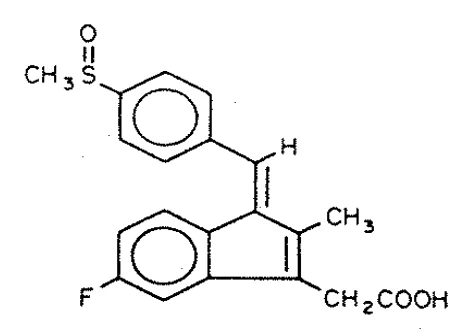
Physicochemical properties: Sulindac, a yellow crystalline compound, is a weak organic acid practically insoluble in water below pH 4.5, but very soluble as the sodium salt or in buffers of pH 6 or higher.
14 CLINICAL TRIALS
The clinical trial data on which the original indication was authorized is not available.
14.3 Comparative Bioavailability Studies
A comparative two-way, single-dose bioavailability study was performed on TEVA-SULINDAC 200 mg Tablets and Clinoril® 200 mg Tablets. The pharmacokinetic data calculated for the parent compound and two metabolites of the TEVA-SULINDAC and Clinoril® tablet formulations is tabulated below:
| AUC (mcg-hours/mL) | Cmax (mcg/mL) | Tmax (Hours) | |
Parent Compound TEVA-SULINDAC Clinoril | 16.79 ± 5.42 16.30 ± 5.78 | 5.58 ± 2.45 5.35 ± 2.20 | 3.06 ± 1.63 3.13 ± 1.74 |
| Sulfone Metabolite |
TEVA-SULINDAC Clinoril | 25.71 ± 9.98 27.35 ± 7.33 | 2.05 ± 0.76 2.29 ± 0.80 | 4.12 ± 1.50 4.21 ± 1.29 |
Sulfone Metabolite TEVA-SULINDAC Clinoril | 22.44 ± 9.36 22.72 ± 10.24 | 3.19 ± 1.30 3.31 ± 1.32 | 4.48 ± 2.13 4.19 ± 2.08 |
15 MICROBIOLOGY
No microbiological information is required for this drug product.
16 NON-CLINICAL TOXICOLOGY
General Toxicology
Acute Animal Toxicity
Oral LD50 mg/kg (95% Confidence Limits):
Mice: 450 (300-675)
Rats: 225 (164-308)
Toxic effects observed in mice and rats included apathy, ptosis, depression, piloerection, urinary stain and rapid respiration. Severe growth suppression was noted in animals at all dose levels. Gross necropsy findings in the mice which died were slight hemorrhaging of the G.I. tract, slightly congested lungs, stomach wall distended with yellowish fluid and slightly congested adrenals. Gross necropsy findings in the rats which died included external evidence of urinary stain and occasional blood stains around the mouth and eye. Internal evidence of gastritis, enteritis, congestion of the lungs and of the adrenal glands was observed.
The oral LD50 in dogs has been reported to be greater than 1600 mg/kg.
Subacute and Chronic Toxicity
- 1. Rats:
(a) 4 weeks at dose levels of 5, 10, 20, 40 or 80 mg/kg/day. Chromorhinorrhea, pale extremities and micturition occurred throughout the study (primarily at 80 mg/kg/day); these signs also preceded death in 11 rats receiving 80 mg/kg/day. Flaccidity and abdominal distention occurred occasionally.
Drug related hematologic changes occurred at the high dose level and were found predominantly in female rats. Changes included: decreased hemoglobin concentration and hematocrit, marked increases in white blood cell counts and percent of neutrophils and monocytes, and a marked decrease in percent of lymphocytes. Several rats in the high dose group also developed nucleated red blood cells, anisocytosis, poikilocytosis, polychromasia, hypochromasia and hyperlobulated white blood cells.
Gross examination revealed drug induced ulcerative enteritis, ulcerative gastritis, fibrinopurulent peritonitis, and renal papillary necrosis at autopsy, mostly in the 80 mg/kg/day group.
(b) Two studies of 13 weeks at dose levels of 10, 20 or 40 mg/kg/day. No adverse physical signs attributable to treatment were seen in either study.
Hematological changes observed during treatment in the highest dose group consisted of a decrease in hemoglobin concentration and hematocrit accompanied, in some instances, by neutrophilia, lymphocytopenia and elevated erythrocyte sedimentation rate. Several rats in the first study also developed anisocytosis, poikilocytosis, polychromasia and hypochromia. A significant increase in glutamic pyruvic transaminase (GPT) occurred in female rats throughout the second study.
In the first study, changes seen at autopsy in rats given 40 mg/kg/day consisted of slight ulcerative enteritis and small gastric erosions in the fundic mucosa, renal papillary necrosis and papillary edema, and moderate thymic atrophy. Postmortem examination revealed gastric lesions in the second study, particularly in the high dose group, including superficial erosion, atrophy and ulceration of the gastric mucosa.
One female rat in the first study died of ulcerative enteritis and peritonitis after 81 doses (40 mg/kg/day). One male rat in the second study developed an ulcer.
(c) 53 weeks at dose levels of 5, 10 or 20 mg/kg/day orally. The principal changes observed were ulceration of the mucosa, or inflammatory nodules in the small intestine secondary to mucosal ulcers. Several rats in the 20 mg/kg/day group exhibited mild anemia, weight loss and neutrophilic leukocytosis secondary to the intestinal lesions. One rat in this dose group developed a gastric ulcer and another had renal papillary necrosis at the end of the study. The only other treatment related changes were slight increases in weight of the liver, kidneys, and spleen of male rats, and increased hemopoietic activity in the spleen in two rats with intestinal lesions. All of these changes occurred with the 20 mg/kg/day regimen.
(d) 105 weeks at dose levels of 5, 10 or 20 mg/kg/day. No treatment related physical signs were noted in this study.
- 2. Mice:
(a) 36 days oral dosing at 20, 40, 80 or 100 mg/kg/day.
No drug related physical signs were noted in the 20 mg/kg/day group. Signs of toxicity at 40, 80 and 100 mg/kg/day included pale extremities, unkempt coat, distended abdomen, weight loss and death; the incidence and severity of these signs were dose related.
The primary change noted at autopsy was gastrointestinal ulceration (40, 80 and 100 mg/kg/day). Renal changes included diffuse degenerative nephropathy (2 of 10 mice, 40 mg/kg/day), cortical tubular necrosis (1 of 10 mice, 80 mg/kg/day), cortical tubular vacuolation (4 of 10 mice, 20, 40 and 100 mg/kg/day) and papillary necrosis (2 of 10 mice, 40 and 100 mg/kg/day).
(b) 81 weeks oral dosing at 5, 10 or 20 mg/kg/day.
In the 20 mg/kg/day group, male mice lost weight during weeks 24 and 25; some also developed pale extremities during this time and died from gastrointestinal ulceration. From week 26 until the end of the study, no drug related physical changes occurred in the 20 mg/kg/day group and body weights remained similar to controls.
After 81 weeks of treatment, one mouse from the 10 mg/kg/day group developed a colonic ulcer. No gastrointestinal lesions were seen with doses of 5 mg/kg/day.
Both treated and control mice developed renal papillary necrosis; though the incidence was greater in treated mice, this was not considered drug related.
- 3. Dog:
(a) 13 days oral dosing at 80 to 320 mg/kg/day administered to 12 dogs.
Dose related emesis and soft bloody stools were observed during treatment. Yellow particles were frequently observed in the feces of dogs receiving 160 or 320 mg/kg/day and minor weight loss occurred in all dosage groups.
Slight to marked elevations in leukocyte counts were noted in dogs in the high and middle dose groups. In the high dose group, this was accompanied by relative neutrophilia and lymphocytopenia, and/or an increase in erythrocyte sedimentation rate. Drug related hepatic changes included: trace or small amounts of fat in the periportal liver cells, moderate bile duct proliferation, periductal fibrosis and elevations in SGOT and alkaline phosphatase activity. Numerous yellow crystals were observed in the bile from the gallbladder in all dosage groups.
One dog receiving 320 mg/kg/day developed slight or moderate acute arteritis in the thymus and spleen, inflammatory and necrotic lesions in lymphoid tissue, slight vasculitis in the liver and a small gastric ulcer accompanied by inflammation and necrosis.
No drug related changes in food consumption, ophthalmologic examinations, electrocardiograms or urinalyses were noted.
Drug administration was discontinued and the animals were held for 38 days without treatment. Signs of drug effect (emesis, leukocytosis, biochemical and histologic changes) completely disappeared during the recovery period.
(b) 14 weeks oral dosing at 5, to, 20 or 40 mg/kg/day.
Dose related physical signs included soft stools, diarrhea and emesis.
No significant changes attributable to drug treatment were noted in: ophthalmologic examination, electrocardiograms, body weight, food consumption, water intake or urinary output measurements, or hematologic or urologic studies.
At autopsy, yellow crystals were present in the gallbladder of all dogs in the 40 mg/kg/day group, but no pathologic changes were evident in the gallbladder. Two dogs (20 and 40 mg/kg/day) showed an increase in kidney weight; liver weight also increased and was associated with slight cytoplasmic rarefaction of the periportal liver cells.
(c) 6 weeks at a dose level of 40 mg/kg/day.
No drug related ophthalmologic, hematologic or biochemical changes were noted.
Physical appearance and body weight were also unchanged as well as gross or microscopic postmortem examinations.
(d) 53 weeks oral dosing at 5, 10 or 20 mg/kg/day.
This study produced no changes in physical signs attributable to sulindac. No drug related changes were seen in ophthalmologic examinations, electrocardiograms, urinalyses and hematologic and biochemical studies. At the end of the treatment period, liver changes consisting of slight mononuclear cell infiltration, bile duct proliferation, periportal fibrosis, cytoplasmic vacuolation and lipid deposition were observed in 4 of 6 dogs receiving 20 mg/kg/day.
- 4. Monkeys:
(a) 87 or 88 consecutive days oral dosing at 5, 10, 20, 40 or 80 mg/kg/day administered to male and female monkeys.
No treatment related antemortem or postmortem changes were noted in monkeys given 5 or 10 mg/kg/day. No significant ophthalmologic alterations or changes in body and organ weight could be attributed to treatment with sulindac at any dose level.
During the first week of treatment one monkey given 80 mg/kg/day developed anorexia and emesis was noted in two monkeys (40 and 80 mg/kg/day). Yellow crystalline particles similar in appearance to sulindac were present in the feces of two monkeys (20 and 80 mg/kg/day). Microscopic examination of urine sediment of two monkeys (40 and 80 mg/kg/day) showed numerous sheaths of linear yellow crystals.
Hematologic changes associated with sulindac included an increase in erythrocyte sedimentation rate and total leukocytes in one monkey at 80 mg/kg/day. Drug related hematologic changes did not occur at any other dose level.
Serum biochemical changes included: increased serum bilirubin in monkeys at 80 mg/kg/day; increased SGOT activity at 20, 40 or 80 mg/kg/day; increased serum alkaline phosphatase activity at 40 or 80 mg/kg/day; increased serum creatinine concentration at 40 or 80 mg/kg/day; and an upward trend in blood urea nitrogen in monkeys at 80 mg/kg/day.
Morphologic changes due to treatment included an increased incidence and amount of focal interstitial nephritis in 4 monkeys receiving 80 mg/kg/day. Similar changes of lesser degree were observed in 2 monkeys from the 40 mg/kg/day treatment group and could not be dissociated from treatment though similar lesions occurred in 2 control monkeys. Hepatic changes in monkeys receiving 40 and 80 mg/kg/day included a slight or moderate portal fibrosis, bile duct proliferation, mixed periportal inflammatory cell infiltration and slight or moderate rarefaction of centrilobular hepatocytes. Yellow crystals were present in the gallbladder and intrahepatic bile ducts of one monkey at 40 mg/kg/day. A small amount of focal hepatocytic necrosis was noted in one monkey at 80 mg/kg/day. No morphologic changes related to treatment were observed at dosage levels of 5, 10, or 20 mg/kg/day.
Carcinogenicity
In the 81 week mouse study and the 105 week rat study, the incidences of neoplasia in the treated groups were the same as the controls.
Reproductive and Developmental Toxicology
All three segments of the reproduction studies were performed. Fertility and general reproductive performance was determined in rats; teratogenicity was evaluated in mice, rabbits, and rats; perinatal/postnatal effects were studied in rats; a parturition study and a mutagenic study were done in mice.
Reproduction studies in the rat showed a decrease in average fetal weight and an increase in numbers of dead pups on the first day of the postpartum period at daily dosage levels of 20 and 40mg/kg (2.5 and 5.0 times the usual maximum daily dose in humans), while there was no adverse effect observed on the survival and growth during the remainder of the postpartum period. Sulindac was found to prolong the duration of gestation in rats, as do other compounds of this class. Visceral and skeletal malformations were observed in low incidence among rabbits in some teratology studies but did not occur at the same dosage levels in repeat studies, nor at a higher dosage level in the same species. It is known that sulindac is secreted in the milk of lactating rats. There was no reproductive performance disturbance in either male or female rats at a dose level up to 40 mg/kg/day.