


Product Monograph - Teva-Tecnal C 1/2
SUMMARY PRODUCT INFORMATION
| Route of Administration | Dosage Form / Strength | Nonmedicinal Ingredients |
| Oral | Capsule / TEVA-TECNAL C1/4: 50 mg - 330 mg - 40 mg - 15 mg TEVA-TECNAL C1/2: 50 mg - 330 mg - 40 mg - 30 mg | Microcrystalline cellulose and pregelatinized corn starch. Capsule Shell: FD&C Blue No. 1, FD&C Red No. 3, gelatin and titanium dioxide. |
INDICATIONS AND CLINICAL USE
Adults
TEVA-TECNAL C (butalbital-acetylsalicylic acid-caffeine-codeine phosphate) is indicated for the relief of tension-type headache.
Evidence supporting the efficacy and safety of butalbital-acetylsalicylic acid-caffeine-codeine phosphate in the treatment of multiple recurrent headaches is unavailable. Caution in this regard is required because repeated use of TEVA-TECNAL C may cause medication overuse headaches and codeine and butalbital are habit-forming and potentially abusable (see WARNINGS and PRECAUTIONS, Dependence/Tolerance).
Geriatrics (> 65 years of age)
In general, dose selection for an elderly patient should be cautious, usually starting at the low end of the dosing range, reflecting the greater frequency of decreased hepatic, renal, or cardiac function, concomitant disease or other drug therapy (see ACTION AND CLINICAL PHARMACOLOGY, Special Populations and Conditions, Geriatrics).
Pediatrics (< 18 years of age)
Regardless of clinical setting, codeine (including TEVA-TECNAL C) should not be used in children below the age of 12 years because of the risk of opioid toxicity due to the variable and unpredictable metabolism of codeine to morphine (see WARNINGS AND PRECAUTIONS, Special Populations, Pediatrics; also DOSAGE AND ADMINISTRATION).
The safety and efficacy of butalbital, acetylsalicylic acid, caffeine, and codeine phosphate has not been studied in the pediatric population. Therefore the use of TEVA-TECNAL C is not recommended in patients under 18 years of age.
CONTRAINDICATIONS
- Patients who are hypersensitive to the active substances acetylsalicylic acid (ASA), caffeine, codeine or other opioid analgesics, butalbital, or to any ingredient in the formulation. For a complete listing, see the DOSAGE FORMS, COMPOSITION AND PACKAGING section of the Product Monograph.
- In patients with known or suspected mechanical gastrointestinal obstruction (e.g., bowel obstruction or strictures) or any diseases/conditions that affect bowel transit (e.g., ileus of any type)
- Patients with suspected surgical abdomen (e.g., acute appendicitis or pancreatitis)
- Patients with mild pain that can be managed with other pain medications
- Patients with acute or severe bronchial asthma, chronic obstructive airway, or status asthmaticus
- Patients with acute respiratory depression, elevated carbon dioxide levels in the blood and cor pulmonale
- Patients with acute alcoholism, delirium tremens, and convulsive disorders
- Patients with severe CNS depression, increased cerebrospinal or intracranial pressure, and head injury
- Patients taking monoamine oxidase (MAO) inhibitors (or within 14 days of such therapy)
- Women who are breast-feeding, pregnant or during labour and delivery (see SERIOUS WARNINGS AND PRECAUTIONS, and WARNINGS AND PRECAUTIONS).
- Pediatric patients (< 18 years of age) who have undergone tonsillectomy and/or adenoidectomy for obstructive sleep apnoea syndrome
- Patients with a hemorrhagic diathesis (e.g., hemophilia, hypoprothrombinemia, von Willebrand’s disease, thrombocytopenia, thrombasthenia and other ill-defined hereditary platelet dysfunctions, severe vitamin K deficiency and severe liver damage)
- Patients with the syndrome of nasal polyps, angioedema and bronchospastic reactivity to ASA or other nonsteroidal anti-inflammatory drugs. Anaphylactoid reactions have occurred in such patients
- Peptic ulcer or other serious gastrointestinal lesions
- Patients with porphyria
- In patients with a history of abuse or overdosage due to alcohol, hypnotics, analgesics and psychotropic drugs
- Pneumonia
- Acute asthma attack
- Coma
- Patients known to be CYP2D6 ultra-rapid metabolizers for whom there is an increased risk of developing symptoms of opioid toxicity, even at commonly prescribed doses (see WARNINGS AND PRECAUTIONS)
WARNINGS AND PRECAUTIONS
SERIOUS WARNINGS AND PRECAUTIONS Limitations of Use Because of the risks of addiction, abuse, and misuse with opioids, even at recommended doses, and because of the risks of overdose and death with immediate release opioid formulations, TEVA-TECNAL C (butalbital, acetylsalicylic acid, caffeine, and codeine phosphate) capsules should only be used in patients for whom alternative treatment options (e.g., non-opioid analgesics) are ineffective, not tolerated, or would be otherwise inadequate to provide appropriate management of pain (see DOSAGE AND ADMINISTRATION). Addiction, Abuse, and Misuse TEVA-TECNAL C poses risks of opioid addiction, abuse, and misuse, which can lead to overdose and death. Each patient’s risk should be assessed prior to prescribing TEVA-TECNAL C and all patients should be monitored regularly for the development of these behaviours or conditions (see WARNINGS AND PRECAUTIONS). TEVA-TECNAL C should be stored securely to avoid theft or misuse. Life-threatening Respiratory Depression: OVERDOSE Serious, life-threatening, or fatal respiratory depression may occur with use of TEVA-TECNAL C. Infants exposed in-utero or through breast milk are at risk of life-threatening respiratory depression upon delivery or when nursed. Patients should be monitored for respiratory depression, especially during initiation of TEVA-TECNAL C or following a dose increase. TEVA-TECNAL C must be swallowed whole. Cutting, breaking, crushing, chewing, or dissolving TEVA-TECNAL C can lead to dangerous adverse events including death (see WARNINGS AND PRECAUTIONS). Further, instruct patients of the hazards related to taking opioids including fatal overdose. Accidental Exposure Accidental ingestion of even one dose of TEVA-TECNAL C especially by children, can result in a fatal overdose of codeine (see DOSAGE AND ADMINISTRATION, Disposal, for instructions on proper disposal). Neonatal Opioid Withdrawal Syndrome Prolonged maternal use of TEVA-TECNAL C during pregnancy can result in neonatal opioid withdrawal syndrome, which may be life-threatening (see WARNINGS AND PRECAUTIONS). Interaction with Alcohol The co-ingestion of alcohol with TEVA-TECNAL C should be avoided as it may result in dangerous additive effects, causing serious injury or death (see WARNINGS AND PRECAUTIONS and DRUG INTERACTIONS). |
|---|
Risks From Concomitant Use with Benzodiazepines or Other CNS Depressants Concomitant use of opioids with benzodiazepines or other central nervous system (CNS) depressants, including alcohol, may result in profound sedation, respiratory depression, coma, and death (see WARNINGS AND PRECAUTIONS, Neurologic and DRUG INTERACTIONS).
Risk in Pregnancy: TEVA-TECNAL C is contraindicated for use during pregnancy. Use of NSAIDS at approximately 20 weeks of gestation or later may cause fetal renal dysfunction leading to oligohydramnios and neonatal renal impairment or failure (see WARNINGS AND PRECAUTIONS). During the third trimester there is risk of premature closure of the ductus arteriosus and uterine inertia (prolonged parturition) (see also WARNINGS AND PRECAUTIONS, Risk of Death in Ultra- Rapid Metabolizers of Codeine, Neonatal Opioid Withdrawal Syndrome (NOWS), and Special Populations, Pregnant Women). |
|---|
General
Patients should be instructed not to give TEVA-TECNAL C (butalbital, acetylsalicylic acid, caffeine, and codeine phosphate) capsules to anyone other than the patient for whom it was prescribed, as such inappropriate use may have severe medical consequences, including death. TEVA-TECNAL C should be stored securely to avoid theft or misuse.
TEVA-TECNAL C should only be prescribed by persons knowledgeable in the continuous administration of potent opioids, in the management of patients receiving potent opioids for the treatment of pain, and in the detection and management of respiratory depression, including the use of opioid antagonists.
Patients should be cautioned not to consume alcohol while taking TEVA-TECNAL C as it may increase the chance of experiencing serious adverse events, including death.
Hyperalgesia that will not respond to a further opioid dose increase can occur at particularly high doses. If hyperalgesia occurs with TEVA-TECNAL C use, a change in medication may be required (see WARNINGS AND PRECAUTIONS, Opioid Induced Hyperalgesia).
Because of its ASA content, TEVA-TECNAL C should be used with caution in patients with a history of bleeding tendencies, in patients on anticoagulant therapy and in patients with underlying hemostatic defects and with extreme caution in patients with peptic ulceration. Thrombocytopenia has been reported in association with the use of ASA, and may be the underlying cause of the increased risk of bleeding, intracerebral hemorrhage and hemorrhagic stroke observed in patients treated with ASA as an antiplatelet therapy.
ASA administered pre-operatively may prolong the bleeding time.
Therapeutic doses of ASA can cause anaphylactic shock and other severe allergic reactions. It should be ascertained if the patient is allergic to ASA, although a specific history of allergy may be lacking.
Precautions should be taken when administering salicylates to persons with known allergies. Hypersensitivity to ASA is particularly likely in patients with nasal polyps and relatively common in those with asthma.
A possible association between Reye's syndrome and the use of salicylates has been suggested but not established. Reye's syndrome has also occurred in many patients not exposed to salicylates. However, caution is advised when prescribing salicylate-containing medications for young adults with influenza or chickenpox.
Long-term use of preparations containing barbiturates and/or codeine may lead to habituation and physical dependence. TEVA-TECNAL C, because of its codeine and butalbital content, should be avoided in patients with head injury, in whom a depressed CNS is suspected. Similarly, it should not be used in patients with actual or a predisposition towards respiratory depression.
Risk of Death in Ultra-Rapid Metabolizers of Codeine:
Codeine is metabolized by the liver enzyme CYP2D6 into morphine, its active metabolite. Some individuals may be extensive or ultra-rapid metabolizers due to a specific CYP2D6*2x2 genotype. These individuals convert codeine into its active metabolite, morphine, more rapidly and completely than other people. This rapid conversion results in higher than expected serum morphine levels. Even at labelled dosage regimens, individuals who are extensive or ultra-rapid metabolizers may experience overdose symptoms such as extreme sleepiness, confusion, shallow breathing, small pupils, nausea, vomiting, constipation and lack of appetite. In severe cases this may include symptoms of circulatory and respiratory depression, which may be life-threatening and very rarely fatal. If the patient is a CYP2D6 ultra-rapid metabolizer and a nursing mother, higher levels of morphine may be present in breast milk and may result in symptoms of opioid toxicity in the infant, which may be fatal. Therefore, the use of TEVA-TECNAL C is contraindicated in patients known to be ultra-rapid metabolizers, as well as in nursing mothers (see CONTRAINDICATIONS; See also Labour, Delivery and Nursing Women in Special Populations).
The prevalence of this CYP2D6 phenotype varies widely by ethnic group and has been estimated at 0.5 to 1% in Chinese, Japanese and Hispanics, 1 to 10% in Caucasians, 3% in African Americans, and 16 to 28% in North Africans, Ethiopians, and Arabs. Data are not available for other ethnic groups.
Cases of acute pancreatitis have been reported with the use of codeine and should therefore be considered as a possible side effect of this compound.
Codeine or other narcotics may obscure signs on which to judge the diagnosis or clinical course of patients with acute abdominal conditions.
Abuse and Misuse
Like all opioids, codeine is a potential drug of abuse and misuse, which can lead to overdose and death. Therefore, TEVA-TECNAL C should be prescribed and handled with caution.
Patients should be assessed for their clinical risks for opioid abuse or addiction prior to being prescribed opioids. All patients receiving opioids should be routinely monitored for signs of misuse and abuse.
Opioids, such as codeine should be used with particular care in patients with a history of alcohol and illicit/prescription drug abuse and other mental health disorders including, but not limited to, major depression and anxiety. However, concerns about abuse, addiction, and diversion should not prevent the proper management of pain.
TEVA-TECNAL C is intended for oral use only. The capsules should be swallowed whole, and not chewed or crushed. Abuse of oral dosage forms can be expected to result in serious adverse events, including death.
Carcinogenesis and Mutagenesis
See TOXICOLOGY section.
Cardiovascular
Codeine administration may result in severe hypotension in patients whose ability to maintain adequate blood pressure is compromised by reduced blood volume, or concurrent administration of drugs such as phenothiazines and other tranquilizers, sedative/hypnotics, tricyclic antidepressants or general anesthetics. These patients should be monitored for signs of hypotension after initiating or titrating the dose of TEVA-TECNAL C.
The use of TEVA-TECNAL C in patients with circulatory shock should be avoided as codeine may cause vasodilation that can further reduce cardiac output and blood pressure.
Dependence/Tolerance
Codeine
As with other opioids, tolerance and physical dependence may develop upon repeated administration of TEVA-TECNAL C and there is a potential for development of psychological dependence.
Physical dependence and tolerance reflect the neuroadaptation of the opioid receptors to chronic exposure to an opioid, and are separate and distinct from abuse and addiction. Tolerance, as well as physical dependence, may develop upon repeated administration of opioids, and are not by themselves evidence of an addictive disorder or abuse.
Patients on prolonged opioid therapy should be tapered gradually from the drug if it is no longer required for pain control. Withdrawal symptoms may occur following abrupt discontinuation of therapy or upon administration of an opioid antagonist. Some of the symptoms that may be associated with abrupt withdrawal of an opioid analgesic include body aches, diarrhea, gooseflesh, loss of appetite, nausea, nervousness or restlessness, anxiety, runny nose, sneezing, tremors or shivering, stomach cramps, tachycardia, trouble with sleeping, unusual increase in sweating, palpitations, unexplained fever, weakness and yawning (see ADVERSE REACTIONS, DOSAGE AND ADMINISTRATION, Adjustment or Reduction of Dosage).
Butalbital
Barbiturates may be habit-forming. Tolerance, psychological dependence, and physical dependence may occur especially following prolonged use of high doses of barbiturates. The average daily dose for the barbiturate addict is usually about 1,500 mg. As tolerance to barbiturates develops, the amount needed to maintain the same level of intoxication increases; tolerance to a fatal dosage, however, does not increase more than twofold. As this occurs, the margin between an intoxication dosage and fatal dosage becomes smaller. The lethal dose of a barbiturate is far less if alcohol is also ingested. Major withdrawal symptoms (convulsions and delirium) may occur within 16 hours and last up to 5 days after abrupt cessation of these drugs. Intensity of withdrawal symptoms gradually declines over a period of approximately 15 days. Treatment of barbiturate dependence consists of cautious and gradual withdrawal of the drug. Barbiturate-dependent patients can be withdrawn by using a number of different withdrawal regimens. One method involves initiating treatment at the patient’s regular dosage level and gradually decreasing the daily dosage as tolerated by the patient.
Use in Drug and Alcohol Addiction
Codeine is an opioid with no approved use in the management of addictive disorders. Its proper usage in individuals with drug or alcohol dependence, either active or in remission is for the management of pain requiring opioid analgesia. Patients with a history of addiction to drugs or alcohol may be at higher risk of becoming addicted to TEVA-TECNAL C; extreme caution and awareness is warranted to mitigate the risk.
Endocrine
Adrenal Insufficiency: Cases of adrenal insufficiency have been reported with opioid use, more often following greater than one month of use. Presentation of adrenal insufficiency may include non-specific symptoms and signs including nausea, vomiting, anorexia, fatigue, weakness, dizziness, and low blood pressure. If adrenal insufficiency is suspected, confirm the diagnosis with diagnostic testing as soon as possible. If adrenal insufficiency is diagnosed, treat with physiologic replacement doses of corticosteroids. Wean the patient off of the opioid to allow adrenal function to recover and continue corticosteroid treatment until adrenal function recovers. Other opioids may be tried as some cases reported use of a different opioid without recurrence of adrenal insufficiency. The information available does not identify any particular opioids as being more likely to be associated with adrenal insufficiency.
Gastrointestinal Effects
Codeine and other morphine-like opioids have been shown to decrease bowel motility. The codeine component of TEVA-TECNAL C may obscure the diagnosis or clinical course of patients with acute abdominal conditions (see CONTRAINDICATIONS).
Monitoring and Laboratory Tests
Pregnancy: TEVA-TECNAL C is contraindicated for use in pregnancy. If TEVA-TECNAL C is administered in the middle (approximately 20 weeks) to the end of the second trimester, it is recommended that pregnant women on TEVA-TECNAL C be closely monitored for amniotic fluid volume since TEVA-TECNAL C may result in reduction of amniotic fluid volume and even oligohydramnios (see WARNINGS AND PRECAUTIONS, Special Populations).
Neonatal Opioid Withdrawal Syndrome (NOWS)
Prolonged maternal use of opioids during pregnancy can result in withdrawal signs in the neonate. Neonatal opioid withdrawal syndrome, unlike opioid withdrawal syndrome in adults, may be life-threatening.
Neonatal opioid withdrawal syndrome presents as irritability, hyperactivity and abnormal sleep pattern, high pitched cry, tremor, vomiting, diarrhea and failure to gain weight. The onset, duration, and severity of neonatal opioid withdrawal syndrome vary based on the specific opioid used, duration of use, timing and amount of last maternal use, and rate of elimination of the drug by the newborn.
Use of TEVA-TECNAL C is contraindicated in pregnant women (see CONTRAINDICATIONS).
Neurologic
Interactions with Central Nervous System Depressants (including benzodiazepines and alcohol): Codeine should be used with caution and in a reduced dosage during concomitant administration of other opioid analgesics, general anesthetics, phenothiazines and other tranquilizers, sedative-hypnotics, tricyclic antidepressants, antipsychotics, antihistamines, benzodiazepines, gabapentinoids, baclofen, centrally-active anti-emetics and other CNS depressants. Respiratory depression, hypotension and profound sedation, coma or death may result.
Observational studies have demonstrated that concomitant use of opioid analgesics and benzodiazepines increases the risk of drug-related mortality compared to use of opioid analgesics alone. Because of similar pharmacological properties, it is reasonable to expect similar risk with the concomitant use of other CNS depressant drugs with opioid analgesics (see DRUG INTERACTIONS). If the decision is made to prescribe a benzodiazepine or other CNS depressant concomitantly with an opioid analgesic, prescribe the lowest effective dosages and minimum durations of concomitant use. In patients already receiving an opioid analgesic, prescribe a lower initial dose of the benzodiazepine or other CNS depressant than indicated in the absence of an opioid, and titrate based on clinical response. If an opioid analgesic is initiated in a patient already taking a benzodiazepine or other CNS depressant, prescribe a lower initial dose of the opioid analgesic, and titrate based on clinical response. Follow patients closely for signs and symptoms of respiratory depression and sedation.
Advise both patients and caregivers about the risks of respiratory depression and sedation when TEVA-TECNAL C is used with benzodiazepines or other CNS depressants (including alcohol and illicit drugs). Advise patients not to drive or operate heavy machinery until the effects of concomitant use of the benzodiazepine or other CNS depressant have been determined. Screen patients for risk of substance use disorders, including opioid abuse and misuse, and warn them of the risk for overdose and death associated with the use of additional CNS depressants including alcohol and illicit drugs (see DRUG INTERACTIONS).
TEVA-TECNAL C should not be consumed with alcohol as it may increase the chance of experiencing dangerous side effects, including death (see CONTRAINDICATIONS and ADVERSE REACTIONS, Sedation, and DRUG INTERACTIONS).
Severe pain antagonizes the subjective and respiratory depressant actions of opioid analgesics. Should pain suddenly subside, these effects may rapidly become manifest.
Head Injury: The respiratory depressant effects of codeine, and the capacity to elevate cerebrospinal fluid pressure, may be greatly increased in the presence of an already elevated intracranial pressure produced by trauma. Also, codeine may produce confusion, miosis, vomiting and other side effects which obscure the clinical course of patients with head injury. In such patients, TEVA-TECNAL C must be used with extreme caution and only if it is judged essential (see CONTRAINDICATIONS).
TEVA-TECNAL C is associated with exacerbation of headache when used too frequently (medication overuse headaches) in susceptible patients. Repeated use of TEVA-TECNAL C can lead to “rebound” headaches as each dose wears off. With repeated doses physical and psychological dependence can develop. In addition to dependence, butalbital-containing products can lead to tolerance, and at higher doses can produce withdrawal symptoms after discontinuation (see WARNINGS AND PRECAUTIONS, Dependence/Tolerance, Butalbital).
Opioid Induced Hyperalgesia: Opioid induced hyperalgesia (OIH) is a paradoxical response to an opioid in which there is an increase in pain perception despite stable or increased opioid exposure. It differs from tolerance, in which higher opioid doses are required to achieve the same analgesic effect or treat recurring pain. Clinically, OIH may be associated with high opioid doses, long term opioid treatment, and intra-operative opioid use. OIH may manifest as an unexplained increase in pain, more diffuse pain than pre-existing, or as pain from ordinary (i.e. non-painful stimuli (allodynia), in the absence of disease progression. When OIH is suspected, the dose of opioid should be reduced or tapered off, if possible. It is reasonable to consider opioid rotation, or the use of a non-opioid strategy for pain control. There is currently no well- established treatment for OIH.
Serotonin Toxicity/Serotonin Syndrome:
Serotonin toxicity, also known as serotonin syndrome, is a potentially life-threatening condition and has been reported with codeine, particularly during combined use with other serotonergic drugs (see DRUG INTERACTIONS).
Serotonin toxicity is characterised by neuromuscular excitation, autonomic stimulation (e.g., tachycardia, flushing) and altered mental state (e.g., anxiety, agitation, hypomania). In accordance with the Hunter Criteria, serotonin toxicity diagnosis is likely when, in the presence of at least one serotonergic agent, one of the following is observed:
- Spontaneous clonus
- Inducible clonus or ocular clonus with agitation or diaphoresis
- Tremor and hyperreflexia
- Hypertonia and body temperature >38°C and ocular clonus or inducible clonus.
If concomitant treatment with TEVA-TECNAL C and other serotonergic agents is clinically warranted, careful observation of the patient is advised, particularly during treatment initiation and dose increases (see DRUG INTERACTIONS). If serotonin toxicity is suspected, discontinuation of the serotonergic agents should be considered.
Peri-Operative Considerations
TEVA-TECNAL C is not indicated for pre-emptive analgesia (administration pre-operatively for the management of post-operative pain).
In the case of planned chordotomy or other pain-relieving operations, patients should not be treated with TEVA-TECNAL C for at least 24 hours before the operation and TEVA-TECNAL C should not be used in the immediate post-operative period.
Physicians should individualize treatment, moving from parenteral to oral analgesics as appropriate. Thereafter, if TEVA-TECNAL C is to be continued after the patient recovers from the post-operative period, a new dosage should be administered in accordance with the changed need for pain relief. The risk of withdrawal in opioid-tolerant patients should be addressed as clinically indicated.
The administration of analgesics in the peri-operative period should be managed by healthcare providers with adequate training and experience (e.g., by an anesthesiologist).
Codeine and other morphine-like opioids have been shown to decrease bowel motility. Ileus is a common post-operative complication, especially after intra-abdominal surgery with opioid analgesia. Caution should be taken to monitor for decreased bowel motility in post-operative patients receiving opioids. Standard supportive therapy should be implemented.
TEVA-TECNAL C should not be used in the early post-operative period (12 to 24 hours post-surgery) unless the patient is ambulatory and gastrointestinal function is normal.
Psychomotor Impairment
TEVA-TECNAL C may impair the mental and/or physical abilities needed for certain potentially hazardous activities such as driving a car or operating machinery. Patients should be cautioned accordingly. Patients should also be cautioned about the combined effects of codeine with other CNS depressants, including other opioids, phenothiazine, sedative/hypnotics and alcohol.
Respiratory
Life-Threatening Respiratory Depression: Serious, life-threatening, or fatal respiratory depression has been reported with the use of opioids, even when used as recommended. Respiratory depression from opioid use, if not immediately recognized and treated, may lead to respiratory arrest and death. Management of respiratory depression may include close observation, supportive measures, and use of opioid antagonists, depending on the patient’s clinical status. TEVA-TECNAL C because of the codeine component should be used with extreme caution in patients with substantially decreased respiratory reserve, pre-existing respiratory depression, hypoxia or hypercapnia (see CONTRAINDICATIONS).
While serious, life-threatening, or fatal respiratory depression can occur at any time during the use of codeine the risk is greatest during the initiation of therapy or following a dose increase. Patients should be closely monitored for respiratory depression when initiating therapy with TEVA-TECNAL C and following dose increases.
Life-threatening respiratory depression is more likely to occur in the elderly, cachectic, or debilitated patients because they may have altered pharmacokinetics or altered clearance compared to younger, healthier patients.
To reduce the risk of respiratory depression, proper dosing and titration of TEVA-TECNAL C are essential. Overestimating the codeine dose when converting patients from another opioid product can result in a fatal overdose with the first dose. In these patients, the use of non-opioid analgesics should be considered, if feasible (see WARNINGS AND PRECAUTIONS, Special Populations, Special Risk Groups, and DOSAGE AND ADMINISTRATION).
Codeine: Respiratory depression and death have occurred in children who received codeine in the postoperative period following tonsillectomy and/or adenoidectomy and had evidence of being ultra-rapid metabolizers of codeine (i.e., multiple copies of the gene for cytochrome P450 isoenzyme 2D6 or high morphine concentrations). Children with obstructive sleep apnea who are treated with codeine for post-tonsillectomy and/or adenoidectomy pain may be particularly sensitive to the respiratory depressant effects of codeine that has been rapidly metabolized to morphine. Codeine -containing products are contraindicated for post-operative pain management in all pediatric patients undergoing tonsillectomy and/or adenoidectomy for obstructive sleep apnea syndrome (see CONTRAINDICATIONS).
Sleep Apnea: Opioids can cause sleep-related breathing disorders including central sleep apnea (CSA) and sleep-related hypoxemia. Opioid use increases the risk of CSA in a dose-dependent fashion. In patients who present with CSA, consider decreasing the TEVA-TECNAL C dosage using best practices for opioid taper (see DOSAGE AND ADMINISTRATION).
Use in Patients with Chronic Pulmonary Disease: Monitor patients with significant chronic obstructive pulmonary disease or cor pulmonale, and patients having a substantially decreased respiratory reserve, hypoxia, hypercapnia, or preexisting respiratory depression for respiratory depression, particularly when initiating therapy and titrating with TEVA-TECNAL C as in these patients, even usual therapeutic doses of codeine may decrease respiratory drive to the point of apnea. In these patients, use of alternative non-opioid analgesics should be considered, if possible. The use of TEVA-TECNAL C is contraindicated in patients with acute or severe bronchial asthma, chronic obstructive airway, or status asthmaticus (see CONTRAINDICATIONS).
Sexual Function/Reproduction
Long-term use of opioids may be associated with decreased sex hormone levels and symptoms such as low libido, erectile dysfunction, or infertility (see ADVERSE REACTIONS, Post-Marketing Experience).
Skin
Serious skin reactions: Use of some NSAIDs, such as TEVA-TECNAL C, have been associated with rare post-market cases of serious, fatal or otherwise life-threatening skin reactions, including:
- drug reaction with eosinophilia and systemic symptoms (DRESS)
- Stevens-Johnson syndrome,
- toxic epidermal necrolysis,
- exfoliative dermatitis and
- erythema multiforme.
Patients appear to be at higher risk for these events early in the course of therapy, with the onset of cases usually occurring within the first month of treatment. These reactions may be reversible if the causative agent is discontinued and appropriate treatment instituted. Patients should be advised that they should discontinue their NSAID at the first appearance of a skin rash, mucosal lesions or any other sign of hypersensitivity, and contact their physician immediately for assessment and advice, including which therapies to discontinue.
DRESS typically, although not exclusively, presents with fever, rash, lymphadenopathy, and/or facial swelling. Other clinical manifestations may include hepatitis, nephritis, hematological abnormalities, myocarditis, or myositis. Sometimes symptoms of DRESS may resemble an acute viral infection, and eosinophilia is often present. Because this disorder is variable in its presentation, other organ systems not noted here may be involved. It is important to note that early manifestations of hypersensitivity, such as fever or lymphadenopathy, may be present even though rash is not evident.
Special Populations
Special Risk Groups: Because of the codeine component, TEVA-TECNAL C should be administered with caution to patients with a history of alcohol and drug abuse and in a reduced dosage to debilitated patients, and in patients with severely impaired pulmonary function, Addison’s disease, hypothyroidism, myxedema, toxic psychosis, prostatic hypertrophy or urethral stricture. In addition, TEVA-TECNAL C should be administered with caution in patients with severe impairment of renal or hepatic function, coagulation disorders, head injuries, elevated intracranial pressure, acute abdominal conditions, peptic ulcer, or in osteomalacia or osteoporosis.
Pregnant Women: Studies in humans have not been conducted. TEVA-TECNAL C crosses the placental barrier and is contraindicated in pregnant women.
Animal reproduction studies have not been conducted with butalbital, acetylsalicylic acid, caffeine, and codeine phosphate.
TEVA-TECNAL C is contraindicated during pregnancy (see CONTRAINDICATIONS) because the codeine component of TEVA-TECNAL C significantly increases the rate of malformations if used in the first trimester of pregnancy (deformities of the respiratory tract, slight increase in cleft lip and palate). In the last trimester of pregnancy, codeine may cause withdrawal symptoms in the neonate (also in the foetus if therapy is discontinued before birth).
Due to the NSAID component in TEVA-TECNAL C, during the third trimester of pregnancy there are also risks of premature closure of the ductus arteriosus and the potential to prolong parturition. During the first and second trimesters of pregnancy, particularly from the middle to end of the second trimester of pregnancy (onset at approximately 20 weeks) there is risk of possible fetal renal dysfunction leading to oligohydramnios and, in some cases, neonatal renal impairment or failure.
Published studies and postmarketing reports describe maternal NSAID use at approximately 20 weeks gestation or later in pregnancy associated with fetal renal dysfunction leading to oligohydramnios, and in some cases, neonatal renal impairment or failure. NSAIDs were shown to cause significant reduction in fetal urine production prior to reduction of amniotic fluid volume. There have also been a limited number of case reports of maternal NSAID use and neonatal renal dysfunction and renal impairment without oligohydramnios, some of which were irreversible, even after treatment discontinuation.
These adverse outcomes are seen, on average, after days to weeks of treatment, although oligohydramnios has been infrequently reported as soon as 48 hours after NSAID initiation. Complications of prolonged oligohydramnios may for example, include limb contractures and delayed lung maturation. In some postmarketing cases of impaired neonatal renal function, invasive procedures such as exchange transfusion or dialysis were required.
If after careful consideration of the benefit-risk, TEVA-TECNAL C treatment is considered necessary to be administered anywhere from the middle (onset at approximately 20 weeks) to the end of the second trimester of pregnancy, the use should be limited to the lowest effective dose and shortest duration possible. It is also recommended that ultrasound monitoring of amniotic fluid be considered if TEVA-TECNAL C treatment extends beyond 48 hours and that TEVA-TECNAL C treatment be discontinued if oligohydramnios occurs, followed by appropriate medical follow up.
Inhibition of prostaglandin synthesis may adversely affect pregnancy and/or embryo-fetal development. Data from epidemiological studies suggest an increased risk of miscarriage and of cardiac malformation after use of a prostaglandin synthesis inhibitor in early pregnancy.
In animals, administration of a prostaglandin synthesis inhibitor has been shown to result in increased pre- and post-implantation loss and embryo-fetal lethality. In addition, increased incidences of various malformations, including cardiovascular, have been reported in animals given a prostaglandin synthesis inhibitor during the organogenesis period.
Although butalbital, acetylsalicylic acid, caffeine, and codeine phosphate was not implicated in the birth defect, a female infant was born with lissencephaly, pachygyria and heterotopic gray matter. The infant was born 8 weeks prematurely to a woman who had taken an average of 90 butalbital, acetylsalicylic acid, caffeine, and codeine phosphate capsules each month from the first few days of pregnancy. The child’s development was mildly delayed and from one year of age she had partial simple motor seizures.
In controlled studies involving 41,337 pregnant women and their offspring, there was no evidence that ASA taken during pregnancy caused stillbirth, neonatal death or reduced birth weight. In controlled studies of 50,282 pregnant women and their offspring, ASA administration in moderate and heavy doses during the first four lunar months of pregnancy showed no teratogenic effect.
Therapeutic doses of ASA in pregnant women close to term may cause bleeding in mother, fetus, or neonate. During the last 6 months of pregnancy, regular use of ASA in high doses may prolong pregnancy and delivery.
Withdrawal seizures were reported in a two-day-old male infant whose mother had taken a butalbital containing drug during the last 2 months of pregnancy. Butalbital was found in the infant’s serum. The infant was given phenobarbital 5 mg/kg, which was tapered without further seizure or other withdrawal symptoms.
Prolonged maternal use of opioids during pregnancy can result in withdrawal signs in the neonate. Neonatal opioid withdrawal syndrome, unlike opioid withdrawal syndrome in adults, may be life-threatening (see WARNINGS AND PRECAUTIONS, Neonatal Opioid Withdrawal Syndrome, ADVERSE REACTIONS, Post-marketing Experience).
Pregnant women using opioids should not discontinue their medication abruptly as this can cause pregnancy complication such as miscarriage or still-birth. Tapering should be slow and under medical supervision to avoid serious adverse events to the fetus.
Labour, Delivery and Nursing Women:
Since opioids can cross the placental barrier and are excreted in breast milk, TEVA-TECNAL C is contraindicated in nursing women and during labour (or in case of risk of premature labour) and delivery. Life-threatening respiratory depression can occur in the infant if opioids are administered to the mother. Naloxone, a drug that counters the effects of opioids, should be readily available if TEVA-TECNAL C is used in this population.
Ingestion of ASA prior to delivery may prolong delivery or lead to bleeding in the mother or neonate.
In women with normal codeine metabolism (normal CYP2D6 activity), the amount of codeine secreted into human milk is low and dose-dependent. However, some women are ultra-rapid metabolisers of codeine (see CONTRAINDICATIONS, Ultra-Rapid Metabolisers of Codeine). These women achieve higher-than-expected serum levels of codeine’s active metabolite, morphine, leading to higher-than-expected levels of morphine in breast milk and potentially dangerously high serum morphine levels in their breast-fed infants. Therefore, maternal use of codeine can potentially lead to serious adverse reactions, including death in nursing infants.
Since there is a risk of infant exposure to codeine and morphine through breast milk, TEVA-TECNAL C is contraindicated in breast-feeding. Prescribers should closely monitor mother-infant pairs and notify treating pediatricians about any use of codeine during breast-feeding.
ASA, caffeine and barbiturates are excreted into human breast milk, but the significance of their effects on nursing infants is not known.
Pediatrics (< 18 years of age): Regardless of clinical setting, codeine (including TEVA-TECNAL C) should not be used in children below the age of 12 years because of the risk of opioid toxicity due to the variable and unpredictable metabolism of codeine to morphine (see INDICATIONS, and DOSAGE AND ADMINISTRATION). The safety and efficacy of butalbital, acetylsalicylic acid, caffeine, and codeine phosphate have not been studied in the pediatric population. Therefore, use of TEVA-TECNAL C is not recommended in patients over 12 and under 18 years of age.
Geriatrics (> 65 years of age): In general, dose selection for an elderly patient should be cautious, usually starting at the low end of the dosing range and titrate slowly, reflecting the greater frequency of decreased hepatic, renal, or cardiac function, and of concomitant disease or other drug therapy (see DOSAGE AND ADMINISTRATION and ACTION AND CLINICAL PHARMACOLOGY, Special Populations and Conditions, Geriatrics).
Patients with Hepatic Impairment:
TEVA-TECNAL C should be prescribed with caution in patients with severe impairment of hepatic function.
Patients with Renal Impairment:
Butalbital is known to be substantially excreted by the kidney, and the risk of toxic reactions to this drug may be greater in patients with impaired renal function.
TEVA-TECNAL C should be prescribed with caution in patients with severe impairment of renal function.
ADVERSE REACTIONS
Adverse Drug Reaction Overview
Adverse effects of TEVA-TECNAL C (butalbital, acetylsalicylic acid, caffeine, and codeine phosphate) capsules are similar to those of other opioid-containing analgesics, and represent an extension of pharmacological effects of the drug class. The major hazards of opioids include respiratory and central nervous system depression and to a lesser degree, circulatory depression, respiratory arrest, shock and cardiac arrest.
The most frequently observed adverse effects associated with the use of butalbital, acetylsalicylic acid, caffeine, and codeine phosphate capsules and not reported at an equivalent incidence by placebo-treated patients were nausea and/or abdominal pain, drowsiness and dizziness. Less frequent adverse reactions are constipation, rash, miosis, light-headedness and gastrointestinal disturbances including nausea, vomiting and flatulence. Several cases of dermatological reactions including toxic epidermal necrolysis, Stevens-Johnson syndrome and erythema multiforme have been reported.
Of the 382 patients treated with butalbital, acetylsalicylic acid, caffeine, and codeine phosphate capsules in controlled clinical trials, three (0.8%) discontinued treatment with butalbital, acetylsalicylic acid, caffeine, and codeine phosphate capsules because of adverse events. One patient each discontinued treatment for the following reasons: gastrointestinal upset; light-headedness and heavy eyelids; and drowsiness and generalized tingling.
Clinical Trial Adverse Drug Reactions
Because clinical trials are conducted under very specific conditions the adverse reaction rates observed in the clinical trials may not reflect the rates observed in practice and should not be compared to the rates in the clinical trials of another drug. Adverse drug reaction information from clinical trials is useful for identifying drug-related adverse events and for approximating rates.
The following table summarizes the incidence rates of the treatment emergent adverse events reported by at least 1% of the butalbital, acetylsalicylic acid, caffeine, and codeine phosphate capsules treated patients in controlled clinical trials comparing butalbital, acetylsalicylic acid, caffeine, and codeine phosphate capsule to placebo, and provides a comparison to the incidence rates reported by the placebo-treated patients.
Table 1: Adverse Events Reported by at Least 1% of Butalbital, Acetylsalicylic Acid, Caffeine, and Codeine Phosphate Capsule-Treated Patients during Placebo Controlled Clinical Trials
| Incidence Rate of Adverse Events | ||
|---|---|---|
| Body System/Adverse Event | Butalbital, Acetylsalicylic Acid, Caffeine, and Codeine Phosphate Capsules (N = 382) | Placebo (N = 377) |
| Central Nervous | ||
| Drowsiness | 2.4% | 0.5% |
| Dizziness/Light-headedness | 2.6% | 0.5% |
| Intoxicated Feeling | 1.0% | 0.0% |
| Gastrointestinal | ||
| Nausea/Abdominal Pain | 3.7% | 0.8% |
Sedation: Sedation is a common side effect of opioid analgesics, especially in opioid naïve individuals. Sedation may also occur partly because patients often recuperate from prolonged fatigue after the relief of persistent pain. Most patients develop tolerance to the sedative effects of opioids within three to five days and, if the sedation is not severe, will not require any treatment except reassurance. If excessive sedation persists beyond a few days, the dose of the opioid should be reduced and alternate causes investigated. Some of these are: concurrent CNS depressant medication, hepatic or renal dysfunction, brain metastases, hypercalcemia and respiratory failure. If it is necessary to reduce the dose, it can be carefully increased again after three or four days if it is obvious that the pain is not being well controlled. Dizziness and unsteadiness may be caused by postural hypotension, particularly in elderly or debilitated patients, and may be alleviated if the patient lies down.
Nausea and Vomiting: Nausea is a common side effect on initiation of therapy with opioid analgesics and is thought to occur by activation of the chemoreceptor trigger zone, stimulation of the vestibular apparatus and through delayed gastric emptying. The prevalence of nausea declines following continued treatment with opioid analgesics. When instituting therapy with an opioid for chronic pain, the routine prescription of an antiemetic should be considered. In the cancer patient, investigation of nausea should include such causes as constipation, bowel obstruction, uremia, hypercalcemia, hepatomegaly, tumor invasion of celiac plexus and concurrent use of drugs with emetogenic properties. Persistent nausea which does not respond to dosage reduction may be caused by opioid-induced gastric stasis and may be accompanied by other symptoms including anorexia, early satiety, vomiting and abdominal fullness. These symptoms respond to chronic treatment with gastrointestinal prokinetic agents.
Constipation: Practically all patients become constipated while taking opioids on a persistent basis. In some patients, particularly the elderly or bedridden, fecal impaction may result. It is essential to caution the patients in this regard and to institute an appropriate regimen of bowel management at the start of prolonged opioid therapy. Stimulant laxatives, stool softeners, and other appropriate measures should be used as required. As fecal impaction may present as overflow diarrhea, the presence of constipation should be excluded in patients on opioid therapy prior to initiating treatment for diarrhea.
Less Common Clinical Trial Adverse Drug Reactions (<1%)
The following adverse effects occur less frequently with opioid analgesics and include those reported in butalbital, acetylsalicylic acid, caffeine, and codeine phosphate capsules clinical trials, whether related or not to the active components, including codeine.
Central nervous: headache, shaky feeling, tingling, agitation, fainting, fatigue, heavy eyelids, high energy, hot spells, numbness, and sluggishness.
Autonomic nervous: dry mouth and hyperhidrosis.
Gastrointestinal: vomiting, difficulty swallowing, and heartburn.
Cardiovascular: tachycardia.
Musculoskeletal: leg pain and muscle fatigue.
Genitourinary: diuresis.
Miscellaneous: pruritus, fever, earache, nasal congestion, and tinnitus.
Post-Marketing Experience
Voluntary reports of adverse drug events, temporally associated with butalbital, acetylsalicylic acid, caffeine, and codeine phosphate capsules, that have been received since market introduction and that were not reported in clinical trials by the patients treated with butalbital, acetylsalicylic acid, caffeine, and codeine phosphate capsules are listed below. Many or most of these events may have no causal relationship with the drug and are listed according to body system.
Central nervous: Abuse, addiction, anxiety, depression, disorientation, hallucination, hyperactivity, insomnia, libido decrease, nervousness, neuropathy, psychosis, sedation, sexual activity increase, slurred speech, twitching, unconsciousness, vertigo.
Autonomic nervous: epistaxis, flushing, miosis, salivation.
Gastrointestinal: anorexia, appetite increased, constipation, diarrhea, esophagitis, gastroenteritis, gastrointestinal spasm, hiccup, mouth burning, pyloric ulcer.
Cardiovascular: chest pain, hypotensive reaction, palpitations, syncope.
Skin: erythema, erythema multiforme, exfoliative dermatitis, hives, rash, toxic epidermal necrolysis, Stevens-Johnson syndrome, DRESS, lichenoid eruption.
Urinary: kidney impairment, urinary difficulty.
Miscellaneous: allergic reaction, anaphylactic shock, cholangiocarcinoma, drug interaction with erythromycin (stomach upset), edema.
The following adverse drug events may be borne in mind as potential effects of the components of butalbital, acetylsalicylic acid, caffeine, and codeine phosphate capsules. Potential effects of high dosage are listed in the OVERDOSAGE.
ASA: occult blood, hemolytic anemia, iron deficiency anemia, dyspepsia, nausea, peptic ulcer, prolonged bleeding time, acute airway obstruction, nephropathy toxic when taken in high doses for prolonged periods, urine uric acid decreased, hepatitis.
Caffeine: tachycardia, irritability, tremor, dependence, nephrotoxicity, hyperglycemia.
Codeine: nausea, vomiting, drowsiness, light-headedness, constipation, pruritus.
Butalbital: incoordination, difficulty thinking, poor memory, faulty judgment, decreased attention, emotional lability, exaggeration of personality traits.
Androgen deficiency: Chronic use of opioids may influence the hypothalamic-pituitary-gonadal axis, leading to androgen deficiency that may manifest as low libido, impotence, erectile dysfunction, amenorrhea, or infertility. The causal role of opioids in the clinical syndrome of hypogonadism is unknown because the various medical, physical, lifestyle, and psychological stressors that may influence gonadal hormone levels have not been adequately controlled for in studies conducted to date. Patients presenting with symptoms of androgen deficiency should undergo laboratory evaluation.
DRUG INTERACTIONS
Overview
Interaction with Benzodiazepines and Other Central Nervous System (CNS) Depressants: Due to additive pharmacologic effect, the concomitant use of benzodiazepines or other CNS depressants (e.g. other opioids, sedatives, gabapentinoids such as gabapentin and pregabalin, baclofen, hypnotics, antidepressants, anxiolytics, tranquilizers, muscle relaxants, general anesthetics, antipsychotics, phenothiazines, neuroleptics, antihistamines, antiemetics, and alcohol) and beta-blockers, increases the risk of respiratory depression, profound sedation, coma, and death. Reserve concomitant prescribing of these drugs for use in patients for whom alternative treatment options are inadequate. Limit dosages and durations to the minimum required. Follow patients closely for signs of respiratory depression and sedation (see WARNINGS AND PRECAUTIONS, Neurologic, Interactions with Central Nervous System Depressants (including benzodiazepines and alcohol) and Psychomotor Impairment). TEVA-TECNAL C should not be consumed with alcohol as it may increase the chance of experiencing dangerous side effects.
Drug-Drug Interactions
Coadministration of codeine with a serotonergic agent, such as a Selective Serotonin Re-uptake Inhibitor or a Serotonin Norepinephrine Re-uptake Inhibitor, may increase the risk of serotonin syndrome, a potentially life-threatening condition (see WARNINGS AND PRECAUTIONS).
The CNS effects of butalbital may be enhanced by monoamine oxidase (MAO) inhibitors.
In patients receiving concomitant corticosteroids and chronic use of ASA, withdrawal of corticosteroids may result in salicylism because corticosteroids enhance renal clearance of salicylates and their withdrawal is followed by return to normal rates of renal clearance.
The prolonged ingestion of barbiturates gives rise to enzyme induction. This increases the rate of metabolism of certain drugs, including oral anticoagulants and oral contraceptives, thus reducing their effectiveness.
TEVA-TECNAL C may enhance the effects of:
- 1. Oral antidiabetic agents and insulin, causing hypoglycemia by contributing an additive effect if dosage of TEVA-TECNAL C exceeds maximum recommended daily dosage.
- 2. Oral anticoagulants, causing bleeding by inhibiting prothrombin formation in the liver and displacing anticoagulants from plasma protein binding sites.
- 3. 6-mercaptopurine and methotrexate, causing bone marrow toxicity and blood dyscrasias by displacing these drugs from secondary binding sites, and, in the case of methotrexate, also reducing its excretion.
- 4. Non-steroidal anti-inflammatory agents, increasing the risk of peptic ulceration and bleeding by contributing additive effects.
TEVA-TECNAL C may diminish the effects of:
Uricosuric agents such as probenecid and sulfinpyrazone, reducing their effectiveness in the treatment of gout. ASA competes with these agents for protein binding sites.
Drug-Laboratory Interactions
ASA may interfere with the following laboratory determinations in blood: serum amylase, fasting blood glucose, cholesterol, protein, aspartate aminotransferase (AST), uric acid, prothrombin time and bleeding time. ASA may interfere with the following laboratory determinations in urine: glucose, 5-hydroxyindoleactic acid, Gerhardt ketone, vanillylmandelic acid (VMA), uric acid, diacetic acid, and spectrophotometric detection of barbiturates.
Codeine may increase serum amylase levels.
Drug-Lifestyle Interactions
The concomitant use of alcohol should be avoided (see WARNINGS AND PRECAUTIONS, General).
DOSAGE AND ADMINISTRATION
TEVA-TECNAL C should only be used in patients for whom alternative treatment options are ineffective or not tolerated (e.g., non-opioid analgesics).
TEVA-TECNAL C must be swallowed whole. Cutting, breaking, crushing, chewing, or dissolving TEVA-TECNAL C can lead to dangerous adverse events including death (see WARNINGS AND PRECAUTIONS).
Children under 12: Regardless of clinical setting, codeine (including TEVA-TECNAL C) should not be used in children below the age of 12 years because of the risk of opioid toxicity due to the variable and unpredictable metabolism of codeine to morphine (see INDICATIONS).
Patients should be instructed to seek the advice of a physician if no effective pain relief is achieved after 3 days of treatment.
All doses of opioids carry an inherent risk of fatal or non-fatal adverse events. This risk is increased with higher doses. The maximum recommended daily dose of TEVA-TECNAL C is 6 capsules, which is 180 mg codeine (27 morphine milligram equivalent). Each patient should be assessed for their risk prior to prescribing TEVA-TECNAL C, as the likelihood of experiencing serious adverse events can depend upon the type of opioid, duration of treatment, level of pain as well as the patient’s own level of tolerance. In addition, the level of pain should be assessed routinely to confirm the most appropriate dose and the need for further use of TEVA-TECNAL C (see DOSAGE AND ADMINISTRATION, Adjustment or Reduction of Dosage).
Dosing Considerations
TEVA-TECNAL C (butalbital, acetylsalicylic acid, caffeine, and codeine phosphate) capsules should be used with caution within 12 hours pre-operatively and within the first 12-24 hours post-operatively (see WARNINGS AND PRECAUTIONS, Peri-operative Considerations).
TEVA-TECNAL C should be prescribed at the lowest effective dose for the shortest period of time. Dosing should be as needed every 4 to 6 hours and not on scheduled intervals. Continuous daily use should be avoided.
TEVA-TECNAL C is not indicated for rectal administration.
Recommended Dose and Dosage Adjustment
Adults:
1 or 2 capsules at once with a glass of water, followed if necessary, by 1 capsule every 4 to 6 hours, up to 6 capsules daily, or as prescribed.
Geriatrics:
Respiratory depression has occurred in the elderly following administration of large initial doses of opioids to patients who were not opioid-tolerant or when opioids were co-administered with other agents that can depress respiration. TEVA-TECNAL C should be initiated at a low dose and slowly titrated to effect (see WARNINGS AND PRECAUTIONS and ACTION AND CLINICAL PHARMACOLOGY).
Dose Titration:
Dose titration is the key to success with opioid analgesic therapy. Proper optimization of doses scaled to the relief of the individual's pain should aim at administration of the lowest dose which will achieve the overall treatment goal of satisfactory pain relief with acceptable side effects.
Dosage adjustments should be based on the patient's clinical response.
Adjustment or Reduction of Dosage:
Physical dependence with or without psychological dependence tends to occur with chronic administration of opioids, including TEVA-TECNAL C. Withdrawal (abstinence) symptoms may occur following abrupt discontinuation of therapy. These symptoms may include body aches, diarrhea, gooseflesh, loss of appetite, nausea, nervousness or restlessness, runny nose, sneezing, tremors or shivering, stomach cramps, tachycardia, trouble with sleeping, unusual increase in sweating, palpitations, unexplained fever, weakness and yawning.
Patients on prolonged therapy should be withdrawn gradually from the drug if it is no longer required for pain control. In patients who are appropriately treated with opioid analgesics and who undergo gradual withdrawal for the drug, these symptoms are usually mild (see WARNINGS AND PRECAUTIONS). Tapering should be individualised and carried out under medical supervision.
Patient should be informed that reducing and/or discontinuing opioids decreases their tolerance to these drugs. If treatment needs to be re-initiated, the patient must start at the lowest dose and titrate up to avoid overdose.
Disposal
TEVA-TECNAL C should be kept in a safe place, out of the sight and reach of children before, during and after use. TEVA-TECNAL C should not be used in front of children, since they may copy these actions.
TEVA-TECNAL C should never be disposed of in household trash. Disposal via a pharmacy take back program is recommended. Unused or expired TEVA-TECNAL C should be properly disposed of as soon as it is no longer needed to prevent accidental exposure to others, including children or pets. If temporary storage is required before disposal, a sealed child-proof container, such as a biohazard waste container or a lockable medication box could be obtained from a pharmacy.
Missed Dose
If the patient forgets to take one or more doses, they should take their next dose at the next scheduled time and in the normal amount.
OVERDOSAGE
For management of a suspected drug overdose, contact your regional poison control centre.
The toxic effects of acute overdosage of TEVA-TECNAL C (butalbital-acetylsalicylic acid-caffeine-codeine phosphate) are attributable mainly to the barbiturate and codeine components, and, to a lesser extent, ASA. Because toxic effects of caffeine occur in very high dosages only, the possibility of significant caffeine toxicity from TEVA-TECNAL C overdosage is unlikely.
Symptoms:
- 1) Acute barbiturate poisoning: drowsiness, confusion and coma, with reduced or absent reflexes; prominent, persistent respiratory depression; hypotension, followed by circulatory collapse and a typical shock-like state in severe intoxication; respiratory complications, renal failure, and, possibly, death.
- 2) Acute ASA poisoning: principal toxic effects include hyperpnea; hypercapnia; acid-base disturbances with the development of metabolic acidosis, especially in children; and gastrointestinal irritation with vomiting and abdominal pain. Also, acetone odour in breath, tinnitus, sweating, hyperthermia, dehydration, hypoprothrombinemia with spontaneous bleeding, restlessness, delirium, convulsions and coma may occur.
- 3) Acute caffeine poisoning: insomnia, restlessness, tinnitus and flashes of light; tachycardia and extrasystoles; tremor, delirium and coma, following high doses in the region of 10 g. Death has not been reported with caffeine overdosage.
- 4) Acute codeine poisoning: Signs and symptoms of codeine overdose include miosis (pinpoint pupils), sedation, hypotension, toxic leukoencephalopathy, delayed post- hypoxic leukoencephalopathy, respiratory depression, and death. Nausea and vomiting may be observed. The major symptom requiring intervention is respiratory depression, which could lead to respiratory arrest and death. Convulsions may occur.
Note: Because large doses of barbiturate alone may cause marked respiratory and CNS depression, an even more profound depressant effect may be expected after an overdosage of TEVA-TECNAL C.
The dangers of TEVA-TECNAL C overdosage are increased when the drug is ingested in the presence of alcohol, phenothiazines, minor tranquilizers and/or narcotics.
Treatment:
The management of acute TEVA-TECNAL C overdosage may involve the treatment of the toxic effects of all its constituents, with the possible exception of caffeine, which is toxic in very high doses only. Generally, it is the management of the barbiturate intoxication, the correction of the acid-base imbalance due to salicylism and the reversal of the effects of codeine which demand most attention. The therapeutic procedures most commonly employed are:
Elimination of the offending drug:
- 1) Perform gastric lavage followed by the administration of activated charcoal if the pharyngeal and laryngeal reflexes are present and if less than 4 hours have elapsed since ingestion. Do not attempt gastric lavage on the unconscious patient unless cuffed endotracheal intubation has been performed to prevent aspiration and pulmonary complications.
- 2) Catharsis: Following gastric lavage, a saline cathartic (sodium or magnesium sulfate 30 g in 250 mL of water) may be introduced and left in the stomach.
- 3) Encourage diuresis by administration of i.v. fluids assisted, if necessary, by 100 to 150 mL 25% mannitol solution given slowly i.v. Note: Mannitol should not be mixed with blood in a transfusion set, as red cell crenation and agglutination may occur.
- 4) Alkalinization of the urine (see caution): i.v. isotonic sodium bicarbonate solution accelerates urinary excretion of barbiturates. Maximum alkalinization may be more successfully attained if the sodium bicarbonate infusion is accompanied by acetazolamide 250 mg given as a single i.v. injection every 6 hours. (Caution: perform urinary alkalinization with care in children).
- 5) Peritoneal dialysis and hemodialysis have been used with success in acute barbiturate intoxication and may be life-saving. However, before embarking on either method, weigh the risks inherent to these procedures against the risk of not using them at all.
Maintenance of adequate pulmonary ventilation: Respiratory depression is an early and often profound manifestation of acute barbiturate poisoning. Meticulous attention to this aspect of treatment is essential. Perform pharyngeal and tracheal suction diligently to remove excess mucous secretions. Judicious administration of oxygen is also indicated. However, oxygen without assisted respiration must be used with caution, as its use in hypoventilation hypoxia may result in further respiratory depression and hypercapnia. In more critical cases, endotracheal intubation or tracheotomy, with or without assisted respiration, may be necessary.
Correction of hypotension: Vigorous treatment is essential, as circulatory collapse and renal failure are frequent causes of death.
- 1) Mild cases: the usual head down position and other supportive measures may be adequate.
- 2) Severe cases: Vasopressors (dopamine, levarterenol) may be given i.v. with the usual precautions and serial blood pressure monitoring.
Narcotic antagonism: naloxone injection may reverse the respiratory depression caused by codeine and should be used until respiration improves. Typically, a dose of 0.4-2 mg is given parenterally and may be repeated if an adequate response is not achieved. Since the duration of action of codeine may exceed that of the antagonist, the patient should be kept under continued surveillance and repeated doses of the antagonist should be administered as needed to maintain adequate respiration. A narcotic antagonist should not be administered in the absence of clinically significant respiratory or cardiovascular depression.
Note: Respiratory depression caused by barbiturates will not respond to narcotic antagonists. Unwitting overdosage with narcotic antagonists may occur in an attempt to reverse respiratory depression caused by mixed barbiturate-codeine intoxication.
Special features due to salicylate overdosage:
- 1) The prominent features of salicylate intoxication are metabolic acidosis and electrolyte disturbance, and these require evaluation and correction. Sodium bicarbonate 400 mg (5 mEq)/kg as a 1% solution in 5% dextrose water is not only effective in correcting acidosis, but effectively and rapidly accelerates salicylate excretion by the kidneys. The administration of sodium bicarbonate must be carefully monitored with frequent blood pH and plasma CO2 content determinations, as large amounts of sodium bicarbonate may result in severe alkalosis, particularly in children. THAM, an osmotic alkalinizing diuretic, also greatly increases the excretion of salicylate. This is given as a 0.3 molar solution at a rate not exceeding 5 mL/kg/hour. Potassium deficiency may occur and should be corrected.
- 2) Treat hyperthermia and dehydration with ice packs and i.v. fluids.
- 3) Treat hypoprothrombinemia with vitamin K1 50 mg given daily i.v.
- 4) Hemodialysis, peritoneal dialysis or exchange transfusion are indicated in very severe salicylate intoxication. However, in TEVA-TECNAL C overdosage, these measures are indicated mainly for barbiturate intoxication but would be effective for both.
Methemoglobinemia over 30% should be treated with methylene blue by slow intravenous administration.
General supportive measures:
- 1) Good nursing care is of prime importance, particularly in the comatose patient, and should include regular observation and accurate recording of the vital signs and depth of coma, maintenance of a free airway, frequent turning, and other routine measures usually adopted with unconscious patients.
- 2) Careful supervision and recording of fluid intake and output is essential.
- 3) Take blood samples to determine barbiturate blood concentrations and for electrolyte and other pertinent blood studies.
Toxic and Lethal Doses (for adults):
ASA: toxic blood level greater than 30 mg/100 mL; lethal dose 10-30 g
Caffeine: toxic dose greater than 1 g; (25 capsules); lethal dose 6.5-10 g
Codeine: toxic dose 240 mg (8 capsules); lethal dose 0.5-1 g
Butalbital: toxic dose 1 g (20 capsules); lethal dose 2-5 g
ACTION AND CLINICAL PHARMACOLOGY
Mechanism of Action
ASA is a salicylate that binds to the cyclooxygenase enzyme leading to a reduction in prostaglandin activity.
Caffeine is a CNS stimulant with primary effects on adenosine receptors.
Codeine is an opiate which acts on the CNS through agonistic action on opiate receptors.
Butalbital is a short to intermediate-acting barbiturate which is thought to act on the CNS through enhanced gamma-aminobutyric acid (GABA) binding to GABA A receptors.
Pharmacodynamics of Codeine
Central Nervous System:
Codeine produces respiratory depression by direct action on brain stem respiratory centres. The respiratory depression involves both a reduction in the responsiveness of the brain stem centres to increases in CO2 tension and to electrical stimulation.
Codeine depresses the cough reflex by direct effect on the cough centre in the medulla. Antitussive effects may occur with doses lower than those usually required for analgesia.
Codeine causes miosis, even in total darkness. Pinpoint pupils are a sign of opioid overdose but are not pathognomonic (e.g., pontine lesions of hemorrhagic or ischemic origin may produce similar findings). Marked mydriasis rather than miosis may be seen with hypoxia in the setting of codeine overdose.
Gastrointestinal Tract and Other Smooth Muscle:
Codeine causes a reduction in motility associated with an increase in smooth muscle tone in the antrum of the stomach and duodenum. Digestion of food in the small intestine is delayed and propulsive contractions are decreased. Propulsive peristaltic waves in the colon are decreased, while tone may be increased to the point of spasm resulting in constipation. Other opioid-induced effects may include a reduction in gastric, biliary and pancreatic secretions, spasm of the sphincter of Oddi, and transient elevations in serum amylase.
Cardiovascular System:
Codeine may produce release of histamine with or without associated peripheral vasodilation. Manifestations of histamine release and/or peripheral vasodilatation may include pruritus, flushing, red eyes, hyperhidrosis and/or orthostatic hypotension.
Endocrine System:
Opioids may influence the hypothalamic-pituitary-adrenal or -gonadal axes. Some changes that can be seen include an increase in serum prolactin, and decreases in plasma cortisol and testosterone. Clinical signs and symptoms may be manifest from these hormonal changes.
Immune System:
In vitro and animal studies indicate that opioids have a variety of effects on immune functions, depending on the context in which they are used. The clinical significance of these findings is unknown.
Pharmacokinetics
Acetylsalicylic acid (ASA)
The systemic availability of ASA after an oral dose is highly dependent on the dosage form, the presence of food, the gastric emptying time, gastric pH, antacids, buffering agents, and particle size. These factors affect not necessarily the extent of absorption of total salicylates but more the stability of ASA prior to absorption.
During the absorption process and after absorption, ASA is mainly hydrolyzed to salicylic acid and distributed to all body tissues and fluids, including fetal tissues, breast milk, and the central nervous system (CNS). Highest concentrations are found in plasma, liver, renal cortex, heart, and lung. In plasma, about 50% - 80% of the salicylic acid and its metabolites are loosely bound to plasma proteins.
The clearance of total salicylates is subject to saturable kinetics; however, first-order elimination kinetics are still a good approximation for doses up to 650 mg. The plasma half-life for ASA is about 12 minutes and for salicylic acid and/or total salicylates is about 3 hours.
The elimination of therapeutic doses is through the kidneys either as salicylic acid or other biotransformation products. The renal clearance is greatly augmented by an alkaline urine as is produced by concurrent administration of sodium bicarbonate or potassium citrate.
The biotransformation of ASA occurs primarily in the hepatocytes. The major metabolites are salicyluric acid (75%), the phenolic and acyl glucuronides of salicylate (15%), and gentisic and gentisuric acid (1%).
Caffeine
Like most xanthines, caffeine is rapidly absorbed and distributed in all body tissues and fluids, including the CNS, fetal tissues, and breast milk.
Caffeine is cleared rapidly through metabolism and excretion in the urine. The plasma half-life is about 3 hours. Hepatic biotransformation prior to excretion results in about equal amounts of 1-methylxanthine and 1-methyluric acid. Of the 70% of the dose that has been recovered in the urine, only 3% was unchanged drug.
Codeine
Codeine is readily absorbed from the gastrointestinal tract. It is rapidly distributed from the intravascular spaces to the various body tissues, with preferential uptake by parenchymatous organs such as the liver, spleen, and kidney. Codeine and its active metabolite morphine cross the blood-brain barrier, and is found in fetal tissue and breast milk. The plasma concentration does not correlate with brain concentration or relief of pain; however, codeine is not bound to plasma proteins and does not accumulate in body tissues.
The plasma half-life is about 2.9 hours. The elimination of codeine is primarily via the kidneys, and about 90% of an oral dose is excreted by the kidneys within 24 hours of dosing. The urinary secretion products consist of free and glucuronide-conjugated codeine (about 70%), free and conjugated norcodeine (about 10%), free and conjugated morphine (about 10%), normorphine (4%), and hydrocodone (1%). The remainder of the dose is excreted in the feces.
At therapeutic doses, the analgesic effect reaches a peak within 2 hours and persists between 4 and 6 hours. Patients who lack functional CYP2D6 genes do not metabolize codeine to morphine and may experience less analgesic effect.
Butalbital
Butalbital is well absorbed from the gastrointestinal tract and is expected to distribute to most of the tissues in the body. Barbiturates, in general, may appear in breast milk and readily cross the placental barrier. They are bound to plasma and tissue proteins to a varying degree and binding increases directly as a function of lipid solubility.
Elimination of butalbital is primarily via the kidney (59% - 88% of the dose) as unchanged drug or metabolites. The plasma half-life is about 35 hours. The elimination half-life of butalbital is about 61 hours (range: 35 to 88 hours). Urinary excretion products included parent drug (about 3.6% of the dose), 5-isobutyl-5-(2,3 dihydroxypropyl) barbituric acid (about 24% of the dose), 5-allyl-5(3-hydroxy-2-methyl-1-propyl) barbituric acid (about 4.8% of the dose), products with the barbituric acid ring hydrolyzed with excretion of urea (about 14% of the dose), as well as unidentified materials. Of the material excreted in the urine, 32% was conjugated.
The in vitro plasma protein binding of butalbital is 45% over the concentration range of 0.5 - 20 mcg/mL. This falls within the range of plasma protein binding (20% - 45%) reported with other barbiturates such as phenobarbital, pentobarbital, and secobarbital sodium. The plasma-to-blood concentration ratio was almost unity indicating that there is no preferential distribution of butalbital into either plasma or blood cells.
Special Populations and Conditions
Pediatrics: Individuals under 18 years of age should not take TEVA-TECNAL C capsules.
Geriatrics:
Clinical studies of butalbital, acetylsalicylic acid, caffeine, and codeine phosphate capsules did not include sufficient numbers of subjects aged 65 and over to determine whether they respond differently from younger subjects. Other reported clinical experience has not identified differences in responses between the elderly and younger patients. In general, dose selection for an elderly patient should be cautious, usually starting at the low end of the dosing range, reflecting the greater frequency of decreased hepatic, renal, or cardiac function, and of concomitant disease or other drug therapy.
Butalbital is known to be substantially excreted by the kidney, and the risk of toxic reactions to this drug may be greater in patients with impaired renal function. Because elderly patients are more likely to have decreased renal function, care should be taken in dose selection, and it may be useful to monitor renal function.
Hepatic Impairment:
TEVA-TECNAL C should be prescribed with caution in patients with severe impairment of hepatic function.
Renal Impairment:
Butalbital is known to be substantially excreted by the kidney and the risk of toxic reactions to this drug may be greater in patients with impaired renal function.
TEVA-TECNAL C should be prescribed with caution in patients with severe impairment of renal function.
STORAGE AND STABILITY
Store at room temperature between 15°C - 30°C.
Keep out of reach and sight of children.
DOSAGE FORMS, COMPOSITION AND PACKAGING
TEVA-TECNAL C 1/4: Each dark blue and white capsule contains: butalbital 50 mg, caffeine 40 mg, ASA 330 mg, codeine phosphate 15 mg. Non-active ingredients: microcrystalline cellulose, pregelatinized corn starch and empty gelatin capsules containing: FD&C Blue No. 1, FD&C Red No. 3, gelatin and titanium dioxide. Bottles of 100 and 500.
TEVA-TECNAL C 1/2: Each light blue and dark blue capsule contains: butalbital 50 mg caffeine 40 mg, ASA 330 mg, codeine phosphate 30 mg. Non-active ingredients: microcrystalline cellulose, pregelatinized corn starch and empty gelatin capsules containing: FD&C Blue No. 1, FD&C Red No. 3, gelatin and titanium dioxide. Bottles of 100 and 500.
PART II: SCIENTIFIC INFORMATION
PHARMACEUTICAL INFORMATION
Drug substance
Proper name: Butalbital
Chemical name: 5-(2-Methylpropyl)-5-(2-propenyl)-2,4,6 (1H, 3H, 5H)-pyrimidinetrione); 5-allyl-5-isobutylbarbituric acid; 5-allyl-5-(2-methylpropyl) barbituric acid; 5-isobutyl-5-allyl barbituric acid.
Structural formula:
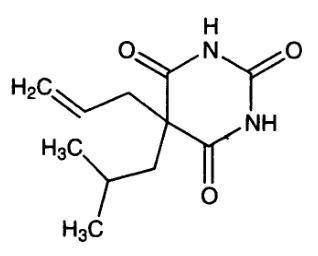
Molecular formula: C11 H16 N2 O3
Molecular weight: 224.25 g/mol
Description:
Physical form: White crystalline powder that is odorless, has a slightly bitter taste and is stable in air.
Solubility: Practically insoluble in water and petroleum ether. Soluble in alcohol, chloroform, ether, acetone, glacial acetic acid, also in solutions of fixed alkali hydroxides.
Proper name: Caffeine
Chemical name: 3,7-dihydro-1,3,7-trimethyl-1H-purine-2,-6-dione; 1,3,7-trimethylxanthine; 1,3,7-trimethyl-2,6-dioxopurine.
Structural formula:
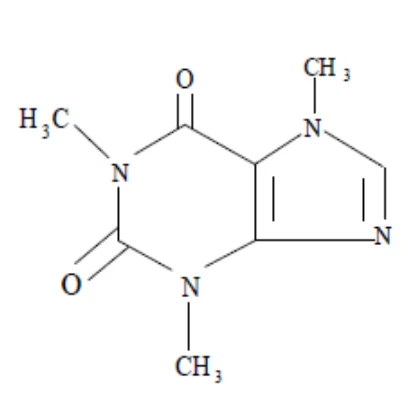
Molecular formula: C8H10N4O2
Molecular weight: 194.19 g/mol
Description:
Physical form: White powder or white, glistening needles, usually matted; odorless and has a bitter taste.
Solubility: 1 g dissolves in 46 mL water, 5.5 mL water at 80oC, 1.5 mL boiling water, 66 mL alcohol, 22 mL alcohol at 60oC, 50 mL acetone, 5.5 mL chloroform, 530 mL ether, 100 mL benzene, 22 mL boiling benzene. Freely soluble in pyrrole; in tetrahydrofuran containing about 4% water; also soluble in ethyl acetate; slightly in petroleum ether. Solubility in water is increased by alkali benzoates, cinnamates, citrates or salicylates.
Proper name: Acetylsalicylic Acid
Chemical name: 2-(acetyloxy) benzoic acid; salicylic acid acetate; 2-acetoxybenzoic acid.
Structural formula:
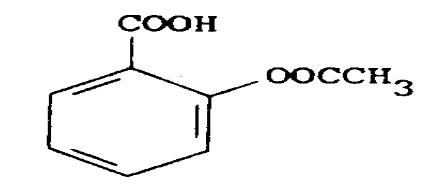
Molecular formula: C9H8O4
Molecular weight: 180.15 g/mol
Description:
Physical form: White crystals, commonly tabular or needle-like, or a white, crystalline powder; odorless or has a faint odor and is stable in dry air but in moist air it gradually hydrolyzes into salicylic and acetic acids, the odor of the latter becoming noticeable.
Solubility: One gram dissolves in 300 mL water at 25oC in 100 mL water at 37oC, in 5 mL alcohol, 17 mL chloroform, 10-15 mL ether. Less soluble in anhydride ether. Decomposed by boiling water or when dissolved in solutions of alkali hydroxides and carbonates.
Proper name: Codeine Phosphate
Chemical name: 7, 8-didehydro-4,5α-epoxy-3-methoxy-17- methylmorphinan-6α-ol-phosphate (1:1) (salt) hemihydrate
Structural formula:
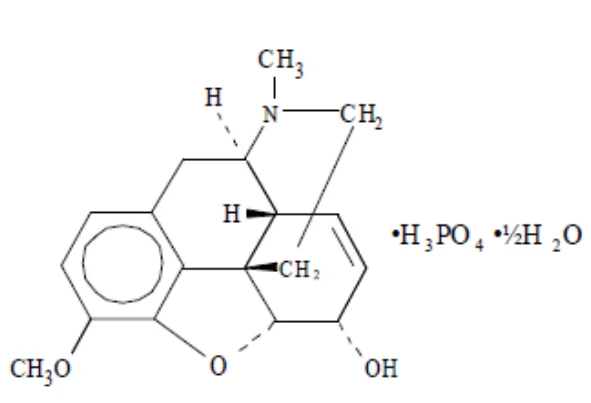
Molecular formula: C18H21NO3 •H3PO4•½H2O
Molecular weight: 406.4 g/mol
Description
Physical form: Hemihydrate, Fine, white, needle-shaped crystals, or white, crystalline powder. Odorless. Affected by light.
Solubility: Its solutions are acid to litmus. Very soluble in hot water; freely soluble in water; slightly soluble in alcohol but more so in boiling alcohol.
CLINICAL TRIALS
Evidence supporting the efficacy of butalbital-acetylsalicylic acid-caffeine-codeine phosphate is derived from 2 multi-clinic trials that compared patients with tension-type headache randomly assigned to 4 parallel treatments: butalbital-acetylsalicylic acid-caffeine-codeine phosphate, codeine, butalbital-acetylsalicylic acid-caffeine, and placebo. Response was assessed over the course of the first 4 hours of each of 2 distinct headaches, separated by at least 24 hours. Butalbital-acetylsalicylic acid-caffeine-codeine phosphate proved statistically significantly superior to each of its components (butalbital-acetylsalicylic acid-caffeine, codeine) and to placebo on measures of pain relief.
TOXICOLOGY
Teratogenicity:
A study in rats and rabbits reported no teratogenic effect of codeine administered during the period of organogenesis in doses ranging from 5 to 120 mg/kg. In the rat, doses at the 120 mg/kg level, in the toxic range for the adult animal, were associated with an increase in embryo resorption at the time of implantation. In another study a single 100 mg/kg dose of codeine administered to pregnant mice reportedly resulted in delayed ossification in the offspring.
Mutagenicity:
Codeine is not mutagenic in vitro or in vivo.
Carcinogenicity:
Codeine did not show carcinogenic potential in 2 year rat and mouse studies. Long-term studies have been conducted in mice and rats with ASA, alone or in combination with other drugs, in which no evidence of carcinogenesis was seen. No adequate studies have been conducted in animals to determine whether butalbital has a potential for carcinogenesis, mutagenesis or impairment of fertility.
REFERENCES
- 1. NFIORINAL-C1/4 and NFIORINAL-C1/2, Product Information by Aralez Pharmaceuticals Canada Inc., Date of Revision: July 18, 2023 (Control # 270298).