


Product Monograph - Trifluoperazine
Recent Major Label Changes
| 2 Contraindications | 2025-09 |
|---|---|
| 4 Dosage and administration, 4.1 Dosing considerations | 2025-10 |
| 7 Warnings and Precautions, General | 2025-10 |
| 7 Warnings and Precautions, Endocrine and Metabolism | 2025-10 |
| 7 Warnings and Precautions, Hematologic | 2025-10 |
| 7 Warnings and Precautions, Monitoring and Laboratory Tests | 2025-10 |
| 7 Warnings and Precautions, Neurologic | 2025-10 |
| 7 Warnings and Precautions, Ophthalmologic | 2025-04 |
| 7 Warnings and Precautions, Perioperative Considerations | 2025-10 |
| 7 Warnings and Precautions, Renal | 2025-10 |
| 7 Warnings and Precautions, Reproductive Health: Female and Male Potential | 2025-05 |
| 7 Warnings and Precautions, 7.1.2 Breastfeeding | 2025-04 |
Table of Contents
Certain sections or subsections that are not applicable at the time of the preparation of the most recent authorized product monograph are not listed.
Recent Major Label Changes ....................................................................................................2
Table of Contents.....................................................................................................................2
Part 1: Healthcare Professional Information.............................................................................5
1 Indications ....................................................................................................................5
1.1 Pediatrics...........................................................................................................5
1.2 Geriatrics ...........................................................................................................5
2 Contraindications .........................................................................................................5
3 Serious Warnings and Precautions Box .........................................................................6
4 Dosage and Administration ..........................................................................................6
4.1 Dosing Considerations........................................................................................6
4.2 Recommended Dose and Dosage Adjustment .....................................................7
4.4 Administration ...................................................................................................7
4.5 Missed Dose ......................................................................................................7
5 Overdose ......................................................................................................................7
6 Dosage Forms, Strengths, Composition, and Packaging.................................................8
7 Warnings and Precautions ............................................................................................9
General .........................................................................................................................9
Carcinogenesis and Mutagenesis ................................................................................. 10
Cardiovascular ............................................................................................................ 10
Dependence, Tolerance, and/or Abuse Liability............................................................ 11
Driving and Operating Machinery ................................................................................ 11
Endocrine and Metabolism .......................................................................................... 11
Gastrointestinal........................................................................................................... 12
Genitourinary.............................................................................................................. 12
Hematologic................................................................................................................ 12
Hepatic/Biliary/Pancreatic ........................................................................................... 12
Monitoring and Laboratory Tests ................................................................................. 13
Neurologic .................................................................................................................. 13
Ophthalmologic........................................................................................................... 15
Perioperative Considerations....................................................................................... 15
Renal ........................................................................................................................ 15
Reproductive Health: Female and Male Potential ......................................................... 15
Skin ........................................................................................................................ 15
7.1 Special Populations .......................................................................................... 16
7.1.1 Pregnancy ....................................................................................................16
7.1.2 Breastfeeding...............................................................................................16
7.1.3 Pediatrics .....................................................................................................16
7.1.4 Geriatrics .....................................................................................................16
8 Adverse Reactions ...................................................................................................... 17
8.1 Adverse Reaction Overview .............................................................................. 17
9 Drug Interactions ........................................................................................................ 21
9.1 Serious Drug Interactions ................................................................................. 21
9.2 Drug Interactions Overview .............................................................................. 21
9.3 Drug-Behaviour Interactions............................................................................. 22
9.4 Drug-Drug Interactions..................................................................................... 22
9.5 Drug-Food Interactions .................................................................................... 28
9.6 Drug-Herb Interactions..................................................................................... 28
9.7 Drug-Laboratory Test Interactions .................................................................... 28
10 Clinical Pharmacology ................................................................................................. 28
10.1 Mechanism of Action ....................................................................................... 28
10.2 Pharmacodynamics .......................................................................................... 29
10.3 Pharmacokinetics............................................................................................. 29
11 Storage, Stability, and Disposal................................................................................... 30
Part 2: Scientific Information ................................................................................................. 31
13 Pharmaceutical Information ....................................................................................... 31
14 Clinical Trials............................................................................................................... 31
16 Non-Clinical Toxicology............................................................................................... 31
Patient Medication Information............................................................................................. 33
Part 1: Healthcare Professional Information
1 Indications
TRIFLUOPERAZINE (trifluoperazine tablets) is indicated for:
- Control of excessive anxiety, tension and agitation seen in neuroses or associated with somatic conditions.
- Treatment or prevention of nausea and vomiting of various causes.
- Management of psychotic disorders, such as acute or chronic catatonic, hebephrenic and paranoid schizophrenia; psychosis due to organic brain damage, toxic psychosis, and the manic phase of manic-depressive illness.
1.1 Pediatrics
Pediatrics (<6 years of age): The safety and efficacy of trifluoperazine tablets in children under the age of 6 years have not been studied; therefore, Health Canada has not authorized an indication for children under the age of 6 years. See 7.1.3 Pediatrics.
1.2 Geriatrics
Geriatrics (≥65 years of age): TRIFLUOPERAZINE is not indicated in elderly patients with dementia. The safety and efficacy of trifluoperazine tablets in patients 65 years of age or older have not been studied. See 3 Serious Warnings and Precautions Box and 7.1.4 Geriatrics.
2 Contraindications
TRIFLUOPERAZINE is contraindicated in:
- Patients who are hypersensitive to this drug, to phenothiazines or to any ingredient in the formulation, including any non-medicinal ingredient, or component of the container. For a complete listing. See 6 Dosage Forms, Strengths, Composition, and Packaging.
- Comatose or greatly depressed states due to CNS depressants.
- Blood dyscrasias and bone marrow depression.
- Liver damage.
- Patients with congenital long QT syndrome or with a family history of this syndrome and in patients with a history of cardiac arrhythmias or Torsade de Pointes. A pre-treatment ECG is thus recommended to exclude these conditions. TRIFLUOPERAZINE should not be used in the case of acquired long QT interval, such as associated with concomitant use of drugs known to prolong the QT interval (See 9.2 Drug Interactions Overview, Drugs that Prolong QT Interval), known hypokalemia or hypomagnesemia, or clinically significant bradycardia.
- Combination with serotonin reuptake inhibitors, such as citalopram. See 9.2 Drug Interactions Overview, SSRI (Selective Serotonin Reuptake Inhibitor) Antidepressants.
- Combination with dopaminergic. See 9.4 Drug-Drug Interactions, Cabergoline, Quinagolide.
- Patients receiving large doses of hypnotics due to the possibility of potentiation.
Patients with severe heart disease, such as uncontrolled cardiac decompensation, severe cardiac
- reserve deficiency, or mitral insufficiency.
- Patients with pheochromocytoma, cerebrovascular or renal insufficiency, as well as brain damage.
- Patients receiving spinal or general anesthesia.
- Patients with a risk of urinary retention related to urethroprostatic disorders.
- Patients with a risk of closed angle glaucoma.
3 Serious Warnings and Precautions Box
Serious Warnings and Precautions
- Increased Mortality in Elderly Patients with Dementia: Elderly patients with dementia treated with atypical antipsychotic drugs are at an increased risk of death compared to placebo (See 7.1.4 Geriatrics, Use in Geriatric Patients with Dementia). TRIFLUOPERAZINE is not approved for use in elderly patients with dementia.
4 Dosage and Administration
4.1 Dosing Considerations
- TRIFLUOPERAZINE dosage must be adjusted to the severity of the symptoms under treatment, and to the response of the individual. Particularly in psychiatric patients, dosage should be titrated carefully in order to achieve maximum therapeutic effect with the lowest possible dose, thereby minimizing the occurrence of unwanted side effects.
- All potential risk factors for venous thromboembolism (VTE) should be identified and preventative measures undertaken when prescribing TRIFLUOPERAZINE (See 7 Warnings and Precautions, Hematologic).
- Patients should have baseline and periodic monitoring of blood glucose and body weight.
- Neutropenia, granulocytopenia and agranulocytosis have been reported during antipsychotic use. It is recommended that patients have their complete blood count (CBC), WBC, differential counts and liver function tests prior to starting TRIFLUOPERAZINE and then periodically throughout treatment (See 7 Warnings and Precautions, Hematologic).
- Debilitated patients: Debilitated patients usually require a lower initial dose and more gradual dosage titration than do younger and healthier patients.
- Geriatrics: Geriatrics usually require a lower initial dose and more gradual dosage titration than do younger and healthier patients. Since they appear to be more susceptible to hypotension and neuromuscular reactions, such patients should be observed closely (see 7 Warnings and Precautions, Neurologic).
- Liver disease: Trifluoperazine is metabolized in the liver, dose reductions should be considered in patients with hepatic dysfunction.
- Long-term therapy: Prolonged administration of trifluoperazine at high dosages carries the risk of cumulative effects, with sudden onset of severe CNS or vasomotor symptoms. Periodic evaluations are recommended to assess continued dosage (see 7 Warnings and Precautions, General, Long-term therapy).
4.2 Recommended Dose and Dosage Adjustment
Adults:
Mild to moderate symptoms: Usual dosage is 1 or 2 mg twice daily. If necessary, dosage may be increased to 6 mg daily but above this level extrapyramidal symptoms are more likely to occur in some patients.
Moderate to severe symptoms: The usual starting dose is 5 mg administered orally 2 or 3 times daily. Dosage should be increased gradually. The majority of patients will show optimum response on 15 to 20 mg/day, although a few may require 40 mg or more. Some patients have been given 80 mg or more daily, but there is now every evidence that such high dosages are rarely necessary. Optimum dosage levels are usually reached within 2 or 3 weeks after the start of therapy. It is important to maintain therapeutic dosage levels for a sufficient time to produce maximum improvement. In most hospitalized acute cases, 2 to 3 weeks at optimum dosage will suffice before gradual reduction to maintenance dosage levels is begun.
Children: (6 to 12 years of age)
Behavior Disorders in Children: The usual dose is a 1 mg administered once or twice a day, depending on the child’s bodyweight (see also below: Psychotic children).
Psychotic Children (either hospitalized or under adequate supervision): The usual starting dose is a 1 mg administered once or twice daily, depending on the child’s bodyweight. Dosage may be gradually increased until symptoms are controlled or until side effects become troublesome. Both the rate and the amount of dosage increases should be carefully adjusted to the weight and the severity of the symptoms, and the lowest effective dosage should always be used. Once control is achieved, it is usually possible to reduce dosage to a satisfactory maintenance level. In most cases, it is not necessary to exceed 15 mg of TRIFLUOPERAZINE daily.
4.4 Administration
Tablets are for oral administration.
4.5 Missed Dose
If a patient misses a dose, advise the patient to take the dose as soon as possible and continue with their regular schedule. If it is almost time for the next dose, advise the patient to skip the missed dose and continue with the next scheduled dose. Advise patients not to take 2 doses of TRIFLUOPERAZINE at the same time to make up for a missed dose.
5 Overdose
Symptoms: Signs and symptoms will be predominantly extrapyramidal. Lesser degrees of overdosage may cause muscular twitching, drowsiness or dizziness. Symptoms of gross overdosage may include CNS depression to the point of somnolence or coma, weakness, tremor, torticollis and dystonia. Agitation and restlessness may occur. Salivation, dysphagia, or disturbances of gait may also be present. Other possible manifestations include convulsions, EKG changes and cardiac arrhythmias, fever, and autonomic reactions such as hypotension, dry mouth and ileus.
Treatment: It is important to determine other medications taken by the patient since multiple dose therapy is common in overdosage situations. Essentially symptomatic and supportive. Do not attempt to induce emesis because a dystonic reaction of the head or neck may develop that could result in aspiration of vomitus.
The patient should be kept under careful observation and particular attention should be directed to maintaining an open airway, since involvement of the extrapyramidal mechanism may produce dysphagia and respiratory difficulty in severe cases of overdosage.
If hypotension occurs, the standard measures for managing circulatory shock should be initiated. If it is desirable to administer a vasoconstrictor, norepinephrine or phenylephrine is most suitable. Other pressor agents, including epinephrine, are not recommended because phenothiazine derivatives may reverse the usual elevating action of these agents and cause a further lowering of blood pressure.
Extrapyramidal symptoms may be treated with anticholinergic antiparkinsonism drugs (except levodopa), barbiturates or diphenhydramine. Care should be taken to avoid increasing respiratory depression. If administration of a stimulant is desirable, amphetamine, dextroamphetamine, or caffeine with sodium benzoate is recommended. Stimulants that may cause convulsions (e.g., picrotoxin or pentylenetetrazol) should be avoided. Adrenaline is contra-indicated and dobutamine should be considered.
Limited experience indicates that phenothiazines are not dialyzable.
For the most recent information in the management of a suspected drug overdose, contact your regional poison control centre or Health Canada’s toll-free number, 1-844 POISON-X (1-844-764-7669).
6 Dosage Forms, Strengths, Composition, and Packaging
Table 1 – Dosage Forms, Strengths, and Composition
| Route of Administration | Dosage Form / Strength/Composition | Non-medicinal Ingredients |
| Oral | Tablet 1 mg, 2 mg, 5 mg, 10 mg and 20 mg of trifluoperazine (as trifluoperazine hydrochloride). | Carnauba wax, corn starch (1mg, 2mg), croscarmellose sodium (5mg, 10 mg and 20 mg), hydroxypropyl methylcellulose, lactose monohydrate, indigotine AL lake 12-14% (Blue #2), magnesium stearate, microcrystalline cellulose, polyethylene glycol and titanium dioxide. |
TRIFLUOPERAZINE 1 mg: Each deep blue, round, biconvex, film-coated tablet, engraved 1 on one side contains trifluoperazine hydrochloride equivalent to 1 mg trifluoperazine. Available in bottles of 100 and 1000, and in unit dose packages of 100 (10 X10) tablets.
TRIFLUOPERAZINE 2 mg: Each deep blue, round, biconvex, film-coated tablet, engraved 2 on one side contains trifluoperazine hydrochloride equivalent to 2 mg trifluoperazine. Available in bottles of 100 and 1000, and in unit dose packages of 100 (10 X10) tablets.
TRIFLUOPERAZINE 5 mg: Each deep blue, round, biconvex, film-coated tablet, engraved 5 on one side contains trifluoperazine hydrochloride equivalent to 5 mg trifluoperazine. Available in bottles of 100 and 1000, and in unit dose packages of 100 (10 X10) tablets.
TRIFLUOPERAZINE 10 mg: Each deep blue, round, biconvex, film-coated tablet, engraved 10 on one side contains trifluoperazine hydrochloride equivalent to 10 mg trifluoperazine. Available in bottles of 100 and 1000 tablets.
TRIFLUOPERAZINE 20 mg: Each deep blue, round, biconvex, film-coated tablet, engraved 20 on one side contains trifluoperazine hydrochloride equivalent to 20 mg trifluoperazine. Available in bottles of 100.
7 Warnings and Precautions
See 3 Serious Warnings and Precautions Box.
General
Although TRIFLUOPERAZINE has minimal anticholinergic activity, this should be borne in mind when treating patients with narrow angle glaucoma, myasthenia gravis or prostatic hypertrophy.
- Body Temperature Regulation:
Disruption of the body’s ability to reduce core body temperature has been attributed to antipsychotic agents. Hyperpyrexia has been reported with other antipsychotic drugs. Appropriate care is advised when prescribing TRIFLUOPERAZINE to patients who will be experiencing conditions which may contribute to an elevation in core body temperature, e.g., exercising strenuously, exposure to extreme heat, receiving concomitant medication with anticholinergic activity or being subject to dehydration.
- Long-Term Therapy:
With prolonged administration at high dosages, the possibility of cumulative effects, with sudden onset of severe CNS or vasomotor symptoms, should be kept in mind. To lessen the likelihood of adverse reactions related to cumulative drug effect, patients with a history of long-term therapy with trifluoperazine tablets and/or other antipsychotics should be evaluated periodically to decide whether the maintenance dosage could be lowered or drug therapy discontinued.
Patients on long-term phenothiazine therapy require regular and careful surveillance with particular attention to tardive dyskinesia and possible eye changes, blood dyscrasias, liver dysfunction and myocardial conduction defects, particularly if other concurrently administered drugs have potential effects in these systems.
Recurrence of psychotic symptoms may also occur, and the emergence of involuntary movement disorders (such as akathisia, dystonia and dyskinesia) has been reported. Therefore, a gradual withdrawal is advisable.
Carcinogenesis and Mutagenesis
Tissue culture experiments indicate that approximately one-third of human breast cancers are prolactin-dependent in vitro, a factor of potential importance if the prescription of neuroleptic drugs is contemplated in a patient with a previously detected breast cancer. An increase in mammary neoplasms has been found in rodents after chronic administration of neuroleptic drugs. The clinical significance of elevated serum prolactin levels is unknown for most patients. Neither clinical studies, nor epidemiological studies conducted to date, have shown an association between chronic administration of these drugs and mammary tumorogenesis; the available evidence is considered too limited to be conclusive at this time.
Phenothiazines have been found to be mutagenic with in vivo administration to rodents and in vitro administration to human cells and bacteria. No clinical relevance has been established.
Cardiovascular
- Potential for Hypotension:
Hypotension may very rarely occur. Patients receiving TRIFLUOPERAZINE should be observed for evidence of hypotension. Some individuals, especially the elderly or debilitated, have demonstrated transient hypotension for several hours following drug administration.
Phenothiazines can produce alpha-adrenergic blockade. Because hypotension has occurred, large doses should be avoided in patients with impaired cardiovascular systems. To further minimize the occurrence of hypotension after initial administration, keep patient lying down and observe for at least 0.5 hour. If hypotension occurs, place patient in head-low position with legs raised. If a vasoconstrictor is required, norepinephrine or phenylephrine is suitable. Other pressor agents, including epinephrine, should not be used as they may cause a paradoxical further lowering of blood pressure. See 5 Overdose.
TRIFLUOPERAZINE therapy may produce an increase in mental and physical activity. In certain instances, this effect may not be desirable. For example, some patients with angina pectoris have complained of increased pain while taking trifluoperazine tablets; therefore, if trifluoperazine is used in angina patients, such patients should be observed carefully and if an unfavorable response is noted, the drug should be withdrawn.
- Prolongation of QT Interval:
TRIFLUOPERAZINE is contraindicated in patients with a family history of QT prolongation; therefore, avoid concomitant use with QT prolonging drugs. Use with caution in patients with cardiovascular disease. See 2 Contraindications.
Particular care should be exercised when administering TRIFLUOPERAZINE or its use avoided in patients who are suspected to be at an increased risk of experiencing Torsade de Pointes during treatment with a QT/QTc-prolonging drug. See 2 Contraindications. Risk factors for Torsade de Pointes in the general population include, but are not limited to, the following:
- female
- age 65 years or older
- baseline prolongation of the QT/QTc interval
- presence of genetic variants affecting cardiac ion channels or regulatory proteins, especially congenital long QT syndromes
- family history of QT prolongation, or sudden cardiac death at <50 years
- cardiac disease (e.g., myocardial ischemia or infarction, congestive heart failure, left ventricular hypertrophy, cardiomyopathy, conduction system disease)
- history of arrhythmias (especially ventricular arrhythmias, atrial fibrillation, or recent conversion from atrial fibrillation)
- electrolyte disturbances (e.g., hypokalemia, hypomagnesemia, hypocalcemia)
- bradycardia
- acute neurological events (e.g., intracranial or subarachnoid haemorrhage, stroke, intracranial trauma)
- hepatic dysfunction, renal dysfunction, and/or phenotypic/genotypic poor metabolizers of drug metabolizing enzyme isoforms, if relevant to the elimination of the drug
- diabetes mellitus
- nutritional deficit
- autonomic neuropathy
Physicians who prescribe drugs that prolong the QT/QTc interval should counsel their patients concerning the nature and implications of the ECG changes, underlying diseases and disorders that are considered to represent risk factors, demonstrated and predicted drug-drug interactions, symptoms suggestive of arrhythmia, risk management strategies, and other information relevant to the use of the drug.
Dependence, Tolerance, and/or Abuse Liability
Although phenothiazines cause neither psychic nor physical dependence, sudden discontinuance in long-term psychiatric patients may cause temporary symptoms, e.g., nausea and vomiting, dizziness, tremulousness.
Driving and Operating Machinery
TRIFLUOPERAZINE may impair mental and/or physical abilities, especially during the first few days of therapy.
While taking TRIFLUOPERAZINE, patients should be cautioned not to drive, operate dangerous machinery or engage in activities that require alertness or physical coordination if they are experiencing any of these effects.
Endocrine and Metabolism
Hyperprolactinemia:
Hormonal effects of antipsychotic/neuroleptic drugs include Hyperprolactinemia, which persists during chronic administration and may cause galactorrhoea, gynecomastia, oligomenorrhea or amenorrhoea, and erectile dysfunction. Long-standing hyperprolactinemia when associated with hypogonadism may lead to decreased bone mineral density in both female and male subjects.
Hyperglycemia:
Diabetic ketoacidosis has occurred in patients with no reported history of hyperglycemia.
Patients with rare hereditary problems of galactose intolerance, total lactase deficiency or glucose-galactose malabsorption should not take this medicine.
Gastrointestinal
The antiemetic action of trifluoperazine tablets may mask signs and symptoms of toxicity or overdosage of other drugs or may obscure the diagnosis of conditions such as intestinal obstruction, brain tumour and Reye's syndrome.
Genitourinary
Rare cases of priapism have been reported with antipsychotics drug. This adverse reaction, as with other psychotropic drugs, did not appear to be dose-dependent and did not correlate with the duration of treatment.
Hematologic
- Leukopenia, Neutropenia and Agranulocytosis:
In clinical trial and post-marketing experience, events of leukopenia/neutropenia and agranulocytosis have been reported temporally related to antipsychotic agents.
Possible risk factors for leukopenia/neutropenia include pre-existing low white blood cell count (WBC) and history of drug induced leukopenia/neutropenia. Patients with a pre-existing low WBC or a history of drug induced leukopenia/neutropenia should have their complete blood count (CBC) monitored frequently during the first few months of therapy and should discontinue TRIFLUOPERAZINE at the first sign of a decline in WBC in the absence of other causative factors. Patients with neutropenia should be carefully monitored for fever or other symptoms or signs of infection and treated promptly if such symptoms or signs occur. Patients with severe neutropenia (absolute neutrophil count < 1000/mm3) should discontinue Trifluoperazine and have their WBC followed until recovery.
Patients who have experienced blood dyscrasias (agranulocytosis, anemia, leukopenia, neutropenia, pancytopenia, thrombocytopenia) or bone marrow suppression with a phenothiazine should not be re-exposed to any phenothiazine, including trifluoperazine tablets unless in the judgement of the healthcare professional the potential benefits of treatment outweigh the possible hazards.
- Venous thromboembolism (VTE):
Venous thromboembolism (VTE), including fatal pulmonary embolism, has been reported with antipsychotic drugs, including trifluoperazine tablets, in case reports and/or observational studies.
Hepatic/Biliary/Pancreatic
Jaundice of the cholestatic type of hepatitis or liver damage has been reported in patients receiving high doses of trifluoperazine tablets. Patients who have experienced jaundice with a phenothiazine should not be re-exposed to any phenothiazine, including trifluoperazine tablets, unless in the judgement of the healthcare professional the potential benefits of treatment outweigh the possible hazards. Hepatic and renal function should be checked.
Monitoring and Laboratory Tests
Phenothiazines may result in falsely positive or negative pregnancy test results due to interference based on immunological reactions between human chorionic gonadotropin (HCG) and anti-HCG.
The presence of phenothiazines may produce false positive phenylketonuria (PKU) test results.
Blood glucose and body weight at baseline and periodically throughout treatment.
Complete blood count (CBC) at baseline and periodically throughout treatment.
WBC and differential counts and liver function tests periodically during therapy.
Sore throat, fever and weakness in patients on prolonged therapy may indicate
agranulocytosis. If these symptoms appear, discontinue the drug and perform liver function tests.
Renal function of patients on prolonged therapy. If abnormal values are observed,
discontinue the drug.
Neurologic
- Neuroleptic Malignant Syndrome (NMS):
Patients treated with TRIFLUOPERAZINE can develop a potentially fatal symptom complex sometimes referred to as neuroleptic malignant syndrome: an idiosyncratic response characterized by hyperthermia, generalized muscle rigidity, altered mental status (including catatonic signs), evidence of autonomic instability (irregular pulse or blood pressure, tachycardia, diaphoresis and cardiac dysrhythmias), and altered consciousness. Patients with Parkinson’s disease or dementia may be at increased risk. Hyperthermia is often an early sign of this syndrome. Additional signs may include elevated creatine phosphokinase, myoglobinuria (rhabdomyolysis), and acute renal failure.
The diagnostic evaluation of patients with this syndrome is complicated. In arriving at a diagnosis, it is important to identify cases where the clinical presentation includes both serious medical illness (e.g., pneumonia, systemic infection, etc.) and untreated or inadequately treated extrapyramidal signs and symptoms (EPS). Other important considerations in the differential diagnosis include central anticholinergic toxicity, heat stroke, drug fever and primary central nervous system (CNS) pathology.
The management of NMS should include (1) immediate discontinuation of antipsychotic drugs and other drugs not essential to concurrent therapy, (2) intensive symptomatic treatment and medical monitoring, and 3) treatment of any concomitant serious medical problems for which specific treatments are available. There is no general agreement about specific pharmacological treatment regimens for uncomplicated NMS. If a patient requires antipsychotic drug treatment after recovery from NMS, the potential reintroduction of drug therapy should be carefully considered. The patient should be carefully monitored, since recurrences of NMS have been reported.
- Falls
TRIFLUOPERAZINE may cause somnolence, postural hypotension, motor and sensory instability, which may lead to falls and, consequently, fractures or other injuries. For patients with diseases, conditions, or medications that could exacerbate these effects, complete fall risk assessments when initiating antipsychotic treatment and recurrently for patients on long-term antipsychotic therapy.
- Tardive Dyskinesia:
As with all antipsychotic agents, tardive dyskinesia may appear in some patients on long-term therapy or after drug discontinuation. The syndrome is mainly characterized by rhythmical involuntary movements of the tongue, face, mouth or jaw. The manifestations may be permanent in some patients. Although the prevalence of the syndrome appears to be highest among the elderly, especially elderly women, it is impossible to rely upon prevalence estimates to predict, at the inception of neuroleptic treatment, which patients are likely to develop the syndrome. Whether neuroleptic drug products differ in their potential to cause tardive dyskinesia is unknown.
Both the risk of developing the syndrome and the likelihood that it will become irreversible are believed to increase as the duration of treatment and the total cumulative dose of neuroleptic drugs administered to the patient increase. However, the syndrome can develop, although much less commonly, after relatively brief treatment periods at low doses.
There is no known treatment for established cases of tardive dyskinesia, although the syndrome may remit, partially or completely, if neuroleptic treatment is withdrawn. Neuroleptic treatment itself, however, may suppress (or partially suppress) the signs and symptoms of the syndrome and thereby may possibly mask the underlying disease process. The effect that symptomatic suppression has upon the long-term course of the syndrome is unknown.
Given these considerations, neuroleptics should be prescribed in a manner that is most likely to minimize the occurrence of tardive dyskinesia. Chronic neuroleptic treatment should generally be reserved for patients who suffer from a chronic illness that (1) is known to respond to neuroleptic drugs, and (2) for whom alternative, equally effective, but potentially less harmful treatments are not available or appropriate. In patients who do require chronic treatment, the smallest dose and the shortest duration of treatment producing a satisfactory clinical response should be sought. The need for continued treatment should be reassessed periodically.
If signs and symptoms of tardive dyskinesia appear in a patient on neuroleptics, drug discontinuation should be considered. However, some patients may require treatment despite the presence of the syndrome. See 8.1 Adverse Reaction Overview, Tardive Dyskinesia.
- Extrapyramidal Symptoms:
In common with all neuroleptics, extrapyramidal symptoms may occur. See 8.1 Adverse Reaction Overview, Extrapyramidal Symptoms.
- Parkinson’s disease:
In patients with Parkinson’s disease, symptoms may be worsened, and the effects of levodopa reversed.
- Anticonvulsants:
Since TRIFLUOPERAZINE may lower the convulsive threshold, it should be used with caution in patients with epilepsy, EEG abnormalities or subcortical brain damage. Dosage adjustment of anti-convulsant may be necessary.
- Seizures:
Use TRIFLUOPERAZINE cautiously in patients with a history of seizures since grand mal convulsions have been known to occur.
Ophthalmologic
Phenothiazines have been reported to produce retinopathy, especially with long-term treatment at high dosage. Should ophthalmoscopic examination or visual field studies demonstrate retinal changes in patients on trifluoperazine tablets, the drug should be discontinued.
- Angle-Closure Glaucoma:
As with other antipsychotics, TRIFLUOPERAZINE can cause mydriasis, which may trigger an angle-closure attack in a patient with anatomically narrow ocular angles. Healthcare professionals should inform patients to seek immediate medical assistance if they experience eye pain, changes in vision or swelling or redness in or around the eye.
As with all drugs which exert an anticholinergic effect or cause mydriasis, TRIFLUOPERAZINE should be used with caution in patients with glaucoma.
Perioperative Considerations
Psychotic patients on large doses of a phenothiazine drug who are undergoing surgery should be watched carefully for possible hypotensive phenomena. Moreover, it should be remembered that reduced amounts of anaesthetics or CNS depressants may be required.
Renal
Monitor the renal function of patients on long-term therapy since elevation of BUN has been reported. If abnormal values are observed, discontinue the drug. Patients who may develop urinary retention should be carefully observed. This drug should not be used in patients with renal insufficiency. See 2 Contraindications.
Reproductive Health: Female and Male Potential
Teratogenic Risk:
Non-teratogenic Effects: Neonates exposed to antipsychotic drugs, during the third trimester of pregnancy are at risk for extrapyramidal and/or withdrawal symptoms following delivery. There have been reports of agitation, hypertonia, hypotonia, tremor, somnolence, respiratory distress and feeding disorder in these neonates. These complications have varied in severity; while in some cases symptoms have been self-limited, in other cases neonates have required intensive care unit support and prolonged hospitalization. Consequently, newborns should be monitored carefully.
Skin
Skin pigmentation have been reported in a few hospitalized mental patients taking substantial doses of some phenothiazine derivatives for prolonged periods. Present evidence suggests that these changes may be reversible.
7.1 Special Populations
7.1.1 Pregnancy
Safety for the use of trifluoperazine tablets during pregnancy has not been established.
When given in high doses during late pregnancy, phenothiazines have caused prolonged extrapyramidal disturbances in the child. There are also reports of prolonged jaundice and hyperreflexia or hyporeflexia in newborn infants whose mothers received phenothiazines.
Animal reproduction studies and follow-up studies in 819 women in Canada and Great Britain, who had taken trifluoperazine tablets during pregnancy, showed no causal relationship between the drug and congenital malformations. Nonetheless, it should not be administered to pregnant women, particularly during the first trimester of pregnancy, unless, in the opinion of the physician, the expected benefits of the drug to the patient outweigh the potential risk to the fetus or child.
7.1.2 Breastfeeding
There is evidence that phenothiazines are excreted in the milk of nursing mothers.
Because of the potential for serious adverse reactions in nursing infants from trifluoperazine, a decision should be made whether to discontinue nursing or to discontinue the drug, taking into account the importance of the drug to the mother.
7.1.3 Pediatrics
Pediatrics (<6 years of age): The safety and efficacy of trifluoperazine tablets in children under the age of 6 have not been studied; therefore, Health Canada has not authorized an indication for children under the age of 6 years. See 1.1 Pediatrics.
7.1.4 Geriatrics
Geriatrics (≥65 years of age): The safety and efficacy of trifluoperazine tablets in patients 65 years of age or older have not been studied. Caution should be exercised with the use of TRIFLUOPERAZINE in the elderly patient, recognizing the more frequent hepatic, renal, central nervous system, and cardiovascular dysfunctions, and more frequent use of concomitant medication in this population. See 4.1 Dosing Considerations, Geriatrics.
Use in Geriatric Patients with Dementia
Overall Mortality
TRIFLUOPERAZINE is not indicated for the treatment of elderly patients with dementia.
Elderly patients with dementia treated with atypical antipsychotic drugs are at an increased risk of death compared to placebo.
Analyses of thirteen placebo controlled trials with various atypical antipsychotics (modal duration of 10 weeks) in these patients showed a mean 1.6 fold increase in death rate in the drug-treated patients. Although the causes of death were varied, most of the deaths appeared to be either cardiovascular (e.g., heart failure, sudden death) or infectious (e.g., pneumonia) in nature.
Observational studies suggest that, similar to atypical antipsychotic drugs, treatment with conventional antipsychotic drugs may increase mortality.
The extent to which the findings of increased mortality in observational studies may be attributed to the antipsychotic drug as opposed to some characteristic(s) of the patients is not clear.
8 Adverse Reactions
8.1 Adverse Reaction Overview
Adverse effects with different phenothiazines vary in type, frequency, and mechanism of occurrence, i.e., some are dose-related, while others involve individual patient sensitivity. Some adverse effects may be more likely to occur in patients with special medical problems, e.g., patients with mitral insufficiency or pheochromocytoma have experienced severe hypotension following recommended doses of certain phenothiazines.
At therapeutic dosage levels, adverse reactions are uncommon (infrequent), usually mild and transient; and unlikely to affect the course of treatment. Drowsiness, dizziness, skin reactions, rash, dry mouth, stimulation, insomnia, fatigue, weakness, anorexia, amenorrhea, lactation and blurred vision may be seen occasionally. Extrapyramidal symptoms may occur but are rare at dosages of 6 mg or less. Tardive dyskinesia has been reported.
TRIFLUOPERAZINE may impair mental and/or physical abilities, especially during the first few days of therapy. Patients should be cautioned about activities requiring alertness, e.g., driving a car or operating machinery.
Neuroleptic Malignant Syndrome (NMS) has been reported in association with antipsychotic drugs. See 7 Warnings and Precautions, Neurologic, Neuroleptic Malignant Syndrome (NMS).
Extrapyramidal Symptoms
These symptoms are seen in a significant number of hospitalized mental patients receiving higher dosages of trifluoperazine tablets (10 mg to 40 mg or more daily). They include parkinsonism; akathisia with motor restlessness and difficulty in sitting still; acute dystonia or dyskinesia, which may occur early in treatment and may present with torticollis, facial grimacing, trismus, tongue protrusion and abnormal eye movements including oculogyric crises. These effects are likely to be particularly severe in children.
Depending on the severity of symptoms, dosage should be reduced or discontinued. If therapy is reinstituted, it should be a lower dosage. Should these symptoms occur in children or pregnant patients, the drug should be stopped and not reinstated. In most cases, barbiturates by suitable route of administration will suffice. (Or injectable diphenhydramine hydrochloride may be useful). Administration of an antiparkinsonism agent (except levodopa) can be considered for severe cases. Suitable supportive measures such as maintaining a clear airway and adequate hydration should be employed.
Motor Restlessness
Symptoms may include agitation or jitteriness and sometimes insomnia. These symptoms often disappear spontaneously. At times these symptoms may be similar to the original neurotic or psychotic symptoms. Dosage should not be increased until these side effects have subsided.
If this phase becomes too troublesome, the symptoms can usually be controlled by a reduction of dosage or change of drug. Treatment with anti-parkinsonian agents, benzodiazepines or propranolol may be helpful.
Dystonias
Dystonic symptoms may include spasm of the neck muscles, sometimes progressing to tightness of the throat, torticollis; extensor rigidity of back muscles; sometimes progressing to opisthotonos; carpopedal spasm, trismus, swallowing difficulty, difficulty breathing, oculogyric crises and protrusion of the tongue. While these symptoms can occur at low doses, they occur more frequently and with greater severity with high potency and at higher doses of first generation antipsychotic drugs. An elevated risk of acute dystonia is observed in males and younger age groups. The onset of the dystonias may be sudden. They may last several minutes, disappear and then recur. Prodromic symptoms are usually present. There is typically no loss of consciousness. They usually subside within a few hours, and almost always within 24 to 48 hours after the drug has been discontinued. In mild cases, reassurance is often sufficient. In more severe adult cases, the administration of an antiparkinsonism agent, except levodopa, usually improve symptoms. In children, reassurance will usually control symptoms.
Neuroleptic Malignant Syndrome
As with other neuroleptic drugs, a symptom complex sometimes referred to as neuroleptic malignant syndrome (NMS) has been reported. Cardinal features of NMS are hyperpyrexia, muscle rigidity, altered mental status (including catatonic signs), and evidence of autonomic instability (irregular pulse or blood pressure). Additional signs may include elevated CPK, myoglobinuria (rhabdomyolysis), and acute renal failure. NMS is potentially fatal and requires symptomatic treatment that should include cooling, and immediate discontinuation of neuroleptic treatment. Intravenous dantrolene has been suggested for muscle rigidity. See 7 Warnings and Precaution, Neurologic, Neuroleptic Malignant Syndrome (NMS).
Pseudoparkinsonism
Symptoms may include mask-like facies, drooling, tremor, pill-rolling motion, cogwheel rigidity and shuffling gait. Reassurance and sedation are important. In most cases these symptoms are reversible when an antiparkinsonism agent is administered concomitantly. Antiparkinsonism agents should be used only when required. Generally, therapy of a few weeks to two to three months will suffice. After this time patients should be evaluated to determine their need for continued treatment. (Note: Levodopa has not been found effective in pseudoparkinsonism). Occasionally it is necessary to lower the dosage or discontinue the drug temporarily.
Tardive Dyskinesia
This syndrome may occur in some patients on long-term therapy with phenothiazines, including trifluoperazine, or may appear after drug treatment has been discontinued. The syndrome can also develop, although much less frequently, after relatively brief treatment periods at low doses. This syndrome appears in all age groups. Although its prevalence appears to be greater in elderly patients, especially females, on high-dose therapy or with organic brain damage. Particular caution should be observed in treating such patients. It is impossible to rely upon prevalence estimates to predict at the inception of neuroleptic treatment which patients are likely to develop the syndrome. The syndrome is characterized by rhythmical involuntary movements of the tongue and facial muscles (e.g., protrusion of the tongue, puffing of cheeks, puckering of mouth, chewing movements) and sometimes of the extremities. In rare instances, these involuntary movements of the extremities are the only manifestations of tardive dyskinesia. A variant of tardive dyskinesia, tardive dystonia, has also been described. The symptoms may persist for many months or even years, and while they gradually disappear in some patients, they appear to be irreversible in others.
There is no known effective treatment for tardive dyskinesia; anticholinergic antiparkinsonism agents usually do not alleviate the symptoms. It is suggested that all antipsychotic agents be discontinued if these symptoms appear. If there is a reinstitution of treatment, or an increase in the dosage of the drug, or a switch to a different antipsychotic agent, the syndrome may be masked. It has been reported that fine vermicular movements of the tongue may be an early sign of the syndrome and if the medication is stopped at that time, the syndrome may not develop. Since the occurrence of tardive dyskinesia may be related to length of treatment and total cumulative dosage, TRIFLUOPERAZINE should be given for as short a time and at as low a dosage as possible. See 7 Warnings and Precautions, Neurologic, Tardive Dyskinesia.
Other Adverse Reactions
Not all of the following adverse effects have been seen with every phenothiazine, however they have been reported with use of this drug class.
Blood and lymphatic system disorders: Blood dyscrasias including pancytopenia, agranulocytosis, thrombocytopenic purpura, leukopenia, eosinophilia, haemolytic anaemia, aplastic anaemia, and granulocytopenia. See 7 Warnings and Precautions, Hematologic.
Cardiac disorders: Cardiac arrhythmias including atrioventricular block, paroxysmal tachycardia, ventricular fibrillation and cardiac arrest, ventricular arrhythmias, and Torsades de pointes. See 7 Warnings and Precautions, Cardiovascular.
Endocrine disorders: Hyperprolactinemia, hyperglycemia, hypoglycemia.
Hyperprolactinemia may occur at higher dosages with associated effects such as galactorrhoea, amenorrhoea or gynaecomastia; certain hormone-dependent breast neoplasms may be affected. See 7 Warnings and Precautions, Endocrine and Metabolism, Hyperprolactinemia.
Eye disorders: Blurred vision, miosis, mydriasis, pigmentary retinopathy with prolonged administration of substantial doses, epithelial keratopathy and lenticular and corneal deposits.
Gastrointestinal disorders: Mouth dryness, nausea, constipation, ileus, obstipation, adynamic ileus, atonic colon, vomiting, gastric irritation.
General disorders and administration site conditions: Fatigue, intensification and prolongation of the action of atropine, heat, and organophosphorus insecticides, peripheral edema, reversed epinephrine effect, hyperpyrexia, mild fever after large I.M. doses, lassitude, withdrawal reactions, oedema.
There have been occasional reports of sudden death in patients receiving phenothiazines. In some cases, the cause appeared to be cardiac arrest or asphyxia due to failure of the cough reflex.
Hepatobiliary disorders: Liver damage (jaundice, biliary stasis), cholestatic jaundice.
Immune system disorders: Anaphylactoid reactions, asthma, laryngeal edema, angioneurotic edema, a systemic lupus erythematosus-like syndrome.
Investigations: ECG changes, particularly nonspecific, usually reversible Q and T wave distortions, have been observed in some patients receiving phenothiazine tranquilizers. This relationship to myocardial damage has not been confirmed.
Other ECG changes can include non-specific transient Q and T wave abnormalities, QT Prolongation.
False positive pregnancy tests.
Metabolism and nutrition disorders: Increased appetite, increased weight.
Musculoskeletal and connective tissue disorders: Muscular weakness.
Nervous system disorders: Drowsiness, dizziness, seizures (particularly in patients with EEG abnormalities), altered CSF proteins, cerebral edema, intensification and prolongation of the action of CNS depressants (opiates, analgesics, antihistamines, alcohol, barbiturates), headache, transient restlessness.
Pregnancy, puerperium and perinatal conditions: Drug withdrawal syndrome neonatal.
Psychiatric disorders: Reactivation of psychotic processes (catatonic-like states), increased aggressiveness, and toxic confusional states.
Trifluoperazine even at low dosage may cause unpleasant symptoms of being dulled or, paradoxically, of being agitated.
Sudden unexpected and unexplained deaths have been reported in hospitalized psychotic patients receiving phenothiazines. Previous brain damage or seizures may be predisposing factors; high doses should be avoided in known seizure patients. Several patients have shown flare-ups of psychotic behavior patterns shortly before death. Autopsy findings have usually revealed acute fulminating pneumonia or pneumonitis, aspiration of gastric contents or intramyocardial lesions. The physician should therefore be alert to the possible development of "silent pneumonias".
Respiratory thoracic and mediastinal disorders: Nasal congestion.
Renal and urinary disorders: Urinary hesitancy, urinary retention, incontinence, glycosuria.
Reproductive system and breast disorders: Ejaculatory disorders/ Impotence, priapism, galactorrhea, gynecomastia, menstrual irregularities, altered libido.
Skin and subcutaneous tissue disorders: Photosensitivity, itching, erythema, urticaria, eczema up to exfoliative dermatitis, skin pigmentation.
Vascular disorders: Hypotension (sometimes fatal), venous thromboembolism, pulmonary embolism, deep vein thrombosis. See 7 Warnings and Precautions, Hematologic, Venous thromboembolism (VTE), and 4 Dosing and Administration, 4.1 Dosing Considerations.
9 Drug Interactions
9.1 Serious Drug Interactions
Serious Drug Interactions
- Drugs that Prolong QT Interval: Concomitant use of trifluoperazine tablets with drugs known to prolong the QT interval are contraindicated. See 2 Contraindications and 9.2 Drug Interactions Overview, Drugs that Prolong QT Interval.
- Selective Serotonin Reuptake Inhibitors: TRIFLUOPERAZINE is contraindicated in combination with serotonin reuptake inhibitors, such as citalopram. See 2 Contraindications and 9.2 Drug Interactions Overview, SSRI (Selective Serotonin Reuptake Inhibitor) Antidepressants.
- Dopaminergic: TRIFLUOPERAZINE is contraindicated in combination with dopaminergic, such as Cabergoline and Quinagolide. See 2 Contraindications, and 9.4 Drug-Drug Interactions.
9.2 Drug Interactions Overview
Potentiation may happen with CNS depressants such as alcohol, hypnotics, anaesthetics and strong analgesics, or with antihypertensives or other drugs with hypotensive activity, anticholinergics or antidepressants.
Drugs that Prolong QT Interval
Concomitant use of trifluoperazine tablets with drugs known to prolong the QT interval are contraindicated. See 2 Contraindications.
Drugs that have been associated with QT/QTc interval prolongation and/or torsade de pointes include, but are not limited to, the examples in the following list. Chemical/pharmacological classes are listed if some, although not necessarily all, class members have been implicated in QT/QTc prolongation and/or torsade de pointes:
- Class IA antiarrhythmics (e.g., quinidine, procainamide, disopyramide)
- Class III antiarrhythmics (e.g., amiodarone, sotalol, ibutilide)
- antipsychotics (e.g., chlorpromazine, pimozide, droperidol)
- antidepressants (e.g., fluoxetine, venlafaxine, tricyclic/tetracyclic antidepressants)
- opioids (e.g., methadone)
- macrolide antibiotics and analogues (e.g., erythromycin, clarithromycin)
- quinolone antibiotics (e.g., moxifloxacin)
- pentamidine
- antimalarials (e.g., quinine)
- azole antifungals (e.g., fluconazole, itraconazole, ketoconazole, voriconazole)
- domperidone
- tacrolimus
- 5-HT3 antagonists (e.g., dolasetron, ondansetron)
- beta-2 adrenoceptor agonists (e.g., salmeterol, formoterol)
Particular care should be taken to avoid toxic plasma levels of lithium when this agent is administered together with TRIFLUOPERAZINE, since such toxic levels have also been associated with QT prolongation.
Do not administer in combination with drugs causing electrolyte alteration. Concomitant use with diuretics should be avoided, in particular those causing hypokalemia.
SSRI (Selective Serotonin Reuptake Inhibitor) Antidepressants
Combination with serotonin reuptake inhibitors, such as citalopram may result in an increased risk of QT interval prolongation.
9.3 Drug-Behaviour Interactions
If alcohol is used either simultaneously or successively with TRIFLUOPERAZINE, the possibility of an undesirable additive depressant effect should be considered.
9.4 Drug-Drug Interactions
The drugs listed in this table are based on either drug interaction case reports or studies, or potential interactions due to the expected magnitude and seriousness of the interaction (i.e., those identified as contraindicated).
Table 2 - Established or Potential Drug-Drug Interactions
| Proper/Common name | Source of Evidence | Effect | Clinical comment |
| Proper/Common name | Source of Evidence | Effect | Clinical comment |
| Proper/Common name | Source of Evidence | Effect | Clinical comment |
| Proper/Common name | Source of Evidence | Effect | Clinical comment |
| Proper/Common name | Source of Evidence | Effect | Clinical comment |
| Proper/Common name | Source of Evidence | Effect | Clinical comment |
| Proper/Common name | Source of Evidence | Effect | Clinical comment |
| Antacids | T | Antacids can reduce the absorption of phenothiazines. | For better results and to avoid harmful interactions, antacids are prescribed before or after two hours taking any medication. |
| Anticholinergics (muscle relaxants) | T | Phenothiazines have mild anticholinergic activity which may be enhanced by other anticholinergic drugs. Anticholinergic drugs may decrease the antipsychotic effect of phenothiazines. | Dosage adjustment may be necessary. |
| Anticonvulsants | T | Phenothiazines may lower the convulsive threshold. Potentiation of anticonvulsant effects does not occur. However, it has been reported that phenothiazines may interfere with the metabolism of phenytoin and thus precipitate phenytoin toxicity. | Dosage adjustment of anticonvulsants may be necessary. |
| Antihypertensives | T | Antipsychotics, notably the phenothiazines, have blocked the action of antihypertensive agents. | Concomitant administration of antihypertensive agents should be undertaken with caution. |
| Atropine | T | Phenothiazines may potentiate the effect of atropine. | Dosage adjustment may be necessary. |
| Cabergoline, Quinagolide | T | Dopaminergics (cabergoline, quinagolide), not including dopaminergic antiparkinsonism agents, are contraindicated: reciprocal antagonism of the dopaminergic agent and neuroleptic. | If treatment with neuroleptics is required in patients with Parkinson's Disease treated with dopaminergics, the latter should be tapered off gradually, as sudden discontinuation of dopaminergic agents exposes the patient to a risk of NMS. |
Dantrolene (calcium channel blocker, muscle relaxant) | T | Drowsiness may occur with dantrolene sodium therapy, and the concomitant administration of CNS depressants such as sedatives and tranquilizing agents may result in further drowsiness. | Dosage adjustment may be necessary. Caution should be exercised in the concomitant administration of tranquilizing agents. |
| Desferrioxamine | T | Prolonged unconsciousness has occurred after combination with the related prochlorperazine | Desferrioxamine should not be used in combination with TRIFLUOPERAZINE. |
| Epinephrine | T | Phenothiazines may reverse epinephrine's action and thereby cause a further fall in blood pressure. | Avoid epinephrine in the treatment of phenothiazine induced hypotension. |
Guanethidine Guanadrel | T | Antihypertensive effects of guanethidine and related compounds may be counteracted when phenothiazines are used concurrently (inhibition of guanethidine, guanadrel uptake into sympathetic fibre, its site of action). | Combination of guanethidine, or guanadrel with phenothiazines should be taken into consideration. |
| Gastro-intestinal agents that are not absorbed (magnesium, aluminium and calcium salts, oxides and hydroxides) | T | Reduced gastro-intestinal absorption of phenothiazine neuroleptics may occur. | Such gastro-intestinal agents should not be taken at the same time as phenothiazine neuroleptics (at least 2 hours apart, if possible). |
| Levodopa | T | TRIFLUOPERAZINE may, in a dose-related way, impair the antiparkinson effect of levodopa and aggravate Parkinsonism. | Drugs such as phenothiazines, should be used carefully. |
| Lithium | T | Encephalopathic syndrome (characterized by weakness, lethargy, fever, tremulousness and confusion, extrapyramidal symptoms, leukocytosis, elevated serum enzymes, BUN and FBS), and neurotoxicity, with sleep walking has occurred in a few patients treated with lithium plus a neuroleptic. In some instances, the syndrome was followed by irreversible brain damage. It has also been noted that serum levels of phenothiazines can be reduced to non-therapeutic concentrations by concurrent lithium administration. This encephalopathic syndrome may be similar to or the same as neuroleptic malignant syndrome (NMS). | The combination of lithium and TRIFLUOPERAZINE should only be used with extreme caution. Because of a possible causal relationship between these events and the concomitant administration of lithium and neuroleptics, patients receiving such combined therapy should be monitored closely for early evidence of neurologic toxicity and treatment discontinued promptly if such signs appear. |
| Metrizamide | T | TRIFLUOPERAZINE should be discontinued at least 48 hours before myelography, should not be resumed for at least 24 hours post procedure, and should not be used for the control of nausea and vomiting occurring either prior to myelography or post procedure. | Drugs that lower the seizure threshold, including phenothiazine derivatives, should not be used with metrizamide. |
| Oral anticoagulants | T | Phenothiazines may diminish the effect of oral anticoagulants. | Monitor INR levels closely during initiation and discontinuation of trifluoperazine. Consider dose adjustment of the anticoagulant based on INR levels. |
| Oral contraceptives | T | Estrogen potentiates the hyperprolactinemia effect of phenothiazines. | Dosage adjustment may be necessary. If galactorrhea or hyperprolactinemia occurs, use other non-hormonal method of contraception. |
| Organophosphate insecticides | T | Phenothiazines may potentiate the effect of organophosphate insecticides. | Dosage adjustment may be necessary. |
| Propranolol | T | Concomitant administration of propranolol with phenothiazines results in increased plasma levels of both drugs. | This may lead to an enhanced antipsychotic effect of TRIFLUOPERAZINE and an increased antihypertensive effect of Propranolol. |
| Sedatives, narcotics, anaesthetics, tranquilizers, barbiturates, opiates, and other CNS depressants. | T | If agents such as sedatives, narcotics, anaesthetics, tranquilizers are used either simultaneously or successively with TRIFLUOPERAZINE, the possibility of an undesirable additive depressant effect should be considered. Phenothiazines may increase the effects of general anaesthetics, opiates, barbiturates, alcohol and other CNS depressants. Other CNS depressants include morphine derivatives (analgesics, antitussives and substitution treatments), barbiturates, benzodiazepines, anxiolytics other than benzodiazepines, hypnotics, sedative anti-depressants, histamine H1 receptor antagonists, central antihypertensive agents increased central depression. Changes in alertness can make it dangerous to drive or operate machinery. | Dosage adjustment may be necessary. |
| Thiazide diuretics | T | Thiazide diuretics may accentuate the orthostatic hypotension that may occur with phenothiazines. | Blood pressure should be monitored during concomitant use of thiazide diuretics and phenothiazines. |
| Tramadol | T | Increased risk of seizures. Seizures have been reported in patients using tramadol. | Caution should be used if tramadol is to be administered to patients receiving neuroleptic therapy. If possible, avoid this combination, especially in patients with underlying conditions that might predispose to seizures. |
T = Theoretical
9.5 Drug-Food Interactions
Interactions with food have not been established.
9.6 Drug-Herb Interactions
Betel Nut: Case reports have described increased extrapyramidal side effects when betel nut was chewed by patients taking fluphenazine and fluphenthixol for schizophrenia. The extrapyramidal effects were not improved with anticholinergic therapy with procyclidine, and resolved with betel nut discontinuation. The cholinergic activity of betel nut has been attributed to the arecoline content. When given with peripheral anticholinergics, arecoline increased the heart rate due to central muscarinic agonist activity. Case reports suggest the onset of betel nut activity to be within 2 weeks with resolution within 4 to 7 days after discontinuation.
9.7 Drug-Laboratory Test Interactions
Phenothiazines may result in falsely positive or negative pregnancy test results due to interference based on immunological reactions between human chorionic gonadotropin (HCG) and anti-HCG.
The presence of phenothiazines may produce false positive phenylketonuria (PKU) test results.
10 Clinical Pharmacology
10.1 Mechanism of Action
The mode of action of the phenothiazines has not yet been definitely established. Existing information suggests the following possibilities:
Antipsychotic/antianxiety effects:
Observations suggest that the primary action is to depress the physiologic accompaniments of the emotional factors of the personality which are believed to be basically evoked by the limbic system and its connections with the hypothalamus.
Experimental and clinical evidence indicates that the phenothiazines act on the subcortical areas of the CNS which influence the affective functions. Trifluoperazine is more specific than other phenothiazines in its activity. Its effects seem limited to parts of the basal ganglia, such as the amygdaloid nucleus.
The fact that trifluoperazine modifies behavior of opposite extremes toward more normal activity suggests that the drug is not working on behavior per se but on some factor or factors underlying behavior. Its rapidity of action, increased potency and effectiveness in chronic regressed patients in whom other agents were less effective are believed due to its specificity of action.
Antiemetic effect:
The phenothiazines (including TRIFLUOPERAZINE) inhibit indirect stimulation of the vomiting centre, but do not inhibit indirect stimulation of the centre by gastrointestinal stimulants. Because of this, it is believed that their site of action is the chemoreceptor trigger zone.
Onset of action occurs normally within 0.5 to 1 hour following tablet administration. Onset is slightly more rapid with the concentrate form because no disintegration time is involved. Onset usually occurs within 10 to 15 minutes when trifluoperazine is administered i.m., and within 5 to 15 minutes following i.v. administration. Peak activity occurs within 2 hours in animals. Clinical observations indicate that disappearance of, or marked reduction in psychomotor activity and hallucinations, occurs within hours after i.m. administration of trifluoperazine.
10.2 Pharmacodynamics
Information is not available.
10.3 Pharmacokinetics
Absorption
Trifluoperazine is well absorbed from the gastrointestinal tract but is subject to considerable first pass metabolism in the gut wall.
Owing to the first pass effect, plasma concentrations following oral administration are much lower than those following intramuscular injection. Moreover, there is very wide intersubject variation in plasma concentration.
Distribution
It is extensively bound to plasma proteins. It is widely distributed in the body and crosses the blood-brain barrier to achieve higher concentrations in the brain than in the plasma.
Metabolism
Paths of metabolism include hydroxylation and conjugation with glucuronic acid, N-oxidation, oxidation of a sulphur atom and de-alkylation.
Elimination
It is also extensively metabolised in the liver and is excreted in the urine and feces in the form of numerous active and inactive metabolites; there is evidence of enterohepatic recycling.
Together with its metabolites, it crosses the placental barrier and is excreted in the milk.
11 Storage, Stability, and Disposal
Store at controlled room temperature 15°C-30°C in well-closed containers. Protect from light.
TRIFLUOPERAZINE should never be disposed of in household trash. Disposal via a pharmacy take back program is recommended.
Part 2: Scientific Information
13 Pharmaceutical Information
Drug Substance
Non-proprietary name of the drug substance(s): Trifluoperazine Hydrochloride BP
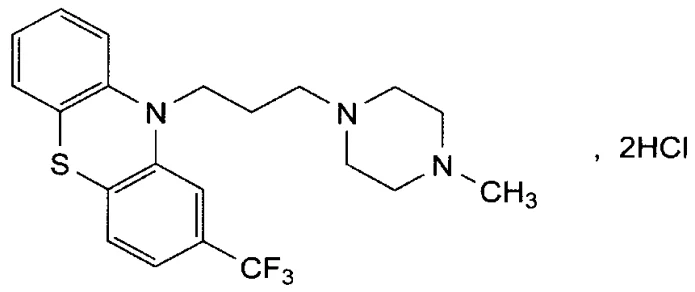
Chemical name: 10-[3-(4-methylpiperazin-1-yl)propyl]-2-(trifluoromethyl)-10H-phenothiazine
Molecular formula and molecular mass: C21H24F3N3S, 2HCl and 480.4 g/mol
Structural formula:
Physicochemical properties:
Melting Range: ~ 242°C, with decomposition.
Description: White to pale yellow, crystalline powder.
Pharmaceutical standard: BP
14 Clinical Trials
The clinical trial data on which the indication was originally authorized is not available.
16 Non-Clinical Toxicology
Genotoxicity:
Chromosomal aberrations in spermatocytes and abnormal sperm have been demonstrated in rodents treated with certain neuroleptics.
Reproductive and Developmental Toxicology:
Reproductive studies in rats given over 600 times the human dose showed an increased incidence of malformations above controls and reduced litter size and weight linked to maternal toxicity. These effects were not observed at half this dosage. No adverse effect on fetal development was observed in rabbits given 700 times the human dose nor in monkeys given 25 times the human dose.
Preclinical studies undertaken in dogs have demonstrated that trifluoperazine crosses the placenta and passes into the milk of lactating dogs.