


Product Monograph - Tybost
RECENT MAJOR LABEL CHANGES
| 2 Contraindications | 05/2020 |
| 7 Warnings and Precautions, General | 05/2020 |
TABLE OF CONTENTS
Sections or subsections that are not applicable at the time of authorization are not listed.
RECENT MAJOR LABEL CHANGES ................................................................................. 2
PART I. HEALTH PROFESSIONAL INFORMATION ....................................................... 4
1 INDICATIONS ............................................................................................................. 4
1.1 Pediatrics .......................................................................................................... 4
1.2 Geriatrics .......................................................................................................... 4
2 CONTRAINDICATIONS............................................................................................... 4
4 DOSAGE AND ADMINISTRATION .............................................................................. 7
4.2 Recommended Dose and Dosage Adjustment ................................................... 7
4.5 Missed Dose ..................................................................................................... 8
5 OVERDOSAGE ........................................................................................................... 8
6 DOSAGE FORMS, STRENGTHS, COMPOSITION AND PACKAGING ........................ 8
7 WARNINGS AND PRECAUTIONS .............................................................................. 9
7.1 Special Populations ......................................................................................... 11
7.1.1 Pregnant Women .............................................................................. 11
7.1.2 Breast-feeding ................................................................................... 12
7.1.3 Pediatrics .......................................................................................... 12
7.1.4 Geriatrics .......................................................................................... 12
7.1.5 Patients with HIV and Hepatitis B Virus Coinfection............................ 12
8 ADVERSE REACTIONS ............................................................................................ 12
8.1 Adverse Reaction Overview............................................................................. 12
8.2 Clinical Trial Adverse Reactions....................................................................... 12
8.3 Less Common Clinical Trial Adverse Reactions ............................................... 13
8.4 Abnormal Laboratory Findings: Hematologic, Clinical Chemistry and Other Quantitative Data............................................................................................. 14
9 DRUG INTERACTIONS............................................................................................. 15
9.1 Serious Drug Interactions ................................................................................ 15
9.2 Drug Interaction Overview ............................................................................... 16
9.3 Drug-Behavioural Interactions.......................................................................... 16
9.4 Drug-Drug Interactions .................................................................................... 16
9.5 Drug-Food Interactions .................................................................................... 27
9.6 Drug-Herb Interactions .................................................................................... 27
9.7 Drug-Laboratory Test Interactions.................................................................... 27
10 CLINICAL PHARMACOLOGY.................................................................................... 28
10.1 Mechanism of Action ....................................................................................... 28
10.2 Pharmacodynamics ......................................................................................... 28
10.3 Pharmacokinetics ............................................................................................ 29
11 STORAGE, STABILITY AND DISPOSAL ................................................................... 30
12 SPECIAL HANDLING INSTRUCTIONS ..................................................................... 30
PART II. SCIENTIFIC INFORMATION ........................................................................... 32
13 PHARMACEUTICAL INFORMATION......................................................................... 32
14 CLINICAL TRIALS ..................................................................................................... 32
14.1 Clinical Trials by Indication .............................................................................. 32
In Combination with Atazanavir in HIV-1 Infected Adult Patients ....................... 32
15 MICROBIOLOGY ...................................................................................................... 34
16 NON-CLINICAL TOXICOLOGY ................................................................................. 35
PATIENT MEDICATION INFORMATION .......................................................................... 37
PART I. HEALTH PROFESSIONAL INFORMATION
1 INDICATIONS
TYBOST® (cobicistat) is an inhibitor of the cytochrome P450 3A isoenzyme indicated to increase systemic exposures of atazanavir in HIV-1 infected adult patients.
The safety and efficacy of TYBOST was evaluated in a 48 week randomized, double-blind, active-controlled Phase 3 trial in HIV-1 infected treatment-naïve adult patients comparing atazanavir/cobicistat plus emtricitabine/tenofovir disoproxil fumarate (DF) to atazanavir/ritonavir plus emtricitabine/tenofovir DF.
1.1 Pediatrics
Pediatrics (< 18 years of age): No data are available to Health Canada; therefore, Health Canada has not authorized an indication for pediatric use.
1.2 Geriatrics
Geriatrics (≥ 65 years of age): Clinical studies of TYBOST did not include sufficient numbers of subjects aged 65 and over to determine whether they respond differently from adult subjects < 65 years of age.
2 CONTRAINDICATIONS
TYBOST is contraindicated in patients with known hypersensitivity to any of the components of the product. For a complete listing, see the 6 DOSAGE FORMS, STRENGTHS, COMPOSITION AND PACKAGING section of the Product Monograph.
Coadministration is contraindicated with drugs that are highly dependent on CYP3A for clearance and for which elevated plasma concentrations are associated with serious and/or life-threatening events, and with drugs that are potent inducers of CYP3A due to the potential for loss of therapeutic effect. Therefore, coadministration is contraindicated with, but not limited to, the drugs listed in Table 1 (see 9.4 Drug-Drug Interactions).
Table 1. Drugs that are Contraindicated with TYBOST
| Drug Class: | Drugs within class that are contraindicated with TYBOST | Clinical Comment |
|---|---|---|
| Alpha 1-adrenoreceptor antagonists | alfuzosin | Potential for increased alfuzosin concentrations, which can result in hypotension. |
| Antianginal | ranolazine* | Potential for serious and/or life-threatening reactions. |
| Antiarrhythmic | dronedarone | Potential for increased dronedarone concentrations. |
| Anticonvulsants | carbamazepine, phenobarbital, phenytoin | Carbamazepine, a potent CYP3A inducer, decreases cobicistat plasma concentrations and that of atazanavir, which may result in loss of therapeutic effect and development of resistance. |
| Drug Class: | Drugs within class that are contraindicated with TYBOST | Clinical Comment | |||||
|---|---|---|---|---|---|---|---|
| Coadministration of TYBOST with carbamazepine, phenobarbital, or phenytoin is contraindicated. | |||||||
| Anti-gout | colchicine | Contraindicated in patients with renal and/or hepatic impairment due to potential for serious and/or life-threatening reactions | |||||
| Antihistamines | astemizole*, terfenadine* | Potential for serious and/or life-threatening reactions such as cardiac arrhythmias. | |||||
| Antimycobacterials | rifampin | Rifampin is a potent inducer of CYP450 metabolism. TYBOST should not be used in combination with rifampin, as this may cause significant decrease in the plasma concentration of cobicistat. This may result in loss of therapeutic effect and development of resistance to TYBOST. | |||||
| Antineoplastics | irinotecan | Atazanavir inhibits UGT1A1 and may interfere with the metabolism of irinotecan, resulting in increased irinotecan toxicity. | |||||
| Antipsychotics | lurasidone | Potential for serious and/or life-threatening reactions. | |||||
| Beta 2-adrenoceptor agonist | salmeterol | Coadministration of salmeterol with TYBOST may result in increased risk of cardiovascular adverse events associated with salmeterol, including QT prolongation, palpitations, and sinus tachycardia. | |||||
| Benzodiazepines | orally administered midazolam*, triazolam | Triazolam and orally administered midazolam are extensively metabolized by CYP3A4. Coadministration of triazolam or orally administered midazolam with TYBOST may cause large increases in the concentration of these benzodiazepines. The potential exists for serious and/or life-threatening events such as prolonged or increased sedation or respiratory depression. | |||||
| Direct oral anticoagulants | apixaban, rivaroxaban | Apixaban and rivaroxaban are primarily metabolized by CYP3A4 and transported by P-gp. Coadministration with TYBOST may result in increased plasma concentrations of apixaban or rivaroxaban, which may lead to an increased bleeding risk. | |||||
| Drug Class: | Drugs within class that are contraindicated with TYBOST | Clinical Comment |
|---|---|---|
| Ergot derivatives | dihydroergotamine, ergonovine, ergotamine, methylergonovine* | Potential for serious and/or life-threatening events such as acute ergot toxicity characterized by peripheral vasospasm and ischemia of the extremities and other tissues. |
| Hepatitis C Direct-Acting Antiviral | elbasvir/grazoprevir | Contraindicated because of the potential increase in the risk of ALT elevations due to a significant increase in grazoprevir plasma concentrations caused by OATP1B1/3 inhibition by atazanavir. |
| Herbal products | St. John’s wort (Hypericum perforatum) | Patients taking TYBOST should not use products containing St. John’s wort because coadministration may result in reduced plasma concentrations of cobicistat. This may result in loss of therapeutic effect and development of resistance. |
| HMG CoA reductase inhibitors | lovastatin, simvastatin | Potential for serious reactions such as myopathy, including rhabdomyolysis. |
| Hormonal Contraceptives | drospirenone/ ethinyl estradiol | Potential for increased drospirenone concentrations, which can result in hyperkalemia. |
| Microsomal triglyceride transfer protein inhibitor | lomitapide | Potential for increased lomitapide concentrations which may result in markedly increased transaminases. |
| Neuroleptics | pimozide | Potential for serious and/or life-threatening events such as cardiac arrhythmias. |
| Non-nucleoside Reverse Transcriptase Inhibitor | nevirapine | Nevirapine substantially decreases atazanavir exposure which may result in loss of therapeutic effect and development of resistance. Potential risk for nevirapine-associated adverse reactions due to increased nevirapine exposures. |
| Phosphodiesterase-5 (PDE-5) inhibitors | sildenafil† | A safe and effective dose in combination with TYBOST has not been established for sildenafil (Revatio®) when used for the treatment of pulmonary hypertension. There is increased potential for sildenafil-associated adverse events (which include visual disturbances, hypotension, priapism, and syncope). |
| Protease Inhibitor | indinavir* | Both atazanavir and indinavir are associated with indirect (unconjugated) hyperbilirubinemia. |
* Not marketed in Canada.
† For the treatment of pulmonary arterial hypertension.
4 DOSAGE AND ADMINISTRATION
4.2 Recommended Dose and Dosage Adjustment
TYBOST must be coadministered with atazanavir and with food. The recommended dose of TYBOST and that of the coadministered protease inhibitor, atazanavir, are presented in Table 2. As TYBOST is used in combination with atazanavir, also consult the atazanavir Product Monograph.
Table 2. Recommended Dosing Regimens
| Dose of TYBOST | Dose of recommended HIV-1 protease inhibitor |
| 150 mg once daily | Atazanavir 300 mg once daily |
Pediatrics (< 18 years of age)
No data are available to Health Canada; therefore, Health Canada has not authorized an indication for pediatric use.
Geriatrics (> 65 years of age)
Insufficient data are available on which to make a dose recommendation for patients over 65 years of age.
Renal Impairment
No dose adjustment of TYBOST is required in patients with renal impairment, including those with severe renal impairment.
TYBOST should not be initiated as part of a regimen containing emtricitabine, lamivudine, tenofovir disoproxil fumarate or adefovir in patients who have an estimated creatinine clearance below 70 mL/min since dose adjustment of these drugs is required below 50 mL/min and such dose adjustments have not been established in combination with TYBOST (see 7 WARNINGS AND PRECAUTIONS, Renal, 8 ADVERSE REACTIONS, 10 CLINICAL PHARMACOLOGY, Effect on Serum Creatinine, and 14 CLINICAL TRIALS).
Hepatic Impairment
No dose adjustment of TYBOST is required in patients with mild (Child-Pugh Class A) or moderate (Child-Pugh Class B) hepatic impairment. TYBOST has not been studied in patients with severe hepatic impairment (Child-Pugh Class C) (see 10 CLINICAL PHARMACOLOGY, Hepatic Insufficiency).
4.5 Missed Dose
If a patient misses a dose of TYBOST within 12 hours of the time it is usually taken, the patient should take TYBOST with a meal as soon as possible, and then take the next dose of TYBOST at the regularly scheduled time with atazanavir.
If a patient misses a dose of TYBOST by more than 12 hours, the patient should not take the missed dose, but wait and take the next dose of TYBOST with atazanavir at the regularly scheduled time.
If the patient misses a dose of atazanavir refer to the atazanavir Product Monograph.
If a patient misses a dose of TYBOST and atazanavir, TYBOST should be taken at the same time as atazanavir, with food. For atazanavir dosing refer to the atazanavir Product Monograph.
5 OVERDOSAGE
If overdose occurs the patient must be monitored for evidence of toxicity. Treatment of overdose with TYBOST consists of general supportive measures including monitoring of vital signs as well as observation of the clinical status of the patient.
Limited clinical experience is available at doses higher than the therapeutic dose of cobicistat. In two studies, a single dose of cobicistat 400 mg was administered to a total of 60 healthy subjects. No severe adverse reactions were reported. The effects of higher doses are not known. Since cobicistat is highly bound to plasma proteins, it is unlikely that it will be significantly removed by hemodialysis or peritoneal dialysis.
The Product Monograph of the coadministered product atazanavir should also be consulted.
| For management of a suspected drug overdose, contact your regional Poison Control Centre. |
6 DOSAGE FORMS, STRENGTHS, COMPOSITION AND PACKAGING
Table 3. Dosage Forms, Strengths, Composition and Packaging
| Route of Administration | Dosage Form/Strength/Composition | Non-medicinal Ingredients |
| Oral | Tablet 150 mg cobicistat | Silicon dioxide, microcrystalline cellulose, croscarmellose sodium, and magnesium stearate. The tablets are coated with a coating material containing polyethylene glycol, polyvinyl alcohol, talc, titanium dioxide, sunset yellow FCF (FD&C Yellow #6) aluminum lake, and iron oxide yellow. |
TYBOST tablets are orange, round, biconvex, and film-coated, debossed with “GSI” on one side and plain-faced on the other side. Each bottle contains 30 tablets and a silica gel desiccant and closed with a child-resistant closure.
7 WARNINGS AND PRECAUTIONS
General
Cobicistat is a potent CYP3A inhibitor. Initiating treatment with TYBOST in patients receiving medications metabolized by CYP3A or initiating medications metabolized by CYP3A in patients already receiving TYBOST may result in increased plasma concentration of these concomitant medications. Higher plasma concentrations of concomitant medications can result in increased or prolonged therapeutic or adverse effects, potentially leading to serious and/or life-threatening events. Coadministration of TYBOST with drugs that have active metabolite(s) formed by CYP3A may result in reduced plasma concentrations of these active metabolite(s), potentially leading to loss of therapeutic effect. Coadministration of TYBOST with drugs that induce CYP3A may result in decreased plasma concentration of cobicistat and consequently that of the concomitant medication, leading to loss of therapeutic effect and possible development of resistance. The potential for drug-drug interactions must be considered prior to and during therapy with TYBOST. Review of other medications taken by patients and monitoring of patients for adverse effects is recommended during therapy with TYBOST (see 2 CONTRAINDICATIONS and 9.4 Drug-Drug Interactions).
TYBOST is a CYP3A inhibitor and a CYP3A substrate, and therefore must not be used concurrently with products containing ritonavir or other potent CYP3A inhibitors due to similar effects of cobicistat and ritonavir on CYP3A.
Due to inhibition of CYP3A4 by TYBOST, coadministration of TYBOST with quetiapine may result in increased quetiapine concentrations. Serious and/or life-threatening quetiapine-related adverse reactions, including severe sedation and coma, have been reported for concomitant use of potent CYP3A4 inhibitors and quetiapine. TYBOST should not be used in combination with quetiapine. If coadministration is necessary, reduce the quetiapine dose, and monitor for quetiapine-associated adverse reactions as recommended in the quetiapine Product Monograph (see 9 DRUG INTERACTIONS).
TYBOST must not be used concurrently with products containing cobicistat (ie, the fixed-dose combination product STRIBILD® [elvitegravir/cobicistat/ emtricitabine/tenofovir disoproxil fumarate], GENVOYA® [elvitegravir/cobicistat/ emtricitabine/tenofovir alafenamide], Prezcobix® [cobicistat/darunavir] or Symtuza® [darunavir/cobicistat/emtricitabine/tenofovir alafenamide]).
TYBOST is a pharmacokinetic enhancer of atazanavir. Prescribers should consult the complete atazanavir Product Monograph for a description of additional contraindicated drugs, significant drug-drug interactions, and warnings and precautions associated with atazanavir.
Dosing recommendations have only been established for use of TYBOST with atazanavir once daily. TYBOST should not be used as a pharmacokinetic enhancer to boost any other HIV-1 protease inhibitor since dosing recommendations for such coadministrations have not been established (see 4 DOSAGE AND ADMINISTRATION).
TYBOST coadministered with atazanavir should not be used in combination with another antiretroviral that requires boosting (ie, another protease inhibitor), since dosing recommendations for such combination have not been established.
Carcinogenesis and Mutagenesis
See 16 NON-CLINICAL TOXICOLOGY section.
Endocrine and Metabolism
Fat Redistribution Redistribution/accumulation of body fat (lipodystrophy) including central obesity, dorsocervical fat enlargement (buffalo hump), peripheral wasting, facial wasting, breast enlargement, and “cushingoid appearance” have been observed in patients receiving antiretroviral therapy. The mechanism and long-term consequences of these events are currently unknown. A causal relationship has not been established.
Hepatic/Biliary/Pancreatic
Hepatic Impairment
Limited data on the use of TYBOST in patients with mild or moderate hepatic impairment (Child-Pugh Class A and B, respectively) suggests that no dose adjustment of TYBOST is required in these patients. No pharmacokinetic or safety data are available regarding the use of TYBOST in patients with severe hepatic impairment (Child-Pugh Class C). Therefore, TYBOST is not recommended for use in patients with severe hepatic impairment.
Cobicistat is primarily metabolized and eliminated by the liver. A study of the pharmacokinetics of cobicistat-boosted elvitegravir in non-HIV-1 infected subjects with moderate hepatic impairment (Child-Pugh Class B) and healthy subjects did not reveal any clinically relevant differences in elvitegravir or cobicistat pharmacokinetics. The pharmacokinetics of cobicistat has not been studied in patients with severe hepatic impairment (Child-Pugh Class C).
The safety and efficacy of TYBOST have not been studied specifically in patients with underlying liver disorders. Patients with chronic hepatitis B or C and treated with antiretroviral therapy are at increased risk for severe and potentially fatal hepatic adverse events. In case of concomitant antiviral therapy for hepatitis B or C, please refer also to the relevant product information for these medicinal products (see 7.1 Special Populations).
Immune
Immune Reconstitution Inflammatory Syndrome Immune reconstitution inflammatory syndrome has been reported in patients treated with combination antiretroviral therapy. During the initial phase of combination antiretroviral treatment, patients responding to antiretroviral therapy may develop an inflammatory response to indolent or residual opportunistic infections (such as Mycobacterium avium complex (MAC) infection, cytomegalovirus (CMV) infection, Pneumocystis jiroveci pneumonia (PCP), or tuberculosis (TB)), which may necessitate further evaluation and treatment.
Autoimmune disorders (such as Graves’ disease, polymyositis, and Guillain-Barré syndrome) have also been reported to occur in the setting of immune reconstitution, however, the time to onset is more variable, and can occur many months after initiation of treatment.
Renal
Effects on Serum Creatinine
TYBOST has been shown to decrease estimated creatinine clearance due to inhibition of tubular secretion of creatinine without affecting actual renal glomerular function. This effect should be considered when interpreting changes in estimated creatinine clearance in patients initiating TYBOST (particularly in patients with medical conditions or receiving drugs needing monitoring with estimated creatinine clearance). Dosing recommendations are not available for drugs that require dosing adjustment for renal impairment with the use of TYBOST (see 4.2 Recommended Dose and Dosage Adjustment). Consider alternative medications that do not require dosing adjustments.
Prior to initiating therapy with TYBOST, assess estimated creatinine clearance. Although TYBOST may cause modest increases in serum creatinine and modest declines in estimated creatinine clearance without affecting renal glomerular function, patients who experience a confirmed increase in serum creatinine of greater than 0.4 mg per dL from baseline should be closely monitored for renal safety.
New Onset or Worsening Renal Impairment When Used with Tenofovir Disoproxil Fumarate
Renal impairment, including cases of acute renal failure and Fanconi syndrome, has been reported when TYBOST is used in an antiretroviral regimen that contains tenofovir disoproxil fumarate (tenofovir DF).
- Do not initiate TYBOST as part of a regimen containing tenofovir DF in patients who have an estimated creatinine clearance below 70 mL/min because dose adjustment of tenofovir DF is required below 50 mL/min and such dose adjustments have not been established for coadministration with TYBOST.
- Document urine glucose and urine protein at baseline and perform routine monitoring of estimated creatinine clearance, urine glucose, and urine protein during treatment when TYBOST is used with tenofovir DF.
- Measure serum phosphorus in patients with or at risk for renal impairment.
- Avoid use of TYBOST with tenofovir DF in combination with concomitant or recent use of a nephrotoxic agent.
7.1 Special Populations
7.1.1 Pregnant Women
There are not sufficient data to recommend the routine initiation of TYBOST in women during pregnancy. TYBOST should not be used in pregnant women unless the potential benefits outweigh the potential risks to the fetus and mother. Lower exposures of cobicistat have been reported during pregnancy compared to postpartum. Closely monitor viral load during pregnancy, if TYBOST is continued to be used in an antiretroviral regimen.
Antiretroviral Pregnancy Registry: To monitor fetal outcomes of pregnant women exposed to ART (antiretroviral therapy) including TYBOST, an Antiretroviral Pregnancy Registry has been established. Healthcare providers are encouraged to register patients, http://www.apregistry.com
Telephone: (800) 258-4263 Fax: (800) 800-1052
7.1.2 Breast-feeding
HIV-1 infected mothers should not breast-feed their infants to avoid risking postnatal transmission of HIV. Studies in rats have demonstrated that cobicistat is secreted in milk. It is not known whether cobicistat is excreted in human milk. Because of both the potential for HIV transmission and the potential for serious adverse reactions in nursing infants, mothers should be instructed not to breast-feed if they are receiving TYBOST.
7.1.3 Pediatrics
Pediatrics (< 18 years of age): No data are available to Health Canada; therefore, Health Canada has not authorized an indication for pediatric use.
7.1.4 Geriatrics
Geriatrics (≥ 65 years of age): Clinical studies of TYBOST did not include sufficient numbers of patients aged 65 and over to determine whether they respond differently than adult patients < 65 years of age. In general, dose selection for elderly patients should be cautious, keeping in mind the greater frequency of decreased hepatic, renal, or cardiac function, and of concomitant disease or other drug therapy.
7.1.5 Patients with HIV and Hepatitis B Virus Coinfection
The pharmacokinetics of TYBOST have not been fully evaluated in subjects coinfected with hepatitis B and/or C virus.
8 ADVERSE REACTIONS
8.1 Adverse Reaction Overview
The safety of TYBOST has been established from a Phase 3, randomized, active-controlled clinical trial (Study 114), in which 692 HIV-1 infected, antiretroviral treatment-naive adults received TYBOST-boosted atazanavir + TRUVADA (N=344) or ritonavir-boosted atazanavir + TRUVADA (N=348) for at least 48 weeks. Adverse reactions for TYBOST-boosted atazanavir were consistent with the safety profile of ritonavir-boosted atazanavir.
8.2 Clinical Trial Adverse Reactions
Because clinical trials are conducted under very specific conditions the adverse reaction rates observed in the clinical trials may not reflect the rates observed in practice and should not be compared to the rates in the clinical trials of another drug. Adverse drug reaction information from clinical trials is useful for identifying drug-related adverse events and for approximating rates.
See Table 4 for the frequency of treatment-emergent adverse reactions (Grade 2-4) occurring in at least 2% of subjects receiving TYBOST-boosted atazanavir + TRUVADA in Study 114. The most common adverse reactions (incidence greater than or equal to 5%) occurring in subjects receiving TYBOST-boosted atazanavir + TRUVADA was jaundice, consistent with the safety profile of atazanavir.
Table 4. Treatment-Emergent Adverse Drug Reactionsa (Grades 2-4) Reported in ≥ 2% of Subjects Receiving TYBOST-boosted Atazanavir + TRUVADA in Study 114 (Week 48 analysis)
| TYBOST-boosted Atazanavir + TRUVADA | Ritonavir-boosted Atazanavir + TRUVADA | ||||||
|---|---|---|---|---|---|---|---|
| N=344 | N=348 | ||||||
| EYE DISORDERS | |||||||
| Ocular icterus | 3% | 1% | |||||
| GASTROINTESTINAL DISORDERS | |||||||
| Nausea | 2% | 2% | |||||
| HEPATOBILIARY DISORDERS | |||||||
| Jaundice | 6% | 3% | |||||
| Hyperbilirubinaemia | 4% | 3% | |||||
| SKIN AND SUBCUTANEOUS TISSUE DISORDERS | |||||||
| Rashb | 4% | 3% | |||||
a. Frequencies of adverse reactions are based on Grade 2-4 treatment-emergent adverse events, attributed to study drugs.
b. Rash event includes rash, rash generalized, rash maculo-papular, rash macular, and rash morbilliform.
8.3 Less Common Clinical Trial Adverse Reactions
Treatment-emergent adverse drug reactions of at least moderate severity (≥ Grade 2) occurring in less than 2% of subjects receiving TYBOST with atazanavir + TRUVADA in Study 114 are listed below.
Ear and Labyrinth Disorders: vertigo
Gastrointestinal Disorders: diarrhea, vomiting, constipation, abdominal pain, hyperchlorhydia
General Disorders and Administration Site Conditions: fatigue, asthenia
Immune System Disorders: drug hypersensitivity
Metabolism and Nutrition Disorders: increased appetite, decreased appetite, diabetes mellitus, hyperlipidaemia, hypertriclyceridaemia
Musculoskeletal and Connective Tissue Disorders: back pain, myalgia, rhabdomyolysis
Nervous System Disorders: headache
Pregnancy, Puerperium and Perinatal Conditions: abortion spontaneous
Psychiatric Disorders: insomnia, abnormal dreams, depression, affective disorder
Renal and Urinary Disorders: Fanconi syndrome acquired, nephrolithiasis, renal impairment, haematuria, hydronephrosis, nephropathy, renal colic
Reproductive System and Breast Disorders: premenstrual syndrome
Skin and Subcutaneous Tissue Disorders: dermatitis allergic, eosinophilic pustular folliculitis, hyperhidrosis, pruritus generalized
8.4 Abnormal Laboratory Findings: Hematologic, Clinical Chemistry and Other Quantitative Data
Clinical Trial Findings
The frequency of treatment-emergent laboratory abnormalities (Grades 3-4) occurring in at least 1% of subjects receiving TYBOST-boosted atazanavir + TRUVADA in Study 114 are presented in Table 5.
Table 5. Laboratory Abnormalities (Grades 3-4) Reported in ≥ 1% of Subjects Receiving TYBOST-boosted atazanavir + TRUVADA in Study 114 (Week 48 analysis)
| Laboratory Parameter Abnormality | TYBOST-boosted Atazanavir + TRUVADA | Ritonavir-boosted Atazanavir + TRUVADA | ||||
|---|---|---|---|---|---|---|
| N=344 | N=348 | |||||
| Total Bilirubin (> 2.5 × ULN) | 65% | 57% | ||||
| Creatine Kinase (≥ 10.0 x ULN) | 6% | 6% | ||||
| Serum Amylasea (> 2.0 × ULN) | 3% | 2% | ||||
| ALT (> 5.0 x ULN) | 3% | 2% | ||||
| Urine RBC (Hematuria) (> 75 RBC/HPF) | 3% | 2% | ||||
| Neutrophils (< 750/mm3) | 2% | 1% | ||||
| AST (> 5.0 x ULN) | 3% | 2% | ||||
| GGT (> 5.0 x ULN) | 2% | 1% | ||||
| Serum Glucose (> 250 mg/dL) | 2% | 1% | ||||
| Urine Glucose (+4) | 2% | 1% | ||||
a. For subjects with serum amylase > 1.5 x upper limit of normal, lipase test was also performed. The frequency of increased lipase (Grade 3-4) occurring in TYBOST-boosted atazanavir plus TRUVADA and ritonavir-boosted atazanavir plus TRUVADA treatment groups was 5% (2/38) and 4% (1/28), respectively.
In addition to the laboratory abnormalities listed in Table 5 creatinine renal clearance decreased and glomerular filtration rate abnormal (≥ Grade 2) were reported in less than 2% of subjects receiving TYBOST + TRUVADA in Study 114.
TYBOST has been shown to decrease estimated creatinine clearance due to inhibition of tubular secretion of creatinine without affecting actual renal glomerular function. An increase in serum creatinine due to TYBOST’s inhibitory effect generally does not exceed 0.4 mg per dL (35.36 µmol/L) from baseline. In Study 114, decreases in estimated creatinine clearance occurred early in treatment with TYBOST, after which they stabilized. The mean (± SD) change in estimated glomerular filtration rate by Cockcroft-Gault method (eGFRCG) after 48 weeks of treatment was -13.4 ± 15.2 mL/min in the TYBOST-boosted atazanavir + TRUVADA group and -8.7 ± 14.5 mL/min in the ritonavir-boosted atazanavir + TRUVADA group (see 10 CLINICAL PHARMACOLOGY, Effect on Serum Creatinine).
Serum Lipids
Changes from baseline in total cholesterol, HDL-cholesterol, LDL-cholesterol, and triglycerides are presented in Table 6.
Table 6. Lipid Values, Mean Change from Baseline, Reported in Subjects Receiving TYBOST-boosted atazanavir + TRUVADA or Ritonavir-boosted atazanavir + TRUVADA in Study 114 (Week 48 analysis)
| TYBOST-boosted Atazanavir + TRUVADA | Ritonavir-boosted Atazanavir + TRUVADA | |||||||||
|---|---|---|---|---|---|---|---|---|---|---|
| Baseline | Week 48 | Baseline | Week 48 | |||||||
| mg/dL | Change from baselinea | mg/dL | Change from baselinea | |||||||
| Total Cholesterol (fasted) | 164 [N=323] | + 5 [N=278] | 166 [N=328] | + 9 [N=287] | ||||||
| HDL-cholesterol (fasted) | 43 [N=322] | + 4 [N=277] | 43 [N=328] | + 3 [N=287] | ||||||
| LDL-cholesterol (fasted) | 103 [N=322] | + 6 [N=278] | 104 [N=328] | + 8 [N=288] | ||||||
| Triglycerides (fasted) | 126 [N=323] | + 19 [N=278] | 132 [N=328] | + 32 [N=287] | ||||||
a. The change from baseline is the mean of within-patient changes from baseline for patients with both baseline and Week 48 values.
9 DRUG INTERACTIONS
9.1 Serious Drug Interactions
Serious Drug Interactions Cobicistat is a strong inhibitor of cytochrome P450 (CYP3A) and a CYP3A substrate. Coadministration of TYBOST with drugs that are primarily metabolized by CYP3A may result in increased plasma concentrations of such drugs, which may lead to serious and/or life-threatening events. Coadministration of TYBOST with drugs that have active metabolite(s) formed by CYP3A may result in reduced plasma concentrations of these active metabolite(s). Drugs that induce CYP3A activity may decrease plasma concentration of cobicistat and consequently that of atazanavir being boosted, leading to loss of therapeutic effect and possible development of resistance (see 7 WARNINGS AND PRECAUTIONS, 2 CONTRAINDICATIONS, and 9 DRUG INTERACTIONS Table 7 – Established and Other Potentially Significant Drug Interactions). |
9.2 Drug Interaction Overview
Effect of Cobicistat on the Pharmacokinetics of Concomitant Drugs
Coadministration with other CYP3A substrates may require a dose adjustment or additional monitoring as shown in Table 7. Coadministration of TYBOST with drugs that have active metabolite(s) formed by CYP3A may result in reduced plasma concentrations of these active metabolite(s) (see 7 WARNINGS AND PRECAUTIONS).
Cobicistat is a weak inhibitor of CYP2D6. Cobicistat is not expected to inhibit CYP1A2, CYP2B6, CYP2C8, CYP2C9 or CYP2C19. Cobicistat is not expected to induce CYP1A2, CYP3A4, CYP2C9, CYP2C19, UGT1A1, or MDR1.
The transporters that cobicistat inhibits include p-glycoprotein (P-gp), BCRP, OATP1B1, and OATP1B3. Thus, coadministration of TYBOST with drugs that are primarily metabolized by CYP3A or CYP2D6, or are substrates of P-gp, BCRP, OATP1B1, or OATP1B3 may result in increased plasma concentrations of such drugs.
9.3 Drug-Behavioural Interactions
Interactions of TYBOST with individual behavioural risks have not been established.
9.4 Drug-Drug Interactions
Established and Other Potentially Significant Drug Interactions
Table 7 provides dosing recommendations as a result of drug interactions with TYBOST. These recommendations are based on either drug interactions studies or predicted interactions due to the expected magnitude of interaction and potential for serious and/or life-threatening events or loss of efficacy. The table includes potentially significant interactions, but is not all inclusive (see 9 DRUG INTERACTIONS, Assessment of Drug Interactions, Table 8 –Table 9).
For additional drug-drug interactions with atazanavir, consult the atazanavir Product Monograph when using TYBOST.
Table 7. Established and Other Potentially Significanta Drug Interactions
| Concomitant Drug Class: Drug Name | Effect on Concentrationb | Clinical Comment |
|---|---|---|
| Antiretroviral Agents: Nucleoside Reverse Transcriptase Inhibitors | ||
| didanosine | ↔ didanosine ↔ cobicistat | Coadministration of didanosine buffered tablets is expected to decrease atazanavir plasma concentration. Consult the atazanavir Product Monograph for atazanavir dosing recommendation when used concomitantly with didanosine. |
tenofovir disoproxil fumarate | ↑ tenofovir ↔ cobicistat | Coadministration of tenofovir disoproxil fumarate with TYBOST is expected to increase tenofovir plasma concentration. This increase is not expected to be clinically relevant and does |
| Concomitant Drug Class: Drug Name | Effect on Concentrationb | Clinical Comment |
|---|---|---|
| not necessitate dose adjustment of tenofovir disoproxil fumarate. | ||
| Antiretroviral Agents: Non-nucleoside Reverse Transcriptase Inhibitors | ||
| delavirdine | ↑ cobicistat ↑ delavirdine | Coadministration of delavirdine and TYBOST may increase delavirdine and/or cobicistat plasma concentration. The appropriate dose of delavirdine in combination with atazanavir/cobicistat has not been established. Coadministration is not recommended. |
| efavirenz | ↓ cobicistat | Coadministration of efavirenz and TYBOST is expected to decrease cobicistat plasma concentration and consequently that of atazanavir, which may result in loss of therapeutic effect and development of resistance. Coadministration is not recommended. |
| etravirine | ↓ cobicistat | Coadministration of etravirine and TYBOST is expected to decrease cobicistat plasma concentration and consequently that of atazanavir, which may result in loss of therapeutic effect and development of resistance. Coadministration is not recommended. |
| rilpivirine | ↑ rilpivirine ↔ cobicistat | Coadministration of rilpivirine and TYBOST is expected to increase the plasma concentration of rilpivirine. Rilpivirine is not expected to affect the plasma concentration of cobicistat. No dose adjustment of rilpivirine is required when coadministered with atazanavir/cobicistat. |
| Antiretroviral Agents: CCR5 Antagonists | ||
| maraviroc | ↑ maraviroc | Maraviroc is a substrate of CYP3A and its plasma concentration increases when coadministered with potent CYP3A inhibitors. When coadministering maraviroc and atazanavir/cobicistat, patients should receive maraviroc 150 mg twice daily. For further details, see the maraviroc Product Monograph. |
| Other Agents: | ||
Acid Reducing Agents: Antacids (eg. aluminum and magnesium hydroxide) | ↔ cobicistat ↓ antacids | No dose adjustment of TYBOST is required when coadministered with antacids. Concomitant use of antacids, including buffered medications, is expected to decrease atazanavir plasma concentration. Consult the atazanavir Product Monograph for atazanavir dosing recommendation when used concomitantly with acid-reducing agents. |
| Concomitant Drug Class: Drug Name | Effect on Concentrationb | Clinical Comment |
|---|---|---|
Analeptics: modafinil | ↓ cobicistat | Coadministration of modafinil, a CYP3A inducer, may decrease cobicistat plasma concentrations and consequently that of atazanavir, which may result in loss of therapeutic effect and development of resistance. Alternative analeptics should be considered. |
Antiarrhythmics: amiodarone bepridil* disopyramide flecainide systemic lidocaine mexiletine propafenone quinidine | ↑ antiarrhythmics | Concentrations of these antiarrhythmic drugs may be increased when coadministered with TYBOST. Caution is warranted and clinical monitoring is recommended upon coadministration of these agents with TYBOST. |
| digoxin | ↑ digoxin | The peak concentration of digoxin increases when coadministered with TYBOST. The lowest dose of digoxin should initially be prescribed. The serum digoxin concentrations should be monitored and used for titration of digoxin dose to obtain the desired clinical effects. |
Antibacterials: clarithromycin | ↑ clarithromycin ↑ cobicistat ↓ 14-OH clarithromycin | Concentrations of clarithromycin may increase upon coadministration of TYBOST. Increased concentrations of clarithromycin may cause QTc prolongations; therefore, a dose reduction of clarithromycin by 50% should be considered when it is coadministered with atazanavir /TYBOST. In addition, concentrations of the active metabolite 14-OH clarithromycin are significantly reduced; consider alternative therapy for indications other than infections due to Mycobacterium avium complex. Coadministration of clarithromycin and TYBOST has not been studied. Consult the atazanavir Product Monograph for further information when these TYBOST-boosted agents are used concomitantly with clarithromycin. |
Anticancer Agents: dasatinib nilotinib vinblastine vincristine | ↑ anticancer agents | Concentrations of these drugs may increase when coadministered with TYBOST resulting in the potential for increased adverse events usually associated with these anticancer agents. A decrease in the dosage or an adjustment of the dosing interval of dasatinib and nilotinib may be necessary for patients requiring coadministration with strong CYP3A inhibitors such as TYBOST. Consult the dasatinib and |
| Concomitant Drug Class: Drug Name | Effect on Concentrationb | Clinical Comment |
|---|---|---|
| nilotinib Product Monographs for dosing instructions. | ||
Anticoagulants: warfarin | ↑ or ↓ warfarin | Concentrations of warfarin may be affected upon coadministration with TYBOST. It is recommended that the international normalized ratio (INR) be monitored upon coadministration with TYBOST. |
Direct Oral Anticoagulants (DOACs): apixaban rivaroxaban dabigatran edoxaban | ↑ DOACs | DOACs are primarily metabolized by CYP3A4 and/or transported by P-gp. Coadministration with TYBOST may result in increased plasma concentrations of the DOAC, which may lead to an increased bleeding risk. Coadministration of a DOAC affected by both P-gp and CYP3A4, including apixaban and rivaroxaban, is contraindicated with TYBOST. Clinical monitoring and/or dose adjustment is recommended when a DOAC transported by P-gp, including dabigatran or edoxaban, is coadministered with TYBOST. Refer to the Product Monograph of the coadministered DOAC. |
Anticonvulsants: carbamazepine oxcarbazepine phenobarbital phenytoin | ↓ cobicistat | Carbamazepine, a potent CYP3A inducer, decreases cobicistat plasma concentrations and that of atazanavir, which may result in loss of therapeutic effect and development of resistance. Coadministration of TYBOST with carbamazepine, phenobarbital, or phenytoin is contraindicated. Coadministration of oxcarbazepine, a CYP3A inducer, may decrease cobicistat plasma concentrations and consequently that of atazanavir, which may result in loss of therapeutic effect and development of resistance. Alternative anticonvulsants should be considered. |
clonazepam ethosuximide | ↑ clonazepam ↑ ethosuximide | Concentrations of clonazepam and ethosuximide may be increased when coadministered with TYBOST. Clinical monitoring is recommended upon coadministration with TYBOST. |
Antidepressants: Selective Serotonin Reuptake Inhibitors (SSRIs) desipramine trazodone | ↑ SSRIs ↑ desipramine ↑ trazodone | Concentrations of these antidepressant agents may be increased when coadministered with TYBOST. Dose titration may be required for most drugs of the SSRI class. The concentration of desipramine is increased when coadministered with TYBOST. Concentrations of trazodone may increase upon coadministration with TYBOST. If trazodone or |
| Concomitant Drug Class: Drug Name | Effect on Concentrationb | Clinical Comment |
|---|---|---|
| desipramine is used with TYBOST, the combination should be used with caution, and a lower dose of trazadone or desipramine should be considered. | ||
Antifungals: itraconazole ketoconazole voriconazole | ↑ antifungals ↑ cobicistat | Concentrations of ketoconazole, itraconazole, and/or cobicistat may increase with coadministration of TYBOST. When administering with TYBOST, the maximum daily dose of ketoconazole and itraconazole should not exceed 200 mg /day. Concentrations of voriconazole may be increased when coadministered with TYBOST. Clinical monitoring may be needed upon coadministration with TYBOST. |
Antimycobacterial: rifabutin rifapentine* | ↑ rifabutin cobicistat: effects unknown | The recommended dosage regimen for rifabutin should be adjusted to 150 mg every other day. Monitor for rifabutin associated adverse reactions including neutropenia and uveitis. |
Antiplatelets: clopidogrel prasugrel | ↓ clopidogrel active metabolite ↔ prasugrel active metabolite | Coadministration of clopidogrel with cobicistat is expected to decrease clopidogrel active metabolite plasma concentrations, which may reduce the antiplatelet activity of clopidogrel. Coadministration of clopidogrel with TYBOST is not recommended. TYBOST is not expected to have a clinically relevant effect on plasma concentrations of the active metabolite of prasugrel. |
Antipsychotics: quetiapine | ↑ quetiapine | TYBOST should not be used in combination with quetiapine. Due to CYP3A4 inhibition by TYBOST, concentrations of quetiapine are expected to increase, which can result in serious and/or life-threatening adverse reactions. If coadministration is necessary, monitoring and quetiapine dose reduction may be required (see 7 WARNINGS AND PRECAUTIONS, General). |
Beta-Blockers: metoprolol timolol | ↑ beta-blockers | Concentrations of beta-blockers may be increased when coadministered with TYBOST. Clinical monitoring is recommended and a dose reduction may be necessary when these agents are coadministered with TYBOST. |
| Concomitant Drug Class: Drug Name | Effect on Concentrationb | Clinical Comment |
|---|---|---|
Calcium Channel Blockers: amlodipine diltiazem felodipine nicardipine* nifedipine verapamil | ↑ calcium channel blockers | Concentrations of calcium channel blockers may be increased when coadministered with TYBOST. Caution is warranted and clinical monitoring is recommended upon coadministration with TYBOST. |
Systemic Corticosteroids: dexamethasone (oral) | ↓ cobicistat | Coadministration of dexamethasone, a CYP3A inducer, may significantly decrease cobicistat plasma concentrations and consequently that of atazanavir, which may result in loss of therapeutic effect and development of resistance. Alternative corticosteroids should be considered. |
Corticosteroids: betamethasone budesonide dexamethasone fluticasone mometasone triamcinolone | ↑ corticosteroids | Coadministration of TYBOST with corticosteroids that are sensitive to CYP3A inhibition can increase the risk for Cushing’s syndrome and adrenal suppression, which have been reported during postmarketing use of cobicistat-containing products. Coadministration of corticosteroids sensitive to CYP3A inhibition and TYBOST is not recommended unless the potential benefit to the patient outweighs the risks. Alternative corticosteroids which are less dependent on CYP3A metabolism should be considered, particularly for long-term use. |
Endothelin Receptor Antagonists: bosentan | ↑ bosentan ↓ cobicistat | Bosentan is metabolized by CYP3A4 and is an inducer of CYP3A4. Coadministration of bosentan with TYBOST may lead to decreased cobicistat plasma concentrations and consequently that of atazanavir, which may result in loss of therapeutic effect and development of resistance. Coadministration of bosentan in patients on atazanavir/TYBOST: In patients who have been receiving TYBOST for at least 10 days, start bosentan at 62.5 mg once daily or every other day based upon individual tolerability. Coadministration of atazanavir/TYBOST in patients on bosentan: Discontinue use of bosentan at least 36 hours prior to initiation of |
| Concomitant Drug Class: Drug Name | Effect on Concentrationb | Clinical Comment |
|---|---|---|
| atazanavir/TYBOST. After at least 10 days following the initiation of atazanavir/TYBOST, resume bosentan at 62.5 mg once daily or every other day based upon individual tolerability. | ||
H2-Receptor Antagonists: famotidine | ↔ cobicistat | No dose adjustment of cobicistat is required when atazanavir/cobicistat is coadministered with H2-receptor antagonists. H2-receptor antagonists are expected to decrease atazanavir plasma concentration. Consult the atazanavir Product Monograph for atazanavir dosing recommendation when used concomitantly with H2-receptor antagonists. |
Hepatitis C Virus (HCV) Protease Inhibitors: boceprevir* | Effect on boceprevir and/or cobicistat unknown | No data are available to recommend appropriate doses of boceprevir when coadministered with atazanavir/cobicistat. Coadministration of TYBOST with boceprevir is not recommended. |
HMG-CoA Reductase Inhibitors: atorvastatin rosuvastatin | ↑ atorvastatin ↑ rosuvastatin | Concentrations of atorvastatin or rosuvastatin may be increased when coadministered with atazanavir/cobicistat. Consult the atazanavir Product Monograph when used in combination with these drugs. Coadministration of atazanavir and TYBOST with atorvastatin is not recommended. In cases where coadministration of atazanavir and TYBOST with rosuvastatin is necessary, start with the lowest recommended dose and titrate while monitoring for safety (eg, myopathy). Do not exceed 10 mg rosuvastatin daily and clinical monitoring is recommended. The risk of myopathy, including rhabdomyolysis, may be increased. |
Hormonal Contraceptives: norgestimate/ethinyl estradiol | ↑ norgestimate ↔ ethinyl estradiol | No data are available to make recommendations on the use of atazanavir/cobicistat with oral contraceptives. A drug interaction study between STRIBILD, which contains cobicistat, and a norgestimate/ethinyl estradiol-containing hormonal oral contraceptive resulted in decreased plasma concentrations of ethinyl estradiol and an increase in norgestimate. The effects of increases in the concentration of the progestational component norgestimate are not |
| Concomitant Drug Class: Drug Name | Effect on Concentrationb | Clinical Comment |
|---|---|---|
fully known and can include increased risk of insulin resistance, dyslipedemia, acne and venous thrombosis. The potential unknown risks and benefits associated with coadministration of norgestimate/ethinyl estradiol with TYBOST should be considered, particularly in women who have risk factors for these events. Alternative non-hormonal methods of contraception should be considered. | ||
Immuno-suppressants: cyclosporine rapamycin* sirolimus tacrolimus | ↑ immuno- suppressants | Concentrations of these immunosuppressant agents may be increased when coadministered with TYBOST. Therapeutic monitoring is recommended upon coadministration with TYBOST. |
Narcotic Analgesics: methadone buprenorphine/naloxone | ↔ R-methadone ↔ S-methadone ↑ buprenorphine ↑ norbuprenorphine ↓ naloxone | Methadone exposures are unaffected upon coadministration with cobicistat. No dose adjustment of methadone is required upon coadministration with TYBOST. However, careful clinical monitoring is recommended as the dose of methadone may need to be adjusted in some patients. Concentrations of buprenorphine and norbuprenorphine are modestly increased and concentrations of naloxone are modestly decreased when coadministered with cobicistat, with no changes on opioid pharmacodynamics. No dose adjustment of buprenorphine is required when coadministering with TYBOST. However, careful clinical monitoring is recommended as the dose of buprenorphine may need to be adjusted in some patients. |
Neuroleptics: perphenazine risperidone thioridazine* | ↑ neuroleptics | Consider reducing the dose of the neuroleptic upon coadministration with TYBOST. |
Phosphodiesterase-5 Inhibitors: sildenafil tadalafil vardenafil | ↑ PDE5 inhibitors | PDE5 inhibitors are primarily metabolized by CYP3A. Coadministration with TYBOST may result in increased plasma concentrations of sildenafil, tadalafil and vardenafil, which may result in PDE5 inhibitor-associated adverse reactions. For the treatment of pulmonary arterial hypertension: Sildenafil is contraindicated (see 2 CONTRAINDICATIONS). |
| Concomitant Drug Class: Drug Name | Effect on Concentrationb | Clinical Comment |
|---|---|---|
Coadministration of TYBOST with tadalafil may increase concentrations of tadalafil due to CYP3A inhibition. Coadministration of TYBOST with tadalafil is not recommended. Caution should be exercised, including consideration of dose reduction, when coadministering TYBOST with tadalafil for the treatment of pulmonary arterial hypertension. For the treatment of erectile dysfunction: it is recommended that a single dose of no more than sildenafil 25 mg in 48 hours, or no more than tadalafil 10 mg in 72 hours be coadministered with TYBOST. Vardenafil should not be coadministered with TYBOST. | ||
Proton-Pump Inhibitors omeprazole | ↔ cobicistat | No dose adjustment of cobicistat is required when atazanavir/cobicistat is coadministered with proton-pump inhibitors. Proton-pump inhibitors are expected to decrease atazanavir plasma concentration. Consult the atazanavir Product Monograph for atazanavir dosing recommendation when used concomitantly with proton-pump inhibitors. |
Sedatives/hypnotics: buspirone clorazepate diazepam estazolam* flurazepam zolpidem* | ↑sedatives/hypnotics | Coadministration of TYBOST with these sedatives/hypnotics may increase concentrations of the sedative/hypnotic due to inhibition of CYP3A. Clinical monitoring is recommended when coadministering TYBOST with these sedatives/hypnotics, and dose reduction may be necessary. |
a. This table is not all inclusive.
b. ↑ = increase, ↓ = decrease, ↔ = no change
* Not marketed in Canada.
Assessment of Drug Interactions
The effects of coadministered drugs on the exposure of cobicistat are shown in Table 8. The effects of cobicistat on the exposure of coadministered drugs are shown in Table 9. For information regarding clinical recommendations, see 9 DRUG INTERACTIONS, Table 7 – Established and Other Potentially Significant Drug Interactions.
In drug interaction studies conducted with cobicistat, there was no clinically significant interaction observed between cobicistat and the following drugs: famotidine or omeprazole (see 9 DRUG INTERACTIONS, Table 7 – Established and Other Potentially Significant Drug Interactions for further guidance on clinical monitoring).
Table 8. Drug Interactions: Changes in Pharmacokinetic Parameters for Cobicistat in the Presence of the Coadministered Druga
| Coadministered Drug | Dose of Coadministered Drug (mg) | Cobicistat Dose (mg) | N | % Change of Cobicistat Pharmacokinetic Parameters (90% CI) | ||||||||||
|---|---|---|---|---|---|---|---|---|---|---|---|---|---|---|
| Cmax | AUC | Cmin | ||||||||||||
| Atorvastatin | 10 single dose | 150 once dailyb | 16 | ⇔ | ⇔ | ⇔ | ||||||||
| Carbamazepine | 200 twice daily | 150 once dailyc | 12 | ↓72 (↓76 to ↓67)d | ↓84 (↓86 to ↓82)d | ↓90 (↓93 to ↓86)d | ||||||||
| Famotidine | 40 once daily given 12 hours after elvitegravir | 150 once dailyc | 10 | ⇔ | ⇔ | ⇔ | ||||||||
40 once daily given simultaneously with elvitegravir | 16 | ⇔ | ⇔ | ⇔ | ||||||||||
| Omeprazole | 20 once daily given 2 hours before elvitegravir | 150 once dailyc | 11 | ⇔ | ⇔ | ⇔ | ||||||||
20 once daily given 12 hours after elvitegravir | 11 | ⇔ | ⇔ | ⇔ | ||||||||||
| Rifabutin | 150 once every other day | 150 once dailyc | 12 | ⇔d | ⇔d | ↓66d (↓74 to ↓54) | ||||||||
| Rosuvastatin | 10 single dose | 150 once dailyb | 16 | ⇔ | ⇔ | ⇔ | ||||||||
| 150 once dailyc | 10 | ⇔d | ⇔d | ⇔d | ||||||||||
↑ = Increase; ↓ = Decrease; ⇔ = No Effect
a. All interaction studies conducted in healthy volunteers.
b. Study was conducted in the presence of 300 mg atazanavir.
c. Study was conducted in the presence of 150 mg elvitegravir.
d. Comparison based on elvitegravir/cobicistat 150/150 mg once daily.
Table 9. Drug Interactions: Changes in Pharmacokinetic Parameters for Coadministered Drugs in the Presence of Cobicistata
| Coadministered Drug | Dose of Coadministered Drug (mg) | Cobicistat Dose (mg) | N | % Change of Coadministered Drug Pharmacokinetic Parameters (90% CI) | ||||||||||||||||||||
|---|---|---|---|---|---|---|---|---|---|---|---|---|---|---|---|---|---|---|---|---|---|---|---|---|
| Cmax | AUC | Cmin | ||||||||||||||||||||||
| Atorvastatin | 10 single dose | 150 once dailyb | 16 | ↑1785 (↑1253 to ↑2527) | ↑822 (↑658 to ↑1022) | NC | ||||||||||||||||||
| Carbamazepine | 200 twice daily | 150 once dailyc | 12 | ↑40 (↑32 to ↑49) | ↑43 (↑36 to ↓52) | ↑51 (↑41 to↑62) | ||||||||||||||||||
| Carbamazepine-10,11-epoxide | ↓27 (↓30 to ↓22) | ↓35 (↓37 to ↓34) | ↓41 (↓43 to↓39) | |||||||||||||||||||||
| Desipramine | 50 single dose | 150 once daily | 8 | ↑24 (↑8 to ↑44) | ↑65 (↑36 to ↑102) | NC | ||||||||||||||||||
| Digoxin | 0.5 single dose | 150 once daily | 22 | ↑41 (↑29 to ↑55) | ⇔ | NC | ||||||||||||||||||
| Drospirenone/ethinyl estradiol | 3 drospirenone single dose | 150 once dailyb | 14 | ⇔ | ↑130 (↑100 to ↑164) | NC | ||||||||||||||||||
| 0.02 ethinyl estradiol single dose | ⇔ | ⇔ | NC | |||||||||||||||||||||
| Efavirenz | 600 single dose | 150 once daily | 17 | ↓13 (↓20 to ↓6) | ⇔ | NC | ||||||||||||||||||
| R-Methadone | 80-120 daily | 150 once dailyc | 11 | ⇔ | ⇔ | ⇔ | ||||||||||||||||||
| S-Methadone | ⇔ | ⇔ | ⇔ | |||||||||||||||||||||
| Naloxone | 4 - 6 once daily | 150 once dailyc | 17 | ↓28 (↓39 to ↓15) | ↓28 ↓41 to ↓13) | N/A | ||||||||||||||||||
| Norbuprenorphine | 16–24 once daily | 150 once dailyc | 17 | ↑12 (↓2 to ↑27) | ↑35 (↑18 to↑55) | ↑66 (↑43 to↑93) | ||||||||||||||||||
↑24 (↑3 to ↑49) | ↑42 (↑22 to ↑67) | ↑57 (↑31 to↑88) | ||||||||||||||||||||||
| Norgestimate/ ethinyl estradiol | 0.180/0.215/ 0.250 norgestimate once daily | 150 once dailye | 13 | ↑108 (↑100 to ↑117) | ↑126 (↑115 to ↑137) | ↑167 (↑143 to ↑192) | ||||||||||||||||||
| 0.025 ethinyl estradiol once daily | ⇔ | ↓25 (↓31 to ↓19) | ↓44 (↓48 to ↓39) | |||||||||||||||||||||
| Coadministered Drug | Dose of Coadministered Drug (mg) | Cobicistat Dose (mg) | N | % Change of Coadministered Drug Pharmacokinetic Parameters (90% CI) |
|---|
| Cmax | AUC | Cmin | ||||
|---|---|---|---|---|---|---|
| Rifabutin | 150 once every other day | 150 once dailye | 12 | ⇔d | ⇔d | ⇔d |
| 25-O-desacetyl-rifabutin | ↑384d (↑309 to ↑474) | ↑525d (↑408 to ↑669) | ↑394d (↑304 to ↑504) | |||
| Rosuvastatin | 10 single dose | 150 once dailyb | 16 | ↑958 (↑772 to ↑1183) | ↑242 (↑187 to (↑307) | NC |
| 150 single dosec | 10 | ↑89 (↑48 to ↑142) | ↑38 (↑14 to ↑67) | ↑43 (↑8 to ↑89) |
↑ = Increase; ↓ = Decrease; ⇔ = No Effect; NC = Not Calculated
a. All interaction studies conducted in healthy volunteers.
b. Study was conducted in the presence of 300 mg atazanavir.
c. Study was conducted in the presence of 150 mg elvitegravir.
d. Comparison based on rifabutin 300 mg once daily.
e. Study conducted with STRIBILD (elvitegravir 150 mg/cobicistat 150 mg/emtricitabine 200 mg/tenofovir disoproxil fumarate 300 mg).
9.5 Drug-Food Interactions
A food effect study was not conducted for TYBOST. However, a food effect study was conducted with STRIBILD, which contains TYBOST as one of its ingredients. This study found that, relative to fasting conditions, the administration of STRIBILD with a light meal (~373 kcal, 20% fat) or high-fat meal (~800 kcal, 50% fat) found that cobicistat exposures were unaffected by a light meal and although there was a modest decrease of 24% and 18% in Cmax and AUC respectively with a high-fat meal, no difference was observed in its pharmacoenhancing effect on elvitegravir.
In clinical studies, TYBOST was coadministered with atazanavir under fed conditions, in accordance with the atazanavir Product Monograph. It is recommended that TYBOST be administered with food.
9.6 Drug-Herb Interactions
Coadministration of St. John’s wort (Hypericum perforatum), a potent CYP3A inducer, may significantly decrease TYBOST plasma concentrations, which may result in loss of therapeutic effect and development of resistance.
Coadministration of TYBOST with St. John’s wort is contraindicated.
9.7 Drug-Laboratory Test Interactions
Interactions of TYBOST with laboratory tests have not been established.
10 CLINICAL PHARMACOLOGY
10.1 Mechanism of Action
Cobicistat is a selective, mechanism-based inhibitor of cytochrome P450 of the CYP3A subfamily. Inhibition of CYP3A-mediated metabolism by cobicistat enhances the systemic exposure of CYP3A substrates, such as atazanavir, where bioavailability is limited and half-life is shortened due to CYP3A-dependent metabolism.
10.2 Pharmacodynamics
Effects on Pharmacokinetic Enhancement
The effect of cobicistat on atazanavir pharmacokinetics was demonstrated in the pharmacokinetic substudy (N = 48) of the Phase 3 Study 114 in which HIV-1 infected subjects received atazanavir 300 mg + TYBOST 150 mg or atazanavir 300 mg + ritonavir 100 mg, both in combination with TRUVADA. The steady-state pharmacokinetic parameters of atazanavir were comparable when boosted with cobicistat versus ritonavir as shown in Table 10 (see 14 CLINICAL TRIALS).
Table 10. Pharmacokinetic Parameters (Mean ± SD) of Atazanavir in the Pharmacokinetic Substudy of Phase 3 trial (Study 114)
| Atazanavir Pharmacokinetics Parameters | TYBOST-boosted Atazanavir + TRUVADA (N=22) | Ritonavir-boosted Atazanavir + TRUVADA (N=26) |
| AUCtau (μg∙h/mL) | 46.13 ± 26.18 | 47.59 ± 24.39 |
| Cmax (μg/mL) | 3.91 ± 1.94 | 4.76 ± 1.94 |
| Ctau (μg/mL) | 0.80 ± 0.72 | 0.85 ± 0.72 |
Antiviral Activity In Vitro
Cobicistat has no detectable antiviral activity against HIV-1, HBV, or HCV and does not antagonize the antiviral effect of HIV inhibitors.
Effects on Electrocardiogram
The electrocardiographic effects of cobicistat were determined in a study of 48 healthy adult subjects. Cobicistat did not prolong the QTcF interval at doses of 250 and 400 mg, providing exposures 2- and 4-fold above the recommended therapeutic dose, respectively. Prolongation of the PR interval was noted in subjects receiving cobicistat in the same study. The maximum mean (95% upper confidence bound) difference in PR from placebo after baseline-correction was 9.5 (12.1) ms for 250 mg dose and 20.2 (22.8) for 400-mg dose cobicistat. Because the proposed therapeutic dose of TYBOST is lower than the lowest dose studied in the thorough QT study, it is unlikely that treatment with TYBOST will result in clinically relevant PR prolongation.
In a human clinical study with 35 healthy subjects, echocardiograms performed at baseline and after receiving 150 mg cobicistat once daily for at least 15 days indicated no clinically significant change in left ventricular function.
Effects on Serum Creatinine
The effect of TYBOST on serum creatinine was investigated in a Phase 1 study in subjects with normal renal function (eGFR ≥ 80 mL/min, N=18) and mild to moderate renal impairment (eGFR 50-79 mL/min, N=12). A statistically significant change of eGFRCG from baseline was observed after 7 days of treatment with cobicistat 150 mg among subjects with normal renal function (-9.9 ± 13.1 mL/min) and mild to moderate renal impairment (-11.9 ± 7.0 mL/min). These decreases in eGFRCG were reversible after cobicistat was discontinued. The actual glomerular filtration rate, as determined by the clearance of probe drug iohexol, was not altered from baseline following treatment of TYBOST among subjects with normal renal function and mild to moderate renal impairment, indicating cobicistat inhibits tubular secretion of creatinine, reflected as a reduction in eGFRCG, without affecting the actual glomerular filtration rate.
10.3 Pharmacokinetics
Absorption
Following oral administration of TYBOST with food in HIV-1 infected patients, peak plasma concentrations were observed 3.5 hours post-dose for cobicistat. The steady-state mean Cmax, AUCtau, and Ctrough (mean ± SD) following multiple doses of TYBOST in HIV-1 infected patients (N=68) were 1.2 ± 0.3 μg/mL, 10.9 ± 3.8 μg•h/mL, and 0.07 ± 0.07 μg/mL, respectively. Cobicistat exposures are non-linear and greater than dose-proportional over the range of 50 to 400 mg, consistent with a mechanism-based CYP3A inhibitor.
Distribution
Cobicistat is 97% to 98% bound to human plasma proteins and the mean plasma to blood drug concentration ratio was 2.
Metabolism
Cobicistat is metabolized via CYP3A (major)- and CYP2D6 (minor)-mediated oxidation and does not undergo glucuronidation. Following oral administration of [14C] cobicistat, 99% of circulating radioactivity in plasma was unchanged cobicistat. Low levels of metabolites are observed in urine and feces and do not contribute to the CYP3A inhibitory activity of cobicistat.
Excretion
Following oral administration of [14C] cobicistat, 86% and 8.2% of the dose were recovered in feces and urine, respectively. The median terminal plasma half-life of cobicistat following administration of TYBOST is approximately 3 to 4 hours.
Special Populations and Conditions
Pediatrics
TYBOST is not recommended for pediatric administration. The pharmacokinetics of cobicistat have not been established in children (< 18 years).
Geriatrics
The pharmacokinetics of cobicistat have not been fully evaluated in the elderly (> 65 years).
Sex
No clinically relevant pharmacokinetic differences due to gender have been identified for cobicistat.
Ethnic Origin
No clinically relevant pharmacokinetic differences due to ethnicity have been identified for cobicistat.
Hepatic Insufficiency
Cobicistat is primarily metabolized and eliminated by the liver. A study of the pharmacokinetics of cobicistat was performed in non-HIV-1 infected subjects with moderate hepatic impairment (Child-Pugh Class B). No clinically relevant differences in cobicistat pharmacokinetics were observed between subjects with moderate impairment and healthy subjects. No dosage adjustment of TYBOST is necessary for patients with mild to moderate hepatic impairment. The effect of severe hepatic impairment (Child-Pugh Class C) on the pharmacokinetics of cobicistat has not been studied.
Hepatitis B and/or Hepatitis C Virus Coinfection
The pharmacokinetics of cobicistat have not been fully evaluated in patients coinfected with HIV-1 and hepatitis B and/or C.
Renal Insufficiency
A study of the pharmacokinetics of cobicistat-boosted elvitegravir was performed in non-HIV-1 infected subjects with severe renal impairment (estimated creatinine clearance below 30 mL/min). No clinically relevant differences in cobicistat pharmacokinetics were observed between subjects with severe renal impairment and healthy subjects.
11 STORAGE, STABILITY AND DISPOSAL
Store at room temperature 15 to 30°C (59-86°F).
- Keep container tightly closed.
- Dispense only in original container.
- Do not use if seal over bottle opening is broken or missing.
- Keep out of reach and sight of children.
12 SPECIAL HANDLING INSTRUCTIONS
There are no special handling instructions.
PART II. SCIENTIFIC INFORMATION
13 PHARMACEUTICAL INFORMATION
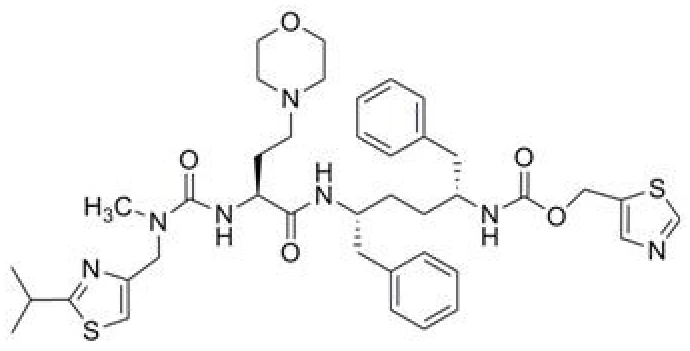
TYBOST is the brand name for cobicistat, a mechanism-based inhibitor of cytochrome P-450 (CYP) enzymes of the CYP3A family.
Drug Substance
Common Name: cobicistat (USAN)
Chemical Name: 1,3-Thiazol-5-ylmethyl [(2R,5R)-5-{[(2S)-2-[(methyl{[2-(propan-2-yl)-1,3-thiazol-4-yl]methyl}carbamoyl)amino]-4-(morpholin-4-yl)butanoyl]amino}-1,6-diphenylhexan-2-yl]carbamate
Empirical Formula: C40H53N7O5S2
Molecular Weight: 776.0
Structural Formula:
Physicochemical Properties:
Description: Cobicistat is adsorbed onto silicon dioxide. Cobicistat is a white to pale yellow solid.
Solubility: The solubility is approximately 0.1 mg/mL in water at 20°C. The partition coefficient (log P) is 4.3 (n-octanol/phosphate buffer pH 8.5) and the pKa is pKa1 = 1.8 (thiazole group), pKa2 = 2.5 (alkylthiazole group), pKa3 = 6.4 (morpholino group).
14 CLINICAL TRIALS
14.1 Clinical Trials by Indication
In Combination with Atazanavir in HIV-1 Infected Adult Patients
The activity of cobicistat has been demonstrated in pharmacokinetic studies. In these pharmacokinetic studies, the exposure of atazanavir boosted with cobicistat 150 mg was
 |
consistent with that observed with ritonavir 100 mg (see 10 CLINICAL PHARMACOLOGY, Effects on Pharmacokinetic Enhancement).
The safety and efficacy of TYBOST with atazanavir was evaluated in a Phase 3, randomized, double-blind, active-controlled trial (Study 114) in antiretroviral treatment-naïve, HIV-1 infected subjects with baseline estimated creatinine clearance above 70 mL/min (N=692).
Randomization was stratified by screening HIV-1 RNA level (≤ 100,000 copies/mL or > 100,000 copies/mL). Virologic response rate was evaluated in both treatment arms and defined as achieving an undetectable viral load (< 50 HIV-1 RNA copies/mL).
Demographic characteristics for Study 114 are presented in Table 11.
Table 11. Study Treatment and Demographic Characteristics of Antiretroviral Treatment-naïve HIV-1 Infected Adult Subjects in Study 114
| Study | Dosage, Route of Administration | Demographics | |||||
|---|---|---|---|---|---|---|---|
| Treatment Arm | Control Arm | ||||||
| GS-US-216-0114 | Cobicistat-boosted atazanavir + TRUVADA (Treatment arm) or Ritonavir-boosted atazanavir + TRUVADA (Comparator arm) | N=344 Gender: n (%) Male 287 (83.4) Female 57 (16.6) Age: median (min-max) 36 (19–62) Race: White – 198 (57.6) Black – 65 (18.9) Asian – 44 (12.8) Other – 37 (10.8) Percentage of subjects with viral load > 100,000 copies/mL: 38.4% Median baseline CD4+ cell count (min-max), cells/mm3: 348 (1-1075) Percentage of subjects with CD4+ cell count ≤ 200 cells/mm3: 17.4% | N=348 Gender: n (%) Male 287 (82.5) Female 61 (17.5) Age: median (min-max) 37 (19–70) Race: White – 215 (61.8) Black – 63 (18.1) Asian – 37 (10.6) Other – 33 (9.5) Percentage of subjects with viral load > 100,000 copies/mL: 41.1% Median baseline CD4+ cell count (min-max), cells/mm3: 341 (10-1455) Percentage of subjects with CD4+ cell count ≤ 200 cells/mm3: 16.4% | ||||
Treatment outcomes at 48 weeks are presented in Table 12.
Table 12. Virologic Outcome of Randomized Treatment of Study 114 at Week 48a
| TYBOST-boosted Atazanavir + TRUVADA (N=344) | Ritonavir-boosted Atazanavir + TRUVADA (N=348) | |||||||||
|---|---|---|---|---|---|---|---|---|---|---|
| Virologic Success | ||||||||||
| HIV-1 RNA < 50 copies/mL | 85% (293) | 87% (304) | ||||||||
| Treatment Difference | -2.2% (95% CI = -7.4%, 3.0%) | |||||||||
| Virologic Failureb | 6% (20) | 4% (14) | ||||||||
| No Virologic Data at Week 48 Window | 9% (31) | 9% (30) | ||||||||
| Discontinued Study Drug Due to AE or Deathc | 6% (22) | 7% (23) | ||||||||
| Discontinued Study Drug Due to Other Reasons and Last Available HIV-1 RNA < 50 copies/mLd | 3% (9) | 2% (7) | ||||||||
| Missing Data During Window but on Study Drug | 0% | 0% | ||||||||
a. Week 48 window is between Day 309 and 378 (inclusive).
b. Includes subjects who had ≥ 50 copies/mL in the Week 48 window, subjects who discontinued early due to lack or loss of efficacy, subjects who discontinued for reasons other than an adverse event, death or lack or loss of efficacy and at the time of discontinuation had a viral value of ≥ 50 copies/mL.
c. Includes subjects who discontinued due to adverse event or death at any time point from Day 1 through the Week 48 window resulting in no virologic data on treatment during the specified window.
d. Includes subjects who discontinued for reasons other than an adverse event, death or lack or loss of efficacy, eg, withdrew consent, loss to follow-up, etc.
TYBOST-boosted atazanavir + TRUVADA was non-inferior in achieving HIV-1 RNA < 50 copies/mL when compared to ritonavir-boosted atazanavir + TRUVADA.
In Study 114, the mean increase from baseline in CD4+ cell count at Week 48 was 213 cells/mm3 in patients receiving TYBOST-boosted atazanavir + TRUVADA and 219 cells/mm3 in patients receiving ritonavir-boosted atazanavir + TRUVADA.
15 MICROBIOLOGY
Antiviral Activity
Cobicistat has no detectable antiviral activity against HIV-1, HBV, or HCV and does not antagonize the antiviral effect of HIV inhibitors.
Resistance
In an analysis of treatment-failure subjects in Study 114 through Week 48, evaluable genotypic data from paired baseline and treatment-failure isolates were available for 11 of the 12 virologic failures in the TYBOST group. Among the 11 subjects, 2 developed the emtricitabine-associated resistance substitution M184V. No subject developed the tenofovir-associated resistance substitution K65R or any primary resistance substitution associated with protease inhibitors. In the ritonavir group, evaluable genotypic data were available for all 12 virologic failures and no patient had emergent resistance to any component of the regimen (see 14 CLINICAL TRIALS).
16 NON-CLINICAL TOXICOLOGY
Carcinogenicity:
In a long-term carcinogenicity study in mice, no drug-related increases in tumor incidence were observed at doses up to 50 and 100 mg/kg/day (males and females, respectively). Cobicistat exposures at these doses were approximately 7 (male) and 16 (females) times the human systemic exposure at the therapeutic daily dose. In a long-term carcinogenicity study of cobicistat in rats, an increased incidence of follicular cell adenomas and/or carcinomas in the thyroid gland was observed at doses of 25 and 50 mg/kg/day in males, and at 30 mg/kg/day in females. The follicular cell findings are considered to be rat-specific, secondary to hepatic microsomal enzyme induction and thyroid hormone imbalance, and not relevant for humans. At the highest doses tested in the rat carcinogenicity study, systemic exposures were approximately 2 times the human systemic exposure at the therapeutic daily dose.
Cardiovascular
Ex vivo rabbit studies and in vivo dog studies suggested that cobicistat has a low potential for QT prolongation, and may slightly prolong the PR interval and decrease left ventricular function at mean concentrations at least 10-fold higher than the human exposure at the recommended 150 mg daily dose (see 10 CLINICAL PHARMACOLOGY, Effects on Electrocardiogram).
Genotoxicity:
Cobicistat was not genotoxic in the reverse mutation bacterial test (Ames test), mouse lymphoma or rat micronucleus assays.
Reproductive and Developmental Toxicology:
Reproductive studies were conducted in rats and rabbits. Animal studies did not indicate direct or indirect harmful effects of cobicistat with respect to pregnancy, fetal development, parturition, or postnatal development. There were no effects on mating and fertility parameters.
Studies in animals have shown no evidence of teratogenicity or an effect on reproductive function. In offspring from rat and rabbit dams treated with cobicistat during pregnancy, there were no toxicologically significant effects on developmental endpoints. The exposures at the embryo-fetal NOAELs in rats and rabbits were respectively 1.4 and 3.3 times higher than the exposure in humans at the recommended daily dose of 150 mg.
Cobicistat did not affect fertility in male or female rats at daily exposures (AUC) approximately 3.3-fold higher than human exposures at the recommended 150 mg daily dose.
Fertility was normal in the offspring of rats exposed daily from before birth (in utero) through sexual maturity at daily exposures (AUC) approximately 0.9-fold human exposures at the recommended 150 mg daily dose.