


Patient Medication Information: uses, side effects, how to take - Tykerb
What is TYKERB used for?
TYKERB is used in combination with capecitabine for the treatment of adult women with breast cancer that is ErbB2 (HER2) positive when the cancer has spread outside of the breast (metastasized). This combination treatment is used in women whose breast cancer has gotten worse after treatment with a taxane and an anthracycline. In addition, their metastatic breast cancer should have gotten worse during treatment with trastuzumab.
When used in combination with capecitabine, TYKERB has been shown to delay progression of breast cancer. It has not been proven to increase your survival or reduce the symptoms associated with your breast cancer.
- TYKERB is used in combination with letrozole for the treatment of post-menopausal women with hormone receptor positive metastatic breast cancer, whose tumours overexpress the ErbB2 (HER2) receptor, and who are suitable for endocrine therapy.
How does TYKERB work?
TYKERB is an anticancer drug know as a kinase inhibitor. It interferes with the growth of certain cancer cells.
What are the ingredients in TYKERB?
Medicinal ingredients: lapatinib (as lapatinib ditosylate)
Serious Warnings and Precautions
TYKERB will be prescribed to you by a healthcare professional experienced in anticancer drugs. Serious side effects of TYKERB include:
For more information on these and other serious side effects, see the Serious side effects and what to do about them table, below. |
|---|
Non-medicinal ingredients: hypromellose, iron oxide red, iron oxide yellow, macrogol/PEG 400, magnesium stearate, microcrystalline cellulose, polysorbate 80, povidone, sodium starch glycolate and titanium dioxide.
TYKERB comes in the following dosage forms:
Tablet; 250 mg
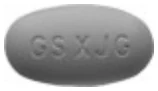
TYKERB is a yellow, oval, biconvex film-coated tablet with “GS XJG” engraved on one side.
Do not use TYKERB if:
- You are allergic to lapatinib ditosylate, or any of the other ingredients in TYKERB (see What are the ingredients in TYKERB?).
To help avoid side effects and ensure proper use, talk to your healthcare professional before you take TYKERB. Talk about any health conditions or problems you may have, including if you:
- have or have had heart problems, such as heart rhythm problems, including “QT prolongation”, or fainting spells
- have electrolyte disturbances, such as low blood potassium, low blood magnesium, low blood calcium, or conditions that could lead to electrolyte disturbances such as an eating disorder, excessive vomiting or diarrhea, dehydration, diabetes (with nerve disorders)
- have a family history of sudden cardiac death at younger than 50 years of age
- have lung problems
- have liver problems
- have diarrhea or any changes in bowel patterns
Other warnings you should know about:
Pregnancy and Breastfeeding:
- TYKERB can harm to your unborn baby. You must not get pregnant while you are taking TYKERB.
- You should use effective methods of birth control while you are taking TYKERB and for at least 5 days after your last dose. Talk to your healthcare professional about the birth control options that are right for you.
- If you become pregnant while you are taking TYKERB, tell your healthcare professional immediately.
- Do not breastfeed while you are taking TYKERB or for 5 days after your last dose. It is not known if TYKERB passes into breastmilk.
Serious Heart Problems: TYKERB has an effect on the electrical activity of the heart known as “QT prolongation”. This can cause heart rhythm problems that can lead to death. These heart rhythm problems are more likely to happen in patients with risk factors, such as heart problems, taking medicines that affect the heart, being female or being over 65 years of age. It is important that you follow the instructions given to you by your healthcare professional with regard to how to take TYKERB and having any special tests that might need to be done. If you experience any symptoms of a possible heart rhythm problem, such as dizziness, palpitations (sensation of rapid, pounding, or irregular heartbeat), fainting, or seizures, stop taking TYKERB and get immediate medical help.
Serious Skin Reactions (erythema multiforme, Stevens-Johnson syndrome, toxic epidermal necrolysis): Serious skin reactions that have lead to death have been seen in people taking TYKERB. Your healthcare professional will do a skin exam before you start taking TYKERB and regularly during treatment. If you have any symptoms of a possible skin reaction, such as skin rash, red skin, blistering of the lips, eyes or mouth, skin peeling, fever, rash with flat or raised red bumps, flu-like symptoms or any combination of these stop taking TYKERB and get immediate medical help.
Sensitivity to Sunlight: TYKERB may make your skin more sensitive to sunlight. While you are taking TYKERB, you should limit your exposure to sunlight and apply broad spectrum sunscreens with an SPF 30 or higher if exposure to sunlight cannot be avoided.
Blood Tests and Monitoring: TYKERB can cause abnormal blood test results. TYKERB can also cause serious side effects on your heart. You will have tests to check your blood and the health of your heart before you start taking TYKERB and periodically while you are taking it. Your healthcare professional will decide when to perform these tests and will interpret the results.
Driving and Using Machines: TYKERB can make you feel drowsy or sleepy. Give yourself time after taking TYKERB to see how you feel before driving a vehicle or using machinery.
Tell your healthcare professional about all the medicines you take, including any drugs, vitamins, minerals, natural supplements or alternative medicines.
The following may interact with TYKERB:
- medicines used to fungal treat infections, such as ketoconazole, itraconazole, voriconazole, amphotericin B
- antibiotics used to treat bacterial infections, such as clarithromycin, erythromycin, telithromycin, rifampin, rifabutin, rifapentine, moxifloxacin, levofloxacin, pentamidine
- antimalarial medicines, such as quinine, chloroquine
- medicines used to treat HIV/AIDS, such as atazanivir, indinavir, nelfinavir, ritonavir, saquinavir
- steroids used to treat chronic inflammation or asthma, such as dexamethasone
- medicines used to prevent seizures, such as carbamazepine, phenytoin, phenobarbital
- medicines used to treat heart rhythm problems, such as quinidine, procainamide, disopyramide, amiodarone, sotalol, ibutilide, flecainide, propafenone, digoxin
- medicines used to lower cholesterol, such as rosuvastatin
- medicines used to treat cancer, such as doxorubicin, epirubicin, sunitinib
- water pills (diuretics), used to treat high blood pressure
- opioids, strong pain medicines, such as methadone
- antidepressant medicines, such as nefazodone, fluoxetine, venlafaxine, amitriptyline, imipramine, maprotiline
- medicines used to treat mental health problems, such as chlorpromazine, pimozide, haloperidol, droperidol, ziprasidone
- medicines that decrease stomach acidity (used to treat stomach ulcers or indigestion), called proton-pump inhibitors, such as esomeprazole
- medicines used to treat nausea and vomiting, such as domperidone , dolasetron, ondansetron
- medicines used to treat breathing problems, such as salmeterol, formoterol
- laxatives and enemas, used to treat constipation
- tacrolimus and cyclosporine, used after organ transplant
- midazolam, used to cause sleepiness and reduce anxiety
- repaglinide, used to treat diabetes
- the herbal product St. John’s Wort, used to treat depression
grapefruit juice and products containing grapefruit juice
How to take TYKERB:
- Take TYKERB exactly how your healthcare professional has told you. Talk to your healthcare professional if you are unsure.
- Swallow TYKERB tablets whole with water.
- TYKERB should be taken at least one hour before or at least one hour after a low fat meal.
- TYKERB tablets should be taken at about the same time each day.
- Since you will be taking TYKERB together with either capecitabine or letrozole you should read the Patient Medication Information leaflets for those drugs as well. Talk to your healthcare professional if you have any questions.
Usual dose:
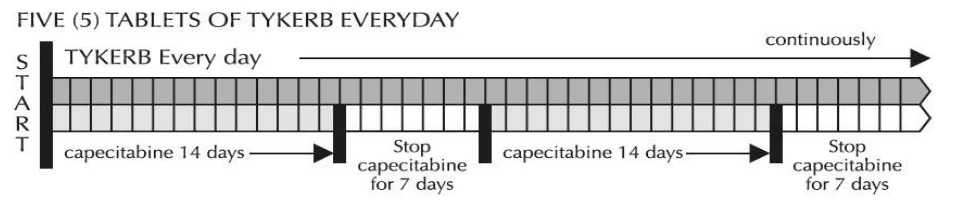
TYKERB/capecitabine Combination
Five TYKERB tablets (a total dose of 1250 mg) once daily continuously in combination with capecitabine.
Your healthcare professional will tell you the dose of capecitabine and when to take it. TYKERB and capecitabine tablets may be similar in colour and size. It is very important that you look closely at your tablets and identify them correctly before you take them to avoid confusion.
See TYKERB comes in the following dosage forms above for a description of the TYKERB tablets.
TYKERB/letrozole Combination:
Six TYKERB tablets (a total dose of 1500 mg) once daily continuously in combination with letrozole.
Your healthcare professional will tell you the dose of letrozole and when to take it.
Overdose:
| If you think you, or a person you are caring for, have taken too much TYKERB tablets, contact a healthcare professional, hospital emergency department, or regional poison control centre immediately, even if there are no symptoms. |
Missed Dose:
If you miss a dose of TYKERB skip the missed dose and carry on with your next dose at the usual time. Do not take a double dose to make up for a missed dose. Talk to your healthcare professional if you are unsure.
What are possible side effects from using TYKERB?
These are not all the possible side effects you may have when taking TYKERB. If you experience any side effects not listed here, tell your healthcare professional.
Side effects may include:
- Loss of appetite
- Indigestion or stomach/abdominal pain
- Feeling or being sick (nausea or vomiting)
- Constipation
- Tiredness
- Unusual hair loss or thinning
- Nose bleed
- Difficulty breathing
- Sore mouth or mouth ulcers
- Trouble sleeping (insomnia)
- Back pain or pain in the arms or legs
- Rash or dry skin
- Headache
- Fever
- Swelling in the arms or legs
- Deep cracks on the skin or chapped skin
- Pain in joints or bones
- Nail disorders – such as tender infection and swelling of the cuticles
Serious side effects and what to do about them
| Symptom / effect | Talk to your healthcare professional | Stop taking drug and get immediate medical help | |
|---|---|---|---|
| Only if severe | In all cases | ||
| VERY COMMON | |||
| Gastrointestinal problems: diarrhea (may happen with cramping pain, fever, nausea, vomiting, dizziness, thirst) | ✓ | ||
| Skin rash: painful rash on the palms of the hands or soles of the feet, tingling, numbness, redness, swelling | ✓ | ||
Serious side effects and what to do about them
| Symptom / effect | Talk to your healthcare professional | Stop taking drug and get immediate medical help |
|---|
| Only if severe | In all cases | ||
|---|---|---|---|
| COMMON | |||
| Heart problems: irregular heartbeat, shortness of breath, palpitations, dizziness, fainting, seizures | ✓ | ||
| UNCOMMON | |||
| Liver problems: yellowing of the skin or eyes, dark urine, pale stool, abdominal pain, nausea, vomiting, loss of appetite | ✓ | ||
| Lung inflammation (interstitial lung disease): shortness of breath, trouble breathing, dry cough, fatigue, weakness, chest discomfort, weight loss | ✓ | ||
| RARE | |||
| Allergic reactions: rash, hives, swelling of the face, lips, tongue or throat, difficulty swallowing or breathing | ✓ | ||
| UNKNOWN | |||
| Skin reactions (erythema multiforme, Stevens-Johnson syndrome, toxic epidermal necrolysis): blistering of the lips, eyes or mouth, skin peeling, fever, rash with flat or raised red bumps, flu-like symptoms | ✓ | ||
If you have a troublesome symptom or side effect that is not listed here or becomes bad enough to interfere with your daily activities, tell your healthcare professional.
Reporting Side Effects
You can report any suspected side effects associated with the use of health products to Health Canada by:
NOTE: Contact your health professional if you need information about how to manage your side effects. The Canada Vigilance Program does not provide medical advice. |
Storage:
Store between 15-30°C.
Keep out of reach and sight of children.
If you want more information about TYKERB:
- Talk to your healthcare professional
- Find the full product monograph that is prepared for healthcare professionals and includes this Patient Medication Information by visiting the Health Canada website: (https://www.canada.ca/en/health-canada/services/drugs-health-products/drug-products/drug-product-database.html; the manufacturer’s website [website], or by calling 1-800-[phone number].