


Product Monograph - Uniphyl
RECENT MAJOR LABEL CHANGES
Not applicable.
RECENT MAJOR LABEL CHANGES ......................................................................................2
PART I: HEALTH PROFESSIONAL INFORMATION ............................................................3
1 INDICATIONS....................................................................................................................3
1.1 Pediatrics ....................................................................................................................3 1.2 Geriatrics ....................................................................................................................3
2 CONTRAINDICATIONS ..................................................................................................3
3 DOSAGE AND ADMINISTRATION ...............................................................................3
3.1 Dosing Considerations ...............................................................................................3 3.2 Recommended Dose and Dosage Adjustment ...........................................................4 3.3 Missed Dose ...............................................................................................................5
4 OVERDOSAGE .................................................................................................................5
5 DOSAGE FORMS, STRENGTHS, COMPOSITION AND PACKAGING ................7
6 WARNINGS AND PRECAUTIONS ...............................................................................7
6.1 Special Populations ....................................................................................................9 6.1.1 Pregnant Women ................................................................................................... 9 6.1.2 Breast-feeding ....................................................................................................... 9 6.1.3 Pediatrics ............................................................................................................... 9 6.1.4 Geriatrics ............................................................................................................... 9
7 ADVERSE REACTIONS..................................................................................................9
7.1 Adverse Reaction Overview ......................................................................................9
8 DRUG INTERACTIONS .................................................................................................10
8.1 Drug-Drug Interactions ............................................................................................10 8.2 Drug-Food Interactions ............................................................................................13 8.3 Drug-Laboratory Test Interactions ..........................................................................13
9 ACTION AND CLINICAL PHARMACOLOGY ...........................................................13
9.1 Mechanism of Action ...............................................................................................13 9.2 Pharmacodynamics ..................................................................................................14 9.3 Pharmacokinetics .....................................................................................................14
10 STORAGE, STABILITY AND DISPOSAL..................................................................18
11 PHARMACEUTICAL INFORMATION ........................................................................19
12 CLINICAL TRIALS .........................................................................................................19
12.1 Comparative Bioavailability Trial Design and Study Demographics ..................19 12.2 Study Results ........................................................................................................20
13 NON-CLINICAL TOXICOLOGY ...................................................................................23
PATIENT MEDICATION INFORMATION ...............................................................................25
PART I: HEALTH PROFESSIONAL INFORMATION
1 INDICATIONS
UNIPHYL (theophylline sustained release tablets) is indicated for:
Symptomatic treatment of reversible bronchoconstriction associated with asthma, emphysema, chronic bronchitis and related bronchospastic disorders in patients 12 years and older.
1.1 Pediatrics
Pediatrics (<12 years of age): UNIPHYL is not recommended for use in children under 12 years of age.
1.2 Geriatrics
Geriatrics (>65 years of age): Dose Reduction may be required in elderly patients (see DOSAGE AND ADMINISTRATION and WARNINGS AND PRECAUTIONS)
2 CONTRAINDICATIONS
UNIPHYL is contraindicated in patients who are hypersensitive to this drug or to any ingredient in the formulation, including any non-medicinal ingredient, or component of the container. For a complete listing, see Dosage Forms, Strengths, Composition and Packaging. UNIPHYL should not be administered in patients with:
- hypersensitivity to theophylline, xanthines derivative, or the excipients used in these drug products, or component of the container.
- coronary artery disease (where cardiac stimulation might prove harmful)
- peptic ulcers
- concomitant use with ephedrine in children
3 DOSAGE AND ADMINISTRATION
3.1 Dosing Considerations
Monitoring of plasma theophylline concentrations may be required when:
- higher doses are prescribed
patients have co-morbidities resulting in impaired clearance (see WARNINGS AND
PRECAUTIONS, Patients with Special Diseases and Conditions)
theophylline is co-administered with medication that reduces theophylline clearance (see
DRUG INTERACTIONS)
Elderly patients are at a greater risk of experiencing serious toxic effects from theophylline than younger patients. Careful attention to dose reduction and monitoring of serum theophylline concentrations are required in elderly patients due to pharmacokinetic and pharmacodynamic changes associated with aging, including the potential for decreased theophylline clearance.
UNIPHYL is not recommended for use in patients under 12 years of age.
3.2 Recommended Dose and Dosage Adjustment
Administration and dosing of theophylline should be individualized in respect of the patient’s clinical response and serum theophylline levels. There is considerable patient-to-patient variation in the daily theophylline dose required to achieve therapeutic and safe levels. Ideally, all patients should have serum or plasma theophylline levels measured which would enable doses and dosing regimens to be tailored in order to maintain therapeutic levels, ensure optimal clinical response and avoid toxicity. Therapeutic serum levels are generally considered to be between 5 and 15 mcg/mL (27.5 and 82.5 μmol/L). Theophylline distributes poorly into body fat, therefore, mg/kg doses should be calculated on the basis of lean body mass (ideal body weight). A serum level of 5 mcg/mL (27.5 μmol/L) represents the lower level of clinical effectiveness. Whereas the serum level of 20 mcg/mL (110 μmol/L) is an important reference point in terms of toxicity (see WARNINGS AND PRECAUTIONS).
Initial Adult Dose: For patients not currently receiving oral theophylline, the recommended initial dose is 400-600 mg once daily.
In patients currently controlled on oral theophylline, UNIPHYL therapy should start at the same daily theophylline dosage (mg for mg basis), provided by the previous formulation. For example, a patient receiving 400 mg twice daily (800 mg daily dosage), would be given two 400 mg UNIPHYL tablets once daily. A minimum of 12 hours should elapse between a patient's last dose of the previous oral theophylline formulation and the first dose of UNIPHYL.
It is recommended that once-daily UNIPHYL be taken in the evening. Studies have demonstrated that while the bioavailability and the pharmacokinetics of UNIPHYL tablets were not significantly different between morning and evening dosing, a better clinical response was obtained with evening dosing. Subsequent studies indicate that the clinical advantages of evening dosing are likely a result of the maximum theophylline levels occurring in the early morning hours, a time of greatest bronchoconstriction and symptoms for many asthmatics.
It is advisable that UNIPHYL be taken with food, or within 1-2 hours of mealtime, as studies have suggested that absorption may be incomplete if taken under conditions of prolonged fasting. Overall, therefore, it is recommended that most patients should take once-daily UNIPHYL with, or shortly following, the evening meal.
Dose Titration: Dosage adjustments should be based on the patient's clinical response and/or serum theophylline levels, with increases of ½ tablet per day at 3 to 4 day intervals. Individual requirements vary considerably, therefore, the physician should be prepared to adjust each patient's dose. Do not attempt to maintain any dosage that is poorly tolerated.
It is not possible to ensure interchangeability between different sustained release theophylline products. Once titrated to an effective dose, patients should not be changed from UNIPHYL to another sustained release xanthine preparation without re-titration and careful clinical monitoring.
UNIPHYL tablets must be swallowed whole and should not be broken, chewed, dissolved or crushed as this may lead to a rapid release of theophylline with the potential for toxicity. Tablets may be halved.
3.3 Missed Dose
Monitoring serum theophylline levels is important, especially during initiation of therapy and dosage adjustment. For serum levels to be most useful, it is important that the patient not have missed or added any doses during the previous 3 days and that the dose intervals remained relatively constant. At steady-state, UNIPHYL tablets produce peak theophylline levels between 8 and 12 hours post-dose, and trough levels almost always occur at the time of dosing. During once-daily dosing, the mean fluctuation between peak and trough theophylline levels is 130% (See ACTION AND CLINICAL PHARMACOLOGY for further information on the time of peak theophylline levels, and the relationship between a single level obtained 12 hours post-dose and the actual peak level).
The generally accepted optimal therapeutic range is 5 to 15 mcg/mL (27.5 and 82.5 μmol/L), although some patients obtain a very good bronchodilator effect from serum levels less than 10 mcg/mL (55 μmol/L). In cases where it is not possible to monitor theophylline levels, patients should be closely observed for signs of toxicity and dosages greater than 13 mg/kg/day (or 900 mg/day, whichever is less) should not be given.
4 OVERDOSAGE
For management of a suspected drug overdose, contact your regional poison control centre immediately.
Overdoses of theophylline may cause serious side effects such as tachycardia, arrhythmias, seizures, vascular collapse and even death. These may occur without warning and may not be preceded by less severe side effects such as nausea or restlessness.
Symptoms of Acute Theophylline Toxicity
Theophylline has a low therapeutic index. Theophylline toxicity is most likely to occur when serum concentrations exceed 20 mcg/mL (110 μmol/L) and becomes progressively more severe at higher serum concentrations.
Alimentary symptoms: Nausea, vomiting, abdominal pain and hematemesis
Cardiovascular symptoms: Sinus tachycardia, ventricular arrthymias and hypotension
Metabolic symptoms: Hyperglycemia, hypokalemia, acid/base disturbance and rhabdomyolysis
Neurological symptoms: Restlessness, convulsion, seizure and coma in severe cases
Treat symptoms on appearance, which may include hypokalemia, supraventricular and ventricular arrhythmias, convulsions and seizures. Sustained release tablets may release medication for hours, facilitated by formation of tablet aggregates, or bezoars, in the stomach. Insomnia, restlessness, mild excitement or irritability and rapid pulse are the early symptoms, which may progress to mild delirium. Sensory disturbances such as tinnitus or flashes of light are common. Anorexia, nausea and vomiting are also frequently early observations of theophylline overdosage.
Fever, diuresis, dehydration and extreme thirst, acid/base disturbances, rhabdomyolysis, sinus tachycardia and ventricular arrhythmias may be seen. Severe overdosage results in bloody, syrup-like "coffee-ground" vomitus, tremors, tonic extensor spasm interrupted by clonic convulsions, extrasystoles, quickened respiration, stupor and finally coma.
Cardiovascular disorders and respiratory collapse, leading to shock, cyanosis and death follow gross overdosages.
Treatment of Acute Theophylline Toxicity
A. Monitoring serum theophylline levels:
It is important to note that, following the intake of UNIPHYL (theophylline sustained release tablets), the peak theophylline levels may not occur until eight to twelve hours post ingestion. Moreover, patients ingesting overdoses of sustained release theophylline formulations may also have, after the initial rise in the blood theophylline, a secondary increase in theophylline levels (one report on lethal self-poisoning has attributed this to compacted tablets in the gastrointestinal tract). Following initial treatment, longer careful clinical and laboratory monitoring, including electrocardiograms is advisable after the patient's stabilization.
B. If a potential oral overdose is established and a seizure has not occurred:
- 1. Administration of oral activated charcoal has been found to reduce high theophylline serum concentrations. Multiple doses of activated charcoal should be also considered. Seizure prophylaxis may be indicated for certain patients.
- 2.
Administration of a cathartic can be considered in addition to oral activated charcoal.
Repeated doses of cathartic are not recommended due to possible adverse effects.
- 3. In severe poisoning or cases where gastric decontamination is not feasible, extracorporeal removal (i.e., hemodialysis, charcoal-column hemoperfusion) can be employed.
C. If patient is having a seizure:
- 1. Establish an airway.
- 2. Administer oxygen.
- 3. Intravenous benzodiazepines are generally considered as first line therapy although some benzodiazepines may have reduced efficacy in theophylline overdose due to suspected pharmacodynamics interactions. Second line agents should be used if resistant, although phenytoin should be avoided.
- 4. Continue to provide full supportive care and monitoring.
D. Post-seizure coma:
- 1. Maintain airway and oxygenation.
- 2.
Consider the recommendations (B above, steps 1 to 3) to prevent absorption of the drug.
Note that an unprotected airway is a contraindication to activated charcoal administration due to concerns of aspiration.
- 3. Continue to provide full supportive care and monitoring.
The human oral lethal dose estimated to be from 50 to 500 mg/kg. Children are more susceptible to the toxic effects of theophylline than adults.
The incidence of adverse reactions increases at serum concentrations over 15 mg/L (82.5 μmol/L). Levels in excess of (20 mg/L) 110 μmol/L are usually quite toxic in most patients, although a few patients can tolerate higher levels without significant side-effects. Tolerance to some of the toxic effects of theophylline is known to occur.
5 DOSAGE FORMS, STRENGTHS, COMPOSITION AND PACKAGING
Table 1 – Dosage Forms, Strengths, Composition and Packaging
UNIPHYL 400 mg tablets are round, flat-faced, white and scored. They are engraved U/400 on one side and PF on the reverse.
UNIPHYL 600 mg tablets are capsule shaped, concave face, white and scored. They are engraved U/600 on one side and PF on the reverse.
Supplied in opaque, plastic bottles of 50 tablets. Dispense in amber or opaque containers.
6 WARNINGS AND PRECAUTIONS
General
In clinical situations where immediate bronchodilation is required, such as status asthmaticus, UNIPHYL is not appropriate.
Theophylline has a narrow therapeutic index, the margin of safety above therapeutic doses is small.
Whenever signs of intolerance to theophylline develop, the therapy should be reassessed.
Theophylline clearance can be affected by various disease states, the age of the patient, concomitant use of other medication and lifestyle habits.
A dosage schedule in the pediatric population has not been established. Use of UNIPHYL tablets in children under 12 years of age is not recommended.
There is a marked variation in serum levels achieved in different patients given the same dose of theophylline. Therefore, high serum levels may occur in some patients receiving doses considered to be conventional. The possibility of theophylline overdose should always be considered.
| Route of Administration | Dosage Form / Strength/Composition | Non-medicinal Ingredients |
| Oral | Tablets / 400 mg, 600 mg | cetostearyl alcohol, hydroxyethyl cellulose, magnesium stearate, povidone, talc |
The variability in serum levels is primarily due to differences in the rate of metabolism. Therefore, it is advisable to individualize the dosage regimen. Ideally, all patients should have serum theophylline levels measured which would enable doses and dosing regimens to be tailored for each patient in order to maintain therapeutic levels, ensure optimal clinical response and avoid toxicity. The incidence of adverse reactions increases at theophylline levels greater than 15 mcg/mL (82.5 μmol/L) and levels above 20 mcg/mL (110 μmol/L) are usually quite toxic in most adults.
Although UNIPHYL tablets have pharmacokinetic properties similar to other sustained release theophylline formulations, it is not possible to ensure interchangeability between different formulations. Careful clinical monitoring is required when changing from one formulation to another. The equivalent content of anhydrous theophylline is the active ingredient that determines the blood concentration and clinical response. If a change in theophylline product is made and it involves a change in anhydrous theophylline equivalence, the dose should be adjusted accordingly.
Use with caution in patients with severe cardiac disease, severe hypoxemia, hypertension, hyperthyroidism, acute myocardial injury, cor pulmonale, congestive heart failure, liver disease, porphyria, in elderly males with pre-existing partial urinary tract obstruction, such as prostatic enlargement, due to risk of urinary retention.
Patients with Special Diseases and Conditions
Due to potential decreased theophylline clearance, which may result in increased serum levels and significant adverse drug reactions in patients, dose reduction and monitoring of serum theophylline concentrations may be required in elderly patients and in patients:
- with impaired liver or kidney function
- over 55 years of age, particularly males and those with chronic lung disease
- with cardiac disease
- with active influenza or other viral disease or after influenza immunization
- with a high carbohydrate, low protein diet
- with hypothyroidism (and when starting acute treatment for hypothyroidism)
- with a sustained high fever
Cardiovascular
Theophylline may cause arrhythmia and/or worsen pre-existing arrhythmia. Any significant change in rate and/or rhythm warrants monitoring and further investigation.
Many patients who require theophylline may exhibit tachycardia due to their underlying disease process so that the cause/effect relationship to elevated serum theophylline concentrations may not be appreciated.
Endocrine and Metabolism
Due to potential increased theophylline clearance, dose increase and monitoring of serum theophylline concentrations may be required in patients with hyperthyroidism (and when starting acute hyperthyroidism treatment) and cystic fibrosis.
Patients who are rapid metabolizers of theophylline, peak to trough fluctuations in theophylline levels may be greater than desirable or result in side-effects at the time of maximum level and/or the recurrence of symptoms towards the end of the 24-hour dose interval when levels are lowest. In such patients, dividing the total daily theophylline dose into two equal doses may be indicated.
Gastrointestinal
Theophylline is known to stimulate gastric acid secretion and may also act as a local G.I. irritant. Therefore, the drug should only be used with caution in patients with a history of peptic ulcer disease.
Neurologic
Theophylline may exacerbate frequency and duration of seizures and therefore caution should be exercised in patients with history of seizures.
Respiratory
Particular care is advised in patients suffering from severe asthma who require acute theophylline administration. It is recommended that serum theophylline concentrations are monitored in such situations.
6.1 Special Populations
6.1.1 Pregnant Women
Theophylline crosses the placental barrier, where concentrations are similar to plasma levels. Safe use in pregnancy has not been established relative to possible adverse effects on fetal development. UNIPHYL should not be administered during pregnancy unless considered essential by the physician. Theophylline should be given to pregnant women only when the anticipated benefits outweigh the risk to the child.
6.1.2 Breast-feeding
Theophylline passes freely into breast milk, where concentrations are similar to plasma levels. Theophylline should be given to nursing mothers only when the anticipated benefits outweigh the risk to the child.
6.1.3 Pediatrics
Pediatrics (<12 years of age): UNIPHYL is not recommended for use in children under 12 years of age.
6.1.4 Geriatrics
Geriatrics (>65 years of age): Dose reduction may be required in elderly patients (see WARNINGS AND PRECAUTIONS, Patients with Special Diseases and Conditions section).
7 ADVERSE REACTIONS
7.1 Adverse Reaction Overview
The most common adverse reactions are gastric irritation, nausea, vomiting, epigastric pain, and tremor. These are usually early signs of toxicity, however with high doses ventricular arrhythmias or seizures may be the first signs to appear.
Adverse reactions classified by body system include:
Gastrointestinal: Abdominal pain, anorexia, diarrhea, epigastric pain, gastroesophageal reflux, hematemesis, intestinal bleeding, nausea, reactivation of peptic ulcer and vomiting.
Central Nervous System: Convulsions, dizziness, headache, irritability, reflex hyperexcitability, restlessness, twitching and tremors.
Cardiovascular: Atrial tachycardia, circulatory failure, extrasystoles, flushing, hypotension, palpitations, sinus tachycardia and ventricular arrhythmias.
Skin and Subcutaneous: Pruritus and rash.
Immune: Anaphylactic reaction, anaphylactoid reaction and hypersensitivity.
Metabolic and Nutritional: Hyperuricemia and hyperglycemia.
Psychiatric: Agitation, anxiety, insomnia and sleep disorder.
Renal: Albuminuria, diuresis, hematuria and urinary retention (see
WARNINGS AND PRECAUTIONS, Patients with Special Diseases and Conditions).
Others: Tachypnea and inappropriate ADH syndrome.
8 DRUG INTERACTIONS
8.1 Drug-Drug Interactions
The drugs listed in this table are based on either drug interaction case reports or studies, or potential interactions due to the expected magnitude and seriousness of the interaction (i.e., those identified as contraindicated).
Table 2 - Established or Potential Drug-Drug Interactions
| Proper/Common Name | Effect | Clinical Comment |
Acyclovir, allopurinol, carbimazole, cimetidine, diltiazem, disulfiram, fluconazole, interferon, isoniazid, quinolone antibiotics (e.g., ciprofloxacin), macrolide antibiotics (e.g., erythromycin, clarithromycin, troleandomycin), methotrexate, mexiletine, nizatidine, oral contraceptives, propafenone, propanolol, pentoxiphylline, selective serotonin re-uptake inhibitors (e.g., fluvoxamine), terbinafine*, thiabendazole, verapamil | ↑ t½, ↓ clearance | It may be necessary to reduce the dosage of theophylline to avoid adverse drug reactions. Monitoring of serum theophylline concentrations may be required. The concomitant use of theophylline and fluvoxamine should usually be avoided. |
| Alkalinizing agents | ↑ t½, ↓ clearance | It may be necessary to reduce the dosage of theophylline to avoid adverse drug reactions. Monitoring of serum theophylline concentrations may be required. |
| Treatments associated with hypothyroidism | ↑ t½, ↓ clearance | It may be necessary to reduce the dosage of theophylline to avoid adverse drug reactions. Monitoring of serum theophylline concentrations may be required. |
| Treatments associated with hyperthyroidism | ↓ t½, ↑ clearance | It may be necessary to increase the dosage of theophylline to ensure therapeutic effect. Monitoring of serum theophylline concentrations may be required. |
| Influenza vaccine | ↑ t½, clearance reported to be decreased or no change | |
Aminoglutethimide, barbiturates, carbamazepine, hypericum perforatum (St. John’s Wort), isoproterenol, phenytoin, rifampin, ritonavir, sulfinpyrazone | ↓ t½, ↑ clearance | It may be necessary to increase the dosage of theophylline to ensure therapeutic effect. Monitoring of serum theophylline concentrations may be required. |
| Tobacco, alcohol | ↓ t½, ↑ clearance | |
| Acidifying agents | ↓ t½, ↑ clearance |
* Additional information provided in paragraphs below
Effect of Terbinafine on the Pharmacokinetics of Theophylline
Single dose terbinafine did not significantly alter the pharmacokinetics of theophylline in a randomized, open-label, single-dose, three-period crossover study, in healthy male and female adult subjects (n=18) treated orally with 250 mg terbinafine, 375 mg theophylline, and 250 mg terbinafine plus 375 mg theophylline.
Multiple dose terbinafine increased the AUC and half-life of theophylline by 16% and 24%, respectively, and decreased the oral clearance of theophylline by 14%, in a randomized, open-label, two-period crossover study in healthy male and female adult subjects (n=12) treated orally with a single dose of 5 mg/kg theophylline alone (mean 345 mg, range 307 to 397 mg) and 2 hours after the last of 4 daily doses of 250 mg terbinafine.
Effect of Theophylline on the Pharmacokinetics of Terbinafine
Theophylline increased the Cmax and AUC of terbinafine by 25% each and decreased the oral clearance of terbinafine by 24% in a randomized, open-label, single-dose, three-period crossover study, in healthy male and female adult subjects (n=18) treated orally with 250 mg terbinafine, 375 mg theophylline, and 250 mg terbinafine plus 375 mg theophylline.
Table 3 - Concurrent Use of Theophylline Influences the Actions of Certain Drugs
| Drug | Influence of Theophylline | Clinical Comment |
| Adenosine receptor agonists | Inhibits the effect of adenosine receptor agonists | Caution with concomitant use |
| Benzodiazepines | Opposes the sedatory effects | Caution with concomitant use |
| Digitalis glycosides | ↑ cardiac effect | Caution with concomitant use |
| Halothane | Occurrence of arrhythmias | Caution with concomitant use |
| Thiazides | ↑ diuresis | Caution with concomitant use |
| Nephrotoxic drugs | ↑ nephrotoxicity | Caution with concomitant use |
| Lithium | ↑ ratio of lithium/creatinine clearance, thus a decrease in serum lithium levels | Caution with concomitant use |
| Lomustine | Results in thrombocytopenia | Caution with concomitant use |
| Sympathomimetic amines | ↑ toxicity, ↑ CNS stimulation | Caution with concomitant use |
| Coumarin anticoagulants | ↓ anticoagulant activity ↑ prothrombin and fibrinogen blood concentrations | Caution with concomitant use |
| ↓ prothrombin time | ||
| Allopurinol | ↓ antihyperuricemic action | Caution with concomitant use |
| Probenecid and pyrazolone derivatives | ↓ uricosuric action | Caution with concomitant use |
For COPD patients, the concomitant use of theophylline and roflumilast should usually be avoided.
Care should be taken with concomitant use of β-adrenergic agonists, glucagon and other xanthine drugs, as these will potentiate the effects of theophylline. The incidence of toxic effects may be enhanced by the concomitant use of ephedrine.
Hypokalemia resulting from β2 agonist therapy, steroids, diuretics and hypoxia may be potentiated by xanthines. Particular care is advised in patients suffering from severe asthma who require hospitalization. It is recommended that serum potassium concentrations are monitored in such situations. Theophylline may decrease steady-state phenytoin levels.
8.2 Drug-Food Interactions
When immediate release theophylline formulations are administered with food, the rate of absorption is reduced but absorption remains complete. Various sustained release formulations, because of differences in their release mechanisms. May be affected in different ways by concomitant food intake.
Studies have shown that UNIPHYL tablets are more completely absorbed when taken with food as opposed to under fasting conditions (see ACTION AND CLINICAL PHARMACOLOGY, Food Effect)
8.3 Drug-Laboratory Test Interactions
When plasma levels are measured by spectrophotometric methods, coffee, tea, cola beverages, chocolate and acetaminophen contribute to falsely high values.
When a high pressure liquid chromatography (HPLC) method is used, plasma theophylline concentrations may be falsely increased by caffeine, some cephalosporins and sulfa medications.
Theophylline may cause elevation of urine catecholamines, plasma uric acid and free fatty acids.
9 ACTION AND CLINICAL PHARMACOLOGY
9.1 Mechanism of Action
Theophylline relaxes bronchial smooth muscle (particularly when the muscles are constricted); produces vasodilation except in cerebral vessels; stimulates the CNS including the respiratory center; stimulates cardiac muscle; produces diuresis and increases gastric acid secretion. In addition to its activity as a bronchodilator, theophylline may also stimulate mucociliary clearance, inhibit anaphylactic mediator release, suppress mediator-induced inflammation and improve contractility of the diaphragm.
UNIPHYL tablets are a sustained release formulation of theophylline. The release system consists of a homogeneous matrix of aliphatic alcohol, cellulose, and active drug. The proportion of these components in the formulation has been chosen to provide gradual, measured release of theophylline by diffusion through the tablet matrix and dissolution. The rate of release of active drug is dependent upon the drug's partition coefficients between the components of the tablet matrix and the aqueous phase within the gastrointestinal tract. The controlled release of theophylline from UNIPHYL tablets has been demonstrated by both dissolution and pharmacokinetic studies.
Theophylline’s mechanism of action is not fully known and evidence exists indicating that phosphodiesterase inhibition, prostaglandin inhibition, effects on calcium flux and intracellular calcium distribution, and antagonism of endogenous adenosine may all contribute to its pharmacological effects.
Theophylline is usually well absorbed from the G.I. tract, although there are some differences in the pharmacokinetic behaviour of various sustained release formulations. Theophylline distributes to all body compartments and is approximately 60% protein bound. Elimination is primarily by hepatic biotransformation with approximately 50% excreted as 1,3-dimethyluric acid. Unchanged theophylline, 3-methylxanthine and 1-methyluric acid each account for 10% and 1-methylxanthine is excreted in smaller amounts.
The generally accepted optimal therapeutic serum theophylline concentrations are 5 to 15 mcg/mL (27.5 to 82.5 μmol/L). Levels above 20 mcg/mL (110 μmol/L) are usually associated with significant adverse drug reactions. The pharmacokinetics of theophylline are influenced by a number of variables such as age, body weight, diet, concomitant medications, disease state and smoking (see WARNINGS & PRECAUTIONS). Therefore, each patient's optimal therapeutic maintenance dosage should be determined by individual titration.
At steady-state, UNIPHYL tablets taken once-daily produce peak theophylline levels between 8 and 12 hours post-dose, and trough levels almost always occur at the time of dosing. During once-daily dosing, the mean fluctuation between peak and trough theophylline levels is 130%.
=
100
9.2 Pharmacodynamics
The principal pharmacologic actions of theophylline are to stimulate the central nervous system, act on the kidney to produce diuresis, stimulate cardiac muscle and relax smooth muscle, notably the bronchial muscle. The main therapeutic use of theophylline is in the treatment of reversible airway obstruction.
9.3 Pharmacokinetics
Absorption: Theophylline is usually readily absorbed following oral administration. The drug is 60% bound to plasma proteins at the therapeutic plasma concentration range of 5 to 15 mcg/mL (27.5 and 82.5 µmol/L); it is not likely to be subject to pronounced displacement effect. In the
case of sustained-release products, steady-state plasma concentrations are achieved within 3 days in most patients.
Food Effect
Multi-Dose Study
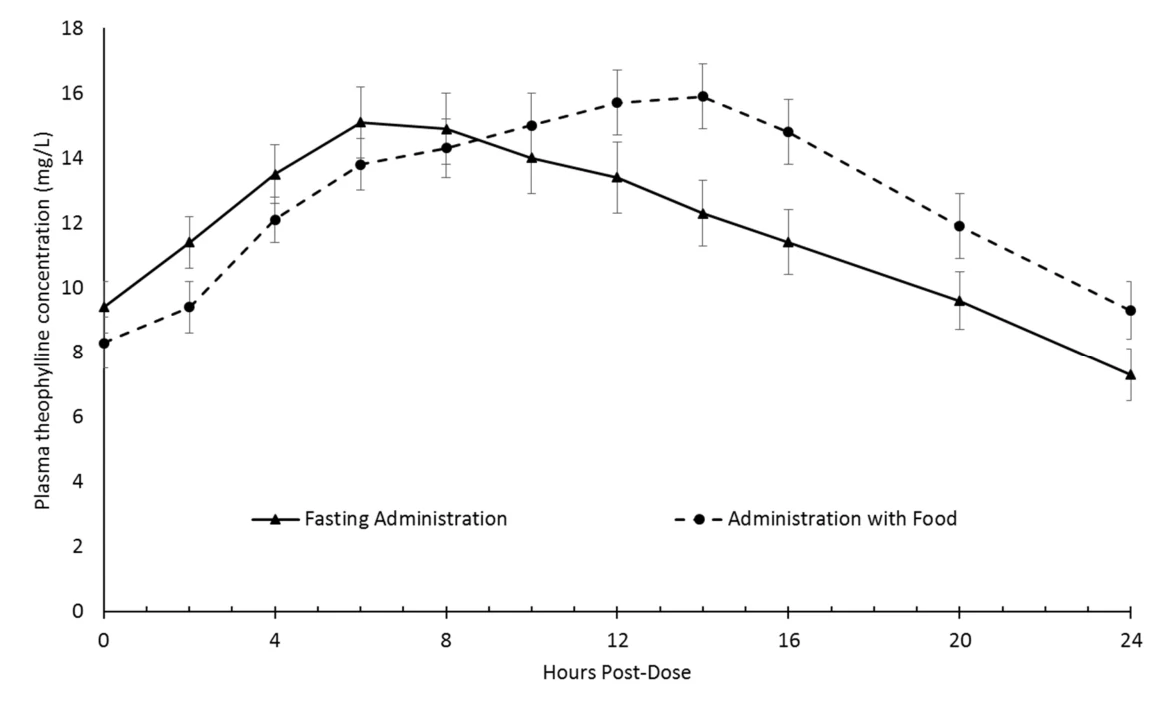
In a four-way crossover trial, the effect of a high-fat, high calorie meal on the bioavailability and pharmacokinetics of UNIPHYL was assessed in 20 adult asthmatics. After a minimum of 5 days continuous dosing (at 1800h), all patients received a UNIPHYL dose under specified fasting conditions and serum theophylline levels were measured every 2 hours for 24 hours. The patient’s next UNIPHYL dose was given immediately following ingestion of a standardized high-calorie (2040), high fat (115 g) meal and theophylline levels were again measured over 24 hours. A week later the trial was repeated in the opposite sequence (i.e., dosing with food preceded fasting dosing). The mean ± SD UNIPHYL dose was 890 ± 229.2 mg/day.
The pharmacokinetic data are presented in Table 5 and Figure 1. Results demonstrated that UNIPHYL is more completely absorbed when taken with food. Therefore, it is recommended at UNIPHYL be taken within 1 to 2 hours of mealtime.
Table 5 – Summary of Multidose Study
Parameters (Mean ± SD) | Fasted | Fed | p-value |
UNIPHYL (dose) n=20 | UNIPHYL (dose) n=20 | ||
| AUC0-t (mg*hr/L) | 284.0 ± 93.2 | 312.9 ± 85.5 | <0.01 |
| Cmax (mg/L) | 16.5 ± 4.5 | 17.3 ± 4.5 | NS |
| Tmax (h) | 8.5 ± 4.6 | 11.4 ± 3.6 | <0.01 |
| Cmin (mg/L) | 7.0 ± 3.0 | 8.0 ± 3.1 | <0.01 |
Figure 1 – Mean (SEM) Steady-State Serum Theophylline Levels in 20 Asthmatic Patients Following Administration of UNIPHYL While Fasting and With Food
Single-Dose Study
In a three-way, randomized crossover study, 12 subjects received single doses of:
- i) three 200 mg plan aminophylline tablets (total theophylline dose 480 mg) under fasting conditions;
ii) two 400 mg UNIPHYL tablets under fasting conditions;
iii) two 400 mg UNIPHYL tablets immediately following ingestion of a high-fat breakfast.
All doses were administered in the morning and, following dosing, serum theophylline levels were repeatedly measured up to 72 hours post-dose. The results from the plain aminophylline tablets were used to calculate each subjects theophylline disposition parameters and serve as a bioavailability reference. Marked difference in UNIPHYL’s pharmacokinetics and bioavailability were observed between food and fasting administration as shown in Table 6.
Table 6 – Summary of Single-Dose Study
| Parameters (Mean ± SD) | Fasted | Fed | p-value |
| AUC (mg.hr/L) | 100 ± 51 | 179 ± 67 | <0.0001 |
| Cmax (mg/L) | 4.5 ± 0.9 | 8.6 ±2.7 | <0.05 |
| Tmax (h) | 5.5 ± 1.7 | 12.0 ± 4.0 | <0.01 |
| Cmin (mg/L) | 53 ± 23 | 96 ± 46 | <0.05 |
Comparison between the Multi-Dose and Single-Dose Studies
The results of the two studies are not consistent in respect of the bioavailability of UNIPHYL when taken in the fasting state. In the multi-dose study, the mean fasting AUC was 91% of the food AUC whereas in the single dose study the fasting AUC was only 56% of the food AUC. The 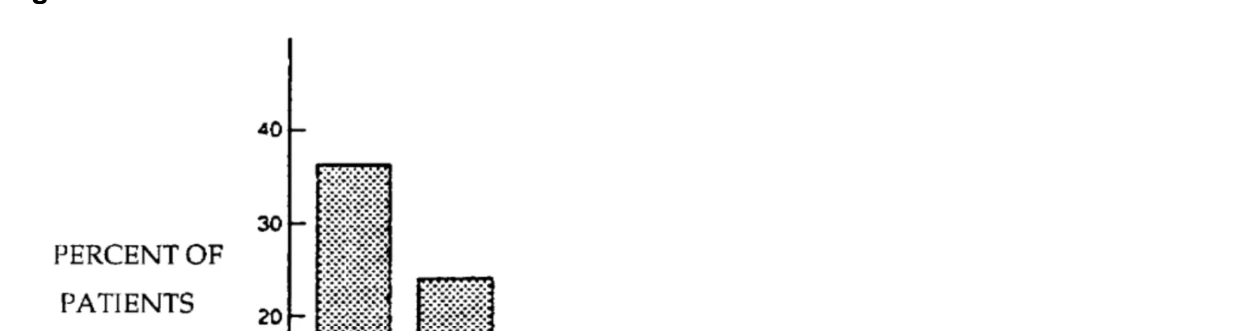
reasons for these differences are not known but may relate to differences in the pre-dosing fasting periods between the two studies. In the single-dose study, subjects fasted overnight for a minimum of 10 hours whereas in the multi-dose study, the patients fasted for six hours, beginning at noon.
Both studies indicate that UNIPHYL is more completely absorbed when taken with food. Therefore, until further information concerning the effects of prolonged fasting on UNIPHYL bioavailability is known, it is recommended that UNIPHYL be taken within 1-2 hours of mealtime.
Monitoring Serum Theophylline Levels:
When UNIPHYL is taken in the evening with food, the time that peak levels most frequently occur (under steady-state conditions) is 12 hours post-dose. Therefore, under such dosing conditions, 12 hours post-dose is the optimal time to measure the theophylline level in order to estimate the actual peak level. However, for patients whose actual peak level occurs at times other than 12 hours post-dose, the 12-hour level will somewhat underestimate the actual peak.
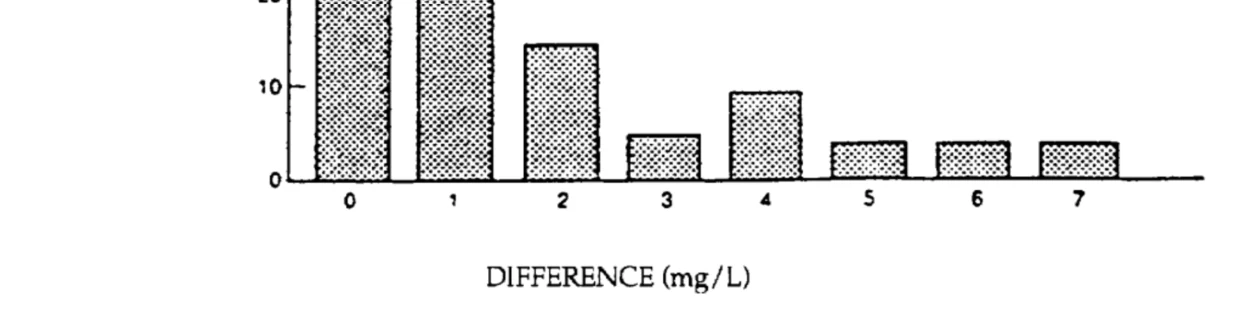
Figure 2 shows the distribution of the difference between the serum theophylline level measured at 12 hours post-dose and the actual peak level observed in a series of 91 steady-state serum theophylline vs. time profiles.
Figure 2 – 12 Hour Level vs. Actual Peak
Thus, while 90% of the 12-hour levels were within 4 mg/L of the actual peak level, the possibility that an isolated 12-hour post-dose level may significantly underestimate the patient's actual peak theophylline level should always be considered. When UNIPHYL tablets are taken in the morning, or in the evening under fasting conditions, the time that peak levels most frequently occur is 8 hours post-dose. Trough levels almost always occur at the time of dosing (i.e., 24 hours post-dose).
Distribution: Theophylline is distributed into all body compartments and crosses the placental barrier producing high fetal concentration. It is also excreted in human breast milk.
Volume of distribution (Vd) ranges from 0.3 to 0.7 L per kg (30-70% ideal body weight) and averages 0.45 L per kg among both children and adults. However, the mean Vd from premature neonates, adults with hepatic cirrhosis or uncorrected acidemia, and the elderly is slightly larger since protein binding is reduced in these patients.
Metabolism: Theophylline is metabolized by the liver to 3-methylxanthine, 1-methyluric acid and 1,3-dimethyluric acid. About 10% of a dose is excreted unchanged in the urine.
The enzymes responsible for theophylline metabolism are unknown but do not include xanthine oxidase.
Elimination: The mean elimination half-life associated with UNIPHYL is approximately 7 hours. The half-life of theophylline is influenced by a number of known variables. It is prolonged in patients suffering from chronic alcoholism, impaired hepatic or renal function, congestive heart failure, and in patients receiving macrolide antibiotics and cimetidine. Older adults (over age 55) and patients with chronic obstructive pulmonary disease (COPD), with or without cor pulmonale, may also have much slower clearance rates. For such patients, the theophylline half-life may exceed 24 hours. Newborn and neonates have extremely slow clearance rates compared to older infants (over 6 months) and children, and may also have a theophylline half-life of over 24 hours. High fever for prolonged period may also reduce the rate of theophylline elimination.
Administration of influenza vaccine and infection with influenza virus have been associated with the impaired rate of theophylline elimination and consequent increases in serum theophylline levels, sometimes with toxic symptoms.
The half-life of theophylline in smokers (one to two packs/day) averages four to five hours, much shorter than the half-life in non-smokers which averages seven to nine hours. The increase in theophylline clearance caused by smoking is probably the result of induction of drug-metabolizing enzymes that do not readily normalize after cessation of smoking. It appears that between three months and two years may be necessary for normalization of the effect of smoking on theophylline pharmacokinetics.
10 STORAGE, STABILITY AND DISPOSAL
Store tablets at room temperature, below 30°C .
PART II: SCIENTIFIC INFORMATION
11 PHARMACEUTICAL INFORMATION
Drug Substance
Proper name: Theophylline
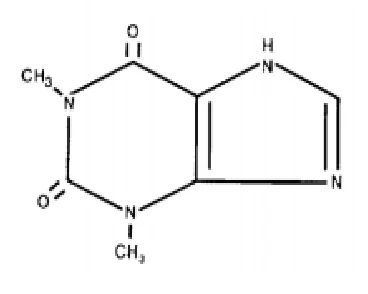
Chemical name: 1,3 Dimethylxanthine
Molecular formula and molecular mass: 180.2 (anhydrous) 198.2 (monohydrate)
Structural formula:
Physicochemical properties: Theophylline is a white, odorless, crystalline powder with a bitter taste. Theophylline is soluble 1:120 in water, 1:80 in alcohol and about 1:200 in chloroform.
12 CLINICAL TRIALS
12.1 Comparative Bioavailability Trial Design and Study Demographics
Table 7 - Summary of Patient Demographics for Clinical Trials in Bronchial Asthma
| Study # | Trial design | Dosage, route of administration and duration | Study subjects (n) | Mean age (Range) | Sex |
| Study 1986 | Two period crossover comparison of UNIPHYL and Theo-Dur | Mean dose: 783 ± 57 mg/day; Oral; 2 weeks per period | 12 | 42 years (29
| 6 male; 6 female |
| Study 4 | Double-blind, two period, crossover comparison of UNIPHYL and Theo-Dur | Mean ± SD dose: 972.7 ± 241.4 mg/day; Oral :7 days per period | 22 | 55.2 years | 15 male; 7 female |
| Study 5 | Double-blind, two-phase crossover comparison of morning vs. evening dosing in asthmatic patients receiving UNIPHYL | Mean ± SE dose: 658 ± 28mg/day; Oral ; 5 – 14 days per period | 17 | 36.4 ± 3.3* years | 8 male; 9 female |
*age range reported as SEM
12.2 Study Results
In a randomized, two-phase crossover trial, 12 asthmatic patients received two weeks therapy with once-daily UNIPHYL (theophylline sustained release tablets) dosed at 2000h, and a twice-daily reference theophylline (Theo-Dur®, AstraZeneca, dosed at 0800h and 2000h). Asthma symptoms were recorded twice each day. At the end of each two week treatment, serum theophylline levels were measured every 2 hours over a 24 hour period and spirometry was performed at 2000h, 0600h, and 0800h.
The pharmacokinetic parameters (mean ± SD) and serum theophylline vs. time profiles are shown below in Table 8.
Table 8 – Serum Theophylline vs. Time Profiles
Daily Dose mg | Cmax mg/L | Cmin mg/L | Tmax hours | AUC mg.hr/L | |
| UNIPHYL | 783 ± 57 | 15.9 ± 4.5 | 6.5 ± 3.1 | 11.3 ± 3.3 | 271 ± 98 |
| Theo-Dur | 766 ± 115 | 13.4 ± 4.8 | 8.7 ± 4.4 | 6.8 ± 3.8 | 263 ± 105 |
Figure 3 – Serum Theophylline Levels from Once-daily UNIPHYL and Twice-daily Theo-Dur (mean ± SE)
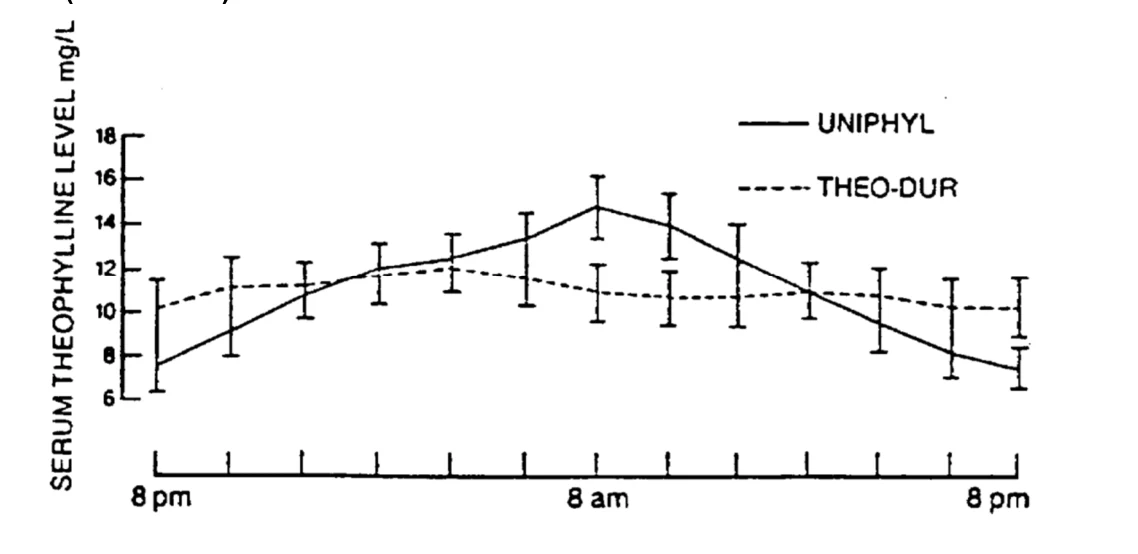
In comparing treatments, morning FEV1 and peak expiratory flow rates were significantly higher during once-daily evening administration of UNIPHYL than during twice-daily Theo-Dur. There were no statistically significant difference in evening FEV1 and PEFR values between the two treatments.
Asthma symptom scores were significantly lower during UNIPHYL as shown in Table 9.
Table 9 - Mean ± SEM Symptom Scores During Once-Daily UNIPHYL and Twice-Daily Theo-Dur
| Symptom | UNIPHYL Treatment | Theo-Dur Treatment | p Value (between treatments) |
| Dyspnea | |||
| Daytime | 0.77 ± 0.2 | 1.22 ± 0.3 | 0.045 |
| Nighttime | 0.63 ± 0.2 | 1.14 ± 0.3 | 0.003 |
| Wheeze | |||
| Daytime | 0.63 ± 0.2 | 1.00 ± 0.3 | 0.036 |
| Nighttime | 0.62 ± 0.2 | 0.98 ± 0.3 | 0.002 |
| Cough | |||
| Daytime | 0.29 ± 0.2 | 0.52 ± 0.2 | 0.033 |
| Nighttime | 0.31 ± 0.2 | 0.53 ± 0.2 | NS |
The investigators concluded that once-daily UNIPHYL resulted in better control of nighttime symptoms without an increase in daytime symptoms or significant side effects and that optimal timing of theophylline dosing is an important consideration in the management of asthma.
Clinical Comparison to Twice-Daily Theophylline
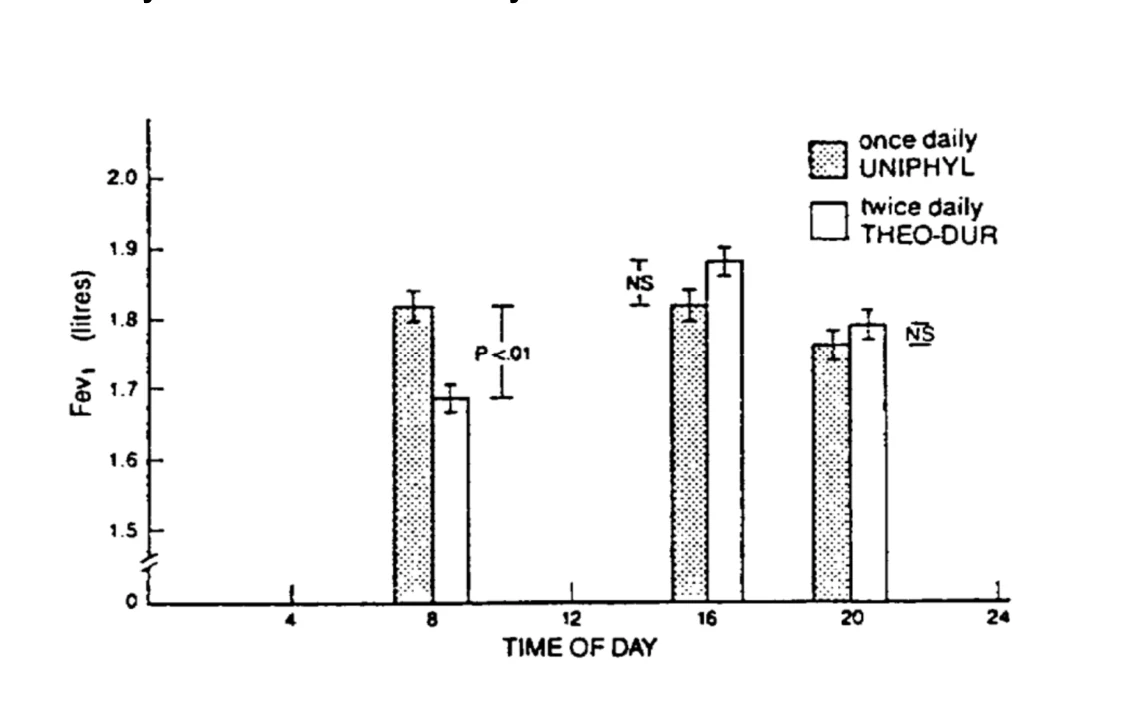
In a separate double-blind, two-phase, crossover trial, 22 adult asthmatics received 7 days therapy with once-daily UNIPHYL (dosing was at 2000h) and twice-daily Theo-Dur (dosing was at 0800h and 2000h). For each patient the total daily theophylline dose was the same during both treatments. Asthma symptoms, drug side effects and PEFR were recorded at 0800h, 1600h, and 2000h each day. On the last 3 days of each treatment, serum theophylline and spirometry were measured at 0800h, 1600h, and 2000h.
UNIPHYL produced greater "peak" and lower "trough" theophylline levels than did Theo-Dur, although both drugs maintained levels within an acceptable therapeutic range.
In contrast to the theophylline level results, UNIPHYL was associated with less fluctuation in pulmonary function throughout the day (see Figure 4 below), and significantly lower symptom scores for wheeze. Both drugs were well tolerated and only minimal side effects were reported during the trial. The investigator concluded that once-daily UNIPHYL produced greater stabilization of the asthmatic patients' airway function than the twice-daily formulation.
Figure 4 - Mean ± SEM FEV1 Over Three Consecutive Days in 22 Adult Asthmatics During Once-Daily UNIPHYL and Twice-Daily Theo-Dur
Effect of Morning vs. Evening Dosing on UNIPHYL Bioavailability and Clinical Efficacy
A double-blind, two-phase crossover trial compared the pharmacokinetics and clinical efficacy of morning vs. evening dosing with once-daily UNIPHYL in 17 asthmatic patients. After a pre-study titration phase, patients were randomly allocated to receive active UNIPHYL at either 0800h or 2200h, with an identical placebo taken at the opposite dosing time. Symptoms and side effects were recorded in a daily diary and, after a minimum of 5 days dosing, blood samples for theophylline analyses were obtained every 2 hours for 40 consecutive hours. During the 40-hour period, spirometry was performed at 0800h, 1400h, 2200h, and 0400h of the subsequent day. Patients then crossed-over to the opposite dosing time and repeated the protocol.
There were no statistically significant differences in any of the pharmacologic parameters between morning and evening dosing.
Figure 5 - Mean ± SEM Steady-State Serum Theophylline Profiles after Once-Daily UNIPHYL
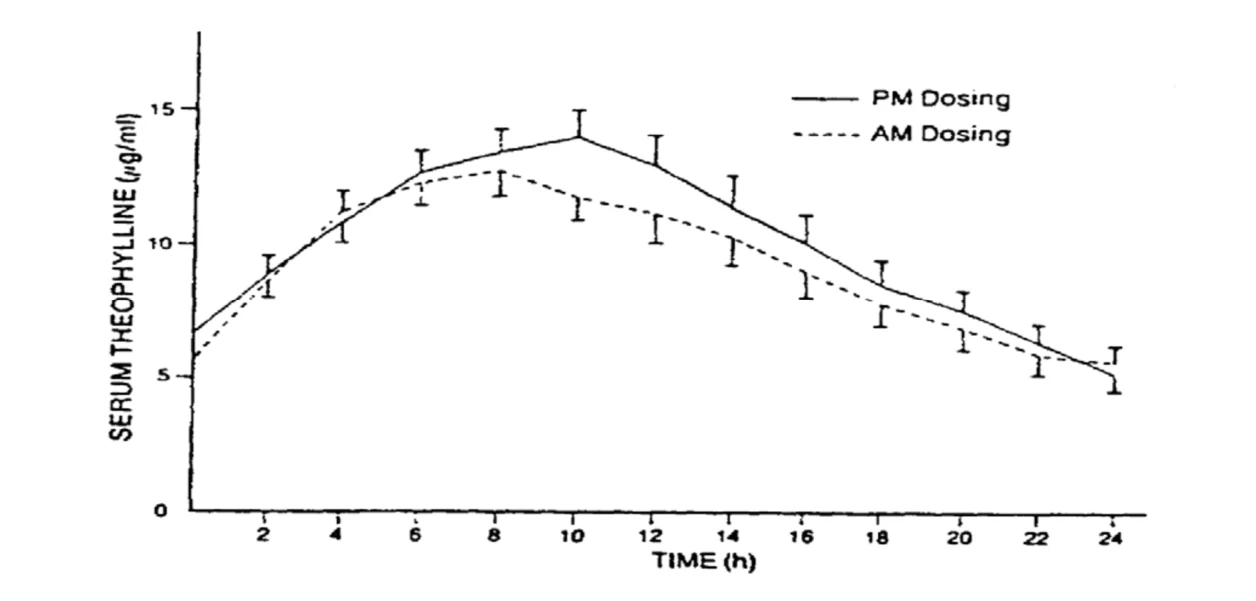
Table 10 - Mean ± SEM Pharmaceuticals Parameters During Morning and Evening Dosing with Once-Daily UNIPHYL
| Morning Dosing | Evening Dosing | |
| Cmax (mg/L) | 14.5 ± 1.0 | 16.3 ± 1.1 |
| Cmin | 5.5 ± 0.7 | 5.0 ± 0.6 |
| Tmax | 8.1 ± 0.9 | 10.1 ± 1.0 |
| AUC | 235.5 ± 18.7 | 256.0 ± 19.6 |
Evening dosing, but not morning dosing, resulted in a significant attenuation of the early morning dip in pulmonary function. FEV1 (expressed as percent of daily best) demonstrated that significantly better spirometric responses occurred at 0400h and 0800h during evening dosing. Also, the early morning symptoms of wheezing, chest tightness and shortness of breath were significantly lower during evening dosing. The spirometric and symptomatic benefits of evening dosing were clearly perceived by the patients, and all of the patients who continued UNIPHYL post-study selected evening dosing.
13 NON-CLINICAL TOXICOLOGY
Carcinogenicity
No evidence of carcinogenicity was observed in 2-year oral gavage studies carried out in mice (oral doses of 7.5 - 150 mg/kg) and rats (oral doses of 7.5 - 75 mg/kg). Therefore, it is unlikely that theophylline poses a carcinogenic risk in humans.
Genotoxicity
Theophylline has been studied using the bacterial Ames test and with in vivo and in vitro cytogenetic tests. Theophylline showed limited evidence of mutagenicity in these tests. Mammalian cells in vitro and in vivo showed increased sister chromatid exchanges, but negative results were observed in all other assays.
Reproductive and Developmental Toxicity
In 13-week oral gavage studies conducted with 37.5, 75, and 150 mg/kg/day theophylline administered to mice and rats, significant effects on body and testicular weights were observed. Male mouse terminal body and testicular weights were reduced, and male rats had reduced testicular weights. Parallel studies in mice and rats with 0.1, 0.2 and 0.4% theophylline administered in the feed produced reduced body weights in male and female mice, but not rats. In rats, the average cauda epididymis weight was reduced at the high dose compared to a control group, and there was an increase in abnormal sperm.
In 14-week continuous breeding assays in mice using 125, 265, and 530 mg/kg/day (0.075, 0.15, and 0.30%) theophylline administered in the feed, negative effects on reproduction were observed. These included a dose-dependent decrease in the number of live pups produced per litter, a decrease in the number of litters produced per pair and a decrease in the live pup weight (high dose), a decrease in the percentage of pups born alive (mid and high doses), and an increase in the number of days needed to produce each litter (high dose).
The observed changes in fertility indicated the likelihood of embryotoxicity. Other studies have indicated that high dose theophylline can also have teratogenic effects. In mice, theophylline administered intraperitoneally during gestation produced cleft palate, aberrant digit formation, micrognathia, and micromelia in the offspring. Therefore theophylline should be considered to have the potential for developmental toxicity in humans.