


Product Monograph - Unisom-2 Tablets
INDICATIONS
UNISOM-2 (Doxylamine Succinate) is indicated for the relief of occasional sleeplessness.
The use of UNISOM-2 for more than a few consecutive nights at a time is not recommended or more appropriate therapy should be considered in cases of severe and/or chronic insomnia. If pain or other factors appear to be the cause of sleeplessness, sleep-aids should not be considered as primary therapeutic agents.
CONTRAINDICATIONS
UNISOM-2 (Doxylamine Succinate) is contraindicated in patients who are hypersensitive to the drug and in those with the following conditions: asthmatic attack, narrow angle glaucoma, prostatic hypertrophy, stenosing peptic ulcer, pyloroduodenal obstruction, bladder-neck obstruction. Patients receiving monoamine oxidase inhibitors should not be given doxylamine.
WARNINGS
Insomnia may be a symptom of a serious illness.
If it persists for more than 2 weeks, consult with a physician.
UNISOM-2 (Doxylamine Succinate) should not be given to women who are or who are likely to become pregnant, or who are nursing. UNISOM-2 is not recommended for children under 12 years of age.
PRECAUTIONS
UNISOM-2 (Doxylamine Succinate) should not be taken if patient is concurrently on any other drug without prior consultation with physician or pharmacist and should be taken with caution if alcohol is being consumed. This product should not be used by elderly patients who experience confusion at nighttime. It may produce excitation rather than sedation in the elderly, therefore should be avoided in this age group.
UNISOM-2 (Doxylamine Succinate) should be used with caution in subjects with bronchial asthma, increased ocular pressure, hyperthyroidism, cardiovascular and/or renal disease, hypertension and diabetes.
"Drug Interactions"
UNISOM-2 (Doxylamine Succinate) produces additive central nervous system effects when taken concomitantly with alcohol, hypnotics, anxiolytics, narcotic analgesics and neuroleptic drugs. Similarly, significant interactions may occur if the drug is taken concomitantly with anticholinergic agents or tri-cyclic antidepressants.
ADVERSE REACTIONS
The preponderance of side effects associated with the use of UNISOM-2 are related to a carryover to the next day of the hypnotic effects of Doxylamine Succinate. This may be experienced primarily as continued drowsiness, tiredness or grogginess, " hangover ", sluggishness or lethargy (13, 14, 18). The next notable groups of side effects are related to the anticholinergic effects of Doxylamine Succinate – dryness of mouth and nasal stuffiness (14, 16).
Other less frequently reported effects are headache, dizziness, gastrointestinal disturbances
(nausea, diarrhea, flatulence), nervousness, vertigo, palpitations, irritability and restlessness
(1, 2, 14, 16, 18).
The following effects may also occur: paradoxical excitation, insomnia, blurring of vision, diplogia, difficulty in urination, drug rash, urticaria, hypotension, photosensitivity, epigastric distress, thickening of bronchial secretions, tightness of chest, wheezing, vomiting and constipation.
SYMPTOMS AND TREATMENT OF OVERDOSE
No known fatalities have been reported with Doxylamine Succinate (19, 20); the doses which can cause death in humans are therefore not known. When antihistamines, such as
Doxylamine Succinate, are taken in large doses a toxic syndrome may result. Symptoms may be manifested as an exaggeration of the side effects listed above or may be more severe, but are particularly serious in children. In young children, the syndrome may include hallucinations, excitement, ataxia, incoordination, athetosia and convulsions. The convulsions are intermittent, tonic-clonic type and difficult to control. Fixed, dilated pupils with a flushed face and fever are common and may be followed by cardiorespiratory depression and death. The latent period is characteristically short, and only mild signs of central nervous system depression may be observed before the onset of convulsions. In the adult CNS depression is more common. Hyperpyrexia, flushing and convulsions are much less frequently encountered, although excitation may follow depression in a cyclical manner.
Treatment is along general supportive lines and directed towards specific symptoms. If the drug has been taken recently by mouth, induce emesis, taking precautions against aspiration, particularly in infants and children. If emesis is unsuccessful and there is no evidence of central nervous system involvement, gastric lavage is indicated. Stimulants should not be used. The patient should be kept quiet to minimize excitation. Convulsions and marked CNS stimulation should be treated preferably with parenteral diazepam, particularly in children. Treatment should include correction of hypoxia, fluid and electrolyte imbalances. Assisted respiration may be necessary, and cooling if hyperpyrexia occurs. Forced diuresis is of little value since antihistamines are rapidly metabolized and only small amounts are recovered in the urine.
Lavarterenol bitartrate USP, may be used for hypotension: 1 ml. of 0.2% solution (0.1% base) in 250 ml. diluent. Drip at 0.5 ml/min. to give 2 micrograms (base)/min. i.v. (or 2 micrograms/ml/min. i.v.). Titrate dose with blood pressure.
DOSAGE AND ADMINISTRATION
The recommended adult dose for Doxylamine Succinate as nighttime sleep-aid is 25 milligrams (one UNISOM-2 tablet) taken 30 minutes before retiring. It should be taken only once daily or as directed by a physician.
AVAILABILITY
UNISOM-2 (Doxylamine Succinate) is available in pale blue oval scored tablets containing
25 mg of Doxylamine Succinate supplied in boxes of 20 or 40 tablets packaged in blister pack cards.
PHARMACOLOGY
GENERIC NAME: Doxylamine Succinate, U.S.P.
CHEMICAL NAME: 2 (a- [2-Dimethylaminoethoxy] a-methylbenzyl) – pyridine succinate
TRADE NAME: UNISOM-2
STRUCTURAL FORMULA:
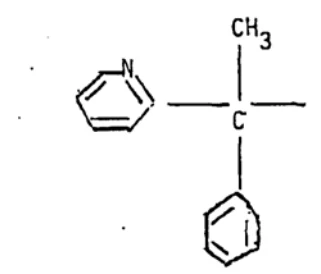
OCH2 CH2 N(CH3) 2 y CH2 COOH
CH2COOH
EMPIRICAL FORMULA: C17H22N20 y C4H604
MOLECULAR WEIGHT: 388.46
Doxylamine Succinate, administered intraperitonneally, intravenously or in aerosolized form, has been shown to be highly effective in the prevention of histamine shock and histamine-induced bronchoconstriction guinea pigs (1, 21-13). A high degree of antagonism of histamine-induced bronchoconstriction also occurred following subcutaneous and oral administration in guinea pigs (22) whereas subcutaneously administered Doxylamine Succinate had little effect on either anaphylaxis or on histamine toxicity in mice (21).
Doxylamine Succinate effectively antagonized arteriolar constriction and pressor effects of histamine in rabbits and the depressor action of histamine in rats (22). In the dog, the bronchoconstriction, inotropic action and systematic vasodilation due to dextromethorphan were blocked by previous injection of Doxylamine Succinate (24).
Local applications and repeated oral administration markedly reduced the incidence of severe cutaneous reactions in guinea pigs sensitized to various chemical antigens (21) and also antagonized the cutaneous effects of histamine in rats (21) and rabbits (22). Oral administration of Doxylamine Succinate to rabbits prevented the increased capillary permeability produced by histamine for 8 hours or more (22).
Doxylamine Succinate possesses considerable local anesthetic activity but is only weakly antagonistic to acetylcholine (22).
Very little is known concerning the absorption and fate of Doxylamine Succinate. Snyder and co-workers (25) found that in male rats, 7 to 21 per cent of a single intravenous or oral dose of Doxylamine Succinate was excreted in the urine within 24 hours of administration, while in female rats the amount excreted was 17 to 36 per cent. Dogs receiving daily oral doses of Doxylamine Succinate for prolonged periods consistently eliminated about 20 per cent of the daily dose in the urine. They concluded, on the basis of tissue determinations of the drug and urinalysis of excreted products , that the bulk of the administrated drug was metabolized in the body.
TOXICOLOGY
- 1.
Summary of Acute Toxicity
LD50
_______________________________________________________________________
(22) (22) (22) (22) (26) Mice Rabbits Male Rats Female Rats Male and Female Rats
Route mg/kg mg/kg mg/kg mg/kg mg/kg IV 62 ± 4 49 ± 1.4 - - - SC 460 ± 52 - 440 ± 34 445 ± 38 - Oral 470 ± 32 250 ± 42 - - 583
- 2. Subacute and Chronic Toxicity
Thompson and Werner (27) studied the subacute and chronic toxicity of Doxylamine
Succinate when administered to dogs, monkeys and rats over a period of approximately 2 months.
Doses of 3.0 and 7.5 mg/kg of Doxylamine Succinate three times daily produced no evidence of toxicity when administered orally to dogs. Repeated administration of 15 mg/kg, three times a day, caused loss of appetite and weight, mydriasis, apprehension, and muscular tremors in 3 of 4 dogs. None of these doses caused histologic or hematologic alterations.
Apprehension and other toxic signs observed in dogs occurred in 1 of 2 monkeys which received repeated oral doses of 16 and 20 mg/kg three times daily. Repeated doses of 12 mg/kg or less three times daily produced no toxic effects, and none of the doses caused visceral damage as determined to peritoneoscopic examination and histologic study of liver biopsy specimens.
The administration of doses as high 45 mg/kg twice daily for a period of thirty-eight days had no significant effect on rats as judged by gross signs of toxicity, hematologic determinations and histopathology. Repeated administration of increasing doses from 50 to 150 mg/kg also had no gross toxic effects. However, an increase to 200 mg/kg resulted in a decrease in the rate of growth in some animals, and an increase to 400 mg/kg generally caused decreased food consumption and resulted in one death. Repeated administrations of Doxylamine Succinate to rats in large doses for a comparatively long period did not lead to tolerance or accumulation; and repeated doses resulted in toxicity only when doses approached acutely lethal ones.
Hematologic Findings in 2 Monkeys (Macaga Mulatta)
Doxylamine Succinate was administered t.i.d. for the first 5 days and b.i.d. for the sixth day of each week. Doses employed were 2 mg/kg for the first 4 weeks, 4 mg/kg the fifth through seventh week, 8 mg/kg the eight and ninth weeks, 12 mg/kg the tenth and eleven weeks, 16 mg/kg the twelfth week, and 20 mg/kg the thirteenth week.
The Erythrocytes count, the total and differential Leucocytes and the Hemoglobin count remained normal. Therefore no abnormalities were observed in monkey 1 and monkey 2.
- 3. Reproduction and Teratology
Gibson et al. (28) conducted a test on the possible teratological effects of Doxylamine.
Doxylamine Succinate was given orally to rabbits in doses of 10-100 mg/kg/day.
Doxylamine Succinate had no deleterious effects on pregnancy maintenance, litter size or fetal weight in the rabbit, except when maternal toxicity was produced (10 mg/kg or 68 mg/kg of active moiety).
In rats, the same doses produced no alteration in breeding, conception, pregnancy maintenance, litter size or fetal weight, although a mild dose-related decrease in body weight gain did occur in rat pups from Doxylamin-treated mothers.
In a study of 836 infants with congenital malformations, there was no significant difference in the maternal usage of Doxylamine during the first trimester of pregnancy compared with the use of 836 controls (29).
The percentage of malformed children among 1169 children born to mothers who had taken Doxylamine Succinate during the first 4 months of pregnancy was comparable to that in 49,113 children not so exposed. When analyzed for specific malformations, there was some evidence of a modest association with gastro-intestinal malformation, hypospadias and clubfoot, but the results were not statistically significant. IQ scores at 4
years were not affected. Doxylamine Succinate did not appear to be harmful to the fetus
(29).
INFORMATION FOR THE CONSUMER
USE:
UNISOM-2 is intended for the relief of occasional nighttime sleeplessness when difficulty in falling asleep in particularly bothersome. It should not be taken for more than a few consecutive nights at a time. It should be borne in mind that normal function is quite compatible with variable periods of nighttime sleep. In addition, sleep requirements are normally reduced with advancing age, thus wakefulness often does not justify or require the use of sleep-aids. However, insomnia may be a symptom of serious illness.
Therefore, if it persists for more than two weeks it is recommended that you consult your physician. If pain or other causes interfere with sleep, such conditions should be treated and sleep-aids are not indicated.
PRECAUTIONS:
UNISOM -2 should not be taken if alcohol is being consumed. If you are presently taking a prescription drug or other medication, do not take UNISOM-2 without consulting your physician or pharmacist. Do not take this product if you are pregnant or nursing a baby. UNISOM-2 should not be used by elderly patients who experience confusion at nighttime.
UNISOM-2 is recommended for adults only and should not given to children under 12 years of age. These drugs produce excitation rather sedation in the elderly. Therefore they should be avoided in this age group. (Because Doxylamine Succinate causes drowsiness or dizziness, daytime use of UNISOM-2 is contraindicated because the alertness required for driving or use of heavy machinery may be impaired.
DOSAGE:
The usual adult dose of UNISOM-2 is one tablet (25mg) taken 30 minutes before retiring.
If drowsiness is excessive, dosage should be reduced.
FOR OCCASIONAL USE ONLY
CONTENT: Each tablet of UNISOM-2 contains 25mg of Doxylamine Succinate.
KEEP OUT OF REACH CHILDREN
REFERENCES
- 1. Feinberg, S.M., and Berstein, T.B.J., Lab. Clin. Med. 33, 319-24, 1948.
- 2.
Sheldon, J.M., Weller, K.E.,, Haley, R.R., and Fulton, J.K., University Hospital
Bulletin, Ann Arbor, Mich. 14 13-15, 1948.
- 3. Feinberg, S.M., Pharmacol. for Phys. 1, 1-16, 1967.
- 4. Wolfrom, R., and Liakopoulos, P., Gazz. Med. France 66, 1733-6, 1959.
- 5. Brown, E.Z., Weiss, L.R., and Mayer, J.P., Ann, Allergy 6, 1-6, 1948.
- 6. Loveless, M.H., and Dworin, M., J. Am. Med. Women’s Assoc. 4, 105-11, 1949.
- 7. Waldbott, G.L., and Gadbay, J., J. Mich. Med. Soc. 48, 724-7, 1949.
- 8. Spearman, G. Knox., Ann. Allergy, 10, 192-3, 1952.
- 9.
Sternberg, T.H., Perry, D.J., and LeVan, P., J. Am. Med. Assoc. 142, 969-73,
1950.
- 10. Ferguson, J., Nerv. Ment. Dis. 124, 377-380, 1956.
- 11. Selzer, M.L. and Waldman, H.J. Nerv. Ment. Dis. 128, 551-554, 1969.
- 12.
Noell, W.K., Chinn, H.L. and Haberer, C.E., United States Air Force Report No.
55-35, 1-20, 1955.
- 13. Sjoqvist, F., and Lasagna, L., Clin. Pharmacol. Ther. 8, 48-54, 1967.
- 14.
Pfizer Inc. Unpublished Study, "The Efficacy of Doxylamine Succinate as a
Nighttime Sleep-Aid", 1976.
- 15.
Pfizer, Inc. Unpublished Study, "An Electroencephalographic Study of the
Efficacy of Doxylamine Succinate as a Nighttime Sleep-Aid", 1976
- 16.
Dreisbach, R.H. "Handbook of Poisoning", 8th Ed., Lange Medical, Los Altos,
Calif. 606-608, 1974.
- 17.
Pfizer Inc. Unpublished Study EK, "Plasma Levels of Doxylamine From Unisom
Tablets Compared with Levels from a Research Formulation of Doxylamine
Succinate in a Liquid Base" by J.A. Krakovitz, M.D., Feb. 18, 1982. incl.
Appendices I to VI.
- 18. Crawford, C.C., personal communication, August 4, 1976.
- 19.
F.D.A. Advisory Panel on OTC Cough, Cold, Allergy, Bronchodilator and Anti-
Asthmatic Products., Federal Register 41, 38312-38424, September 9, 1976.
- 20.
F.D.A. Advisory Panel on OTC Nighttime Sleep-Aids Federal Register 40,
57292-57329, December 8, 1975.
- 21. Brown, B.B., and Werner, H.W., Ann. Allergy 6, 122-130, 1948.
- 22. Brown, B.B., and Werner, H.W., J. Lab. Clin. Med. 33, 325-331, 1948.
- 23. Feinberg, S.M., Noren, B., and Feinberg, R.H., J. Allergy 19, 90-99, 1948.
- 24.
Aviado, D.M., Bianchi, A., and Dimol, J., Arch. Int. Pharmacodyn. 216, 216-224,
1975.
- 25.
Snyder, F.H., Klahm, G.R., and Werner, H.W., J. Amer. Pharm. Assoc., Sci. Ed.
37, 420-423, 1948.
- 26. Myers, T., Report of Vick Divisions Research, April 15, 1971, Unpublished.
- 27.
Thompson, C.R., and Werner, H.W., J. Amer. Pharm. Assoc., Sci. Ed. 37, 311-
314, 1948.
- 28.
Gibson, J.P., Staples, R.E., Larson, E.J., Kuhn, W.L., Holtkamp, D.E., and New
Berne, J.W., Toxicol. and Appl. Pharmacol. 13, 439-447, 1968.
- 29.
Martindale – The Extra Pharmacopoeia, 28th Ed., The Pharmaceutical Press,
London, p. 1312, 1982.