


Product Monograph - Vabomere
Recent Major Label Changes
| 2026-06 |
|---|---|
| 2026-06 |
Table of Contents
Certain sections or subsections that are not applicable at the time of the preparation of the most recent authorized product monograph are not listed.
Recent Major Label Changes ................................................................................................... 2
Table of Contents ................................................................................................................... 2
Part 1: Healthcare Professional Information ........................................................................... 5
- 1.
Indications ....................................................................................................................... 5
1.1. Pediatrics ................................................................................................................. 5
1.2. Geriatrics ................................................................................................................. 5
- 2. Contraindications ............................................................................................................ 5
- 3. Serious Warnings and Precautions Box ............................................................................ 6
- 4.
Dosage and Administration .............................................................................................. 6
4.1. Dosing Considerations ............................................................................................. 6
4.2. Recommended Dose and Dosage Adjustment ........................................................ 6
4.3. Reconstitution ......................................................................................................... 7
4.4. Administration ........................................................................................................ 8
4.5. Missed Dose ............................................................................................................ 8
- 5. Overdose ......................................................................................................................... 8
- 6. Dosage Forms, Strengths, Composition, and Packaging ................................................... 9
- 7.
Warnings and Precautions ............................................................................................... 9
General ............................................................................................................................ 9
Driving and Operating Machinery ................................................................................... 9
Gastrointestinal ............................................................................................................. 10
Hematologic .................................................................................................................. 10
Hepatic/Biliary/Pancreatic ............................................................................................ 10
Immune ......................................................................................................................... 11
Monitoring and Laboratory Tests .................................................................................. 11
Musculoskeletal ............................................................................................................ 11
Neurologic ..................................................................................................................... 11
Renal ............................................................................................................................. 12
Sensitivity/Resistance .................................................................................................... 12
7.1. Special Populations ............................................................................................... 13
7.1.1. Pregnancy ................................................................................................... 13
7.1.2. Breastfeeding .............................................................................................. 13
7.1.3. Pediatrics .................................................................................................... 13
7.1.4. Geriatrics ..................................................................................................... 13
- 8.
Adverse Reactions ......................................................................................................... 14
8.1. Adverse Reaction Overview .................................................................................. 14
8.2. Clinical Trial Adverse Reactions ............................................................................. 14
8.3. Less Common Clinical Trial Adverse Reactions ...................................................... 17
8.5. Post-Market Adverse Reactions ............................................................................ 18
- 9.
Drug Interactions ........................................................................................................... 18
9.2. Drug Interactions Overview .................................................................................. 18
9.3. Drug-Behavioural Interactions .............................................................................. 18
9.4. Drug-Drug Interactions .......................................................................................... 18
9.5. Drug-Food Interactions ......................................................................................... 19
9.6. Drug-Herb Interactions ......................................................................................... 19
9.7. Drug-Laboratory Test Interactions ........................................................................ 19
- 10.
Clinical Pharmacology .................................................................................................... 19
10.1. Mechanism of Action ............................................................................................ 19
10.2. Pharmacodynamics ............................................................................................... 19
10.3. Pharmacokinetics .................................................................................................. 20
- 11. Storage, Stability, and Disposal ...................................................................................... 22
- 12. Special Handling Instructions ......................................................................................... 23
Part 2: Scientific Information ................................................................................................ 24
- 13. Pharmaceutical Information .......................................................................................... 24
- 14.
Clinical Trials .................................................................................................................. 25
14.1. Clinical Trials by Indication .................................................................................... 25
Infections Known or Suspected to be Caused by Carbapenem-resistant, Vaborbactam/Meropenem-susceptible Gram-negative Bacteria .................................. 25
- 15. Microbiology ................................................................................................................. 28
- 16. Non-Clinical Toxicology .................................................................................................. 31
- 17. Supporting Product Monographs ................................................................................... 32
Patient Medication Information ........................................................................................... 33
Part 1: Healthcare Professional Information
1. Indications
VABOMERE (meropenem and vaborbactam for injection) is indicated in adults for the treatment of the following infections known or suspected to be caused by carbapenem-resistant, vaborbactam/meropenem-susceptible Gram-negative bacteria:
- Complicated urinary tract infections (cUTI), including pyelonephritis
- Complicated intra-abdominal infection (cIAI)
- Hospital acquired pneumonia (HAP), including ventilator associated pneumonia (VAP)
- Bacteremia that occurs in association with, or is suspected to be associated with, any of the infections listed above
- Other infections with limited treatment options
Gram-negative organisms include Enterobacterales, such as Enterobacter cloacae, Escherichia coli, and Klebsiella pneumoniae (see 7. Warning and Precautions, spectrum of activity of meropenem/vaborbactam, 15. Microbiology).
To reduce the development of drug-resistant bacteria and maintain the effectiveness of VABOMERE and other antibacterial drugs, VABOMERE should be used only to treat infections that are proven or strongly suspected to be caused by susceptible bacteria. When culture and susceptibility information are available, they should be considered in selecting or modifying antibacterial therapy. In the absence of such data, local epidemiology and susceptibility patterns may contribute to the empiric selection of therapy.
1.1. Pediatrics
Pediatrics (< 18 years of age): No data are available to Health Canada; therefore, Health Canada has not authorized an indication for pediatric use.
1.2. Geriatrics
Geriatrics (≥ 65 years of age): Evidence from clinical studies suggests that use in the geriatric population is not associated with differences in safety or effectiveness.
2. Contraindications
VABOMERE is contraindicated in patients with:
- Hypersensitivity to this drug or to any ingredients of the formulation, including any non-medicinal ingredient, or component of the container. For a complete listing, see 6. Dosage Forms, Strengths, Composition, and Packaging.
- Hypersensitivity to other carbapenem antibacterial agents.
- Severe hypersensitivity (e.g., anaphylactic reaction, severe skin reaction) to any other type of beta-lactam antibacterial agents (e.g., penicillins, cephalosporins or monobactams).
- Serious Warnings and Precautions Box
Serious Warnings and Precautions
- Serious and occasionally fatal hypersensitivity (anaphylactic) reactions have been reported in patients receiving therapy with β-lactam antibiotics, including Meropenem for Injection (see 7. Warnings and Precautions).
- Seizures and other adverse central nervous system (CNS) experiences have been reported during treatment (see 7. Warnings and Precautions).
- Co-administration of Meropenem for Injection with valproic acid or divalproex sodium reduces the serum concentration of valproic acid potentially increasing the risk of breakthrough seizures (see 7. Warnings and Precautions).
4. Dosage and Administration
4.1. Dosing Considerations
- VABOMERE should be used to treat infections due to aerobic Gram-negative organisms in adult patients with limited treatment options only after consultation with a healthcare professional with appropriate experience in the management of infectious diseases.
4.2. Recommended Dose and Dosage Adjustment
- The recommended dosage of VABOMERE is 4 g (meropenem 2 g and vaborbactam 2 g) administered every 8 hours by intravenous (IV) infusion over 3 hours in patients 18 years or older with an eGFR greater than or equal to 50 mL/min/1.73 m2. The duration of treatment is for up to 14 days.
Renal impairment
Dosage adjustment is recommended in patients with renal impairment who have an eGFR less than 50 mL/min/1.73 m2. The recommended dosage of VABOMERE in patients with varying degrees of renal function is presented in Table 1. For patients with changing renal function, monitor serum creatinine concentrations and eGFR at least daily and adjust the dosage of VABOMERE accordingly.
Meropenem and vaborbactam are removed by hemodialysis. For patients maintained on hemodialysis, administer VABOMERE after hemodialysis session.
Table 1 – Dosage of VABOMERE in Patients with Renal Impairment
| eGFRa (mL/min/1.73m2) | Recommended dosage regimen for VABOMERE (meropenem and vaborbactam)b,c,d | Dosing interval |
|---|---|---|
| eGFRa (mL/min/1.73m2) | Recommended dosage regimen for VABOMERE (meropenem and vaborbactam)b,c,d | Dosing interval |
| 30 to 49 | VABOMERE 2 g (meropenem 1 g and vaborbactam 1 g) | Every 8 hours |
| 15 to 29 | VABOMERE 2 g (meropenem 1 g and | Every 12 hours |
| vaborbactam 1 g) | ||
| Less than 15 | VABOMERE 1 g (meropenem 500 mg and vaborbactam 500 mg) | Every 12 hours |
a As calculated using the Modification of Diet in Renal Disease (MDRD) formula as follows: eGFR (mL/min/1.73m2) =175 x (serum creatinine)-1.154 x (age)-0.203 x (0.742 if female) x (1.212 if African American).
b All doses of VABOMERE are administered intravenously over 3 hours.
c Doses adjusted for renal impairment should be administered after a hemodialysis session.
d The total duration of treatment is for up to 14 days.
- Hepatic impairment
A pharmacokinetic study conducted with an intravenous formulation of meropenem in patients with hepatic impairment has shown no effects of liver disease on the pharmacokinetics of meropenem. The primary Phase 3 studies (505 and 506) excluded patients with significant hepatic disease or dysfunction.
Vaborbactam does not undergo hepatic metabolism. Therefore, the systemic clearance of meropenem and vaborbactam is not expected to be affected by hepatic impairment.
- Paediatric population (< 18 years of age)
The safety and efficacy of VABOMERE in pediatric patients below the age of 18 years have not been established. No data are available. VABOMERE is not recommended for use in pediatric patients below the age of 18 years.
- Geriatric patients (≥ 65 years of age)
No dosage adjustment in geriatric patients is necessary.
4.3. Reconstitution
Standard aseptic techniques must be used for solution preparation and administration.
The VABOMERE powder for solution must be reconstituted and further diluted prior to use.
Reconstitution
To prepare the required dose for intravenous infusion, constitute the appropriate number of vials, as determined from Table 2 below. Withdraw 20 mL of 0.9% Sodium Chloride Injection, USP, from an infusion bag and constitute each vial of VABOMERE. Only Polyolefin infusion bags are acceptable at present for administration.
After mixing gently to dissolve, the reconstituted meropenem/vaborbactam solution will have an approximate meropenem concentration of 0.05 g/mL and an appropriate vaborbactam concentration of 0.05 g/mL. The final volume is approximately 21.3 mL. The reconstituted solution is not for direct injection. The reconstituted solution must be diluted before intravenous infusion.
Dilution
The constituted solution must be diluted further, immediately, in a 0.9% Sodium Chloride Injection, USP infusion bag before intravenous infusion. The intravenous infusion of the diluted solution must be completed within 4 hours if stored at room temperature (15-30°C) or 22 hours if stored refrigerated at 2°C to 8°C.
To dilute the constituted solution, withdraw the full or partial constituted vial contents from each vial and add it back into the infusion bag in accordance with Table 2 below.
Visually inspect the diluted VABOMERE solution for particulate matter and discoloration prior to administration (the color of the VABOMERE infusion solution for administration ranges from colorless to light yellow). Discard unused portion after use.
From a microbiological point of view, the product should be used immediately upon reconstitution and dilution.
VABOMERE is only compatible with 0.9% Sodium Chloride Injection.
Table 2 – Reconstitution
| VABOMERE dose (meropenem/ vaborbactam) | Number of vials to constitute for further dilution | Volume to withdraw from each constituted vial for further dilution | Volume of infusion bag* | Final infusion concentration of VABOMERE | |||
| 4 g (2 g/2 g) | 2 vials | Entire contents (approx. 21 mL) | 250 mL | 16 mg/mL | |||
| 500 mL | 8 mg/mL | ||||||
| 1,000 mL | 4 mg/mL | ||||||
| 2 g (1 g/1 g) | 1 vial | Entire contents (approx. 21 mL) | 125 mL | 16 mg/mL | |||
| 250 mL | 8 mg/mL | ||||||
| 500 mL | 4 mg/mL | ||||||
| 1 g (500 mg /500 mg) | 1 vial | 10.5 mL (discard unused portion) | 70 mL | 14.3 mg/mL | |||
| 125 mL | 8 mg/mL | ||||||
| 250 mL | 4 mg/mL | ||||||
* Only Polyolefin infusion bags are acceptable at present for administration.
4.4. Administration
Intravenous use. VABOMERE is administered by intravenous infusion over 3 hours.
4.5. Missed Dose
If you think you have missed a dose, tell your healthcare professional straight away.
- If a dose is missed then it should be given as soon as practically possible after the scheduled time and subsequent doses should be given at 8 hour intervals from the revised dose time.
5. Overdose
In the event of overdose, discontinue VABOMERE and institute general supportive treatment.
Limited post-marketing experience with meropenem indicates that if adverse reactions occur following overdose, they are consistent with the adverse reaction profile described in section 8. Adverse Reactions, are generally mild in severity and resolve on withdrawal or dose reduction.
Studies show that both meropenem and vaborbactam are readily dialyzable and effectively removed by hemodialysis; however, no information is available on the use of hemodialysis to treat overdosage.
For the most recent information in the management of a suspected drug overdose, contact your regional poison control centre or Health Canada’s toll-free number, 1-844 POISON-X (1-844-764-7669).
- 6. Dosage Forms, Strengths, Composition, and Packaging
Table 3 – Dosage Forms, Strengths, and Composition
VABOMERE is supplied as a white to light yellow sterile powder for solution in single-dose vial. Each vial delivers 1000 mg each of meropenem and vaborbactam in 50 mL Type I clear glass vial, fitted with 20 mm bromobutyl rubber stopper and sealed with 20 mm aluminum ‘flip-off’ overseal. The drug product is supplied in packs of 6 vials.
7. Warnings and Precautions
See 3. Serious Warnings and Precautions Box.
General
Controlled sodium intake
VABOMERE contains 250 mg of sodium per vial, equivalent to 12,5% of the WHO recommended maximum daily intake of 2 g of sodium for an adult, which could be relevant to patients with congestive heart failure or other reasons for restricted sodium intake.
Driving and Operating Machinery
No studies on the ability to drive and use machines have been performed. However, when driving or operating machines, it should be taken into account that headache, paresthesia, and convulsions have been reported for Meropenem for Injection.
| Route of Administration | Dosage Form / Strength/Composition | Non-Medicinal Ingredients |
| Intravenous | Powder for solution, 1 g Meropenem (as meropenem trihydrate) and 1 g vaborbactam per vial | Sodium carbonate |
Gastrointestinal
Clostridioides difficile-associated diarrhea
Clostridioides difficile-associated diarrhea (CDAD) has been reported with use of nearly all antibacterial agents, including VABOMERE (see 8. Adverse Reactions), and may range in severity from mild diarrhea to fatal colitis. Treatment with antibacterial agents alters the normal flora of the colon leading to overgrowth of C. difficile.
C. difficile produces toxins A and B which contribute to the development of CDAD. Hypertoxin-producing isolates of C. difficile cause increased morbidity and mortality, as these infections can be refractory to antimicrobial therapy and may require colectomy. CDAD must be considered in all patients who present with diarrhea following antibacterial drug use. Careful medical history is necessary since CDAD has been reported to occur over two months after the administration of antibacterial agents.
If CDAD is suspected or confirmed, ongoing antibacterial drug use not directed against C. difficile may need to be discontinued. Appropriate fluid and electrolyte management, protein supplementation, antibacterial drug treatment of C. difficile, and surgical evaluation should be instituted as clinically indicated.
Gastrointestinal hemorrhage
Gastrointestinal hemorrhage was observed with VABOMERE treatment, including 1 fatal case with concomitant heparin use. Gastrointestinal hemorrhage may suggest treatment interruption as well as other appropriate measures.
Hematologic
Thrombocytopenia
In acute cases of thrombocytopenia with meropenem, clinicians should be cognizant of drug-induced immune thrombocytopenia.
Hepatic/Biliary/Pancreatic
Hepatic function should be monitored during treatment with meropenem/vaborbactam: especially in patients with pre-existing liver disorders.
Drug-induced liver injury (DILI)
Hepatic function should be closely monitored during treatment with VABOMERE due to the risk of DILI (see 8. Adverse Reactions). If severe DILI occurs, treatment discontinuation should be considered as clinically appropriate. VABOMERE should be reintroduced only if assessed as essential for treatment.
Use in patients with liver disease: Patients with pre-existing liver disorders should have liver function monitored during treatment with VABOMERE. There is no dose adjustment necessary (see 4. Dosage and Administration).
Immune
Hypersensitivity
Serious and occasionally fatal hypersensitivity (anaphylactic) reactions have been reported in patients receiving therapy with β-lactam antibiotics, including Meropenem for Injection. These reactions are more likely to occur in individuals with a history of sensitivity to multiple allergens (see 8. Adverse Reactions). There have been reports of individuals with a history of penicillin hypersensitivity who have experienced severe reactions when treated with another β-lactam antibiotic. Before initiating therapy with Meropenem for Injection, careful inquiry should be made concerning previous hypersensitivity reactions to penicillins, cephalosporins, other β-lactam antibiotics and other allergens. If an allergic reaction to Meropenem for Injection occurs, discontinue the drug immediately. Anaphylactic reactions require immediate treatment with epinephrine. Oxygen, intravenous steroids, antihistamines and airway management, including intubation, may be required.
Severe cutaneous adverse reactions (SCAR), such as Stevens-Johnson syndrome (SJS), toxic epidermal necrolysis (TEN), drug reaction with eosinophilia and systemic symptoms (DRESS), erythema multiforme (EM) and acute generalised exanthematous pustulosis (AGEP) have been reported in patients receiving meropenem, a component of VABOMERE. If signs and symptoms suggestive of these reactions appear, VABOMERE should be withdrawn immediately, and an alternative treatment should be considered.
Monitoring and Laboratory Tests
A positive direct or indirect Coombs test may develop during treatment with meropenem/vaborbactam as seen with meropenem.
Musculoskeletal
Rhabdomyolysis
Rhabdomyolysis has been reported with the use of meropenem, a component of VABOMERE (see 8. Adverse Reactions). If signs or symptoms of rhabdomyolysis such as muscle pain, tenderness or weakness, dark urine, or elevated creatine phosphokinase are observed, discontinue VABOMERE and initiate appropriate therapy.
Neurologic
Seizures
Seizures have been reported during treatment with meropenem, a component of VABOMERE. Based on experience with meropenem, diminished renal function and central nervous system lesions may increase the risk of seizures.
Patients with known seizure disorders should continue anticonvulsant therapy. Patients who develop focal tremors, myoclonus, or seizures should be evaluated neurologically and placed on anticonvulsant therapy if not already instituted. If necessary, the dose of meropenem/vaborbactam should be adjusted based on renal function. Alternatively, meropenem/vaborbactam should be discontinued.
Concomitant use with valproic acid/sodium valproate/valpromide (see 9. Drug Interactions, 9.4. Drug-Drug Interactions)
Case reports in the literature have shown that co-administration of carbapenems, including meropenem, to patients receiving valproic acid or divalproex sodium may reduce plasma levels of valproic acid to concentrations below the therapeutic range as a result of this interaction, thus increasing the risk of breakthrough seizures. Antibacterials other than carbapenems should be considered to treat infections in patients whose seizures are well controlled on valproic acid or divalproex sodium. If administration of VABOMERE is necessary, supplemental anticonvulsant therapy should be considered.
Renal
Dosage adjustment is recommended for patients with renal insufficiency (see 4.2. Recommended Dose and Dosage Adjustment).
Sensitivity/Resistance
Development of drug-resistant bacteria
Prescribing VABOMERE in the absence of a proven or strongly suspected bacterial infection is unlikely to provide benefit to the patient and risks the development of drug-resistant bacteria.
Limitations of the clinical data
Complicated Urinary Tract Infections including Acute Pyelonephritis (cUTI/AP): The use of VABOMERE to treat patients with cUTI/AP, is based on experience with meropenem alone, pharmacokinetic-pharmacodynamic analyses of meropenem/vaborbactam, VABOMERE treatment of meropenem-susceptible cUTI/AP, and limited experience with VABOMERE treatment of carbapenem-resistant Enterobacterales infections, including cUTI/AP.
Complicated intra-abdominal infections (cIAI): The use of VABOMERE to treat patients with complicated intra-abdominal infections, is based on experience with meropenem alone, pharmacokinetic-pharmacodynamic analyses of meropenem/vaborbactam, and limited experience with VABOMERE treatment of carbapenem-resistant Enterobacterales infections, including cIAI.
Hospital-acquired pneumonia, including ventilator-associated pneumonia: The use of VABOMERE to treat patients with hospital-acquired pneumonia, including ventilator-associated pneumonia, is based on experience with meropenem alone, pharmacokinetic-pharmacodynamic analyses for meropenem/vaborbactam, and limited experience with VABOMERE treatment of carbapenem-resistant Enterobacterales infections, including hospital-acquired pneumonia.
Patients with limited treatment options: The use of VABOMERE to treat patients with infections due to bacterial organisms who have limited treatment options is based on pharmacokinetic/pharmacodynamic analyses for meropenem/vaborbactam and on extrapolation from limited data from Study 506 described in section 14. Clinical Trials.
Spectrum of activity of meropenem/vaborbactam
VABOMERE-sensitive carbapenemases include carbapenemases from Ambler Classes A and C such as Klebsiella pneumonia Carbapenemase (KPC), but not Ambler Classes B and D such as New Delhi Metallo (NDM), Imipenemase (IMP), and Oxacillinase (OXA) types (see 15. Microbiology).
VABOMERE does not have activity against methicillin-resistant Staphylococcus aureus (MRSA) and Staphylococcus epidermidis (MRSE) or vancomycin-resistant Enterococci (VRE). Alternative or additional antibacterial agents should be used when these pathogens are known or suspected to be contributing to the infectious process.
Non-susceptible organisms
The use of VABOMERE may result in the overgrowth of non-susceptible organisms, which may require interruption of treatment or other appropriate measures.
7.1. Special Populations
7.1.1. Pregnancy
There was no premarketing data and there is limited post-marketing data (less than 300 pregnancy outcomes) on the use of meropenem/vaborbactam in pregnant women. Animal studies do not indicate direct or indirect harmful effects with respect to reproductive toxicity.
Meropenem has the potential to cross the placental barrier.
The decision to treat a pregnant person’s infection with VABOMERE should consider VABOMERE's potential efficacy as well as the undefined potential for reproductive toxicity.
7.1.2. Breastfeeding
Meropenem has been reported to be excreted in human milk. It is unknown whether vaborbactam is excreted in human milk.
Meropenem/vaborbactam should not be used in breast-feeding women unless the potential benefit justifies the potential risk to the baby.
7.1.3. Pediatrics
Pediatrics (< 18 years of age): No data are available to Health Canada; therefore, Health Canada has not authorized an indication for pediatric use.
7.1.4. Geriatrics
Geriatrics (≥ 65 years of age): In elderly patients no adjustment of the recommended dose is required.
8. Adverse Reactions
8.1. Adverse Reaction Overview
In Study 505, in the meropenem-vaborbactam and piperacillin-tazobactam groups, respectively, the proportions of patients who experienced an adverse event (AE: 39.0% and 35.5%), study drug-related AE (15.1% and 12.8%), severe AE (2.6% and 4.8%), or life-threatening AE ((1.1% and 0%) were similar. The number of patients who died (0.7% in each group), experienced a serious adverse event (4.0% and 4.4%) or an adverse event leading to study drug discontinuation (2.6% and 5.1%), or study discontinuation (1.1% in each group) was similar between treatment groups (see Table 4).
Headache, all instances of which were mild or moderate in severity, was the most common adverse event reported with meropenem-vaborbactam (in 8.8% of treated patients), and no patients discontinued study treatment because of headache. Phlebitis/infusion-site reactions were also common, in 4.4%. 1 infusion reaction to VABOMERE was life-threatening, and 1 was severe.
In the Study 506 safety population (same as the MITT population), meropenem-vaborbactam was associated with fewer TEAEs (84.0% vs. 92.0%], severe TEAEs [14.0% vs. 28.0%], drug-related TEAEs [24.0% vs. 44.0%], and serious AEs [34.0% vs. 44.0%) than BAT. With meropenem-vaborbactam, the most commonly observed adverse reactions were fungal opportunistic infections (16%), gastrointestinal hemorrhage (14%), musculoskeletal and connective tissue disorders (12%), diarrhea (12%) and hypokalemia (10%). 1 gastrointestinal hemorrhage with concomitant heparin use was fatal.
8.2. Clinical Trial Adverse Reactions
Clinical trials are conducted under very specific conditions. Therefore, the frequencies of adverse reactions observed in the clinical trials may not reflect frequencies observed in clinical practice and should not be compared to frequencies reported in clinical trials of another drug.
The safety of VABOMERE was evaluated in two randomized Phase 3 clinical studies. Study 505 was a double-blind, randomized, active-control clinical trial in cUTI, including pyelonephritis. Study 506 was a randomized, open-label, clinical trial in patients with serious infections (including cUTI, cIAI, HAP and VAP) due to known or suspected carbapenem-resistant Enterobacteriaceae (CRE). See 14. Clinical Trials.
Common Adverse Reactions
In Study 505, the most frequent adverse reactions (≥2% in the VABOMERE group) were headache, diarrhea, and phlebitis/infusion-site reaction (Table 4).
In Study 506, the most frequent adverse reactions (≥10% in the VABOMERE (group) were fungal opportunistic infections, gastrointestinal hemorrhage, diarrhea, musculoskeletal and connective tissue disorders, and hypokalemia (Table 5).
Table 4 – Common (≥1%) Adverse Reactions (Safety Population) in Study 505
| System organ class/preferred term | Meropenem-Vaborbactam (N=272) n (%) | Piperacillin/Tazobactam (N=273) n (%) | ||||
|---|---|---|---|---|---|---|
| Nervous system disorders | ||||||
| Headache | 24 (8.8) | 12 (4.4) | ||||
| Vascular disorders | ||||||
| Phlebitis/Infusion Site Reaction1 | 12 (4.4) | 2 (0.7) | ||||
| Gastrointestinal disorders | ||||||
| Diarrhea | 9 (3.3) | 12 (4.4) | ||||
| Nausea | 5(1.8) | 4(1.5) | ||||
| Immune system disorders | ||||||
| Hypersensitivity2 | 5 (1.8) | 5 (1.8) | ||||
| Investigations | ||||||
| Alanine aminotransferase increased | 5 (1.8) | 1 (0.4) | ||||
| Aspartate aminotransferase increased | 4 (1.5) | 2 (0.7) | ||||
| Musculoskeletal and connective tissue disorders | ||||||
| Musculoskeletal and connective tissue disorders3 | 4 (1.5) | 1 (0.4) | ||||
| General disorders and administration site conditions | ||||||
| Pyrexia | 4 (1.5) | 2 (0.7) | ||||
| Metabolism and nutrition disorders | ||||||
| Hypokalemia | 3 (1.1) | 4 (1.5) | ||||
| Infections and infestations | ||||||
| Vulvovaginal or Oral Candidiasis | 3 (1.1) | 1 (0.4) | ||||
1 Phlebitis/Infusion Site Reaction includes infusion site erythema, extravasation, phlebitis, thrombosis, and phlebitis.
2 Hypersensitivity includes hypersensitivity, drug hypersensitivity, anaphylactic reaction, rash urticaria, and bronchospasm.
3 Musculoskeletal and connective tissue disorders include arthralgia, back pain, costochondritis, muscular weakness, and musculoskeletal pain.
Percentage is calculated using the number of subjects in the column heading as the denominator.
* This table describes the observed rates of treatment-emergent adverse events (TEAEs) reasonably likely to be associated with the drug.
Table 5 – Frequent (≥4% of Patients Treated with Meropenem-Vaborbactam) Adverse Reactions (Safety Population) in Study 506
| All Patients | ||||
|---|---|---|---|---|
| All Patients | ||||
| System organ class/Preferred Term | Meropenem-Vaborbactam (N=50) n (%) | BAT (N=25) n (%) | ||
| System organ class/Preferred Term | Meropenem-Vaborbactam (N=50) n (%) | BAT (N=25) n (%) | ||
| Infections and infestations | ||||
| Opportunistic infection, fungal1 | 8 (16.0) | 1 (4.0) | ||
| Clostridium difficile colitis | 1 (2.0) | 2 (8.0) | ||
| Gastrointestinal disorders | ||||
| Gastrointestinal hemorrhage2 | 7 (14.0) | 0 (0%) | ||
| Diarrhea | 6 (12.0) | 4 (16.0) | ||
| Vomiting | 4 (8.0) | 0 (0.0) | ||
| Nausea | 2 (4.0) | 2 (8.0) | ||
| Abdominal distension | 2 (4.0) | 0 (0.0) | ||
| Musculoskeletal and connective tissue disorders | ||||
| Musculoskeletal and connective tissue disorders3 | 6 (12.0) | 0 (0.0) | ||
| Metabolism and nutrition disorders | ||||
| Hypokalemia | 5 (10.0) | 2 (8.0) | ||
| Hypoglycemia | 4 (8.0) | 0 (0.0) | ||
| Hypomagnesemia4 | 4 (8.0) | 1 (4.0) | ||
| Vascular disorders | ||||
| Hypotension | 4 (8.0) | 3 (12.0) | ||
| Nervous system disorders | ||||
| Tremor | 3 (6.0) | 1 (4.0) | ||
| Headache | 2 (4.0) | 0 (0.0) | ||
| Blood and lymphatic system disorders | ||||
| Leukopenia | 2 (4.0) | 1 (4.0) | ||
| Thrombocytopenia | 2 (4.0) | 2 (8.0) | ||
| Investigations | ||||
| Hyperbilirubinemia | 2 (4.0) | 0 (0.0) | ||
| General disorders and administration site conditions | ||||
| Hypothermia | 2 (4.0) | 0 (0.0) | ||
1 Opportunistic infections, fungal: include systemic candida, oral candidiasis, vulvovaginal candidiasis, fungaemia, wound infection fungal.
2 Gastrointestinal hemorrhage includes gastrointestinal hemorrhage, haematochezia, melena, rectal hemorrhage, and ischemic colitis.
3 Musculoskeletal and connective tissue disorders included back pain, myalgia, arthritis, musculoskeletal chest pain, and extremity pain.
4 Includes one event with the preferred term of blood magnesium decreased.
* This table describes the observed rates of treatment-emergent adverse events (TEAEs) reasonably likely to be associated with the drug.
Percentage was calculated using the number of subjects in the column heading as the denominator.
BAT = best available therapy.
8.3. Less Common Clinical Trial Adverse Reactions
Adverse reactions occurring in less than 1% of patients receiving VABOMERE in the Phase 3 trials 505 and 506:
Blood and lymphatic system disorders: leukopenia, lymphopenia
Gastrointestinal conditions: choledocolithiasis, abdominal pain
General disorders and administration site conditions: chest discomfort
Infections and infestations: pharyngitis
Investigations: creatinine phosphokinase increase
Metabolism and nutrition disorders: decreased appetite, hyperkalemia, hyperglycemia
Nervous system disorders: dizziness, tremor, paresthesia, lethargy
Psychiatric disorders: hallucination, insomnia
Renal and urinary disorders: azotemia, renal impairment
Vascular disorders: deep vein thrombosis, hypotension, vascular pain
Other Adverse Reactions Associated with Meropenem
Additionally, adverse reactions reported with meropenem alone that were not reported in VABOMERE-treated patients in the Phase 3 clinical trials are listed below:
Blood and lymphatic system disorders: hemolytic anemia, agranulocytosis, eosinophilia, neutropenia
Investigations: Increased blood alkaline phosphatase, increased blood lactate dehydrogenase, prothrombin time abnormal
Metabolic and nutrition: Peripheral edema
Nervous system disorders: agitation, convulsions, hallucinations, neuropathy, taste perversion
8.5. Post-Market Adverse Reactions
The following adverse reactions have been identified during post approval use of meropenem, a component of VABOMERE, or with VABOMERE. Because these reactions are reported voluntarily from a population of uncertain size, it is not always possible to reliably estimate their frequency or establish a causal relationship to drug exposure.
Hepatobiliary disorders: drug-induced liver injury (DILI), including cholestasis, hepatitis and liver failure
Musculoskeletal and connective tissue disorders: rhabdomyolysis
9. Drug Interactions
9.2. Drug Interactions Overview
Based upon available in vitro and in vivo data, meropenem and vaborbactam both have a low potential for metabolic drug-drug interactions. Meropenem is hydrolyzed to an inactive metabolite which accounts for approximately 28% of a dose eliminated via the urine. Vaborbactam does not undergo metabolism. In vitro data suggests a potential for induction of CYP1A2 (meropenem), CYP3A4 (meropenem and vaborbactam) and potentially other PXR regulated enzymes and transporters (meropenem and vaborbactam). Meropenem has been identified as having a potential for reduced drug clearance with coadministration of probenecid. Reduced metabolism of valproic acid has been reported with several carbapenems, including meropenem.
9.3. Drug-Behavioural Interactions
The interaction of VABOMERE with individual behavioural risks (e.g., cigarette smoking, cannabis use, and/or alcohol consumption) has not been studied.
9.4. Drug-Drug Interactions
Probenecid: Meropenem has been identified as having a potential for reduced drug clearance with co-administration of probenecid. Probenecid is a well-established inhibitor of organic anion transporters, and can reduce the clearance of many beta-lactam drugs undergoing tubular secretion, including carbapenems. Given the potential to reduce meropenem clearance, probenecid is not recommended for use in patients receiving meropenem or meropenem-vaborbactam.
Valproic Acid: A significant PK drug-drug interaction in humans with valproic acid has been described with several of the carbapenems, including meropenem. Co-administration results in rapid reduction in serum valproic acid concentrations, which has often resulted in lower efficacy of valproic acid and breakthrough seizures. Valproic acid undergoes glucuronidation in the liver. Inhibition of a hydrolase responsible for converting valproic acid-glucuronide to valproic acid conversion in the liver has been implicated as the mechanism for reduced valproic acid serum levels with concomitant carbapenem administration. Given the reduction in valproic acid levels and the potential for seizure activity, the combination of valproic acid and meropenem or meropenem-vaborbactam is not recommended. If administration of meropenem-vaborbactam is necessary, then supplemental anti-convulsant therapy should be considered.
Potential for VABOMERE to Affect Other Drugs: When administering VABOMERE concomitantly with medicinal products that are predominantly metabolized by CYP1A2, CYP3A4, CYP2C, and/or are substrates of P-gp transporters, there is a potential risk of interaction which may result in decreased plasma concentrations and activity of the co-administered drug(s).
When VABOMERE is concomitantly administered with the substrates of CYP1A2, CYP3A4, CYP2C, and/or P-gp, refer to the product monograph for these concomitant medications for guidance on need for dosage adjustments and/or need for frequent drug level monitoring when administered with a weak CYP inducer(s).
When administering VABOMERE concomitantly with medicinal products that are substrate of OAT3 transporters, there is a potential risk of interaction which may result in increased plasma concentrations and activity of the co-administered drug(s). When VABOMERE is concomitantly administered with OAT3 substrate(s), refer to the product monograph for these concomitant medication(s) for guidance on need for dosage adjustments and/or need for frequent drug level monitoring when administered with an OAT3 inhibitor(s).
Hormonal Contraceptives: Hormonal contraceptives (e.g., combined oral contraceptives containing a progestin and an estrogen) are metabolized by CYP3A and other pregnane X receptor (PXR)-regulated enzymes. Therefore, the blood concentration and the effectiveness of hormonal contraceptives may be reduced when used with VABOMERE. Effective alternative non-hormonal forms of contraception or additional contraceptive methods are recommended for patients taking hormonal contraceptives when treated concomitantly with VABOMERE.
9.5. Drug-Food Interactions
Interactions with food have not been established.
9.6. Drug-Herb Interactions
Interactions with herbal products have not been established.
9.7. Drug-Laboratory Test Interactions
Interactions with laboratory tests have not been established.
10. Clinical Pharmacology
10.1. Mechanism of Action
Meropenem exerts bactericidal activity by inhibiting peptidoglycan cell wall synthesis as a result of binding to and inhibition of activity of essential penicillin-binding proteins (PBPs).
Vaborbactam is a non-beta-lactam inhibitor of class A and class C serine beta-lactamases, including Klebsiella pneumoniae carbapenemase, KPC. It acts by forming a covalent adduct with beta-lactamases and is stable to beta-lactamase-mediated hydrolysis. Vaborbactam has no antibacterial activity.
10.2. Pharmacodynamics
Similar to other beta-lactam antibacterial drugs, the percentage of time of a dosing interval that unbound plasma concentration of meropenem exceeds the meropenem-vaborbactam minimum inhibitory concentration (MIC) against the infecting organism has been shown to best correlate with efficacy in animal and in vitro models of infection. The ratio of the 24-hour unbound plasma vaborbactam AUC to meropenem-vaborbactam MIC is the index that best predicts efficacy of vaborbactam in combination with meropenem in animal and in vitro models of infection.
10.3. Pharmacokinetics
The mean PK parameters of meropenem and vaborbactam in healthy adults with normal renal function after single and multiple 3-hour infusions of VABOMERE 4 grams (meropenem 2 grams and vaborbactam 2 grams) administered every 8 hours are summarized in Table 6.
The PK parameters of meropenem and vaborbactam were similar for single and multiple dose administration of VABOMERE.
Table 6 – Pharmacokinetic Parameters (Mean [SD]) of Meropenem and Vaborbactam Following Administration of VABOMERE 4 grams (meropenem 2 grams and vaborbactam 2 grams) by 3-hour Infusion in Healthy Adult Subjects
| Meropenem | Vaborbactam | |||||
|---|---|---|---|---|---|---|
| Parameter | Single VABOMERE 4 grama Dose (N=8) | Multiple VABOMERE 4 grama Doses Administered Every 8 hours for 7 Days (N=8) | Single VABOMERE 4 grama Dose (N=8) | Multiple VABOMERE 4 grama Doses Administered Every 8 hours for 7 Days (N=8) | ||
| Cmax (mg/L) | 46.0 (5.7) | 43.4 (8.8) | 50.7 (8.4) | 55.6 (11.0) | ||
| CL (L/h) | 14.6 (2.7) | 15.1 (2.8) | 12.3 (2.2) | 10.9 (1.8) | ||
| AUC (mg•h/L)b | 142.0 (28.0) | 138.0 (27.7) | 168.0 (32.2) | 196.0 (36.7) | ||
| T1/2 (h) | 1.50 (1.0) | 1.22 (0.3) | 1.99 (0.8) | 1.68 (0.4) | ||
Cmax = maximum observed concentration; CL = plasma clearance; AUC = area under the concentration time curve; T½ = half-life.
a Meropenem 2 grams and vaborbactam 2 grams administered as a 3-hour infusion.
b AUC0-inf reported for single-dose administration; AUC0-8 reported for multiple-dose administration; AUC0 – 24 is 414 mg•h/L for meropenem and 588 mg•h/L for vaborbactam.
The maximum plasma concentration (Cmax) and area under the plasma drug concentration time curve (AUC) of meropenem and vaborbactam proportionally increased with dose across the dose range studied (1 gram to 2 grams for meropenem and 0.25 grams to 2 grams for vaborbactam) when administered as a single 3-hour intravenous infusion. There is no accumulation of meropenem or vaborbactam following multiple intravenous infusions administered every 8 hours for 7 days in subjects with normal renal function.
Table 7 – Population Pharmacokinetic Parameters (Mean [SD]) of Meropenem and Vaborbactam Following Administration of VABOMERE 4 grams (meropenem 2 grams and vaborbactam 2 grams) by 3-hour Infusion in Patients*
| Parameter | Meropenem | Vaborbactam |
|---|---|---|
| Cmax (mg/L) | 57.3 (23.0) | 71.3 (28.6) |
| AUC0-24, Day 1 (mg•h/L) | 637 (295) | 821 (369) |
| AUC0-24, steady-state (mg•h/L) | 650 (364) | 835 (508) |
| CL (L/h) | 10.5 (6.4) | 7.95 (4.3) |
| T1/2 (h) | 2.30 (2.5) | 2.25 (2.1) |
* Meropenem 2 grams and vaborbactam 2 grams administered as a 3-hour infusion.
Absorption
VABOMERE is administered by IV infusion.
Distribution
Meropenem penetrates well into most bodily fluids and tissues including cerebrospinal fluid. A study of radio-labelled vaborbactam administered as a 30-minute IV infusion to Sprague-Dawley rats found that vaborbactam was widely distributed among tissues. The highest mean drug-derived tissue concentration was found in the kidneys, prostate, urinary bladder, seminal vesicle and liver, and the lowest in the spinal cord and brain. Based upon the population PK analysis, the steady-state volume of distribution was similar for meropenem (20.2 L) and vaborbactam (18.6 L), indicating that both compounds distribute into a volume of distribution consistent with the extracellular fluid compartment.
Meropenem is detectable at very low concentrations in animal breast milk. Meropenem-vaborbactam should not be used in breast-feeding women unless the potential benefit justifies the potential risk to nursing children.
The plasma protein binding of meropenem and vaborbactam are approximately 2% and 33%, respectively.
Metabolism
The minor pathway to meropenem elimination is hydrolysis to an inactive open lactam metabolite via hydrolysis of the beta-lactam ring (meropenem open lactam), which accounts for approximately 28% of a meropenem dose.
Vaborbactam does not undergo metabolism.
Elimination
Both meropenem and vaborbactam are primarily excreted as unchanged drug in the urine.
Approximately 40-60% of a meropenem dose is excreted unchanged within 24-48 hours with a further 25% recovered as the microbiologically inactive open lactam metabolite. Fecal elimination represents only approximately 2% of the dose. For vaborbactam, 75 to 95% of the dose was excreted unchanged in the urine over a 24 to 48 h period.
Both meropenem and vaborbactam are eliminated rapidly. In normal, healthy subjects, the terminal elimination half-life of meropenem and vaborbactam was approximately 1.0 h and 1.3 h, respectively.
Special Populations and Conditions
Geriatrics
Dosage adjustment in elderly patients is not necessary.
Sex
Dosage adjustment based on gender is not necessary.
Ethnic Origin
Dosage adjustment based on ethnicity is not necessary.
Pregnancy
The decision to treat a pregnant person’s infection with VABOMERE should consider VABOMERE's potential efficacy as well as the undefined potential for reproductive toxicity.
Breastfeeding
Meropenem has been reported to be excreted in human milk. It is unknown whether vaborbactam is excreted in human milk. Meropenem/vaborbactam should not be used in breastfeeding women unless the potential benefit justifies the potential risk to the baby.
Hepatic Insufficiency
A pharmacokinetic study conducted with an intravenous formulation of meropenem in patients with hepatic impairment has shown no effects of liver disease on the pharmacokinetics of meropenem.
Vaborbactam does not undergo hepatic metabolism. Therefore, the systemic clearance of meropenem and vaborbactam is not expected to be affected by hepatic impairment.
Renal Insufficiency
Pharmacokinetic studies with meropenem and vaborbactam in patients with renal impairment have shown that the plasma clearance of both meropenem and vaborbactam correlates with creatinine clearance.
- Storage, Stability, and Disposal
Store VABOMERE vials at room temperature (15°C to 30°C). Keep out of reach and sight of children.
After reconstitution
The reconstituted vial should be further diluted immediately.
After dilution
The chemical and physical in-use stability has been demonstrated for up to 4 hours at room temperature (15-30°C) or within 22 hours at 2 – 8 °C.
From a microbiological point of view, the medicinal product should be used immediately upon reconstitution and dilution.
12. Special Handling Instructions
Special handling for VABOMERE is not required.
Part 2: Scientific Information
13. Pharmaceutical Information
Drug Substance
Non-proprietary name of the drug substance(s)
Meropenem trihydrate
Chemical name
(4R,5S,6S)-3-[[(3S,5S)-5-(dimethylcarbamoyl)-3-pyrrolidinyl]thio]-6-[(1R)-1-hydroxyethyl]-4-methyl-7-oxo-1-azabicyclo[3.2.0]hept-2-ene-2-carboxylic acid, trihydrate
Molecular formula
Molecular mass
C17H25N3O5S·3H2O
437.52 (trihydrate)
383.47 (anhydrous)
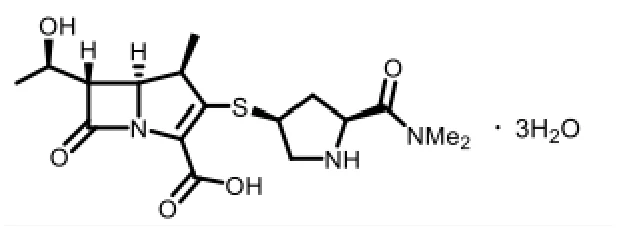
Structural formula
Physicochemical properties
Meropenem trihydrate is a white to light yellow, crystalline powder. Sparingly soluble in water, practically insoluble in ethanol (96 per cent) and in methylene chloride.
Drug Substance
Non-proprietary name of the drug substance(s)
Vaborbactam
Chemical name
(3R,6S)-2-hydrroxy-3-[[2-(2-thienyl)acetyl]amino]-1,2-oxaborinane-6-acetic acid
Molecular formula and molecular mass
C12H16BNO5S
297.14
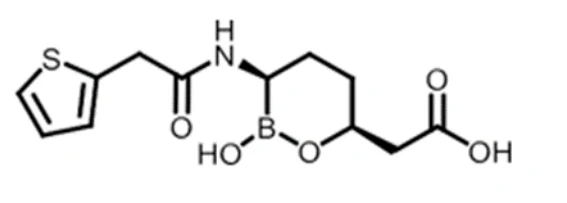
Structural formula
Physicochemical properties
Vaborbactam is a while to off-white crystalline solid. It is slightly soluble in water and freely soluble in methanol. It is essentially insoluble in other organic solvents. Vaborbactam is non-hygroscopic and requires no special protection from humidity during handling, shipping or storage.
14. Clinical Trials
14.1. Clinical Trials by Indication
Infections Known or Suspected to be Caused by Carbapenem-Resistant, Vaborbactam/Meropenem-Susceptible Gram-Negative Bacteria
Table 8 – Summary of Patient Demographics for Clinical Trials
| Study # | Study design | Dosage, route of administration and duration | Study subjects (n) | Age (Range) | Sex |
| 505 |
After ≥15 IV doses, subjects could be switched to oral levofloxacin (500 mg q24h) to complete a total treatment course (IV plus oral) of 10 days. Treatment could go up to 14 days if clinically indicated in subjects with concurrent bacteremia. | N=545 | 52.8 years (18-94 years) | M=184 F=361 | |
| 506 | Phase 3, multicenter, randomized (2:1), open label |
| N=75 | 63.5 years (29-88 years) | M=43 F=32 |
M = Male; F = Female.
Study 505, a multicenter, randomized, double-blind non-inferiority study, compared the efficacy and safety of VABOMERE to piperacillin-tazobactam in adults with complicated Urinary Tract Infection (cUTI, 223/545) and Acute Pyelonephritis (AP, 322/545), from November 2014 to April 2016. Study 505 excluded patients with uncomplicated urinary tract infections, perinephric or renal corticomedullary abscess, bacterial prostatitis, polycystic kidney disease, chronic vesicoureteral reflux, estimated creatinine clearance < 30 mL/min, hemodialysis, previous or planned renal transplantation, cystectomy or ileal-loop surgery, liver dysfunction, hyperbilirubinemia (>1.5 times Upper Limit of Normal, ULN) , increased liver transaminases >3 times ULN, thrombocytopenia (<60,000 platelets/mm³), history of seizure, immunodeficiency, signs of severe sepsis, Acute Physiology and Chronic Health Evaluation (APACHE) II score > 30%, or not expected to survive for the anticipated duration of the study.
One co-primary efficacy endpoint was the proportion of patients with overall success (clinical cure or improvement and microbiological eradication from >105 CFU/mL to <104 CFU/mL) at the end of intravenous (IV) treatment in the microbiological modified intention-to-treat (m-MITT) population (who had received study drug and had a baseline uropathogen). The other co-primary efficacy endpoint was the proportion of patients with microbial eradication to <103 CFU/mL at test of cure, 1 week after the end of IV treatment, in the m-MITT and microbially evaluable populations.
In the MITT population, approximately 93% of patients were Caucasian and 66% were females. The mean age was 54 years with 32% and 42% patients greater than 65 years of age in VABOMERE and piperacillin/tazobactam treatment groups, respectively. Mean body mass index was approximately 26.5 kg/m2 in both treatment groups. Concomitant bacteremia was identified in 12 (4%) and 15 (5%) of patients at baseline in VABOMERE and piperacillin/tazobactam treatment groups respectively. 16% of patients had diabetes mellitus at baseline. Overall, in both treatment groups, 59% of patients had pyelonephritis and 40% had cUTI. 21% of patients had cUTI with a removable source of infection, and 19% had cUTI with a non-removable source of infection.
Mean duration of IV treatment in both treatment groups was 8 days and mean total treatment duration (IV and oral) was 10 days. Approximately 10% of patients in each treatment group in the m-MITT population had a levofloxacin-resistant pathogen at baseline and received levofloxacin as the oral switch therapy. These patients were not excluded from the primary analyses.
The most common baseline pathogens in both treatment groups (> 2%) were Escherichia coli (65%), Klebsiella pneumonia (16%), Enterococcus faecalis (7%), Proteus mirabilis (5%), Enterobacter cloacae species complex (4%), and Pseudomonas aeruginosa (4%). Amongst the 272 VABOMERE-treated patients, 3 patients’ isolates were meropenem-resistant: one Klebsiella pneumonia with KPC (Klebsiella pneumonia Carbapenemase), 1 Pseudomonas aeruginosa isolate without a carbapenemase, and 1 Pseudomonas aeruginosa isolate with the Ambler Class B carbapenemase IMP-1.
Because only 3 VABOMERE-treated patients were meropenem-resistant, and only 1 carried a carbapenemase anticipated to be inhibited by vaborbactam, the population largely was not representative of the approved indication. However, this study supports the safety of VABOMERE in the treatment of cUTI and AP (see 8. Adverse Reactions).
Study 506 was a multicenter, randomized, open study conducted from November 2014 to June 2017 in adult patients with infections known or suspected to be caused by carbapenem-resistant Enterobacteriaceae: complicated Urinary Tract Infection (cUTI), Acute Pyelonephritis (AP), complicated Intra Abdominal Infection (cIAI), Hospital Acquired Bacterial Pneumonia (HABP), Ventilator Associated Bacterial Pneumonia (VABP), or bacteremia. Randomization was stratified by infection type (above).
77 patients were screened and randomized 2:1 to compare the efficacy of 7 to 14 days of VABOMERE (n=52) and “Best Available Therapy” (BAT, n=25): i.e., antibiotic monotherapy or combinations with carbapenems (meropenem, ertapenem, or imipenem), tigecycline, colistin, aminoglycosides (amikacin, tobramycin, or gentamycin), polymyxin B, and ceftazidime-avibactam, with changes to study drug based on susceptibility testing allowed in the first 72 hours.
Excluded patients had a history of significant hypersensitivity or allergy to beta lactam antibiotics, device- or line-associated infections, disease that was immediately life-threatening, endocarditis, meningitis, or osteomyelitis, and significant hepatic, hematological, or immunologic disease including associated laboratory abnormalities. Known or suspected infection with New Delhi metallo-(NDM), Verona integron-encoded metallo-(VIM), or imipenemase-metallo-beta-lactamases or oxacillinase (OXA)-beta-lactamases (i.e., Class B or Class D beta-lactamases) were exclusion criteria, but 13/52 and 6/25 VABOMERE- and BAT-treated patients carried them, including 5 VABOMERE-treated patients with such Ambler class B or D carbapenemases.
The planned primary endpoints were all in the mCRE-MITT population (patients randomized to study drug who received at least 1 dose and had a gram-negative pathogen that was not meropenem-sensitive): in patients with
- pneumonia or bacteremia, 28-day all-cause mortality
- cUTI/AP, at TOC, with FDA, overall success (clinical cure based on signs and symptoms, and <104 CFU/mL) and with EMA, <103 CFU/mL
- cIAI, clinical cure at TOC
The study was stopped early for benefit with VABOMERE versus BAT after enrolling 75 patients, where the initial planned sample size was 150. Given the loss of statistical power with the smaller sample size, post hoc analyses considered patients in aggregate.
There were 77 randomized patients. 75 Modified Intent to Treat (MITT) patients received at least 1 study drug dose, and were the primary basis of the safety analysis. 54 Microbiological MITT (microbiological-MITT) patients met MITT criteria and had a baseline gram-negative pathogen. 47 microbiological carbapenem-resistant Enterobacteriaceae MITT (mCRE-MITT) patients met the m-MITT criteria with Enterobacteriaceae at baseline, either not considered meropenem-sensitive, or, if not tested for meropenem, resistant to all carbapenems tested.
In the MITT population (n=75), 34 (45%) had cUTI or AP, 27 (36%) bacteremia, 7 (9%) HABP/VABP, and 7 (9%) cIAI. The mean age was 63 years. They were 43% female and 87% “white.” 73% had a Charlson comorbidity score ≥ 5, 43% met criteria for systemic inflammatory response syndrome, 37% were diabetic, and 32% were immunocompromised.
In the m-MITT population (n=54), 81% of patients had Klebsiella pneumonia, 13% Escherichia coli, 6% Enterobacter cloacae species complex, 4% Enterococcus faecalis, 4% Proteus mirabilis, 4% Pseudomonas aeruginosa, 4% Serratia marcescens, 2% Acinetobacter baumannii-calcoaceticus species complex, and 2% Elizabethkingia meningoseptica. Aside from the 1 BAT and 5 VABOMERE patients with Ambler class
B and D carbapenemases, all the positively identified carbapenemases in CRE were KPC.
The Study 506 a priori primary outcomes were all in the mCRE-MITT population.
Table 9 – Results of Study 506, Primary Endpoints
| Indications | Outcome | VABOMERE | BAT |
|---|---|---|---|
| HABP/VABP/Bacteremia | 28-day mortality | 4/18 (22%) | 4/9 (44%) |
| cUTI/AP | Overall success** | 4/12 (33%) | 2/4 (50%) |
| cIAI | Clinical Cure | 2/2 (100%) | 0/2 (0%) |
mCRE-MITT = microbiological carbapenem-resistant Enterobacteriaceae Modified Intent-to-Treat
AP = acute pyelonephritis, cIAI = complicated intra-abdominal infection; cUTI = complicated urinary tract infection; HABP = hospital-acquired bacterial pneumonia; VABP = ventilator acquired bacterial pneumonia.
Given the small sample size, these results should be interpreted with caution.
Table 10 – Study 506 Outcomes Across All Indications (Aggregate Data**)
| Outcome | Population | VABOMERE | BAT |
|---|---|---|---|
| Clinical cure* | mCRE-MITT (n=47) | 19/32 (59%) | 4/15 (27%) |
| All-cause mortality at day 28 | mCRE-MITT (n=47) | 5/32 (16%) | 5/15 (33%) |
| In-study mortality | safety (n=75) | 10/50 (20%) | 6/25 (24%) |
* at Test of Cure (TOC): 1 week post-study-drug treatment.
**This data summary is a post hoc analysis that should be interpreted with caution.
BAT = best available therapy; EOT = End of Treatment; mCRE-MITT = microbiological carbapenem-resistant Enterobacteriaceae Modified Intent-to-Treat; m-MITT = microbiological Modified Intent-to-Treat; TOC = Test of Cure.
15. Microbiology
Mechanism of Action
Meropenem exerts bactericidal activity by inhibiting peptidoglycan cell wall synthesis as a result of binding to and inhibition of activity of essential penicillin-binding proteins (PBPs).
Vaborbactam is a non-beta-lactam inhibitor of class A and class C serine beta-lactamases, including Klebsiella pneumoniae carbapenemase, KPC. It acts by forming a covalent adduct with beta-lactamases and is stable to beta-lactamase-mediated hydrolysis. Vaborbactam has no antibacterial activity.
Vaborbactam does not inhibit class D carbapenemases such as OXA-48 or class B metallo-beta-lactamases such as NDM (New Delhi metallo-beta-lactamase) and VIM (Verona integron-encoded metallo-beta-lactamase).
Resistance
Resistance mechanisms that affect meropenem-vaborbactam include organisms that produce metallo-beta lactamases and oxacillinases with carbapenemase activity.
Resistance mechanisms that may decrease the antibacterial activity of meropenem/vaborbactam include porin mutations affecting outer membrane permeability and overexpression of efflux pumps.
Changes in outer membrane permeability and efflux systems have been described as drivers of the emergence of resistance to meropenem-vaborbactam. Increases in blaKPC copy numbers have been associated with resistance.
Interaction with Other Antimicrobials
In vitro studies demonstrated no antagonism between meropenem-vaborbactam and levofloxacin, amikacin, tigecycline, polymyxin, vancomycin, linezolid, oritavancin, daptomycin, or azithromycin.
Antimicrobial Activity
Efficacy has been demonstrated in clinical studies against the following pathogens that were susceptible to meropenem-vaborbactam in vitro.
Complicated urinary-tract infections, including pyelonephritis
Gram-negative micro-organisms:
- Escherichia coli
- Klebsiella pneumoniae
- Enterobacter cloacae species complex
Clinical efficacy has not been established against the following pathogens that are relevant to the approved indications although in vitro studies suggest that they would be susceptible to meropenem and/or meropenem-vaborbactam in the absence of acquired mechanisms of resistance.
Gram-negative micro-organisms:
- Citrobacter freundii
- Citrobacter koseri
- Klebsiella aerogenes
- Klebsiella oxytoca
- Morganella morganii
- Proteus mirabilis
- Providencia spp.
- Pseudomonas aeruginosa
- Serratia marcescens
Gram-positive micro-organisms:
- Staphylococcus saprophyticus
- Staphylococcus aureus (methicillin susceptible isolates only)
- Staphylococcus epidermidis (methicillin susceptible isolates only)
- Streptococcus agalactiae
Anaerobic micro-organisms:
- Bacteroides fragilis
- Bacteroides thetaiotaomicron
- Clostridium perfringens
- Peptoniphilus asaccharolyticus
- Peptostreptococcus species (including P. micros, P anaerobius, P. magnus)
- Bacteroides caccae
- Prevotella bivia
- Prevotella disiens
Susceptibility Test Methods
When available, the results of in vitro susceptibility test results for antimicrobial drugs used in resident hospitals should be provided to the physician as periodic reports which describe the susceptibility profile of nosocomial and community-acquired pathogens. These reports should aid the physician in selecting the most effective antimicrobial.
Susceptibility breakpoints for meropenem minimum inhibitory concentrations (MICs) (with a fixed concentration of vaborbactam 8 mcg/mL) were determined from MIC distributions, PK-PD data and simulations, and clinical results.
Dilution Techniques
Quantitative methods are used to determine antimicrobial MICs. These MICs provide estimates of the susceptibility of bacteria to antimicrobial compounds. The MICs should be determined using a standardized procedure. The MIC values should be determined using serial dilutions of meropenem combined with a fixed concentration of 8 mcg/mL vaborbactam. CLSI-approved MIC value interpretive criteria are shown in Table 11.
Diffusion Techniques
Quantitative methods (Kirby-Bauer disk testing, disk diffusion testing) that require measurement of zone diameters also provide reproducible estimates of the susceptibility of bacteria to antimicrobial compounds. The zone size should be determined using a standardized method. This procedure used paper disks impregnated with 20 mcg meropenem and 10 mcg vaborbactam to test the susceptibility of bacteria to meropenem and vaborbactam. CLSI-approved disk diffusion interpretive criteria are shown in Table 11.
Table 11 – Disk Diffusion Zone Diameter and MIC Susceptibility Test Interpretive Criteria for Meropenem-Vaborbactam
| Pathogen | Susceptible MIC Value (mcg/mL) | Susceptible Zone Diameter (mm) | ||||||||||||
|---|---|---|---|---|---|---|---|---|---|---|---|---|---|---|
| S | I | R | S | I | R | |||||||||
| Enterobacteriaceae | ≤4/8 | 8/8 | ≥16/8 | ≥17 | 14-16 | ≤13 | ||||||||
I=intermediate; MIC=minimum inhibitory concentration; R=resistant; S=susceptible.
Quality Control
Quality control (QC) limits for broth microdilution testing and disk diffusion are shown in Table 12, below.
Table 12 – QC ranges for Meropenem-Vaborbactam
| Quality Control Strain | MIC Range (mcg/mL) | Disk Diffusion (zone diameter in mm) |
|---|---|---|
| Klebsiella pneumoniae ATCC BAA-17051 | 0.015/8 - 0.06/8 | 21 - 27 |
| Klebsiella pneumoniae ATCC BAA-28141 | - | 16 - 20 |
| Pseudomonas aeruginosa ATCC 27853 | 0.12/8 - 1/8 | 29 - 35 |
| Escherichia coli ATCC 25922 | 0.008/8 - 0.06/8 | 31 - 37 |
| Escherichia coli ATCC 35218 | 0.008/8 - 0.06/8 | - |
| Klebsiella pneumoniae ATCC 700603 | 0.015/8 - 0.06/8 | 29 - 35 |
| Staphylococcus aureus ATCC 25923 | - | 32 - 38 |
| Staphylococcus aureus ATCC 29213 | 0.03/8 - 0.12/8 | - |
ATCC=American Type Culture Collection.
1 KPC-producing K. pneumoniae included for the QC of vaborbactam activity.
16. Non-Clinical Toxicology
Toxicology studies were conducted with vaborbactam alone and/or in combination with meropenem or another carbapenem antibiotic. The toxicity profile of vaborbactam has been characterized in single dose, repeat dose, genotoxicity, reproductive and developmental toxicity studies, and studies in juvenile animals.
General Toxicology: In single dose toxicity studies in mice and rats, no toxic effects were noted at vaborbactam intravenous (IV) bolus doses of 700 and 1200 mg/kg, respectively.
In repeat dose toxicity studies in dogs, minimal hepatic inflammation was observed after 14 days and 28 days of exposure to vaborbactam alone or combined meropenem/vaborbactam.
Genotoxicity: Genetic toxicity studies were performed with meropenem using the bacterial reverse mutation test, the Chinese hamster ovary HGPRT assay, cultured human lymphocytes cytogenic assay, and the mouse micronucleus test. There was no evidence of mutation potential found in any of these tests.
Genetic toxicity studies were performed with vaborbactam using the bacterial reverse mutation test, chromosomal aberration test and the mouse micronucleus test. There was no evidence of mutagenic potential found in any of these tests.
Carcinogenicity: Long-term carcinogenicity studies have not been performed with meropenem and vaborbactam.
Reproductive and Developmental Toxicology: Reproductive studies were performed with meropenem in male and female rats at doses up to 1000 mg/kg/day with no evidence of impaired fertility (approximately equivalent to 1.6 times the MRHD based on body surface area comparison).
In a reproductive study in cynomolgus monkeys at doses of meropenem up to 360 mg/kg/day (on the basis of body surface area comparison, approximately equivalent to 1.2 times the MRHD) no reproductive toxicity was seen.
Vaborbactam had no adverse effect on fertility in male and female rats at doses up to 1000 mg/kg/day, which is equivalent to approximately 1.6 times the MRHD based on body surface area comparison.
An early embryonic study was performed where Vaborbactam was administered for 15 minutes daily by IV infusion to female Sprague-Dawley rats starting 14 days prior to mating, during mating and up to Gestation Day (GD) 7 of gestation, inclusive. There were no adverse maternal effects on clinical signs, body weights, food consumption and gross pathology and no adverse effects on female reproduction at doses up to 1000 mg/kg/day. Therefore, based on this study, the No Observable Adverse Effect Level (NOAEL) for female reproductive toxicity and early embryonic development is at least 1000 mg/kg/day.
An embryo-fetal developmental toxicity study in pregnant female Sprague-Dawley rats whom were administered with Vaborbactam for 15 minutes daily by IV infusion from GD 6 to 17 inclusive was performed. It concluded that there were no adverse maternal effects on clinical signs, body weights and food consumption and no evidence of embryolethality, fetotoxicity or teratogenicity at doses up to 1000 mg/kg/day.
To investigate the effects on the reproductive performance of female Sprague-Dawley rats of the F0 generation and the developmental performance of males and females of the F1 generation when administered with Vaborbactam by IV infusion, daily, for 15 minutes F0 females showed that doses up to 1000 mg/kg/day to pregnant rats from GD 6 through to post partum Day 20 was considered to have no adverse effect on pre and postnatal reproductive and developmental toxicity parameters in rats.
Juvenile Toxicity: Meropenem and vaborbactam did not reveal any potential for juvenile toxicity.
Special Toxicology: The molar extinction coefficient (MEC) of vaborbactam solutions did not exceed the threshold that would trigger conduct of phototoxicity studies per ICH S10, so these studies were not concluded. The potential in vitro phototoxicity of meropenem was evaluated on Balb/c 3T3 cells. No IC50 value was calculable in the absence or presence of UV irradiation, thus the Photo Irritation Factor (PIF) could not be calculated and the MPE value was -0.015. Based on these results, it is concluded that the score values obtained with meropenem are predictive of no phototoxicity.
17. Supporting Product Monographs
- 1. MEROPENEM FOR INJECTION, 500 mg and 1 g vials, Submission Control No: 239077, Product Monograph, Sandoz Canada Inc. (2020-10-06)