


Product Monograph - Recarbrio
1. Indications
RECARBRIO® is indicated for the treatment of patients with the following infections caused by the designated susceptible Gram-negative microorganisms (see 15 Microbiology):
Hospital-acquired Bacterial Pneumonia and Ventilator-associated Bacterial Pneumonia (HABP/VABP)
RECARBRIO® is indicated in patients 18 years of age and older for the treatment of hospital-acquired bacterial pneumonia and ventilator-associated bacterial pneumonia (HABP/VABP) caused by Acinetobacter calcoaceticus-baumannii complex, Citrobacter freundii, Citrobacter koseri, Enterobacter cloacae, Escherichia coli, Haemophilus influenzae, Klebsiella aerogenes, Klebsiella oxytoca, Klebsiella pneumoniae, Pseudomonas aeruginosa, and Serratia marcescens.
Complicated Urinary Tract Infections (cUTI), including Pyelonephritis
RECARBRIO® is indicated in patients 18 years of age and older who have limited or no alternative treatment options for the treatment of complicated urinary tract infections (cUTI), including pyelonephritis caused by Enterobacter cloacae, Escherichia coli, Klebsiella aerogenes, Klebsiella pneumoniae, and Pseudomonas aeruginosa.
Approval of this indication is based on limited clinical safety and efficacy data for RECARBRIO® (see 14 Clinical Trials and 8.2 Clinical Trial Adverse Reactions).
Complicated Intra-abdominal Infections (cIAI)
RECARBRIO® is indicated in patients 18 years of age and older who have limited or no alternative treatment options for the treatment of complicated intra-abdominal infections (cIAI) caused by Bacteroides caccae, Bacteroides fragilis, Bacteroides ovatus, Bacteroides stercoris, Bacteroides thetaiotaomicron, Bacteroides uniformis, Bacteroides vulgatus, Citrobacter freundii, Enterobacter cloacae, Escherichia coli, Fusobacterium nucleatum, Klebsiella aerogenes, Klebsiella oxytoca, Klebsiella pneumoniae, Parabacteroides distasonis, and Pseudomonas aeruginosa.
Approval of this indication is based on limited clinical safety and efficacy data for RECARBRIO® (see 14 Clinical Trials and 8.2 Clinical Trial Adverse Reactions).
Usage
To reduce the development of drug-resistant bacteria and maintain the effectiveness of RECARBRIO® and other antibacterial drugs, RECARBRIO® should be used only to treat or prevent infections that are proven or strongly suspected to be caused by susceptible bacteria. When culture and susceptibility information are available, they should be considered in selecting or modifying antibacterial therapy. In the absence of such data, local epidemiology and susceptibility patterns may contribute to the empiric selection of therapy.
1.1. Pediatrics
Pediatrics (<18 years old): Based on the data submitted and reviewed by Health Canada, the safety and efficacy of RECARBRIO® in pediatric patients <18 years old has not been established; therefore, Health
Canada has not authorized an indication for pediatric use (see 4.2 Recommended Dose and Dosage Adjustment, 7.1.3 Pediatrics).
1.2. Geriatrics
Geriatrics (≥65 years old): No overall differences in safety or effectiveness were observed between geriatric patients and younger patients, but greater sensitivity of some older individuals cannot be ruled out (see 7.1.4 Geriatrics).
2. Contraindications
RECARBRIO® is contraindicated:
- in patients who are hypersensitive to this drug or to any ingredient in the formulation, including any non-medicinal ingredient, or component of the container. For a complete listing, see 6 Dosage Forms, Strengths, Composition, and Packaging.
- in patients with a history of severe hypersensitivity to beta-lactam antibacterial agents.
4. Dosage and Administration
4.2. Recommended Dose and Dosage Adjustment
- Recommended Dosage in Adults
The recommended dose of RECARBRIO® is 1.25g (500 mg imipenem, 500 mg cilastatin, and 250 mg relebactam) administered by intravenous (IV) infusion over 30 minutes every 6 hours in patients 18 years of age and older with creatinine clearance (CrCl) greater than or equal to 90 mL/min. A dose reduction is recommended for patients with CrCl less than 90 mL/min as shown in Table 1.
- Dosage Adjustments in Patients with Renal Impairment
Dosage adjustment is recommended in patients with renal impairment. Patients who have a CrCl less than 90 mL/min require dosage reduction of RECARBRIO® as indicated in Table 1. For patients with fluctuating renal function, CrCl should be monitored. Use the Cockroft-Gault method described below to calculate the CrCl:
CrCl (Males) = (weight in kg) X (140 minus age in years)
(72) X (serum creatinine (mg/100 mL))
CrCl (Females) = (0.85) X (the value obtained using the formula above)
Table 1: Dosage Adjustments of RECARBRIO® for Adult Patients with Renal Impairment
| Creatinine Clearance (mL/min)* | Recommended Dosage of RECARBRIO® (imipenem/cilastatin/relebactam) (mg)† | |
|---|---|---|
| 60 to 89 | 1 gram (imipenem 400 mg, cilastatin 400 mg, and relebactam 200 mg) | |
| 30 to 59 | 0.75 grams (imipenem 300 mg, cilastatin 300 mg, and relebactam 150 mg) | |
| 15 to 29 or End Stage Renal Disease (ESRD)‡ on hemodialysis | 0.5 grams (imipenem 200 mg, cilastatin 200 mg, and relebactam 100 mg) | |
*CrCl calculated using the Cockcroft-Gault formula. †Administer by IV over 30 minutes every 6 hours. ‡Administration should be timed to follow hemodialysis. RECARBRIO® is provided as a single vial in a fixed-dose combination; the dose for each component will be adjusted equally during preparation. | ||
Patients not on hemodialysis who develop CrCl less than 15 mL/min should not receive RECARBRIO® unless hemodialysis is instituted within 48 hours of administration of RECARBRIO®. There is inadequate information to recommend usage of RECARBRIO® for patients undergoing peritoneal dialysis.
- Recommended Dosage in Patients undergoing Hemodialysis
When treating patients with CrCls of less than 15 mL/min who are undergoing hemodialysis, use the dosage recommendations for patients with CrCls of less than 30 mL/min to greater than or equal to 15 mL/min as indicated in Table 1 above. Imipenem, cilastatin, and relebactam are cleared from the circulation during hemodialysis. The patient should receive RECARBRIO® after hemodialysis and at intervals timed from the end of that hemodialysis session.
- Recommended Dosage in Pediatrics
Health Canada has not authorized an indication for pediatric use.
4.3. Reconstitution
Parenteral Products:
- Preparation of RECARBRIO® Solution for IV Administration
RECARBRIO® is supplied as a dry powder in a single-dose vial that must be constituted and further diluted using aseptic technique prior to IV infusion as outlined below.
To prepare the infusion solution, contents of the vial must be constituted with the appropriate diluent from a 100 mL infusion bag. List of appropriate diluents are as follows:
- 0.9 % Sodium Chloride Injection, USP
- 5 % Dextrose Injection, USP
- 5 % Dextrose Injection, USP + 0.9 % Sodium Chloride Injection, USP
- 5 % Dextrose Injection, USP + 0.45 % Sodium Chloride Injection, USP
- 5 % Dextrose Injection, USP + 0.225 % Sodium Chloride Injection, USP
- Withdraw 20 mL (10 mL times 2) of diluent from the appropriate infusion bag and constitute the vial with 10 mL of the diluent. The constituted suspension must not be administered by direct IV infusion.
- After constitution, shake vial well and transfer resulting suspension into the remaining 80 mL of the infusion bag.
- Add the additional 10 mL of infusion diluent to the vial and shake well to ensure complete transfer of vial contents; repeat transfer of the resulting suspension to the infusion solution before administering. Agitate the resulting mixture until clear.
- Constituted solutions of RECARBRIO® range from colorless to yellow. Variations of color within this range do not affect the potency of the product.
Parenteral drug products should be inspected visually for particulate matter and discoloration prior to administration, whenever solution and container permit. Discard if discoloration or visible particles are observed (see 11 Storage, Stability, and Disposal).
- Preparation of RECARBRIO® Solution for IV Administration in Patients with Renal Impairment
For patients with renal impairment, prepare a reduced dose of RECARBRIO® (see 4.2 Recommended Dose and Dosage Adjustment) by preparing a 100 mL solution of the contents of the vial as described above then withdrawing and discarding the excess according to Table 2.
Table 2: Preparation of Reduced RECARBRIO® Doses for Intravenous Administration in Patients with Renal Impairment
| Creatinine Clearance (mL/min)* | Dosage of RECARBRIO® (imipenem/cilastatin/relebactam) (mg) | After preparation as instructed above, remove from the 100 mL prepared bag the volume indicated below and discard (mL) | Resulting volume (mL) that provides the indicated reduced dose |
|---|---|---|---|
| 60 to 89 | 1 g (imipenem 400 mg, cilastatin 400 mg, and relebactam 200 mg) | 20 | 80 |
| 30 to 59 | 0.75 g (imipenem 300 mg, cilastatin 300 mg, and relebactam 150 mg) | 40 | 60 |
| 15 to 29 or ESRD on hemodialysis | 0.5 g (imipenem 200 mg, cilastatin 200 mg, and relebactam 100 mg) | 60 | 40 |
*Calculated using the Cockcroft-Gault formula for adult patients
Compatible and Incompatible Injectable Drug Products and Other Materials Used for IV
4.4. Administration
Compatible Drug Products
The physical compatibility of RECARBRIO® with selected injectable drug products was evaluated in two commonly available diluents. Compatible drugs with the corresponding compatible diluent (i.e., 5 % Dextrose Injection, USP or 0.9 % Sodium Chloride Injection, USP) are listed below. RECARBRIO® should not be co-administered through the same IV line (or cannula), with other drug products not listed below, as no compatibility data are available. Refer to the respective prescribing information of the co-administered drug(s) to confirm compatibility of simultaneous co-administration.
List of Compatible Injectable Drugs for use with 5 % Dextrose USP or 0.9 % Sodium Chloride USP Injection as Diluents
- dexmedetomidine
- dopamine
- epinephrine
- fentanyl
- heparin
- midazolam
- norepinephrine
- phenylephrine
Compatible IV Bags and Infusion Set Materials
RECARBRIO® is compatible with the following IV container bags and infusion set materials. Any IV bags or infusion set materials not listed below should not be used.
IV Container Bag Materials
Polyvinylchloride (PVC) and polyolefin (polypropylene and polyethylene)
IV Infusion Set Materials (with tubing)
PVC + Di-(2-ethylhexyl)phthalate (DEHP) and polyethylene (PE)-lined PVC
Catheters
Only one type of catheter, fluorinated ethylene propylene (FEP), was included in the compatibility study. Since the catheter has limited exposure to the infusion solution, its contribution to compatibility is considered insignificant; therefore, other types of catheters that were not included in the compatibility study may be considered acceptable.
Incompatible Injectable Drug Products
Incompatible Drug Product
RECARBRIO® for solution for infusion is physically incompatible with propofol in 5 % Dextrose USP or 0.9 % Sodium Chloride USP.
CAUTION: CONTENTS OF VIALS NOT FOR DIRECT INFUSION.
Each reconstituted dose of RECARBRIO® should be given by intravenous infusion over 30 minutes every 6 hours in patients 18 years of age and older with creatinine clearance (CrCl) greater than or equal to 90 mL/min. A dose reduction is recommended for patients with CrCl less than 90 mL/min (see 4.2 Recommended Dose and Dosage Adjustment).
4.5. Missed Dose
If a dose is missed, then it should be given as soon as practically possible after the scheduled time and subsequent doses should be given at 6-hour intervals from the revised dose time.
5. Overdose
In the event of overdose, discontinue RECARBRIO®, treat symptomatically, and institute general supportive treatment. Imipenem, cilastatin, and relebactam can be removed by hemodialysis. No clinical information is available on the use of hemodialysis to treat overdosage.
For the most recent information in the management of a suspected drug overdose, contact your regional poison control centre or Health Canada’s toll-free number, 1-844 POISON-X (1-844-764-7669).
- 6. Dosage Forms, Strengths, Composition, and Packaging
Table 3: Dosage Forms, Strengths, and Composition
Description
RECARBRIO® (imipenem, cilastatin, and relebactam) for injection is supplied as a white to light yellow sterile powder for constitution in a single dose glass vial containing 530 mg imipenem monohydrate equivalent to 500 mg imipenem, 531 mg cilastatin sodium salt equivalent to 500 mg cilastatin, and 263 mg relebactam monohydrate equivalent to 250 mg relebactam.
7. Warnings and Precautions
Gastrointestinal
Clostridioides difficile-Associated Diarrhea (CDAD)
Clostridioides difficile-associated diarrhea (CDAD) has been reported with use of nearly all antibacterial agents, including RECARBRIO®, and may range in severity from mild diarrhea to fatal colitis. CDAD must be considered in all patients who present with diarrhea following antibacterial use. Careful medical history is necessary since CDAD has been reported to occur over two months after the administration of antibacterial agents.
If CDAD is suspected or confirmed, discontinuation of therapy with RECARBRIO®, and the administration of specific treatment for C. difficile should be considered.
Hypersensitivity
Serious and occasionally fatal hypersensitivity (anaphylactic) reactions have been reported in patients receiving therapy with beta-lactams. These reactions are more likely to occur in individuals with a history of sensitivity to multiple allergens. Before initiating therapy with RECARBRIO®, careful inquiry should be made concerning previous hypersensitivity reactions to carbapenems, penicillins, cephalosporins, other beta-lactams, and other allergens. If an allergic reaction to RECARBRIO® occurs, discontinue the therapy immediately.
If an allergic reaction to RECARBRIO® occurs, the drug should be discontinued and appropriate measures undertaken. Serious anaphylactic reactions require immediate treatment with epinephrine
| Route of Administration | Dosage Form / Strength/Composition | Non-Medicinal Ingredients |
| Intravenous | 500 mg imipenem, 500 mg cilastatin (as cilastatin sodium) and relebactam 250 mg per vial | Buffered with 20 mg sodium bicarbonate |
and other emergency measures.
Increased Seizure Potential Due to Interaction with Valproic Acid
The concomitant use of RECARBRIO® and valproic acid/divalproex sodium is not recommended. Antibacterials other than carbapenems should be considered to treat infections in patients whose seizures are well controlled on valproic acid or divalproex sodium. If administration of RECARBRIO® is necessary, supplemental anti-convulsant therapy should be considered (see 9 Drug Interactions).
Neurologic
Central nervous system (CNS) adverse experiences, such as seizures, confusional states, and myoclonic activity, have been reported during treatment with imipenem/cilastatin, a component of RECARBRIO®, especially when recommended dosages of imipenem were exceeded. These experiences have been reported most commonly in patients with CNS disorders (e.g., brain lesions or history of seizures) and/or compromised renal function.
Skin
RECARBRIO® contains imipenem, which is a beta-lactam antibiotic. Severe cutaneous adverse reactions (SCAR) such as acute generalized exanthematous pustulosis (AGEP), drug reaction with eosinophilia and systemic symptoms (DRESS), Stevens_Johnson syndrome (SJS), and toxic epidermal necrolysis (TEN) have been reported in association with beta-lactam treatment. When SCAR is suspected, RECARBRIO® should be discontinued and appropriate therapy and/or measures should be taken.
7.1. Special Populations
7.1.1. Pregnancy
RECARBRIO® should be used during pregnancy only if the potential benefit justifies the potential risk to the mother and fetus. There are insufficient human data to establish whether there is a drug-associated risk for major birth defects, miscarriage, or adverse maternal or fetal outcomes with RECARBRIO®, imipenem, cilastatin, or relebactam in pregnant women.
Reproduction studies with bolus I.V. doses suggest an apparent intolerance to imipenem and cilastatin sodium (including emesis, inappetence, body weight loss, diarrhea and death) at doses equivalent to the average human dose in pregnant rabbits and cynomolgus monkeys that is not seen in non-pregnant animals in these or other species. In other studies, imipenem and cilastatin sodium was well tolerated in equivalent or higher doses (up to 11 times the average human dose) in pregnant rats and mice (see 16 Non-Clinical Toxicology).
7.1.2. Breastfeeding
Imipenem and cilastatin are excreted into the mother’s milk in small quantities. It is not known whether relebactam is excreted into human milk. There are no or insufficient data on the effects on the breastfed child, or on milk production. Relebactam was shown to be excreted in the milk of rats.
The developmental and health benefits of breastfeeding should be considered along with the mother’s clinical need for RECARBRIO® and any potential adverse effects on the breastfed child from RECARBRIO® or from the underlying maternal condition.
7.1.3. Pediatrics
Based on the data submitted and reviewed by Health Canada, the safety and efficacy in pediatric patients <18 years old has not been established; therefore, Health Canada has not authorized an indication for pediatric use.
7.1.4. Geriatrics
No dosage adjustment is required based on age. Dosage adjustment for elderly patients should be based on renal function (see 4 Dosage and Administration and 10 Clinical Pharmacology).
Of the 465 patients treated with IMI + REL or RECARBRIO® in Phase 2 and Phase 3 clinical trials, 148 (31.8 %) were 65 years of age or older, including 55 (11.8 %) patients 75 years of age and older. No overall differences in safety or effectiveness were observed between these patients and younger patients, but greater sensitivity of some older individuals cannot be ruled out.
RECARBRIO® is known to be substantially excreted by the kidney, and the risk of adverse reactions to this drug may be greater in patients with impaired renal function. Because elderly patients are more likely to have decreased renal function, care should be taken in dose selection, and it may be useful to monitor renal function.
Limitations of the clinical data
The use of RECARBRIO® to treat patients with cUTI including pyelonephritis and cIAI is based on experience with imipenem/cilastatin, pharmacokinetic/pharmacodynamic analyses for imipenem and relebactam, RECARBRIO® treatment of imipenem-susceptible infections (cUTI including pyelonephritis and cIAI), and limited experience with RECARBRIO® treatment of imipenem-nonsusceptible infections (cUTI including pyelonephritis and cIAI) (see 10 Clinical Pharmacology and 14 Clinical Trials).
Patients with limited treatment options: The use of RECARBRIO® to treat patients with multidrug-resistant bacterial infections who have limited treatment options is based on pharmacokinetic/pharmacodynamic analyses for imipenem and relebactam and on extrapolation from limited data from the Phase 3 Study PN013 (RESTORE IMI-1) described in sections 10 Clinical Pharmacology and 14 Clinical Trials.
8. Adverse Reactions
8.1. Adverse Reaction Overview
The following serious adverse reactions are described in greater detail in the Warnings and Precautions section.
- Hypersensitivity Reactions (see 7 Warnings and Precautions)
- Seizures and Other Central Nervous System Adverse Reactions (see 7 Warnings and Precautions)
- Increased Seizure Potential Due to Interaction with Valproic Acid (see 7 Warnings and Precautions)
- Clostridioides difficile-Associated Diarrhea (CDAD) (see 7 Warnings and Precautions)
8.2. Clinical Trial Adverse Reactions
Clinical trials are conducted under very specific conditions. Therefore, the frequencies of adverse reaction observed in the clinical trials may not reflect the frequencies observed in clinical practice and should not be compared to frequencies reported in the clinical trials of another drug. Adverse reaction information from clinical trials may be useful in identifying and approximating frequencies of adverse drug reactions in real-world use.
Safety was evaluated in four active-controlled, double-blind clinical trials; including two Phase 2 dose-ranging trials and two Phase 3 trials, i.e., RESTORE IMI-1 (imipenem-nonsusceptible bacterial infections) and RESTORE IMI-2 (HABP/VABP). In the Phase 2 clinical trials, one each in cUTI including pyelonephritis and cIAI, patients were treated with 500 mg imipenem/500 mg cilastatin plus 250 mg or 125 mg relebactam (IMI + REL) or 500 mg imipenem/500 mg cilastatin (IMI) plus placebo.
In the HABP/VABP (RESTORE IMI-2) trial, patients diagnosed with HABP or VABP were treated with either RECARBRIO® (imipenem 500 mg/cilastatin 500 mg/relebactam 250 mg) or piperacillin 4000 mg/tazobactam 500 mg.
In RESTORE IMI-1, patients with imipenem-nonsusceptible infections, including HABP/VABP, cIAI and cUTI, were treated with RECARBRIO® or colistin (as colistimethate sodium; loading dose of 300 mg colistin base activity (CBA) followed by 150 mg CBA (corresponding to ~360 mg colistimethate sodium or ~4.5 million IU)) plus IMI.
The Phase 2 and 3 trials included a total of 731 adult patients treated with IMI + REL or RECARBRIO® and 499 patients treated with comparators.
Phase 2 Clinical Trials
The Phase 2 cUTI trial, including pyelonephritis, included 198 adult patients treated with IMI + REL, and 100 patients treated with IMI, administered intravenously over 30 minutes every 6 hours. After a minimum of 4 days of IV therapy, patients could be switched to oral ciprofloxacin (500 mg daily every 12 hours) to complete the treatment course.
The Phase 2 cIAI trial included 233 adult patients treated with IMI + REL, and 114 patients treated with IMI, administered intravenously over 30 minutes every 6 hours.
Across the two Phase 2 trials, the mean duration of IV therapy in patients treated with IMI + REL was approximately 7 days. The mean age of patients treated with at least one dose of IMI + REL was approximately 53 years (range 18 to 90 years). Patients were predominantly male (52.9 %) and White (90.3 %).
Adverse reactions occurred during the protocol-specified follow-up period during IV therapy plus 14 days following completion of therapy in 11.8 % (51/431) of patients receiving IMI + REL and 9.3 % (20/214) of patients receiving IMI.
Table 4 lists adverse reactions occurring in greater than or equal to 1 % of patients receiving IMI + REL or IMI in the Phase 2 clinical trials.
Table 4: Adverse Reactions Occurring in Greater Than or Equal to 1 % of Patients Receiving Imipenem/Cilastatin Plus Relebactam or Imipenem/Cilastatin in the Phase 2 Clinical Trials
| Preferred Term | IMI + REL* (N=431) n (%) | IMI† (N=214) n (%) | ||
|---|---|---|---|---|
| Gastrointestinal disorders | ||||
| Diarrhea | 10 (2.3%) | 5 (2.3%) | ||
| Nausea | 7 (1.6%) | 8 (3.7%) | ||
| Vomiting | 1 (0.2%) | 3 (1.4%) | ||
| Investigations | ||||
| Alanine aminotransferase increased | 6 (1.4%) | 3 (1.4%) | ||
| Aspartate aminotransferase increased | 6 (1.4%) | 2 (0.9%) | ||
*Imipenem/cilastatin (500 mg/500 mg) + relebactam (250 or 125 mg), IV every 6 hours. †Imipenem/cilastatin (500 mg/500 mg), IV every 6 hours. | ||||
Serious adverse reactions occurred in 0.5 % (2/431) of patients receiving IMI + REL and 0.9 % (2/214) of patients receiving IMI. Death occurred in 0.7 % (3/431) of patients receiving IMI + REL and none (0/214) of the patients receiving IMI. Adverse reactions leading to discontinuation occurred in 0.9 % (4/431) of patients receiving IMI + REL and 1.9 % (4/214) of patients receiving IMI. There was no more than one specific adverse reaction leading to discontinuation in each group.
Phase 3 Clinical Trials
Hospital-acquired Bacterial Pneumonia and Ventilator-associated Bacterial Pneumonia (HABP/VABP) Trial (RESTORE-IMI 2)
HABP/VABP (RESTORE IMI-2) trial, the Phase 3 trial in patients with HABP/VABP, included 266 adult patients treated with imipenem 500 mg/cilastatin 500 mg/relebactam 250 mg and 269 patients treated with piperacillin 4000 mg/tazobactam 500 mg, administered IV over 30 minutes every 6 hours. The duration of IV therapy was 7 to 14 days. The mean age was 59.6 years (range 18 to 98 years). 43.0 % of patients were 65 years of age and older. The majority of patients were white (77.9 %), 69.3 % were male, and 21.5 % had polymicrobial infection. At baseline, the mean APACHE II score was 14.8; 47.9 % of patients had an APACHE II score greater than 15. A higher acuity of illness, represented by APACHE II score of ≥ 20, was seen in 23.8 % of patients. Overall, 241 (45.0 %) patients were ventilated at enrollment, including 194 (36.3 %) patients with VABP and 66 (12.3 %) patients with ventilated HABP. Concurrent bacteremia was present at baseline in 6.2 % of patients. At baseline, 48.0 % of participants had renal impairment (CrCl <90 mL/min).
Among all treated patients, adverse reactions occurred during the protocol-specified follow-up period, which was IV therapy plus 14 days following completion of therapy, in 85.0 % (226/266) of patients receiving imipenem 500 mg/cilastatin 500 mg/relebactam 250 mg and 86.6 % (233/269) of patients receiving piperacillin 4000 mg/tazobactam 500 mg. Table 5 lists adverse reactions occurring in ≥1 % of patients receiving imipenem 500 mg/cilastatin 500 mg/relebactam 250 mg or piperacillin 4000 mg/tazobactam 500 mg in the HABP/VABP trial (RESTORE IMI-2).
Table 5: Adverse Reactions Occurring in Greater Than or Equal to 1 % of Patients Receiving Imipenem 500 mg/Cilastatin 500 mg/Relebactam 250 mg or Piperacillin 4000 mg/Tazobactam 500 mg in HABP/VABP trial (RESTORE IMI-2)
Imipenem/Cilastatin/Relebactama (N=266) N (%) | Piperacillin/Tazobactamb (N=269) N (%) | ||||
|---|---|---|---|---|---|
| Blood and lymphatic system disorders | |||||
| Thrombocytopenia | 4 (1.5%) | 0 (0.0%) | |||
| Gastrointestinal disorders | |||||
| Diarrhea | 6 (2.3%) | 6 (2.2%) | |||
| Investigations | |||||
| Alanine aminotransferase increased | 6 (2.3%) | 3 (1.1%) | |||
| Aspartate aminotransferase increased | 6 (2.3%) | 0 (0.0%) | |||
| Blood alkaline phosphatase increased | 4 (1.5%) | 1 (0.4%) | |||
| Skin and subcutaneous tissue disorders | |||||
| Rash | 3 (1.1%) | 1 (0.4%) | |||
aImipenem/Cilastatin (500 mg/500 mg) + Relebactam (250 mg), IV every 6 hours. bPiperacillin 4000 mg/tazobactam 500 mg, IV every 6 hours. | |||||
Serious adverse reactions occurred in 1.1 % (3/266) of patients receiving imipenem 500 mg/cilastatin 500 mg/relebactam 250 mg and 0.7 % (2/269) of patients receiving piperacillin 4000 mg/tazobactam 500 mg. Deaths were reported in 15 % (40/266) of patients receiving imipenem 500 mg/cilastatin 500 mg/relebactam 250 mg and 21.2 % (57/269) of patients receiving piperacillin 4000 mg/tazobactam 500 mg.
Adverse reactions leading to discontinuation occurred in 2.3 % (6/266) of patients receiving imipenem 500 mg/cilastatin 500 mg/relebactam 250 mg and 1.5 % (4/269) of patients receiving piperacillin 4000 mg/tazobactam 500 mg.
Multidrug-Resistant Pathogens Trial (RESTORE IMI-1)
RESTORE IMI-1, the Phase 3 trial in patients with imipenem-nonsusceptible infections, included 50 patients who were enrolled into 1 of 2 randomized (2:1 ratio) blinded treatment groups (N=47) or a third, non-randomized, open-label treatment group (N=3). A total of 31 patients of the 47 randomized patients were treated with RECARBRIO® (administered IV over 30 minutes every 6 hours) and 16 patients were treated with colistin (as colistimethate sodium; loading dose of 300 mg colistin base activity (CBA) followed by 150 mg CBA (corresponding to ~360 mg colistimethate sodium or ~4.5 million IU) IV over 30 minutes every 12 hours) plus IMI (IV over 30 minutes every 6 hours). The mean duration of IV therapy with RECARBRIO® in the randomized treatment arm was 10.9 days (range 2 to 18 days) and the mean age of these patients was 56.1 years (range 19 to 77 years). The patients were predominantly male (64.5 %) and White (83.9 %). There were 3 patients who were enrolled into a non-randomized, open-label treatment group and received RECARBRIO®. The mean duration of treatment with RECARBRIO® in these 3 patients was 29.9 days (range 7 to 42 days), 2 patients were female, and all were White and ranged in age from 24 to 68 years.
Patients Randomized in the Blinded Treatment Groups
Among all treated patients, adverse reactions occurred in 16.1 % (5/31) of patients receiving RECARBRIO® compared to 31.3 % (5/16) of patients receiving colistin plus IMI. Adverse reactions occurring in at least 2 patients in either treatment group included decreased creatinine clearance and dizziness. Decreased creatinine clearance was reported in 6.5 % (2/31) patients receiving RECARBRIO® and 12.5 % (2/16) patients receiving colistin plus IMI. Dizziness was only reported in patients receiving colistin plus IMI (12.5 %, 2/16). See Table 6 below, which lists adverse reactions occurring in at least 1 patient receiving RECARBRIO® or colistin plus IMI.
Table 6: Adverse Reactions Occurring in At Least 1 Patient Receiving RECARBRIO® or Colistin Plus Imipenem/Cilastatin in RESTORE IMI-1 Clinical Trial
| Preferred Term | RECARBRIO®* (N=31) n (%) | Colistin + IMI† (N=16) n (%) | |||
|---|---|---|---|---|---|
| Blood and lymphatic system disorders | |||||
| Leukopenia | 0 (0.0%) | 1 (6.3%) | |||
| Metabolism and nutrition disorders | |||||
| Hyperglycemia | 1 (3.2%) | 0 (0.0%) | |||
| Nervous system disorders | |||||
| Dizziness | 0 (0.0%) | 2 (12.5%) | |||
| Gastrointestinal disorders | |||||
| Hypoesthesia oral | 0 (0.0%) | 1 (6.3%) | |||
| General disorders and administration site conditions | |||||
| Infusion site erythema | 1 (3.2%) | 0 (0.0%) | |||
| Pyrexia | 1 (3.2%) | 0 (0.0%) | |||
| Investigations | |||||
| Alanine aminotransferase increased | 0 (0.0%) | 1 (6.3%) | |||
| Aspartate aminotransferase increased | 0 (0.0%) | 1 (6.3%) | |||
| Blood creatinine increased | 0 (0.0%) | 1 (6.3%) | |||
| Creatinine renal clearance decreased | 2 (6.5%) | 2 (12.5%) | |||
*RECARBRIO® (500 mg imipenem/500 mg cilastatin/250 mg relebactam) IV every 6 hours. †Colistin provided as colistimethate sodium (loading dose of 300 mg colistin base activity (CBA) followed by 150 mg CBA (corresponding to ~360 mg colistimethate sodium or ~4.5 million IU) IV every 12 hours) + imipenem/cilastatin (500 mg/500 mg, IV every 6 hours). | |||||
There were no serious adverse reactions reported in RESTORE IMI-1 trial. Death occurred in 6.5 % (2/31) patients who received RECARBRIO® and in 18.8 % (3/16) of patients who received colistin plus IMI. None of the 31 patients who received RECARBRIO® were discontinued due to an adverse reaction. Two patients (2/16) treated with colistin plus IMI were discontinued from treatment due to an adverse reaction, 1 patient discontinued due to increased blood creatinine and 1 patient discontinued due to decreased creatinine clearance.
RESTORE IMI-1 included a prospective evaluation of treatment-emergent nephrotoxicity, which was lower in patients who received RECARBRIO® (10.3 %, 3/29) than in patients who received colistin plus IMI (56.3 %, 9/16). See Table 7.
Table 7: Analysis of Patients with Treatment-emergent Nephrotoxicity* Receiving RECARBRIO® or Colistin Plus Imipenem/Cilastatin in RESTORE IMI-1 Clinical Trial (ASaT Population)
| RECARBRIO®† | Colistin + IMI‡ | Treatment Difference | ||||||||
| n/m (%) | n/m (%) | Difference (95% CI)§ | P-Value¶ | |||||||
| Number of patients with treatment-emergent nephrotoxicity | 3/29 (10.3) | 9/16 (56.3) | -45.9 (-69.1, -18.4) | 0.002 | ||||||
*In patients with normal baseline renal function (<1.2 mg/dL), doubling of serum creatinine (to >1.2 mg/dL), OR reduction in the calculated creatinine clearance (CrCl) of ≥50%. In patients with pre-existing renal dysfunction (≥1.2 mg/dL), increase in serum creatinine by ≥1 mg/dL, OR reduction from baseline in calculated CrCl of ≥20 %, OR need for renal replacement therapy. †RECARBRIO® (500 mg imipenem/500 mg cilastatin/250 mg relebactam) IV every 6 hours. ‡Colistin provided as colistimethate sodium (loading dose of 300 mg colistin base activity (CBA) followed by 150 mg CBA (corresponding to ~360 mg colistimethate sodium or ~4.5 million IU) IV every 12 hours) + imipenem/cilastatin (500 mg/500 mg, IV every 6 hours). §95% confidence interval (CI) is based on Miettinen & Nurminen method. ¶P-value is based on Fisher Exact Test. ASaT=all patients as treated. n/m=number of patients with treatment-emergent nephrotoxicity/number of patients with a baseline creatinine measurement and at least one creatinine measurement following at least one dose of IV study therapy. | ||||||||||
Patients Enrolled to Receive Open-label RECARBRIO®
One of 3 patients who received RECARBRIO® in the open-label treatment group was discontinued due to a serious adverse reaction of generalized tonic-clonic seizure wherein a dose of non-trial imipenem/cilastatin was inadvertently administered to the patient in addition to open-label RECARBRIO®. No other adverse reactions were reported. Death occurred in 1 patient who received RECARBRIO®; the death was not considered drug-related to RECARBRIO®.
Other Adverse Reactions Associated with Imipenem/Cilastatin
Additionally, adverse reactions reported with imipenem/cilastatin in clinical studies or during postmarketing experience that were not observed in IMI + REL-treated patients in the Phase 2 trials or RECARBRIO®-treated patients in the Phase 3 trials are listed below:
Blood and Lymphatic System Disorders: agranulocytosis, increased eosinophils, hemolytic anemia
Vascular Disorders: phlebitis
Hepatobiliary Disorders: hepatic failure, jaundice
Skin and Subcutaneous Tissue Disorders: rash
General Disorders and Administration Site Conditions: infusion site pain
Investigations: blood lactate dehydrogenase increased, coombs test positive, eosinophil count increased
9. Drug Interactions
9.2 Drug Interactions Overview
Overall, in vitro and clinical data indicate that RECARBRIO® is unlikely to cause clinically relevant drug drug interactions.
No drug-drug interaction was observed among imipenem, cilastatin, and relebactam in a clinical study in healthy subjects.
Drug Metabolizing Enzymes
Studies evaluating the potential for imipenem or cilastatin to interact with CYP450 enzymes have not been conducted. However, carbapenems as a class have not shown the potential for inhibition or induction of CYP450 enzymes and clinical experience suggests that such effects are unlikely.
Relebactam at clinically relevant concentrations does not inhibit CYP1A2, CYP2B6, CYP2C8, CYP2C9, CYP2C19, CYP2D6, or CYP3A4 in vitro in human liver microsomes. Relebactam showed no potential for in vitro induction of CYP1A2, CYP2B6, and CYP3A4 in human hepatocytes. Thus, relebactam is unlikely to cause clinical drug drug interactions via CYP mediated pathways.
Imipenem, cilastatin, and relebactam are all cleared primarily via renal excretion unchanged, with metabolism as a minor elimination route. Thus, RECARBRIO® is unlikely to be subject to drug-drug interactions when co-administered with CYP inhibitors or inducers.
Membrane Transporters
Relebactam does not inhibit the following hepatic and renal transporters in vitro at clinically relevant concentrations: OATP1B1, OATP1B3, OAT1, OAT3, OCT2, P gp, BCRP, MATE1, MATE2K, or BSEP.
Relebactam is actively secreted into the urine. It is not a substrate of OAT1, OCT2, P gp, BCRP, MRP2, or MRP4 transporters, but is a substrate of OAT3, OAT4, MATE1, and MATE2K transporters. The active tubular secretion accounts for only approximately 30 % of the total clearance of relebactam, thus, the extent of drug-drug interaction due to inhibition of the tubular transporters is expected to be of minimal clinical significance.
In vitro drug-drug interaction studies indicated that common antibacterial and antifungal drugs (piperacillin/tazobactam, ciprofloxacin, fluconazole, ampicillin, levofloxacin, metronidazole, vancomycin, linezolid, daptomycin, and cefazolin) did not significantly inhibit OAT3 mediated relebactam uptake (IC50 greater than 50 µM), and therefore are not expected to affect the PK of relebactam in the clinic. Probenecid showed potent inhibition on OAT3 mediated relebactam uptake, with an IC50 of 1.9 µM. A dedicated clinical drug-drug interaction study of RECARBRIO® with probenecid indicated that exposure of imipenem or relebactam was not significantly increased when co administered with probenecid, thus indicating a lack of clinically meaningful OAT3 mediated drug-drug interactions. Therefore, RECARBRIO® may be administered concomitantly with an OAT3 inhibitor.
9.3 Drug-Behaviour Interactions
The interaction of RECARBRIO® with individual behavioural risks (e.g. cigarette smoking, cannabis use, and/or alcohol consumption) has not been studied.
9.4 Drug-Drug Interactions
Ganciclovir
Generalized seizures have been reported in patients who received ganciclovir concomitantly with imipenem/cilastatin, a component of RECARBRIO®. Ganciclovir should not be used concomitantly with RECARBRIO® unless the potential benefits outweigh the risks.
Valproic Acid
Case reports in the literature have shown that co-administration of carbapenems, including imipenem/cilastatin (a component of RECARBRIO®), to patients receiving valproic acid or divalproex sodium results in a reduction in valproic acid concentrations. The valproic acid concentrations may drop below the therapeutic range as a result of this interaction, therefore increasing the risk of breakthrough seizures. Although the mechanism of this interaction is unknown, data from in vitro and animal studies suggest that carbapenems may inhibit the hydrolysis of valproic acid's glucuronide metabolite (VPAg) back to valproic acid, thus decreasing the serum concentrations of valproic acid. The concomitant use of RECARBRIO® and valproic acid/divalproex sodium is not recommended. (see 7 Warnings and Precautions).
10. Clinical Pharmacology
10.1. Mechanism of Action
RECARBRIO® is an antibacterial drug. RECARBRIO® is a combination of imipenem/cilastatin and relebactam. Imipenem is a carbapenem antibacterial drug, cilastatin sodium is a renal dehydropeptidase-I inhibitor, and relebactam is a beta lactamase inhibitor. Cilastatin limits the renal metabolism of imipenem and does not have antibacterial activity.
10.2. Pharmacodynamics
As with other beta lactam antimicrobial drugs, the time that unbound plasma concentrations of imipenem exceed the imipenem/relebactam minimum inhibitory concentration (MIC) (% fT>MIC) against the infecting organism has been shown to best correlate with efficacy in animal and in vitro models of infection. For relebactam, the ratio of the 24-hour unbound plasma relebactam AUC to imipenem/relebactam MIC (fAUC0-24hr/MIC) has been determined to be the parameter that best predicts the efficacy of relebactam in animal and in vitro models of infection.
Cardiac Electrophysiology
In a placebo and positive controlled thorough QT study, a supratherapeutic, 1150 mg dose of relebactam was investigated for QT effects when given as a single 30-minute infusion. The 90 % upper bound for the placebo corrected mean QTc change from baseline was 4.41 msec at 0.25 h postdose, and all individual changes from baseline fell below 10 msec. No significant effect on QTc interval was detected at maximum plasma concentration (Cmax) or at any other timepoint. Relebactam does not prolong QTc interval to a clinically relevant extent.
10.3. Pharmacokinetics
General Introduction
The steady-state pharmacokinetic parameters of imipenem, cilastatin, and relebactam in healthy adults, with normal renal function (CrCl 90 mL/min or greater), after multiple 30 minute IV infusions of imipenem 500 mg/cilastatin 500 mg plus relebactam 250 mg administered every 6 hours are summarized in Table 8. The steady state pharmacokinetic parameters of imipenem and relebactam in patients with cIAI/cUTI and HABP/VABP with normal renal function (90 mL/min ≤CrCl< 150 mL/min) after multiple 30 minute IV infusions of imipenem 500 mg/cilastatin 500 mg plus relebactam 250 mg administered every 6 hours are summarized in Table 9 and Table 10, respectively. The exposure was higher in HABP/VABP patients than in healthy subjects. Pharmacokinetic parameters were similar for single- and multiple-dose administration due to minimal accumulation.
The Cmax and AUC of relebactam increase in proportion to dose. The elimination half-life (t½) of relebactam is independent of dose.
Table 8: Steady-State Geometric Mean (% Geometric Co-efficient of Variation) Plasma Pharmacokinetic Parameters of Imipenem, Cilastatin, and Relebactam After Multiple Intravenous 30 Minute Infusions of RECARBRIO® (500 mg Imipenem/500 mg Cilastatin + 250 mg Relebactam Every 6 Hours for 7 days in Healthy Male Adults
| Imipenem (n=6) | Cilastatin (n=6) | Relebactam (n=6) | |||||
|---|---|---|---|---|---|---|---|
| AUC0-6hr (μM-hr) | 138.0 (17.8) | 98.0 (17.0) | 81.6 (17.8) | ||||
| Cmax (μM) | 106.0 (26.8) | 96.4 (21.8) | 48.3 (24.9) | ||||
| CL (L/hr) | 12.0 (17.8) | 14.2 (17.0) | 8.8 (17.8) | ||||
| t1/2 (hr)* | 1.1 (±0.1) | 1.0 (±0.1) | 1.7 (±0.2) | ||||
*Arithmetic mean (standard deviation) reported for t1/2 AUC0-6hr=area under the concentration time curve from 0 to 6 hours; Cmax=maximum concentration; CL=plasma clearance; t1/2=elimination half-life | |||||||
Table 9: Population Pharmacokinetic Model Based Steady-State Geometric Mean (% Geometric Co-efficient of Variation) Plasma Pharmacokinetic Parameters of Imipenem and Relebactam After Multiple Intravenous 30 Minute Infusions of RECARBRIO® (500 mg Imipenem/500 mg Cilastatin + 250 mg Relebactam) Every 6 Hours in cIAI/cUTI Patients with CrCl 90 mL/min or Greater
| Imipenem | Relebactam | |||
|---|---|---|---|---|
| AUC0-24hr (µM-hr) | 500.0 (56.3) | 390.5 (44.5) | ||
| Cmax (µM) | 88.9 (62.1) | 58.5 (44.9) | ||
| CL (L/hr) | 13.4 (56.3) | 7.4 (44.5) | ||
| t1/2 (hr)* | 1.0 (±0.5) | 1.2 (±0.7) | ||
*Arithmetic mean (standard deviation) reported for t1/2 AUC0-24hr=area under the concentration time curve from 0 to 24 hours; Cmax=maximum concentration; CL=plasma clearance; t1/2=elimination half-life Reported results are based on simulation analyses. | ||||
Table 10: Population Pharmacokinetic Model Based Steady-State Geometric Mean (% Geometric Co-efficient of Variation) Plasma Pharmacokinetic Parameters of Imipenem and Relebactam After Multiple Intravenous 30 Minute Infusions of RECARBRIO® (500 mg Imipenem/500 mg Cilastatin + 250 mg Relebactam) Every 6 Hours in HABP/VABP Patients with CrCl 90 mL/min or Greater
| Imipenem | Relebactam | |||
|---|---|---|---|---|
| AUC0-24hr (µM-hr) | 812.2 (59.4) | 655.2 (47.9) | ||
| Cmax (µM) | 159.1 (62.3) | 87.6 (43.8) | ||
| CL (L/hr) | 8.2 (59.4) | 4.4 (47.9) | ||
| t1/2 (hr)* | 0.7 (±0.3) | 1.7 (±0.9) | ||
*Arithmetic mean (standard deviation) reported for t1/2 AUC0-24hr=area under the concentration time curve from 0 to 24 hours; Cmax=maximum concentration; CL=plasma clearance Reported results are based on simulation analyses | ||||
Distribution
The binding of imipenem and cilastatin to human plasma proteins is approximately 20 % and 40 %, respectively. The binding of relebactam to human plasma proteins is approximately 22 % and is independent of concentration.
The steady-state volume of distribution of imipenem, cilastatin, and relebactam is 24.3 L, 13.8 L, and 19.0 L, respectively, in subjects following multiple doses infused over 30 minutes every 6 hours.
The penetration of imipenem and relebactam into pulmonary epithelial lining fluid is similar, with concentrations around 55 % and 54 % of unbound plasma concentrations of imipenem and relebactam, respectively.
Metabolism
Imipenem, when administered alone, is metabolized in the kidneys by dehydropeptidase-I, resulting in low levels of imipenem (average of 15 % to 20 % of the dose) recovered in human urine. Cilastatin, an inhibitor of this enzyme, effectively prevents renal metabolism so that when imipenem and cilastatin are given concomitantly, adequate levels of imipenem (approximately 70 % of the dose) are achieved in the urine to enable antibacterial activity.
Cilastatin is mainly eliminated in the urine as unchanged parent drug (approximately 70 % to 80 % of the dose), with 10 % of the dose recovered as an N-acetyl metabolite, which has inhibitory activity against dehydropeptidase-I comparable to the parent drug.
Relebactam is cleared primarily via renal excretion as unchanged parent drug (greater than 90 % of the dose) and is minimally metabolized. Unchanged relebactam was the only drug-related component detected in human plasma.
Elimination
Imipenem, cilastatin, and relebactam are mainly excreted by the kidneys.
Following multiple-dose administration of 500 mg imipenem, 500 mg cilastatin, and 250 mg relebactam to healthy male subjects, approximately 63 % of the administered imipenem dose, and 77 % of the administered cilastatin dose are recovered as unchanged parent in the urine. The renal excretion of imipenem and cilastatin involves both glomerular filtration and active tubular secretion. Greater than
90 % of the administered relebactam dose was excreted unchanged in human urine. The mean renal clearance for relebactam is 135 mL/min, close to the plasma clearance (148 mL/min), indicating nearly complete elimination of relebactam by the renal route. The unbound renal clearance of relebactam is greater than the glomerular filtration rate, suggesting that in addition to glomerular filtration, active tubular secretion is involved in the renal elimination, accounting for ~30 % of the total clearance.
Special populations and conditions
- Pediatrics: Based on the data submitted and reviewed by Health Canada, the safety and efficacy in pediatric patients <18 years old has not been established; therefore, Health Canada has not authorized an indication for pediatric use.
Geriatrics: In a geriatric study and population pharmacokinetic analysis no clinically relevant differences in exposure (AUC) were observed for imipenem, cilastatin, and relebactam based on age.
No dose adjustment in adults is recommended based on age.
Sex: In a gender study and population pharmacokinetic analysis no clinically relevant differences in exposure (AUC) were observed for imipenem, cilastatin, and relebactam based on gender.
No dose adjustment in adults is recommended based on gender.
Ethnic Origin: In a population pharmacokinetic analysis, no clinically relevant differences in exposure (AUC) were observed for imipenem and relebactam based on ethnic origin.
No dose adjustment is recommended based on race.
Hepatic Insufficiency: Imipenem, cilastatin, and relebactam are primarily cleared renally; therefore, hepatic impairment is not likely to have any effect on RECARBRIO® exposures.
No dose adjustment is recommended for patients with hepatic impairment.
Renal Insufficiency: In a clinical pharmacokinetic study and population pharmacokinetic analysis, clinically relevant differences in exposure (AUC) were observed for imipenem, cilastatin, and relebactam based on the extent of renal impairment.
In the clinical study, imipenem geometric mean AUCs were up to 1.4-fold, 1.5-fold, and 2.5-fold higher in subjects with mild, moderate, and severe renal impairment, respectively, compared to healthy subjects with normal renal function. The respective cilastatin geometric mean AUCs were up to 1.6-fold, 1.9-fold, and 5.6-fold higher. Relebactam geometric mean AUCs were up to 1.6-fold, 2.2-fold, and 4.9-fold higher in subjects with mild, moderate, and severe renal impairment, respectively, compared to healthy subjects with normal renal function. In subjects with End Stage Renal Disease (ESRD) on hemodialysis, imipenem, cilastatin, and relebactam are efficiently removed by hemodialysis.
To maintain systemic exposures similar to patients with normal renal function, dose adjustment is recommended for patients with renal impairment (see 4 Dosage and Administration). ESRD patients on hemodialysis should receive RECARBRIO® after hemodialysis session (see 4 Dosage and Administration).
- Storage, Stability, and Disposal
Storage of unconstituted powder:
RECARBRIO® powder, packaged in single glass vials, is stable when stored at room temperature (15-30°C).
Storage of constituted solution:
RECARBRIO®, as supplied in single-dose glass vials upon constitution with the appropriate diluent and following further dilution in the infusion bag, maintains satisfactory potency for at least 4 hours at room temperature (up to 30°C) or for at least 24 hours under refrigeration at 2 to 8°C. Do not freeze solutions of RECARBRIO®.
12. Special Handling Instructions
This medicinal product does not require any special storage conditions.
Part 2: Scientific Information
13. Pharmaceutical Information
Drug Substance
Non-proprietary name: imipenem, cilastatin, and relebactam for injection
Chemical name:
Imipenem
Cilastatin sodium
Relebactam
(5R,6S)-3-[[2-(formimidoylamino)ethyl] thio]-6-[(R)-1-hydroxyethyl]-7-oxo-1-azabicyclo[3.2.0]hept-2-ene-2-carboxylicacid monohydrate
Sodium (Z)-7-[[(R)-2-amino-2-carboxyethyl]thio]-2-[(S)-2,2-dimethylcyclopropane-carboxamido]-2-heptenoate
(1R,2S,5R)-7-Oxo-2-(piperidin-1-ium-4-ylcarbamoyl)-1,6-diazabicyclo[3.2.1]octan-6-yl sulfate hydrate
Molecular Formula:
C12H17N3O4S•H2O
C16H25N2NaO5S
C12H20N4O6S.H2O
Molecular mass:
317.36
380.44
366.39
Structural formula:
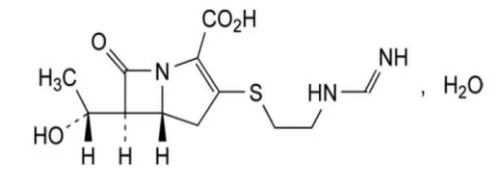
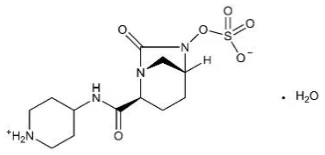
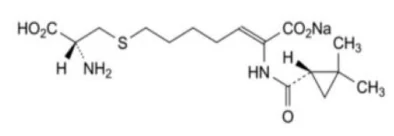
Description:
Imipenem is a beta lactam antibacterial drug. Imipenem (N-formimidoylthienamycin monohydrate) is a crystalline derivative of thienamycin, which is produced by Streptomyces cattleya.
Cilastatin sodium is the sodium salt of a derivatized heptenoic acid.
Relebactam is a crystalline monohydrate, and a diazabicyclooctane (DABCO) beta lactamase inhibitor.
Physicochemical properties:
It is a white or almost white or pale-yellow powder, slightly hygroscopic crystalline compound, and is slightly soluble in water.
It is a white or light yellow hygroscopic, amorphous powder, and it is very soluble in water.
It is a white to off white powder, and it is soluble in water.
Pharmaceutical standard:
Ph. Eur.
Ph. Eur.
In-house
RECARBRIO® is supplied as a white to light yellow sterile powder for constitution in a single dose vial containing 530 mg imipenem monohydrate equivalent to 500 mg imipenem, 531 mg cilastatin sodium salt equivalent to 500 mg cilastatin, and 263 mg relebactam monohydrate equivalent to 250 mg relebactam. Each vial of RECARBRIO® is buffered with 20 mg sodium bicarbonate to provide solutions in the pH range of 6.5 to 7.6. The total sodium content of the mixture contains 37.5 mg of sodium (1.6 mEq)/vial. Solutions of RECARBRIO® range from colorless to yellow. Variations of color within this range do not affect the potency of the product.
14. Clinical Trials
14.1. Clinical Trials by Indication
Complicated Urinary Tract Infections, including Pyelonephritis
A total of 302 adults hospitalized with cUTI, including acute pyelonephritis, were randomized (1:1:1) and received trial medications in a multinational, multicenter, double-blind, Phase 2 dose-ranging trial (PN003, NCT01505634) comparing 500 mg imipenem/500 mg cilastatin plus 250 mg relebactam (IMI + REL 250 mg), 500 mg imipenem/500 mg cilastatin plus 125 mg relebactam (IMI + REL 125 mg), and 500 mg imipenem/500 mg cilastatin (IMI) plus placebo. Treatment was administered intravenously every 6 hours for 4 to 14 days, at the discretion of the investigator. Switch to oral ciprofloxacin was allowed after at least 96 hours of IV therapy.
The primary efficacy endpoint was a favorable microbiological response in the microbiologically evaluable (ME) population at the discontinuation of intravenous therapy (DCIV) Visit. The ME population consisted of 230 patients, 51.7 % with cUTI and 48.3 % with acute pyelonephritis. The mean age was 56.1 years, 39.6 % of the patients were greater than or equal to 65 years of age, 15.2 % were greater than or equal to 75 years of age, 51.7 % were female, and approximately 8 % had moderate to severe renal impairment.
At DCIV Visit in the ME population, the proportion of patients with a favorable microbiological response was greater than 95 % in all treatment groups.
Complicated Intra-abdominal Infections
A total of 351 adults hospitalized with cIAI were randomized (1:1:1) and received trial medications in a multicenter, double-blind, Phase 2 dose-ranging trial (PN004, NCT01506271) comparing IMI + REL 250 mg, IMI + REL 125 mg, and IMI + placebo. Treatment was administered intravenously every 6 hours for 4 to 14 days, at the discretion of the investigator.
The primary efficacy endpoint was a favorable clinical response rate in the ME population at the DCIV Visit. The ME population consisted of 255 patients; the mean age was 49 years, 21.2 % of the patients were greater than or equal to 65 years of age, 7.5 % were greater than or equal to 75 years of age, and 44.7 % were female. The most common clinical diagnosis was complicated appendicitis (52.5 %), followed by complicated cholecystitis (16.5 %), and perforated hollow viscus (11.4 %).
At DCIV Visit in the ME population, the proportion of patients with a favorable clinical response was greater than 95 % in all treatment groups.
Hospital-acquired Bacterial Pneumonia and Ventilator-associated Bacterial Pneumonia (HABP/VABP) Trial (RESTORE-IMI 2)
In RESTORE IMI-2 (PN014, NCT02493764), a Phase 3 clinical trial, a total of 537 hospitalized adults with HABP/VABP were randomized (1:1) and received trial medications in a multinational, double-blind trial comparing RECARBRIO® 1.25 g (imipenem 500 mg/cilastatin 500 mg/relebactam 250 mg) intravenously every 6 hours to piperacillin/tazobactam 4.5 g (piperacillin 4000 mg/tazobactam 500 mg) for 7 to 14 days of therapy.
The primary efficacy endpoint was incidence of all-cause mortality through Day 28 in the modified intention to treat (MITT) population which is defined as all randomized participants who received at least one dose of trial treatment and did not have only Gram-positive cocci on Gram stain of the baseline lower respiratory tract (LRT) specimen.
Table 11 presents the overall results and subgroup analyses (pneumonia type and baseline APACHE-II score) for Day 28 all-cause mortality and clinical response at the early follow-up (EFU) visit.
Table 11: Day 28 All-cause Mortality and Clinical Response Rates at EFU from a Phase 3 Study of Hospital-acquired Bacterial Pneumonia and Ventilator-associated Bacterial Pneumonia (HABP/VABP) (MITT Population)
| RECARBRIO® | Piperacillin/Tazobactam | Treatment Difference | ||||||||||||||
| n/m | (%) | n/m | (%) | %* | (95% CI)* | |||||||||||
| All-Cause Mortality (Through Day 28) | 42/264 | (15.9) | 57/267 | (21.3) | -5.3 | (-11.9, 1.2) | ||||||||||
| Non-ventilated HABP | 18/142 | (12.7) | 15/131 | (11.5) | 1.2 | (-6.8, 9.1) | ||||||||||
| Ventilated HABP/VABP | 24/122 | (19.7) | 42/136 | (30.9) | -11.2 | (-21.6, -0.5) | ||||||||||
| VABP | 16/91 | (17.6) | 26/101 | (25.7) | -8.2 | (-19.7, 3.7) | ||||||||||
| Ventilated HABP | 8/31 | (25.8) | 16/35 | (45.7) | -19.9 | (-41.1, 3.6) | ||||||||||
| APACHE II Score < 15 | 17/139 | (12.2) | 12/140 | (8.6) | 3.7 | (-3.7, 11.2) | ||||||||||
| APACHE II Score ≥ 15 | 25/125 | (20.0) | 45/127 | (35.4) | -15.4 | (-26.2, -4.4) | ||||||||||
| Clinical Response at EFU | 161/264 | (61.0) | 149/267 | (55.8) | 5.0 | (-3.2, 13.2) | ||||||||||
| Non-ventilated HABP | 95/142 | (66.9) | 87/131 | (66.4) | 0.5 | (-10.7, 11.7) | ||||||||||
| Ventilated HABP/VABP | 66/122 | (54.1) | 62/136 | (45.6) | 8.5 | (-3.7, 20.5) | ||||||||||
| VABP | 51/91 | (56.0) | 51/101 | (50.5) | 5.5 | (-8.6, 19.4) | ||||||||||
| Ventilated HABP | 15/31 | (48.4) | 11/35 | (31.4) | 17.0 | (-6.8, 39.1) | ||||||||||
| APACHE II Score < 15 | 90/139 | (64.7) | 98/140 | (70.0) | -5.3 | (-16.2, 5.8) | ||||||||||
| APACHE II Score ≥ 15 | 71/125 | (56.8) | 51/127 | (40.2) | 16.6 | (4.3, 28.5) | ||||||||||
| *Treatment differences and 95 % confidence intervals are based on Miettinen & Nurminen method; EFU = early follow up; n/m = number of subjects with survival status of death or unknown / number of modified intent-to-treat subjects; APACHE = acute physiologic assessment and chronic health evaluation. | ||||||||||||||||
Per pathogen microbiological response at end of therapy (EOT), favorable clinical response at EFU and Day 28 all-cause mortality were assessed in a microbiological modified intention to treat (mMITT) population, which consisted of all randomized MITT subjects who had at least one baseline lower respiratory tract (LRT) pathogen that was susceptible to both study treatments (Table 12).
Table 12: Microbiological Response at EOT, Favorable Clinical Response at EFU and Day 28 All-Cause Mortality by Baseline LRT Pathogen from a Phase 3 Study of Hospital-acquired Bacterial Pneumonia and Ventilator-associated Bacterial Pneumonia (HABP/VABP) (mMITT Population)
| Baseline LRT Pathogen | Microbiological Response at EOT | Clinical Response at EFU | Day 28 All-Cause Mortality | ||||||||||
|---|---|---|---|---|---|---|---|---|---|---|---|---|---|
RECARBRIO® n/ma (%) | Piperacillin/ Tazobactam n/ma (%) | RECARBRIO® n/mb (%) | Piperacillin/ Tazobactam n/mb (%) | RECARBRIO® n/mc (%) | Piperacillin/ Tazobactam n/mc (%) | ||||||||
| Acinetobacter calcoaceticus-baumannii complex | 4/5 (80.0) | 4/10 (40.0) | 4/5 (80.0) | 6/10 (60.0) | 0/5 (0.0) | 1/10 (10.0) | |||||||
| Enterobacter cloacae | 6/7 (85.7) | 13/16 (81.3) | 6/7 (85.7) | 12/16 (75.0) | 1/7 (14.3) | 3/16 (18.8) | |||||||
| Escherichia coli | 25/27 (92.6) | 23/32 (71.9) | 16/27 (59.3) | 19/32 (59.4) | 5/27 (18.5) | 7/32 (21.9) | |||||||
| Klebsiella pneumoniae | 28/37 (75.7) | 27/36 (75.0) | 22/37 (59.5) | 24/36 (66.7) | 5/37 (13.5) | 7/36 (19.4) | |||||||
| Pseudomonas aeruginosa | 17/26 (65.4) | 22/35 (62.9) | 12/26 (46.2) | 20/35 (57.1) | 7/26 (26.9) | 5/35 (14.3) | |||||||
| Serratia marcescens | 8/10 (80.0) | 1/4 (25.0) | 7/10 (70.0) | 3/4 (75.0) | 2/10 (10.0) | 1/4 (25.0) | |||||||
Baseline LRT pathogens present in at least 10 patients in any treatment group. LRT = lower respiratory tract; EOT= end of therapy; EFU = early follow-up. an/m = the number of subjects with a favorable per-pathogen microbiological response within each category / the number of microbiological modified intent-to-treat subjects who have the corresponding baseline pathogen from LRT culture. bn/m = the number of subjects with a favorable clinical response within each category / the number of microbiological modified intent-to-treat subjects who have the corresponding baseline pathogen from LRT culture. cn/m = the number of subjects with survival status of death or unknown within each category / the number of microbiological modified intent-to-treat subjects who have the corresponding baseline pathogen from LRT culture. | |||||||||||||
Multidrug-Resistant Pathogens Trial (RESTORE IMI-1)
RESTORE IMI-1 (PN013, NCT02452047), a Phase 3 clinical trial, included 50 patients. A total of 47 patients were randomized with imipenem-nonsusceptible but colistin and imipenem/relebactam-susceptible infections (eligibility based on study-specific antimicrobial broth microdilution panels containing imipenem, imipenem/relebactam, or colistin) including HABP/VABP (N=16), cIAI (N=8), and cUTI, including acute pyelonephritis (N=23). Patients were randomized (2:1) and received trial medications in a multinational, multicenter, double-blind, active-controlled trial comparing RECARBRIO® (administered every 6 hours) to colistin (loading dose of 300 mg colistin base activity (CBA) followed by 150 mg CBA (corresponding to ~360 mg colistimethate sodium or ~4.5 million IU) every 12 hours) plus IMI (every 6 hours). For colistin, the dose regimen was based on PK/PD modeling established via a contemporary published population PK model . The minimum duration of therapy was 7 days for patients with HABP/VABP, and 5 days for patients with cIAI or cUTI; the maximum duration for all patients was 21 days.
The trial included a third, non-randomized, open-label treatment group that enrolled 3 patients with bacterial infections caused by imipenem and colistin-nonsusceptible but imipenem/relebactam-susceptible pathogens. These 3 patients received open-label RECARBRIO®; 1 patient had a diagnosis of HABP, and 2 patients had a primary diagnosis of cIAI.
The microbiologically modified intent-to-treat population (mMITT; N=31) was the primary analysis population for efficacy and included all patients who received at least one dose of IV treatment and had at least 1 baseline infecting pathogen isolated from the primary site of infection that was imipenem-nonsusceptible and imipenem/relebactam and colistin-susceptible based on central laboratory minimum inhibitory concentration (MIC) data. The majority of patients in the HABP/VABP stratum had VABP (82 %), the diagnoses of patients with cIAI included perforated hollow viscus, peritonitis, and intra-abdominal abscess, and 50 % of the patients in the cUTI stratum had acute pyelonephritis. The mean age was 56.7 years, 64.5 % of patients were male and 22.6 % had moderate to severe renal impairment. The majority of patients (83.9 %) were from Europe and the remainder were from the Americas. At screening, the severity of illness was determined using APACHE II scoring (range 0 to 71 points), with higher scores corresponding to more severe disease and a higher risk of death; 29.0 % of patients had an APACHE II score greater than 15 at baseline. The mean APACHE II score at baseline was 15.9, 16.3, and 7.3 for patients with HABP/VABP, cIAI, and cUTI respectively.
A supplemental mMITT (SmMITT) population included all mMITT patients as well as additional patients (N=10 for a total of 41 patients in the SmMITT population) who met the protocol-specified in vitro susceptibility criteria based on local laboratory MIC data. Baseline patient characteristics and demographics of the SmMITT population were comparable to the mMITT population.
Efficacy outcome results demonstrated evidence that RECARBRIO®, as measured by various efficacy endpoints, is similar to that of colistin plus imipenem/cilastatin for the treatment of imipenem-nonsusceptible, imipenem/relebactam- and colistin-susceptible bacterial infections. See Table 13. Due to the inclusion of 3 different infection types in this trial, the endpoint of overall response was estimated in the mMITT population based on the following results for each of the 3 infection site strata comparing RECARBRIO® versus colistin + IMI, respectively: (a) all-cause mortality through Day 28 post-randomization in patients with HABP/VABP (87. 5% versus 66.7 %), (b) clinical response at Day 28 post randomization for patients with cIAI (0 % versus 0 %), and (c) the composite clinical and microbiological response at Day 5 to 9 following completion of therapy for patients with cUTI (72.7 % versus 100 %). Results in the SmMITT population were generally comparable to those observed in the mMITT population with the exception of patients with cIAI; a favorable outcome was achieved in 40.0 % versus 33.3 % of patients who received RECARBRIO® versus colistin + IMI, respectively.
Table 13: Efficacy Outcomes in the Phase 3 Imipenem-nonsusceptible Infection Trial (RESTORE IMI-1) in Patients with HABP/VABP, cIAI, and cUTI
| RECARBRIO®* | Colistin + Imipenem/Cilastatin† | Unadjusted Difference | Adjusted Difference | |||||||||
|---|---|---|---|---|---|---|---|---|---|---|---|---|
| n/N (%) | n/N (%) | % | % (90% CI)‡ | |||||||||
| Favorable Overall Response§ | ||||||||||||
| mMITT Population | 15/21 (71.4) | 7/10 (70.0) | 1.4 | -7.3 (-27.5, 21.4) | ||||||||
| SmMITT Population | 21/28 (75.0) | 10/13 (76.9) | -1.9 | -4.5 (-24.2, 20.7) | ||||||||
| All-Cause Mortality (Through Day 28) | ||||||||||||
| mMITT Population | 2/21 (9.5) | 3/10 (30.0) | -20.5 | -17.3 (-46.4, 6.7) | ||||||||
| SmMITT Population | 3/28 (10.7) | 3/13 (23.1) | -12.4 | -10.5 (-35.2, 9.6) | ||||||||
| Day 28 Clinical response | ||||||||||||
| mMITT Population | 15/21 (71.4) | 4/10 (40.0) | 31.4 | 26.3 (1.3, 51.5) | ||||||||
| SmMITT Population | 21/28 (75.0) | 7/13 (53.8) | 21.2 | 17.6 (- 5.9, 42.5) | ||||||||
*RECARBRIO® (500 mg imipenem/500 mg cilastatin/250 mg relebactam) IV every 6 hours. †Colistin provided as colistimethate sodium (loading dose of 300 mg colistin base activity (CBA) followed by 150 mg CBA (corresponding to ~360 mg colistimethate sodium or ~4.5 million IU) IV every 12 hours) + imipenem/cilastatin (500 mg/500 mg, IV every 6 hours). ‡Adjusted differences and 90 % confidence intervals (CI) are based on Miettinen & Nurminen method stratified by infection-site stratum. §Overall response:(a) survival status through Day 28 post-randomization in subjects with HABP/VABP, (b) clinical response at Day 28 post-randomization for patients with cIAI, and (c) the composite clinical and microbiological response at early follow up for patients with cUTI. mMITT=microbiological modified intent-to-treat; SmMITT=supplemental mMITT | ||||||||||||
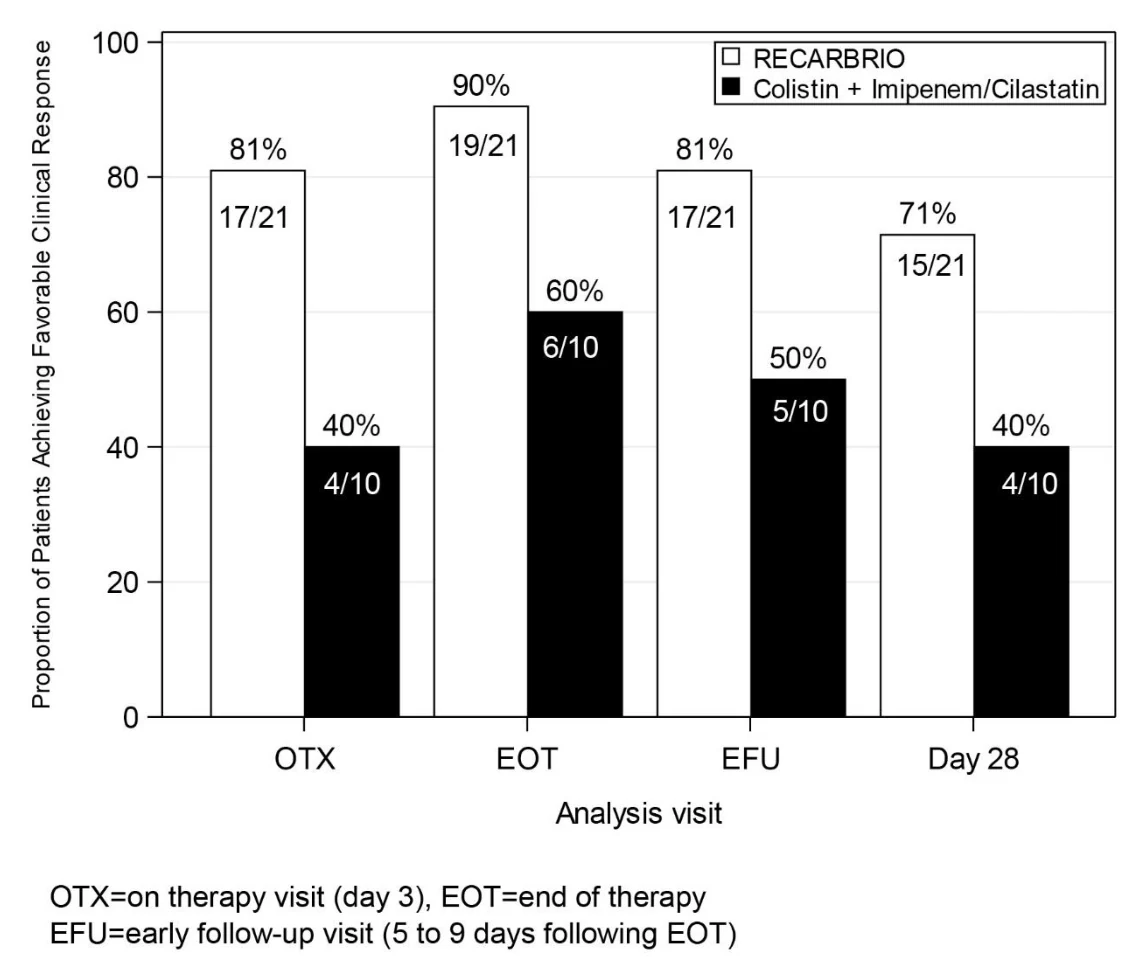
Figure 1 presents the percentage of patients with favorable clinical response by visit in the mMITT population. Favorable clinical response was achieved by a higher percentage of patients who received RECARBRIO® than patients who received colistin plus IMI at all time points assessed. Clinical data from all patients with cIAI, including those receiving open-label RECARBRIO®, revealed multiple factors that may have contributed to unfavorable outcomes including missing or indeterminate clinical responses, significant baseline medical complexity, and high APACHE II scores.
Figure 1: Proportion of Patients Achieving Favorable Clinical Response by Visit for RECARBRIO® and Colistin Plus Imipenem/Cilastatin Treatment Groups (mMITT Population)
Clinical response at end of therapy (EOT) was measured by infection site in the mMITT and SmMITT populations. All patients with a primary infection site of cUTI had a favorable outcome in both populations, favorable response rates were higher in patients with HABP/VABP treated with RECARBRIO® and, consistent with other efficacy measures, few patients with cIAI achieved a favorable clinical response at the EOT Visit. See Table 14.
Table 14: Favorable Clinical Response at End of Therapy by Infection Site in the Phase 3 Imipenem-nonsusceptible Infection Trial (RESTORE IMI-1) in Patients with HABP/VABP, cIAI, and cUTI
| Analysis Population | RECARBRIO®* | Colistin + Imipenem/Cilastatin† | Difference | |||||||
|---|---|---|---|---|---|---|---|---|---|---|
| n/N (%) | n/N (%) | % (90% CI)‡ | ||||||||
| mMITT Population | ||||||||||
| HABP/VABP | 8/8 (100.0) | 0/3 (0.0) | 100.0 | |||||||
| cIAI | 0/2 (0.0) | 1/2 (50.0) | -50.0 | |||||||
| cUTI | 11/11 (100.0) | 5/5 (100.0) | 0.0 (-20.8, 36.6) | |||||||
| SmMITT Population | ||||||||||
| HABP/VABP | 8/8 (100.0) | 1/4 (25.0) | 75.0 (34.2, 94.5) | |||||||
| cIAI | 2/5 (40.0) | 2/3 (66.7) | -26.7 | |||||||
| cUTI | 15/15 (100.0) | 6/6 (100.0) | 0.0 (-15.9, 32.1) | |||||||
*RECARBRIO® (500 mg imipenem/500 mg cilastatin/250 mg relebactam) IV every 6 hours. †Colistin provided as colistimethate sodium (loading dose of 300 mg colistin base activity (CBA) followed by 150 mg CBA (corresponding to ~360 mg colistimethate sodium or ~4.5 million IU) IV every 12 hours) + imipenem/cilastatin (500 mg/500 mg, IV every 6 hours). ‡90 % confidence intervals (CI) are based on Miettinen & Nurminen method and are not presented for N less than 4. mMITT=microbiological modified intent-to-treat; SmMITT=supplemental mMITT | ||||||||||
Clinical cure rates at the EOT Visit by qualifying baseline pathogens in the mMITT population are presented in Table 15.
Table 15: Favorable Clinical Response at End of Therapy by Qualifying Baseline Pathogens in the Phase 3 Imipenem-nonsusceptible Infection Trial (RESTORE IMI-1) in Patients with HABP/VABP, cIAI, and cUTI (mMITT Population)
| RECARBRIO®* | Colistin + Imipenem/Cilastatin† | Unadjusted Difference | Adjusted Difference | |||||||||||||||
|---|---|---|---|---|---|---|---|---|---|---|---|---|---|---|---|---|---|---|
| n/N (%) | n/N (%) | % | % | (90% CI)‡ | ||||||||||||||
| All pathogens | 19/21 (90.5) | 6/10 (60.0) | 30.5 | 25.4 | (3.1, 53.6) | |||||||||||||
| Enterobacterales | 4/5 (80.0) | 2/2 (100.0) | -20 | N/A | N/A | |||||||||||||
| Citrobacter freundii | 0/1 (0.0) | 0 | N/A | N/A | N/A | |||||||||||||
| Enterobacter cloacae | 1/1 (100.0) | 0 | N/A | N/A | N/A | |||||||||||||
| Klebsiella oxytoca | 0 | 1/1 (100.0) | N/A | N/A | N/A | |||||||||||||
| Klebsiella pneumoniae | 3/3 (100.0) | 1/1 (100.0) | 0.0 | 0.0 | N/A | |||||||||||||
| Pseudomonas aeruginosa | 15/16 (93.8) | 4/8 (50.0) | 43.8 | 37.4 | (7.3, 68.3) | |||||||||||||
*RECARBRIO® (500 mg imipenem/500 mg cilastatin/250 mg relebactam) IV every 6 hours. †Colistin provided as colistimethate sodium (loading dose of 300 mg colistin base activity (CBA) followed by 150 mg CBA (corresponding to ~360 mg colistimethate sodium or ~4.5 million IU) IV every 12 hours) + imipenem/cilastatin (500 mg/500 mg, IV every 6 hours). ‡Adjusted differences and 90 % confidence intervals (CI) are based on Miettinen & Nurminen method stratified by infection-site stratum and are not presented for N less than 4. | ||||||||||||||||||
Resistance to imipenem in P. aeruginosa results from over-expression of the chromosomally encoded Pseudomonas-derived cephalosporinase enzyme (PDC, previously known as AmpC) concomitant with loss of imipenem entry porin OprD. Sequence diversity among P. aeruginosa in the mMITT group for both patients with a favorable response and patients with an unfavorable response was observed with no trend in outcome based on any single PDC sequence allele. Among patients with Enterobacterales, beta-lactamases detected included KPC, TEM, CMY, CTX-M, and SHV; the majority of qualifying baseline isolates encoded more than 1 beta-lactamase belonging to at least 2 Ambler classes. With the exception of C. freundii, clinical cure was observed at EOT for all patients with Enterobacterales.
The trial included evaluation of treatment-emergent nephrotoxicity. The percentage of patients with treatment-emergent nephrotoxicity was lower in patients who received RECARBRIO® (10.3 %, 3/29) than in patients who received colistin plus IMI (56.3 %, 9/16) (see 8 Adverse Reactions).
15. Microbiology
Mechanism of Action
The bactericidal activity of imipenem results from the inhibition of penicillin binding proteins (PBPs) leading to inhibition of cell wall synthesis. The lethal effect is related to binding to PBP 2 and PBP 1B in Enterobacterales and Pseudomonas aeruginosa. Imipenem has a high degree of stability in the presence of betalactamases, both penicillinases and cephalosporinases produced by Gramnegative and Gram-positive bacteria; however, resistance may occur due to expression of carbapenemases or overproduction of non-carbapenemase-beta-lactamases, combined with loss of outer membrane porin expression.
Cilastatin limits the renal metabolism of imipenem and does not have antibacterial activity.
The relebactam-component of RECARBRIO® is a slowly dissociating inhibitor of Ambler class A and C beta-lactamases. Relebactam has no intrinsic antibacterial activity. Relebactam also enhances the activity of imipenem on imipenem-susceptible bacteria by inhibiting resident and/or acquired beta-lactamases.
Imipenem/relebactam demonstrated in vitro activity against Enterobacterales that express some class A carbapenemases (Klebsiella-pneumoniae carbapenemase (KPC)), class C (AmpC type) beta-lactamases (ACC, CMY, MOX, DHA, FOX, and ACT/MIR), and class A extended-spectrum beta-lactamases (ESBLs) (TEM, SHV, CTXM, VEB, PER, GES). Imipenem/relebactam has some activity against Enterobacterales-producing OXA type carbapenemase enzymes due to imipenem’s broad and potent antibacterial activity and inhibition by relebactam of concomitantly produced class A or C enzymes. Imipenem/relebactam has also demonstrated in vitro activity against P. aeruginosa expressing the chromosomal PDC enzyme, co-expressing PDC and ESBLs, those with loss of outer membrane porin (OprD) expression, and those with upregulation of efflux pumps (MexXY, MexAB).
Resistance
Mechanisms of beta-lactam resistance in Gram-negative organisms may include the production of beta-lactamases, upregulation of efflux pumps, and loss of outer membrane porins. Neither relebactam nor imipenem is subject to efflux; imipenem/relebactam has shown activity against isolates of P. aeruginosa which overproduce efflux pumps. Imipenem/relebactam has shown activity against isolates of P. aeruginosa and Enterobacterales that produce relebactam-susceptible beta-lactamases concomitant with loss of entry porins. RECARBRIO® is not active against metallo-beta-lactamases, most oxacillinases with carbapenemase activity, as well as enzymes encoded by certain alleles of GES.
In vitro studies were conducted for Enterobacterales relevant to the indications which carry genes encoding beta-lactamases inhibited by relebactam and which do not carry genes encoding beta-lactamases not inhibited by relebactam (MBLs or OXA-48-like enzymes). In the presence of relebactam, the in vitro susceptibility (based on the CLSI breakpoints [M100, 30th edition, 2020] of ≤ 1 µg/mL for both imipenem and imipenem/relebactam) to imipenem rose from 2.1 % to 94.8 % for those carrying the gene encoding the KPC enzyme (N=1,194), from 88.3 % to 98.7 % for those carrying chromosomal or plasmid-borne genes encoding AmpC enzymes and lacking those encoding KPC (N=1,854), and from 96.7 % to 98.7 % for those carrying genes encoding ESBL enzymes and lacking genes encoding KPC or AmpC (N=4,342).
The meropenem susceptibility (≤ 1 µg/mL) for those Enterobacterales, collected in 2016-2018 carrying the genes encoding KPC, AmpC (without KPC), and ESBL enzymes (without KPC or AmpC), was 4.4 %, 97.1 %, and 95.8 %, respectively.
In surveillance studies of P. aeruginosa from 2016 to 2018 (N=21,420), the meropenem, imipenem, and imipenem-relebactam susceptibility based on CLSI breakpoints (≤ 2 µg/mL) was 70.6 %, 66.1 %, and 88.1 %, respectively. In in vitro studies of 7,258 imipenem-nonsusceptible P. aeruginosa, the mode MIC values were 16 µg/mL for imipenem alone and 2 µg/mL for imipenem/relebactam, equaling an 8-fold shift in mode MIC. Furthermore, in in vitro studies performed with 14,162 imipenem-susceptible P. aeruginosa isolates, relebactam enhanced the activity of imipenem resulting in a 2-fold lower mode MIC (1 µg/mL with imipenem alone and 0.5 µg/mL with imipenem/relebactam).
In RESTORE IMI-1, all isolates of C. freundii, E. cloacae, K. pneumoniae, and K. oxytoca that produced beta-lactamases were not susceptible to carbapenems (0 % susceptible to imipenem and 5 % to 10 % susceptible to meropenem) but were susceptible to imipenem/relebactam (MIC ≤1 µg/mL). These isolates produced one or more beta-lactamases of the following enzyme groups: CMY, CTXM, DHA, KPC, OXA, SHV, and TEM. All isolates of P. aeruginosa were susceptible to imipenem/relebactam (MIC ≤2 µg/mL) and produced PDC beta-lactamase. Some of these isolates also produced one or more ESBL beta-lactamases, including CTXM.
Methicillin-resistant staphylococci should be considered to be resistant to imipenem. Imipenem is inactive in vitro against Enterococcus faecium, Stenotrophomonas maltophilia, and some isolates of Burkholderia cepacia. The combination of imipenem/relebactam has not been studied with E. faecium. Relebactam does not enhance the activity of imipenem for S. maltophilia. Relebactam does potentiate the activity of imipenem for B. cepacia.
Clinical isolates may produce multiple beta-lactamases, express varying levels of beta-lactamases, have amino acid sequence variations, or have other resistance mechanisms that have not yet been identified. Culture and susceptibility information and local epidemiology should be considered in selecting or modifying antibacterial therapy.
Cross-Resistance
No cross-resistance with other classes of antimicrobials has been identified. Some isolates resistant to carbapenems (including imipenem) and to cephalosporins may be susceptible to RECARBRIO®.
Interaction with Other Antimicrobials
In vitro studies have demonstrated no antagonism between imipenem/relebactam and amikacin, azithromycin, aztreonam, colistin, gentamicin, levofloxacin, tigecycline, or tobramycin.
Activity against Imipenem-Nonsusceptible Bacteria in Animal Infection Models
Relebactam restored activity of imipenem/cilastatin in animal models of infection (e.g., mouse disseminated infection, mouse thigh infection, and mouse pulmonary infection) caused by imipenem-nonsusceptible KPC-producing Enterobacterales and P. aeruginosa nonsusceptible to imipenem due to production of chromosomal PDC and loss of OprD porin.
List of Microorganisms (List 1)
RECARBRIO® has been shown to be active against most isolates of the following bacteria, both in vitro and in clinical infections (see 1 Indications).
Complicated Urinary Tract Infections (cUTI)
Aerobic Bacteria
Gram-negative Bacteria
- Citrobacter freundii
- Klebsiella aerogenes
- Enterobacter cloacae
- Escherichia coli
- Klebsiella pneumoniae
- Pseudomonas aeruginosa
Complicated Intra-abdominal Infections (cIAI)
Aerobic Bacteria
Gram-negative Bacteria
- Acinetobacter calcoaceticus-baumannii complex
- Citrobacter freundii
- Klebsiella aerogenes
- Enterobacter cloacae
- Escherichia coli
- Klebsiella oxytoca
- Klebsiella pneumoniae
- Pseudomonas aeruginosa
Anaerobic Bacteria
Gram-negative Bacteria
- Bacteroides caccae
- Bacteroides fragilis
- Bacteroides ovatus
- Bacteroides stercoris
- Bacteroides thetaiotaomicron
- Bacteroides uniformis
- Bacteroides vulgatus
- Fusobacterium nucleatum
- Parabacteroides distasonis
- Prevotella melaninogenica
Hospital-acquired Bacterial Pneumonia and Ventilator-associated Bacterial Pneumonia (HABP/VABP)
Aerobic Bacteria
Gram-negative Bacteria
- Acinetobacter calcoaceticus-baumannii complex
- Citrobacter freundii
- Citrobacter koseri
- Enterobacter cloacae
- Escherichia coli
- Haemophilus influenzae
- Klebsiella aerogenes
- Klebsiella oxytoca
- Klebsiella pneumoniae
- Pseudomonas aeruginosa
- Serratia marcescens
Clinical efficacy has not been established against the following pathogens (List 2) although in vitro studies suggest that they would be susceptible to RECARBRIO® in the absence of acquired mechanisms of resistance.
Aerobic Bacteria
Gram-positive Bacteria
- Methicillin-susceptible Staphylococcus aureus
- Streptococcus anginosus
- Streptococcus constellatus
- Streptococcus pneumoniae (penicillin-susceptible S. pneumoniae, PSSP)
Gram-negative Bacteria
- Citrobacter koseri
- Enterobacter asburiae
- Serratia marcescens
Anaerobic Bacteria
Gram-positive Bacteria
- Eggerthella lenta
- Finegoldia magna
- Parvimonas micra
- Peptoniphilus harei
- Peptostreptococcus anaerobius
Gram-negative Bacteria
- Fusobacterium necrophorum
- Fusobacterium varium
- Parabacteroides goldsteinii
- Parabacteroides merdae
- Prevotella bivia
- Prevotella buccae
- Veillonella parvula
When available, the clinical microbiology laboratory should provide cumulative reports of in vitro susceptibility tests results for antimicrobial drugs used in local hospitals and practice areas to the physician as periodic reports that describe the susceptibility profile of nosocomial and community-acquired pathogens. These reports should aid the physician in selecting an antibacterial drug for treatment.
Dilution Techniques:
Quantitative methods are used to determine antimicrobial MICs. These MICs provide estimates of the susceptibility of bacteria to antimicrobial compounds. The MICs should be determined using a standardized test method (broth and/or agar). The MIC values should be interpreted according to CLSI approved breakpoints provided in Table 16.
Diffusion Techniques:
Quantitative methods that require measurement of zone diameters can also provide reproducible estimates of the susceptibility of bacteria to antimicrobial compounds. The zone size should be determined using a standardized test method. This procedure uses paper disks impregnated with 10 µg of imipenem and 25 µg of relebactam to test the susceptibility of bacteria to imipenem/relebactam. The CLSI approved disk diffusion breakpoints are provided in Table 16.
Anaerobic Techniques:
For anaerobic bacteria, the susceptibility to imipenem can be determined by a standardized test method. The MIC values obtained should be interpreted according to the breakpoints provided in Table 16.
Table 16: Susceptibility Test Interpretive Criteria for Imipenem/Relebactam (CLSI)
Broth Microdilution MIC (µg/mL) | Disk Diffusion Zone Diameter (mm) | |||||||||||||
|---|---|---|---|---|---|---|---|---|---|---|---|---|---|---|
| Pathogen | S | I | R | S | I | R | ||||||||
| Enterobacteralesa | ≤1/4 | 2/4 | ≥4/4 | ≥25 | 21-24 | ≤20 | ||||||||
| Pseudomonas aeruginosa | ≤2/4 | 4/4 | ≥8/4 | ≥23 | 20-22 | ≤19 | ||||||||
| Anaerobesb,c | ≤4/4 | 8/4 | ≥16/4 | - | - | - | ||||||||
S = Susceptible; I = Intermediate; R = Resistant For disk diffusion, use paper disks impregnated with imipenem/relebactam at a concentration of 10/25 µg/mL. aClinical efficacy was shown for Klebsiella aerogenes, Enterobacter cloacae, Escherichia coli, Klebsiella pneumoniae, Citrobacter freundii, Klebsiella oxytoca. bClinical efficacy was shown for Bacteroides caccae, Bacteroides fragilis, Bacteroides ovatus, Bacteroides stercoris, Bacteroides thetaiotaomicron, Fusobacterium nucleatum, Parabacteroides distasonis. cAgar dilution method. | ||||||||||||||
A report of “Susceptible” (S) indicates that the antimicrobial drug is likely to inhibit growth of the pathogen if the antimicrobial drug reaches the concentration usually achievable at the site of infection. A report of “Intermediate” (I) indicates that the result should be considered equivocal, and, if the microorganism is not fully susceptible to alternative clinically feasible drugs, the test should be repeated. This category implies possible clinical applicability in body sites where the drug is physiologically concentrated or in situations where a high dosage of the drug can be used. This category also provides a buffer zone that prevents small uncontrolled technical factors from causing major discrepancies in interpretation. A report of “Resistant” (R) indicates that the antimicrobial drug is not likely to inhibit growth of the pathogen if the antimicrobial drug reaches the concentrations usually achievable at the infection site; other therapy should be selected.
Quality Control
Standardized susceptibility test procedures require the use of laboratory controls to monitor and ensure the accuracy and precision of supplies and reagents used in the assay, and the techniques of the individuals performing the test. Standard imipenem powder should provide the following range of MIC values noted in Table 17. For the diffusion technique using the 10 µg imipenem/25 µg relebactam disk, the criteria in Table 17 should be achieved.
Table 17: Acceptable Quality Control Ranges for Imipenem and Imipenem/Relebactam
| Microorganism | Enzyme | Method | Imipenem MIC (µg/mL) | Imipenem/Relebactam MIC (µg/mL) | |||||||||
|---|---|---|---|---|---|---|---|---|---|---|---|---|---|
| Staphylococcus aureus ATCC 29213 | NA | BMD | 0.016-0.06 | 0.008/4-0.03/4 | |||||||||
| Enterococcus faecalis ATCC 29212 | NA | BMD | 0.5-2 | 0.5/4-2/4 | |||||||||
| Escherichia coli ATCC 25922 | NA | BMD | 0.06-0.25 | 0.06/4-0.25/4 | |||||||||
| Escherichia coli ATCC 35218 | NA | BMD | None | 0.06/4-0.25/4 | |||||||||
| Pseudomonas aeruginosa ATCC 27853 | AmpC | BMD | 1-4 | 0.25/4-1/4 | |||||||||
| Haemophilus influenza ATCC 49766 | NA | BMD | 0.25-1 | 0.25/4-1/4 | |||||||||
| Klebsiella pneumoniae ATCC 700603 | SHV-18 | BMD | 0.03-0.25 | 0.03/4-0.25/4 | |||||||||
| Klebsiella pneumoniae ATCC BAA-1705 | KPC-2, SHV-11, TEM-1 | BMD | 4-16 | 0.03/4-0.25/4 | |||||||||
| Klebsiella pneumoniae ATCC BAA-2814 | KPC-3, SHV-11, TEM-1 | BMD | 16-64 | 0.06/4-0.25/4 | |||||||||
| Streptococcus pneumoniae ATCC 49619 | NA | BMD | 0.03-0.12 | 0.015/4 – 0.125/4 | |||||||||
| Bacteroides fragilis ATCC 25285 | NA | BMD | 0.03-0.25 | 0.03/4 – 0.125/4 | |||||||||
| Bacteroides fragilis ATCC 25285 | NA | Agar | 0.03-0.125 | 0.03/4 - 0.25/4 | |||||||||
| Bacteroides thetaiotaomicron ATCC 29741 | NA | Agar | 0.125-0.5 | 0.06/4 - 0.5/4 | |||||||||
| Eggerthella lenta ATCC 43055 | NA | Agar | 0.125-0.5 | 0.125/4 - 1/4 | |||||||||
BMD = broth microdilution Agar = agar dilution | |||||||||||||
Table 18: Quality Control Criteria for the Diffusion Method
| Species | Isolate number | Enzyme/Phenotype | Imipenem | Imipenem/Relebactam |
|---|---|---|---|---|
| Escherichia coli | ATCC® 35218 | TEM-1 | NA | NA |
| Klebsiella pneumoniae | ATCC® 700603 | SHV-18 OXA-2 Mutations in OmpK35 and OmpK37 TEM-1 | 25-33s | 26–32 |
| Escherichia coli | NCTC 13353 | CTX-M-15 OXA-1 | NA | NA |
| Klebsiella pneumoniae | ATCC® BAA-1705™ | KPC-2, SHV | NA | 23–29 |
| Klebsiella pneumoniae | ATCC® BAA-2814™ | KPC-3, SHV-11, TEM-1 | NA | 22–28 |
| Acinetobacter baumannii | NCTC 13304 | OXA-27 | NA | NA |
| Escherichia coli | ATCC® 25922 | β-Lactamase Negative | 26–32 | 27-33s |
| Pseudomonas aeruginosa | ATCC® 27853 | Inducible AmpC | 20–28 | 26-31s |
The disk content for imipenem is 10 µg and for imipenem/relebactam is 10/25 µg. s indicates this isolate is supplemental and not required for routine testing. | ||||
16. Non-Clinical Toxicology
General toxicology
Relebactam given as a single entity caused very slight renal tubular degeneration in monkeys at AUC exposure 7-fold the human AUC exposure at the maximum recommended human dose (MRHD). Renal tubular degeneration was shown to be reversible after dose discontinuation. There was no evidence of nephrotoxicity at AUC exposures less than or equal to 3-fold the human AUC exposure at the MRHD.
No nephrotoxicity was noted in monkeys administered relebactam with imipenem/cilastatin at AUC exposures 1-fold and 3-fold/2-fold, respectively, the human AUC exposure at the MRHD. In addition, no evidence of nephrotoxicity has been observed in clinical studies (see 8 Adverse Reactions).
Genotoxicity:
Genotoxicity studies were performed in a variety of bacterial and mammalian tests in vivo and in vitro. There was no evidence of genotoxicity with relebactam or imipenem/cilastatin.
The tests conducted with imipenem, cilastatin, or imipenem/cilastatin included: V79 mammalian cell mutagenesis assay (imipenem alone and imipenem/cilastatin), Ames test (cilastatin alone), unscheduled DNA synthesis assay (imipenem/cilastatin), in vitro chromosomal aberration assay (imipenem/cilastatin), and in vivo mouse cytogenetics test (imipenem/cilastatin).
The tests conducted with relebactam included: Ames test, in vitro chromosomal aberration in Chinese Hamsters Ovary (CHO) cells, and in vivo rat micronucleus test.
Carcinogenicity:
Carcinogenicity studies with imipenem/cilastatin or relebactam have not been conducted.
Reproductive and Developmental Toxicology:
No adverse effects on fertility, reproductive performance, growth or postnatal development were observed in male and female rats given imipenem/cilastatin at intravenous doses up to 80 mg/kg/day and at a subcutaneous dose of 320 mg/kg/day. Slight decreases in live fetal body weight were restricted to the highest dosage level. The only effect of imipenem/cilastatin sodium in these studies was a very slight but statistically significant embryotoxicity and/or fetotoxicity. This was expressed as an increase in the resorption rate among animals receiving 80/80 and 320/320 mg/kg/day as well as a decrease in the number of live fetuses per pregnant female at 20/20 and 80/80 mg/kg/day. No decrease in the number of live fetuses per pregnant female was observed at the highest dosage level and the number of live pups per pregnant female on Day 1 postpartum in all dosage groups were comparable to the control group. The incidence of incompletely ossified sternebra was slightly increased in the 320/320 mg/kg/day group compared to the controls. Although these effects are subtle in nature and small in magnitude, they suggest a slight embryotoxic effect of imipenem/cilastatin sodium at high dosage levels in the rat. In rats, a dose of 320 mg/kg was approximately 2-fold the MRHD based on body surface area.
In fertility studies, relebactam was administered intravenously up to 450 mg/kg/day to male rats for 15 days before mating, during mating, and to female rats for 15 days before mating, during mating, and through Gestation Day (GD) 7. Relebactam had no effects on fertility or reproductive performance in males or females, spermatogenesis in males, or early embryonic development in females at AUC exposures of 7- and 8-fold in females and males, respectively, relative to the human AUC exposure at the MRHD.
Development:
Imipenem and Cilastatin
No evidence of a teratogenic effect was observed in rats or rabbits receiving imipenem or cilastatin sodium alone or in combination. Imipenem alone was evaluated at dosage levels up to 900 mg/kg/day (4-fold the MRHD based on body surface area), cilastatin sodium alone at dosage levels up to 1000 mg/kg/day (5-fold the MRHD based on body surface area) and the two drugs in combination at dosage levels up to 320/320 mg/kg/day in rats (2-fold the MRHD based on body surface area).
The characteristic intolerance of rabbits to cephalosporin antibiotics was demonstrated in a teratology study with imipenem alone in this species at a dosage level up to 60 mg/kg/day (0.6-fold the MRHD based on body surface area). Maternotoxicity and feto- and embryotoxicity were observed at 60 mg/kg/day. The embryo- and fetotoxicity is considered to be secondary to the excess maternotoxicity observed in these studies. In the presence of these effects, there was still no evidence of teratogenicity. No evidence of a teratogenic effect was observed in rabbits receiving cilastatin sodium alone at doses up to 300 mg/kg/day (3-fold the MRHD based on body surface area).
In a range-finding study imipenem/cilastatin sodium was administered daily by bolus intravenous injection to non-pregnant cynomolgus monkeys for 30 days at doses of 20/20, 60/60, and 120/120 mg/kg/day (4 females per group) in order to establish dosage levels for subsequent studies. Four additional non-pregnant female monkeys were treated with 180/180 mg/kg/day subcutaneously for 30 days and a control group of 4 monkeys were treated intravenously with 0.9% sodium chloride. Emesis or diarrhea were seen on one or two occasions during treatment in some monkeys in the 60/60 and 120/120 mg/kg/day groups. Three animals in the 180/180 mg/kg/day subcutaneous group had occasional diarrhea during treatment.
In a teratology study, a bolus intravenous dose of 40/40 mg/kg/day and a subcutaneous dose of 160/160 mg/kg/day were administered to pregnant cynomolgus monkeys on Days 20 to 50 of gestation (11 and 14 monkeys per group, respectively). A control group of 14 pregnant monkeys were treated with 0.9% sodium chloride IV. Both doses of imipenem/cilastatin sodium were maternotoxic and resulted in deaths, reduced appetite, body weight loss, diarrhea, and emesis. In the 40/40 and 160/160 mg/kg/day groups, 7 of 11 and 5 of 14 monkeys lost their embryos. This is considered to reflect the obvious maternotoxicity evident at these dosage levels. There was no evidence of a teratogenic effect in surviving fetuses.
A study was conducted to determine the disposition and metabolism of imipenem/cilastatin sodium in pregnant and non-pregnant cynomolgus monkeys (4-5 monkeys per group). A bolus intravenous dose of 100/100 mg/kg/day was administered for 10 days and the first and last dose contained radioactive imipenem. The data suggest that metabolism or disposition is not directly responsible for the increased sensitivity of pregnant monkeys to imipenem/cilastatin sodium-induced toxicity.
In a teratology study in cynomolgus monkeys, imipenem/cilastatin sodium (100/100 mg/kg/day, a dose approximately equivalent to the MRHD (based on body surface area)) was administered to 10 pregnant monkeys per group by slow infusion for 3 consecutive 10-day periods (Days 21-30; 31-40; 41-50). Three groups of 5 pregnant monkeys each were similarly treated with the vehicle. Pregnancy was confirmed by tests for macaque chorionic gonadotropin and the maintenance of pregnancy was assessed through periodic ultrasound examinations. Prior to parturition the fetuses were delivered by cesarean section and examined for malformations. Although there was no evidence of fetal external, visceral or skeletal malformations, there was an increase in the incidence of embryonic/fetal loss in the drug-treated monkeys (7 of 30, 23%) compared to the controls (0 of 15, 0%). Maternotoxicity (emesis and/or gagging during or after treatment) was observed in 4 of the 7 monkeys with embryonic/fetal loss.
The effect of imipenem/cilastatin sodium during gestation and the postnatal period was studied in rats at doses up to 320/320 mg/kg/day. Imipenem/cilastatin sodium had no effect on growth or survival of offspring.
Relebactam
Embryofetal development studies with relebactam administered to mice, rats, and rabbits at AUC exposures up to 6, 7, and 24-fold, respectively, the human AUC exposure at the MRHD, showed no effects on embryofetal development (mice, rats, and rabbits) or fertility and early embryonic development (rats). Relebactam was administered up to 450 mg/kg/day subcutaneously to pregnant mice (GD 6 to 17) and intravenously as a bolus injection up to 450 mg/kg/day to rats (GD 6 to 20), and rabbits (GD 7 to 20).
In a pre/postnatal development study, relebactam was administered intravenously to rats up to 450 mg/kg/day (8-fold the plasma AUC exposure in humans at the MRHD) from GD 6 to lactation day
(LD) 20. In the F1 generation, there were no relebactam-related effects on development, growth, behavior, reproductive performance, or fertility.
Studies in pregnant rats and rabbits showed that relebactam is transferred to the fetus through the placenta, with fetal plasma concentrations up to 5 % to 6 % of maternal concentrations observed on GD 20.
Relebactam administered intravenously to lactating rats at a dose of 450 mg/kg/day (GD 6 to LD 14), was excreted into the milk with concentrations of approximately 5 % that of maternal plasma concentrations.