


Product Monograph - Ventolin I.V. Infusion Solution 5.0mg Salbutamol in 5mL (1000mcg/mL)
SUMMARY PRODUCT INFORMATION
| Route of Administration | Dosage Form / Strength | Nonmedicinal Ingredients |
| Intravenous (I.V.) | salbutamol I.V. Infusion / 1000 mcg/mL | sodium chloride, sulphuric acid, and/or sodium hydroxide, water for injection |
For a complete listing see Dosage Forms, Composition and Packaging section.
INDICATIONS AND CLINICAL USE
VENTOLIN® (salbutamol sulphate) I.V. infusion solution is indicated in adults (> 18 years of age) for:
- the relief of severe bronchospasm associated with acute exacerbations of chronic bronchitis and bronchial asthma,
- the treatment of status asthmaticus.
In many patients, VENTOLIN® infusion solution will be no more effective, and likely less well tolerated, than VENTOLIN® HFA inhalation aerosol or VENTOLIN® respirator solution. However, patients who are severely ill with airway inflammation and mucus plugging may respond well to parenteral salbutamol after failing to benefit from the inhaled drug.
This product should be administered under the supervision of a qualified health professional who is experienced in the use of parenteral preparations and in the management of asthma. Appropriate management of therapy and complications is only possible when adequate diagnostic and treatment facilities are readily available.
CONTRAINDICATIONS
VENTOLIN® (salbutamol sulphate) I.V. infusion solution is contraindicated in:
- Patients who are hypersensitive to this drug or to any ingredient in the formulation or component of the container (see DOSAGE FORMS, COMPOSITION AND PACKAGING).
- Patients with cardiac tachyarrhythmias.
- As a tocolytic in patients at risk of premature labour or threatened abortion.
WARNINGS AND PRECAUTIONS
General
The dosage or frequency of administration should only be increased on medical advice.
Patients being treated with VENTOLIN® I.V. infusion solution may also be receiving short-acting inhaled bronchodilators to relieve symptoms. Increasing use of bronchodilators, in particular short-acting inhaled beta2-agonists to relieve symptoms, indicates deterioration of asthma control. Sudden or progressive deterioration in asthma control is potentially life threatening; the treatment plan must be re-evaluated, and consideration be given to corticosteroid therapy.
The use of VENTOLIN® infusion solution in the treatment of severe bronchospasm does not obviate the requirement for corticosteroid therapy as appropriate. When practicable, administration of oxygen, concurrently with VENTOLIN® infusion solution is recommended, particularly when salbutamol is given by intravenous infusion to hypoxic patients.
Cardiovascular
VENTOLIN® I.V. infusion solution should be used with caution in patients, particularly pregnant women, with pre-existing ischaemic heart disease or with significant risk factors for ischaemic heart disease (see WARNINGS AND PRECAUTIONS, Special Populations, Pregnant Women).
In individual patients, any beta2-adrenergic agonist, including salbutamol, may have a clinically significant cardiac effect. Care should be taken with patients suffering from cardiovascular disorders, especially coronary insufficiency, cardiac arrhythmias and hypertension. Special care and supervision are required in patients with idiopathic hypertrophic subvalvular aortic stenosis, in whom an increase in the pressure gradient between the left ventricle and the aorta may occur, causing increased strain on the left ventricle.
Fatalities have been reported following excessive use of inhaled sympathomimetic drugs in patients with asthma. The exact cause of death is unknown, but cardiac arrest following an unexpected development of a severe acute asthmatic crisis and subsequent hypoxia is suspected.
Cardiovascular effects may be seen with sympathomimetic drugs, including salbutamol. There is some evidence from post-marketing data and published literature of rare occurrences of myocardial ischaemia associated with salbutamol. Patients with underlying severe heart disease (e.g. ischaemic heart disease, arrhythmia or severe heart failure) who are receiving salbutamol should be warned to seek medical advice if they experience chest pain or other symptoms of worsening heart disease. Attention should be paid to assessment of symptoms such as dyspnea and chest pain, as they may be of either respiratory or cardiac origin.
Endocrine and Metabolism
Metabolic Effects
In common with other beta-adrenergic agents, salbutamol can induce reversible metabolic changes, such as potentially serious hypokalemia, particularly following infused administration. Particular caution is advised in acute severe asthma since hypokalemia may be potentiated by concomitant treatment with xanthine derivatives, steroids and diuretics, and by hypoxia. Hypokalemia will increase the susceptibility of digitalis-treated patients to cardiac arrhythmias. It is recommended that serum potassium levels be monitored in such situations.
Large doses of intravenous salbutamol have been reported to aggravate pre-existing diabetes mellitus. The diabetic patient may be unable to compensate for the increased blood glucose levels and the development of ketoacidosis has been reported. Concurrent administration of corticosteroids can exaggerate this effect. Diabetic patients and those concurrently receiving corticosteroids should be monitored frequently during intravenous infusion of VENTOLIN® I.V. infusion solution so that remedial steps (e.g. an increase in insulin dosage) can be taken to counter any metabolic change that is occurring. For these patients, VENTOLIN® I.V. infusion solution should be diluted with Sodium Chloride Injection, rather than Sodium Chloride and Dextrose Injection.
Lactic acidosis has been reported very rarely in association with high therapeutic doses of intravenous and nebulised short-acting beta-agonist therapy, mainly in patients being treated for an acute asthma exacerbation (see Adverse Reaction section). Increase in lactate levels may lead to dyspnea and compensatory hyperventilation, which could be misinterpreted as a sign of asthma treatment failure and lead to inappropriate intensification of short-acting beta-agonist treatment. It is therefore recommended that patients are monitored for the development of elevated serum lactate and consequent metabolic acidosis in this setting.
Care should be taken with patients with hyperthyroidism.
Hypersensitivity
Immediate hypersensitivity reactions may occur after administration of salbutamol, as demonstrated by rare cases of urticaria, angioedema, rash, bronchospasm, hypotension, anaphylaxis and oropharyngeal edema.
Care should be taken in patients who are unusually responsive to sympathomimetic amines.
Neurologic
Care should be taken with patients with convulsive disorders.
Special Populations
Pregnant Women: Salbutamol, in common with other beta-mimetics, is not approved to stop or prevent premature labour.
Due to the risk of pulmonary edema and myocardial ischaemia that has been observed during the use of betamimetics in the treatment of premature labour, before VENTOLIN® infusion solution is given to any patient with known or suspected heart disease, an adequate assessment of the patient’s cardiovascular status should be made by a physician experienced in cardiology.
There are no adequate and well-controlled studies in pregnant women and there is little published evidence of its safety in the early stages of human pregnancy. Administration of any drug to pregnant women should only be considered if the anticipated benefits to the expectant woman are greater than any possible risks to the foetus.
During worldwide marketing experience, rare cases of various congenital anomalies including cleft palate and limb defects have been reported in the offspring of patients being treated with salbutamol. Some of the mothers were taking multiple medications during their pregnancies. As no consistent pattern of defects can be discerned, and baseline rate for congenital anomalies is 2-3%, a relationship with salbutamol use cannot be established.
Labour and Delivery: High doses of salbutamol, administered intravenously, inhibit uterine contractions. Therefore, cautious use of VENTOLIN® infusion solution is required in pregnant patients when it is given for relief of bronchospasm so as to avoid interference with uterine contractibility.
During I.V. infusion of salbutamol, the maternal pulse rate should be monitored and not normally allowed to exceed a sustained rate of 120 beats per minute. The effect of infusion on fetal heart rate is less marked but increases of up to 20 beats per minute may occur.
As maternal pulmonary edema and myocardial ischaemia have been reported during or following premature labour in patients receiving beta2-agonists, careful attention should be given to fluid balance and cardio-respiratory function, including ECG, should be monitored. If signs of pulmonary edema or myocardial ischaemia develop, discontinuation of treatment should be considered. Patients with predisposing factors including multiple pregnancies, fluid overload, maternal infection and pre-eclampsia may have an increased risk of developing pulmonary edema.
Nursing Women: As salbutamol is probably secreted in breast milk and because of the potential for tumorigenicity of salbutamol shown in some animal studies, a decision should be made whether to discontinue nursing or to discontinue the drug, taking into account the importance of the drug to the mother. It is not known whether salbutamol has a harmful effect on the neonate.
Children and Adolescents (< 18 years of age): The dosage of VENTOLIN® infusion solution in the pediatric age group has not been established. At present there are insufficient data to recommend a dosage regimen for use in children.
Geriatrics: As with other beta2-agonists, special caution should be observed when using VENTOLIN® I.V. infusion solution in elderly patients who have concomitant cardiovascular disease that could be adversely affected by this class of drug.
Monitoring and Laboratory Tests
In accordance with the present practice for asthma treatment, patient response should be monitored clinically and by lung function tests.
Electrocardiogram, and serum potassium and glucose should be monitored during continuous infusions of salbutamol.
ADVERSE REACTIONS
Adverse Drug Reaction Overview
Adverse events are listed below; frequencies are defined as: very common ( 1/10), common ( 1/100 and 1/10), uncommon ( 1/1000 and 1/100), rare ( 1/10,000 and 1/1000) and very rare ( 1/10,000) including isolated reports. Very common and common events were generally determined from clinical trial data. Rare, very rare and unknown events were generally determined from spontaneous data.
Fine muscle tremor is a very common side effect of VENTOLIN® infusion solution. This is due to direct beta2-stimulation by salbutamol of skeletal muscle. Transient muscle cramps and headache have been commonly reported.
A dose-dependent increase in heart rate, secondary to a reduction in peripheral resistance, due to vasodilation, occurs very commonly with parenteral salbutamol, and may cause palpitations. This is most likely to occur in patients with normal heart rates. In patients with pre-existing sinus tachycardia, especially those in status asthmaticus, the heart rate tends to fall as the condition of the patient improves. Cardiac arrhythmias (including atrial fibrillation, supraventricular tachycardia and extrasystoles) and peripheral vasodilation have been reported rarely.
Occurrences of potentially serious hypokalemia have been reported rarely.
Other side effects which may occur with salbutamol are sweating, dizziness, flushing, nausea, vomiting, muscle cramps, insomnia, drowsiness, restlessness, irritability, chest discomfort, difficulty in micturition, hypertension, angina, vertigo, central nervous system stimulation, unusual taste and drying or irritation of the oropharynx.
Immediate hypersensitivity reactions including angioedema, urticaria, bronchospasm, hypotension, rash, oropharyngeal edema, anaphylaxis and collapse have been reported very rarely.
Lactic acidosis has also been reported very rarely in patients receiving intravenous salbutamol therapy for the treatment of acute asthma exacerbation.
DRUG INTERACTIONS
Drug-Drug Interactions
VENTOLIN® I.V. infusion solution should not be administered in the same syringe or infusion as any other medication.
Table 1: Established or Potential Drug-Drug Interactions
| Drug Type | Ref | Effect | Clinical comment |
| Monoamine oxidase inhibitors or tricyclic antidepressants. | CS | May potentiate action of salbutamol on cardiovascular system. | Salbutamol should be administered with extreme caution to patients being treated with monoamine oxidase inhibitors or tricyclic antidepressants. |
| Other sympathomimetic bronchodilators or epinephrine. | CS | May lead to deleterious cardiovascular effects. | Other sympathomimetic bronchodilators or epinephrine should not be used concomitantly with salbutamol. If additional adrenergic drugs are to be administered by any route to the patient using salbutamol, the adrenergic drugs should be used with caution to avoid deleterious cardiovascular effects. Such concomitant use must be individualised and not given on a routine basis. If regular co-administration is required then alternative therapy must be considered. |
| Beta-blockers | CS | May effectively antagonize the action of salbutamol. | Beta-adrenergic blocking drugs, especially the non-cardioselective ones, such as propranolol, should not usually be prescribed together with salbutamol. |
| Diuretics | CS | May lead to ECG changes and/or hypokalemia, although the clinical significance of these effects is not known. | The ECG changes and/or hypokalemia that may result from the administration of non-potassium sparing diuretics (such as loop or thiazide diuretics) can be acutely worsened by beta-agonists, especially when the recommended dose of the beta-agonist is exceeded. Caution is advised in the co-administration of beta-agonists with non-potassium sparing diuretics. |
| Digoxin | CS | May lead to mean decrease in serum digoxin levels. The clinical significance of these findings for patients with obstructive airways disease who are receiving salbutamol and digoxin on a chronic basis is unclear. | Mean decreases of 16-22% in serum digoxin levels were demonstrated after single doses intravenous and oral administration of salbutamol, respectively, to normal volunteers who had received digoxin for 10 days. It would be prudent to carefully evaluate serum digoxin levels in patients who are currently receiving digoxin and salbutamol. |
Legend CS = Class Statement
DOSAGE AND ADMINISTRATION
VENTOLIN® I.V. INFUSION SOLUTION MUST NEVER BE INJECTED UNDILUTED.
VENTOLIN® I.V. INFUSION SOLUTION MUST NEVER BE USED IN THE SAME INFUSION WITH OTHER MEDICATIONS.
Recommended Dose, Dosage Adjustment, and Administration
Adults:
VENTOLIN® I.V. infusion solution is used to prepare a solution for continuous intravenous infusion. It should not be injected undiluted. A suitable solution for infusion may be prepared by diluting 5 mL of VENTOLIN® I.V. infusion solution (1000 mcg/mL) in 500 mL of a chosen i.v. solution to provide a salbutamol concentration of 10 mcg/mL.
The only recommended diluents are Sodium Chloride Injection, or Sodium Chloride and Dextrose Injection.
Infusion rates providing 3 to 20 micrograms salbutamol/minute (0.3 to 2ml/minute of the above infusion solution) are usually adequate. Infusion rates can be started at 5 mcg of salbutamol/min., and can be increased to 10 mcg/min., and 20 mcg/min. at 15 - 30 minute intervals, if necessary.
As with all parenteral drug products, intravenous admixtures should be inspected visually for clarity, particulate matter, precipitate, discoloration and leakage prior to administration.
All unused admixtures of VENTOLIN® infusion solution with infusion fluids should be discarded 24 hours after preparation.
Children and Adolescents (< 18 years of age)
The dosage of VENTOLIN® infusion solution in the pediatric age group has not been established. At present, there are insufficient data to recommend a dosage regimen for children.
Instructions to open the ampoule
Ampoules are equipped with the OPC (One Point Cut) opening system and must be opened using the following instructions:
- Hold with one hand the bottom part of the ampoule as indicated in Picture 1.
- Put the other hand on the top of the ampoule positioning the thumb above the coloured point and press as indicated in Picture 2.
Picture 1
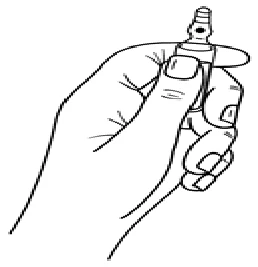 |
Picture 2
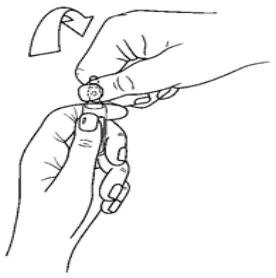 |
OVERDOSAGE
| For management of a suspected drug overdose, contact your regional Poison Control Centre. |
Symptoms and signs
The most common signs and symptoms of overdose with salbutamol are transient beta agonist pharmacologically mediated events (see Warning and Precautions and Adverse Reactions). Overdosage may cause tachycardia, cardiac arrhythmia, hypokalemia, hypertension, nausea, vomiting, hyperglycaemia and, in extreme cases, sudden death. Serum potassium levels should be monitored.
Lactic acidosis has been reported in association with high therapeutic doses as well as overdoses of short-acting beta-agonist therapy, therefore monitoring for elevated serum lactate and consequent metabolic acidosis (particularly if there is persistence or worsening of tachypnea despite resolution of other signs of bronchospasm such as wheezing) may be indicated in the setting of overdose.
Treatment
Consideration should be given to discontinuation of treatment and appropriate symptomatic therapy. To antagonise the effect of salbutamol, the judicious use of a cardioselective beta-adrenergic blocking agent (e.g. metoprolol, atenolol) may be considered, bearing in mind the danger of inducing an asthmatic attack.
ACTION AND CLINICAL PHARMACOLOGY
Mechanism of Action
Salbutamol produces bronchodilation through stimulation of beta2-adrenergic receptors in bronchial smooth muscle, thereby causing relaxation of bronchial muscle fibers. This action is manifested by an improvement in pulmonary function as demonstrated by spirometric measurements.
STORAGE AND STABILITY
VENTOLIN® infusion solution should be protected from light and stored at controlled room temperature (15 - 30°C).
DOSAGE FORMS, COMPOSITION AND PACKAGING
VENTOLIN® I.V. infusion solution 5 mg in 5 mL (1000 micrograms/mL) is presented as ampoules of 5 mL each containing 5 mg salbutamol as salbutamol sulphate, in a sterile isotonic solution adjusted to pH 3.5 with sulphuric acid and/or sodium hydroxide.
The ampoules are of clear, neutral glass. The solution is clear, colourless to pale straw coloured.
PART II: SCIENTIFIC INFORMATION
PHARMACEUTICAL INFORMATION
Drug Substance
Proper name: salbutamol sulphate
Chemical name: α1-[(tert-butylamino)methyl]-4-hydroxy-m-xylene-α, α’-diol sulphate (2:1) (salt)
Molecular formula and molecular mass: [C13H21NO3]2•H2SO4 576.71
Structural formula:
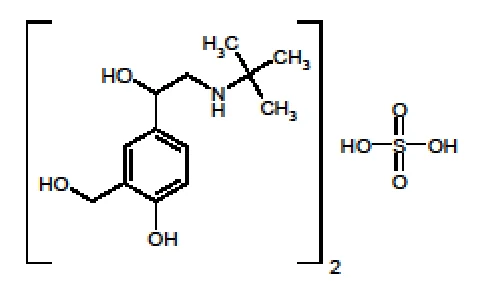
Physicochemical properties:
Description: White or almost white powder. It is odourless or almost odourless.
Solubility: Salbutamol sulphate is soluble in 4 parts of water; slightly soluble in ethanol (96%), in chloroform and in ether.
pH value: A 5% solution of salbutamol sulphate in distilled water has a pH value of 4.3
pKa values: Salbutamol has pKa values of 9.3 and 10.3.
Melting Point: Salbutamol melts at approximately 155oC, with decomposition.
VENTOLIN® I.V. infusion solution: Salbutamol (1000 mcg/mL as salbutamol sulphate); Sodium chloride (8.8 mg/mL); Sulphuric acid (5% v/v) and/or sodium hydroxide, for pH adjustment; Water for Injection.
DETAILED PHARMACOLOGY
Animal
Salbutamol exerts a relatively selective action on the beta2-adrenergic receptors of the bronchial and vascular smooth muscles. In anesthetized guinea pigs, salbutamol completely prevents acetylcholine-induced bronchospasm at the dose of 100 mcg/kg intravenously.
In anesthetized dogs, salbutamol is one-fifth as potent as isoprenaline in skeletal muscle vasodilation.
In the isolated atrium preparation of guinea pigs, salbutamol was 500 and 2500 times less potent than isoprenaline in increasing the rate and force of contraction, respectively.
Administration of salbutamol aerosol at the dose of 250 mcg/mL for one minute to guinea pigs, prevented acetylocholine-induced bronchospasm without any effect on the heart rate.
In anesthetized cats and dogs, salbutamol prevented the bronchospasm elicited by vagal stimulation, without any significant effect on heart rate and blood pressure. Comparative tests of salbutamol and isoprenaline in isolated dog papillary muscle, guinea pig atrial muscle and human heart muscle, have shown that the effect of salbutamol on beta-adrenergic receptors in the heart is minimal.
In 6 dogs with right-sided cardiac bypass, salbutamol, given at the dose of 25 mcg/mL, improved left ventricular efficiency and increased coronary blood flow.
Recent studies in laboratory animals (minipigs, rodents and dogs) recorded the occurrence of cardiac arrhythmias and sudden deaths (with histologic evidence of myocardial necrosis) when beta-agonists and methylxanthines were administered concurrently. The significance of these findings when applied to humans is currently unknown.
Human
Intravenous salbutamol had approximately one-tenth the positive chronotropic potency of intravenous isoprenaline.
Salbutamol and isoprenaline were equipotent bronchodilators when given intravenously. However, 7 times the infusion rate of salbutamol was necessary to increase the heart rate by the same amount as with isoprenaline.
Intravenous salbutamol increased ventilatory response to inhaled CO2 in both hypoxia and hyperoxia. There was an increase in heart rate which was most pronounced when hypoxia was combined with hypercapnia. Plasma potassium was decreased in association with an increase in plasma glucose and serum insulin.
Intravenous salbutamol raised the blood levels of insulin, non-esterified fatty acids, glucose, lactate and ketone bodies. Serum potassium, bicarbonate, phosphate, calcium, magnesium and corticosteroids were lowered.
Aminophylline potentiated the metabolic effects of salbutamol when the two drugs were infused in combination.
It was found in asthmatic patients that salbutamol, administered orally, by aerosol, or intravenously, was metabolized to its 4' -O-sulphate ester. Both free salbutamol and the metabolite were excreted in the urine, the ratio of the two varying with the route of administration and suggesting that metabolism occurred in the gut and/or the liver. Pharmacological testing showed that the metabolite had negligible beta-adrenoceptor stimulant and no blocking activity.
TOXICOLOGY
Acute Toxicity
| Intravenous LD50 | |
| Mouse (10) | 72 mg/kg |
| Mouse (10) | 60 mg/kg |
| Oral LD50 | |
| Mouse (10) | > 2000 mg/kg |
| Rat (10) | > 2000 mg/kg |
| Intraperitoneal LD50 in Rat | |
| Newborn (155) | 216 mg/kg |
| Weanling (100) | 524 mg/kg |
| Six-Weeks Old (90) | 437 mg/kg |
(Number of animals in brackets)
The rate of respiration in test animals initially increased, but subsequently became abnormally slow and deep. Death, preceded by convulsions and cyanosis, usually occurred within four hours after administration.
Rabbits, cats and dogs survived a single oral dose of 50 mg/kg salbutamol.
Intermediate (Four Months) Toxicity
Rat
Salbutamol was given orally from 0.5 mg/kg up to 25 mg/kg daily on an increasing scale. There were no significant hematological changes except a small increase in hemoglobin and packed cell volumes. BUN and SGOT values were elevated while blood glucose and plasma protein levels remained unchanged. Pituitaries had an increased amount of PAS-positive material in the cleft at higher dose levels.
Dog
Salbutamol was given orally from 0.05 mg/kg up to 12.5 mg/kg daily on an increasing scale. Hemoglobin and packed cell volumes were slightly decreased, particularly at higher doses. Leukocyte count decreased after 16 weeks of treatment at each dose level. Platelet count was increased after eight weeks at the highest dose. No significant effects were seen on biochemical values. The only significant histological change was the appearance of corpora amylacea in the stomach, attributed to altered mucus secretion. Inhalation of 1000 mcg of salbutamol aerosol for 3 months did not produce any morphological changes in lungs, trachea, lymph nodes, liver or heart. Inhalation of salbutamol dry powder for 30 days in average daily doses of up to 144 mg/day resulted in the expected pharmacological effects but no apparent compromise of good health. All animals survived the study and examination of organs and tissues revealed no significant changes.
Long-Term Toxicity
Chronic toxicity studies were carried out in 2 separate centres. Fifty female, Charles River CD Albino rats received salbutamol orally at 2, 10 and 50 mg/kg/day for 104 weeks; fifty female Charles River CD Sprague-Dawley derived rats received orally 20 mg/kg/day for 50 weeks, and 50 female Charles River Long-Evans rats received orally, 20 mg/kg/day for 96 weeks. These studies demonstrated a dose-related incidence of mesovarian leiomyomas. No similar tumors were seen in mice.
Mutagenicity
In vitro tests involving four micro-organisms revealed no mutagenic activity.
Carcinogenicity
In a two-year study in the rat, salbutamol sulphate caused a significant dose-related increase in the incidence of benign leiomyomas of the mesovarium at doses corresponding to 111, 555, and 2,800 times the maximum human inhalation dose. In another study, the effect was blocked by the co-administraton of propranolol. The relevance of these findings to humans is not known. An 18-month study in mice and a lifetime study in hamsters revealed no evidence of tumorigenicity.
Teratogenicity Studies
Mouse
Salbutamol has been shown to be teratogenic in mice when given in doses corresponding to 14 times the human aerosol dose; when given subcutaneusly in doses corresponding to 0.2 times the maximum human (child weighing 21 kg) oral dose; and when given subcutaneously in doses corresponding to 0.4 times the maximum human oral dose.
A reproduction study in CD-1 mice given salbutamol at doses of 0.025, 0.25, and 2.5 mg/kg subcutaneously, corresponding to 1.4, 14 and 140 times the maximum human aerosol dose respectively, showed cleft palate formation in 5 of 111 (4.5%) foetuses at 0.25 mg/kg and in 10 of 108 (9.3%) foetuses at 2.5 mg/kg. No cleft palates were observed at a dose of 0.025 mg/kg salbutamol. Cleft palates occurred in 22 of 72 (30.5%) foetuses treated with 2.5 mg/kg isoprenaline (positive control).
Rat
No adverse effect was seen when salbutamol was given orally at 0.5, 2.32, 10.75 and 50 mg/kg/day throughout pregnancy. When given to 2 consecutive generations at doses up to 50 mg/kg/day, no adverse effect was observed on the reproductive function of either male or female rats. The only toxic effect was an increase in neonatal mortality in the highest dose level group.
Rabbit
Given orally at 0.5, 2.32, and 10.75 mg/kg/day doses, throughout pregnancy, salbutamol had no adverse effect. A reproduction study in Stride Dutch rabbits revealed cranioschisis in 7 of 19 (37%) fetuses at 50 mg/kg, corresponding to 78 times the maximum human oral dose of salbutamol. At the dose of 50 mg/kg/day, it inhibited the weight gain of the does.
REFERENCES
- 1. Beswick K, Davies J, Davey AJ. A comparison of intravenous aminophylline and salbutamol in the treatment of severe bronchospasm. Practitioner 1975 Apr;214(1282):561-6.
- 2. Bloomfield P, Carmichael J, Petrie GR, Jewell NP, Crompton GK. Comparison of salbutamol given intravenously and by intermittent positive-pressure breathing in life-threatening asthma. Br Med J 1979 Mar 31;1(6167):848-50.
- 3. Crawford SM, Miles DW. Salbutamol and cardiac arrhythmias. Curr Med Res Opin 1981;7(6):410-5.
- 4. Evans WV, Monie RD, Crimmins J, Seaton A. Aminophylline, salbutamol and combined intravenous infusions in acute severe asthma. Br J Dis Chest 1980 Oct;74(4):385-9.
- 5. Femi-Pearse D, George WO, Ilechukwu ST, Elegbeleye OO, Afonja AO. Comparison of intravenous aminophylline and salbutamol in severe asthma. Br Med J 1977 Feb 19;1(6059):491.
- 6. Fitchett DH, McNicol MW, Riordan JF. Intravenous salbutamol in management of status asthmaticus. Br Med J 1975 Jan 11;1(5949):53-5.
- 7. Georg J. The treatment of status asthmaticus. Allergy 1981 May;36(4):219-32.
- 8. Hetzel MR, Clark TJ. Comparison of intravenous and aerosol salbutamol. Br Med J 1976 Oct 16;2(6041):919.
- 9. Jenkins CR, Marlin GE. The metabolic actions of intravenous salbutamol and aminophylline singly and in combination. Br J Clin Pharmacol 1981 Feb;11(2):197-201.
- 10. Johnson AJ, Spiro SG, Pidgeon J, Bateman S, Clarke SW. Intravenous infusion of salbutamol in severe acute asthma. Br Med J 1978 Apr 22;1(6119):1013-5.
- 11. Lawford P, Jones BJ, Milledge JS. Comparison of intravenous and nebulised salbutamol in initial treatment of severe asthma. Br Med J 1978 Jan 14;1(6105):84.
- 12. Leitch AG, Clancy LJ, Costello JF, Flenley DC. Effect of intravenous infusion of salbutamol on ventilatory response to carbon dioxide and hypoxia and on heart rate and plasma potassium in normal men. Br Med J 1976 Feb 14;1(6006):365-7.
- 13. Lin C, Li Y, McGlotten J, Morton JB, Symchowicz S. Isolation and identification of the major metabolite of albuterol in human urine. Drug Metab Dispos 1977 May;5(3):234-8.
- 14. Marlin GE, Turner P. Intravenous treatment with rimiterol and salbutamol in asthma. Br Med J 1975 Jun 28;2(5973):715-9.
- 15. May CS, Paterson JW, Spiro SG, Johnson AJ. Effect of intravenous injection of salbutamol in asthma. Br J Clin Pharmacol 1975 Dec;2(6):495-501.
- 16. Neville A, Palmer JB, Gaddie J, May CS, Palmer KN, Murchison LE. Metabolic effects of salbutamol: comparison of aerosol and intravenous administration. Br Med J 1977 Feb 12;1(6058):413-4.
- 17. Nogrady SG, Hartley JP, Seaton A. Metabolic effects of intravenous salbutamol in the course of acute severe asthma. Thorax 1977 Oct;32(5):559-62.
- 18. Spiro SG, Johnson AJ. Intravenous infusion of salbutamol in the treatment of asthma. Br J Clin Pharmacol 1975 Dec;2(6):503-8.
- 19. Tribe AE, Wong RM, Robinson JS. A controlled trial of intravenous salbutamol and aminophylline in acute asthma. Med J Aust 1976 Nov 13;2(20):749-52.
- 20. Williams S, Seaton A. Intravenous or inhaled salbutamol in severe acute asthma? Thorax 1977 Oct;32(5):555-8.
- 21. Williams SJ, Parrish RW, Seaton A. Comparison of intravenous aminophylline and salbutamol in severe asthma. Br Med J 1975 Dec 20;4(5998):685.