


Product Monograph - Videx EC
SUMMARY PRODUCT INFORMATION
| Route of Administration | Dosage Form / Strength | Clinically Relevant Nonmedicinal Ingredientsa |
| Oral | Capsules, 125, 200, 250 and 400 mg | None |
a For a complete listing see DOSAGE FORMS, COMPOSITION AND PACKAGING.
INDICATIONS AND CLINICAL USE
VIDEX® EC (didanosine), in combination with other antiretroviral agents, is indicated for the treatment of HIV-1 infection in adults.
The duration of clinical benefit from antiretroviral therapy may be limited. Alteration in antiretroviral therapy should be considered if disease progression occurs while receiving VIDEX EC.
Geriatrics (> 65 years of age):
Because elderly patients are more likely to have decreased renal function, care should be taken in dose selection. In addition, renal function should be monitored and dosage adjustment should be made accordingly.
Pediatrics (< 18 years of age):
The safety and efficacy of VIDEX EC in pediatric patients have not been established.
CONTRAINDICATIONS
- Patients who are hypersensitive to this drug or to any ingredient in the formulation or component of the container (see DOSAGE FORMS, COMPOSITION AND PACKAGING).
Coadministration of didanosine and ribavirin is contraindicated because exposures of the active metabolite of didanosine (dideoxyadenosine 5’- triphosphate) are increased. Fatal hepatic failure, as well as peripheral neuropathy, pancreatitis, and symptomatic
- hyperlactatemia/lactic acidosis have been reported in patients receiving both didanosine and ribavirin (see DRUG INTERACTIONS).
- Coadministration of didanosine and allopurinol is contraindicated because systemic exposures of didanosine are increased, which may increase didanosine-associated toxicity (see DRUG INTERACTIONS).
- Co-administration with stavudine is contraindicated due to the potential for serious and/or life-threatening events notably lactic-acidosis, liver function abnormalities, pancreatitis, and peripheral neuropathy (see DRUG INTERACTIONS).
WARNINGS AND PRECAUTIONS
Serious Warnings and Precautions Pancreatitis: fatal and nonfatal pancreatitis have occurred during therapy with didanosine used alone or in combination regimens in both treatment- naive and treatment-experienced patients, regardless of degree of immunosupression. VIDEX EC should be suspended in patients with suspected pancreatitis and discontinued in patients with confirmed pancreatitis (see WARNINGS AND PRECAUTIONS, Hepatic/Biliary/Pancreatic – Pancreatitis). Lactic Acidosis: lactic acidosis and severe hepatomegaly with steatosis, including fatal cases, have been reported with the use of nucleoside analogues alone or in combination, including didanosine and other antiretrovirals. Fatal lactic acidosis has been reported in pregnant women who received the combination of didanosine and stavudine with other antiretroviral agents. See WARNINGS AND PRECAUTIONS, Hepatic/Biliary/Pancreatic – Lactic Acidosis/Severe Hepatomegaly with Steatosis. |
General
The major clinical toxicity of didanosine is pancreatitis. Other important toxicities include lactic acidosis/severe hepatomegaly with steatosis; retinal changes and optic neuritis; and peripheral neuropathy (see ADVERSE REACTIONS).
Nucleos(t)ide analogues may impact mitochondrial function to a variable degree, which is most pronounced with stavudine, VIDEX EC and zidovudine. VIDEX EC therapy is associated with several severe side effects, such as lactic acidosis, lipoatrophy and polyneuropathy, for which a potential underlying mechanism is mitochondrial toxicity (see CONTRAINDICATIONS and WARNINGS AND PRECAUTIONS: Hepatic/Biliary/Pancreatic – Lactic Acidosis/Severe Hepatomegaly with Steatosis).
Carcinogenesis and Mutagenesis
No evidence of carcinogenicity was observed in animal species, and no evidence of mutagenicity was observed in vitro or in vivo (see NON-CLINICAL TOXICOLOGY).
Endocrine and Metabolism
Lipoatrophy
On the basis of mitochondrial toxicity, didanosine has been shown to cause loss of subcutaneous fat, which is most evident in the face, limbs, and buttocks. The incidence and severity of lipoatrophy are related to cumulative exposure, and is often not reversible when didanosine treatment is stopped. Patients receiving VIDEX EC should be frequently examined and assessed for signs of lipoatrophy. When such development is found, treatment with VIDEX EC should not be continued.
Weight and Metabolic Parameters
An increase in weight and in levels of blood lipids and glucose may occur during antiretroviral therapy. Such changes may in part be linked to disease control and life style. For lipids, there is in some cases evidence for a treatment effect, while for weight gain there is no strong evidence relating this to any particular treatment. For monitoring of blood lipids and glucose, reference is made to established HIV treatment guidelines. Lipid disorders should be managed as clinically appropriate.
Genitourinary
Hyperuricemia
Didanosine has been associated with asymptomatic hyperuricemia; treatment suspension may be necessary if clinical measures aimed at reducing uric acid levels fail.
Hepatic/Biliary/Pancreatic
Pancreatitis
Fatal and nonfatal pancreatitis have occurred during therapy with didanosine used alone or in combination regimens in both treatment- naive and treatment-experienced patients, regardless of degree of immunosupression. VIDEX EC should be suspended in patients with signs or symptoms of pancreatitis and discontinued in patients with confirmed pancreatitis. Suspension of treatment should also be considered when biochemical markers of pancreatitis have increased to clinically significant levels, even in the absence of symptoms.
Positive relationships have been found between the risk of pancreatitis and daily dose. Pancreatitis is also a complication of HIV infection alone.
Signs or symptoms of pancreatitis include abdominal pain and nausea, vomiting, or elevated biochemical markers for pancreatitis.
When treatment with other drugs known to cause pancreatic toxicity is required (for example, IV pentamidine), or known to increase exposure or activity of didanosine (e.g., hydroxyurea), suspension of didanosine therapy is recommended. Allopurinol was observed to increase exposure to didanosine in renally impaired patients and healthy volunteers and may increase the risk of dose-related toxicities such as pancreatitis. Coadministration of didanosine and allopurinol is contraindicated (see CONTRAINDICATIONS).
VIDEX EC should be used with caution in patients with risk factors for pancreatitis. For example, the following patients may be at increased risk for developing pancreatitis and should be followed closely for signs and symptoms of pancreatitis: patients with advanced HIV infection, patients with a history of pancreatitis, elevated triglycerides, or alcohol consumption; and elderly patients and patients with renal impairment if treated with unadjusted doses.
Lactic Acidosis/Severe Hepatomegaly with Steatosis
Lactic acidosis and severe hepatomegaly with steatosis, including fatal cases, have been reported with the use of nucleoside analogues alone or in combination, including didanosine and other antiretroviral agents. A majority of these cases have been in women. Obesity and prolonged nucleoside exposure may be risk factors. Particular caution should be exercised when administering VIDEX EC to any patient with known risk factors for liver disease; however, cases have also been reported in patients with no known risk factors. Treatment with VIDEX EC should be suspended in any patient who develops clinical or laboratory findings suggestive of lactic acidosis or pronounced hepatotoxicity (which may include hepatomegaly and steatosis even in the absence of marked transaminase elevations).
Liver Disease
The safety and efficacy of VIDEX EC have not been established in patients with significant underlying liver disorders. During combination antiretroviral therapy, patients with pre-existing liver dysfunction, including chronic active hepatitis, have an increased frequency of liver function abnormalities, including severe and potentially fatal hepatic adverse events, and should be monitored according to standard practice. If there is evidence of worsening liver disease in such patients, discontinuation of treatment must be considered (see DOSAGE AND ADMINISTRATION).
In case of concomitant antiviral therapy for hepatitis B or C, please refer also to the relevant product information for these medicinal products.
Hepatotoxicity and hepatic failure resulting in death were reported during post marketing surveillance in HIV-infected patients treated with antiretroviral agents in combination with hydroxyurea. Fatal hepatic events were reported most often in patients treated with the combination of hydroxyurea, didanosine, and stavudine. This combination must be avoided (see CONTRAINDICATIONS).
Liver Failure
Liver failure, of unknown etiology, has occurred in patients receiving didanosine and may be fatal. Patients should be observed for liver enzyme elevations and didanosine should be suspended if enzymes rise to a clinically significant level. Rechallenge should be considered only if the potential benefits clearly outweigh the potential risks (see ADVERSE REACTIONS, Clinical Trial Adverse Drug Reactions, Abnormal Clinical Chemistry Findings).
Non-cirrhotic Portal Hypertension
Post marketing cases of non-cirrhotic portal hypertension have been reported, including cases leading to liver transplantation or death. Cases of didanosine-associated non-cirrhotic portal hypertension were confirmed by liver biopsy in patients with no evidence of viral hepatitis. Onset of signs and symptoms ranged from months to years after start of didanosine therapy. Common presenting features included elevated liver enzymes, esophageal varices, hematemesis, ascites, and splenomegaly.
Patients receiving VIDEX EC should be monitored for early signs of portal hypertension (eg, thrombocytopenia and splenomegaly) during routine medical visits. Appropriate laboratory testing including liver enzymes, serum bilirubin, albumin, complete blood count, and international normalized ratio (INR) and ultrasonography should be considered. VIDEX EC should be discontinued in patients with evidence of non-cirrhotic portal hypertension.
Patients with Hepatic Impairment
Patients with hepatic impairment may be at greater risk for toxicity related to VIDEX EC treatment due to altered metabolism (see DOSAGE AND ADMINISTRATION).
Immune
Immune Reconstitution Inflammatory Syndrome
Immune reconstitution inflammatory syndrome has been reported in patients treated with combination antiretroviral therapy, including VIDEX EC. During the initial phase of treatment, patients responding to antiretroviral therapy may develop an inflammatory response to indolent or residual opportunistic infections (such as Mycobacterium avium infection, cytomegalovirus, Pneumocystis jiroveci pneumonia [PCP], or tuberculosis), which may necessitate further evaluation and treatment.
Autoimmune disorders (such as Graves’ disease, polymyositis and Guillain-Barré syndrome) have also been reported to occur in the setting of immune reconstitution; however, the time to onset is more variable and can occur many months after initiation of treatment.
Neurologic
Peripheral Neuropathy
Peripheral neuropathy occurs in patients treated with Didanosine and the frequency appears to be related to dose and/or stage of disease. Lower rates were seen in patients with less advanced disease. Patients should be monitored for the development of a neuropathy that is usually characterized by bilateral symmetrical distal numbness, tingling, and pain in feet and, less frequently, hands. In controlled clinical trials, neuropathy has occurred more frequently in patients with a history of neuropathy or neurotoxic drug therapy, including stavudine, and these patients may be at increased risk of neuropathy during didanosine therapy (see CONTRAINDICATIONS and DRUG INTERACTIONS).
Peripheral neuropathy, which was severe in some cases, has been reported in HIV-infected patients receiving hydroxyurea in combination with antiretroviral agents, including didanosine (see DRUG INTERACTIONS).
Neuropathy has been reported rarely in children treated with didanosine. However, because signs and symptoms of neuropathy are difficult to assess in children, physicians should be alerted to the possibility of this event.
Ophthalmologic
Retinal Depigmentation and Vision
There have been rare (< 1%) reports of retinal depigmentation and optic neuritis in adult patients (See ADVERSE REACTIONS). Periodic retinal examinations should be considered for patients receiving didanosine. Consideration should be given to modifying treatment based on the physician's assessment of benefit to risk (see ADVERSE REACTIONS).
Opportunistic Infections and Other Complications of HIV Infection
Patients receiving VIDEX EC or any antiretroviral therapy may continue to develop opportunistic infections and other complications of HIV infection, and therefore should remain under close clinical observation by physicians experienced in the treatment of patients with HIV-associated diseases.
Special Populations
Patients with Special Diseases and Conditions
Patients on Sodium-Restricted Diets
VIDEX EC Capsules: Sodium contents are minimal, 0.53 mg for the 125-mg capsule formulation, 0.85 mg for the 200-mg capsules formulation, 1.06 mg for the 250-mg capsule formulation, and 1.70 mg for the 400-mg formulation.
Diabetes Mellitus
The VIDEX EC capsule formulation does not contain sucrose.
Pregnant Women
The Antiretroviral Pregnancy Registry (APR) has reported elevation of congenital malformation rates with pregnancy exposure to VIDEX EC. Based on human experience VIDEX EC can cause congenital malformations when administered during pregnancy. The frequency of congenital malformations in infants exposed during the first trimester is greater than in unexposed infants.
There are no adequate and well-controlled studies of didanosine in pregnant women. VIDEX EC should be used during pregnancy only if the potential benefit justifies the potential risk.
Fatal lactic acidosis has been reported in pregnant women who received the combination of didanosine and stavudine with other antiretroviral agents. It is not known if pregnancy augments the risk of lactic acidosis/hepatic steatosis syndrome reported in nonpregnant individuals receiving nucleoside analogues (see WARNINGS AND PRECAUTIONS: Hepatic/Biliary/Pancreatic – Lactic Acidosis/Severe Hepatomegaly with Steatosis). Health care providers caring for HIV-infected pregnant women receiving didanosine should be alert for early diagnosis of lactic acidosis/hepatic steatosis syndrome (see ADVERSE REACTIONS).
Reproduction studies have been performed in rats and rabbits at doses up to 12 and 14.2 times the estimated human exposure (based upon plasma levels) respectively, and have revealed no evidence of impaired fertility or harm to the fetus due to didanosine. At approximately 12 times the estimated human exposure, didanosine was slightly toxic to female rats and their pups during mid and late lactation. These rats showed reduced food intake and body weight gains but the physical and functional development of the offspring was not impaired and there were no major changes in the F2 generation. A study in rats showed that didanosine and/or its metabolites are transferred to the fetus through the placenta.
Because animal reproduction studies are not always predictive of human response, this drug should be used during pregnancy only if clearly needed.
Nursing Mothers
HIV-Infected mothers should not breast-feed their infants to avoid risking postnatal transmission of HIV. It is not known whether VIDEX is excreted in human milk, because many drugs are excreted in human milk precaution should be exercised. A study in rats showed that, following oral administration, didanosine and/or its metabolites were excreted into the milk of lactating rats.
Pediatrics
VIDEX EC capsules have not been studied in pediatric patients.
Geriatrics
In an Expanded Access Program using a buffered formulation of didanosine for the treatment of advanced HIV infection, patients aged 65 years and older had a higher frequency of pancreatitis (10%) than younger patients (5%). Clinical studies of didanosine, including those for VIDEX EC, did not include sufficient numbers of subjects aged 65 years and over to determine whether they respond differently than younger subjects. Didanosine is known to be substantially excreted by the kidney, and the risk of toxic reactions to this drug may be greater in patients with impaired renal function. Because elderly patients are more likely to have decreased renal function, care should be taken in dose selection. In addition renal function should be monitored and dosage adjustments should be made accordingly (see DOSAGE AND ADMINISTRATION: Special Populations).
Patients with Renal Impairment
Patients with renal impairment (serum creatinine > 1.5 mg/dL or creatinine clearance < 60 mL/min) may be at greater risk for toxicity from VIDEX EC due to decreased drug clearance. The risk of pancreatitis may be increased if allopurinol and didanosine are administered together in this patient population. Coadministration of didanosine and allopurinol is contraindicated due to increased didanosine-associated toxicities (see CONTRAINDICATIONS).
The elimination half-life of didanosine is increased in anuric patients requiring hemodialysis. Because of the potential for drug removal, VIDEX EC should be administered after dialysis. Dose reductions should be considered in patients with renal impairment (see WARNINGS AND PRECAUTIONS, DOSAGE AND ADMINISTRATION and ACTION AND CLINICAL PHARMACOLOGY, Pharmacokinetics).
ADVERSE REACTIONS
Adverse Drug Reaction Overview
A serious toxicity of didanosine is pancreatitis, which may be fatal). Other important toxicities include lactic acidosis/severe hepatomegaly with steatosis; hepatotoxicity and hepatic failure; retinal changes and optic neuritis; and peripheral neuropathy (see WARNINGS AND PRECAUTIONS).
When didanosine is used in combination with other agents with similar toxicities, the incidence of these toxicities may be higher than when didanosine is used alone (see WARNINGS AND PRECAUTIONS).
Clinical Trial Adverse Drug Reactions
Because clinical trials are conducted under very specific conditions the adverse drug reaction rates observed in the clinical trials may not reflect the rates observed in practice and should not be compared to the rates in the clinical trials of another drug. Adverse drug reaction information from clinical trials is useful for identifying drug-related adverse events and for approximating rates.
Selected clinical adverse events that occurred in a study of VIDEX EC in combination with other antiretroviral agents are provided in Table 1.
Table 1: Selected Adverse Events Reported from Clinical Study AI454-152a
Body System / Preferred Term | Percent Patientsb | |
|---|---|---|
VIDEX EC + stavudine + nelfinavir N = 258 | Zidovudine/ lamivudinec + nelfinavir N = 253 | |
Gastrointestinal Disorder Diarrhea | 57 | 58 |
| Nausea | 24 | 36 |
| Vomiting | 14 | 19 |
| Pancreatitis | <1 | * |
Central Nervous System Disorder Peripheral Neurologic Symptoms / Neuropathy | 25 | 11 |
| Headache | 22 | 17 |
Skin Disorder Rash | 14 | 12 |
a; Median duration of treatment was 62 weeks in the VIDEX EC + stavudine + nelfinavir group and 61 weeks in the zidovudine / lamivudine + nelfinavir group.
b; Percentages based on treated patients.
c; Zidovudine / lamivudine combination tablet.
*; This event was not observed in this study arm.
Pancreatitis
In clinical trials using a buffered formulation of didanosine, pancreatitis resulting in death was observed in one patient who received didanosine plus stavudine plus nelfinavir, one patient who received didanosine plus stavudine plus indinavir, and 2 of 68 patients who received didanosine plus stavudine plus indinavir plus hydroxyurea. In an early access program, pancreatitis resulting in death was observed in one patient who received VIDEX EC plus stavudine plus hydroxyurea plus ritonavir plus indinavir plus efavirenz (see WARNINGS AND PRECAUTIONS).
The frequency of pancreatitis is dose related. In phase 3 studies with buffered formulations of didanosine, incidence ranged from 1% to 10% with doses higher than are currently recommended and 1% to 7% with recommended dose.
Abnormal Clinical Chemistry Findings
Selected laboratory abnormalities that occurred in a study of VIDEX EC in combination with other antiretroviral agents are shown in Table 2.
| Table 2: Selected Laboratory Abnormalities Reported from Clinical Study AI454-152a | |||||||||||
|---|---|---|---|---|---|---|---|---|---|---|---|
| Parameter | Percent of Patientsb | ||||||||||
VIDEX EC + stavudine + nelfinavir n = 258 | Zidovudine / lamivudinec + nelfinavir n = 253 | ||||||||||
| Grades 3 - 4d | All Grades | Grades 3 - 4d | All Grades | ||||||||
| SGOT (AST) | 5 | 46 | 5 | 19 | |||||||
| SGPT (ALT) | 6 | 44 | 5 | 22 | |||||||
| Lipase | 5 | 23 | 2 | 13 | |||||||
| Bilirubin | < 1 | 9 | < 1 | 3 | |||||||
a; Median duration of treatment was 62 weeks in the VIDEX EC + stavudine + nelfinavir group and 61 weeks in the zidovudine / lamivudine + nelfinavir group.
b; Percentages based on treated patients.
c; Zidovudine / lamivudine combination tablet.
d; >5 x ULN for SGOT and SGPT, ≥ 2.1 x ULN for lipase, and ≥ 2.6 x ULN for bilirubin (ULN = upper limit of normal).
Post-Market Adverse Drug Events
The following events have been identified during post approval use of didanosine buffered formulations. Because they are reported voluntarily from a population of unknown size, estimates of frequency cannot be made. These events have been chosen for inclusion due to their seriousness, frequency of reporting, causal connection to didanosine, or a combination of these factors.
Body as a Whole: abdominal pain, alopecia, anaphylactoid reaction, asthenia, chills/fever, and pain.
Digestive Disorders: anorexia, dyspepsia, and flatulence.
Endocrine Disorders: lipoatrophy (see WARNINGS AND PRECAUTIONS, Endocrine and Metabolism, Lipoatrophy).
Exocrine Gland Disorders: pancreatitis (including fatal cases) (see WARNINGS AND PRECAUTIONS), sialoadenitis, parotid gland enlargement, dry mouth, and dry eyes.
Hematologic Disorders: anemia, leukopenia, granulocytopenia and thrombocytopenia.
Liver: lactic acidosis and hepatic steatosis (see WARNINGS AND PRECAUTIONS); non-cirrhotic portal hypertension (see WARNINGS AND PRECAUTIONS, Hepatic/Biliary/Pancreatic), hepatitis and liver failure.
Metabolic Disorders: diabetes mellitus, elevated serum alkaline phosphatase level, elevated serum amylase level, elevated serum gamma-glutamyltransferase level, elevated serum uric acid level, hypoglycemia, and hyperglycemia.
Musculoskeletal Disorders: myalgia (with or without increases in creatine kinase), rhabdomyolysis including acute renal failure and hemodialysis, arthralgia, and myopathy.
Ophthalmologic Disorders: Retinal depigmentation and optic neuritis (see WARNINGS AND PRECAUTIONS).
DRUG INTERACTIONS
Serious Drug Interactions Co-administration of VIDEX EC with drugs that are known to cause peripheral neuropathy or pancreatitis may increase the risk of these toxicities and should be done only with extreme caution (see WARNINGS AND PRECAUTIONS). |
Overview
Refer to the corresponding Product Monographs of other drugs in the regimen for drug interaction information. The most conservative recommendation among all the components of the regimen should be followed.
The concomitant use of VIDEX EC and other drugs may result in known or potentially significant drug interactions, some of which may lead to loss of therapeutic effect of VIDEX EC and possible development of resistance, dosage adjustments of concomitant medications, or clinically significant adverse reactions from greater exposures of concomitant drugs.
Drugs contraindicated with VIDEX EC due to loss of efficacy and possible development of resistance are summarized in Table 3. Clinical guidance for preventing or managing other possible and known significant drug interactions is presented in Table 4 and Table 5. Consider the potential for drug interactions before and during VIDEX EC therapy, review concomitant medications during VIDEX EC therapy, and monitor for the adverse reactions associated with the concomitant drugs.
Drugs Contraindicated with Didanosine
VIDEX EC is contraindicated with the co-administration of certain drugs (see Table 3).
Table 3: Drugs that are Contraindicated with VIDEX EC
| Drug Class/Drug Name | Effects on Exposure | Clinical Comment |
| Antivirals | ||
| Ribavirin | ↑ didanosine | Coadministration of didanosine and ribavirin is contraindicated due to increases in didanosine-associated toxicitiesc. |
| Antiretrovirals | ||
| Stavudine | ↔ didanosine | Coadministration of didanosine and stavudine is contraindicated due to increases in didanosine-associated toxicitiesb. |
| Antigout agents | ||
| Allopurinol | ↑didanosine | Coadministration of didanosine and allopurinol is contraindicated due to increases in didanosine-associated toxicitiesa. |
↑; Indicates increase.
↔; Indicates no change, or mean increase or decrease of less than 10%.
a; Allopurinol has been shown to increase the plasma exposures of ddI and, as a consequence, increase the risk of pancreatitis. When allopurinol is given with Videx, the plasma exposure (AUC) of didanosine was increased 4-fold in renally impaired patients (CLcr=15 and 18 mL/min) and 2-fold in healthy subjects. The coadministration of didanosine and allopurinol is contraindicated due to increases in didanosine-associated toxicities (see CONTRAINDICATIONS).
b; The administration of didanosine with stavudine is associated with fatal events of lactic acidosis, liver abnormalities, pancreatitis and peripheral neuropathy and coadministration with didanosine is contraindicated Both didanosine and stavudine have been associated with a high risk of mitochondrial toxicity. (See CONTRAINDICATIONS and WARNINGS AND PRECAUTIONS).
c; Ribavirin has been shown to increase the plasma exposures of ddI and, as a consequence, increase the risk of pancreatitis. Based on in vitro data, ribavirin increases the intracellular triphosphate levels of didanosine. Fatal hepatic failure, as well as peripheral neuropathy, pancreatitis, and symptomatic hyperlactatemia/lactic acidosis have been reported in patients receiving didanosine and ribavirin with or without stavudine. The coadministration of didanosine and ribavirin is contraindicated due to increases in didanosine-associated toxicities (see CONTRAINDICATIONS).
Established and Potentially Significant Drug Interactions
Table 4: Established Potentially Significant Drug Interactions
Concomitant Drug Class: Drug Name | Effects on Exposure | Clinical Comment |
|---|---|---|
| Acid Reducers | ||
| Ranitidine | ↑ didanosine ↓ ranitidine | Administer ranitidine 2 hours before didanosine. No dosage adjustment necessary for either medicinal product.f |
| Antidiarrhea Agents | ||
| Loperamide | ↔ didanosine | No dosage adjustment is necessary for either medicinal product. |
| Antifungals | ||
| Azole antifungals | ↓ ketoconazole or itraconazole | Administer drugs such as ketoconazole or itraconazole at least 2 hours before didanosined.. |
| Antimicrobials | ||
| Ciprofloxacin | ↓ ciprofloxacin | Administer didanosine at least 2 hours after or 6 hours before ciprofloxacin. No dose adjustments are necessary with either drug. |
| Dapsone | ↔ dapsone | No dosage adjustment is necessary for either medicinal product. |
| Ganciclovir | ↑ didanosine ↓ ganciclovir | If there is no suitable alternative to ganciclovir, then use in combination with didanosined with caution. Monitor for didanosine-associated toxicity.c |
| Quinilone antibiotics | ↓ quinolone | Didanosined can be administered with quinolone anti-infectives. Refer to the Product Monograph of quinilone. |
| Rifabutin | ↑ didanosine | No dosage adjustment is necessary for either medicinal product. |
| Sulfamethoxazole | ↔ didanosine ↓ sulfamethoxazole | No dosage adjustment is necessary for either medicinal product. |
| Tetracycline antibiotics | ↓ antibiotic | Didanosined can be administered with tetracycline. Refer to the Product Monograph of tetracycline. |
| Trimethoprim | ↔ didanosine ↑ trimethoprim | No dosage adjustment is necessary for either medicinal product. |
| Antiretrovirals | ||
| Delavirdine | ↓ delaviridine when administered simultaneously with didanosine | Administer delavirdine 1 hour before didanosine. No dosage adjustment is necessary for |
Concomitant Drug Class: Drug Name | Effects on Exposure | Clinical Comment |
|---|---|---|
| ↑ delaviridine when administered 1 hour before didanosine | delavridine.e | |
| Indinavir | ↔ didanosine | Administer didanosine 1 hour after indinavir. No dose adjustment is necessary for either medicinal product.a |
| Nelfinavir | ↑ nelfinavir | No dosage adjustment is necessary for either medicinal product.g |
| Ritonavir | ↓didanosine ↔ritonavir | No dosage adjustment is necessary for either medicinal product. |
| Tenofovir disoproxil fumarate | ↑ didanosine | The following dose adjustment is recommended when concomitantly administering tenofovir disoproxil fumarate:g didanosined: 250 mg (adults weighing ≥ 60 kg with creatinine clearance ≥ 60 mL/min) or 200 mg (adults weighing < 60 kg with creatinine clearance ≥ 60 mL/min) once daily together with tenofovir and a light meal (≤ 400 kcalories, ≤ 20% fat). Patients should be monitored for didanosine-associated toxicities and clinical response.b |
| Zidovudine | ↔ didanosine ↓ zidovudine | No dosage adjustment is necessary for either medicinal product. |
| Opioids | ||
| Methadone | ↓ didanosine | Patients should be closely monitored for adequate clinical response when didanosined is coadministered with methadone, including monitoring for changes in HIV RNA viral load. |
| Prokinetic Agents | ||
| Metoclopramide | ↔ didanosine | No dosage adjustment is necessary for either medicinal product. |
↑; Indicates increase.
↓; Indicates decrease.
↔; Indicates no change, or mean increase or decrease of less than 10%.
a; A study was conducted with VIDEX EC 200 mg capsules and a single dose of indinavir was administered 1 hour before didanosine. No or minimal pharmacokinetic changes were observed; therefore, didanosine and indinavir can be given together.
b; A dose reduction of didanosine is recommended when coadministered with tenofovir (see DOSAGE AND ADMINISTRATION, Recommended Dose and Dosage Adjustment). Caution should be used when coadministering reduced-dose didanosine, tenofovir, and an NNRTI in treatment-naive patients with high viral loads at baseline since such use has been associated with reports of a high rate of virologic failure and emergence of resistance at an early stage. Suppression of CD4 cell counts has been observed in patients receiving tenofovir disoproxil fumarate with didanosine at a dose of 400 mg daily. All patients receiving tenofovir disoproxil fumarate and didanosine concomitantly should be closely monitored for didanosine-related adverse events and clinical response.
c; There is no evidence that VIDEX EC potentiates the myelosuppressive effects of ganciclovir.
d; It is undetermined whether the study was performed with VIDEX EC or VIDEX tablets. e; Whether delaviridine was administered simultaneously or 1 hour prior to didanosine, there were minimal changes to the pharmacokinetics of delaviridine. Therefore, no dosage adjustment is warranted for delaviridine. In order to minimize the alteration in exposure to delaviridine, it should be administered 1 hour before didanosine.
f; A study was conducted such that a single dose of ranitidine 150 mg was administered 2 hours prior to the administration of a single dose of didanosine 375 mg. There were minimal changes to the pharmacokinetics of ranitidine and didanosine, therefore no dosage adjustments are warranted. For these reasons, ranitidine and didanosine can be administered together, and to minimize alterations in exposure, ranitidine should be administered 2 hours before didanosine.
g; Administer 1 hour after didanosine.
Predicted Drug Interactions
Predicted drug interactions with didanosine are listed in Table 5.
Table 5: Other Potentially Significant Drug Interactions with VIDEX EC
| Drug or Drug Class | Effect | Clinical Comment |
| Drugs that may cause pancreatic toxicity | ↑ risk of pancreatitis | Use only with extreme cautiona |
| Neurotoxic drugs | ↑ risk of neuropathy | Use with cautionb |
| Hydroxyurea | ↑ risk of hepatotoxicity, pancreatitis and neuropathy | Use with cautionb |
↑; Indicates increase.
a; Only if other drugs are not available and if clearly indicated. If treatment with life-sustaining drugs that cause pancreatic toxicity is required, suspension of VIDEX EC is recommended (see WARNINGS AND PRECAUTIONS).
b; See WARNINGS AND PRECAUTIONS.
Assessment of Drug Interactions
The Effects of Co-administered Drugs on the Pharmacokinetic Parameter Values of Didanosine
The effects of the co-administered drug on the Cmax and AUC of didanosine are summarized in Table 6.
Table 6: Results of Drug Interaction Studies with Didanosine: Effect of Coadministered Drugs on the Pharmacokinetic Parameter Values of Didanosinek
| Concomitant Drug | Concomitant Drug Dose | Didanosine Dose | N | % Change (95% CI) of Pharmacokinetic Parameters of Didanosine When Coadministered with Concomitant Drug | |
|---|---|---|---|---|---|
| Cmax | AUC | ||||
| Acid reducers | |||||
| Ranitidine | 150 mg single dose, 2 hours before didanosine | 375 mgm | 12h | ↑ 13 | ↑ 14 |
| Antidiarrhea Agents | |||||
| Loperamide | 4 mg every 6 hours for 1 day | 300 mgn | 12h | ↓ 23 | ↔ |
| Antimicrobials | |||||
| Ciprofloxacin | 750 mg every 12 hours for 3 days, 2 hours before didanosine | 200 mg every 12 hours for 3 days | 8h | ↓ 28 | ↓ 16 |
| Ganciclovir | 1000 mg every 8 hours, 2 hours after didanosine | 200 mgn every 12 hours | 12 | NA | ↑ 111 |
| Rifabutin | 300 mg or 600 mg QD for 12 days | 167 mgn or 250 mgn every 12 hours for 12 days | 101 | ↑ 17 (-4, 38) | ↑ 13 (-1, 27) |
| Sulfamethoxazole | 1000 mg | 200 mgm | 8h | ↔ | ↔ |
| Trimethoprim | 200 mg | 200 mgm | 8h | ↑ 17 (-23, 77) | ↔ |
| Antiretrovirals | |||||
| Indinavir | 800 mg single dose, simultaneous | 200 mg | 16 | ↔ | ↔ |
| 800 mg single dose, 1 hr before didanosine | 200 mg | 16 | ↓ 13 (-28, 5)c | ↓ 17 (-27, -7)c | |
| Ritonavirl | 600 mg every 12 hours for 4 days | 200 mg every 12 hours for 4 days | 12 | ↓ 16 (5, 26) | ↓ 13 (0, 23) |
| Stavudinel | 40 mg every 12 hours for 4 days | 100 mgn every 12 hours for 4 days | 10 | ↔ | ↔ |
| Tenofovir | 300 mg QD 1 hr after didanosine | 250g or 400 mg QD | 14 | ↑ 28 (11, 48)c | ↑ 44 (31, 59)c |
| Tenofovira | 300 mg QD with | 400 mg single dose | 26 | ↑ 48 | ↑ 48 |
| Concomitant Drug | Concomitant Drug Dose | Didanosine Dose | N | % Change (95% CI) of Pharmacokinetic Parameters of Didanosine When Coadministered with Concomitant Drug |
|---|
| Cmax | AUC | ||||
|---|---|---|---|---|---|
| light meal | fasting 2 hrs before tenofovir | (25, 76)c | (31, 67)c | ||
| Tenofovirb | 300 mg QD daily with a light meald | 400 mg single dose with tenofovir and a light meal | 25 | ↑ 64 (41, 89) | ↑ 60 (44, 79) |
| Tenofovird | 300 mg once daily with a light meald | 200 mg 250 mg 325 mg | 33 33 33 | ↓ 12 (-25, 3)e ↓ 20 (-32, -7)f ↓ 11 (-24, 4)f | ↑ 16 (6, 27)e ↔ (-13, 5)f ↑ 13 (3, 24)f |
| Zidovudine | 200 mg every 8 hours for 3 days | 200 mgn every 12 hours for 3 days | 6h | ↔ | ↔ |
| Antifungals | |||||
| Ketoconazole | 200 mg QD for 4 days, 2 hours before didanosine | 375 mg every 12 hours for 4 days | 12h | ↓ 12 | ↔ |
| Anti-gout | |||||
Allopurinoll (renally impaired) Allopurinoll (healthy subjects) | 300 mg QD 300 mg QD for 7 days | 200 mg 400 mg | 2 14 | ↑ 232 ↑ 69 | ↑ 312 ↑ 113 |
| Opioids | |||||
| Methadone | Chronic maintenance dose | 200 mgn 400 mgn | 16i 15, 16j | ↓ 66 ↓ 41 (-54, -26)c | ↓ 57 ↓ 29 (-40, -16)c |
| Prokinetics | |||||
| Metoclopramide | 10 mg single dose | 300 mgn | 12h | ↓ 13 | ↔ |
↑; indicates increase.
↓; indicates decrease.
↔; indicates no change, or mean increase or decrease of <10%.
CI, confidence intervals.
QD; every day.
NA; not available.
a; VIDEX refers to the tablet or powder formulation.
b; tenofovir disoproxil fumarate.
c; 90% CI.
d; 373 kcalories, 8.2 grams fat.
e; compared with VIDEX EC 250 mg administered alone under fasting conditions.
f; compared with VIDEX EC 400 mg administered alone under fasting conditions.
g; patients less than 60 kg with creatinine clearance of at least 60 mL/min.
h; HIV-infected patients.
i; comparisons are made to a parallel control group not receiving methadone (n=10).
j; comparisons are made to historical controls (n=68, pooled from 3 studies) conducted in healthy subjects. The number of subjects evaluated for AUC and Cmax is 15 and 16, respectively.
k; drug interaction studies were performed with VIDEX EC or with VIDEX tablets (a buffered formulation). VIDEX tablets are not marketed in Canada.
l; the co-administration of this drug with VIDEX EC is contraindicated
m; this study was performed with VIDEX tablets (a buffered formulation)
n; It is undetermined whether the study was performed with VIDEX EC or VIDEX tablets.
The Effects of Didanosine on Other Drugs
Drug interaction studies were conducted with didanosine and other drugs likely to be coadministered. The effects of didanosine on the Cmax, AUC, and Cmin of the coadministered drug are summarized in Table 7.
Table 7: Results of Drug Interaction Studies with Didanosine: Effect of Didanosine on the Pharmacokinetic Parameter Values of Coadministered Drugs
| Concomitant Drug | Concomitant Drug Dose | Didanosine Dose | N | % Change (95% CI) of Pharmacokinetic Parameters of Coadministered Drug with Didanosine | |
|---|---|---|---|---|---|
| Cmax | AUC | ||||
| Acid Reducers | |||||
| Ranitidine | 150 mg single dose,2 hours before didanosine | 375 mge single dose | 12a | ↔ | ↓ 16 |
| Antifungals | |||||
| Ketoconazole | 200 mg QD for 4 days, 2 hours before didanosine | 375 mg every 12 hours for 4 days | 12a | ↓ 20 | ↓ 14 |
| Antimicrobials | |||||
| Ciproflaxin | 750 mg every 12 hours for 3 days, 2 hours before didanosine | 200 mg every 12 hours for 3 days | 8a | ↓ 16 | ↓ 26 |
| 750 mg single dose | buffered placebo tablet | 12 | ↓ 93 | ↓ 98 | |
| Dapsone | 100 mg single dose | 200 mge every 12 hours for 14 days | 6a | ↔ | ↔ |
| Ganciclovir | 1000 mg every 8 hours, 2 hours after didanosine | 200 mge every 12 hours | 12a | NA | ↓ 21 |
| Sulfamethoxazole | 1000 mg single dose | 200 mge single dose | 8a | ↓ 12 (-28, 8) | ↓ 11 (-17, -4) |
| Trimethoprim | 200 mg single dose | 200 mge single dose | 8a | ↓ 22 (-59, 49) | ↑ 10 (-9, 34) |
| Antiretrovirals | |||||
| Delavirdine | 400 mg, simultaneous | 125 mge or 200 mge every 12 hours | 12 | ↓ 53 | ↓ 32 |
| 400 mg, 1 hour before didanosine | 125 mge or 200 mge every 12 hours | 12 | ↑ 18 | ↑ 20 | |
| Indinavir | 800 mg, simultaneous | 200 mg | 16 | ↓ 82 | ↓ 84 |
| 800 mg, 1 hour before didanosine | 200 mg | 16 | ↓ 4 | ↓ 11 | |
| Nelfinavir | 750 mg single dose, 1 hour after didanosine | 200 mgf | 10a | ↔ | ↑ 12 |
| Ritonavir | 600 mg every 12 hours for 4 days | 200 mg every 12 hours for 4 days | 12 | ↔ | ↔ |
| Concomitant Drug | Concomitant Drug Dose | Didanosine Dose | N | % Change (95% CI) of Pharmacokinetic Parameters of Coadministered Drug with Didanosine |
|---|
| Cmax | AUC | ||||
|---|---|---|---|---|---|
| Stavudine | 40 mg every 12 hours for 4 days | 100 mgf every 12 hours for 4 days | 10a | ↑ 17% | ↔ |
| Tenofovirb | 300 mg QD 1 hr after didanosine | 250c mg or 400 mg QD for 7 days | 14 | ↔ | ↔ |
| Zidovudine | 200 mg every 8 hours for 3 days | 200 mg every 12 hours for 3 days | 6a | ↓ 16.5 (-53, 47) | ↓ 10 (-27, 11) |
↑; indicates increase.
↓; indicates decrease.
↔; indicates no change, or mean increase or decrease of <10%.
CI, confidence intervals.
QD; every day.
NA; not available.
a; HIV infected patients
b; tenofovir disoproxil fumarate.
c; patients less than 60 kg with creatinine clearance of at least 60 mL/min.
d; drug interaction studies were performed with VIDEX powder or tablets. Videx powder and tablets are not marketed in Canada.
e; this study was performed with VIDEX tablets (a buffered formulation)
f; it is undetermined whether the study was performed with VIDEX EC or VIDEX tablets. .
The drugs listed are based on either drug interaction case reports or studies, or potential interactions due to the expected magnitude and seriousness of the interaction.
Tenofovir disoproxil fumarate: Exposure to VIDEX EC is increased when coadministered with tenofovir. When VIDEX EC was administered (in the fasting state) 2 hours before tenofovir disoproxil fumarate with a light meal, the AUC of didanosine increased by 48% relative to VIDEX EC alone in the fasted state. When VIDEX EC was administered together with tenofovir disoproxil fumarate and a light meal, the AUC of didanosine increased by 60% relative to VIDEX EC alone in the fasted state. Administration of reduced doses of VIDEX EC with tenofovir and a light meal resulted in didanosine exposures (AUC) similar to the recommended doses of VIDEX EC given alone in the fasted state. Therefore, a dose reduction of VIDEX EC is recommended when coadministered with tenofovir (see DOSAGE AND ADMINISTRATION, Concomitant Therapy). Caution should be used when coadministering reduced-dose didanosine, tenofovir, and an NNRTI in treatment-naive patients with high viral loads at baseline since such use has been associated with reports of a high rate of virologic failure and emergence of resistance at an early stage. Increased exposure may cause or worsen didanosine-related clinical toxicities including pancreatitis, symptomatic hyperlactatemia/lactic acidosis, and peripheral neuropathy. All patients receiving tenofovir disoproxil fumarate and didanosine concomitantly should be closely monitored for didanosine-related adverse events and clinical response (See WARNINGS AND PRECAUTIONS).
Ganciclovir: Administration of VIDEX (tablets1 or the powder1) two hours prior to, or concurrent with, ganciclovir was associated with a mean increase of 111% in the steady state AUC of didanosine. A minor decrease (21%) in the steady state AUC of ganciclovir was seen when VIDEX (tablets or the powder) was administered 2 hours prior to ganciclovir, but not when both drugs were given simultaneously. It is not known if these changes are clinically significant. There were no changes in the renal clearance of either drug. There is no evidence that VIDEX EC potentiates the myelosuppressive effects of ganciclovir.
Drug-Food Interactions
Ingestion of VIDEX EC with food significantly reduces the amount of didanosine absorbed (see ACTION AND CLINICAL PHARMACOLOGY).
VIDEX EC should be administered at least 1.5 hours before or 2 hours after eating (see DOSAGE AND ADMINISTRATION).
Drug-Herb Interactions
Interactions with herbal products have not been established.
Drug-Laboratory Test Interactions
Interactions with laboratory tests have not been established.
DOSAGE AND ADMINISTRATION
Dosing Considerations
Because didanosine absorption is reduced in the presence of food, VIDEX EC should be administered once daily on empty stomach at least 1.5 hours before or 2 hours after eating (see ACTION AND CLINICAL PHARMACOLOGY).
There are no data on the use of VIDEX EC dosed more frequently than once daily.
VIDEX EC capsules should be swallowed intact.
Recommended Dose and Dosage Adjustment
Adults Patients
The recommended daily dose is dependent on body weight and is usually administered as one capsule given on a once-daily schedule as outlined in Table 8.
Table 8: Recommended Dosage in Adult Patients by Body Weight
| Body Weight | Dose |
| ≥ 60 kg | 400 mg once daily |
| < 60 kg | 250 mg once daily |
Clinical and laboratory signs suggestive of pancreatitis should prompt dose suspension and careful evaluation of the possibility of pancreatitis. VIDEX EC use should be discontinued in patients with confirmed pancreatitis (see WARNINGS AND PRECAUTIONS).
Patients who have presented with symptoms of neuropathy may tolerate a reduced dose of VIDEX EC after resolution of these symptoms upon drug discontinuation.
Concomitant Therapy with Tenofovir Disoproxil Fumarate
A dose reduction of VIDEX EC is recommended when co-administered with tenofovir (see Table 4 in DRUG INTERACTIONS).
The appropriate dose of VIDEX EC coadministered with tenofovir in patients with creatinine clearance < 60 mL/min has not been established.
Special Populations
Geriatric Patients
Because elderly patients are more likely to have decreased renal function, care should be taken in dose selection. In addition, renal function should be monitored and dosage adjustment should be made accordingly.
Pediatric Patients
The safety and efficacy of VIDEX EC in pediatric patients have not been established.
Hepatic Impairment
There were no substantial alterations in didanosine pharmacokinetics in patients with moderate or severe (Child-Pugh class B or C) hepatic impairment compared with healthy subjects (see ACTION AND CLINICAL PHARMACOLOGY, Pharmacokinetics, Hepatic Impairment). No dose adjustment of VIDEX EC is necessary for patients with moderate (Child-Pugh class B) hepatic impairment. There is insufficient data to recommend a specific dose of adjustment in patients with severe (Child-Pugh class C) hepatic impairment.
During treatment with VIDEX EC, patients should be observed for liver enzyme elevations and VIDEX EC suspended if enzymes rise to a clinically significant level (see WARNINGS AND PRECAUTIONS).
Renal Impairment
In adult patients with impaired renal function, the dose of VIDEX EC should be adjusted to compensate for the slower rate of elimination (Table 9).
Table 9: Recommended Dosage in Patients with Renal Impairment by Body Weight
Creatinine Clearance (mL/min/1.73 m2) | Dose | ||||||||
| ≥ 60 kg | <60 kg | ||||||||
| ≥ 60 (normal dose) | 400 mg QD | 250 mg QD | |||||||
| 30 - 59 | 200 mg QD | 125 mg QD | |||||||
| 10 - 29 | 125 mg QD | 125 mg QD | |||||||
| < 10 | 125 mg QD | * | |||||||
*; No VIDEX EC dosage form is available in Canada for patients < 60 kg and creatinine clearance < 10 mL/min/1.73 m2
For patients undergoing dialysis, the daily dose of VIDEX EC should be administered after dialysis. It is not necessary to administer a supplemental dose of VIDEX EC following hemodialysis.
Missed dose
If the patient misses a dose, they should be instructed to take VIDEX EC as soon as they remember. If it is close to their next dose, they should be instructed to take their medication at the next regular time.
Patients should not take two doses at the same time.
For missed doses of other agents in the regimen, refer to the corresponding Product Monograph.
OVERDOSAGE
There is no known antidote for didanosine overdosage. Experience in the Phase I studies in which didanosine was initially administered at doses ten times the currently recommended doses indicates that the complications of chronic overdosage would include pancreatitis, peripheral neuropathy, diarrhea, hyperuricemia and, hepatic dysfunction. Didanosine is not dialyzable by peritoneal dialysis, although there is some clearance by hemodialysis (see ACTION AND CLINICAL PHARMACOLOGY, Pharmacokinetics). The fractional removal of didanosine during an average hemodialysis session of 3 to 4 hours is approximately 20-35% of the amount present in the body at the start of dialysis.
For management of a suspected drug overdose, contact your regional Poison Control Centre.
Although no data with didanosine are available, activated charcoal should be administered to aid in the removal of unabsorbed drug, as recommended in American College of Emergency Physicians guidelines. General supportive measures are also recommended.
ACTION AND CLINICAL PHARMACOLOGY
Mechanism of Action
VIDEX EC (didanosine) capsules contain enteric-coated didanosine beadlets. Didanosine is a synthetic, purine nucleoside analogue of deoxyadenosine, active against the Human Immunodeficiency Virus (HIV).
Didanosine inhibits the in vitro replication of HIV in human primary cells cultures and in established cell lines. The active antiviral metabolite, dideoxyadenosine-triphosphate (ddATP), is formed in several steps by phosphorylation of didanosine by cellular enzymes. Inhibition of HIV reverse transcriptase by ddATP is through competition with endogenous deoxyadenosine triphosphate (dATP) for binding to the active site of the enzyme. In addition, ddATP is a substrate for reverse transcriptase and is incorporated into the growing DNA chain. The resulting nucleoside, dideoxyadenosine (ddA) lacks a 3'-hydroxyl group, which normally is the acceptor for covalent attachment of subsequent nucleoside 5'-monophosphates in DNA chain extension. Thus, ddA incorporated in the DNA prevents further chain extension and aborts proviral DNA synthesis.
Pharmacokinetics
The pharmacokinetic parameters of didanosine are summarized in Table 10. Didanosine is rapidly absorbed, with peak plasma concentrations generally observed from 0.25 to 1.50 hours following oral dosing. Increases in plasma didanosine concentrations were dose proportional over the range of 50 to 400 mg. Steady-state pharmacokinetic parameters did not differ significantly from values obtained after a single dose. Binding of didanosine to plasma proteins in vitro was low (less than 5%). Based on data from in vitro and animal studies, it is presumed that the metabolism of didanosine in man occurs by the same pathways responsible for the elimination of endogenous purines.
Table 10: Pharmacokinetic Parameter Values for Didanosine in HIV-Infected Patients.
| Parametera | Adults | |
< 60 kg N=7 | ≥ 60 kg N=44 | |
| Apparent Clearance (L/h) | 174.5 ± 69.7 | 196.0 ± 55.8 |
| Apparent Volume of Distribution (L) | 308.3 ± 164.3 | 363 ± 137.7 |
| Elimination half-life (h) | 1.19 ± 0.21 | 1.26 ± 0.19 |
| Steady-State AUC (mg●h/L) | 2.65 ± 1.07 | 2.25 ± 0.89 |
 pharmacokinetic model based on combined clinical studies.
Absorption
The didanosine contained within the beadlets of VIDEX EC capsules is protected against gastric acid by an enteric coating, which dissolves when the beadlets empty into the higher pH of the small intestine, the site of drug absorption. The time to reach Cmax (Tmax) is 2 hours following administration of the EC capsule.
Effect of Food on Absorption of Didanosine
VIDEX EC should be administered on an empty stomach (see DOSAGE AND ADMINISTRATION, Recommended Dose and Dosage Adjustment).
VIDEX EC should be taken on an empty stomach, at least 1.5 hours before or 2 hours after a meal. Compared to the fasting condition, the administration of VIDEX EC capsules with a high-fat meal significantly decreased the didanosine Cmax (46%) and AUC (19%). Coadministering VIDEX EC capsules with a light meal, 1.5 hours before a light meal, or 2 hours after a light meal resulted in significant decrease in both Cmax (22%, 15%, and 15% respectively) and AUC of didanosine (27%, 24%, and 10% respectively) compared to the fasting condition. Administration of VIDEX EC capsules 1.5, 2 or 3 hours before a light meal resulted in equivalent Cmax and AUC values compared to those obtained under fasting conditions. Compared to the intact capsule administered in the fasting condition, coadministration of VIDEX EC beadlets with yogurt or apple sauce resulted in a significant decrease in Cmax (30% and 24% respectively) and AUC of didanosine (20% and 18% respectively).
Distribution
Because in vitro human plasma prtein binding is less than 5% with didanosine, drug interactions involving binding site displacement are not anticipated.
Excretion
The intracellular half-life of ddATP, the metabolite presumed to be responsible for the antiretroviral activity of didanosine, is reported to be 8 to 24 hours in vitro. The half-life of intracellular ddATP in vivo has not been measured.
Special Populations and Conditions
Hepatic Impairment: The pharmacokinetics of didanosine has been studied in 12 non-HIV infected patients with moderate (n=8) and severe (n=4) hepatic impairment (Child-Pugh class B or C, respectively). The mean Cmax and AUC values following a single 400 mg dose of didanosine were approximately 11% lower and 7% higher, respectively, in subjects with Child-Pugh class B hepatic impairment compared to matched healthy controls. Insufficient data are available from patients with Child-Pugh class C hepatic impairment. As a whole, the Cmax and AUC values in these patients with hepatic impairment were similar to those observed in healthy subjects from other studies and are within the pharmacokinetic variability of didanosine (see (See WARNINGS AND PRECAUTIONS and DOSAGE AND ADMINISTRATION, Recommended Dose and Dose Adjustment).
Renal Impairment: The pharmacokinetics of didanosine following oral administration were evaluated in HIV-positive patients with severe renal impairment (patients requiring hemodialysis or ambulatory peritoneal dialysis) compared with HIV-positive patients with normal renal function and in non–HIV-infected subjects with varying degrees of renal impairment compared with non–HIV-infected subjects with normal renal function. Absolute bioavailability was not affected, but apparent drug clearance decreased as creatinine clearance decreased. The mean elimination half-life ranged from 1.4 hours in patients with normal renal function to 4.1 hours in patients with severe renal impairment. Didanosine was not detectable in the peritoneal dialysate fluid, whereas recovery in hemodialysate ranged from 0.6% to 7.4% of the dose over a 3-4 hour dialysis period. Dose adjustment is recommended in patients with impaired renal function (<60 mL/min/1.73m2 (see DOSAGE AND ADMINISTRATION, Recommended Dose and Dose Adjustment).
STORAGE AND STABILITY
VIDEX EC Capsules should be stored in tightly closed bottles at room temperature (15 - 30° C).
DOSAGE FORMS, COMPOSITION AND PACKAGING
VIDEX (didanosine) EC beadlets capsules are available for oral administration in strengths of 400, 250, 200 and 125 mg of Didanosine.
Inactive ingredients in the beadlets include: carboxy methyl cellulose sodium, diethyl phthalate, methacrylic acid copolymer, sodium hydroxide, sodium starch glycolate and talc.
Inactive ingredients in the capsule shell include: gelatin, sodium lauryl sulfate and titanium dioxide. Capsules are imprinted with edible ink.
VIDEX EC 125 mg capsules are white, opaque capsules with tan markings. Bottles of 30 and 60 capsules.
VIDEX EC 200 mg capsules are white, opaque capsules with green markings. Bottles of 30 and 60 capsules.
VIDEX EC 250 mg capsules are white, opaque capsules with blue markings. Bottles of 30 and 60 capsules.
VIDEX EC 400 mg capsules are white, opaque capsules with red markings. Bottles of 30 and 60 capsules.
PART II: SCIENTIFIC INFORMATION
PHARMACEUTICAL INFORMATION
Drug Substance
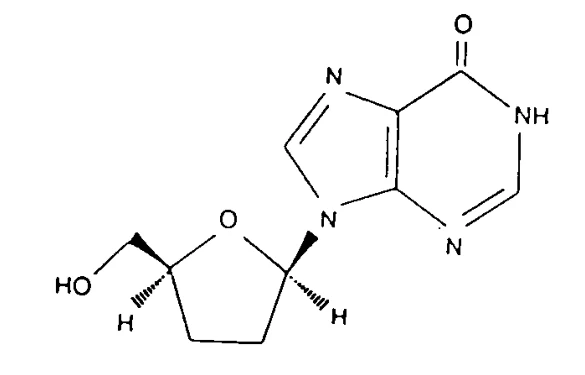
Proper Name : Didanosine [ddI]
Chemical Name: 2',3'-dideoxyinosine
Molecular formula and molecular mass: C10H12N4O3 and 236.2
Structural Formula:
Physicochemical properties
Appearance: Didanosine is a white, crystalline powder.
Solubility: The aqueous solubility of didanosine at 25oC and pH of approximately 6 is 27.3 mg/mL. Didanosine is unstable in acidic solutions. For example, at pH<3 and 37°C, 10% of didanosine decomposes to hypoxanthine in less than 2 minutes.
CLINICAL TRIALS
The effect of didanosine, alone or in combination with ZDV (zidovudine), was evaluated in several major randomized, controlled clinical trials. These trials confirmed the reduced risk of HIV disease progression or death with didanosine therapy, alone or in combination with ZDV, as compared with ZDV monotherapy in HIV-infected individuals, including symptomatic and asymptomatic adults with CD4 counts < 500 cells/mm3.The clinical benefits of initial didanosine therapy were demonstrated in adults with CD4 counts 200 - 500 cells/mm3.One trial showed that eight weeks of treatment with ZDV, didanosine, or didanosine plus ZDV decreased mean plasma HIV RNA by 0.26, 0.65 and 0.93 log10 copies /mL, respectively.
Once-Daily Dosing
BMS study AI454-152 was a 48-week randomized open-label comparison of VIDEX EC administered once daily in combination with stavudine (d4T) and nelfinavir (NLF) versus the fixed combination of zidovudine (AZT)/lamivudine (3TC) and nelfinavir (NLF) in 511 treatment naive HIV-1 infected adult patients. The results of the 48-week final protocol-specified analysis showed no overall difference in virologic response between the VIDEX EC once-daily/d4T/NLF and the AZT/3TC/NLF regimens in the proportion of patients with HIV RNA <400 c/mL, 56% and 53%, respectively. Treatment response and outcomes through 48 weeks are shown in Table 11.
Table 11: Outcomes of Randomized Treatment with VIDEX EC through Week 48, AI454-152
| Outcome | Percent of Patients with HIV-1 RNA less than 400 copies/mL (per cent less than 50 copies/mL) | |
| VIDEX EC + stavudine + nelfinavir n=258 | zidovudine/ lamivudinea + nelfinavir n=253 | |
| Responder b | 55 (33) | 56 (33) |
| Virologic failurec | 22 (45) | 21 (43) |
| Death or discontinued due to disease progression | 1 (1) | 2 (2) |
| Discontinued due to adverse events | 6 (6) | 7 (7) |
| Discontinued due to other reasonsd | 16 (16) | 15 (16) |
a; zidovudine/lamivudine combination tablet.
b; subjects achieved and maintained confirmed HIV-1 RNA less than 400 copies/mL (less than 50 copies/mL)
through Week 48.
c; includes viral rebound at or before Week 48 and failure to achieve confirmed HIV-1 RNA less than 400 copies/mL (less than 50 copies/mL) through Week 48.
d; includes lost to follow-up, subject’s withdrawal, discontinuation due to physician’s decision, never treated, and other reasons.
In a protocol-specified analysis of patients with HIV RNA <50 c/mL at 48-weeks, 37% of VIDEX EC once-daily/d4T/NLF-treated patients were below the limit of detection compared to 35% of the AZT/3TC/NLF-treated patients. Similar conclusions of comparability of the regimens were obtained with a modified efficacy analysis which included additional criteria for treatment failure. Increases in CD4 cell counts above baseline at 48-weeks were 120.5 and 162 cells/mm3, in the VIDEX EC once-daily/d4T/NLF and AZT/3TC/NLF-treated patients, respectively.
BMS study AI454-148 was a 48-week randomized open-label comparison of VIDEX1 administered once-daily in combination with stavudine (d4T) and nelfinavir (NLF) versus zidovudine (AZT)/lamivudine (3TC)/nelfinavir (NLF) in 756 treatment naïve HIV-1 infected adult patients. The results of the 48-week final analysis of all randomized patients on their initial therapy demonstrated no significant difference in virologic response between the VIDEX once daily/d4T/NLF and the AZT/3TC/NLF regimens in the proportion of patients with HIV RNA <400 c/mL, 52% and 57%, respectively.
Table 12: Outcomes of Randomized Treatment with VIDEXd through Week 48, AI454-148
| Percent of Patients with HIV-1 RNA less than 400 copies/mL (less than 50 copies/mL) | |||||||||||
|---|---|---|---|---|---|---|---|---|---|---|---|
| Week 48 Status | VIDEX/stavudine/nelfinavir n=503 | lamivudine/zidovudine/nelfinavir n=253 | |||||||||
| Respondera | 50* (34*) | 59 (47) | |||||||||
| Virologic failureb | 36 (57) | 32 (48) | |||||||||
| Death or disease progression | less than 1 (less than 1) | 1 (less than 1) | |||||||||
| Discontinued due to adverse events | 4 (2) | 2 (less than 1) | |||||||||
| Discontinued due to other reasonsc | 6 (3) | 4 (2) | |||||||||
| Never initiated treatment | 4 (4) | 2 (2) | |||||||||
| * p less than 0.05 for the differences between treatment groups, by Cochran-Mantel-Haenszel test. | |||||||||||
| a Patients achieved virologic response [two consecutive viral loads less than 400 (less than 50) copies/mL] and maintained it to Week 48. | |||||||||||
| b Includes viral rebound and failing to achieve confirmed less than 400 (less than 50) copies/mL by Week 48. | |||||||||||
| c Includes lost to follow-up, noncompliance, withdrawal, and pregnancy. | |||||||||||
d; VIDEX tablets are no longer marketed in Canada.
In a similar analysis of patients with HIV RNA <50 c/mL at 48-weeks, 40% of VIDEX once daily/d4T/NLF-treated patients were below the limit of detection compared to 47% of the AZT/3TC/NLF-treated patients. Results of an additional analysis of treatment response, combining measures of treatment failure as well as the proportion below the limit of detection, demonstrated response rates which favored the AZT/3TC/NLF regimen: for HIV RNA <400 c/mL response rates were 50% and 59%, and for HIV RNA <50 c/mL were 34% and 47% for the VIDEX once daily/d4T/NLF and AZT/3TC/NLF regimens, respectively. Immunologic response, as measured by CD4 cell counts, was comparable between the treatment arms. Treatment response and outcomes through 48 weeks are shown in Table 12.
MICROBIOLOGY
In Vitro HIV Susceptibility
The in vitro anti-HIV-1 activity of didanosine was evaluated in a variety of HIV-1 infected lymphoblastic cell lines and monocyte/macrophage cell cultures. Didanosine has shown antiviral activity against laboratory and clinical isolates of HIV-1. The concentration of drug necessary to inhibit viral replication by 50 percent (IC50) ranged from 2.5 to 10 μM (1 μM = 0.24 μg/mL) in lymphoblastic cell lines and 0.01 to 0.1 μM in monocyte/macrophage cell cultures. The relationship between in vitro susceptibility of HIV to didanosine and the inhibition of HIV replication in humans has not been established.
Drug Resistance
HIV-1 isolates with reduced sensitivity to didanosine have been selected in vitro and were also obtained from patients treated with didanosine. Genetic analysis of these isolates showed a predominant mutation at Leu 74 (Leu 74 Val) and another mutation at Met 184 (Met 184 Val) in the Pol gene that encodes for the reverse transcriptase.
Cross-resistance
The potential for cross-resistance between reverse transcriptase inhibitors and protease inhibitors is low because of the different enzyme targets involved. Mutations in the reverse transcriptase gene at both codons 74 and 184 are associated with cross-resistance to zalcitabine. Lamivudine-resistant isolates containing only the Met 184 Val mutation have been recovered and these isolates showed a 4- to 8-fold decrease in didanosine sensitivity. HIV-1 isolates with multidrug resistance mutations to zidovudine, didanosine, zalcitabine, stavudine and lamivudine have been reported (2/39 patients) following combination therapy with zidovudine and didanosine for 2 years. Multidrug resistance was dependent on five mutations (Ala 62 Val, Val 75 Ile, Phe 77 Leu, Phe 116 Tyr and Gln 151 Met) in the reverse transcriptase gene. Of these, the mutation at codon position 151 (Q151M) played a significant role in the development of viable virus with a multidrug resistance phenotype.
NON-CLINICAL TOXICOLOGY
Acute Toxicity
The minimal lethal oral single dose of didanosine was determined to be greater than 2000 mg/kg in male and female mice, rats and dogs.
All animals appeared clinically normal throughout the 14-day observation period except for emesis in the treated dogs at 40-75 minutes after didanosine administration.
Chronic Toxicity
Evidence of a dose-limiting skeletal muscle toxicity has been observed in mice and rats (but not in dogs) following long-term (greater than 90 days) dosing with didanosine at doses that were approximately 1.2-12 times the estimated human exposure. The relationship of this finding to the potential of didanosine to cause myopathy in humans is unclear. However, human myopathy has been associated with administration of other nucleoside analogs.
Carcinogenicity and Mutagenicity
Lifetime carcinogenicity studies were conducted in mice and rats for 22 and 24 months, respectively. No drug-related neoplasms were observed in any didanosine-treated group of mice during, or at the end of, the dosing period. In rats, statistically significant increases were noted for granulosa cell tumors in high dose females, subcutaneous fibrosarcomas and histiocytic sarcomas in high dose males, and hemangiomas in intermediate and high dose males. These increases were attributed to biological variation or other factors, such as increased longevity at the high dose, that are known to influence spontaneous tumor rate variability, and were not considered toxicologically significant.
No evidence of mutagenicity (with or without metabolic activation) was observed in Ames Salmonella mutagenicity assays or in a mutagenicity assay conducted with Escherichia coli tester strain WP2 uvrA where only a slight increase in revertants was observed with didanosine. In a mammalian cell gene mutation assay conducted in L5178Y/TK+/- mouse lymphoma cells, didanosine was weakly positive both in the absence and presence of metabolic activation at concentrations of approximately 2000 μg/mL and above. In an in vitro cytogenic study performed in cultured human peripheral lymphocytes, high concentrations of didanosine (≥ 500 μg/mL) elevated the frequency of cells bearing chromosome aberrations. Another in vitro mammalian cell chromosome aberration study using Chinese Hamster Lung cells revealed that didanosine produces chromosome aberrations at ≥ 500 μg/mL after 48 hours of exposure. However, no significant elevations in the frequency of cells with chromosome aberrations were seen at didanosine concentrations up to 250 μg/mL. In a BALB/c 3T3 in vitro transformation assay, didanosine was considered positive only at concentrations of 3000 μg/mL and above.
No evidence of genotoxicity was observed in rat and mouse micronucleus assays. The results from the genotoxicity studies suggest that didanosine is not mutagenic at biologically and pharmacologically relevant dose levels. At significantly elevated doses in vitro, the genotoxic effects of didanosine are similar in magnitude to those seen with natural DNA nucleosides.
Reproduction
Fertility
Fertility studies (Segment I) were performed in rats and rabbits. Didanosine was slightly toxic to females and pups in the high dose group, during mid and late lactation. The rats showed reduced food intake and body weight gains. With the exception of this transient drug effect, didanosine did not induce toxicity and did not impair the reproductive ability of the parents or the physical or functional development of the pups. There was no increase in spontaneous external malformations.
Reproduction
No evidence of embryotoxic, fetotoxic or teratogenic effects were seen in reproductive studies (Segment II) performed in rats and rabbits.
Maternal and Fetal Tissue Distribution
No adverse effects on gestation, parturition or lactation (FO generation), or on development, behavior or reproduction (F1 generation) were seen in Segment III studies performed in rats.
A study in rats showed that, following oral administration, didanosine and/or its metabolites were excreted into the milk of lactating rats.
REFERENCES
- 1. Bach MC,. Clinical Response to Dideoxyinosine in Patients with HIV Infection Resistant to Zidovudine. New Engl J Med 323:275, 1990.
- 2. Cooley TP, Kunches LM, Saunders CA, et al. Once-Daily Administration of 2',3'-Dideoxyinosine (ddI) in Patients with Acquired Immunodeficiency Syndrome or AIDS-Related Complex. New Eng J Med 322:1340-1345, 1990.
- 3. EMEA Public Statement. Efficacy and safety concerns regarding the co-administration of tenofovir disproxil fumarate (TDF, Viread1) and didanosine (ddI, Videx2), 2005. Accessed on 07-May-2010. http://www.ema.europa.eu/pdfs/human/press/pus/6233105en.pdf
- 4. Hartman NR, Yarchoan R, Pluda JM, et al. Pharmacokinetics of 2',3' - Dideoxyadenosine and 2',3' - Dideoxyinosine in Patients With Severe Human Immunodeficiency Virus Infection. Clin Pharm Ther 47:647-654, 1990.
- 5. Johnson MA, Ahluwalia G, Connelly MC, et al. Metabolic Pathways for the Activation of the Antiretroviral Agent 2',3' - Dideoxyadenosine in Human Lymphoid Cells. J. Biol Chem 263:15354-15357, 1988.
- 6. Klecker RW, Collins JM, Yarchoan R, et al. Plasma and Cerebrospinal Fluid Pharmacokinetics of 3'-Azido- 3'-Deoxythymidine: A Novel Pyrimidine Analog with Potential Application for the Treatment of Patients with AIDS and AIDS Related Diseases. Clin Pharm Ther 41:407-412, 1987.
- 7. Núñez M, Lana R, Mendoza JL, Martin-Carbonero L, Soriano V Risk factors for severe hepatic injury after introduction of highly active antiretroviral therapy. J. Acquir Immune Defic Syndr 2001; 27(5): 426-431
- 8. Podzamczer D, Ferrer E, el al. Early virologic failure with a combination of tenofovir, didanosine and efavirenz. Antivirial Therapy 10: 171-177, 2005.
- 9. Singlas E, et al. Didanosine Pharmacokinetics in Patients with Normal and Impaired Renal Function. Antimicrob Agents Chemother 36:1519-1524, 1992.
- 10. Yarchoan R, Mitsuya H, Thomas RV, et al. In Vitro Activity Against HIV and Favorable Toxicity Profile of 2',3' - Dideoxyinosine. Science 245:412-415, 1989.