


Product Monograph - Voltaren Emulgel Extra Strength
1 Indications
Adults between 18 to 65 years:
VOLTAREN EMULGEL Extra Strength and VOLTAREN EMULGEL Joint Pain Extra Strength (diclofenac diethylamine gel 2.32% w/w) are indicated for:
- Relief of pain associated with recent (acute), localized muscle or joint injuries such as sprains, strains or sports injuries (e.g. sprain of ankle, strain of shoulder or back muscles). This is typically as an adjunct to other measures, such as rest, for the relief of discomfort associated with such injuries.
1.1 Pediatrics
Pediatrics (< 18 years of age): No data are available to Health Canada; therefore, Health Canada has not authorized an indication for pediatric use.
1.2 Geriatrics
Geriatrics (>65 years of age): No data are available to Health Canada; therefore, Health Canada has not authorized an indication for geriatric use.
2 Contraindications
- Patients who are hypersensitive to this drug or to any ingredient in the formulation, including any non-medicinal ingredient, or component of the container. For a complete listing, see 6 Dosage Forms, Strengths, Composition, and Packaging.
- Hypersensitivity to diclofenac, acetylsalicylic acid or other non-steroidal anti-inflammatory drugs.
- Patients with or without chronic asthma in whom attacks of asthma, angioedema, urticaria or acute rhinitis are precipitated by acetylsalicylic acid or other non-steroidal anti-inflammatory agents.
- Concomitant use of other products containing diclofenac.
- Concomitant use of oral non-steroidal anti-inflammatory drugs (NSAIDs).
- During the last trimester of pregnancy.
- Following coronary artery bypass grafting surgery.
4 Dosage and Administration
4.1 Dosing Considerations
- See 4.2 Recommended Dose and Dosage Adjustment
4.2 Recommended Dose and Dosage Adjustment
Adults between 18 to 65 years:
- VOLTAREN EMULGEL Extra Strength [or VOLTAREN EMULGEL Joint Pain Extra Strength] should be applied over the affected area twice daily; 2 g in the morning and 2 g in the evening. The total dose should not exceed 4 g per day over all affected areas. Applying a greater quantity of gel will not result in an increase of pain relief.
The duration of treatment depends on the natural course of healing, rest and also on clinical response. The gel should not be used for more than 7 days for muscle and joint injuries unless recommended by a doctor. If the condition does not improve or worsens within 7 days of starting treatment, patient should consult their doctor to exclude an alternative underlying cause of pain.
Health Canada has not authorized an indication for pediatric use.
4.4 Administration
For Topical Use Only.
The amount of VOLTAREN EMULGEL Extra Strength [or VOLTAREN EMULGEL Joint Pain Extra Strength] (2 g for each application) should be measured using the dosing guide supplied with the product.
VOLTAREN EMULGEL Extra Strength
For each application the gel should be squeezed from the tube and measured up to the 2 g line on the dosing card. Clean and dry the dosing card after each use.
VOLTAREN EMULGEL Joint Pain Extra Strength
For each application, hold the tube upright and squeeze the gel from the tube until it fills the 2 g dosing ring on the cap. After use, clean the cap with a tissue until visibly clean and dry.
After application, the hands should be wiped with a tissue and then washed. The tissue should be thrown in the trash after use. Patients should wait until the gel dries before showering or bathing.
4.5 Missed Dose
If a dose of VOLTAREN EMULGEL Extra Strength and VOLTAREN EMULGEL Joint Pain Extra Strength is missed, it should be applied when the consumer remembers and then again at the next scheduled time. A double quantity should not be applied.
5 Overdosage
The low systemic absorption of topical diclofenac renders overdose very unlikely. However undesirable effects, similar to those observed following an overdose of VOLTAREN tablets, can be expected if VOLTAREN EMULGEL Extra Strength [or VOLTAREN EMULGEL Joint Pain Extra Strength] is ingested (1 tube of 50 g contains the equivalent of 1 g diclofenac sodium), respectively.
In the event of accidental ingestion, resulting in significant systemic side effects, general therapeutic measures normally adopted to treat poisoning with non-steroidal anti-inflammatory drugs should be used. Further management should be as clinically indicated, or as recommended by the regional Poison Control Centre.
Management of overdosage with NSAIDs essentially consists of supportive and symptomatic measures. Supportive and symptomatic treatment should be given for complications such as hypotension, renal failure, convulsions, gastro-intestinal irritation, and respiratory depression; specific therapies such as forced diuresis, dialysis or haemoperfusion are probably of no help in eliminating NSAIDs due to their high rate of protein binding and extensive metabolism.
There are 173 worldwide cases of overdose with diclofenac diethylamine gel in the company safety database. Fifty concern patients of age up to 18 years; 78 concern the adult and elderly population, and 45 concern patients of unspecified age.
In the paediatric population, no adverse event was reported in 39 out of 50 cases; 5 out of 11 cases with clinical adverse events (with patient’s age ranging from 5 months to 11 years) reported listed skin reactions after topical application (e.g. rash, urticaria, erythema). Other adverse events reported were burning sensation; skin disorder, alopecia, thermal burn, decreased appetite, thyroid disorder, headache, diarrhoea, nausea, skin reaction, erythema (in this medically confirmed case, the causal relationship with diclofenac diethylamine gel was assessed as unlikely); vomiting, headache and dizziness; inflammation; eye swelling, nasal inflammation and eye inflammation in two children who accidentally received a small amount of gel near the eyes; nausea and feeling abnormal.
There were no cases of accidental ingestion. A 19-month-old child accidentally ran her lips around an opened tube, but no adverse events were reported.
Diclofenac diethylamine gel 1.16% w/w should not be used in adults and adolescents under 16 years.
In the adult population, out of 78 cases, 24 reported clinical adverse events after topical application: e.g. skin reactions (rash, burning sensation, skin exfoliation, eczema, erythema, dermatitis), hypersensitivity symptoms (e.g. swollen tongue, dyspnoea), peripheral swelling, feeling hot, gastrointestinal reactions (e.g. epigastric discomfort in a case with co-suspect celecoxib; abdominal pain upper, vomiting), hypotension (case confounded by concomitant medications), events related to the underlying condition (e.g. pain, arthralgia, chondropathy). A 79-year-old polymedicated patient with a medical history of hypertension, type 2 diabetes mellitus, and respiratory disease developed acute renal failure after using two full tubes of 120 grams in a 10-day period. Angina pectoris occurred in a 46-year-old polymedicated (not further specified) male patient treated with diclofenac free acid for nearly 20 years with a dose of 2 tablets 3 times a day (overdose) in addition to recently started diclofenac diethylamine. A 78-year-old patient treated with fluindione developed haematoma after application of excessive amounts (a tube of 100 ml in 4 days) of diclofenac diethylamine gel.
In the population of unspecified age, out of 45 cases, only 16 cases reported clinical adverse events after topical application: e.g. skin reactions (e.g. application site pruritus, skin irritation, rash), sensory loss, burning sensation, peripheral swelling, gastritis in a patient with a history of stress-induced gastritis, poisoning (not further specified). In one case, a female patient developed unspecified circulatory system complaints, dizziness and nausea after applying too much product, summarized as misuse of 2 x 150 g per week. Final outcome was complete recovery. A female consumer wanted to commit suicide with diclofenac diethylamine gel; no other adverse event than suicide attempt was reported. In another case, a male patient with an unspecified renal disorder developed comatose state and possible renal failure after use of the product regularly and continuously for more than one year over a large area of skin including the back, the shoulder and the legs. The patient used about 2 tubes every three weeks. In another case, a female patient with alcohol and narcotic addiction used the product to get intoxicated. Diclofenac diethylamine gel was heated, and the vapours were being aspirated with a specific syringe. The content was injected into the mouth or the ear to achieve intoxication from the alcohol that had been extracted from the process. No adverse event other than alcohol poisoning and drug abuse was reported.
There was one case of ingestion: An elderly female patient accidentally swallowed diclofenac diethylamine gel 25g but most of it was not absorbed because the patient spontaneously vomited most of the drug. No further adverse event occurred.
For the most recent information in the management of a suspected drug overdose, contact your regional poison control centre or Health Canada’s toll-free number, 1-844 POISON-X (1-844-764-7669).
6 Dosage Forms, Strengths, Composition, and Packaging
This product contains paraffin (see 7 Warnings and Precautions).
VOLTAREN EMULGEL Extra Strength and VOLTAREN EMULGEL Joint Pain Extra Strength are white to practically white, soft, homogenous, cream-like gel and packaged in:
- An aluminium laminated tube fitted with a high-density polyethylene shoulder and closed by a moulded seal. The tube is closed with a polypropylene screw cap, incorporating a moulded feature used to insert, twist and remove the seal before first use.
- Aluminium laminated tube fitted with a high-density polyethylene shoulder. The tube is closed with a snapped-on flip-top massage applicator made of polypropylene for the chassis and high-density polyethylene for the massage head. The flip-top cap has a polypropylene security tab located on one side of the cap.
Pack sizes:
VOLTAREN EMULGEL Extra Strength
30 g, 60 g and 100 g tubes in cartons with a dosing card.
VOLTAREN EMULGEL Joint Pain Extra Strength
100 g tubes.
7 Warnings and Precautions
General
Diclofenac diethylamine gel 2.32% w/w is for topical use only and should be applied only to intact, non-diseased skin and not to skin wounds or open injuries. It should not be used with occlusion. It should not be allowed to come into contact with the eyes, or mucous membranes, and should never be taken by mouth.
VOLTAREN EMULGEL Extra Strength and VOLTAREN EMULGEL Joint Pain Extra Strength contains propylene glycol, which may cause mild, localised skin irritation in some people. It
| Route of Administration | Dosage Form / Strength/Composition | Non-medicinal Ingredients |
| Topical | Gel, 23.2 mg/g diclofenac diethylamine (2.32% w/w) | Butylhydroxytoluene, carbomer, cocoyl caprylocaprate, diethylamine, fragrance, isopropyl alcohol, liquid paraffin, macrogol cetostearyl ether, oleyl alcohol, propylene glycol, purified water. |
also contains butylhydroxytoluene which may cause local skin reactions (e.g. contact dermatitis) or irritation to the eyes and mucous membranes. For a complete list of non-medicinal ingredients see 6 Dosage Forms, Strengths, Composition, and Packaging.
Discontinue the treatment if a skin rash develops after applying the product.
VOLTAREN EMULGEL Extra Strength or VOLTAREN EMULGEL Joint Pain Extra Strength can be used with non-occlusive bandages but should not be used with an airtight occlusive dressing.
Patients should be instructed to be cautious when smoking or near open flames due to risk of severe burns. VOLTAREN EMULGEL Extra Strength and VOLTAREN EMULGEL Joint Pain Extra Strength contain paraffin which is potentially flammable when it builds up on fabric (clothing, bedding, dressings etc.). Washing clothing and bedding may reduce product build up but not totally remove it.
Systemic availability of diclofenac diethylamine through percutaneous absorption is low compared with plasma levels obtained following ingestion of oral forms of diclofenac. Nevertheless, the possibility of systemic side effects cannot be completely excluded. Chances of this may be increased where Diclofenac diethylamine gel 2.32% w/w is applied to a relatively large area of skin and/or over an extended period of time (e.g., especially if this goes beyond the maximum duration recommended for use).
Gastrointestinal
Some possibility of gastro-intestinal bleeding in patients with a significant history of peptic ulceration has been reported in isolated cases in users of diclofenac diethylamine gel. Diclofenac diethylamine gel 2.32% w/w should therefore be used with caution by patients under medication for active peptic ulcers in the stomach or duodenum (e.g., proton pump inhibitors or histamine H2 receptor antagonists). If the patient is uncertain, they should be advised to consult their doctor or pharmacist.
Monitoring and Laboratory Tests
No monitoring parameters or laboratory tests are required to monitor response to therapy or possible adverse reactions.
Respiratory
Like other drugs that inhibit prostaglandin synthetase activity, diclofenac and other NSAIDs can precipitate bronchospasm if administered to patients suffering from or with a previous history of bronchial asthma.
Asthma has been rarely reported in patients using topical NSAID preparations.
Skin
Local irritation, erythema, pruritus or dermatitis may occasionally occur with topical diclofenac diethylamine. Skin photosensitivity, desquamation, discoloration and bullous or vesicular eruptions have been reported in isolated cases. Patients should be warned against excessive exposure to sunlight in order to reduce the incidence of photosensitivity.
The following side effects have been observed with oral forms of diclofenac sodium.
Cardiac and Vascular disorders
Uncommon: myocardial infarction, cardiac failure, palpitations, angina, arrhythmias, chest pain.
Very rare: hypertension, vasculitis.
Ear and labyrinth disorders
Common: vertigo.
Very rare: hearing impaired, tinnitus.
Eye disorders
Very rare: visual impairment (blurred vision, diplopia).
Gastrointestinal disorders
Very common: nausea, vomiting, diarrhoea, dyspepsia, abdominal pain, flatulence, decreased appetite.
Uncommon: gastritis, gastrointestinal hemorrhage, hemorrhagic diarrhea, melena, hematemesis, gastric and intestinal ulcerations (with or without bleeding or perforation).
Very rare: lower gut disorders (including haemorrhagic colitis and exacerbations of ulcerative colitis or Crohn's disease), intestinal diaphragm disease, hyperacidity, stomatitis, glossitis, coated tongue, esophageal lesions, constipation, pancreatitis.
Haematologic
Very rare: thrombocytopenia, leukopenia, agranulocytosis, haemolytic anaemia, aplastic anaemia, anemia secondary to gastrointestinal bleeding.
Hepatic
Common: elevations (>3 times the upper normal limit) of serum aminotransferase enzymes (SGPT or ALT, SGOT or AST).
Uncommon: liver function disorders including hepatitis, hepatic necrosis, hepatic failure, jaundice.
Very rare: hepatitis fulminant.
Immune system disorders
Uncommon: hypersensitivity anaphylactic / anaphylactoid systemic reactions (including hypotension and shock).
Very rare: angioedema (including face edema).
Nervous system disorders
Common: dizziness, headache.
Uncommon: somnolence, malaise, impaired concentration, tiredness.
Very rare: sensory disturbances including paraesthesia, memory impairment, convulsions, anxiety, tremor, aseptic meningitis, cerebrovascular accident (including transient ischemic attack, cerebral hemorrhage), dysgeusia.
Psychiatric disorders
Very rare: disorientation, depression, insomnia, nightmare, irritability, psychotic disorder.
Renal and urinary disorders
Uncommon: edema (facial, general, peripheral).
Very rare: acute kidney injury (acute renal failure), nephrotic syndrome, urinary abnormalities (e.g. haematuria and proteinuria), tubulointerstitial nephritis, renal papillary necrosis.
Respiratory disorders
Uncommon: asthma (including dyspnea).
Very rare: pneumonitis.
Skin and subcutaneous disorders
Common: rash, pruritus.
Uncommon: urticaria.
Very rare: bullous dermatitis, erythema, eczema, erythema multiforme, Stevens-Johnson syndrome, Lyell's syndrome (toxic epidermal necrolysis), erythroderma (exfoliative dermatitis), alopecia, photosensitivity reactions, purpura, Henoch-Schonlein purpura.
7.1 Special Populations
7.1.1 Pregnancy
Since no experience has been acquired with diclofenac diethylamine gel in pregnancy, it is not recommended for use in these circumstances.
It is contraindicated during the last trimester of pregnancy, owing to the possibility of uterine inertia, fetal renal impairment with subsequent oligohydramnios and/or premature closure of the ductus arteriosus.
Animal data has shown an increased incidence of dystonia and delayed parturition when drug administration is continued into late pregnancy.
If diclofenac is used by a woman attempting to conceive, or during the first and second trimester of pregnancy, the dose should be kept as low and duration of treatment as short as possible and consult your doctor.
7.1.2 Breastfeeding
It is not known whether topical diclofenac is excreted in breast milk. However, studies in animals detected diclofenac in milk after oral administration. Precaution should be exercised because many drugs are excreted in human milk.
Diclofenac should only be used during lactation if the expected benefit justifies the potential risk to the newborn. If there are compelling reasons for using it, it should not be applied to the breasts nor should it be used at a higher dosage or for a longer period of time than recommended. Nursing women should consult their doctor before using the product.
7.1.3 Pediatrics
Pediatrics (<18 years of age): No data are available to Health Canada; therefore, Health Canada has not authorized an indication for pediatric use.
7.1.4 Geriatrics
Geriatrics (>65 years of age): No data are available to Health Canada; therefore, Health Canada has not authorized an indication for geriatric use.
8 Adverse Reactions
8.1 Adverse Reaction Overview
The adverse event incidence in the clinical studies was very low. The benign safety profile documented in the clinical studies is confirmed in the post-marketing experience in millions of patients worldwide. The adverse events occurring in studies were usually either moderate or mild. Serious adverse events observed in all the studies, conducted over more than a decade, were very few in number and all unrelated to study treatment.
In post-marketing surveillance, approximately 90% of case reports are non-serious. Cutaneous adverse events, occurring mostly at the application site, constitute the most common symptoms reported. Serious adverse events associated with oral forms of diclofenac, including gastrointestinal bleeding, have been reported occasionally. No causal relationship has been established between diclofenac diethylamine gel and these systemic adverse events.
8.2 Clinical Trial Adverse Reactions
Clinical trials are conducted under very specific conditions. The adverse reaction rates observed in the clinical trials; therefore, may not reflect the rates observed in practice and should not be compared to the rates in the clinical trials of another drug. Adverse reaction information from clinical trials may be useful for identifying and approximating rates of adverse drug reactions in real-world use.
The key studies supporting the safety profile of VOLTAREN EMULGEL Extra Strength (diclofenac diethylamine gel 2.32% w/w) include two randomised, double-blind, placebo controlled trials. This dataset included 513 patients with acute lateral ankle sprain, 173 placebo, 91 VOLTAREN EMULGEL Extra Strength (diclofenac diethylamine gel 2.32% w/w) once daily (o.d.), 169 twice per day (b.i.d.), and 80 three times per day (t.i.d.).
In the two double-blind placebo-controlled studies, topical exposure to VOLTAREN EMULGEL Extra Strength (diclofenac diethylamine gel 2.32% w/w) was for up to 7 days. Skin and application site AEs are shown in Table 1.
Table 1 – Skin and application site AEs in double-blind, placebo-controlled studies
VOLTAREN EMULGEL Extra Strength (diclofenac diethylamine gel 2.32% w/w)
Placebo
o.d.
b.i.d.
t.i.d.
No. (%) of patients
N=173
N=91
N=169
N=80
General disorders & administration site conditions
2 (1.2)
0
0
1 (1.3)
Application site pain
1 (0.6)
0
0
0
Application site pruritus
0
0
0
1 (1.3)
Skin & subcutaneous tissue disorders
4 (2.3)
1 (1.1)
1 (0.6)
0
Dermatitis
1 (0.6)
0
0
0
Erythema
2 (1.2)
1 (1.1)
1 (0.6)
0
Pruritus
1 (0.6)
0
0
0
Skin exfoliation
1 (0.6)
0
0
0
The highest incidence of AEs at the application site occurred in the group using placebo gel. In the VOLTAREN EMULGEL Extra Strength (diclofenac diethylamine gel 2.32% w/w) groups, only two events were suspected of being drug related, severe erythema with b.i.d. administration and mild application site pruritus with t.i.d. administration. By contrast, in the placebo group, 4 AEs in the skin and subcutaneous tissue disorders system organ class (SOC) (skin exfoliation, 2 erythema, pruritus, all of mild severity) and 1 AE in the general disorders and administration site conditions SOC (moderate application site pain) were suspected of being treatment-related.
8.2.1 Clinical Trial Adverse Reactions – Pediatrics
No clinical efficacy and safety pediatric studies have been conducted for VOLTAREN EMULGEL Extra Strength (diclofenac diethylamine 2.32% w/w).
8.3 Less Common Clinical Trial Adverse Reactions
Infections and infestations: rash pustular (very rare, <1/10,000).
Immune system disorders: hypersensitivity (including urticaria), angioedema (very rare, <1/10,000).
Respiratory, thoracic and mediastinal disorders: asthma (very rare, <1/10,000).
Skin and subcutaneous tissue disorders: dermatitis bullous (rare, ≥1/10,000 to <1/1,000), photosensitivity reaction (very rare, <1/10,000).
8.3.1 Less Common Clinical Trial Adverse Reactions – Pediatrics
No clinical efficacy and safety pediatric studies have been conducted for VOLTAREN EMULGEL Extra Strength (diclofenac diethylamine 2.32% w/w).
8.4 Abnormal Laboratory Findings: Hematologic, Clinical Chemistry and Other Quantitative Data
Clinical laboratory evaluations were not routinely performed in the studies undertaken for the indication of muscle and joint soft tissue injuries. The treatments were given for short periods only.
8.5 Post-Market Adverse Reactions
List of adverse reactions
The list includes adverse reactions from the clinical trials as well as from the post-marketing experience where causal relationship has been established.
Adverse reactions are listed below, by system organ class and frequency. Frequencies are defined as: very common (≥ 1/10); common (≥ 1/100 to < 1/10); uncommon (≥ 1/1,000 to <1/100); rare (≥ 1/10,000 to < 1/1,000); very rare (< 1/10,000). Within each frequency grouping, undesirable effects are presented in order of decreasing seriousness.
Infections and infestations
Very rare: Rash pustular.
Immune system disorders
Very rare: Hypersensitivity (including urticaria), angioedema.
Respiratory, thoracic and mediastinal disorders
Very rare: Asthma.
Skin and subcutaneous tissue disorders
Common: Dermatitis (including contact dermatitis), rash, erythema, eczema, pruritus.
Rare: Dermatitis bullous.
Very rare: Photosensitivity reaction.
Reporting of suspected adverse reactions
Reporting suspected adverse reactions after authorization of the medicinal product is important. It allows continued monitoring of the benefit/risk balance of the medicinal product. Healthcare professionals are asked to report any suspected adverse reactions via the Canada Vigilance Program.
9 Drug Interactions
9.2 Drug Interactions Overview
No drug and substance interaction studies have been performed as part of the clinical development of VOLTAREN EMULGEL Extra Strength (diclofenac diethylamine gel 23.2 mg/g / 2.32% w/w).
From the pharmacokinetic point of view, diclofenac is extensively (>99.7%) protein bound, mainly to albumin (99.4%). Binding to serum albumin is characterised by 2 classes of binding sites: the high affinity sites are likely to be shared with benzodiazepines and the low affinity site with warfarin. Diclofenac does not modify other strongly protein bound drugs but may, in vitro, be displaced by salicylic acid.
There is a considerable body of literature regarding interactions of oral NSAIDs, and diclofenac in particular, with other medicinal products. No interactions with other drugs are to be expected due to very low plasma levels observed after topical application of VOLTAREN EMULGEL Extra Strength (diclofenac diethylamine gel 2.32% w/w).
9.4 Drug-Drug Interactions
No drug-drug interactions were noted in the clinical studies presented. Isolated interaction cases have been reported for topical diclofenac diethylamine gel from the marketplace.
Eighty-six worldwide cases of possible drug interactions with diclofenac diethylamine gel over more than 4 billion patients treatment courses have been entered to the company world-wide safety database since first marketing:
In 64 cases, a possible interaction between diclofenac diethylamine gel and only one other interacting drug was reported:
Twenty cases with other anti-inflammatory medications (diclofenac, ibuprofen, acetylsalicylic acid, naproxen, piroxicam, celecoxib, and an unknown anti-inflammatory medication); clinical adverse events reported were e.g. pain, arthralgia, somnolence,
- gastrointestinal haemorrhage, gastric ulcer, haemorrhoids, diarrhoea, renal failure, hypertension, tachycardia, rash).
- Twenty-four cases with oral anticoagulant therapy (acenocoumarol, warfarin, phenprocoumon, fluindione, clopidogrel, and an unknown anticoagulant); only 2 cases did not report any clinical adverse event. The most frequently reported clinical adverse events were haemorrhages (in five cases, e.g. gastrointestinal haemorrhage, epistaxis, gingival bleeding) and international normalized ratio increased (6 cases). Other adverse events reported included renal failure, prothrombin level decreased.
- Six cases with anti-hypertensives (with an unknown anti-hypertensive, candesartan, losartan, lisinopril, captopril, valsartan; clinical adverse events reported were e.g. blood pressure increased, acute kidney injury).
- Three cases of psychiatric disorders (3 cases of confusional state with rivastigmine).
- Five cases with unspecified medications (with clinical adverse events such as dermatitis allergic, skin irritation, renal disorder).
- Two cases of gastrointestinal haemorrhage associated with fluoxetine.
- One case of headache associated with pantoprazole.
- One case of toxicity to lithium associated with lithium.
- One case of erythema and urticaria associated with heat therapy.
- One case of renal disorder associated with torasemide.
In the remaining twenty-two cases, there were more than one possibly interacting medication, with no particular drugs and adverse events pattern identified.
The customary drug-drug interactions between oral NSAIDs and anticoagulants, oral antidiabetic agents and certain other classes are usually based on the high protein-binding nature of the NSAID. With significantly lower amounts of active substance in circulation following topical application compared with after oral administration, such interactions may be predicted to be very unlikely with use of VOLTAREN EMULGEL Extra Strength (diethylamine gel 2.32% w/w).
9.5 Drug-Food Interactions
Interactions with food have not been established.
9.6 Drug-Herb Interactions
Interactions with herbal products have not been established.
9.7 Drug-Laboratory Test Interactions
Interactions with laboratory tests have not been established.
10 Clinical Pharmacology
10.1 Mechanism of Action
Diclofenac is a well characterized, potent nonsteroidal anti-inflammatory drug (NSAID) with clinically proven anti-inflammatory, analgesic and antipyretic properties. NSAIDs, including diclofenac, reduce pain principally by inhibiting formation of prostaglandins, leukotrienes and free oxygen radicals.
All non-salicylate NSAIDs reversibly block cyclooxygenase activity, which is responsible for converting arachidonic acid to prostaglandins. Diclofenac is a potent, non-selective inhibitor of COX-1 and COX-2 (preferentially COX-2), which may underlie both its therapeutic efficacy and potential side effects. In addition, diclofenac, when compared to NSAIDs such as ibuprofen, also blocks the lipoxygenase pathway of the arachidonic acid cascade, thereby inhibiting the formation of leukotriene B4 (LTB4), which is a known pain mediator and has been shown to stimulate pain receptors in the peripheral nerves. The inhibition of lipoxygenase also prevents the pro-inflammatory and gastrointestinal damaging effects of leukotrienes. Prostaglandins, along with thromboxanes and LTB4, are responsible for several inflammatory effects. The lipoxygenase inhibition produced by diclofenac may therefore play a significant role in its efficacy as an analgesic and anti-inflammatory agent.
Systemic absorption of diclofenac following topical application of diclofenac diethylamine gel is about 6% of the administered dose and the peak plasma levels attained are 50 times (repeated doses) to 100 times (single dose) lower than those observed after an oral dose. Supportive of efficacy is adequate tissue concentrations of diclofenac in the targeted area after topical application. Overall, diclofenac diethylamine gel can be expected to produce a direct anti-inflammatory and analgesic effect with significantly less AEs than after the oral administration of diclofenac.
10.2 Pharmacodynamics
Pharmacotherapeutic group: Topical products for joint and muscular pain. Anti- inflammatory preparations, non-steroids for topical use, ATC code: M02A A15.
The pharmacodynamic properties of diclofenac have been demonstrated for each of the sodium, potassium and diethylamine salts administered either orally or topically in standard animal models of acute and chronic inflammation.
As with other NSAIDs, the ability of diclofenac to inhibit prostaglandin synthesis is instrumental in the anti-inflammatory response. Data from in vitro studies show that most topical NSAIDs are able to inhibit prostaglandin synthesis to a significant degree. In this respect, diclofenac has a high intrinsic activity, as demonstrated in vitro in human rheumatoid synovial microsomes.
Prostaglandins, along with thromboxanes and leukotriene B4 (LTB4), are responsible for several inflammatory effects such as vasodilatation, increased vascular permeability, hyperalgesia and increased platelet aggregation. Free oxygen radicals, also mediators of inflammation, are by-products of prostaglandin synthesis. Diclofenac non-specifically inhibits the cyclo-oxygenase pathway with a subsequent reduction in prostaglandin, prostacyclin and thromboxane production. Although non specific, diclofenac inhibits preferentially COX-2 pathway. The production of leukotrienes is also decreased following the administration of diclofenac, suggesting an inhibitory effect on the lipoxygenase pathway with direct impact on LTB4 and inhibition of pain.
It has also been reported that topically applied diclofenac diethylamine 1.16% w/w actively inhibited methyl nicotinate induced skin inflammation, which is known to involve prostaglandins and free arachidonic acid. Topical diclofenac was shown to exhibit a prolonged potent anti-inflammatory effect, even 48 hours after application.
The anti-inflammatory properties of VOLTAREN EMULGEL (diclofenac diethylamine gel 1.16% w/w) were demonstrated in two placebo-controlled, double-blind, randomized trials (refer to Table 2), one in healthy volunteers using the urate crystal induced inflammation model (NGB5) and the other in patients with chronic synovitis of the knee (NGB 8855). VOLTAREN EMULGEL (diclofenac diethylamine gel 1.16% w/w) proved to be superior to placebo in significantly reducing the diameter of erythema at 24 hours in study NGB 5 (p<0.05), and significantly reducing the thermal index in study NGB 8855 (p<0.04). Due to the small size of the studies, only objective parameters of erythema and thermal index could be evidenced.
| Table 2 - Summary of Studies NGB 5 and NGB 8855 | ||||||||
| Table 2 - Summary of Studies NGB 5 and NGB 8855 | ||||||||
Study Investigator Country | Regimen Design Comparator | Condition | Population | Criteria | Efficacy | |||
Study Investigator Country | Regimen Design Comparator | Condition | Population | Criteria | Efficacy | |||
| NGB 5 P.A. Dieppe UK | 5 applications in 48 hours (every 12 hr) DB, CO Placebo | Urate crystal induced inflammation Model | Total: 19 (healthy volunteers) Age range: 18-50 years | Lesion diameter, tenderness, intensity of erythema, subject and investigator preference. | VE vs. Placebo: significantly reduced erythema diameter at 24 hours. Investigator’s and volunteer’s preference at 48 hours (p<0.05). | |||
| NGB 8855 B. Hazelman UK | 3/day up to 7 days DB, CO Placebo | Mild to moderate chronic synovitis of knee | Total: 13 Male: 38% Mean age: 55 years Age range: | Thermal index, tenderness, pain on passive | VE vs. Placebo: reduced thermal index (p<0.04). | |||
| 13-82 years | movement, swelling, rescue medication. | |||||||
The potency of VOLTAREN EMULGEL (diclofenac diethylamine gel 1.16% w/w) was compared with that of five other topical NSAIDs (indomethacin, ibuprofen, phenylbutazone, bufexamac and niflumic acid) and three topical corticosteroids (clobetasol, hydrocortisone and hydrocortisone butyrate) in healthy volunteers. Four hours after a single application of each drug to the forearm, inhibition of methyl-nicotinate induced inflammation was greatest with VOLTAREN EMULGEL (diclofenac diethylamine gel 1.16% w/w) and indomethacin cream (84% and 85%, respectively, relative to a control vehicle). VOLTAREN EMULGEL (diclofenac diethylamine gel 1.16% w/w) demonstrated the most sustained anti-inflammatory effect, providing 75% inhibition when re-tested 48 hours after application.
10.3 Pharmacokinetics
Evidence in humans and animals with topical NSAIDs, including diclofenac, demonstrates lower plasma concentrations than with systemically administered NSAIDs, while drug concentrations in the soft tissues around the area of application are still of a magnitude considered sufficient to exert an anti-inflammatory response.
Percutaneous Absorption, Distribution, Metabolism, Excretion
Absorption: Absorption of various NSAIDs, including diclofenac, occurs to a depth of at least 3-4 mm through the underlying dermis and subcutaneous tissue. At that level, uptake of drug from the dermal microcirculation into the systemic circulation occurs but the concentration of drug in these layers is always higher than the plasma concentration. Although only a small proportion of the dose is absorbed, the skin acts as reservoir from which there is a sustained release of drug into underlying tissues.
The quantity of diclofenac absorbed through the skin is proportional to the size of the treated area, and depends on both the total dose applied and the degree of skin hydration.
After topical application to approximately 400 cm2 of skin, the extent of system exposure as determined by plasma concentration of VOLTAREN EMULGEL Extra Strength (diclofenac diethylamine gel 2.32% w/w) (2 applications/day) was equivalent to VOLTAREN EMULGEL (diclofenac diethylamine gel 1.16% w/w) (4 applications/day). The relative bioavailability of diclofenac (AUC ratio) for VOLTAREN EMULGEL Extra Strength (diclofenac diethylamine gel
2.32% w/w) versus tablet was 4.5% on day 7 (for equivalent diclofenac sodium dose). Absorption was not modified by a moisture and vapour permeable bandage.
Distribution: Diclofenac concentrations have been measured from plasma, synovial tissue and synovial fluid after topical administration of a diclofenac diethylamine gel to hand and knee joints. Maximum plasma concentrations are approximately 100 times lower than after oral administration of the same quantity of diclofenac. 99.7% of diclofenac is bound to serum proteins, mainly albumin (99.4%).
Diclofenac accumulates in the skin which acts as reservoir from where there is a sustained release of drug into underlying tissues. From the skin and underlying tissue, diclofenac preferentially distributes and persists in deep inflamed tissues (such as the joint), rather than in the bloodstream. Diclofenac is found in tissues at concentrations up to 20 times higher than in plasma.
Metabolism: Biotransformation of diclofenac involves partly glucuronidation of the intact molecule, and mainly single and multiple hydroxylations, most of which are converted to glucuronide conjugates (hydroxyl-gluconates). The main metabolite is 4-hydroxy-diclofenac (30%-40%). All the metabolites are biologically active, but to a much smaller extent than diclofenac.
Elimination: The total systemic clearance of diclofenac from plasma is 263 ± 56 ml/min. The terminal plasma half-life is 1-2 hours. Four of the metabolites, including the two active ones, also have short plasma half-lives of 1-3 hours. One metabolite, 3'-hydroxy-4'-methoxy-diclofenac, has a longer half-life but is virtually inactive. Diclofenac and its metabolites are excreted mainly in the urine.
A recent multiple-dose, 7 day PK study (VOPO-PE-102) was conducted with VOLTAREN EMULGEL (diclofenac diethylamine gel 1.16% w/w) and VOLTAREN EMULGEL Extra Strength (diclofenac diethylamine gel 2.32% w/w). On day 1, mean diclofenac plasma concentrations from the two topical treatments did not exceed the LLOQ (0.5 ng/mL) until at least 14 hours after the first dose, and steadily increased to 2-3 ng/ml after 24 hours. The reservoir function is important during the first day after application where the concentration of diclofenac in the stratum corneum is highest.
Mean trough values were similar over days 5 through 7, indicating that steady state was reached by Day 5 with mean diclofenac plasma concentrations of roughly 3 ng/ml. On Day 7, the mean plasma concentrations were low and the peak-to-trough fluctuation was modest. In contrast, after oral dosing, Day 7 mean plasma concentrations increased sharply and returned approximately to pre-dose levels within the 6-hour dose interval.
The data can be described by a linear one-compartment model with the absorption as the rate limiting factor, (i.e. flip-flop kinetics when absorption is considerably slower than disposition)
which is often seen with topical formulations due to the persistence of the compound in the skin reservoir.
The concentration of the drug is higher in the dermis and subcutaneous tissue below the application site than at greater depths where the drug concentration becomes less than the corresponding plasma concentration. Thus, anti-inflammatory effects at deeper tissue levels may be influenced by both direct and systemic drug concentrations.
When diclofenac diethylamine gel is applied topically, the amount of diclofenac absorbed through intact skin is proportional to the contact time and skin area covered and depends on the total topical dose and the hydration of the skin.
Systemic absorption amounts to approximately 3-7% of the dose of diclofenac after topical application of 2.5g VOLTAREN EMULGEL (diclofenac diethylamine gel 1.16% w/w) per 500 cm2 skin, left for 12 hours on non-occluded skin. Plasma drug concentrations are well below those observed after a standard oral or intramuscular dose and below the range at which systemic AEs usually occur. Maximum plasma concentrations of diclofenac after topical administration of VOLTAREN EMULGEL (diclofenac diethylamine gel 1.16% w/w) are between 50 (repeated dose) and 100 (single dose) times lower than after oral administration of VOLTAREN tablets. The steady state is reached after 2 days of twice-daily administration and the low plasma levels remain in the same range over the full day indicating prolonged absorption from the application site. Absorption of diclofenac through the skin can be increased by 3-10 times after application of an occlusive dressing.
Diclofenac in target tissues
After topical administration of diclofenac diethylamine gel to hand and knee joints in patients, diclofenac can be measured in the synovial tissue and synovial fluid with concentrations as high as 20 times the plasma concentration. In study C.R.B. R8/1986 plasma concentrations of diclofenac recorded on the fourth day in 7 patients ranged from 6 to 52 ng/ml with one extreme value of 698 ng/ml. In synovial fluid, the concentrations of diclofenac ranged from 119 to larger than 3320 ng/ml and in synovial tissue ranged from 131 to 1740 ng/ml. In the other patient study T13/1987 diclofenac could not be detected in plasma samples. In synovial fluid from knee joints the diclofenac concentrations were in the range of 6.5-22.1 ng/g sample. These patient studies confirm that topically applied diclofenac will reach the target tissues (soft tissue/joint) at sufficient concentrations to exert a therapeutic response.
Special Populations and Conditions
There are no gender differences in the pharmacokinetics of diclofenac. No safety or efficacy concerns relating to ethnicity have been identified from the marketplace. Publications have discussed the influence of age on diclofenac pharmacokinetics with relevance in the very young and elderly. Also, changes to the skin in the elderly will affect absorption in some patients. However, as plasma levels will be very low after topical application these factors are not a clinical concern. For similar reasons, any effect of hepatic or renal impairment on the pharmacokinetics of diclofenac is unlikely to be clinically significant. In patients with chronic hepatitis or non-decompensated cirrhosis, the kinetics and metabolism of diclofenac are the same as in patients without liver disease.
11 Storage, Stability, and Disposal
VOLTAREN EMULGEL Extra Strength and VOLTAREN EMULGEL Joint Pain Extra Strength (diclofenac diethylamine gel 2.32% w/w) should be stored between 15°C and 30°C.
12 Special Handling Instructions
There are no special handling instructions for VOLTAREN EMULGEL Extra Strength and VOLTAREN EMULGEL Joint Pain Extra Strength.
Part 2: Scientific Information
13 Pharmaceutical Information
Drug Substance
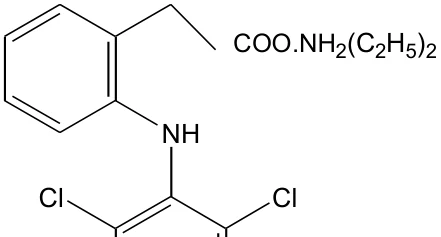
Proper name: Diclofenac diethylamine
Chemical name: Diethylammonium{o-[(2,6-dichlorophenyl)-amino]-phenyl} acetate
Molecular formula and molecular mass: C18H22Cl2N2O2, 369.3
Structural formula:
Physicochemical properties: Diclofenac diethylamine is a white to light beige crystalline powder. No polymorphic forms of diclofenac diethylamine have been observed. The solubility of diclofenac diethylamine in water is 15.8 g/L at a pH of 7.8 and a temperature of 18°C, 17.4 g/L at a pH of 7.6 and a temperature of 25°C, and 22.8 g/L at a pH of 7.6 and a temperature of 37°C. Diclofenac diethylamine has a pH range of 6.5-8.3 in a 1% solution in 10% ethanol. Diclofenac diethylamine has a pKa value of 3.9 ± 0.2 in water at 25°C.
14 Clinical Trials
For the indication “ankle sprains”, the study VOPO-P-307 with VOLTAREN EMULGEL Extra Strength (diclofenac diethylamine gel 2.32% w/w) is considered pivotal. Study demographics and trial design for these studies are presented in Table 3.
NOTE: For studies with Voltaren Emulgel 1.16% please consult the Product Monograph for this Product
14.1 Clinical Trials by Indication
| Table 3 - Summary of patient demographics for clinical trials | |||||
| Study # | Trial design | Dosage, route of administration and duration | Study subjects (n=number) | Mean age (Range) | Sex |
| VOLTAREN EMULGEL Extra Strength (diclofenac diethylamine gel 2.32% w/w). | |||||
| VOPO-P-307 | Randomized, double-blind, 3-treatment arm, multi-centre, placebo-controlled, parallel group Subjects with acute ankle sprain | VOLTAREN EMULGEL Extra Strength (diclofenac diethylamine gel 2.32% w/w) applied 3 times daily (t.i.d.) or twice daily (b.i.d.) for 7 days | n=162 ITT subjects* n=80 EMULGEL 2.32% w/w gel b.i.d. n=82 placebo * all subjects who applied gel at least once n=139 PP subjects** n=71 EMULGEL 2.32% w/w gel b.i.d. n=68 placebo ** applied gel twice a day for 7 days (included 6 subjects who did not apply the adequate quantity of gel) | VOLTAREN EMULGEL Extra Strength (diclofenac diethylamine gel 2.32% w/w) t.i.d*.: 32.2 (18-81) b.i.d.: 30.9 (18-65) Placebo: 34.0 (17-66) * the t.i.d. subjects are not part of the efficacy analysis | Men VOLTAREN EMULGEL Extra Strength (diclofenac diethylamine gel 2.32% w/w) t.i.d*.: 49 (61.3%) b.i.d.: 49 (61.3%) Placebo: 54 (65.9%) Women VOLTAREN EMULGEL Extra Strength (diclofenac diethylamine gel 2.32% w/w) t.i.d*.: 31 (38.8%) b.i.d.: 31 (38.8%) Placebo: 28 (34.1%) * the t.i.d. subjects are not part of the efficacy analysis |
Study VOPO-P-307 (ankle sprain)
In Study VOPO-P-307, 139 patients suffering from acute sprain of lateral ankle (mild to moderate) were randomized; 71 received VOLTAREN EMULGEL Extra Strength (diclofenac diethylamine gel 2.32% w/w) b.i.d. treatment and 68 the placebo. The dose regimen consisted of 2 g of gel (active or placebo) two times per day for 7 days. Six (6) subjects (2 subjects VOLTAREN EMULGEL Extra Strength (diclofenac diethylamine gel 2.32% w/w) and 4 Placebo subjects) did not apply the adequate quantity of gel but were included in the PP study. The primary efficacy variable was the Pain on Movement (POM) at Day 5. Pain on movement on a Visual Analogue Scale (VAS) was registered by the patient lying down while the investigator holding the injured ankle leg at 45° performed a gentle supination of the injured ankle to reach an angle of approx. 30°. All subjects included in the study had at baseline POM ≥50 mm on the 100 mm VAS scale. The secondary variables were POM at Day 3 and 8, and ankle pain at rest, tenderness, swelling and ankle joint function at Day 3, Day 5 and Day 8. Global assessment of benefit at Day 3, Day 5, and Day 8) and Global assessment of treatment benefit (Day 5 and Day 8) were also assessed.
At baseline, the mean POM values were similar for both groups (range: 75.4 to 76.5 mm); Pain on Movement (POM), 4 days after starting treatment (i.e. at Day 5), decreased to 26.5 mm in patients using VOLTAREN EMULGEL Extra Strength (diclofenac diethylamine gel 2.32% w/w) and to 51.3 mm in the placebo group; in the VOLTAREN EMULGEL Extra Strength (diclofenac diethylamine gel 2.32% w/w) group, the decrease in mean POM from baseline corresponded to almost 50 mm on a 100 mm VAS, which was approximately twice the 25.2 mm decrease observed in the placebo group. VOLTAREN EMULGEL Extra Strength (diclofenac diethylamine gel 2.32% w/w) was highly significantly superior in efficacy compared to placebo (p<0.0001).
In a post-hoc analysis, the overall population of subjects with Grade I or II ankle sprain (mild to moderate) were categorized as above or below a baseline POM score of 80 mm on VAS (28 subjects VOLTAREN EMULGEL Extra Strength (diclofenac diethylamine gel 2.32% w/w) group with POM mean baseline of 88.4 mm and 24 Placebo subjects with POM mean baseline of 87.8 mm) or below a baseline POM score of 80 mm on a VAS (43 subjects VOLTAREN EMULGEL Extra Strength (diclofenac diethylamine gel 2.32% w/w) group with POM mean baseline of 67.1 mm and 44 Placebo subjects with POM mean of 70.2 mm). Efficacy was examined in each subgroup. Four days after starting treatment (i.e. Day 5), VOLTAREN EMULGEL Extra Strength (diclofenac diethylamine gel 2.32% w/w) gel was statistically significantly better than placebo in reducing POM both in patients with baseline ≥80 mm (VOLTAREN EMULGEL Extra Strength (diclofenac diethylamine gel 2.32% w/w) 56.5 mm; placebo 27.6 mm; p<0.0001), as well as patients with baseline pain <80 mm (VOLTAREN EMULGEL Extra Strength (diclofenac diethylamine gel 2.32% w/w) 44.1 mm; placebo 23.6 mm; p<0.0001) at the primary efficacy endpoint.
Pain at rest, was also assessed; at baseline, the mean Pain at rest values were similar for both groups (range: 37.0 to 38.6 mm); 4 days after the treatment (i.e. at Day 5), the mean change from baseline was 28.3 mm for VOLTAREN EMULGEL Extra Strength (diclofenac diethylamine gel 2.32% w/w) as compared to 21.8 mm for placebo.
Further evidence of the efficacy of VOLTAREN EMULGEL Extra Strength (diclofenac diethylamine gel 2.32% w/w) is demonstrated by the median time to a 50% reduction in POM (i.e. reduction to 37.5 mm on VAS) from which was 4 days in the VOLTAREN EMULGEL Extra Strength (diclofenac diethylamine gel 2.32% w/w) group, versus 8 days in the placebo group (p<0.0001). The median time to a VAS score of 30 mm or less for POM was similar 4 days in both active treatment groups, versus 8 days in the placebo group (p<0.0001). Thus, treatment with VOLTAREN EMULGEL Extra Strength (diclofenac diethylamine gel 2.32% w/w) accelerated healing by 4 days.
VOLTAREN EMULGEL Extra Strength (diclofenac diethylamine gel 2.32% w/w) was also effective in reducing swelling. At baseline the mean difference in swelling between the injured and contralateral ankle was similar for both groups (range 1.7-1.8 cm). Seven days after starting treatment, the mean difference in swelling between the injured and contralateral ankles was 0.4 cm for VOLTAREN EMULGEL Extra Strength (diclofenac diethylamine gel 2.32% w/w) and 0.8 cm for placebo (p<0.0001).
Study VOPO-P-307 also assessed patient satisfaction with treatment for the pain of ankle sprain. On Day 5, (86%) of subjects who applied VOLTAREN EMULGEL Extra Strength (diclofenac diethylamine gel 2.32% w/w) rated their treatment satisfaction as good, very good, or excellent (42.3%, 42.3%, and 1.4% respectively), compared with only (22%) of subjects in the placebo group (17.6%, 4.4% and 0% respectively) (p<0.0001).
VOLTAREN EMULGEL Extra Strength (diclofenac diethylamine gel 2.32% w/w) helps to relieve pain, decreases swelling, and improves patient mobility.
14.2 Comparative Bioavailability Studies
A single-centre, randomized, open-label, multiple-dose, crossover study was conducted in 38 male and female healthy volunteers to compare the extent of systemic exposure between VOLTAREN EMULGEL Extra Strength (diclofenac diethylamine gel 2.32% w/w) (2 applications/day) under non-occlusive and semi-occlusive conditions and VOLTAREN EMULGEL (diclofenac diethylamine gel 1.16% w/w) (4 applications/day) under non-occlusive conditions and oral diclofenac sodium 50 mg tablets t.i.d. Systemic exposure was determined after repeated topical application of 2 g of gel to approximately 400 cm² of skin on the same ankle, by measurement of plasma diclofenac concentrations. The comparative bioavailability results after topical treatment under non-occlusive conditions are presented in Table 4.
Table 4- Summary Table of the Comparative Bioavailability Data
Diclofenac
(2 x 2 g 2.32% gel or 4 x 2 g 1.16% gel/day for 7 days, non-occlusive)
From measured data
Geometric Mean Arithmetic Mean (CV %)
Parameter
Test*
Reference†
% Ratio of Geometric Means
90% Confidence Interval
AUC0-24
(ng.h/mL)
67.9
74.6 (53.3)
62.4
68.7 (49.9)
108.4
92.9, 126.5
Cmax
(ng/mL)
4.6
5.4 (84.9)
4.6
5.7 (82.7)
98.8
81.7, 119.5
Cmin
(ng/mL)
1.6
1.8 (44.0)
1.5
1.6 (45.8)
109.9
90.8, 133.0
Tmax§
(h)
13.8 (70.1)
16.2 (55.6)
* VOLTAREN EMULGEL Extra Strength (diclofenac diethylamine gel 2.32% w/w)
† VOLTAREN EMULGEL (diclofenac diethylamine gel 1.16% w/w)
§ Expressed as the arithmetic mean (CV%) only
Report 17727B-510.20-02-01-B describes a single and multiple dose (7 days), open, randomized, three-way cross-over, comparative bioavailability trial of VOLTAREN EMULGEL (diclofenac diethylamine gel 1.16% w/w), diclofenac enteric coated tablet and a diclofenac patch formulation that was in development in the Company, in 24 healthy volunteers. The main pharmacokinetic findings are summarized in Table 5.
Table 5 - Summary of pharmacokinetic data for Study NCH 17727B-510.20-02-01B
Parameter
VOLTAREN EMULGEL (diclofenac diethylamine gel 1.16% w/w) 4g (40 mg diclofenac-Na equivalent) t.i.d
VOLTAREN tablet 25 mg t.i.d
After first administration (day 1)
Cmax (ng/ml)
5.36 (0.502 - 42.6)
370 (92.0 - 984)
tmax (h)
20.00 (10.00 - 23.95)
4.00 (1.00 - 18.00)
AUC0-24 (ng.h/ml)
43.6 (0.502 - 240)
1190 (231 - 3800)
After last morning administration (day 7)
Cmax (ng/ml)
12.0 (2.54 - 45.1)
380 (51.0 - 1330)
tmax (h)
18.00 (0.00 - 20.00)
4.00 (1.00 - 20.00)
As expected, these data demonstrate that the relative bioavailability of VOLTAREN EMULGEL (diclofenac diethylamine gel 1.16% w/w) versus tablets remained low (Cmax <2% and 3% and AUC 4% and 13% respectively) after first and last administration.
A single-centre, randomized, open-label, multiple-dose, crossover study was conducted in 38 male and female healthy volunteers to compare the extent of systemic exposure between VOLTAREN EMULGEL Extra Strength (diclofenac diethylamine gel 2.32% w/w) (2 applications/day) under non-occlusive and semi-occlusive conditions and VOLTAREN EMULGEL (diclofenac diethylamine gel 1.16% w/w) (4 applications/day) under non-occlusive conditions and oral diclofenac sodium 50 mg tablets t.i.d. Systemic exposure was determined after repeated topical application of 2 g of gel to approximately 400 cm² of skin on the same ankle, by measurement of plasma diclofenac concentrations. The comparative bioavailability results after topical treatment under non-occlusive conditions are presented in Table 6. The relative bioavailability of diclofenac (AUC ratio) for VOLTAREN EMULGEL Extra Strength (diclofenac diethylamine gel 2.32% w/w) versus tablet was 4.5% on day 7 (for equivalent diclofenac sodium dose). Absorption was not modified by a moisture and vapour permeable bandage.
Table 6 - Summary of pharmacokinetic data for Study VOPO-PE-102
Parameter
VOLTAREN EMULGEL Extra Strength (diclofenac diethylamine gel 2.32% w/w) 2g (40 mg diclofenac-Na equivalent) b.i.d
VOLTAREN tablet 50 mg t.i.d
After last morning administration (day 7)
Cmax (ng/ml)
4.6 (2.2-29.4)
1367 (88-4240)
tmax (h)
19.00 (00.00 – 24.00)
7.30 (01.00 – 24.00)
AUC0-24 (ng.h/ml)
67.9 (38.2-255.2)
2830 (249-5955)
Cmin (ng/ml)
1.6 (<LLQ-4.2)
3.5 (<LLQ-13.4)
PTF (%)
96 (45-327)
1156 (540-2644)
tmax values are median (range), other values are geometric means (range); N=38 for gel, N=38 for the tablet
Table 5 - Summary of pharmacokinetic data for Study NCH 17727B-510.20-02-01B
Parameter
VOLTAREN EMULGEL (diclofenac diethylamine gel 1.16% w/w) 4g (40 mg diclofenac-Na equivalent) t.i.d
VOLTAREN tablet 25 mg t.i.d
AUC0-24 (ng.h/ml)
179 (51.8 - 332)
1360 (327 - 4690)
Cmin (ng/ml)
4.07 (1.19 - 8.06)
2.11 (<0.5 - 4.79)
PTF (%)
95.0 (36.2 - 313)
664 (360 - 1250)
tmax values are median (range), other values are geometric means (range); N=24 for patch and gel, N=23 for the tablet
Diclofenac is extensively protein bound in plasma (>99.7%), mainly to albumin (99.4%). The liver is the primary site of metabolism for diclofenac to virtually inactive metabolites. The total systemic clearance of diclofenac from plasma is 263±56 ml/min (mean value ± SD). The terminal plasma half-life is 1 to 2 hours. Diclofenac and its metabolites are excreted mainly in urine (60%).
15 Microbiology
No microbiological information is required for this drug product.
16 Non-Clinical Toxicology
General Toxicology: The toxicology of VOLTAREN EMULGEL (diclofenac diethylamine gel 11.6 mg/g/ 1.16% w/w) was investigated in a series of in vivo studies, including acute and three-month repeat dose toxicity, but concentrating particularly on potential local tolerance and photo-safety issues, as outlined in Table 7 below.
Table 7 – VOLTAREN EMULGEL 11.6 mg/g (diclofenac diethylamine gel 11.6 mg/g/ 1.16% w/w) Toxicology Program
Study type and duration
Route of administration
Species
Compound administered
Single–dose toxicity
Topical, occluded
Rat
VOLTAREN EMULGEL 11.6 mg/g
Single–dose toxicity
Oral
Rat
(Diclofenac diethylamine 1.16% w/w gel)
Repeat-dose toxicity: 3 months
Topical, occluded
Rabbit
VOLTAREN EMULGEL 11.6 mg/g (Diclofenac diethylamine 1.16% w/w gel)
Local tolerance / photo-safety
Phototoxicity, single dose
Topical
Mouse
VOLTAREN EMULGEL 11.6 mg/g (Diclofenac diethylamine 1.16% w/w gel)
Phototoxicity, single dose
Topical
Guinea pig
VOLTAREN EMULGEL 11.6 mg/g (Diclofenac diethylamine gel 1.16% w/w)
Photo-allergenicity
Topical
Guinea pig
VOLTAREN EMULGEL 11.6 mg/g
(Diclofenac diethylamine gel 1.16% w/w)
Skin sensitization
Topical, occluded
Guinea pig
VOLTAREN EMULGEL 11.6 mg/g (Diclofenac diethylamine gel 1.16% w/w)
Skin irritation, 5 days
Topical, occluded
Rabbit
VOLTAREN EMULGEL 11.6 mg/g (Diclofenac diethylamine gel
VOLTAREN EMULGEL (diclofenac diethylamine gel 11.6 mg/g / 1.16% w/w) was generally well tolerated. The acute toxicity of diclofenac diethylamine was essentially the same as that of diclofenac sodium when expressed in terms of the base. There was no evidence of any significant local irritancy, unexpected toxicity or of any photo-safety concerns.
There have been no other studies specifically designed to investigate toxicity of the drug substance, diclofenac diethylamine, or of the drug product, VOLTAREN EMULGEL (diclofenac diethylamine gel 11.6 mg/g/ 1.16% w/w). The non-clinical toxicology of diclofenac sodium is directly relevant to diclofenac diethylamine and is summarized below.
Single dose experiments in mice, rats, rabbits and dogs indicate an acute intravenous LD50 in the region of 100 mg/kg and an oral LD50 nearer 200 mg/kg with little evidence to suggest any significant influence of age or sex on the outcome. An oral study in baboons suggests significantly greater tolerance with a probable LD50 of more than 600 mg/kg. Death following intravenous administration was usually attributed to respiratory or cardiac failure, those following oral administration to gastrointestinal problems.
Repeat dose oral gavage studies of up to 6 months duration in rats indicate a no observed adverse effect level (NOAEL) of 1 to 2 mg/kg/day. A similar result was obtained in a one-month mouse study by dietary administration. At doses greater than 4 mg/kg/day, deaths were common and usually associated with mild anaemia, neutrophilia, disturbance of plasma proteins, increased extramedullary haematopoiesis and, most prominently, ulceration of the gastrointestinal tract with accompanying peritonitis. These latter were commonly associated with hypertrophy or reactive hyperplasia of the mesenteric lymph nodes.
In a series of baboon studies, similar changes were apparent with deaths consistently seen within 3 months of treatment at 20 mg/kg/day or more. In a 1-year study, 5 of 14 animals treated at 15 mg/kg/day had died by 8.5 months when this dosage was reduced to 10 mg/kg/day. Both constipation and diarrhoea were apparent and there was a high incidence of skin ulcers the severity of which was treatment-related. In both three-month studies, but not
Table 7 – VOLTAREN EMULGEL 11.6 mg/g (diclofenac diethylamine gel 11.6 mg/g/ 1.16% w/w) Toxicology Program
Study type and duration
Route of administration
Species
Compound administered
1.16% w/w)]
Skin irritation, 5 days
Topical, occluded
Rabbit
VOLTAREN EMULGEL 11.6 mg/g (Diclofenac diethylamine gel 1.16% w/w)]
Eye irritation, single dose
Ocular
Rabbit
VOLTAREN EMULGEL 11.6 mg/g
(Diclofenac diethylamine gel 1.16% w/w)]
in the one-year study, there was evidence of nephropathy at the high dose with increased blood urea nitrogen and disturbance of plasma electrolytes in one study. In the one-year study only and at the high dose only (where 13 of 14 animals died despite a dosage reduction) adrenal cortical hyperplasia was noted in several animals. Other changes seen in baboons were essentially similar to those in rats and the deaths were all associated with gastrointestinal changes. Gastrointestinal changes were seen at the lowest dosages studied in baboons (around 3-5 mg/kg/day) but were generally considered to reflect an exacerbation of pre-existing conditions rather than a primary effect of treatment with diclofenac.
Carcinogenicity: One mouse and two rat carcinogenicity studies have been conducted. Exposure levels, as judged from plasma concentration data obtained during the more recent of these studies, were 12-45 ng/g in mice at the NOAEL (0.3 mg/kg/day) and 10-48 ng/ml in rats at the lowest dosage (0.25 mg/kg/day). In all 3 studies there was a dosage-related increase in mortality at 1 and 2 mg/kg/day with only isolated animals surviving at the high dose. Most deaths were associated with gastrointestinal ulceration and peritonitis. There were few changes that could be ascribed to treatment at lower dosages (0.1 to 0.5 mg/kg/day) and there was no treatment-related increase in the incidences of benign or malignant tumours in any of these studies.
Genotoxicity: The potential genetic toxicology of diclofenac sodium has been studied in a wide variety of in vitro and in vivo studies. Most of these studies were carried out many years ago and include:
- Ames tests of the drug, of urine and bile concentrates, and of the major hydroxy-metabolites of diclofenac.
- In vitro mammalian cell mutation studies of diclofenac sodium and its hydroxy-metabolites.
- In vivo chromosome aberration and nucleus anomaly tests in Chinese hamsters after both short-term treatment and repeated administration for 12 weeks.
- Metaphase analyses of spermatogonia and spermatocytes following five administrations.
- A dominant lethal study in mice.
None of these studies gave any indication of a positive outcome. Recently fully GLP compliant in vitro photo-mutagenicity and photo-chromosome aberration studies have been carried out. The photo-mutagenicity study (Ames test) was also negative. Chromosome aberrations were seen in the other study at 25 µg/ml and with 16 minutes of UV radiation. These conditions were associated with a reduced mitotic index and the apparently positive result is attributed to cytotoxicity. No chromosome aberrations were seen at lower doses of UV or at lower concentrations of diclofenac. An additional conventional in vivo GLP compliant chromosome aberration study has also been completed with diclofenac sodium and was also negative.
Reproductive and Developmental Toxicology: Reproduction toxicity has been assessed in a series of pre-ICH design studies, including Segment I and III studies in rats and a variety of Segment II studies in mice, rats and rabbits. Almost all studies included treatment at toxic dosages and death of the dams, usually attributed to peritonitis, was a common finding.
Treatment with diclofenac sodium in the Segment I and III studies was generally associated with a slight increase in gestation and occasional dystocia resulting in increased peri-natal mortality. Even discounting this, there was usually an increase in embryo-foetal and/or perinatal losses. Birth weight was reduced. Foetal changes extended to the lowest dosage examined, 2 mg/kg/day, in both studies. Other than deaths associated with dystocia, post-natal survival was not affected.
In the Segment II studies in mice, there was no clear effect of treatment at 2 or 4 mg/kg/day when given orally, even when administered through days 0-17 of gestation. Reductions in foetal numbers and reduced ossification at higher dosages were associated with severe maternal toxicity. In oral rat studies a similar picture emerged. There were some minor contradictory findings at 4 mg/kg/day but none at 2 mg/kg/day and clear effects at higher dosages, including reduced ossification, that were attributed to maternal toxicity. An intramuscular study indicated no changes in the foetuses at 10 mg/kg/day, despite maternal sedation and local injection site responses. In a GLP compliant subcutaneous rat study, however, minimally reduced ossification was identified at 1.2 mg/kg/day; 0.4 mg/kg/day was a NOAEL. In an oral rabbit Segment II study, 5 mg/kg/day was a clear NOAEL, changes at 10 mg/kg/day included increased embryonic and foetal resorptions and reduced foetal ossification in three foetuses. An intramuscular rabbit study identified 3 mg/kg/day as the NOAEL with increased abortions and dead foetuses, reduced number of fully formed foetuses and reduced ossification, and reduced foetal viability at higher dosages, associated with maternal toxicity.
Comparative Toxicology: The toxicology of VOLTAREN EMULGEL Extra Strength (diclofenac diethylamine gel 2.32% w/w) was investigated in a series of in vivo studies. The studies shown in Table 8 concentrated particularly on potential local tolerance, sensitisation and photo-safety issues.
Table 8 – VOLTAREN EMULGEL Extra Strength (diclofenac diethylamine gel 2.32% w/w) Toxicology Program
Study type and duration
Route of administration
Species
Compound administered
7-Day repeated skin irritation in rabbits
Topical with 25 mg/cm2 test product VOLTAREN EMULGEL 23.2 mg/g and with 50 mg/cm2 VOLTAREN EMULGEL 11.6 mg/g Gel (occlusive condition for 4 and 18 hours)
Rabbits
VOLTAREN EMULGEL 23.2 mg/g Gel
VOLTAREN EMULGEL 11.6 mg/g Gel
Cumulative 28 days skin irritation study in rabbits
Topical with 25 mg/cm2 test product VOLTAREN EMULGEL 23.2 mg/g and with 50 mg/cm2 VOLTAREN EMULGEL
Rabbits
VOLTAREN EMULGEL 23.2 mg/g Gel
VOLTAREN EMULGEL 11.6 mg/g Gel
Topical treatment with VOLTAREN EMULGEL Extra Strength (diclofenac diethylamine gel 2.32% w/w) appeared to be well tolerated. Although treatment with VOLTAREN EMULGEL Extra Strength gel (diclofenac diethylamine gel 2.32% w/w) yielded slightly higher irritation indices than with the marketed VOLTAREN EMULGEL (diclofenac diethylamine gel 1.16% w/w) (possibly due to the increased potency of active ingredient), the irritation observed were considered as slight. All the erythemas found with VOLTAREN EMULGEL Extra Strength (diclofenac diethylamine gel 2.32% w/w) and VOLTAREN EMULGEL (diclofenac diethylamine gel 1.16% w/w) were barely perceptible and transient. In addition, VOLTAREN EMULGEL Extra Strength (diclofenac diethylamine gel 2.32% w/w) was well tolerated in 28-day and 90-day cumulative irritation studies. VOLTAREN EMULGEL Extra Strength (diclofenac diethylamine gel 2.32% w/w) was neither sensitising nor photosensitising in guinea pigs. These results indicate that VOLTAREN EMULGEL Extra Strength (diclofenac diethylamine gel 2.32% w/w) is likely to be well tolerated.
17 Supporting Product Monographs
- 1. Voltaren Emulgel / Voltaren Emulgel Back and Muscle Pain / Voltaren Emulgel Joint Pain Regular Strength / Voltaren Emulgel Active, diclofenac diethylamine 11.6mg/g (1.16% w/w), submission control 270680, Product Monograph, Haleon Canada ULC
Table 8 – VOLTAREN EMULGEL Extra Strength (diclofenac diethylamine gel 2.32% w/w) Toxicology Program
Study type and duration
Route of administration
Species
Compound administered
11.6 mg/g Gel (occlusive condition for 4 hours)
Cumulative 90 days local tolerance
Topical with 10 mg/cm2 and 20mg/cm2 test product
Rabbits
VOLTAREN EMULGEL 23.2 mg/g Gel
Sensitisation test using Maximisation (Magnusson and Kligman) Protocol
Topical with 0.25 mg/15 cm2 of test product at 100%, 50%, and 25%
Albino guinea-pigs
VOLTAREN EMULGEL 23.2 mg/g Gel
Photosensitisation test
Topical with 3.8 mg/cm2 test product
Albino guinea-pigs
VOLTAREN EMULGEL 23.2 mg/g Gel