


Product Monograph - Xerese
SUMMARY PRODUCT INFORMATION
| Route of Administration | Dosage Form / Strength | All non-medicinal Ingredients |
| Topical | 5% (w/w) acyclovir and 1% (w/w) hydrocortisone in an aqueous cream base | Cetostearyl Alcohol, Citric Acid, Isopropyl Myristate, Mineral Oil, Poloxamer 188, Propylene Glycol, Sodium Hydroxide, Sodium Lauryl Sulfate, Water, and White Petrolatum. |
INDICATIONS AND CLINICAL USE
XERESE (acyclovir 5% and hydrocortisone 1%) Topical Cream, is indicated for the treatment of early signs and symptoms of recurrent herpes labialis (cold sores) to reduce the progression of cold sore episodes to ulcerative lesions in immunocompetent adults and adolescents (12 years of age and older).
Geriatrics (> 65 years of age)
Clinical studies of XERESE did not include sufficient numbers of patients above 65 years of age to determine conclusively the safety and efficacy of XERESE in this group of patients.
Pediatrics (<12 years of age)
Safety and effectiveness of XERESE in children younger than 12 years of age have not been established.
CONTRAINDICATIONS
XERESE (acyclovir 5% and hydrocortisone 1%) Topical Cream is contraindicated in patients with a known or suspected history of hypersensitivity to acyclovir, valacyclovir, hydrocortisone or any component of the cream (see DOSAGE FORMS COMPOSITION AND PACKAGING).
Use of XERESE is also contraindicated in the presence of untreated infections of bacterial, viral, tuberculous or fungal origin.
WARNINGS AND PRECAUTIONS
General
XERESE (acyclovir 5% and hydrocortisone 1%) Topical Cream should only be used cutaneously for recurrent herpes labialis of the lips and around the mouth.
XERESE should not be used in or near the eyes, inside the mouth or nose, on the genitals, or rectal area. It is not recommended for application to mucous membrane.
There are other orofacial lesions, including bacterial and fungal infections, which may be difficult to distinguish from a cold sore. If clinical improvement is not noted within 2 weeks, patients should be encouraged to seek medical advice during this period.
The possibility of clinically significant acyclovir viral resistance exists with the use of XERESE
Prolonged treatment should be avoided in children because of the possibility of adrenocortical suppression and growth retardation.
Pheochromocytoma crisis, which can be fatal, has been reported after administration of corticosteroids. Corticosteroids should only be administered to patients with suspected or identified pheochromocytoma after an appropriate risk/benefit evaluation.
Visual disturbance may be reported associated with systemic and topical corticosteroid use. If a patient presents with symptoms such as blurred vision or other visual disturbances, the patient should be considered for referral to an ophthalmologist for evaluation of possible causes which may include cataract, glaucoma or rare diseases such as central serous chorioretinopathy (CSCR)
XERESE is for external use only. Do not apply to mucosal surfaces. Avoid contact with eyes.
Prolonged use of uninterrupted occlusion (including napkins) or use with extensive occlusive dressings may suppress adrenocortical function.
Continuous application without interruption will result in local atrophy of the skin, striae, and superficial vascular dilatation, particularly on the face.
Cardiovascular
Standard precautions should be taken when using topical corticosteroids in patients with stasis dermatitis and other skin diseases associated with impaired circulation.
Endocrine and Metabolism
Manifestations of hypercortisolism (Cushing’s syndrome) and reversible hypothalamic-pituitary-adrenal (HPA) axis suppression, leading to glucocorticoid insufficiency, can occur in some individuals as a result of increased systemic absorption of topical corticosteroids including XERESE. If either of the above are observed, discontinue treatment slowly. Recovery of HPA axis is generally prompt upon discontinuation of drug. Infrequently, signs and symptoms of glucocorticoid insufficiency may require supplemental systemic corticosteroids.
Immune/Hypersensitivity
Hypersensitivity reactions such as irritation and contact sensitization (e.g. contact dermatitis) have been reported with XERESE; if such reactions occur, the drug should be discontinued, and appropriate therapy initiated (see ADVERSE REACTIONS).
Skin
Topical corticosteroids including XERESE may increase the risk of infections including aggravation of cutaneous infection, masked infection, and secondary infections. If concomitant skin infections develop, XERESE should be discontinued and appropriate therapy administered.
Special Populations
Pregnant Women
XERESE should be prescribed to woman of childbearing years only after contraceptive counseling. XERESE should not be given to pregnant woman unless the benefits to the mother clearly outweigh the possible risks to the fetus. XERESE has not been studied in pregnant women. It is not known whether active ingredients of XERESE can cause fetal harm when used by a pregnant woman or can affect reproductive capacity.
In an epidemiologic registry post pregnancy, follow up of 759 women exposed to systemic acyclovir during the first trimester of pregnancy has not shown an increase in the number or uniqueness of birth defects in their children compared with the general population. Teratogenicity has been reported in laboratory animals following to topical and systemic exposure of corticosteroids (see TOXICOLOGY).
Corticosteroids are generally teratogenic in laboratory animals when administered systemically at relatively low dose levels. Epidemiological studies in human have not revealed any risk of malformation related to the use of oral corticosteroids, particularly hydrocortisone, during the first trimester.
Adrenal insufficiency in the mother must be treated during pregnancy by adjusting the hydrocortisone dose to the clinical picture, if necessary. In chronic diseases requiring treatment throughout pregnancy, a slight delay in intrauterine growth has been reported with other corticosteroids.
Neonatal adrenal insufficiency has been observed in exceptional cases following corticosteroid therapy at high doses. Infants born of mothers who have received substantial doses of corticosteroids during pregnancy must be carefully observed and evaluated for signs of adrenal insufficiency.
Nursing Women
It is not known whether acyclovir from XERESE is secreted in breast milk. Acyclovir, when given systemically, is known to be secreted in human milk. Systemically administered corticosteroids appear in human milk and could suppress growth, interfere with endogenous corticosteroid production, or cause other untoward effects. Because hydrocortisone is excreted into human milk, breast feeding is not recommended.
Immunocompromised Subjects
XERESE should not be used in severely immunocompromised patients (such as AIDS, transplant and cancer patients) since an increased risk for development of resistance to acyclovir cannot be excluded.
ADVERSE REACTIONS
Adverse Drug Reaction Overview
The safety of XERESE (acyclovir 5% and hydrocortisone 1%) Topical Cream was assessed in Phase II and Phase III clinical studies reflecting exposure to XERESE in 1002 patients with recurrent herpes labialis, treated 5 times daily for 5 days.
The majority of investigator determined adverse reactions in combined phase III studies were local skin reactions and occurred in the area of the application site. Rate of study discontinuation due to adverse reactions to XERESE was in 0.4% (3/812) patients, and comparable to acyclovir (0.2%) or vehicle (0.4%). Adverse drug reactions leading to study discontinuation with XERESE were swelling of the upper lip, cheilitis, and localized inflammatory reaction at the application site.
Clinical Trial Adverse Drug Reactions
Because clinical trials are conducted under very specific conditions the adverse reaction rates observed in the clinical trials may not reflect the rates observed in practice and should not be compared to the rates in the clinical trials of another drug. Adverse drug reaction information from clinical trials is useful for identifying drug-related adverse events and for approximating rates.
Following data are derived in patients with herpes labialis from three Phase III clinical studies including one Phase 3 study in immunocompetent adults ≥18 years, one in adolescents (13-17 years of age) and one study in patients with HIV stable infection.
The overall incidence of treatment-related adverse drug reactions by treatment group was 3.9% in the XERESE group, 3.3% in the acyclovir group and 6.0% in the vehicle group. The incidences of adverse drug reactions were similar in the 3 treatment groups.
The majority of the adverse reactions in these studies was local and occurred in the area of the application site. Table 1 provides adverse drug reactions that occurred in ≥ 1% patients.
Table 1: Adverse Drug Reactions Reported by ≥1% of Patients in Phase 3 Study
| Adverse Drug Reactions | XERESE Topical Cream N = 812 n (%) | Acyclovir 5% Topical Cream N=640 n (%) | Vehicle N=232 n (%) |
|---|---|---|---|
| Gastrointestinal disorders | |||
| Lip Dry | 7 (0.9) | 2 (0.3) | 3 (1.3) |
| Infections and Infestations | |||
| Other Herpes Labialis | 5 (0.6) | 3 (0.5) | 3 (1.3) |
Less Common Clinical Trial Adverse Drug Reactions (<1%)
Gastrointestinal Disorders: Nausea, vomiting.
General Disorders and Application Site Conditions: Dryness, irritation, erythema, exfoliation, hypersensitivity, inflammation, burning or tingling following application, pigmentation changes, chapped lips, lip disorder.
Nervous System Disorders: Dysgeusia, headache, vertigo.
Oral Soft Tissue Disorders: Cheilitis.
Drug Related Adverse Reactions from Other Clinical Studies
Contact dermatitis and irritation potential have been observed when XERESE was applied under occlusive and semi occlusive conditions in dermal safety studies. Where contact sensitivity tests have been conducted, the reactive substances were hydrocortisone or a component of the cream base (see ACTION AND CLINICAL PHARMACOLOGY, Safety Pharmacology).
Post-Market Adverse Drug Reactions
The following adverse events have been reported: Hypoaesthesia and skin tightness.
Additional Adverse Drug Reactions Related to Individual Two Active Substances, Acyclovir and Hydrocortisone
Topical Acyclovir Cream and Ointment
Allergic: Hypersensitivity reactions including angioedema, contact dermatitis, eczema, and urticaria.
Topical Hydrocortisone Cream
Endocrine disorders: hypothalamic-pituitary adrenal (HPA) axis suppression: increased weight / obesity, delayed weight gain/growth retardation in children, cushingoid features (e.g. moon face, central obesity), decreased endogenous cortisol levels, hyperglycaemia/glucosuria, hypertension, osteoporosis, steroid withdrawal syndrome.
DRUG INTERACTIONS
Overview
No drug interaction studies have been performed with XERESE (acyclovir 5% and hydrocortisone 1%) Topical Cream. Following information on drug-drug interaction with individual active ingredients of XERESE are available. However, drug-drug interaction with XERESE is unlikely to be of clinical relevance because neither acyclovir nor hydrocortisone is absorbed to any appreciable extent following topical administration of XERESE.
Drug-Drug Interactions
Acyclovir
Clinical experience has identified no interactions resulting from topical or systemic administration of other drugs concomitantly with acyclovir 5% topical cream.
Probenecid and cimetidine increase the mean half-life and area under the plasma concentration curve of systemically administered acyclovir and reduce the acyclovir renal clearance. Other drugs (including immunosuppressant agent mycophenolate mofetil) can affect renal physiology and could potentially influence the pharmacokinetic of acyclovir when the drugs were co-administered.
Hydrocortisone
Co-administered drugs that inhibit CYP3A4 (e.g., ritonavir, itraconazole) have been shown to inhibit the metabolism of corticosteroids leading to increased systemic exposure. The extent to which this is clinically relevant depends upon the dose and route of administration of the corticosteroids and the potency of the CYP3A4 inhibitor.
Drug-Laboratory Interactions
Interactions of XERESE with laboratory tests have not been established. Athletes must be warned that this drug contains hydrocortisone, an active substance that is on the list of doping substances.
DOSAGE AND ADMINISTRATION
Dosing Considerations
Therapy should be initiated as early as possible, preferably immediately after the first signs or symptoms. A sufficient amount of the XERESE (acyclovir 5% and hydrocortisone 1%) Topical Cream should be applied each time to cover all the lesions including the outer margin. Avoid unnecessary rubbing of the affected area to avoid aggravating or transferring the infection. Wash your hands before and after the use of the cream to avoid spreading the infection.
Recommended Dose and Dosage Adjustment
XERESE should be applied topically to all the lesions 5 times per day for 5 days. For adolescents 12 years of age and older, the dosage is the same as in adults.
Missed Dose
If a dose is missed, it should be applied as soon as possible. If this is close to the scheduled application time of the next dose, the patient should wait and apply the next scheduled dose. The usual schedule should be resumed thereafter.
OVERDOSAGE
The XERESE (acyclovir 5% and hydrocortisone 1%) Cream is intended for topical application. No untoward effects would be expected if the entire contents of a tube of XERESE Topical Cream were ingested orally or applied topically due to poor systemic exposure.
ACTION AND CLINICAL PHARMACOLOGY
Mechanism of Action
XERESE (acyclovir 5% and hydrocortisone 1%) Topical Cream is a combination product of acyclovir and hydrocortisone and has been developed to control viral replication and mitigate the local inflammatory response to provide improved efficacy in terms of fewer ulcerative herpes labialis lesions. Ulcerative herpes labialis lesions are those lesions which progress beyond the papule stage.
Acyclovir is a synthetic purine nucleoside analogue with inhibitory activity against herpes simplex viruses type 1 (HSV-1) and type 2 (HSV-2) and varicella zoster virus (VZV). Acyclovir has high affinity for the enzyme thymidine kinase (TK) encoded by HSV. The viral TK enzyme converts acyclovir into acyclovir monophosphate, a nucleotide analogue. The monophosphate is further converted into diphosphate by cellular guanylate kinase and into triphosphate by a number of cellular enzymes. Acyclovir triphosphate acts as an inhibitor of, and substrate for, the herpes-specified DNA polymerase, preventing further viral DNA synthesis without affecting normal cellular processes. In severely immunocompromised patients, a longer and repeated acyclovir treatment could lead to selective viral strains with reduced sensitivity to acyclovir, resulting in poor efficacy. HSV or VZV strains resistant to acyclovir/ valacyclovir have generally been cross-resistant to penciclovir/ famiciclovir. This reduced acyclovir sensitivity of clinical isolates could be due to relative lack of virus thymidine kinase; or altered virus thymidine kinase (resulting in reduced acyclovir phosphorylation) or DNA polymerase (with reduced affinity for acyclovir triphosphate.) The possibility of viral resistance to acyclovir should be considered in patients demonstrating poor clinical response during XERESE therapy. The relation between the in vitro
| For the management of a suspected drug overdose, contact your regional Poison Control Centre. |
susceptibility and the clinical response to the acyclovir treatment is unknown (see DETAILED PHARMACOLOGY)
Hydrocortisone is the main glucocorticoid secreted by the adrenal cortex. It is a naturally present corticosteroid with a range of immunomodulatory effects, including immunosuppression, vasoconstriction, and anti-inflammatory effects. It is used topically for its anti-inflammatory effects which suppress the clinical manifestations of the disease in a wide range of disorders where inflammation is a prominent feature.
Safety Pharmacology
QT Prolongation
Data on delayed ventricular repolarization (QT/QTc) are not available.
Dermal Safety
Contact dermatitis following application has been observed when XERESE was applied under occlusion in dermal safety studies. Where contact sensitivity tests have been conducted, the reactive substances were hydrocortisone or a component of the cream base.
A study enrolling 225 healthy adults was conducted to evaluate the contact sensitization potential of XERESE using repeat insult patch testing methodology. Of 205 evaluable subjects, one confirmed case (0.5%) of sensitization to hydrocortisone and 2 additional cases (1.0%) of possible sensitization to the XERESE base were identified. Additionally, one subject developed a contact allergy in the photosafety study to propylene glycol, one of the inactive ingredients of the cream base.
Dermal tolerance was assessed in a 21-day cumulative irritation study in 36 healthy subjects. XERESE, and its cream base and Acyclovir Cream 5% all showed a high and cumulative irritation potential under occlusive and semi-occlusive conditions.
Phototoxicity
Photoallergic potential and phototoxicity of XERESE were assessed in two studies in 50 and 30 healthy volunteers, respectively. No photoallergic or phototoxicity potential was identified for XERESE.
Pharmacodynamics
In a mouse model of zosteriform HSV infection with adoptive transfer of immunity ME-609 cream had a greater effect than hydrocortisone cream in reduction of lesion score and was faster in reduction of ear thickness than acyclovir (see DETAILED PHARMACOLOGY).
Pharmacokinetics
Acyclovir has poor water solubility and bioavailability. The plasma concentrations of acyclovir and hydrocortisone were not measured following administration of XERESE on cold sores. After topical application of acyclovir 5% aqueous cream to an area of 710cm2 on the back of human volunteers 5 times daily for a total of 4 days, plasma acyclovir concentrations were below 0.05 mcM.
Topical corticosteroids have the ability to penetrate stratum corneum of the epidermis and affect the deeper cell layers. Usually only a small proportion of corticosteroid from XERESE is absorbed and is thus not expect to affect the hormonal balance. The systemic effect of glucocorticoids can occur in the event of increased absorption, e.g., when applied on large inflamed areas of skin; or on skin of which the stratum corneum of the epidermis is damaged; or when occlusive bandages are used.
The pharmacokinetics of XERESE has not been evaluated in children below 12 years.
STORAGE AND STABILITY
Store at controlled room temperature 20°-25° C; excursions permitted to 15-30° C.
Do not freeze.
DOSAGE FORMS, COMPOSITION AND PACKAGING
Each gram of XERESE (Acyclovir 5% and hydrocortisone 1%) Topical Cream contains 5% (w/w) acyclovir and 1% (w/w) hydrocortisone in an aqueous cream base.
Non-medicinal ingredients: Cetostearyl Alcohol, Citric Acid, Isopropyl Myristate, Mineral Oil, Poloxamer 188, Propylene Glycol, Sodium Hydroxide, Sodium Lauryl Sulfate, Water, and White Petrolatum.
XERESE is supplied in plastic-laminated aluminum tubes containing 5 g of XERESE and the tube is contained in a carton.
XERESE samples are supplied in a plastic laminated aluminum foil pouch containing 0.5 g of XERESE.
PART II: SCIENTIFIC INFORMATION
PHARMACEUTICAL INFORMATION
Drug Substance
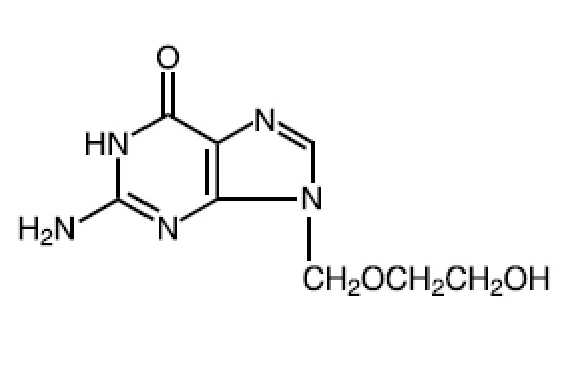
Proper name: Acyclovir
Chemical name: 2-amino-1, 9-dihydro-9-[(2-hydroxyethoxy) methyl]-6H-purin-6-one-
Molecular formula: C8H11N5O3
Molecular mass: 25.2 Daltons.
Structural formula:
Physicochemical properties
Description: Acyclovir is a white crystalline powder.
Solubility: The maximum solubility of acyclovir in water at 37°C is 2.5 mg/mL.
pKa: The pKa’s of acyclovir are 2.27 and 9.25.
Drug Substance
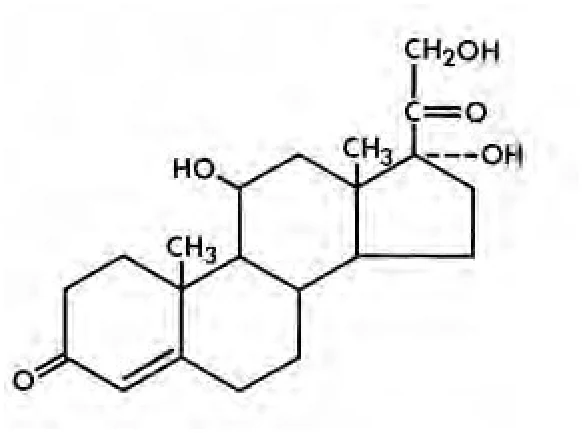
Proper name: hydrocortisone
Chemical name: pregn-4-ene-3, 20-dione, 11, 17, 21-trihydroxy-, (11(beta))-
Molecular formula: C21H30O5
Molecular mass: 362.46 Daltons.
Structural formula:
Physicochemical properties
Description: Hydrocortisone is a white crystalline powder.
Solubility: Slightly soluble in water.
Melting Point: The melting point of hydrocortisone is approximately 214°C with decomposition.
CLINICAL TRIALS
Table 2 provides the study design and demographics for a Phase III clinical trial. Efficacy of XERESE (acyclovir 5% and hydrocortisone 1%) Topical Cream was assessed in one Phase III study in immunocompetent adults (age 18 years or older) who had history of recurrent herpes labialis ≥ 3 episodes in the previous 12 months; prodromal symptoms in ≥ 50% of episodes and previous ulcerative lesions in at least 75% of episodes. The study was designed to demonstrate superiority of XERESE compared to acyclovir cream and vehicle for the primary efficacy endpoint, “Proportion of patients with ulcerative herpes recurrences” and superiority of XERESE compared with vehicle for the secondary efficacy endpoint, “episode duration (i.e., from study drug initiation “to loss of hard crust”; and “skin normalization”).
Patients had, on average, 5.6 episodes of herpes labialis in the previous 12 months. Patients were instructed to initiate treatment within 1 hour of noticing signs or symptoms of herpes labialis.
Study Design and Demographics
Table 2- Summary of clinical study design and patient demographics
| Study No. | Trial Design | Dosage, route of administration and duration | Study Patients* N=1443 | Median age (Range) | Gender % M/F |
| Study# 609-04 | Randomized, double-blind, active-controlled, vehicle-controlled and subject initiated | XERESE Acyclovir 5% in XERESE vehicle Vehicle Topical: 5 times daily Duration of Therapy: 5 days | 601 610 232 | 44 (18 – 79) 43 (18 – 80) 44 (18 – 76) | 27/73 30/70 28/72 |
| *91% Caucasian | |||||
Study Results
Among patients treated with test drugs, ulcerative cold sores occurred in 58% of the patients treated with XERESE compared to 74% in patients treated with vehicle (p<0.0001 and in 65% patients treated with 5% acyclovir cream (p=0.014). However, with these results, predefined level of significance (p< 0.001) for the comparison between XERESE and acyclovir could not be achieved. In those patients that developed ulcerative lesions, the mean episode duration (to loss of hard crust) was 5.7, 5.9 and 6.5 days, and (to normal skin) was 9.6, 9.9 and 11.0 days for XERESE, acyclovir 5% or vehicle alone respectively.
Adolescents (12-17 years of age)
An open label safety study in 134 adolescents with recurrent herpes labialis was conducted. XERESE was applied using the same dosing regimen as in adults and was monitored for adverse drug reactions. The safety profile was similar to that in adults.
DETAILED PHARMACOLOGY
Pharmacodynamics
XERESE (ME-609) Topical Cream is aqueous cream base formulation.
In a guinea pig model of primary HSV infection, ME-609 Cream antiviral activity was superior to 1% hydrocortisone alone cream or placebo with respect to decreased lesion score. The lesion scores profile were comparable for ME-609 Topical Cream versus 5% acyclovir topical cream in aqueous base (40% propylene glycol); and hydrocortisone 1% cream versus placebo.
The antiviral effect of ME-609 Topical Cream was studied in a mouse model of recurrent HSV infection. This model was developed from zosteriform HSV infection mouse model with adoptive transfer of immunity. Immunocompetent mice that had received adoptive transfer of immunity from mice infected with HSV-1 cleared virus more rapidly than naïve mice. The efficacy parameters monitored, (i.e., lesion scoring and ear thickness) had a greater effect with ME-609 versus acyclovir 5% or hydrocortisone alone 1%. Viral shedding was significantly prolonged with hydrocortisone 1% alone cream as compared with ME609 and acyclovir 5% Creams. No significant differences in viral titers were reported between ME-609 Cream and acyclovir 5% topical cream.
Pharmacokinetics
In a guinea pig model for cutaneous primary HSV infection, various cream formulations with 5% acyclovir and 1% hydrocortisone in a vehicle containing a skin penetration enhancer isopropyl myristate (10-20%) with propylene glycol ([15-25%] lower than the 40% propylene glycol) that was used in acyclovir 5% aqueous topical cream were compared. The formulations containing 15-25% propylene glycol and 10-20% isopropyl myristate, and 5% acyclovir Topical Cream in aqueous cream base (40% propylene glycol) demonstrated similar antiviral activity with regards to lesion score (i.e., 68-83% reduction of average cumulative lesion score compared to placebo).
In an in vitro study with excised dermatomized and full thickness guinea pig skin, acyclovir penetration from ME-609 Topical Cream was assessed on both dermatomized and full thickness skin. The results demonstrated that the acyclovir penetration from ME-609 Topical Cream and 5% acyclovir cream was similar on dermatomized skin while acyclovir penetration from the ME-609 cream (5% acyclovir and 1% hydrocortisone) was twofold higher than 5% acyclovir cream through the full dermal skin thickness.
Topical corticosteroids have the ability to penetrate stratum corneum of the epidermis and affect the deeper cell layers. Hydrocortisone is naturally produced in the human body and plasma levels of 0.10-0.25 mg/mL are normally found in human volunteers. Therefore, the endogenous levels of hydrocortisone are at least 15-fold higher than the hypothetical peak hydrocortisone concentration of an ME-609 Cream dose assuming a 100% penetration of hydrocortisone. Following topical application of XERESE Cream usually only a small proportion of the dose is absorbed and is thus not expected to affect the hormonal balance. The systemic effect of glucocorticoids can occur in the event of increased absorption, e.g., when applied on large inflamed areas of skin; or on skin of which the stratum corneum of the epidermis is damaged. Occlusive bandages increase absorption.
Once absorbed through the skin, topical corticosteroids are handled through pharmacokinetic pathways similar to systemically administered corticosteroids. Corticosteroids are bound to plasma proteins in varying degrees. They are metabolized primarily in the liver and are then excreted by the kidneys. Some of the topical corticosteroids and their metabolites are also excreted into the bile.
VIROLOGY (MICROBIOLOGY)
Mechanism of Action
XERESE is a combination product of an anti-viral agent acyclovir and the anti-inflammatory agent hydrocortisone and has potential of reducing the risk for development of ulcerative herpes labialis lesions. The exact mechanism for this is not fully characterized but is thought to be mediated through clearance of virus and mitigating the local inflammatory response of the herpes labialis leading to reducing clinical symptoms
Acyclovir is a synthetic purine nucleoside analogue with inhibitory activity against herpes simplex viruses type 1 (HSV-1) and type 2 (HSV-2) in cell culture and in vivo. The inhibitory activity of acyclovir is highly selective due to its high affinity for the enzyme thymidine kinase (TK) encoded by HSV. The viral enzyme converts acyclovir into acyclovir monophosphate, a nucleotide analogue. The acyclovir monophosphate is further converted into diphosphate by cellular guanylate kinase and then to acyclovir triphosphate by a number of cellular enzymes. Acyclovir triphosphate stops replication of herpes viral DNA polymerase. This inhibition is accomplished in three ways: a) competitive inhibition of viral DNA polymerase, b) incorporation into and termination of the growing viral DNA chain, and c) inactivation of the viral DNA polymerase.
Hydrocortisone is the main glucocorticoid secreted by the adrenal cortex. It is used topically for its anti-inflammatory effects which suppress the clinical manifestations of the disease in a wide range of disorders where inflammation is a prominent feature.
Acyclovir Resistance
Resistance of HSV to acyclovir can result from qualitative and quantitative changes in the viral thymidine kinase (TK) and/or DNA polymerase. Clinical isolates of HSV with reduced susceptibility to acyclovir have been recovered mainly from immunocompromised individuals especially in patients with advanced HIV infection or following bone marrow transplantation, while most of the acyclovir-resistant mutants isolated from immunocompromised individuals thus far have been found to be TK-deficient mutants, other mutants involving the viral TK gene (TK partial and TK altered) and DNA polymerase have been isolated. TK-deficient mutants may cause severe disease in infants and immunocompromised individuals.
In a randomized, double-blind safety study in 107 adult patients with HIV stable (mean CD4+ T cell count, 328/mm3) and recurrent herpes labialis infection treated with XERESE or Acyclovir in XERESE vehicle, safety and frequency of recurrences during a follow-up period of one year after treatment of an HSV recurrence were similar between the two treatment groups.
TOXICOLOGY
Dermal tolerance of ME-609 Topical Cream was studied in New Zealand White rabbits. Rest of the following information is available from individual XERESE active ingredients, (i.e., acyclovir and hydrocortisone).
Acute Toxicity Studies
Hydrocortisone
The main systemic toxicological effect of corticosteroids in general is adrenal suppression, which is related to the potency of the corticosteroid, the route of administration, and for topical formulations, the frequency, area, and site of administration, and factors which increase the penetration through the skin, such as the choice of vehicle, the integrity of the skin, and the hydration of the stratum corneum (usually increased through occlusion of the application site). Local irritation may also occur, depending on the exact formulation of the vehicle.
Acyclovir
Table 4: The acute dose toxicity of acyclovir was determined in adult mice, rats, and rabbits as follows:
| Species | Sex | Route | LD50 (mg/kg) | 95% Confidence Interval | Signs |
| Mouse | M | Oral | > 10000 | -- | None |
| Rat | M | Oral | > 20000 | -- | None |
| Mouse | M | IV | 405 | -- | Ataxia Depression |
| Rat | M | IV | > 600 | -- | None |
| Mouse | M | IP | 1454 | 1323-1662 | Sedation |
| Mouse | F | IP | 999 | 670-1364 | Sedation |
| Rat | M | IP | 1305 | 512-1733 | Sedation |
| Rat | F | IP | 1210 | 504-1580 | Sedation |
| Rabbit | M/F | Dermal | > 2 (g/kg) | -- | None |
In a study conducted in neonatal, immature, and adult rats to determine if age at exposure affects the acute toxicity of acyclovir; there was no evidence that young rats were more sensitive than older rats to the acute toxic effects of acyclovir.
Table 5: Single Dose Toxicity Studies
| LD50 (mg/kg body weight) | ||
| Age When Treated | Males | Females |
| 3 Days | 1070 | 1281 |
| 10 Days | 790 | 496 |
| 28 Days | 678 | 750 |
| 71 Days | 650 | 1477 |
There was no apparent relationship between length of survival after treatment and age at which treatment was given.
Subchronic Toxicity Studies
Hydrocortisone
No pre-clinical data of clinical relevance are available.
Acyclovir
Table 6: Subchronic Toxicity Studies
| Species | Duration | Dose | Route | Plasma Level | Signs |
|---|---|---|---|---|---|
| Mice | 33 days | 50, 150, 450 mg/kg/day | Oral | 3.4 to 11.0 µg/mL | No changes |
| Beagle Dog | 31 days | 25 mg/kg/bid 50 or 100 mg/kg/bid | Bolus IV | 22.5 to 45 µg/mL 45-254 µg/mL | Marginally toxic Infrequent retching and emesis, occasional tachycardia and increased urinary output |
| Rat (Sprague-Dawly) | 20 or 21 days | 20, 40, 80 mg/kg/day | Bolus IV | Renal lesions; elevated BUN values, increased water intake and urine output, increase in mean absolute and relative kidney weights, reduced body weight | |
| Rat (Sprague-Dawly) | 19 or 20 days | 5 or 10 mg/kg/day | Bolus IV | Mild dilatation of distal tubules in kidneys in 2 of 20 animals from the 5 mg/kg group |
Chronic Toxicity Studies
Hydrocortisone
No pre-clinical data of clinical relevance are available.
Acyclovir
104-Week Oral Toxicity Study in Rats (interim results)
In rats given doses up to 450 mg/kg acyclovir for 52 weeks no signs of toxicity were observed.
12-Month Oral and 6 Month Interim Toxicity in Dogs
Beagle dogs were administered 0, 15, 45, or 150 mg/kg/day (0, 5, 15, and 50 mg/kg t.i.d) of acyclovir by oral gavage for the first two weeks of a 1-year study. The two higher doses induced emesis and other symptoms and these doses were reduced to 30 and 60 mg/kg/day for the remainder of the study. Other than possible transient effects from the high doses at the beginning of the study no discernible effects on keratin producing or keratin containing tissues were noted. Except for mild gastrointestinal signs at 60 mg/kg/day, all dose levels tested for 1 year were “no effect” levels.
Dermal Toxicity Studies
The acute dermal irritation potential of XERESE (5% acyclovir and 1% hydrocortisone) Cream was evaluated in New Zealand White rabbits. XERESE Cream was applied onto intact and abraded skin on the dorsal trunk, under semi occlusive patches for 24 hours. The test sites were examined for evidence of irritation 1 hour and 48 hours after patch removal. Under the test conditions of the study, the primary irritation index of XERESE on both intact and abraded rabbit skin was considered to be non-irritating.
Ocular Toxicity Studies
Hydrocortisone
No pre-clinical data of clinical relevance are available.
Acyclovir
In a rabbit eye irritation study with an ointment formulation of acyclovir at concentrations of up to 6%, eye irritation was evaluated by gross observation and biomicroscopic, funduscopic and histologic examinations. None of these methods revealed a significant potential for toxicity.
In an ocular penetration study in rabbits with a 3% acyclovir ointment, it was shown that acyclovir can penetrate the corneal surface and produce therapeutic levels of the drug in the aqueous humour.
Carcinogenicity Studies
Hydrocortisone
No pre-clinical data of clinical relevance are available.
Acyclovir
Acyclovir was not found to be carcinogenic in long term studies in the rat and the mouse
Mutagenicity and other short-term studies
Hydrocortisone
No pre-clinical data of clinical relevance are available.
Acyclovir
Acyclovir has been tested for mutagenic potential in a number of in vitro systems: cultured L5178Y mouse lymphoma cells (3 loci); cultured Chinese hamster ovary (CHO) cells (3 loci); Ames Salmonella (plate assay); Ames Salmonella (preincubation modification); Rosenkrantz E. coli polA+/polADNA repair assay; and in the yeast S. cerevisiae, D-4. Also, the drug has been tested in the BALB/C-3T3 Neoplastic Transformation Assay, in the C3H/10T ½ Neoplastic Transformation Assay and for clastogenicity in cultured human lymphocytes. All assays were done both in the presence and absence of exogenous mammalian metabolic activation except for the cell transformation tests and the human lymphocyte cytogenetic assay. In vivo, acyclovir has been examined in a mouse dominant lethal assay, and for clastogenicity in rat and Chinese hamster bone marrow.
In vitro, acyclovir was negative in all microbial assays; it was also negative at the HGPRT locus and the Ouabain-resistance maker in the mouse lymphoma system; and in the C3H/1OT ½ assay for transformation. It was significantly positive at the highest dose tested in the BALB/C-3T3 cell transformation assay; it gave a moderately positive response at high concentrations at the TK locus in the mouse lymphoma assay and caused chromosomal breakage in human lymphocytes at high concentrations. In vivo, no cytogenetic effects were noted at up to nephrotoxic doses (100 mg/kg) in rats or Chinese hamsters; at higher doses (500 and 1000 mg/kg), chromosome damage was seen in Chinese hamster bone marrow.
Reproduction Studies
Teratogenic/embryotoxic Studies
Hydrocortisone
Corticosteroids are generally teratogenic in laboratory animals when administered systemically at relatively low dosage levels. The more potent corticosteroids have been shown to be teratogenic after dermal application in laboratory animals.
Topical administration of corticosteroids to pregnant animals can cause abnormalities of fetal development. Subcutaneous administration of hydrocortisone to mice at doses ≥ 30 mg/kg/day and rabbits at a dose of 675 µ/kg/day and a single intramuscular injection of ≥ 25 mg to hamsters during pregnancy produced fetal abnormalities including cleft palate.
Acyclovir
At systemic doses of acyclovir greatly in excess of therapeutic doses, largely reversible adverse effects on spermatogenesis in association with overall toxicity have been reported. Two-generation studies in mice did not reveal any effect of orally administered acyclovir on fertility.
Acyclovir was not considered teratogenic or embryotoxic when administered via subcutaneous injection to rats at levels up to 50.0 mg/kg of body weight per day during organogenesis. In a teratology study conducted in New Zealand White rabbits subcutaneous injections up to 50 mg/kg/day were not associated with any signs of maternal toxicity, however, there was a significant (p<0.05) lower implantation efficiency in the high dose group. There was no association of the few terata observed with drug treatment. There was, however, an apparent dose-related response in the number of fetuses with supernumerary ribs.
Developmental Studies
Hydrocortisone
No pre-clinical data of clinical relevance are available.
Acyclovir
In a sub-chronic study in neonatal rats acyclovir was given by subcutaneous injection for 19 consecutive days, beginning on the 3rd post-partum day. The dose levels tested were 0, 5, 20 and 80 mg/kg body weight. Treatment with acyclovir did not increase mortality in the neonatal period. The no effect dose level was 5 mg/kg and only minimal decreases in body weight gain were observed at 20 mg/kg. No morphologic or functional evidence of adverse effects on developing brain or other portions of the central nervous system was observed.
Immunotoxicology studies
Hydrocortisone
No pre-clinical data of clinical relevance is available.
Acyclovir
Acyclovir was subjected to a number of in vitro and in vivo immunological tests.
In two in vitro tests, lymphocyte-mediated cytotoxicity and neutrophil chemotaxis, acyclovir showed no inhibitory effects at concentrations as high as 135 mcg/mL (600 mcM). The compound inhibited rosette formation approximately 50% at 0.9 mcg/mL (4 mcM).
In four in vivo tests in mice which measured cell-mediated immunity (complement-dependent cellular cytotoxicity, complement-independent cellular cytotoxicity, delayed hypersensitivity and graft vs. host reaction) acyclovir showed no inhibitory effects at single doses up to 200 mg/kg given on day 2 after antigenic stimulation.
Table 7: Immunotoxicity Studies
| Dose | Duration | Observation |
| 100 mg/kg/day | 4 days | No effect 7 days post antigenic stimulation on Jerne hemolysin plaques or circulating antibody |
| 200 mg/kg/day | 4 days | Weight loss and moderate reduction in the number of Jerne hemolysin Small reduction in hemagglutinin titer and the circulating hemolysin |
Table 8: Immunotoxicity Studies
| Species | Dose (Acyclovir) | Comment The immunosuppressive effect of azathioprine |
| Mice | Less than 200 mg/kg/day | No effect |
| Mice | 200 mg/kg/day plus 25 mg/kg Azathioprine | increased suppression of antibody response |
Table 9: The influence of acyclovir in vitro on human lymphocyte function
| Evaluation | Dose | Measurements | Comment |
| effects on blastogenesis | above 50 mcg/mL (222 mcM) | mitogens, PHA and Con A | Inhibitory |
| monilia and tetanus toxoid antigens | Less inhibition | ||
| effect on cytotoxicity or LIF production | 200 mcg/mL (890 mcM) | direct cytotoxic effect has been demonstrated |
*These inhibitory concentrations are far in excess of anticipated levels from doses selected for clinical application and over 1000-fold higher than the concentration required to inhibit herpes virus multiplication in vitro.
Table 10: The effect of acyclovir on human cells
| Concentration | Observation | Comment |
| 11.2- 22.5 mcg/mL (50-100 mcM) | inhibits the division of fibroblasts | Effect was less than that caused by adenine arabinoside or human leukocyte interferon |
| inhibited thymidine incorporation by peripheral blood mononuclear cells | ||
| 22.5 mcg/mL (100 mcM) | Inhibition was exerted on T-cell proliferation without apparent effect |
| on the release of lymphokines or on monocyte function |
The magnitude of the effect was less than that caused by adenine arabinoside or human leukocyte interferon when these three antiviral agents were compared at clinically relevant concentrations.
It should also be mentioned that there was no evidence of adverse effects on the immune system in the detailed subchronic and chronic animal tests covered earlier in this summary except at excessively high doses in dogs where marked lymphoid hypoplasia occurred.
REFERENCES
- 1. Strand A, Bottiger D, Gever LN et al. Safety and tolerability of combination acyclovir 5% and hydrocortisone 1% cream in adolescents with recurrent herpes simplex labialis. Ped Dermatology 2012. 29 (1) 105-10.
- 2. Hull C, Brunton S. The role of topical 5% acyclovir and 1% hydrocortisone cream (XERESE) in the treatment of recurrent herpes simplex labialis. Postgraduate medicine. 2010. 122 (5) 1-6.