


Product Monograph - AA-Amilzide
RECENT MAJOR LABEL CHANGES
| 4 DOSAGE AND ADMINISTRATION, 4.2 Recommended Dose and Dosage Adjustment | 03/2023 |
|---|---|
| 4 DOSAGE AND ADMINISTRATION, 4.4 Administration | 03/2023 |
| 7 WARNINGS AND PRECAUTIONS, Driving and Operating Machinery | 03/2023 |
| 7 WARNINGS AND PRECAUTIONS, Respiratory | 03/2023 |
| 7 WARNINGS AND PRECAUTIONS, Ophthalmologic | 03/2023 |
TABLE OF CONTENTS
Sections or subsections that are not applicable at the time of authorization are not listed.
RECENT MAJOR LABEL CHANGES ....................................................................................... 2
TABLE OF CONTENTS ......................................................................................................... 2
PART I: HEALTH PROFESSIONAL INFORMATION ................................................................. 4
1 INDICATIONS .......................................................................................................... 4
1.1 Pediatrics ............................................................................................................... 4
1.2 Geriatrics ............................................................................................................... 4
2 CONTRAINDICATIONS ............................................................................................. 4
3 SERIOUS WARNINGS AND PRECAUTIONS BOX ........................................................ 5
4 DOSAGE AND ADMINISTRATION ............................................................................. 5
4.1 Dosing Considerations .......................................................................................... 5
4.2 Recommended Dose and Dosage Adjustment ..................................................... 6
4.4 Administration ...................................................................................................... 7
4.5 Missed Dose .......................................................................................................... 7
5 OVERDOSAGE ......................................................................................................... 7
6 DOSAGE FORMS, STRENGTHS, COMPOSITION AND PACKAGING ............................. 8
7 WARNINGS AND PRECAUTIONS .............................................................................. 8
7.1 Special Populations ............................................................................................. 12
7.1.1 Pregnant Women ................................................................................................ 12
7.1.2 Breast-feeding ..................................................................................................... 13
7.1.3 Pediatrics ............................................................................................................. 13
7.1.4 Geriatrics ............................................................................................................. 13
8 ADVERSE REACTIONS............................................................................................ 13
8.1 Adverse Reaction Overview ................................................................................ 13
8.2 Clinical Trials Adverse Reactions ......................................................................... 13
8.5 Post-Market Adverse Reactions .......................................................................... 16
9 DRUG INTERACTIONS ........................................................................................... 16
9.1 Serious Drug Interactions ................................................................................... 16
9.3 Drug-Behavioural Interactions ............................................................................ 17
9.4 Drug-Drug Interactions ....................................................................................... 17
9.5 Drug-Food Interactions ....................................................................................... 22
9.6 Drug-Herb Interactions ....................................................................................... 22
9.7 Drug-Laboratory Test Interactions...................................................................... 22
10 CLINICAL PHARMACOLOGY ................................................................................... 22
10.1 Mechanism of Action .......................................................................................... 22
10.2 Pharmacodynamics ............................................................................................. 23
10.3 Pharmacokinetics ................................................................................................ 24
11 STORAGE, STABILITY AND DISPOSAL ..................................................................... 26
12 SPECIAL HANDLING INSTRUCTIONS ....................................................................... 26
PART II: SCIENTIFIC INFORMATION .................................................................................. 27
13 PHARMACEUTICAL INFORMATION ....................................................................... 27
14 CLINICAL TRIALS ................................................................................................... 28
14.2 Comparative Bioavailability Studies ................................................................... 28
15 MICROBIOLOGY ................................................................................................... 28
16 NON-CLINICAL TOXICOLOGY ................................................................................. 28
17 SUPPORTING PRODUCT MONOGRAPHS ................................................................ 31
PATIENT MEDICATION INFORMATION ............................................................................ 32
PART I: HEALTH PROFESSIONAL INFORMATION
1 INDICATIONS
AA-AMILZIDE (amiloride hydrochloride and hydrochlorothiazide tablet) is indicated in the maintenance therapy of patients with:
- hepatic cirrhosis with ascites and edema.
- edema of cardiac origin or with arterial hypertension who are hypokalemic or in whom maintenance of normal potassium levels is considered to be clinically important i.e., digitalized patients, patients in whom adequate dietary intake of potassium is not feasible or patients with cardiac arrhythmias.
Use in Hepatic Cirrhosis with Ascites and Edema
Amiloride hydrochloride used alone may provide satisfactory diuresis with diminished potassium loss and with a reduced risk of metabolic alkalosis. In resistant cases amiloride hydrochloride may be used with kaliuretic-diuretic agents to help produce satisfactory diuresis, while maintaining a more balanced serum electrolyte pattern. As with all therapy for the ascites of hepatic cirrhosis, gradual weight loss and avoidance of electrolyte imbalance are the chief objectives (See 7 WARNINGS AND PRECAUTIONS, Hepatic/Biliary/Pancreatic).
1.1 Pediatrics
Pediatrics (<18 years of age): Based on the data submitted and reviewed by Health Canada, the safety and efficacy of AA-AMILZIDE in pediatric patients has not been established; therefore, Health Canada has not authorized an indication for pediatric use. (See 7.1.3 Pediatrics).
1.2 Geriatrics
Geriatrics (>65 years of age): Evidence from clinical studies and experience suggests that use in the geriatric population is associated with differences in safety or effectiveness. (See 3 SERIOUS WARNINGS AND PRECAUTIONS BOX, Hyperkalemia).
2 CONTRAINDICATIONS
AA-AMILZIDE (amiloride hydrochloride and hydrochlorothiazide) is contraindicated in the following conditions:
- Hyperkalemia: AA-AMILZIDE should not be used in the presence of elevated serum potassium levels (See 7 WARNINGS AND PRECAUTIONS, Hyperkalemia).
Antikaliuretic Therapy or Potassium Salts: Other antikaliuretic agents and potassium supplements are contraindicated in patients receiving AA-AMILZIDE (such combination
- therapy is commonly associated with rapid increases in plasma potassium levels).
- Impaired Renal Function: Anuria, acute renal failure, severe or progressive renal disease and diabetic nephropathy are contraindications to the use of AA-AMILZIDE (See 7 WARNINGS AND PRECAUTIONS, Renal, Impaired Renal Function).
- Patients who are hypersensitive to this drug or to other sulfonamide-derived drugs or to any ingredient in the formulation, including any non-medicinal ingredient, or component of the container. For a complete listing, see 6 DOSAGE FORMS, STRENGTHS, COMPOSITION AND PACKAGING.
3 SERIOUS WARNINGS AND PRECAUTIONS BOX
Serious Warnings and Precautions
|
|---|
4 DOSAGE AND ADMINISTRATION
4.1 Dosing Considerations
- Optimal dosage should be established by the individual titration of the components.
- Maintenance doses may be lower than those required to initiate diuresis; therefore, reduction in the daily dosage should be attempted when the patient's weight is stabilized. In cirrhotic patients, gradual weight reduction is especially desirable to reduce the likelihood of untoward reactions associated with diuretic therapy.
- Fixed-dose combination drugs are not indicated for initial therapy. Patients should be titrated on the individual drugs. If the fixed combination represents the dosage so determined, its use may be more convenient in patient management. If during maintenance therapy dosage adjustment is necessary, it is advisable to use the individual drugs.
4.2 Recommended Dose and Dosage Adjustment
Hepatic Cirrhosis with Ascites and Edema
The usual maintenance dose of AA-AMILZIDE is 1 tablet given once a day. The dosage should not exceed 4 tablets a day in single or divided doses.
Edema of Cardiac Origin
The usual maintenance dose of AA-AMILZIDE is 1 or 2 tablets given once a day or in divided doses. The dosage should not exceed 4 tablets a day. Therapy may be on an intermittent basis.
Hypertension
The usual maintenance dosage is 1 or 2 tablets given once a day or in divided doses. The dosage should not exceed 4 tablets a day.
Pediatrics
Health Canada has not authorized an indication for pediatric use (See 7.1.3 Pediatrics).
Drug discontinuation
If diagnosis of Acute Respiratory Distress Symptom (ARDS) is suspected, AA-AMILZIDE should be withdrawn and appropriate treatment given.
If hyperkalemia occurs in patients taking AA-AMILZIDE the drug should be discontinued immediately.
Amiloride hydrochloride should be discontinued at least 3 days before glucose tolerance testing.
Thiazides should be discontinued before carrying out tests for parathyroid function.
If increasing azotemia and oliguria occur during treatment, AA-AMILZIDE should be discontinued.
If photosensitivity reactions occur during treatment with hydrochlorothiazide-containing drugs, treatment should be stopped.
4.4 Administration
Tablets are for oral administration. AA-AMILZIDE can be taken with or without food. If AA-AMILZIDE causes upset stomach, take it with food or milk.
4.5 Missed Dose
If the patient misses a dose, inform the patient to skip the missed dose and take the next dose at the regular dosing schedule.
5 OVERDOSAGE
Symptoms
No data is available in regard to overdosage in humans with AA-AMILZIDE (amiloride hydrochloride and hydrochlorothiazide) or with the amiloride hydrochloride component.
The most common signs and symptoms to be expected from overdosage with AA-AMILZIDE are dehydration and electrolyte imbalance. Serum electrolytes should be carefully monitored with special attention to potassium levels.
Cardiac arrhythmias may be caused by abnormal potassium levels. Digitalized patients are especially prone to arrhythmias.
Treatment
No specific information is available on the treatment of AA-AMILZIDE overdosage and no specific antidote is available. Treatment is symptomatic and supportive. Therapy with AA-AMILZIDE should be discontinued and the patient observed closely. Suggested measures include induction of emesis and/or gastric lavage.
It is not known whether the drug is dialyzable.
| For management of a suspected drug overdose, contact your regional poison control centre. |
|---|
6 DOSAGE FORMS, STRENGTHS, COMPOSITION AND PACKAGING
Table 1 – Dosage Forms, Strengths, Composition and Packaging
| Route of Administration | Dosage Form / Strength/Composition | Non-medicinal Ingredients |
| oral | tablet 5 mg / 50 mg contains 5 mg of amiloride hydrochloride and 50 mg of hydrochlorothiazide. | colloidal silicon dioxide, croscarmellose sodium, lactose monohydrate, magnesium stearate, microcrystalline cellulose, sodium bicarbonate and sunset yellow aluminium lake 40 %. |
AA-AMILZIDE Tablets, containing 5 mg amiloride hydrochloride and 50 mg hydrochlorothiazide, are peach-coloured, diamond-shaped, biconvex tablets. Scored and engraved “APO” over “5/50”. Available in bottles of 100.
7 WARNINGS AND PRECAUTIONS
Please see 3 SERIOUS WARNINGS AND PRECAUTIONS BOX.
Carcinogenesis and Mutagenesis
Non-melanoma skin cancer: An increased risk of non-melanoma skin cancer (NMSC) [basal cell carcinoma (BCC) and squamous cell carcinoma (SCC) of the skin] after hydrochlorothiazide therapy was reported in some epidemiological studies. The risk may be higher with increasing cumulative use (see 8.5 Post Market Adverse Drug Reactions). The photosensitizing action of hydrochlorothiazide may be a possible mechanism for NMSC (see 16 NON-CLINICAL TOXICOLOGY, Carcinogenicity, Hydrochlorothiazide).
Patients taking hydrochlorothiazide should be informed of the potential risk of NMSC. They should be advised to regularly check their skin for new lesions as well as changes to existing ones, and to promptly report any suspicious skin lesions. Patients should also be advised to limit exposure to sunlight, to avoid the use of indoor tanning equipment, and to use adequate protection (e.g. a broad spectrum sunscreen with a SPF of 30 or higher, clothing, and a hat) when exposed to sunlight or UV light to minimize the risk of skin cancer.
Alternatives to hydrochlorothiazide may be considered for patients who are at a particularly high risk for NMSC (e.g., light coloured skin, known personal or family history of skin cancer, ongoing immunosuppressive therapy, etc.) (See 8.5 Post Market Adverse Drug Reactions).
Driving and Operating Machinery
The effect of AA-AMILZIDE on ability to drive and use machines has not been studied.
However, when driving or operating machinery it should be taken into account that with antihypertensive therapy, occasionally dizziness or drowsiness may occur. See 8 ADVERSE REACTIONS.
Endocrine and Metabolism
Hyperkalemia (See 3 SERIOUS WARNINGS AND PRECAUTIONS BOX, Hyperkalemia): When abnormal, the ECG in hyperkalemia is characterized primarily by tall, peaked T waves or elevations from previous tracings. There may also be lowering of the R wave and increased depth of the S wave, widening and even disappearance of the P wave, progressive widening of the QRS complex, prolongation of the PR interval, and ST depression.
If the serum potassium level exceeds 6.5 mEq per liter, active measures should be taken to reduce it. Such measures include the intravenous administration of sodium bicarbonate solution or oral or parenteral glucose with a rapid-acting insulin preparation. If needed, a cation exchange resin such as sodium polystyrene sulfonate may be given orally or by enema. Patients with persistent hyperkalemia may require dialysis.
Electrolyte Imbalance and BUN Increases: Hyponatremia and hypochloremia may occur during the use of AA-AMILZIDE. Hypokalemia may also occur although the incidence is less than with thiazides alone. Any chloride deficit is usually mild and may be corrected by the use of ammonium chloride (except in patients with hepatic disease) and largely prevented by a near normal salt intake. Increases in BUN levels have been reported and have usually accompanied vigorous fluid elimination, especially when diuretic combinations were used in seriously ill patients, such as those who have hepatic cirrhosis with ascites and metabolic alkalosis, or those with resistant edema. Therefore, careful monitoring of serum electrolytes and BUN levels is important when using AA-AMILZIDE.
Diabetes Mellitus: In diabetic patients, hyperkalemia has been commonly reported with the use of amiloride hydrochloride, particularly if they have chronic renal disease or pre-renal azotemia. Some deaths occurred in this last group of patients. Therefore, if therapy with amiloride hydrochloride is considered essential, the drug should be used with caution in diabetic or suspected diabetic patients and only after first determining the status of renal function.
Careful monitoring of serum potassium levels is required throughout the therapy.
One patient with poorly controlled diabetes mellitus who became severely hyperkalemic while on amiloride hydrochloride died following two repeated intravenous glucose tolerance tests.
In diabetic patients, insulin requirements may be increased, decreased or unchanged due to the hydrochlorothiazide component. Diabetes mellitus which has been latent may become manifest during administration of thiazide diuretics.
Other Precautions: Thiazides may decrease serum PBI levels without signs of thyroid disturbance.
Calcium excretion is decreased by hydrochlorothiazide and magnesium excretion is increased.
Pathological changes in the parathyroid glands with hypercalcemia and hypophosphatemia have been observed in a few patients on prolonged thiazide therapy. The common complications of hyperparathyroidism such as renal lithiasis, bone resorption and peptic ulceration have not been seen.
Hyperuricemia may occur or gout may be precipitated.
Hematologic
Patients should be observed regularly for the possible occurrence of idiosyncratic reactions, or blood dyscrasias.
Hepatic/Biliary/Pancreatic
Effects Related to Diuresis in Cirrhotic Patients: Patients with hepatic cirrhosis and ascites are intolerant of acute shifts in electrolyte balance and often have pre-existing hypokalemia as a result of associated secondary hyperaldosteronism. When oral diuretic therapy is used, these patients should be carefully monitored and diuresis should be gradual.
Hepatic encephalopathy, manifested by tremors, confusion, and coma, has been reported in association with amiloride hydrochloride therapy.
In cirrhotic patients receiving amiloride hydrochloride alone, jaundice associated with the underlying disease process has deepened in a few instances, but the relationship to the drug is uncertain.
Patients should be observed regularly for the possible occurrence of liver dysfunction.
Immune
The possibility of exacerbation or activation of systemic lupus erythematosus has been reported with the thiazides.
Ophthalmologic
Choroidal effusion, Acute Myopia and Secondary Angle-Closure Glaucoma: Hydrochlorothiazide, a sulfonamide, can cause an idiosyncratic reaction, resulting in choroidal effusion, acute transient myopia and/or secondary acute angle-closure glaucoma. Symptoms include acute onset of decreased visual acuity, blurred vision or ocular pain and typically occur within hours to weeks of drug initiation. Untreated acute angle-closure glaucoma can lead to permanent vision loss.
The primary treatment is to discontinue hydrochlorothiazide as rapidly as possible. Prompt medical or surgical treatments may need to be considered if the intraocular pressure remains uncontrolled. Risk factors for developing acute angle-closure glaucoma may include a history of sulphonamide or penicillin allergy.
Peri-Operative Considerations
The antihypertensive effect of the drug may be enhanced in the post-sympathectomy patient.
Renal
Impaired Renal Function: Patients with impaired renal function other than those listed under section 2 CONTRAINDICATIONS and who have BUN levels over 30 mg per 100 mL, serum creatinine levels over 1.5 mg per 100 mL, or blood urea values over 60 mg per 100 mL should not receive the drug without careful, frequent monitoring of serum electrolytes, creatinine and BUN levels. Potassium retention associated with the use of AA-AMILZIDE is accentuated in the presence of renal impairment and may result in the rapid development of hyperkalemia.
Prolongation of amiloride hydrochloride excretion was observed in patients with renal impairment.
In patients with impaired renal function azotemia may be precipitated or increased by hydrochlorothiazide. Careful monitoring of such patients is therefore necessary.
Reproductive Health: Female and Male Potential
Fertility
Reproduction studies in rats showed no evidence of impaired fertility (See 16 NON-CLINICAL TOXICITY, Reproductive and Developmental Toxicology).
Teratogenic Risk
Teratologic studies with amiloride hydrochloride in rabbits and mice revealed no evidence of harm to the fetus. At approximately 5 or more times the expected maximum daily dose for humans, some toxicity was seen in adult rats and rabbits and a decrease in rat pup growth and survival occurred (See 16 NON-CLINICAL TOXICITY, Reproductive and Developmental Toxicology).
Respiratory
Acute Respiratory Distress: Severe cases of acute respiratory toxicity, including acute respiratory distress syndrome (ARDS), have been reported after taking hydrochlorothiazide. Pulmonary oedema typically develops within minutes to hours after hydrochlorothiazide intake. At the onset, symptoms can include dyspnoea, fever, pulmonary deterioration and hypotension. If diagnosis of ARDS is suspected, AA-AMILZIDE should be withdrawn and appropriate treatment given. AA-AMILZIDE should not be administered to patients who previously experienced ARDS following intake of hydrochlorothiazide intake.
Metabolic or Respiratory Acidosis: Antikaliuretic therapy should be instituted only with caution in patients in whom respiratory or metabolic acidosis may occur, such as patients with cardiopulmonary disease or diabetes. If AA-AMILZIDE is given to these patients, frequent monitoring of acid-base balance is necessary. Shifts in acid-base balance alter the ratio of extracellular/intracellular potassium, and the development of acidosis may be associated with rapid increases in serum potassium levels.
Sensitivity/Resistance
Sensitivity reactions to thiazides may occur in patients with or without a history of allergy or bronchial asthma.
Skin
Photosensitivity: Photosensitivity reactions have been reported with the use of thiazide diuretics.
7.1 Special Populations
7.1.1 Pregnant Women
Because clinical experience is limited, AA-AMILZIDE is not recommended for use during pregnancy.
In rats, a trace of drug crossed the placental barrier.
Thiazides cross the placental barrier and appear in the cord blood. Therefore, the use of AA-AMILZIDE when pregnancy is present or suspected requires that the benefits of the drug be weighed against possible hazards to the fetus. These hazards include fetal or neonatal jaundice, thrombocytopenia and possibly other side effects that have occurred in the adult.
7.1.2 Breast-feeding
It is not known whether amiloride hydrochloride is excreted in human milk. In rats, secretion of amiloride hydrochloride in milk has been demonstrated. Thiazides appear in breast milk. Because of the potential for serious adverse reactions in nursing infants, if the use of AA-AMILZIDE is deemed essential, the patient should stop nursing.
7.1.3 Pediatrics
Pediatrics (<18 years of age): Based on the data submitted and reviewed by Health Canada, the safety for use of amiloride hydrochloride in pediatric patients has not been established; therefore, Health Canada has not authorized an indication for pediatric use.
7.1.4 Geriatrics
Geriatrics (>65 years of age): Evidence from clinical studies and experience suggests that use in the geriatric population is associated with differences in safety or effectiveness (See 3 SERIOUS WARNINGS AND PRECAUTIONS BOX, Hyperkalemia).
8 ADVERSE REACTIONS
8.1 Adverse Reaction Overview
While rare, the most serious adverse effect of AA-AMILZIDE (amiloride hydrochloride and hydrochlorothiazide) is symptomatic hyperkalemia. Other metabolic changes that occur are asymptomatic hyperkalemia, hypokalemia and hypochloremia.
8.2 Clinical Trials Adverse Reactions
Clinical trials are conducted under very specific conditions. The adverse reaction rates observed in the clinical trials; therefore, may not reflect the rates observed in practice and should not be compared to the rates in the clinical trials of another drug. Adverse reaction information from clinical trials may be useful in identifying and approximating rates of adverse drug reactions in real-world use.
The following incidence of other adverse reactions was reported in patients treated with a combination of hydrochlorothiazide and amiloride hydrochloride.
Table 2: Adverse reactions reported in patients treated with a combination of hydrochlorothiazide and amiloride hydrochloride
Common Incidence ≥3% | Common Incidence >1%- <3% | Uncommon Incidence ≤1% | |
|---|---|---|---|
| Cardiac disorders (In 4.3% of patients) | Arrhythmia | Tachycardia Angina pectoris | |
| Eye disorders (In 13.9% of patients) | Visual disturbance | ||
| Gastrointestinal disorders (In 7.1% of patients) | Nausea (3.7%) | Diarrhea Gastrointestinal pain. Abdominal pain. | Constipation GI bleeding GI disturbance Appetite changes Abdominal fullness Hiccups Vomiting Flatulence Bad taste |
| General disorders and administration site conditions | Weakness (4.0%) (13.9% of patients) | Fatigue/tiredness (In 2.6% of patients) | Malaise (In 2.6% of patients) Chest pain (In 3.7% of patients) Thirst (In 7.1% of patients) |
| Injury poisoning and procedural complications (In 4.3% of patients) | Digitalis Toxicity | ||
| Metabolism and Nutrition Disorders (In 0.9% of patients) | Anorexia (3.7%) (In 7.1% of patients) | Gout Dehydration | |
| Musculoskeletal and connective tissue disorders (In 3.7% of patients) | Leg ache | Muscle cramps/ spasm Joint pain Back pain | |
Nervous system disorders (In 13.9% of patients) | Headache (7.8%) Dizziness (6.1%) | Paresthesia Numbness Stupor Vertigo |
Common Incidence ≥3% | Common Incidence >1%- <3% | Uncommon Incidence ≤1% | |
|---|---|---|---|
| Psychiatric disorders (In 13.9% of patients) | Insomnia Nervousness Depression Sleepiness Mental confusion | ||
| Renal and Urinary disorders (In 1.7% of patients) | Nocturia Dysuria Incontinence | ||
| Reproductive system and breast disorders (In 1.7% of patients) | Impotence | ||
| Respiratory, thoracic and mediastinal disorders (In 2.6% of patients) | Dyspnea | Nasal congestion | |
| Skin and subcutaneous tissue disorders (In 5.2% of patients) | Rash (3.4%) | Pruritus | Flushing |
| Vascular disorders (In 4.3% of patients) | Orthostatic hypotension |
Other adverse reactions that have been reported with the individual components are listed below:
Blood and lymphatic system disorders: Agranulocytosis, aplastic anemia, hemolytic anemia, leukopenia, purpura, thrombocytopenia, neutropenia.
Eye disorders: Transient blurred vision, xanthopsia.
Immune system disorders: Anaphylactic reactions.
Gastrointestinal disorders: Activation of pre-existing peptic ulcer, cramping, gastric irritation, pancreatitis, dry mouth, sialadenitis.
General disorders and administration site conditions: Fever.
Hepatobiliary disorders: Abnormal liver function, jaundice (intrahepatic cholestatic jaundice).
Metabolism and nutrition disorders: Hyperglycemia, hyperuricemia.
Psychiatric disorders: Restlessness.
Renal and urinary disorders: Glycosuria.
Respiratory, thoracic and mediastinal disorders: Respiratory distress including pneumonitis.
Skin and subcutaneous tissue disorders: Photosensitivity, urticaria.
Vascular disorders: Necrotizing angiitis (vasculitis, cutaneous vasculitis).
8.5 Post-Market Adverse Reactions
Eye disorder
Choroidal effusion, acute myopia, acute angle-closure glaucoma (unknown frequency)
Non-melanoma skin cancer
Some pharmacoepidemiological studies have suggested a higher risk of squamous cell carcinoma (SCC) and basal cell carcinoma (BCC) of the skin with increasing use of hydrochlorothiazide. A systematic review and meta-analysis undertaken by Health Canada suggested that, with important uncertainty, the use of hydrochlorothiazide for several years (>3 years) could lead to:
- 122 additional cases (95% CI, from 112 to 133 additional cases) of SCC per 1000 treated patients compared with non-use of hydrochlorothiazide (meta-analysis of 3 observational studies);
- 31 additional cases (95% CI, from 24 to 37 additional cases) of BCC per 1000 treated patients compared with non-use of hydrochlorothiazide (meta-analysis of 2 observational studies).
Respiratory
Very rare: Acute respiratory distress syndrome.
9 DRUG INTERACTIONS
9.1 Serious Drug Interactions
Serious Drug Interactions
|
|---|
|
|---|
9.3 Drug-Behavioural Interactions
Consuming alcohol may modify the effect of this product. Avoid alcohol consumption during treatment.
9.4 Drug-Drug Interactions
The drugs listed in this table are based on either drug interaction case reports or studies, or potential interactions due to the expected magnitude and seriousness of the interaction (i.e., those identified as contraindicated).
Table 3 - Established or Potential Drug-Drug Interactions with Amiloride Hydrochloride
| Proper/ Common name | Source of Evidence | Effect | Clinical comment |
| Angiotensin-Converting Enzyme Inhibitors, Angiotensin II receptor antagonist | T | When amiloride hydrochloride is administered concomitantly with an angiotensin-converting enzyme inhibitor, an angiotensin II receptor antagonist, the risk of hyperkalemia may be increased. | If concomitant use of these agents is indicated because of demonstrated hypokalemia, they should be used with caution and with frequent monitoring of serum potassium. |
| Proper/ Common name | Source of Evidence | Effect | Clinical comment |
| Cyclosporine or Tacrolimus, | T | When amiloride hydrochloride is administered concomitantly with cyclosporine or tacrolimus, the risk of hyperkalemia may be increased. | If concomitant use of these agents is indicated because of demonstrated hypokalemia, they should be used with caution and with frequent monitoring of serum potassium. |
| Lithium | T | Lithium should generally not be given with diuretics because they reduce the renal clearance of lithium and add a high risk of lithium toxicity. | |
| Nonsteroidal anti-inflammatory drugs (NSAID) | CT | In some patients, the administration of a non-steroidal anti-inflammatory agent can reduce the diuretic, natriuretic and hypertensive effects of diuretics. Concomitant administration of non-steroidal anti-inflammatory drugs (NSAIDs) and potassium-sparing agents, including amiloride hydrochloride, may cause hyperkalemia and renal failure, particularly in elderly patients. | When amiloride hydrochloride is used concomitantly with NSAIDs, renal function and serum potassium levels should be carefully monitored. |
Table 4 - Established or Potential Drug-Drug Interactions with Hydrochlorothiazide
| Proper/Common name | Source of Evidence | Effect | Clinical comment |
| Alcohol, barbiturates, or narcotics | C | Potentiation of orthostatic hypotension may occur. | Avoid alcohol, barbiturates or narcotics, especially with initiation of therapy. |
| Proper/Common name | Source of Evidence | Effect | Clinical comment |
| Amphotericin B | T | Amphotericin B increases the risk of hypokalemia induced by thiazide diuretics. | Monitor serum potassium level. |
| Antidiabetic agents (e.g. insulin and oral hypoglycemic agents) | CT | Thiazide-induced hyperglycemia may compromise blood sugar control. Depletion of serum potassium augments glucose intolerance. | Monitor glycemic control, supplement potassium if necessary, to maintain appropriate serum potassium levels, and adjust diabetes medications as required. |
| Antihypertensive drugs | CT | Hydrochlorothiazide may potentiate the action of other antihypertensive drugs (e.g. guanethidine, methyldopa, beta-blockers, vasodilators, calcium channel blockers, ACEI, ARB, and direct renin inhibitors). | |
| Antineoplastic drugs, including cyclophosphamide and methotrexate | C | Concomitant use of thiazide diuretics may reduce renal excretion of cytotoxic agents and enhance their myelosuppressive effects | Hematological status should be closely monitored in patients receiving this combination. Dose adjustment of cytotoxic agents may be required. |
| Bile acid sequestrants, e.g. cholestyramine | CT | Bile acid sequestrants bind thiazide diuretics in the gut and impair gastrointestinal absorption by 43-85%. Administration of thiazide 4 hours after a bile acid sequestrant reduced absorption of hydrochlorothiazide by 30-35%. | Give thiazide 2-4 hours before or 6 hours after the bile acid sequestrant. Maintain a consistent sequence of administration. Monitor blood pressure, and increase dose of thiazide, if necessary. |
| Proper/Common name | Source of Evidence | Effect | Clinical comment |
| Calcium and vitamin D supplements | C | Thiazides decrease renal excretion of calcium and increase calcium release from bone | Monitor serum calcium, especially with concomitant use of high doses of calcium supplements. Dose reduction or withdrawal of calcium and/or vitamin D supplements may be necessary. |
| Carbamazepine | C | Carbamazepine may cause clinically significant hyponatremia. Concomitant use with thiazide diuretics may potentiate hyponatremia. | Monitor serum sodium levels. Use with caution. |
| Corticosteroids, and adrenocorticotropic hormone (ACTH) | T | Intensified electrolyte depletion, particularly hypokalemia, may occur. | Monitor serum potassium, and adjust medications, as required. |
| Digoxin | CT | Thiazide-induced electrolyte disturbances, i.e. hypokalemia, hypomagnesemia, increase the risk of digoxin toxicity, which may lead to fatal arrhythmic events. | Concomitant administration of hydrochlorothiazide and digoxin requires caution. Monitor electrolytes and digoxin levels closely. Supplement potassium or adjust doses of digoxin or thiazide, as required. |
| Drugs that alter GI motility, i.e., anti-cholinergic agents, such as atropine and prokinetic agents, such as metoclopramide, domperidone | CT, T | Bioavailability of thiazide diuretics may be increased by anticholinergic agents due to a decrease in gastrointestinal motility and gastric emptying. Conversely, prokinetic drugs may decrease the bioavailability of thiazide diuretics. | Dose adjustment of thiazide may be required. |
| Proper/Common name | Source of Evidence | Effect | Clinical comment |
| Gout medications (allopurinol, uricosurics, xanthine oxidase inhibitors) | T, RCS | Thiazide-induced hyperuricemia may compromise control of gout by allopurinol and probenecid. The co-administration of hydrochlorothiazide and allopurinol may increase the incidence of hypersensitivity reactions to allopurinol. | Dosage adjustment of gout medications may be required. |
| Lithium | CT | Thiazide diuretics reduce the renal clearance of lithium and add a high risk of lithium toxicity. | Concomitant use of thiazide diuretics with lithium is generally not recommended. If such use is deemed necessary, reduce lithium dose by 50% and monitor lithium levels closely. |
| Nonsteroidal anti-inflammatory drugs (NSAID) | CT | NSAID-related retention of sodium and water antagonises the diuretic and antihypertensive effects of thiazides. NSAID-induced inhibition of renal prostaglandins leading to decreases of renal blood flow, along with thiazide-induced decreases in GFR may lead to acute renal failure. Patients with heart failure may be at particular risk. | If combination use is necessary, monitor renal function, serum potassium, and blood pressure closely. Dose adjustments may be required. |
| Selective serotonin reuptake inhibitors (SSRIs, e.g., citalopram, escitalopram, sertraline) | T, C | Concomitant use with thiazide diuretics may potentiate hyponatremia. | Monitor serum sodium levels. Use with caution. |
| Proper/Common name | Source of Evidence | Effect | Clinical comment |
| Skeletal muscle relaxants of the curare family, e.g., tubocurare | C | Thiazide drugs may increase the responsiveness of some skeletal muscle relaxants, such as curare derivatives. | |
| Topiramate | CT | Additive hypokalemia. Possible thiazide-induced increase in topiramate serum concentrations. | Monitor serum potassium and topiramate levels. Use potassium supplements, or adjust topiramate dose as necessary. |
Legend: C = Case Study; RCS = Retrospective Cohort Study; CT = Clinical Trial; T = Theoretical
9.5 Drug-Food Interactions
Interactions with food have not been established.
9.6 Drug-Herb Interactions
Interactions with herbal products have not been established.
9.7 Drug-Laboratory Test Interactions
Interactions with laboratory tests have not been established.
10 CLINICAL PHARMACOLOGY
10.1 Mechanism of Action
AA-AMILZIDE is a diuretic/antihypertensive combining the potent natriuretic action of hydrochlorothiazide with the potassium-conserving property of amiloride hydrochloride. The mild diuretic and antihypertensive actions of amiloride hydrochloride are additive to the natriuretic, diuretic and antihypertensive activity of the thiazide while minimizing the loss of potassium and lessening the likelihood of acid-base imbalance. The onset of the diuretic action of AA-AMILZIDE is within 1 to 2 hours and this action appears to be sustained for approximately 24 hours.
Hydrochlorothiazide
Hydrochlorothiazide is a diuretic and antihypertensive agent. It affects the renal tubular mechanism of electrolyte reabsorption. Hydrochlorothiazide increases excretion of sodium and chloride in approximately equivalent amounts and may cause a simultaneous, usually minimal, loss of bicarbonate. Natriuresis is usually accompanied by some loss of potassium.
The mechanism of the antihypertensive effect of thiazides may be related to the excretion and redistribution of body sodium. Hydrochlorothiazide usually does not decrease normal blood pressure.
Amiloride Hydrochloride
Amiloride hydrochloride is an antikaliuretic drug with mild natriuretic diuretic and antihypertensive activity. These activities may be additive to the effects of thiazides or other saluretic-diuretic agents. The principal use of amiloride hydrochloride is to conserve potassium in selected patients receiving kaliuretic-diuretic agents. The action is not related to the level of aldosterone excretion. Amiloride hydrochloride is not an aldosterone antagonist. The drug acts directly on the distal portion of the nephron. Amiloride hydrochloride causes an increase in sodium excretion and a decrease in potassium and hydrogen ion excretion. Chloride excretion may remain unchanged or increase slowly with continued therapy.
10.2 Pharmacodynamics
Hydrochlorothiazide
Hydrochlorothiazide has diuretic and antihypertensive activities. This compound increases the excretion of sodium and chloride in approximately equivalent amounts and causes a simultaneous, usually minimal loss of bicarbonate. The excretion of ammonia is reduced slightly by hydrochlorothiazide and the blood ammonia concentration may be increased. The excretion of potassium is increased slightly. Calcium excretion is decreased by hydrochlorothiazide and magnesium excretion is increased.
Hydrochlorothiazide is eliminated rapidly by the kidney. Its rate of elimination is decreased somewhat by the co-administration of probenecid without, however, an accompanying reduction in diuresis.
Amiloride hydrochloride
Amiloride hydrochloride is chemically unrelated to other known antikaliuretic or diuretic agents. It is a salt of a moderately strong base (pKa 8.7).
In rats and dogs, amiloride hydrochloride in an oral dose of 0.1 mg/kg or less increases the excretion of sodium and to a lesser extent, of chloride but does not increase the excretion of potassium. A potassium-retaining effect is seen in experimental animals, especially under conditions of high potassium excretion, as upon loading with potassium chloride, after pre-treatment with acetazolamide or thiazides, or in deoxycorticosterone-treated adrenalectomized rats. The natriuresis is accompanied by an increase in urinary pH, reflecting a decrease in hydrogen ion excretion. Following oral administration to dogs, amiloride hydrochloride increases the rate of sodium excretion less than do the more potent agents, but the moderate effect on sodium excretion has an extended duration. Natriuresis increases only moderately as the oral dose is increased from 0.25 to 4.0 mg/kg; this activity persists beyond 6 hours.
An increase in sodium excretion is produced when amiloride hydrochloride is given together with chlorothiazide, hydrochlorothiazide, or acetazolamide to rats. Amiloride hydrochloride antagonizes the kaliuretic effect of the other diuretic. Oral doses of amiloride hydrochloride (0.1 to 0.5 mg/kg) increase the excretion of sodium and decrease that of potassium in dogs given ethacrynic acid (1.0 mg/kg) or hydrochlorothiazide (0.5 mg/kg) orally.
Amiloride hydrochloride increases the Na+/K+ excretion ratio in adrenalectomized rats. In adrenalectomized rats treated with aldosterone, deoxycorticosterone, or hydrocortisone, amiloride hydrochloride not only reverses the steroid-induced sodium retention, but increases the Na+/K+ excretion ratio substantially above that of untreated adrenalectomized rats.
Stop-flow studies in dogs indicate that amiloride hydrochloride inhibits tubular secretion of potassium and reabsorption of sodium in the distal portion of the nephron. In renal clearance studies, 1.0 mg/kg intravenously did not affect glomerular filtration rate, effective renal plasma flow, or glucose reabsorption. An enzymatic basis for the renal action of amiloride hydrochloride has not been elucidated. It is not an inhibitor of carbonic anhydrase.
Amiloride hydrochloride given parenterally (2.5 to 5.0 mg/kg) to anesthetized dogs produces profound reduction of blood pressure and produces changes in the electrocardiogram. The effects which are coincident with the release of histamine into plasma, are not seen if the compound is injected slowly or if lower doses are given. A slight increase in gastric secretion and intestinal motility occurred after oral administration to dogs of 0.5 to 2.0 mg/kg. Pre-treatment of several days with amiloride hydrochloride in a dose of 5 mg/kg/day by mouth does not alter the response of dogs to ouabain.
10.3 Pharmacokinetics
Absorption
Hydrochlorothiazide: The onset of the diuretic action of hydrochlorothiazide occurs in 2 hours and the peak action in about 4 hours. Diuretic activity lasts about 6 to 12 hours.
Amiloride hydrochloride: Approximately 50% of an oral dose is absorbed. Amiloride hydrochloride usually begins to act within 2 hours after an oral dose. Its effect on electrolyte excretion reaches a peak between 6 and 10 hours and lasts about 24 hours.
Distribution
Amiloride hydrochloride: Peak plasma levels are obtained in 3 to 4 hours and plasma half-life varies from 6 to 9 hours.
Metabolism
Amiloride hydrochloride: Amiloride hydrochloride is not metabolized by the liver.
Elimination
Hydrochlorothiazide: Hydrochlorothiazide is eliminated rapidly by the kidney.
Amiloride hydrochloride: About 50% of a 20 mg dose of amiloride hydrochloride is excreted unchanged in the urine and 40% is excreted in the stool within 72 hours. In clinical studies amiloride hydrochloride was found to have little effect on glomerular filtration rate or renal blood flow.
Special Populations and Conditions
- Pediatrics: The safety and efficacy of amiloride hydrochloride and hydrochlorothiazide in pediatric patients has not been established; therefore, Health Canada has not authorized an indication for pediatric use (See 7.1.3 Pediatrics).
- Geriatrics: The clinical trial data on which the indication was originally authorised is not available.
- Sex: The clinical trial data on which the indication was originally authorised is not available.
- Pregnancy and Breast-feeding: Amiloride hydrochloride and hydrochlorothiazide is not recommended for use during pregnancy and breastfeeding (See 7.1.1 Pregnant women and 7.1.2 Breast-feeding).
- Genetic Polymorphism: The clinical trial data on which the indication was originally authorised is not available.
- Ethnic Origin: The clinical trial data on which the indication was originally authorised is not available.
- Hepatic Insufficiency: Patients with hepatic cirrhosis and ascites should be carefully monitored (See 7 WARNINGS AND PRECAUTIONS, Hepatic/Biliary/Pancreatic).
- Renal Insufficiency: Careful monitoring is necessary in patients with impaired renal function while using amiloride hydrochloride and hydrochlorothiazide (See 7 WARNINGS AND PRECAUTIONS, Renal).
- Obesity: The clinical trial data on which the indication was originally authorized is not available.
11 STORAGE, STABILITY AND DISPOSAL
Store at room temperature (15°C to 30°C).
AA-AMILZIDE should never be disposed of in household trash. Disposal via a pharmacy take back program is recommended.
12 SPECIAL HANDLING INSTRUCTIONS
None.
PART II: SCIENTIFIC INFORMATION
13 PHARMACEUTICAL INFORMATION
Drug Substances
Hydrochlorothiazide
Proper name: Hydrochlorothiazide
Chemical name: 6-Chloro-3,4-dihydro-2H-1,2,4-benzothiadiazine-7-sulfonamide 1,1-dioxide.
Molecular formula and molecular mass: C7H8ClN3O4S2 and 297.72 g/mol.
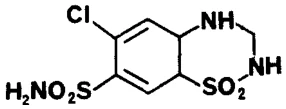
Structural formula:
Physicochemical properties Hydrochlorothiazide is a white or practically white compound with low solubility in water, but readily soluble in dilute aqueous sodium hydroxide.
Amiloride hydrochloride
Proper name: Amiloride hydrochloride
Chemical name: 3,5-Diamino-N-(aminoiminomethyl)- 6-chloropyrazinecarboxamide hydrochloride.
Molecular formula and molecular mass: C6H8ClN70.HCl and 266.1 g/mol
Structural formula:
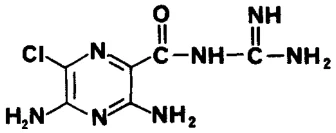
- HCI
Physicochemical properties: Amiloride hydrochloride is a yellow to greenish yellow, odourless or practically odourless, crystalline compound, soluble in water.
14 CLINICAL TRIALS
14.2 Comparative Bioavailability Studies
Bioavailability studies were performed using normal human volunteers. The rate and extent of absorption after a single oral dose of 5 mg amiloride and 50 mg hydrochlorothiazide in the form of AA-AMILZIDE 5-50 mg and MODURET 5-50 mg was measured and compared. The results can be summarized as follows:
| Amiloride HCl | MODURET (SD*) | AA-AMILZIDE (SD) | ||||
|---|---|---|---|---|---|---|
| AUC 0-24 (ng-hr/mL) | 62.5 (21.0) | 66.8 (18.4) | ||||
| Cmax (ng/mL) | 6.0 (2.2) | 6.7 (2.4) | ||||
| Tmax (hrs) | 3.8 (0.6) | 3.3 (0.8) | ||||
| t 1/2 (hrs) | 8.2 (2.5) | 9.6 (3.8) | ||||
| Hydrochlorothiazide | ||||||
| AUC 0-24 (ng-hr/mL) | 1603 (414) | 1654 (426) | ||||
| Cmax (ng/mL) | 235 (73) | 242 (60) | ||||
| Tmax (hrs) | 2.3 (1.0) | 2.4 (0.8) | ||||
| t 1/2 (hrs) | 9.1 (3.3) | 10.0 (5.6) | ||||
| *SD = Standard Deviation | ||||||
15 MICROBIOLOGY
No microbiological information is required for this drug product.
16 NON-CLINICAL TOXICOLOGY
General Toxicology:
Acute Toxicity:
| Oral LD50 (mg/kg) | |||
|---|---|---|---|
| SPECIES | AMILORIDE HYDROCHLORIDE | HYDROCHLOROTHIAZIDE | AMILORIDE HYDROCHLORIDE / HYDROCHLOROTHIAZIDE 5:50 |
| MICE | 56 | >10,000 | 189 |
| RATS | 36-85 | >10,000 | 422 (FEMALES) 377 (MALES) |
Acute oral studies of fixed combinations in the mouse and rat showed that the toxicity was based primarily on the amiloride content.
Subacute and Chronic Toxicity:
Amiloride Hydrochloride and Hydrochlorothiazide
Twelve-week and 25-week oral studies of the combination in the rat indicated the toxicity expected from the individual ingredients (fluid loss at high doses and hyperplasia of the adrenal zona glomerulosa). No evidence of drug interaction was seen. The high dose in the 12-week study (10 mg/kg of amiloride hydrochloride with 500 mg/kg of hydrochlorothiazide) was not well tolerated; 11 of 30 animals died.
The toxicity was related to effects on serum electrolytes.
In the dog, effects observed included dry nose and gums, diuresis, natriuresis, chloruresis, antikaluresis and hyperplasia of the adrenal zona glomerulosa.
Electrocardiographic changes suggestive of potassium retention were seen at high dose levels. A dose of 5/50 mg/kg resulted in deaths from electrolyte imbalance. A dose of 2.5/25 mg/kg increased to 4.0/40 mg/kg/day was tolerated for six months.
Amiloride Hydrochloride
MODERATE TO MARKED HYPERKALEMIA DEVELOPED AT HIGHER DOSES IN All SPECIES. SERUM SODIUM AND CHLORIDE WERE DECREASED.
Rats were given amiloride at oral daily doses of 2.5, 5, 10 to 15 mg/kg/day for up to 18 months. Doses of 10 to 15 mg/kg/day caused a high incidence of deaths, probably due to severe electrolyte imbalance.
In a 6-week study, GI ulcerations were observed in 1 of 4 dogs at 2.5 mg/kg and 2 of 4 dogs at 10 mg/kg.
Rats received amiloride hydrochloride by oral route at doses of 0, 2.5, 5.0, and 10 to 15 mg/kg for up to 80 weeks. Inhibition of weight gain occurred in male rats. Drug induced changes included alterations in urinary and serum electrolytes (which resulted in severe symptoms in the high dose group), reversible hyperplasia of the zona glomerulosa at all doses and renal tubular dilation at 10 mg/kg/day.
Dogs treated with oral doses of 0, 2, 4 and 8 mg/kg/day (base) for one year showed changes in body weight, water intake and serum electrolytes. Positive fecal occult blood occurred at a slightly greater incidence in treated animals but no evidence of gastrointestinal ulceration was seen. Dose-dependent hyperplasia of the zona glomerulosa of the adrenal was observed in all treated dogs.
Monkeys were given amiloride at oral doses up to 12 mg/kg/day, 5 days/week, for 49 weeks. Excitability and irritability, electrolyte imbalance and increased adrenal weights occurred at 12 mg/kg/day. It was reported that urinary excretion of aldosterone was increased in high dose animals.
Carcinogenicity:
Hydrochlorothiazide
According to the experimental data available, hydrochlorothiazide revealed inconsistent evidence of carcinogenic activity in rats and mice, with conflicting evidence of hepatic adenoma in male mice at the highest dose and adrenal pheocytochroma in one rat study but not in another. Current evidence is inadequate to draw a clear conclusion for a carcinogenic effect of hydrochlorothiazide in animals.
Amiloride hydrochloride
No tumorigenic effect was observed when amiloride hydrochloride was administered for 92 weeks to mice at doses of up to 10 mg/kg/day and for 104 weeks to rats at doses of up to 8 mg/kg/day.
Genotoxicity:
Hydrochlorothiazide
The mutagenic potential was assessed in a series of in vitro and in vivo test systems. While some positive results were obtained in vitro, all in vivo studies provided negative results. Hydrochlorothiazide enhanced the UVA-induced formation of pyrimidine dimers in vitro and in the skin of mice following oral treatment. It is therefore concluded that although there is no relevant mutagenic potential in vivo, hydrochlorothiazide could enhance the genotoxic effects of UVA light. This mechanism of photosensitization could be associated with a higher risk for non-melanoma skin cancer.
Reproductive and Developmental Toxicology:
Amiloride hydrochloride and hydrochlorothiazide combinations were administered orally to pregnant mice at dosage levels of 1/5, 5/25 and 5/50 mg/kg/day (12.5 times the expected maximum daily dose for humans) and to pregnant rabbits at dosage levels of 1.0/2.5, 1/5 and 4/20 mg/kg/day (10/20 times the expected maximum daily dose for humans). In a second study in pregnant rabbits, amiloride hydrochloride and hydrochlorothiazide was administered at dosage levels of 0.5/5, 1/10 and 2/20 mg/kg/day (5 times the expected maximum daily dose for humans). No teratogenic embryotoxic, fetotoxic, or maternotoxic effects attributable to treatment were observed in either species.
No effect on reproductive performance or fertility in albino rats given 2, 4, or 8 mg/kg/day amiloride base orally was noted. Growth rate and food consumption were reduced at the highest dose. Doses of 4 and 8 mg/kg/day were administered without effect during late gestation and growth. The high dose adversely affected pup survival and growth.
Special Toxicology:
Special Studies Relative to Adrenal Zona
Glomerulosa, Hyperplasia and Diabetes: Amiloride hydrochloride produced a dose-dependent hyperplasia of the zona glomerulosa of the adrenal cortex in rats and dogs, however, no adrenal hyperplasia occurred in monkeys, although adrenal weights were increased. In rats, reversibility of the hyperplasia was demonstrated after the drug was given for 58 weeks and the animals were observed for an additional 22 weeks. Hyperplasia has been shown to disappear in 19 to 30 days after cessation of treatment and the adrenals were normal within 30 to 58 days. The hyperplasia can be reduced by substitution of physiologic saline for drinking water. Hyperplasia of the adrenal zona glomerulosa occurred in maternal mice but not in the offspring in a teratogenic study. The hyperplasia is considered to be induced by alteration of serum electrolytes and/or inhibition of aldosterone activity.
No effect on carbohydrate metabolism was observed when the toxicity of amiloride hydrochloride was studied in obese diabetic Zucker rats and normal-thin rats. Amiloride hydrochloride had no adverse effect on glucose tolerance in acute experiments in rats or in a chronic study in dogs.
Amiloride hydrochloride and Hydrochlorothiazide Combination
Rats were given 5/100, 10/500 mg/kg amiloride hydrochloride and hydrochlorothiazide 5 days/week for 25 weeks. Animals at the high dose experienced high mortality rates. Dogs were given 1/5, 4/40 mg/kg amiloride hydrochloride and hydrochlorothiazide 5 to 7 days/week for 25 weeks and 5/50 mg/kg 7 days/week for 13 weeks. At higher doses the toxic effects in rats and dogs were adrenal zona glomerulosa hyperplasia, electrolyte imbalance, elevated BUN, ECG disturbances, and focal tubular fatty changes of the kidney.
17 SUPPORTING PRODUCT MONOGRAPHS
- 1. Moduret tablets, 50 mg. Product Monograph, Merck Sharp & Dohme Canada Ltd.; (JUN 11, 1982).