


Product Monograph - Ami-Hydro Tab
INDICATIONS AND CLINICAL USES
Fixed-dose combination drugs are not indicated for initial therapy. Patients should be titrated on the individual drugs. If the fixed combination represents the dosage so determined, its use may be more convenient in patient management. If during maintenance therapy dosage adjustment is necessary, it is advisable to use the individual drugs.
AMI-HYDRO (hydrochlorothiazide and amiloride hydrochloride) is indicated in the maintenance therapy of:
- patients with hepatic cirrhosis with ascites and edema.
- patients with edema of cardiac origin or with arterial hypertension who are hypokalemic or in whom maintenance of normal potassium levels is considered to be clinically important i.e., digitalized patients, patients in whom adequate dietary intake of potassium is not feasible or patients with cardiac arrhythmias.
Use in Heoatic Cirrhosis with Ascites and Edema
Amiloride hydrochloride used alone may provide satisfactory diuresis with diminished potassium loss and with a reduced risk of metabolic alkalosis. In resistant cases amiloride hydrochloride may be used with kaliuretic-diuretic agents to help produce satisfactory diuresis, while maintaining a more balanced serum electrolyte pattern. As with all therapy for the ascites of hepatic cirrhosis, gradual weight loss and avoidance of electrolyte imbalance are the chief objectives (See PRECAUTIONS).
CONTRAINDICATIONS
Hyperkalemia
AMI-HYDRO (hydrochlorothiazide and amiloride hydrochloride) should not be used in the presence of elevated serum potassium levels (See WARNINGS).
Antikaliuretic Therapy or Potassium Salts
Other antikaliuretic agents and potassium supplements are contraindicated in patients receiving AMI-HYDRO (such combination therapy is commonly associated with rapid increases in plasma potassium levels).
Impaired Renal Function
Anuria, acute renal failure, severe or progressive renal disease and diabetic nephropathy are contraindications to the use of AMI-HYDRO (See WARNINGS).
Hypersensitivity
AMI-HYDRO is contraindicated in patients who are hypersensitive to either component, or to other sulfonamide-derived drugs.
WARNINGS
Hyperkalemia
Hyperkalemia, i.e. serum potassium levels over 5.5 mEq per litre, has been observed in some patients who received amiloride hydrochloride either alone or with diuretics. This has been noted particularly in elderly patients, in diabetic patients, and in hospitalized patients with hepatic cirrhosis or cardiac edema who had known renal impairment, were seriously ill, or were receiving vigorous diuretic therapy. Since fatalities have occurred in such patients, they should be monitored carefully for clinical, laboratory and electrocardiographic (ECG) evidence of hyperkalemia and for acidoses. Monitoring of the serum potassium level is important because hyperkalemia is not always associated with an abnormal ECG.
Warning signs or symptoms of hyperkalemia include paresthesias, muscular weakness, fatigue, flaccid paralysis of the extremities, bradycardia, shock, and ECG abnormalities.
When abnormal, the ECG in hyperkalemia is characterized primarily by tall, peaked T waves or elevations from previous tracings. There may also be lowering of the R wave and increased depth of
the S wave, widening and even disappearance of the P wave, progressive widening of the QRS complex, prolongation of the PR interval, and ST depression.
If hyperkalemia occurs in patients taking AMI-HYDRO (hydrochlorothiazide and amiloride hydrochloride) the drug should be discontinued immediately. If the serum potassium level exceeds 6.5 mEq per liter, active measures should be taken to reduce it. Such measures include the intravenous administration of sodium bicarbonate solution or oral or parenteral glucose with a rapid-acting insulin preparation. If needed, a cation exchange resin such as sodium polystyrene sulfonate may be given orally or by enema. Patients with persistent hyperkalemia may require dialysis.
Diabetes Mellitus
In diabetic patients, hyperkalemia has been commonly reported with the use of amiloride hydrochloride, particularly if they have chronic renal disease or pre-renal azotemia. Some deaths occurred in this last group of patients. Therefore, if therapy with amiloride hydrochloride is considered essential, the drug should be used with caution in diabetic or suspected diabetic patients and only after first determining the status of renal function.
Careful monitoring of serum potassium levels is required throughout the therapy.
One patient with poorly controlled diabetes mellitus who became severely hyperkalemic while on amiloride hydrochloride died following two repeated intravenous glucose tolerance tests. Therefore, amiloride hydrochloride should be discontinued at least 3 days before glucose tolerance testing.
In diabetic patients, insulin requirements may be increased, decreased or unchanged due to the hydrochlorothiazide component. Diabetes mellitus which has been latent may become manifest during administration of thiazide diuretics.
Metabolic or Respiratory Acidosis
Antikaliuretic therapy should be instituted only with caution in patients in whom respiratory or metabolic acidosis may occur, such as patients with cardiopulmonary disease or diabetes. If AMI-HYDRO is given to these patients, frequent monitoring of acid-base balance is necessary. Shifts in acid-base balance alter the ratio of extracellular/intracellular potassium, and the development of acidosis may be associated with rapid increases in serum potassium levels.
Impaired Renal Function
Patients with impaired renal function other than those listed under CONTRAINDICATIONS and who have BUN levels over 30 mg per 100 ml, serum creatinine levels over 1.5 mg per 100 ml, or blood urea values over 60 mg per 100 ml should not receive the drug without careful, frequent monitoring of serum electrolytes, creatinine and BUN levels. Potassium retention associated with the use of AMI-HYDRO is accentuated in the presence of renal impairment and may result in the rapid development of hyperkalemia.
Prolongation of amiloride hydrochloride excretion was observed in patients with renal impairment.
Ophthalmologic
Acute Myopia and Secondary Angle-Closure Glaucoma
Hydrochlorothiazide, a sulfonamide, can cause an idiosyncratic reaction, resulting in acute transient myopia and acute angle-closure glaucoma. Symptoms include acute onset of decreased visual acuity or ocular pain and typically occur within hours to weeks of drug initiation. Untreated acute angle-closure glaucoma can lead to permanent vision loss.
The primary treatment is to discontinue hydrochlorothiazide as rapidly as possible. Prompt medical or surgical treatments may need to be considered if the intraocular pressure remains uncontrolled. Risk factors for developing acute angle-closure glaucoma may include a history of sulphonamide or penicillin allergy.
PRECAUTIONS
Electrolyte Imbalance and BUN Increases
Hyponatremia and hypochloremia may occur during the use of AMI-HYDRO (hydrochlorothiazide and amiloride hydrochloride). Hypokalemia may also occur although the incidence is less than with thiazides alone. Any chloride deficit is usually mild and may be corrected by the use of ammonium chloride (except in patients with hepatic disease) and largely prevented by a near normal salt intake. Increases in BUN levels have been reported and have usually accompanied vigorous fluid elimination, especially when diuretic combinations were used in seriously ill patients, such as those who have hepatic cirrhosis with ascites and metabolic alkalosis, or those with resistant edema. Therefore, careful monitoring of serum electrolytes and BUN levels is important when using AMI-HYDRO. In patients with impaired renal function azotemia may be precipitated or increased by hydrochlorothiazide. Careful monitoring of such patients is therefore necessary. If increasing azotemia and oliguria occur during treatment, AMI-HYDRO should be discontinued.
Effects Related to Diuresis in Cirrhotic Patients
Patients with hepatic cirrhosis and ascites are intolerant of acute shifts in electrolyte balance and often have pre-existing hypokalemia as a result of associated secondary hyperaldosteronism. When oral diuretic therapy is used, these patients should be carefully monitored and diuresis should be gradual.
Hepatic encephalopathy, man1fested by tremors, confusion, and coma, has been reported in association with amiloride hydrochloride therapy.
In cirrhotic patients receiving amiloride hydrochloride alone, jaundice associated with the underlying disease process has deepened in a few instances, but the relationship to the drug is uncertain.
Other Precautions
Thiazides may decrease serum PBI levels without signs of thyroid disturbance.
Calcium excretion is decreased by hydrochlorothiazide and magnesium excretion is increased.
Pathological changes in the parathyroid glands with hypercalcemia and hypophosphatemia have been observed in a few patients on prolonged thiazide therapy. The common complications of hyperparathyroidism such as renal lithiasis, bone resorption and peptic ulceration have not been seen. Thiazides should be discontinued before carrying out tests for parathyroid function.
Hyperuricemia may occur or gout may be precipitated.
Patients should be observed regularly for the possible occurrence of liver dysfunction, idiosyncratic reactions, or blood dyscrasias.
Sensitivity reactions to thiazides may occur in patients with or without a history of allergy or bronchial asthma.
The possibility of exacerbation or activation of systemic lupus erythematosus has been reported with the thiazides.
Pregnancy
Because clinical experience is limited, AMI-HYDRO is not recommended for use during pregnancy.
Teratologic studies with amiloride hydrochloride in rabbits and mice revealed no evidence of harm to the fetus. Reproduction studies in rats showed no evidence of impaired fertility. At approximately 5 or more times the expected maximum daily dose for humans, some toxicity was seen in adult rats and rabbits and a decrease in rat pup growth and survival occurred.
In rats, a trace of drug crossed the placental barrier.
Thiazides cross the placental barrier and appear in the cord blood. Therefore, the use of AMI-HYDRO when pregnancy is present or suspected requires that the benefits of the drug be weighed against possible hazards to the fetus. These hazards include fetal or neonatal jaundice, thrombocytopenia and possibly other side effects that have occurred in the adult.
Nursing Mothers
It is not known whether amiloride hydrochloride is excreted in human milk. In rats, secretion of amiloride hydrochloride in milk has been demonstrated. Thiazides appear in breast milk. Because of the potential for serious adverse reactions in nursing infants, if the use of·
AMI-HYDRO is deemed essential, the patient should stop nursing.
Pediatric Use
The safety for use of amiloride hydrochloride in children has not been established: therefore, AMI-HYDRO is not recommended in the pediatric age group.
Drug Interactions
The antihypertensive effect of the drug may be enhanced in the post-sympathectomy patient.
DRUG INTERACTIONS
Drug-Drug Interactions:
| Proper Name | Ref. | Effect | Clinical comment |
| Alcohol, barbiturates, or narcotics | C | Potentiation of orthostatic hypotension may occur. | Avoid alcohol, barbiturates or narcotics, especially with initiation of therapy. |
| Amphotericin B | T | Amphotericin B increases the risk of hypokalemia induced by thiazide diuretics. | Monitor serum potassium level. |
Antidiabetic agents (e.g. insulin and oral hypoglycemic agents) | CT | Thiazide-induced hyperglycemia may compromise blood sugar control. Depletion of serum potassium augments glucose intolerance. | Monitor glycemic control, supplement potassium if necessary, to maintain appropriate serum potassium levels, and adjust diabetes medications as required. |
| Antihypertensive drugs | CT | Hydrochlorothiazide may potentiate the action of other antihypertensive drugs (e.g. guanethidine, methyldopa, beta-blockers, vasodilators, calcium channel blockers, ACEI, ARB, and direct renin inhibitors). | |
Antineoplastic drugs, including cyclophosphamide and methotrexate | C | Concomitant use of thiazide diuretics may reduce renal excretion of cytotoxic agents and enhance their myelosuppressive effects. | Hematological status should be closely monitored in patients receiving this combination. Dose adjustment of cytotoxic agents may be required. |
| Bile acid sequestrants, e.g. cholestyramine | CT | Bile acid sequestrants bind thiazide diuretics in the gut and impair gastrointestinal absorption by 43-85%. Administration of thiazide 4 hours after a bile acid sequestrant reduced absorption of hydrochlorothaizide by 30-35%. | Give thiazide 2-4 hours before or 6 hours after the bile acid sequestrant. Maintain a consistent sequence of administration. Monitor blood pressure, and increase dose of thiazide, if necessary. |
| Calcium and vitamin D supplements | C | Thiazides decrease renal excretion of calcium and increase calcium release from bone. | Monitor serum calcium, especially with concomitant use of high doses of calcium supplements. Dose reduction or withdrawal of calcium and/or vitamin D supplements may be necessary. |
| Carbamazepine | C | Carbamazepine may cause clinically significant hyponatremia. Concomitant use with thiazide diuretics may potentiate hyponatremia. | Monitor serum sodium levels. Use with caution. |
| Proper Name | Ref. | Effect | Clinical comment |
| Corticosteroids, and adrenocorticotropic hormone (ACTH) | T | Intensified electrolyte depletion, particularly hypokalemia, may occur. | Monitor serum potassium, and adjust medications, as required. |
| Digoxin | CT | Thiazide-induced electrolyte disturbances, i.e. hypokalemia, hypomagnesemia, increase the risk of digoxin toxicity, which may lead to fatal arrhythmic events. | Concomitant administration of hydrochlorothiazide and digoxin requires caution. Monitor electrolytes and digoxin levels closely. Supplement potassium or adjust doses of digoxin or thiazide, as required. |
Drugs that alter GI motility, i.e., anti- cholinergic agents, such as atropine and prokinetic agents, such as metoclopramide, domperidone | CT, T | Bioavailability of thiazide diuretics may be increased by anticholinergic agents due to a decrease in gastrointestinal motility and gastric emptying. Conversely, prokinetic drugs may decrease the bioavailability of thiazide diuretics. | Dose adjustment of thiazide may be required. |
Gout medications (allopurinol, uricosurics, xanthine oxidase inhibitors) | T, RC | Thiazide-induced hyperuricemia may compromise control of gout by allopurinol and probenecid. The co-administration of hydrochlorothiazide and allopurinol may increase the incidence of hypersensitivity reactions to allopurinol. | Dosage adjustment of gout medications may be required. |
| Lithium | CT | Thiazide diuretics reduce the renal clearance of lithium and add a high risk of lithium toxicity. | Concomitant use of thiazide diuretics with lithium is generally not recommended. If such use is deemed necessary, reduce lithium dose by 50% and monitor lithium levels closely. |
| Nonsteroidal anti- inflammatory drugs (NSAID) | CT | NSAID-related retention of sodium and water antagonises the diuretic and antihypertensive effects of thiazides. NSAID-induced inhibition of renal prostaglandins leading to decreases of renal blood flow, along with thiazide-induced decreases in GFR may lead to acute renal failure. Patients with heart failure may be at particular risk. | If combination use is necessary, monitor renal function, serum potassium, and blood pressure closely. Dose adjustments may be required. |
Selective serotonin reuptake inhibitors (SSRIs, e.g. citalopram, escitalopram, sertraline) | T, C | Concomitant use with thiazide diuretics may potentiate hyponatremia. | Monitor serum sodium levels. Use with caution. |
| Skeletal muscle relaxants of the curare family, e.g., tubocurare | C | Thiazide drugs may increase the responsiveness of some skeletal muscle relaxants, such as curare derivatives. |
| Proper Name | Ref. | Effect | Clinical comment |
| Topiramate | CT | Additive hypokalemia. Possible thiazide-induced increase in topiramate serum concentrations. | Monitor serum potassium and topiramate levels. Use potassium supplements, or adjust topiramate dose as necessary. |
Legend: C = Case Study; RCS = Retrospective Cohort Study; CT = Clinical Trial; T = Theoretical
ADVERSE REACTIONS
While rare, the most serious adverse effect of AMI-HYDRO (hydrochlorothiazide and amiloride hydrochloride) is symptomatic hyperkalemia. Other metabolic changes that occur are asymptomatic hyperkalemia, hypokalemia and hypochloremia.
The following incidence of other adverse reactions was reported in patients treated with a combination of hydrochlorothiazide and amiloride hydrochloride.
| Incidence ≥3% | Incidence >1%- <3% | Incidence ≤1% | |
| Gastro- Intestinal (In 7.1% of patients) | Nausea/anorexia (3.7%) | Diarrhea Gastrointestinal pain. Abdominal pain. | Constipation GI bleeding GI disturbance Appetite changes Abdominal fullness Hiccups Thirst Vomiting Anorexia Flatulence Bad taste |
| Central Nervous System (In 13.9% of patients) | Headache (7.8%) Dizziness (6.1%) Weakness (4.0%) | Paresthesia/ numbness Stupor Vertigo Insomnia Nervousness Depression Sleepiness Mental confusion Visual disturbance | |
| Dermatologic (In 5.2% of patients) | Rash (3.4%) | Pruritus | Flushing |
| Cardiovascular (In 4.3% of patients) | Arrhythmia | Tachycardia Digitalis Toxicity Orthostatic hypotension Angina pectoris | |
| Musculoskeletal (In 3.7% of patients) | Leg ache | Muscle cramps/ spasm Joint pain Chest pain Back pain | |
| Respiratory (In 2.6% of patients) | Dyspnea | Nasal congestion | |
| Urogenital (In 1.7% of patients) | Impotence Nocturia Dysuria Incontinence |
| Incidence ≥3% | Incidence >1%- <3% | Incidence ≤1% | |
| Endocrine (In 0.9% of patients) | Gout Dehydration | ||
| Other (In 2.6% of patients) | Fatigue/tiredness | Malaise |
Other adverse reactions that have been reported with the individual components are listed below:
CARDIOVASCULAR
Necrotizing angiitis (vasculitis, cutaneous vasculitis)
GASTROINTESTINAL
Abnormal liver function
Jaundice (intrahepatic cholestatic jaundice) Activation of pre-existing peptic ulcer Cramping
Gastric irritation
Pancreatitis
Dry mouth
Sialadenitis
ENDOCRINE
Glycosuria
Hyperglycemia
Hyperuricemia
HYPERSENSITIVITY
Urticaria
Anaphylactic reactions
RESPIRATORY
Respiratory distress including pneumonitis
SPECIAL SENSES
Photosensitivity
Transient blurred vision
Xanthopsia
HEMATOLOGIC
Agranulocytosis
Aplastic anemia
Hemolytic anemia
Leukopenia
Purpura
Thrombocytopenia
Neutropenia
OTHERS
Restlessness
Fever
SYMPTOMS AND TREATMENT OF OVERDOSAGE
No data are available in regard to overdosage in humans with AMI-HYDRO (hydrochlorothiazide and amiloride hydrochloride) or with the amiloride hydrochloride component.
The most common signs and symptoms to be expected from overdosage with AMI-HYDRO are dehydration and electrolyte imbalance. Serum electrolytes should be carefully monitored with special attention to potassium levels.
Cardiac arrhythmias may be caused by abnormal potassium levels. Digitalized patients are especially prone to arrhythmias.
No specific information is available on the treatment of AMI-HYDRO overdosage and no specific antidote is available. Treatment is symptomatic and supportive. Therapy with AMI-HYDRO should be discontinued and the patient observed closely. Suggested measures include induction of emesis and/or gastric lavage.
It is not known whether the drug is dialyzable.
For management of a suspected drug overdose, contact your regional Poison Control Centre
DOSAGE AND ADMINISTRATION
Optimal dosage should be established by the individual titration of the components.
Maintenance doses may be lower than those required to initiate diuresis; therefore, reduction in the daily dosage should be attempted when the patient's weight is stabilized. In cirrhotic patients, gradual weight reduction is especially desirable to reduce the likelihood of untoward reactions associated with diuretic therapy.
Hepatic Cirrhosis with Ascites and Edema
The usual maintenance dose of AMI-HYDRO (hydrochlorothiazide and amiloride hydrochloride) is 1 tablet given once a day. The dosage should not exceed 4 tablets a day in single or divided doses.
Edema of Cardiac Origin
The usual maintenance dose of AMI-HYDRO is 1 or 2 tablets given once a day or in divided doses. The dosage should not exceed 4 tablets a day. Therapy may be on an intermittent basis.
Hypertension
The usual maintenance dosage is 1 or 2 tablets given once a day or in divided doses. The dosage should not exceed 4 tablets a day.
DOSAGE FROMS, COMPOSITION AND PACKAGING
AMI-HYDRO Tablets, containing 50 mg hydrochlorothiazide and 5 mg amiloride hydrochloride, are peach coloured, diamond shaped tablets, scored and identified PRO above the score, 5/50 below the score. Available in bottles of 100, 500 and 1000.
In addition to the active ingredients, hydrochlorothiazide and amiloride, each tablet also contains the non-medicinal ingredients: colloidal silicon dioxide, croscarmellose sodium, lactose monohydrate, magnesium stearate, microcrystalline cellulose, sodium bicarbonate and sunset yellow aluminium lake 40 %.
CHEMISTRY
Hydrochlorothiazide
Structural Formula:
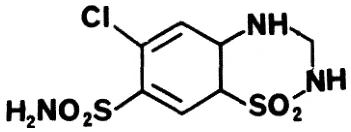
Molecular Formula: C7H8ClN3O4S2
Molecular -Weight: 297.72
Chemical Name 6-Chloro-3,4-dihydro-2H-1,2,4-benzothiadiazine-7-sulfonamide 1, 1-dioxide.
Description:
Hydrochlorothiazide is a white or practically white compound with low solubility in water, but readily soluble in dilute aqueous sodium hydroxide.
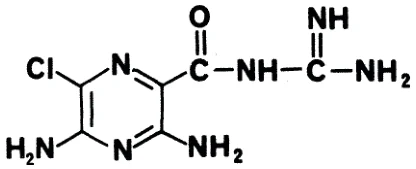
Amiloride hydrochloride
Structural Formula:
- HCI
Molecular Formula: C6H8ClN70.HCl.
Molecular Weight: 266.1
Chemical Name: 3,5-Diamino-N-(aminoiminomethyl)-6-chloropyrazinecarboxamide hydrochloride.
Description
Amiloride hydrochloride is a yellow to greenish yellow, odourless or practically odourless, crystalline compound, soluble in water.
PHARMACOLOGY
Hydrochlorothiazide
Hydrochlorothiazide has diuretic and antihypertensive activities. This compound increases the excretion of sodium and chloride in approximately equivalent amounts and causes a simultaneous, usually minimal loss of bicarbonate. The excretion of ammonia is reduced slightly by hydrochlorothiazide and the blood ammonia concentration may be increased. The excretion of potassium is increased slightly. Calcium excretion is decreased by hydrochlorothiazide and magnesium excretion is increased.
Hydrochlorothiazide is eliminated rapidly by the kidney. Its rate of elimination is decreased somewhat by the co-administration of probenecid without, however, an accompanying reduction in diuresis.
Amiloride hydrochloride
Amiloride hydrochloride is chemically unrelated to other known antikaliuretic or diuretic agents. It is a salt of a moderately strong base (pKa 8.7).
In rats and dogs, amiloride hydrochloride in an oral dose of 0.1 mg/kg or less increases the excretion of sodium and to a lesser extent, of chloride but does not increase the excretion of potassium. A potassium-retaining effect is seen in experimental animals, especially under conditions of high potassium excretion, as upon loading with potassium chloride, after pre-treatment with acetazolamide or thiazides, or in deoxycorticosterone-treated adrenalectomized rats. The natriuresis is accompanied by an increase in urinary pH, reflecting a decrease in hydrogen ion excretion. Following oral administration to dogs, amiloride hydrochloride increases the rate of sodium excretion less than do the more potent agents, but the moderate effect on sodium excretion has an extended duration. Natriuresis increases only moderately as the oral dose is increased from 0.25 to 4.0 mg/kg; this activity persists beyond 6 hours.
An increase in sodium excretion is produced when amiloride hydrochloride is given together with chlorothiazide, hydrochlorothiazide, or acetazolamide to rats. Amiloride hydrochloride antagonizes the kaliuretic effect of the other diuretic. Oral doses of amiloride hydrochloride (0.1 to 0.5 mg/kg) increase the excretion of sodium and decrease that of potassium in dogs given ethacrynic acid (1.0 mg/kg)or hydrochlorothiazide (0.5 mg/kg) orally.
Amiloride hydrochloride increases the Na+/K+ excretion ratio in adrenalectomized rats. In adrenalectomized rats treated with aldosterone, deoxycorticosterone, or hydrocortisone, amiloride hydrochloride not only reverses the steroid-induced sodium retention, but increases the Na+/K+ excretion ratio substantially above that of untreated adrenalectomized rats.
Stop-flow studies in dogs indicate that amiloride hydrochloride inhibits tubular secretion of potassium and reabsorption of sodium in the distal portion of the nephron. In renal clearance studies, 1.0 mg/kg intravenously did not affect glomerular filtration rate, effective renal plasma flow, or glucose reabsorption. An enzymatic basis for the renal action of amiloride hydrochloride has not been elucidated. It is not an inhibitor of carbonic anhydrase.
Amiloride hydrochloride given parenterally (2.5 to 5.0 mg/kg) to anesthetized dogs produces profound reduction of blood pressure and produces changes in the electrocardiogram. The effects which are coincident with the release of histamine into plasma, are not seen if the compound is injected slowly or if lower doses are given. A slight increase in gastric secretion and intestinal motility occurred after oral administration to dogs of 0.5 to 2.0 mg/kg. Pre-treatment of several days with amiloride hydrochloride in a dose of 5 mg/kg/day by mouth does not alter the response of dogs to ouabain.
TOXICOLOGY
Acute Toxicity:
Oral LD50 (mg/kg) SPECIES AMILORIDE
HYDROCHLORIDE
HYDROCHLOROTHIAZIDE AMILORIDE
HYDROCHLORIDE / HYDROCHLOROTHIAZIDE
5:50
MICE 56 >10,000 189 RATS 36-85 >10,000 422 (FEMALES)
377 (MALES)
Acute oral studies of fixed combinations in the mouse and rat showed that the toxicity was based primarily on the amiloride content.
Subacute and Chronic Toxicity
Amiloride Hydrochloride/Hydrochlorothiazide
Twelve-week and 25-week oral studies of the combination in the rat indicated the toxicity expected from the individual ingredients (fluid loss at high doses and hyperplasia of the adrenal zona glomerulosa). No evidence of drug interaction was seen. The high dose in the 12-week study (10 mg/kg of amiloride hydrochloride with 500 mg/kg of hydrochlorothiazide) was not well tolerated; 11 of 30 animals died.
The toxicity was related to effects on serum electrolytes.
In the dog, effects observed included dry nose and gums, diuresis, natriuresis, chloruresis, antikaluresis and hyperplasia of the adrenal zona glomerulosa.
Electrocardiographic changes suggestive of potassium retention were seen at high dose levels. A dose of 5/50 mg/kg resulted in deaths from electrolyte imbalance. A dose of 2.5/25 mg/kg increased to 4.0/40 mg/kg/day was tolerated for six months.
Amiloride Hydrochloride
MODERATE TO MARKED HYPERKALEMIA DEVELOPED AT HIGHER DOSES IN All SPECIES. SERUM SODIUM AND CHLORIDE WERE DECREASED.
Rats were given amiloride at oral daily doses of 2.5, 5, 10-15 mg/kg/day for up to 18 months. Doses of 10-15 mg/kg/day caused a high incidence of deaths, probably due to severe electrolyte imbalance.
In a 6 week study, GI ulcerations were observed in 1 of 4 dogs at 2.5 mg/kg and 2 of 4 dogs at 10 mg/kg.
Rats received amiloride hydrochloride by oral route at doses of 0, 2.5, 5.0, and 10 to 15 mg/kg for up to 80 weeks. Inhibition of weight gain occurred in male rats. Drug induced changes included alterations in urinary and serum electrolytes (which resulted in severe symptoms in the high dose group), reversible hyperplasia of the zona glomerulosa at all doses and renal tubular dilation at 10 mg/kg/day.
Dogs treated with oral doses of 0, 2, 4 and 8 mg/kg/day (base) for one year showed changes in body weight, water intake and serum electrolytes. Positive fecal occult blood occurred at a slightly greater incidence in treated animals but no evidence of gastrointestinal ulceration was seen. Dose-dependent hyperplasia of the zona glomerulosa of the adrenal was observed in all treated dogs.
Monkeys were given amiloride at oral doses up to 12 mg/kg/day, 5 days/week, for 49 weeks. Excitability and irritability, electrolyte imbalance and increased adrenal weights occurred at 12 mg/kg/day. It was reported that urinary excretion of aldosterone was increased in high dose animals.
Special Studies Relative to Adrenal Zona
Glomerulosa, Hyperplasia and Diabetes
Amiloride hydrochloride produced a dose-dependent hyperplasia of the zona glomerulosa of the adrenal cortex in rats and dogs, however, no adrenal hyperplasia occurred in monkeys, although adrenal weights were increased. In rats, reversibility of the hyperplasia was demonstrated after the drug was given for 58 weeks and the animals were observed for an additional 22 weeks. Hyperplasia has been shown to disappear in 19 to 30 days after cessation of treatment and the adrenals were normal within 30 to 58 days. The hyperplasia can be reduced by substitution of physiologic saline for drinking water. Hyperplasia of the adrenal zona glomerulosa occurred in maternal mice but not in the offspring in a teratogenic study. The hyperplasia is considered to be induced by alteration of serum electrolytes and/or inhibition of aldosterone activity.
No effect on carbohydrate metabolism was observed when the toxicity of amiloride hydrochloride was studied in obese diabetic Zucker rats and normal-thin rats. Amiloride hydrochloride had no adverse effect on glucose tolerance in acute experiments in rats or in a chronic study in dogs.
Amiloride/Hydrochlorothiazide Combination
Rats were given 5/100, 10/500 mg/kg amiloride/hydrochlorothiazide 5 days/week for 25 weeks. Animals at the high dose experienced high mortality rates. Dogs were given 1/5, 4/40 mg/kg amiloride/hydrochlorothiazide 5 to 7 days/week for 25 weeks and 5/50 mg/kg 7 days/week for 13 weeks. At higher doses the toxic effects in rats and dogs were adrenal zona glomerulosa hyperplasia, electrolyte imbalance, elevated BUN, ECG disturbances, and focal tubular fatty changes of the kidney.
Tumorigenicity Studies
No tumorigenic effect was observed when amiloride hydrochloride was administered for 92 weeks to mice at doses of up to 10 mg/kg/day and for 104 weeks to rats at doses of up to 8 mg/kg/day.
Reproductive Studies
Amiloride hydrochloride/hydrochlorothiazide combinations were administered orally to pregnant mice at dosage levels of 1/5, 5/25 and 5/50 mg/kg/day (12.5 times the expected maximum daily dose for humans) and to pregnant rabbits at dosage levels of 1.0/2.5, 1/5 and 4/20 mg/kg/day (10/20 times the expected maximum daily dose for humans). In a second study in pregnant rabbits, amiloride hydrochloride/hydrochlorothiazide was administered at dosage levels of 0.5/5, 1/10 and 2/20 mg/kg/day (5 times the expected maximum daily dose for humans). No teratogenic embryotoxic, fetotoxic, or maternotoxic effects attributable to treatment were observed in either species.
No effect on reproductive performance or fertility in albino rats given 2, 4, or 8 mg/kg/day amiloride base orally was noted. Growth rate and food consumption were reduced at the highest dose. Doses of 4 and 8 mg/kg/day were administered without effect during late gestation and growth. The high dose adversely affected pup survival and growth.
REFERENCES
- 1. Antcliffe AC, Beevers DG, Hamilton M, Harpur JE. The use of amiloride hydrochloride in the correction of hypokalemic alkalosis induced by diuretics. Postgrad Med J 1971; 47: 644-647.
- 2. Bergstrom J, Friden AM. The effect of hydrochlorothiazide and amiloride administered together on muscle electrolytes in normal subjects. Acta Med Scand 1975; 197: 415-419.
- 3. Bull MB, Laragh JH. Amiloride, a potassium-sparing natriuretic agent. Circulation 1968; 37: 45-53.
- 4. Castenfors H. Long term effect of timolol and hydrochlorothiazide, or hydrochlorothiazide and amiloride in essential hypertension. Eur J Clin Pharmacal 1977; 12: 97-103.
- 5. George CF. Amiloride handling in renal failure. Br J Pharmacal 1980; 9: 94-95.
- 6. Gombos EA, Freis ED, Moghadam A. Effects of MK-870 in normal subjects and hypertensive patients. N Eng J Med 1966; 275:1215-1220.
- 7.
Kohvakka A, Eisalo A, Manninen V. Maintenance of potassium balance during diuretic therapy. Acta
Med Scand 1979; 205: 319-324.
- 8. Larochelle P, Logan AG. Hydrochlorothiazide-amiloride versus hydrochlorothiazide alone for essential hypertension: effects on blood pressure and serum potassium level. Canad Med Assoc J 1985; 132: 801-805.
- 9. Leary WP, Reyes AJ, Van der Byl K. Effects of a combination of hydrochlorothiazide and amiloride on urinary magnesium excretion in healthy adults. Curr Ther Res 1984; 35: 293-300.
- 10. McMahon FG, Okun R, Vaicaitis JS. Multicenter study of amiloride/hydrochlorothiazide once-daily and triamterene/hydrochlorothiazide twice-daily: antihypertensive and potassium-sparing effects. Curr Ther Res 1983; 34: 357-364.
- 11.
Moduret. Merck Sharp & Dohme Canada Ltd.; Product Monograph: Date of Revision June 11,
1982.
- 12. Multicenter Diuretic Cooperative Study Group. Multiclinic comparison of amiloride, hydrochlorothiazide plus amiloride in essential hypertension. Arch Intern Med 1981; 141:482-486.
- 13. Physicians Desk Reference 1988; 1370- 1372.
- 14. RuilopeL, Alcazar JM, Diaz VP, Jarillo MD, Millet VG, Rodicio JL. A fixed combination of essential hypertension. Clin Ther 180; 3: 15-20.
- 15.
Senewiratne B, Sherlock S. Amiloride (MK 870)in patients with ascites due to cirrhosis of the liver.
Lancet 1968; 1: 120-122.
- 16. Svendsen UG, Ibsen H, Rasmussen S, Leth A, Nielsen MD, Dige-Petersen H, Giese J. Effects of amiloride on plasma and total body potassium, blood pressure, and the renin-angiotensin-aldosterone system in thiazide-treated.hypertensive patients. Clin Pharmacal Ther 1983; 34: 448-453.
- 17.
U.S.F.D.A. Documents; SBOA NDA 18-200, 18-201; 1981. 1-84. Review and Evaluation of
Pharmacology and Toxicology Data NDA 18-201; 10/24/79. 1-11. Pharmacologist's Summary NDA 11-835 03/22/67.1-2.
- 18.
Van Soeren F. The antihypertensive and biochemical effects of hydrochlorothiazide/amiloride
(Moduretic) versus chlorthalidone. J Int Med Res 1980; 8: 132-135.
- 19. Venkata C, Holland 08, Kaplan NM. Attenuation of diuretic-induced hypokalemia by amiloride, a potassium-sparing agent. J Clin Pharmacal 1981; 21: 484-487.
- 20. Whight C, Morgan T, Carney S, Wilson M. Diuretics, cardiac failure and potassium depletion: a rational approach. Med J Aust 1974; 2: 831-833.
- 21. Yamada S, Reynolds TB. Amiloride (MK-870), a new antikaluretic diuretic: comparison to other antikaluretic diuretics in patients with liver disease and ascites. Gastroenterology 1970; 59: 833-841.
- 22. Zsoter TT, Hart F, Radde IC: Mechanism of antihypertensive action of prolonged administration of hydrochlorothiazide in rabbit and dog. Circ Res 1970; 27: 717-725.