


Product Monograph - ACAM2000
RECENT MAJOR LABEL CHANGES
| Not Applicable. | [MM/YYYY] |
|---|
Sections or subsections that are not applicable at the time of authorization are not listed.
TABLE OF CONTENTS
RECENT MAJOR LABEL CHANGES ......................................................................................................... 2
TABLE OF CONTENTS ........................................................................................................................... 2
ACAM2000® ........................................................................................................................................ 5
PART I: HEALTH PROFESSIONAL INFORMATION ................................................................................... 5
1 INDICATIONS .......................................................................................................................... 5
1.1 Pediatrics ..............................................................................................................................5
1.2 Geriatrics ..............................................................................................................................5
2 CONTRAINDICATIONS ............................................................................................................. 5
3 SERIOUS WARNINGS AND PRECAUTIONS BOX ......................................................................... 6
4 DOSAGE AND ADMINISTRATION ............................................................................................. 6
4.1 Dosing Considerations ..........................................................................................................6
4.2 Recommended Dose and Dosage Adjustment .....................................................................7
4.3 Reconstitution ......................................................................................................................7
4.4 Administration ......................................................................................................................8
5 OVERDOSAGE ......................................................................................................................... 9
6 DOSAGE FORMS, STRENGTHS, COMPOSITION AND PACKAGING ............................................. 9
7 WARNINGS AND PRECAUTIONS ............................................................................................ 10
7.1 Special Populations ........................................................................................................... 12
7.1.1 Pregnant Women ........................................................................................................ 12
7.1.2 Breastfeeding .............................................................................................................. 13
7.1.3 Pediatrics .................................................................................................................... 13
7.1.4 Geriatrics .................................................................................................................... 13
8 ADVERSE REACTIONS ............................................................................................................ 13
8.1 Adverse Reaction Overview .............................................................................................. 13
8.2 Clinical Trial Adverse Reactions ......................................................................................... 14
8.2.1 Clinical Trial Adverse Reactions – Pediatrics ............................................................... 16
8.3 Less Common Clinical Trial Adverse Reactions .................................................................. 16
8.4 Abnormal Laboratory Findings: Hematologic, Clinical Chemistry and Other Quantitative Data 17
8.5 Post-Market Adverse Reactions ........................................................................................ 17
9 DRUG INTERACTIONS ............................................................................................................ 18
9.2 Drug Interactions Overview .............................................................................................. 18
9.4 Drug-Drug Interactions ...................................................................................................... 18
9.7 Drug-Laboratory Test Interactions .................................................................................... 18
10 CLINICAL PHARMACOLOGY ................................................................................................... 18
10.1 Mechanism of Action .................................................................................................. 18
10.2 Pharmacodynamics .................................................................................................... 19
10.2.1 Cutaneous Response .................................................................................................. 19
10.2.2 Neutralizing Antibody and Cellular Immune Responses ............................................ 24
10.2.3 Virus Shedding ............................................................................................................ 24
10.3 Pharmacokinetics ....................................................................................................... 24
11 STORAGE, STABILITY AND DISPOSAL ..................................................................................... 24
12 SPECIAL HANDLING INSTRUCTIONS ....................................................................................... 24
PART II: SCIENTIFIC INFORMATION .................................................................................................... 26
13 PHARMACEUTICAL INFORMATION ........................................................................................ 26
14 CLINICAL TRIALS.................................................................................................................... 26
14.1 Trial Design and Study Demographics ........................................................................ 26
14.2 Study Results .............................................................................................................. 29
14.3 Comparative Bioavailability Studies ........................................................................... 31
14.4 Immunogenicity .......................................................................................................... 31
15 MICROBIOLOGY .................................................................................................................... 31
16 NON-CLINICAL TOXICOLOGY ................................................................................................. 31
PATIENT MEDICATION INFORMATION ............................................................................................... 32
ACAM2000®
Smallpox Vaccine (Vaccinia Virus, live)
PART I: HEALTH PROFESSIONAL INFORMATION
| “HEALTH CANADA HAS AUTHORIZED THE SALE OF THIS EXTRAORDINARY USE NEW DRUG FOR ACTIVE IMMUNIZATION AGAINST SMALLPOX DISEASE FOR PERSONS DETERMINED TO BE AT HIGH RISK FOR SMALLPOX INFECTION BASED ON LIMITED CLINICAL TESTING IN HUMANS.” |
|---|
1 INDICATIONS
ACAM2000 Smallpox Vaccine (Vaccinia Virus, live) is indicated for active immunization against smallpox disease for persons determined to be at high risk for smallpox infection.
1.1 Pediatrics
Pediatrics (≤16 years of age): The safety and efficacy of ACAM2000 vaccine have not been studied in the age groups from birth to age 16 (Section 7.1.3).
1.2 Geriatrics
Geriatrics (≥65 years of age): ACAM2000 vaccine safety and efficacy was assessed in 353 subjects aged 56-82 years who were previously vaccinated with smallpox, including 74 subjects ≥65 years. The data were insufficient to determine whether geriatric subjects respond differently from younger subjects (Section 7.1.4).
2 CONTRAINDICATIONS
There are very few absolute contraindications to this vaccine for those who are at high risk for smallpox. The risk for experiencing serious vaccination complications must be weighed against the risks for experiencing a potentially fatal smallpox infection (See 7 WARNINGS AND PRECAUTIONS).
Severe Immune Deficiency
ACAM2000 vaccine contains live replicating vaccinia virus and administration to individuals who are immunosuppressed or immunodeficient may result in vaccinia complications, including fatal outcomes.
Individuals with severe immunodeficiency who are not expected to benefit from the vaccine should not receive ACAM2000 vaccine. These individuals may include individuals who are undergoing bone marrow transplantation or individuals with primary or acquired immunodeficiency who require isolation.
EUND
3 SERIOUS WARNINGS AND PRECAUTIONS BOX
Serious Warnings and Precautions
These risks, including risks of severe disability and/or death, are increased in vaccinees who have/are:
ACAM2000 vaccine contains a live vaccinia virus that can be transmitted to persons who have close contact with the vaccinee and the risks in contacts are the same as those stated for vaccinees. The risk for experiencing serious vaccination complications must be weighed against the risks for experiencing a potentially fatal smallpox infection. See Section 7 WARNINGS AND PRECAUTIONS for more information. |
|---|
4 DOSAGE AND ADMINISTRATION
4.1 Dosing Considerations
Administer ACAM2000 vaccine only after being trained on the safe and effective administration of the vaccine by the percutaneous route (scarification). ACAM2000 vaccine should not be injected by the intradermal, subcutaneous, intramuscular, or intravenous route. Ensure that the individuals have no contraindications to the product (2 CONTRAINDICATIONS). Provide each patient with the approved Medication Guide prior to administering the vaccine.
EUND
4.2 Recommended Dose and Dosage Adjustment
Primary Dose: The primary vaccination is a single administration. After reconstitution of the lyophilized preparation, a droplet (0.0025 mL) of ACAM2000 vaccine is administered by the percutaneous route (scarification) by 15 jabs with a bifurcated needle. Each 0.0025 mL dose of vaccinia virus (live) contains 2.5-12.5 x 10⁵ plaque forming units.
Booster Dose: There are no clinical trial data on revaccination. Please refer to national guidelines (Canadian Immunization Guide) for more information.
4.3 Reconstitution
ACAM2000 vaccine is reconstituted by addition of 0.3 mL of diluent to the vial containing lyophilized vaccine. Note: 0.3 mL of diluent is not the entire content of the diluent vial. ACAM2000 vaccine should only be reconstituted with 0.3 mL of the diluent provided.
- Remove the vaccine vial from cold storage and bring to room temperature before reconstitution.
- Remove the flip cap seals and wipe with an isopropyl alcohol swab and allow to dry thoroughly.
- Use aseptic technique and a sterile 1 mL syringe fitted with a 25 gauge x 5/8” needle (provided) to draw up 0.3 mL of diluent and transfer the entire content of the syringe to the vaccine vial.
- Gently swirl to mix but try not to get product on the rubber stopper.
- The reconstituted vaccine should be a clear to slightly hazy, colorless to straw-colored liquid free from extraneous matter. Visually inspect reconstituted vaccine for particulate matter and discoloration prior to administration. If particulate matter or discoloration is observed, do not use the vaccine, and dispose the vial safely.
Table 1 Reconstitution of ACAM2000 Vaccine
| Vial Size | Volume of Diluent to be Added to Vial | Approximate Available Volume | Concentration per mL |
| 3 mL glass vial | 0.3 mL | 0.25 mL (100 doses) | After reconstitution, each vial has approximately 100 doses of 0.0025 mL of vaccinia virus (live) containing 2.5-12.5 x 10⁵ plaque forming units per dose. |
Storage following Reconstitution:
After reconstitution, administer ACAM2000 vaccine within 8 hours if kept at room temperature (20-25°C, 68-77°F).
Store unused, reconstituted ACAM2000 vaccine in a refrigerator (2-8°C, 36-46°F) up to 30 days, after which it should be discarded as a biohazardous material. Minimize exposure of reconstituted vaccine to room temperature during vaccination sessions by placing it in refrigerator or on ice between patient administrations (see 11 STORAGE, STABILITY AND DISPOSAL).
4.4 Administration
Wear surgical or protective gloves when preparing and administering the vaccine to avoid contact of vaccine with skin, eyes or mucous membranes.
Bring the reconstituted vaccine to room temperature prior to administration. Before administration, visually examine the vial contents to verify the absence of particulates and gently swirl, without allowing the product to contact the rubber stopper, if necessary to re-dissolve any precipitates that might have formed.
The site of vaccination is the upper arm over the insertion of the deltoid muscle.
No skin preparation should be performed unless the skin at the intended site of vaccination is obviously dirty, in which case an alcohol swab(s) may be used to clean the area. If alcohol is used, the skin must be allowed to dry thoroughly to prevent inactivation of the live vaccine virus by the alcohol.
Remove the vaccine vial cap. Remove bifurcated needle from individual wrapping. Submerge bifurcated end of needle in reconstituted vaccine solution. The needle will pick up a droplet of vaccine (0.0025 mL) within the fork of the bifurcation. Use aseptic technique, i.e., do not insert the upper part of the needle that has been in contact with fingers into the vaccine vial, and never re-dip the needle into the vaccine vial if the needle has touched skin.
Deposit the droplet of vaccine onto clean, dry skin of the arm prepared for vaccination. The needle is held between thumb and first finger perpendicular to the skin. The wrist of the hand holding the needle of the vaccinator rests against the patient’s arm. Rapidly make 15 jabs of the needle perpendicular to the skin through the vaccine droplet to puncture the skin, within a diameter of about 5 mm. The jabs should be vigorous enough so that a drop of blood appears at the vaccination site.
Wipe any excess droplets of vaccine and blood off the skin using a dry gauze pad and discard in a biohazard container. Discard the needle in a biohazard sharps container. Close the vaccine vial by reinserting the rubber cap and return to a refrigerator or place on ice unless it will be used immediately to vaccinate another individual. (See Storage Following Reconstitution under Section 4.3 Reconstitution).
Cover the vaccination site loosely with a gauze bandage, using first aid adhesive tape to keep it in place. This bandage provides a barrier to protect against spread of the vaccinia virus. If the vaccinee is involved in direct patient care, cover the gauze with a semipermeable (semi occlusive) dressing as an additional barrier. A semipermeable dressing is one that allows for the passage of air but does not allow for the passage of fluids.
Wash hands with soap and warm water or with alcohol-based hand rubs such as gels or foams after direct contact with the vaccination site, the bandage or clothes, towels or sheets that might be contaminated with virus from the vaccination site. This is vital to remove any virus from your hands and prevent contact spread.
Put the contaminated bandages in a sealed plastic bag and discard.
Discard the vaccine vial, its stopper, the diluent syringe, the vented needle used for reconstitution, the bifurcated needle used for administration, and any gauze or cotton that came in contact with the vaccine in leak-proof, puncture-proof biohazard containers. Dispose of these containers appropriately.
Wash separately clothing, towels, bedding or other items that may have come in direct contact with the vaccination site or drainage from the site, using hot water with detergent and/or bleach. Wash hands afterwards.
Do not use a bandage that blocks air from the vaccination site. This may cause the skin at the vaccination site to soften and wear away. Use loose gauze secured with medical tape to cover the site.
Do not put salves or ointments on the vaccination site.
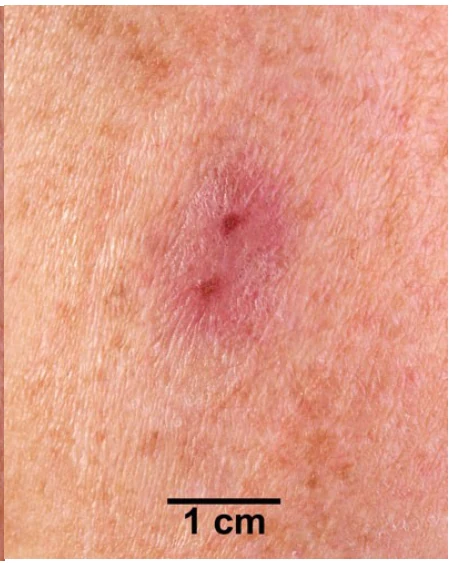
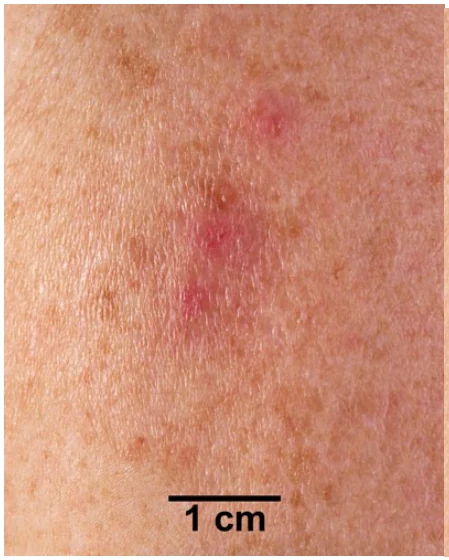
For interpretation of vaccination response including expected cutaneous reactions post-vaccination see 10.2.1 Cutaneous Response, Figure 1 and Figure 2.
5 OVERDOSAGE
No formal studies have been conducted to evaluate the impact of excessive doses of ACAM2000 vaccine.
| For management of a suspected drug overdose, contact your regional poison control centre. |
|---|
6 DOSAGE FORMS, STRENGTHS, COMPOSITION AND PACKAGING
To help ensure the traceability of vaccines for patient immunization record-keeping as well as safety monitoring, health professionals should record the time and date of administration, quantity of administered dose (if applicable), anatomical site and route of administration, brand name and generic name of the vaccine, the product lot number and expiry date.
Table 2 Dosage Forms, Strengths, Composition and Packaging
| Route of Administration | Dosage Form / Strength/Composition | Non-medicinal Ingredients |
| Percutaneous scarification | Lyophilized preparation/ Multiple dose vial (after dilution, each vial contains approximately 100 doses (0.0025 mL) of vaccinia virus (live), 1.0-5.0 x 10⁸ PFU/mL or 2.5-12.5 x 10⁵PFU/dose) | 5% mannitol 2% human serum albumin 0.5 – 0.7% sodium chloride 6-8 mM HEPES (pH 6.5-7.5) Contains trace amounts of antibiotics (Neomycin and Polymyxin B) 50% (v/v) Glycerin USP 0.25% (v/v) Phenol USP Water for Injection USP |
EUND
ACAM2000, Smallpox Vaccine (Vaccinia Virus, live), is supplied in multiple-dose 3 mL clear glass vials containing lyophilized powder (freeze-dried vaccine). The diluent for ACAM2000 vaccine (50% (v/v) Glycerin USP, 0.25% (v/v) Phenol USP in Water for Injection USP) is supplied separately in 3 mL clear glass vials containing 0.6 mL of diluent. Bifurcated needles are supplied in separate boxes. Tuberculin syringes (25 gauge x 5/8 needles) are supplied for vaccine reconstitution. Both the vaccine and diluent vial stoppers are not made with natural rubber latex.
7 WARNINGS AND PRECAUTIONS
Please see 3 SERIOUS WARNINGS AND PRECAUTIONS BOX.
General
Persons at greatest risk of experiencing serious vaccination complications are often those at greatest risk for death from smallpox. The risk for experiencing serious vaccination complications must be weighed against the risks for experiencing a potentially fatal smallpox infection.
Serious Complications and Death
Serious complications that may follow either primary live vaccinia smallpox vaccination or revaccination include: myocarditis and/or pericarditis, encephalitis, encephalomyelitis, encephalopathy, progressive vaccinia (vaccinia necrosum), generalized vaccinia, severe vaccinial skin infections, erythema multiforme major (including Stevens-Johnson syndrome), eczema vaccinatum, and fetal death in pregnant women. These complications may rarely lead to severe disability, permanent neurological sequelae and death. The same complications may arise in unvaccinated individuals who have contact with vaccinated individuals.
The Public Health Agency of Canada (PHAC) can assist physicians in the diagnosis and management of patients with suspected complications of smallpox (vaccinia) vaccination. CNJ-016TM, Vaccinia Immune Globulin Intravenous (Human) [VIGIV] is indicated for certain complications of vaccination with live vaccinia virus smallpox vaccine. If CNJ-016TM and/or other antivirals are needed or additional information is required, physicians should contact the PHAC Centre for Emergency Preparedness and Response at 1-800-545-7661 or 613-952-7940, or e-mail: phac-aspc.hpoc-cops@canada.ca.
Cardiovascular
Suspected cases of acute symptomatic or asymptomatic myocarditis or pericarditis (with chest pain, raised troponin/cardiac enzymes, or ECG abnormalities) occurred in 5.7 per 1000 healthy adult primary vaccinees in ACAM2000 vaccine phase 3 clinical trials. The mean time to onset of suspected myocarditis and/or pericarditis was 11 days after vaccination, with a range of 9 to 20 days in the ACAM2000 vaccine clinical development program.
Very rare cases of other cardiac events including ischemic heart disease and non-ischemic dilated cardiomyopathy have been observed following ACAM2000 vaccination. Therefore, persons with known cardiac disease, or history of myopericarditis, myocarditis, myocardial infarction, angina, congestive heart failure, cardiomyopathy, chest pain or shortness of breath with activity, stroke or transient ischemic attack may be at increased risks of cardiovascular adverse events following ACAM2000 vaccination. Furthermore, individuals with 3 or more risk factors for ischemic coronary disease such as hypercholesterolemia, hypertension, diabetes mellitus, first degree relative (for example: mother, father, or sibling) diagnosed with a heart condition before the age of 50, or who currently smokes are at increased risk of cardiovascular adverse events.
Healthcare professionals are advised to consider the possibility of myocarditis and/or pericarditis in their differential diagnosis if individuals present with chest pain, shortness of breath, palpitations or other signs and symptoms of myocarditis and/or pericarditis following ACAM2000 vaccine immunization. Cardiology consultation for management and follow up should be considered.
Hypersensitivity
ACAM2000 vaccine contains neomycin and polymyxin B. Persons allergic to these components may be at higher risk for adverse events after vaccination. As with all vaccines, appropriate medical treatment and supervision should always be available to treat rare cases of anaphylactic reactions following the administration of the vaccine. Observe the individual for adverse reactions for 15 minutes to rule out spontaneous anaphylaxis.
Severe Immune Deficiency
Severe localized or systemic infections with vaccinia (progressive vaccinia) may occur in persons with weakened immune systems, including patients with leukemia, lymphoma, organ transplantation, generalized malignancy, HIV/AIDS, cellular or humoral immune deficiency, radiation therapy, or treatment with antimetabolites, alkylating agents, high-dose corticosteroids (>10 mg prednisone/day or equivalent for ≥2 weeks), or other immunomodulatory drugs. The vaccine is contraindicated in individuals with severe immunodeficiency (See 2 CONTRAINDICATIONS). Immunocompromised close contacts (household or sexual) of vaccinees are at increased risk of acquiring a localized or systemic vaccinia infection because live vaccinia virus may be transmitted from vaccinees to their close contacts during the viral shedding period. Therefore, individuals with immunocompromised close contacts should be identified and measures should be taken to avoid contact between those individuals and persons with active vaccination lesions.
Neurologic
Serious neurologic adverse events such as meningitis, encephalitis or myelitis, seizures, and Guillain-Barre syndrome, Bell’s Palsy and photophobia have been observed following ACAM2000 vaccination.
Ophthalmologic
Accidental infection of the eye (ocular vaccinia) may result in ocular complications including keratitis, corneal scarring leading to blindness. Patients who are using corticosteroid eye drops may be at increased risk of ocular complications with ACAM2000 vaccine. To prevent inadvertent inoculation of the eyes, wash hands thoroughly after changing the bandage or after any contact with the vaccination site.
Skin
Persons with active acute, chronic or exfoliative skin disorders (including atopic dermatitis, neurodermatitis, and other eczematous conditions, burns, impetigo, varicella zoster, acne vulgaris with open lesions, Darier’s disease, psoriasis, seborrheic dermatitis, erythroderma, pustular dermatitis, etc.)
regardless of severity of the condition, or persons who have a history of eczema or atopic dermatitis, are at higher risk of developing eczema vaccinatum. Vaccinees with household contacts having such skin disorders might be at increased risk for eczema vaccinatum.
Accidental infection of skin at sites other than the site of intentional vaccination (inadvertent autoinoculation) is the most frequent complication of vaccinia vaccination and may occur in a vaccinee from trauma or scratching. The most common sites involved are the face, nose, mouth, lips, genitalia, and anus. Vaccinia virus may also be accidentally transferred from a vaccinee’s inoculation site to their household members or other close contacts (contact/secondary transmission).
The most important measure to prevent inadvertent autoinoculation and contact transmission from vaccinia vaccination is thorough hand washing after changing the bandage or after any other contact with the vaccination site.
Recently vaccinated individuals with active lesions should avoid close contact with individuals susceptible to adverse effects of vaccinia virus, i.e., those with cardiac disease, eye disease, immunodeficiency states, including HIV infection, eczema, pregnant women and infants, until the scab has separated from the skin at the vaccination site. If contact with these individuals is unavoidable, vaccinees should cover the vaccination site and follow good hand-washing technique. In this setting, a more occlusive dressing may be used. Semipermeable polyurethane dressings are effective barriers to shedding of vaccinia. However, exudate may accumulate beneath the dressing, and care must be taken to prevent viral spread when the dressing is changed. Accumulation of fluid beneath the dressing may increase skin maceration at the vaccination site. Decrease accumulation of exudate by first covering the vaccination with dry gauze, then applying the dressing over the gauze. Change the dressing every 1-3 days (see 12 SPECIAL HANDLING INSTRUCTIONS and PATIENT MEDICATION INFORMATION).
7.1 Special Populations
7.1.1 Pregnant Women
ACAM2000 vaccine has not been studied in pregnant women. Live vaccinia virus vaccines can cause fetal harm when administered to a pregnant woman. Congenital defects, principally occurring during the first trimester, have been observed after vaccination with live vaccinia smallpox vaccines other than ACAM2000 vaccine though the risk may be low. Generalized vaccinia of the fetus, early delivery of a stillborn infant, or a high risk of perinatal death have been reported from the historical experience with other smallpox vaccines. Although ACAM2000 vaccination was not studied in pregnant women, five pregnancies occurred following ACAM2000 vaccination in the clinical development program due to contraceptive failure and two of the women had spontaneous abortions.
The only setting in which vaccination of pregnant women should be considered is when exposure to smallpox is considered likely. If ACAM2000 vaccine is used during pregnancy, or if the vaccinee lives in the same household with or has close contact with a pregnant woman, the vaccinee should be apprised of the potential hazard to the fetus.
7.1.2 Breastfeeding
It is unknown if vaccine virus or antibodies are excreted in human milk. Live vaccinia virus can be inadvertently transmitted from a lactating mother to her infant. Infants are at high risk of developing serious complications from live vaccinia smallpox vaccination. Vaccinated persons who have close contact with infants, e.g., breastfeeding, must take precautions to avoid inadvertent transmission of live vaccinia virus to infants.
7.1.3 Pediatrics
The safety and effectiveness of ACAM2000 vaccine have not been established in the age groups from birth to age 16. Before the eradication of smallpox disease, live vaccinia virus smallpox vaccine was administered routinely during childhood and was effective in preventing smallpox disease.
ACAM2000 vaccine should only be administered to children if they are at risk of infection and the benefits outweighs the potential risks to the child. Live vaccinia virus was occasionally associated with serious complications in children, with the highest risk being in infants younger than 12 months. Vaccinated persons who have close contact with infants (<12 months of age), e.g., breastfeeding, must take precautions to avoid inadvertent transmission of live vaccinia virus to infants.
7.1.4 Geriatrics
ACAM2000 vaccine safety and efficacy was assessed in 353 subjects aged 56-82 years who were previously vaccinated with smallpox vaccine, including 74 subjects ≥65 years. The data were insufficient to determine whether geriatric subjects respond differently from younger subjects. There are no published data on the use of this vaccine in geriatric subjects.
8 ADVERSE REACTIONS
8.1 Adverse Reaction Overview
Information regarding the safety of ACAM2000 vaccine has been derived from the following sources: ACAM2000 vaccine clinical trial experience (Phase 1, 2 and 3 clinical trials) and post-marketing reports. The most common adverse events include inoculation site signs and symptoms (erythema, pruritus, pain and swelling), lymphadenitis, constitutional symptoms, (malaise, fatigue, feeling hot, headache, rigors and exercise tolerance decreased), and myalgia. These adverse events are less frequent in revaccinated persons than persons receiving the vaccine for the first time.
The following adverse reactions have been observed with the ACAM2000 vaccine:
- Encephalitis, encephalomyelitis, encephalopathy, progressive vaccinia (vaccinia necrosum), generalized vaccinia, severe vaccinial skin infections, erythema multiforme major (including Stevens-Johnson syndrome) and eczema vaccinatum. Severe disability, permanent neurological sequelae, and/or death may occur.
- Myocarditis and/or pericarditis, ischemic heart disease and non-ischemic, dilated cardiomyopathy
- Ocular complications, including keratitis and corneal scarring that may lead to blindness
EUND
- Inadvertent inoculation at other body sites
For additional information on the bulleted points above, see 7 WARNINGS AND PRECAUTIONS.
Generalized rashes (erythematous, papulovesicular, urticarial, nonspecific folliculitis) are not uncommon following smallpox vaccination and are presumed to be hypersensitivity reactions occurring among persons without underlying illnesses. These rashes are generally self-limited and require little or no therapy, except among patients whose conditions appear to be toxic or who have serious underlying illnesses.
Robust take is a major cutaneous reaction at the site of inoculation, characterized by large area of erythema and induration and streaking inflammation of draining lymphatics, which may resemble cellulitis.
8.2 Clinical Trial Adverse Reactions
Clinical trials are conducted under very specific conditions. The adverse reaction rates observed in the clinical trials; therefore, may not reflect the rates observed in practice and should not be compared to the rates in the clinical trials of another drug. Adverse reaction information from clinical trials may be useful in identifying and approximating rates of adverse drug reactions in real-world use.
Two randomized, controlled, multi-center Phase 3 trials enrolled 2244 subjects that received ACAM2000 vaccine and 737 that received a comparison live vaccinia virus vaccine, Dryvax vaccine.
Study 1 was conducted in subjects who previously had not been vaccinated with smallpox vaccine (i.e., vaccinia-naïve subjects), consisting of males (66% and 63% for ACAM2000 vaccine and Dryvax vaccine, respectively) and females (34% and 37% for ACAM2000 vaccine and Dryvax vaccine, respectively). The majority of subjects was Caucasian (76% and 71% for ACAM2000 vaccine and Dryvax vaccine, respectively) and the mean age was 23 in both groups with an age range from 18-30 years.
Study 2 was conducted in subjects who had been vaccinated with smallpox vaccine >10 years previously (i.e., previously vaccinated subjects), consisting of males (50% and 48% for ACAM2000 vaccine and Dryvax vaccine, respectively) and females (50% and 52% for ACAM2000 vaccine and Dryvax vaccine, respectively). The majority of subjects was Caucasian (78% for both groups) and the mean age was 49 years in both groups with an age range of 31 to 84 years.
Adverse events reported by ≥5% of subjects in either the ACAM2000 vaccine or the comparison treatment group during Phase 3 studies are presented by type of adverse events, by baseline vaccination status (vaccinia-naïve versus previously vaccinated) and by treatment group (Table 3). Severe vaccine-related adverse events, defined as interfering with normal daily activities, in vaccinia-naïve subjects were reported by 10% of subjects in the ACAM2000 vaccine group and 13% in the comparison group (Dryvax vaccinated group). In the previously vaccinated subjects, the incidence of severe vaccine-related adverse events was 4% for the ACAM2000 vaccine groups and 6% for the comparison group (Dryvax vaccinated group).
Table 3 Adverse Events Reported by ≥5% of Subjects in Phase 3 ACAM2000 Vaccine or Dryvax Vaccine Clinical Trials
| ACAM2000 vaccine N=873 n (%) | Dryvax vaccine N=289 n (%) | ACAM2000 vaccine N=1371 n (%) | Dryvax vaccine N=448 n (%) | ||||
|---|---|---|---|---|---|---|---|
| MedDRA System Organ Class / Preferred Term | Vaccinia-Naïve Subjects | Previously Vaccinated Subjects | |||||
| At least 1 adverse event | 864 (99) | 288 (100) | 1325 (97) | 443 (99) | |||
| Blood and lymphatic system disorders | 515 (59) | 204 (71) | 302 (22) | 133 (30) | |||
| Lymph node pain | 494 (57) | 199 (69) | 261 (19) | 119 (27) | |||
| Lymphadenopathy | 72 (8) | 35 (12) | 78 (6) | 29 (6) | |||
| Gastrointestinal disorders | 273 (31) | 91 (31) | 314 (23) | 137 (31) | |||
| Nausea | 170 (19) | 65 (22) | 142 (10) | 63 (14) | |||
| Diarrhea | 144 (16) | 34 (12) | 158 (12) | 77 (17) | |||
| Constipation | 49 (6) | 9 (3) | 88 (6) | 31 (7) | |||
| Vomiting | 42 (5) | 10 (3) | 40 (3) | 18 (4) | |||
| General disorders and administration site conditions | 850 (97) | 288 (100) | 1280 (93) | 434 (97) | |||
| Injection site pruritus | 804 (92) | 277 (96) | 1130 (82) | 416 (93) | |||
| Injection site erythema | 649 (74) | 229 (79) | 841 (61) | 324 (72) | |||
| Injection site pain | 582 (67) | 208 (72) | 505 (37) | 209 (47) | |||
| Fatigue | 423 (48) | 161 (56) | 468 (34) | 184 (41) | |||
| Injection site swelling | 422 (48) | 165 (57) | 384 (28) | 188 (42) | |||
| Malaise | 327 (37) | 122 (42) | 381 (28) | 147 (33) | |||
| Feeling hot | 276 (32) | 97 (34) | 271 (20) | 114 (25) | |||
| Rigors | 185 (21) | 66 (23) | 171 (12) | 76 (17) | |||
| Exercise tolerance decreased | 98 (11) | 35 (12) | 105 (8) | 50 (11) | |||
| Musculoskeletal and connective tissue disorders | 418 (48) | 153 (53) | 418 (30) | 160 (36) | |||
| Myalgia | 404 (46) | 147 (51) | 374 (27) | 148 (33) | |||
| Nervous system disorders | 444 (51) | 151 (52) | 453 (33) | 174 (39) | |||
| Headache | 433 (50) | 150 (52) | 437 (32) | 166 (37) | |||
| Respiratory, thoracic, and mediastinal disorders | 134 (15) | 40 (14) | 127 (9) | 42 (9) | |||
| Dyspnea | 39 (4) | 16 (6) | 41 (3) | 18 (4) | |||
| Skin and subcutaneous tissue disorders | 288 (33) | 103 (36) | 425 (31) | 139 (31) | |||
| Erythema | 190 (22) | 69 (24) | 329 (24) | 107 (24) | |||
| Rash | 94 (11) | 30 (10) | 80 (6) | 29 (6) | |||
| Note: All events were listed on a checklist included in subject diaries or a structured interview; therefore, they should be considered solicited. Lymphadenopathy was noted upon patient examination. | |||||||
Myocarditis and Pericarditis in the ACAM2000 Clinical Trial Experience
In clinical trials involving 2983 subjects who received ACAM2000 vaccine and 868 subjects who received Dryvax vaccine, ten (10) cases of suspected myocarditis [0.2% (7 of 2983) in ACAM2000 vaccinated subjects and 0.3% (3 of 868) in Dryvax vaccine subjects] were identified. The mean time to onset of suspected myocarditis and/or pericarditis from vaccination was 11 days, with a range of 9 to 20 days. All subjects who experienced these cardiac events were naïve to vaccinia. Of the 10 subjects, 2 were hospitalized. None of the remaining 8 cases required hospitalization or treatment with medication. Of the 10 cases, 8 were sub-clinical and were detected only by ECG abnormalities with or without associated elevations of cardiac troponin I. All cases resolved by 9 months, except for one female subject in the Dryvax vaccine group, who had persistent borderline abnormal left ventricular ejection fraction on echocardiogram. The best estimate of risk for myocarditis and pericarditis is derived from the Phase 3 ACAM2000 clinical trials where there was active monitoring for potential of myocarditis and pericarditis. Among vaccinees naïve to vaccinia, 8 cases of suspected myocarditis and pericarditis were identified across both treatment groups, for a total incidence rate of 6.9 per 1000 vaccinees (8 of 1,162). The rate for the ACAM2000 treatment group were similar: 5.7 (95% CI: 1.9-13.3) per 1000 vaccinees (5 of 873 vaccinees) and for the Dryvax vaccine group 10.4 (95% CI: 2.1 30.0) per 1000 vaccinees (3 of 289 vaccinees). No cases of myocarditis and/or pericarditis were identified in 1819 previously vaccinated subjects. The long-term outcome of myocarditis and pericarditis following ACAM2000 vaccination is currently unknown.
8.2.1 Clinical Trial Adverse Reactions – Pediatrics
There have been no clinical trials of ACAM2000 vaccine in infants or children. Based on the historical use of smallpox vaccines other than ACAM2000 vaccine during the era of routine smallpox vaccination, the higher risk of serious adverse events following vaccination with live vaccinia virus was found in infants. Vaccinated persons who have close contact with infants, e.g., breastfeeding, must take precautions to avoid inadvertent transmission of ACAM2000 vaccine live vaccinia virus to infants.
8.3 Less Common Clinical Trial Adverse Reactions
Less common clinical trial adverse events reported in ˂5% of subjects in phase 3 (vaccinia-naïve and previously vaccinated subjects) were:
- Cardiac disorders: heart palpitations, myocarditis, tachycardia
- Ear and labyrinth disorders: vertigo
- Eye disorders: eye irritation, eye pain
- Gastrointestinal disorders: abdominal pain, toothache
- General disorders and administration site conditions: chest pain or discomfort, fever, injection site discomfort, injection site irritation, injection site warmth, injection site photosensitivity reaction, pain
- Immune system disorders: hypersensitivity
- Infections and infestations: injection site infection
- Musculoskeletal and tissue disorders: arthralgia, back pain
- Nervous system disorders: migraine
- Skin and subcutaneous disorders: contact dermatitis, urticaria
8.4 Abnormal Laboratory Findings: Hematologic, Clinical Chemistry and Other Quantitative Data
Clinical Trial Findings
Elevated cardiac enzymes were observed on Day 10 after vaccination with ACAM2000 vaccine in <1% of subjects in naïve and previously vaccinated individuals. Elevated cardiac enzymes, together with other cardiac symptoms and/or clinically significant abnormal ECG, were indicative of suspected or probable myocarditis in 3 vaccinia-naïve subjects. No myocarditis was determined in the previously vaccinated subjects.
8.5 Post-Market Adverse Reactions
The following adverse events have been identified in the post-marketing data for ACAM2000 vaccine. Because these reactions are reported voluntarily from a population of uncertain size, it is not always possible to reliably estimate their frequency or establish a causal relationship to vaccine exposure. Adverse events are listed according to the frequency:
Very common: ≥1/10
Common: ≥1/100, <1/10
Uncommon: ≥1/1,000, <1/100
Rare: ≥1/10,000, <1/1,000
Very rare: <1/10,000, including isolated reports
| MedDRA System Organ Class | Frequency | Adverse Event |
|---|---|---|
| Cardiac disorders | Very Rare | Ischemic heart disease and non-ischemic dilated cardiomyopathy |
| Eye disorders | Very Rare | Photophobia, Keratitis |
| Immune system disorders | Very Rare | Hypersensitivity, Satellite lesions |
| Infections and infestations | Very Rare | Post vaccination autoinoculation, Secondary transmission, Generalised vaccinia, Encephalitis, Eczema vaccinatum, Infection transmission via personal contact, Encephalomyelitis, Myelitis, Vaccinia virus infection (ocular vaccinia), Progressive vaccinia, Meningitis, Superinfection |
| Nervous system disorders | Very Rare | Dizziness, Paraesthesia, Seizure, Encephalopathy, Guillain-Barre Syndrome, Bell’s Palsy |
| Skin and subcutaneous tissue disorders | Rare | Rash papular, Rash erythematous |
| Very Rare | Erythema multiforme, Stevens-Johnson Syndrome, Rash follicular |
9 DRUG INTERACTIONS
9.2 Drug Interactions Overview
Interactions of ACAM2000 vaccine with other vaccines, drugs, food, or herbal products have not been studied.
9.4 Drug-Drug Interactions
Use with other vaccines:
Interactions with other vaccines have not been established. Therefore, concomitant administration of other vaccines should be avoided. If co-administration with another vaccine is indicated, immunization should be carried out on separate limbs. To minimize the potential risk of interactions, it is recommended to administer killed vaccines > 2 weeks and live vaccines ≥ 4 weeks before or after administration of ACAM2000 vaccine.
9.7 Drug-Laboratory Test Interactions
ACAM2000 vaccination may induce false-positive tests for syphilis. Positive rapid plasma reagin (RPR) tests results should be confirmed using a more specific test, such as the fluorescent treponemal antibody absorption (FTA-ABS) assay.
ACAM2000 vaccination may induce temporary false-negative results for the tuberculin skin test (purified protein derivative [PPD]) and possibly, blood tests for tuberculosis. Tuberculin testing should be delayed, if possible, for 1 month following smallpox vaccination.
10 CLINICAL PHARMACOLOGY
10.1 Mechanism of Action
Vaccinia virus is a member of the same taxonomic group (the Orthopoxvirus genus) as smallpox (variola) virus, and immunity induced by vaccinia virus cross-protects against variola virus. Vaccinia virus causes a localized virus infection of the epidermis at the site of inoculation, surrounding dermal and subcutaneous tissues, and draining lymph nodes. Virus may be transiently present in blood and infects reticuloendothelial and other tissues. Langerhans cells in the epidermis are specific targets for the early stage of virus replication. The formation of a pustule (‘pock’ or ‘take’) at the site of inoculation provides evidence of protective immunity. The virus replicates within cells and viral antigens are presented to the immune system. Neutralizing antibodies and B and T cells provide long-term memory. The level of neutralizing antibody that protects against smallpox is unknown but >95% of persons undergoing primary vaccination develop neutralizing or hemagglutination inhibiting antibodies to vaccinia.
ACAM2000 vaccine does not contain smallpox virus (variola) and cannot spread or cause smallpox.
EUND
10.2 Pharmacodynamics
10.2.1 Cutaneous Response
The cutaneous responses following smallpox vaccination are dependent on the immune status of the individual, potency of the vaccine, and vaccination technique. Two types of responses have been defined by the World Health Organization (WHO) Expert Committee on Smallpox, and described by the United States Centers for Disease Control and Prevention (CDC) - Advisory Committee on Immunization Practices (ACIP). The responses include: a) major cutaneous reaction, which indicates that virus replication has taken place and vaccination was successful; or b) equivocal reaction. Equivocal reactions may be a consequence of pre-existing immunity adequate to suppress viral multiplication, vaccination technique failure, or use of inactive vaccine or vaccine that has lost potency.
Successful vaccination in persons who are naïve to smallpox vaccination, termed primary vaccination, is represented by a major cutaneous reaction, defined as a vesicular or pustular lesion or an area of definite palpable induration or congestion surrounding a central lesion that might be a crust or an ulcer.
Subjects who have been previously vaccinated and are revaccinated may manifest a reduced cutaneous response compared to vaccinia-naïve subjects, but still exhibit an immune response to the vaccine.
10.2.1.1 Primary Vaccinees
In an individual vaccinated for the first time (primary vaccination), the expected response to vaccination is the development of a major cutaneous reaction (characterized by a pustule) at the site of inoculation. The lesion evolves gradually, with appearance of a papule at the site of vaccination after 2-5 days. The papule becomes vesicular surrounded by a red areola, then pustular, and reaches its maximum size at 8-10 days after vaccination. The pustule dries and forms a scab. In primary vaccinees scab separation occurs 3-6 weeks after vaccination leaving a pitted scar (See Figure 1). Formation of a major cutaneous reaction between days 6-11 is evidence of a successful “take” and acquisition of protective immunity. An equivocal reaction is any reaction that is not a major reaction and indicates a non-take (vaccination failure) due to impotent vaccine or inadequate vaccination technique.
10.2.1.2 Previously Vaccinated Individuals (Revaccination)
Successful vaccination in an individual previously exposed to vaccine is confirmed when a major cutaneous reaction [See 10.2.1.1 and Figure 1] is observed 6 to 8 days post-vaccination. However, any prior vaccination may modify (reduce) the cutaneous response upon revaccination (Figure 2) such that the absence of a major cutaneous response does not necessarily indicate vaccination failure. Previously vaccinated individuals who do not have a major cutaneous response on revaccination do not require revaccination to try to elicit a cutaneous response.
10.2.1.3 Vaccination Failures
Individuals who are not successfully vaccinated (i.e., vaccination failures) after primary vaccination may be revaccinated again in an attempt to achieve a satisfactory take. The vaccination procedures should be checked, and vaccination repeated with vaccine from another vial or vaccine lot, employing the same technique described in 4.4 Dosing Considerations.
If a repeat vaccination is conducted using vaccine from another vial or vaccine lot fails to produce a major reaction, healthcare professionals should consult the Public Health Agency of Canada toll-free 1-844-280-5020 and their local health department before giving another vaccination.
Figure 1 Progression of Major Cutaneous Reaction after Primary Vaccination1
Day 3 (Primary vaccination) Day 7 (Primary vaccination)
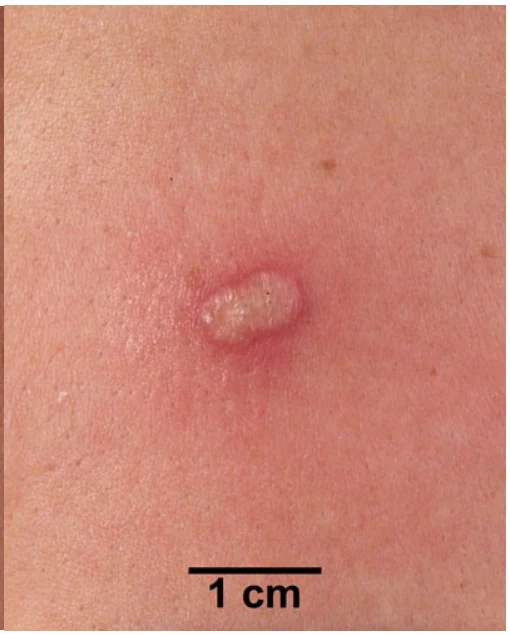
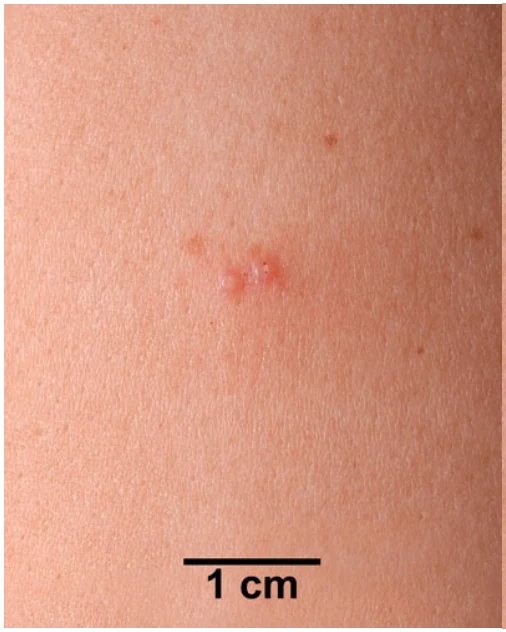
1 Image Source: Materials developed by United States Center for Disease Control and Prevention (CDC). Reference to specific commercial products, manufacturers, companies, or trademarks does not constitute its endorsement or recommendation by the U.S. Government, Department of Health and Human Services, or Centers for Disease Control and Prevention. The material is otherwise available on the agency website for no charge.
Day 10 (Primary vaccination) Day 14 (Primary vaccination)
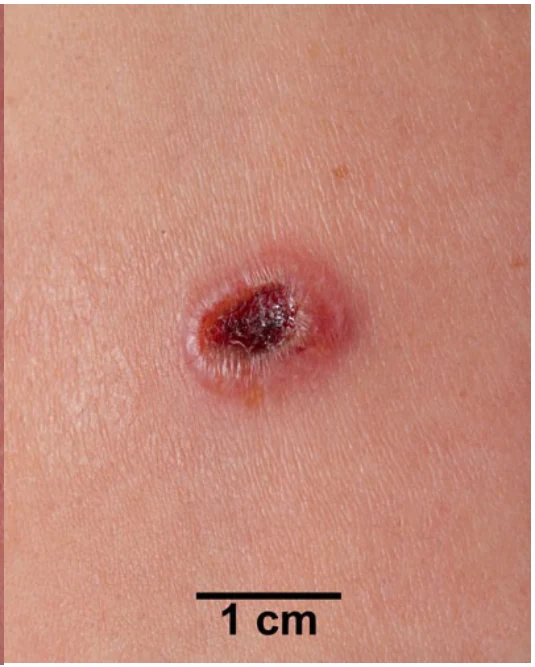
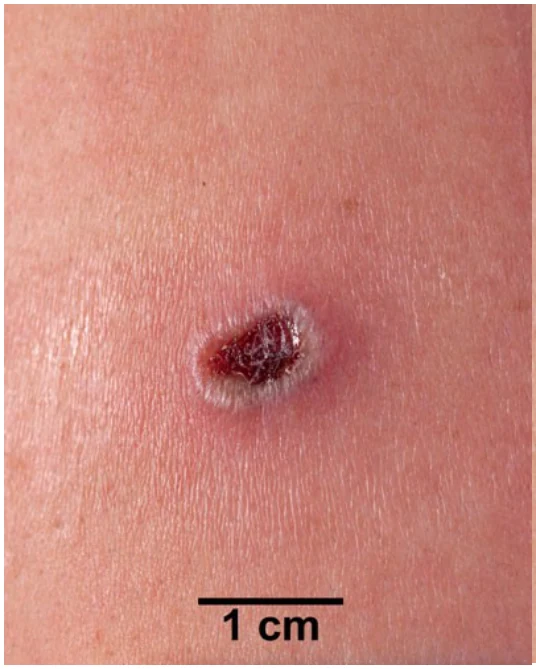
Day 18 (Primary vaccination)
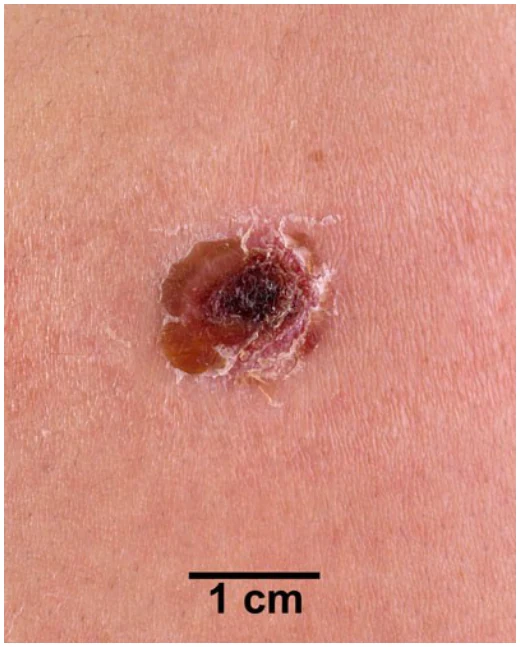
Figure 2 Progression of Major Cutaneous Reaction after Revaccination2
Day 3 (Revaccination) Day 7 (Revaccination)
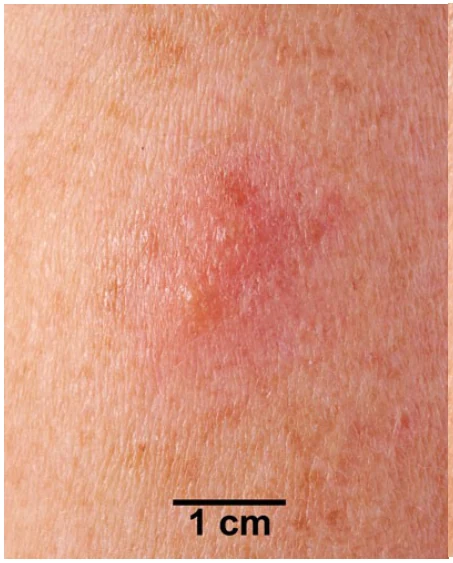
Day 10 (Revaccination) Day 14 (Revaccination)
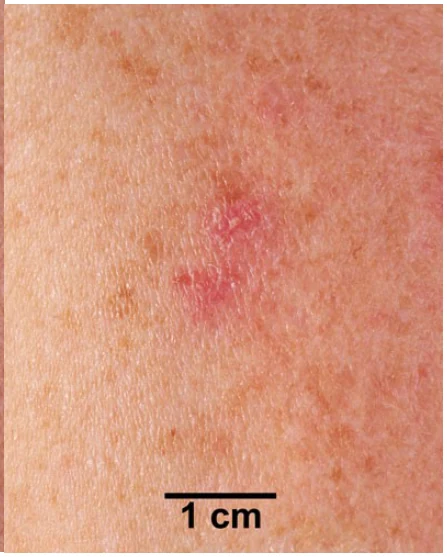
2 Image Source: Materials developed by United States Center for Disease Control and Prevention (CDC). Reference to specific commercial products, manufacturers, companies, or trademarks does not constitute its endorsement or recommendation by the U.S. Government, Department of Health and Human Services, or Centers for Disease Control and Prevention. The material is otherwise available on the agency website for no charge.
10.2.2 Neutralizing Antibody and Cellular Immune Responses
Neutralizing antibodies are known to mediate protection against smallpox. Neutralizing antibodies against vaccinia develop in >95% of individuals following primary vaccination, rise rapidly within 1-2 weeks and may be boosted on revaccination. Antibody titers are highly variable. Titers may remain high for longer periods following two or more vaccinations than after a primary vaccination. The level of the neutralizing antibody response following primary vaccination is generally in proportion to the intensity of the cutaneous reaction. The level of neutralizing antibody that is required to protect against smallpox has not been clearly established, although some studies indicate that persons with antibody titers greater than 1:32 are protected. Cellular immune responses are also elicited by vaccination and may contribute to protection and immunological memory.
10.2.3 Virus Shedding
Virus is shed from the vaccination site during the period starting with the development of a papule (day 2-5); shedding ceases when the scab separates and the lesion is re-epithelialized. Steps should be taken in clinical use to reduce the risk of accidental infection of other sites in the vaccinated patient or of contact spread to other individuals (see 4.4 Administration).
10.3 Pharmacokinetics
A summary of the human pharmacokinetics and bioavailability is not applicable given that ACAM2000 vaccine is a live virus vaccine and no active drug ingredient or therapeutic moiety is present in the blood to measure.
Duration of Effect
Studies on duration of immunity elicited by ACAM2000 vaccine were not conducted.
11 STORAGE, STABILITY AND DISPOSAL
ACAM2000 vaccine should be stored in a freezer with an average temperature of -15°C to -25°C (+5°F to -13°F). If necessary, lyophilized ACAM2000 vaccine may be stored up to 18 months at refrigerated temperatures of +2-8°C (36-46°F). During shipment, ACAM2000 vaccine should be maintained at a temperature of -10°C or colder.
After reconstitution, ACAM2000 vaccine may be administered within an 8 hour workday at room temperature (20-25°C, 68-77°F). Reconstituted ACAM2000 vaccine may be stored in a refrigerator (2-8°C, 36-46°F) no longer than 30 days, after which the unused portion should be discarded as biohazardous material (see 4.3 Reconstitution). Diluent for Smallpox Vaccine, (Vero Cells) Lyophilized, ACAM2000 vaccine should be stored at room temperature (15-30°C, 59-86°F).
12 SPECIAL HANDLING INSTRUCTIONS
ACAM2000 vaccine contains live vaccinia virus that is transmissible and should be handled as an infectious agent once vials are open.
Patients must be advised that virus is shed from the cutaneous lesion at the site of inoculation from approximately Days 2-5 until the scab separates and the lesion is re-epithelialized. Vaccinia virus may be transmitted by direct physical contact from the vaccination site or drainage from the site and or contaminated bandages to clothing, towels, bedding or other items. Wash hands and wash clothing, towels, bedding or other items that may have come in direct contact with the vaccination site or drainage from the site separately, using hot water with detergent and/or bleach.
Accidental infection of skin at sites other than the site of intentional vaccination (self-inoculation) may occur by trauma or scratching. Contact spread may also result in accidental inoculation of household members or other close contacts (including sexual partners). The result of accidental infection is a pock lesion(s) at an unwanted site(s) in the vaccinee or contact and resembles the vaccination site. Self-inoculation occurs most often on the face, eyelid, nose, anus, and mouth, but lesions at any site of traumatic inoculation can occur. Self-inoculation of the eye may result in ocular vaccinia, a potentially serious complication.
Inform patients that they should avoid contact with individuals at high risk of serious adverse effects of vaccinia virus, e.g., those with past or present eczema, immunodeficiency states including HIV infection, pregnancy, or infants less than 12 months of age. See 4.4 Administration for details on handling and disposal.
PART II: SCIENTIFIC INFORMATION
13 PHARMACEUTICAL INFORMATION
Drug Substance
Proper name: ACAM2000, Smallpox Vaccine (Vaccinia Virus, live)
Product Characteristics:
ACAM2000®, Smallpox Vaccine (Vaccinia Virus, live), is a live vaccinia virus vaccine derived from plaque purification cloning from Dryvax™ (Wyeth Laboratories, Marietta, PA, calf lymph vaccine, New York City Board of Health Strain), grown in African Green Monkey kidney (Vero) cells and tested to be free of adventitious agents. It is provided as a lyophilized preparation of purified live virus in a 3 mL glass vial. ACAM2000 vaccine contains 6-8 mM HEPES buffer (pH 6.5-7.5), 2% human serum albumin USP, 0.5 – 0.7% sodium chloride USP, 5% mannitol USP, and trace amounts of antibiotics (neomycin and polymyxin B). The vaccine is reconstituted by addition of a diluent which contains 50% (v/v) glycerin USP and 0.25% (v/v) phenol USP, in Water for Injection (WFI) USP.
14 CLINICAL TRIALS
14.1 Trial Design and Study Demographics
Vaccine efficacy was assessed by comparing the immunologic response of ACAM2000 vaccine to another US-licensed live vaccinia virus smallpox vaccine, Dryvax vaccine, in two randomized, multi-center active-controlled clinical trials; one study was conducted in subjects who previously had not been vaccinated with smallpox vaccine (i.e., vaccinia-naïve subjects) and the other study was conducted in subjects who had been vaccinated with smallpox vaccine >10 years previously (i.e., previously vaccinated subjects). In both trials, the co-primary efficacy endpoints were the proportion of subjects with a successful vaccination/revaccination and the geometric mean neutralizing antibody titer (GMT) on Day 30. Successful primary vaccination was defined as a major cutaneous reaction on Day 7 or 10 (Days 6 to 11, with allowable visit window). Successful revaccination was defined as development of any cutaneous lesion on Day 7 (± 1 day) of a measurable size. Successful revaccination was determined by a panel of experts who reviewed digital photographs of the cutaneous lesions.
The statistical method used to compare the proportion of subjects who were successfully vaccinated in the two treatment groups was a test of non-inferiority of ACAM2000 vaccine to the active comparator. Non-inferiority was to be declared if the lower bound of the 1 sided 97.5% confidence interval (CI) for the percent difference between ACAM2000 vaccine and the comparator exceeded -5% in naïve subjects and -10% in previously vaccinated subjects.
Analysis of the GMT was performed using a test of non-inferiority of neutralizing antibody titer between ACAM2000 vaccine and the comparator vaccine. Non-inferiority was to be declared if the lower bound of the 1 sided 97.5% confidence interval (CI) for the GMT ratio of ACAM2000 vaccine/comparator vaccine was at least 0.5 (equivalent to the difference of the log10 (GMT) being at least -0.301).
In Study 1, a total of 1037 male and female vaccinia-naïve subjects, aged 18 to 30 years inclusive, primarily Caucasian (78%) were randomized in a 3:1 ratio to receive ACAM2000 vaccine (780 subjects)
or comparator (257 subjects). The ACAM2000 vaccinated subjects were further stratified to receive one of three lots (Lots A, B and C) at a 1:1:1 ratio (258, 264, and 258 subjects, respectively). All subjects were to be evaluated for their cutaneous response and a random subset was selected for evaluation of neutralizing antibody response.
In Study 2, a total of 1647 male and female previously vaccinated subjects, aged 31 to 84 years inclusive, primarily Caucasian (81%) were randomized in a 3:1 ratio to receive ACAM2000 vaccine (1242 subjects) or the comparator (405 subjects). The ACAM2000 vaccinated subjects were further stratified to receive one of three lots (Lots A, B and C) at a 1:1:1 ratio (411, 417, and 414 subjects, respectively). All subjects were evaluated for their cutaneous response and a random subset was to be selected for evaluation of neutralizing antibody response.
The treatment groups in vaccinia-naïve population were well balanced with regard to demographic and baseline characteristics in Study 1. Demographic and baseline characteristics among the 1037 subjects in the safety population is presented in Table 4.
Table 4 Demographics and Baseline Characteristics of Vaccinia-Naïve Subjects (Study 1) by Treatment Group (Safety Population; N=1037)
| Parameter / Statistic | Treatment Group | ||
|---|---|---|---|
ACAM2000 vaccine (n=780) | Dryvax vaccine (n=257) | ||
| Sex, n (%) | |||
| Male | 508 (65) | 159 (62) | |
| Female | 272 (35) | 98 (38) | |
| Race, n (%) | |||
| Caucasian | 606 (78) | 187 (73) | |
| African-American | 65 (8) | 27 (11) | |
| Hispanic | 83 (11) | 32 (12) | |
| Other | 10 (1) | 3 (1) | |
| Asian | 16 (2) | 8 (3) | |
| Age (years) | |||
| N | 780 | 257 | |
| Mean (±SD) | 22.9 (3.57) | 22.9 (3.49) | |
| Minimum, Maximum | 18, 30 | 18, 30 | |
The treatment groups were well balanced with regard to demographic and baseline characteristics in the revaccinated population (Study 2). Demographic and baseline characteristics among the 1647 subjects in the safety population are included in Table 5.
Table 5 Demographics and Baseline Characteristics in Previously Vaccinated Subjects (Study 2) by Treatment Group (Safety Population; N=1647)
| Parameter / Statistic | Treatment Group | ||
|---|---|---|---|
ACAM2000 vaccine (n=1242) | Dryvax vaccine (n=405) | ||
| Sex, n (%) | |||
| Male | 612 (49) | 192 (47) | |
| Female | 630 (51) | 213 (53) | |
| Race, n (%) | |||
| Caucasian | 1008 (81) | 325 (80) | |
| African-American | 78 (6) | 32 (8) | |
| Hispanic | 120 (10) | 38 (9) | |
| Other | 26 (2) | 6 (1) | |
| Asian | 10 (1) | 4 (1) | |
| Age (years) | |||
| N | 1242 | 405 | |
| Mean (±SD) | 49.3 (9.95) | 49.6 (9.94) | |
| Minimum, Maximum | 31, 82 | 31, 84 | |
14.2 Study Results
Efficacy evaluable (EE) population was used for determination of vaccination success. As shown in Table 6, the ACAM2000 vaccine was non-inferior to comparator in the EE population when eliciting a major cutaneous reaction in vaccinia-naïve subjects but failed to meet the non-inferiority criteria in vaccine experienced subjects. The findings on the vaccine-generated antibody response, GMT, are presented in Table 7, in which the non-inferiority criteria was met in vaccine-experienced subjects but not in vaccinia-naïve subjects.
Table 6 Cutaneous Response (Vaccination Success) in Subjects Given ACAM2000 Vaccine vs. Comparator Vaccine, Studies 1 (vaccinia-naïve) and 2 (previously vaccinated)
| Study 1 ACAM2000 vaccine | Study 1 Comparator vaccine | Study 2 ACAM2000 vaccine | Study 2 Comparator vaccine | ||||||||||||||
| Vaccinia-Naïve Subjects | Previously Vaccinated Subjects | ||||||||||||||||
| Size of EE Population(a) | 776 | 257 | 1189 | 388 | |||||||||||||
| Number of Vaccination Successes (%) | 747 (96) | 255 (99) | 998 (84) | 381 (98) | |||||||||||||
| 97.5% 1-sided CI by normal approx. on percent difference between ACAM2000 vaccine and Comparator vaccine | -4.67% (b) | -- | -17% (c) | -- | |||||||||||||
| Non-Inferiority to Comparator vaccine | Yes | -- | No | -- | |||||||||||||
EE-Efficacy Evaluable (a) Subjects who received study vaccine and were evaluated for a local cutaneous reaction within the protocol designated timeframe (assessment of local cutaneous reaction between Days 6 and 11 in study 1 and Days 6 to 8 in study 2) were included in the EE population (b) Since the margin for the evaluation of non-inferiority was -5%, ACAM2000 vaccine is considered to be non-inferior to Comparator for this parameter. (c) Since the margin for the evaluation of non-inferiority was -10%, ACAM2000 vaccine is not considered to be non-inferior to Comparator for this parameter. | |||||||||||||||||
Table 7 Neutralizing Antibody Response in Subjects Given ACAM2000 Vaccine vs. Comparator Vaccine, Studies 1 (vaccinia-naïve) and 2 (previously vaccinated)
| Study 1 ACAM2000 vaccine | Study 1 Comparator vaccine | Study 2 ACAM2000 vaccine | Study 2 Comparator vaccine | |||||||||||
| Vaccinia-Naïve Subjects | Previously Vaccinated Subjects | |||||||||||||
| Size of Antibody Evaluable Population(a) | 565 | 190 | 734 | 376 | ||||||||||
| GMT(b) | 166 | 255 | 286 | 445 | ||||||||||
| Log10 mean of GMT | 2.2 | 2.4 | 2.5 | 2.6 | ||||||||||
| 97.5% 1-sided CI by ANOVA on difference between ACAM2000-Comparator based on Log10 of GMT | -0.307 (c) | -- | -0.275 (d) | -- | ||||||||||
| Meets Non-Inferiority to Comparator | No | -- | Yes | -- | ||||||||||
(a) A randomly selected sample of subjects who received study vaccine and had samples collected for neutralizing antibody response at Baseline and at the designated time point post treatment were included in the antibody evaluable (AnE) population. (b) GMT – Geometric mean neutralizing antibody titer as measured by Vaccinia 50% plaque reduction neutralization test. (c) Since the margin for the evaluation of non-inferiority was -0.301, ACAM2000 vaccine is not considered to be non-inferior to Comparator for this parameter. (d) Since the margin for the evaluation of non-inferiority was -0.301, ACAM2000 vaccine is considered to be non-inferior to Comparator for this parameter. | ||||||||||||||
14.3 Comparative Bioavailability Studies
Not applicable.
14.4 Immunogenicity
Differences in immune response between ACAM2000 vaccine and Dryvax vaccine in vaccinia-naïve and previously vaccinated individuals were described as part of the study results discussion in 14.2 Study Results.
15 MICROBIOLOGY
No microbiological information is required for this product.
16 NON-CLINICAL TOXICOLOGY
Non-clinical toxicology studies have not been conducted by the Sponsor to evaluate the safety and toxicity of ACAM2000 vaccine.