


Product Monograph - Arexvy
RECENT MAJOR LABEL CHANGES
| New Vaccine Product Monograph | 08/2023 |
|---|---|
| 1 INDICATIONS | 09/2024 |
| 7 Warnings and Precautions, Neurologic | 2026-05 |
TABLE OF CONTENTS
Sections or subsections that are not applicable at the time of authorization are not listed.
RECENT MAJOR LABEL CHANGES ............................................................................................ 2
TABLE OF CONTENTS .............................................................................................................. 2
PART I: HEALTH PROFESSIONAL INFORMATION ...................................................................... 4
1 INDICATIONS ............................................................................................................... 4
1.1 Pediatrics .............................................................................................................. 4
1.2 Geriatrics .............................................................................................................. 4
2 CONTRAINDICATIONS ................................................................................................. 4
4 DOSAGE AND ADMINISTRATION ................................................................................. 4
4.2 Recommended Dose and Dosage Adjustment ..................................................... 4
4.3 Reconstitution ...................................................................................................... 4
4.4 Administration ...................................................................................................... 5
5 OVERDOSAGE .............................................................................................................. 6
6 DOSAGE FORMS, STRENGTHS, COMPOSITION AND PACKAGING ................................. 6
7 WARNINGS AND PRECAUTIONS .................................................................................. 7
7.1 Special Populations ............................................................................................... 8
7.1.1 Pregnant Women ............................................................................................. 8
7.1.2 Breast-feeding .................................................................................................. 8
7.1.3 Pediatrics .......................................................................................................... 8
7.1.4 Geriatrics .......................................................................................................... 9
8 ADVERSE REACTIONS .................................................................................................. 9
8.1 Adverse Reaction Overview .................................................................................. 9
8.2 Clinical Trial Adverse Reactions .......................................................................... 10
8.5 Post-Market Adverse Reactions ......................................................................... 15
9 DRUG INTERACTIONS ................................................................................................ 15
9.4 Drug-Drug Interactions ....................................................................................... 15
10 CLINICAL PHARMACOLOGY ....................................................................................... 15
10.1 Mechanism of Action .......................................................................................... 15
11 STORAGE, STABILITY AND DISPOSAL ......................................................................... 16
12 SPECIAL HANDLING INSTRUCTIONS ........................................................................... 16
PART II: SCIENTIFIC INFORMATION ....................................................................................... 17
13 PHARMACEUTICAL INFORMATION ............................................................................ 17
14 CLINICAL TRIALS ........................................................................................................ 18
14.1 Clinical Trials by Indication ................................................................................. 18
14.3 Immunogenicity .................................................................................................. 20
15 MICROBIOLOGY ........................................................................................................ 22
16 NON-CLINICAL TOXICOLOGY ..................................................................................... 22
PATIENT MEDICATION INFORMATION .................................................................................. 23
PART I: HEALTH PROFESSIONAL INFORMATION
1 INDICATIONS
AREXVY (Respiratory Syncytial Virus Vaccine Recombinant, Adjuvanted) is a vaccine indicated for the prevention of lower respiratory tract disease (LRTD) caused by respiratory syncytial virus (RSV) in:
- adults 60 years of age and older;
- adults 50 through 59 years of age who are at increased risk for RSV disease (see 14 CLINICAL TRIALS).
1.1 Pediatrics
The safety and efficacy of AREXVY in individuals under 18 years of age have not been assessed in clinical trials.
1.2 Geriatrics
Clinical studies include adults 65 years of age and older and their data contributes to the overall assessment of safety and efficacy of AREXVY. See 8 ADVERSE REACTIONS and 14 CLINICAL TRIALS.
2 CONTRAINDICATIONS
AREXVY is contraindicated in individuals who are hypersensitive to the active ingredients or to any ingredients in the formulation, including any non-medicinal ingredients, or components of the container. For a complete listing, see 6 DOSAGE FORMS, STRENGTHS, COMPOSITION AND PACKAGING.
4 DOSAGE AND ADMINISTRATION
4.2 Recommended Dose and Dosage Adjustment
AREXVY is administered as a single dose of 0.5 mL, containing both antigen and adjuvant components.
4.3 Reconstitution
AREXVY is to be reconstituted only with the accompanying adjuvant suspension.
- The powder and suspension of AREXVY should be inspected visually for any foreign particulate matter and/or variation of appearance. If either is observed, do not reconstitute the vaccine.
- AREXVY must not be mixed with other medicinal products, vaccines or diluents.
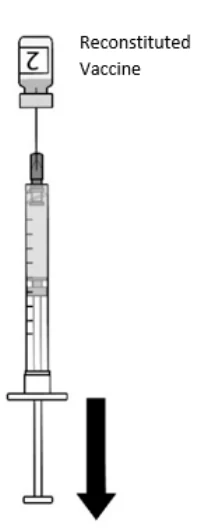
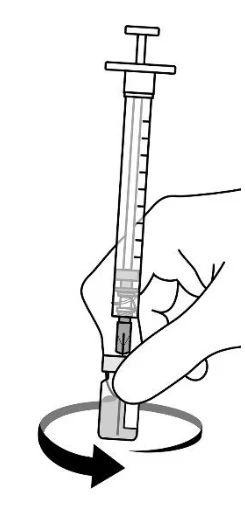
AREXVY is supplied in 2 vials that must be combined prior to administration using the 4- step process illustrated in Figure 1 below. Prepare AREXVY by reconstituting the lyophilized RSVPreF3 antigen (powder, Vial 2 (mustard-coloured cap)) with the accompanying AS01E adjuvant suspension (liquid, Vial 1 (brown cap)).
Use only the supplied adjuvant suspension (liquid, Vial 1 (brown cap)) for reconstitution.
Figure 1 Reconstitution Instructions
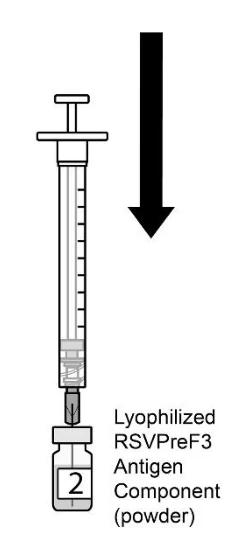
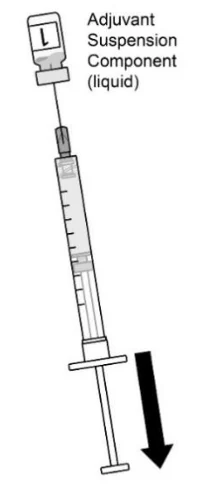
Step 1. Cleanse both vial stoppers. Using a sterile needle and sterile syringe, withdraw the entire contents of the vial containing the adjuvant suspension component (liquid) by slightly tilting the vial. Vial 1 of 2 (brown cap vial).
Step 2. Slowly transfer entire contents of syringe into the lyophilized RSVPreF3 antigen component vial (powder). Vial 2 of 2 (mustard-coloured cap vial).
Step 3. Gently swirl the vial until powder is completely dissolved. Do not shake vigorously.
Step 4. After reconstitution, using a new needle of suitable gauge and length for intramuscular vaccination, withdraw 0.5 mL of the reconstituted vaccine into the syringe and administer intramuscularly.
The reconstituted vaccine should be an opalescent, colorless to pale brownish liquid.
Parenteral drug products should be inspected visually for particulate matter and/or variation of appearance (e.g., discoloration) prior to administration, whenever solution and container permit. If either of these conditions exists, the vaccine should not be administered.
After reconstitution, administer AREXVY promptly or store in the refrigerator (2°C – 8°C) or at room temperature up to 25°C for use within 4 hours. If not used within 4 hours, the reconstituted vaccine should be discarded (see 11 STORAGE, STABILITY, AND DISPOSAL).
4.4 Administration
AREXVY is for intramuscular injection only, preferably in the deltoid muscle. Do not administer the vaccine intravascularly or intradermally. No data are available on subcutaneous administration of AREXVY.
Any unused AREXVY should be disposed of in accordance with local requirements.
5 OVERDOSAGE
For management of a suspected drug overdose, contact your regional poison control centre.
6 DOSAGE FORMS, STRENGTHS, COMPOSITION AND PACKAGING
To help ensure the traceability of vaccines for patient immunization record-keeping as well as safety monitoring, health professionals should record the time and date of administration, quantity of administered dose (if applicable), anatomical site and route of administration, brand name and generic name of the vaccine, the product lot number and expiry date.
Table 1 – Dosage Form, Strength, Composition and Packaging
*Each dose may also contain residual amounts of host cell proteins (≤2.0%) and DNA (≤0.80 ng/mg) from the manufacturing process.
Dosage Form
AREXVY is a suspension for injection supplied as a lyophilized antigen powder that is reconstituted with the accompanying adjuvant suspension. A single dose after reconstitution is 0.5 mL. The lyophilized antigen powder is white. The reconstituted suspension is an opalescent, colourless to pale brownish liquid.
Composition
After reconstitution, one dose (0.5 mL) contains:
Respiratory Syncytial Virus PreF3 (RSVPreF3)1
Quillaja saponaria Molina, fraction 21 (QS-21) 2
3-O-desacyl-4’-monophosphoryl lipid A (MPL)2
120 mcg
25 mcg
25 mcg
| Route of Administration | Dosage Form/Strength/Composition | Non-Medicinal Ingredients |
| Intramuscular Injection | 1 Respiratory syncytial virus (RSV) glycoprotein F stabilized in the pre-fusion conformation (RSVPreF3) produced by recombinant DNA technology in Chinese Hamster Ovary (CHO) cells. 2 The GlaxoSmithKline proprietary AS01E Adjuvant System is composed of the plant extract Quillaja saponaria Molina, fraction 21 (QS-21) (25 micrograms) and 3-O-desacyl-4’-monophosphoryl lipid A (MPL) from Salmonella minnesota (25 micrograms). Powder for Reconstitution, Reconstituted Suspension for Injection Each 0.5 mL dose of AREXVY contains 120 micrograms of Respiratory Syncytial Virus PreF3 (RSVPreF3) glycoprotein F antigen1 After reconstitution, AREXVY is a sterile, opalescent, colorless to pale brownish liquid. | Cholesterol, dioleoyl phosphatidylcholine, dipotassium phosphate, disodium phosphate anhydrous, MPL2, polysorbate 80, potassium dihydrogen phosphate, QS-212, sodium chloride, trehalose dihydrate, and water for injection. AREXVY* contains no preservatives. The vial stoppers are not made with natural rubber latex. See Packaging below for more information. |
Excipients
Powder (antigen):
Trehalose dihydrate
Polysorbate 80
Potassium dihydrogen phosphate
Dipotassium phosphate
Suspension (adjuvant):
Dioleoyl phosphatidylcholine
Cholesterol
Sodium chloride
Disodium phosphate, anhydrous
Potassium dihydrogen phosphate
Water for injection
Packaging
AREXVY is available in a 1-pack (1 single-dose vial of powder and 1 single-dose vial of suspension) and a 10-pack (10 single-dose vials of powder and 10 single-dose vials of suspension).
Each 1-pack (box) contains:
- 1 dose of the lyophilized antigen (powder) in a type I glass, single-dose vial with a mustard-coloured vial cap and a butyl rubber stopper.
- 1 dose of the adjuvant (suspension) in a type I glass, single-dose vial with a brown vial cap and a butyl rubber stopper.
Each 10-pack (box) contains:
- 10 doses of the lyophilized antigen (powder) in a type I glass, single-dose vial with a mustard-coloured vial cap and a butyl rubber stopper.
- 10 doses of the adjuvant (suspension) in a type I glass, single-dose vial with a brown vial cap and a butyl rubber stopper.
7 WARNINGS AND PRECAUTIONS
General
As with other vaccines, vaccination with AREXVY should be postponed in individuals suffering from an acute severe febrile illness. The presence of a minor infection, such as a cold, should not result in the deferral of vaccination.
Syncope (fainting) can occur following, or even before, any vaccination as a psychogenic response to the needle injection. It is important that procedures are in place to avoid injury from faints.
As with all injectable vaccines, appropriate medical treatment and supervision should always be readily available in case of an anaphylactic event following the administration of the vaccine.
Driving and Operating Machinery
No studies on the effects of AREXVY on the ability to drive and use machines have been performed. Exercise caution when driving or operating a vehicle or potentially dangerous machinery.
Hematologic
As with other vaccines administered intramuscularly, AREXVY should be given with caution to individuals with thrombocytopenia or any coagulation disorder since bleeding may occur following an intramuscular administration to these individuals.
Neurologic
The results of a post-marketing observational study over 1 RSV season in individuals aged 65 years and older suggest an increased risk of Guillain-Barré syndrome (GBS) during the 42 days following vaccination with AREXVY. See 8.5 Post-Market Adverse Reactions.
Available evidence is insufficient to establish a causal relationship.
Healthcare professionals should be alert to signs and symptoms of Guillain-Barré syndrome to ensure correct diagnosis, in order to initiate adequate supportive care and treatment, and to rule out other causes.
Immune
As with any vaccine, a protective immune response may not be elicited in all vaccinees.
Safety and immunogenicity data on AREXVY are not available for immunocompromised individuals. Patients receiving immunosuppressive treatment or patients with immunodeficiency may have a reduced immune response to AREXVY.
7.1 Special Populations
7.1.1 Pregnant Women
Human Data: There are no data from the use of AREXVY in pregnant individuals. AREXVY is not recommended during pregnancy. After administration of an investigational unadjuvanted RSVPreF3 vaccine to 3,557 pregnant individuals in a single clinical study, an increase in preterm births was observed compared to placebo. Currently no conclusion on a causal relationship between administration of unadjuvanted RSVPreF3 and preterm birth can be drawn.
There are no data on the effects of AREXVY on human fertility.
Animal Data: Results from a study with AREXVY in rabbits do not indicate direct or indirect harmful effects with respect to female fertility, or developmental and reproductive toxicity.
7.1.2 Breast-feeding
There are no data on the excretion of AREXVY in human or animal milk. AREXVY is not recommended in breast-feeding/lactating individuals.
7.1.3 Pediatrics
The safety and efficacy of AREXVY in individuals under 18 years of age have not been assessed in clinical trials.
7.1.4 Geriatrics
Clinical studies include adults 65 years of age and older and their data contributes to the overall assessment of safety and efficacy of AREXVY. See 8 ADVERSE REACTIONS and 14 CLINICAL TRIALS.
8 ADVERSE REACTIONS
8.1 Adverse Reaction Overview
Adults 60 Years of Age and Older
The safety profile of AREXVY (Respiratory Syncytial Virus Vaccine Recombinant, Adjuvanted) for adults 60 years of age and older is based on data generated from the first interim safety analysis of the ongoing pivotal Phase III randomized, placebo-controlled, observer-blind, multicentre clinical trial (RSV OA=ADJ-006, NCT04886596) conducted in Europe, North America (US, Canada and Mexico), Asia, and the Southern Hemisphere (South Africa, Australia, and New Zealand), involving 24,966 adults, 60 years of age and older, who received AREXVY (n = 12,467) or saline placebo (n = 12,499). The pivotal study is planned to be followed for up to 36 months.
Three additional Phase III studies providing support for the safety profile of AREXVY include:
- a Phase III randomized, open-label, multicentre clinical trial (RSV OA=ADJ-004, NCT04732871) conducted in Europe, North America (US), and Asia, involving 1,653 adults 60 years of age and older who received AREXVY;
- a Phase III randomized, open-label, multicentre clinical trial (RSV OA=ADJ-007, NCT04841577) conducted in New Zealand, Panama, and South Africa, involving adults 60 years of age and older who received 1 dose of AREXVY and FLUARIX QUADRIVALENT concomitantly (n = 442) or sequentially (n = 443);
- a Phase III randomized, double-blind, lot-to-lot consistency, multicentre clinical trial (RSV OA=ADJ-009, NCT05059301) conducted in North America (US and Canada) and Europe, involving 757 adults 60 years of age and older who received AREXVY.
Table 2 provides the overall adverse drug reactions (ADRs) observed in the main study RSV OA=ADJ-006 with a median follow up of 7.8 months after vaccination. The ADRs are presented by MedDRA system organ class (SOC) and frequency (very common, ≥1/10; common, ≥1/100 to <1/10; uncommon, ≥1/1,000 to <1/100).
Table 2 – Overall adverse drug reactions from Study RSV OA=ADJ-006 (by alphabetical SOC order and frequency)
| System Organ Class | Frequency | Adverse drug reactions |
|---|---|---|
| System Organ Class | Frequency | Adverse drug reactions |
| Blood and lymphatic system disorders | Uncommon | lymphadenopathy |
| Gastrointestinal disorders | Uncommon | nausea, abdominal pain |
| General disorders and administration site conditions | Very common | injection site pain, fatigue |
| Common | injection site erythema, injection site swelling, fever, chills | |
| Uncommon | injection site pruritus | |
| pain, malaise | ||
| Immune system disorders | Uncommon | hypersensitivity reactions (such as rash) |
| Musculoskeletal and connective tissue disorders | Very common | myalgia, arthralgia |
| Nervous system disorders | Very common | headache |
| Respiratory, thoracic, and mediastinal disorders | Common | rhinorrhea |
Adults 50 through 59 years of Age
The safety profile of AREXVY for adults 50 through 59 years of age is based on data generated from a Phase III, observer-blind, randomized, placebo-controlled clinical study, RSV OA=ADJ-018 (NCT05590403) conducted in Europe, North and South America (US, Canada, Argentina) and Japan. The study was conducted with 769 adults aged 50 through 59 years old (383 healthy adults and 386 adults at increased risk for RSV disease who had pre-existing, stable, chronic medical conditions, including chronic pulmonary and cardiovascular diseases, diabetes mellitus types 1 and 2, and chronic liver and renal diseases), and 381 adults aged 60 years and older who received one dose of AREXVY, respectively.
The reported adverse reactions were consistent with those presented in Table 2 above. There was a higher incidence of injection site pain, fatigue, myalgia, headache and arthralgia in adults 50 through 59 years of age compared with those 60 years of age and older in the study (Table 5). The duration and severity of these events were comparable across age groups in the study.
8.2 Clinical Trial Adverse Reactions
Clinical trials are conducted under very specific conditions. The adverse reaction rates observed in the clinical trials; therefore, may not reflect the rates observed in practice and should not be compared to the rates in the clinical trials of another drug or vaccine. Adverse reaction information from clinical trials may be useful in identifying and approximating rates of adverse drug reactions in real-world use.
Adults 60 Years of Age and Older
At the time of vaccination in Study RSV OA=ADJ-006, the median age of study participants was 69.0 years; 13,943 (55.8%) adults were 60 to 69 years of age, 8,978 (36.0%) adults were 70 to 79 years of age, and 2,045 (8.2%) adults were 80 years of age and older. The majority of study participants were White (79.4%), followed by Black (8.7%), Asian (7.6%), and other racial/ethnic groups (4.3%); 5.5% were of Hispanic or Latino ethnicity; 51.7% were female.
In adults 60 years of age and older, the most commonly reported adverse reactions were injection site pain (60.9%), fatigue (33.6%), myalgia (28.9%), headache (27.2%), and arthralgia (18.1%).
Solicited Adverse Reactions
In Study RSV OA=ADJ-006, a subset of adults (solicited safety set) was monitored for solicited adverse reactions using standardized diary cards during the 4 days (i.e., day of vaccination and the next 3 days) following a dose of AREXVY or placebo; 879 adults received AREXVY and 874 adults received placebo. In general, the local administration site and systemic adverse reactions reported with AREXVY were mild to moderate, and of short duration (median duration of 2 days and 1-2 days, respectively) (Table 3).
Table 3 Percentage of Adults with Solicited Local and Systemic Adverse Reactions within 4 Days of Vaccination in Adults 60 Years of Age and Older (Solicited Safety Set with 4-Day Diary Card) (Study RSV OA=ADJ-006)
| Local Adverse Reactions | AREXVY % (n) | Placeboa % (n) |
|---|---|---|
| N = 879 | N = 874 | |
| Pain, Anyb | 60.9% (535) | 9.3% (81) |
| Pain, Grade 3b | 1% (9) | 0 |
| Erythema, > 20 mm | 7.5% (66) | 0.8% (7) |
| Erythema, >100 mm | 0.2% (2) | 0 |
| Swelling, > 20 mm | 5.5 (48) | 0.6% (5) |
| Swelling, >100 mm | 0.2% (2) | 0 |
| Systemic Adverse Reactions | N = 879 | N = 878 |
| Fatigue, Anyc | 33.6% (295) | 16.1% (141) |
| Fatigue, Grade 3c | 1.7% (15) | 0.5% (4) |
| Myalgia, Anyc | 28.9% (254) | 8.2% (72) |
| Myalgia, Grade 3c | 1.4% (12) | 0.3% (3) |
| Headache, Anyc | 27.2% (239) | 12.6% (111) |
| Headache, Grade 3c | 1.3% (11) | 0 |
| Arthralgia, Anyc | 18.1% (159) | 6.4% (56) |
| Arthralgia, Grade 3c | 1.3% (11) | 0.6% (5) |
| Fever, ≥38.0°Cd | 2.0% (18) | 0.3% (3) |
| Fever, >39.0°Cd | 0.1% (1) | 0.1% (1) |
N = Exposed set for solicited safety set included all participants with at least 1 documented dose.
n = Number of participants presenting with solicited adverse reaction described.
a Placebo was a saline solution.
b Any grade pain: Grade 1 (mild) defined as any pain neither interfering with nor preventing normal everyday activities, Grade 2 (moderate) defined as painful when limb is moved and interferes with everyday activities, or Grade 3 (severe) defined as significant pain at rest and prevents normal everyday activities.
c Any grade fatigue, myalgia, headache, arthralgia: Grade 1 (mild) defined as event easily tolerated, Grade 2 (moderate) defined as interfering with normal activity, or Grade 3 (severe) defined as preventing normal activity.
d Temperature taken by any route (oral, axillary, or tympanic).
Unsolicited Adverse Events
In all study participants of RSV OA=ADJ-006, unsolicited adverse events were monitored using diary cards during the 30-day period following vaccination (day of vaccination and the next 29 days).
In the solicited safety set or SSS (a subset of the exposure set or ES) of RSV OA=ADJ-006 that reported separately the solicited adverse events on a separate diary card, unsolicited adverse events occurring within 30 days of vaccination were reported in 14.9% and 14.6% of adults who received AREXVY (n = 879) and placebo (n = 878), respectively.
In the exposed set of RSV OA=ADJ-006, unsolicited adverse events occurring within 30 days of vaccination were reported in 33.0% and 17.8% of adults who received AREXVY (n = 12,467) and placebo (n = 12,499), respectively. The higher frequency of reported unsolicited adverse events among adults who received AREXVY, compared to adults who received placebo, is attributed to events that are consistent with local and systemic reactogenicity within the first 4 days post-vaccination (see Table 4).
Table 4 Summary of Unsolicited AEs with ≥ 1% incidence in Adults 60 Years of Age and Older – onset within 4 days (Day 1 to Day 4) following vaccination and from Day 5 to 30 days post-vaccination (Exposed Set) (Study RSV OA=ADJ-006)
System Organ Class High Level Term Preferred Term | Onset from Day 1 to Day 4 | Onset from Day 5 to Day 30 | |||||||||||||||||||||
|---|---|---|---|---|---|---|---|---|---|---|---|---|---|---|---|---|---|---|---|---|---|---|---|
AREXVY N=12,467 | Placeboa N=12,499 | AREXVY N=12,467 | Placeboa N=12,499 | ||||||||||||||||||||
| n | % | n | % | n | % | n | % | ||||||||||||||||
| Any Unsolicited AE | 3,289 | 26.4 | 963 | 7.7 | 1,554 | 12.5 | 1,574 | 12.6 | |||||||||||||||
| General disorders & Administration site conditions | 2,830 | 22.7 | 402 | 3.2 | 201 | 1.6 | 195 | 1.6 | |||||||||||||||
| Injection site reactions | 2,372 | 19.0 | 239 | 1.9 | 60 | 0.5 | 40 | 0.3 | |||||||||||||||
| Injection site pain | 1,949 | 15.6 | 156 | 1.2 | 23 | 0.2 | 18 | 0.1 | |||||||||||||||
| Injection site erythema | 441 | 3.5 | 22 | 0.2 | 12 | 0.1 | 5 | 0.0 | |||||||||||||||
| Injection site swelling | 315 | 2.5 | 17 | 0.1 | 4 | 0.0 | 2 | 0.0 | |||||||||||||||
| Asthenic conditions | 355 | 2.8 | 106 | 0.8 | 69 | 0.6 | 63 | 0.6 | |||||||||||||||
| Fatigue | 272 | 2.2 | 86 | 0.7 | 53 | 0.4 | 51 | 0.4 | |||||||||||||||
| Febrile disorder | 199 | 1.6 | 20 | 0.2 | 15 | 0.1 | 18 | 0.1 | |||||||||||||||
| Pyrexia | 199 | 1.6 | 20 | 0.2 | 16 | 0.1 | 18 | 0.1 | |||||||||||||||
| Feelings and sensations NEC | 127 | 1.0 | 29 | 0.2 | 12 | 0.1 | 14 | 0.1 | |||||||||||||||
| Pain and discomfort NEC | 125 | 1.0 | 27 | 0.1 | 38 | 0.3 | 29 | 0.2 | |||||||||||||||
| Vaccination site reactions | 138 | 1.1 | 7 | 0.1 | 11 | 0.1 | 8 | 0.1 | |||||||||||||||
| Nervous system disorders | 582 | 4.7 | 255 | 2.0 | 266 | 2.1 | 248 | 2.0 | |||||||||||||||
| Headaches NEC | 502 | 4.0 | 212 | 1.7 | 190 | 1.5 | 173 | 1.4 | |||||||||||||||
| Headaches | 501 | 4.0 | 207 | 1.7 | 186 | 1.5 | 165 | 1.3 | |||||||||||||||
| Musculoskeletal & Connective tissue disorders | 329 | 2.6 | 109 | 0.9 | 244 | 2.0 | 234 | 1.9 | |||||||||||||||
| Muscle pains | 128 | 1.0 | 24 | 0.2 | 26 | 0.2 | 31 | 0.2 | |||||||||||||||
| Myalgia | 128 | 1.0 | 24 | 0.2 | 25 | 0.2 | 31 | 0.2 | |||||||||||||||
| Respiratory, thoracic and mediastinal disorders | 208 | 1.7 | 159 | 1.3 | 313 | 2.5 | 301 | 2.4 | |||||||||||||||
| Upper respiratory tract signs & symptoms | 127 | 1.0 | 109 | 0.9 | 174 | 1.4 | 152 | 1.2 | |||||||||||||||
| GI disorders | 161 | 1.3 | 105 | 0.8 | 173 | 1.4 | 168 | 1.3 | |||||||||||||||
| Infections and infestations | 102 | 0.8 | 81 | 0.6 | 389 | 3.1 | 436 | 3.5 | |||||||||||||||
| Upper respiratory tract infections | 52 | 0.4 | 34 | 0.3 | 144 | 1.2 | 196 | 1.6 | |||||||||||||||
a Placebo was a saline solution.
N = Number of participants.
n/% = Number/Percentage of participants presenting with at least 1 unsolicited AE.
NEC = Not Elsewhere Classified.
Within 30 days after vaccination, atrial fibrillation was reported in 10 adults who received AREXVY and 4 adults who received placebo (of which 7 events in AREXVY arm and 1 event in placebo arm were serious); the onset of symptoms ranged from 1 to 30 days post vaccination. The currently available information on the atrial fibrillation is insufficient to determine a causal relationship to the vaccine. There were no other notable patterns or numerical imbalances between groups for specific categories of unsolicited adverse events.
Potential Immune-Mediated Diseases
Study participants of RSV OA=ADJ-006 were monitored for all potential immune-mediated diseases (pIMDs) that occurred during the 6-month period following administration of AREXVY (n = 12,467) or placebo (n = 12,499). New onset pIMDs or exacerbation of existing pIMDs within 6 months following vaccination were reported for 0.3% of adults who received AREXVY and 0.3% of adults who received placebo. There were no notable imbalance between study groups in individual pIMDs reported.
Serious Adverse Events
Study participants of RSV OA=ADJ-006 were monitored for all serious adverse events (SAEs) that occurred during the 6-month period following administration of AREXVY (n = 12,467) or placebo (n = 12,499). SAEs with onset within 6 months following vaccination were reported in adults who received AREXVY (4.2%) or placebo (4.0%). There were no notable imbalance between study groups in SAEs reported. Serious events of atrial fibrillation were reported in 13 adults who received AREXVY and 15 adults who received placebo within 6 months after vaccination. Based on available information, there is no evidence of causal relationship to AREXVY.
Deaths
From vaccination through the first interim safety analysis of the Study RSV OA=ADJ-006, adverse events leading to death were reported for 49 adults (0.4%) who received AREXVY (n = 12,467) and 58 adults (0.5%) who received placebo (n = 12,499). Based on available information, there is no evidence of causal relationship to AREXVY. Causes of death among study participants were consistent with those generally reported in adult and elderly populations.
Serious Adverse Events Reported from Other Studies
Study RSV OA=ADJ-004 (NCT04732871): One case of Guillain-Barré syndrome (GBS) beginning 9 days after AREXVY vaccination was reported in an adult enrolled in a study site in Japan.
Adults 50 through 59 years of Age
At the time of vaccination in Study RSV OA=ADJ-018, the median age of study participants was 57.0 years. The majority of participants were White (83.8%), followed by Asian (11.2%), Black (3.3%), and other racial/ethnic groups (1.7%); 14.3% were of Hispanic or Latino ethnicity; 52.1% were female.
Solicited Adverse Events
The most commonly reported adverse reactions were injection site pain (75.8%), fatigue (39.8%), myalgia (35.6%), headache (31.7%), arthralgia (23.4%), erythema (13.2%), and swelling (10.4%) in adults who received AREXVY (Table 5). The safety profile was comparable in adults 50 through 59 years of age either with or without pre-existing, stable, chronic medical conditions. In general, the local administration site and systemic adverse reactions reported with AREXVY were mild to moderate and of short duration (median duration was 3 days and 2 days, respectively).
Table 5 Percentage of Adults with Solicited Local and Systemic Adverse Reactions within 4 Days of Vaccination (Exposed Set) (Study RSV OA=ADJ-018)
AREXVY 50 through 59 years % (n) | Placeboa 50 through 59 years % (n) | AREXVY 60 years and older % (n) | |
|---|---|---|---|
| Local Adverse Reactions | N = 756 | N = 379 | N = 379 |
| Pain, Anyb | 75.8 (573) | 12.1 (46) | 61.2 (232) |
| Pain, Grade 3b | 3.4 (26) | 0.3 (1) | 2.1 (8) |
| Erythema, >20 mm | 13.2 (100) | 0.5 (2) | 12.1 (46) |
| Erythema, >100 mm | 0.5 (4) | 0 | 0.8 (3) |
| Swelling, >20 mm | 10.4 (79) | 0.8 (3) | 7.7 (29) |
| Swelling, >100 mm | 0.1 (1) | 0 | 0 |
| Systemic Adverse Reactions | N = 756 | N = 380 | N = 379 |
| Fatigue, Anyc | 39.8 (301) | 18.2 (69) | 23.7 (90) |
| Fatigue, Grade 3c | 2.8 (21) | 0.8 (3) | 1.8 (7) |
| Myalgia, Anyc | 35.6 (269) | 9.7 (37) | 21.1 (80) |
| Myalgia, Grade 3c | 2.5 (19) | 0.5 (2) | 0.8 (3) |
| Headache, Anyc | 31.7 (240) | 16.8 (64) | 21.1 (80) |
| Headache, Grade 3c | 2.6 (20) | 1.1 (4) | 0.8 (3) |
| Arthralgia, Anyc | 23.4 (177) | 7.9 (30) | 12.9 (49) |
| Arthralgia, Grade 3c | 1.7 (13) | 0.8 (3) | 1.1 (3) |
| Fever, ≥38.0°Cd | 3.2 (24) | 1.1 (4) | 1.6 (6) |
| Fever, >39.0°Cd | 0.1 (1) | 0.5 (2) | 0 |
N = Exposed set included all participants with at least 1 documented dose and with completed diary card.
n/% = Number/percentage of participants presenting at least one type of symptom.
a Placebo was a saline solution.
b Any grade pain: Grade 1 (mild) defined as any pain neither interfering with nor preventing normal everyday activities, Grade 2 (moderate) defined as painful when limb is moved and interferes with everyday activities, or Grade 3 (severe) defined as significant pain at rest and prevents normal everyday activities.
c Any grade fatigue, myalgia, headache, arthralgia: Grade 1 (mild) defined as event easily tolerated, Grade 2 (moderate) defined as interfering with normal activity, or Grade 3 (severe) defined as preventing normal activity.
d Temperature taken by any route (oral or axillary).
Unsolicited Adverse Events
In adults 50 through 59 years of age, unsolicited adverse events monitored using diary cards within 30 days after vaccination were reported in 13.8% of those who received AREXVY compared to 12.0% of those who received placebo.
Serious Adverse Events
In adults 50 through 59 years of age, SAEs were reported at similar rates in those who received AREXVY (2.1%) or placebo (2.1%) up to approximately 6 months post-vaccination.
Death
There were no reported adverse events leading to death in adults 50 through 59 years of age up to approximately 6 months post-vaccination.
Potential Immune-Mediated Diseases
In adults 50 through 59 years of age, new onset pIMDs or exacerbation of existing pIMDs were reported at 0.5 % in the AREXVY group and 0.3% in the placebo group up to approximately 6 months post-vaccination.
8.5 Post-Market Adverse Reactions
Nervous System Disorders: Guillain-Barré syndrome - Very rare
In a US post-marketing observational study over 1 RSV season in individuals aged 65 years or older, an increased risk of Guillain-Barré syndrome (incidence rate ratio of 2.46 (95% CI: 1.19, 5.08; estimated 7 excess cases per million doses administered) was observed during the 42 days following vaccination with AREXVY. The background risk of GBS in a study population influences the excess GBS case estimate and may differ between studies, precluding direct comparison to excess GBS case estimates from other vaccine studies or populations. The analyses of GBS diagnoses in claims data were supported by analyses of GBS cases confirmed by medical record review and by analyses of GBS cases in individuals who received AREXVY alone, without other concomitantly administered vaccines. While the results of this observational study suggest an increased risk of GBS with AREXVY, available evidence is insufficient to establish a causal relationship.
9 DRUG INTERACTIONS
9.4 Drug-Drug Interactions
Use with other vaccines: AREXVY may be given concomitantly with an inactivated quadrivalent seasonal influenza vaccine (standard dose or high dose unadjuvanted, or standard dose adjuvanted).
Numerically lower immune responses have been observed when AREXVY and inactivated seasonal influenza vaccines were co-administered than when they were administered separately. This was not observed consistently across studies. The clinical relevance of this finding is unknown (see 14.3 Immunogenicity).
If AREXVY is to be given at the same time as another injectable vaccine, the vaccines should always be administered at different injection sites. Do not mix AREXVY with other vaccines/products in the same syringe.
Concomitant administration of AREXVY with other vaccines are unknown.
10 CLINICAL PHARMACOLOGY
10.1 Mechanism of Action
AREXVY is designed to enhance antigen-specific cellular immune response and humoral immune responses including neutralizing antibodies against RSV-A and RSV-B subtypes. The F glycoprotein is the main surface virus antigen, facilitating entry into the host cell and is highly conserved across RSV-A and RSV-B subtypes. The F glycoprotein vaccine antigen has been engineered to maintain the prefusion form (RSVPreF3) as it elicits more potent neutralizing antibodies compared to the post-fusion form. The adjuvant AS01E in AREXVY facilitates the recruitment and activation of the RSVPreF3 antigen presenting cells carrying vaccine-derived antigens in the draining lymph node. This in turn leads to the generation and enhancement of RSVPreF3-specific CD4+ T cells (see 14 CLINICAL TRIALS).
11 STORAGE, STABILITY AND DISPOSAL
Store in a refrigerator (2°C – 8°C). Do not freeze. Discard if the vial has been frozen.
Store in the original package in order to protect from light.
For storage conditions after reconstitution of AREXVY, see 12 SPECIAL HANDLING INSTRUCTIONS.
12 SPECIAL HANDLING INSTRUCTIONS
AREXVY must not be mixed with other medicinal products, vaccines or diluents.
The powder and suspension of AREXVY should be inspected visually for any foreign particulate matter and/or variation of appearance. If either is observed, do not reconstitute the vaccine.
After reconstitution, AREXVY should be used promptly; if not possible, the vaccine should be stored in the refrigerator (2°C – 8°C) or at room temperature up to 25°C. If not used within 4 hours it should be discarded (11 STORAGE, STABILITY, AND DISPOSAL).
Any unused AREXVY should be disposed of in accordance with local requirements.
PART II: SCIENTIFIC INFORMATION
13 PHARMACEUTICAL INFORMATION
Proper name: Respiratory Syncytial Virus (RSV) Vaccine (recombinant, AS01E adjuvanted)
Product Characteristics
After reconstitution, AREXVY (Respiratory Syncytial Virus Vaccine Recombinant, Adjuvanted) is a sterile suspension for intramuscular injection.
AREXVY is supplied as a single-dose vial of lyophilized recombinant respiratory syncytial virus glycoprotein F stabilized in pre-fusion conformation (RSVPreF3) antigen component, which must be reconstituted at the time of use with the accompanying vial of AS01E adjuvant suspension component. The lyophilized RSVPreF3 antigen component is presented in the form of a sterile white powder. The AS01E adjuvant suspension component is an opalescent, colorless to pale brownish sterile liquid supplied in single-dose vials.
The RSVPreF3 antigen component is obtained by culturing genetically engineered Chinese Hamster Ovary cells in media containing no albumin, antibiotics, or animal-derived proteins. The RSVPreF3 protein is purified by several chromatographic steps, formulated with excipients, filled into single-dose vials, and lyophilized.
The adjuvant suspension component is AS01E, which is composed of 3-O-desacyl-4’-monophosphoryl lipid A (MPL) from Salmonella minnesota and QS-21, a saponin purified from plant extract Quillaja saponaria Molina, combined in a liposomal formulation. The liposomes are composed of dioleoyl phosphatidylcholine (DOPC) and cholesterol in a phosphate-buffered saline solution containing disodium phosphate anhydrous, potassium dihydrogen phosphate, sodium chloride, and water for injection.
For more information, see Table 1.
14 CLINICAL TRIALS
14.1 Clinical Trials by Indication
Table 6 Summary of patient demographics for clinical trials in adults 60 years and older
| Study # | Trial design | Dosage, Route of Administration and Duration | Vaccinated Study participants(number) | Mean age (Range) | Gender |
|---|---|---|---|---|---|
| Efficacy Study | |||||
RSV OA=ADJ-006 (NCT04886596) | Phase III, randomized, placebo-controlled observer-blind | 1 dose of AREXVY, month 0 | 24,966 total; 1,923 Canadian participants (12,467 AREXVY; 12,499 placebo) | 69.5 years (59 to 102 years) | 51.7% female |
| Immunogenicity Studies | |||||
RSV OA=ADJ-004 (NCT 04732871) | Phase III immunogenicity and safety | 1 dose of AREXVY at months 0-12-24; 1 dose of AREXVY at month 0 and at timepoint to be determined; 1 dose of AREXVY at month 0 | 1,653 total (996 AREXVY annual dose; 329 AREXVY flexible revaccination; 331 AREXVY 1 dose) | 70.0 years (59 to 92 years) | 54.6% female |
RSV OA=ADJ-007 (NCT 04841577) | Phase III, open-label, co-administration with influenza vaccine (standard dose unadjuvanted) | Co-administration group: 1 dose of AREXVY and FLUARIX QUADRIVALENT, month 0 Control group: 1 dose of FLUARIX QUADRIVALENT, month 0 followed by 1 dose of AREXVY, month 1 | 885 total (442 co-administration group; 443 control group) | 68.5 years (59 to 106 years) | 51.5% female |
| RSV OA=ADJ-018 (NCT05590403) | Phase III, observer-blind, randomized, placebo-controlled | 1 dose of AREXVY, month 0 | 1,533 total (1,150 AREXVY; 383 placebo) | 58.6 years (50-90 years) | 52.1% female |
Efficacy in Adults 60 Years of Age and Older
Efficacy of AREXVY against RSV-associated LRTD in adults 60 years and older is evaluated in Study RSV OA=ADJ-006 (NCT04886596), an ongoing Phase III, randomised, placebo-controlled, observer-blind clinical study conducted in 17 countries from Northern and Southern Hemispheres. Study participants are planned to be followed for up to 36 months. Adults with pre-existing, chronic, stable disease, with or without specified treatment, such as diabetes, hypertension, or cardiac disease were allowed to participate in the study if considered by the investigator as medically stable at the time of vaccination.
The primary population for efficacy analysis (referred to as the modified Exposed Set, included adults 60 years of age and older receiving 1 dose of AREXVY or placebo and who did not report an RSV-confirmed acute respiratory illness (ARI) prior to Day 15 after vaccination) included 24,960 participants randomised equally to receive 1 dose of AREXVY (N = 12,466) or placebo (N = 12,494). ARI was defined by the presence of at least 2 respiratory symptoms/signs for at least 24 hours, or at least 1 respiratory symptom/sign and 1 systemic symptom/sign (fever or feverishness, fatigue, body aches, headache, decreased appetite) for at least 24 hours.
The median age of participants was 69 years (range: 59 to 102 years), with approximately 74% over 65 years of age, approximately 44% over 70 years of age and approximately 8% over 80 years of age. Approximately 52% were female. 79.4% were White, 8.7% were Black, 7.6% were Asian, and 4.3% were of other racial/ethnic groups (including 5.5% were of Hispanic or Latino ethnicity).
At baseline, 39.3% of study participants had at least one comorbidity of interest; 19.7% of study participants had an underlying cardiorespiratory condition (COPD, asthma, any chronic respiratory/pulmonary disease, or chronic heart failure) and 25.8% of study participants had endocrinometabolic conditions (diabetes (Type I/II), advanced liver or renal disease).
Efficacy against RSV-associated LRTD
The primary objective of RSV OA=ADJ-006 was to demonstrate the efficacy of AREXVY in the prevention of a first episode of confirmed RSV-A and/or B associated LRTD during the first season. Confirmed RSV cases were determined by quantitative Reverse Transcription Polymerase Chain Reaction (qRT-PCR) on nasopharyngeal swab. LRTD was defined based on the following criteria: the participant must have experienced at least 2 lower respiratory symptoms/signs including at least 1 lower respiratory sign for at least 24 hours, or experienced at least 3 lower respiratory symptoms for at least 24 hours. Lower respiratory symptoms included: new or increased sputum, new or increased cough, new or increased dyspnea (shortness of breath). Lower respiratory signs included: new or increased wheezing, crackles/ronchi, respiratory rate ≥20 respirations/min, low or decreased oxygen saturation (O2 saturation <95% or ≤90% if baseline is <95%) or need for oxygen supplementation.
The primary endpoint for vaccine efficacy was defined as the first occurrence of RT-PCR-confirmed RSV-A and/or B-associated LRTD with an onset from 15 days after vaccination, according to the case definition.
The primary vaccine efficacy analysis was case-driven and was performed with 47 cases of respiratory syncytial virus (RSV)-confirmed lower respiratory tract diseases (LRTD) accrued in the primary cohort for efficacy. At the time of the primary efficacy analysis, study participants had been followed for the development of RSV-associated LRTD for a median of 6.7 months (up to 10 months follow-up). The vaccine efficacy overall and by subgroups is presented in Table 7.
Table 7 Efficacy Analysis: First RSV-associated LRTD overall, by age and co-morbidity subgroups (RSV OA=ADJ-006, modified Exposed Set)
| Subgroup | AREXVY | Placebo | % Efficacya (CI)b | ||||||||||
|---|---|---|---|---|---|---|---|---|---|---|---|---|---|
| N | n | Incidence Rate per 1,000 Person-Years | N | n | Incidence Rate per 1,000 Person-Years | ||||||||
| Overall (≥ 60 years)b | 12,46 6 | 7 | 1.0 | 12,494 | 40 | 5.8 | 82.6 (57.9, 94.1) | ||||||
| 60-69 years | 6,963 | 4 | 1.0 | 6,979 | 21 | 5.5 | 81.0 (43.6, 95.3) | ||||||
| 70-79 years | 4,487 | 1 | 0.4 | 4,487 | 16 | 6.5 | 93.8 (60.2, 99.9) | ||||||
| Participants with at least 1 comorbidity of interest | 4,937 | 1 | 0.4 | 4,861 | 18 | 6.6 | 94.6 (65.9, 99.9) | ||||||
a Based on relative risk reduction versus placebo (Confidence Interval 96.95% for overall; 95% for all subgroups) for vaccine efficacy is derived based on Poisson model adjusted by age categories and regions.
b Primary confirmatory objective with pre-specified success criterion of lower limit of the 2-sided CI for vaccine efficacy above 20%.
N = Number of participants included in each group.
n = Number of participants having first occurrence of RSV-confirmed LRTD occurring from Day 15 post vaccination.
Compared with placebo, AREXVY significantly reduced the risk of developing RSV associated LRTD in participants 60 years of age and older (see Table 7).
The vaccine efficacy against RSV A-associated LRTD cases and RSV B-associated LRTD cases was 84.6% (95% CI [32.1, 98.3]) and 80.9% (95% CI [49.4, 94.3]), respectively.
Compared with placebo, AREXVY significantly reduced the risk of developing RSV-associated LRTD by 84.4% (95% CI [46.9, 97.0]) in participants 70 years of age and older. The vaccine efficacy in the subgroup of participants 80 years of age and older (1,016 participants in AREXVY vs 1,028 participants in placebo) cannot be concluded due to the low number of total cases accrued (2 cases in the AREXVY group and 3 cases in the placebo group).
Severe RSV-associated LRTD were defined as RT-PCR confirmed RSV-associated LRTD with at least 2 lower respiratory signs, or as RT-PCR confirmed RSV-associated LRTD episode assessed as “severe” by the investigator. Amongst 18 RSV-LRTD cases with at least 2 lower respiratory signs or preventing everyday activities, there were 4 cases of severe RSV-LRTD, requiring supplemental oxygen in the placebo group, and none in the RSVPreF3 group.
14.3 Immunogenicity
No correlate of protection with immunogenicity of AREXVY has been established.
Immunogenicity in Adults 60 Years of Age and Older
AREXVY was evaluated in a Phase III immunogenicity, safety, reactogenicity and persistence study RSV OA=ADJ-004 (NCT04732871) in adults 60 years and older to assess the humoral immune response at month 1 (N=940 for RSV-A and N=941 for RSV-B), and at month 6 (N=928 for RSV-A and N=929 for RSV-B). The cell-mediated immune responses were also evaluated at pre-vaccination (N=471), at month 1 (N=410) and at month 6 (N=440).
The geometric mean increase of the RSV-A and RSV-B neutralizing titers compared to pre-vaccination were 10.5-fold (95% CI [9.9, 11.2]) and 7.8-fold (95% CI [7.4, 8.3]) at 1-month post-vaccination, respectively, and 4.4-fold (95% CI [4.2, 4.6]) and 3.5-fold (95% CI [3.4, 3.7]) at 6-months post-vaccination, respectively. The median frequency (percentile [25th, 75th]) of the RSVPreF3-specific CD4+ T-cells (per million of CD4+ T cells) was 1339.0 (829.0, 2136.0) 1-month post-vaccination and 666.0 (428.0, 1049.5) 6-months post-vaccination as compared to 191.0 (71.0, 365.0) pre-vaccination.
Immunogenicity in Adults 50 through 59 years of Age
Study RSV OA=ADJ-018 (NCT05590403) was a Phase III, observer-blind, randomized, placebo-controlled study, consisting of 2 cohorts. Cohort 1 consisted of adults 50 through 59 years of age, separated into 2 sub-cohorts according to their medical history. Cohort 1a consisted of adults with pre-existing, stable, chronic medical conditions leading to an increased risk for RSV disease (AREXVY, n = 386; placebo, n = 191). Cohort 1b consisted of adults without pre-existing, stable, chronic medical conditions leading to increased risk for RSV disease (AREXVY, n = 383; placebo, n = 192). Cohort 2 consisted of adults 60 years of age and older (AREXVY, n = 382). The study included participants with pre-existing, stable, chronic medical conditions leading to an increased risk for RSV disease, including chronic pulmonary disease such as COPD, asthma and other chronic respiratory diseases (18.7% of all participants), chronic cardiovascular disease such as chronic heart failure, coronary artery disease, cardiac arrhythmia (15.7%), diabetes (22.6%), chronic kidney or liver disease (6.3%).
The primary objective was to demonstrate non-inferiority of the immune response (in terms of RSV-A and RSV-B neutralizing titers) following the administration of AREXVY at 1-month post-vaccination in adults 50 through 59 years of age with or without pre-existing, stable, chronic medical conditions, compared to adult 60 years of age and older where vaccine efficacy against RSV-associated LRTD was demonstrated.
The prespecified criteria for non-inferiority of the immune responses were defined as the 2-sided 95% confidence interval (CI) upper limits (UL) on the group geometric mean titer (GMT) ratios ≤1.50 and the UL of the 2-sided 95% CIs on the Seroresponse Rate (SRR) difference ≤10% for the RSV-A and RSV-B neutralizing antibodies in adults 60 years of age and older relative to adults 50 through 59 years of age with or without pre-existing, stable, chronic medical conditions.
The non-inferiority criteria of the immune responses for the RSV-A and RSV-B neutralizing antibodies were met in adults 50 through 59 years of age.
Concomitant vaccination with inactivated seasonal influenza vaccines
In three open-label, randomized Phase III clinical studies, participants were randomized to receive 1 dose of AREXVY administered either concomitantly at Day 1 or separately (1 month apart) with an inactivated seasonal quadrivalent influenza vaccine (QIV): RSV-OA=ADJ-007 (standard dose unadjuvanted, adults ≥60 years of age, N=885); RSV-OA=ADJ-008 (high dose (HD) unadjuvanted, adults ≥65 years of age, N=1,029); or, RSV-OA=ADJ-017 (standard dose adjuvanted (aQIV), adults ≥65 years of age, N=1,045). Numerically lower RSV A and B neutralising titres and numerically lower influenza A and B haemagglutination inhibition titres were observed when AREXVY and inactivated seasonal influenza vaccines were co-administered than when they were administered separately. This was not observed consistently across studies. The clinical relevance of this finding is unknown.
Upon concomitant administration of AREXVY with standard dose unadjuvanted influenza vaccine in Study RSV OA=ADJ-007 (NCT04841577) in adults 60 years of age and older, the criteria for non-inferiority of the immune responses in the FLUARIX QUADRIVALENT group versus co-administration group were met as the 2-sided 95% confidence interval upper limits on the group geometric mean titer ratios were below 1.50 for the RSV-A neutralizing antibodies and haemagglutinin inhibition antibodies against 4 influenza strains.
Upon concomitant administration of AREXVY with high dose unadjuvanted influenza vaccine (FLUZONE High Dose QUADRIVALENT) in Study RSV OA=ADJ-008 (NCT05559476) in adults 65 years of age and older, the criteria for non-inferiority of the immune responses were met for RSV-A, RSV-B or any of the four influenza strains in the separate administration versus the co-administration group.
Upon concomitant administration of AREXVY with standard dose adjuvanted influenza vaccine (FLUAD QUADRIVALENT) in Study RSV OA=ADJ-017 (NCT05568797) in adults 65 years of age and older, the criteria for non-inferiority of the immune responses (UL of the GMT ratio ≤ 1.50) was met for RSV-A and three out of four Flu strains. The UL of the GMT ratio was 1.52 for the 4th (Flu/H3N2) strain. The clinical relevance of lower GMT for the Flu/H3N2 strain is unknown.
15 MICROBIOLOGY
No microbiological information is required for this vaccine.
16 NON-CLINICAL TOXICOLOGY
General Toxicology: Non-clinical data reveal no special hazards for humans based on repeated dose toxicity studies in rabbits.
Carcinogenicity: AREXVY has not been evaluated for its carcinogenic or mutagenic potential.
Reproductive and Developmental Toxicology: Results from a study with AREXVY in rabbits do not indicate direct or indirect harmful effects with respect to female fertility, or developmental and reproductive toxicity.