


Product Monograph - Acarizax
Recent Major Label Changes
| Pediatric indication: 1 Indications, 1.1 Pediatrics, 4 Dosage and administration, 4.1 Dosing considerations, 4.2 Recommended dose and dosage adjustment, 4.5 Missed dose, 7 Warnings and precautions, 7.1.3 Pediatrics | 2025-03 |
|---|
Table of Contents
Certain sections or subsections that are not applicable at the time of the preparation of the most recent authorized product monograph are not listed.
Recent Major Label Changes ................................................................................................... 2
Table of Contents ................................................................................................................... 2
- 1.
Indications ....................................................................................................................... 4
1.1. Pediatrics .................................................................................................................. 4
1.2. Geriatrics .................................................................................................................. 4
- 2. Contraindications ............................................................................................................ 4
- 3. Serious Warnings and Precautions Box ............................................................................ 4
- 4.
Dosage and Administration ............................................................................................. 5
4.1. Dosing Considerations .............................................................................................. 5
4.2. Recommended Dose and Dosage Adjustment ......................................................... 5
4.4. Administration .......................................................................................................... 5
4.5. Missed Dose ............................................................................................................. 6
- 5. Overdose ......................................................................................................................... 6
- 6. Dosage Forms, Strengths, Composition, and Packaging ................................................... 6
- 7.
Warnings and Precautions ............................................................................................... 7
General ................................................................................................................................. 7
Carcinogenesis and Genotoxicity .......................................................................................... 7
Gastrointestinal .................................................................................................................... 7
Immune ................................................................................................................................ 8
Respiratory ........................................................................................................................... 8
7.1. Special Populations .................................................................................................. 9
7.1.1. Pregnancy ........................................................................................................ 9
7.1.2. Breastfeeding .................................................................................................. 9
7.1.3. Pediatrics ......................................................................................................... 9
7.1.4. Geriatrics ......................................................................................................... 9
- 8.
Adverse Reactions ........................................................................................................... 9
8.1. Adverse Reaction Overview ...................................................................................... 9
8.2. Clinical Trial Adverse Reactions .............................................................................. 10
8.2.1. Clinical Trial Adverse Reactions – Pediatrics .................................................. 14
8.3. Less Common Clinical Trial Adverse Reactions ....................................................... 15
8.3.1. Less Common Clinical Trial Adverse Reactions – Pediatrics ........................... 17
8.5 Post-Market Adverse Reactions .................................................................................... 17
- 9.
Drug Interactions ........................................................................................................... 17
9.2. Drug Interactions Overview .................................................................................... 17
9.3. Drug-Behaviour Interactions .................................................................................. 18
9.4. Drug-Drug Interactions ........................................................................................... 18
9.5. Drug-Food Interactions........................................................................................... 18
9.6. Drug-Herb Interactions ........................................................................................... 18
9.7. Drug-Laboratory Test Interactions ......................................................................... 18
- 10.
Clinical Pharmacology ................................................................................................... 18
10.1. Mechanism of Action .............................................................................................. 18
10.2. Pharmacodynamics ................................................................................................ 18
10.3. Pharmacokinetics ................................................................................................... 18
- 11. Storage, Stability, and Disposal ...................................................................................... 18
- 12. Special Handling Instructions ......................................................................................... 19
Part 2: Scientific Information ................................................................................................ 20
- 13. Pharmaceutical Information .......................................................................................... 20
- 14.
Clinical Trials .................................................................................................................. 20
14.1. Clinical Trials by Indication ..................................................................................... 20
- 15. Microbiology ................................................................................................................. 29
- 16. Non-Clinical Toxicology .................................................................................................. 29
Patient Medication Information ........................................................................................... 30
Part 1: Healthcare Professional Information
1. Indications
ACARIZAX® (Standardized Allergen Extract, House Dust Mites (D. farinae and D. pteronyssinus) Sublingual Tablet) is indicated as allergy immunotherapy for the treatment of moderate to severe house dust mite-induced allergic rhinitis, with or without conjunctivitis, in children and adults 5 to 65 years of age confirmed by a positive skin prick test and/or in vitro testing for D. farinae or D. pteronyssinus IgE antibodies.
Treatment with ACARIZAX® should only be prescribed and initiated by physicians with adequate training and experience in the treatment of respiratory allergic diseases.
1.1. Pediatrics
Pediatrics (<5 years of age): The safety and efficacy of immunotherapy with ACARIZAX® for house dust mite-induced allergic rhinitis, with or without conjunctivitis, have not been studied in patients under 5 years of age (see 7 WARNINGS AND PRECAUTIONS / 7.1.3 Pediatrics).
1.2. Geriatrics
Geriatrics (> 65 years of age): The safety and efficacy of immunotherapy with ACARIZAX® in patients over 65 years of age have not been well-established (see 7 WARNINGS AND PRECAUTIONS / 7.1.4 Geriatrics).
2. Contraindications
ACARIZAX® is contraindicated in patients who:
- are hypersensitive to any of the excipients in the formulation or components of the container. For a complete listing, see 6 DOSAGE FORMS, STRENGTHS, COMPOSITION AND PACKAGING.
- have previously had a severe systemic allergic reaction to house dust mite immunotherapy.
- have unstable, severe asthma (FEV1 <70% of predicted value after adequate pharmacologic treatment).
- are taking beta-blockers, as they can be non-responsive to beta-agonists that may be required to reverse a systemic reaction.
- have active inflammatory conditions in the oral cavity, e.g., oral lichen planus with ulcerations, severe oral candidiasis, dental extraction (see 7 WARNINGS AND PRECAUTIONS / Patients with Oral Conditions).
- have a history of eosinophilic esophagitis.
- Serious Warnings and Precautions Box
Serious Warnings and Precautions
- Treatment with ACARIZAX® should only be prescribed and initiated by physicians with adequate training and experience in the treatment of respiratory allergic diseases.
- Systemic allergic reactions, including severe local allergic reactions, have been observed in patients receiving ACARIZAX®, and may require emergency administration of epinephrine, antihistamines, bronchodilators or systemic corticosteroids (see 7 WARNINGS AND PRECAUTIONS / Immune).
- The first tablet of ACARIZAX® must be taken at the physician’s office under medical supervision and the patient must be monitored for 30 minutes.
4. Dosage and Administration
4.1. Dosing Considerations
- The first dose of ACARIZAX® should only be administered in a healthcare setting under the supervision of a physician with experience in the diagnosis and treatment of allergic diseases.
- After receiving the first dose, the patient should be kept under observation for 30 minutes to monitor for signs or symptoms of a severe systemic or a severe local allergic reaction. If the first dose is adequately tolerated, subsequent doses may be taken at home.
- Subsequent dose administration in children <12 years must be done under adult supervision and the child must be monitored for any signs of allergic reaction, including breathing difficulties. Observation should be for a minimum of 15 minutes.
- Treatment with ACARIZAX® can be initiated at any time during the year.
- Onset of the clinical effect is to be expected 8-14 weeks after initiation.
- In patients with history of house dust mite allergy, methods of determining the presence of house dust mite specific IgE should also include prick testing and/or serum testing for specific IgE against D. farinae or D. pteronyssinus.
4.2. Recommended Dose and Dosage Adjustment
For house dust mite-induced allergic rhinitis (with or without conjunctivitis), the recommended dose of ACARIZAX® is 1 sublingual tablet (12 SQ-HDM) daily.
Health Canada has not authorized an indication in patients under 5 years of age (see 7 WARNINGS AND PRECAUTIONS / 7.1.3 Pediatrics).
4.4. Administration
- ACARIZAX® is a sublingual tablet. The tablet should be taken from the blister unit after carefully removing the foil with dry hands.
- The tablet should be placed under the tongue immediately where it will rapidly dissolve within seconds.
- Do not take the tablet with food or beverage. Swallowing should be avoided for about 1 minute. Food and beverage should not be taken for the following 5 minutes.
- Wash hands after handling the tablet.
4.5. Missed Dose
Patients should not take more than one sublingual tablet daily. Advise patients who miss taking a dose of ACARIZAX® to return to their normal schedules the next day. If a treatment interruption is more than 15 days, advise patients to consult a physician before restarting treatment with ACARIZAX® (see 7 WARNINGS AND PRECAUTIONS / Immune).
5. Overdose
The risk of side effects may increase with doses above 12 SQ-HDM. In the event of an overdose; any adverse effects should be treated symptomatically.
In clinical trials, local reactions such as oral pruritus, oral pain, throat irritation, and severe vomiting were observed with daily doses of 24 or 32 SQ-HDM.
For the most recent information in the management of a suspected drug overdose, contact your regional poison control centre or Health Canada’s toll-free number, 1-844 POISON-X (1-844-764-7669).
- 6. Dosage Forms, Strengths, Composition, and Packaging
Table 1 – Dosage Forms, Strengths, and Composition
* SQ-HDM is the dose unit for ACARIZAX®. SQ is a method for standardization on biological potency, major allergen content and complexity of the allergen extract. HDM is an abbreviation for house dust mite.
Description
ACARIZAX® is a white to off-white circular sublingual tablet with a debossed pentagon on one side. ACARIZAX® is a sublingual tablet designed to dissolve rapidly within seconds under the tongue.
Each ACARIZAX® tablet contains 12 SQ-HDM of standardized house dust mites allergen extract from D. farinae and D. pteronyssinus.
The active substance is a standardized allergen extract derived from house dust mites. ACARIZAX® contains the following inactive ingredients: gelatin NF (fish source), mannitol USP and sodium hydroxide NF. ACARIZAX® is free of lactose.
ACARIZAX® sublingual tablets are packaged in aluminum blister packs composed of a blister film and a
| Route of Administration | Dosage Form/ Strength/Composition | Non-Medicinal Ingredients |
| Sublingual | Sublingual tablet / 12 SQ-HDM* | Gelatin (fish source) Mannitol Sodium hydroxide (for pH adjustment) |
lidding foil. The lidding foil has been designed to be peeled back from the blister film to allow the removal of the tablets.
The trade size is a box of 30 tablets (3 blisters packs with 10 tablets each).
ACARIZAX® (Standardized Allergen Extract, House Dust Mites (D. farinae and D. pteronyssinus) Sublingual Tablet) is an allergy immunotherapy tablet for the treatment of the signs and symptoms of house dust mite (HDM) allergy. It is formulated as an orally disintegrating tablet designed to rapidly dissolve within seconds under the tongue. The active substance is a standardized allergen extract derived from house dust mites. Each sublingual tablet has a strength of 12 SQ-HDM* [6 SQ-HDM D. farinae and 6 SQ-HDM D. pteronyssinus]. Each tablet contains a 1:1:1:1 potency ratio of D. farinae group 1 allergen, D. farinae group 2 allergen, D. pteronyssinus group 1 allergen, and D. pteronyssinus group 2 allergen.
7. Warnings and Precautions
Please see 3 SERIOUS WARNINGS AND PRECAUTIONS BOX.
General
No data are available regarding the effect of vaccination in patients with ACARIZAX® treatment. Vaccination may be given without interrupting treatment with ACARIZAX® after medical evaluation of the patient’s general condition.
Patients previously administered epinephrine used to treat a severe systemic allergic reaction, including anaphylactic shock, were not studied in clinical trials with ACARIZAX®. Effects of epinephrine may be potentiated in patients treated with tricyclic antidepressants and monoamine oxidase inhibitors (MAOIs) with possible fatal consequences; this should be taken into consideration prior to initiating specific immunotherapy.
ACARIZAX® should not be initiated in pregnant women.
ACARIZAX® should be used with caution in patients who have had severe local reactions to any house dust mite immunotherapy taken by mouth.
As with other immunotherapy treatments, patients treated with ACARIZAX® may have local swelling which is severe or which may increase in severity over time. Because of the risk of upper airway compromise, treatment with ACARIZAX® should be discontinued in these patients.
Carcinogenesis and Genotoxicity
No carcinogenicity studies were conducted in animals with D. farinae and D. pteronyssinus extracts. Based on in vitro assays for mutagenicity and an in vivo assay for DNA damage, no evidence of genotoxic risk was associated with D. farinae and D. pteronyssinus extracts.
Gastrointestinal
Eosinophilic esophagitis
Eosinophilic esophagitis has been reported in association with sublingual tablet immunotherapy. Discontinue ACARIZAX® and consider a diagnosis of eosinophilic esophagitis in patients who experience severe or persistent gastro-esophageal symptoms including dysphagia or chest pain.
Immune
Severe Allergic Reactions
ACARIZAX® can cause systemic allergic reactions including anaphylaxis which may be life-threatening. In addition, ACARIZAX® can cause severe local reactions, including laryngopharyngeal swelling which may compromise breathing and be life-threatening. Signs and symptoms that may be associated with a systemic allergic reaction include syncope, hypotension, tachycardia, rhinorrhea, sneezing, dyspnea, wheezing, bronchospasm, chest discomfort, abdominal pain, vomiting, diarrhea, rash, pruritus, flushing and urticaria.
Systemic allergic reactions, including anaphylactic reactions and severe local allergic reactions, have occurred in clinical trial patients treated with ACARIZAX® (see 8 ADVERSE REACTIONS). The majority of these reactions occurred within minutes after receiving the first dose, but were also reported to occur after administration of subsequent doses. Rare cases of serious systemic allergic reactions have also been reported following the first reinitiated dose after a pause in treatment (see 8 ADVERSE REACTIONS / 8.5 Post-Market Adverse Reactions, and 4 DOSAGE AND ADMINISTRATION / 4.5 Missed Dose). Treatment of severe allergic reactions may require the administration of epinephrine, antihistamines, inhaled bronchodilators and/or systemic corticosteroids.
The first dose of ACARIZAX® should only be administered in a healthcare setting under the supervision of a physician prepared to manage a severe systemic or a severe local allergic reaction. Patients should be observed for 30 minutes after first time administration of ACARIZAX®. Immediately discontinue ACARIZAX® in any patient developing clinical evidence of a severe systemic or severe local allergic reaction. In such cases, consider discontinuing treatment with ACARIZAX® permanently. Patients should be informed and educated about the symptoms of a severe allergic reaction, and instructed to discontinue ACARIZAX®, seek immediate medical care and contact their physician should any of these symptoms occur after taking ACARIZAX®.
The patient may also need to be adequately monitored when taking the first reinitiated dose after a pause of ACARIZAX® treatment of more than 15 days (see 8 ADVERSE REACTIONS / 8.5 Post-Market Adverse Reactions).
Subsequent dose administration in children <12 years must be done under adult supervision and the child must be monitored for any signs of allergic reaction, including breathing difficulties. Observation should be for a minimum of 15 minutes.
Patients who are prescribed epinephrine while receiving immunotherapy should be instructed in the procedure of emergency self-administration of epinephrine (see 3 SERIOUS WARNINGS AND PRECAUTIONS BOX). For children <12 years who are prescribed epinephrine, the parent/guardian should be instructed in the procedure of emergency administration of epinephrine. Instruct patients to seek immediate medical care upon use of epinephrine and to stop treatment with ACARIZAX®.
Patients with Oral Conditions
In patients with oral inflammation (e.g., oral lichen planus, mouth ulcers or thrush) or oral wounds, such as those following oral surgery, tooth loss or dental extraction, treatment with ACARIZAX® should be interrupted to allow healing of the oral cavity.
Respiratory
Patients with Asthma
Immunotherapy with ACARIZAX® is contraindicated in patients who have unstable or severe asthma. During treatment with ACARIZAX®, instruct patients to stop treatment with ACARIZAX® and contact their physician immediately if they have difficulty breathing or if asthma becomes inadequately controlled (see 2 CONTRAINDICATIONS).
Initiation of treatment with ACARIZAX® should be postponed in patients with uncontrolled asthma who are experiencing an acute respiratory tract infection until the infection has resolved.
7.1. Special Populations
7.1.1. Pregnancy
Immunotherapy with ACARIZAX® should not be initiated during pregnancy because severe systemic reactions may be detrimental to the mother or fetus. No clinical data are available for the use of ACARIZAX® during pregnancy. For animal studies refer to 16 NON-CLINICAL TOXICOLOGY. Because ACARIZAX® is not expected to be absorbed systemically following sublingual administration, maternal use is not expected to result in fetal exposure to the drug.
7.1.2. Breastfeeding
No clinical data are available for the use of ACARIZAX® during lactation. It is not known whether ACARIZAX® is excreted in human milk.
7.1.3. Pediatrics
The safety and efficacy of immunotherapy with ACARIZAX® for house dust mite-induced allergic rhinitis, with or without conjunctivitis, have not been studied in patients under 5 years of age.
7.1.4. Geriatrics
The safety and efficacy of immunotherapy with ACARIZAX® in patients over 64 years of age have not been well-established.
8. Adverse Reactions
8.1. Adverse Reaction Overview
Use of ACARIZAX® has been associated with systemic allergic reactions (see 7 WARNINGS AND PRECAUTIONS / Immune and 3 SERIOUS WARNINGS AND PRECAUTIONS BOX).
In 4 clinical trials (P001, MT-06, MT-04, P003) with ACARIZAX®, a treatment-related systemic allergic reaction was reported in 0.1% (1/1383) of patients treated with ACARIZAX®. Epinephrine was used in this incident. No death occurred in the clinical programme.
The percentage of patients who discontinued from the clinical trials because of a treatment-related adverse reaction while exposed to ACARIZAX® or placebo was 6.6% (91/1383) and 0.8% (11/1397), respectively. The most common treatment-related adverse reactions that led to trial discontinuation in patients who were exposed to ACARIZAX® were throat irritation (1.7%, 23/1383 patients), oral pruritus (1.2%, 17/1383 patients), mouth swelling (1.1%, 15/1383 patients), ear pruritus (1.1%, 15/1383 patients), and swollen tongue (1.0%, 14/1383 patients).
In the clinical trials, 0.3% (4/1383) of patients received epinephrine for treatment of ACARIZAX®-related allergic reactions.
8.2. Clinical Trial Adverse Reactions
Clinical trials are conducted under very specific conditions. The adverse reaction rates observed in the clinical trials; therefore, may not reflect the rates observed in practice and should not be compared to the rates in the clinical trials of another drug. Adverse reaction information from clinical trials may be useful in identifying and approximating rates of adverse drug reactions in real-world use.
The safety data described below are based on 4 clinical trials (P001, MT-06, MT-04, P003). In these trials, 95 adolescent patients 12 through 17 years of age and 1286 adult patients 18 years of age and older, with house dust mite-induced allergic rhinitis and with or without asthma, were exposed to at least one dose of ACARIZAX® (12 SQ-HDM). Of the patients treated with ACARIZAX®, approximately 50% had asthma and 71% were sensitized to other allergens in addition to house dust mites. The patient population was approximately 86% White and 46% male. The mean age of patients was about 34 years. Patient demographics in placebo treated patients were similar to the active group. (See 14 CLINICAL TRIALS / 14.1 Clinical Trials by Indication for detailed demographics).
Trial P001 was a randomized, double-blind, placebo-controlled study conducted in the US and Canada in 1482 patients 12 years of age and older with mild or moderate house dust mite (HDM)-induced allergic rhinitis with or without conjunctivitis. Of the 1482 patients, 743 patients (94 adolescents and 649 adults) received at least one dose (12 SQ-HDM) of ACARIZAX® with a median treatment duration of 267 days (range 1 to 368 days). 738 patients (95 adolescents and 643 adults) received placebo. In addition to reporting any adverse event during the entire treatment period (up to 52 weeks), study patients were required to record solicited adverse reactions daily in the first 28 days of the treatment period. The solicited adverse reactions (see Table 2) are modified from the World Allergy Organization [WAO] list of local side effects of sublingual immunotherapy (SLIT).
In the study, one female adult experienced a systemic allergic reaction, which manifested as facial flushing, shortness of breath, pre-syncope, itchy palms and throat swelling, within minutes of administration of ACARIZAX® on Day 1 of treatment. The reaction was resolved after use of epinephrine.
As shown in Table 2. the solicited adverse reactions reported in ≥10% of patients treated with ACARIZAX® were: throat irritation (67.0% vs. 22% placebo), oral pruritus (62.3% vs. 14.2% placebo), ear pruritus (50.6% vs. 11.4% placebo), lip swelling (17.9% vs. 2.2% placebo), swollen tongue (16% vs. 2.2% placebo), pharyngeal edema (14.3% vs. 2.7% placebo), glossodynia (15.3% vs 3.4% placebo), nausea (13.2% vs. 4.5% placebo), tongue ulceration (12.7% vs. 2.2% placebo), abdominal pain upper (11% vs. 4.2% placebo), palatal swelling (10.6% vs. 1.4% placebo), and mouth ulceration (10.2% vs. 2.6% placebo).
During the first 28-day treatment, about 83% of ACARIZAX®-treated patients reported at least one solicited adverse reaction (Table 2). Patients typically reported more than one type of solicited adverse reaction occurring on the same day or on separate days. Most of the adverse reactions were transient and mild to moderate in intensity, where moderate was defined as an adverse reaction that interfered with usual activity. The median time to onset of solicited adverse reactions following initiation of treatment with ACARIZAX® varied from 1 to 7 days. The median duration of the reactions that occurred on the first day of treatment initiation ranged from 30 to 78 minutes. For many patients, these adverse reactions reoccurred with subsequent doses. The days of recurrence ranged from a median of 3 to 12 days. The number of reoccurrences of an adverse reaction varied among the patients. Some patients had daily reoccurring reactions. About 67%, 15% and 0.9% of ACARIZAX®-treated patients reported solicited adverse reactions with the highest severity level as mild, moderate and severe, respectively. 17% of ACARIZAX®-treated patients did not report solicited adverse reactions. When adverse reactions were solicited over the first 28 days of treatment, 53%, 44% and 38% of ACARIZAX®-treated patients reported any of the solicited adverse reactions for a total of more than 10, 15 and 20 days, respectively. The frequency of reoccurrence of adverse reactions beyond the first 28 days of treatment was not attainable due to the difference in AE collection methods between the 28-day solicitation period and the remaining trial period.
In a pool of the other three clinical trials (MT-06, MT-04, and P003) that did not include active solicitation of pre-specified adverse reactions, 641 patients 17 years of age and older received at least one dose of ACARIZAX®. Table 2 presents the rates of treatment-related adverse reaction reported in ≥1% of patients treated with ACARIZAX® in these trials. For adverse reactions that were solicited in Study P001, the rate of these reactions reported in ACARIZAX®-treated patients in the pool of the three trials was significantly lower than that in Study P001 (See Table 2).
In 4 clinical trials (P001, MT-06, MT-04, P003), epinephrine was administered once in 4 of 1,383 patients (0.3%) for ACARIZAX®-related systemic allergic reactions (such as hypersensitivity, dyspnoea, throat tightness, laryngeal oedema and/or chest discomfort).
Analysis of reported adverse reactions of ACARIZAX® in adolescents did not identify material difference in type, frequency, recurrence and severity compared to adults.
Table 2 – Solicited* and Unsolicited Treatment-related Adverse Reactions Reported in ≥1% of Patients with House Dust Mite-Induced Allergic Rhinitis and/or Asthma Treated with ACARIZAX® and Occurring More Commonly than Placebo in One or More Trial Populations
Trial Population: (P001) | Trial Population: Three Pooled Trials (MT-06, MT-04, P003) | |||
Trial Population: (P001) | Trial Population: Three Pooled Trials (MT-06, MT-04, P003) | |||
Trial Population: (P001) | Trial Population: Three Pooled Trials (MT-06, MT-04, P003) | |||
ACARIZAX® N= 743 n (%) | PLACEBO N= 738 n (%) | ACARIZAX® N= 642 n (%) | PLACEBO N= 656 n (%) | |
ACARIZAX® N= 743 n (%) | PLACEBO N= 738 n (%) | ACARIZAX® N= 642 n (%) | PLACEBO N= 656 n (%) | |
ACARIZAX® N= 743 n (%) | PLACEBO N= 738 n (%) | ACARIZAX® N= 642 n (%) | PLACEBO N= 656 n (%) | |
| Ear and Labyrinth Disorders | 380 (51.1) | 84 (11.4) | 30 (4.7) | 3 (0.5) |
| Ear pruritus | 376 (50.6)* | 84 (11.4)* | 30 (4.7) | 3 (0.5) |
| Eye Disorders | 20 (2.7) | 15 (2.0) | 10 (1.6) | 9 (1.4) |
| Eye pruritus | 12 (1.6) | 9 (1.2) | 7 (1.1) | 4 (0.6) |
| Gastrointestinal Disorders | 554 (74.6) | 214 (29.0) | 275 (42.8) | 42 (6.4) |
| Oral pruritus | 463 (62.3)* | 105 (14.2)* | 127 (19.8) | 16 (2.4) |
| Lip swelling | 133 (17.9)* | 16 (2.2)* | 20 (3.1) | 1 (0.2) |
| Swollen tongue | 119 (16.0)* | 16 (2.2)* | 12 (1.9) | 1 (0.2) |
| Glossodynia | 114 (15.3)* | 25 (3.4)* | 14 (2.2) | 1 (0.2) |
| Nausea | 98 (13.2)* | 33 (4.5)* | 12 (1.9) | 1 (0.2) |
| Tongue ulceration | 94 (12.7)* | 16 (2.2)* | ||
| Abdominal pain upper | 82 (11.0)* | 31 (4.2)* | ||
| Palatal swelling | 79 (10.6)* | 10 (1.4)* | ||
| Mouth ulceration | 76 (10.2)* | 19 (2.6)* | ||
| Mouth swelling | 71 (9.6)* | 12 (1.6)* | 10 (1.6) | 0 (0.0) |
| Paresthesia oral | 68 (9.2) | 21 (2.8) | 35 (5.5) | 2 (0.3) |
| Tongue pruritus | 35 (4.7) | 7 (0.9) | 30 (4.7) | 6 (0.9) |
| Diarrhea | 34 (4.6)* | 13 (1.8)* | ||
| Stomatitis | 22 (3.0) | 11 (1.5) | 7 (1.1) | 2 (0.3) |
| Oral pain | 22 (3.0) | 5 (0.7) | ||
| Oral mucosal erythema | 16 (2.2) | 4 (0.5) | ||
| Vomiting | 15 (2.0)* | 4 (0.5)* | ||
| Dyspepsia | 14 (1.9) | 0 (0.0) | 7 (1.1) | 0 (0.0) |
| Lip edema | 12 (1.6)* | 1 (0.1)* | 16 (2.5) | 2 (0.3) |
| Tongue edema | 12 (1.6)* | 0 (0.0)* | 11 (1.7) | 0 (0.0) |
| Enlarged uvula | 12 (1.6)* | 0 (0.0)* | ||
| Dysphagia | 11 (1.5) | 0 (0.0) | ||
| Abdominal pain | 10 (1.3)* | 4 (0.5)* | ||
| Lip pruritus | 10 (1.3) | 2 (0.3) | 11 (1.7) | 0 (0.0) |
| Hypoesthesia oral | 8 (1.1) | 6 (0.8) | ||
| Gastrooesophageal reflux disease | 8 (1.1) | 0 (0.0) | ||
| Palatal edema | 8 (1.1)* | 0 (0.0)* | ||
| Mouth edema | 57 (8.9) | 1 (0.2) | ||
| Oral discomfort | 13 (2.0) | 2 (0.3) | ||
| General Disorders and Administration Site Conditions | 20 (2.7) | 9 (1.2) | 12 (1.9) | 4 (0.6) |
| Chest discomfort | 9 (1.2) | 2 (0.3) | ||
| Injury, Poisoning and Procedural Complications | 18 (2.8) | 11 (1.7) | ||
| Accidental overdose | 18 (2.8) | 11 (1.7) | ||
| Nervous System Disorders | 83 (11.2) | 40 (5.4) | 9 (1.4) | 2 (0.3) |
| Dysgeusia | 67 (9.0)* | 27 (3.7)* | ||
| Paresthesia | 9 (1.2) | 2 (0.3) | ||
| Respiratory, Thoracic and Mediastinal Disorders | 516 (69.4) | 176 (23.8) | 137 (21.3) | 40 (6.1) |
| Throat irritation | 498 (67.0)* | 162 (22.0)* | 96 (15.0) | 16 (2.4) |
| Pharyngeal edema | 106 (14.3)* | 20 (2.7)* | 14 (2.2) | 0 (0.0) |
| Pharyngeal erythema | 16 (2.2) | 3 (0.4) | ||
| Dry throat | 9 (1.2) | 2 (0.3) | ||
| Oropharyngeal pain | 9 (1.2) | 2 (0.3) | ||
| Sneezing | 9 (1.2) | 1 (0.1) | ||
| Skin and Subcutaneous Tissue Disorders | 25 (3.4) | 16 (2.2) | 11 (1.7) | 10 (1.5) |
| Urticaria | 12 (1.6) | 3 (0.4) | ||
| Pruritus | 10 (1.3) | 9 (1.2) | ||
Percentage reported in the table reflects the data collected over the entire trial duration.
*P001 solicited adverse reactions (modified from World Allergy Organization [WAO] list of local side effects of sublingual immunotherapy) were those reported by subjects within approximately 28 days of treatment initiation.
8.2.1. Clinical Trial Adverse Reactions – Pediatrics
Children (5-11 years of age)
The safety data described below are based on children 5 through 11 years of age from 3 clinical trials (MT-03, MT-11, and MT-12)). In these trials, 895 patients 5 through 11 years of age with house dust mite-induced allergic rhinitis/rhinoconjunctivitis with or without asthma, were exposed to at least one dose of ACARIZAX® (12 SQ-HDM). Of the patients treated with ACARIZAX®, 49% had asthma and 57% were sensitized to other allergens in addition to house dust mites. The patient population was 99% White and 66% male. The mean age of patients was about 8 years. Patient demographics in placebo treated patients were similar to the active group. (See 14 CLINICAL TRIALS / 14.1 Clinical Trials by Indication for detailed demographics).
In addition to reporting any adverse event during the entire treatment period (up to 52 weeks), study patients were required to record solicited adverse reactions daily in the first 28 days of the treatment period. The solicited adverse reactions are modified from the World Allergy Organization [WAO] list of local side effects of sublingual immunotherapy (SLIT).
The safety profile in children 5 to 11 years of age was largely similar to that previously observed in adult and adolescent clinical trials. The overall safety profile in children with asthma was similar to children without asthma.
In children 5-11 years of age the most frequent treatment-related adverse reactions occurred at or near the administration site. Most treatment-related adverse reactions were seen with a similar frequency as in adults. However, the following treatment-related adverse reactions reported in ≥1% pediatric patients were observed more frequently in pediatric patients than in adult and adolescent patients (P001, Table 2): abdominal pain upper (29.5% vs. 11.0%), lip swelling (20.2% vs 17.9%), glossodynia (20.2% vs. 15.3%), nausea (17.3% vs. 13.2%), dysgeusia (15.9% vs. 9.0%), mouth swelling (13.9% vs. 9.6%), diarrhea (8.2% vs. 4.6%), vomiting (5.5% vs. 2.0%).
No study patients experienced ACARIZAX® related anaphylactic reactions and no adverse events were treated with epinephrine.
Table 3 - Solicited* and Unsolicited Treatment-Related Adverse Reactions Reported in ≥1% of Pediatric Patients (5-11 years) with House Dust Mite-Induced Allergic Rhinitis and/or Asthma Treated with ACARIZAX® and Occurring More Commonly than in the Placebo Group
ACARIZAX® N= 895 n (%) | PLACEBO N= 900 n (%) | |
| Ear and Labyrinth Disorders | 296 (31.1) | 149 (16.6) |
| Ear pruritus | 296 (31.1)* | 149 (16.6)* |
| Gastrointestinal Disorders | 629 (70.3) | 364 (40.4) |
| Oral pruritus | 517 (57.8%)* | 210 (23.3%)* |
| Abdominal pain upper | 264 (29.5%)* | 150 (16.7%)* |
| Glossodynia | 181 (20.2%)* | 47 (5.2%)* |
| Lip swelling | 181 (20.2%)* | 43 (4.8%)* |
| Nausea | 155 (17.3%)* | 82 (9.1%)* |
| Mouth swelling | 124 (13.9%)* | 28 (3.1%)* |
| Swollen tongue | 124 (13.9%)* | 22 (2.4%)* |
| Mouth ulceration | 85 (9.5%)* | 53 (5.9%)* |
| Diarrhoea | 73 (8.2%)* | 54 (6.0%)* |
| Tongue ulceration | 55 (6.1%)* | 30 (3.3%)* |
| Vomiting | 49 (5.5%)* | 22 (2.4%)* |
| Tongue pruritus | 10 (1.1%) | 1 (0.1%) |
| Nervous System Disorders | 142 (15.9) | 121 (13.4) |
| Dysgeusia | 142 (15.9%)* | 121 (13.4%)* |
| Respiratory, Thoracic and Mediastinal Disorders | 503 (56.2) | 280 (31.1) |
| Throat irritation | 498 (55.6%)* | 273 (30.3%)* |
| Pharyngeal swelling | 93 (10.4%)* | 31 (3.4%)* |
Percentage reported in the table reflects the data collected over the entire trial duration.
*Solicited adverse reactions (modified from World Allergy Organization [WAO] list of local side effects of sublingual immunotherapy) were those reported by subjects within approximately 28 days of treatment initiation.
8.3. Less Common Clinical Trial Adverse Reactions
The following adverse reactions occurred less common (<1%):
- Blood and Lymphatic System Disorders: lymphadenitis
- Cardiac Disorders: palpitations
- Ear and Labyrinth disorders: ear congestion, ear discomfort, tinnitus
- Eye Disorders: eye irritation, eyelids pruritus, ocular hyperaemia, scintillating scotoma
- Gastrointestinal Disorders: abdominal discomfort, abdominal distension, cheilitis, erosive duodenitis, gastritis, gingival edema, gingival pruritus, gingival swelling, glossitis, hypertrophy of tongue papillae, lip blister, lip disorder, lip pain, noninfective sialoadenitis, odynophagia, esophageal irritation, esophageal pain, esophageal spasm, esophagitis, oral disorder, oral mucosal erosion, oral mucosal blistering, oral mucosal discoloration, oral papule, palatal disorder, rectal hemorrhage, salivary gland enlargement, salivary hypersecretion, sensitivity of teeth, submaxillary gland enlargement, tongue blistering
- General Disorders and Administration Site Conditions: asthenia, chest pain, fatigue, feeling hot, local swelling, malaise, mucosal dryness, sensation of foreign body, thirst
- Immune System Disorders: hypersensitivity, oral allergy syndrome
- Infections and Infestations: abscess oral, acute sinusitis, nasopharyngitis, oral candidiasis, sinusitis, upper respiratory tract infection, viral upper respiratory tract infection
- Injury, Poisoning and Procedural Complications: tongue injury
- Investigations: alanine aminotransferase increased, aspartate aminotransferase increased, blood alkaline phosphatase increased, body temperature increased, forced expiratory volume decreased
- Musculoskeletal and Connective Tissue Disorders: back pain, musculoskeletal pain, neck pain
- Nervous System Disorders: aphonia, hypoesthesia, somnolence, tremor
- Psychiatric Disorders: anxiety
- Renal and Urinary Disorders: micturition urgency
- Respiratory, Thoracic and Mediastinal Disorders: bronchospasm, dry throat, dysphonia, dyspnea, laryngeal discomfort, laryngeal edema, nasal congestion, nasal obstruction, nasal edema, nasal pruritus, nasal ulcer, oropharyngeal discomfort, oropharyngeal swelling, pharyngeal disorder, pharyngeal hypoesthesia, pharyngeal ulceration, rhinorrhea, sinus congestion, sneezing, snoring, throat tightness, tonsillar hypertrophy, upper-airway cough syndrome
- Skin and Subcutaneous Tissue Disorders: alopecia, eczema, rash, rash papular
- Vascular Disorders: hot flush
Adverse Drug Reactions of Special Interest in Controlled Clinical Trials
- Hypersensitivity Reactions (systemic reactions): There were 4 patients (1 adolescent, 3 adult) with systemic allergic reactions who were exposed to ACARIZAX®. In 3 of the 4 patients, the systemic allergic reaction was attributed to triggers unrelated to ACARIZAX® use.
- Serious and Severe Local Reactions and progression of oral reactions to the throat: There were no patients exposed to ACARIZAX® who developed serious local allergic swellings or airway compromise. Severe reactions that affected the throat included mouth edema (n=2), throat tightness (n=1), pharyngeal edema (n=1), and tongue edema (n=1).
- Acute Asthma: There was 1 adult patient with a serious treatment-related asthma exacerbation who was exposed to ACARIZAX® in the clinical development program.
8.3.1. Less Common Clinical Trial Adverse Reactions – Pediatrics
The following treatment-related adverse reactions occurred less common (<1%) in children (5-11 years):
- Eye Disorders: conjunctival hyperaemia, conjunctival irritation, conjunctivitis allergic, lacrimation increased, periorbital edema
- Gastrointestinal Disorders: abdominal discomfort, dry mouth, dyspepsia, dysphagia, enlarged uvula, eosinophilic esophagitis, eructation, glossitis, lip oedema, lip pain, lip pruritus, edema mouth, esophageal irritation, oral discomfort, oral mucosal erythema, paresthesia oral, salivary gland enlargement, salivary hypersecretion, tongue discomfort, tongue erythema, tongue edema
- General disorders and administration site conditions: application site pain, chest discomfort, chest pain, edema mucosal, swelling face
- Immune system disorders: hypersensitivity
- Infections and infestations: conjunctivitis, gastroenteritis
- Injury, poisoning and procedural complications: accidental overdose
- Metabolism and nutrition disorders: decreased appetite
- Psychiatric disorders: dissociation
- Respiratory, thoracic and mediastinal disorders: cough, dyspnea, oropharyngeal pain, pharyngeal oedema, pharyngeal paresthesia, rhinorrhea, throat tightness, tonsillar hypertrophy
- Skin and Subcutaneous Tissue Disorders: dermatitis allergic, pruritus, skin edema
8.5 Post-Market Adverse Reactions
In post-marketing experience with ACARIZAX® (adult and adolescent patients), rare cases of serious systemic allergic reactions, including anaphylactic shock, have been reported shortly after the first initial dose or following the first reinitiated dose after a prolonged pause in treatment (more than 15 days). See 7 WARNINGS AND PRECAUTIONS / Immune and 3 SERIOUS WARNINGS AND PRECAUTIONS BOX.
In addition, the following adverse reactions have been reported during post-marketing use.
- Gastrointestinal disorders: eosinophilic esophagitis (see 7 WARNINGS AND PRECAUTIONS / Gastrointestinal)
- Nervous system disorders: dizziness
Because these reactions are reported voluntarily from a population of uncertain size, it is not always possible to estimate frequency.
There is limited post-marketing experience in treatment with ACARIZAX® in children <12 years of age.
9. Drug Interactions
9.2. Drug Interactions Overview
No potential drug interactions have been identified, and no drug interaction studies have been conducted in humans.
Co-administration with other immunotherapy has not been studied.
9.3. Drug-Behaviour Interactions
If dizziness or fatigue is experienced by the patient they should be advised not to drive or operate machinery until these effects have passed.
9.4. Drug-Drug Interactions
Interactions with other drugs have not been established.
- See 2 CONTRAINDICATIONS for potential drug-drug interactions with beta-blockers.
- See 7 WARNINGS AND PRECAUTIONS / General for potential drug-drug interactions with MAOIs or tricyclic antidepressants.
9.5. Drug-Food Interactions
Interactions with food have not been studied.
9.6. Drug-Herb Interactions
Interactions with herbal products have not been studied.
9.7. Drug-Laboratory Test Interactions
Interactions with laboratory tests have not been studied.
10. Clinical Pharmacology
10.1. Mechanism of Action
The immune system is the target of immunotherapy. The aim is to prevent or suppress allergic symptoms through repeated administration of the allergen. The effect of sublingual immunotherapy is thought to be mediated through local and systemic immunomodulatory mechanisms (immune deviation) including changes in allergen specific antibodies and regulatory T-cells leading to long-term tolerance development.
10.2. Pharmacodynamics
The immune system is the target for the pharmacodynamic effect. The aim is to induce an immune response against the allergen with which the patient is treated. ACARIZAX® administered daily via the sublingual route induces a time and dose-dependent immune response in both house dust mites specific IgG4 and IgE. Data from studies of up to 52 weeks demonstrate that these immunological changes can be observed as early as approximately 28 days after treatment initiation and continue during treatment. The clinical significance of these findings has not been established.
10.3. Pharmacokinetics
No pharmacokinetic studies in animals or clinical studies investigating the pharmacokinetic profile and metabolism of D. farinae and D. pteronyssinus extracts have been conducted.
- 11. Storage, Stability, and Disposal
Store at room temperature (do not store above 25°C). Store in the original package until use to protect from moisture.
12. Special Handling Instructions
There are no special handling instructions for ACARIZAX®.
Part 2: Scientific Information
13. Pharmaceutical Information
Drug Substance
The potency of the two drug substances in SQ-HDM is based on the total allergenic activity and the content of two major allergens (group 1 and group 2).
Non-proprietary name of the drug substance(s): Standardized Allergen Extract, House Dust Mites (D. farinae and D. pteronyssinus)
Molecular formula and molecular mass: Contains two drug substances, each of which consists of a complex mixture of proteins and other biologically derived substances extracted from two cultivated house dust mite species. Therefore, there is no molecular formula and no detailed structural information available.
Physicochemical properties: Light to dark brown non-sterile, non-adhesive frozen droplets that are soluble in a range of buffers and water.
Product Characteristics:
The drug substances (DS) are prepared by extraction of house dust mites, which are then purified by filtration and stabilized into frozen droplets before incorporation in the final dosage form. The characterization of the major allergenic components includes identification of the relevant allergen. Each tablet contains a 1:1:1:1 potency ratio of D. farinae group 1 allergen, D. farinae group 2 allergen, D. pteronyssinus group 1 allergen, and D. pteronyssinus group 2 allergen.
14. Clinical Trials
14.1. Clinical Trials by Indication
Allergic Rhinitis
The efficacy of ACARIZAX® for the treatment of HDM-induced allergic rhinitis was investigated in three double-blind, placebo-controlled, randomized clinical field efficacy trials (Trials P001, MT-06 and MT-12). Collectively, the trials were conducted with initiation of treatment throughout the year. Subjects received ACARIZAX® or placebo as a sublingual tablet daily for a duration of approximately 12 months.
Table 4 – Summary of patient demographics for clinical trials in Allergic Rhinitis
| Study # | Study design | Dosage, route of administration and duration | Study subjects (n) | Age (range) | Sex Male (%) / Female (%) |
| P001 | Phase III R, MC, DB, PG, PC | 12 SQ-HDM QD placebo Up to approximately 12 months | 741 741 (Total = 1482) | 12 – 85 years (35) | 608 (41) / 875 (59) |
| MT-06 | Phase III R, MC, DB, PG, PC | 12 SQ-HDM QD 6 SQ-HDM QD placebo Approximately 12 months | 318 336 338 (Total = 992) | 18 - 66 years (32) | 494 (50) / 498 (50) |
| MT-12 | Phase III R, MC, DB, PG, PC | 12 SQ-HDM QD placebo Up to approximately 12 months | 729 731 (Total = 1460) | 5-11 years (8) | 963(66)/ 495(34) |
R = randomized; MC = multi-center; DB = double-blind; PG = parallel-group; PC = placebo-controlled
HDM = house dust mite; SQ-HDM = dose unit of the HDM SLIT-tablet; QD = once a day
Study P001 (North American Field Efficacy Trial)
P001 was a double-blind, placebo-controlled, randomized field efficacy trial conducted in the United States and Canada for a duration of up to 12 months, that compared the efficacy of ACARIZAX® (N=741) compared to placebo (N=741) in the treatment of HDM-induced allergic rhinitis. Subjects 12 through 85 years of age were enrolled if they had a history of symptomatic allergic rhinitis and were sensitized to D. farinae and/or D. pteronyssinus as determined by house dust mite specific IgE. Subjects were required to be symptomatic and were not taking symptom-relieving allergy medications at enrollment.
Subjects with mild to moderate asthma, defined as asthma of a severity that required, at most, a daily medium dose of an inhaled corticosteroid, were enrolled in the trial.
In this trial, 31% of subjects had asthma, 48% had conjunctivitis, and 76% were polysensitized to other allergens in addition to HDM, including trees, grasses, weeds, animal danders and molds. The subject population was 76% White, 11% African American, 7% Asian, and 59% female. The mean age of subjects was 35 years.
The efficacy of ACARIZAX® in the treatment of HDM-induced allergic rhinitis was assessed through self-reporting of symptoms and medication use. Based on these self-assessments, the total combined rhinitis score (TCRS), daily symptom scores (DSS) and daily medication scores (DMS) for rhinoconjunctivitis were calculated. Daily symptoms included four nasal symptoms (runny nose, stuffy nose, sneezing, and itchy nose) and two ocular symptoms (gritty/itchy eyes and watery eyes). Each of these rhinoconjunctivitis symptoms was individually graded by subjects daily on a scale of 0 (none) to 3 (severe) and then summed. Subjects in active and placebo arms of this trial were allowed to take symptom-relieving allergy medications (including oral and ocular antihistamines and nasal corticosteroids) during the trial as needed. The DMS measured the use of these standard symptom-relieving allergy medications. Predefined daily maximum scores were assigned to each class of rhinitis and conjunctivitis medication as 0=none, 6=oral antihistamine, 6=ocular antihistamine, and 8=nasal corticosteroid.
The primary endpoint was the average TCRS during approximately the last 8 weeks of treatment. The TCRS represents the sum of the daily rhinitis DSS and the rhinitis DMS. Other secondary endpoints in this trial included the average rhinitis DSS, the average rhinitis DMS, and the total combined score (TCS). The TCS represents the sum of the rhinoconjunctivitis DSS and the rhinoconjunctivitis DMS, which was then averaged during approximately the last 8 weeks of treatment.
Subjects in this trial were required to stop taking symptom-relieving allergy medication during the baseline period. The mean rhinitis DSS at baseline was 7.94 out of 12 total points in both the treatment arm and in the placebo arm.
Study MT-06 (European Field Efficacy Trial)
This double-blind, placebo-controlled, randomized field efficacy trial evaluated adult subjects 18 through 66 years of age comparing ACARIZAX® (N=318) and placebo (N=338) administered as a sublingual tablet daily for a duration of approximately 12 months. Subjects in this trial had a history of symptomatic allergic rhinitis when exposed to house dust and were sensitized to D. farinae and/or D. pteronyssinus as determined by house dust mite specific IgE testing. At trial entry, subjects were required to be symptomatic despite taking symptom-relieving allergy medications during the baseline period.
In this trial, 46% of subjects had asthma, 97% had conjunctivitis and 67% were polysensitized to other allergens in addition to HDM, including trees, grass, weeds, animal danders and molds. The trial population was 98% White, <1% African American, and <1% Asian; 50% of subjects were female. The mean age of subjects in this trial was 32 years. The primary efficacy endpoint was the average TCRS during the last 8 weeks of treatment. The mean Rhinitis DSS at baseline was 7.95 out of 12 for the treatment arm and 8.00 out of 12 total points for the placebo arm.
Study P003 (House Dust Mite Environmental Exposure Chamber (EEC) Trial)
A double-blind, placebo-controlled, phase IIb, dose-finding, randomized environmental exposure chamber (EEC) trial evaluated adult subjects 18 through 58 years of age comparing ACARIZAX® (N=42) and placebo (N=41) administered as a sublingual tablet daily for approximately 24 weeks. Subjects had a history of symptomatic allergic rhinitis with and without conjunctivitis and were sensitized to D. farinae and/or D. pteronyssinus as determined by HDM specific IgE.
In this trial, 23% of subjects had asthma, 87% had conjunctivitis, and 84% were polysensitized to other allergens in addition to HDM, including tree, grass, weeds, animal danders and molds. The subject population was 90% White, <1% African American, 8% Asian, and 43% female. The mean age of subjects was 27 years.
The primary endpoint was the average TNSS at Week 24. The Total Nasal Symptom Score (TNSS) represents the sum of 4 nasal symptoms (runny nose, stuffy nose, sneezing, and itchy nose). Secondary endpoints were the average TNSS at Weeks 8 and 16, and Total Symptom Score (TSS) at Week 24. Baseline TNSS following house dust mite EEC challenge prior to treatment was 7.74 out of 12 total points for ACARIZAX® and 7.32 out of 12 total points for placebo.
Study MT-12 (European and North American Field Efficacy Trial)
This double-blind, placebo-controlled, randomized field efficacy trial evaluated pediatric subjects 5 through 11 years of age comparing ACARIZAX® (N=729) and placebo (N=731) administered as a sublingual tablet daily for a duration of approximately 12 months. Subjects in this trial were given free access to sponsor-provided rhinoconjunctivitis and asthma rescue medication. Subjects had a history of moderate to severe rhinitis or rhinoconjunctivitis (with or without asthma) when exposed to house dust mite and were sensitized to D. farinae and/or D. pteronyssinus as determined by house dust mite specific IgE testing.
At trial entry, subjects were required to be symptomatic despite taking symptom-relieving allergy medications during the previous year prior to screening.
The primary endpoint was the average daily total combined rhinitis score (TCRS) evaluated during the last 8 weeks of treatment. The daily TCRS is the sum of the rhinitis Daily Symptoms Score (DSS) and the rhinitis Daily Medication Score (DMS). The rhinitis DSS evaluated 4 nasal symptoms (runny nose, blocked nose, sneezing, itchy nose) daily on a 0-3 scale (no, mild, moderate, severe symptoms), i.e. the rhinitis DSS scale ranges 0-12. The rhinitis DMS was the sum of the score for nasal steroid intake (max. 8 points/day) and oral antihistamine intake (max. 4 points/day), i.e., the rhinitis DMS scale ranges 0-12. Thus the TCRS scale ranges 0-24.
In this trial the mean age of subjects was 8 years and 34% of subjects were female. The trial population was 98% White, <1% Asian, <1% Black or African American. 39% of subjects had house dust mite-induced allergic conjunctivitis. Sensitisation to other allergens in addition to house dust mite was demonstrated for 52% of subjects and 38% of subjects reported asthma at baseline. The baseline mean TCRS was approximately 18 in both treatment groups (on a scale of 0-24), rhinitis DSS and rhinitis DMS were approximately 8 and 10, respectively, in both treatment groups (on a scale of 0-12) and the mean asthma DSS at baseline was approximately 2 in both treatment groups (on a scale of 0-12).
Study results
Study P001 (North American Field Efficacy Trial)
Based on the primary analysis, patients treated with ACARIZAX® had significant relief of nasal symptoms and reduction in standard allergy medication use as measured by a decrease in TCRS compared to placebo-treated subjects. Similar improvement was observed in patients treated with ACARIZAX® for other key secondary endpoints. The results of this trial are shown in Table 5.
Table 5 – Total Combined Rhinitis Score (TCRS), Rhinitis Daily Symptom Score (DSS), Rhinitis Daily Medication Score (DMS), and Total Combined Score (TCS) During the Last 8 Weeks of Treatment (P001)
| Endpoint | ACARIZAX® (n)† Score‡ | Placebo (n)† Score‡ | Treatment Difference (ACARIZAX® - Placebo) | Difference Relative to Placebo§ | ||
|---|---|---|---|---|---|---|
| Estimate | p-value | Estimate | (95% CI) | |||
| Primary Endpoint | ||||||
| TCRS* | (566) 4.10 | (620) 4.95 | -0.80 | <0.001 | -17.2% | (-25.0%, -9.7%) |
| TCRS+ | (566) 3.16 | (620) 3.87 | -0.71 | <0.001 | -18.4% | (-31.0%, -6.5%) |
| Secondary Endpoints | ||||||
| Rhinitis DSS* | (566) 3.55 | (620) 4.20 | -0.60 | <0.001 | -15.5% | (-24.4%, -7.3%) |
| Rhinitis DMS# | (566) 0.65 | (620) 0.79 | -0.15 | 0.154¶ | -18.4% | (-41%, 4.3%) |
| TCS* | (566) 5.50 | (620) 6.60 | -1.10 | <0.001¤ | -16.7% | (-24.6%, -4.0%) |
TCRS=Total Combined Rhinitis Score (Rhinitis DSS + Rhinitis DMS); TCS=Total Combined Score (Rhinoconjunctivitis DSS + Rhinoconjunctivitis DMS); CI=Confidence Interval
* Non-parametric analysis for TCRS, Rhinitis DSS, and TCS endpoints using the Wilcoxon Rank Sum test.
+ Longitudinal Data Analysis (LDA) model for TCRS.
# Parametric analysis using a zero-inflated log-normal model for Rhinitis DMS endpoint. 337 (59.5%) and 336 (54.2%) subjects in the ACARIZAX® and placebo treatment groups, respectively, did not utilize rescue medications.
† Number of subjects in analyses; subjects not evaluable for diary-based endpoints were not included in the analyses (ACARIZAX® 23.5%; placebo 16.3%).
‡ For the non-parametric analyses, the estimated group medians are reported and treatment difference is the Hodges-Lehmann estimate. For the LDA and zero-inflated log-normal models, the estimated group means are reported and treatment difference is the difference in estimated group means.
§ Difference relative to placebo was calculated based on the estimated group medians (for non-parametric analyses) or means (for LDA and zero-inflated log-normal model) as: (ACARIZAX® – placebo)/placebo x 100%.
¶ Not statistically significant.
¤ This result cannot be considered confirmatory due to the pre-specified multiplicity control strategy, which involved a sequential testing procedure (order: TCRS, rhinitis DSS, rhinitis DMS, TCS).
Study MT-06 (European Field Efficacy Trial)
Based on the primary analysis, patients treated with ACARIZAX® had significant relief of nasal symptoms and reduction in standard allergy medication use as measured by a decrease in TCRS compared to placebo-treated subjects. Similar improvement was observed in patients treated with ACARIZAX® for other key secondary endpoints. The results of this trial are shown in Table 6.
Table 6 – Total Combined Rhinitis Score (TCRS), Rhinitis Daily Symptom Score (DSS), Rhinitis Daily Medication Score (DMS), and Total Combined Score (TCS) During the Last 8 Weeks of Treatment (MT-06)
| Endpoint | ACARIZAX® (n)† Score‡ | Placebo (n)† Score‡ | Treatment Difference (ACARIZAX® - Placebo) | Difference Relative to Placebo§ | ||
|---|---|---|---|---|---|---|
| Estimate | p-value | Estimate | (95% CI) | |||
| Primary Endpoint | ||||||
| TCRS* | (318) 5.71 | (338) 6.81 | -1.09 | 0.004 | -16.1% | (-25.8%, -5.7%) |
| TCRS+ | (284) 4.92 | (298) 6.23 | -1.31 | <0.001 | -21.0% | (-31.2%, -9.4%) |
| Secondary Endpoints | ||||||
| Rhinitis DSS* | (318) 2.84 | (338) 3.31 | -0.47 | 0.01 | -14.1% | (-23.8%, -3.9%) |
| Rhinitis DMS*# | (318) 2.32 | (338) 2.86 | -0.54 | 0.045 | -18.9% | (-34.7%, -1.3%) |
| TCS*¶ | (241) 7.91 | (257) 9.12 | -1.21 | 0.029 | -13.2% | (-23.7%, -1.5%) |
TCRS=Total Combined Rhinitis Score (Rhinitis DSS + Rhinitis DMS); TCS=Total Combined Score (Rhinoconjunctivitis DSS + Rhinoconjunctivitis DMS); CI=Confidence Interval
* Linear mixed effect (LME) model. Multiple imputation was performed for TCRS, rhinitis DSS, and rhinitis DMS.
+ Longitudinal Data Analysis (LDA) model for TCRS analysed post hoc.
† Number of subjects in analyses; all randomized subjects were included in the LME analyses of TCRS, rhinitis DSS, and rhinitis DMS. All randomized subjects evaluable for diary-based endpoints were included in the LDA model for TCRS and in the LME analysis of TCS.
‡ Estimated group means are reported. Treatment difference is difference in estimated group means.
¤ The pre-specified multiplicity control strategy involved a sequential testing procedure (order: TCRS, rhinitis DSS, rhinitis DMS, TCS).
§ Difference relative to placebo was calculated based on the estimated group means as: (ACARIZAX® – placebo)/placebo x 100%.
# 45 (15.8%) and 29 (9.7%) subjects in the ACARIZAX® and placebo treatment groups, respectively, did not utilize rescue medications.
¶ Subjects from Serbia and Croatia (48 [15.1%] and 46 [13.6%] subjects in the ACARIZAX® and placebo treatment groups, respectively) were not included in the analysis of TCS because the preferred formulations of antihistamine eye drops were not available in these countries at the time the trial was conducted.
Efficacy was assessed at pre-defined intervals throughout the treatment period at weeks 4, 14, 24 and 34 in addition to during the last 8 weeks of treatment (see Figure 1).
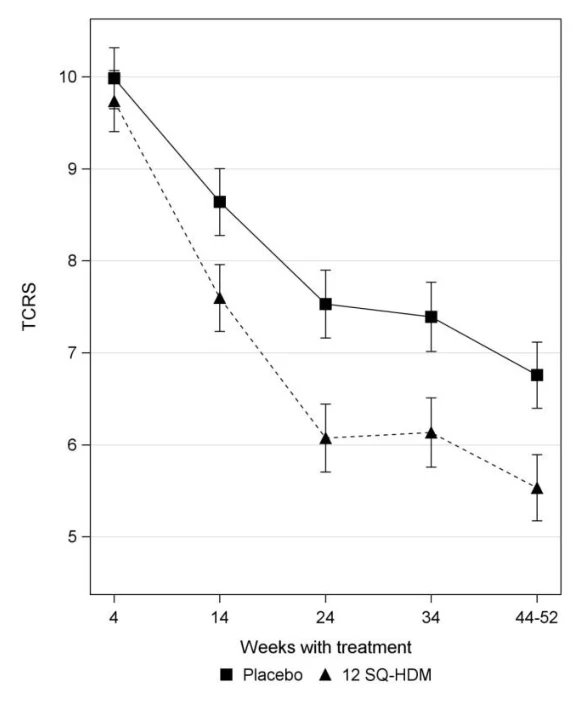
Error bars: 95% confidence interval for the difference in adjusted means based on analysis of covariance model.
Figure 1 – Adjusted Means of the Total Combined Rhinitis Score (TCRS) Over Time (MT-06)
Study P003 (House Dust Mite Environmental Exposure Chamber (EEC) Trial)
The results of the trial are shown in Table 7.
| Table 7 – Total Nasal Symptom Score (TNSS) and Total Symptom Score (TSS) During HDM-Allergen Challenge (EEC Trial) | ||||||
|---|---|---|---|---|---|---|
| Endpoint* | ACARIZAX® (n)† Score‡ | Placebo (n)† Score‡ | Treatment Difference (ACARIZAX®- Placebo) | Difference Relative to Placebo§ | ||
| Estimate | p-value | Estimate | (95% CI) | |||
| Primary endpoint | ||||||
TNSS – Week 24 | (36) 3.83 | (34) 7.45 | -3.62 | <0.001 | -48.6% | (-60.2%, -35.3%) |
| Secondary endpoints | ||||||
TNSS – Week 8 | (40) 5.34 | (39) 6.71 | -1.37 | -20.4% | (-33.3%, -6.8%) | |
TNSS – Week 16 | (39) 4.82 | (38) 6.90 | -2.08 | -30.1% | (-42.3%, -16.8%) | |
TSS – Week 24 | (36) 4.43 | (34) 9.27 | -4.84 | -52.2% | (-65.0%, -37.0%) | |
TNSS=Total Nasal Symptom Score, endpoint score range: 0-12.; TSS=Total Symptom Score (TNSS + total ocular symptom score), endpoint score range 0-18; CI=Confidence Interval
* Parametric analysis using analysis of covariance for all endpoints: analysis via ANCOVA with treatment and baseline endpoint score as fixed effects. The endpoint was calculated based on diary entries over the last 4 hours of the chamber session. Baseline endpoint value was calculated based on the screening.
† Number of subjects in analyses. Subjects who discontinued the trial prior to the given time point were not included in the analyses.
‡ For all endpoints, the estimated group least squares mean is reported. Treatment difference was the difference between least squares means.
§ Difference relative to placebo was calculated based on the estimated group least squares means as: (ACARIZAX®- placebo)/placebo x 100%.
Study MT-12 (European and North American Field Efficacy Trial)
After 12 months of treatment with ACARIZAX® an absolute difference in adjusted means of 0.97 (95% confidence interval [0.50;1.44], (p<0.0001)) and a relative difference of 22% compared to placebo was found for the primary endpoint (TCRS). The treatment effect may vary between patients depending on their allergic disease status.
Onset of the clinical effect was observed after 8 weeks of treatment (p=0.01), (see Figure 2).
The results of this trial are shown in Table 8.
Table 8 – Total Combined Rhinitis Score (TCRS), Rhinitis Daily Symptom Score (DSS), Rhinitis Daily Medication Score (DMS), Total Combined Rhinoconjunctivitis Score (TCS) During the Last 8 Weeks of Treatment (MT-12)
| Endpoint | ACARIZAX® (n) Score | Placebo (n) Score | Treatment Difference in Adjusted Means (ACARIZAX® - Placebo) | Difference Relative to Placebo | ||
|---|---|---|---|---|---|---|
| Adjusted Mean | Adjusted Mean | Estimate | p-value | Estimate | 95% CI | |
| Primary endpoint | ||||||
| TCRS | (693) 3.44 | (706) 4.41 | -0.97 | <0.0001 | -22.0% | [-31.1; -12.0] |
| Secondary Endpoints (Pre-defined key secondary endpoints) | ||||||
| Rhinitis DSS | (693) 1.50 | (706) 1.92 | -0.43 | <0.0001 | -22.2% | [-30.8;-12.8] |
| Rhinitis DMS | (693) 1.44 | (706) 1.94 | -0.49 | 0.0016 | -25.3% | [-38.3; -10.5] |
| Rhinoconjunctivitis TCS | (693) 4.01 | (706) 5.16 | -1.15 | <0.0001 | -22.2% | [-31.5; -12.0] |
| Pre-defined secondary endpoints | ||||||
| PRQLQ | (695) 0.84 | (690) 1.01 | -0.17 | <0.0001 | -16.6% | [-24.0; -8.8] |
| Proportion | Proportion | Odds ratio | ||||
| Rhinitis exacerbation days | (693) 0.025 | (706) 0.044 | 0.56 | |||
| Rhinitis mild days | (693) 0.318 | (706) 0.209 | 1.77 | |||
| Pre-defined explorative endpoints | ||||||
| Rhinitis symptom-free days | (693) 0.200 | (706) 0.116 | 1.90 | |||
CI=confidence interval; DMS=daily medication score; DSS=daily symptom score; n=number of subjects with observations contributing to the analysis; PRQLQ=paediatric rhinoconjunctivitis quality of life questionnaire; TCRS=total combined rhinitis score (=rhinitis DSS + rhinitis DMS); TCS=total combined rhinoconjunctivitis score (=rhinoconjunctivitis DSS + rhinoconjunctivitis DMS).
Estimated group means are reported. Treatment difference is difference in estimated group means. Absolute difference=ACARIZAX® - placebo, 95% CI. Relative difference to placebo was calculated based on the estimated group least squares means as: (ACARIZAX® - placebo) / placebo x 100%, 95 CI.
Odds ratio for having a rhinitis exacerbation, rhinitis mild days and rhinitis symptom-free days: 12 SQ-HDM / placebo.
A rhinitis exacerbation day was defined as a day with a rhinitis DSS of 6 or of 5 with 1 individual symptom scored 3 (symptom that is hard to tolerate or causes interference with activities of daily living and/or sleeping).
Efficacy was assessed at pre-defined intervals during the treatment period from week 8 and 16 in addition to during the last 8 weeks of treatment (see Figure 2)
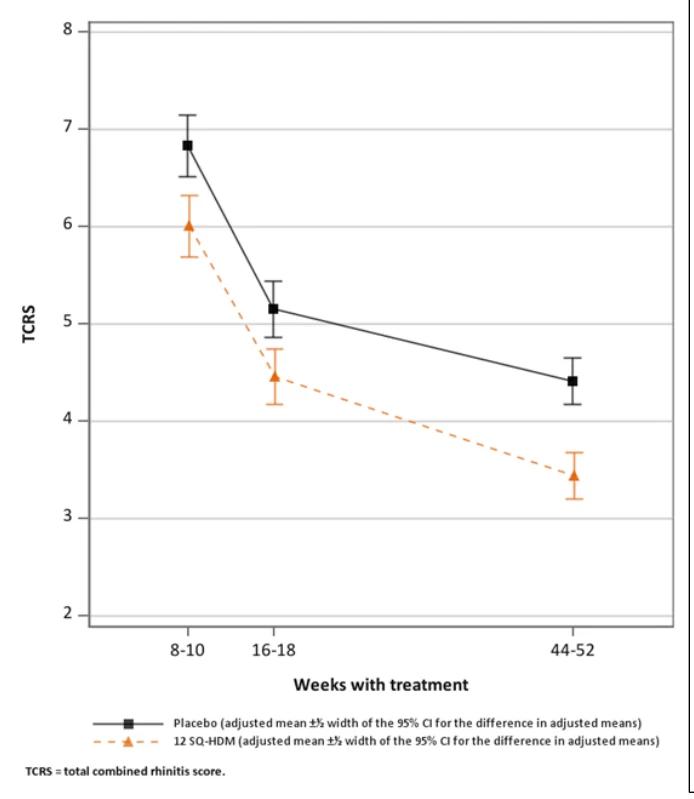
Figure 2 – Adjusted Means of the Total Combined Rhinitis Score (TCRS) Over Time (MT-12)
Subgroup analysis of the primary endpoint (TCRS) by asthma status at baseline showed an absolute difference in adjusted means of 1.26 (95% confidence interval [0.46; 2.06]) in children with concomitant asthma and of 0.77 (95% confidence interval [0.19; 1.36]) in children without concomitant asthma. A pooled analysis of TCRS across 5 phase III trials in HDM allergic rhinitis patients treated with 12 SQ-HDM or placebo showed an absolute difference in adjusted means of 1.27 (95% confidence interval [0.82; 1.72]) in patients with concomitant asthma (N=1,450) and of 0.81 (95% confidence interval [0.49; 1.13]) in patients without concomitant asthma (N=2,595).
Figure 3 - Forest Plot of Treatment Difference of Average Daily TCRS in Subgroups of Asthma Status at Baseline - Observed Case (FAS)
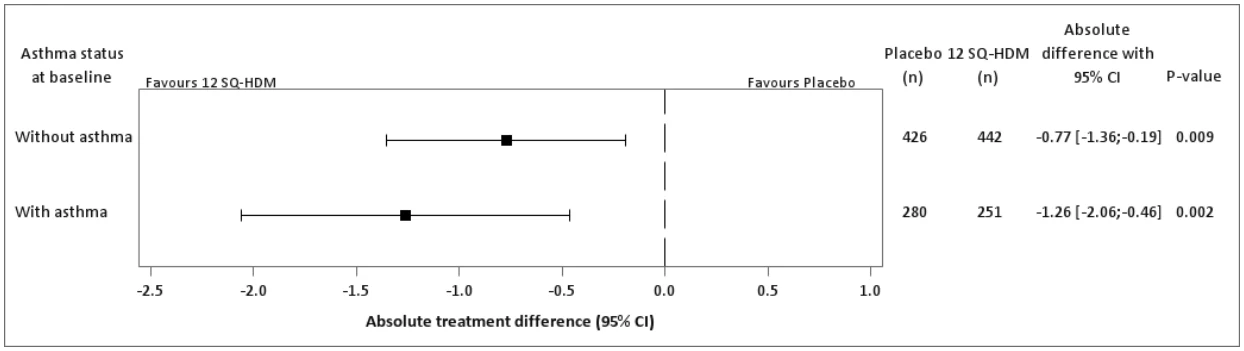
CI=confidence interval; FAS=full analysis set; n=number of subjects with observations contributing to the analysis; SQ-HDM=dose unit of the HDM SLIT-tablet; TCRS=total combined rhinitis score.
The MT-12 trial: Development over time of the total combined rhinitis score
TCRS: total combined rhinitis score (symptoms + medication score).
TCRS measured as an average over 2 weeks of assessment beginning week 8 and week 16.
The primary endpoint was the average daily TCRS during the last approximately 8 weeks of treatment (weeks ~44-52).
Adjusted means of the average TCRS over time with error bars for the difference in adjusted means. Non-overlapping intervals indicate a statistically significant difference between the groups.
15. Microbiology
No microbiological information is required for this drug product.
16. Non-Clinical Toxicology
General toxicology A general toxicity study in mice dosing HDM allergen extract (the active substance of ACARIZAX®) up to 14 SQ-HDM/day for 6 months did not reveal any significant treatment-related effects.
No dedicated animal safety pharmacology studies were conducted with ACARIZAX® (D. farinae and D. pteronyssinus). However, there were no overt central nervous system or respiratory effects noted for up to 6-months of dosing in the mouse based on routine clinical observations.
Genotoxicity There were no clinically relevant positive findings in in vitro chromosome aberration assays, an in vitro bacterial mutagenesis assay and a combined Comet and micronucleus assay for mutagenicity in rats using HDM allergen extract (D. farinae and D. pteronyssinus).
Carcinogenicity The carcinogenic potential of ACARIZAX® has not been evaluated.
Reproductive and developmental toxicology : Mice administered HDM allergen extract by daily subcutaneous injections from the time of implantation through late gestation (gestational days 6 to 17) revealed no significant treatment related effects on post-implantation loss or prenatal development up to five times the human sublingual dose.
Fertility studies have not been performed with HDM allergen extract.