


Product Monograph - Activase Rt-Pa
RECENT MAJOR LABEL CHANGES
| 4 Dosage and Administration, 4.3 Reconstitution | 04/2024 |
|---|---|
| 4 Dosage and Administration, 4.4 Administration | 04/2024 |
Sections or subsections that are not applicable at the time of authorization are not listed.
TABLE OF CONTENTS
RECENT MAJOR LABEL CHANGES............................................................................................ 2
Sections or subsections that are not applicable at the time of authorization are not listed. ... 2
TABLE OF CONTENTS .............................................................................................................. 2
PART I: HEALTH PROFESSIONAL INFORMATION ..................................................................... 4
1 INDICATIONS .............................................................................................................. 4
1.1 Pediatrics .......................................................................................................... 4
1.2 Geriatrics........................................................................................................... 4
2 CONTRAINDICATIONS ................................................................................................. 4
4 DOSAGE AND ADMINISTRATION................................................................................. 5
4.1 Dosing Considerations ....................................................................................... 5
4.2 Recommended Dose and Dosage Adjustment..................................................... 5
4.3 Reconstitution ................................................................................................... 6
4.4 Administration................................................................................................. 10
5 OVERDOSAGE ........................................................................................................... 13
6 DOSAGE FORMS, STRENGTHS, COMPOSITION AND PACKAGING ............................... 13
7 WARNINGS AND PRECAUTIONS ................................................................................ 14
7.1 Special Populations .......................................................................................... 17
Pregnant Women ...................................................................................................... 17
Breast-feeding........................................................................................................... 17
Pediatrics .................................................................................................................. 17
Geriatrics .................................................................................................................. 17
8 ADVERSE REACTIONS ................................................................................................ 17
8.1 Adverse Reaction Overview.............................................................................. 17
8.2 Clinical Trial Adverse Reactions ........................................................................ 18
8.3 Less Common Clinical Trial Adverse Reactions .................................................. 19
8.4 Abnormal Laboratory Findings: Hematologic, Clinical Chemistry and Other Quantitative Data ...................................................................................................... 19
8.5 Post-Market Adverse Reactions........................................................................ 19
9 DRUG INTERACTIONS................................................................................................ 19
9.1 Serious Drug Interactions ................................................................................. 19
9.2 Drug Interactions Overview.............................................................................. 19
9.3 Drug-Behavioural Interactions.......................................................................... 19
9.4 Drug-Drug Interactions .................................................................................... 20
10 CLINICAL PHARMACOLOGY ....................................................................................... 20
10.1 Mechanism of Action.................................................................................. 20
10.2 Pharmacodynamics .................................................................................... 21
10.3 Pharmacokinetics ....................................................................................... 21
11 STORAGE, STABILITY AND DISPOSAL ......................................................................... 22
12 SPECIAL HANDLING INSTRUCTIONS........................................................................... 22
PART II: SCIENTIFIC INFORMATION ...................................................................................... 22
13 PHARMACEUTICAL INFORMATION............................................................................ 22
14 CLINICAL TRIALS........................................................................................................ 24
14.1 Clinical Trials by Indication.......................................................................... 24
Acute Myocardial Infarction ...................................................................................... 24
15 MICROBIOLOGY ........................................................................................................ 27
16 NON-CLINICAL TOXICOLOGY ..................................................................................... 27
PATIENT MEDICATION INFORMATION ................................................................................. 30
PART I: HEALTH PROFESSIONAL INFORMATION
1 INDICATIONS
ACTIVASE rt-PA (alteplase for injection) is indicated for intravenous use in adults for:
- 1) the lysis of suspected occlusive coronary artery thrombi associated with evolving transmural myocardial infarction; and
- 2) the reduction of mortality associated with acute myocardial infarction (AMI), the improvement of ventricular function following AMI and the reduction in the incidence of congestive heart failure.
Treatment should be initiated as soon as possible after the onset of acute myocardial symptoms. Greater benefit appears to be associated with earlier treatment of ACTIVASE rt-PA, following the onset of symptoms.
ACTIVASE rt-PA is effective in patients in whom therapy is initiated within six (6) hours of onset of symptoms for the accelerated infusion regimen or up to twelve (12) hours after onset of symptoms for the 3-hour infusion regimen. The GUSTO study was designed to enrol patients within a 6-hour period following the onset of myocardial infarct symptoms. The data available from this trial are insufficient to support a recommendation for use of the accelerated infusion regimen in patients presenting more than six (6) hours after the onset of symptoms.
For information on use in acute ischemic stroke (AIS), please consult the product monograph for the AIS indication.
1.1 Pediatrics
- Safety and effectiveness of ACTIVASE rt-PA in children has not been established. Therefore, treatment of such patients is not recommended.
1.2 Geriatrics
- The risks of therapy may be increased in the elderly (see ADVERSE REACTIONS, ACTIONS AND CLINICAL PHARMACOLOGY).
2 CONTRAINDICATIONS
ACTIVASE rt-PA (alteplase for injection) should not be administered to patients with known hypersensitivity to the active substance alteplase or to any ingredient in the formulation or components of the container. For a complete listing, see the Dosage Forms, Composition and Packaging section of the product monograph.
ACTIVASE rt-PA (alteplase for injection) therapy is contraindicated in the following situations because of an increased risk of bleeding:
- Active internal bleeding
- History of stroke
- Patients receiving other intravenous thrombolytic agents
- Recent (within two months) intracranial, or intraspinal surgery or trauma
- Intracranial neoplasm, arteriovenous malformation, or aneurysm
- Known bleeding diathesis
- Severe uncontrolled hypertension (systolic BP > 180 mm Hg and/or diastolic BP > 110 mm Hg)
- Recent traumatic cardiopulmonary resuscitation
- Recent severe trauma
4 DOSAGE AND ADMINISTRATION
4.1 Dosing Considerations
ACTIVASE rt-PA (alteplase for injection) is intended for intravenous use only. It should be given via a dedicated intravenous line with an infusion pump. Extravasation of ACTIVASE rt-PA infusion can cause ecchymosis and/or inflammation. Management consists of terminating the infusion at the IV site and application of local therapy.
Administer ACTIVASE rt-PA as soon as possible after the onset of symptoms.
Anticoagulation During and After Treatment with ACTIVASE rt-PA
To date, heparin has been administered concomitantly in more than 90% of patients given ACTIVASE rt-PA. Adjunctive intravenous heparin administration is recommended to obtain a therapeutic partial thromboplastin time (PTT). The infusion of heparin should be initiated prior to the termination of the infusion of ACTIVASE rt-PA.
4.2 Recommended Dose and Dosage Adjustment
There are two dose regimens for ACTIVASE rt-PA for use in the management of AMI. The comparative efficacy of these two regimens has not been evaluated.
90-MINUTE ACCELERATED INFUSION
The recommended total dose is based upon patient weight, not to exceed 100 mg. For patients weighing >67 kg, the recommended dose is 100 mg, administered as a 15 mg intravenous bolus, followed by 50 mg infused over 30 minutes and then 35 mg infused over the next 60 minutes.
For patients weighing < 67 kg, the recommended dose is 15 mg administered as an intravenous bolus, followed by 0.75 mg/kg to a maximum of 50 mg, infused over the next 30 minutes, and then 0.50 mg/kg to a maximum of 35 mg infused over the next 60 minutes.
This 90-minute infusion regimen is recommended for use up to 6 hours after onset of AMI symptoms.
Accelerated Regimen: Infusion Chart
Patient Weight | Bolus | Volume of tPA added to empty pvc bag or glass vial (mL) | 0.75 mg/kg over 30 Minutes | 0.50 mg/kg over 60 Minutes | tPA Total Dose (mg) (Bolus + Maintenance) (Maximum Dose = 100 mg) |
| (lb) | |||||
| (kg) | |||||
15 mg (15 mL) over 2 minutes | Infusion Dose (mg) (Max Dose = 50 mg) | Infusion Rate (mL/hr) | |||
Volume to be Infused (mL) | |||||
Infusion Dose (mg) (Max Dose = 35 mg) | Infusion Rate (mL/hr) | ||||
Volume to be Infused (mL) | |||||
90-94 95-97 98-104 105-109 110-114 115-119 120-124 125-129 130-134 135-139 140-144 145-149 >149 | |||||
41-42 43-44 45-47 48-49 50-51 52-54 55-56 57-58 59-60 61-63 64-65 66-67 >67 | 15 mL 15 mL 15 mL 15 mL 15 mL 15 mL 15 mL 15 mL 15 mL 15 mL 15 mL 15 mL 15 mL | 52 mL 54 mL 57 mL 60 mL 63 mL 65 mL 68 mL 71 mL 73 mL 76 mL 80 mL 83 mL 85 mL | |||
31 32 34 36 38 39 41 43 44 46 48 50 50 | 62 64 68 72 75 78 82 86 88 92 96 100 100 | ||||
31 mL 32 mL 34 mL 36 mL 38 mL 39 mL 41 mL 43 mL 44 mL 46 mL 48 mL 50 mL 50 mL | |||||
21 22 23 24 25 26 27 28 29 30 32 33 35 | 21 22 23 24 25 26 27 28 29 30 32 33 35 | ||||
21mL 22mL 23mL 24mL 25mL 26mL 27mL 28mL 29mL 30mL 32mL 33mL 35mL | 67 69 72 75 78 80 83 86 88 91 95 98 100 | ||||
1 mg = 1 mL
3-HOUR INFUSION
The recommended dose is 100 mg administered as 60 mg in the first hour, of which 6-7 mg is administered as a bolus over the first 1-2 minutes and the remainder is administered by continuous infusion, 20 mg by continuous infusion during the second hour, and 20 mg by continuous infusion over the following one to four hours. For smaller patients (<65 kg), a dose of 1.25 mg/kg may be warranted. This 3-hour infusion regimen is recommended for use up to 12 hours after onset of AMI symptoms.
4.3 Reconstitution
The reconstituted solution may be diluted further immediately before administration to yield concentrations as low as 0.5 mg/mL in 0.9% Sodium Chloride Injection, USP or 5% Dextrose Injection, USP. Excessive agitation during dilution should be avoided; mixing should be accomplished with gentle swirling and/or slow inversion. Do not use other infusion solutions e.g. Sterile Water for Injection, USP, or preservative containing solutions for further dilution.
No other medication should be added to ACTIVASE rt-PA solution. Solutions should be administered as described above. Unused infusion solution should be immediately discarded.
50 MG VIALS
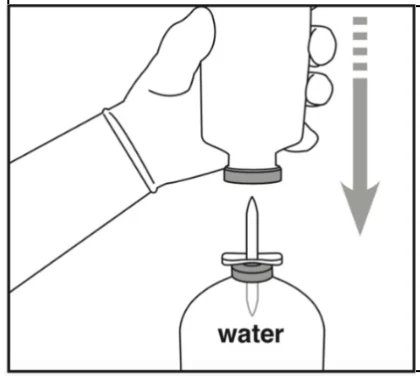
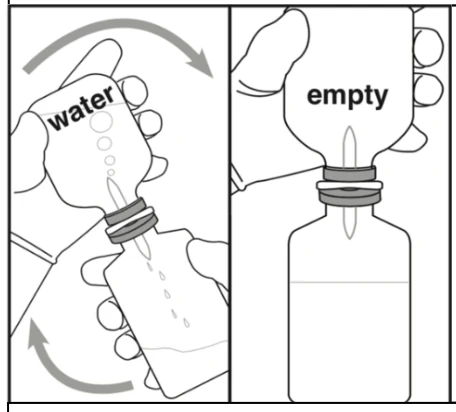
ACTIVASE rt-PA should be reconstituted by aseptically adding 50 mL Sterile Water for Injection, USP [SWFI] to the vial of ACTIVASE rt-PA, . It is important that ACTIVASE rt-PA be reconstituted only with Sterile Water for Injection, USP, without preservatives. Do not use Bacteriostatic Water for Injection. The reconstituted preparation results in a colourless to pale yellow transparent solution containing ACTIVASE rt-PA 1.0 mg/mL at a pH of 7.3. The osmolality of this solution is approximately 215 mOsm/kg.
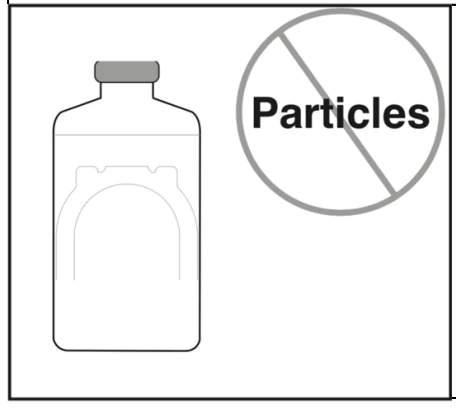
Before further dilution or administration, parenteral drug products should be visually inspected for particulate matter and discoloration prior to administration whenever solution and container permit. Because ACTIVASE rt-PA contains no preservatives, it must be used within 8 hours following reconstitution (when stored at 2-30℃) (see STORAGE AND STABILITY).
Do not use a transfer device but use a large bore needle (e.g. 18 gauge), and the accompanying 50 mL Sterile Water for Injection, USP, direct the stream of Sterile Water for Injection, USP into the lyophilized cake. DO NOT USE IF VACUUM IS NOT PRESENT. Slight foaming upon reconstitution is not unusual; standing undisturbed for several minutes is usually sufficient to allow dissipation of any large bubbles. Excessive or vigorous shaking should be avoided.
100 MG VIALS
Activase 100 mg Kit Contents
| Transfer device | 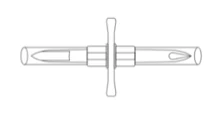 |
Activase 100 mg vial (no vacuum) | 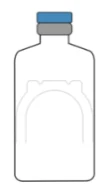 |
| Activase 100 mg vial stopper parts: |
Activase 100 mg Also Required (not included in kit)
| 1 Luer syringe for removing bolus dose, as needed | 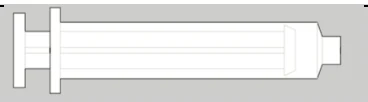 |
| 1 Luer syringe for removing excess volume, as needed | 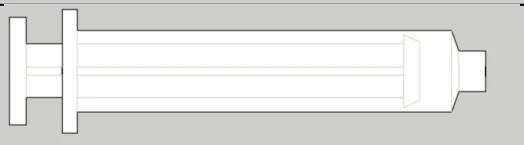 |
| 2 large bore needles | 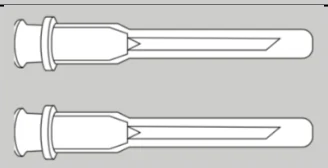 |
| 2 Alcohol swabs |  |
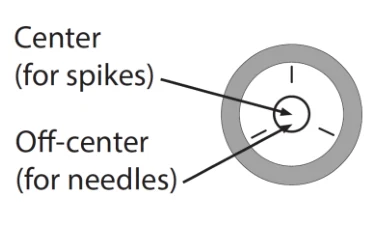 | |
Sterile Water for Injection (water) vial Note: Do not use Bacteriostatic Water for Injection, USP. | 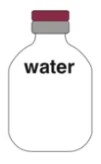 |
| Prescribing Information | |
| Instructions for Use | |
| IV infusion set |
Activase 100 mg Reconstitution (use aseptic technique)
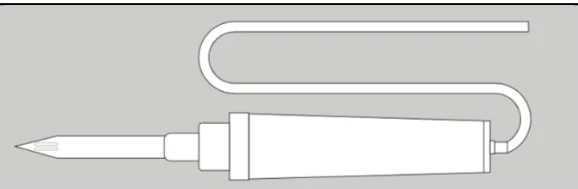 |
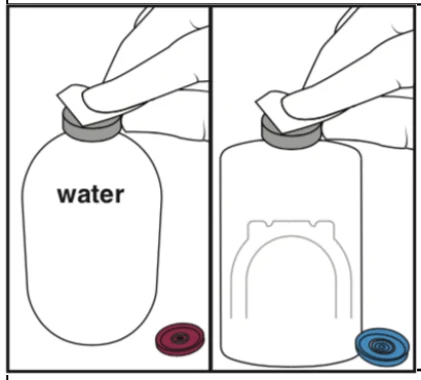
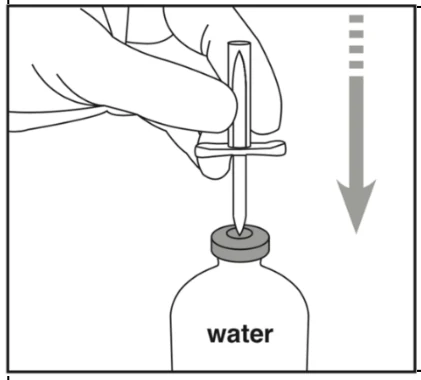


4.4 Administration
50 MG VIALS
90-MINUTE ACCELERATED INFUSION
The ACTIVASE rt-PA dose administered by accelerated infusion may be prepared and administered as follows:
A. The bolus dose may be prepared in one of the following ways:
- 1) By removing 15 mL from the vial of reconstituted (1 mg/mL) ACTIVASE rt-PA using a syringe and needle. The syringe should not be primed with air and the needle should be inserted into the ACTIVASE rt-PA vial stopper.
- 2) By removing 15 mL from a port (second injection site) on the infusion line after the infusion set

- is primed.
- 3) By programming an infusion pump to deliver a 15 mL (1 mg/mL) bolus at the initiation of the infusion.
B. The remainder of the ACTIVASE rt PA dose may be administered using either a polyvinyl chloride bag or glass vial and infusion set.
3-HOUR INFUSION
- A.
The bolus dose may be prepared in one of the following ways:
- 1) By removing 6-10 mL from the vial of reconstituted (1 mg/mL) ACTIVASE rt-PA using a syringe and needle. The syringe should not be primed with air and the needle should be inserted into the ACTIVASE rt-PA vial stopper.
- 2) By removing 6-10 mL from a port (second injection site) on the infusion line after the infusion set is primed.
- 3) By programming an infusion pump to deliver a 6-10 mL (1 mg/mL) bolus at the initiation of the infusion.
- B. The remainder of the ACTIVASE rt-PA dose may be administered using either a polyvinyl chloride bag or glass vial and infusion set.
100 MG VIALS
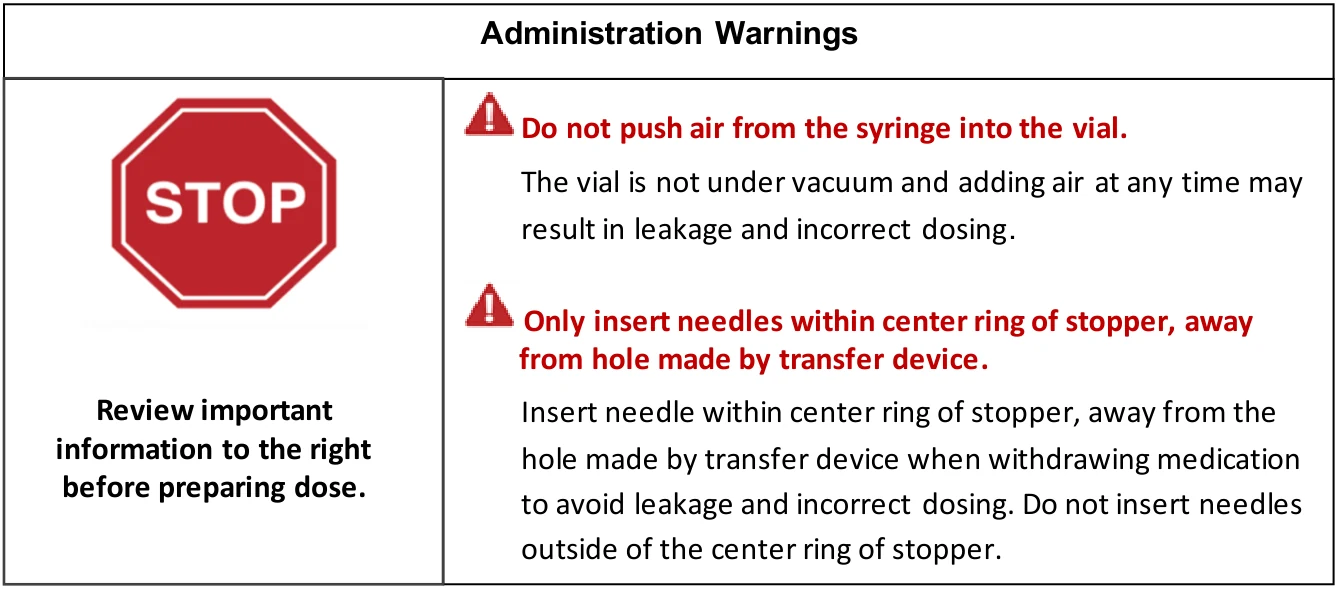
Activase 100 mg Administration (use aseptic technique)
| Step 6: Preparing bolus | |
|---|---|
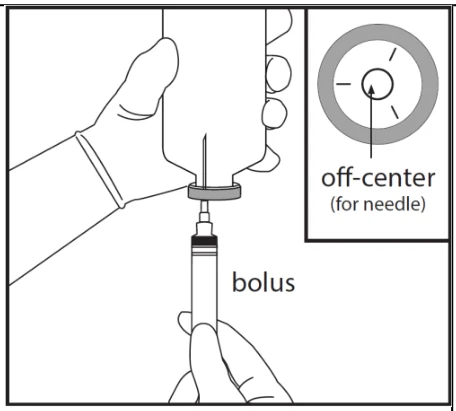 |
 Do not push any air from the syringe into vial (may cause leakage).
|
| Step 7: Removing excess volume | |



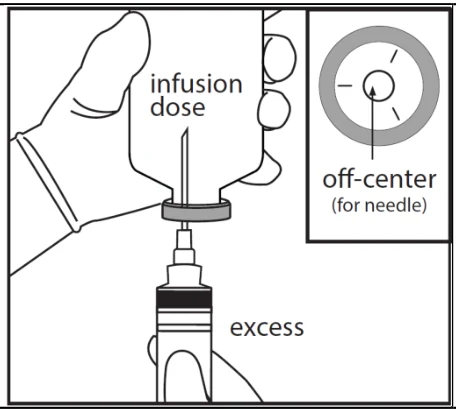
 Do not push any air from syringe into vial (may cause leakage).
| |
| Step 8: Spiking and hanging | |
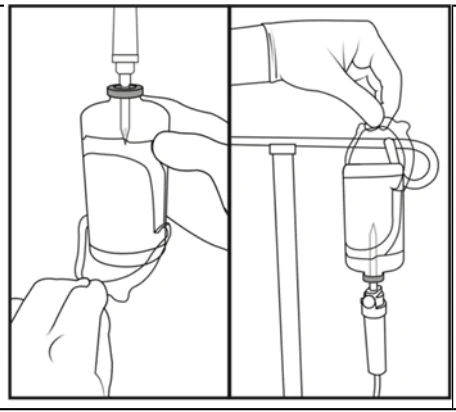
Do not make a new hole in the vial stopper. Additional holes in vial stopper may lead to leakage.
| |
5 OVERDOSAGE
Overdosage could lead to serious bleeding. Should serious bleeding occur in a critical location, the infusion of ACTIVASE rt-PA (alteplase for injection) and any other concomitant anticoagulant should be discontinued immediately. If necessary, blood loss and reversal of the bleeding tendency can be managed with whole blood or packed red cells. In the event of clinically significant fibrinogen depletion, fresh frozen plasma or cryoprecipitate can be infused.
| For management of a suspected drug overdose, contact your regional poison control centre. |
|---|
6 DOSAGE FORMS, STRENGTHS, COMPOSITION AND PACKAGING
Table – Dosage Forms, Strengths, Composition and Packaging
 | |
|---|---|
 |
| Route of Administration | Dosage Form/ Strength/Composition | Non-medicinal Ingredients |
| Intravenous (I.V.) | Lyophilized powder for solution, 50 mg 100 mg | L-arginine, phosphoric acid and polysorbate 80 |
Description
ACTIVASE rt-PA (alteplase for injection) is supplied as a sterile, lyophilized powder in 50 mg vials with vacuum present and in 100 mg vials with no vacuum present.
Composition
The composition of the lyophilized product is alteplase (medicinal ingredient), L-arginine, phosphoric acid and polysorbate 80.
Packaging
ACTIVASE rt-PA is available in:
- Boxes each containing one (1) vial of ACTIVASE rt-PA 50 mg and one (1) vial of Sterile Water for Injection, USP 50 mL, for preparing a sterile solution of ACTIVASE rt-PA.
- Boxes each containing one (1) vial of ACTIVASE rt-PA 100 mg and one (1) vial of Sterile Water for Injection, USP 100 mL, and one transfer device for preparing a sterile solution of ACTIVASE rt-PA.
7 WARNINGS AND PRECAUTIONS
General
ACTIVASE rt-PA (alteplase for injection) should be administered in a hospital setting where the appropriate diagnostic and monitoring techniques are readily available.
Routine management of myocardial infarction should not be deferred after evidence of successful thrombolysis is seen. Evaluation and management of underlying atherosclerotic heart disease should be carried out as clinically indicated.
Non compressible arterial puncture must be avoided. Arterial and venous punctures should be minimized. In the event of serious bleeding, ACTIVASE rt-PA and heparin should be discontinued immediately. Heparin effects can be reversed by protamine.
Bleeding
The most common complication encountered during therapy with ACTIVASE rt PA (alteplase for injection) is bleeding. The type of bleeding associated with thrombolytic therapy can be divided into two broad categories:
- Internal bleeding involving the gastrointestinal tract, genitourinary tract, respiratory tract, retroperitoneal or intracranial sites
- Superficial or surface bleeding, observed mainly at invaded or disturbed sites (e.g. venous cutdowns, arterial punctures, sites of recent surgical intervention)
The concomitant use of heparin anticoagulation contributes to the risk of bleeding.
Fibrin will be lysed during the infusion of ACTIVASE rt-PA and bleeding from recent puncture sites may occur. Therefore, therapy with ACTIVASE rt-PA, as with other thrombolytic agents, requires careful attention to all potential bleeding sites (including catheter insertion sites, arterial and venous puncture sites, cutdown sites and needle puncture sites).
Intramuscular injections and nonessential handling of the patient should be avoided during and immediately following treatment with ACTIVASE rt-PA. Venipunctures should be performed carefully and only as required.
Should an arterial puncture be necessary during an infusion of ACTIVASE rt-PA, it is preferable to use an upper extremity vessel that is accessible to manual compression. Pressure should be applied for at least 30 minutes, a pressure dressing applied and the puncture site checked frequently for evidence of bleeding.
Should serious bleeding in a critical location (not controllable by local pressure) occur, the infusion of ACTIVASE rt-PA and any other concomitant anticoagulant should be discontinued immediately and treatment initiated (See OVERDOSAGE).
In the following conditions, the risks of ACTIVASE rt-PA therapy may be increased and should be weighed against the anticipated benefits:
- Recent (within 10 days) major surgery, e.g. coronary artery bypass graft, obstetrical delivery, organ biopsy, previous puncture of non-compressible vessels
- Clinical evidence or history of transient ischemic attacks
- Recent gastrointestinal or genitourinary bleeding (within 10 days)
- Recent trauma (within 10 days)
- Hypertension: systolic BP ≥ 175 mm Hg and/or diastolic BP ≥ 110 mm Hg
- A history or clinical evidence of hypertensive disease in a patient over 70 years old
- Advanced age, e.g. over 75 years old
- Acute pericarditis
- Subacute bacterial endocarditis
- Hemostatic defects including those secondary to severe hepatic or renal disease
- Significant liver dysfunction, e.g. prolonged prothrombin time
- Pregnancy
- Diabetic hemorrhagic retinopathy, or other hemorrhagic ophthalmic conditions
- Septic thrombophlebitis or occluded AV cannula at seriously infected site
- Patients currently receiving oral anticoagulants, e.g. warfarin sodium
- Any other condition in which bleeding constitutes a significant hazard or would be particularly difficult to manage because of its location.
In a small subgroup of AMI patients who are at low risk for death from cardiac causes (i.e., no previous myocardial infarction, Killip class I) and who have high blood pressure at the time of presentation, the risk for stroke may offset the survival benefit produced by thrombolytic therapy.
Thromboembolism
The use of thrombolytics including ACTIVASE can increase the risk of thrombo-embolic events in patients with left heart thrombus, e.g., mitral stenosis or atrial fibrillation.
Cardiovascular
Arrhythmias
Coronary thrombolysis may result in arrhythmias associated with reperfusion. These arrhythmias (such as sinus bradycardia, accelerated idioventricular rhythm, ventricular premature depolarizations, ventricular tachycardia) are not different from those often seen in the ordinary course of AMI and may be managed with standard antiarrhythmic measures. It is recommended that antiarrhythmic therapy for bradycardia and/or ventricular irritability be available when infusions of ACTIVASE rt-PA are administered.
Cholesterol Embolization
Cholesterol embolization has been reported rarely in patients treated with all types of thrombolytic agents; the true incidence is unknown. This serious condition, which can be lethal, is also associated with invasive vascular procedures (e.g., cardiac catheterization, angiography, vascular surgery) and/or anticoagulant therapy. Clinical features of cholesterol embolism include livedo reticularis, “purple toe” syndrome, acute renal failure, gangrenous digits, hypertension, pancreatitis, myocardial infarction, cerebral infarction, spinal cord infarction, retinal artery occlusion, bowel infarction, and rhabdomyolysis.
Use of Antithrombotics
Acetylsalicylic acid (ASA) and heparin may be administered concomitantly with and following infusions of ACTIVASE rt-PA. Because heparin, ASA or ACTIVASE rt-PA alone may cause bleeding complications, careful monitoring for bleeding is advised, especially at arterial puncture sites.
Immune
Hypersensitivity
Anaphylactoid reactions associated with the administration of Activase are rare and can be caused by hypersensitivity to the active substance alteplase or to any of the excipients. Rare fatal outcome for hypersensitivity was reported.
Angioedema
Angioedema has been observed in post-market experience in patients treated for acute myocardial infarction (see DRUG INTERACTIONS and ADVERSE REACTIONS: Hypersensitivity). Onset of angioedema occurred during and up to 2 hours after infusion of ACTIVASE rt-PA. In many cases, patients were receiving concomitant Angiotensin-converting enzyme inhibitors. Patients treated with ACTIVASE rt-PA should be monitored during and for several hours after infusion for signs of hypersensitivity.
If signs of hypersensitivity occur, e.g. anaphylactoid reaction or angioedema develops, promptly institute appropriate therapy (e.g., antihistamines, intravenous corticosteroids or epinephrine) and discontinue the ACTIVASE rt-PA infusion.
Monitoring and Laboratory Tests
During ACTIVASE rt-PA infusion, coagulation tests and/or measures of fibrinolytic activity may be performed if desired. However, routine measurements of fibrinogen as well as fibrinogen degradation products are unreliable, and should not be undertaken unless specific precautions are taken to prevent in vitro artifacts. ACTIVASE rt-PA is a serine protease that when present in blood in pharmacologic concentrations remains active under in vitro conditions. This can lead to degradation of fibrinogen in a blood sample removed for analysis. Collection of blood samples on aprotinin (150-200 units/mL) can to some extent mitigate this phenomenon.
Readministration
There has been little documentation of readministration of ACTIVASE rt-PA. Readministration should be undertaken with caution. Less than 0.5% of patients receiving single courses of ACTIVASE rt-PA therapy have experienced transient antibody formation. Nevertheless, if an anaphylactoid reaction occurs, the infusion should be discontinued immediately and appropriate therapy initiated.
7.1 Special Populations
Pregnant Women
ACTIVASE has been shown to have an embryocidal effect in rabbits when intravenously administered in doses of approximately two times (3 mg/kg) the human dose for AMI. No maternal or fetal toxicity was evident at 0.65 times (1 mg/kg) the human dose in pregnant rats and rabbits dosed during the period of organogenesis. There are no adequate and well controlled studies in pregnant women. ACTIVASE should be used during pregnancy only if the potential benefit justifies the potential risk to the fetus.
Breast-feeding
It is not known whether ACTIVASE rt-PA is excreted in human milk. Because many drugs are excreted in human milk, caution should be exercised when ACTIVASE rt-PA is administered to a nursing woman.
Pediatrics
Safety and effectiveness of ACTIVASE rt-PA in children has not been established. Therefore, treatment of such patients is not recommended.
Geriatrics
The risks of therapy may be increased in the elderly (see ADVERSE REACTIONS, ACTIONS AND CLINICAL PHARMACOLOGY).
8 ADVERSE REACTIONS
8.1 Adverse Reaction Overview
Bleeding: General
The most frequent adverse reaction associated with ACTIVASE rt-PA (alteplase for injection) is bleeding. 13,22,23 The type of bleeding associated with thrombolytic therapy can be divided into two broad categories:
- Internal bleeding, involving the gastrointestinal tract, genitourinary tract, respiratory tract, retroperitoneal or intracranial sites
- Superficial or surface bleeding, observed mainly at invaded or disturbed sites (e.g. venous cutdowns, arterial punctures, sites of recent surgical intervention)
Hypersensitivity
Hypersensitivity reactions, e.g. anaphylactoid reaction, anaphylactic reaction, laryngeal edema, angioedema, rash urticaria and shock have been reported very rarely (<0.02%). A cause and effect relationship has not been established. A rare fatal outcome for hypersensitivity has been reported.
8.2 Clinical Trial Adverse Reactions
Because clinical trials are conducted under very specific conditions the adverse reaction rates observed in the clinical trials may not reflect the rates observed in practice and should not be compared to the rates in the clinical trials of another drug. Adverse drug reaction information from clinical trials is useful for identifying drug-related adverse events and for approximating rates.
Reported Incidence of Bleeding During ACTIVASE Treatment
The incidence of all strokes reported for the accelerated (90 minute) infusion regimen in the GUSTO trial was 1.6%, while the incidence of nonfatal stroke was 0.9%. The incidence of hemorrhagic stroke was 0.7%, not all of which were fatal. Data from previous trials utilizing a three hour infusion indicates that the incidence of total stroke in six randomized double-blind placebo controlled trials was 1.2% (37/3161) in ACTIVASE rt-PA-treated patients (≤100 mg) compared with 0.9% (27/3092) in placebo-treated patients.
Although the incidence of all strokes, as well as that for hemorrhagic stroke, increased with increasing age, treatment with accelerated regimen of ACTIVASE rt-PA was still shown to reduce mortality in older patients. For patients who were over 75 years of age, a predefined subgroup consisting of 12% of patients enrolled, the incidence of stroke was 4.0% for the accelerated regimen of ACTIVASE rt-PA group, 2.8% for streptokinase (intravenous heparin), and 3.2% for streptokinase (subcutaneous heparin) (See Table 1). However, combined 30-day mortality or non-fatal stroke was 20.6% for accelerated regimen of ACTIVASE rt-PA, 21.5% for streptokinase (intravenous heparin) and 22.0% for streptokinase (subcutaneous heparin) in the GUSTO study.
Table 1
| rt-PA | SK (IV) | SK (SQ) | ||||||||||
| % | % | p-value | % | p-value | ||||||||
| stroke | 1.6% | 1.4% | 0.32 | 1.2% | 0.03 | |||||||
| intracranial hemorrhage | 0.7% | 0.6% | 0.22 | 0.5% | 0.02 | |||||||
| stroke in >75 yrs | 4.0% | 2.8% | 0.09 | 3.2% | 0.27 | |||||||
| intracranial hemorrhage >75 yrs | 2.0% | 1.1% | 0.06 | 1.3% | 0.17 | |||||||
p-value is for pairwise comparison to rt-PA.
The following incidence of significant internal bleeding (estimated as ≥ 250 mL blood loss) has been reported in studies involving over 1300 patients treated at all doses of ACTIVASE rt-PA, administered as a 3-hour infusion regimen:
- gastrointestinal 5%
- genitourinary 4%
The following incidence of moderate or severe bleeding was reported when ≤100 mg ACTIVASE rt-PA was administered by accelerated infusion to >10,000 patients [GUSTO study]:
- gastrointestinal 1.5%
- genitourinary 0.5%
The incidence of intracranial bleeding in patients treated with up to 120 mg ACTIVASE rt-PA (3-hour infusion) has been 0.4%. At doses in excess of 120 mg (120-180 mg) the incidence of intracranial bleeding increased to 1.3%. The incidence of intracranial bleeding in patients treated with ≤100 mg ACTIVASE rt-PA (accelerated infusion, weight adjusted) was 0.7%. The maximum total dose of ACTIVASE rt-PA used in the treatment of acute myocardial infarction should not exceed 100 mg.
Death and permanent disability have been reported in patients who have experienced stroke and other serious bleeding episodes.
8.3 Less Common Clinical Trial Adverse Reactions
Not applicable.
8.4 Abnormal Laboratory Findings: Hematologic, Clinical Chemistry and Other Quantitative Data
Not applicable.
8.5 Post-Market Adverse Reactions
The following adverse reactions have been reported among patients receiving ACTIVASE in clinical trials and in post marketing experience. These reactions are frequent sequelae of the underlying disease and the effect of ACTIVASE on the incidence of these events is unknown.
Patients with myocardial infarction can experience disease-related events such as cardiogenic shock, arrhythmias, AV block, pulmonary edema, heart failure, cardiac arrest, recurrent ischemia, myocardial reinfarction, myocardial rupture, mitral regurgitation, pericardial effusion, pericarditis, cardiac tamponade, venous thrombosis and embolism, and electromechanical dissociation. These events may lead to death. Other adverse reactions have been reported, principally nausea and/or vomiting, hypotension, and fever.
9 DRUG INTERACTIONS
9.1 Serious Drug Interactions
Not applicable.
9.2 Drug Interactions Overview
Not applicable.
9.3 Drug-Behavioural Interactions
Not applicable.
9.4 Drug-Drug Interactions
The interaction of ACTIVASE rt-PA with other drugs has not been studied. In addition to bleeding associated with anticoagulants such as heparin and warfarin, drugs that alter platelet function (such as acetylsalicylic acid) may increase the risk of bleeding if administered prior to, during or after ACTIVASE rt-PA infusion.
Angioedema has been observed after ACTIVASE rt-PA administration in patients receiving concomitant ACE inhibitor therapy. However, the significance of this observation has not been determined (see ADVERSE REACTIONS OVERVIEW: Hypersensitivity section).
10 CLINICAL PHARMACOLOGY
10.1 Mechanism of Action
ACTIVASE rt-PA (alteplase for injection) is a serine protease which has the property of fibrin-enhanced conversion of plasminogen to plasmin. ACTIVASE rt-PA produces minimal conversion of plasminogen in the absence of fibrin; and when introduced into the systemic circulation, ACTIVASE rt-PA binds to fibrin in a thrombus and converts the entrapped plasminogen to plasmin. This initiates local fibrinolysis with minimal systemic effects. Following administration of ACTIVASE rt-PA, there is a decrease (20-30%) in circulating fibrinogen. Decreases in plasminogen and α2-antiplasmin are also evident.
An occlusive thrombus is present in the infarct-related coronary artery in approximately 80% of patients experiencing a transmural myocardial infarction evaluated within four hours of onset of symptoms.
Detailed Pharmacology
Effect on Coagulation
ACTIVASE rt-PA (alteplase for injection) differs from other plasminogen activators in that it is fibrin dependent. Relatively selective fibrinolysis with ACTIVASE rt-PA, i.e., localized activation of the fibrinolytic system, is possibly due to several factors such as the high affinity of tissue plasminogen activator for fibrin, the fibrin-dependent activation of tissue plasminogen activator, and the coprecipitation of plasminogen within the fibrin clot. As a result, ACTIVASE rt-PA produces clot dissolution in vivo with minimal systemic effects.
Two controlled trials in acute myocardial infarction patients have measured circulating plasma fibrinogen levels after infusion of activators. Results with ACTIVASE rt-PA were compared to those with a non-selective activator, streptokinase. In the first study, the circulating fibrinogen level (measured by coagulation rate assay) was approximately 61% of the starting value in ACTIVASE rt-PA treated patients compared with approximately 12% for those treated with streptokinase. In the second study, post-treatment levels of fibrinogen (measured by the sodium phosphate precipitation method) were approximately 75% of baseline with ACTIVASE rt-PA compared with 53% with streptokinase.
In a dose response trial conducted by the National Heart, Lung and Blood Institute (NHLBI), comparing three different doses of ACTIVASE rt-PA in AMI patients, baseline plasma fibrinogen levels (measured by the precipitation method 1-2 hours after infusion) were 96%, 90% and 77% for doses of 80 mg, 100 mg, and 150 mg respectively.
In general, it is believed that fibrinogen levels in excess of about 100 mg per decilitre may be important in controlling most occurrences of bleeding. In two multicentre trials of ACTIVASE rt-PA in AMI patients in which degradation of circulating fibrinogen was measured, the incidence of fibrinogen levels below 100 mg% (mg/dL ~ measured with precipitation techniques) was less than 5%. In two multicentre trials of ACTIVASE rt-PA in AMI patients, the incidence of fibrinogen levels below 100 mg% (measured with clotting rate techniques) was less than 25%. In contrast, a multicentre trial comparing ACTIVASE rt-PA to streptokinase found the incidence of fibrinogen levels below 100 mg% in the streptokinase group (measured with clotting rate techniques) to be 95%.
Another measure of systemic fibrinolytic activation is the elevation of fibrinogen-fibrin degradation products (FDP’s). In a study in AMI patients comparing ACTIVASE rt-PA to streptokinase, FDP’s increased to 0.75 mg/mL in the streptokinase group but to only 0.10 mg/mL in the ACTIVASE rt-PA group.
Myocardial Infarction Studies
In angiographically controlled studies, intravenous ACTIVASE rt-PA has been demonstrated to induce prompt and significant improvement in perfusion of the obstructed coronary vessel. In a study sponsored by the National Heart, Lung and Blood Institute designed to compare the intravenous thrombolytic effects of ACTIVASE rt-PA and streptokinase, The Thrombolysis in Myocardial Infarction (TIMI) trial which involved 316 patients at 13 centres, ACTIVASE rt-PA produced reperfusion in 66% of patients, compared with 36% for streptokinase treated patients studied angiographically 90 minutes after the commencement of thrombolytic therapy. In a subsequent non-comparative phase of the same study which involved 139 patients, ACTIVASE rt-PA produced reperfusion in 73% of patients who received at least 70 - 100 mg over 90 minutes. A second randomized study, The European Cooperative Trial, demonstrated similar efficacy of intravenous ACTIVASE rt-PA.
The recanalization rate for a 70 mg dose is equivalent to that for a 100 mg dose at 90 minutes, but the 100 mg dose elicits thrombolysis more rapidly. The following table summarizes the results of the TIMI open label dose response study:
| PERCENT VESSELS OPEN | ||
| Time after onset of infusion | Dose in first 90 minutes | |
| 70 mg | 100 mg | |
| 30 min. | 24% | 42% |
| 60 min. | 57% | 68% |
| 90 min. | 71% | 76% |
| No. of patients | 83 | 62 |
10.2 Pharmacodynamics
Not Applicable.
10.3 Pharmacokinetics
Elimination
ACTIVASE rt-PA is cleared rapidly from circulating plasma with an initial half-life of less than 5 minutes. There is no difference in the dominant initial plasma half-life between the 3-hour and accelerated regimens for acute myocardial infarction (AMI). The plasma clearance of ACTIVASE rt-PA is approximately 500 mL/min. The clearance is mediated primarily by the liver.
11 STORAGE, STABILITY AND DISPOSAL
Lyophilized ACTIVASE rt-PA is stable up to the expiration date stamped on the vial when stored at controlled temperatures between 2℃ and 30℃. Protect the lyophilized material during extended storage from excessive exposure to light.
Unused reconstituted ACTIVASE rt-PA (in the vial) may be stored at 2-30℃ for up to 8 hours. After that time, any unused portion of the reconstituted material should be discarded. During the period of reconstitution and infusion, protection from light is not necessary.
12 SPECIAL HANDLING INSTRUCTIONS
Not applicable.
PART II: SCIENTIFIC INFORMATION
13 PHARMACEUTICAL INFORMATION
Drug Substance
Proper name: alteplase for injection
Chemical name: alteplase
Molecular formula and molecular mass:
The theoretical mass of rt-PA is 65,000 Daltons.
The amino acid sequence is as shown in Figure 1 & Figure 2
Figure 1: The linear sequence of rt- PA. Amino acid residues are identified by the single letter code. Disulfide bonds are denoted by solid lines connecting cysteine residues.
There are 17 disulfide bonds in rt-PA found between cysteine residues (see Figure 1).
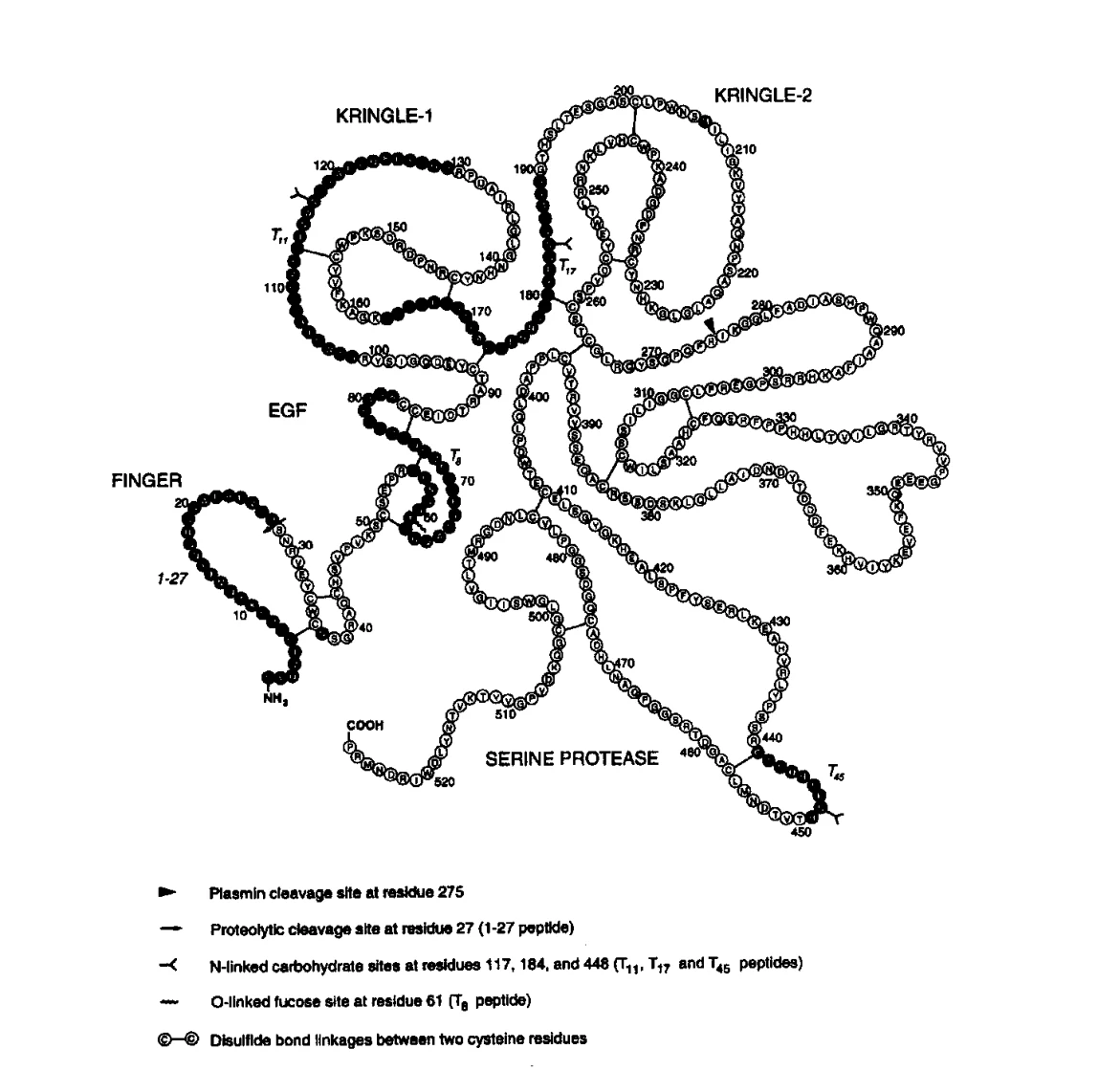
FIGURE 2
rt-PA (527 res.)
SYQVICRDEKTQMIYQQHQSWLRPVLRSNRVEYCWCNSGRAQCHSVPVKSCSEPRCFNG GTCQQALYFSDFVCQCPEGFAGKCCEIDTRATCYEDQGISYRGTWSTAESGAECTNWNSS ALAQKPYSGRRPDAIRLGLGNHNYCRNPDRDSKPWCYVFKAGKYSSEFCSTPACSEGNSDC YFGNGSAYRGTHSLTESGASCLPWNSMILIGKVYTAQNPSAQALGLGKHNYCRNPDGDAK PWCHVLKNRRLTWEYCDVPSCSTCGLRQYSQPQFRIKGGLFADIASHPWQAAIFAKHRRS
PGERFLCGGILISSCWILSAAHCFQERFPPHHLTVILGRTYRVVPGEEEQKFEVEKYIVHKEFD DDTYDNDIALLQLKSDSSRCAQESSVVRTVCLPPADLQLPDWTECELSGYGKHEALSPFYSE RLKEAHVRLYPSSRCTSQHLLNRTVTDNMLCAGDTRSGGPQANLHDACQGDSGGPLVCLN DGRMTLVGIISWGLGCGQKDVPGVYTKVTNYLDWIRDNMRP
The purified glycoprotein contains 527 amino acids with an approximate molecular weight of 65,000 daltons.
The relative molecular mass is between 55 and 66 kD as measured by sodium dodecyl sulfate-polyacrylamide gel electrophoresis (SDS-PAGE). ACTIVASE rt-PA is expressed as a 59kD protein. The addition of carboyhydrate moieties brings the apparent molecular weight as determined by SDS PAGE to closer to 65 kD.
Physicochemical properties:
The isoelectric focusing (IEF) pattern of rt-PA has multiple bands between pH 5.8 and 8.4. The isoelectric point (pI) for rt-PA exhibits heterogeneity due to deamidation, proteolysis, and sialic acid.
Product Characteristics:
ACTIVASE rt-PA (alteplase for injection) is a tissue plasminogen activator produced by recombinant DNA technology. It is a sterile, purified fibrinolytic glycoprotein of 527 amino acids. It is synthesized using the complementary DNA (cDNA) for natural human tissue-type plasminogen activator. The manufacturing process involves the secretion of the serine protease alteplase into the culture medium by an established mammalian cell line into which the cDNA for tissue plasminogen activator has been genetically inserted.
ACTIVASE rt-PA, a sterile, white to off-white, lyophilized powder, is intended for intravenous administration after reconstitution with Sterile Water for Injection, USP.
The composition of the lyophilized product is alteplase (medicinal ingredient), L-arginine, phosphoric acid and polysorbate 80.
Phosphoric acid and/or sodium hydroxide may be used prior to lyophilization for pH adjustment.
Biological potency is determined by an in vitro clot lysis assay and is expressed in International Units (58 x 104 I.U./mg ACTIVASE rt-PA).
14 CLINICAL TRIALS
14.1 Clinical Trials by Indication
Acute Myocardial Infarction
Acute Myocardial Infarction Patients Studies
Two ACTIVASE rt-PA dose regimens have been studied in patients experiencing AMI: accelerated infusion, and 3-hour infusion. The comparative efficacy of these two regimens has not been evaluated.
There is no difference in the dominant initial plasma half-life between the 3-hour and accelerated regimens for acute myocardial infarction (AMI).
GUSTO Trial – 90 Minute Accelerated Infusion
90-Minute Accelerated Infusion in Patients with Acute Myocardial Infarction Accelerated infusion of ACTIVASE rt-PA was studied in an international, multi-centre trial (GUSTO) where 41,021 patients with acute myocardial infarction were randomized to four thrombolytic regimens: accelerated infusion of ACTIVASE rt-PA (< 100 mg over 90 minutes) plus intravenous heparin; streptokinase (1.5 x 10⁶ units over 60 minutes) plus intravenous heparin; streptokinase (1.5 x 10⁶ units over 60 minutes) plus subcutaneous heparin; or combined ACTIVASE rt-PA (1.0 mg/kg over 60 minutes) plus streptokinase (1.0 x 10⁶ units over 60 minutes). Acetylsalicylic acid (ASA) was administered daily. The results are shown in Table 2.
The 30-day mortality for the accelerated infusion of ACTIVASE rt-PA was 1% lower (14% relative risk reduction) than for streptokinase (intravenous or subcutaneous heparin). In addition, the combined incidence of 30-day mortality or non-fatal stroke for accelerated ACTIVASE rt-PA was 1% lower (12% relative risk reduction) than for streptokinase (intravenous heparin) and 0.8% lower (10% relative risk reduction) than for streptokinase (subcutaneous heparin). One-year follow-up data suggest a sustained mortality benefit. Subgroup analysis of patients by age, infarct location, and time from symptom onset to thrombolytic treatment showed consistently lower 30-day mortality for the group receiving the accelerated infusion of ACTIVASE rt-PA. For patients who were over 75 years of age, a predefined subgroup consisting of 12% of patients enrolled, the incidence of stroke was 4.0% for the group receiving the accelerated infusion of ACTIVASE rt-PA, 2.8% for streptokinase (intravenous heparin), and 3.2% for streptokinase (subcutaneous heparin); the incidence of combined 30-day mortality or nonfatal stroke was 20.6% for accelerated infusion of ACTIVASE rt-PA, 21.5% for streptokinase (intravenous heparin), and 22.0% for streptokinase (subcutaneous heparin).
3-Hour Infusion in Patients with Acute Myocardial Infarction
In patients studied with coronary angiography prior to and following infusion of ACTIVASE rt-PA, the use of ACTIVASE rt-PA resulted in reperfusion of documented obstructed vessels within 90 minutes after the commencement of thrombolytic therapy in approximately 70% of patients. In two studies involving 145 patients, ACTIVASE rt-PA produced reperfusion in 73% of patients who received 70-100 mg (40.6 to 58 x 106I.U.) over 90 minutes. In two double blind randomized controlled trials in patients with AMI, the patients infused with 80-100 mg of ACTIVASE rt-PA experienced improved ventricular function and reduced incidence of clinical congestive heart failure compared to those treated with placebo.
In a double-blind study involving 5013 patients (ASSET Study) where patients were infused with either ACTIVASE rt-PA or placebo within 5 hours of onset of symptoms of AMI, improved 30-day survival was shown in patients receiving ACTIVASE rt-PA compared to placebo. At one month, the overall mortality rates were 7.2% for the ACTIVASE rt-PA-treated group and 9.8% for the placebo-treated group (p=0.001). This benefit was maintained at 6 months (10.4% and 13.1% for ACTIVASE rt-PA and placebo-treated patients respectively, p=0.008).
In the LATE study involving 5711 patients where patients were infused with either alteplase (100 mg over 3 hours) or placebo within 6-24 hours of onset of AMI symptoms, the 35-day mortality rates were 8.9% for ACTIVASE rt-PA treated patients and 10.3% for placebo-treated patients (p=not significant). Pre-specified survival analysis according to treatment within 12 hours of symptom onset showed a significant reduction in mortality for the ACTIVASE rt-PA treated patients, 8.9% versus 12.0% for the placebo treated patients (p=0.0229).
Study Results
Table 2 – Results from GUSTO Trial
| EVENT | ACCELERATED ACTIVASE RT-PA (IV HEPARIN) | STREPTOKINASE (IV HEPARIN) | P-VALUE* | STREPTOKINASE (SC HEPARIN) | P-VALUE* |
|---|---|---|---|---|---|
| 30-Day Mortality | 6.3% | 7.3% | 0.003 | 7.3% | 0.007 |
| 30-Day Mortality or Nonfatal Stroke | 7.2% | 8.2% | 0.006 | 8.0% | 0.036 |
| 24-Hour Mortality | 2.4% | 2.9% | 0.009 | 2.8% | 0.029 |
*Two-tailed p-value is for comparison of accelerated infusion of ACTIVASE rt-PA to the respective streptokinase control arm.
In-hospital events in the overall patient population, as well as events in patients who survived beyond 30 days are shown in Table 3.
Table 3 In-Hospital Clinical Events/Procedures1
| OVERALL | 30-DAY SURVIVORS2 | ||||||||||||||
| SK (POOLED) % | ACTIVASE % | SK (POOLED) % | ACTIVAS E% | ||||||||||||
| Reinfarction | 3.9 | 4.1 | 3.4 | 3.6 | |||||||||||
| Cardiogenic Shock | 6.5 | ** * | 5.0 | 3.2 | ** * | 2.3 | |||||||||
| CABG | 8.3 | 9.0 | 8.6 | 9.2 | |||||||||||
| PTCA (IRA)3 | 14.3 | 14.6 | 14.8 | 15.2 | |||||||||||
| CHF or Pulmonary Edema | 16.7 | ** * | 15.0 | 14.3 | ** | 13.1 | |||||||||
| Recurrent Ischemia | 20.3 | 19.7 | 20.1 | 19.6 | |||||||||||
| Sustained Hypotension | 12.8 | ** * | 10.0 | 9.4 | ** * | 7.0 | |||||||||
| 2E or 3E Atrio-Ventricular Block | 8.9 | ** * | 7.3 | 7.6 | ** * | 6.2 | |||||||||
| Ventricular Tachycardia | 6.5 | * | 5.7 | 4.8 | 4.4 | |
| Ventricular Fibrillation | 6.9 | * | 6.2 | 5.0 | 4.6 | |
| Asystole | 6.0 | ** | 5.1 | 1.9 | 1.7 | |
| Atrial Fibrillation/Flutter | 9.9 | ** | 8.7 | 9.1 | ** | 8.0 |
| Acute Mitral Regurgitation | 1.5 | 1.3 | 1.3 | 1.1 | ||
| Swan-Ganz Catheter | 12.6 | ** | 11.5 | 11.5 | 10.7 | |
| Cardioversion | 9.8 | ** | 8.6 | 7.4 | * | 6.7 |
| Angiography | 55 | * | 56.5 | 57.4 | * | 58.9 |
1 Events other than death, stroke and bleeding.
2 Patients alive at 30-day timepoint
3 IRA=Infarct-Related Artery
*p<0.05, **p<0.01, ***p<0.001
An angiographic substudy of the GUSTO trial provided data on infarct-related artery patency. Results are shown in Table 4. Reocclusion rates were similar for all three treatment regimens.
Table 4
| Patency | Accelerated ACTIVASE rt-PA | Streptokinase (IV heparin) | Streptokinase (SC heparin) | ||||||
| TIMI 2 or 3 | TIMI 3 | (N) | TIMI 2 or 3 | TIMI 3 | (N) | TIMI 2 or 3 | TIMI 3 | (N) | |
| 90-Minute | 81.3% * | 54.8% * | (272) | 59.0% | 30.7% | (261) | 53.5% | 27.3% | (260) |
| 180-Minute | 76.3% | 41.3% | (80) | 72.4% | 38.2% | (76) | 71.6% | 34.7% | (95) |
| 24 Hour | 88.9% | 39.5% | (81) | 87.5% | 47.2% | (72) | 82.1% | 56.7% | (67) |
| 5-7 Day | 83.3% | 63.9% | (72) | 90.9% | 67.5% | (77) | 78.7% | 58.7% | (75) |
* p<0.001 compared to streptokinase with IV heparin and SC heparin. No other treatment groups significantly different.
15 MICROBIOLOGY
No microbiological information is required for this drug product.
16 NON-CLINICAL TOXICOLOGY
General Toxicology:
The safety of the pharmacological administration of rt-PA was evaluated by conducting acute and sub-acute toxicity studies in rats, dogs and monkeys.
Acute Toxicology
- 1) Rats were monitored for fourteen days after receiving one intravenous bolus injection of rt-PA at dosages of 0.5, 1.5 and 5.0 mg/kg. Additional acute toxicity studies were conducted in rats and these studies employed rt-PA at dosages of 1, 3 and 10 mg/kg given as an intravenous bolus injection. In all studies there were no deaths during the study period, no significant toxic signs observed, and no rt-PA related macroscopic changes observed at the terminal necropsy.
- 1)
Cynomolgus monkeys were administered rt-PA at doses of 1, 3 and 10 mg/kg infused intravenously for 60 minutes. All of the animals appeared normal for the entire observation period of 7 days.
There were no significant effects of rt-PA on the electrocardiograms, heart rate, systolic blood pressure or hematological parameters. Consistent with its pharmacologic activity, rt-PA caused significant fibrinogenolysis at the doses of 3 and 10 mg/kg. Fibrinogen levels at 2 and 4 hours after rt-PA infusion were decreased to about 60% of excipient controls with the 3 mg/kg dose and about 18% of controls with the 10 mg/kg dose. Fibrin/fibrinogen degradation products were increased at 2 and 4 hours after rt-PA infusion. The parameters were not significantly different from excipient controls at 24 hours. rt-PA did not induce any unexpected physiological or pathological changes in the Cynomolgus monkeys.
Sub-acute Toxicology
- 2) In rats, dosages of 1, 3 and 10 mg/kg were given daily for 14 days via the tail vein. All results were considered to be comparable and normal between treated animals and those in the excipient control group, except for small changes in the hematology determinations including significantly lower mean erythrocyte, hemoglobin and haematocrit values as compared to control values. These changes were consistent with a mild anaemia and occurred primarily in females at 3 and 10 mg/kg/day.
- 3) Dogs were given doses of 0.5, 1.0 and 1.5 mg/kg/day (6-hour intravenous infusion) for 14 days. There was no evidence of any systemic toxicity related to the test article at any dosage level, or in any dog in the excipient control group.
- 4)
Beagle dogs were given rt-PA as a six hour i.v. infusion at 1, 2, 3 and 10 mg/kg/day for 14 days. There were some hematological changes observed which were consistent with mild anaemia (e.g. decreased hemoglobin, hematocrit and erythrocytes) in the 3 and 10 mg/kg/day groups. Serum biochemical and urine analyses were comparable to control values. There was little or no change in the levels of fibrinogen and fibrinogen degradation products in plasma samples taken approximately 18 hours after the infusion was completed. Electrocardiograms were normal in all dose groups. Gross and microscopic pathology revealed evidence of hemorrhage and fibrosis at the injection site; this occurred in all dose groups including some dogs in the control group.
In addition, evidence of hemorrhage was observed at sites distant to the injection site, including various locations in the gastrointestinal tract, in 4 of 6 dogs which received 10 mg/kg/day. Organ weights were comparable between treated and control animals.
Summary of Acute and Sub-acute Toxicology
Acute and sub-acute toxicity studies in the rat, dog and monkey demonstrated no acute systemic toxicity. In subacute studies, significant systemic toxicity was observed only in dogs given doses of 10 mg/kg/day for 14 days and consisted of hemorrhagic sites, primarily in the gastrointestinal tract. A mild anaemia was observed in rats and dogs at dosages of 3 and 10 mg/kg/day for 14 days; this could be due to the hemorrhage which was detected at the injection site.