


Product Monograph - Anexate Inj 0.1mg/mL
INDICATIONS AND CLINICAL USE
ANEXATE (flumazenil) is indicated for the complete or partial reversal of the central sedative effects of benzodiazepines. It may therefore be used in anaesthesia and intensive care in the following situations:
♦ Termination of general anaesthesia induced and/or maintained with benzodiazepines. ♦ Reversal of benzodiazepine sedation in short diagnostic and therapeutic procedures. ♦ For the diagnosis and/or as an adjunct to supportive measures used for the management of deliberate or accidental benzodiazepine overdosage.
CONTRAINDICATIONS
ANEXATE (flumazenil) is contraindicated:
♦ In patients with known hypersensitivity to ANEXATE or to benzodiazepines.
♦ In epileptic patients who have been receiving benzodiazepine treatment for a prolonged period. The abrupt suppression of the protective effect of benzodiazepines may induce convulsions in epileptic patients.
♦ In patients who are showing signs of serious cyclic antidepressant overdose (see PRECAUTIONS). ♦ In patient who have been given a benzodiazepine for a potentially life-threatening conditions (e.g.
intracranial pressure).
WARNINGS
| IN VIEW OF THE SHORT DURATION OF ACTION OF ANEXATE AND THE POSSIBLE | ||
| NEED FOR REPEAT DOSES, THE PATIENT SHOULD REMAIN CLOSELY MONITORED | ||
| UNTIL ALL POSSIBLE CENTRAL BENZODIAZEPINE EFFECTS HAVE SUBSIDED. |
THE IMMEDIATE AVAILABILITY OF OXYGEN, RESUSCITATIVE EQUIPMENT AND SKILLED PERSONNEL FOR THE MAINTENANCE OF AIRWAY, VENTILATION AND CARDIAC FUNCTION SHOULD BE ENSURED BEFORE THE ADMINISTRATION OF ANY BENZODIAZEPINE OR ANEXATE.
RESEDATION
ANEXATE is a competitive inhibitor of benzodiazepines at the receptor site and does not affect the pharmacokinetics of benzodiazepines. Thus, when the effect of ANEXATE wears off, the patient returns to the point of residual sedation that would have been present at that time had ANEXATE not been given. In patients administered large doses of long-acting benzodiazepines or in critically ill patients, this could be deep sedation. In a U.S. clinical study in patients with benzodiazepine intoxication, 90/133 (67.7%) patients became resedated. Therefore, ANEXATE should be administered only when the continued
observation of patients for recurrence of sedation, respiratory depression or residual benzodiazepine effects can be assured.
RESPIRATION
When used in anaesthesiology at the end of surgery, ANEXATE should not be given until the effects of neuromuscular blockade have been completely antagonized and careful monitoring of the respiratory depressant effect of opiate analgesics has been assured. After the benzodiazepine has been antagonized with ANEXATE, any residual respiratory depressant effect of benzodiazepines and other agents, such as opiates, may require interventions such as establishing an airway and assisted ventilation.
The ability of ANEXATE to reverse benzodiazepine-induced respiratory depression is equivocal; in some studies residual effects of benzodiazepines on respiration were still present despite reversal of sedation.
SEIZURES
Rapid intravenous injections should be avoided in patients treated for long periods of time and/or with high doses of benzodiazepines, as ANEXATE may trigger withdrawal symptoms (e.g., convulsions, agitation, anxiety, emotional lability as well as mild confusion and sensory distortions). Seizures have been reported in patients known to suffer from epilepsy, or severe hepatic impairment, particularly after long-term treatment with benzodiazepines or in cases of mixed-drug overdose. Most convulsions associated with flumazenil administration require treatment and have been successfully managed with benzodiazepines, phenytoin or barbiturates.
PRECAUTIONS
GENERAL
In high-risk patients (e.g., patients treated with benzodiazepines for long periods of time, overdose with signs of cyclic antidepressant overdosage), the advantages of counteracting benzodiazepine- related sedation should be weighed against the drawbacks of rapid awakening.
Postoperative pain must be taken into account. Following a major intervention, it may be preferable to maintain a moderate degree of sedation.
ANEXATE is not recommended either as a treatment for benzodiazepine dependence or for the management of protracted benozodiazepine abstinence syndromes.
ANXIETY AND PANIC DISORDER
The dosage of ANEXATE (flumazenil) should be adjusted carefully in patients suffering from pre-operative anxiety or having a history of chronic or episodic anxiety. In anxious patients, particularly those with coronary heart disease, it is preferable to maintain a degree of sedation throughout the early post-operative period rather than bring about complete arousal.
ANEXATE has been reported to provoke panic attacks in patients with a history of panic disorders.
INSTRUCTIONS TO PATIENTS UPON DISCHARGE
Patients who have received ANEXATE to reverse the effects of benzodiazepine sedation should be instructed, if possible in writing, not to drive, to operate machinery or to engage in any other physically or mentally demanding activity for 24 hours or until the effects of the benzodiazepine have subsided, since the effect of the benzodiazepine may return. Patients should also be warned not to take alcohol, or drugs not prescribed by their physician, until the effects of the benzodiazepines have subsided.
USE IN CHILDREN
The safety and effectiveness of ANEXATE in children below the age of 18 has not been established.
USE IN THE ELDERLY
In the absence of data on the use of ANEXATE in elderly patients, it should be borne in mind that this population is generally more sensitive to the effects of drugs and should be treated with due caution.
USE IN PREGNANCY AND LACTATION
Although studies in animals have not shown evidence of embryotoxicity or teratogenicity (see Reproduction and Teratology), ANEXATE should be used during pregnancy only, if in the opinion of the treating physician, the possible benefit to the patient outweighs the potential risks to the fetus.
It is not known whether ANEXATE is excreted in human milk. For this reason, breast-feeding should be interrupted for 24 hours when ANEXATE is used during lactation.
USE IN HEPATIC IMPAIRMENT
In patients with liver insufficiency, the elimination of ANEXATE can be delayed. Caution should be exercised with initial and/or repeated dosing to patients with liver disease. (see ACTION AND CLINICAL PHARMACOLOGY- Hepatic Impairment, DOSAGE AND ADMINISTRATION).
Seizures have been reported in patients known to suffer from severe hepatic impairment, particularly after long-term treatment with benzodiazepines or in cases of mixed-drug overdose.
USE IN RENAL IMPAIRMENT
No dosage adjustments are necessary in patients with renal impairment.
USE IN RESPIRATORY DISEASE
The primary treatment of patients with serious lung disease who experience serious respiratory depression due to benzodiazepines should be given appropriate ventilatory support, rather than administration of ANEXATE.
USE IN ACUTE MYOCARDIAL INFARCTION OR CARDIAC ARRHYTHMIAS
Flumazenil abruptly terminates the effects of benzodiazepines. As a result, sympathetic tone may be increased and thus, cardiac electrical instability enhanced. Consequently, caution is advised when administering ANEXATE to patients with myocardial infarction or cardiac arrhythmias.
USE IN PATIENTS WITH INCREASED INTRACRANIAL PRESSURE RECEIVING BENZODIAZEPINES (e.g., head injury, brain tumour, intracranial haemorrhage): In patients with increased intracranial pressure, ANEXATE may further increase intracranial pressure cerebral perfusion pressure, or precipitate convulsions. In such patients, ANEXATE should be used with extreme caution and only by practitioners prepared to manage such complications, should they occur.
MULTIPLE DRUG OVERDOSAGE
Particular caution is necessary when using ANEXATE in cases of multiple drug overdosage, since the toxic effects (cardiac arrhythmias and/or convulsions) of other psychotropic drugs, especially cyclic antidepressants, may increase as the effects of benzodiazepines subside.
Patients should be evaluated for the signs and symptoms (autonomic, neurological or cardiovascular) of a cyclic antidepressant overdose. A diagnostic ECG can be used to confirm the presence of these agents; a QRS duration of 0.1 seconds or greater indicates a serious overdosage with cyclic antidepressants, which should be treated with appropriate measures. Depending on the extent of involvement of benzodiazepines in the multiple drug overdose, this may or may not include ANEXATE.
USE IN THE ICU
ANEXATE should be used with caution in the Intensive Care Unit because of the increased risk of unrecognized benzodiazepine dependence in such settings. ANEXATE may produce convulsions in patients physically dependent on benzodiazepine (see WARNINGS-Seizures).
DRUG INTERACTIONS
Interactions with central nervous system depressants other than benzodiazepines have not been studied specifically.
ANEXATE blocks the central effects of benzodiazepines by competitive interaction at the receptor level; the effects of non-benzodiazepines which act via the benzodiazepine receptor, such as zopiclone, triazolopyridazines and others, are also blocked. However, ANEXATE does not reverse the effects of drugs that do not act via this route, such as opioids.
The pharmacokinetics of ANEXATE are unaltered in the presence of benzodiazepines, and similarly, ANEXATE does not affect the kinetics of benzodiazepines.
There is no pharmacokinetic interaction between ethanol and flumazenil.
ADVERSE REACTIONS
ANEXATE (flumazenil) is generally well tolerated. In post-operative use, nausea and/or vomiting are observed, particularly if opiates have also been employed. Flushing has also been noted. If patients are awakened too rapidly, they may become agitated, anxious or fearful. Transient increases in blood pressure and heart rate may also occur.
Excessively and/or rapidly injected doses of ANEXATE may induce benzodiazepine withdrawal symptoms such as anxiety attacks, tachycardia, dizziness and sweating in patients on long-term benzodiazepine treatment.
Although clinical experience with ANEXATE is limited, seizures and/or cardiac arrhythmias have been observed in patients who are physically dependent on benzodiazepines, and in multiple drug overdose, particularly in the presence of tricyclic antidepressants.
ANEXATE has been reported to provoke panic attacks in patients with a history of panic disorders.
The following table summarizes the adverse reactions which occurred with an incidence of >1%.
Clinical Adverse Events > 1%
| Organ System | Adverse Event | Frequency (%) | |||||
| General Anaesthesia/ | Known or Suspected | ||||||
| Sedation | Benzodiazepine Overdose | ||||||
| n=7365 | n=764 | ||||||
| Central Nervous System | Agitation Crying/Tears Headache Anxiety/Anxious Feeling Seizures/Convulsions Dizziness | 0.2 0.5 0.5 0.3 — 1.4 | 5.8 3.5 1.6 1.4 1.3 1.2 | ||||
| Gastrointestinal | Nausea Vomiting | 4.3 2.6 | 2.2 2.0 | ||||
| Cardiovascular | Hypertension Tachycardia | 0.1 0.1 | 1.4 1.2 | ||||
| Miscellaneous | Shivering/Cold Sensation/Chills | 0.5 | 1.2 | ||||
Other clinical adverse events which occurred with an incidence of <1% are as follows:
CARDIOVASCULAR
Ventricular premature beats, arrhythmia, palpitations, bradycardia, flush, hypotension, chest pain.
RESPIRATORY
Dyspnea, hypopnea, nasal congestion, cough, subjective suffocation.
CNS/NEUROMUSCULAR
Startle reaction, fear, nervousness, restlessness, excitation, aggressiveness, anger; euphoria, hallucinations, vertigo, confusion, tiredness/drowsiness, depression; involuntary/spontaneous movement, tremor, mouth movement, tetany, speech disorder.
GASTROINTESTINAL
Salivation, dry mouth, hiccoughs.
DERMATOLOGICAL
Urticaria, pruritus.
MISCELLANEOUS
Pain, allergic reaction, strabismus, sweating.
LOCAL TOLERANCE
Slight to moderate pain at the site of injection occurred in 2.5% of patients and redness was observed in 1.3% of patients in clinical trials, one hour after the administration of ANEXATE.
SYMPTOMS AND TREATMENT OF OVERDOSAGE
ANEXATE (flumazenil), administered intravenously to healthy volunteers at a dosage of 100 mg, did not produce symptoms of overdosage. Reversal of sedation or general anesthesia with excessively high doses of fluamzenil may produce symptoms of benzodiazepine withdrawal, such as anxiety, agitation, increased muscle tone, hyperesthesia, and possible convulsions.
There is very limited experience of acute overdose in humans with ANEXATE. There is no specific antidote for overdose with ANEXATE. Treatment of an overdose with ANEXATE should consist of general supportive measures including monitoring of vital signs and observation of the clinical status of the patient. Convulsions associated with the ANEXATE(flumazenil) administration have been successfully managed with benzodiazepines, phenytoin or barbiturates (see WARNINGS-Seizures)..
DOSAGE AND ADMINISTRATION
ANEXATE (FLUMAZENIL) SHOULD BE ADMINISTERED INTRAVENOUSLY BY A PHYSICIAN WITH EXPERIENCE IN ANAESTHESIOLOGY.
ANEXATE is not indicated for epileptic patients who have been treated with benzodiazepines for a prolonged period. The abrupt cessation of the protective effect of benzodiazepines may induce convulsions in epileptic patients.
Caution should be exercised with initial and repeated dosing to patients with hepatic insufficiency as elimination of ANEXATE (flumazenil) can be delayed in these patients (see ACTION AND CLINICAL PHARMACOLOGY-Hepatic Impairment).
The dose of ANEXATE should always be individually titrated to the desired response to avoid abrupt awakening. Particular care is needed with patients who are physically dependent on benzodiazepines, patients who have ingested multiple drugs, and patients who are prone to anxiety. In the intensive care unit, in patients treated with high doses of benzodiazepines and/or for long periods of time, the individually titrated injections of ANEXATE, slowly administered, should not produce withdrawal syndromes (see PRECAUTIONS). If unexpected symptoms occur, diazepam or midazolam could be carefully titrated intravenously according to patient’s response.
ANEXATE may be used concurrently with other resuscitative procedures (see Known or Suspected Benzodiazepine Overdose).
ANEXATE is compatible with 5% dextrose in water, lactated Ringer’s, and normal saline solutions. If ANEXATE is drawn into a syringe or mixed with any of these solutions, it should be discarded after 24 hours. (see Pharmaceutical Information).
REVERSAL OF GENERAL ANAESTHESIA/SEDATION
The recommended initial dose is 0.2 mg administered intravenously over 15 seconds. If the desired level of consciousness is not obtained within 60 seconds, a further dose of 0.1 mg can be injected and repeated at 60 second intervals, up to a maximum total dose of 1 mg. The usual dose is between 0.3 and 0.6 mg.
KNOWN OR SUSPECTED BENZODIAZEPINE OVERDOSE
Necessary measures should be taken to monitor the patient’s vital signs and institute supportive treatment as indicated by the patient’s clinical state. In particular, patients may require symptomatic treatment for cardiorespiratory effets or central nervous system effects. ANEXATE (flumazenil) is intended as an adjunct to, not as a substitute for, supportive measures used to manage overdose (e.g., proper management of airway, assisted breathing, circulatory access and support, internal decontamination by charcoal and possibly lavage, and adequate clinical evaluation).
For the reversal of excessive sedative effects of benzodiazepines in overdose cases, titrate ANEXATE as described below, until the patient clearly responds or until the maximum recommended dose has been reached.
The recommended initial dose is 0.3 mg administered intravenously over 30 seconds, followed by a series of 0.3 mg injections, each administered over a 30-second period, at 60 second intervals. The maximum recommended dose is 2.0 mg.
If a significant improvement in the level of consciousness and respiratory function is not achieved after repeated injections of ANEXATE, a non-benzodiazepine aetiology must be assumed.
If drowsiness recurs, an intravenous infusion of 0.1-0.4 mg/hr may be useful. The rate of the infusion should be individually adjusted to the desired level of arousal.
PHARMACEUTICAL INFORMATION
(I) DRUG SUBSTANCE
Proper Name: flumazenil
Code: Ro 15-1788
Chemical Name: Ethyl 8-fluoro-5,6-dihydro-5-methyl-6-oxo- 4H-imidazo[1,5-a][1,4]
benzodiazepine-3- carboxylate
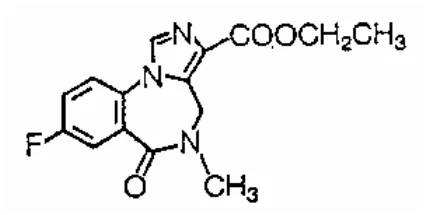
Structural Formula
Molecular Formula: C15H14FN3O3
Molecular Weight: 303.3
Description: Flumazenil is a white to off-white crystalline powder with a faint odour. It is slightly soluble in methyl alcohol and practically insoluble in water. Melting range is 198-202ºC. pKa = 1.7.
(II) COMPOSITION
A sterile aqueous solution for intravenous injection. Each mL of the colourless aqueous solution contains: 0.1 mg flumazenil, 1.8 mg methyl-paraben, 0.2 mg propylparaben, 0.1 mg disodium edetate, 9.3 mg sodium chloride and 0.1 mg acetic acid; sodium hydroxide and hydrochloric acid added to adjust pH to approximately 4.
(III) STABILITY AND STORAGE RECOMMENDATIONS
ANEXATE (flumazenil) injection should be stored at 15-30ºC.
(IV) RECONSTITUTION
None required.
(V) STABILITY AND STORAGE OF DILUTED SOLUTIONS
ANEXATE (flumazenil) injection may be diluted with 5% dextrose in water, lactated Ringer’s, and normal saline solutions. If ANEXATE is drawn into a syringe or mixed with any of these solutions, it should be discarded after 24 hours.
AVAILABILITY OF DOSAGE FORMS
ANEXATE (flumazenil) injection is supplied in multiple-dose vials of 5 mL in packs of 10 vials.
PHARMACOLOGY
RECEPTOR STUDIES
Using 3H-flumazenil, a benzodiazepine antagonist or 3H-clonazepam, a benzodiazepine agonist as radioligands in in vitro binding studies, a variety of receptor agonists showed very similar potency in inhibiting the binding of either ligand.
| Ligand | IC50 (nmol/l) | ||||
| 3H-flumazenil | 3H-clonazepam binding | ||||
| binding | |||||
Agonists clonazepam flunitrazepam diazepam zopiclone Antagonist flumazenil | 1.4 4.8 19.5 50 1.3 | 1.2 5.1 13.5 46 2.0 | |||
Flumazenil also displaced 3H-flunitrazepam under in vivo conditions. The ED50 was 4.0 mg/kg p.o. when mice were sacrificed 15 minutes after the administration of flumazenil. Autoradiography studies have revealed that while 3H-flunitrazepam binds to both central and peripheral benzodiazepine receptor sites, 3H-flumazenil binds only to central receptor sites. This suggests that flumazenil will antagonize only those effects of the benzodiazepines that are mediated via the central nervous system.
While flumazenil interacts with the same number of benzodiazepine receptor sites as the benzodiazepines, the mode of interaction of the antagonist and agonists differs. Under conditions which alter receptor affinity for agonists, no change is seen in 3H-flumazenil binding. Specifically, (a) in the presence of GABA, benzodiazepine receptor affinity is enhanced for agonists, but remains unchanged for flumazenil; (b) in the presence of photoaffinity labelling, benzodiazepine receptor affinity is attenuated for agonists, but remains unchanged for flumazenil.
In conclusion, similar to benzodiazepine agonists, flumazenil interacts with central benzodiazepine receptors in nanomolar concentrations, the inhibition of agonist binding by flumazenil being competitive. Unlike the agonists, flumazenil is insensitive to GABA or photoaffinity labelling induced changes in receptor affinity.
BENZODIAZEPINE ANTAGONIST ACTIVITY
Flumazenil potently antagonizes the centrally-mediated pharmacological effects of various benzodiazepines. In the table below, only the minimal effective doses are described, but flumazenil exerts its effects in a dose-dependent fashion.
ANTAGONISM OF BENZODIAZEPINES IN NEUROLOGICAL AND BEHAVIOURAL STUDIES
Test Performed (species) | |||||||||
| Benzodiazepine | Flumazenil | ||||||||
| Effect | Dose mg/kg | Effect | |||||||
| Minimal Effective | |||||||||
| Dose mg/kg | |||||||||
| Traction test (mice) | muscle relaxation | diazepam 3 i.p. | reversal | 0.2 p.o. (ED50) | |||||
Pentylenetrazole-induced convulsions (mice) | antagonism of convulsions | diazepam 5 i.p. | reversal | 2.8 p.o. (ED50) at 15 minutes) 7.0 p.o. (ED50) at 45 minutes) | |||||
Hexobarbital-induced loss of righting reflex (mice) | potentiation | meclonazepam 1 i.p. | reversal | 3 p.o. | |||||
| Locomotor activity (rats) | hypomotility | diazepam 30 p.o. | reversal | 30 p.o. | |||||
| Open field behaviour (rats) | reduced exploration and rearing | meclonazepam 10 p.o. | reversal | 1 p.o. | |||||
| Conflict behaviour (rats) | attenuation of conflict | diazepam 5 p.o. | reversal | 10 p.o. | |||||
| Behavioural observation (dogs) | ataxia | meclonazepam 3 p.o. meclonazepam 10 p.o. | prevention reversal | 10 p.o. 30 p.o. | |||||
| Behavioural observation (squirrel monkeys) | sedation, anaesthesia | flunitrazepam 3 i.v. midazolam 10 i.v. | reversal reversal | 1 p.o. 0.3 i.v. | |||||
| Cognition (mice) | induction of anterograde amnesia | triazolam 1 p.o. | reversal | 10 p.o. | |||||
Electrophysiological studies ‘”encéphale isolé” (rats) | reduced cell firing in several central regions | midazolam 0.1-10 µmol/kg i.v. (0.3-3 mg/kg) | recovery of cell firing | 10 µmol/kg i.v. (3 mg/kg) | |||||
| Acute spinal (cats) | enhancement & prolongation of dorsal root potentials | meclonazepam 0.1 i.v. | prevention & reversal | 1 i.v. | |||||
| Respiratory study (rabbits) | reduced respiratory min. volume & rate of respiration | diazepam 0.1 i.v. flunitrazepam 0.03 i.v. | reversal reversal | 0.1 i.v. 0.1 i.v. | |||||
The ability of flumazenil to antagonize benzodiazepine agonists is specific for this class of drugs. The muscle relaxant, anticonvulsant, and anti-conflict effects of phenobarbital, meprobamate, and ethanol were not antagonized by flumazenil. Flumazenil was also inactive against scopolamine or hypercapnia-induced anterograde amnesia and morphine-induced respiratory depression.
FLUMAZENIL-INDUCED WITHDRAWAL
Flumazenil, administered i.v., i.m., or p.o., elicited typical benzodiazepine withdrawal signs in mice, rats, cats and squirrel monkeys, following chronic administration of benzodiazepines (12 to 35 days). The symptoms included emesis, vocalization, tremors, rigidity, and convulsions. The type of withdrawal symptoms and their intensity depended upon the dose and duration of benzodiazepine treatment, as well as the time of flumazenil administration vis à vis the last dose of the benzodiazepine.
INTRINSIC ACTIVITY
Flumazenil did not affect normal behaviour in rats, dogs, or squirrel monkeys in doses of up to 100 mg/kg. Similarly, motor activity, conditioned avoidance behaviour, conflict behaviour in rats and continuous avoidance behaviour in squirrel monkeys remained unchanged when flumazenil was given in doses of up to 100 mg/kg p.o. These findings indicate that flumazenil is devoid of benzodiazepine agonist activity at doses that are substantially higher than those which exert antagonist activity.
INVERSE AGONIST ACTIVITY
A group of benzodiazepine receptor ligands, classified as “inverse agonists” cause opposite effects to those of the benzodiazepine receptor agonists, namely they produce convulsions and anxiety in appropriate animal models.
Flumazenil did not induce convulsions, except at sublethal doses. However, it did exert weak anxiogenic activity in several behavioural animal models, namely in the “social interaction” and “conditioned spatial aversion” tests, as well as in various conflict situations. Active doses ranged from 4 to 30 mg/kg i.p. or p.o.
CARDIOVASCULAR EFFECTS
Flumazenil did not affect blood pressure or heart rate either in spontaneously- hypertensive rats (maximum dose 100 mg/kg p.o.) or in renal hypertensive dogs (maximum dose 30 mg/kg p.o.).
TOXICOLOGY
ACUTE TOXICITY
| Route of | Species | Sex | LD50 | Symptoms | ||||
| Administration | (mg/kg) | |||||||
| i.v. | Mice Rats | Male Female Male Female | 159-168 132-159 119-134 161-182 | Deaths, preceded by tonic-clonic convulsions, occurred within 30 minutes of dosing. Surviving animals were hypoactive, and manifested respiratory depression and increased muscle tone. | ||||
i.p. s.c. p.o. | Mice Rats Mice Mice Rats Rabbits | Male Female Male & Female Male & Female Male Female Male & Female Male & Female | >2,000 1,500 2,200 >1,000 2,500 1,300 4,200 2,000 | Deaths occurred within three days of dosing. Most animals were hypoactive, and manifested catatonia, tremors, salivation, lacrimation and respiratory depression. | ||||
INTRAVENOUS PYRAMIDING DOSE TOXICITY IN DOGS
Three groups of four dogs each (2/sex) received (a) flumazenil at doses of 0.01, 0.03, 0.1 and 0.3 mg/kg; (b) pyramiding doses of the vehicle (0.1, 0.3, 1.0 and 3.0 mL/kg) and; (c) equivalent volumes of physiological saline. The dogs were dosed twice a week over a two-week period. All dogs survived the pyramiding doses of flumazenil and were essentially asymptomatic throughout the study. Flumazenil did not affect body weight, food intake, hematological or clinical chemical parameters.
LONG-TERM TOXICITY STUDIES
- 1.
Two-Week Intravenous - Rats
Flumazenil was injected i.v. into the tail vein of rats (8/sex/group) at doses of 0, 1, 3 and 10 mg/kg/day.
Tissue irritation at the injection site was pronounced and dose-related. At the low-dose, local tolerance was acceptable. At the mid-dose, all rats had swollen and reddened tails beginning with the third dose and continuing to the end of the study. At the high-dose, intolerance at the injection site was severe. Hematomas occurred in five of eight males and one female rat. Two of eight male rats in the high-dose group also showed ulceration of the tail and in three male rats the administration of the drug had to be performed intraperitoneally on the fifth day. In general, female rats tolerated the treatment better than male animals. Pronounced bleeding at the injection site was also observed in most of the mid- and high-dose animals beginning about the fifth day of the study.
At the 10 mg/kg dose, male rats gained weight at a slower rate than male controls, this effect was considered to be treatment-related. A similar effect in female rats was equivocal.
- 2.
Two-Week Oral - Rats
Flumazenil was administered by gavage to rats (8/sex/group) at doses of 0, 5, 25 and 150 mg/kg/day. The drug was given for 15 or 16 consecutive days to female and male rats, respectively.
Flumazenil was devoid of toxic effects at the doses studied.
- 3.
Two-Week Intravenous - Dogs
Flumazenil was injected i.v. to beagle dogs (2/sex/group) at doses of 0, 1, 3 and 10 mg/kg/day.
The mid-dose produced drowsiness and the high-dose produced drowsiness and ataxia; both effects were observed following dosing. In the course of the study, a slight tolerance did develop to these effects.
Injections were poorly tolerated in the dogs receiving 10 mg/kg of flumazenil, due to hardened and thrombosed veins and a strong defence reaction from the animals.
In the high-dose group, reticulocytes were significantly increased in the second week of the study in comparison to the control group. Platelets were decreased in all treated groups vis à vis baseline values, but the changes were not dose-related. A statistically significant increase in the relative liver weights was noted in the high-dose group, this effect was considered to be treatment-related.
- 4.
Two-Week Oral - Dogs
Flumazenil was administered in capsules to beagle dogs (2/sex/group) at doses of 0, 5, 20 and 80 mg/kg/day for 15 consecutive days.
Slight diarrhea was noted at the 20 mg/kg dose and marked diarrhea (sometimes bloody) at the 80 mg/kg dose. Mean spleen weights were decreased and mean liver weights increased in all flumazenil-treated dogs. At necropsy, the tunica mucosa of the colon was more convoluted in high-dose animals than in controls.
- 5.
Four-Week Intravenous - Rats
Flumazenil was injected i.v. into the tail vein of rats (12/sex/group) at doses of 0, 1, 3 and 10 mg/kg/day.
Local tolerance to the i.v. injections was poor and the degree of swelling and pain was dose-related. At the high-dose, the route of administration had to be switched from intravenous to intraperitoneal about 15 days after the beginning of the study.
In male rats, there was a dose-related weight gain deficit. Although the mean values remained within the normal range, WBC counts decreased in male rats in a dose-related fashion at week 4. The decrease seen in the high-dose group was statistically significant. Both absolute and relative liver weights were increased in high-dose female rats. Perilymphadenitis was seen in high-dose males and females, this might have been due to the intraperitoneal injections. One high-dose female rat had a moderate degenerative change in the retina.
- 6.
Four-Week Intravenous - Dogs
Flumazenil was injected i.v. to beagle dogs (2/sex/group) at doses of 0, 1, 3 and 10 mg/kg/day.
Mid-dose dogs were sedated and high-dose dogs showed both sedation and ataxia. Tolerance did not develop to these effects. WBC counts decreased slightly. While the mean values were within normal range, in a few dogs they fell below normal. Local tolerance (injection site) was poor in the high-dose groups as also shown by high inflammation scores.
- 7.
Thirteen-Week Oral - Rats
Flumazenil was administered in the diet to rats (18/sex/ group) at doses of 0, 5, 25 and 125 mg/kg/day.
In female rats, liver weights were somewhat elevated in the high-dose group, and thyroid weights slightly decreased in a dose-related fashion.
- 8.
Thirteen-Week Oral - Dogs
Flumazenil was administered in capsules to beagle dogs, (3/sex/group), seven days/week, at doses of 0, 5, 20 and 80 mg/kg/day.
Slight sedation, lasting 1-3 hours following dosing was noted in the high-dose group; tolerance did not develop to this effect. Weight gain in high-dose animals was somewhat attenuated when compared to controls. At week 12, heart rate was increased in high-dose dogs, vis à vis both baseline and control dogs. There was a dose-related decrease in both absolute and relative spleen weights.
- 9.
Twelve-Month Oral - Rats
Flumazenil was administered in the diet to rats (20-30/sex/ group) at doses of 0, 6, 20 and 125 mg/kg/day. An interim sacrifice of ten control rats (5/sex) and ten rats from the high-dose group (5/sex) was carried out at six months.
Hemoglobin, erythrocyte and hematocrit values were slightly lower in treated male animals than in controls, throughout the study. In females, these parameters were reduced only at six months.
At six months, both absolute and relative thyroid weights in high-dose males, and liver weights in high-dose females were significantly increased. Histopathological evaluation revealed a slight to moderate congestion in the liver of all females treated with the high-dose. At twelve months, absolute and relative thyroid weights were slightly decreased in low- and mid-dose males, but increased in high-dose animals. Liver weights and histopathological findings were similar in treated and control rats.
MUTAGENICITY
Flumazenil had no mutagenic activity in six out of seven mutagenicity assays (Ames test, Treat and Plate test, gene mutation, invivo and invitro clastogenicity and invivo DNA repair). In a UDS assay, there was a dose- dependent unscheduled incorporation of 3H-thymidine in nuclear DNA of rat hepatocytes after treatment with flumazenil concentrations of 252, 504 and 1,010 mcg/mL for eighteen hours. However, the increase could only be shown at substance concentrations that were also cytotoxic. Since there were no effects in the absence of cytotoxicity, interactions between cytotoxic and DNA-damaging effects, resulting in repair processes, cannot be excluded.
REPRODUCTION AND TERATOLOGY
- 1.
Fertility and General Reproductive Performance
In a Segment I study, flumazenil was administered by gavage to rats in doses of 0, 15, 45 and 125 mg/kg/day. Thirty-two males per group were treated for 10 weeks prior to mating and during the mating period. The treatment of 32 females per group started two weeks prior to mating and continued through the gestation and lactation periods. No mortality or adverse effects were observed on parental animals.
Mating success, gestation length and outcome of pregnancy was not influenced by treatment either in the parental or in the F1-generation.
Gestational parameters such as the number of corpora lutea, implantations, resorptions and number of pups born alive were comparable to concurrent and historical control data in the parental as well as in the F1-generation.
Weight gain of F1-pups was normal in the low- and mid-dose groups but slightly decreased in the high-dose group. This decrease became statistically significant at weaning (lactation day 23). The viability of pups from the F1- and F2-generation was not affected by treatment.
- 2.
Teratology - Rats
In a Segment II study, flumazenil was administered by gavage to rats at doses of 0, 15, 50 and 150 mg/kg/day. The test drug was administered to 40 mated female rats/dose from day 7 to day 16 of gestation inclusively; control rats received a similar volume of the vehicle. The study included rearing of the offspring until weaning in order to determine the postnatal effects of prenatally administered flumazenil.
Weight gain by the dams was not impaired and there was no evidence for an adverse effect on the various reproductive parameters (i.e., resorption rate, number of dead fetuses, mean body weight of fetuses, mean crown/rump length and duration of the gestation period). During the postnatal period, the body weight of pups increased uniformly in all dose groups and the incidence of pup mortality was not increased in any of the treatment groups.
External, skeletal, and soft tissue examinations of the fetuses gave no indication of treatment-related teratogenicity. Five fetuses from a single litter in the high-dose group showed multiple skeletal abnormalities (i.e., shortened, poorly ossified and deformed long bones in fore and hind limbs, missing toes and enlarged heads).
- 3.
Teratology - Rabbits
In a Segment II study, flumazenil was administered by gavage to rabbits at doses of 0, 15, 50 and 150 mg/kg/day. The test drug was administered to 20 mated female rabbits/dose from day 7 to day 19 of gestation, inclusively; control rabbits received a similar volume of the vehicle. Weight gain of the does during the gestation period, mating success, mean number of corpora lutea and mean number of implantations were not impaired in any of the groups. The resorption rate noted in the high-dose group (1.6 per pregnant female), was significantly greater than that for the concurrent control (0.7 per pregnant female), but was within the range for historical controls. Examinations of fetuses for malformations revealed no evidence for a teratogenic effect of flumazenil up to a dose of 150 mg/kg/day.
- 4.
Perinatal and Postnatal - Rats
In a Segment III study, flumazenil was administered by gavage to rats at doses of 0, 5, 25 and 125 mg/kg. The test drug was administered to 24 mated females/group from day 16 of gestation until weaning, on day 22 of lactation. A control group received the vehicle.
There were no significant dose or drug-related differences between the groups in the number of intrauterine and perinatal deaths. Mortality during lactation was increased in the high-dose group (14% versus 7.8% in the control group). From the weanlings in which the organs were weighed, a slight but dose-related increase of liver weights was noted in the mid- and high-dose groups. The physical and functional development of neonates was normal, although there was a slight but statistically significant delay of incisor eruption, ear opening and auditory startle response in the offsprings of high-dose-treated dams.
IRRITATION STUDIES
- 1.
Venous Irritation - Rabbits
A single injection of 1.0 mL of flumazenil (1 mg/mL, mixed micelles formulation) into the marginal ear vein of 6 New Zealand rabbits did not cause significant irritation of the veins.
- 2.
Local Tolerance - Rabbits
Five rabbits were given an i.v. injection of 0.5 mL of flumazenil (0.5 mg/5 mL, aqueous formulation) in the direction of the venous flow for the marginal ear veins. I.V. tolerance was rated as good; only one animal had some reddening in the vicinity of the injection site (without any effect on the vein) on days 1 and 2.
- 3.
Local Tolerance - Rat Hindquarter Muscle
Intramuscular tolerance was rated as good in 10 rats receiving 0.1 mL of flumazenil (0.5 mg/5 mL, aqueous formulation) into the gastrocnemius muscle of each hind limb. Creatinine phosphokinase was elevated relative to baseline at 24 hours after injection in both treated and control animals. The elevations seen in treated rats were somewhat larger than those observed in the control group.
- 4.
Hemolysis Testing - Dogs
Intravenous administration of 1.0 mL of flumazenil (1 mg/mL, mixed micelles formulation) to 12 dogs did not produce any significant hemolysis.
SELECTED BIBLIOGRAPHY
PHARMACOLOGY
- 1.
Barrett JE, et al. Behavioural studies with anxiolytic drugs II. Interactions of zopiclone with ethyl-beta-carboline-3-carboxylate and Ro 15-1788 in squirrel monkeys.
J Pharmacol Exp Ther 1986;236:313-9.
- 2. D’Argy R, Persson A, Sedvall G. A quantitative cerebral and whole body autoradiographic study of an intravenously administered benzodiazepine antagonist 3H-Ro 15-1788 in mice. Psychopharmacology 1987;92:8-13.
- 3.
Haefely WE. Pharmacology of the benzodiazepine receptor. Eur Arch Psychiatr Neurol Sci
1989;238:294-301.
- 4. Hunkler W, et al. Selective antagonists of benzodiazepines. Nature 1981;290:514-6.
- 5. Samson Y, et al. Kinetics and displacement of [11C]Ro 15-1788, a benzodia-zepine antagonist, studied in human brain in vivo by positron tomography. Eur J Pharmacol 1985;110:247-51.
- 6. Wettstein JG, Spealman RD. Behavioural effects of zopiclone, CL 218,872 and diazepam in squirrel monkeys: antagonism by Ro 15-1788 and CGS 8216. J Pharmacol Exp Ther 1986;238:522-8.
HUMAN PHARMACOKINETICS
- 7.
Klotz U, Ziegler G, Reimann IW. Pharmacokinetics of the selective benzodiazepine antagonist
Ro 15-1788 in man. Eur J Clin Pharmacol 1984;27:115-7.
- 8. Massarella J, Schwam E, Pitman V, et al. Food increases the clearance of flumazenil during intravenous infusion. Clin Pharmacol Ther 1990;47:182.
- 9. O’Boyle C, et al. Ro 15-1788 antagonizes the effects of diazepam in man without affecting its bioavailability. Br J Anaesth 1983;55:349-55.
- 10. Pomier-Layrargues G, et al. Pharmacokinetics of benzodiazepine antagonist Ro 15-1788 in cirrhotic patients with moderate or severe liver dysfunction. Hepatology 1989;10:969-72.
CLINICAL PHARMACOLOGY
- 11.
Barakat T, et al. Ventilatory effects of flumazenil on midazolam-induced sedation.
Anesthesiology 1988;69:A817.
- 12. Carter AS, et al. Speed of reversal of midazolam-induced respiratory depression by flumazenil - a study in patients undergoing upper G.I. endoscopy. Acta Anaesthesiol Scand 1990;34:59-64.
- 13. Croughwell ND, et al. Safety of rapid administration of flumazenil in patients with ischaemic heart disease. Acta Anaesthesiol Scand 1990;34(suppl 92):55-8.
- 14. Dailland PH, et al. Effect of Ro 15-1788 (flumazenil) on the CO2 responsi-veness after midazolam-fentanyl anesthesia. Anesthesiology 1988;69:A815.
- 15. Forster A, et al. Double-blind randomized study evaluating the effects of a specific benzodiazepine antagonist on cerebral blood flow. Anesthesiology 1984;61:A248.
- 16. Geller E, et al. Cardiorespiratory effects of antagonism of diazepam sedation with flumazenil in patients with cardiac disease. Anesth Analg 1991;72:207-11.
- 17. Klotz U, et al. Pharmacodynamic interaction between midazolam and a specific benzodiazepine antagonist in humans. J Clin Pharmacol 1985;25:400-6.
- 18.
Louis M, et al. Clinical and hemodynamic effects of a specific benzodiazepine antagonist
(Ro 15-1788) after open heart surgery. Anesthesiology 1984;61:A61.
- 19. Marty J, et al. Coronary and left ventricular hemodynamic responses following reversal of flunitrazepam-induced sedation with flumazenil in patients with coronary artery disease. Anesthesiology 1991;74:71-6.
- 20. Mora CT, Torjman M, White PF. Effects of diazepam and flumazenil on sedation and hypoxic ventilatory response. Anesth Analg 1989;68:473-8.
- 21. Weinbrum A, Geller E. The respiratory effects of reversing midazolam sedation with flumazenil in the presence or absence of narcotics. Acta Anaesthesiol Scand 1990;34(suppl 92):65-9.
- 22. Whitwam JG. Resedation. Acta Anaesthesiol Scand 1990;34(suppl 92):70-4.
- 23. Wolff J, et al. The effect of the benzodiazepine antagonist flumazenil on regional cerebral blood flow in human volunteers. Acta Anaesthesiol Scand 1990;34:628-31.
CLINICAL USE
- 24. Alon E, et al. Double-blind study of the reversal of midazolam-supplemented general anaesthesia with Ro 15-1788. Br J Anaesth 1987;59:455-8.
- 25. Birch BRP. Cardiac arrest associated with flumazenil. Br Med J 1992;305:180-1.
- 26.
Duvaldestin P, et al. Efficacy of flumazenil reversal after midazolam-induced anesthesia.
Anesthesiology 1988;69:A560.
- 27. Fisher GC, Clapham MCC. Flumazenil in intensive care. Anaesthesia 1991;46:413-6.
Geller E, et al. Risks and benefits of therapy with flumazenil (ANEXATE) in mixed drug intoxications. Eur Neurol 1991;31:241-50.
- 28. Hoejer J, Baehrendtz S. The effect of flumazenil (Ro 15-1788) in the management of self-induced benzodiazepine poisoning. Acta Med Scand 1988;224:357-64.
- 29. Hoejer J, et al. Diagnostic utility of flumazenil in coma with suspected poisoning: a double-blind, randomized controlled study. Br Med J 1990;301:1308-11.
- 30. Katz Y, et al. Cardiac arrest associated with flumazenil. Br Med J 1992;304:1415.
- 31.
Kirkegaard L, et al. Antagonism of diazepam sedation in outpatients undergoing gastroscopy.
Anaesthesia 1986;41:1184-8.
O’Sullivan GF, Wade DN. Flumazenil in the management of acute drug overdosage with benzodiazepines and other agents. Clin Pharmacol Ther 1987;42:254-9.
- 32. Philip BK, Simpson TH, Hauch MA. Flumazenil reverses sedation after midazolam-induced general anesthesia in ambulatory surgery patients. Anesth Analg 1990;71:371-6.
Rodrigo MRC, Rosenquist JB. The effect of Ro 15-1788 (ANEXATE) on conscious sedation produced with midazolam. Anaesth Intensive Care 1987;15:185-92.
- 33.
Skielboe M, Andersen P, Weber M. Antagonism of diazepam sedation by flumazenil. Br J Anaesth
1989;63:554-7.
- 34. Wolff J, et al. Ro 15-1788 for postoperative recovery: a randomized clinical trial in patients undergoing minor surgical procedures under midazolam anaesthesia. Anaesthesia 1986;41:1001-6.
REVIEWS
- 35. Amrein R, et al. Clinical pharmacology of flumazenil. Eur J Anaesthesiol 1988;(suppl 2):65-80.
- 36. Brogden RN, Goa KL. Flumazenil: A preliminary review of its benzodia-zepine antagonist properties, intrinsic activity and therapeutic use. Drugs 1988;35:448-67.
- 37. Dunton AW, et al. Flumazenil: U.S. clinical pharmacology studies. Eur J Anaesthesiol 1988;2:81-95.
- 38.
Klotz U, Kanto J. Pharmacokinetics and clinical use of flumazenil (Ro 15-1788). Clin Pharmacokinet
1988;14:1-12.
- 39. Prischl F, et al. Value of flumazenil in benzodiazepine self-poisoning. Med Toxicol 1988;3:334-9.