


Product Monograph - Apo-Bisoprolol
SUMMARY PRODUCT INFORMATION
| Route of Administration | Dosage Form / Strength | All Nonmedicinal Ingredients |
|---|---|---|
| oral | tablets, 5 mg and 10 mg | Crospovidone, hydroxypropyl cellulose, hydroxypropyl methylcellulose, lactose monohydrate, magnesium stearate, microcrystalline cellulose, polyethylene glycol and titanium dioxide. The 5 mg tablets also contain red ferric oxide. |
INDICATIONS AND CLINICAL USE
APO-BISOPROLOL (bisoprolol fumarate) is indicated in the management of patients with mild to moderate hypertension. It may be used alone or in combination with other antihypertensive agents, particularly thiazide diuretics.
APO-BISOPROLOL is not recommended for the emergency treatment of hypertensive crisis.
CONTRAINDICATIONS
APO-BISOPROLOL (bisoprolol fumarate) is contraindicated in patients with:
- Hypersensitivity to this drug or to any ingredient in the formulation or component of the container. For a complete listing, see the DOSAGE FORMS, COMPOSITION AND PACKAGING section of the Product Monograph.
- acute heart failure, episodes of heart failure decompensation requiring intravenous inotropic therapy, cardiogenic shock;
- second or third degree AV block (without a pacemaker);
- sick sinus syndrome or sinoatrial block;
- bradycardia with less than 60 beats/min before the start of therapy;
- hypotension (systolic blood pressure less than 100 mm Hg);
- severe bronchial asthma or severe chronic obstructive pulmonary disease;
- late stages of peripheral arterial occlusive disease;
- Raynaud's syndrome;
- untreated phaeochromocytoma (see WARNINGS AND PRECAUTIONS);
- metabolic acidosis;
- Due to the presence of lactose in APO-BISOPROLOL, use in patients with hereditary problems of galactose intolerance, glucose-galactose malabsorption or the Lapp lactase deficiency is also contraindicated (see WARNINGS AND PRECAUTIONS).
WARNINGS AND PRECAUTIONS
General
Allergic Type Reaction: There may be increased difficulty in treating an allergic type reaction in patients on β- blockers. In these patients, the reaction may be more severe due to pharmacologic effects of the β-blockers and the problems with fluid changes. Epinephrine should be administered with caution since it may not have its usual effects in the treatment of anaphylaxis. On the one hand, larger doses of epinephrine may be needed to overcome the bronchospasm, while on the other these doses can be associated with excessive alpha-adrenergic stimulation with consequent hypertension, reflex bradycardia and heart block and possible potentiation of bronchospasm. Alternatives to the use of large doses of epinephrine include vigorous supportive care such as fluids and the use of a β- agonists including parenteral salbutamol or isoproterenol to overcome bronchospasm or norepinephrine to overcome hypotension.
Risk of Anaphylactic Reaction: While taking β-blockers, patients with a history of severe anaphylactic reaction to a variety of allergens may be more reactive to repeated challenge, either accidental, diagnostic, or therapeutic. Such patients may be unresponsive to the usual doses of epinephrine used to treat allergic reactions.
Cardiovascular
Cardiac Failure: Special caution should be exercised when administering APO-BISOPROLOL (bisoprolol fumarate) to patients with a history of severe heart failure. Safety and effectiveness of bisoprolol doses higher than 10 mg/day in patients with heart failure have not been established. Sympathetic stimulation is a vital component supporting circulatory function in congestive heart failure and inhibition with β-blockade always carries the potential hazard of further depressing myocardial contractility and precipitating cardiac failure. In general, βblocking agents should be avoided in patients with overt congestive heart failure.
However, in some patients with compensated cardiac failure, it may be necessary to utilize β- blocking agents. In such a situation, they must be used cautiously. Bisoprolol fumarate acts selectively without abolishing the effects of digitalis. However, the positive inotropic effect of digitalis may be reduced by the negative inotropic effect of bisoprolol fumarate when the two drugs are used concomitantly. The effects of β-blockers and digitalis are additive in depressing A-V conduction.
Patients without a history of cardiac failure: In patients without a history of cardiac failure continued depression of the myocardium with βblockers in some cases lead to cardiac failure.
At the first sign or symptom of impending cardiac failure, patients should be treated appropriately and the response observed closely. If cardiac failure continues, bisoprolol fumarate therapy should be immediately withdrawn.
Sinus Bradycardia: Severe sinus bradycardia, resulting from unopposed vagal activity following β-blockade, may occur with the use of bisoprolol fumarate. In such cases, the dosage should be reduced or bisoprolol fumarate discontinued.
Abrupt Cessation of Therapy with APO-BISOPROLOL:
Exacerbation of angina pectoris and, in some instances, myocardial infarction or ventricular arrhythmia, have been observed in patients with coronary artery disease following abrupt cessation of therapy with β-blockers. Patients, especially those with coronary artery disease, should be warned against discontinuing use of bisoprolol fumarate without a physician’s supervision. Patients with angina and those without overt coronary artery disease should also be warned against abrupt discontinuation of bisoprolol fumarate. There have been reports of severe exacerbation of angina, and of myocardial infarction or ventricular arrhythmias occurring in patients with angina pectoris, following abrupt discontinuation of β-blocker therapy. The last two complications may occur with or without preceding exacerbation of angina pectoris. Therefore, when discontinuation of bisoprolol fumarate is planned, the dosage should be gradually reduced over a period of about two weeks. The patient should be carefully observed. The same frequency of administration should be maintained. In situations of greater urgency, bisoprolol fumarate therapy should be discontinued stepwise and with closer observation. If angina markedly worsens or acute coronary insufficiency develops, it is recommended that treatment with bisoprolol fumarate be reinstituted promptly, at least temporarily.
Use with caution in the following circumstances:
Combination of bisoprolol with calcium antagonists of the verapamil or diltiazem type, with Class I antiarrhythmic drugs and with centrally acting antihypertensive drugs is generally not recommended (see DRUG INTERACTIONS).
Peripheral Vascular Disease: β-blockers can precipitate or aggravate symptoms of arterial insufficiency in patients with peripheral vascular disease. Caution should be exercised in such individuals.
Endocrine and Metabolism
Thyrotoxicosis: In patients with thyrotoxicosis, possible deleterious effects from long-term use of bisoprolol fumarate have not been adequately appraised.
β-adrenoceptor blockade may mask clinical signs of hyperthyroidism, such as tachycardia or its complications, and give a false impression of improvement. Abrupt withdrawal of β-blockade may be followed by an exacerbation of the symptoms of hyperthyroidism or precipitate thyroid storm.
Therefore, in such patients from whom bisoprolol fumarate is to be discontinued, withdrawal should be gradual and the patients monitored closely.
Diabetes Mellitus and Hypoglycaemia: β-blockers may mask some of the manifestations of hypoglycaemia, particularly tachycardia. β-blockade may result in the loss of diabetic control and delayed recovery from hypoglycaemia in patients with insulin or non-insulin dependent diabetes, especially those with labile diabetes, or with a history of spontaneous hypoglycaemia. Therefore, bisoprolol fumarate should be used with caution in these patients.
Diabetic patients receiving bisoprolol fumarate should be monitored to ensure that diabetes control is maintained. The dose of insulin or oral hypoglycaemic agent may need adjustment.
Ophthalmologic
Oculomucocutaneous Syndrome: Various skin rashes have been reported with β-blockers, including bisoprolol fumarate. A severe syndrome (oculomucocutaneous syndrome), whose signs include conjunctivitis sicca and psoriasiform rashes, otitis, and sclerosing serositis, has occurred with the chronic use of one βadrenoceptor blocking agent (practolol). This syndrome has not been observed with bisoprolol fumarate or any other β-adrenoceptor blocking agent. However, physicians should be alert to the possibility of such reactions and should discontinue treatment in the event that they occur.
Peri-Operative Considerations
Anesthesia and Surgery: The necessity or desirability of withdrawing β-blocking agents prior to major surgery is controversial. The impaired ability of the heart to respond to reflex adrenergic stimuli may augment the risks of general anaesthesia and surgical procedures. The benefits of continuing a treatment with a β-blocker should be balanced against the risk of withdrawing it in each patient. However, care should be taken when using bisoprolol fumarate with anesthetic agents such as those which may depress the myocardium.
In patients receiving β-blocker therapy, inhalation anaesthetics may enhance the cardio- depressant effect. β -Blockade may have beneficial effects in decreasing the incidence of arrhythmias and myocardial ischaemia during anaesthesia and the postoperative period. It is currently recommended that maintenance β-blockade be continued peri-operatively.
The anaesthetist must be made aware of β-blockade because of the potential for interactions with other drugs, resulting in severe bradyarrhythmias, attenuation of the reflex tachycardia and hypotension, the decreased reflex ability to compensate for blood loss, hypovolaemia and regional sympathetic blockade, and the increased propensity for vagal-induced bradycardia.
Vagal dominance, if it occurs, may be corrected with atropine (1 to 2 mg IV).
Some patients receiving β-adrenoceptor blocking agents have been subject to protracted severe hypotension during anesthesia. Difficulty in restarting the heart and maintaining the heart beat has also been reported (see OVERDOSAGE).
Modern inhalational anaesthetic agents are generally well tolerated, although older agents (ether, cyclopropane, methoxyflurane, trichlorethylene) were sometimes associated with severe circulatory depression in the presence of β-blockade. If it is thought necessary to withdraw β- blocker therapy before surgery, this should be done gradually and completed about 48 hours before anaesthesia.
In emergency surgery, since bisoprolol fumarate is a competitive antagonist at β-adrenoceptor sites, its effects may be reversed, if required, by sufficient doses of such agonists as isoproterenol or noradrenaline.
Phaeochromocytoma:
When a β-blocker is prescribed for a patient known to be suffering from a phaeochromocytoma, an alpha-blocker should be given concomitantly and only after the alpha-blocker has been initiated.
Renal/Hepatic
Impaired Renal or Hepatic Function: Appropriate laboratory tests for monitoring renal, hepatic and hematopoietic function should be performed at regular intervals during long-term treatment. In patients with severe renal disease, haemodynamic changes following β blockade may impair renal function further. β-blockers which are excreted mainly by the kidney may require dose adjustment and safety monitoring in patients with severe renal impairment, including renal failure. Hepatic impairment: may increase the systemic bioavailability of bisoprolol and reduce its total clearance, leading to increased plasma concentrations. Therefore, it should be used with caution in patients with impaired liver function. Use caution in adjusting dose in hepatic and renal impaired patients (See DOSAGE AND ADMINISTRATION).
Respiratory
Bronchospastic Disease: In general, patients with bronchospastic pulmonary disease should not receive β-blockers. However, because bisoprolol fumarate is relative β1-selective, it may be used cautiously in patients with bronchospastic disease who do not respond to, or who cannot tolerate other antihypertensive treatment. Since β1-selectivity is not absolute, the lowest possible dose of bisoprolol fumarate should be employed, and a β2-agonist (bronchodilator) should be administered concomitantly. The patient should be monitored closely. In patients already on bronchodilators therapy, the dose may have to be increased. Bisoprolol is contraindicated in patients with severe bronchial asthma or severe chronic obstructive lung disease (see CONTRAINDICATIONS).
Skin
Various rashes have been reported with β‐blocking agents. Cross reactions may occur between β‐blockers, therefore substitutions within the group may not necessarily preclude occurrence of symptoms.
Special Populations
Pregnant Women: Bisoprolol has pharmacological effects that may cause harmful effects on pregnancy and/or the foetus/newborn. In general, β‐adrenoceptor blockers reduce placental perfusion, which has been associated with growth retardation, intrauterine death, abortion or early labour. Adverse effects (e.g. hypoglycaemia and bradycardia) may occur in the foetus and newborn infant. If treatment with β‐adrenoceptor blockers is necessary, β1‐selective adrenoceptor blockers are preferable.
Bisoprolol should not be used during pregnancy unless clearly necessary. If treatment with bisoprolol is considered necessary, the uteroplacental blood flow and the foetal growth should be monitored. In case of harmful effects on pregnancy or the foetus alternative treatment should be considered. The newborn infant must be closely monitored. Symptoms of hypoglycaemia and bradycardia are generally to be expected within the first 3 days.
Studies in rats have shown that bisoprolol and/or its metabolites cross the placenta and distribute to the foetus.
Administration of bisoprolol at oral doses of ≥50 mg/kg/day to pregnant rats or ≥12.5 mg/kg/day to pregnant rabbits caused embryofoetal toxicity, resorptions and abortions. The no‐effect dose for embryofoetal toxicity and mortality was 40 mg/kg/day (associated with plasma drug concentrations (AUC) 11 times that expected in humans after 10 mg/kg/day bisoprolol) for rats and 10 mg/kg/day for rabbits (associated with AUC lower than that expected in humans after 10 mg/kg/day doses). No evidence for teratogenic effects of bisoprolol was observed at any dose in rats or rabbits.
Nursing Women: Bisoprolol and/or its metabolites have been found in the milk of lactating rats.
Treatment of rats with bisoprolol at oral doses of 150 mg/kg/day from late gestation and during the lactation period was associated with decreased offspring birth weight and retarded physical development. The no‐effect dose (50 mg/kg) for these effects was associated with an AUC about 14 times greater than that expected in humans.
There are no data on the excretion of bisoprolol in human breast milk or the safety of bisoprolol exposure in infants. Therefore, breastfeeding is not recommended during administration of bisoprolol.
Pediatrics: Safety and effectiveness in children have not been established.
Geriatrics: Bisoprolol fumarate has been used in elderly patients with essential hypertension.
Based on age alone no dosage adjustments are required; however, caution is advised in patients greater than 80 years old since data in this age group is limited. Observed reductions in heart rate were slightly greater in the elderly than in the young and tended to increase with increasing dose.
Monitoring and Laboratory Tests
Appropriate laboratory tests for monitoring renal, hepatic, and hematopoietic function should be performed at regular intervals during long-term treatment with bisoprolol fumarate.
Effect on ability to drive or use machinery
Bisoprolol may cause dizziness or fatigue (see ADVERSE REACTIONS) and, therefore, may adversely affect the patient's ability to drive or use machinery. In a study with coronary heart disease patients bisoprolol did not impair driving performance. However, due to individual variations in reactions to the drug, the ability to drive a vehicle or operate machinery may be impaired. This should be considered particularly at the start of treatment and upon change of medication, as well as in conjunction with alcohol.
ADVERSE REACTIONS
Adverse Drug Reaction Overview
Clinical Trial Adverse Drug Reactions
Because clinical trials are conducted under very specific conditions the adverse reaction rates observed in the clinical trials may not reflect the rates observed in practice and should not be compared to the rates in the clinical trials of another drug. Adverse drug reaction information from clinical trials is useful for identifying drug-related adverse events and for approximating rates.
In two multi-centre, placebo-controlled clinical trials involving 404 mild-to-moderate hypertensive patients, the most frequently reported adverse reactions (>2%), whether or not drug related, were: arthralgia (2.7%), dizziness (3.5%), headache (10.9%), insomnia (2.5%), diarrhea (3.5%), nausea (2.2%), coughing (2.5%), pharyngitis (2.2%), rhinitis (4.0%), sinusitis (2.2%), URT infection (5.0%), fatigue (8.2%), and peripheral edema (3%).
In total, 187 out of 404 patients (46.3%) reported at least one adverse event. Overall, the events reported were mild to moderate in severity.
Twenty-seven out of 404 patients (6.7%) discontinued therapy due to an adverse event or an intercurrent illness.
The following table (Table 1) presents the adverse experiences, whether or not drug related, reported by >1% of all patients (n=404) enrolled in the two placebo-controlled trials of bisoprolol fumarate given in single daily doses of 2.5 to 40 mg. The adverse drug reactions that appear to be dose related are bradycardia, diarrhea, asthenia, fatigue and sinusitis. As the incidence of bradycardia is 0.5%, it is the only dose related adverse experience not listed below.
(Table 1).
Table 1 -Adverse Experience (>1%): Placebo-Controlled Trials (n=404)
| Body System/Adverse Experience | All Adverse Experiences n (%) |
|---|---|
| Body System/Adverse Experience | All Adverse Experiences n (%) |
Musculoskeletal Arthralgia Myalgia Muscle cramps | 11 (2.7) 7 (1.7) 6 (1.5) |
Central Nervous System Dizziness Headache Paresthesia Hypoesthesia | 14 (3.5) 44 (10.9) 5 (1.2) 6 (1.5) |
Autonomic Nervous System Dry mouth | 5 (1.2) |
Hearing and Vestibular Earache | 5 (1.2) |
Psychiatric Impotence Insomnia Somnolence | 5 (1.2) 10 (2.5) 5 (1.2) |
| Gastrointestinal | |
Diarrhea Dyspepsia Nausea Vomiting | 14 (3.4) 5 (1.2) 9 (2.2) 6 (1.5) |
Respiratory Coughing Dyspnea Pharyngitis Rhinitis Sinusitis URT Infection | 10 (2.5) 6 (1.5) 9 (2.2) 16 (4.0) 9 (2.2) 20 (5.0) |
Body as a Whole Asthenia Chest Pain Fatigue Edema Peripheral | 6 (1.5) 6 (1.5) 33 (8.2) 12 (3.0) |
In one long-term, open-label, extension study involving 144 hypertensive patients, the most frequently reported adverse experiences (>2%), whether or not drug related were: arthralgia (4.2%), myalgia (2.1%), muscle cramps (2.1%), dizziness (4.9%), headache (8.3%), earache (2.1%), impotence (2.1%), libido decrease (2.1%), abdominal pain (2.1%), diarrhea (2.8%), bronchitis (2.8%), coughing (4.2%), pharyngitis (4.2%), rhinitis (8.3%), sinusitis (4.9%), URT infection (6.9%), back pain (2.1%), chest pain (2.1%), fatigue (6.9%), fever (2.1%), peripheral edema (3.5%), pain (2.1%) and traumatic injury (2.1%).
The adverse experiences reported were generally mild to moderate in severity. Seventy-nine out of 144 patients (54.9%) reported at least one adverse experience. Out of the total number of patients enrolled, 12 (8.3%) discontinued therapy due to an adverse experience or an intercurrent illness.
The table below, (Table 2) presents the adverse experiences reported by at least 1% of all patients (n=144) enrolled in the long-term, open-label, extension study in which patients received doses of bisoprolol fumarate ranging from 5 to 20 mg daily.
Table 2 -Adverse Experience (>1%): Long-Term, Open-label, Extension Study (n=144)
| Body System/Adverse Experience | All Adverse Experiences n (%) |
|---|---|
| Body System/Adverse Experience | All Adverse Experiences n (%) |
Musculoskeletal Arthralgia Myalgia Muscle cramps | 6 (4.2) 3 (2.1) 3 (2.1) |
Central Nervous System Dizziness | 7 (4.9) |
Headache Neuralgia | 12 (8.3) 2 (1.4) |
Vision Eye abnormality Vision abnormality | 2 (1.4) 2 (1.4) |
Hearing and Vestibular Earache Tinnitus | 3 (2.1) 2 (1.4) |
Psychiatric Depression Impotence Libido decreased Insomnia Paroniria | 2 (1.4) 3 (2.1) 3 (2.1) 2 (1.4) 2 (1.4) |
Gastrointestinal Abdominal pain Diarrhea Dyspepsia | 3 (2.1) 4 (2.8) 2 (1.4) |
Respiratory Bronchitis Bronchospasm Coughing Pharyngitis Rhinitis Sinusitis URT infection | 4 (2.8) 2 (1.4) 6 (4.2) 6 (4.2) 12 (8.3) 7 (4.9) 10 (6.9) |
Body as a Whole Allergy Back pain Chest pain Fatigue Fever Hot flushes Malaise Edema generalized Edema peripheral Pain Traumatic injury | 2 (1.4) 3 (2.1) 3 (2.1) 10 (6.9) 3 (2.1) 2 (1.4) 2 (1.4) 2 (1.4) 5 (3.5) 3 (2.1) 3 (2.1) |
Post-Market Adverse Drug Reactions
The following is a list of spontaneous adverse experience reported with bisoprolol fumarate since its entry into the US market and the markets of some European countries. In these cases, an incidence of causal relationship cannot be accurately determined. The adverse experiences are listed according to body system and are as follows:
CNS (Central Nervous System)
Dizziness, vertigo, headache, paraesthesia, somnolence, decreased concentration/memory, aphasia, insomnia, muscle contractions (involuntary), paresis, sleep disturbances, sleepiness, syncope, tingling sensation, coma, encephalopathy, speech disorder, hallucination, confusion.
Autonomic Nervous System
Dry mouth.
Cardiovascular
Bradycardia, palpitations and other rhythm disturbances, hypotension, dyspnea on exertion, embolism, extrasystoles, atrial fibrillation, left cardiac failure, myocardial infarction, Raynaud-like disorder, hypertension, cardiac failure, circulatory failure, A-V block, cardiac arrest, tachycardia, ventricular fibrillation, arrhythmia.
Skin
Rash, pruritus, alopecia, angioedema, exfoliative dermatitis, hyperpigmentation, psoriaform rash, skin photosensitivity, epidermal necrolysis, erythema multiforme, scleroderma, skin discolouration, urticaria.
Special Senses
Ocular pain/pressure, abnormal lacrimation, taste abnormalities, ageusia, anosmia, conjunctivitis, visual disturbances, reduced tear flow (to be considered if the patient uses lenses).
Endocrine/Metabolic
Hypoglycaemia.
Respiratory
Asthma/bronchospasm, dyspnea, shortness of breath, pulmonary edema, pneumonitis, respiratory insufficiency, allergic rhinitis.
Hematologic
Purpura vasculitis and peripheral ischemia.
Gastrointestinal
Nausea, Vomiting, diarrhea and constipation.
Musculoskeletal
Muscle cramps, twitching/tremor, arthralgia and myalgia.
Reproductive
Peyronie's disease, galactorrhea, mastalgia, still-birth.
General
Fatigue, asthenia, malaise, edema, weight gain, death, scleroderma, overdose effect.
Laboratory Abnormalities
In clinical trials, the most frequently reported laboratory change was an increase in serum triglycerides, but this was not a consistent finding.
Sporadic liver abnormalities have been reported. In two U.S. well-controlled studies versus placebo with bisoprolol fumarate treatment for 4 to 12 weeks, the incidence of concomitant elevations in SGOT and SGPT of between 1 to 2 times normal was 3.9%, for bisoprolol fumarate compared to 2.5% for placebo. No patient had concomitant elevations greater than twice normal.
Experience from long-term, uncontrolled studies with bisoprolol fumarate treatment for 6 to 18 months, the incidence of one or more concomitant elevations in SGOT and SGPT of between 1 to 2 times normal was 6.2%. The incidence of multiple occurrences was 1.9%. For concomitant elevations in SGOT and SGPT of greater than twice normal, the incidence was 1.5%. The incidence of multiple occurrences was 0.3%. In many cases these elevations were attributed to underlying disorders, or resolved during continued treatment with bisoprolol fumarate.
Other laboratory changes include small increases in uric acid, creatinine, BUN, serum potassium, glucose, and phosphorus and decreased in WBC and platelets. These were generally not of clinical importance and rarely resulted in discontinuation of bisoprolol fumarate.
As with other β-blockers, ANA conversions have also been reported on bisoprolol fumarate. About 15% of patients in long-term studies converted to a positive titre, although about one- third of these patients subsequently reconverted to a negative titre while on continued therapy.
DRUG INTERACTIONS
General
The clearance of bisoprolol is 'balanced' between renal elimination of the unchanged drug and hepatic metabolism, renal clearance accounting for at least 50% of the dose. The remainder is subject to metabolism primarily by CYP3A4, with a minor contribution from CYP2D6.
Bisoprolol plasma concentrations are expected to increase during concurrent administration of CYP3A4 inhibitors by not more than a factor of 2, and decrease during concurrent administration of CYP3A4 inducers. Due to the minor role of CYP2D6 in bisoprolol metabolism, CYP2D6 inhibitors and genetic differences in CYP2D6 activity do not significantly alter bisoprolol plasma concentrations. Bisoprolol may increase the plasma concentrations of other drugs metabolised by CYP3A4 and possibly those metabolised by CYP2D6.
Table 3 - Established or Potential Drug-Drug Interactions
| Drug Name | Ref | Effect | Clinical Comment |
|---|---|---|---|
| Drug Name | Ref | Effect | Clinical Comment |
| Drug Name | Ref | Effect | Clinical Comment |
| Drug Name | Ref | Effect | Clinical Comment |
| Drug Name | Ref | Effect | Clinical Comment |
| Drug Name | Ref | Effect | Clinical Comment |
| Drug Name | Ref | Effect | Clinical Comment |
| Drug Name | Ref | Effect | Clinical Comment |
| Antiarrhythmic Agents such as quinidine, flecainide, propafenone, verapamil, diltiazem | C | Effect on atrio-ventricular conduction time may be potentiated and negative inotropic effect increased. | Combination is not generally recommended. Bisoprolol fumarate should be used with care when myocardial depressants or inhibitors of A-V conduction, such as certain calcium antagonists (particularly of the phenylalkylamine (verapamil) and benzothiazepine (diltiazem) classes), or antiarrhythmic agents, such as disopyramide, are used concurrently. |
| Barbiturates such as pentobarbital, phenobarbital | CR | The plasma levels and the effects of β-blockers that are mainly metabolised by the liver (e.g. alprenolol, metoprolol, timolol) are reduced by the barbiturates. No specific data for bisoprolol. | Combinations to be used with caution. Detailed information about the clinical importance of this interaction is largely lacking, but seems likely to be minor. Evidence is largely lacking, but all barbiturates would be expected to interact similarly, although the extent of the interaction may vary. For example, the interaction between phenobarbital and timolol was modest and not statistically significant; therefore, a clinically relevant effect is unlikely. |
| Class-III antiarrhythmic medicinal product such as amiodarone | CT, CR | Potentiation of negative chronotropic properties and conduction-slowing effects might occur. However, the clinical benefits of concurrent use should not be overlooked, and some patients might benefit from the combination. In these patients, it would seem prudent to monitor for bradycardia, adjusting the doses or stopping one drug if the heart rate becomes too slow. | Combinations to be used with caution |
Calcium antagonists of the verapamil type and diltiazem type | CT, C | Combined use of β-blockers and calcium channel blockers with negative inotropic effects can lead to prolongation of S-A and A-V conduction, particularly in patients with impaired ventricular function or conduction abnormalities. Negative influence on contractility and atrio-ventricular conduction. Intravenous administration of verapamil in patients on β-blocker treatment may lead to profound hypotension and atrioventricular block. | This may result in severe hypotension, bradycardia and cardiac failure. Close medical supervision is recommended. |
| Calcium antagonists of the dihydropyridine type such as felodipine, isradipine, lacidipine, nicardipine, nimodipine | CT | The concurrent use of β-blockers and some of the dihydropyridine calcium-channel blockers is common, and normally valuable. | Combinations to be used with caution |
| and nisoldipine | |||
Calcium antagonists of the dihydropyridine type such as nifedipine or nisoldipine | CT, CR | Concomitant use may increase the risk of hypotension, and an increase in the risk of a further deterioration of the ventricular pump function in patients with heart failure cannot be excluded. | Combinations to be used with caution |
| Catecholamine- Depleting Drugs | L | Patients receiving catecholamine-depleting drugs, such as reserpine or guanethidine, should be monitored closely because the added β-adrenergic blocking action of bisoprolol fumarate may produce excessive reduction of sympathetic activity. | Patients should be monitored closely. |
| Centrally Active Antihypertensive Agents such as clonidine, moxonodine | C | β-blockers may exacerbate the rebound hypertension which can follow the withdrawal of clonidine. If the two drugs are co-administered, the β-blocker should be withdrawn several days before discontinuing clonidine. If replacing clonidine by β-blocker therapy, the introduction of β-blockers should be delayed for several days after clonidine administration has stopped (see also prescribing information for clonidine). | Combinations not recommended. May worsen heart failure by a decrease in the central sympathetic tonus (reduction of heart rate and cardiac output, vasodilation). Abrupt withdrawal, particularly if prior to β-blocking agent discontinuation, may increase the risk of “rebound hypertension”. |
| Digitalis glycosides | CT | Reduction of heart rate, increase of atrio-ventricular conduction time. In 14 healthy subjects the pharmacokinetics of digoxin 250 micrograms daily for 13 days (following a loading dose of digoxin 375 micrograms on day one), were unaffected by the concurrent use of bisoprolol 10 mg daily from days 2 to 14. | Combinations to be used with caution. In general, there appears to be no pharmacokinetic interaction between digoxin and β-blockers, although talinolol and carvedilol appear to increase the bioavailability of digoxin. Pharmacodynamic interactions, resulting in additive bradycardia, are possible. A few cases of excessive bradycardia have been reported when propranolol was used to control digitalis-induced arrhythmias. |
| Ergotamine derivatives | CR | Suggestion is that additive vasoconstriction occurs. Ergot derivatives cause vasoconstriction, and the β- blockers do the same by blocking the normal (β- stimulated) sympathetic vasodilatation. β-blockers also reduce blood flow by reducing cardiac output. | Combinations to be considered The concurrent use of ergotamine and propranolol is usually safe and effective, and there are only a handful of reports of adverse interactions. Similarly, only a handful of case reports describe similar interactions between other ergot derivatives and β-blockers. Furthermore, it has been suggested that the |
| disease state might have contributed to the interaction in one case, and at least one of the other cases could have been due to ergotamine alone (i.e. ergotism). Nevertheless, the UK manufacturer of ergotamine advises that the concurrent use of ergotamine and β-blockers should be avoided. At the very least, it would be prudent to be alert for any signs of an adverse response, particularly those suggestive of reduced peripheral circulation (such as coldness, numbness or tingling of the hands and feet) in any patient given an ergot derivative and a β-blocker. | |||
| Fingolimod | CT | Bradycardia The concurrent use of atenolol and fingolimod results in a greater reduction in heart rate than that seen with either drug alone, without affecting the pharmacokinetics of either drug. Other β-blockers are also likely to affect heart rate when given with fingolimod. | Concomitant use of fingolimod with β blockers may potentiate bradycardic effects and is not recommended. Where such co-administration is considered necessary, appropriate monitoring at treatment initiation, i.e. at least overnight monitoring, is recommended. |
| General anaesthetics agents | CT | β-blockade reduces the incidence of arrhythmias and myocardial ischaemia during induction and intubation, and the post-operative period. It is currently recommended that maintenance β-blockade be continued peri-operatively. The anaesthetist must be made aware of β-blockade because of the potential for interactions with other drugs, resulting in severe bradyarrhythmias, attenuation of the reflex tachycardia and hypotension, the decreased reflex ability to compensate for blood loss, hypovolaemia and regional sympathetic blockade, and the increased propensity for vagal-induced bradycardia (see Precautions – General Anaesthesia). Attenuation of the reflex tachycardia and increase of the risk of hypotension. Anaesthesia in the presence of β-blockers normally appears to be safer than withdrawal of the β-blocker before anaesthesia, provided certain inhalational anaesthetics are avoided (methoxyflurane, cyclopropane, trichloroethylene) and atropine is used to prevent bradycardia. Bradycardia and marked hypotension occurred in a man using timolol eye drops when he was anaesthetised. Acute peri-operative administration of β-blockers may reduce the dose of anaesthetic required for induction and may result in deeper anaesthesia. | Combinations to be used with caution, The dose of bisoprolol should be gradually reduced and stopped at least 48 hours before anaesthesia. |
| Insulin and oral antidiabetic drugs | CT | Increase of blood sugar lowering effect. Blockade of β-adrenoreceptors may mask symptoms of hypoglycaemia. Whether insulin or oral antidiabetic drugs are given, patients should be made aware that some of the familiar warning signs of hypoglycaemia (tachycardia, tremor) might not occur, although sweating could be increased. Hypoglycaemia in patients taking β-blockers has been noted to result in increases in blood pressure and possibly bradycardia in some studies | Combinations to be used with caution may mask symptoms of hypoglycaemia |
| Non-steroidal anti- inflammatory drugs (NSAIDs) | CT, CR | NSAIDs may reduce the hypotensive effect of bisoprolol. Various small studies have found some evidence of reduced β-blocker effects, either for hypertension or heart failure, in patients given NSAIDs including indometacin, piroxicam, ibuprofen, and naproxen, or aspirin. Case reports also describe hypertension in patients taking a β-blocker and an NSAID | Combinations to be used with caution. Overall, the evidence suggests that some patients taking β-blockers can have an increase in blood pressure when given an NSAID, but this might not always be clinically relevant. Some have suggested that the use of NSAIDs should be kept to a minimum in patients taking antihypertensives. The effects might be greater in the elderly and in those with blood pressures that are relatively high, as well as in those with high salt intake. However, others consider that the clinical importance of an interaction between NSAIDs and antihypertensives is less than has previously been suggested. While their findings do not rule out a 2/1 mmHg increase in blood pressure with NSAIDs in patients treated for hypertension, they suggest that if patients in primary care have inadequate control of blood pressure, other reasons (such as ‘white- coat hypertension’, poor adherence to treatment, or disease progression) might be more likely than any effect of concurrent NSAIDs. There is insufficient data at present to clearly differentiate between NSAIDs, although there is some evidence that the effects of indometacin are greatest and those of sulindac least. |
| Mefloquine | CR | Increased risk of bradycardia An isolated report describes cardiopulmonary arrest in a patient taking mefloquine with propranolol. Some warn that the concurrent use of mefloquine with drugs that prolong the QT interval might have additive effects on cardiac function. | Combinations to be considered. No specific information on bisoprolol. |
| Monoamine oxidase inhibitors (except MAO- B inhibitors) | CR | Enhanced hypotensive effect of the β-blocking agents, but also risk for hypertensive crisis. It had been claimed that MAOIs should be discontinued at least 2 weeks before starting propranolol, but studies in animals using mebanazine as a representative MAOI did not show any significant change in the cardiovascular effects of propranolol following the use of an MAOI. | Combinations to be considered Caution on concurrent use, on the grounds that significant hypertension may theoretically occur. Recommendation for careful monitoring, particularly in the elderly, who may tolerate bradycardia poorly. |
| Other β-blocking Agents: | L | Medicinal products from the same class must not be combined | Bisoprolol fumarate should not be combined with other β- blocking agents |
| Parasympathomi metic medicinal products | L | Concomitant use may increase atrio-ventricular conduction time and the risk of bradycardia. The manufacturer of oral pilocarpine notes that it should be given with caution to patients taking β-blockers because of the possibility of conduction disorders. Note also that palpitations, hypertension, and flushing (due to vasodilation) are said to be common with the use of oral pilocarpine. There do not appear to be any published reports of adverse interactions between oral pilocarpine and β-blockers; however, based on the known pharmacology of both drugs bradycardia would appear to be a possibility. To be beard in mind if pilocarpine is given to a patient taking a β-blocker. Adverse effects from pilocarpine eye drops appear rare, but a couple of cases of cardiac decompensation (hypotension, sinus bradycardia, atrioventricular block) have been reported, although these followed the use of excessive doses of pilocarpine before surgery. | Combinations to be used with caution |
| Phenothiazines such as chlorpromazine, thioridazine | CR | Both β- blockers and phenothiazines can cause hypotension, and these effects could be additive: a handful of case reports suggest that this could occasionally be serious. In addition, the concurrent use of chlorpromazine with propranolol can result in a marked rise in the plasma levels of both drugs. A similar interaction appears to occur between thioridazine and pindolol. Propranolol markedly increases plasma thioridazine levels. The concurrent use of sotalol and phenothiazines that prolong the QT interval should generally be avoided. | Combinations to be used with caution. There seems to be no information about any interaction between bisoprolol and phenothiazines, but if the mechanism of the pharmacokinetic interaction suggested is true, it seems possible that other β-blockers that are mainly cleared from the body by liver metabolism might interact similarly with chlorpromazine, whereas those mainly cleared unchanged in the urine are less likely to have a pharmacokinetic interaction. In all cases the concurrent use of a phenothiazine and a β- blocker could result in additive hypotension, and this should be borne in mind when giving the combination. |
| Sympathomimeti cs that activate both β- and α- adrenoceptors such as noradrenaline, adrenaline | L | Adrenaline (epinephrine) stimulates the alpha- and β-receptors of the cardiovascular system, the former results in vasoconstriction (mainly alpha1) and the latter in both vasodilation (mainly β2), and stimulation of the heart (mainly β1). The net result is usually a modest increase in heart rate and a small rise in blood pressure. However, if the β-receptors are blocked by a non-selective β-blocker, such as propranolol or nadolol, the unopposed alpha vasoconstriction causes a marked rise in blood pressure, followed by reflex bradycardia. Cardioselective β-blockers such as atenolol and metoprolol, which are more selective for β1-receptors, do not prevent the vasodilator action of adrenaline at the β2-receptors to the same extent, and therefore the effect of any interaction is relatively small. Consequently, adrenaline has been used to assess the degree of β-blockade produced by propranolol and other β- blockers. | Combinations to be used with caution. Combination with bisoprolol may unmask the α-adrenoceptor- mediated vasoconstrictor effects of these agents leading to blood pressure increase and exacerbated intermittent claudication. Such interactions are considered to be more likely with nonselective β-blockers. Higher doses of adrenaline may be necessary for treatment of allergic reactions. Concomitant use with antihypertensive agents as well as with other drugs with blood pressure lowering potential (e.g. tricyclic antidepressants, barbiturates, phenothiazines) may increase the risk of hypotension. |
| β-sympathomimetic agents such as. isoprenaline, dobutamine | CR | Dobutamine is a β1-, β2- and α1 -adrenergic agonist and carvedilol is a nonselective β-blocker, but at low doses it is primarily a selective β-adrenergic antagonist and it is also an alpha antagonist. It was proposed that the drop in blood pressure was caused by vasodilation due to vascular β- receptor activation, which was not blocked by low doses of carvedilol. | Combinations to be used with caution Similar effects to those seen with adrenaline (hypertension and reflex bradycardia) are also theoretically possible if dobutamine, which also causes α- and β-receptor stimulation, is given with a β-blocker, but the case reports describing hypotension suggest that the effects may not always be predictable. |
| Topical β-blocking agents such as tymolol eye drops for glaucoma treatment | L | May add to the systemic effects of bisoprolol. Aggravation or precipitation of certain cardiovascular disorders, presumably related to effects of systemic β-adrenergic blockade, may occur during therapy with topical timolol and may include bradycardia, arrhythmia, congestive heart failure, hypotension, hypertension, syncope, heart block, cerebrovascular accident, cerebral ischemia, cardiac failure, worsening of angina pectoris, cardiac arrest, pulmonary edema, palpitation, chest pain, peripheral edema, edema, claudication, Raynaud’s phenomenon, and cold hands and feet. Slight reduction of resting heart rate also may occur, and slightly decreased blood pressure has been reported in some | Combinations to be used with caution |
patients receiving high doses of the drug (i.e., 1 drop of a 1% solution to each eye). Rarely, death associated with cardiac failure has been reported in patients receiving systemic or topical (ocular) timolol. | |||
| Tricyclic antidepressants such as amitriptyline, imipramine, maprotiline | CT, CR | May increase the risk of hypotension | Combinations to be used with caution. Evidence for an interaction between the β-blockers and tricyclic antidepressants or maprotiline is limited to the small studies and case reports. The authors of one of the reports stated that simultaneous use was inadvisable, but on the basis that these few cases are historical, and bearing in mind the widespread use of these drugs, this seems over-cautious. In general, it would seem that any interaction would not be expected to lead to adverse effects in most patients. However, if adverse effects (such as dry mouth, blurred vision, and urinary retention) occur it would seem prudent to consider an interaction as a possible cause, decreasing the antidepressant dose as appropriate. |
| Rifampicin | CT | Slight reduction of the half-life of bisoprolol is possible due to the induction of hepatic drug-metabolising enzymes. Normally no dosage adjustment is necessary. Pharmacokinetic Interactions: Concurrent use of rifampin increases the metabolic clearance of bisoprolol fumarate, resulting in a shortened elimination half-life of bisoprolol fumarate. Therefore, compounds with enzymatic induction potential should be administered with caution to patients receiving bisoprolol fumarate therapy. Pharmacokinetic studies document no clinically relevant adverse interactions with other agents given concomitantly, including thiazide diuretics, digoxin, and cimetidine. There was no effect of bisoprolol fumarate on prothrombin time in patients on stable doses of warfarin. | Exaggerated hypertensive responses have been reported from the combined use of β-adrenergic antagonists and alpha -adrenergic stimulants including those contained in proprietary cold remedies and vasoconstrictive nasal drops. Patients receiving β-blockers should be warned of this potential hazard. |
Legend: C = Case Study; CR= Case Report, CT = Clinical Trial; L = Literature, T = Theoretical
DOSAGE AND ADMINISTRATION
Mild to moderate hypertension
In the treatment of mild to moderate hypertension, APO-BISOPROLOL (bisoprolol fumarate) must be individualized to the needs of the patient with gradual dose titration until an optimum response is achieved. The usual initial dose is 5 mg once daily either added to a diuretic or alone. If the response to 5 mg is inadequate, the dose may be increased to 10 mg and then, if necessary, to 20 mg once daily. The usual effective dosage range is 5 mg to 20 mg once daily. An appropriate interval for dose titration is 2 weeks.
The maximum recommended dose is 20 mg once daily.
Patients with renal or hepatic impairment:
In patients with hepatic impairment (hepatitis or cirrhosis) or renal dysfunction (creatinine clearance less than 40 mL/min) as in other patients, the initial daily dose should be 5 mg. Because of the possibility of accumulation, caution must be used in dose titration. Since limited data suggest that bisoprolol fumarate is not dialysable, drug replacement is not necessary in patients undergoing dialysis.
Treatment modification:
If the maximum recommended dose is not well tolerated, gradual dose reduction may be considered. In case of transient worsening of heart failure, hypotension, or bradycardia, reconsideration of the dosage of the concomitant medication is recommended. It may also be necessary to temporarily lower the dose of bisoprolol or to consider discontinuation.
The reintroduction and/or uptitration of bisoprolol should always be considered when the patient becomes stable again.
If discontinuation is considered, gradual dose decrease is recommended, since abrupt withdrawal may lead to acute deterioration of the patient’s condition.
Geriatrics
In the elderly, it is not usually necessary to adjust the dose, unless there is also significant renal or hepatic dysfunction (see PRECAUTIONS).
Children
There is no pediatric experience with bisoprolol fumarate, therefore its use cannot be recommended for children.
OVERDOSAGE
The most common signs expected with overdosage of β-blockers are bradycardia, hypotension, congestive heart failure, bronchospasm and hypoglycemia. To date, a few cases of overdose with bisoprolol fumarate have been reported. Bradycardia and/or hypotension were noted. Sympathomimetic agents were given in some cases, and all patients recovered. In general, if overdose occurs, therapy with bisoprolol fumarate should be stopped and supportive, symptomatic treatment should be provided. Patients should be monitored closely. Limited data suggest that bisoprolol fumarate is not dialyzable.
Based on the expected pharmacologic actions and recommendations for other β-blockers, the following general measures should be considered when clinically warranted:
Bradycardia
Administer IV atropine. If the response is inadequate, isoproterenol or another agent with positive chronotropic properties may be given cautiously. Under some circumstances, transvenous pacemaker insertion may be necessary. Intravenous glucagon has been described to be useful.
Hypotension
IV fluids and vasopressors such as dopamine or norepinephrine should be administered. Monitor blood pressure continuously. Intravenous glucagon may be useful.
Heart Block (second or third degree)
Patients should be carefully monitored and treated with isoproterenol infusion or transvenous cardiac pacemaker insertion, as appropriate.
Congestive Heart Failure
Initiate conventional therapy (i.e. digitalis, diuretics, inotropic agents, vasodilating agents). Glucagon has been reported to be useful.
Bronchospasm
Administer bronchodilator therapy such as isoproterenol or terbutaline (β2 stimulants) and/or IV aminophylline.
Hypoglycemia
Administer IV glucose.
Based on the severity of symptoms, management may require intensive support care and facilities for administering cardiac and respiratory support.
It should be remembered that bisoprolol fumarate is a competitive antagonist of isoproterenol and hence large doses of isoproterenol can be expected to reverse many of the effects of excessive doses of bisoprolol fumarate. However, complications of excess isoproterenol should not be overlooked.
For the most recent information in the management of a suspected drug overdose, contact your regional poison control centre or Health Canada's toll-free number, 1-844 POISON-X (1-844-764-7669).
ACTION AND CLINICAL PHARMACOLOGY
APO-BISOPROLOL (bisoprolol fumarate) is a synthetic β1-selective (cardioselective) adrenoceptor blocking agent without significant membrane stabilizing activity or intrinsic sympathomimetic activity in its therapeutic dosage range. This preferential effect is not absolute, however, and at higher doses bisoprolol may also inhibit β2-adrenoceptors, located chiefly in the bronchial and vascular musculature.
Mechanism of Action
The mechanism of action of its antihypertensive effects has not been completely established. Factors which may be involved include:
- Antagonism of β-adrenoceptors to decreased cardiac output.
- Inhibition of renin release by the kidneys.
- Diminution of tonic sympathetic outflow from the vasomotor centers in the brain.
In normal volunteers, bisoprolol fumarate therapy resulted in a reduction of exercise and isoproterenol-induced tachycardia. The maximal effect occurred with 1 to 4 hours post-dosing. Effects persisted for 24 hours at doses equal to or greater than 5 mg.
Electrophysiology studies in man have demonstrated that bisoprolol fumarate significantly decreases heart rate, increases sinus node recovery time, prolongs AV node refractory periods, and with rapid atrial stimulation, prolongs AV nodal conduction.
Bisoprolol fumarate is well absorbed following oral administration. The absolute bioavailability after a 10 mg dose is greater than 80%. Absorption is not affected by the presence of food. The first pass metabolism of bisoprolol fumarate is less than 20%.
Binding to serum proteins is approximately 30%. Peak plasma concentrations occur within 2 to 4 hours of dosing with 5 to 20 mg, and mean peak values range from 16 ng/mL at 5 mg to 70 ng/mL at 20 mg. Once daily dosing with bisoprolol fumarate results in less than two fold intersubject variation in peak plasma levels. The plasma elimination half-life is 9 to 12 hours and is slightly longer in elderly patients in part because of decreased renal function in that population. Steady-state is attained within 5 days with once-daily dosing. In both young and elderly populations, plasma accumulation is low; the accumulation factor ranges from 1.1 to 1.3 and is what would be expected from the first order kinetics and once-daily dosing. Plasma concentrations are proportional to administered dose in the range of 5 to 20 mg. Pharmacokinetic characteristics of the 2 enantiomers are similar.
Bisoprolol fumarate is eliminated equally by renal and non renal pathways with about 50% of the dose appearing unchanged in the urine and the remainder appearing in the form of inactive metabolites. In humans, the known metabolites are labile or have no known pharmacologic activity. Less than 2% of the dose is excreted in the feces. Bisoprolol fumarate is not metabolized by cytochrome P450 2D6 (debrisoquin hydroxylase).
In subjects with creatinine clearance less than 40 mL/min, the plasma half-life is increased approximately three-fold compared to healthy subjects.
In patients with liver cirrhosis, the rate of elimination of bisoprolol fumarate is more variable and significantly slower than that in healthy subjects, with plasma half-life ranges from 8.3 to 21.7 hours.
Pharmacodynamics
The most prominent effect of bisoprolol fumarate is the negative chronotropic effect, resulting in a reduction in resting and exercise heart rate. There is a fall in resting and exercise cardiac output with little observed change in stroke volume, and only a small increase in right atrial pressure, or pulmonary capillary wedge pressure at rest or during exercise.
STORAGE AND STABILITY
APO-BISOPROLOL (bisoprolol fumarate) tablets should be stored at controlled room temperature 15°C-30°C. No other special storage conditions are necessary.
Keep out of reach and sight of children.
DOSAGE FORMS, COMPOSITION AND PACKAGING
5 mg Tablet:
Salmon pink, round, biconvex, film-coated tablets. Scored and engraved "BI" over "5" on one side and "APO" on the other. Available in bottles of 100.
Non-medicinal ingredients:
Crospovidone, hydroxypropyl cellulose, hydroxypropyl methylcellulose, lactose monohydrate, magnesium stearate, microcrystalline cellulose, polyethylene glycol, red ferric oxide and titanium dioxide.
10 mg Tablet:
White, round, biconvex, film-coated tablets. Engraved "BI" over "10" on one side and "APO" on the other. Available in bottles of 100.
Non-medicinal ingredients:
Crospovidone, hydroxypropyl cellulose, hydroxypropyl methylcellulose, lactose monohydrate, magnesium stearate, microcrystalline cellulose, polyethylene glycol and titanium dioxide.
PART II: SCIENTIFIC INFORMATION
PHARMACEUTICAL INFORMATION
Drug Substance
Proper name: Bisoprolol fumarate
Chemical name: (+/-) -1- [4- [[2- (1-Methylethoxy)ethoxy]methyl]phenoxy]-3-[(1-methylethyl) amino] -2-propanol (E) -2-butenedioate (2:1) (salt)
Structural formula:
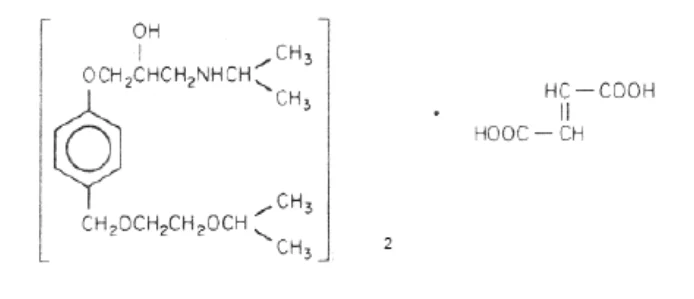
Molecular formula: (C18 H31NO4 )2 · C4H4O4
Molecular weight: 766.97 g/mol
Description: White crystalline powder
pH values: pH of a 5% Solution: 6 - 7
pKa: The pKa value for bisoprolol free base is 9.5 by potentiometric titration. The pKa values for fumaric acid are 3.03 and 4.44.
Melting point: 100 - 103°C by the capillary method.
Specific rotation: Bisoprolol fumarate is a racemic mixture of S (-) and R (+) enantiomers. In assay of bulk material, the specific rotation was zero, within the error of measurement.
Partial coefficients:
pH Partition Coefficient in Octanol/Buffer System:
Apparent Partition
Buffer pH
Coefficient
2.0
0.24
3.0
0.20
4.0
0.16
5.0
0.13
6.0
0.24
7.0
1.09
8.0
7.9
9.0
5.6
Solubilities:
Solvent
Solubility (g/mL)
Methanol
1
Water
0.6
Ethanol
0.5
Chloroform
0.5
Acetone
0.009
Ethylacetate
0.0016
CLINICAL TRIALS
Comparative Bioavailability Study
A randomized, two-way, single-dose (10 mg dose as 1 x 10 mg), crossover bioavailability study of APO-BISOPROLOL tablets (APOTEX Inc.) and Monocor® tablets (Biovail Pharmaceuticals) was conducted in healthy, adult, human subjects under fasting conditions. The comparative bioavailability data from the 24 subjects that were included in the statistical analysis are presented in the following table:
SUMMARY TABLE OF THE COMPARATIVE BIOAVAILABILITY DATA
Bisoprolol (1x10 mg) Geometric Mean Arithmetic Mean (CV%) | ||||
Bisoprolol (1x10 mg) Geometric Mean Arithmetic Mean (CV%) | ||||
| Parameter | Test1 | Reference2 | % Ratio of Geometric Means | 90% Confidence Interval |
| Parameter | Test1 | Reference2 | % Ratio of Geometric Means | 90% Confidence Interval |
AUCT (ng·h/mL) | 604.20 613.97 (18.66) | 609.02 619.00 (18.58) | 98.9 | 95.6-102.2 |
AUCI (ng·h/mL) | 634.00 645.79 (20.14) | 639.05 650.70 (19.61) | 98.8 | 95.4-102.4 |
Cmax (ng/mL) | 39.43 40.18 (19.91) | 39.45 40.11 (18.06) | 99.7 | 94.6-105.1 |
Tmax3 (h) | 3.00 (1.00 – 10.00) | 2.50 (1.00 – 5.00) | ||
T1/24 (h) | 10.66 (15.01) | 10.78 (14.98) | ||
1 PrAPO-BISOPROLOL (bisoprolol fumarate) tablets, 10 mg (APOTEX Inc.)
2 PrMonocor® (bisoprolol fumarate) tablets, 10 mg (Biovail Pharmaceuticals)
3 Expressed as the median (range) only
4 Expressed as the arithmetic mean (CV%) only
DETAILED PHARMACOLOGY
Human Pharmacology
β1-selectivity of bisoprolol fumarate has been demonstrated in both animal and human studies. No effects at therapeutic doses on β2-adrenoceptor density have been observed. Pulmonary function studies have been conducted in volunteers, asthmatics, and patients with chronic obstructive pulmonary disease (COPD) utilizing pulmonary function testing. Bisoprolol fumarate doses ranged from 5 to 60 mg, atenolol from 50 to 200 mg, metoprolol from 100 to 200 mg, and propranolol from 40 to 80 mg. In some studies, slight, asymptomatic increases in airway resistance (AWR) and decreases in forced expiratory volume (FEV1) were observed with doses of bisoprolol fumarate 20 mg and higher, similar to the small increase in AWR also noted with the other cardioselective β-blockers. The changes induced by β-blockade with all agents were reversed by bronchodilator therapy.
Pharmacodynamics
Bisoprolol is a β1-selective-adrenoceptor blocking agent, lacking intrinsic stimulating and relevant membrane stabilising activity. It only shows very low affinity to the β2-receptor of the smooth muscles of bronchi and vessels as well as to the β2-receptors concerned with metabolic regulation. Therefore, bisoprolol is generally not to be expected to influence the airway resistance and β2-mediated metabolic effects. Its β1-selectivity extends beyond the therapeutic dose range. However, its β1-selectivity is not absolute and at doses greater than the maximum recommended of 10 mg, bisoprolol may also inhibit β2-adrenoreceptors.
The haemodynamic effects of bisoprolol are those that can be expected from β-adrenoceptor blockade. Besides the negative chronotropic effect resulting in a reduction in resting and exercise heart rate there is, as shown in acute studies with intravenous administration, a fall in resting and exercise cardiac output with only little change in stroke volume, and a small increase in right atrial pressure at rest or during exercise. The decrease in cardiac output correlates with the heart rate reduction, and the observed increases in total peripheral resistance and pulmonary arterial resistance after acute administration are considered to be due to reflex autonomic changes resulting from the negative chronotropic and slight negative inotropic effects.
Acute intravenous administration of 10 mg bisoprolol to hypertensive patients reduced glomerular filtration rate (GFR), renal blood flow (RBF) and plasma renin activity (PRA) whereas the renal vascular resistance was reduced after short-term treatment (10 mg bisoprolol taken orally for 4 weeks) with no significant changes in RBF, GFR or PRA. Adrenaline (epinephrine) and noradrenalin (norepinephrine) levels also remained unaffected after the 4-week treatment in hypertensive patients.
Bisoprolol shows the same pattern of cardiac electrophysiologic effects as other β-adrenoceptor blocking agents. It acts on those parts of the conduction system that are influenced by the sympathetic nervous system. In electrophysiological studies it reduced heart rate, prolonged sinoatrial (SA) and atrioventricular (AV) nodal conduction, and prolonged the refractory periods of the SA and AV node. There was no statistically significant effect on atrial effective refractory period in patients with a history of syncope or cardiac arrhythmias. However, in patients with coronary artery disease, there was a small significant increase in right atrial effective and functional refractory periods. Right ventricular effective refractory period was temporarily prolonged during a study in patients with coronary artery disease, but the clinical relevance of the small increase is uncertain. RR and PR intervals were increased and QTc intervals reduced but all parameters remained within normal limits after bisoprolol.
Pharmacokinetics
Absorption: Bisoprolol is almost completely (>90%) absorbed from the gastrointestinal tract and, because of its small first pass metabolism of about 10% to 15%, has an absolute bioavailability of about 85 to 90% after oral administration. The bioavailability is not affected by food. The drug shows linear kinetics and the plasma concentrations are proportional to the administered dose over the dose range 5 to 20 mg. Peak plasma concentrations occur within 2 to 3 hours.
Distribution: Bisoprolol is extensively distributed. The volume of distribution is 3.5 L/kg. Binding to plasma proteins is approximately 35%; uptake into human blood cells was not observed.
Metabolism: In humans, only oxidative metabolic pathways have been detected with no subsequent conjugation. All metabolites, being very polar, are renally eliminated. The major metabolites in human plasma and urine were found to be without pharmacological activity. In vitro data from studies in human liver microsomes show that bisoprolol is primarily metabolized via CYP3A4 (~95%) with CYP2D6 having only a minor role. The minor contribution of CYP2D6 to the metabolism of bisoprolol observed in vitro is consistent with the in vivo data in extensive and restricted debrisoquine metabolisers, which showed no difference between the two groups of metabolisers. Bisoprolol is a racemate consisting of the R and S enantiomers. The intrinsic clearance by human recombinant CYP3A4 appears to be non-stereoselective while the metabolism by CYP2D6 is stereoselective (R/S =1.50).
Elimination: The clearance of bisoprolol is 'balanced' between renal elimination of the unchanged drug (~50%) and hepatic metabolism (~50%) to metabolites which are also renally excreted. The total clearance of the drug is 15.6 ± 3.2 L/h with renal clearance being 9.6 ± 1.6 L/h. In a study with
14C-labelled bisoprolol the total urinary and fecal excretion was 90 ± 2.7% and 1.4 ± 0.1% of the dose, respectively (mean ± SEM recoveries of the total dose within 168 hours). Bisoprolol has an elimination half-life of 10 to 12 hours.
Renal Impairment: Since the clearance of bisoprolol is balanced between renal elimination of the unchanged drug (~50%) and hepatic metabolism (~50%), the plasma accumulation factor of bisoprolol in patients with either complete renal or hepatic impairment should not exceed 2. In a study in patients with a mean creatinine clearance of 28 mL/min the plasma accumulation factor was less than 2, and it has been shown that as the creatinine clearance falls the AUC increases as does the t1/2 and Cmax. According to these studies in patients with renal impairment no dosage adjustment is normally required up to the maximum dose of 10 mg bisoprolol.
Hepatic Impairment: There were no clinically relevant differences in the pharmacokinetics of bisoprolol between patients with normal or impaired hepatic function. Thus, dose reduction is not required in patients with mild or moderate liver disease. Renal function should be monitored in patients with severe liver disease, since renal impairment may develop and require dose reduction up to the maximum dose of 10 mg bisoprolol.
Chronic Cardiac Failure: In a small sub study of the CIBIS II study in patients with CHF (NYHA III) on 10 mg bisoprolol, the steady state AUC was greater, the T1/2 longer (17 ± 5 hours) and the clearance lower than in healthy volunteers, the values being similar to those observed in patients with renal impairment. Bisoprolol pharmacokinetics in patients with CHF and concomitant impaired liver and/or renal function have not been studied, however dose reduction may be required in such patients.
Elderly: Some pharmacokinetic parameters (t1/2, AUC, Cmax) have been found to be greater in the elderly compared to younger adults which appears to be due to a reduction in renal clearance in the elderly. However, the pharmacokinetic differences between younger adults and the elderly are unlikely to be clinically significant, and based on age alone no dosage adjustments are required.
Following oral administration of bisoprolol fumarate 5 mg to healthy subjects under fasting conditions, a mean peak plasma concentration (Cmax) of Bisoprolol of approximately 21.6 ng/mL was achieved within approximately 1.6 hours (Tmax).
TOXICOLOGY
Toxicology studies in animals have established that bisoprolol fumarate has a wide margin of safety.
In multiple-dose studies in the rat and dog, findings were related to pharmacologic effects and/or were class effects known to occur with other β-blockers and thus were not specific to bisoprolol fumarate. In the rat, at high multiples of human therapeutic doses, increased serum triglycerides, focal myocardial necrosis, increased heart weight/size, and pulmonary phospholipidosis were observed. In the dog, the tolerance threshold for bisoprolol fumarate was determined by its pharmacologic actions (i.e., hypotension) which resulted in lethality. Increases in serum triglycerides and hepatocyte inclusion bodies were also seen in dogs.
Acute Toxicity
The acute toxicity of bisoprolol fumarate was studied in mice, rats, and dogs. Tables 4A and 4B below summarize the results of the studies performed:
Table 4A - Acute Toxicity - Bisoprolol Fumarate Alone
| Species/Strain | No./Sex/Dose | Route | LD50 (mg/kg) |
Mice: EMD: NMRI (SPF) | 50M 50F | PO | 730 |
Mice: EMD: NMRI (SPF) | 35M 35F | IV | 130 |
Rat: EMD: Wistar-AF/ (SPF) | 45M 45F | PO | 1112 |
Rat: EMD: Wistar-AF/ (SPF) | 35M 35F | IV | 50 |
Dog: BMD: Beagle | 24M 24F | PO | 90 |
Dog: BMD: Beagle | 20M 20F | IV | 24 |
Table 4B - Acute Toxicity - Bisoprolol Fumarate/HCTZ (1:2.5 Combination)
| Species/Strain | No./Sex/Dose | Route | LD50 BIS+HCTZ (mg/kg) |
|---|---|---|---|
| Mouse: EMD: NMRI (SPF) | 150M 150F | PO Gavage | 1050+2620 |
Rat: EMD: Wistar-AF/ (SPF) | 15M 15F | PO Gavage | 950+2370 |
Clinical signs in mice and rats were reduced spontaneous activity, prone position, and dyspnea. In mice, convulsions and tremor were also observed. Dogs were more sensitive to bisoprolol fumarate than rodents. Clinical signs in dogs were staggering, salivation, vomiting, prone or lateral position, dyspnea, convulsions, and tonic spasms. In all three species, clinical signs were seen soon after dosing and subsided rapidly in animals that survived. Delayed effects were not observed.
LD50's of the S (-)-enantiomer in mice and rats were similar to or greater than LD50's for bisoprolol fumarate (racemate).
Clinical signs in mice and rats were reduced spontaneous activity, twitching, prone position, trembling, dyspnea, and piloerection. In both species, clinical signs were seen soon after dosing. Clinical signs subsided rapidly in mice that survived, but were seen up to day 6 in rats that survived. There was no potentiation of the acute toxicity of bisoprolol fumarate when it was given in combination with hydrochlorothiazide in mice or rats.
Multiple Dose Toxicity
The toxicity of bisoprolol fumarate was studied using daily oral doses in rats for 6 weeks, and 3, 6, and 12 months, and in dogs for 1, 6 and 12 months.
A 1-month daily IV dosing study was conducted in rats and dogs. The toxicity of bisoprolol fumarate in combination with hydrochlorothiazide was studied in each species using daily oral dosing for 6 months.
The results of the studies performed are displayed in tables 4A and 4B below.
Myocardial Necrosis
A listing of the myocardial necrosis studies performed can be found in tables 5A and 5B. Minimal focal myocardial necrosis and/or fibrosis, accompanied by varying amounts of inflammatory infiltrates were seen in myocardial sections of both control and treated male (but not female) animals in the 6-month study of bisoprolol fumarate in combination with hydrochlorothiazide. In general, the focal myocardial changes in control and treated rats did not differ in morphology, severity, or location in the myocardium. Group incidence rates appeared to be higher in the active treatment groups than in the controls.
Cardioactive drugs, as a pharmacologic class, are known to produce myocardial changes in rats (Van Vleet and Ferrans, 1986) and minimal focal myocardial necrosis and/or fibrosis is commonly seen in untreated male rats (Boorman, 1981; Greaves and Faccini, 1984). Results of the two 3-month rat studies indicated the following: (1) High multiples of human therapeutic doses of bisoprolol fumarate, metoprolol, and hydrochlorothiazide alone and in combination increased the group incidence of focal myocardial necrosis/fibrosis in male rats. (2) When bisoprolol fumarate was given in combination with hydrochlorothiazide, the group incidence of focal myocardial necrosis/fibrosis appeared slightly higher than when each agent was given alone. (3) Myocardial changes described have the same morphology and severity in control and drug-treated groups.
Table 5A - Subacute and Chronic Toxicity: Bisoprolol Fumarate Alone
| Species/Strain | No./Sex/ Dose | Route | Dose Group (mg/kg/day) | Duration (weeks) | Results |
|---|---|---|---|---|---|
| Species/Strain | No./Sex/ Dose | Route | Dose Group (mg/kg/day) | Duration (weeks) | Results |
| Rat: Wistar-AF HAN/SPF | 10 | PO - Gavage | 0, 20, 60, 180, 540 | 6 | -Dose dependent increase in serum triglycerides at 60-540 mg/kg/day. -Increased incidence of pulmonary phospholipidosis at ≥180 mg/kg/day. Changes were reversible following cessation of treatment. -Adrenal cortical nodules observed in all of F. |
| Rat: Wistar-AF HAN/SPF | 10 | PO - Diet | 0, 100, 150, 225, 350, 500 | 13 | -Increased heart weight, circumference and volume. Increased left ventricular volume and surfacea. -Increased incidence of phospholipidosis ≥225 mg/kg/day. -Adrenal cortical nodules observed in all treated F. |
| Rat: Wistar-AF HAN/SPF | 25 | PO - Gavage | 0, 15, 50, 150 | 26 with 4 week recovery | -Dose dependent increase in serum triglycerides at 50-150 mg/kg/day. -Increased heart weight, volume and circumference. Increase in left ventricular volume and surfacea. -Adrenal cortical nodules observed in all of F. |
| Rat: Wistar-AF HAN/SPF | 20 | PO - Diet | 0, 25, 75, 225 | 52 (with 13 week recovery) | -Increased heart weight, volume and circumference. Increase in left ventricular volume and surfacea. |
| Rat: Wistar-AF HAN/SPF | 12 | IV | 0, 0.2, 1, 5 | 4 (with 4 week recovery) | -No drug related deaths or antemortem or post mortem findings. |
| Dog: Beagle | 3 | PO- Capsule | 0, 3, 10, 30, 100 | 4 | -Tremors, lethargy and transient bradycardia at 100 mg/kg/day. -1 death at 100 mg/kg/dayb. -Salivation and vomiting up to 3 hrs post-dosing at 100 mg/kg/day. |
| Dog: Beagle | 8 6 6 8 | PO- Capsule | 0 10 27 73 | 26 (with 8 weeks recovery) | -12 Deaths at 73 mg/kg/dayb. -Salivation, vomiting, tremor, staggering and lethargy at ≥27 mg/kg/day. -Slight reduction in mean systolic BP and HR in all test groups. -Hepatocyte inclusion bodies at ≥27 mg/kg/day. |
| Dog: Beagle | 6 | PO- Capsule | 0, 3, 10, 30 | 52 (with 8 weeks recovery) | -1 death at 30 mg/kg/dayb. -Salivation and emesis up to 3 hours after closing at 30 mg/kg/day. -Mean HR increase at all doses. -Hepatocyte inclusion bodies in control and test groups. |
| Dog: Beagle | 2 | IV | 0, 1, 3, 10 | 4 | -No death or toxicity. |
| Dog: Beagle | 5 or 8 | PO- Capsules | 0, 3, 10, 30 | 52 | -10 deaths at 30 mg/kg, 1 death at 10 mg/kg. -Salivation emesis, lacrimation, soft stool at all test doses. -Serum triglycerides increase in at all test doses. |
| Dog: Beagle | 5 or 8 | PO- Capsules | 20, 30 | 52 | -4 deaths at ≥20 mg/kg/day. -Prolonged PR interval, primary AV block and atrial and ventricular premature complexes in all surviving animals. -Salivation, emesis, lacrimation, soft stool in both test groups. -Increased serum triglycerides. |
Table 5B - Subacute and Chronic Toxicity: Bisoprolol Fumarate and HCTZ in a 1:25 Ratio
| Species/Strain | No./Sex/ Dose | Route | Dose Group BIS+HCTZ (mg/kg/day) | Duration (weeks) | Results |
|---|---|---|---|---|---|
| Rat: Wistar-AF HAN/SPF | 1510 | PO - Gavage | 0 10.5 (3+7.5) 35 (10+25) 105 (30+75) 7.5 (HCTZ alone) 75 (HCTZ alone) | 26 (with 8 wks recovery) | -HR decreased at 10:25 mg/kg/day. -Burrowing and salivation at 10:25 and 30:75 mg/kg/day. -Minimal focal myocardial necrosisa and/or fibrosis, with varying amounts of inflammatory infiltrates in control and treated males. -Group incidence rates for focal myocardial changes appear to be higher in animals given bisoprolol fumarate alone, HCTZ alone or the combination than in the controls. |
| Dog: Beagle | 5 | PO - Capsule | 0 10.5 (3+7.5) 35 (10+25) 25 (HCTZ alone) | 26 (with 8 wks recovery) | -Slight decrease in the HR and slight prolongation of PQ interval at 3:7.5 and 10:25 mg/kg/day. -Sporadic changes in organ weight. -Increase in single cell hepatocellular necrosis seen at 10:25 mg/kg/day and HCTZ groups. -Increase in binucleated hepatocytes in the 10:25 mg/kg/day group. -Single cell hepatocellular necrosis was the only histopathological change seen after recovery. |
(a) regarding myocardial necrosis please see Table 6A and 6B
(b) cardiovascular collapse due to impulse formation and conduction disturbances
Table 6A
Myocardial Necrosis in Studies with Bisoprolol Fumarate and Bisoprolol/Hydrochlorothiazide (1:2.5) Combination in Male Rats
| Study | Summary Incidence of Myocardial Necrosis | |||
| Dose (mg/kg): | 0 | 15 | 50 | 150 |
| 3 Months Bisoprolol | 1/5 | 1/5 | 2/5 | 2/5 |
| 6 Months Bisoprolol | 6/10 | 3/10 | 5/10 | 7/10 |
6 Months Bisoprolol with 2 Months Recovery | 3/10 | 3/10 | 0/10 | 3/10 |
| Study | Summary Incidence of Myocardial Necrosis | |||||
Dose (mg/kg): Bisoprolol Hydrochlorothiazide | 0 0 | 3 7.5 | 10 25 | 30 75 | 0 7.5 | 0 75 |
| 6 Months Bisoprolol | 1/10 | 5/10 | 6/10 | 7/10 | 2/5 | 2/5 |
6 Months Bisoprolol with 2 Months Recovery | 1/5 | - | - | 2/5 | - | 2/5 |
| Study | Summary Incidence of Myocardial Necrosis | |||
| Dose (mg/kg): | 0 | 25 | 75 | 225 |
| 12 Months Bisoprolol | 5/10 | 8/10 | 5/10 | 7/10 |
12 Months Bisoprolol with 3 Months Recovery | 5/10 | 4/10 | 4/10 | 5/10 |
Table 6B
Myocardial Necrosis in 3-Month Studies with Bisoprolol fumarate Metoprolol and Hydrochlorothiazide in Male Rats
| Summary Incidence of Myocardial Necrosis | ||||
|---|---|---|---|---|
| Group | Control | Bisoprolol Fumarate | Hydrochlorothiazide | Bisoprolol Fumarate+ Hydrochlorothiazide |
| Dose (mg/kg) | 0 | 30 | 75 | 30 + 75 |
| Incidence | 5/20 | 8/20 | 6/20 | 12/10 |
| Group | Control | Metoprolol | Hydrochlorothiazide | Metoprolol+ Hydrochlorothiazide |
| Dose (mg/kg) | 0 | 300 | 150 | 300 + 150 |
| Incidence | 2/20 | 16/20 | 9/20 | 14/20 |
In conclusion, bisoprolol fumarate and metoprolol, alone or in combination with hydrochlorothiazide, and hydrochlorothiazide alone are associated with an increased incidence of minimal myocardial changes in male rats given high multiples of human therapeutic doses. These myocardial changes are not severe and the effect is species-and sex-specific. The myocardial changes discussed above are most likely a class effect, probably due to the exaggerated pharmacologic actions of these drugs at high doses. Metoprolol has been marketed and used clinically for more than 10 years, hydrochlorothiazide for more than 20 years, and fixed combinations of metoprolol and hydrochlorothiazide for several years. Therefore, the myocardial findings in these studies are not considered to indicate any potential risk for man.
Carcinogenicity
Long-term studies were conducted with oral bisoprolol fumarate administered in the feed of mice (20 and 24 months) and rats (26 months). No evidence of carcinogenic potential was seen in mice dosed up to 250 mg/kg/day or rats dosed up to 123 mg/kg/day. On a body-weight basis, these doses are 625 and 312 times, respectively, the maximum recommended human dose (MRHD) of 20 mg, (or 0.4 mg/kg/day based on a 50 kg individual); on a body-surface-area- basis, these doses are 59 times (mice) and 64 times (rats) the MRHD.
Teratology and Reproduction
In reproductive toxicology studies in rats, bisoprolol fumarate had no effect on fertility or general reproductive performance. Bisoprolol fumarate, like other β-blockers, caused maternal and embryotoxic effects at high doses, but was not teratogenic in either rats or rabbits. In a perinatal and postnatal study in rats, maternal toxic effects and reduced birth weight were observed at the high dose, but no other effects on reproductive performance were seen.
Bisoprolol fumarate was fetotoxic (increased late resorptions) at 50 mg/kg/day and maternotoxic (decreased food intake and body weight gain) at 150 mg/kg/day. The fetotoxicity in rats occurred at 125 times the MRHD on a body-weight-basis and 26 times the MRHD on the basis of body-surface area. The maternotoxicity occurred at 375 times the MRHD on a body- weight basis and 77 times the MRHD on the basis of body-surface area. In rabbits, bisoprolol fumarate was not teratogenic at doses up to 12.5 mg/kg/day, which is 31 and 12 times the MRHD based on body-weight and body-surface-area, respectively, but was embryolethal (increased early resorptions) at 12.5 mg/kg/day.
Mutagenicity
The mutagenic potential of bisoprolol fumarate was evaluated in the microbial mutagenicity (Ames) test, the point mutation and chromosome aberration assays in Chinese hamster V79 cells, the unscheduled DNA synthesis test, the micronucleus test in mice, and cytogenetics assay in rats. There was no evidence of mutagenic potential in these in vitro and in vivo assays.
SUPPORTING PRODUCT MONOGRAPHS
- 1. PrSandoz Bisoprolol Tablets (Bisoprolol fumarate tablets), submission control No. 243497, Product Monograph, Sandoz Canada Inc., Date of Revision: January 3, 2024.
- 2. Monocor (bisoprolol fumarate tablets), Product Monograph, Biovail Pharmaceuticals, a Division of Biovail Corporation, Canada. October 11, 2002